
Biologist with a special interest in human genetics and neurodevelopmental disorders. Postdoctoral researcher in the Breen Lab @IcahnMountSinai @SeaverAutism
Joined June 2018
- Tweets 151
- Following 434
- Followers 194
- Likes 1,130
14 Photos and videos

Pinned Tweet

27 Jun 2024
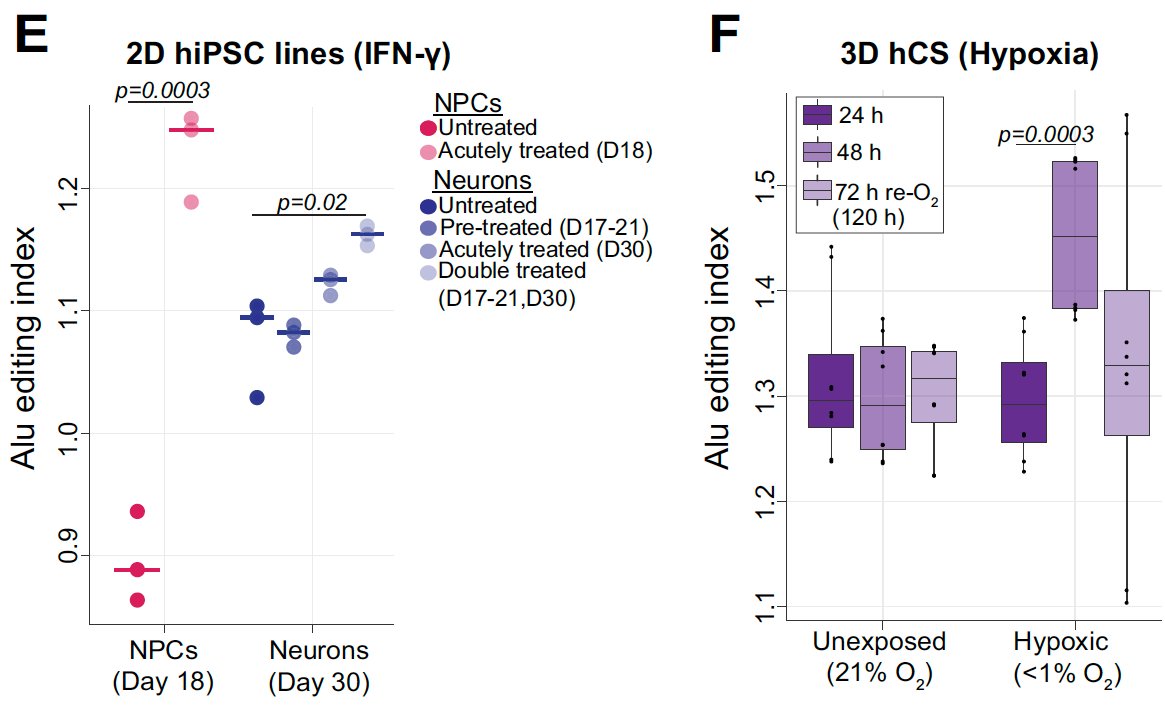
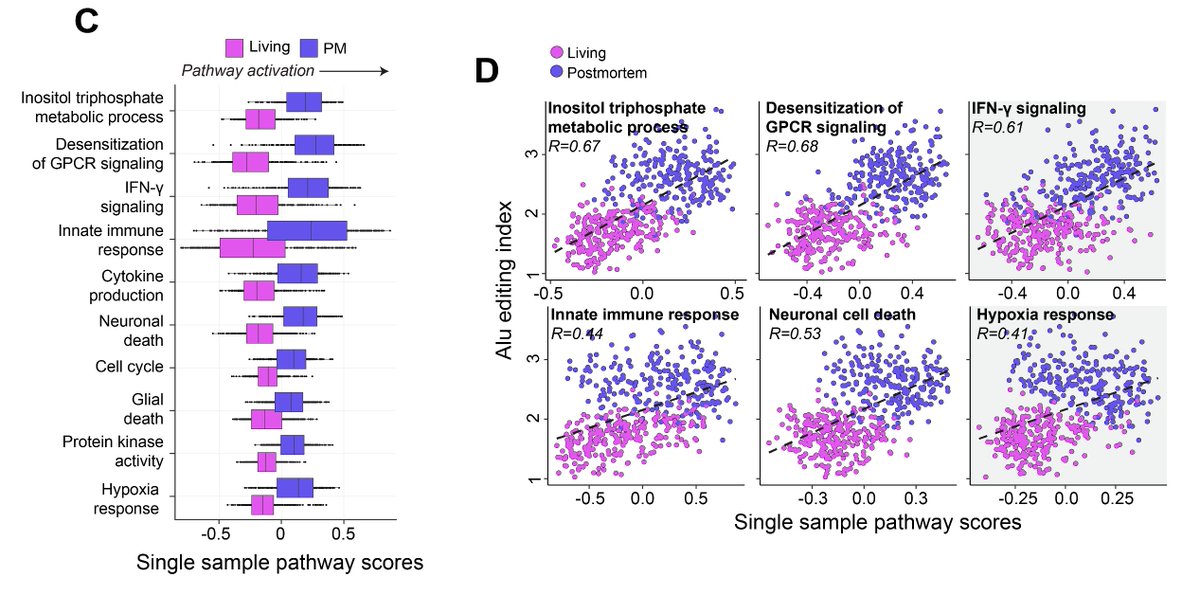
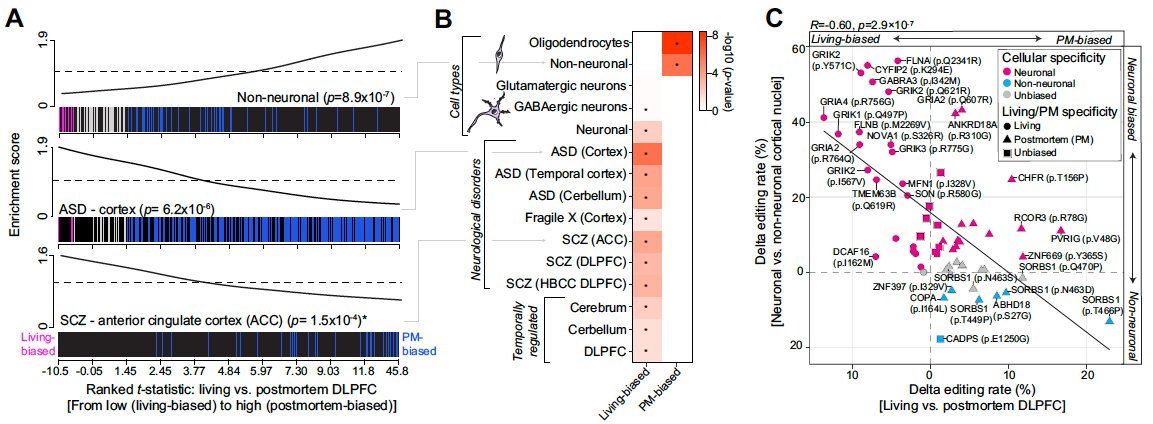
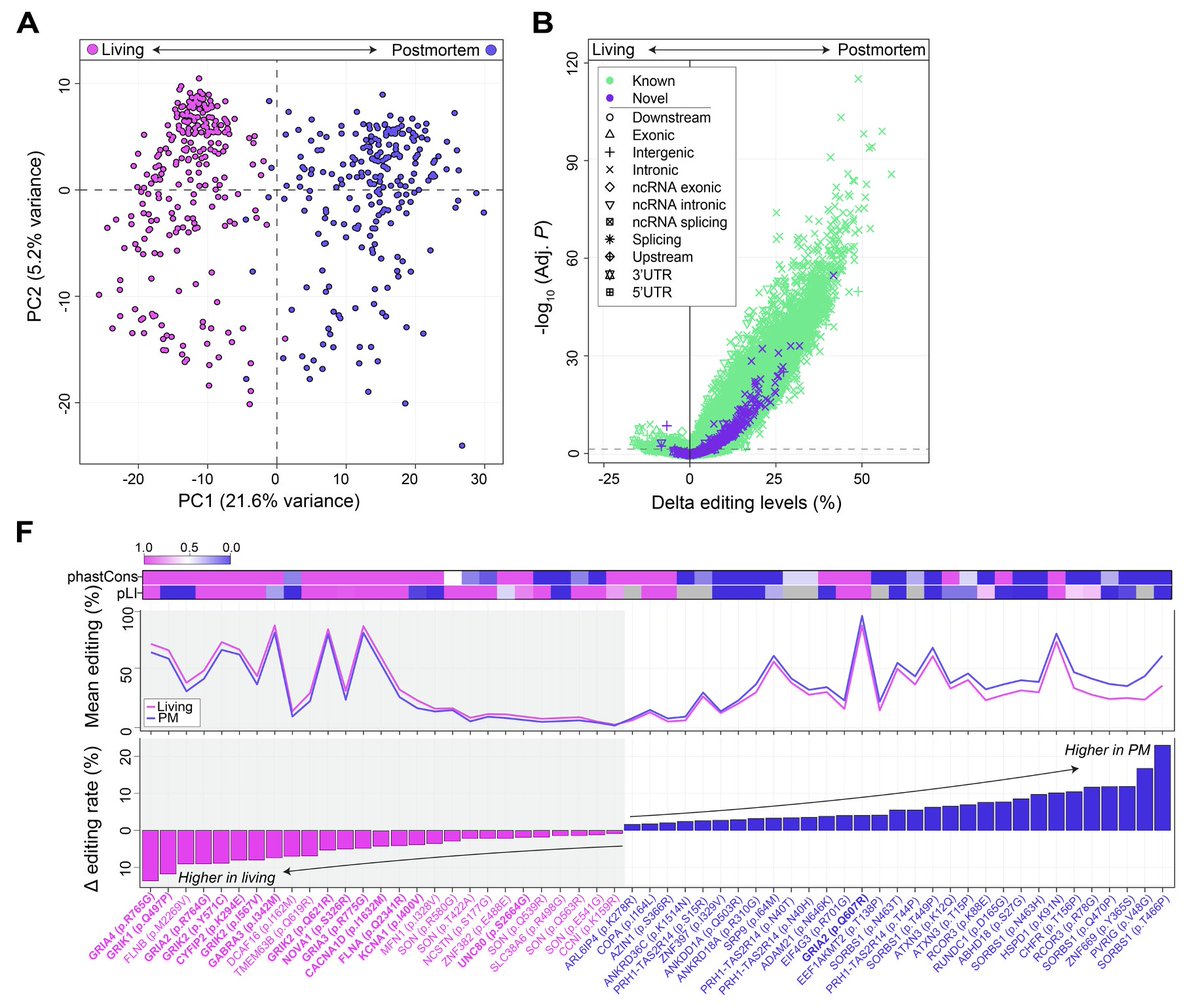
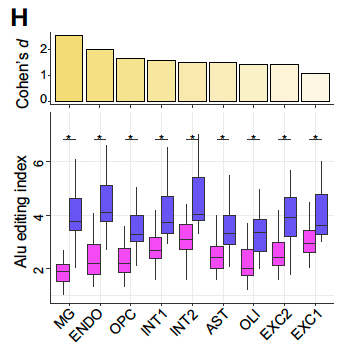
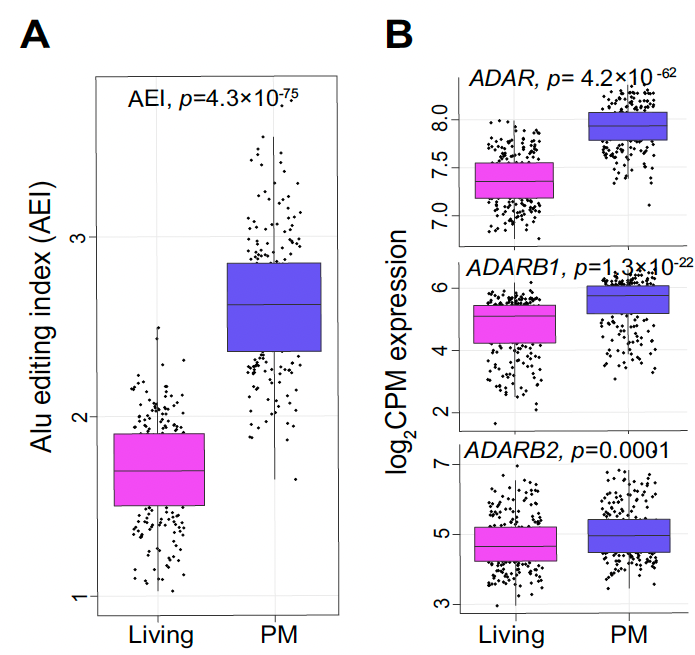
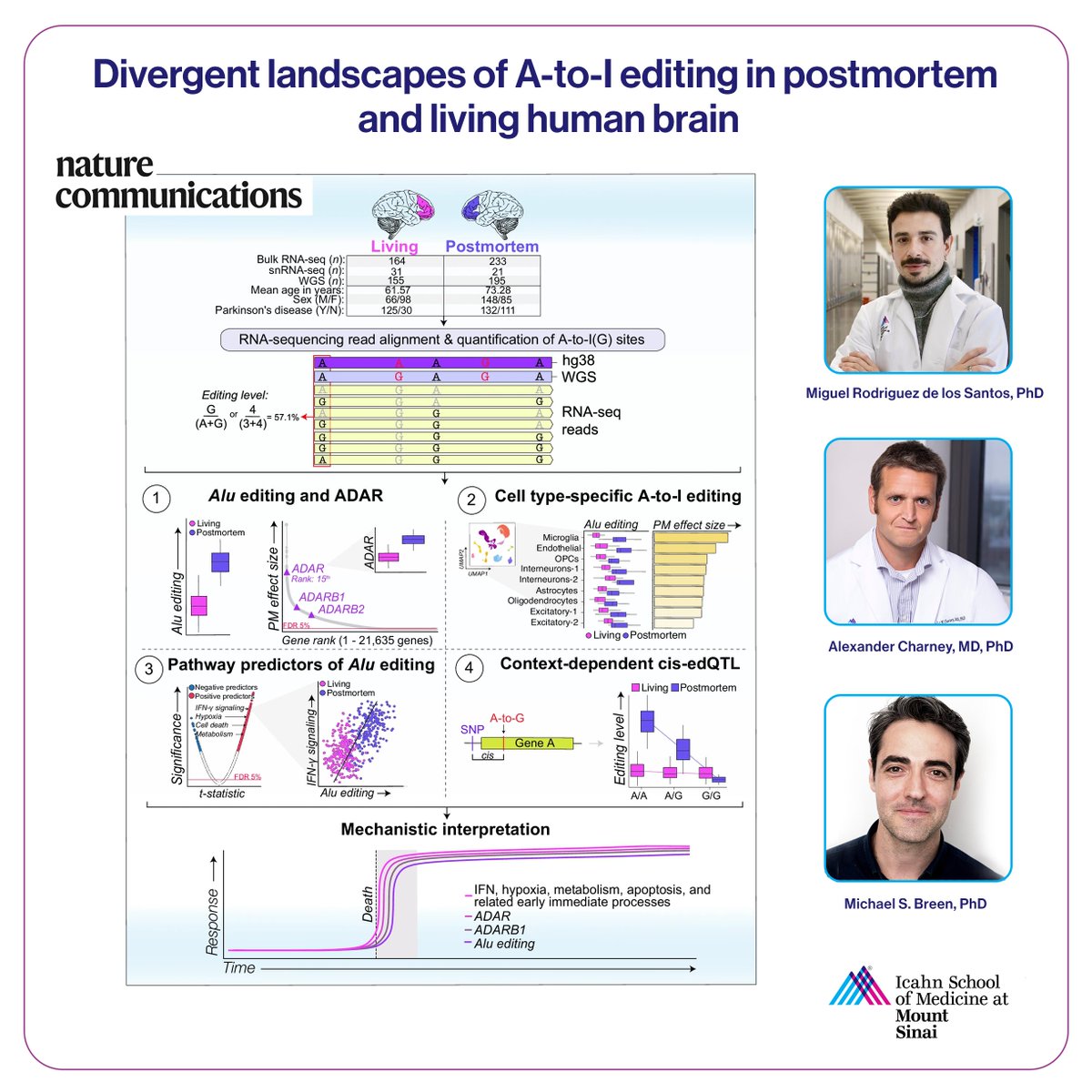
My first first-author publication as a postdoc “Divergent landscapes of A-to-I editing in postmortem and living human” is finally out in #NatureCommunications. 🤩
Scroll down for the most important insights. (1/11) doi.org/10.1038/s41467-024-4…
2
5
21
5,518
Miguel Rodríguez de los Santos retweeted

In 20 anni di congressi ho assistito a due standing ovation. La prima per un farmaco che ho contribuito a sviluppare. La seconda adesso.
179
1,319
9,280
2,644,948
Miguel Rodríguez de los Santos retweeted

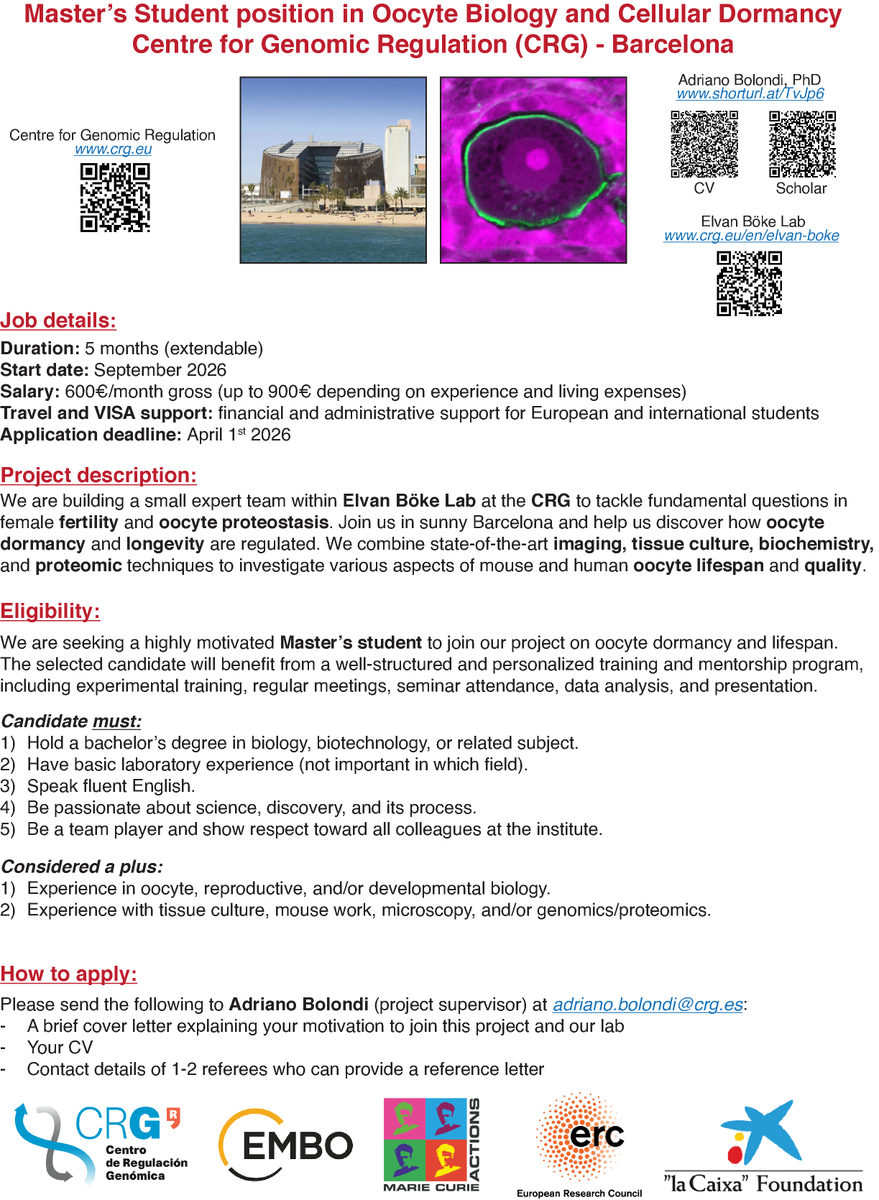
🚨JOB ALERT🚨PLEASE SPREAD and RT
Searching for a motivated Master’s student @LabBoke @CRGenomica @the_prbb to investigate how proteostasis in oocytes influences dormancy and fertility.
Reach out to me (adriano.bolondi@crg.es) to join us in sunny Barcelona!
See details below👇
28
47
12,638
26 Aug 2025
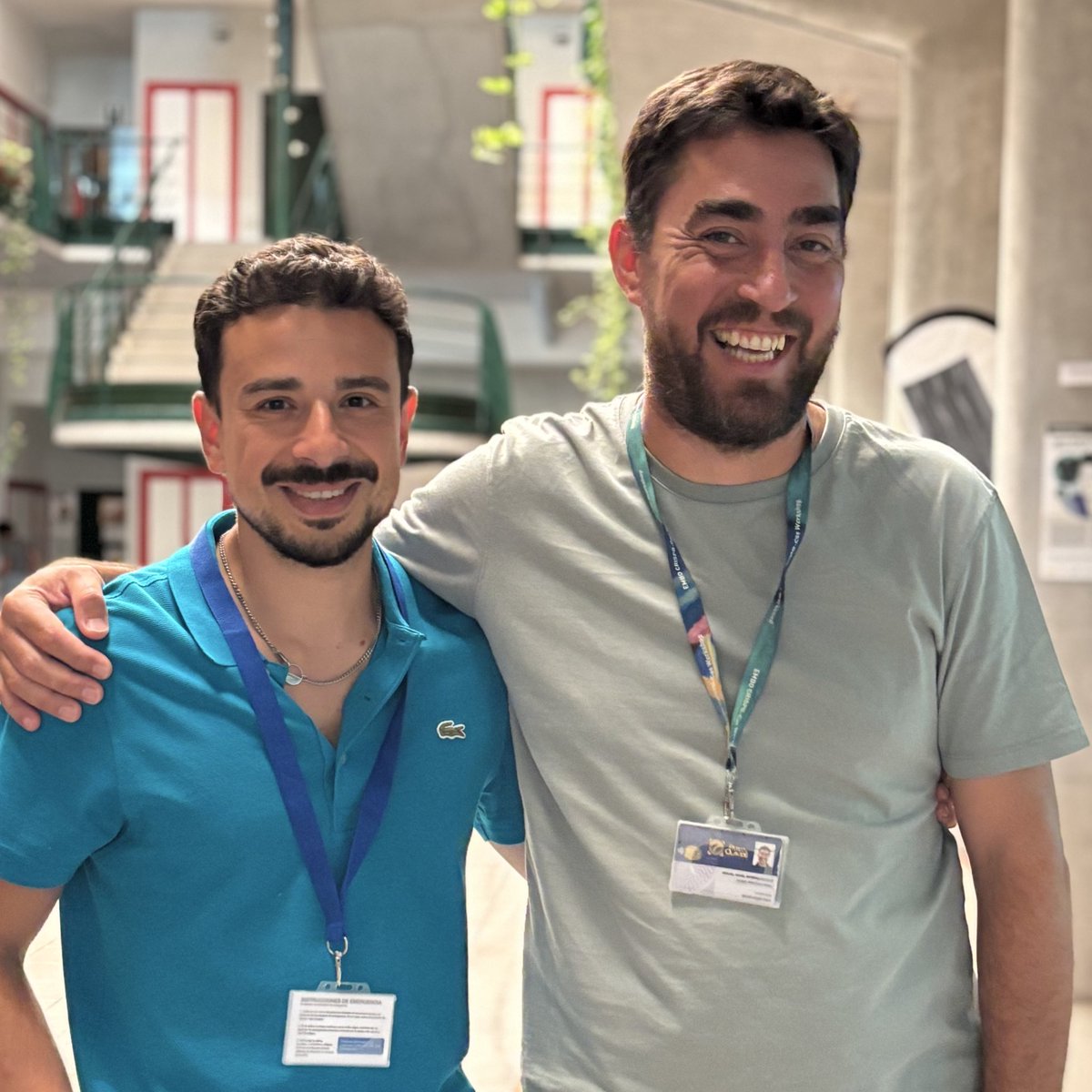
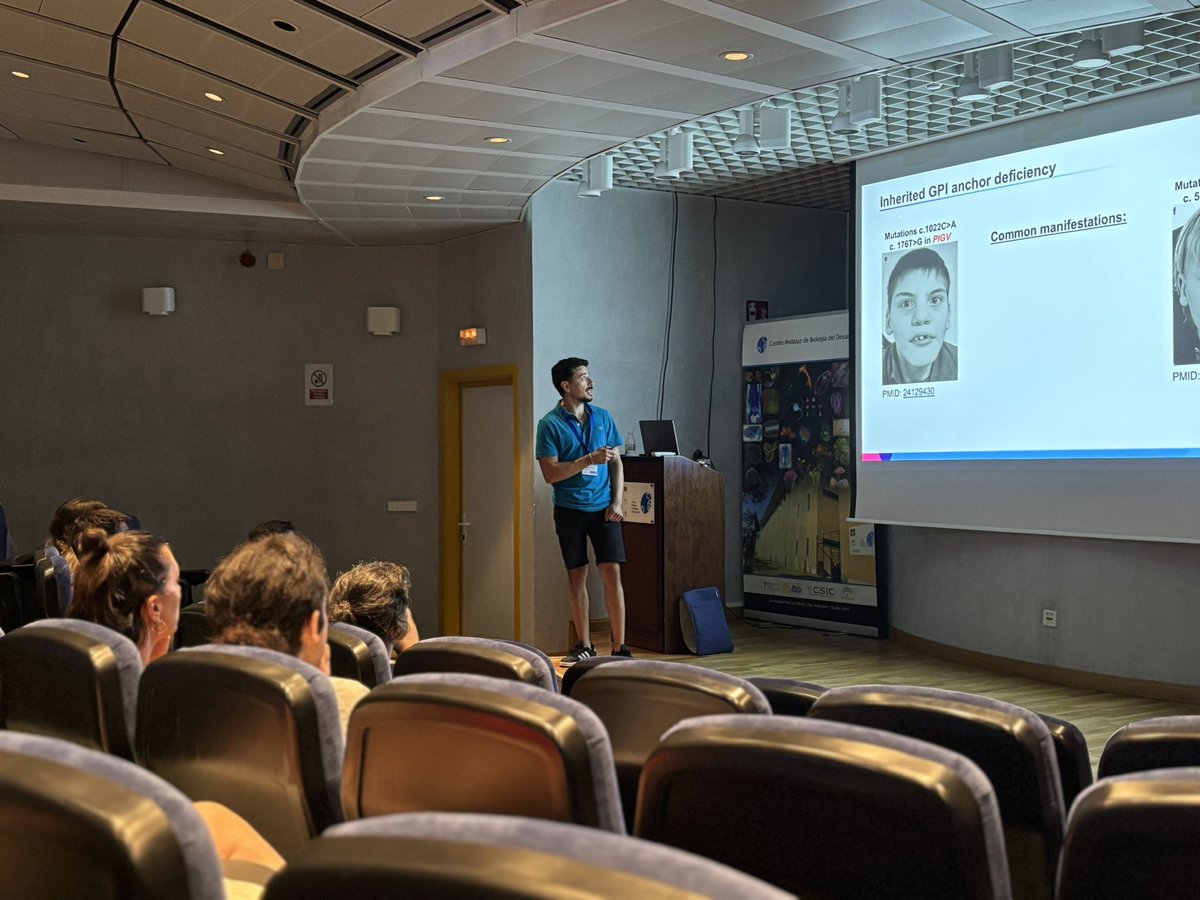
Thank you for inviting me @crisprscan @CABD_UPO_CSIC , it was a pleasure to share some insights about my research and to exchange ideas.

Great start of the #CABDseminars 2025/2026 with the talk of @RodrigMig!
Dr. Rodriguez gave an insight of the studies from his PhD and Postdoc work focused on rate diseases. He was invited by @crisprscan
Thanks for coming Miguel!
2
430
Miguel Rodríguez de los Santos retweeted

25 Jul 2024
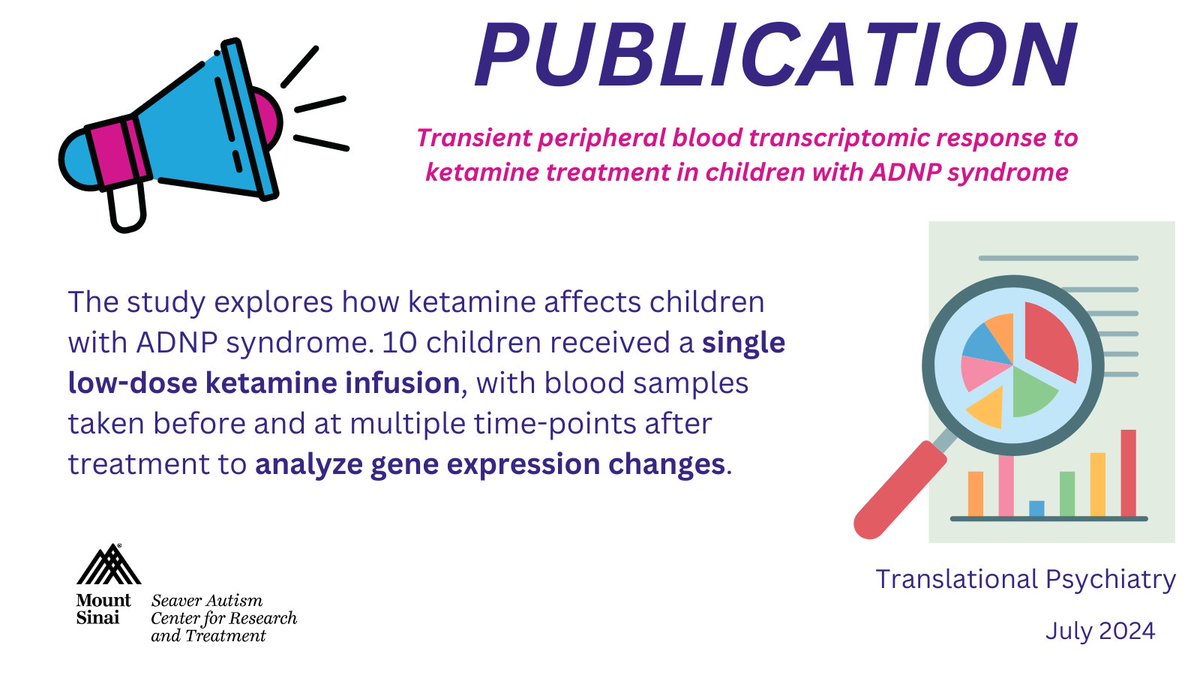
Our recent work with @SeaverAutism evaluating peripheral transcriptomic effects of #ketamine in children with #ADNP syndrome. @MountSinaiPsych @SinaiGenetics @SinaiBrain
nature.com/articles/s41398-0…
25 Jul 2024

New study from the #SeaverTeam! Ketamine significantly alters gene expression, especially in immune and inflammatory genes, shedding light on its therapeutic effects on the peripheral immune system. #autism #ADNP
nature.com/articles/s41398-0…
1
3
8
1,165
9 Jul 2024
Microglia cells adapt to the circadian rhythm by going through transcriptional, proteomic and phenotypic alterations. Mattei et al. convincingly suggest: Mind the time, when you study #Microglia!!Wonderful work @DanieleMattei4 👏
8 Jul 2024

Mind The Time! What time do you collect #microglia from your preclinical model for downstream analyses? Microglia undergo #transcriptional, #proteomic and #functional adaptations to the wake and sleep phases🧵sciencedirect.com/science/ar…
1
215
Miguel Rodríguez de los Santos retweeted

8 Jul 2024
EXCITING NEW STUDY by @IcahnMountSinai's @RodrigMig @panos_roussos @aw_charney @breenPsychGene, et al. shows major differences in RNA editing btwn living & postmortem human brains! Discovery may play significant role in treating brain diseases @NatureComms nature.com/articles/s41467-0…
6
11
1,137
Miguel Rodríguez de los Santos retweeted

A Mount Sinai study reveals major differences in #RNA editing between postmortem and living prefrontal cortex brain tissues, shaping the development of diagnostics and therapies for #brain diseases: mshs.co/3RRdChU
@breenPsychGene @RodrigMig @aw_charney @MtSinaiNeuromod
3
10
1,116
Miguel Rodríguez de los Santos retweeted
27 Jun 2024
Our new article on A-to-I editing reveals differences in editing levels between postmortem and living brain tissues. Led by @RodrigMig & the Living Brain Project team: nature.com/articles/s41467-0…
#RNAediting #ADAR #RNA @SinaiGenetics @IcahnMountSinai @MountSinaiPsych @SinaiBrain
27 Jun 2024

My first first-author publication as a postdoc “Divergent landscapes of A-to-I editing in postmortem and living human” is finally out in #NatureCommunications. 🤩
Scroll down for the most important insights. (1/11) doi.org/10.1038/s41467-024-4…
2
5
12
1,590
27 Jun 2024
My first first-author publication as a postdoc “Divergent landscapes of A-to-I editing in postmortem and living human” is finally out in #NatureCommunications. 🤩
Scroll down for the most important insights. (1/11) doi.org/10.1038/s41467-024-4…
2
5
21
5,518
27 Jun 2024
In conclusion, we were able to reveal differences in AtoI editing between living and postmortem brain driven by hypoxia and inflammation after organismal death. Our findings do not negate but instead, provide missing context for using postmortem brain tissues to study #RNAediting
1
3
157
27 Jun 2024
And last but not least: This study is part of the Living Brain Project at @IcahnMountSinai and would have not been possible with all the collaborators involved. I want to thank you for all the support. A special thank you goes to my supervisor and mentor @breenPsychGene
1
4
417
Miguel Rodríguez de los Santos retweeted
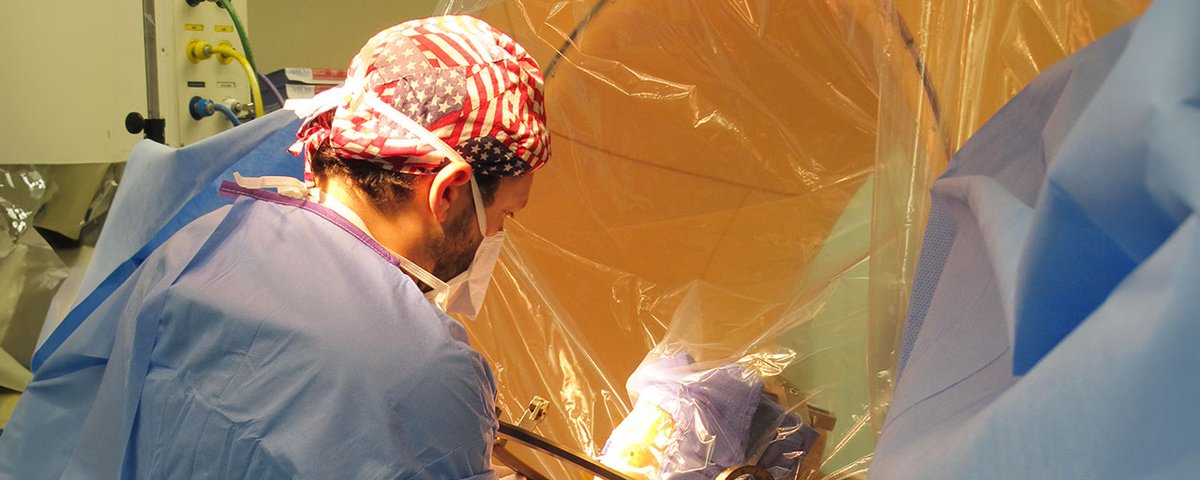
The Living Brain Project, led by Drs. Alexander Charney and Brian Kopell, has produced a large publicly available resource for studying the "living brain," providing researchers with a window into how our brains function at the most basic molecular level: mshs.co/3QNslKg.
1
14
26
4,198