Newsman @AP. At work on 'Sister Caldonia,' a novel. Founding editor @WegandaReview, curator of wegandagallery.com & collector of roduzacollection.com
Joined February 2010
- Tweets 936
- Following 1,115
- Followers 1,636
- Likes 65
39 Photos and videos

Pinned Tweet

3 Jul 2023
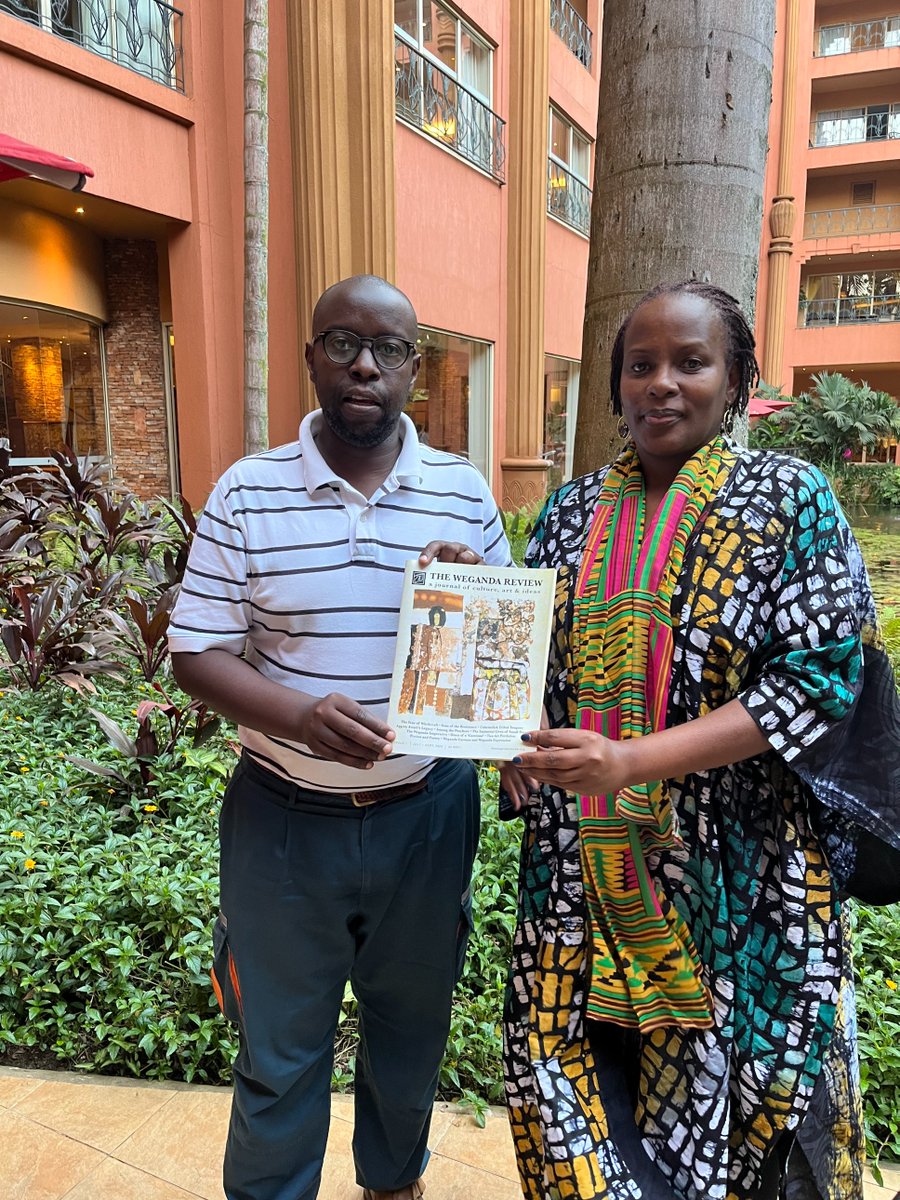
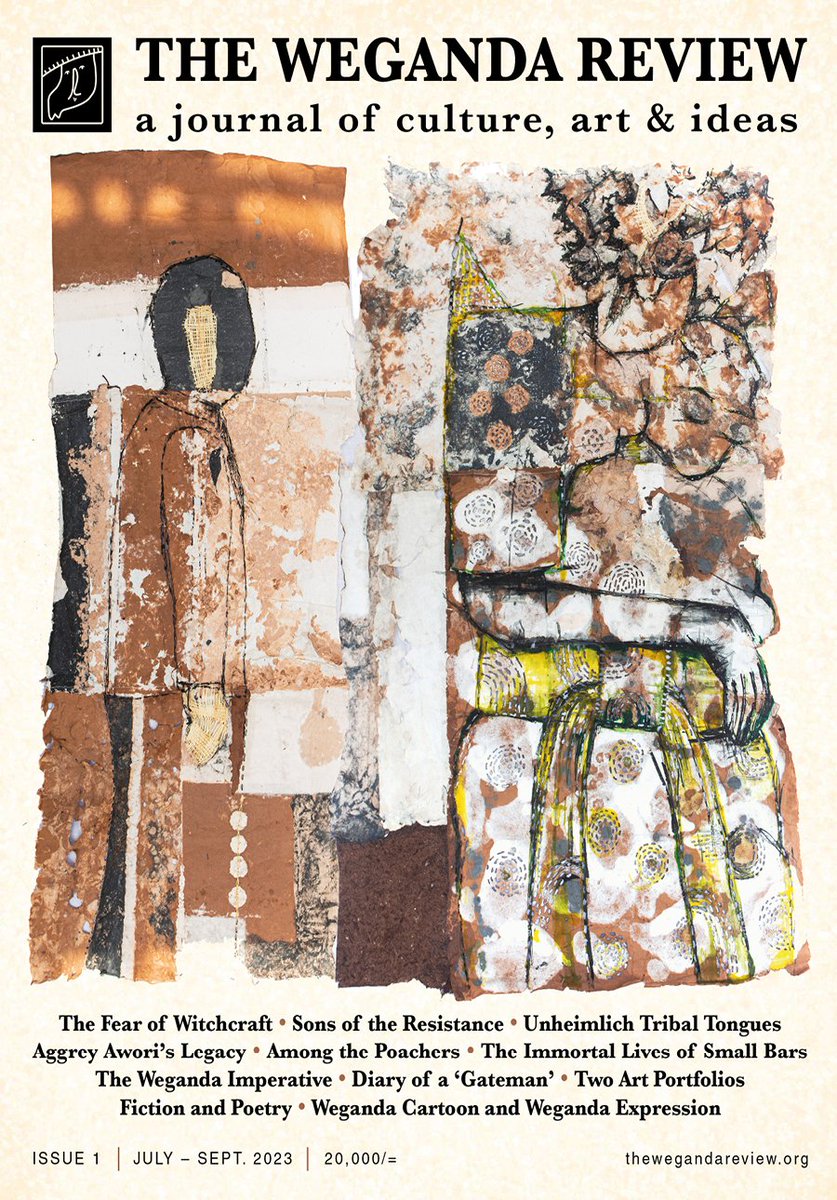
The Weganda Review is produced at the intersection of art and ideas, by and for those interested in African stories. It aspires to be the most instructive journal of its kind south of Khartoum, a world-class periodical right here in Kampala. This is the inaugural cover:
8
18
46
10,107
Jun 14
“Monet is only an eye, but what an eye.” — Paul Cezanne on the art of Claude Monet
1
26
Rodney Muhumuza retweeted

Jun 9
Pope Leo will tap into the Sagrada Familia's allure while honoring Catalonia's holy mountain
apnews.com/article/pope-leo-…
1
1
2
199
Rodney Muhumuza retweeted
Jun 4
How Voodoo overcame suppression and became a democratic force in the West African nation of Benin (By @Roduza for @AP's Religion Team)
apnews.com/article/benin-voo…
1
1
66
Rodney Muhumuza retweeted

May 16
“Practice any Art: music, singing, dancing, acting, drawing, painting, sculpting, poetry, fiction, essays, no matter how well or badly, not to get money & fame but to experience becoming, to find out what's inside you, to make your soul grow.”
64
2,008
6,738
262,835
May 7
For @AP I wrote about “goonism” and President William Ruto’s role in rising political violence in Kenya: apnews.com/article/kenya-goo…
1
37
May 5
Pascal’s Wager: As clever as the 17th century French thinker Blaise Pascal was, he defended faith. For him, to believe in God was rational: there is no conflict between faith and reason. In short, there can be no life without faith.
1
33
Rodney Muhumuza retweeted

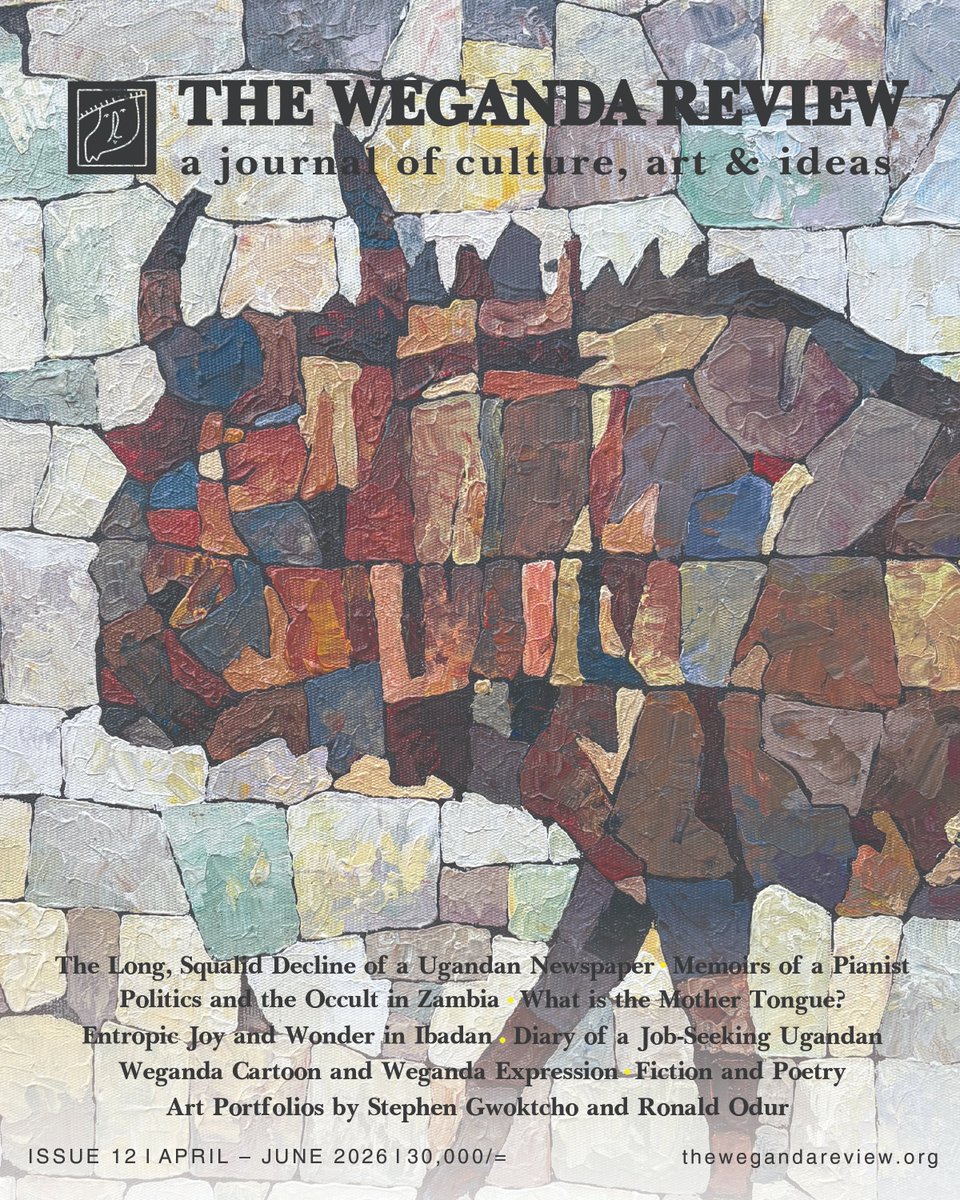
The cover of the 12th issue of @WegandaReview , with striking art by Stephen Gwoktcho. Portfolios are by him & Ronald Odur. Devoted readers can expect the same powerful mix of prose and poetry. @ahpetite @Gyezaho @emutaizibwa @PTabaire @cobbo3 @BBatwooki @BongeMuhwezi @OdokiJ
1
15
26
1,246
Rodney Muhumuza retweeted
Apr 10
In Congo, an unconventional Christian movement has existential lessons for the troubled nation (from @Roduza for @AP's Religion Team) apnews.com/article/congo-kim…
1
3
134
Rodney Muhumuza retweeted

I was recently interviewed for an @AP story exploring how religious authority, prophecy, and material objects shape political struggles in South Sudan.
Many thanks to Rodney Muhumuza @Roduza for the opportunity to discuss history, belief, and politics 🙏🏾
seattletimes.com/nation-worl…
1
1
123
Rodney Muhumuza retweeted
Mar 30
In South Sudan, a prophet's sacred stick helps fuel a violent struggle for political power. (From @AP’s @Roduza )
apnews.com/article/south-sud…
3
206
Mar 23
“Literature will always remain a game for me.” — Vladimir Nabokov
1
42
Mar 15
“It is a mistake to think there is ever a single language.” — literary critic Helene Cixous
3
131
Rodney Muhumuza retweeted
Feb 20
A macabre dispute has kept the body of Zambia's former president unburied for months (from @Roduza for @AP's Religion Team) apnews.com/article/zambia-bu…
2
1
127
Feb 20
For The Associated Press, I wrote about a macabre dispute in Zambia, where former leader Edgar Lungu remains unburied eight months after he died in South Africa: apnews.com/article/zambia-bu…
1
4
116
Feb 18
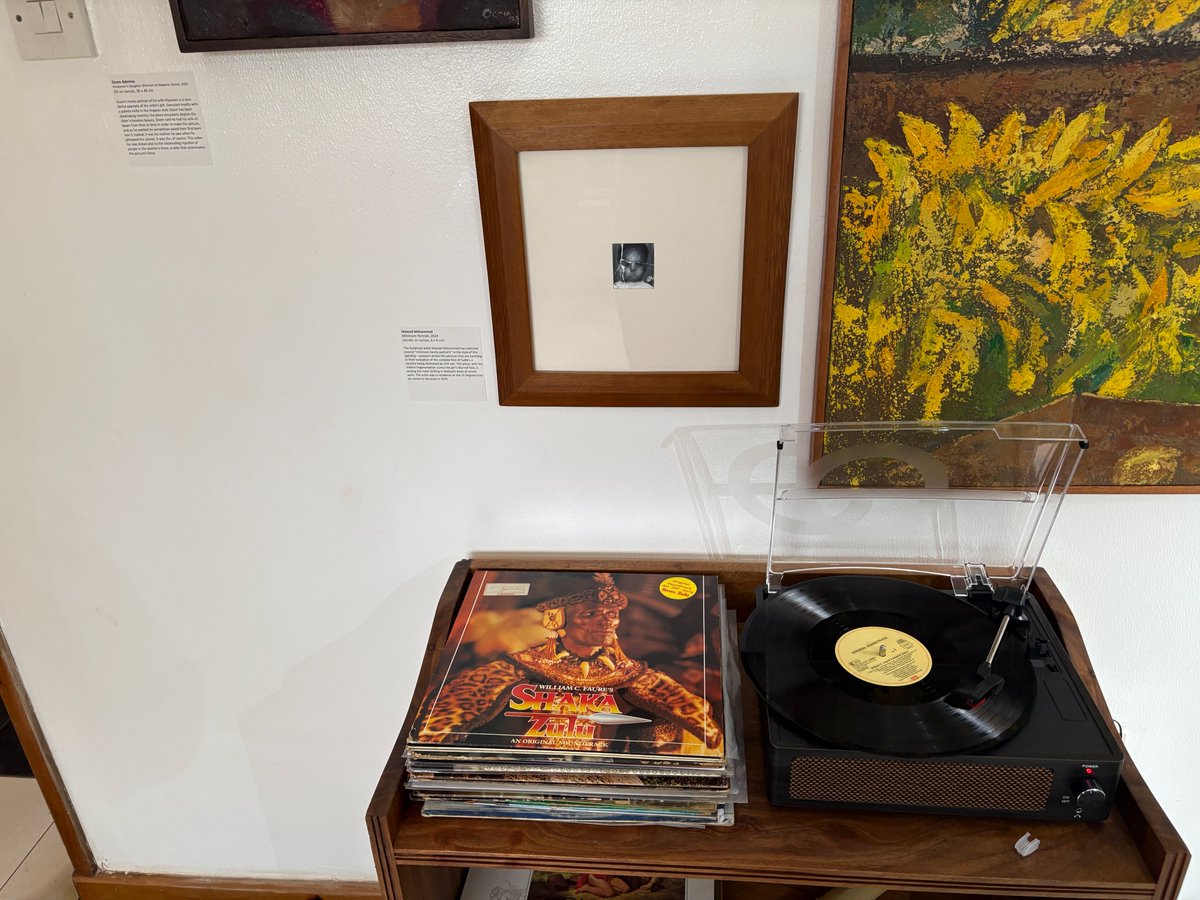
The South African film director William C. Faure died young. But he left behind a masterpiece that hasn't been equaled in these parts: the TV miniseries Shaka Zulu, a fictitious drama of the life of the Zulu warrior-king. We, the 80s kids, grew up on Margaret Singana:
2
4
306
Rodney Muhumuza retweeted
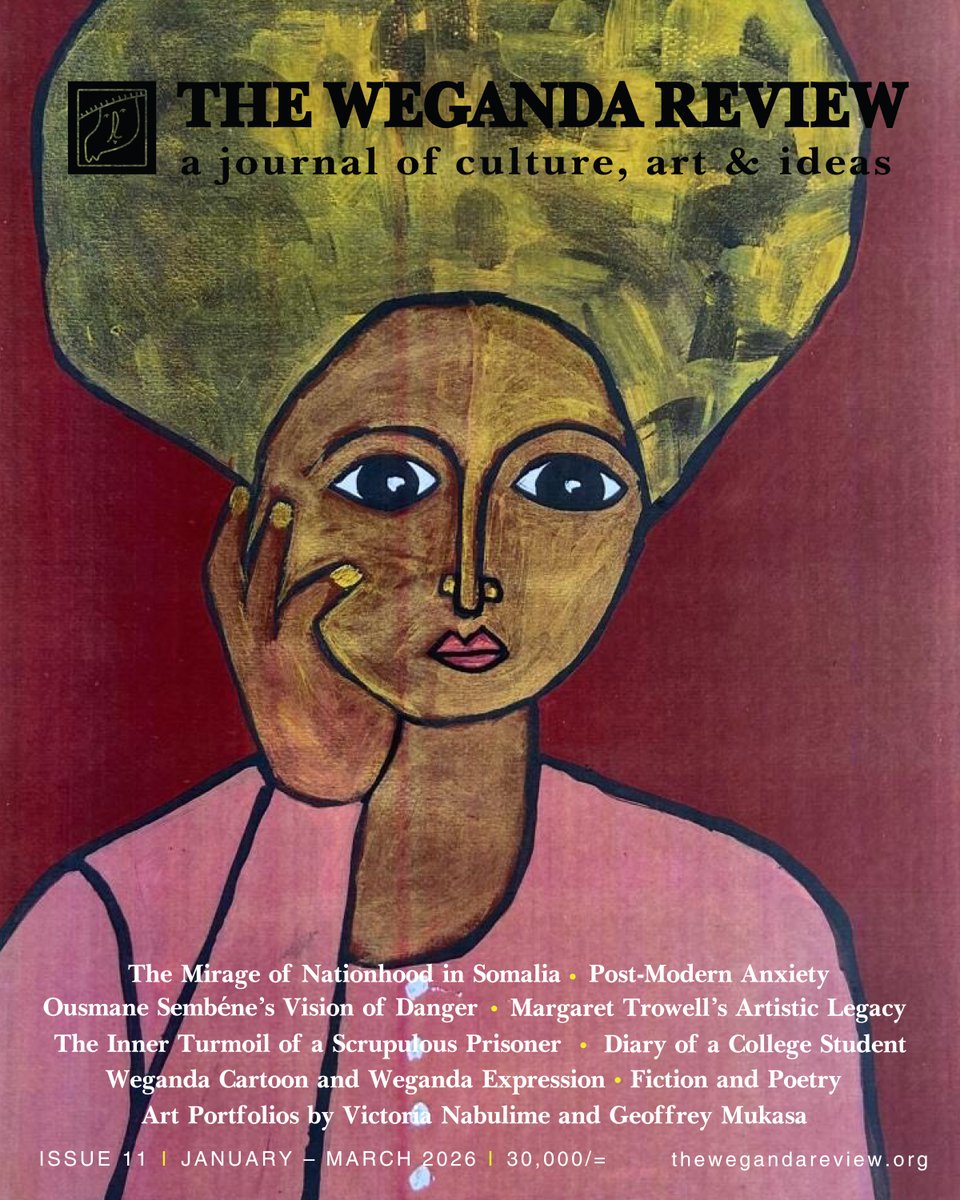
The cover of the 11th issue of @WegandaReview, which comes out in mid-Jan. This is a compelling issue, with the usual diverse mix of prose, poetry and art. Cover art is a painting on paper by Victoria Nabulime. @BBatwooki @PTabaire @Gyezaho @TioKauma @cobbo3 @OdokiJ @ahpetite
6
15
693
Jan 7
Zora Neale Hurston was born today in 1891 in Alabama. The American writer executed one of the most famous opening lines in modernist literature: “Ships at a distance have every man’s wish on board.”
3
65
21 Dec 2025
“One either has a subject, or one has not.” ~ the Australian painter John Brack
1
132
20 Dec 2025
"The true subject of art is man in his universe... The universal language is that of familiar objects, of the bread on which the knife rests." -- the French art critic Jean Bouret
113