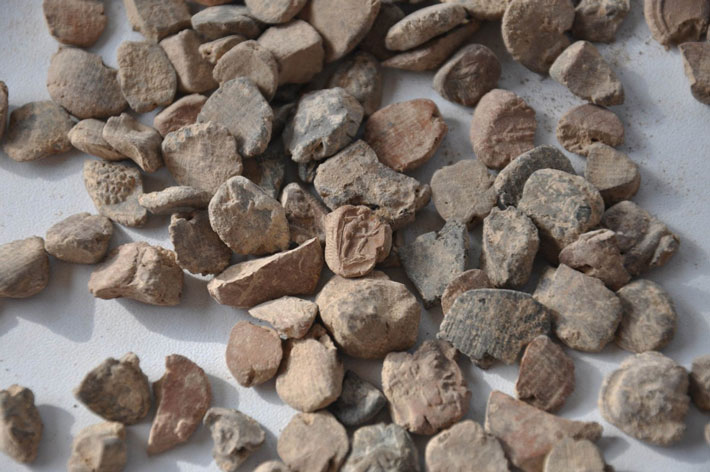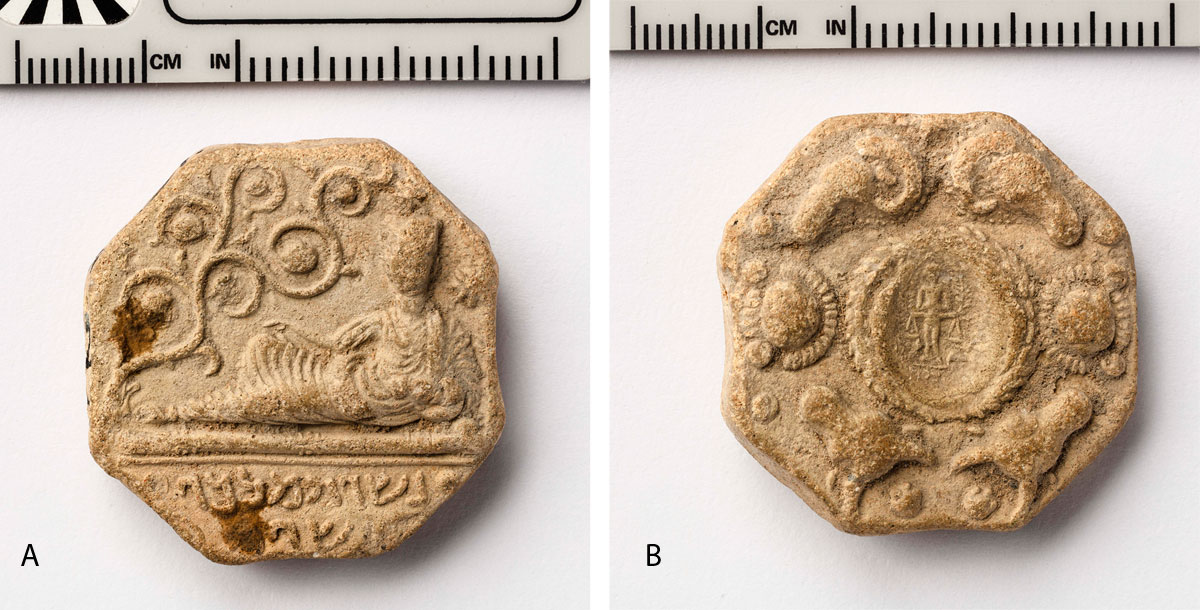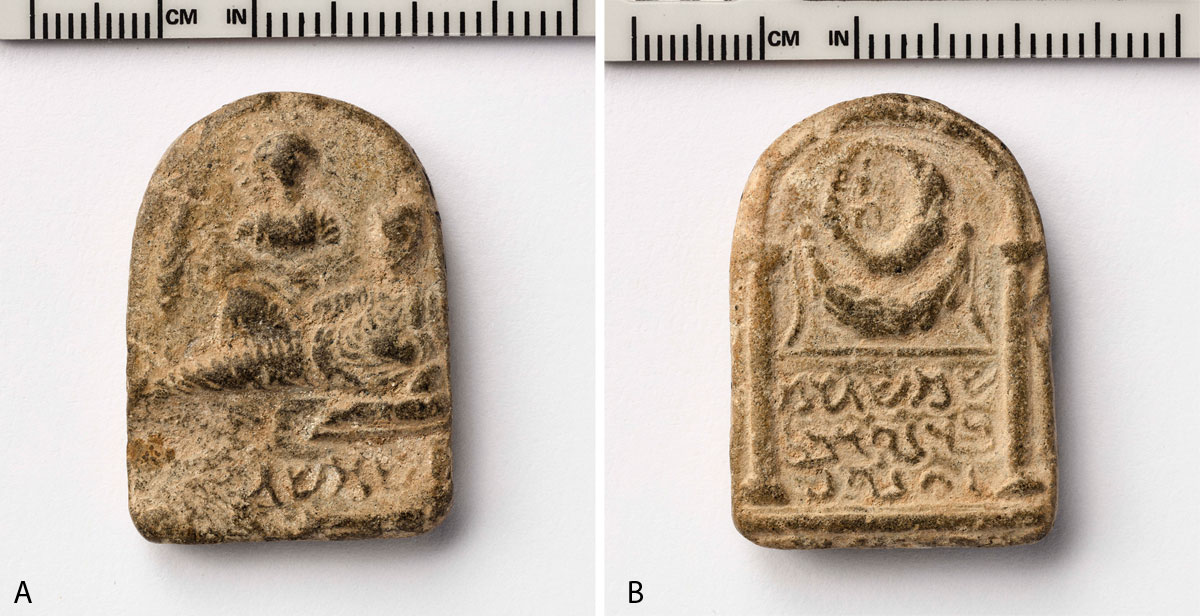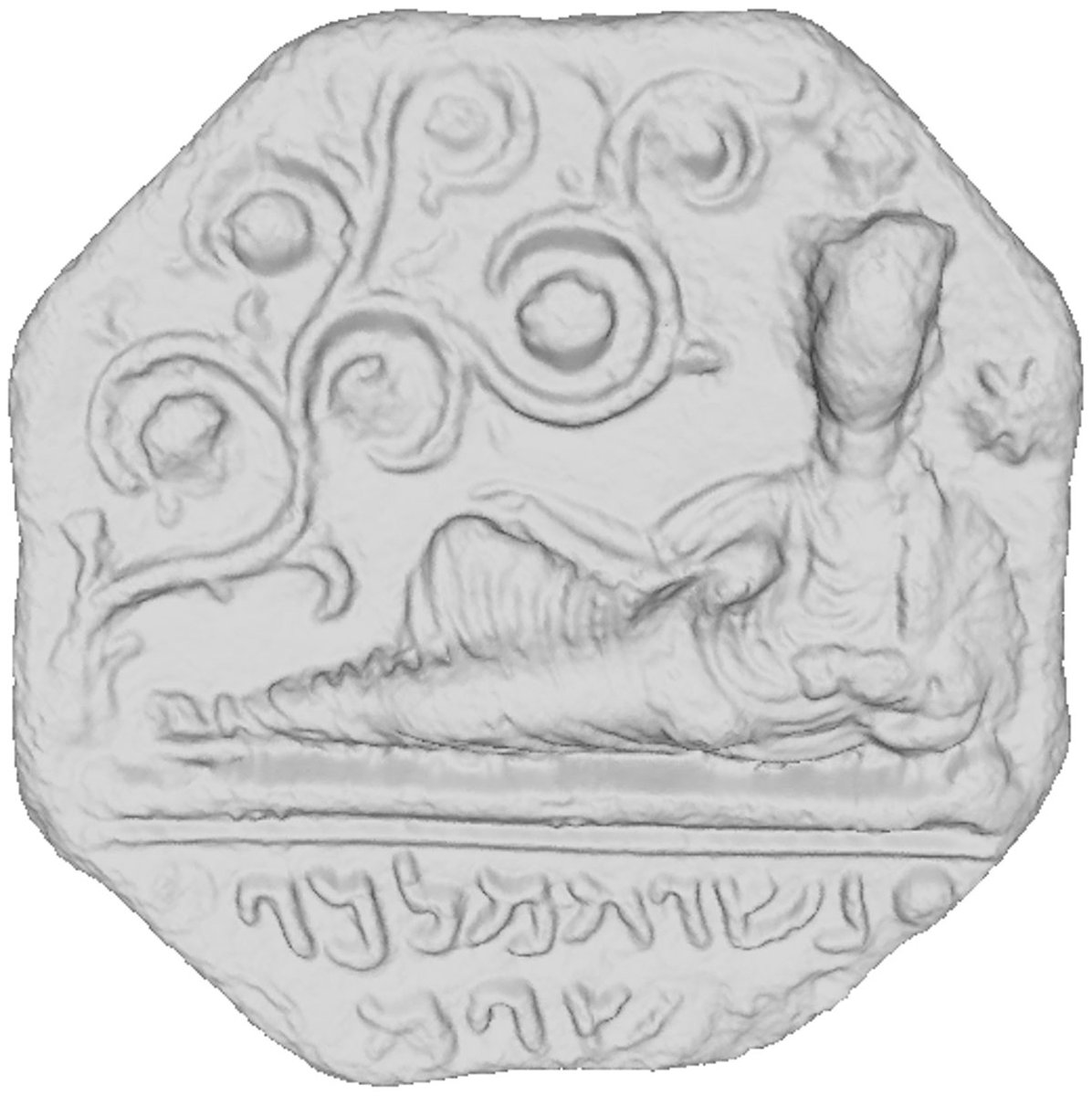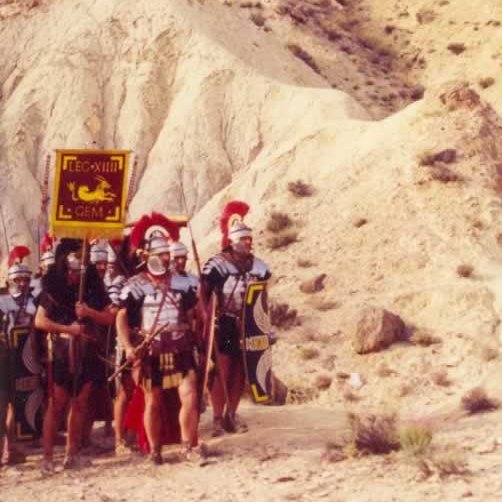
Rare in the second century BCE, these ceramic roof tiles may have once topped the Acra fortress built by Antiochus Epiphanes. biblicalarchaeology.org/dail…
A reminder that it is now possible for *everyone* to attend our annual lecture this Friday (December 8th, 2023) at 6 pm! In-person tickets are still available, but if you would like to digitally attend the lecture, please register to receive the link: ow.ly/H2sx50QejRc
#MosaicMonday
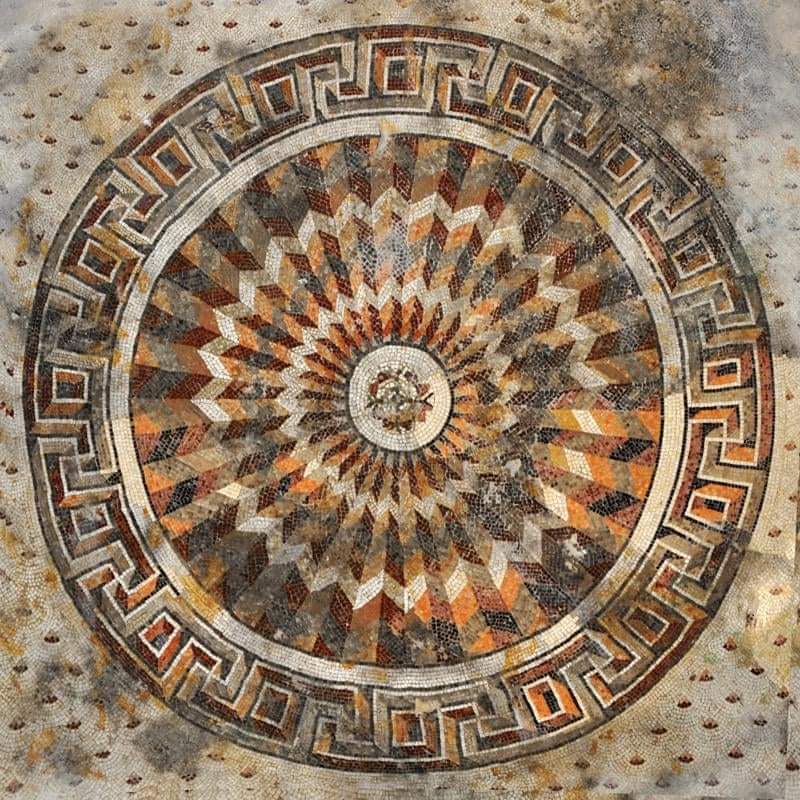
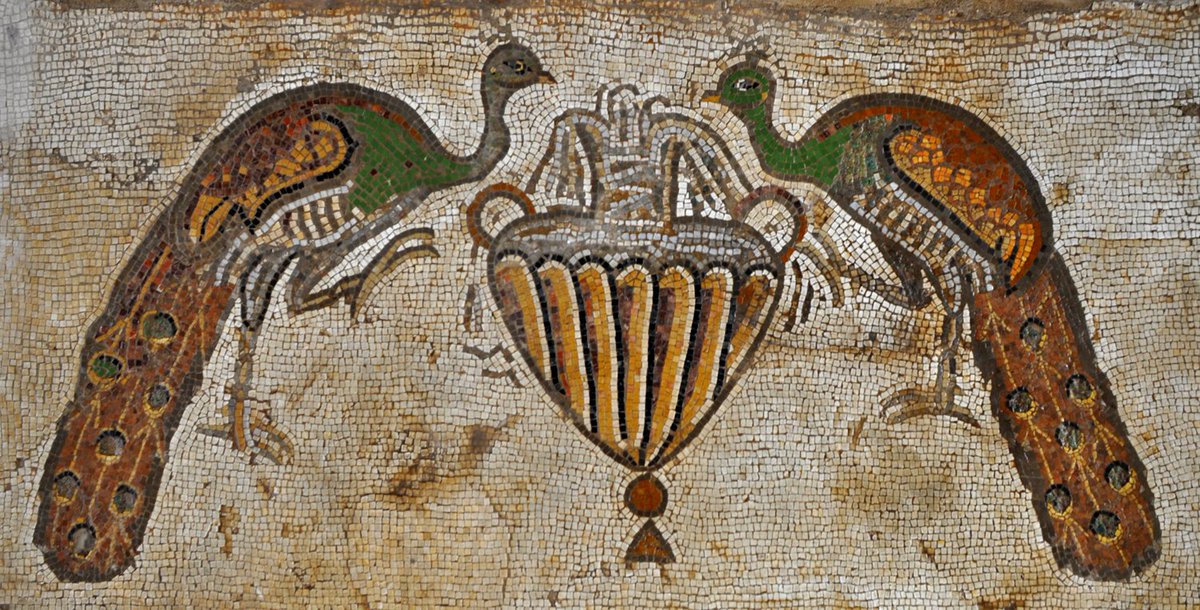
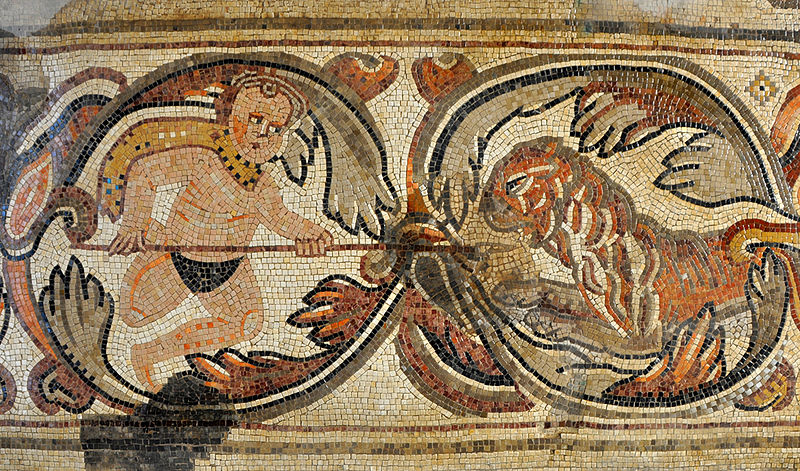
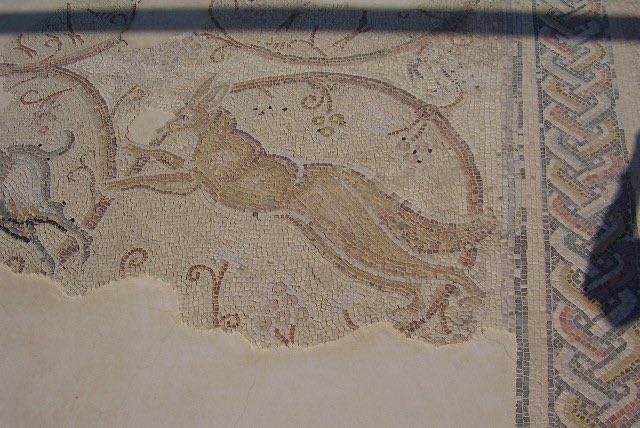
Byzantine period #church in Nahariya Israel.
In the heart of the city of Nahariya, hides a Byzantine church whose #mosaic floor remains intact and the decorations are among the most beautiful found in the churches of the Galilee.
#Archaeology#History#art
#MosaicMonday
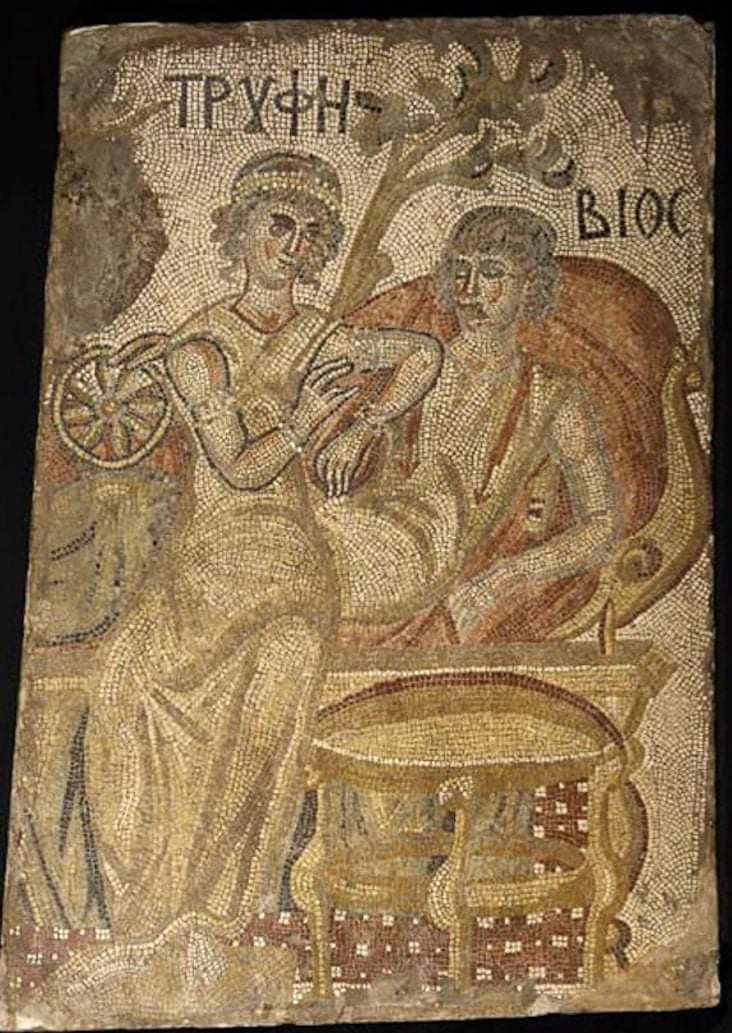
EXISTENCE - A "SWEET LIFE" Floor mosaic with allegorical representation of Life and "Sweet Life", a pleasant life. limestone and glass tiles- 133x97 cm - from Syria, Emesa, modern Homs- ca 350/400 AD- Royal Ontario Museum in Toronto, Canada.
#ancient#art#artwork
ALT In the mosaic, a wealthy couple is shown engaged in relaxed conversation on an elegant sofa. The allegorical meaning is described through the Greek inscription tryphe - bios which identifies the female figure as Tryphe, meaning sweet and pleasant living. The male figure is Bios, which means Life. Existence should be accompanied by a pleasant life. The man is shown holding a wheel in his right hand, a means used to keep lovers together. His presence underlines the idea that Life and Easy Living should be inseparable.
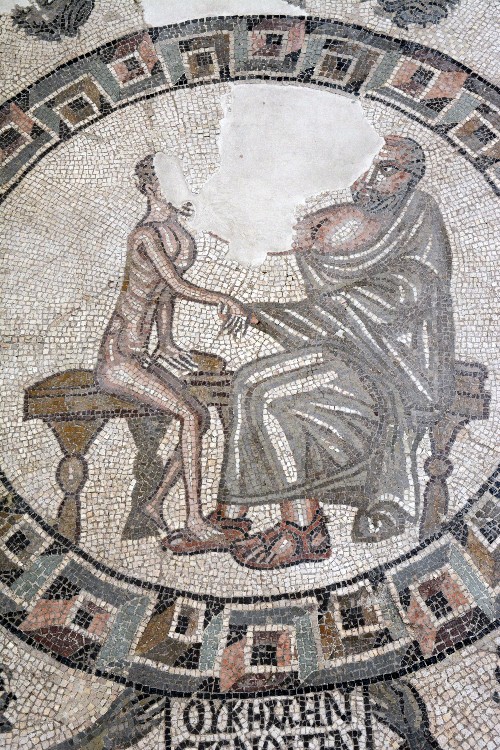
The doctor treating his patient? Unusual in that it seems to show quite graphically the state of health of the patient (although there are plenty with scenes of death or wounding). Mosaic from Algiers Museum, Algeria. 📷 Steve Richards #MosaicMonday#romanmosaic#romanmosaics
ALT mosaic of a doctor holding the hand of a very sick looking man.
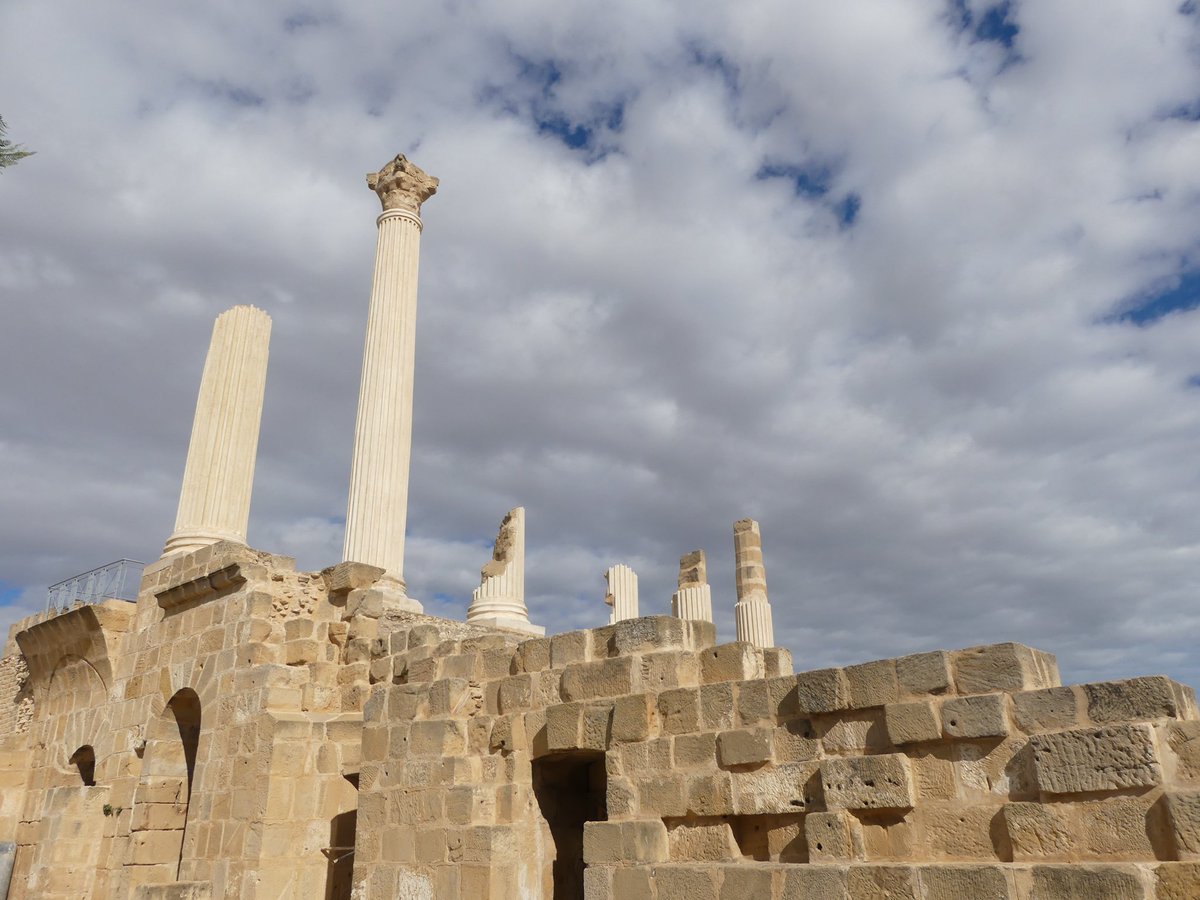
Hopefully a small taster of Roman sites we’re visiting in Tunisia 🇹🇳 this coming week , little known site on the outskirts of Tunis called Uthina , considered one ( if not the largest ) Temple in Africa @RomanMiddleEast@romanarchaeouk@romanhistory1
Israeli soldiers prayed at a 6th C. Byzantine era synagogue in Gaza on for the first time in decades.
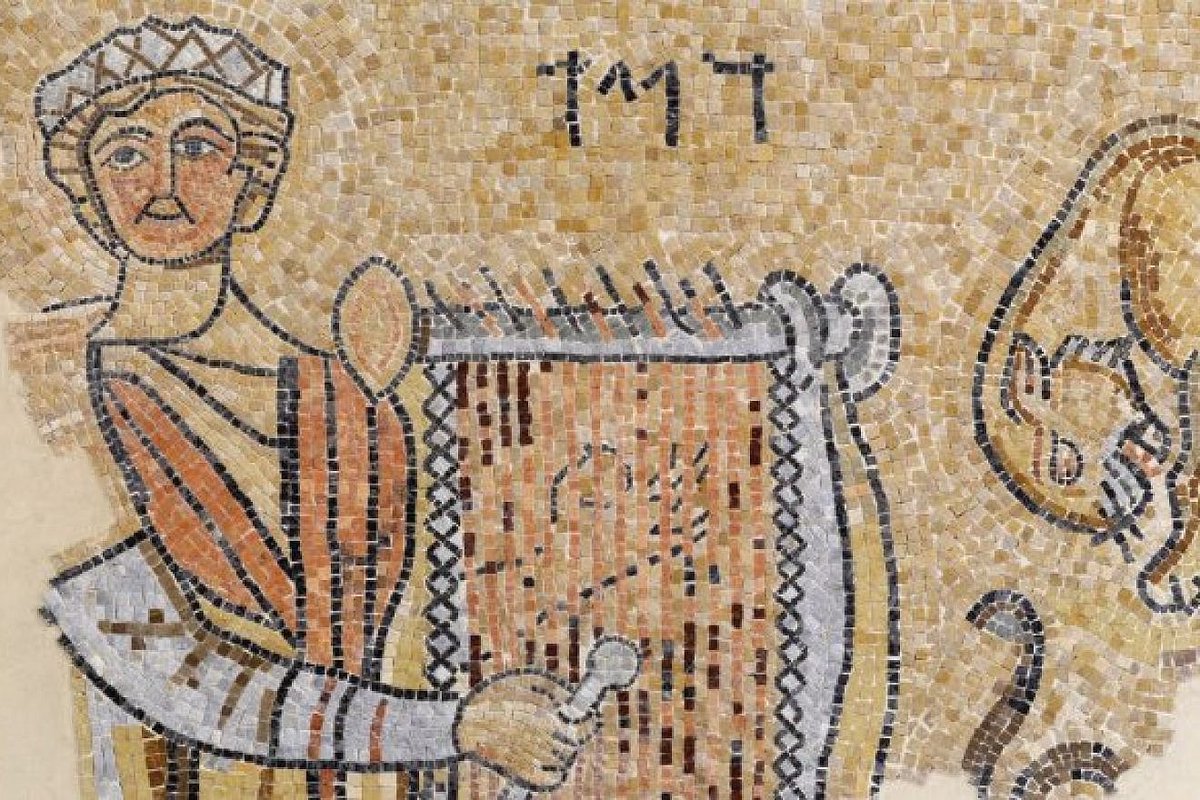
A mosaic featuring King David with a lyre and his name inscribed in Hebrew was transferred to the Israel Museum in Jerusalem for restoration in 1967.