American. Catholic. 26yo. Fan of poetry in "dead" languages. Linguam Latinam amo. INTP. Podcast coming one day, hopefully.
Joined March 2019
- Tweets 9,206
- Following 1,056
- Followers 349
- Likes 47,431
426 Photos and videos












28 Feb 2024
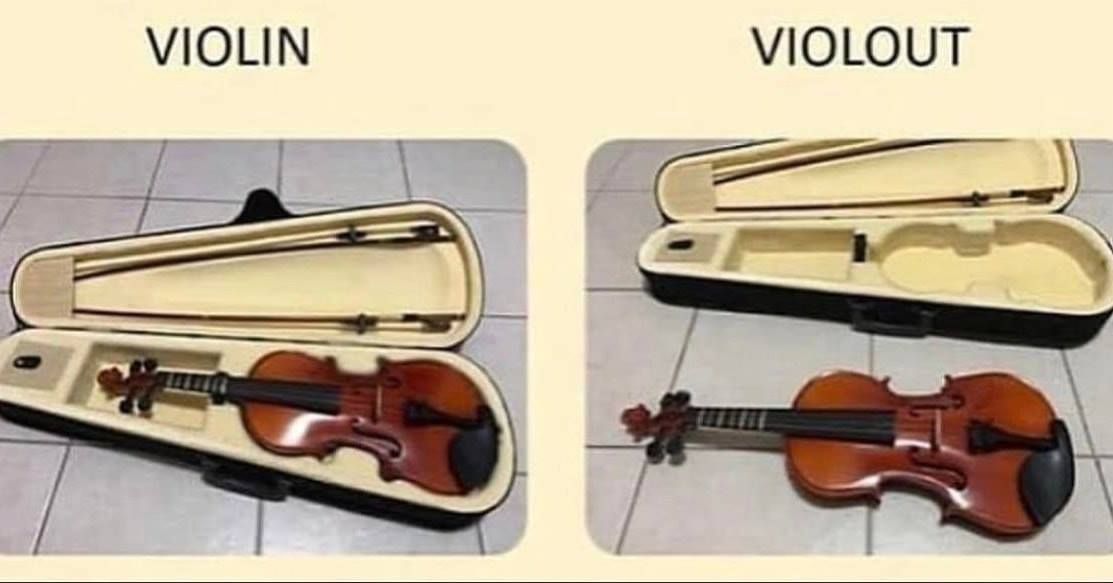
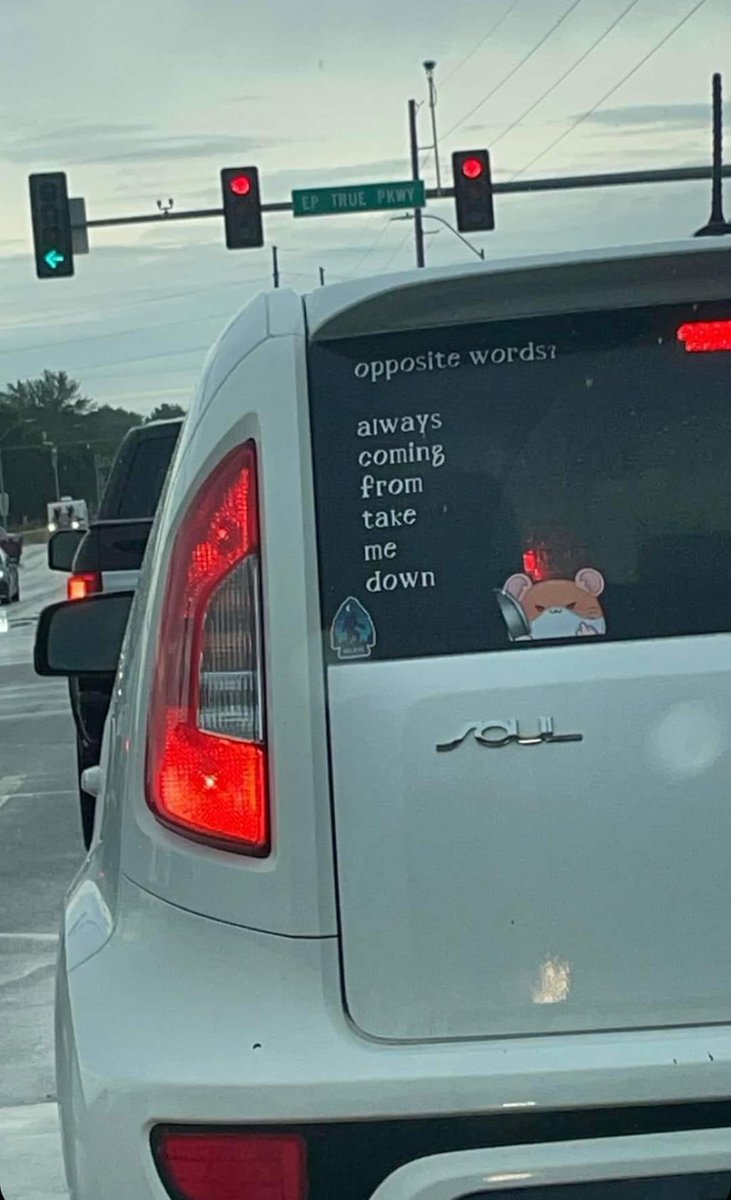
Good reminder to myself not to buy another half-dozen books that I'll likely never read.
28 Feb 2024

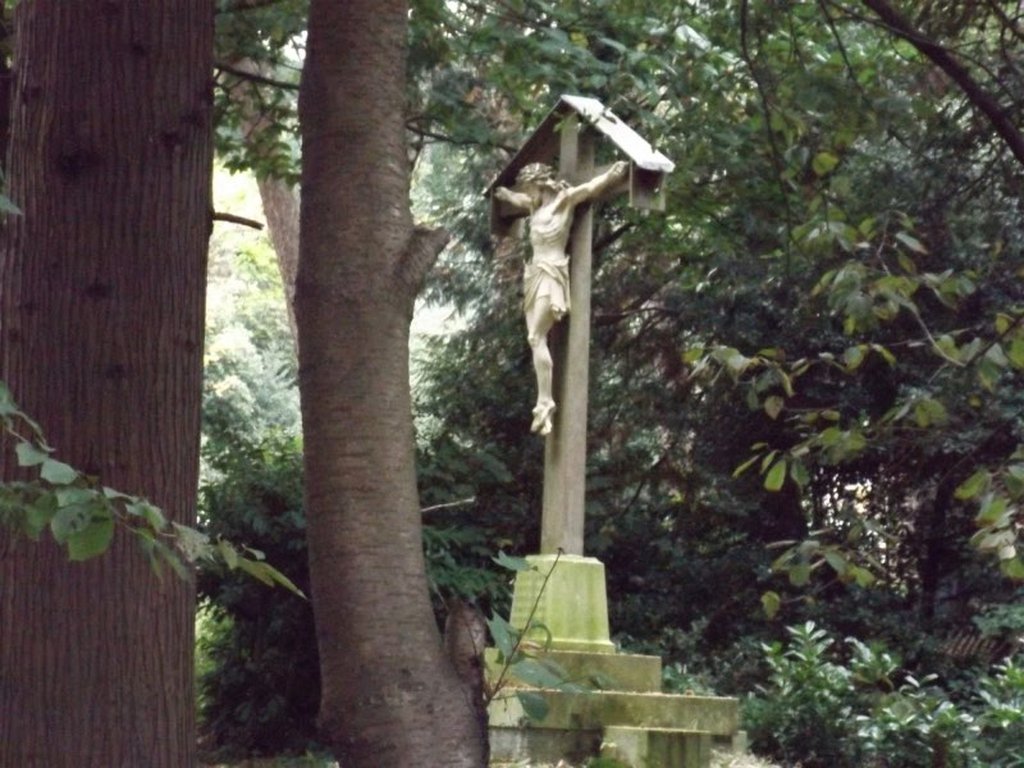
At the Day of Judgement we shall not be asked what we have read but what we have done.
― Thomas A Kempis, The Imitation of Christ
1
105
Roman Goose retweeted

22 Feb 2024
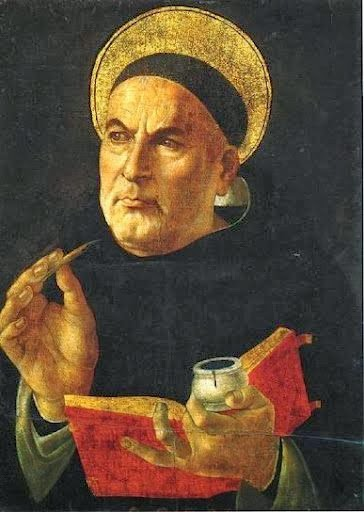
Because no timeline can ever have too much St Thomas Aquinas:
5
4
42
895
Roman Goose retweeted

22 Feb 2024
Polish swordsmen were non-pareil; we developed the “art of the cross” fencing style and there is a story how the Polish sword master beat a samurai.
Sadly, this art is almost extinct partially because in the west we think that martial arts is Asia and we have no traditions.
20 Feb 2024

Longsword techniques, as seen in the fencing manual Fior di Battaglia, written by swordsman Fiore de'i Liberi during the 14th century, and brought to life by the Polish fencing academy Akademia Szermierzy
6
11
51
2,880
Roman Goose retweeted

20 Feb 2024
Oh, give me a break already. Lewis has “shown” no such thing, and I doubt he could show you the way to the bathroom without a map. The serious critics of the pope over the last decade include churchmen, theologians, and philosophers of the stature of Müller, Pell, Weinandy, Grisez, Finnis, Brugger, Nichols, Rist, Bux, Seifert, and on and on. These are academics who, even if one wants to disagree with them, do not speak hastily or frivolously, but present detailed arguments backed by decades of scholarship and careful reasoning. Nor are they “trads” who already had a record of criticizing popes before Francis came along. Rather, their criticisms reflect problems unique to Francis’s pontificate, and some of them did not criticize the pope (or any pope) until well into that pontificate.
Nor can they be accused of being motivated by the desire to justify stereotypically “right-wing” political views. For example, some of them (e.g. Grisez, Finnis, Brugger) are firmly opposed to capital punishment – yet Finnis, despite agreeing with Francis on that, criticized the revision to the Catechism anyway, because he thought it was badly reasoned. Nor have they focused on political hot button issues (such as the pope’s views on climate change or immigration) but rather on problems with doctrinal matters (such as the implications of Amoris vis-à-vis marriage and divorce).
This doesn’t by itself mean that they are right, but it does entail that their views cannot, in justice and charity, be dismissed as being motivated by some agenda. Yet Lewis never addresses the arguments of such people. He prefers to focus on easy targets – Twitter jockeys, YouTube hotheads, and the like – and to assimilate all criticism of Francis, even the more scholarly and sober criticisms, to that kind of lowbrow stuff. Indeed, Lewis clearly knows nothing of the scholars mentioned or their work apart from the fact that they have been critical of Francis. He supposes that all he needs to do is point out that they have criticized the pope in some way, and that that justifies him in smearing them as “dissenters,” “neo-Lefebvrists,” or the like without giving their arguments a serious evaluation.
But neither would he be capable of doing so in the first place. On the rare occasions when I have tried to get him to respond directly to some argument, he has shown himself pathetically unable to apply basic criteria of argument evaluation. Just saying that he’s not convinced, or that the argument must be wrong because he doesn’t agree with the conclusion, seems to him a sufficient response. I doubt he even knows the difference between a premise and a conclusion. Nor does he understand basic theological concepts (including what a “heresy” is, what “schism” amounts to, etc. – which has nevertheless not stopped him from flinging these words about promiscuously). He knows nothing of the history of theological debate about the topics he addresses. And so on.
Naturally, this reflects the fact that he is not a theologian, philosopher, historian, or academic of any kind. I think he’s a graphic designer or something. Nothing wrong with that, except that he nevertheless sees fit boldly to pontificate on matters he knows nothing about while dismissing, without serious engagement, the work of people who do know what they are talking about. If he were remotely capable of getting any sort of critical distance on himself, he would see that he makes an ass of himself every time he opens his mouth. Instead, he seals himself in his echo chamber, blocking anyone who criticizes him (indeed, anyone who even “likes” a tweet critical of him).
He would be utterly unworthy of a moment’s notice except for the fact that he has been able to parlay his amateur vanity website Where Peter Is into a kind of clubhouse for defenders of the pope’s more problematic words and actions. And he’s been able to do that only because there is no other such outlet. Lewis, though himself devoid of talent, occasionally gets more interesting people to write stuff for him because they have no other similarly visible place to express themselves. This is why I think it worthwhile now and again to comment on Lewis’s more outrageous actions. People of good will who do not have any other way of knowing should be aware that he not only does not have even a basic understanding of the issues, but is, on top of that (and as I and others have shown repeatedly) a smear merchant. All of that is relevant to understanding WPI and its editorial slant.
18
33
200
22,581
Roman Goose retweeted

20 Feb 2024
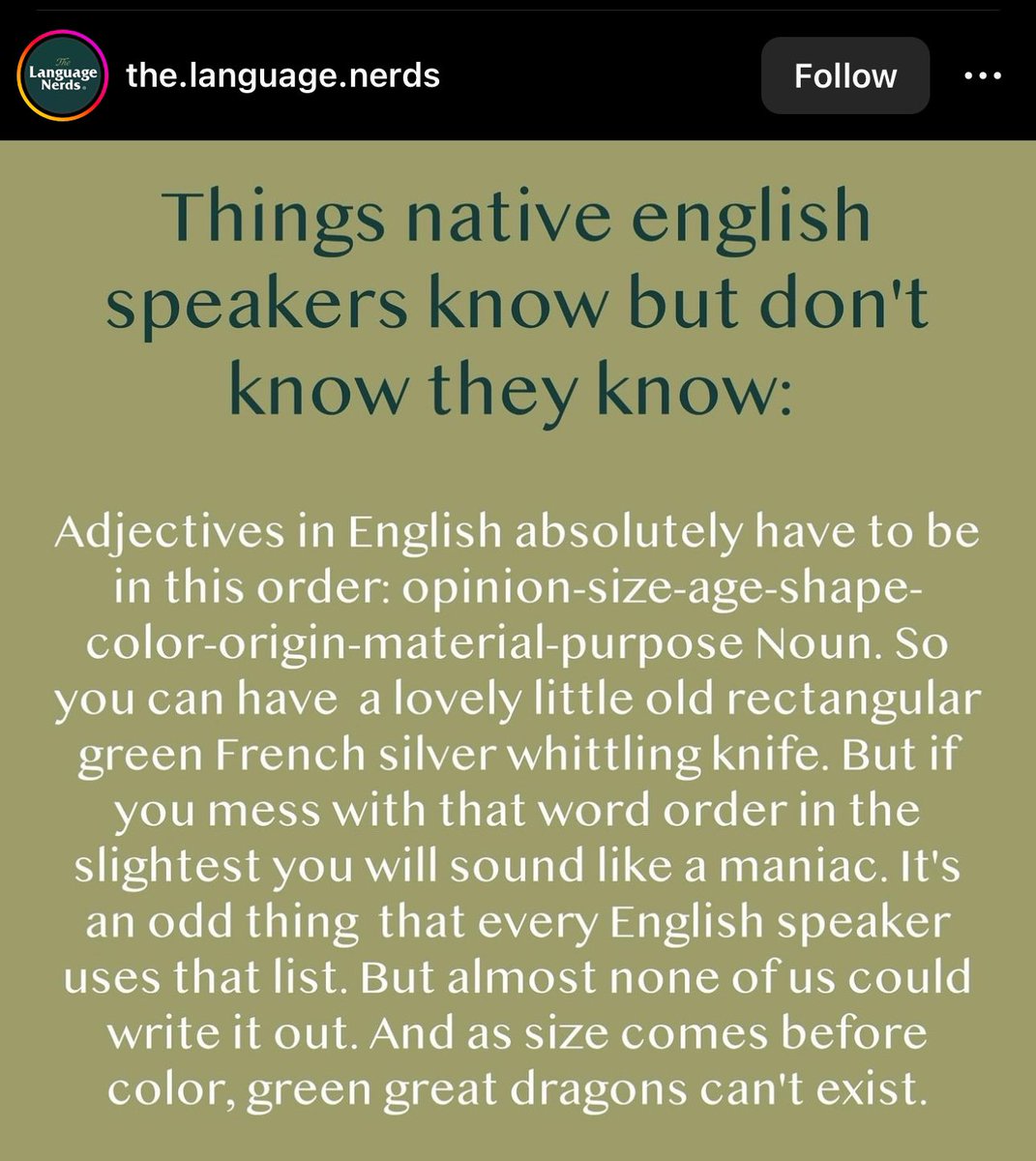
I can’t stop thinking about this…
478
5,197
40,482
2,479,961
20 Feb 2024
Never thought a skunk could be cute, but here we are.
19 Feb 2024

Lily the ambassador skunk being the cutest! 🦨 This great video is brought to you by Great American Insurance Group.
50
Roman Goose retweeted

20 Feb 2024
Young Catholic Man Embarks on Walking Journey Across America to Pray for the Nation ❤️
Joe Domina, a 29-year-old Catholic man, is walking across America visiting various Catholic shrines and praying for the nation. His journey began at the Statue of Liberty a few months ago. According to those who have met him, Joe carries only a flip phone, which he uses solely to communicate with his mother. He finds spiritual nourishment by attending Mass at the churches he encounters along the way. As word of his journey spreads, people who recognize him offer food and a place to rest. They are also eager to join Joe in prayer. His walking journey is now trending on social media with the hashtag #backpackerjoe
@elonmusk

127
892
7,161
246,514


Roman Goose retweeted

18 Feb 2024
Me, as my wife hands me coffee:
"Help! I've been mugged!"
9
4
62
2,874
Roman Goose retweeted

9 Feb 2024
Blessing your timeline with a sheep in a hat
318
6,360
69,849
3,564,994
9 Feb 2024
I often get weird little tingles in my extremities when I have a fever. Is that normal? Do most people experience that?
1
72
1 Feb 2024
I dream of things like this happening.
4
89
31 Jan 2024
What are the five topics you can talk about for 30 minutes with zero prep?
1. Traditional Latin Mass
2. Chastity vs. the modern world
3. Vergil's Aeneid
4. Chesterton's poem "Lepanto"
5. The Nick Sandmann incident.
31 Jan 2024

What are the five topics you can talk about for 30 minutes with zero prep?
1. Colorado Coalfield War
2. English Protestant liturgical history
3. The College of William & Mary in Virginia
4. The Clash
5. The importance of a navy
3
131


Roman Goose retweeted

24 Jan 2024
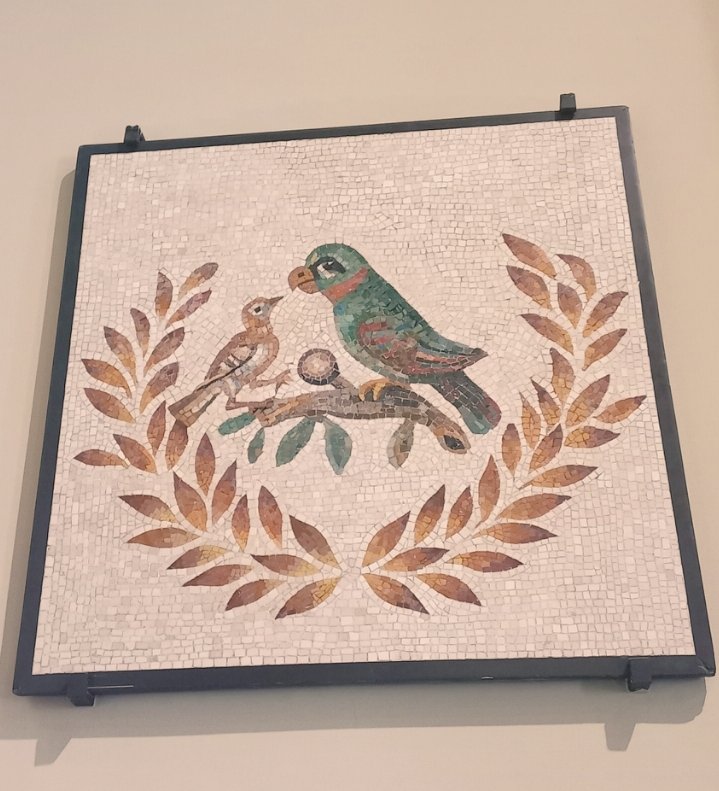
Good morning with probably the sweetest antique Roman mosaic in the 🇻🇦 Vatican Museums
15
26
443
12,851
16 Jan 2024
Spit-balling about liturgical things that tradCaths should have on their bucket-list. Do you think I missed anything?
catholicclassicalcritic.word…
51
Roman Goose retweeted

5 Jan 2024
ST. LOUIS
20,000 young Catholics chant Salve Regina at #seek24
@FOCUScatholic
17
177
1,038
34,691