
TRUMP TRUMP TRUMP TRUMP TRUMP TRUMP TRUMP TRUMP TRUMP TRUMP TRUMP TRUMP TRUMP TRUMP TRUMP TRUMP TRUMP TRUMP TRUMP TRUMP TRUMP TRUMP TRUMP TRUMP TRUMP TRUMP
Joined January 2026
- Tweets 806
- Following 60
- Followers 34
- Likes 1,048
182 Photos and videos











Pinned Tweet

This list will get longer by Election Day, but pinning this as a reminder to all who look at my profile.
Feb 28

Over the last week Liberals have:
- Taken the side of Canada over the United States in Olympic hockey
- Taken the side of illegal aliens over American citizens
- Taken the side of the "Death To America" Iranian Regime over the United States
Remember in November!
280
If @RossGilroy said it or reposted it, it’s a lie.
1
4
You can’t hate the left enough.

The Netherlands also has its Henry Nowak cases.
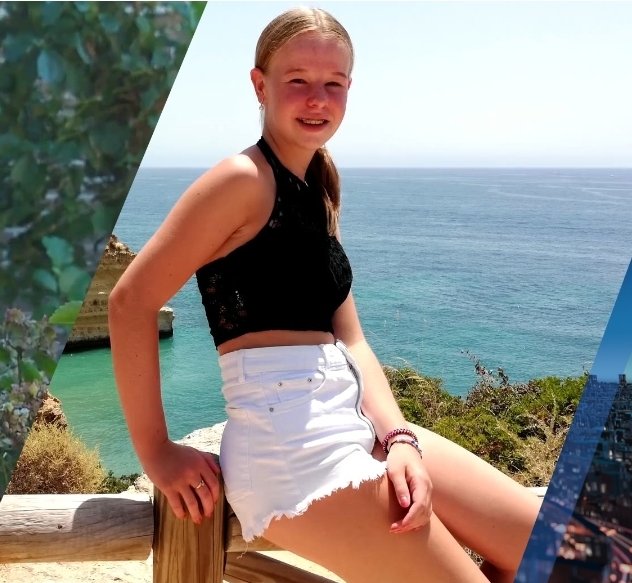
In July 2020, 14-year-old Tamar from Marken was hit by a car on a dark dike road and left to die. Her body was later found in the berm.
What happened next is deeply disturbing.
The police initially told her mother that the driver was German. Days later the truth came out: it was four Iraqis in the car. The mother was told they withheld the real background because they didn’t want to create a "Wilders-effect" — they didn’t want to give Geert Wilders political ammunition.
Even worse: evidence strongly suggests Tamar’s body was moved after the accident. The driver didn’t just flee, they dragged her off the road and left her there like an animal.
The driver received only a €1,500 fine for looking at his phone while driving. He then disappeared completely. The fine was returned “undeliverable” and for years he was untraceable.
Only after years of fighting by the family (including going to court to force prosecution), a breakthrough came in March 2026: the now 33-year old Jamal is finally being prosecuted for causing the fatal accident and leaving the scene.
Just like Henry Nowak in Southampton — an innocent young person dies, authorities seem more focused on protecting a narrative and avoiding “political incorrectness” than on delivering swift justice.
A 14-year-old girl dies on a Dutch dike. The system lies about the identity of the driver, gives him a slap on the wrist, loses him for years, and only after massive pressure does real prosecution begin.
This is not just a traffic accident. This is a story about truth, accountability, and what happens when institutions put ideology before grieving families.
Her name was Tamar.
She was 14.
She deserved better.
♡
1
3

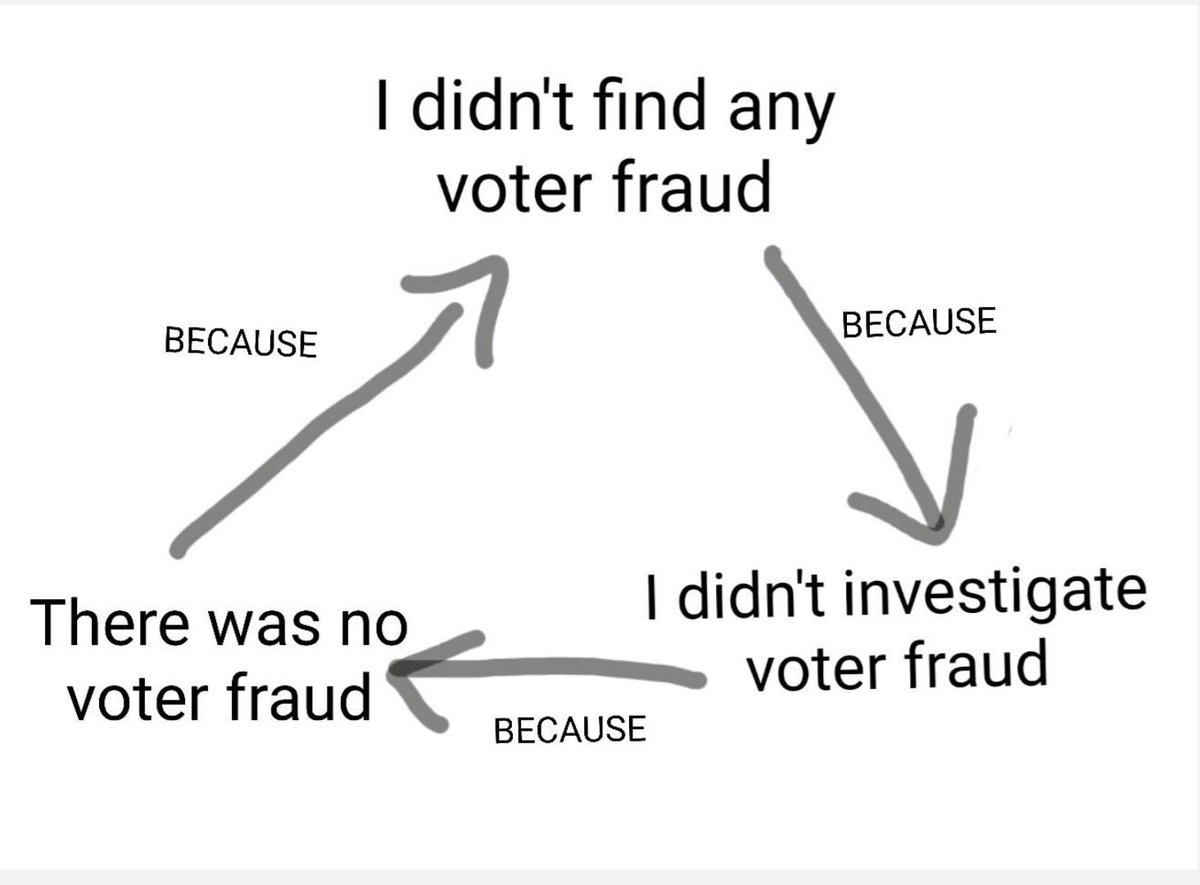
Step 1: There is no fraud.
Step 2: Well, there was some, but not enough to matter.
Step 3: Well, it mattered, but it was a good thing because the other guy is evil.
Step 4: We're allowed to cheat, bigot!

7
6
103
Ross Gilroy’s Only Brain Cell retweeted

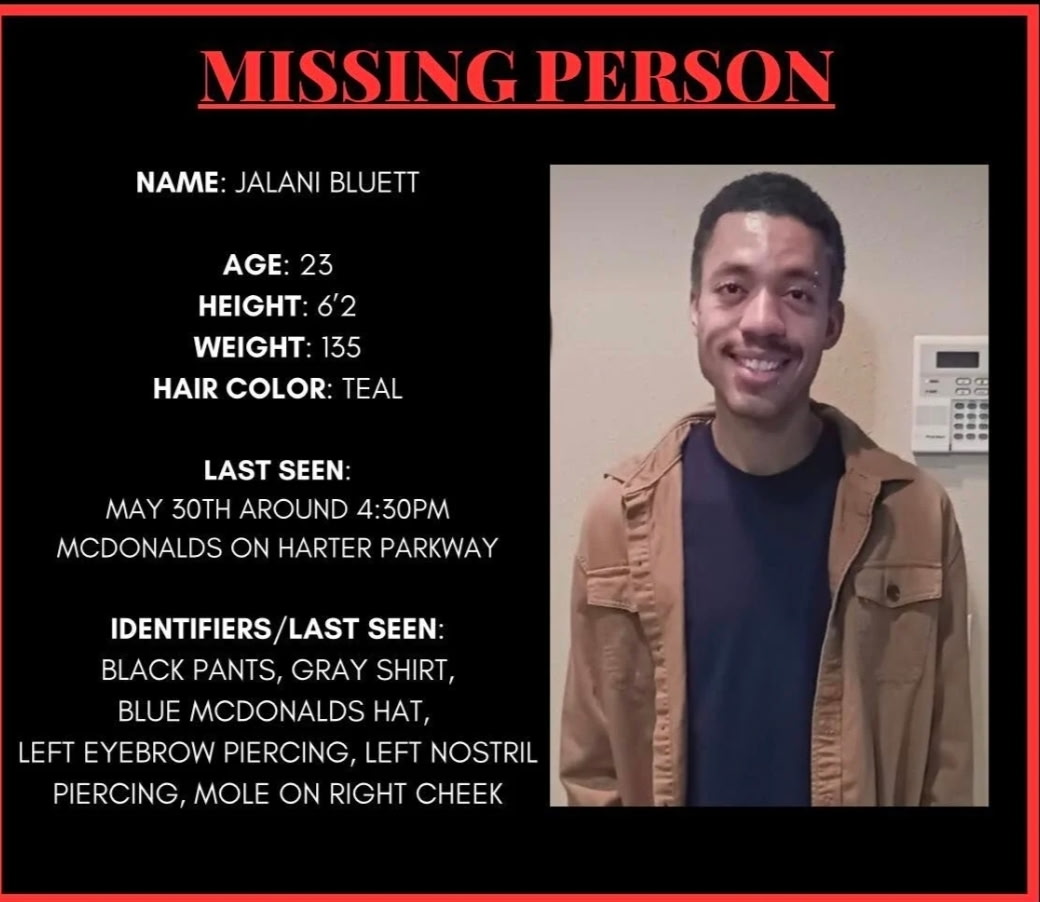
Well @McDonalds are you going to help or remain silent and complicit?

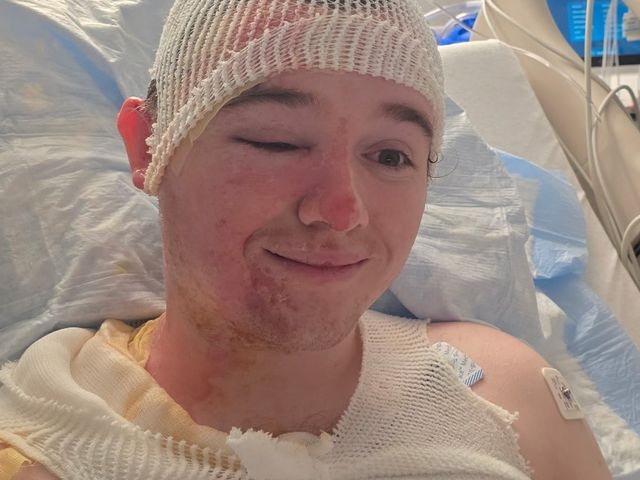
California McDonald's employee is recovering after an unprovoked coworker threw hot oiI on him
The assailant then fled the scene.
The local CA media framed the attacker as 'missing at risk man'
Meanwhile, Mainstream Media is SILENT.
This story needs to be shared everywhere.
McDonald's should step up for Jacob Smith, 20, a star employee who worked his way up to a manager position.
Jacob is now facing skin graft surgery.
Suffering the most severe pain in his fingertips, according to mom Amber Smith, after raising his hand to shield his face from the hot oiI.
Jacob has plans to for marriage in February.
Prayers for your speedy recovery Jacob.
3
5
53
Ross Gilroy’s Only Brain Cell retweeted

🚨ICE JUST BUSTED A VAN FULL OF 14 ILLEGALS CAUGHT VOTING FRAUD IN CALIFORNIA — THEY ALREADY HIT SIX DIFFERENT PRECINCTS BEFORE GETTING NABBED!
Follow @RedLivesMatterQ
Fourteen illegal invaders packed into one van with one mission: steal the vote across a dozen California precincts.
They made it to six before ICE slammed the brakes on their little election-rigging road trip and detained every last one of them.
The real question that should have every American screaming: HOW MANY MORE VANS ARE OUT THERE RIGHT NOW?
This wasn’t some random joyride — this was a coordinated Democrat-enabled operation to flood precincts with non-citizens and rig the system. Again.
California’s open borders mail-in voting chaos just got exposed in the most blatant way possible. These illegal aliens weren’t “visiting” — they were executing a fraud mission.
Trump was right. The invasion isn’t just about jobs and crime — it’s about stealing elections.
ICE is doing the job the Democrats refuse to do. Share this everywhere before the fake news buries it!
Follow @mcafeenew for more drops.

Community note
The claim is false; it originated on a satire page stating "Nothing on this page is real," and the photo shows a Virginia State Police traffic stop unrelated to ICE or voting. news.meaww.com/fact-check-did… facebook.com/ALLODSatire/po…
513
6,749
10,533
117,440
RT @Ghostofcynthia: As a lesbian woman, I fucking hate Pride Month with every fiber of my being.
It makes us look like absolute shit.
Th…
9,022
Ross Gilroy’s Only Brain Cell retweeted

Jun 1
Karen showed some Bruce Lee style moves and just like that, it was time to end the fury..
Never bring your Karen to A water cannon fight..
Cool down Karen!! 🫵😆
1,282
2,345
11,169
213,218

Ross Gilroy’s Only Brain Cell retweeted

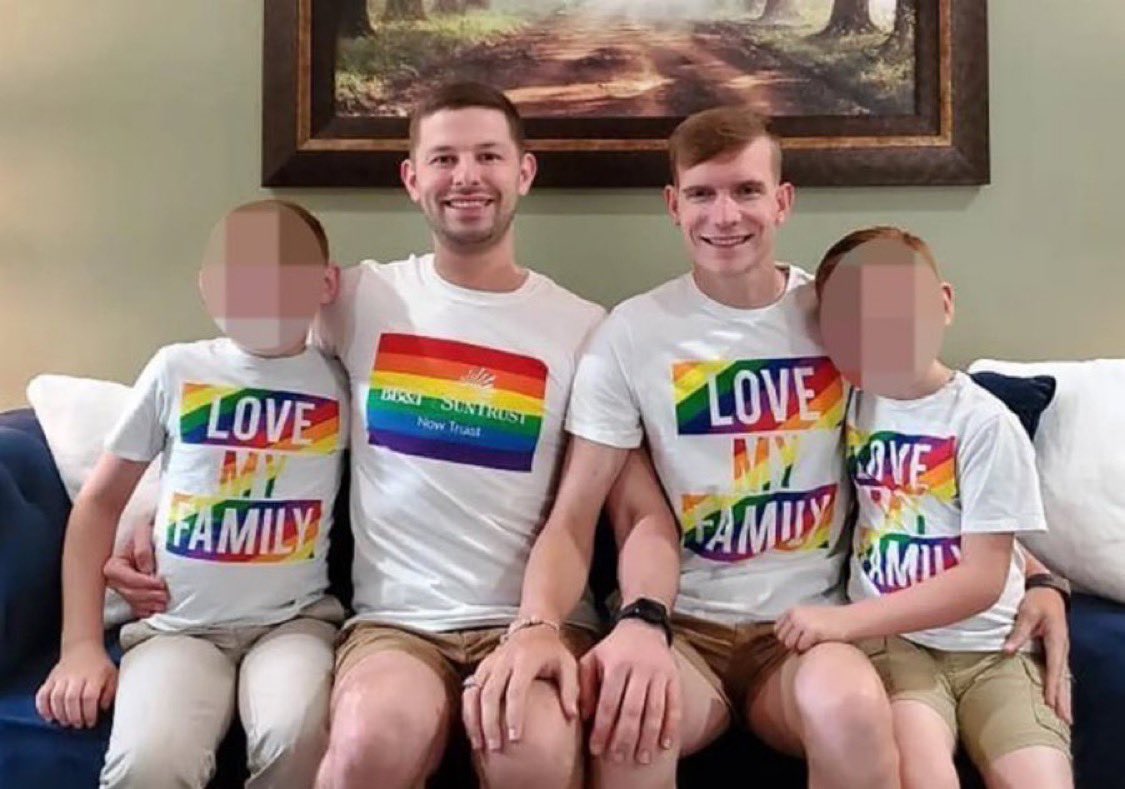
This 2019 Ridgedale Library photo from Minnesota shows a drag queen named Sasha Sota rolling around on the floor with other people's children.
They call it "inclusivity" I call it taxpayer funded grooming.
They tried deleting this photo because the optics were pure pedo-bait.
Too bad the internet is forever.

479
2,922
6,029
86,750
Ross Gilroy’s Only Brain Cell retweeted

Jun 1
The Carroll case rested on a sequence of legal maneuvers with no precedent in American civil litigation. Democratic legislators passed a retroactive temporary law eliminating the statute of limitations for decades-old accusations that could not be dated, located, or defended with alibis. The day the temporary law took effect, Carroll filed her pre-prepared lawsuit, the first in the state to do so.
A Democratic mega-donor secretly funded the plaintiff’s legal costs through a nonprofit. The arrangement stayed hidden until one of Trump’s lawyers discovered it. A Clinton-appointed judge then sealed all records so the jury never learned the billionaire backer had publicly committed to Trump’s political destruction. Every participant in the legislative, funding, and judicial steps operated inside the same political network, and each decision produced the same cumulative result.
The jury explicitly checked “no” on the verdict form’s specific rape question. The judge ruled rape proven anyway, claiming the jury had used a common rather than statutory definition… an impossibility, since their rejection under the common definition precludes rape by any standard. Trump’s team was barred from arguing innocence before a second jury, which awarded $83.3 million ($65 million punitive) on the rape finding the first jury had rejected.
A defendant was sued for defamation over denying an accusation, prevented from asserting that denial as a defense, tried before a judge who concealed the plaintiff’s political funding, and hit with a nine-figure verdict built on facts the jury itself refused to find.
No comparable sequence exists in recorded U.S. civil litigation history.
May 29

1/ Trump was found liable for sexually assaulting E Jean Carroll, defaming her, and now he’s going after her again.
Trump cannot be allowed to use the full weight and power of the US Government to come after women who speak up, or anyone who supports them in doing so.
233
3,767
11,476
388,089
I’m going to need you to jump into the wood chipper.
Feb 16

There's a big difference between legally marrying a child and raping/trafficking them.
1
Ross Gilroy’s Only Brain Cell retweeted

🚨BREAKING: Hennepin County DA Mary Moriarty just let a Somali national walk on probation after he was accused of raping a 15-year-old and multiple women.
Reduced serious sexual assault charges to a slap-on-the-wrist 5th degree plea — zero extra prison time.
Then the feds had to step in and charge him with kidnapping and raping ANOTHER woman.
This is what "progressive" justice looks like under soft-on-crime DAs. American girls aren’t safe while these policies continue.

1,815
8,635
11,615
135,402
Ross Gilroy’s Only Brain Cell retweeted

May 25
From “Voter ID Is Racist” to “Voter Fraud Is a Felony!” Overnight: Spencer Pratt Just Nuked the Democrats’ Election Security Scam floppingaces.net/most-wanted…

39
169
8,750
Ross Gilroy’s Only Brain Cell retweeted

Apr 6
BlackRock CEO Larry Fink: "Iran remains a threat to global trade and could trigger a global recession."
16
5
74
22,333
Ross Gilroy’s Only Brain Cell retweeted

This ⬇️
Apr 6

How did “No man left behind” become controversial?
People have lost their ever lovin minds.
3
45
2,541
Ross Gilroy’s Only Brain Cell retweeted

Apr 6
Marco Rubio, if Nato members won't let us use bases, we have no reason to be in NATO; they can expect a response after Iran.
218
1,260
14,310
103,546
Ross Gilroy’s Only Brain Cell retweeted

Brits surrendered their firearms in 1997.
Less than 30 years later, they're being arrested for Facebook posts.
That's not "safety." That's the speed of tyranny once a government knows its citizens can't push back.
When people are disarmed, the state no longer fears the people. And when governments have zero fear of the people, they do whatever the hell they want.
History proves it over and over: an unarmed population is a compliant one. The right to bear arms isn't just about hunting or sport, it's the final check against a government that forgets it's supposed to serve, not rule.
The Second Amendment isn't about muskets. It's about maintaining the balance of power between citizens and the state.
Never give up the means to defend your liberty. Because once it's gone, the slide into authoritarianism happens faster than most people expect.
May this never happen here.
1,226
5,739
19,864
268,090
Ross Gilroy’s Only Brain Cell retweeted

Mar 9
Patriots, think about this: You are alive in the most crucial time in history. You are an American, and your leader, President Donald J. Trump, is perhaps the greatest leader of a country this world has seen in thousands of years.
You are on the right side of history.
Imagine being a black-piller and having to tell your kids one day where you stood on the side of history.
Imagine being fake MAGA and knowing in 25 years, you’ll have to answer to your kids whether you stood on the side of Freedom and America First, or whether you were actively opposing it, even infiltrating the supporters of Freedom to attempt to splinter it and bring down our country.
I often compare these times to our Revolutionary War. I compare average patriots like ourselves to those average colonists who supported President Washington, stood by his side, and fought even when all odds were against them.
We have much greater odds, and there are a couple hundred million of us this time.
I am proud to be on this side of history and supporting our President.
Sun Tzu: “Victorious warriors win first and then go to war.” We already won.
Hold the line. The Great Awakening is here.
Nothing can stop what’s coming.
Nothing.
🇺🇸
228
779
2,941
43,254
Ross Gilroy’s Only Brain Cell retweeted

Mar 9
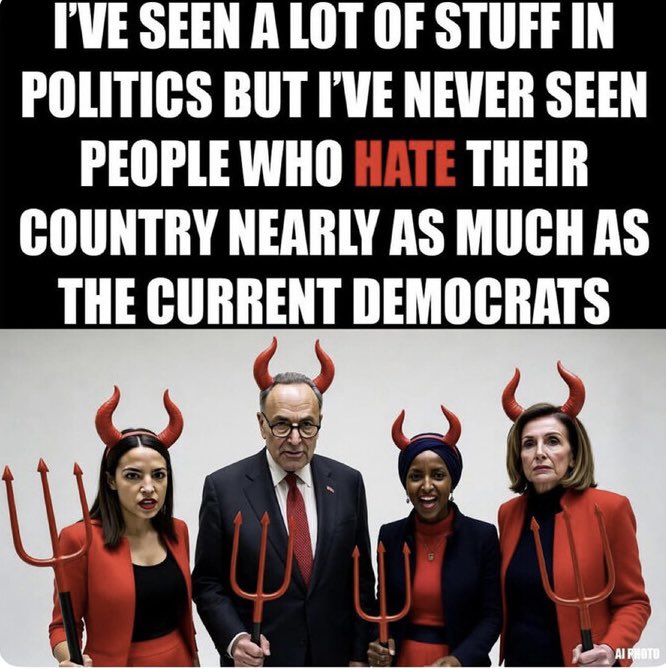
Nothing else to be said
133
561
894
11,335