
Does radio, writes books, makes sounds | Author For Foxes' Sake | Fight Night Records @ABCmelbourne @ByteIntoIT on @3rrrfm #amwriting
Joined September 2011
- Tweets 15,603
- Following 2,304
- Followers 757
- Likes 104,449
1,410 Photos and videos

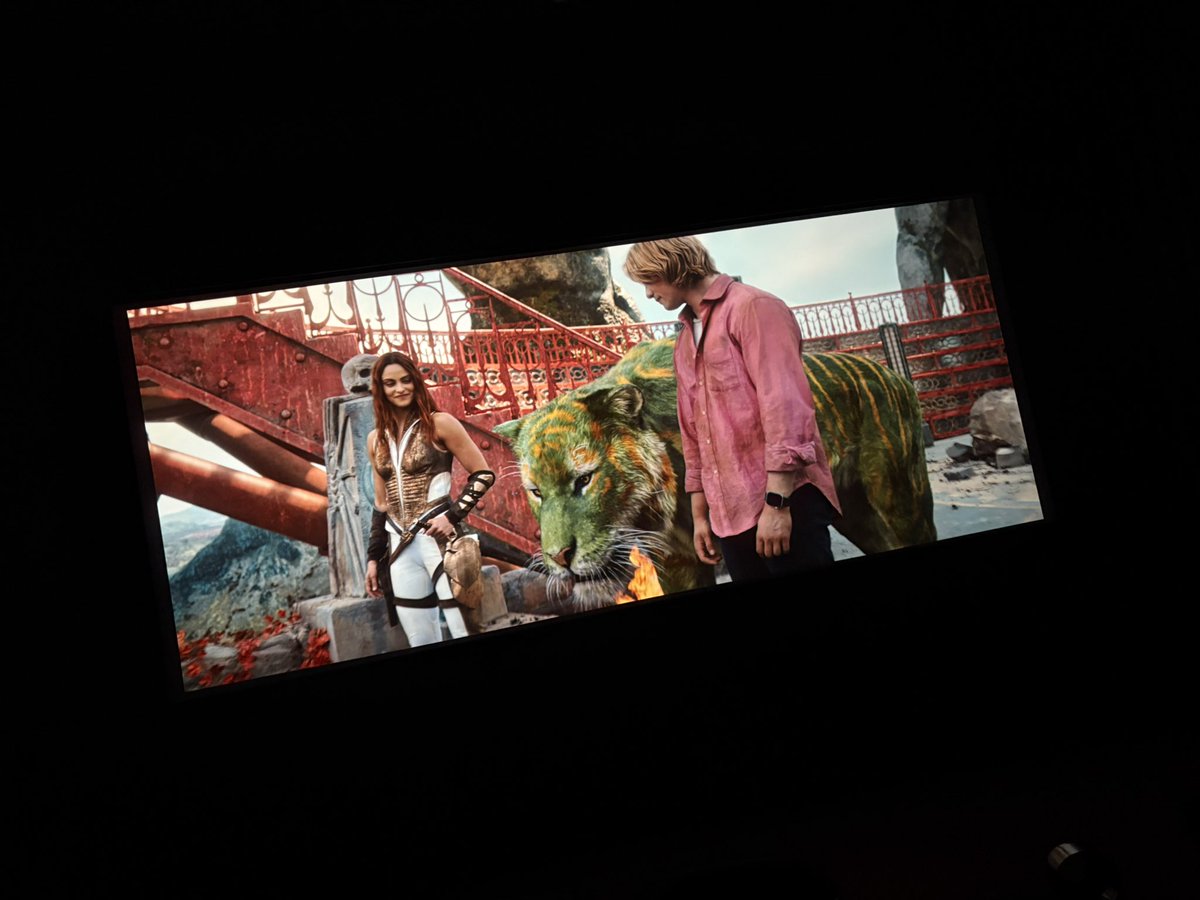








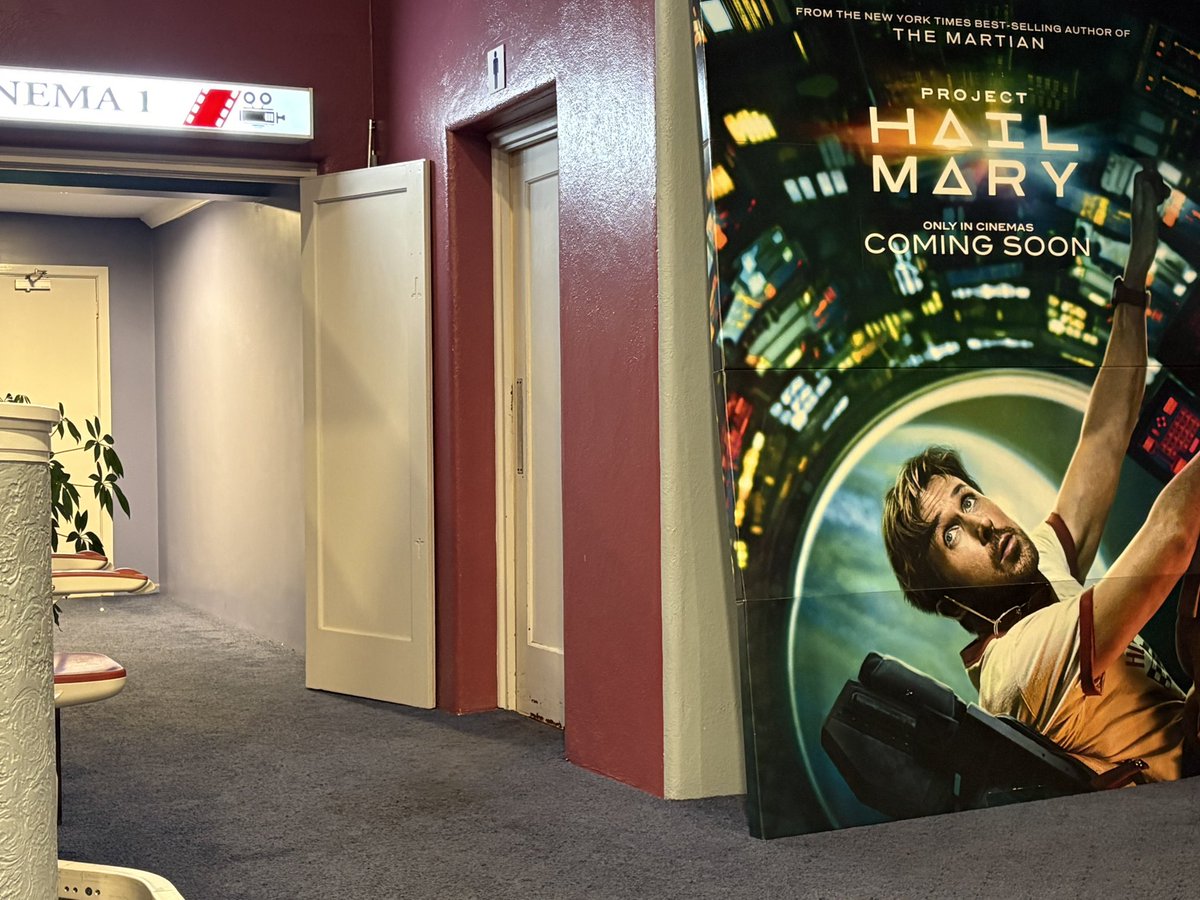
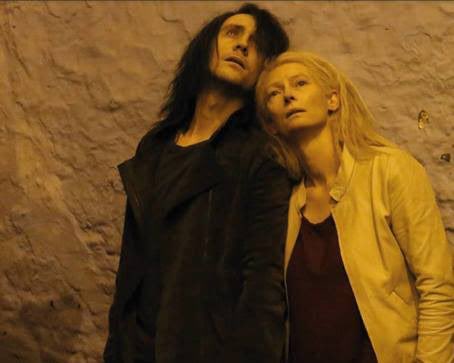




This episode disappeared down the back of the couch but we found it and proudly bring it to you! @ceceliaramsdale & I discuss my appearance on TV, get some cosy crime recommendations for your viewing pleasure & discuss going to book launches and supporting your clever friends 🧵
1
6
In the Moan zone we decide on the right etiquette for dog owners when disposing of poops, and how far we have come since the 80s version of dog ownership! Get the No Books Book Club pod wherever you like to listen! shows.acast.com/no-books-boo…
10
Rowbi-Wan Kenobi🎧🎚️🎛️📻 retweeted

15h
beavers are so funny why are you a little rat doing hydraulic engineering
17h

beavers are the best
Community note
This video is AI generated. Key indicators include visual artifacts visible in the opening frames consistent with AI video generation, and the speaking cadence of individuals in the video is consistent with AI-generated audio.
gijn.org/resource/guide…
bbb.org/all/spot-a-sca…
173
13,864
169,223
2,901,878
Fucking hell AI is ruining everything. Now I can't even write an email without it trying to make incorrect suggestions that ACTUALLY PREVENT ME FROM TYPING so I can finish the fucking sentence I'm writing. I'm closing little pop-ups and crap in a paid email platform. Kill me now
3
243
I’m gonna have to watch this at the cinema, aren’t I? Yes. Yes I am.

1
1
39
Rowbi-Wan Kenobi🎧🎚️🎛️📻 retweeted

The duck is still on the loose in Mexico! 🤣

A duck wearing a Mexico kit.
I’m moving to Mexico immediately 😂🇲🇽
66
1,536
22,803
635,990
Rowbi-Wan Kenobi🎧🎚️🎛️📻 retweeted

Jun 13
I'm loving all the videos 😂🏴
398
11,518
182,406
14,718,137
Rowbi-Wan Kenobi🎧🎚️🎛️📻 retweeted

Jun 12
Y si si? 🇲🇽 México 2026

151
10,443
92,566
753,426
Rowbi-Wan Kenobi🎧🎚️🎛️📻 retweeted

Jun 12
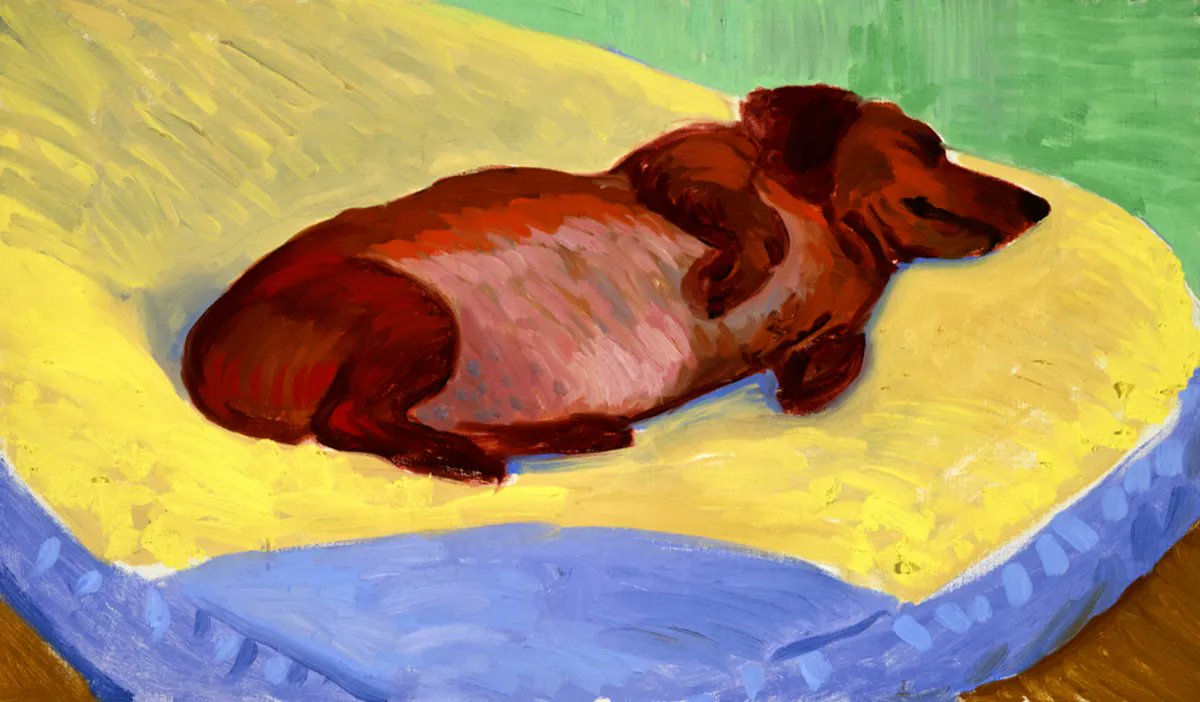
David Hockney morreu hoje aos 88 anos e uma das coisas que eu lembrei é o quanto ele amava seus salsichinhas, por causa disso ele tem uma série gigante de quadros só pintando os piticos 🥹🤏


32
3,599
15,796
652,515
I would literally buy this
Jun 12

Renault pls make this a production car and you’ll instantly become the coolest car maker I guarantee it
17
Nope. Women fought for those pockets. I'm gonna keep saying, 'thank you, it has POCKETS' until I die.

“It has pockets” is such an annoying millennial thing like it needs to die
22

Women didn't fight for the right to work. Women have always worked. Women fought for the right to get paid.
Jun 8

Hit me with the harshest reality truth:
55
2,199
12,897
171,016
Rowbi-Wan Kenobi🎧🎚️🎛️📻 retweeted

Back in Victorian days, it was considered quite fancy for gardeners to build something they called a stumpery.
It's a pile of dead stumps and logs, often stacked roots-up, arranged in a shady damp corner and left to rot on purpose. The Victorians built them to show off ferns, but they also turn out to be some of the best wildlife habitat you can make.
The first one went up in 1856 at Biddulph Grange in England, where a gardener took the stumps left from clearing land and stacked them ten feet high along a sunken path. The fern craze was at its peak, and the rotting wood made perfect planting pockets. King Charles has a famous modern stumpery at Highgrove built from sweet chestnut roots.
What the Victorians treated as decoration, nature treated as a feast. As the wood breaks down it feeds fungi, mosses, and beetles, including stag beetles whose grubs live in deadwood for years. Toads, salamanders, and small mammals move into the damp gaps. A single rotting log can support an astonishing variety of life.
To build one: find a shaded corner, stack stumps and logs with the roots facing up and out, leave plenty of gaps, and tuck ferns and moss around the base. Then walk away and let it rot.
You make a sculpture out of dead trees, and everything in the yard moves in.

66
737
4,143
106,416
I can

1,369

Rowbi-Wan Kenobi🎧🎚️🎛️📻 retweeted

Jun 6
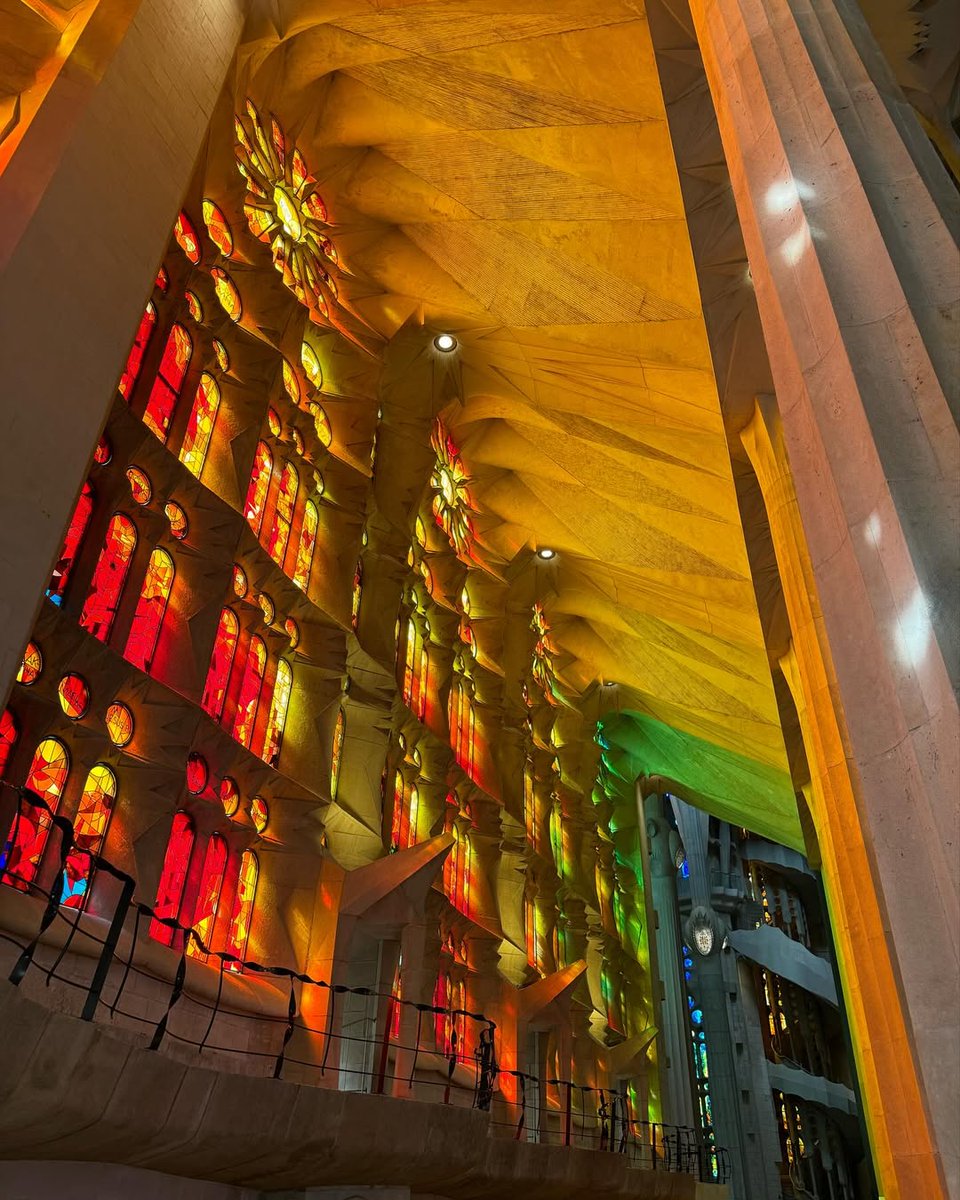
Sunrise inside Sagrada Familia, Barcelona.

35
1,308
15,472
323,578

Row and @ceceliaramsdale forgot they were making a podcast and started singing instead. That horror over, they covered the joy of surprises in the mail, Mad Mabel by Sally Hepworth, Project Hail Mary, the book Breath by James Nestor, then they entered the Moan Zone, where... 🧵
1
55
Row revealed that, on the road, she is part of the problem. Get it wherever you like to get your pods! linktr.ee/nobooksbookclub
4