Exploring • Everything • Everywhere • Everyday
Joined June 2009
- Tweets 4,419
- Following 136
- Followers 439
- Likes 7,972
763 Photos and videos
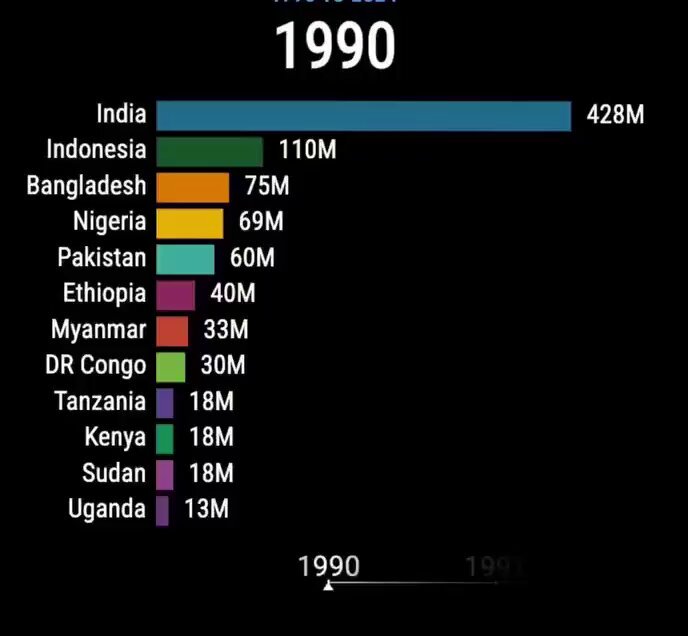
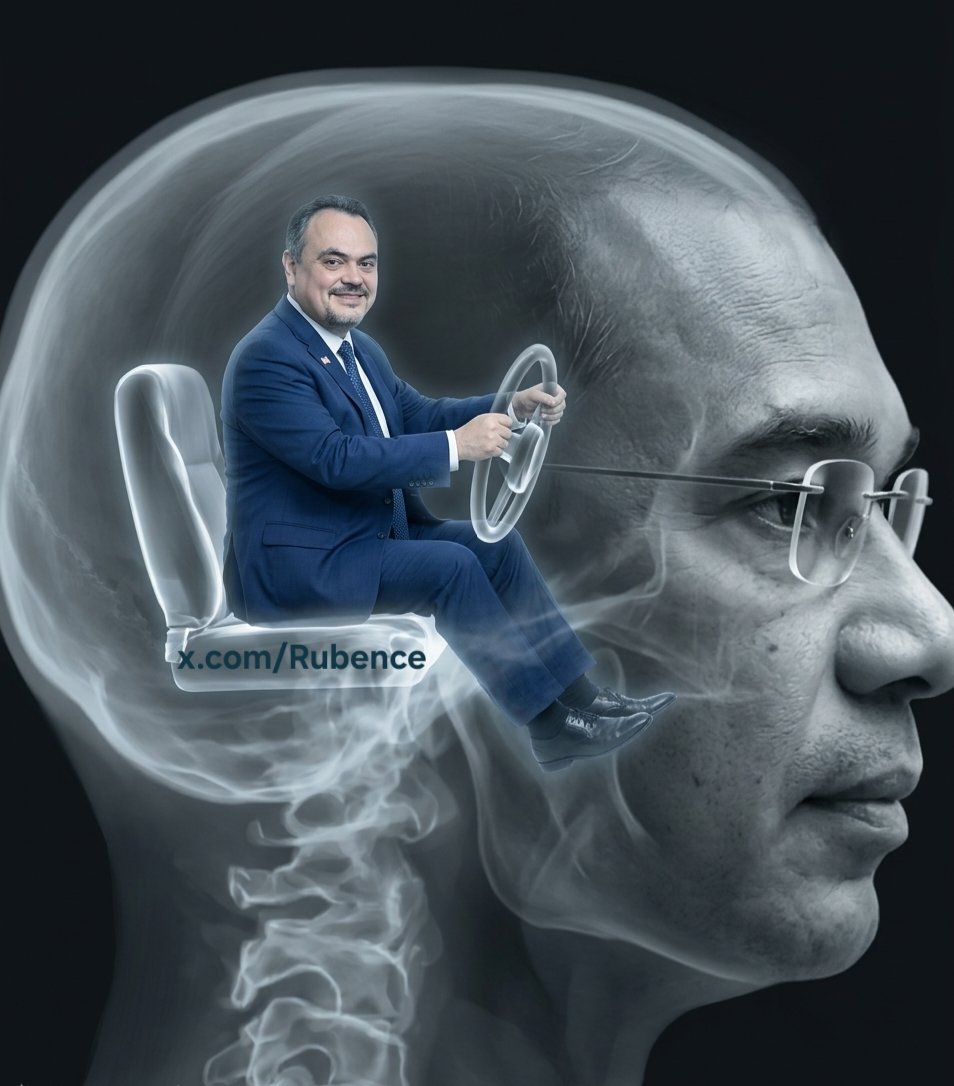
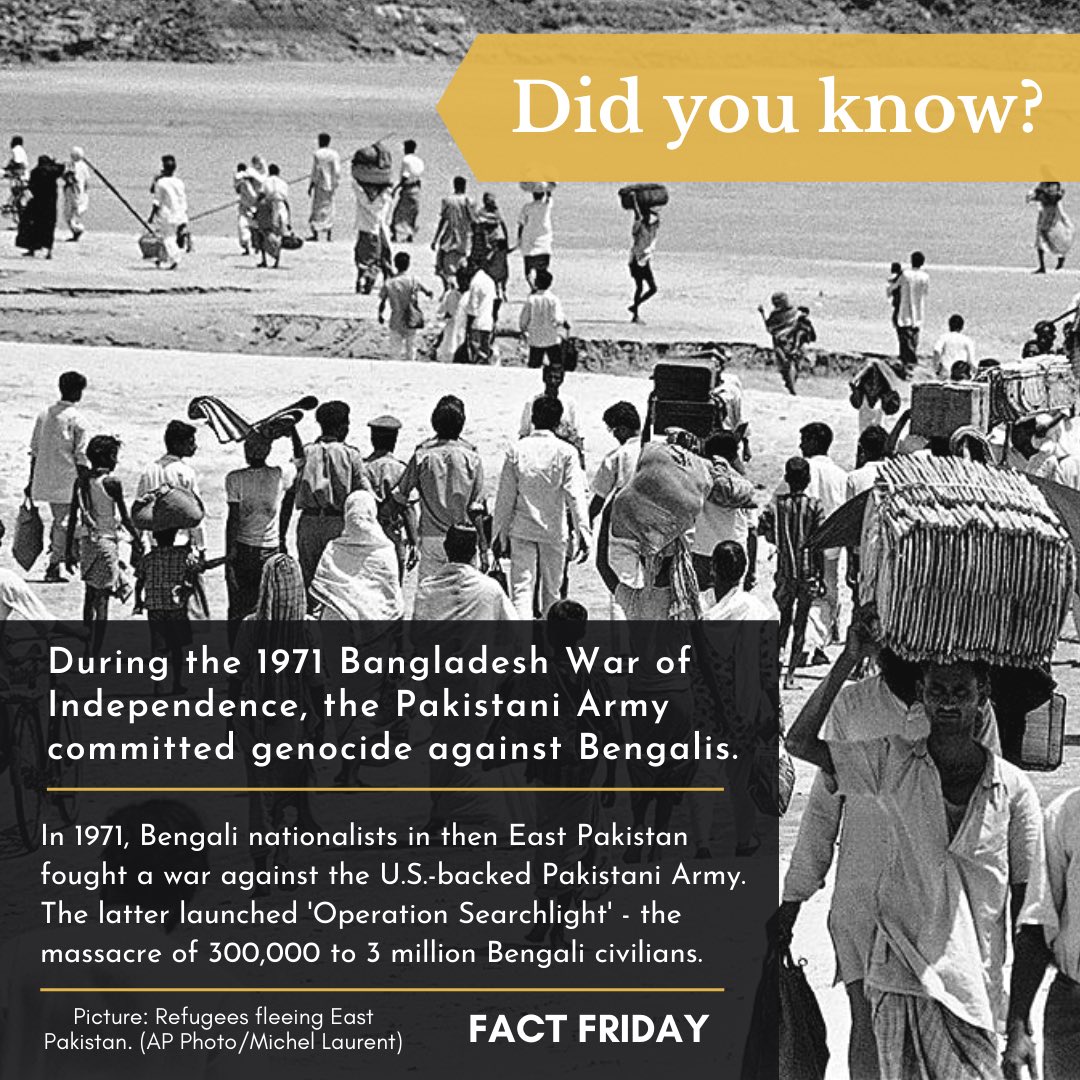


In 2006, when @bdbnp78 left power, 78 million people in #Bangladesh lacked electricity. By 2009, that rose to 85 million as @albd1971 took office, but by 2016, it dropped to under 10 million.
No surprise why nationalist progress draws hostility from imperial powers.
1
3
11
242
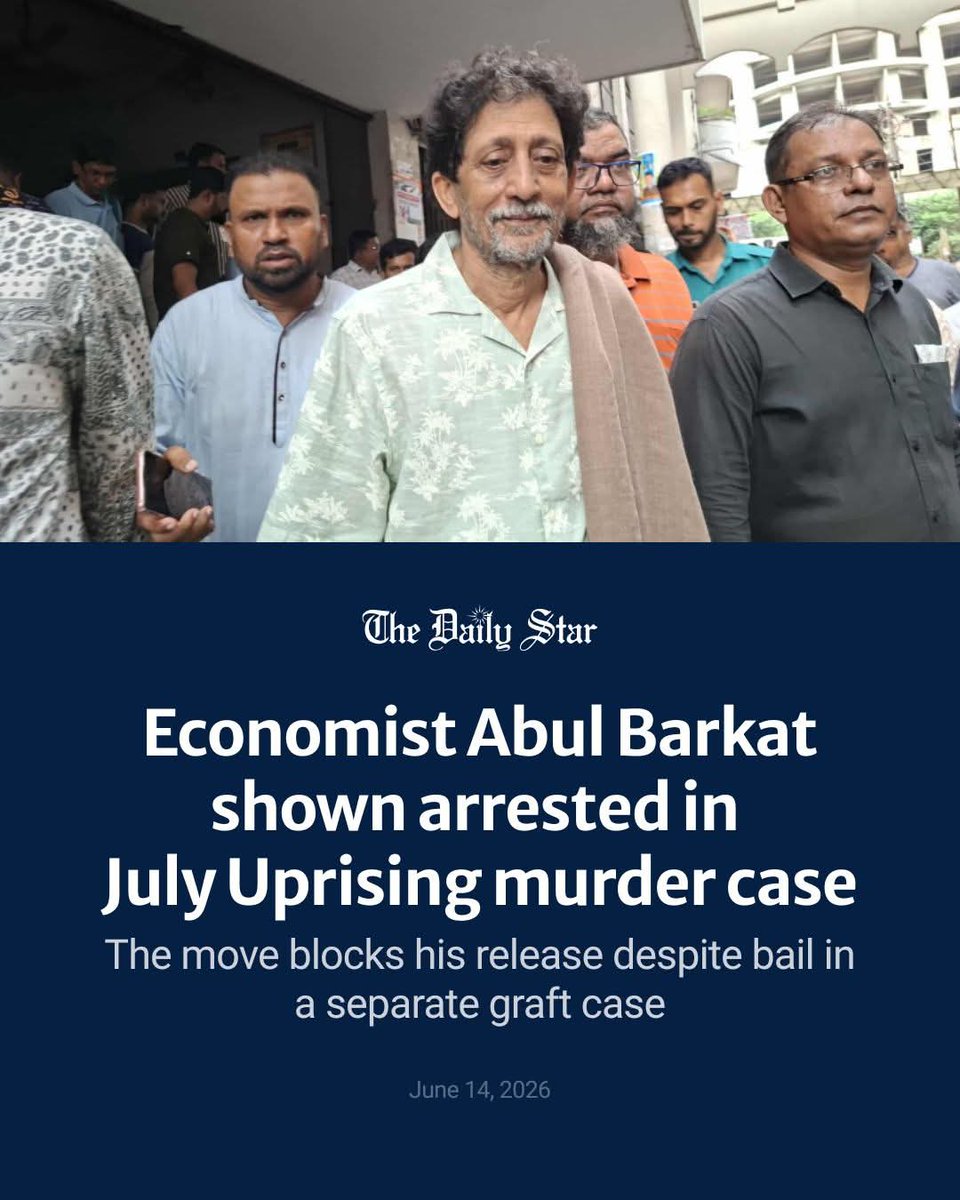
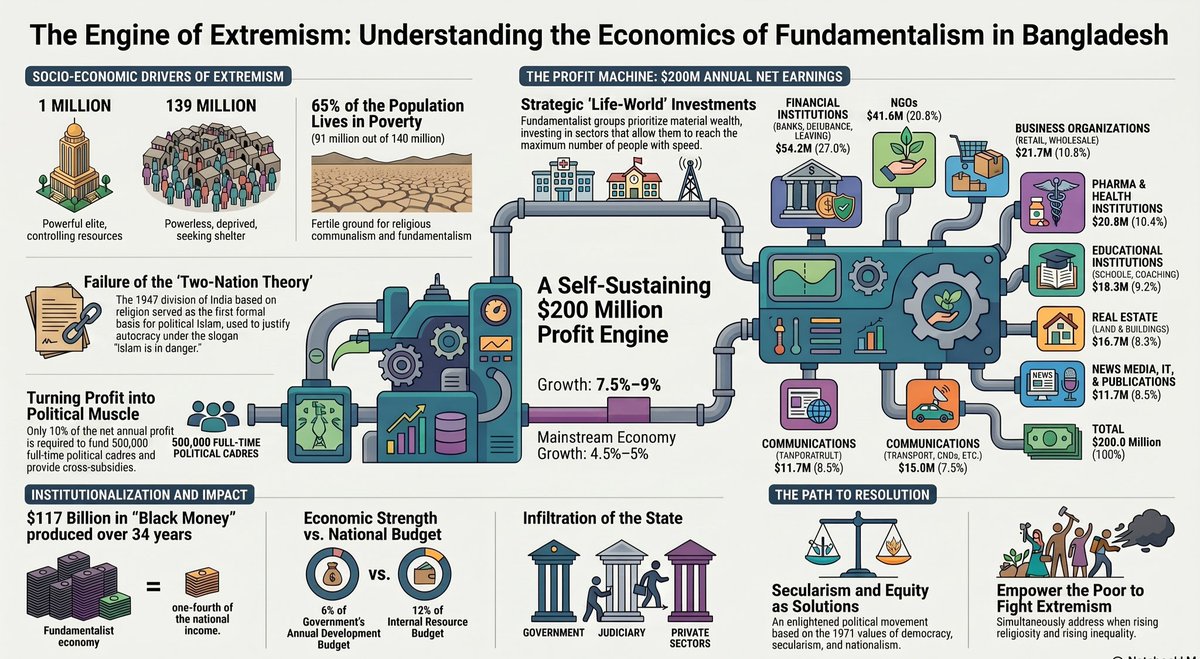
Professor Dr. Abul Barakat, 72, a leading economist, is in prison on fabricated murder charges.The real reason is political, he helped shape Vision 2021, transforming Bangladesh’s economy from $92B to $450B, and researched the economic roots of Islamic extremism in the country.
1
5
9
179
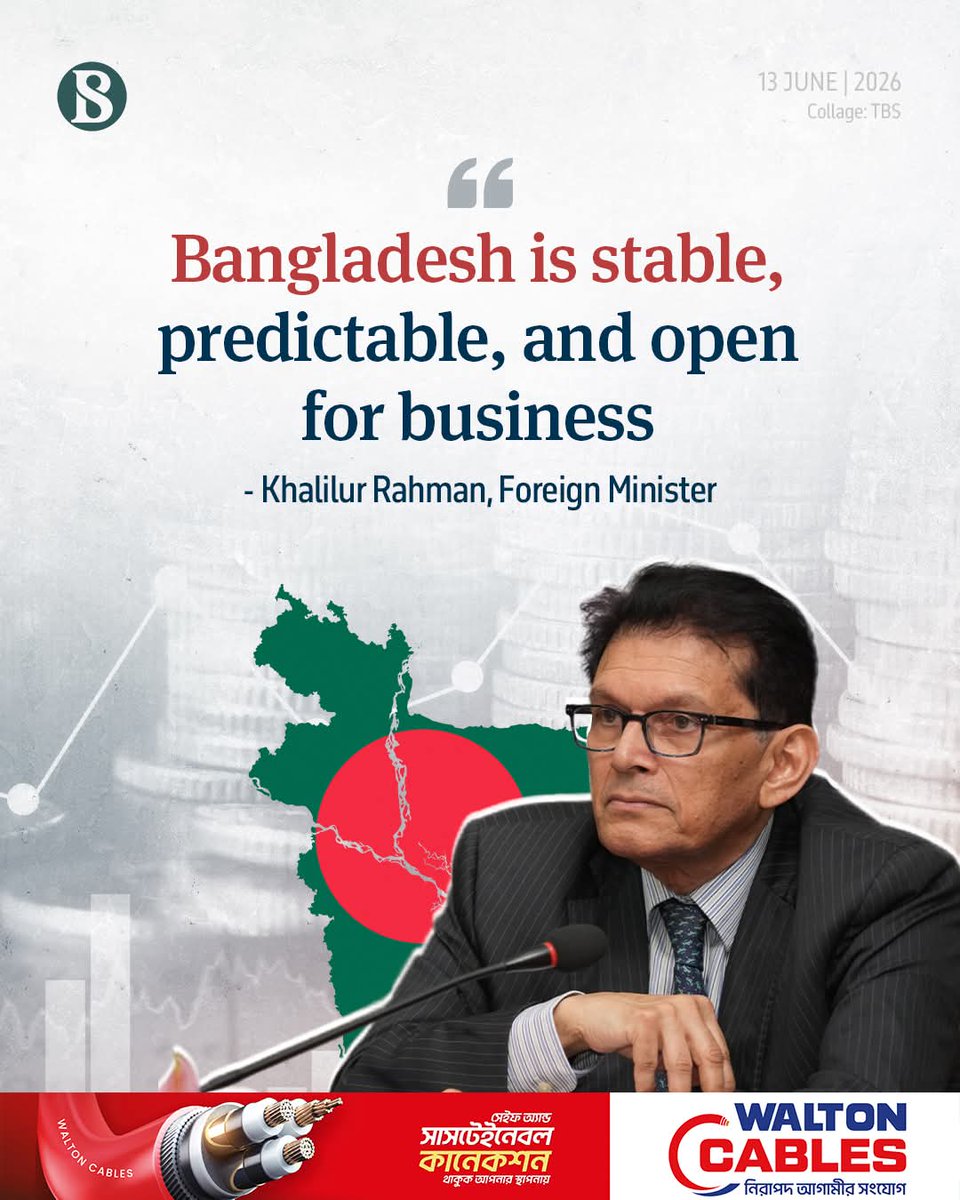
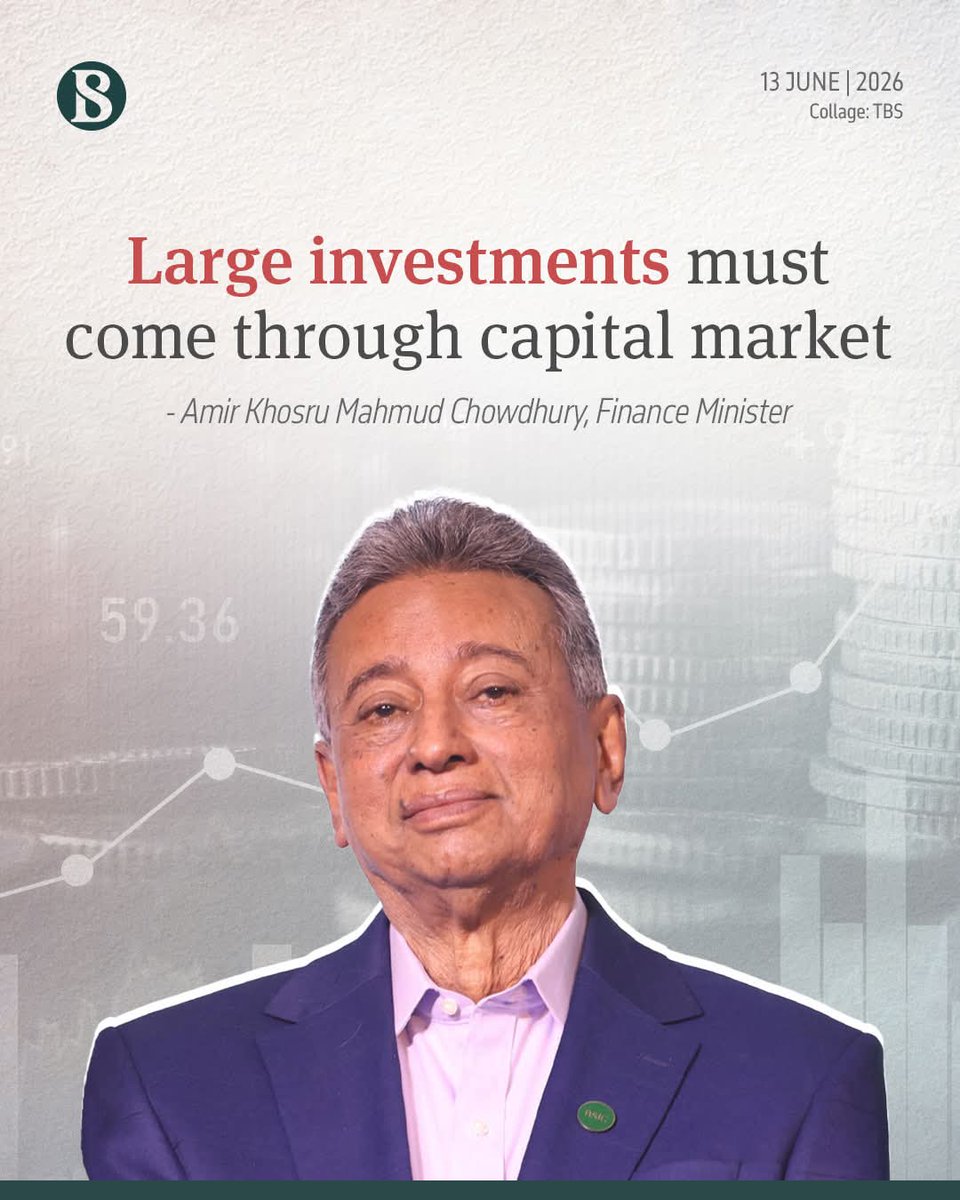
Bangladesh’s economy is in a dire state.The @BDMOFA minister claims stability and “open for business,” the finance minister pins hopes on the capital market, while @BangladeshBida chief @2shuvro suggests handing ports to foreign entities.
They have no idea what they’re doing

2
5
9
254
Rubence retweeted

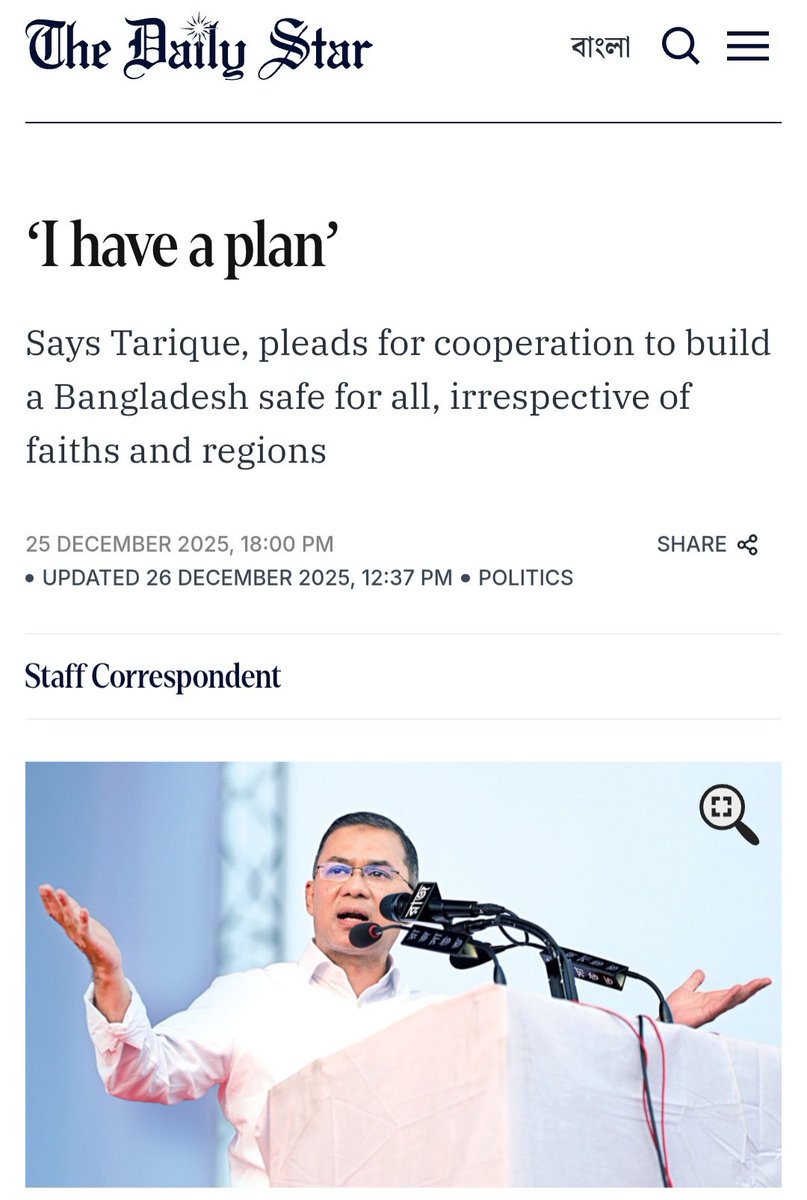
When @trahmanbnp returned to Bangladesh, he said: “I have a plan.”
Now people are seeing that plan unfold.
While Sheikh Hasina’s government built homes for helpless, homeless people, Tarique’s government is tearing those very homes down and burying them under the soil. A plan to target the poor, take away their shelter, and destroy what little they had.
Some build homes so people can sleep in peace. Others bury those homes in the dirt.
That’s the difference.
#Bangladesh
1
9
16
325
Let the show begin, this is going to be great.

1
7
247
It’s football, always has been, always will be.


4
93
The US publicly opposes Islamic extremism and terrorism, calling it a threat to Western “democracy.” Yet in #Bangladesh, it appears aligned with its old partner @BJI_Official, while Jamaat was deeply involved in 1971 genocide and later tried and convicted for war crimes.

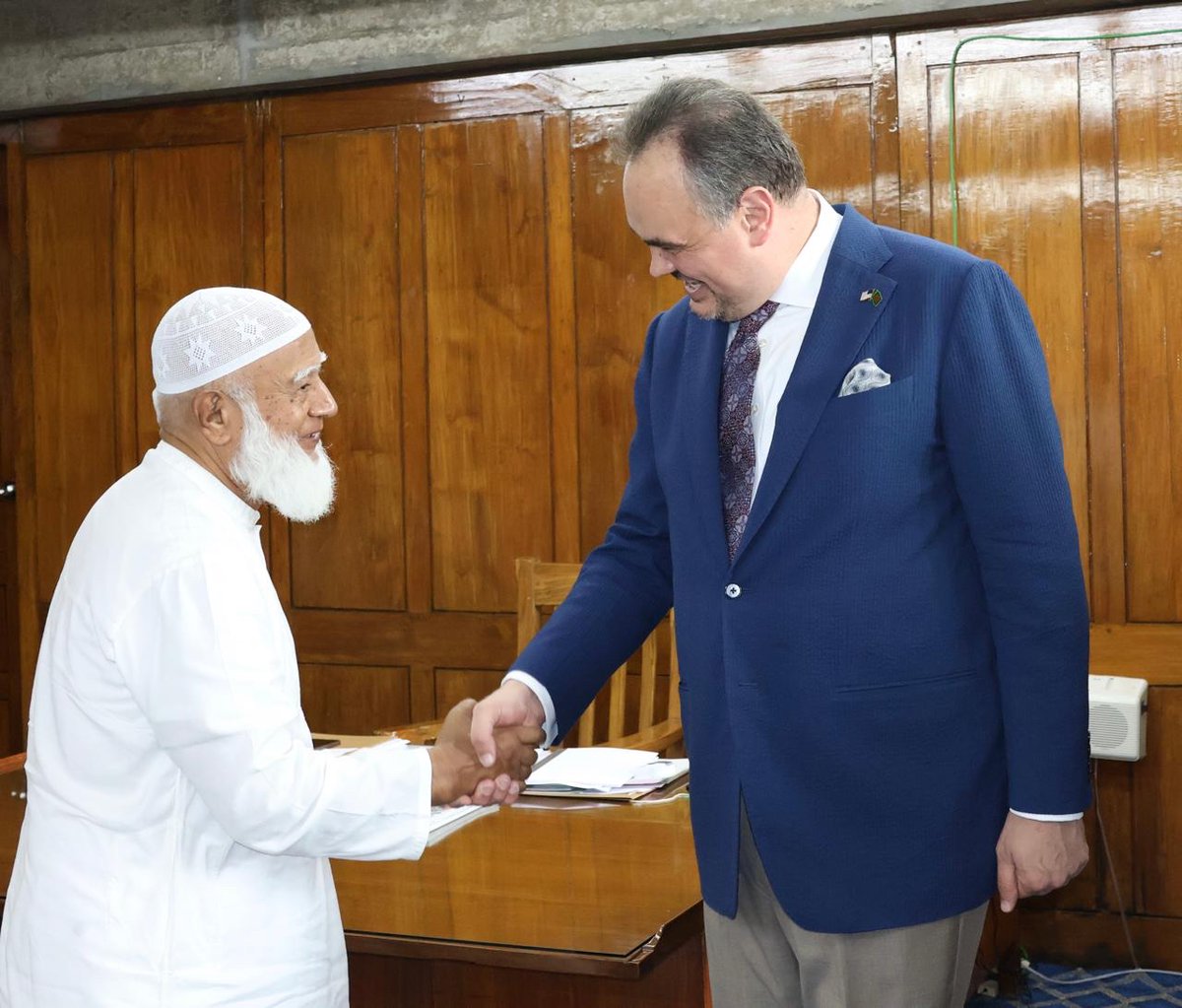
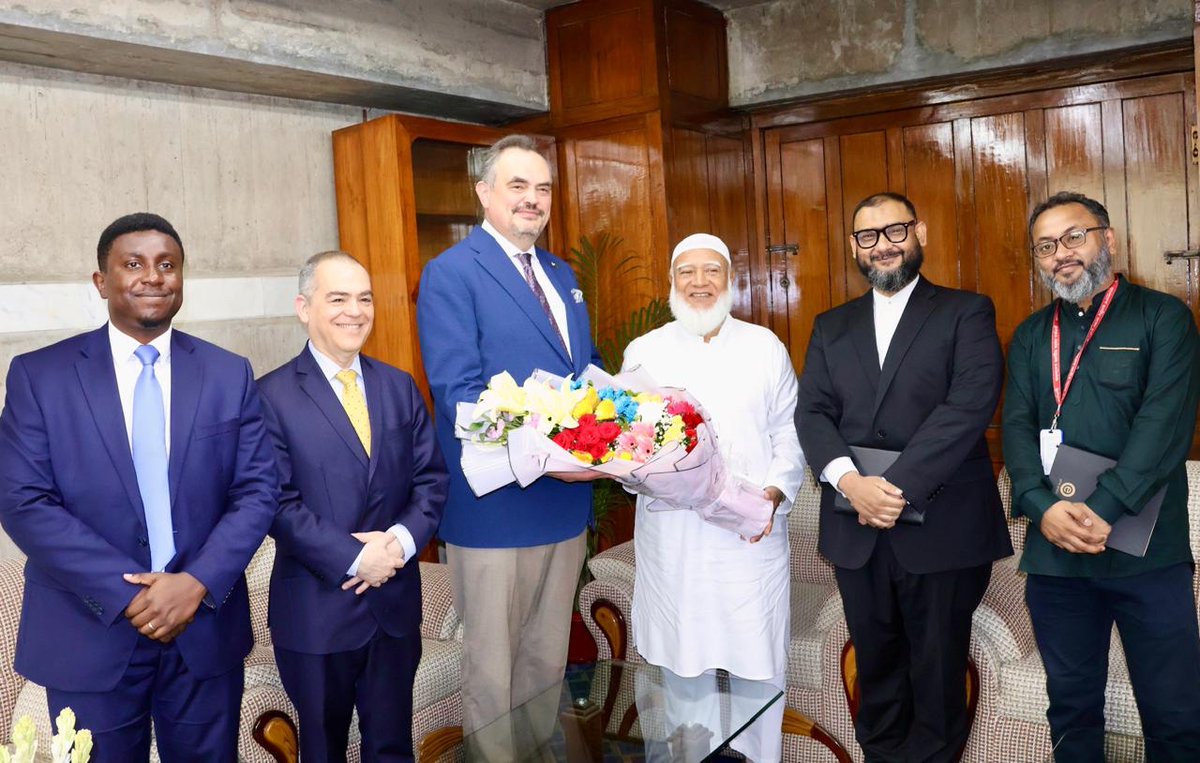
It was a pleasure to sit down with the leader of the parliamentary opposition Ameer Shafiqur Rahman, to discuss the progress of the legislative session.
1
6
16
873
The US ambassador @USAmbBangladesh is effectively running the show in #Bangladesh right now. @trahmanbnp looks like a puppet following Brent Christensen’s script rather than serving the people.
Bangladesh deserves its sovereignty back, not rule by proxy under US hegemony.

The US publicly opposes Islamic extremism and terrorism, calling it a threat to Western “democracy.” Yet in #Bangladesh, it appears aligned with its old partner @BJI_Official, while Jamaat was deeply involved in 1971 genocide and later tried and convicted for war crimes.
2
2
10
139
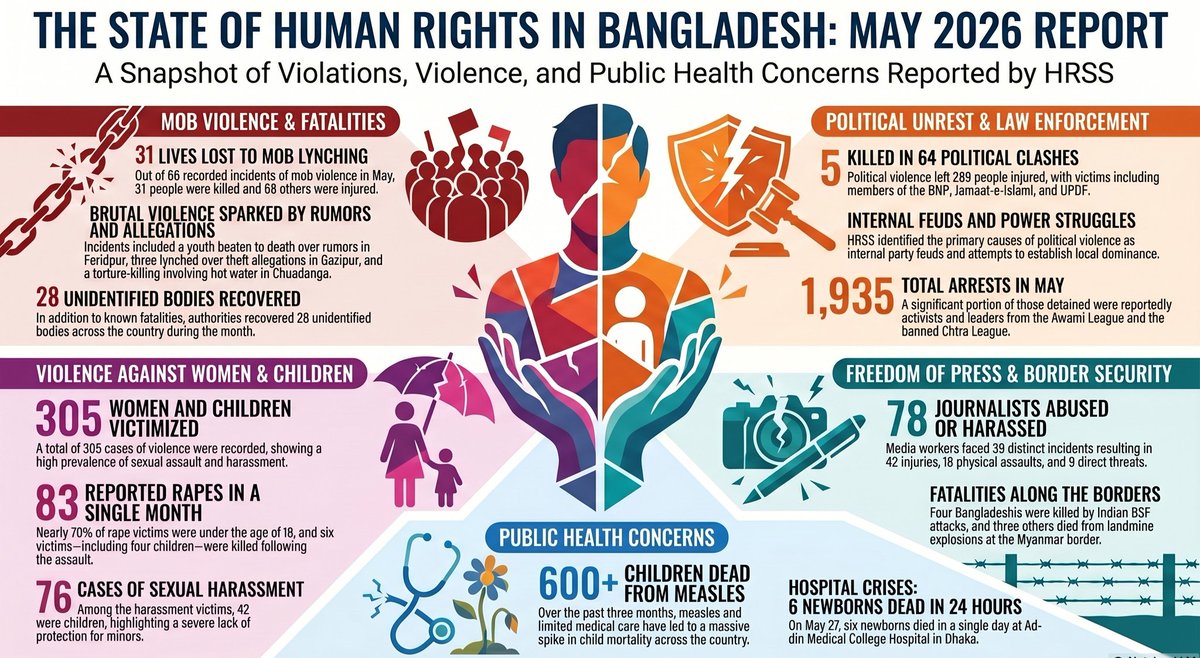
This is just a snapshot of law and order in Bangladesh for May 2026. It barely needs explanation,there is effectively none.
31 killed by mob violence,nearly one every day.
Violence against women and children hit 305 cases,over 10 daily,83 of them rape.
78 journalists harrased.

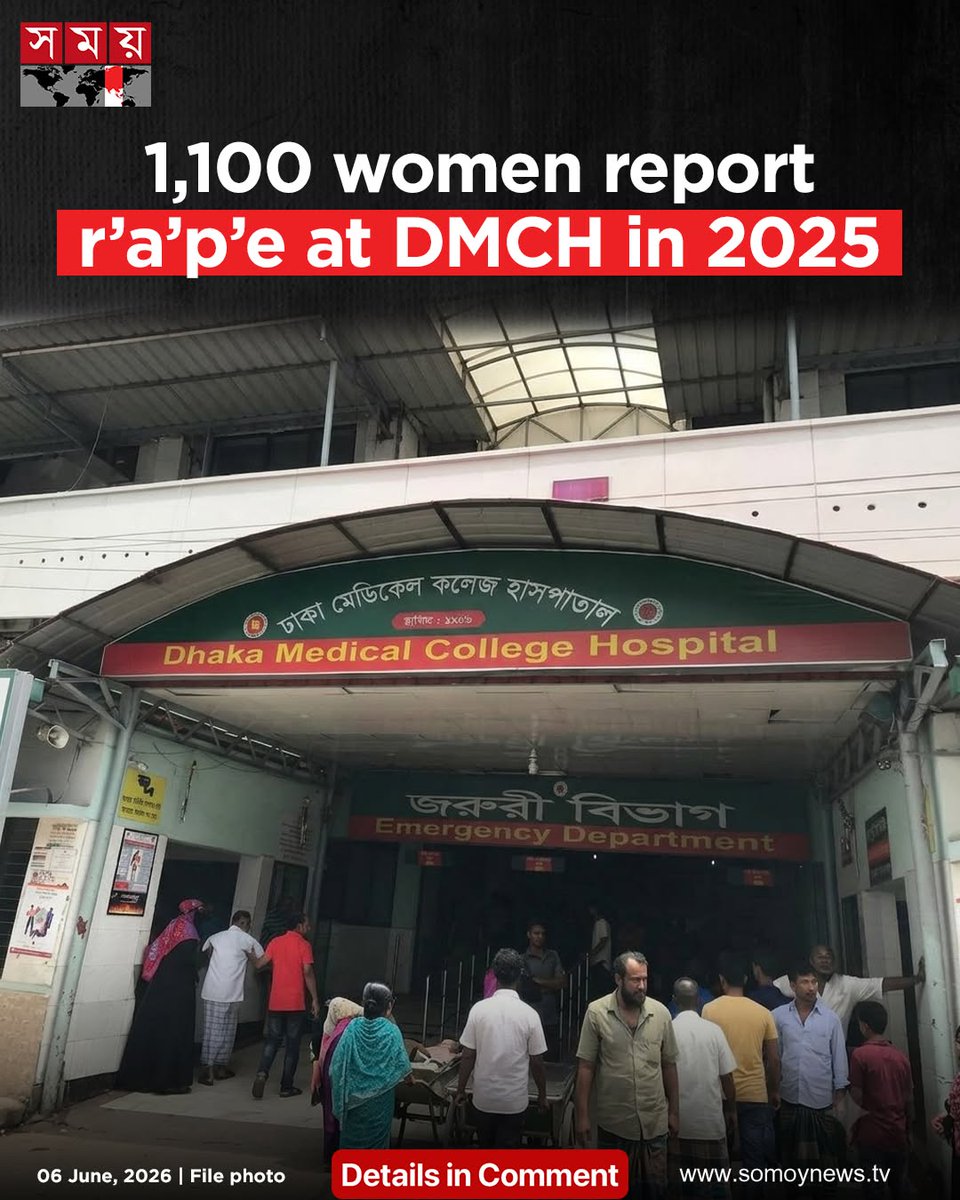
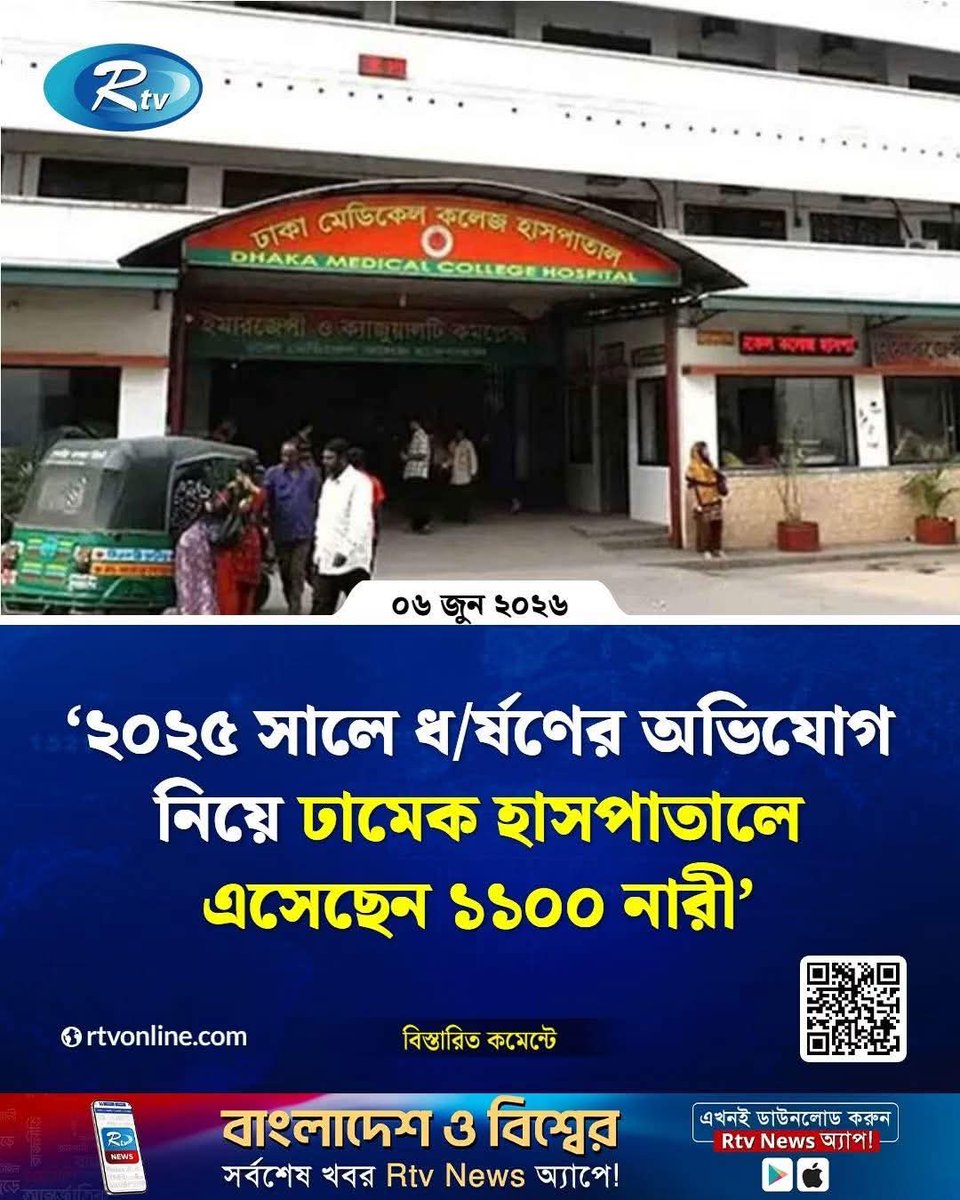
1,100 women went to just one hospital in Bangladesh, Dhaka Medical College Hospital (DMCH), with allegations of rape in 2025 alone.
Just one hospital.
Now imagine the real number across the country when all hospitals are counted. And even that would not tell the full story, because many women never report rape or seek help out of fear, stigma, or social pressure.
Every number is a person. A life changed forever. What does this say about the state of law and order in Bangladesh?
4
9
147
Rubence retweeted

Jun 8
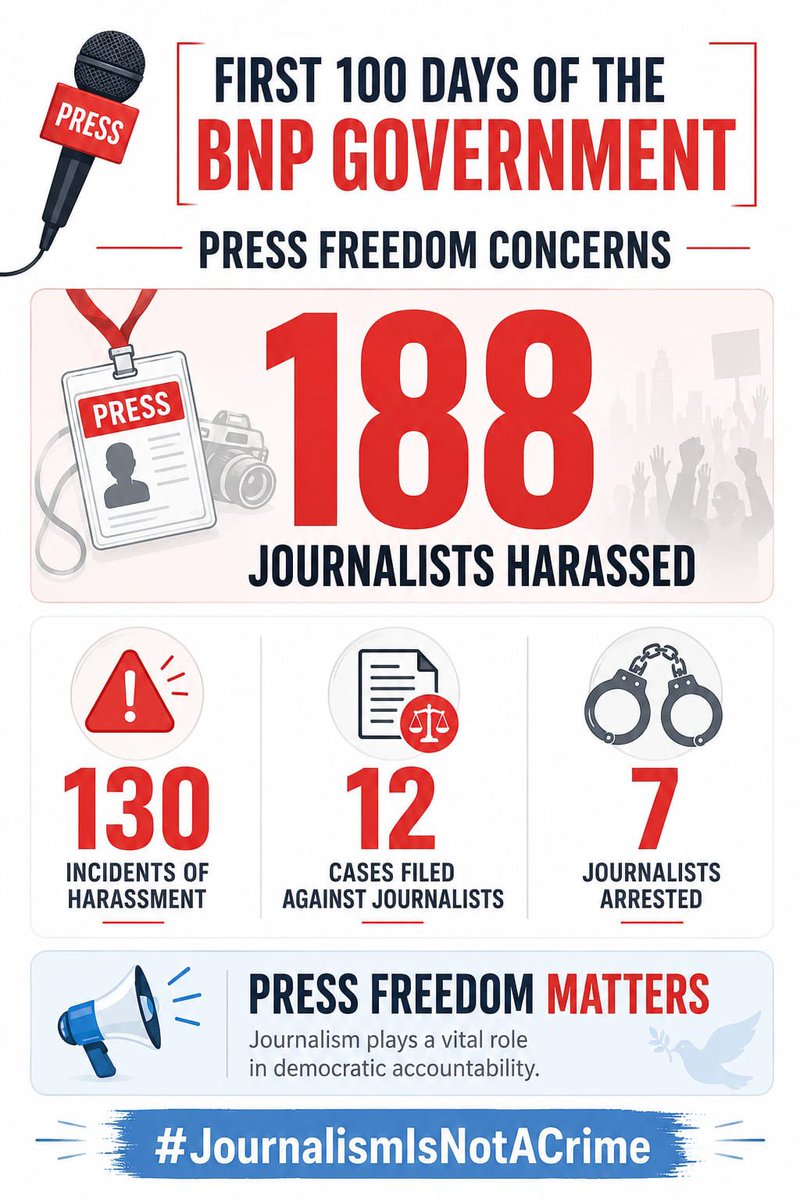
Press Freedom in the First 100 Days of the BNP Govt:
188 Journalists Faced Harassment in 130 Incidents, with 12 Cases Filed and 7 Arrests.
According to Transparency International Bangladesh (TIB), during the first 100 days of the BNP Govt, 188 #journalists faced #harassment in 130 separate incidents. During this period, 12 criminal cases were filed against journalists and seven were arrested. TIB also raised concerns about potential violations of freedom of expression through the misuse of controversial provisions of the Cyber Security Act 2026.
See:
ti-bangladesh.org/en/article…
At BD Watch, we have been documenting the state of #pressfreedom under the Prime Minister #TariqueRahman-led BNP Govt over the past three and a half months. The statistics from May 2026 remain deeply concerning.
According to the Human Rights Support Society (HRSS), May witnessed 39 incidents of harassment and intimidation involving 79 journalists. Among them, 42 journalists were physically assaulted, 18 were harassed, and 9 were threatened while carrying out their professional duties. One journalist was arrested during the month.
News:
prothomalo.com/bangladesh/85…
Even more alarmingly, many of the patterns of repression that began under the previous #Yunus-led Interim Govt appear to have continued under the BNP Govt.
In its latest report on Bangladesh, @CIVICUSalliance highlighted the continued detention of five journalists, the filing of what it described as baseless charges against a further 140 journalists, an army raid on a #media office during which 21 individuals were detained, travel restrictions imposed on the #Dhaka correspondent of the German news agency @dpa_intl, and the initiation of fresh proceedings before the Int’l Crimes Tribunal (ICT) against detained journalists Mozammel Babu and Farzana Rupa.
See:
x.com/bdwatch2024/status/206…
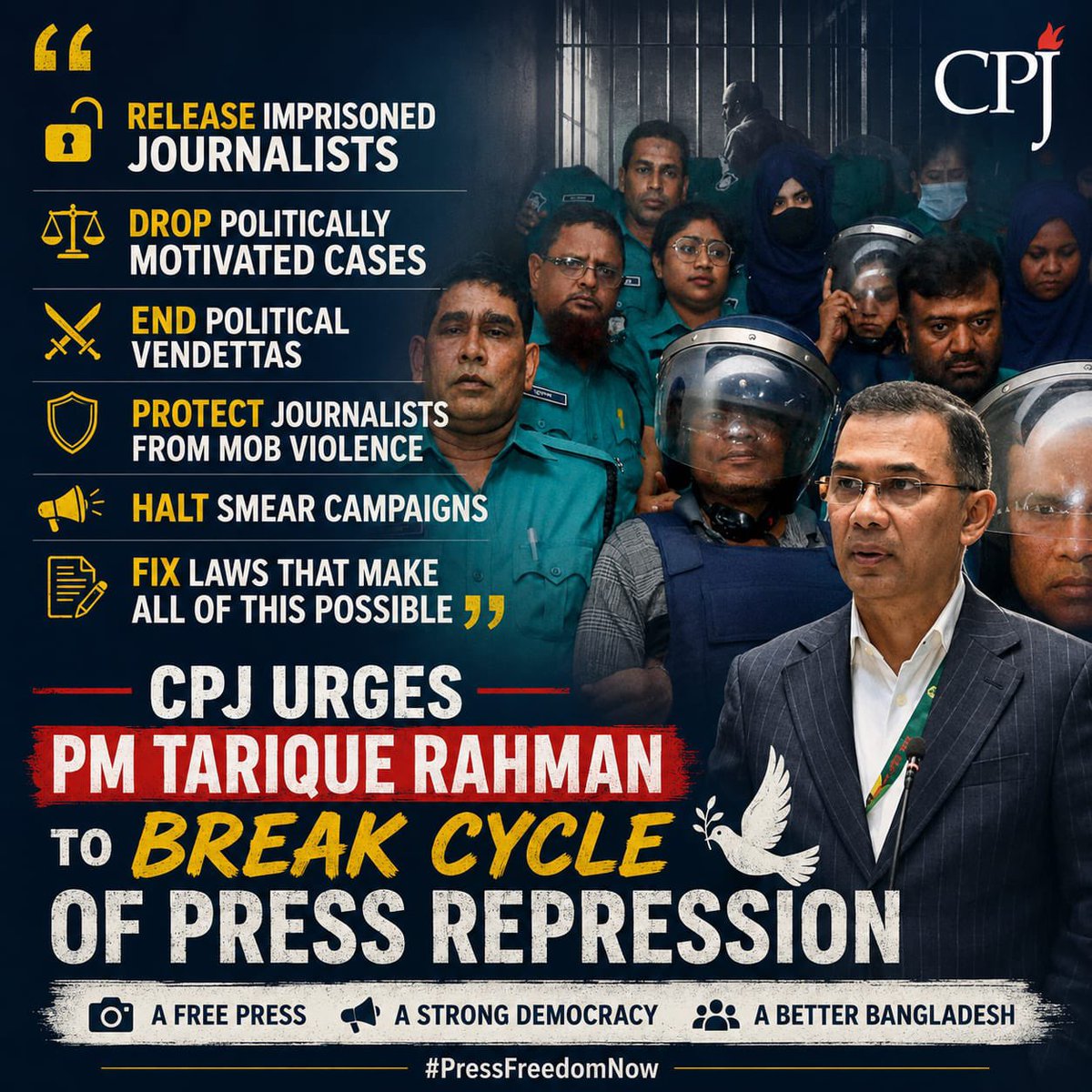
By the same token, the Committee to Protect Journalists (CPJ), in its latest statement on Bangladesh, urged the BNP Govt and PM Tarique Rahman to release the five imprisoned journalists, withdraw politically motivated cases against media workers, end political vendettas targeting the #press, protect journalists and media outlets from #mob violence, and halt smear campaigns directed at journalists on the basis of their perceived political affiliations.
See:
x.com/bdwatch2024/status/206…
These developments have prompted growing concern among domestic and international observers regarding the state of press freedom, freedom of expression, and the safety of journalists in Bangladesh. The figures documented over the past several months suggest that journalists continue to face significant risks while carrying out their professional responsibilities.
….
#BangladeshCrisis @amnestysasia @AgnesCallamard @taqbirhuda @meeganguly @PearsonElaine @StateDRL @justiceinfonet @job71org @icsforum @article19org @pressfreedom @RSF_inter @IFJGlobal @ifjasiapacific @MediaFreedomC @S_Asian_Rights @CommonwealthJA @ESandersFCDO @CIVICUSalliance @BonaveroIHR @forum_asia @Irenekhan @UN_SPExperts @DoughtyStIntl @volker_turk @UN_HRC @KunalMajumder @CPJAsia
Jun 3

Release imprisoned #journalists, drop politically motivated cases, end political vendettas against the #press, protect journalists from #mob violence, halt smear campaigns and fix laws that make all of this possible - @CPJAsia urges PM #Tarique Rahman to end cycle of press repression on completion of his first 100 days in office.
In their latest statement on #Bangladesh, #pressfreedom org. the Committee to Protect Journalists (CPJ) highlighted the need to break the vicious cycle of repression faced by #media workers and journalists whenever there is a new government.
“Press freedom in Bangladesh has too often been treated as an opportunity for each new government to turn the law against journalists allegedly aligned with the previous administration,” said CPJ Asia-Pacific Program Coordinator @KunalMajumder.
Prime Minister Tarique Rahman’s government pledged to be different. But 100 days in, meaningful progress remains limited. CPJ recommended the following ten actions for the #BNP Govt to restore press freedom in Bangladesh:
First, ending the misuse of the criminal justice to target journalists. In contemporary Bangladesh, such abuse is most starkly demonstrated by the dozens of journalists detained and/or charged under the wholesale criminal cases arising out of the July-Aug 2024 protests;
Second, stopping the Int’l Crimes Tribunal from being used against journalists. This is in reference to the proceedings brought against detained journalists Farzana Rupa and Mozammel Babu in relation to the alleged violence of 5 May 2013 regarding #HefazateIslam’s “Dhaka Siege” programme;
Third, ending the smearing and vilification of journalists. Political actors, state-aligned media, and online trolls routinely label Bangladeshi journalists as “pro-India,” “anti-Islam,” “traitors,” or agents of the former government.
Fourth, reforming the accreditation system and establishing safeguards against abusive litigation. After the fall of the #AwamiLeague Govt stepped down in 2024, the Press Information Department (PID) revoked the accreditation of 168 journalists, while the system has been used to punish critical editors.
Fifth, protecting journalists and newsrooms from mob violence. During the December 2025 unrest, the offices of Bangladesh’s two largest newspapers, @ProthomAlo and @dailystarnews, were attacked and set on fire, with journalists temporarily trapped inside burning newsrooms. Elsewhere, individuals stormed the offices of Somoy TV and demanded the dismissal of journalists.
In 2025, CPJ documented at least 10 incidents of #violence and #harassment against reporters covering political events, most of them carried out by members or affiliates of the #BNP and its student wing, #ChhatraDal.
The other suggestions include:
Ensuring accountability for crimes against journalists, regardless of politics; replacing the Cyber Protection Act, 2026 and dismissing politically motivated cybercrime cases; reforming the Anti-Terrorism Act, 2009 to end its use against journalists; withdrawing the draft media regulatory ordinances and implementing the Media Reform Commission’s recommendations; and repealing or amending the legacy laws and surveillance frameworks used to silence journalists.
Read more: cpj.org/2026/06/100-days-on-…
….
#BangladeshCrisis @amnestysasia @AgnesCallamard @taqbirhuda @meeganguly @PearsonElaine @StateDRL @justiceinfonet @job71org @icsforum @TheDavidBergman @IBAHRI @article19org @pressfreedom @RSF_inter @IFJGlobal @ifjasiapacific @MediaFreedomC @S_Asian_Rights @CommonwealthJA @ESandersFCDO @CIVICUSalliance @BonaveroIHR @forum_asia @SRjudgeslawyers @Irenekhan @UN_SPExperts @DoughtyStIntl @volker_turk @UN_HRC
2
25
34
913
Rubence retweeted

Jun 7
প্রফেসর আবুল বারকাতকে জেল গেটে নতুন মামলায় আটক দেখানো হয়েছে। এবারের অভিযোগ তিনি নাকি বিস্ফোরক তৈরি করেছিলেন জুলাই আগস্টের ঘটনায়। এর আগে তিনি দুর্নীতির মামলায় জামিন পেয়েছিলেন সুপ্রিম কোর্টের ফুল বেঞ্চ থেকে। prothomalo.com/bangladesh/t4… @bdbnp78 দেশে কি বিচার বলে আর কিছু থাকলো?
6
9
134
Rubence retweeted
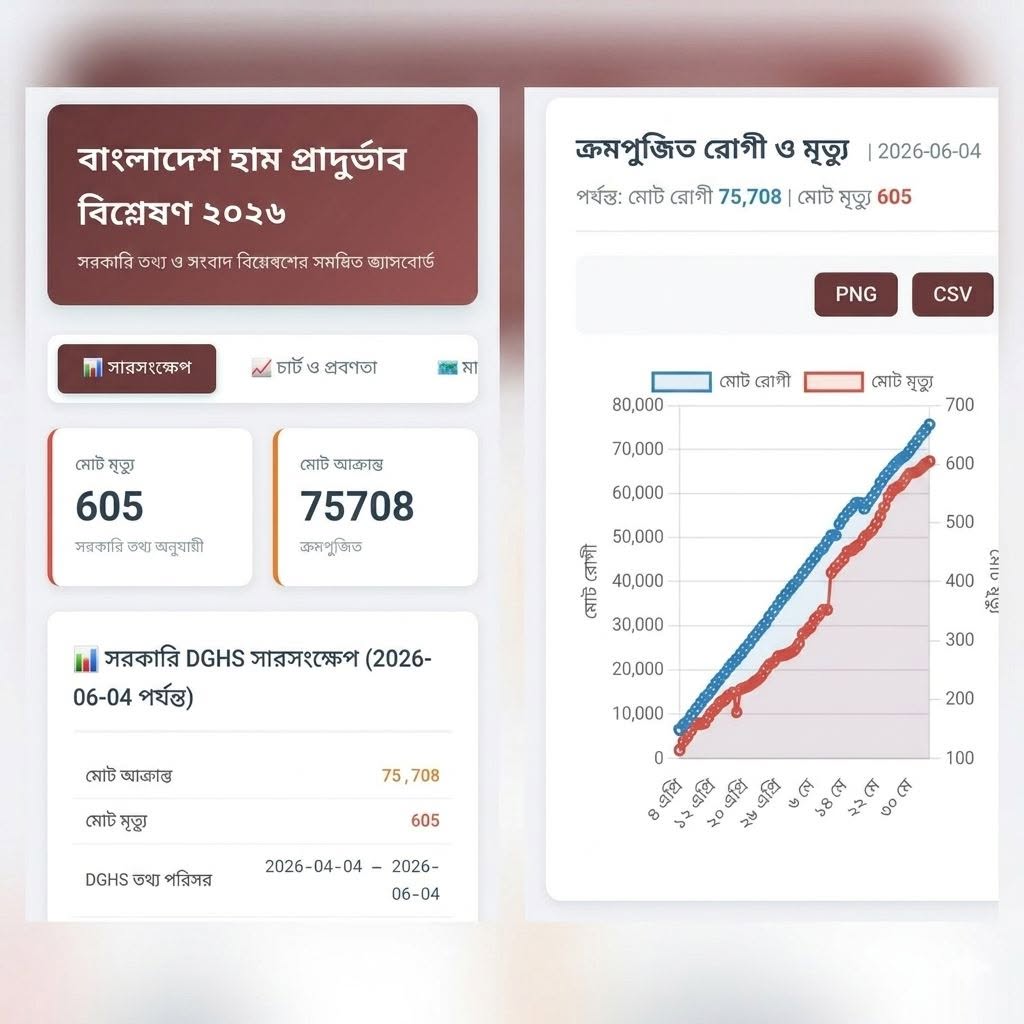
নানা দরকারী, অদরকারী হৈচৈ- এর ভীড়ে চুপচাপ কিছু জরুরী কাজ করছে কিছু লোকজন। সবাইকে চিনিও না।
এই যে একটা কাজ। এই সাইটে গেলে দেখা যাচ্ছে- বাংলাদেশে চলমান হাম মহামারি'র যাবতীয় তথ্য, উপাত্ত, প্রবণতা, বিশ্লেষন। আলাদা আলাদা ট্যাবে প্রত্যেকটি বিষয় গুরুত্বপূর্ণ। ট্রেন্ড এনালাইসিস এর ট্যাবটি আমার খুব কাজের মনে হয়েছে। একটি ট্যাবে দেখছি- হামে মৃতদের কয়েকজনের নাম, আই উইশ পূর্ণ তালিকাটি যদি পাওয়া যেতো। আরেকটি ট্যাবে আছে- বিশ্বের অন্যান্য দেশে হাম প্রাদুর্ভাবের অবস্থা।
যারা বিশেষজ্ঞ বা গবেষনা করবেন তাদের জন্য কাজের তো বটেই, আমাদের মতো সাধারন মানুষদের জন্যও এটা খুব কাজের একটা উদ্যোগ হয়েছে।
বিপদটি আমাদের। জানা, বোঝার দায়িত্ব আমাদেরই।
এই উদ্যোগের সাথে জড়িত অচেনা মানুষদের অভিনন্দন।
লিংকঃ
witnessbd.com/measles/
© হাসান মোরশেদ
1
8
14
579
Let’s see how high these cockroaches can fly, should be quite a show.

All cockroaches should come straight to Jantar Mantar, not Parliament Street Police Station.
We will begin our peaceful protest at 10 AM.
#cjpprotest
8
127
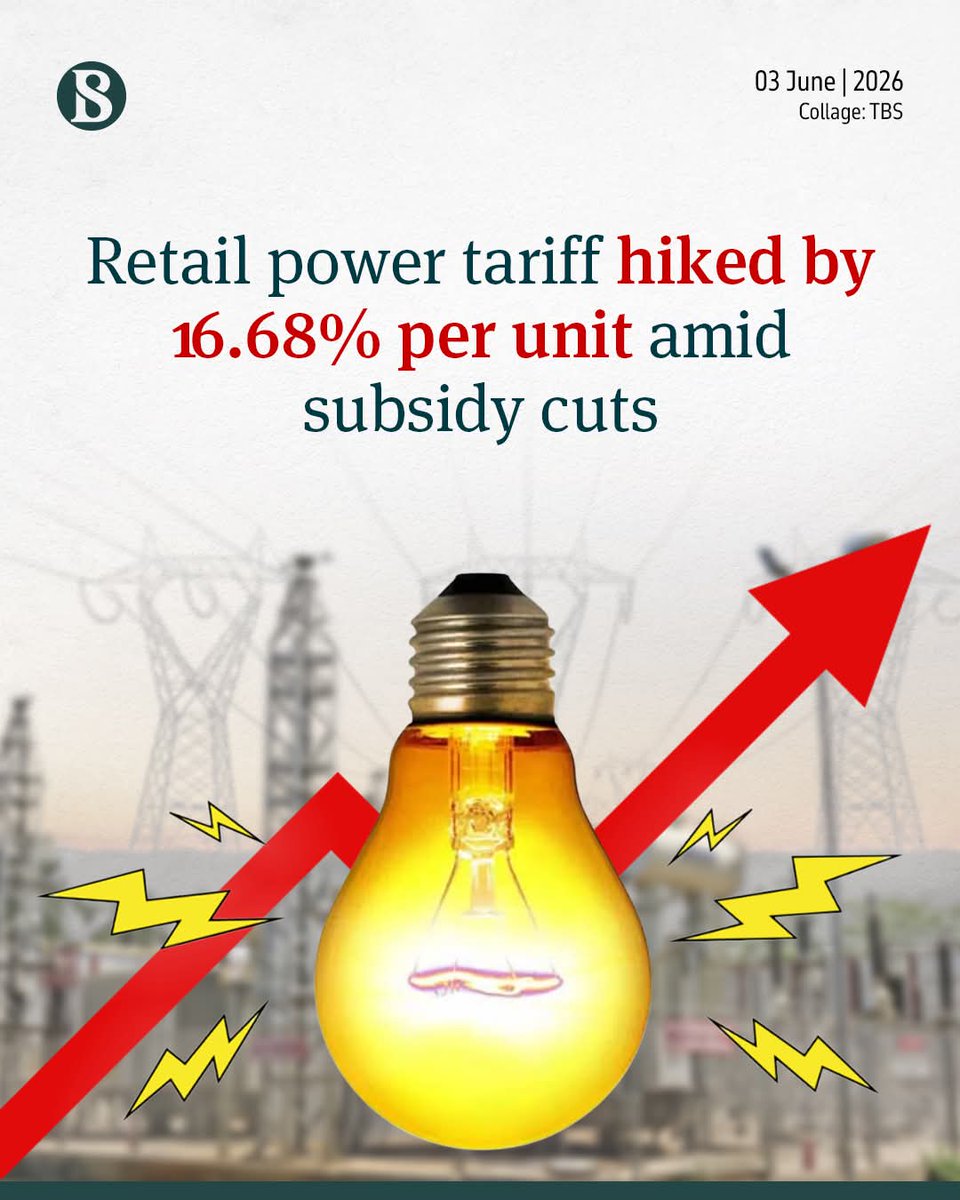
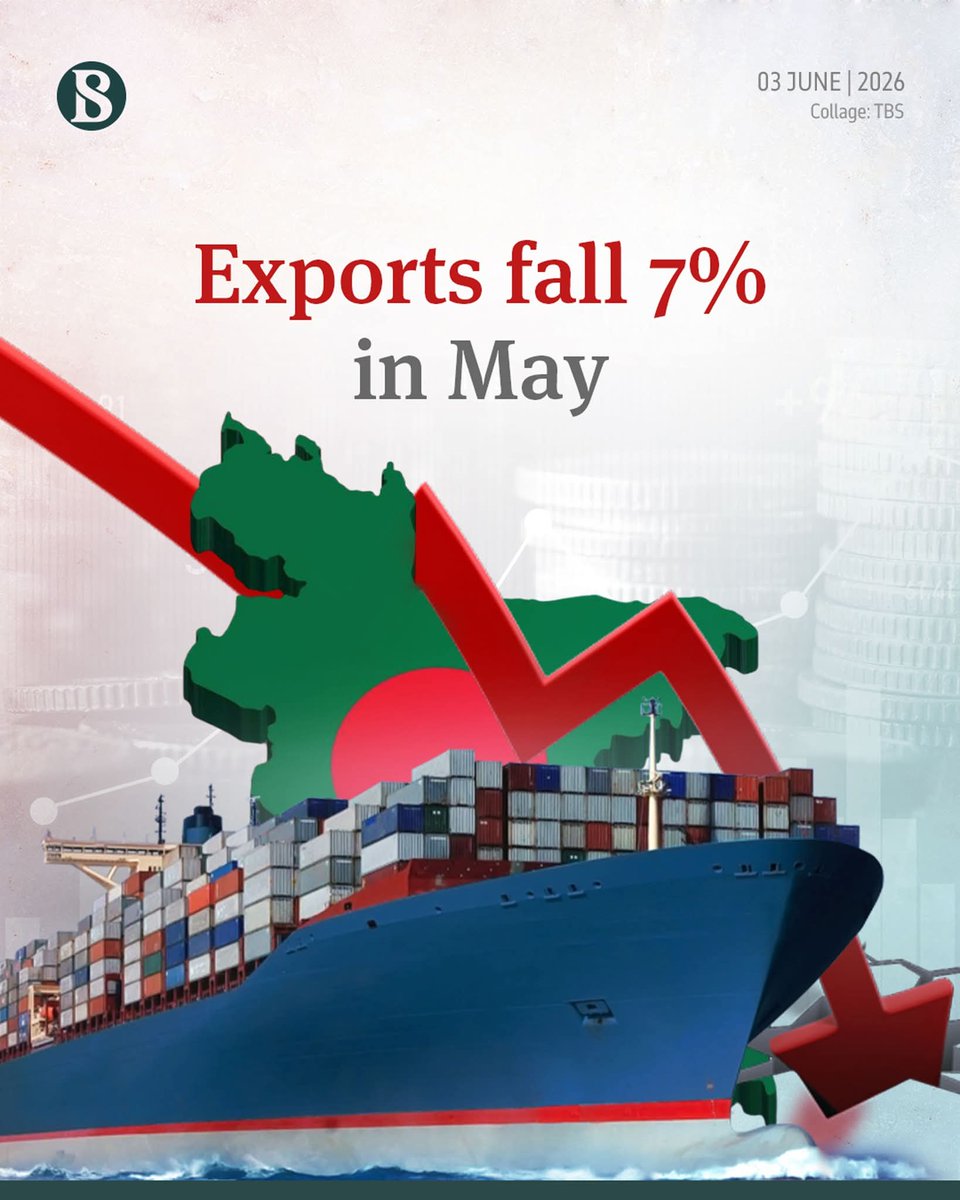
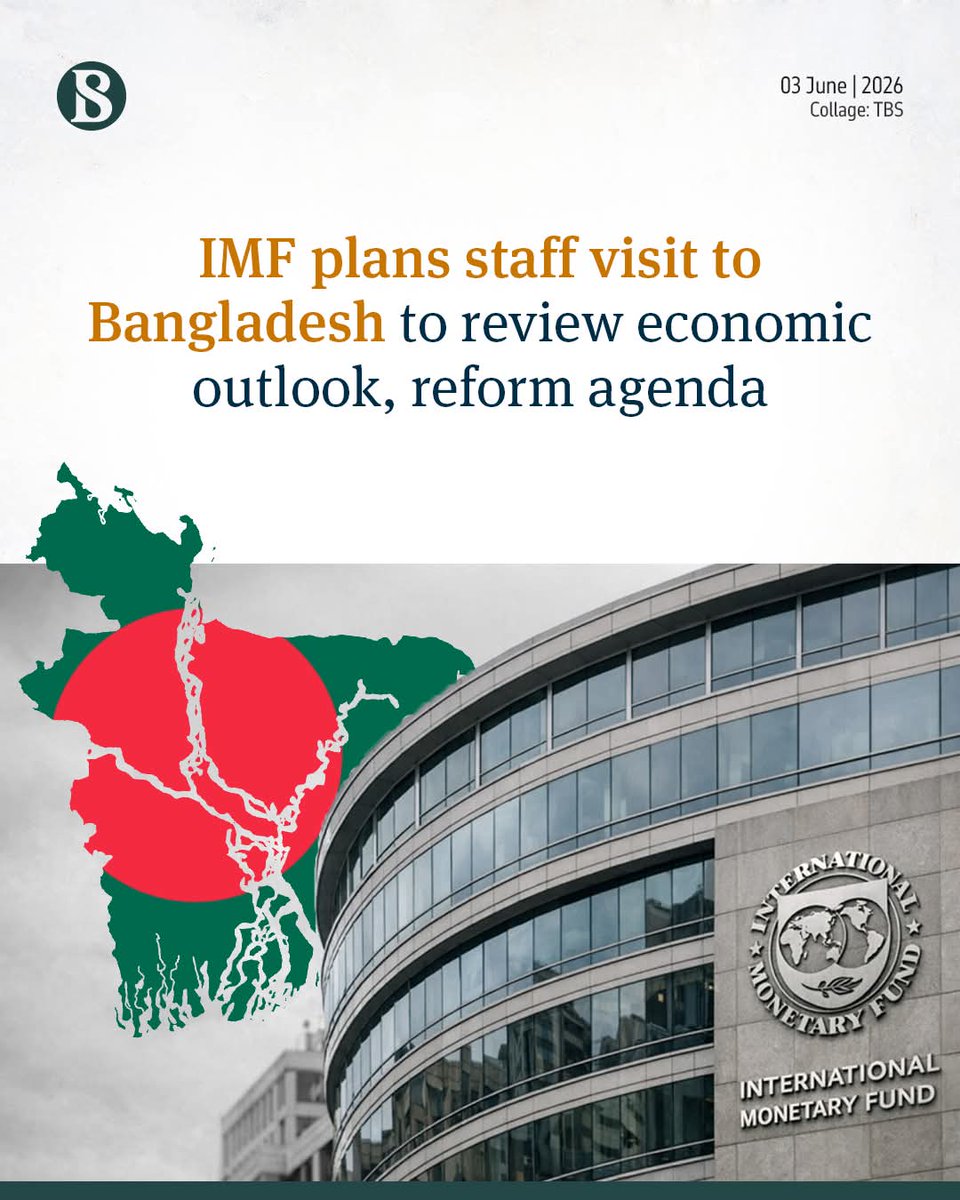
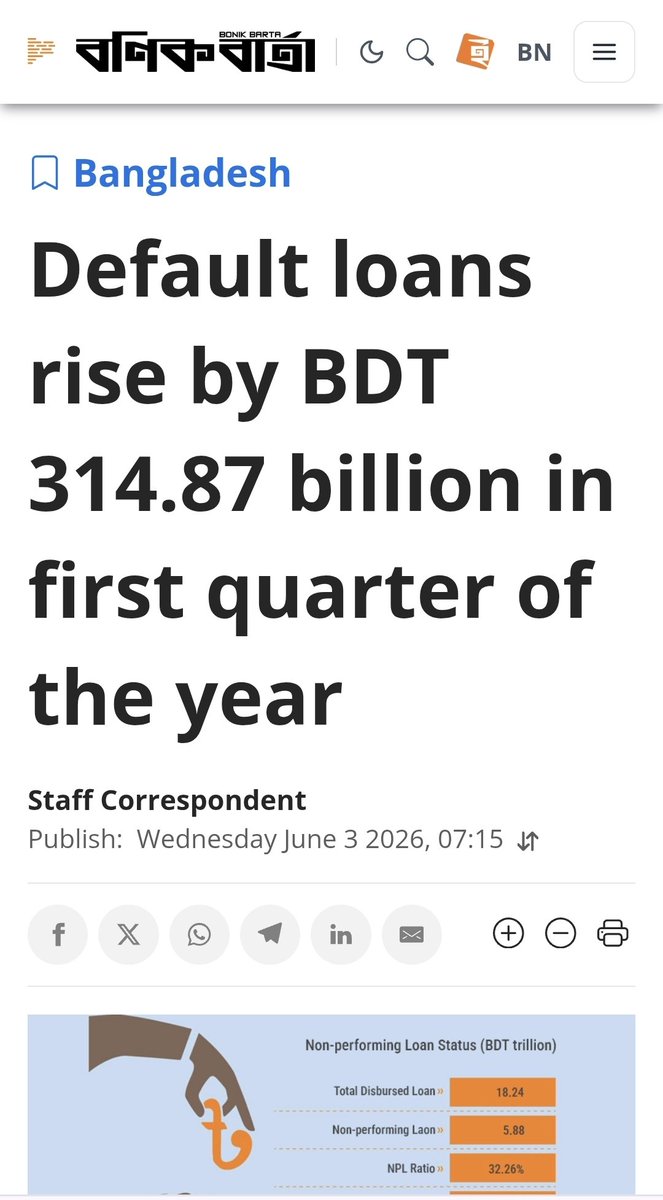
Let’s summarize what’s happening to Bangladesh’s economy & businesses:
• Retail electricity prices up 17%
• Govt seeking @IMFNews bailout
• Exports fell 7% in May
• Default loans up by 314B BDT
• BB still buying dollars locally
All point to a dire situation.
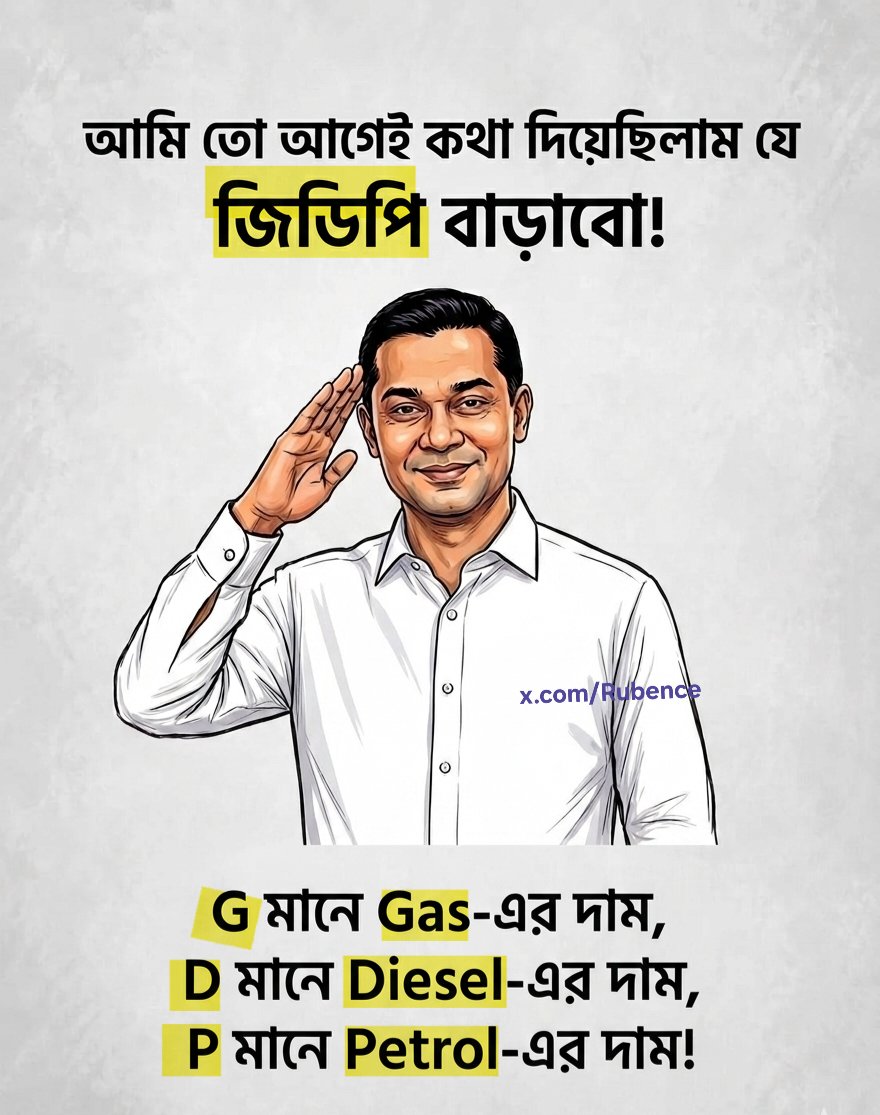
আমেরিকার আজ্ঞাবহ পরাধীন মন্ত্রী আগেই।কথা দিয়েছিল জিডিপি বাড়িয়ে দিবে, কথা রেখেছে। সমস্যা হল উচ্চমাধ্যমিক পাস পরাধীন মন্ত্রীর জিডিপি আর আসল জিডিপি এক জিনিস নয়।
দেশের অল্প আয়ের মানুষ নিজে না খেয়ে আমেরিকান তেল গ্যাস কোম্পানির পেট ভরবে। এটাই নিয়তি।
1
5
13
274
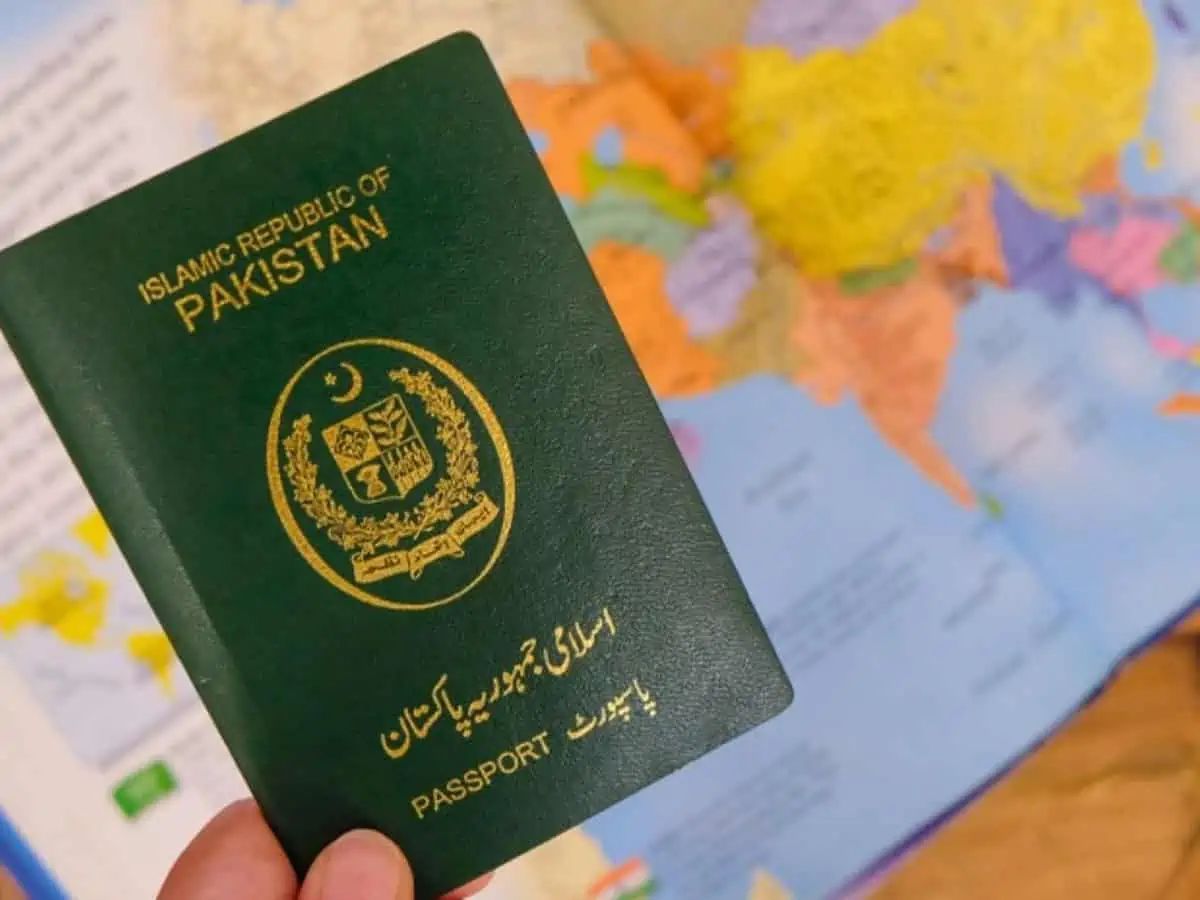
Who on the earth wants to buy this crappy passport for $18000?

Golden Opportunity - Foreigners can now apply for 🇵🇰 Pakistani citizenship with an investment of SR 67,500 ($18,000).
1
6
120