Entrepreneur, cofounder @cupolaxs, nieuwamsterdam.nu, Techgrounds.nl, Builder in the Intelligence Economy. Writing articles on tech, critical thinking & society
Joined March 2009
- Tweets 8,611
- Following 1,839
- Followers 3,373
- Likes 19,414
836 Photos and videos

Pinned Tweet

20 Jun 2025
Mijn @TEDxHaarlemNL talk: ‘breaking bubbles: a startup approach to polarization’. Enjoy.
youtu.be/Qf3UzwwgDaY?si=frYQ…
2
3
15
3,024
Ruben Nieuwenhuis retweeted

🇮🇩🇳🇱 Indonesia is ready for the World Cup, supporting The Netherlands! 💪🏻
51
103
1,324
90,924
Who captures the learning?
18h

Satya’s post is worth reading closely because it gets at the real AI question for companies.
Who captures the learning?
His argument is that companies are becoming a new kind of learning system.
People bring judgment, taste, relationships, context and ambition. AI brings scale, memory, reasoning and execution. The value comes from building a loop where the company gets smarter every time work happens.
The important asset is the learning system around the model.
That system is built from the record of how work actually gets done. Workflow traces show the path people take. Corrections reveal judgment. Accepted outputs show what good looks like. Rejected approaches sharpen the standard.
Private evaluations, domain-specific context and institutional memory give that learning structure.
Over time, the company starts to retain more of what used to disappear inside meetings, edits, comments, decisions and individual experience.
That is the learning loop Satya is pointing at.
The judgment that once lived in a few people’s heads can become part of how the company operates.
53
Ruben Nieuwenhuis retweeted

The Dutch are fully invading Dallas as we speak
676
2,817
49,782
5,450,455
Ruben Nieuwenhuis retweeted

⚡️Satya is describing the new balance sheet of the firm.
The old firm owned people, processes, software, customer relationships, brand, data, and IP.
The new firm will own a compounding cognition loop.
Every workflow becomes a training surface. Every decision becomes a trace. Every expert judgment becomes reusable signal. Every internal correction becomes model improvement. Every model run becomes a chance to turn human judgment into institutional intelligence.
That is what “token capital” really means.
It is accumulated machine-operable cognition. A company’s expertise becomes executable, queryable, evaluable, improvable, and portable across models.
That is a massive shift.
The most important line is the one about switching out the generalist model without losing the company veteran expertise. That is the entire enterprise AI war. Model providers want the firm’s knowledge to flow into the model layer.
Enterprises need that knowledge to stay inside their own loop.
Whoever owns the loop owns the future economic rent.
Satya is laying out Microsoft’s answer to the frontier-model monopoly problem.
If all company knowledge flows upward into a few foundation models, the foundation model labs become landlords of the entire economy. They absorb everyone’s expertise, commoditize every workflow, and capture the value created by every firm’s learning process. That equilibrium will trigger political backlash, customer resistance, regulatory pressure, and corporate revolt.
So Microsoft’s doctrine is: every company should build its own AI learning system on top of frontier models, while Microsoft owns the infrastructure where that happens.
That is elegant and self-serving.
Microsoft does not need to own the single best frontier model forever. It needs to own the enterprise control plane: identity, security, permissions, data, workflow, evals, agents, memory, developer tools, cloud, compliance, and model routing. If the model becomes swappable, the platform underneath the firm’s learning loop becomes the durable asset.
Satya is quietly saying the frontier model alone is unstable. A world of a few models eating every company’s expertise breaks the political economy. A world where every company builds firm-specific AI capital on top of models is more stable, more defensible, and much better for Microsoft.
The “human capital gets more valuable” line is partly true and partly corporate diplomacy.
High-agency humans become more valuable. People with taste, judgment, relationships, domain intuition, ambition, and the ability to direct agentic systems become much more valuable.
Routine cognitive labor loses bargaining power.
The future firm does not need every human equally. It needs humans who can generate high-quality signal for the loop. The human becomes a trainer, judge, strategist, relationship node, taste layer, and goal-setter. The work that cannot feed the loop or direct the loop gets compressed.
This also connects directly to the Anthropic crisis.
If frontier model access can be restricted, pulled, nationality-gated, or subordinated to state power, then enterprises cannot allow their intelligence layer to live entirely inside one external model. They need portability. They need private evals. They need internal memory. They need their own traces. They need model-agnostic learning systems.
The model can change.
The firm’s cognition loop has to survive.
That is the new sovereignty test.
A company that only buys AI access is a renter.
A company that turns its workflows, judgments, corrections, and outcomes into a private learning loop is building capital.
The deeper implication: the future economy splits between firms that compound cognition and firms that leak cognition.
Firms that compound cognition will get stronger every time they operate.

58
138
1,089
307,072
Ruben Nieuwenhuis retweeted

Bedrijfswaarde in het AI-tijdperk = menselijk kapitaal × AI-kapitaal.
De winnaars zijn organisaties met de beste leerloop tussen mensen en AI.
Daar hebben @RubensWindow en ik het morgen over bij AI Fit van @CupolaXS en Vector AI.
Doe mee via
cupolaxs.nl/aifit
1
2
127
Ruben Nieuwenhuis retweeted

📸 - Curacao manager Dick Advocaat is crying.
This is a very special moment for him.

435
1,510
40,468
4,732,442
Ruben Nieuwenhuis retweeted

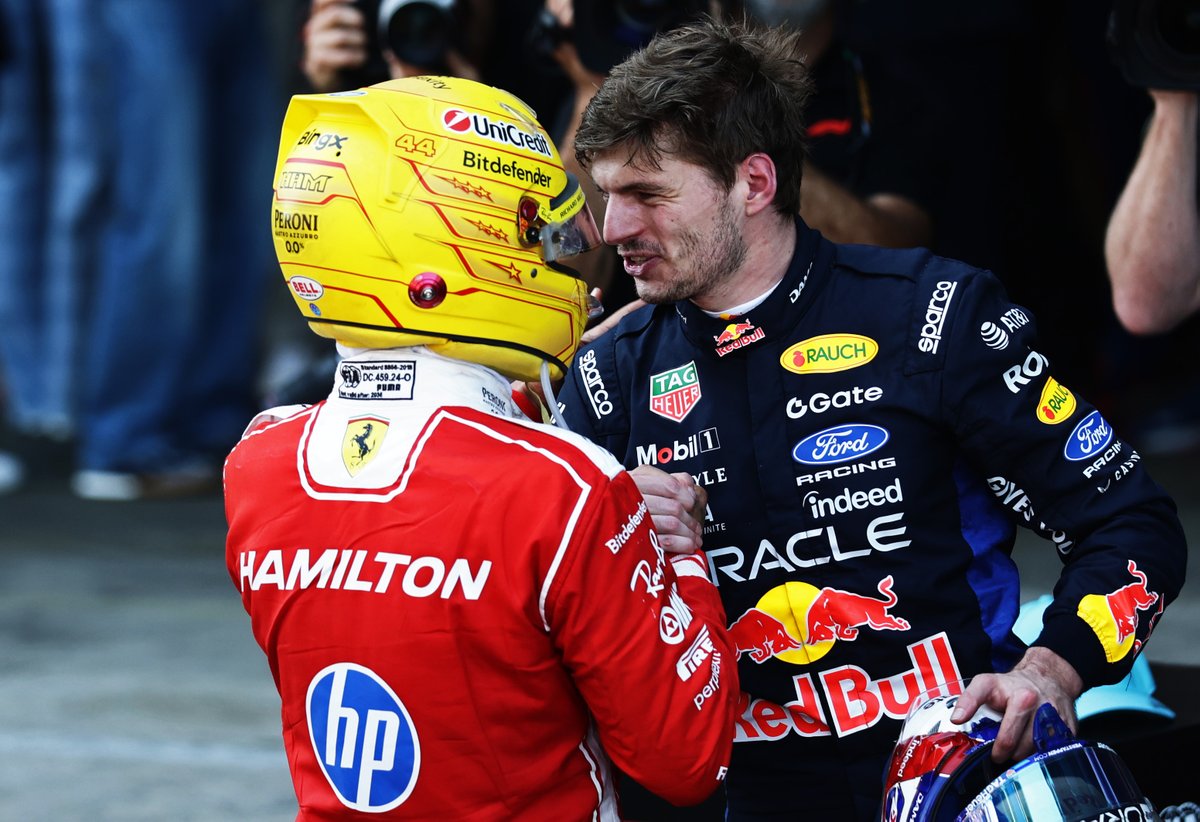
Congratulations, Lewis, a formidable drive 👏
#F1 || #BarcelonaGP 🇪🇸
250
5,289
81,097
638,817
Visie op de intelligente organisatie
91
Ruben Nieuwenhuis retweeted

Jun 13
In our scenario, frontier-model export controls were a 2028 event. It took two days for it to happen 😢. The most capable US models are now legally off-limits for non Americans. The silver lining is that it's getting very hard for European policy makers to keep ignoring this.
Jun 11

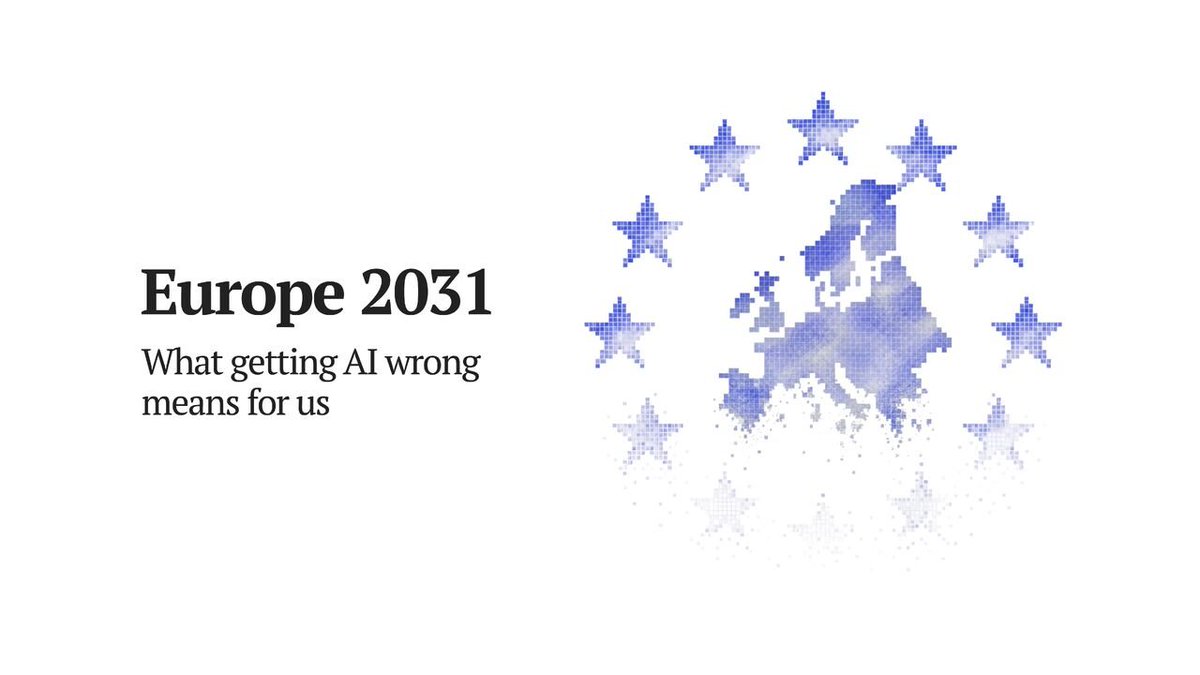
"What will happen to Europe if it keeps ignoring AI?"
Three American labs each (!!) operate more AI compute than all of Europe combined. Today we're launching Europe 2031: a story of what might happen if that doesn't change.
30
73
468
48,214
Jun 13
Wake-up call?!
Jun 13

The US government, citing national security authorities, has issued an export control directive to suspend all access to Fable 5 and Mythos 5 by any foreign national, whether inside or outside the United States, including foreign national Anthropic employees.
The net effect of this order is that we must abruptly disable Fable 5 and Mythos 5 for all our customers to ensure compliance.
Access to all other Claude models is not affected.
We apologize for this disruption to our customers. We believe this is a misunderstanding and are working to restore access as soon as possible.
Read our full statement: anthropic.com/news/fable-myt…
1
75
Ruben Nieuwenhuis retweeted

Jun 12
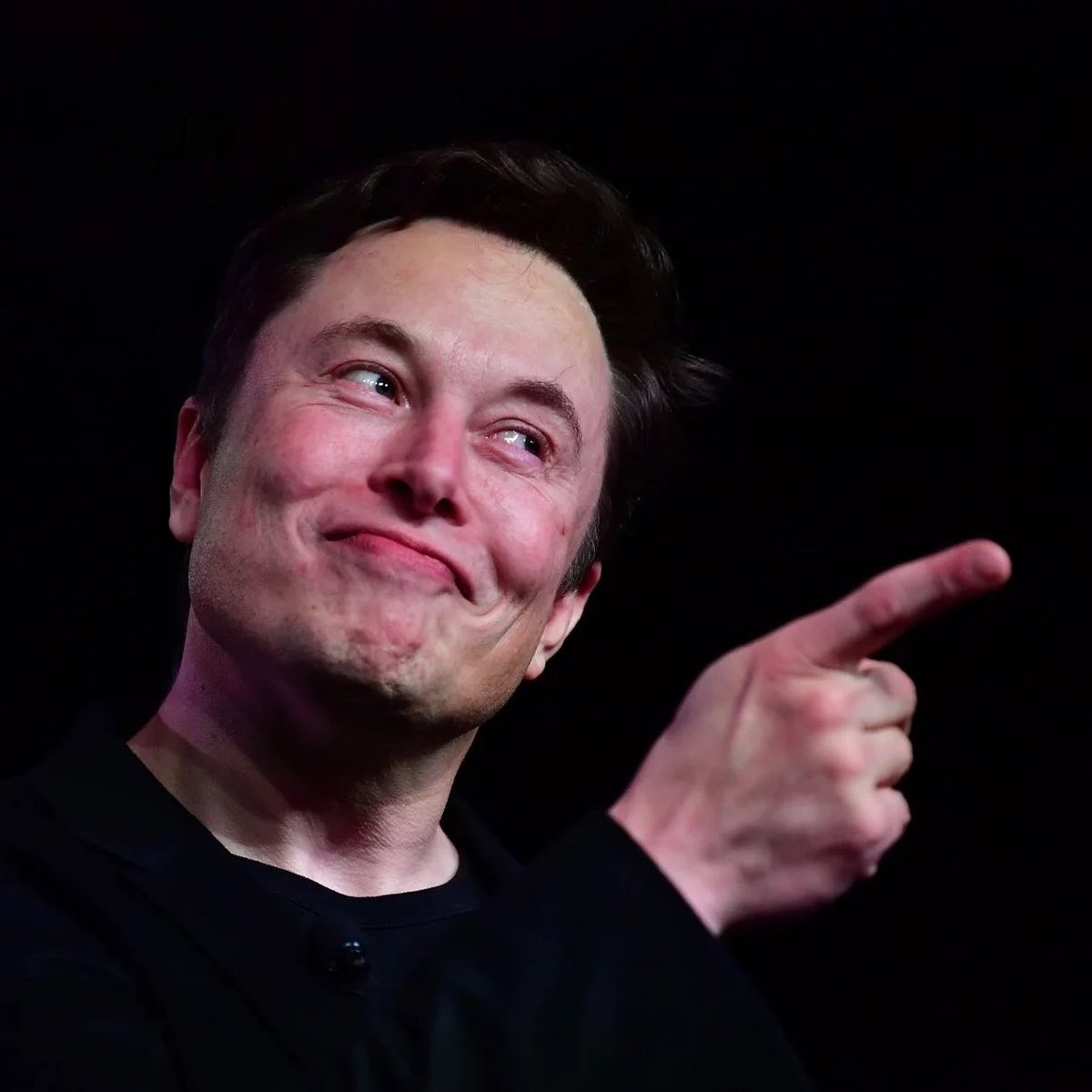
The first trillionaire in human history
- Elon Musk
- Born in South Africa
- Bullied relentlessly as a kid
- Immigrated to North America
- Arrived with a backpack and a dream
- Built Zip2 with his brother
- Sold it 4 years later for $300 million
- Co-founded PayPal with the profits
- Revolutionised digital payments
- Sold PayPal to eBay for $1.5 billion
- Bet everything on Tesla and SpaceX
- Got mocked for electric cars
- Got laughed at for reusable rockets
- Nearly went bankrupt in 2008
- Kept building anyway
- Turned Tesla into the world’s most valuable automaker
- Made EVs mainstream and transformed the automotive industry
- Made reusable rockets a reality
- Reduced the cost of reaching space by 95%
- Sparked the modern commercial space race
- Built Starlink and connected millions around the world to high-speed internet
- Turned SpaceX into the most valuable private company in history
- Bought Twitter for $44 billion
- The world said he overpaid
- He was called reckless, stupid & crazy
- Advertisers fled, media declared it dead
- Critics called it the worst acquisition in tech history
- Renamed it 𝕏
- Rebuilt the platform anyway
- Turned it into one of the most influential platforms on Earth
- Launched xAI and accelerated the global AI race
- Sent astronauts to space
- Is trying to get humans to mars
- Created millions of jobs
- Generated hundreds of billions in value
- Inspired an entire generation of builders
Before:
- Failed repeatedly
- Worked insane hours
- Slept in factories and offices
- Got bullied, laughed at and mocked
- Constantly told “it’s impossible”
- Kept building anyway
- Made it possible
Today:
- Richest person on Earth
- First trillionaire in human history
- Largest IPO in history $1.77 trillion
Most people quit when the world laughs at them.
Elon Musk built the future instead.
Love him or hate him…
Nobody has changed more industries in a single lifetime.
Payments. Cars. Energy. Space. Social Media. Communications. AI.
History won’t remember the people who said it couldn’t be done.
It will remember the people who did it anyway.
Congratulations Elon.
The first trillionaire. 🚀

4,388
28,811
112,055
2,389,910
Ruben Nieuwenhuis retweeted

Jun 12
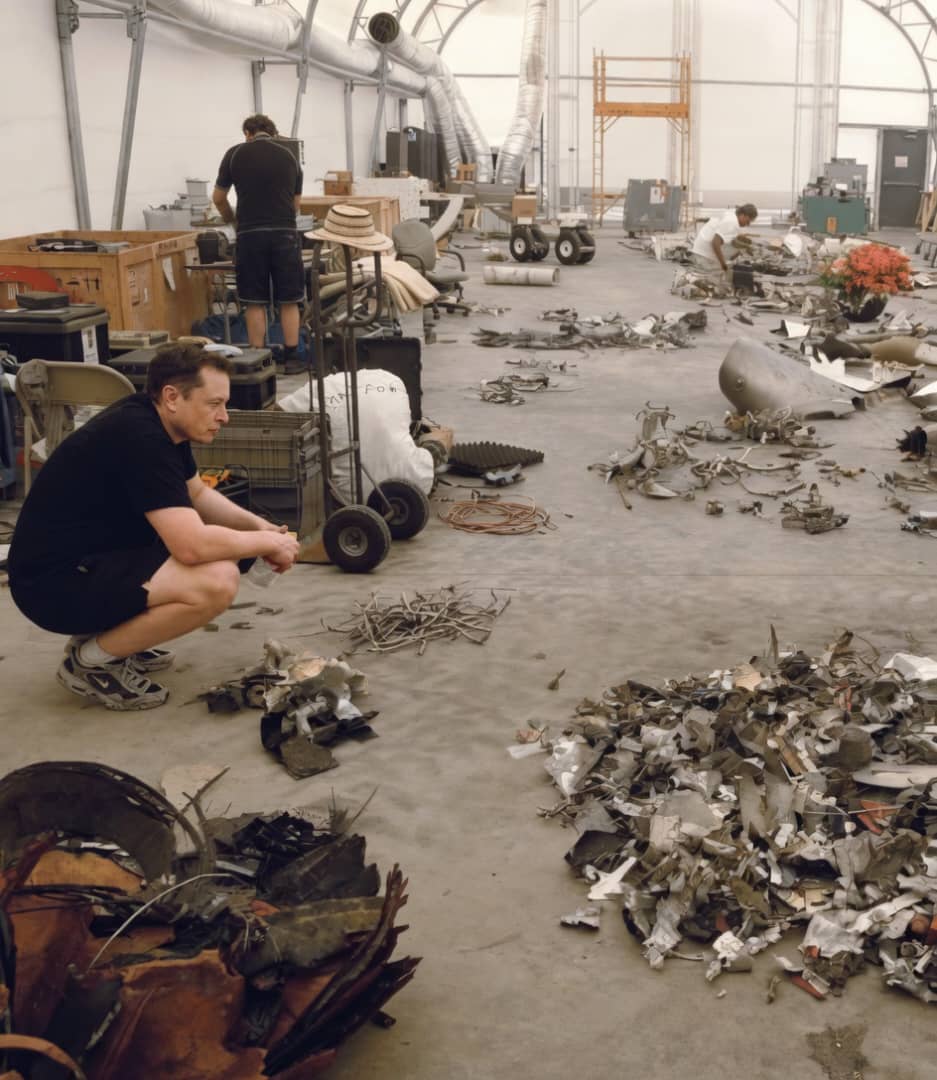
Next time you think of giving up, remember this photo of Elon in 2008.
2,013
15,785
120,615
7,969,951
Ruben Nieuwenhuis retweeted

Jun 12
No, you don't get it.
He does not have $1 trillion sitting in cash, it is 99% stock in his companies.
To make that wealth liquid would mean selling all that stock which would swiftly destroy *both* the companies (Tesla, SpaceX, others) and the wealth. If he sold it all, he'd end up with maybe $100b max, several hundred thousand people would be out of work, the companies ruined and many of their suppliers also ruined.
Okay, but now Elon has $100b in cash, and can "solve the world's problems".
$100b divided by the world's 8 billion people is $12
If you were in charge, several of the most innovative industrial companies in the world would be destroyed, hundreds of thousands out of work, and space would again close to human civilization for another generation.
But everyone on earth could have one nice meal and you could revel in your altruism.
673
2,716
31,455
903,052
Ruben Nieuwenhuis retweeted

Jun 11
Ok. Finished reading it. The story of Europe's failure in AI is turned into a gripping story (congratulations to the authors on finding this way to write it) and an outstanding SHOUT for action.
I disagree with many things in this scenario (e.g. ASML cannot be used for leverage, I am afraid: all the EUV tech is San Diego-based (Cymer), and the chips are Nvidia, AMD, Intel, etc.) But the key insight is correct: (1) AI is THE critical technology of the future, and (2) Europe is falling badly behind on AI and running out of options.
Both the economic and strategic consequences are brutal.
We will write a reaction in Silicon Continent. In the meantime, please do read it. europe2031.ai/#timeline
36
128
648
162,594
Ruben Nieuwenhuis retweeted

Jun 11
Apple AI blocked from the EU.
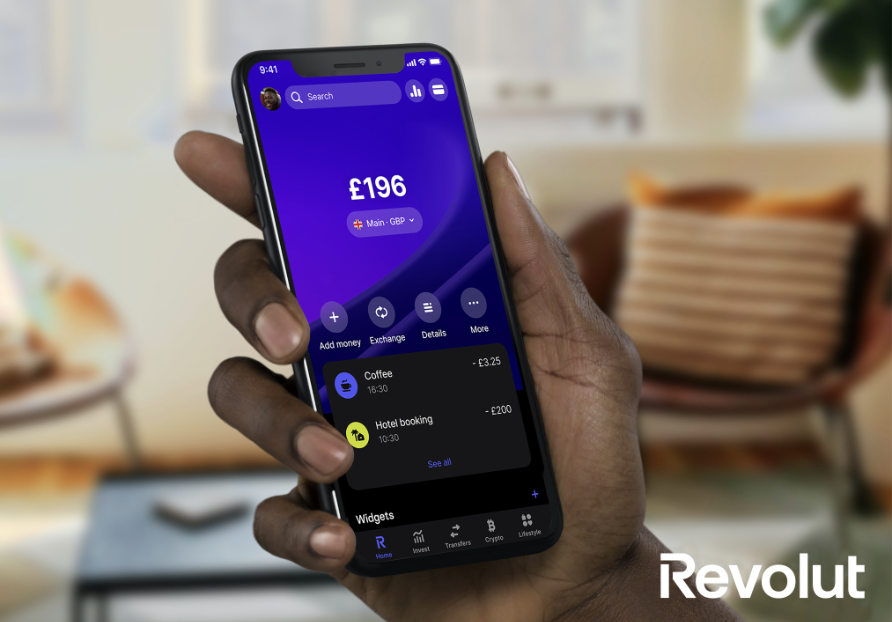
ECB intentionally slowing down Revolut.
…
I don’t think anything changed since the Draghi report. We are still fighting against local bureaucracy instead of competing globally.

🇪🇺🏦 ECB Temporarily Restricts Revolut’s New Product Launches in Europe
The ECB has temporarily restricted Revolut from launching new financial products in Europe due to concerns over the speed of its service approvals and rollouts
Source: FT
22
60
670
41,424
Jun 11
Read this. Educate yourself, and develop a mature, well-informed perspective on AI and the intelligence economy.
Jun 11
"What will happen to Europe if it keeps ignoring AI?"
Three American labs each (!!) operate more AI compute than all of Europe combined. Today we're launching Europe 2031: a story of what might happen if that doesn't change.
6
230
Ruben Nieuwenhuis retweeted

It's really sad to see what the EU has become.
This is another example of why we are so behind and far away from being innovative.
Apple is literally just trying to protect their users data, but EU insists on their stupid DMA.
What a fucking joke.
9to5mac.com/2026/06/09/greg-…
21
34
282
16,333
Ruben Nieuwenhuis retweeted

Jun 10
This EU vs Apple debacle is the perfect example on how the EU will regulate itself, and its countries, to irrelevancy in the tech market.
15
30
415
8,547