
... is writing. #kidlit author all about forgotten histories. Currently focused on ancient Indian Ocean adventures!
Joined March 2019
- Tweets 107
- Following 67
- Followers 27
- Likes 2,240
8 Photos and videos

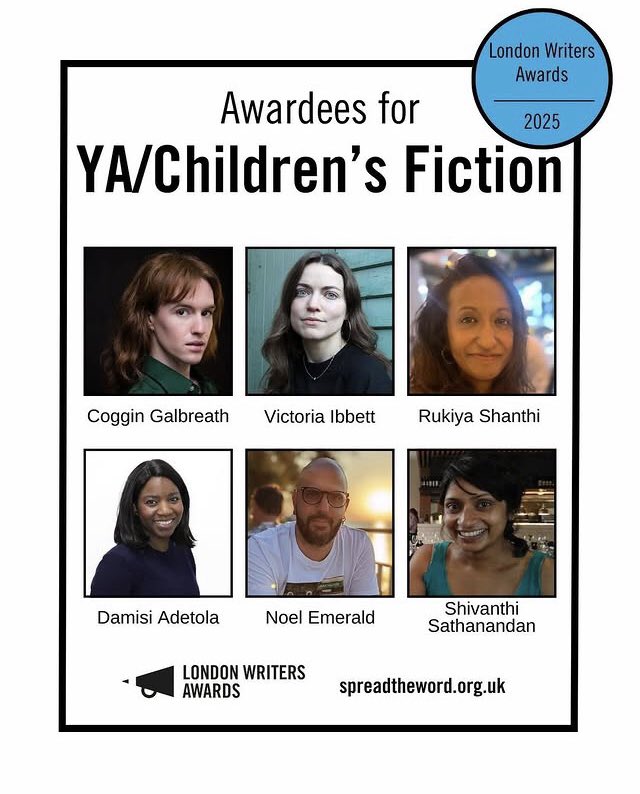

My pleasure! Glad I made the suggestion - it was a necessary addition to their archive 🤓📚
Jun 1

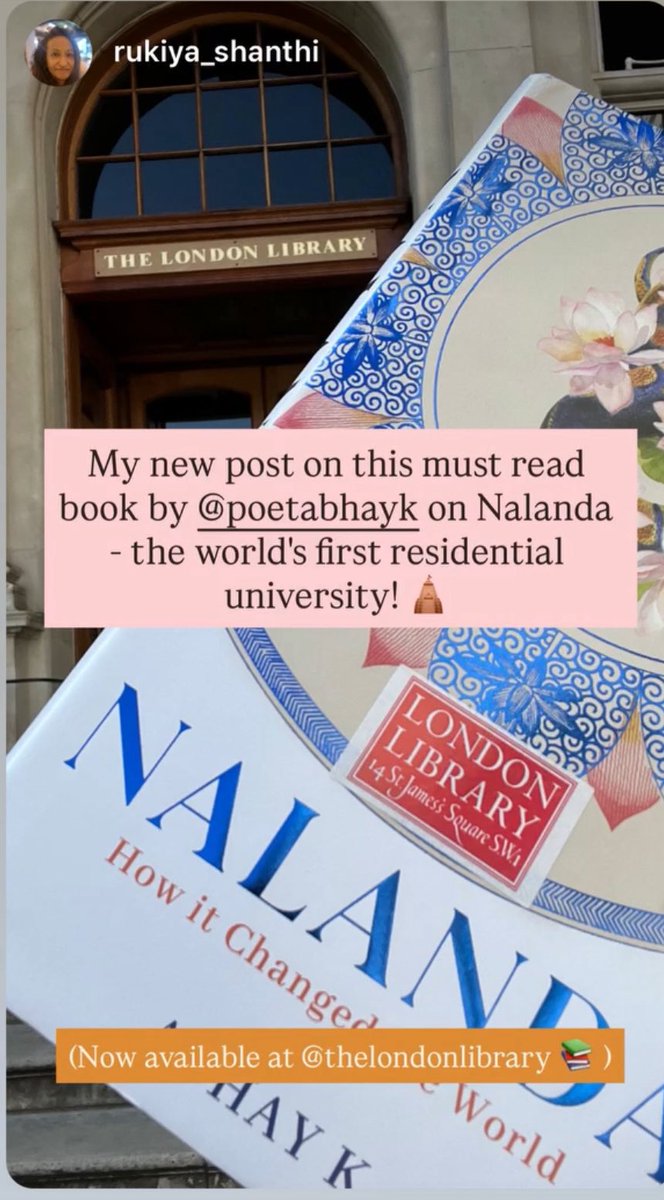
My bestselling book Nalanda: How it Changed the world has been acquired by @TheLondonLib. | thanks to @RukiyaShanthi for the pic.
Rukiya Shanthi retweeted

May 14
Today is Nakba Day. You cannot understand what lies at the heart of conflict in the Middle East unless you understand what happened to 85% of Palestinians in 1948. Here Eugene Rogan explains how hundreds of thousands of refugees ended up homeless & dispossessed in Gaza
23 Oct 2025

New from @EmpirePodUK
The Final, Tragic Episode in our History of Gaza:
GAZA & THE NAKBA

153
2,470
3,848
91,672
Rukiya Shanthi retweeted
May 14
Today is Nakba Day. @EmpirePodUK is one of the only history podcasts that has bothered to explain the events at the heart of the conflict in the Middle East. Listen as Professor Eugene Rogan explains how 750,000 Palestinians were turned into refugees at the creation of Israel
23 Oct 2025

The First Arab-Israeli War & The Creation of The Gaza Strip
In the latest instalment of our Gaza series, @DalrympleWill and @tweeter_anita ask: how did neighbouring Arab nations respond to the displacement of Palestinians in 1948?

15
649
1,150
44,856

Rukiya Shanthi retweeted

17 Jul 2020
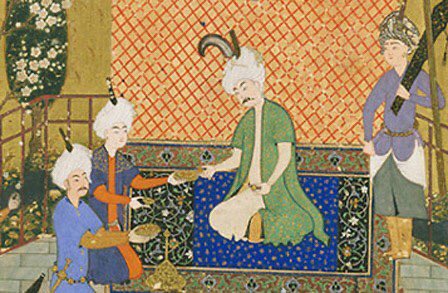
“What we speak becomes the house we live in.” – Hafez
69
242
Rukiya Shanthi retweeted

Mar 31
Teachers, parents, librarians: have you seen our 2026 longlist for the Jhalak C&YA Prize yet? Unmissable books that will be loved forever.
Thanks @LoveReadinguk for the write up: lovereading4kids.co.uk/blog/…
2
15
14
701
Rukiya Shanthi retweeted

Sally Rooney: "I would like to ask my fellow writers & artists.. not to dwell too exclusively on what we stand to lose. There is another more important side to the story. To join in something greater than ourselves, to participate in.. a struggle for human liberation"
35
2,608
11,614
374,869
Rukiya Shanthi retweeted

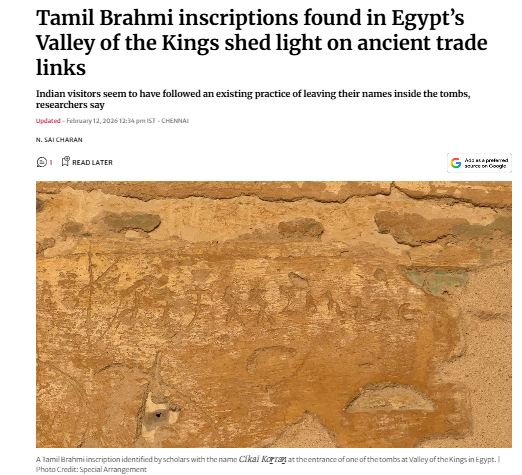
One of the cool pieces of news to emerge during those last, dark weeks is that nearly 30 inscriptions in Tamil Brahmi were found in the Egyptian Valley of Kings. This discovery means that apperently Indian travellers, likely merchants, had been coming to Egypt in the ancient era.
63
1,080
5,294
192,864
Rukiya Shanthi retweeted

Mar 7
free access pdfs of some palestinian historical books to read in your free time to educate yourself, friends, loved ones, coworkers, etc 📚🇵🇸
a thread:
39
7,353
17,488
775,630
Rukiya Shanthi retweeted
It's pretty unreal that people still believe Gutenberg invented the printing press, when it was invented a whole 7 centuries before in China.
When Gutenberg painstakingly printed 300 bibles in 1450 and went bankrupt because of it (as that lady describes 👇), some texts in Asia were already printed at 1 million copies (!!!) as early as the 8th century!
That's the case of the "One Million Pagodas and Dharani Prayers" commissioned by Empress Shōtoku of Japan around 764–770 AD (en.wikipedia.org/wiki/ViÅ%…), a series of one million small wooden pagodas each containing a printed Buddhist scroll, thousands of which survive to this day.
Heck China had mass printed paper money - called jiaozi - during the Song Dynasty, around the 10th century AD, so roughly 400-500 years before Gutenberg (en.wikipedia.org/wiki/Jiaozi…)!
It's probably only in the 18th or 19th century that 1 million copies of *anything* got printed in Europe, meaning we were behind Asia by literally a whole millennium in that regard.
Quite the testament of our incredibly parochial worldview that we turned a thousand-year technological lag into the founding myth of supposed Western intellectual superiority...
Mar 7

Gutenberg invented the most important technology of the millennium and immediately went bankrupt — and so did the bank that foreclosed on him, and so did his apprentices.
Gutenberg could make a batch of 300 books for the cost of one, but there weren't enough buyers in his small, landlocked village in Germany.
It it took the better part of a century of further innovations, social changes, and setting up of distribution networks before you could have a pamphlet like Luther's 95 thesis get from Wittenberg to London in 17 days.
206
1,258
5,233
495,534
Rukiya Shanthi retweeted

Mar 6
A Chinese student built an interesting app using vibe coding that visualizes nearly 5,000 artifacts in the British Museum from 99 countries around the world.
The app shows:
• When these artifacts arrived
• Which country they came from
• And how the distribution would look if all artifacts were returned to their countries of origin.
599
7,266
26,129
2,159,212
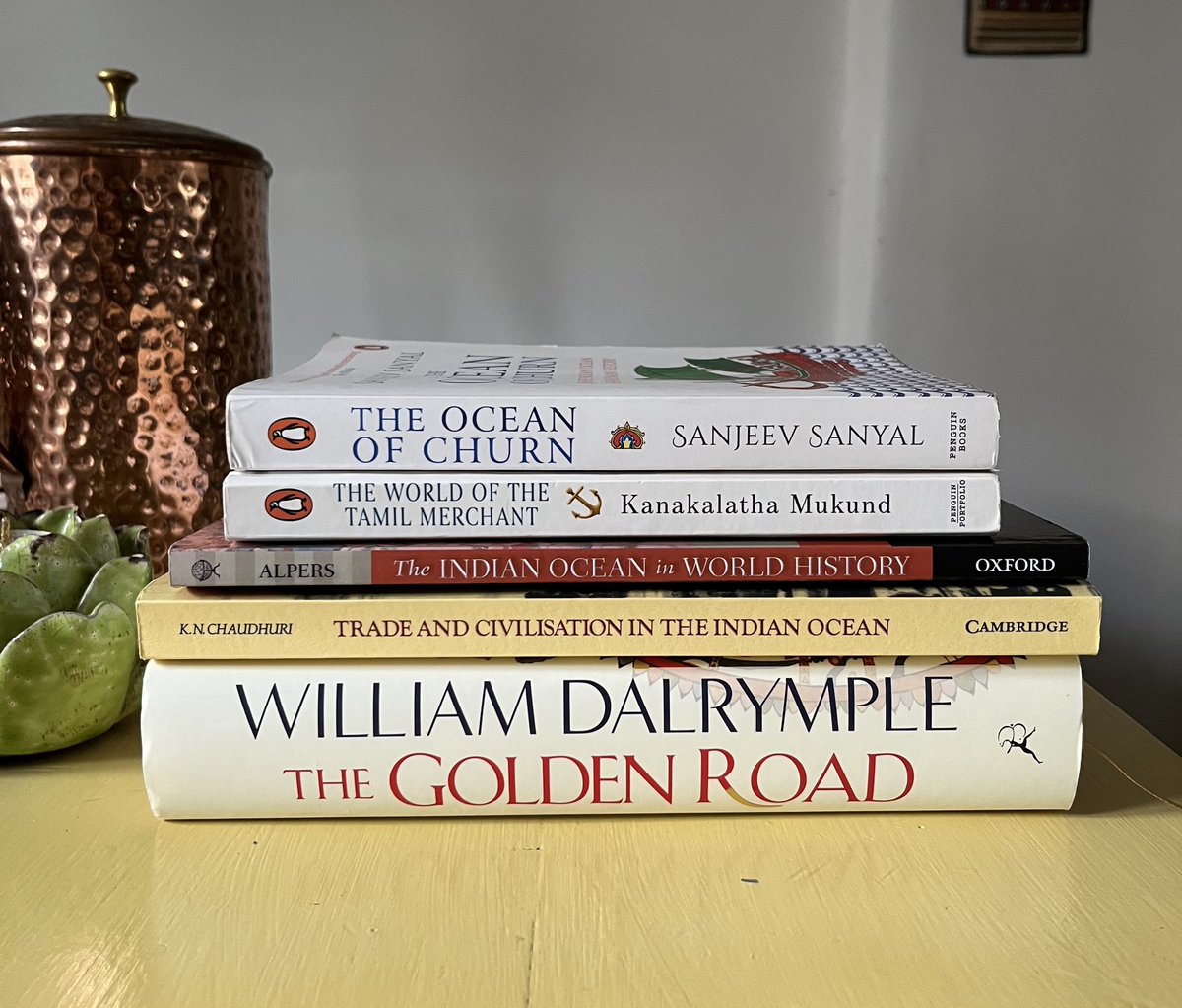
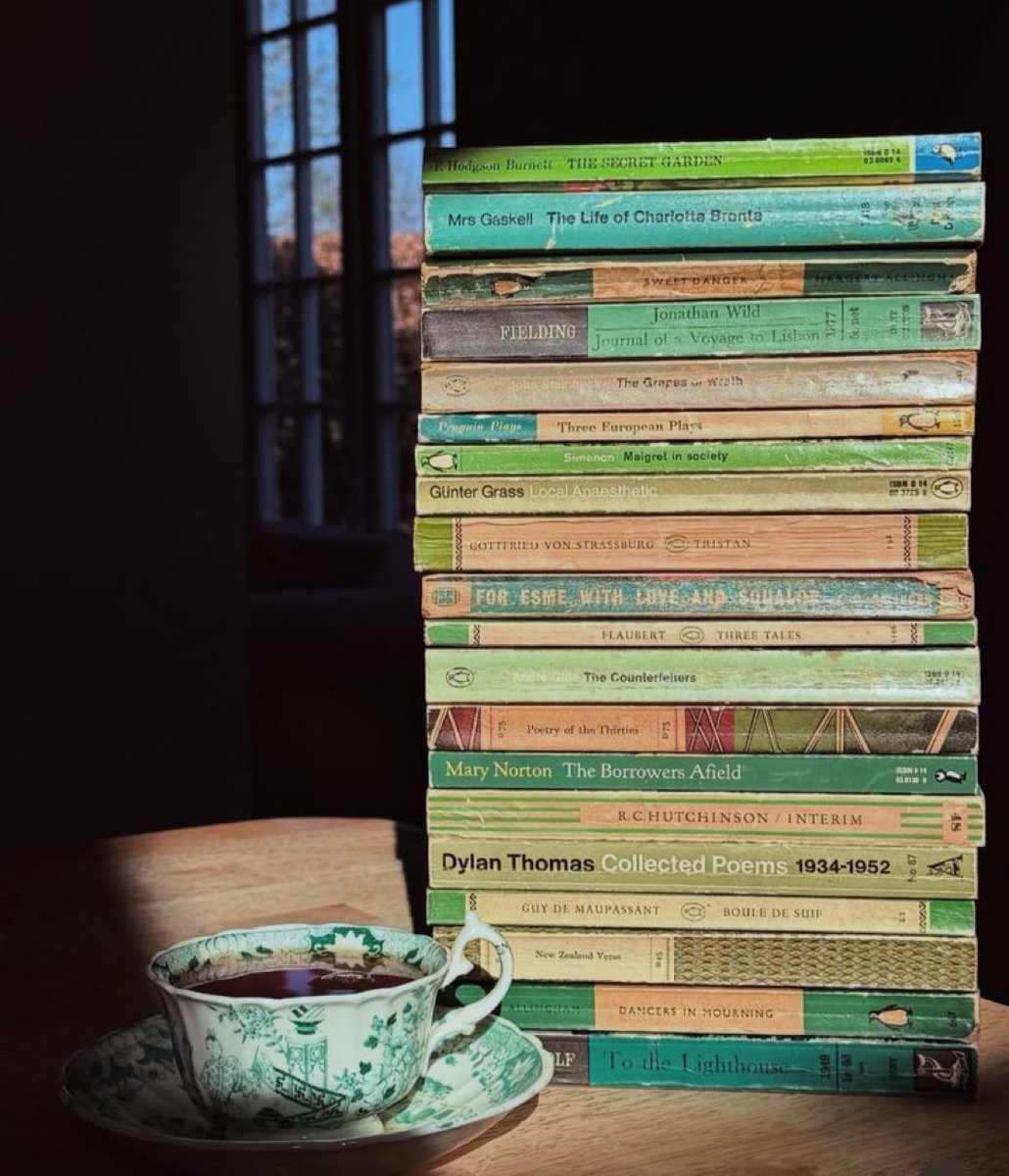
then I am a master at tsundoku (I have run out of shelf space at home!) 😂 📚
Mar 4

In Japanese, "tsundoku" means collecting books and letting them pile up,
not from neglect,
but for the joy of knowing they're there,
full of untold stories.
13
Rukiya Shanthi retweeted

Mar 4
How a 500-year-old bronze statue of a Hindu saint is finally being returned to its temple in Tamil Nadu that was until now on display at the University of Oxford's Ashmolean Museum.
timesofindia.indiatimes.com/…
9
174
721
9,781
Rukiya Shanthi retweeted

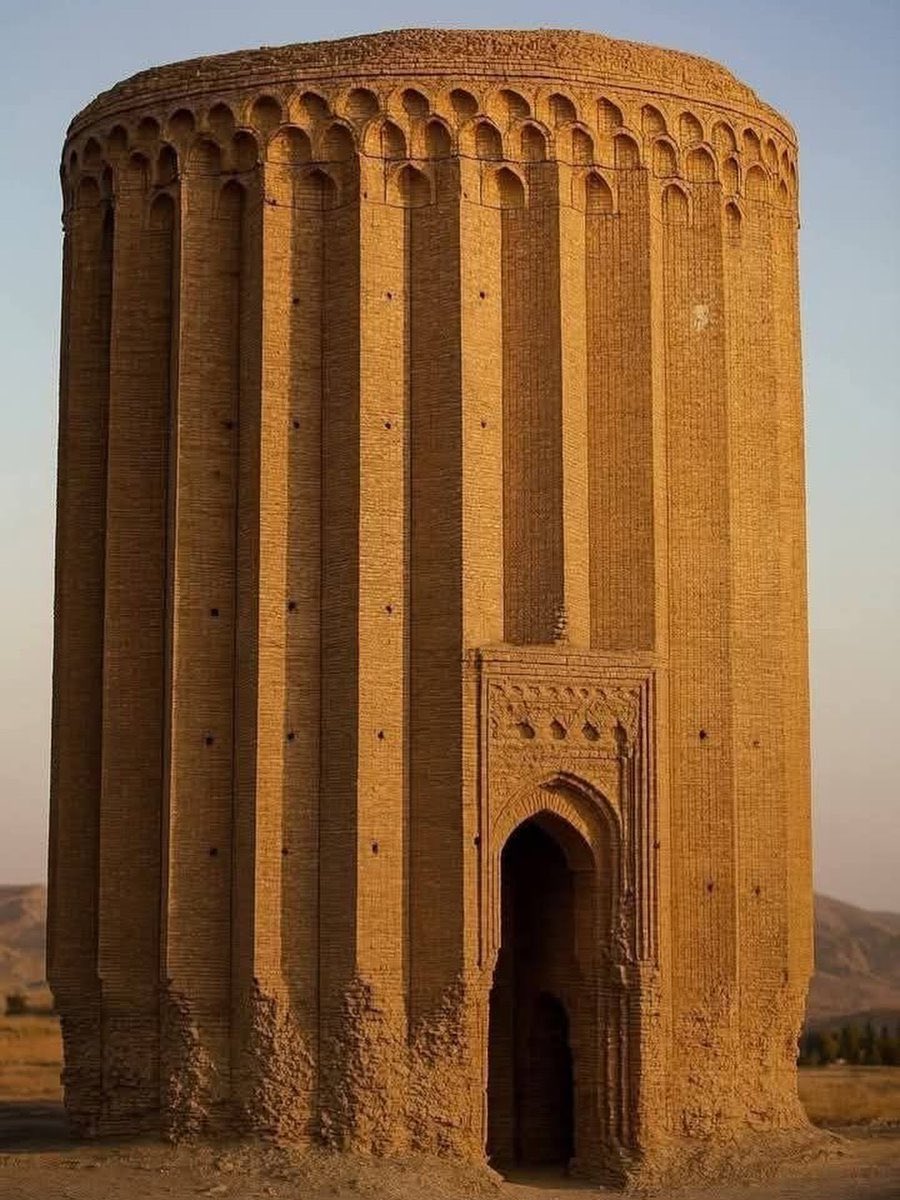
Each of the 24 fluted columns on the structure's exterior represents one of the 24 hours of the day. As the sun moved across the sky, the shadows cast on these columns told the people of that era the time down to the minute this structure has stood in a seismic zone for 900 years. That's because its accordion-shaped architectural design was an engineering marvel that dampened seismic waves.

56
4,532
22,457
537,981
Rukiya Shanthi retweeted

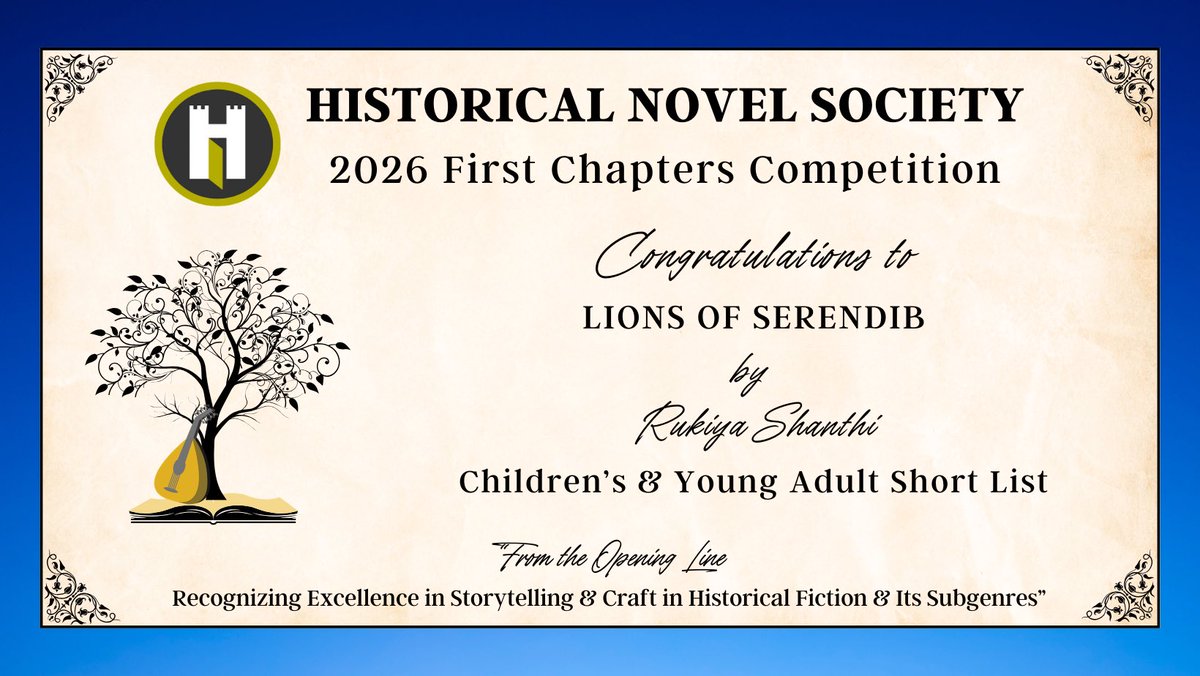
CONGRATULATIONS to the writers who have been selected for the CATEGORY SHORT LISTS in the 2026 HISTORICAL NOVEL SOCIETY’S First Chapters Competition! Visit hns2026.com for the full lists
#historicalfiction #hnsfirstchapterscompetition
4
13
20
4,271
Excited to be on the shortlist for the Children's & YA category!! Congrats to my fellow authors too 🙌🏽 👏🏽
Opening chapters are nerve wracking to write so this gives me some confidence 😊
#historicalfiction #kidlit #hnsfirstchapterscompetition

CONGRATULATIONS to the writers who have been selected for the CATEGORY SHORT LISTS in the 2026 HISTORICAL NOVEL SOCIETY’S First Chapters Competition! Visit hns2026.com for the full lists
#historicalfiction #hnsfirstchapterscompetition
3
1
6
131

Feb 28
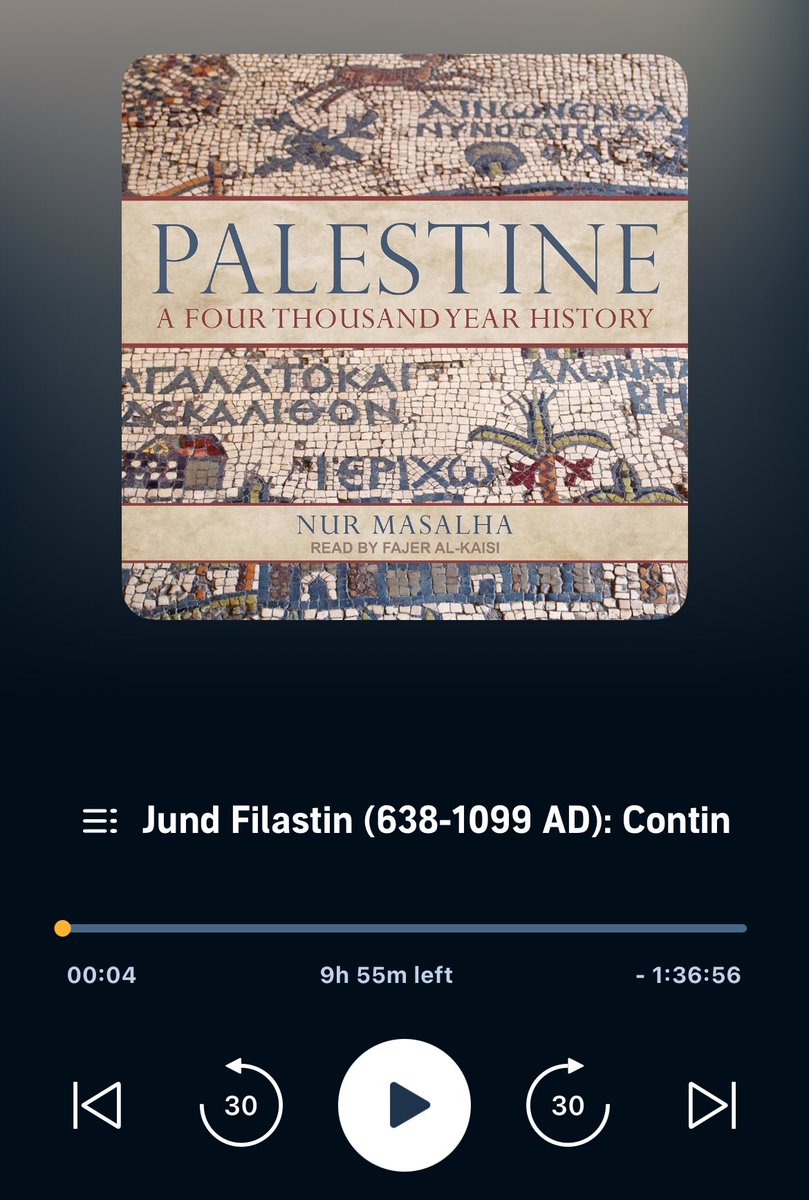
Amazing! I've been researching coins for this period as I'm writing #HistoricalFiction Hadn't yet got into the details of mint locations across the Umayyad caliphate, so this is very interesting and at the same time, thanks to @EmpirePodUK not that surprising 👀 🙌🏽 ✍️ 🇵🇸
Feb 28

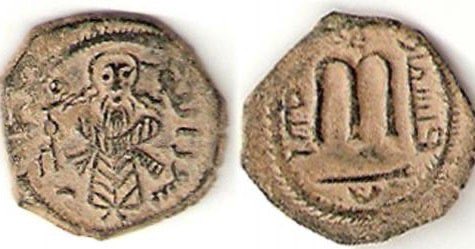
This coin is a problem for the Zionist narrative industry. An Umayyad issue from the era of Abd al-Malik ibn Marwan stamped with Filastin – Aylah on one side and Muhammad Rasul Allah on the other. Aylah is modern-day Aqaba, which means there was an active Umayyad mint operating in what was administratively recognized as Filastin, by name, in the 7th century.
Muslims didn’t borrow the name. They didn’t adopt it later under European influence. From the earliest conquests onward, every Muslim geographer, historian, and administrator placed Filastin as a core district of the Levant. Caliph Sulayman ibn Abd al-Malik literally governed Filastin before taking the throne.
The zionist talking point that “Palestine was a Roman fiction revived by the British” collapses the moment you confront it with actual Islamic administrative records, coins, and geography. The people who ruled, lived in, taxed, documented, and mapped the land for 1300 years called it Filastin without hesitation.
2
33
Rukiya Shanthi retweeted

Feb 24
Irish children’s author Chris Haughton discusses confronting the UK government, warning that if authors can’t speak openly about Gaza, freedom of expression loses its meaning.
11
128
244
12,798
Feb 12
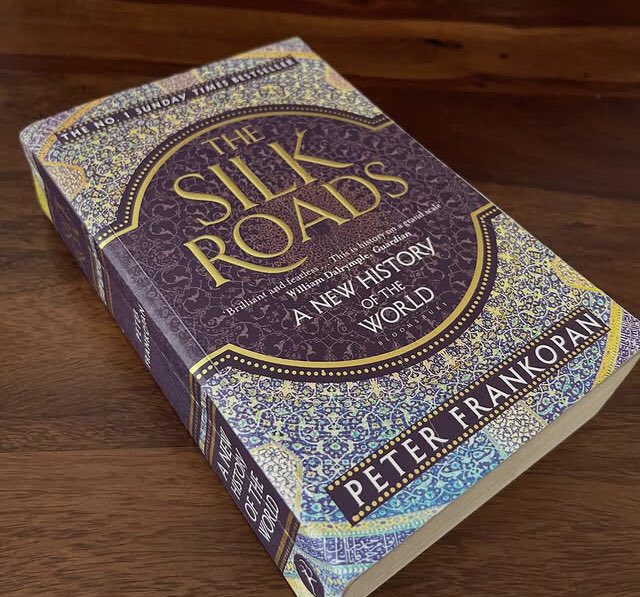
Looking forward to this! 🙌🏽 Highly recommend Josephine Quinn's book if you want a more thorough and accurate picture of European's interconnected history that goes beyond the limitations of school textbooks 📚 #mustread
Feb 11
In Episode 1 of a brand new series, @tweeter_anita and I are joined by Josephine Quinn, author of How The World Made The West, and Professor of Ancient History at Cambridge University, to discuss the interconnected Ancient Mediterranean city states on the brink of the Bronze Age Collapse of 1147 BCE.
linktr.ee/empirepoduk

2
10
6,540
Rukiya Shanthi retweeted

12 Dec 2025
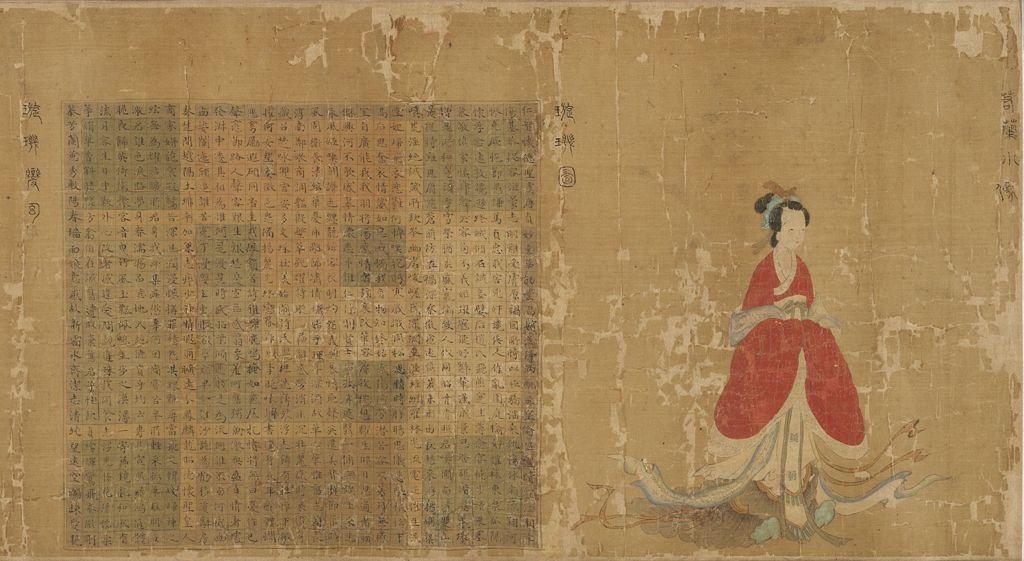
This strange square 👇 is undoubtedly the most extraordinary work of literature in human history. Yet, unfortunately, barely anyone in the West has ever heard of it.
There was this woman poet in 4th century China called Su Hui (蘇蕙), a child genius who had reportedly mastered Chinese characters by age 3.
At 21 years old, heartbroken by her husband who left her for another woman, she decided to encode her feelings in a structure so intricate, so beautiful, so intellectually staggering that it still baffles scholars to this day.
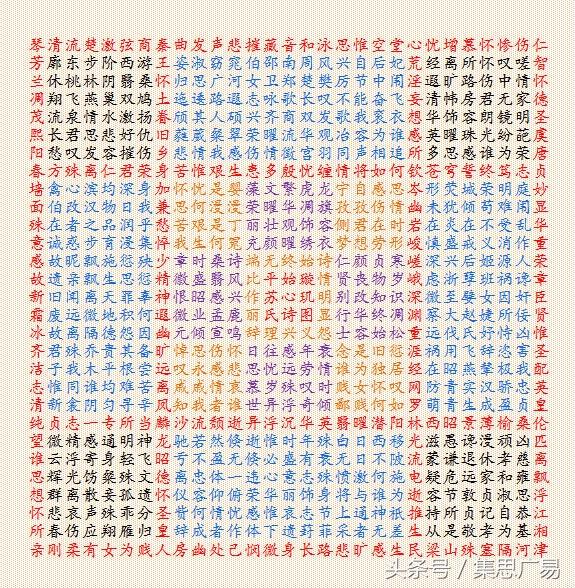
Came to be known as the Xuanji Tu (璇璣圖) - the "Star Gauge" or "Map of the Armillary Sphere" - it's a 29 by 29 grid of 841 characters that can produce over 4,000 different poems.
Read it forward. Read it backward. Read it horizontally, vertically, diagonally. Read it spiraling outward from the center. Read it in circles around the outer edge. Each path through the grid produces a different poem - all of them coherent, all of them beautiful, all of them rhyming, all of them expressing variations on the same themes of longing, betrayal, regret, and undying love.
The outer ring of 112 characters forms a single circular poem - believed to be both the first and longest of its kind ever written. The interior grid produces 2,848 different four-line poems of seven characters each. In addition, there are hundreds of other smaller and longer poems, depending on the reading method.
At the center a single character she left implied but unwritten: 心 (xin) - "heart." Later copyists would add it explicitly, but in Su Hui's original the meaning was even more beautiful: 4,000 poems, all orbiting the space where her heart used to be.
Take for instance the outer red grid of the Star Gauge. Starting from the top right corner and reading down, you get this seven-character quatrain:
仁智懷德聖虞唐,
貞志篤終誓穹蒼,
欽所感想妄淫荒,
心憂增慕懷慘傷。
In pinyin, it is:
Rén zhì huái dé shèng yú táng,
zhēnzhì dǔ zhōng shì qióng cāng,
qīn suǒ gǎnxiǎng wàng yín huāng,
xīn yōu zēng mù huái cǎn shāng.
Notice how it rhymes? táng / cāng / huāng / shāng
The rough translation in English is: "The benevolent and wise cherish virtue, like the sage-kings Yao and Shun, With steadfast will I swear to the heavens above, What I revere and feel - how could it be wanton or dissolute? My heart's sorrow grows, longing brings only grief."
Now read it from the bottom to the top and you get this entirely different seven-character quatrain:
傷慘懷慕增憂心,
荒淫妄想感所欽,
蒼穹誓終篤志貞,
唐虞聖德懷智仁。
The pinyin:
Shāng cǎn huái mù zēng yōu xīn,
huāngyín wàngxiǎng gǎn suǒ qīn,
cāngqióng shì zhōng dǔzhì zhēn,
táng yúshèngdé huái zhì rén.
It rhymes too: xīn and qīn, zhēn and rén
And the meaning is just as beautiful and coherent: "Grief and sorrow, longing fills my worried heart, Wanton and dissolute fantasies - is that what you revere? I swear to the heavens my constancy is true, May we embody the sage-kings' virtue, wisdom, and benevolence."
That's just 2 poems out of the over 4,000 you can construct from the Xuanji Tu!
At the very center of the grid, the 8 red characters wrapped around the central heart, she "signed" her poem with a hidden message:
詩圖璇玑,始平蘇氏。 "The poem-picture of the Armillary Sphere, by Su of Shiping."
Or reversed:
蘇氏詩圖,璇玑始平。 "Su's poem-picture - the Armillary Sphere begins in peace."
Many scholars, and even emperors, throughout Chinese history have been completely obsessed by Su Hui's puzzle.
For instance, in the Ming dynasty, a scholar named Kang Wanmin (康萬民) devoted his entire life to the poems (kangshiw.com/contents/461/26…), ending up documenting twelve different reading methods - forward, backward, diagonal, radiating, corner-to-corner, spiraling - and extracting 4,206 poems. His book on the subject ("Reading Methods for the Xuanji Tu Poems", 璇璣圖詩讀法) runs to hundreds of pages.
Empress Wu Zetian herself, the legendary woman emperor of the Tang dynasty, wrote a preface to the Xuanji Tu around 692 CE (baike.baidu.com/item/ç»%…).
Incredibly, there's even far more complexity to the Xuanji Tu than just the poems:
- The name 璇玑 (Xuanji) - Armillary Sphere - is astronomical in meaning and the way the poems can be read mirrors the way celestial bodies orbit around a fixed center. It's a model of the heavens.
- Her original work, with the characters woven on silk brocade, was in five colors (red, black, blue/green, purple, and yellow) which correspond to the Five Elements (五行) - the foundational Chinese philosophical system that explains how the universe operates. So it's also a model of the entire cosmic order according to ancient Chinese philosophy.
- It's also of course deeply mathematical with this 29 x 29 perfect square grid, with sub-squares, lines and rectangles, and a structure which allows for symmetrical reading patterns in all directions
- Last but not least, the content of the poems themselves contain multiple registers. On top of expressing her personal grief and longing for her husband, it's also filled with accusations against the concubine (Zhao Yangtai) he left her for, reflections on politics (with many references to sage-kings) and philosophical reflections.
So the Star Gauge is simultaneously:
- A love letter (expressing personal longing)
- A legal brief (arguing her case against her rival)
- A cosmological model (structured like the heavens)
- A Five Element diagram (encoding the fundamental structure of the world according to ancient Chinese philosophy)
- A mathematical construction with perfect symmetry and precision
And yet, for all this complexity, we should not forget this was all ultimately in service of the simplest human message imaginable: a 21-year-old woman asking the love of her life "come back to me".
Her husband did, eventually. According to what empress Wu Zetian herself wrote in her preface to the Xuanji Tu, when he received Su's brocade he was so "moved by its supreme beauty" that he sent away his concubine and returned to his wife. As the story goes, they lived together until old age.
The heart at the center was filled after all.
589
7,415
37,435
3,270,943