There is one way and that is the way of #ProphetElvisMbonye. I am a doctor. I am a Remnant.
Joined December 2019
- Tweets 16,503
- Following 537
- Followers 1,762
- Likes 21,912
2,574 Photos and videos

Pinned Tweet

2 Sep 2022
You never forget your first encounter with #ProphetElvisMbonye
1 Sep 2022

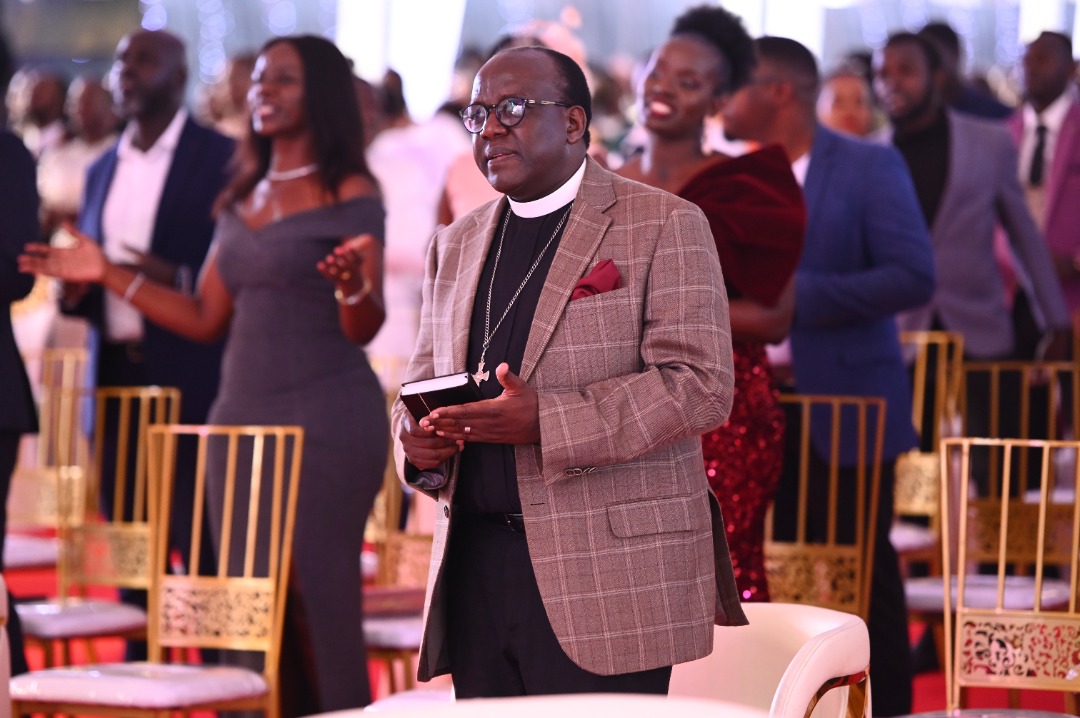
"When the Prophet emerges, it is as if the Rover has landed on the milkway. You can see that this is a man from realms above. You see a man running from the car with a message from the throne..."
-Rev. Steven on #ProphetElvisMbonye
1
12
26
RutaKing_Morris retweeted

Jun 14
Prepare your heart for a divine encounter like no other. In an atmosphere charged with prophecy and the presence of God, you will step into direction and purpose with #Elvis Mbonye.
Watch live | ntv.co.ug/live-tv?utm_medium…
8
56
99
3,377
RutaKing_Morris retweeted
Jun 12
Let divine revelation transform your life. Join #ProphetElvisMbonye this Sunday for a prophetic encounter.
Stream live | ntv.co.ug/live-tv
6
70
107
3,154
RutaKing_Morris retweeted

Jun 12
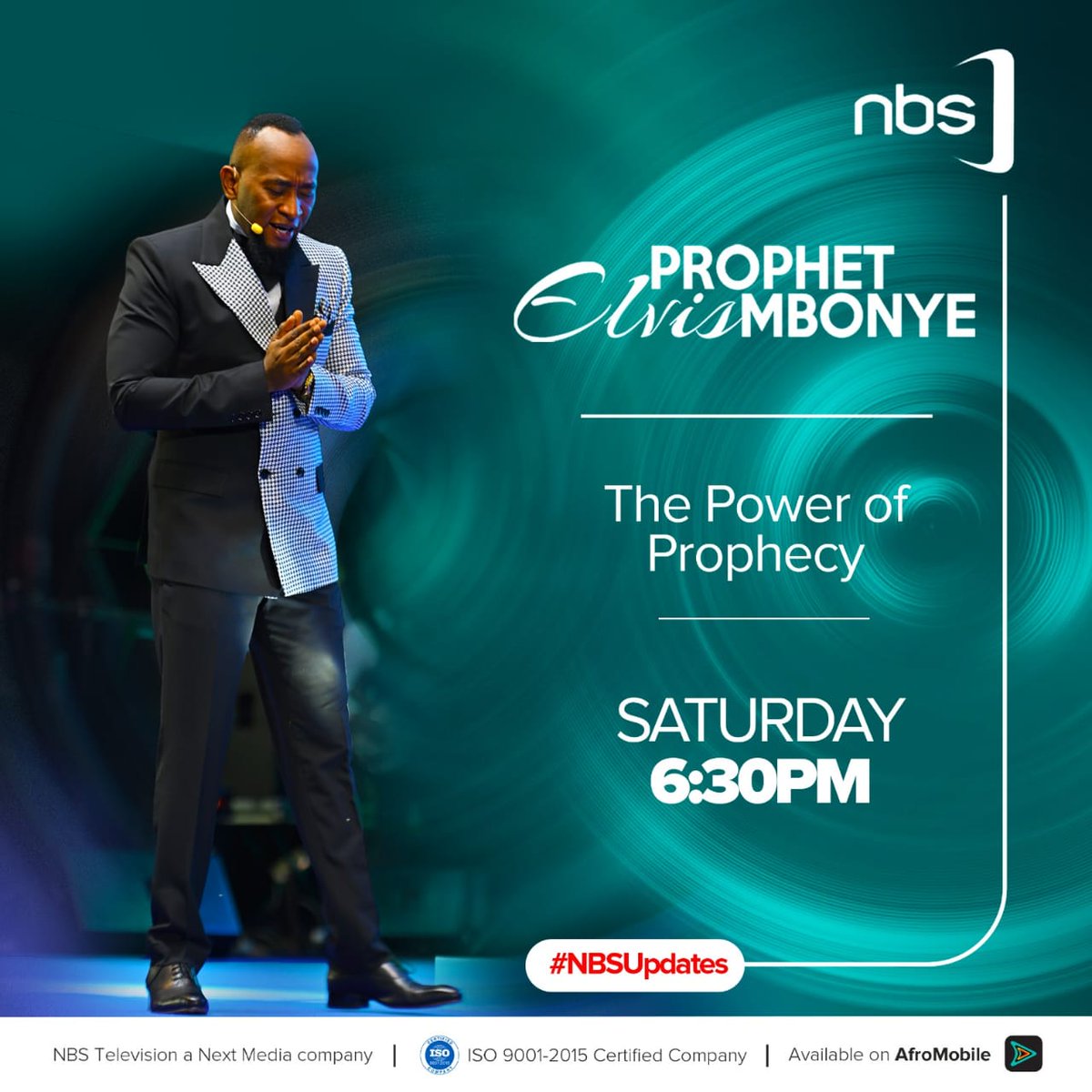
Every prophetic word carries the potential to change a life.
Join @Prophet_elvis on Saturday at 6:30 PM for The Power of Prophecy and discover fresh insight for the season ahead.
#NBSUpdates #ProphetElvisMbonye
9
113
171
2,699
RutaKing_Morris retweeted

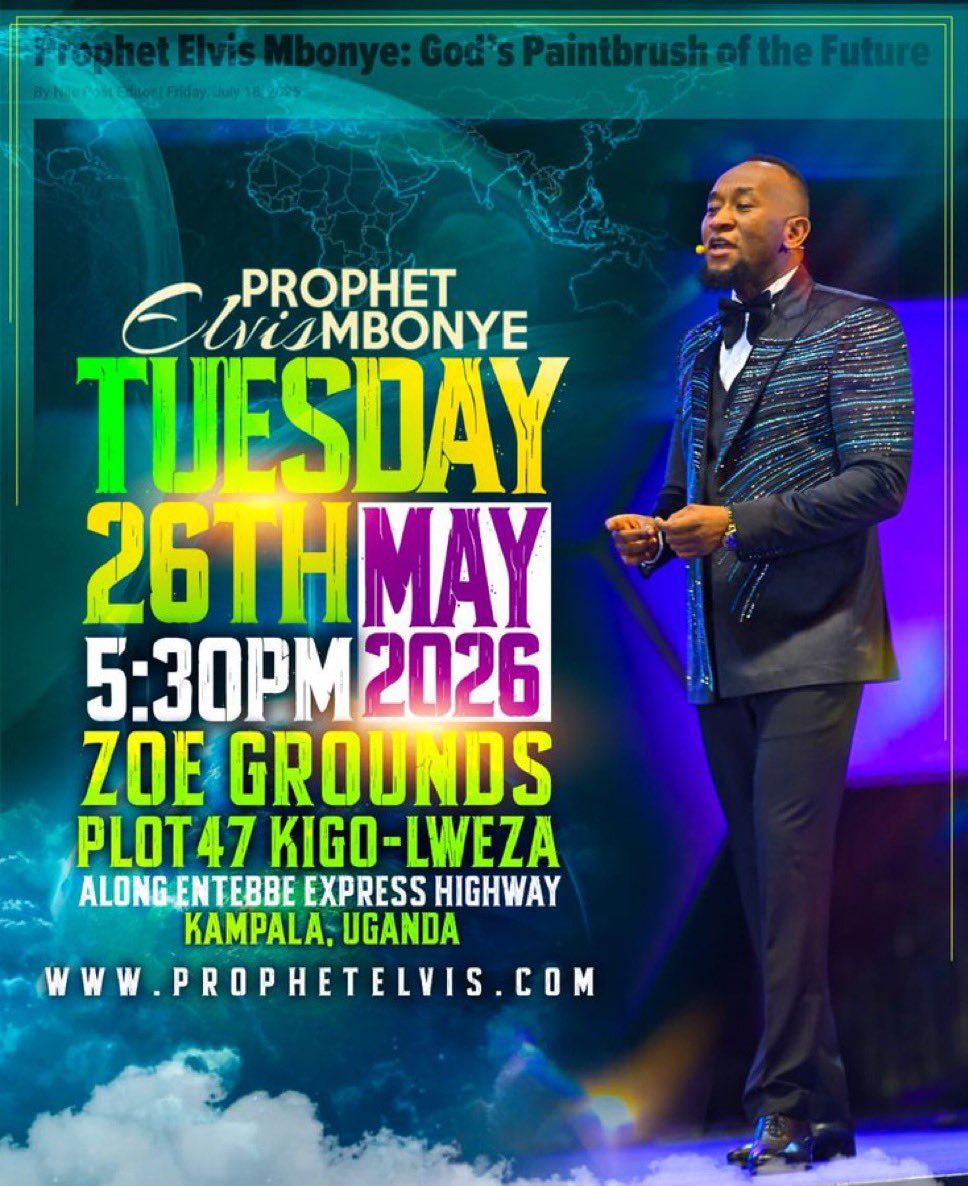
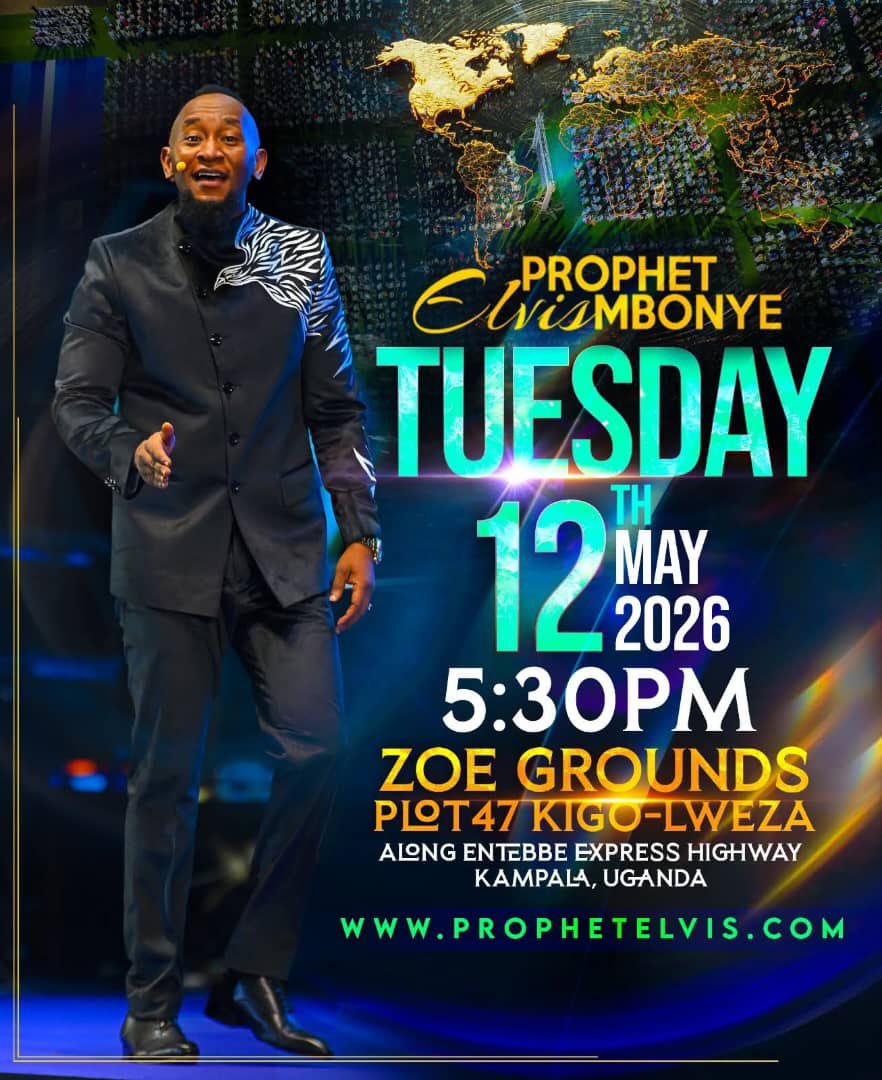
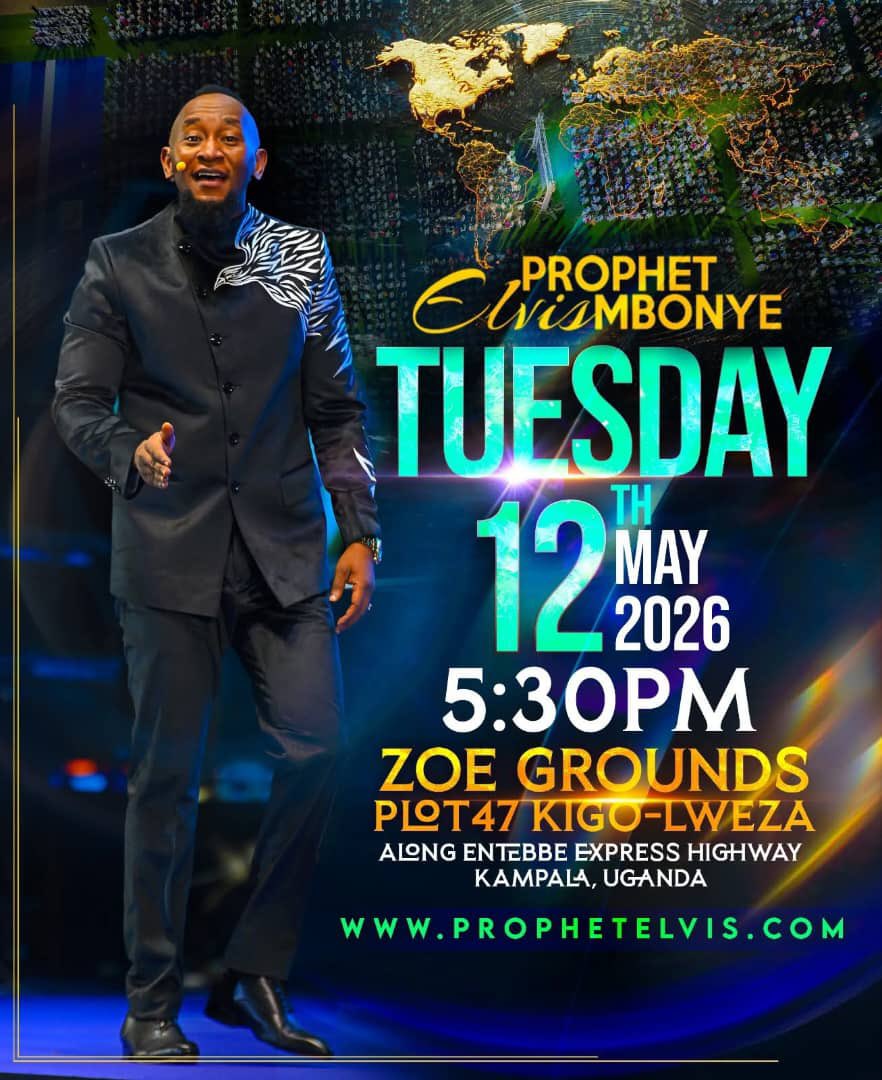
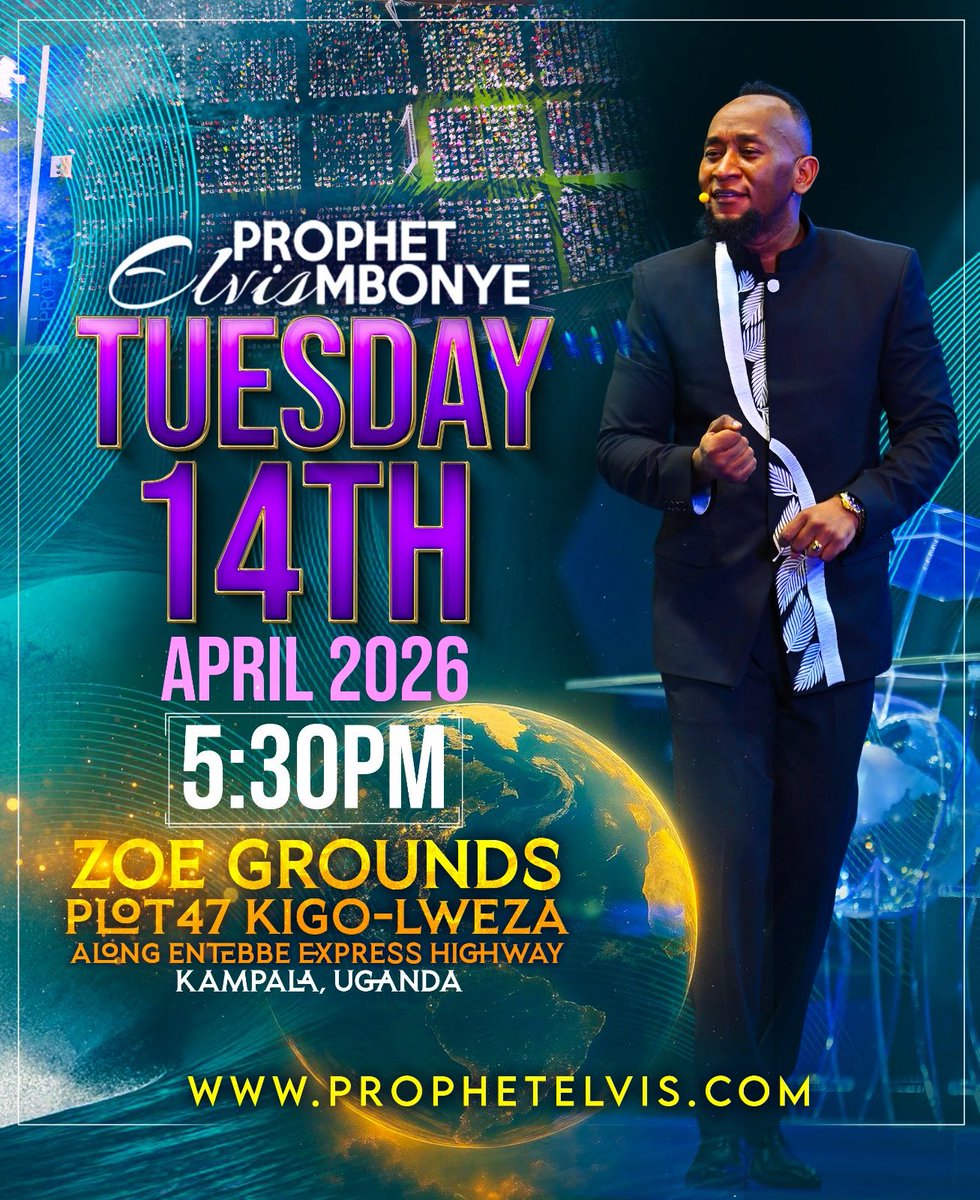
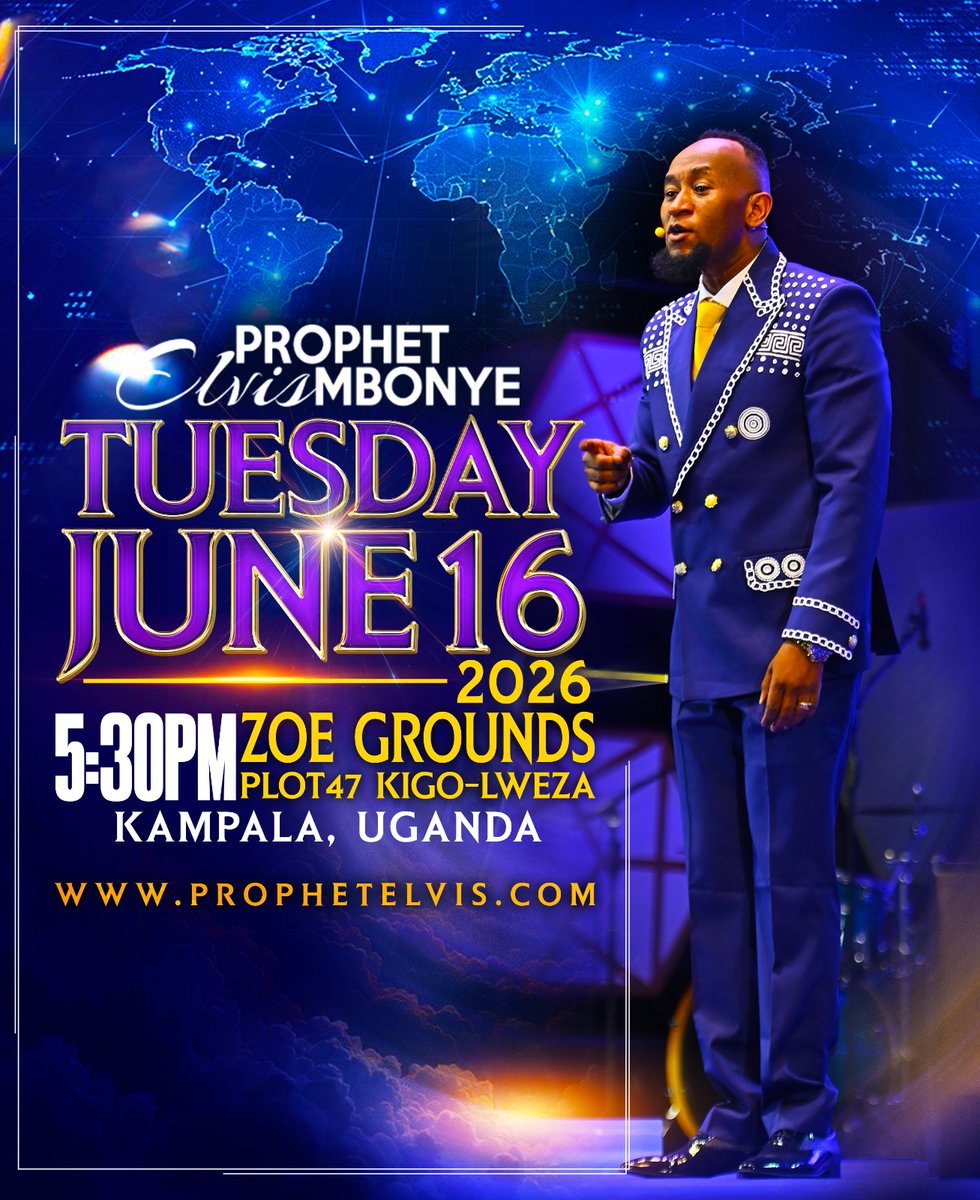
Prophet Elvis Mbonye this Tuesday June 16, 2026 5:30pm at plot 47 Kigo-Lweza, Kampala Uganda.
📌bit.ly/zoegrounds
#ProphetElvisMbonye
185
291
422
7,297
RutaKing_Morris retweeted

Jun 11
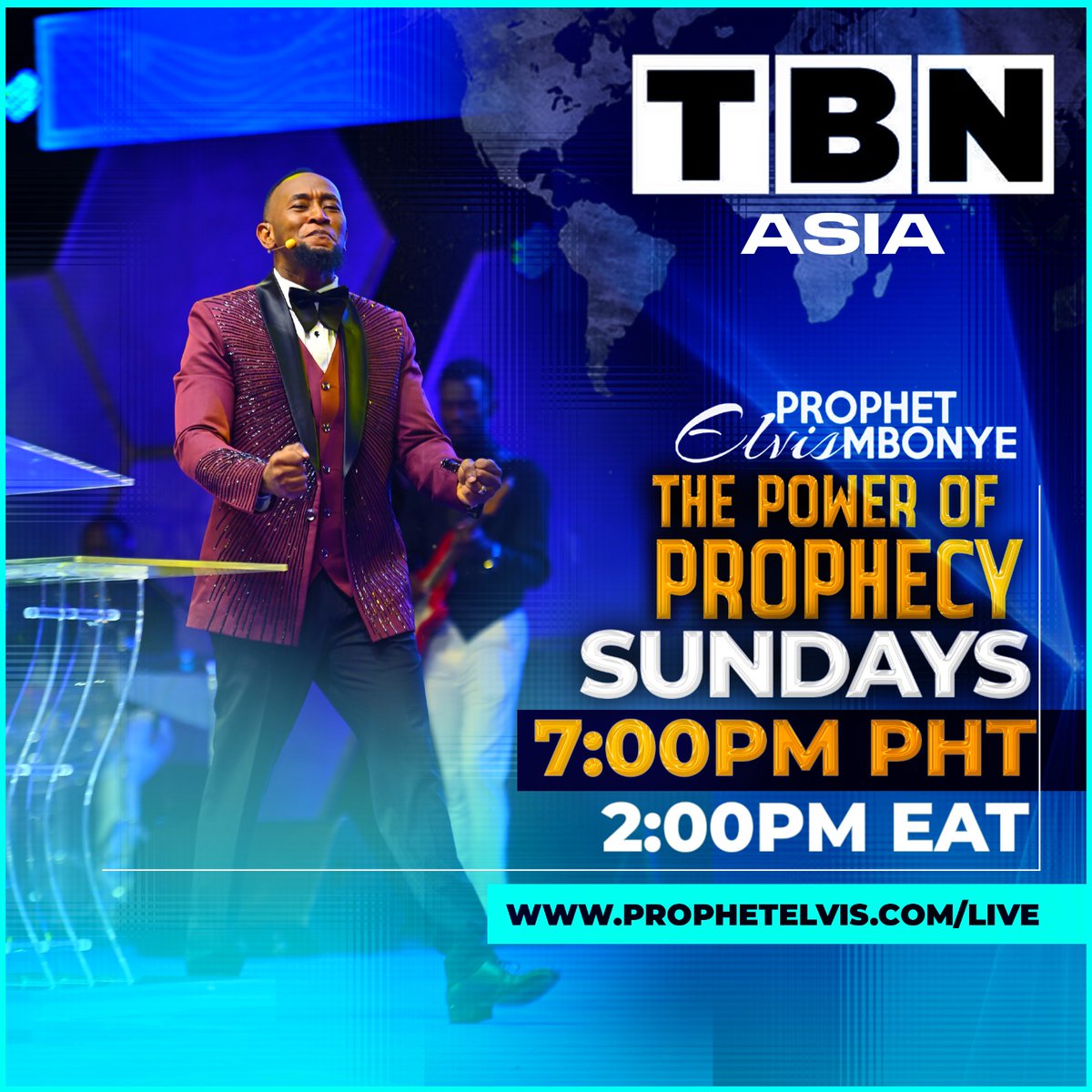
How To Connect To Never-drying Resources!!! – PART 02
🗓️ June 14, 2026 | 🕖 7 PM
Join Prophet Elvis Mbonye at The Power of Prophecy as he reveals deeper secrets to walking in God's unlimited provision.
Come expectant. Leave empowered.
#ThePowerOfProphecy #ProphetElvisMbonye
6
87
120
948
RutaKing_Morris retweeted

Jun 10
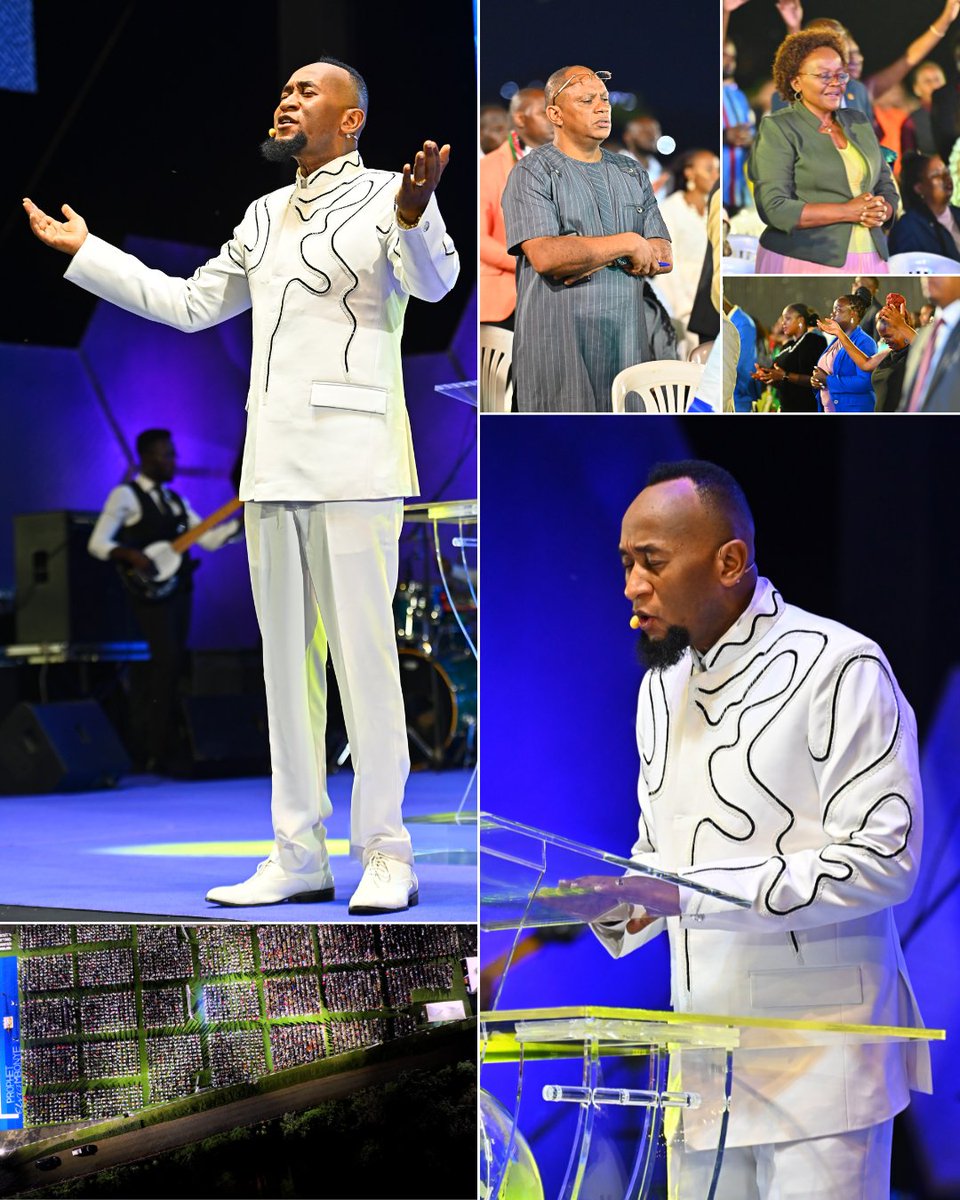
Numbers 17:5(KJV) And it shall come to pass, that the man's rod, whom I shall choose, shall blossom: and I will make to cease from me the murmurings of the children of Israel, whereby they murmur against you. #ProphetElvisMbonye
19
30
152
RutaKing_Morris retweeted

Jun 9
youtu.be/F4KBKjVVvL8?si=del-…
Amos 3:7 Surely the Lord God will do nothing, but he revealeth his secret unto his servants the prophets
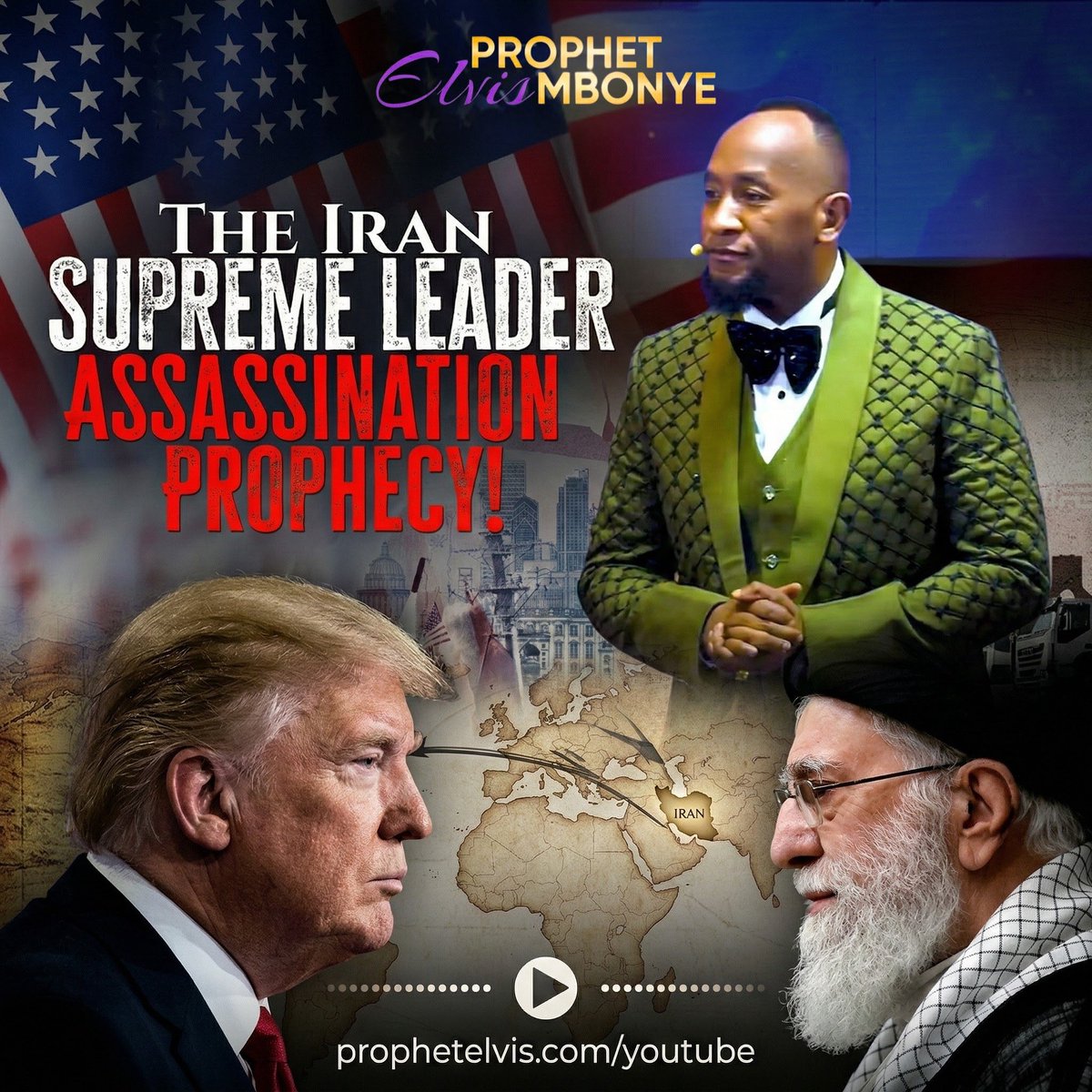
"A day is going to come when they will normalise certain things that are not earthly, because their time of manifestation to come and spread around the deception will have come!" @Prophet_elvis in 2021!
More than ever, we need an expert in the spirituals!
1
1
1
244
RutaKing_Morris retweeted

🚨SPECIAL MESSAGE🚨
A False Righteousness Gives Satan A Foothold!!
In this powerful ministration, Prophet Elvis Mbonye unveils the revelation of Jesus as God’s righteousness revealed, showing how receiving the abundance of grace and the gift of righteousness causes the believer to reign in life beyond the limitations of human effort, credentials, connections, or self-made righteousness. As you watch, expect to encounter the grace that singles out, elevates, prospers, and establishes the remnant of God.
#ProphetElvisMbonye
24
35
334
RutaKing_Morris retweeted

Go Benja, go Benja….keep it up, keep it up. Go Benja….
🇮🇱 youtu.be/Mb2FJu-h2fs?si=_-b7…
Prophecy coming to pass.
#ProphetElvisMbonye
1
3
20
RutaKing_Morris retweeted
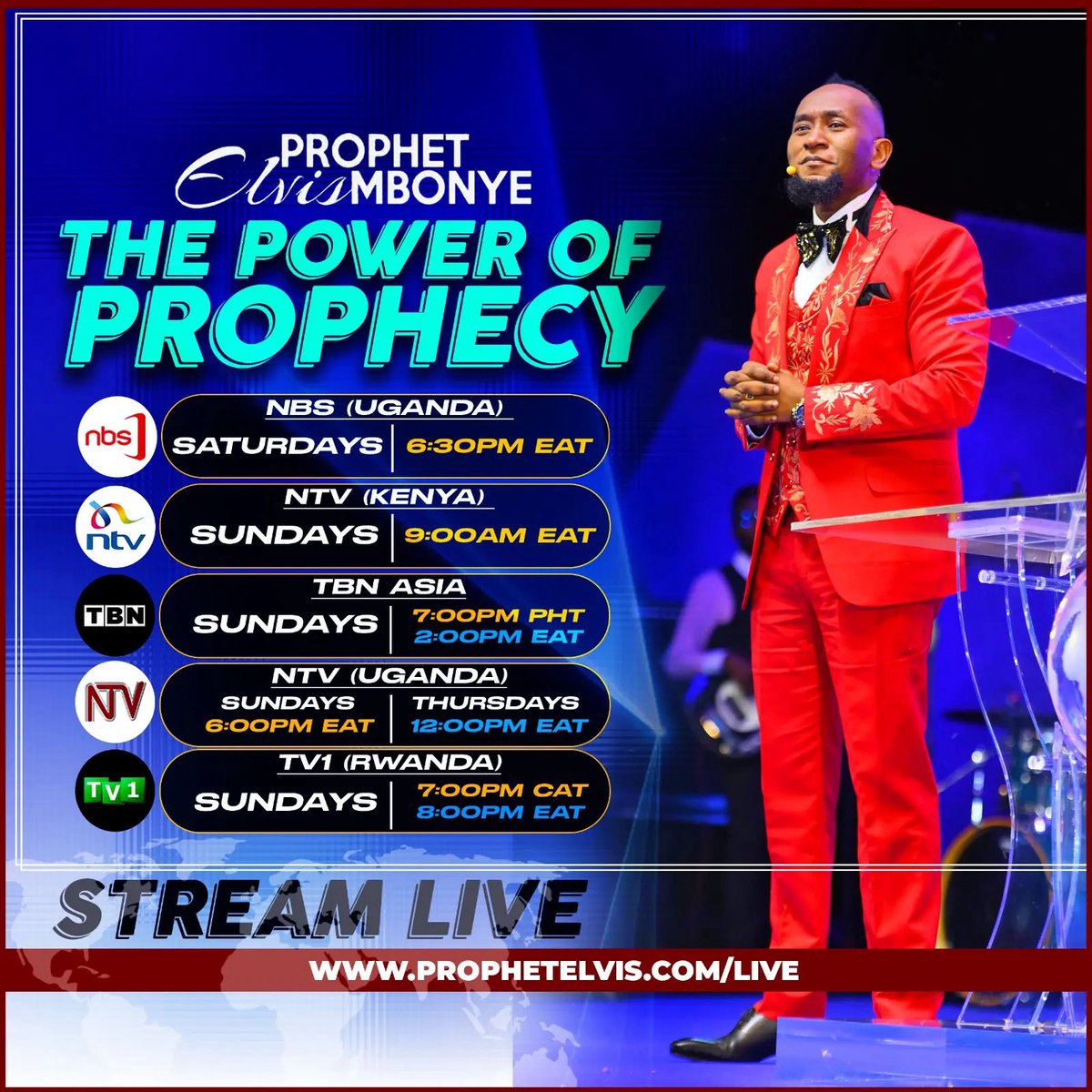
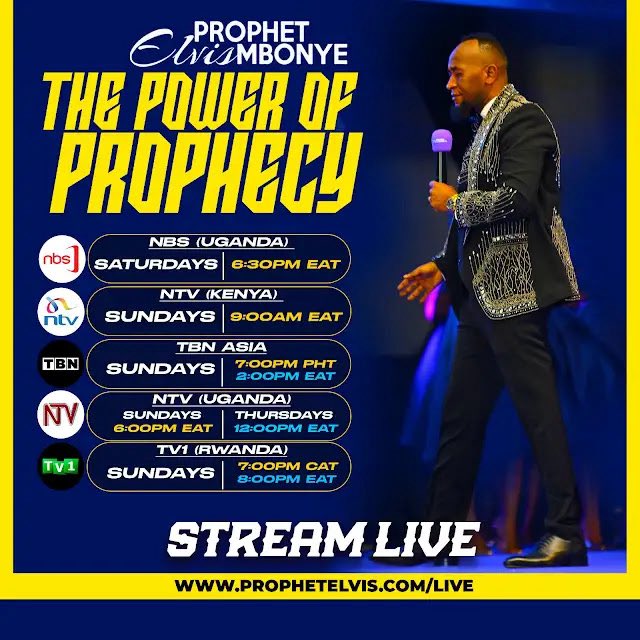
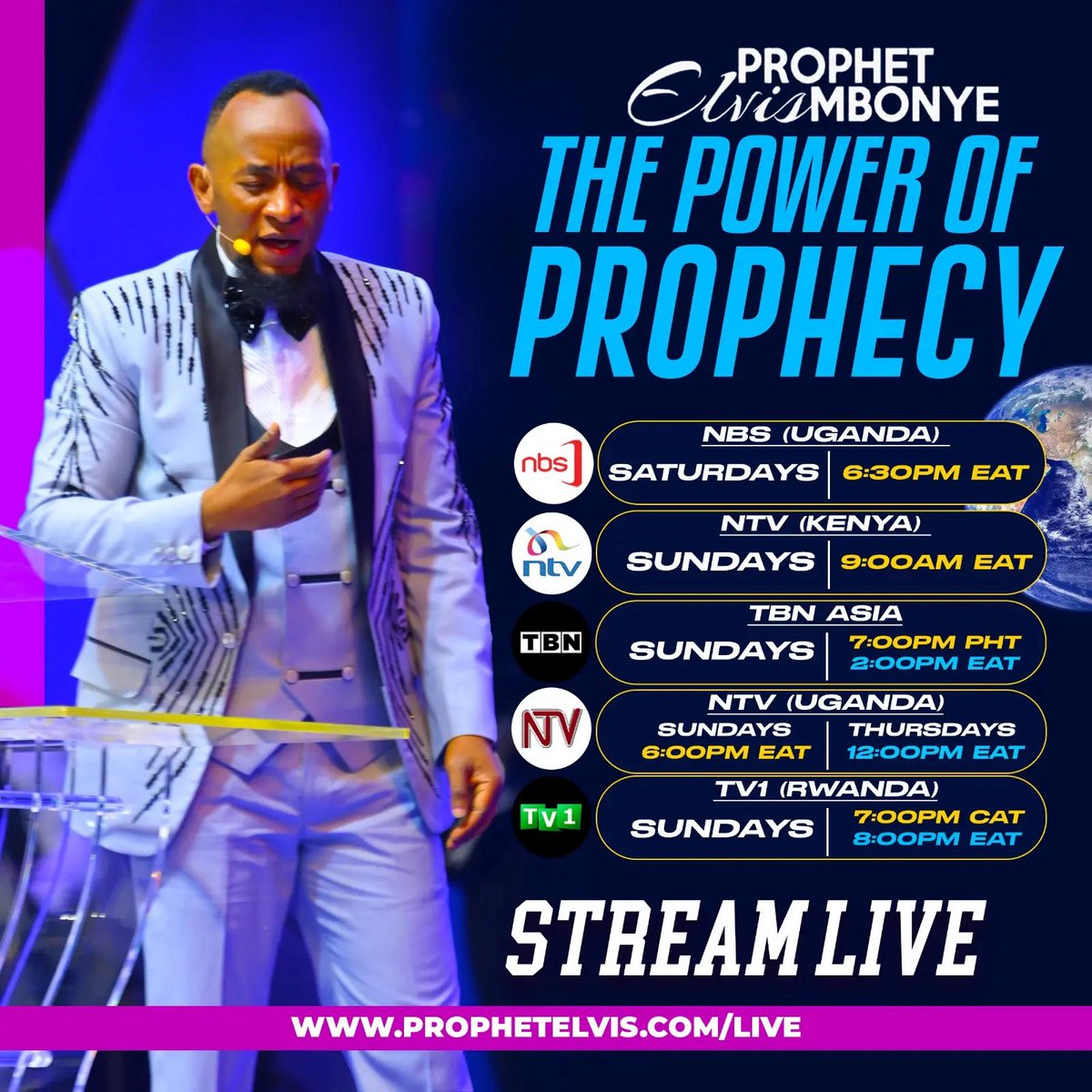
The Power of Prophecy with Prophet Elvis Mbonye!! AVAILABLE on your favorite local TV channels Saturdays and Sundays. Tune in to;
NBSTV Uganda 🇺🇬 at 6:30pm (EAT)
NTV Kenya 🇰🇪 at 9:00am (EAT)
TBN Asia 🇵🇭 at 2:00pm (EAT)
NTV Uganda 🇺🇬 at 6:00pm (EAT) Repeats on Thursday 12:00pm (EAT) and
TV1 Rwanda 🇷🇼 at 8:00pm (EAT)
Or stream live on prophetelvis.com/live at all the above times!
#ProphetElvisMbonye
37
251
371
4,201
RutaKing_Morris retweeted

Jun 9
The actual heroes are #ProphetElvisMbonye and the entire Remnant Nation.
1
18
40
368
RutaKing_Morris retweeted
Jun 9
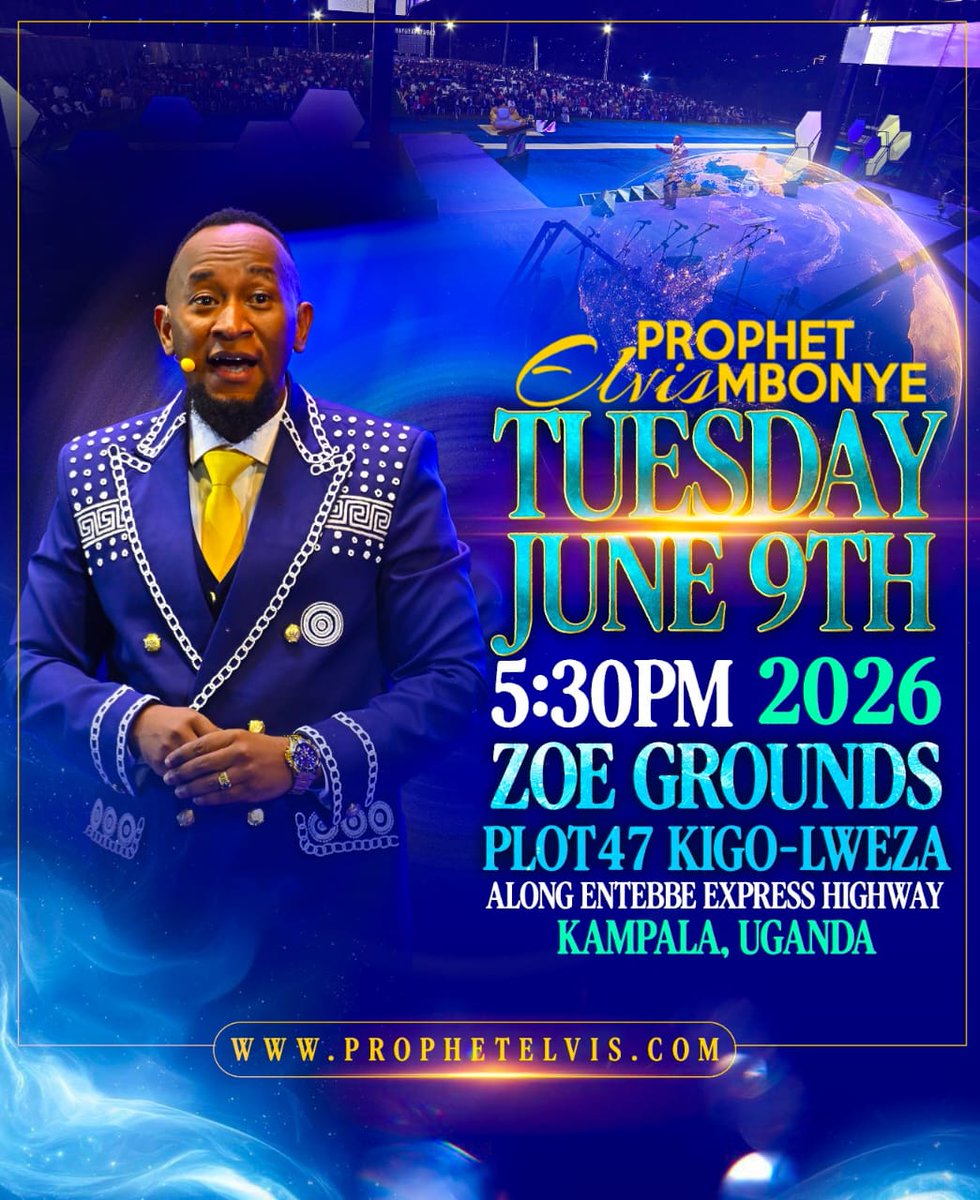
A gathering of heaven's choicest people on earth. Don't miss it for anything.
#ProphetElvisMbonye
33
58
380
RutaKing_Morris retweeted

Don't try to advise on what has already worked. Study the mind and conviction of #ProphetElvisMbonye if you want his result. A small deviation from it and you will miss it.
Watch; God’s Inheritance And Your Worth!!! youtube.com/watch?v=L9tKDUtI…
1
21
29
233
RutaKing_Morris retweeted

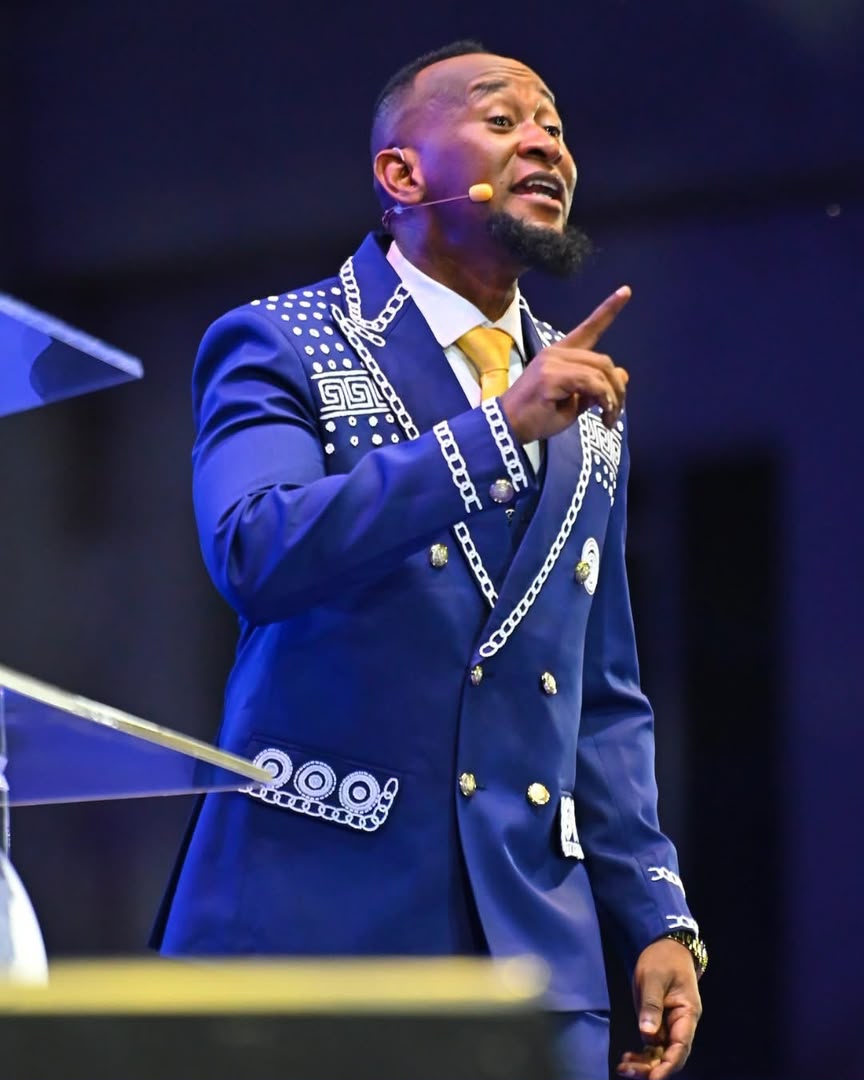
🚨Breaking Divine News...
Since 1998 to date, @Prophet_elvis
has never encountered or gotten sick. Why or how is that possible?
Read first comment...
#ProphetElvisMbonye
2
45
85
508
RutaKing_Morris retweeted
Jun 6
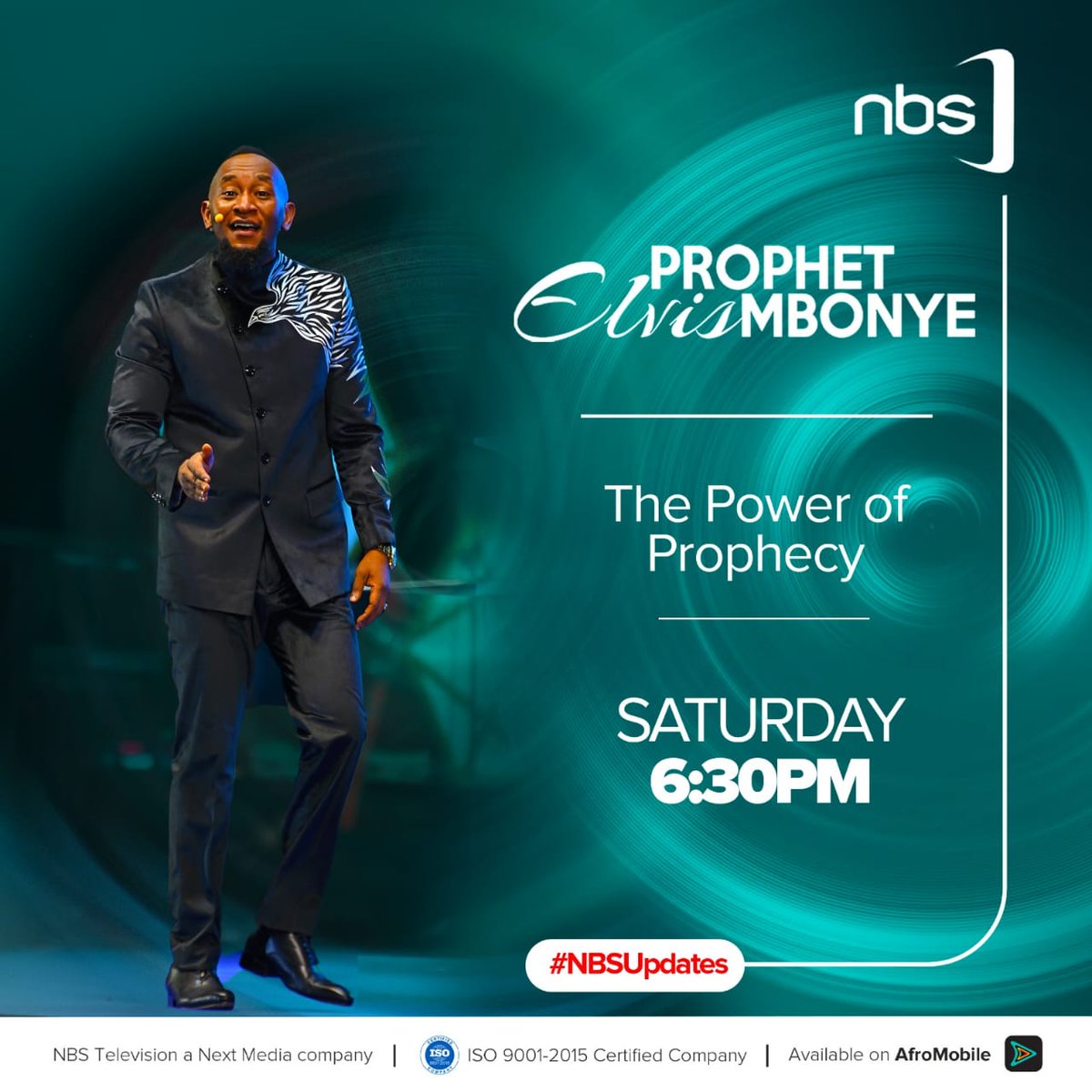
Join @Prophet_elvis on The Power of Prophecy this evening at 6:30 PM and discover insights that inspire, challenge, and uplift.
Watch live on NBS TV and be part of the conversation.
#ProphetElvisMbonye #NBSUpdates
4
103
181
3,053
RutaKing_Morris retweeted

Jun 4
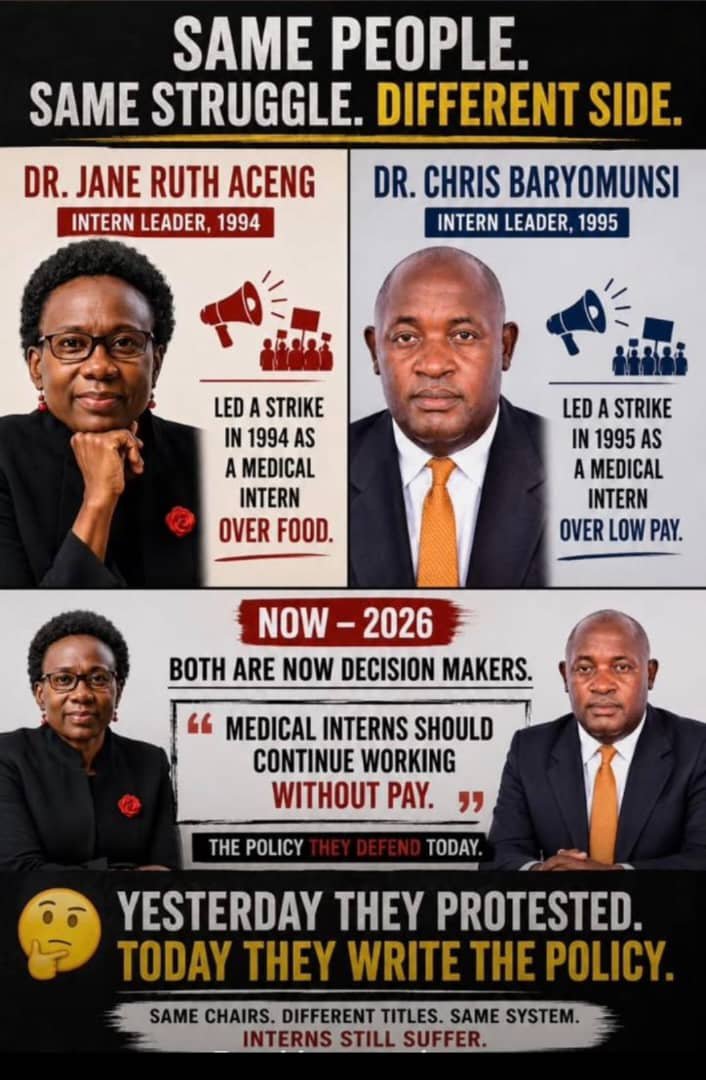
Same People. Same Struggle. Different Side.
Dr. Jane Ruth Aceng and Dr. Chris Baryomunsi were once medical interns and leaders of intern advocacy in Uganda.
As highlighted in the image, Dr. Aceng, as an intern leader in 1994, protested over poor food provided to interns, while Dr. Baryomunsi, as an intern leader in 1995, led a strike demanding better pay for medical interns.
At the time, medical interns enjoyed several benefits, including government-facilitated deployment to internship sites, free accommodation, meals, and a monthly allowance. Following the 1995 intern strike, intern remuneration was reportedly increased for the subsequent cohort.
Today, both leaders sit at the highest levels of health-sector decision-making. Yet, the same system they once challenged now appears determined to remove the very incentives and allowances that supported them during internship. Current policy proposals suggest a future where medical interns may be required to work without pay.
It is difficult for many young doctors to understand this contradiction. How can leaders who once fought for better welfare now defend policies that strip away those same protections for the next generation?
Medical internship is not a classroom exercise. It is full-time service delivery under supervision, often involving long hours, night calls, emergency care, and significant responsibility for patient lives. Expecting interns to provide this essential service without remuneration raises serious questions about fairness, workforce motivation, and the value placed on young health professionals.
Yesterday they protested. Today they write the policy.
The question many young doctors are asking is simple: If these incentives were necessary for interns in 1994 and 1995, why are they considered unnecessary for interns in 2026?
#PayAllMedicalInterns #SaveLives
Dr. Mirembe Joel
X: @MirembeDr
@eddympuuga @bbstvug @newvisionwire @cbsfm_ug
26
65
99
2,460
RutaKing_Morris retweeted
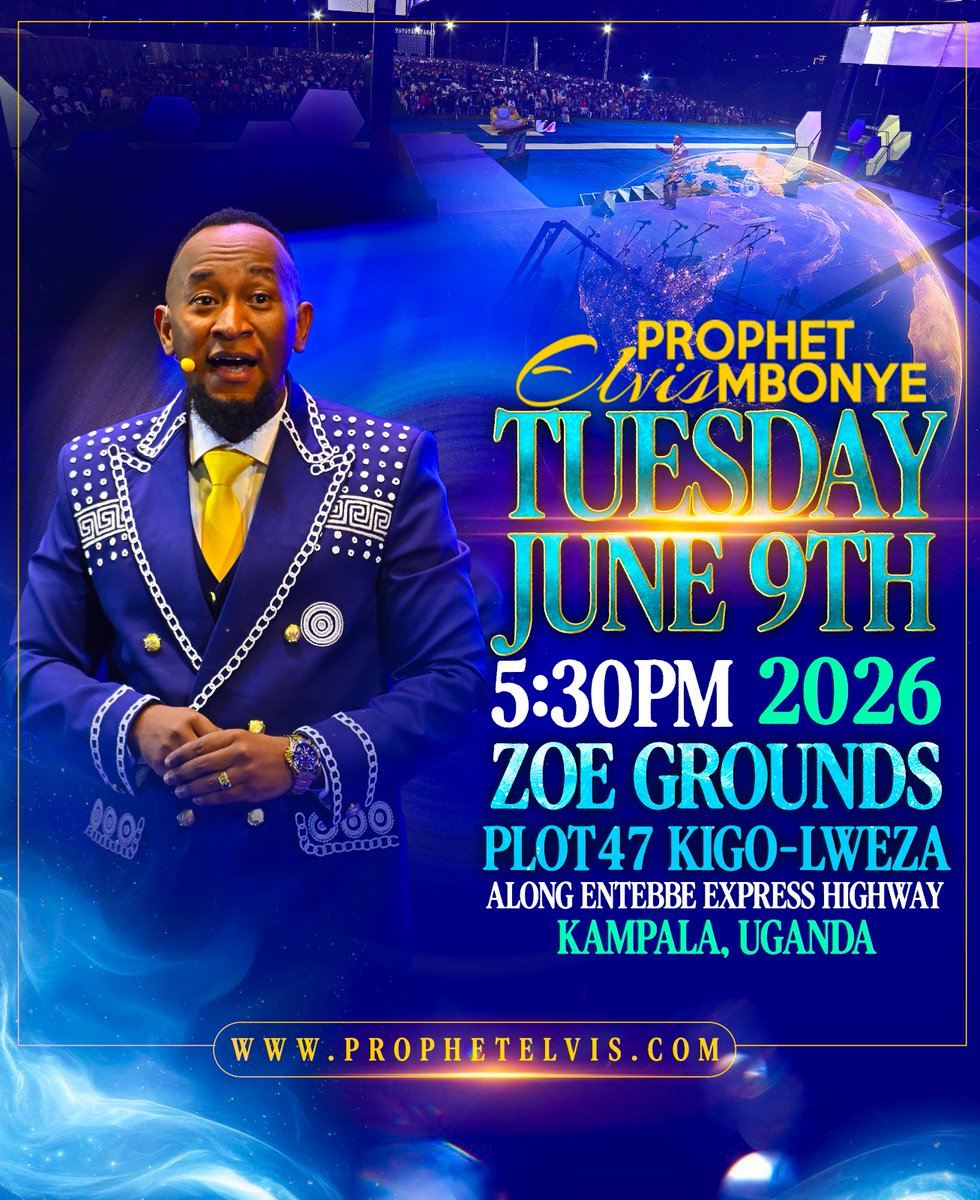
Prophet Elvis Mbonye this Tuesday June 09, 2026 5:30pm at plot 47 Kigo-Lweza, Kampala Uganda.
📌bit.ly/zoegrounds
#ProphetElvisMbonye
142
332
492
5,924
RutaKing_Morris retweeted
Jun 5
Walk into the weekend with confidence as you meditate on these prophetic truths;
🌼You are the focus of what God is doing.
🌼You are a King and Priest unto God. Wherever you go, you show up as a King.
🌼The Lord is able to do exceedingly, abundantly above all that you can ask and think. What do you want?
🌼 Your life defies logic, defies the systems of men - it introduces God.
🌼You are chosen. You are selected. You are appointed.
#ProphetElvisMbonye
25
53
471