
Meteorology Climate 🇺🇸 | Look Up 🚀 | Florida State PhD | Go Blue Michigan | Cat 6 🐈 | 🌎 A.I. Weather Maps @weathertrader
Joined September 2008
- Tweets 27,882
- Following 5,624
- Followers 143,903
- Likes 67,936
14,089 Photos and videos
Ryan Maue retweeted

THE VIDEO: Union Pacific Big Boy 4014 passes over the Tunkhannock Viaduct.
A 1.2-million-pound steam legend crossing one of the largest concrete railroad viaducts ever built. Nicholson, Pennsylvania delivered an unforgettable scene today.
66
1,048
9,070
228,460
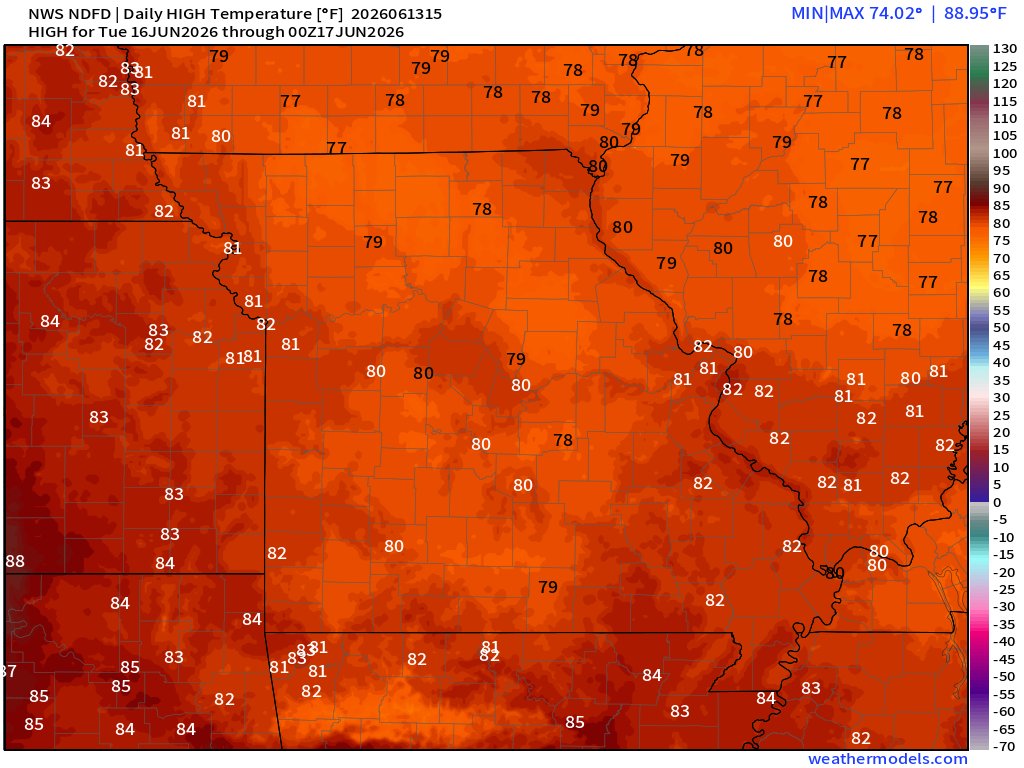
Argentina vs. Algeria in Kansas City at Arrowhead Stadium
Fears about climate change dominated the global news media for the World Cup here in the United States 🇺🇸
Forecast High: 82°F (28°C)
Perfect weather for⚽️
6
6
44
7,112
But wait! There's more.
Monday and Tuesday will be around 80°F with sunny skies and dry air a breeze
For late Spring in New York City, these days may be the nicest ever experienced by World Cup visitors and residents alike in their lifetimes.

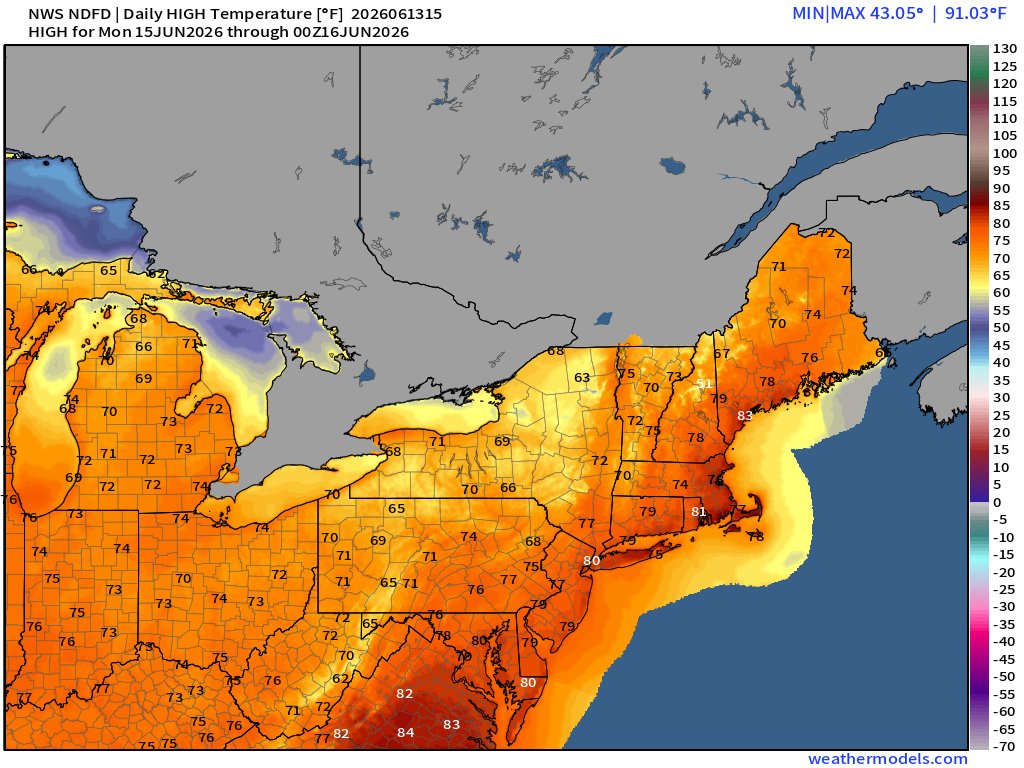
This might be the one of the nicest late Spring days in the history of New York City🍎if you like a little heat
89°F high temperature (still sub-90°F)
dry air / low humidity / sunny skies
2
5
39
7,660
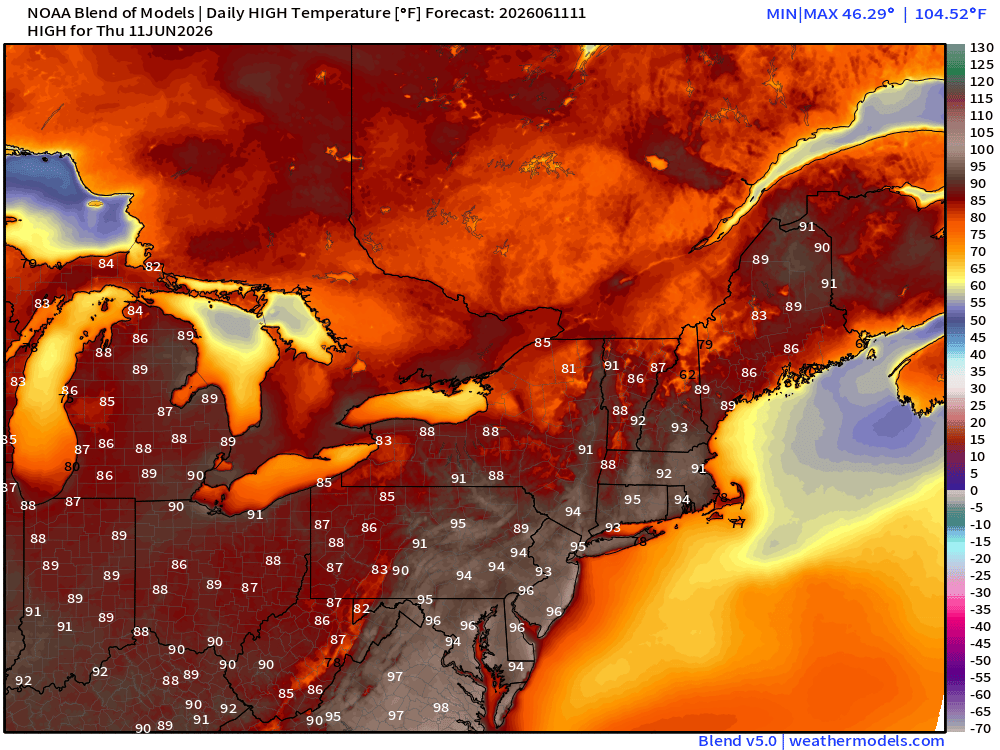
This might be the one of the nicest late Spring days in the history of New York City🍎if you like a little heat
89°F high temperature (still sub-90°F)
dry air / low humidity / sunny skies
3
5
48
12,151
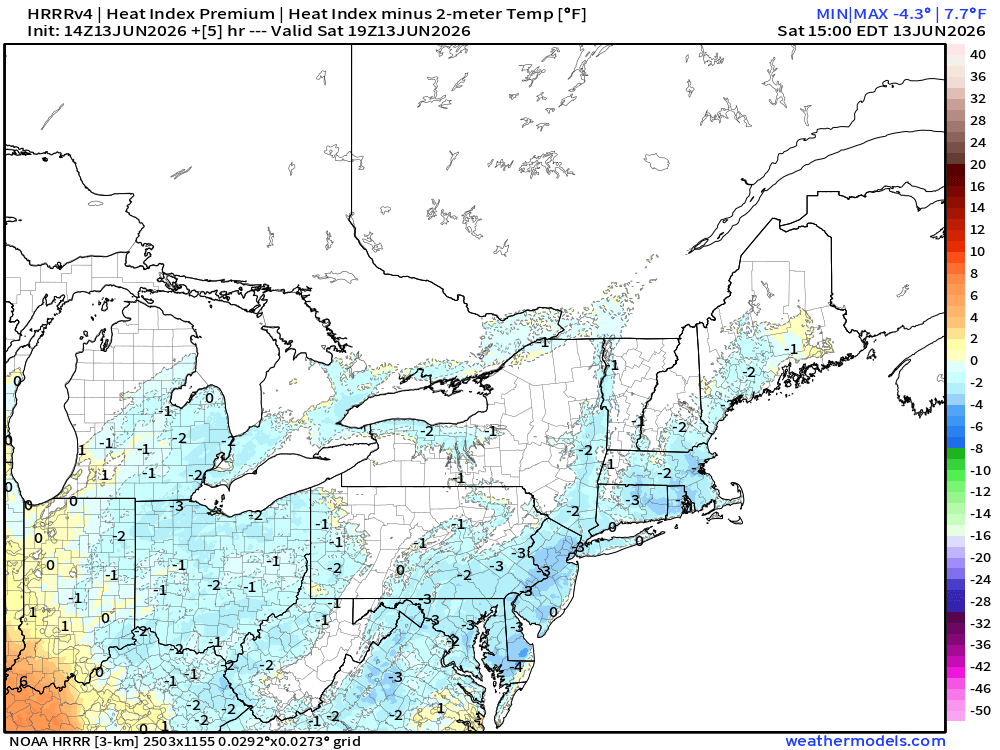
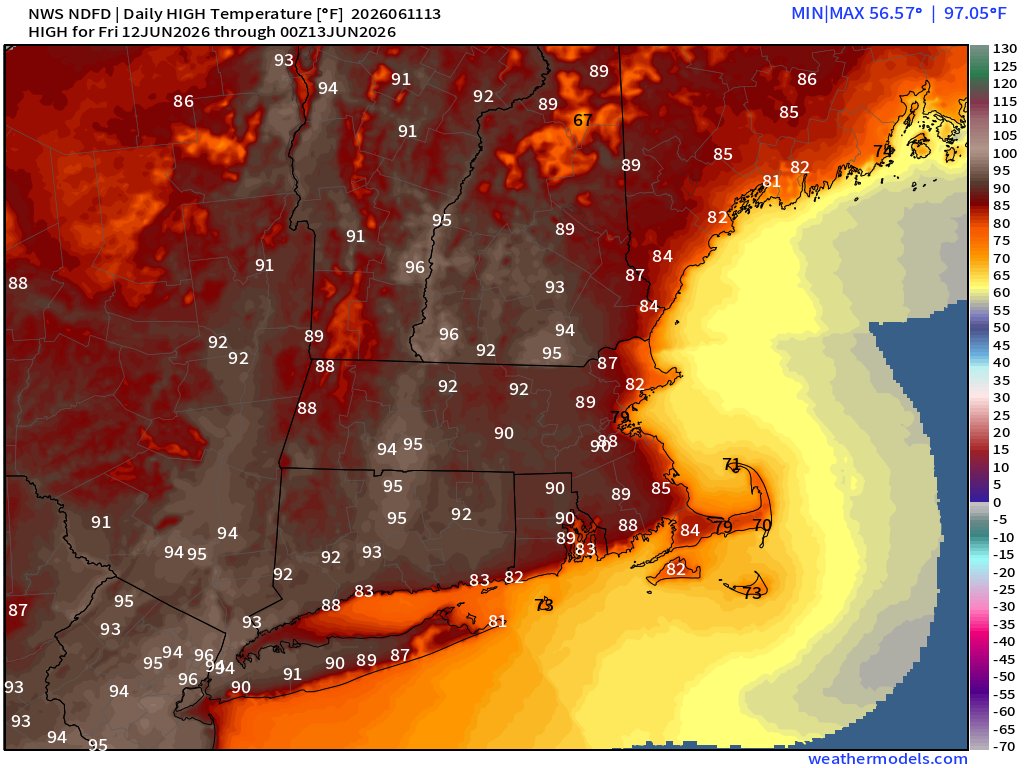
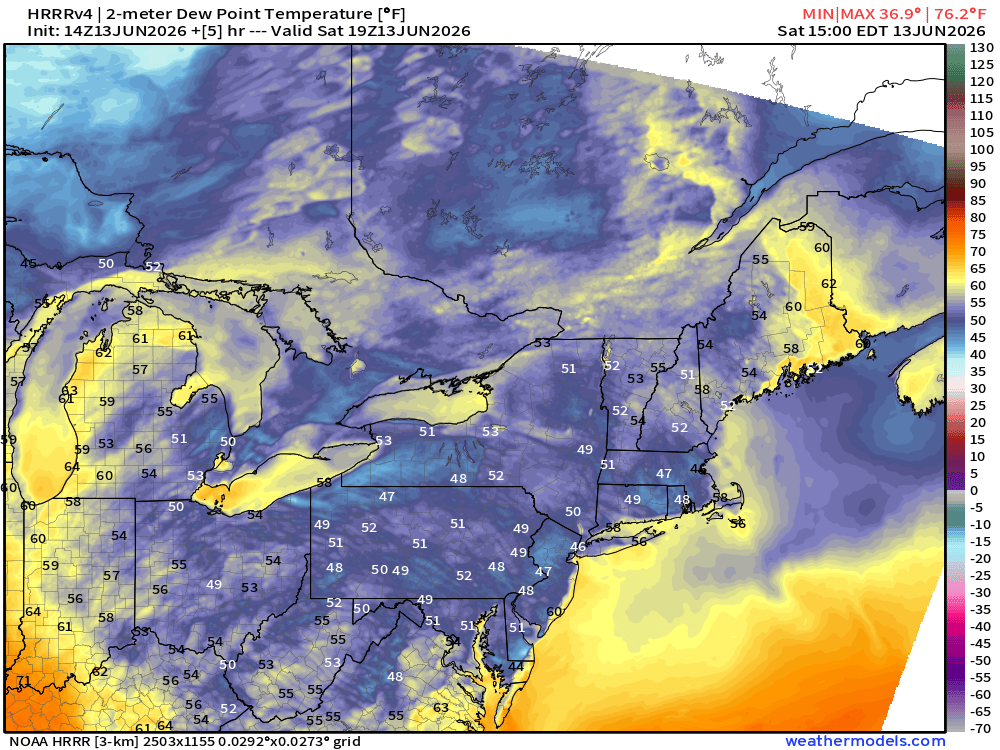
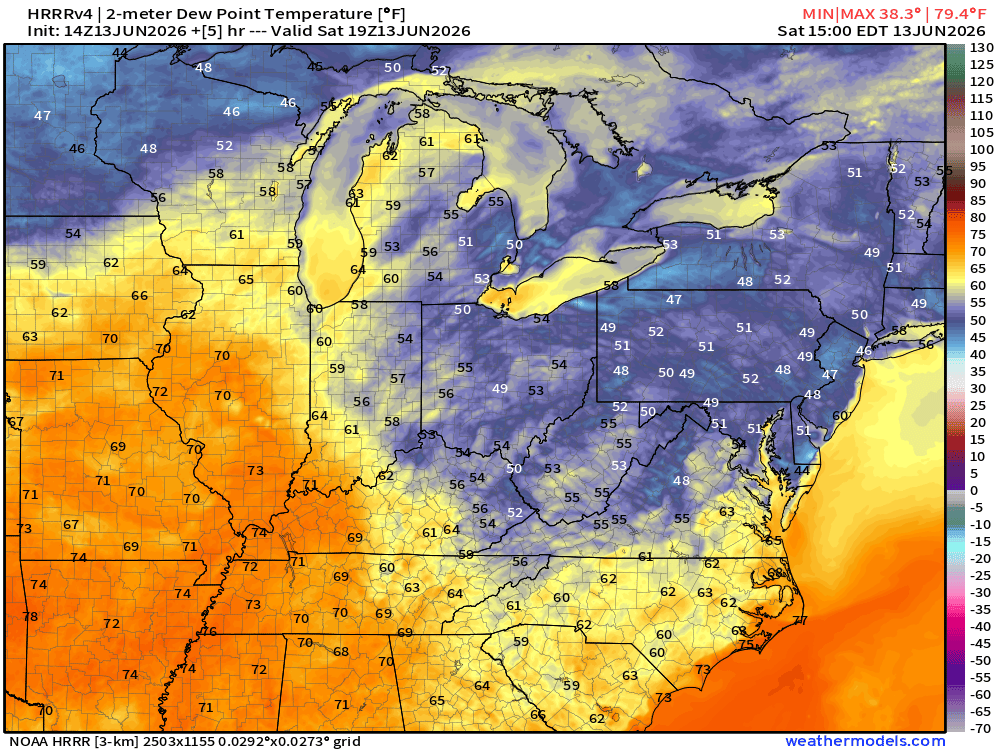
Dry --> low dew points across the Mid-Atlantic and Northeast behind the front
Not exactly a cold front, temperatures still in 80s and 90s, but the "heat index" is actually lower than actual temperature by a few degrees this afternoon!
3
5
32
6,331
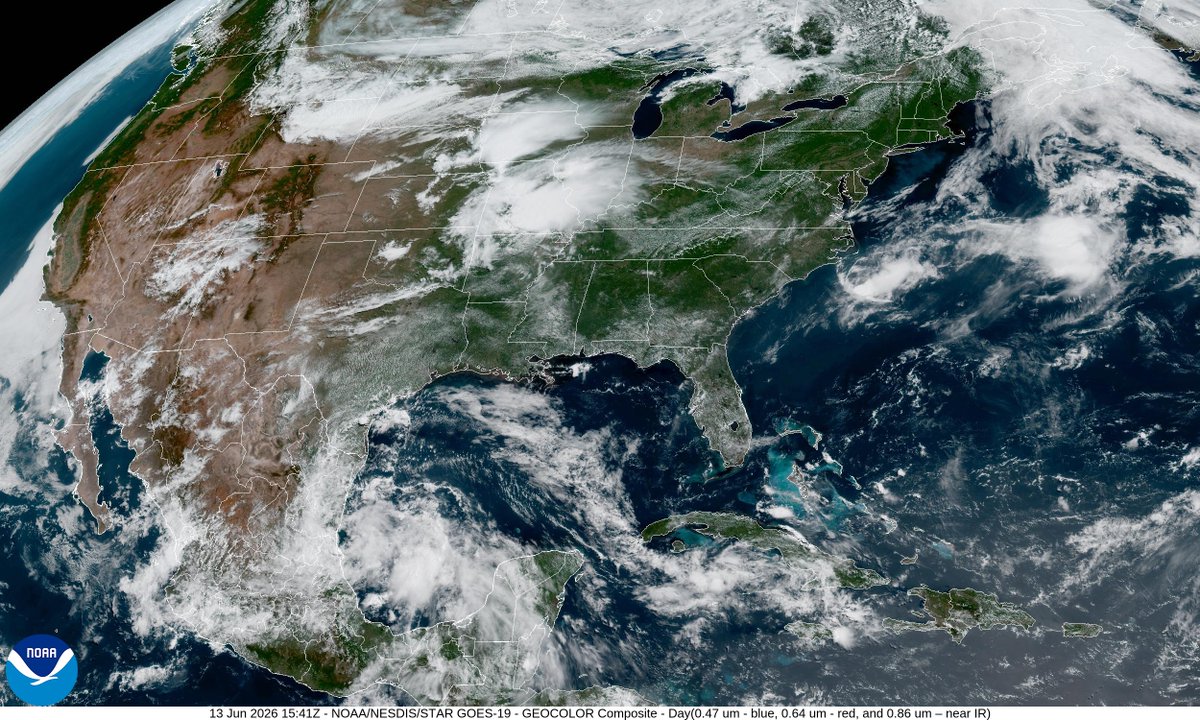
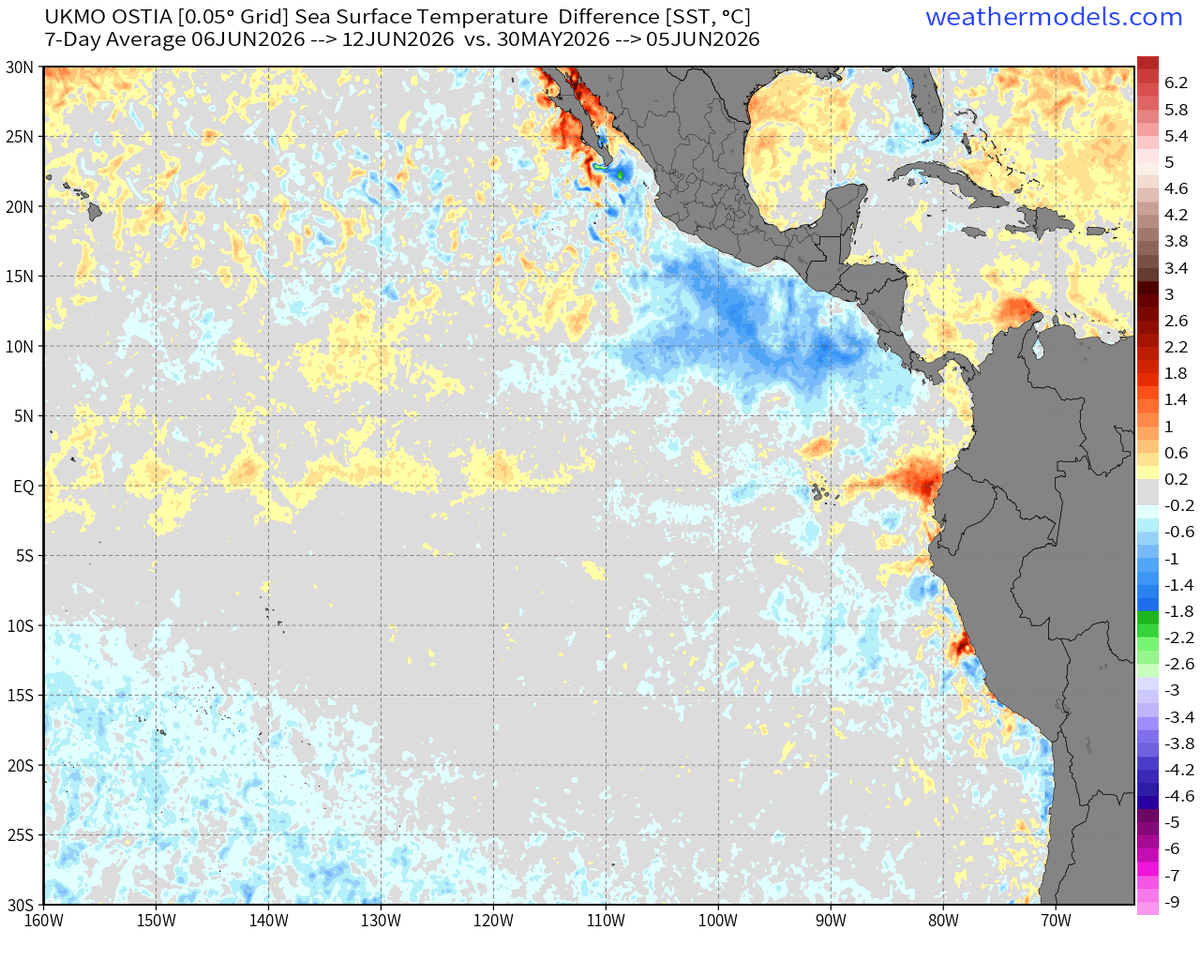
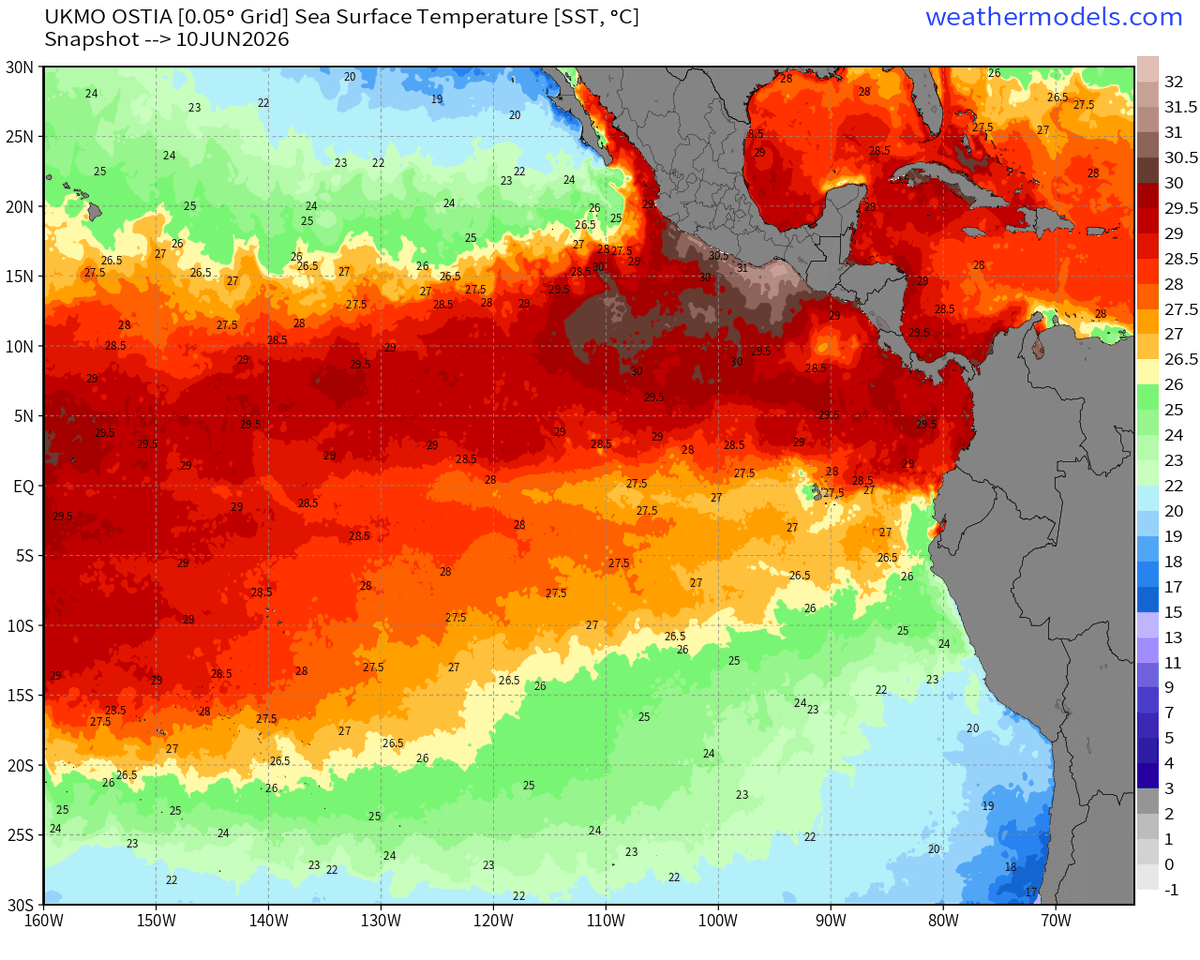
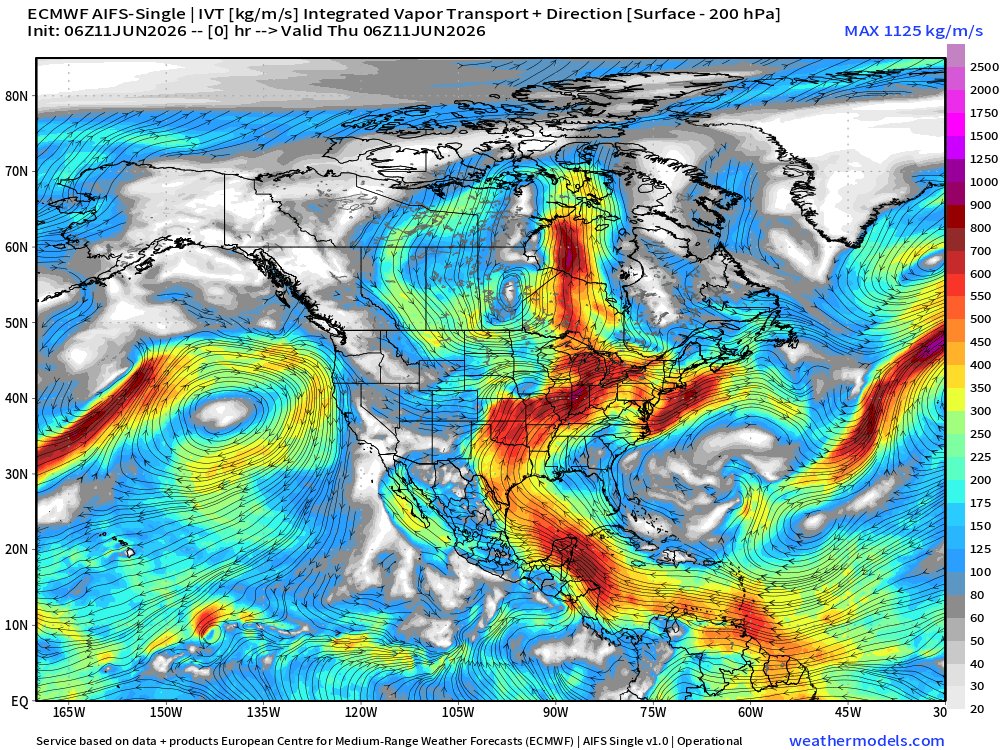
Two weak tropical storms cloud cover and rain has cooled the previous very warm SSTs off the southern coast of Mexico and Central America.
2
8
68
5,847

Jun 12
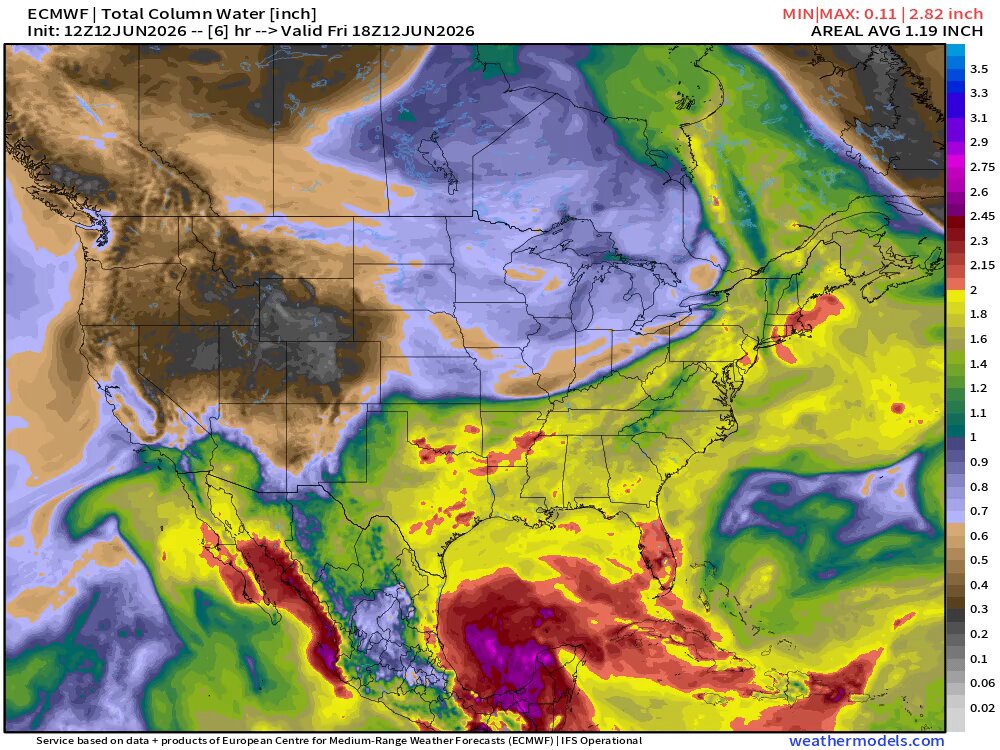
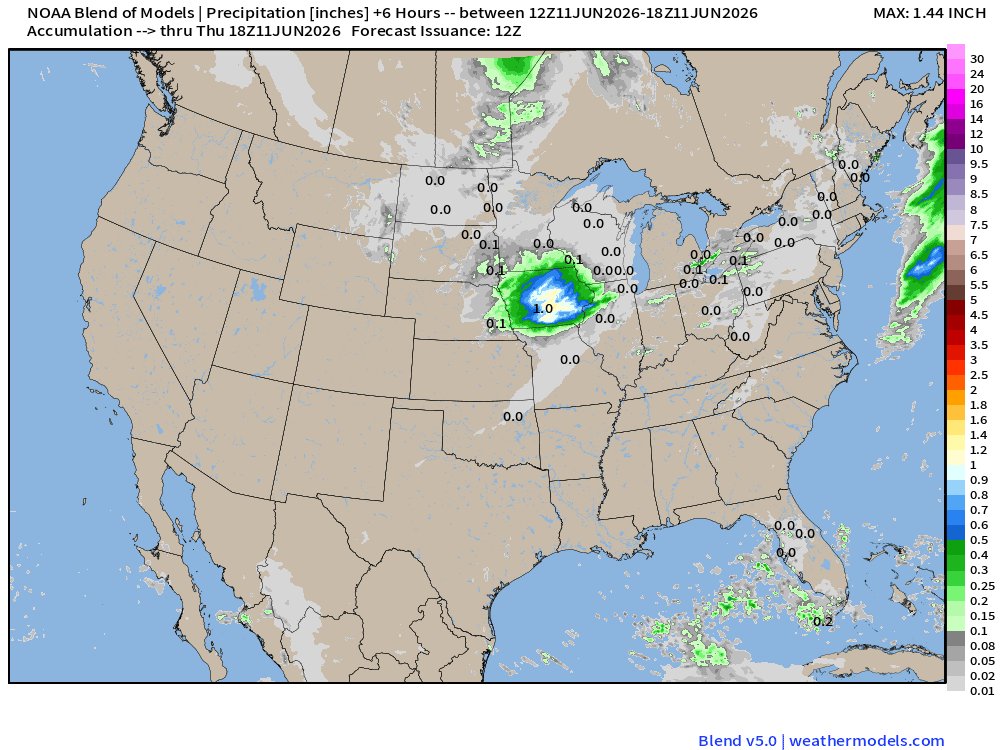
Over the next 10-days, the tropical disturbance in the Bay of Campeche will slowly trudge northward through Texas and turn E across the Southeast and Tennessee River Valley eventually reaching the Mid-Atlantic.
Enormous rainfall totals (boatloads & shedloads) from pattern
3
26
129
9,883
Jun 12
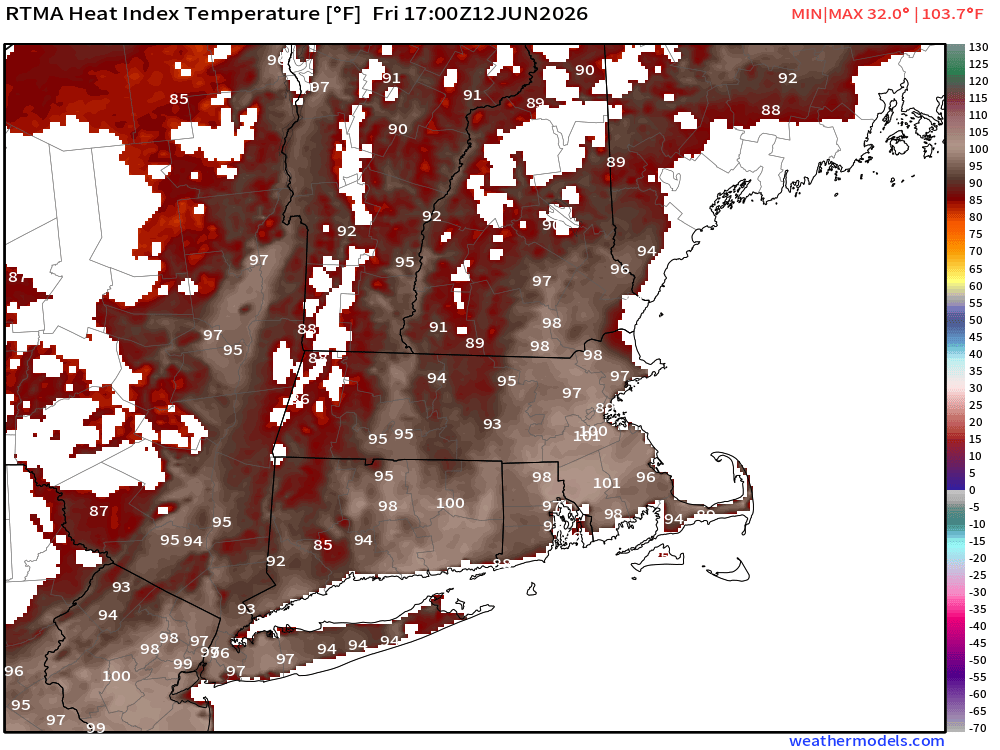
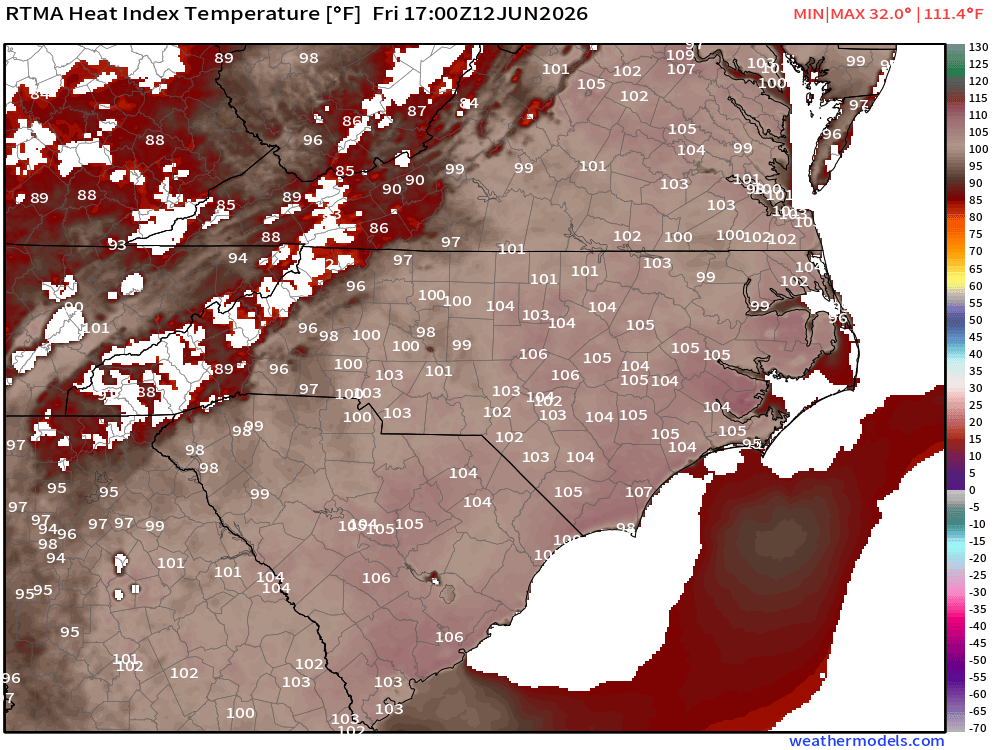
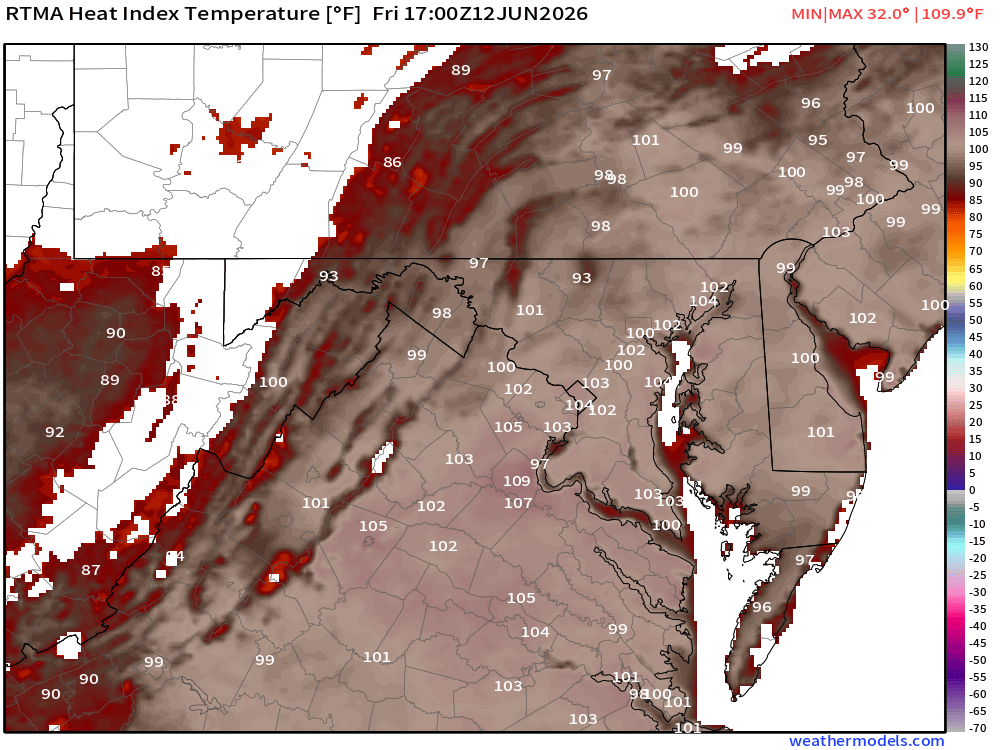
Heat index well into the 100s across Mid-Atlantic including Washington D.C.
But there's a nice breeze ~20 mph gusts, so it's not a complete sauna.
Reminder, mid-June can be quite hot in these parts
3
28
4,952
Jun 12
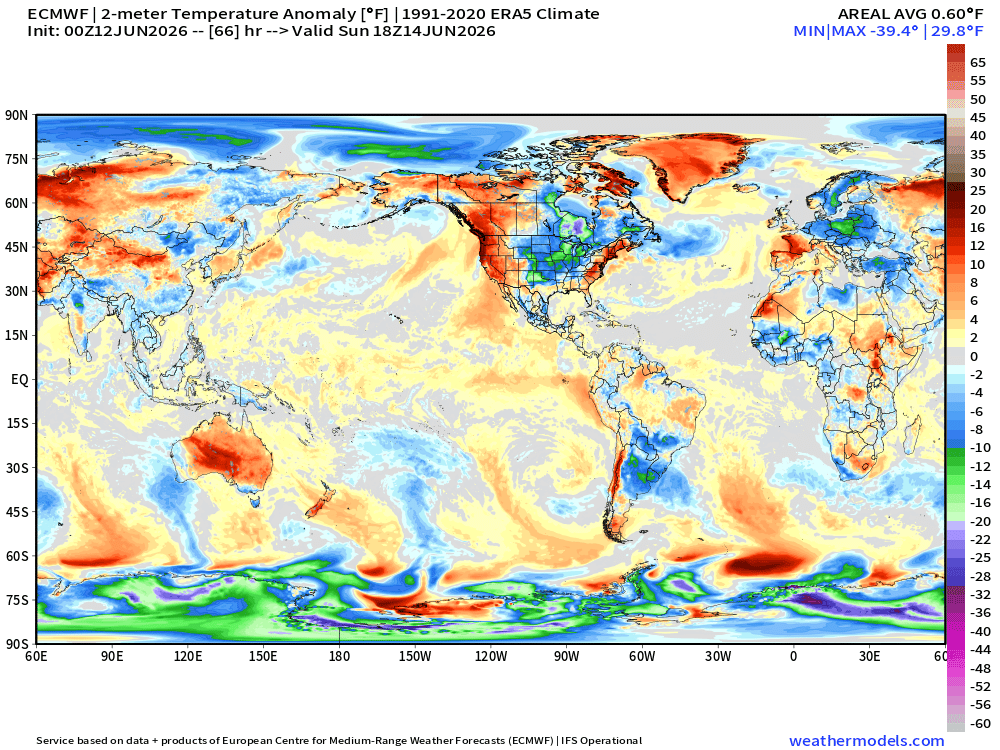
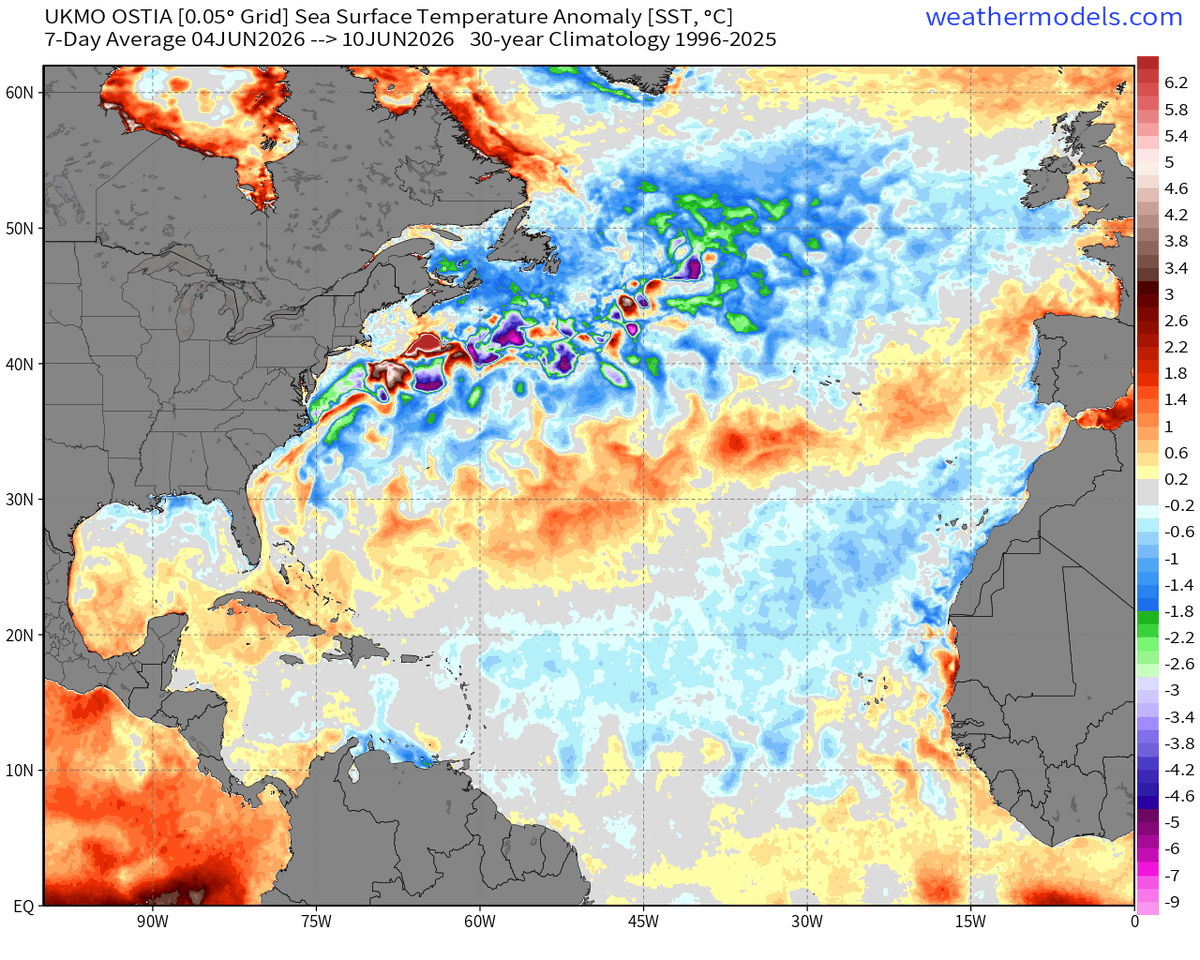
While there is much alarm about "global temperatures" due to intensifying El Niño, so far there is no spike -- as the Earth's climate has not yet really noticed the Equatorial Pacific warmth.
It's coming eventually -- but right now, the Earth is relatively cool.
14
44
203
17,478
Ryan Maue retweeted

Gwinnett County Police received a citizen complaint about a vehicle that was reportedly speeding through a neighborhood and running a stop sign at the same time every morning. Officers responded by setting up in the area, and sure enough, the vehicle came through right on schedule doing exactly what had been reported.
A traffic stop was conducted, and the driver stated that she did stop at the stop sign. However, as the video clearly shows, that was not the case.
We would like to remind everyone that a stop sign requires drivers to come to a complete stop before proceeding through the intersection. Rolling through stop signs may seem minor, but it can quickly lead to serious crashes, especially in residential neighborhoods where children, pedestrians, and other vehicles may be nearby. Slow down, pay attention, and make full stops.
103
108
1,576
240,490
Jun 12
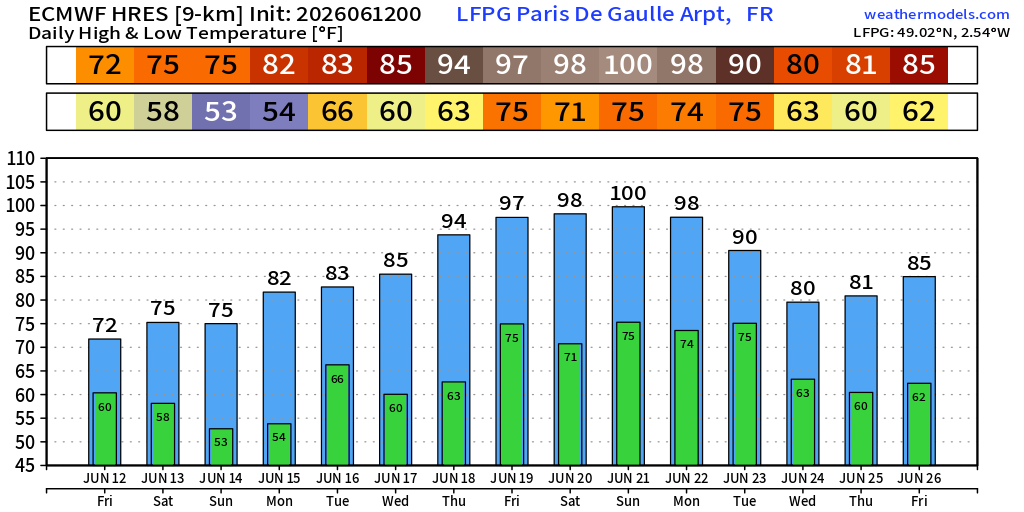
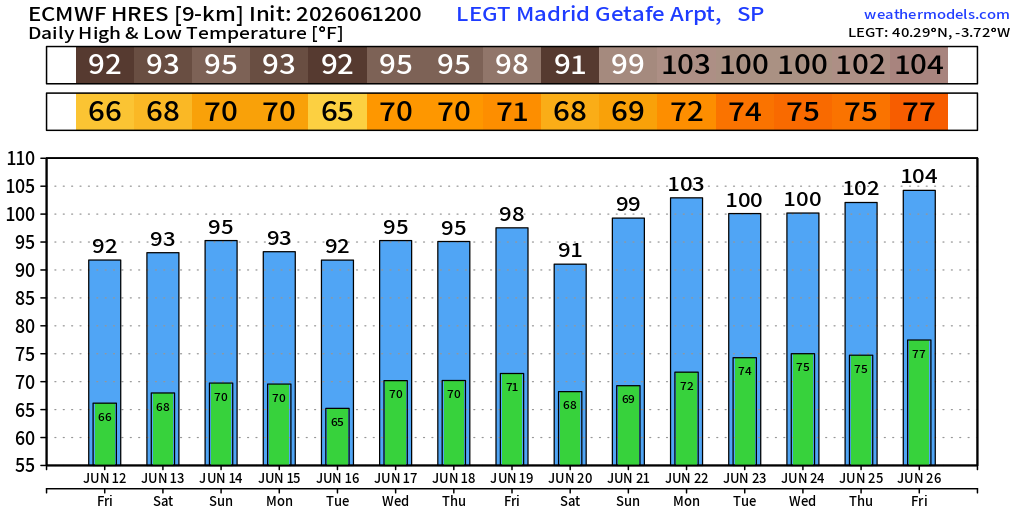
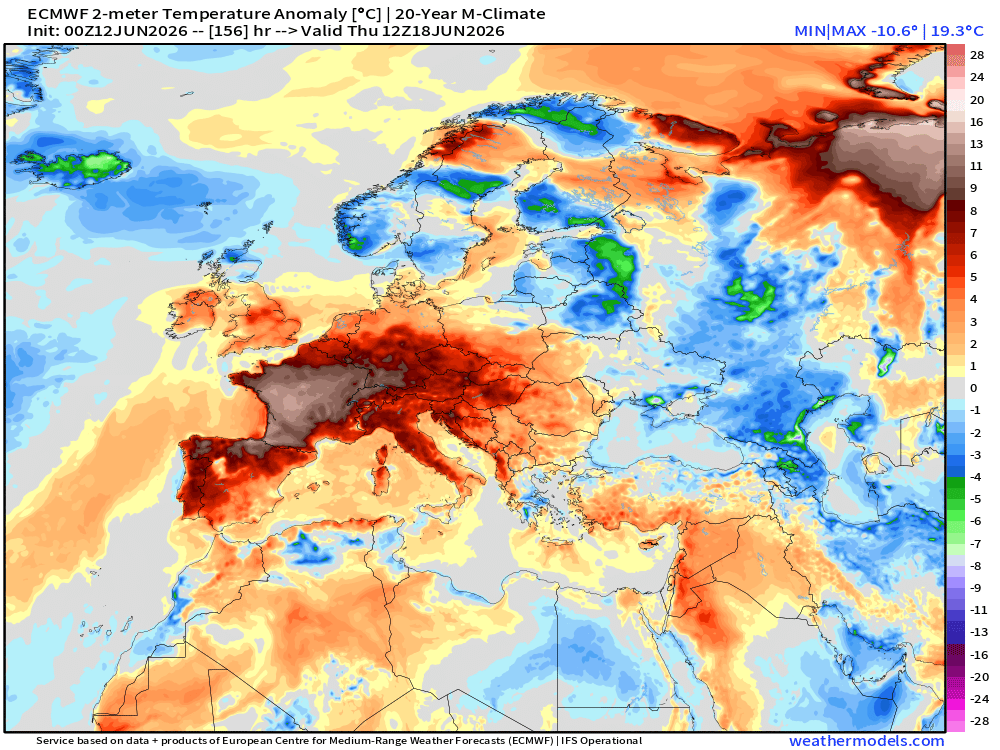
Thank goodness the World Cup isn't in Europe this summer as the climate is now much too hot and dangerous to hold outdoor football⚽️matches.
Paris --> 100°F
Madrid --> 104°F
Major "heat dome" to bake Western Europe with extreme heat next week.
24
5
102
24,361
Jun 12
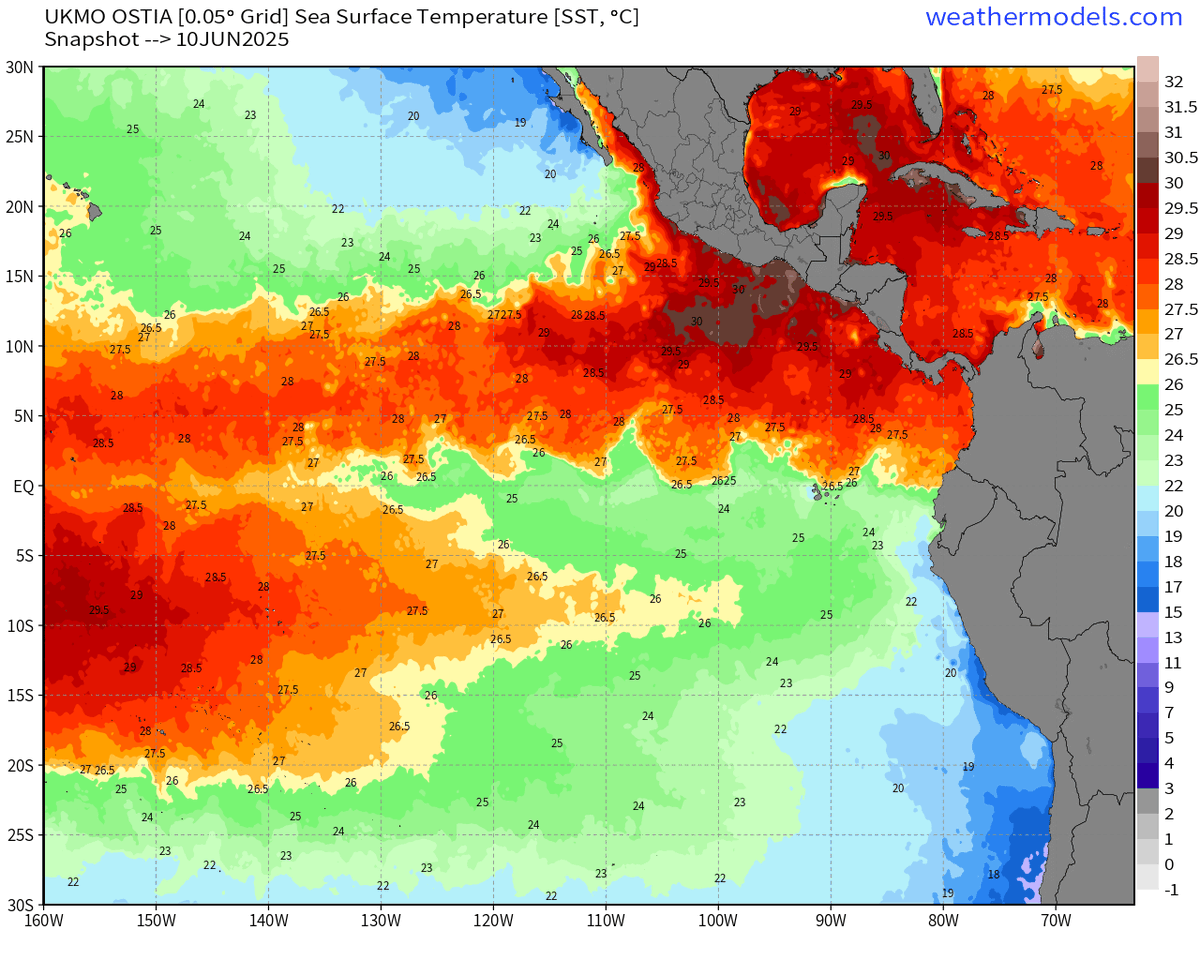
Eastern Equatorial Pacific flips between cool and warm ... ranging from 23°C to 28°C around the Galapagos Islands
El Niño vs. La Niña ... each poses stresses/challenges to global regional climate. Neither are "bad" just a natural oscillation.
June 10: 2026 vs. 2025
9
68
7,340
Ryan Maue retweeted

Jun 11
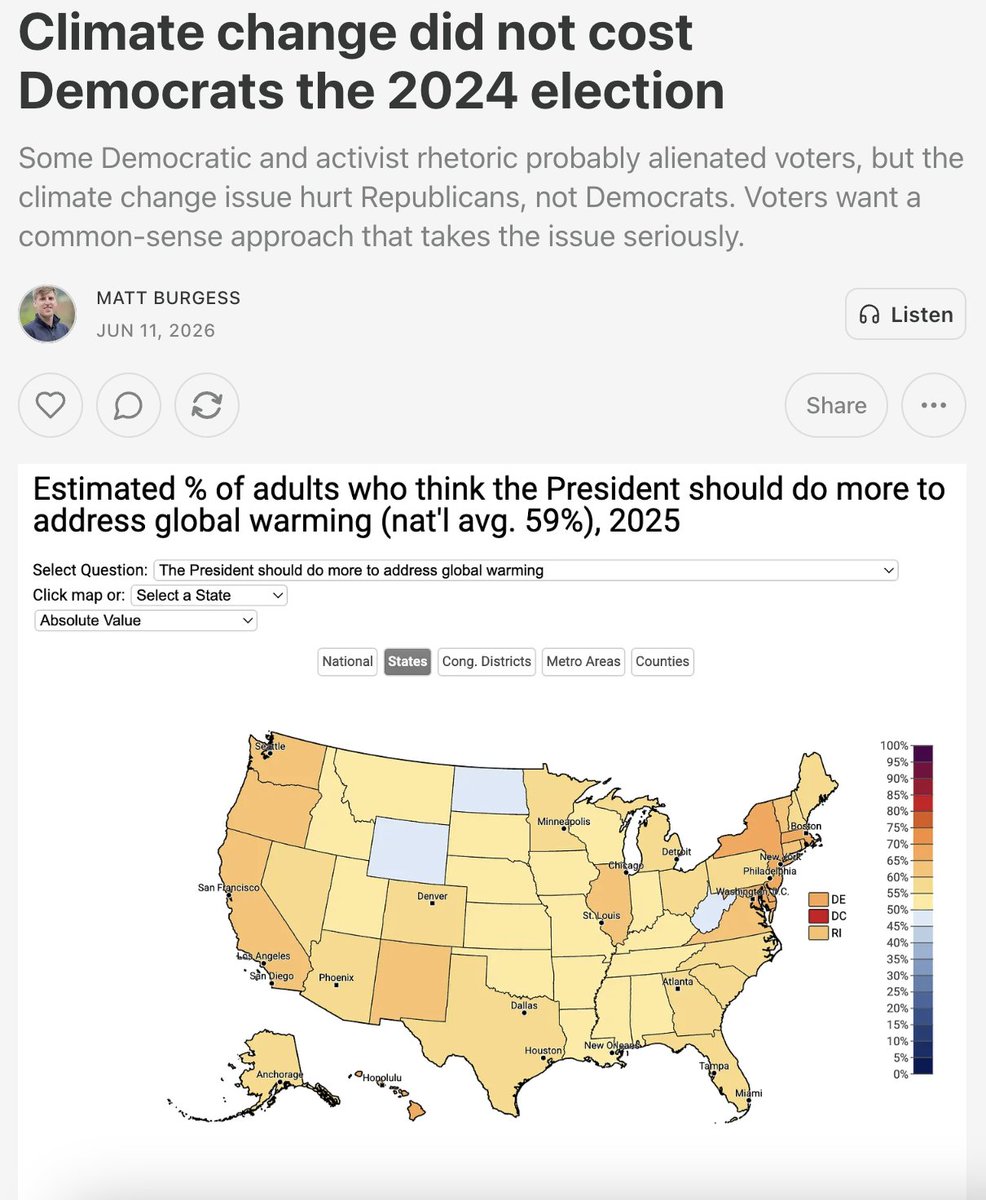
My entry into the debate about "climate hushing" and whether talking about climate change hurts Democrats politically (link below).
I don't have a dog in the fight (I'm an independent-minded Canadian, not a partisan of either U.S. party), but this is my read of the evidence.
7
7
23
6,052
Jun 11
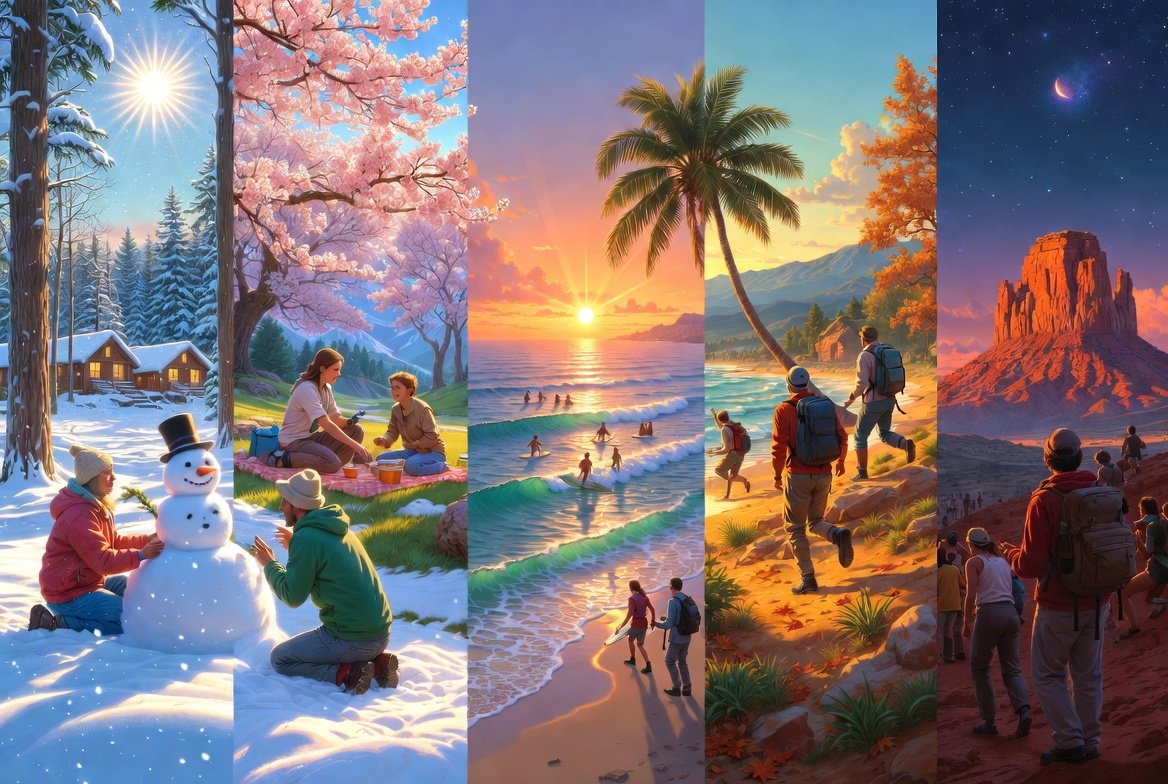
I asked @Grok about the weather, and why we should embrace nature's beauty rather than fear it, or feel guilty about enjoying our climate.
"Weather isn't an enemy to human happiness. It's one of the most immediate, sensory ways we experience the world — the crisp bite of fall air that makes coffee taste better, the first warm spring breeze after months of cold, the rhythm of rain on a roof that makes a book or conversation feel richer, the golden haze of a summer evening that turns ordinary streets magical.
Most people already love their local climates and seasons in quiet, instinctive ways. They plan their lives around them. They build traditions, wardrobes, and even personalities shaped by the weather where they live. A Minnesotan who loves the snow and the way it quiets everything. A person in the Pacific Northwest who finds peace in the misty greens. Someone in the Southwest who feels most alive under vast, dry skies. These aren't political statements. They're attachments to place — real, human, and older than any modern debate.
The guilt-tripping part is the distortion. It creeps in through narratives that treat normal weather variation, seasonal discomfort, or simple preference for certain conditions as somehow morally suspect or evidence of a larger crisis that must override personal joy. It turns something fundamental — "I like how the light looks here in October" or "I feel better when it's not 95°F every day" — into a problem that requires shame, relocation, or constant apology.
That framing gets the causality backward. Weather has always shaped human experience. Humans have always adapted — with clothing, shelter, fire, air conditioning, heating, calendars, festivals, and mindsets. The pursuit of happiness doesn't require perfect weather 365 days a year. It requires the freedom to find meaning and beauty in the weather you actually have, without being told that loving it (or even just tolerating it while building a good life) makes you part of some collective failure.
Weather is not a personal vendetta against anyone's happiness. It's the backdrop against which happiness gets lived. The seasons give rhythm and contrast; without them, many of the things we love most (cozy nights, fresh growth, harvest time, long evenings outside) lose their texture.
The healthiest relationship with weather isn't denial of its effects, nor constant alarm about it. It's honest appreciation mixed with practical adaptation — and the refusal to let anyone convince you that your enjoyment of your actual surroundings is a moral failing.
It's a simple, grounded stance: The weather where you are can be beautiful. Your attachment to it can be real. Your happiness within it doesn't need anyone's permission or forgiveness.
That's a concept worth imagining — and living."
4
9
36
8,007
Jun 11
4. Resilience data contradicts the "weather is getting unlivable" story
Global death rates from natural disasters (including climate-related ones like storms, floods, droughts, extreme temperatures) have fallen more than 90% over the last century, per long-term data compilations.
Total deaths are also down substantially even as world population quadrupled. This is due to better infrastructure, early warning systems, agriculture, wealth, and response capacity — the fruits of human progress and energy use.
Individual risk from climate-related disasters has dropped dramatically (one analysis puts it near 99%).
--> If the goal were purely protecting people from weather, the data would point toward accelerating adaptation and development, not primarily dialing emissions while inducing fear.
2
3
7
2,995
Jun 11
The "insidious" element is real where the narrative systematically exaggerates immediacy and catastrophe to crowd out other priorities (energy affordability and reliability in developing world, adaptation infrastructure, R&D into resilient systems, or simply allowing people to enjoy their actual environments).
The alarmist narrative echoes older patterns of using environmental fear to advance limits-to-growth or centralized planning ideas.
When every season or local weather pattern gets filtered through "this is because we didn't turn the dial enough," it erodes the uncomplicated pleasure of place and season.
1
4
7
2,631