Discussion and videos of the things that intrigue me in the world of NCAA Division III Soccer.
Joined January 2022
- Tweets 5,032
- Following 691
- Followers 1,174
- Likes 6,209
1,097 Photos and videos



Jun 13
Been saying this for some time -
We are not good. We haven’t been good for awhile. And we won’t be good for something.
That said, let’s agree that last night the US performance was the best I have seen in a long while. Great way to start the Cup.
What I liked most is that they never held back. Some team would have managed it going to goals up. Instead they kept going for more.
1
1
202
Jun 11
And another one in the books. Had a wonderful conversation in this SimpleCoach to Coach, with Charlie Johnson, Head Men's Coach @GoMustangSports . Will be watching this program grow under his leadership.
@SUmustangSoccer @StevensonU
youtu.be/WF3jPPlIZPA?si=TI1h… via @YouTube
2
174

SimpleCoach retweeted

A privilege and an honor to be the best D3 soccer podcast in the entire country! Hope to be back on soon!
Jun 4

Finally got a chance to speak with a longtime listener, now head coach. Hope you enjoy this SimpleCoach to Coach with Marco DeVito, Head Men's Coach @nicholscollege youtu.be/URGbifzI6n4?si=shOd…
@UnitedCoaches @ncbison
2
5
356
Jun 4
Finally got a chance to speak with a longtime listener, now head coach. Hope you enjoy this SimpleCoach to Coach with Marco DeVito, Head Men's Coach @nicholscollege youtu.be/URGbifzI6n4?si=shOd…
@UnitedCoaches @ncbison
2
4
679
Jun 2
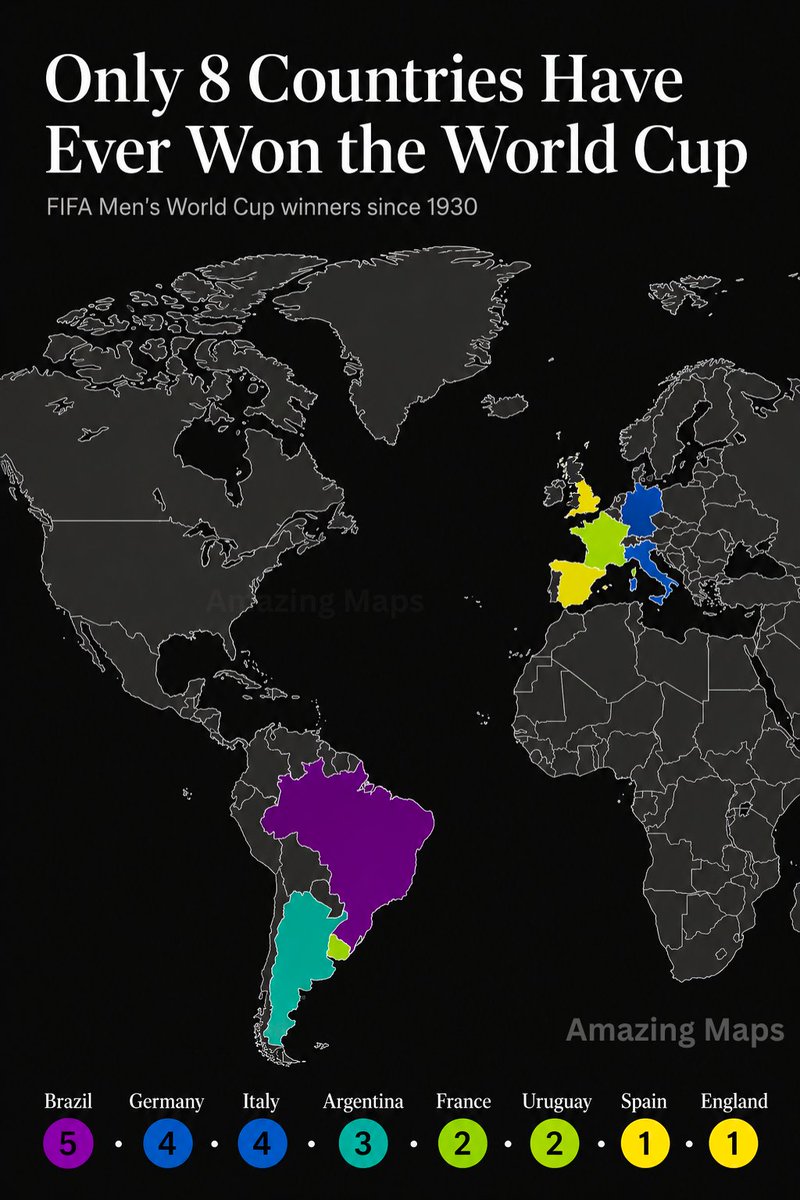
And we wonder why we haven't won yet....

1
197
Jun 1
Spent the weekend refereeing the #SunburstTournament hosted by the @wwpsa . Second to last game, I was on a break and went for some coffee. When I returned, the amount of vitriol hurled to the center ref was over the top.
Now keep in mind, these are not future stars in the game. Some girls couldn't even kick the ball.
Meanwhile, the center ref, 26 years old and with quality, decides after one particular parental outburst calls the game with a minute and a half left on the clock.
At that point it got interesting. One parent ran across the field to celebrate with his daughters team. Another parent walked up to me and an AR to argue that it was unfair to call the game with so little time left.
A third women walked across the field screaming and tried to get to the center ref who was sitting down at this point and visibly upset. I stood in her way and repeatedly told her to get away. When she realized I wasn't messing around, she turned around and left.
Keep in mind, this was U13. And as far as I can tell, the tournament organizers did nothing. The field Marshall's were more concerned with the fact that the next game was going to start late.
1
221
SimpleCoach retweeted

May 29
The death of the dictionary
44
86
807
57,276
May 29
If @ussoccer has not called Pep Guardiola to see if he would be interested in coaching the national team, I would consider that a dereliction of duty.
1
358
SimpleCoach retweeted

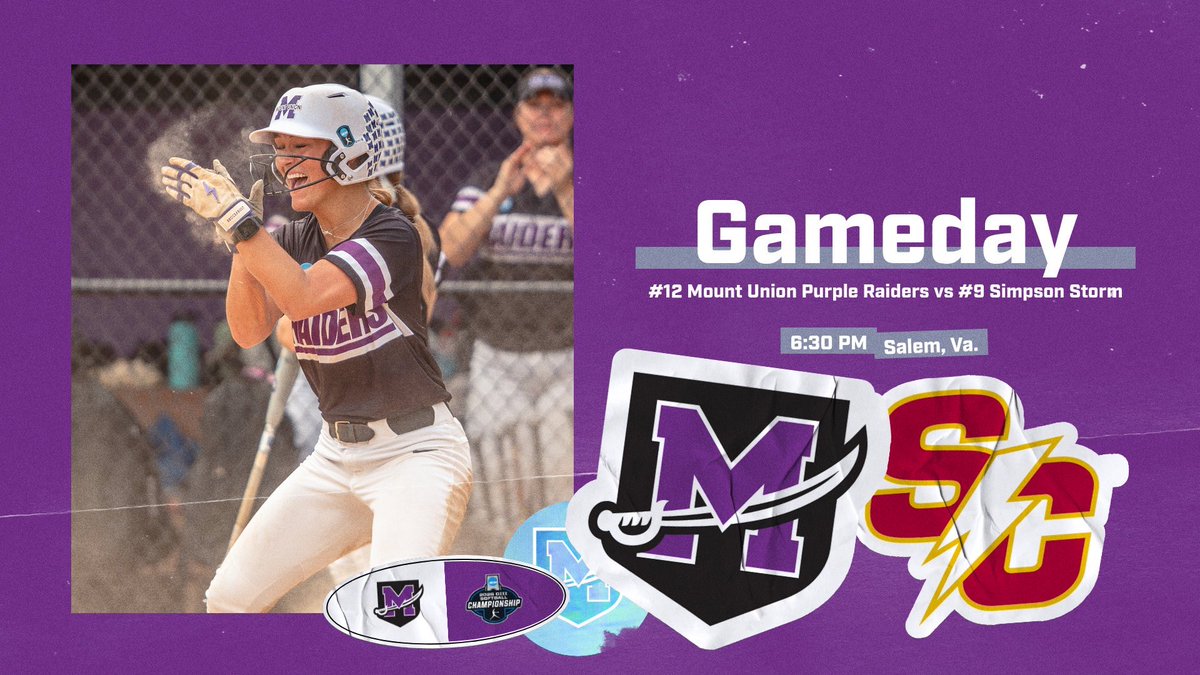
GAMEDAY!! The Raiders open up the College World Series today against #9 Simpson!!
📍: Salem, Va.
🕐: 6:30 PM
📺: ncaa.com/champs-pass
📊: odaconline.com/sidearmstats/…
#GoMountGo
1
3
11
2,612
May 26
Finding the contrast between @CanadaSoccerEN gearing up for the @WorldCupEN and @ussoccer lurching along ... interesting, to say the least.
Canada is treating the tournament as a genuine catalyst for long-term growth. It reminds of how it felt for the US in 1994.
With a seemingly clear plan, they're investing in grassroots development, coach education, referee programs, and the new Northern Super League.
Under @jessemarsch the men's national team has shown real progress and cohesion, using the home advantage to build a stronger football culture from the ground up.
And it certainly explains why they extended his contract to 2030. If there is one thing he can do, is bring energy and purpose to the cause ...
It's a thoughtful, forward-looking approach focused on building a legacy ... growing participation, infrastructure, and the next generation of players.
In contrast, the U.S. soccer ecosystem feels bogged down in familiar cycles of internal politics, coaching instability, and underperformance relative to expectations. Leadership is largely silent, or like Matt Crocker, have left for greener pastures.
Despite massive market potential, MLS challenges, federation issues, and inconsistent results have left the USMNT navigating a narrative of mediocrity rather than dominance on home soil.
The World Cup isn't just about hosting matches, its where you go afterward. Canada appears poised to maximize this moment for sustainable growth. The question for American soccer leaders is whether they can move past the stagnant state of the game, and elevate it instead.
1
1
145
SimpleCoach retweeted
Next stop - Salem, Virginia for the 2026 Softball World Series!
2
8
65
4,644
SimpleCoach retweeted
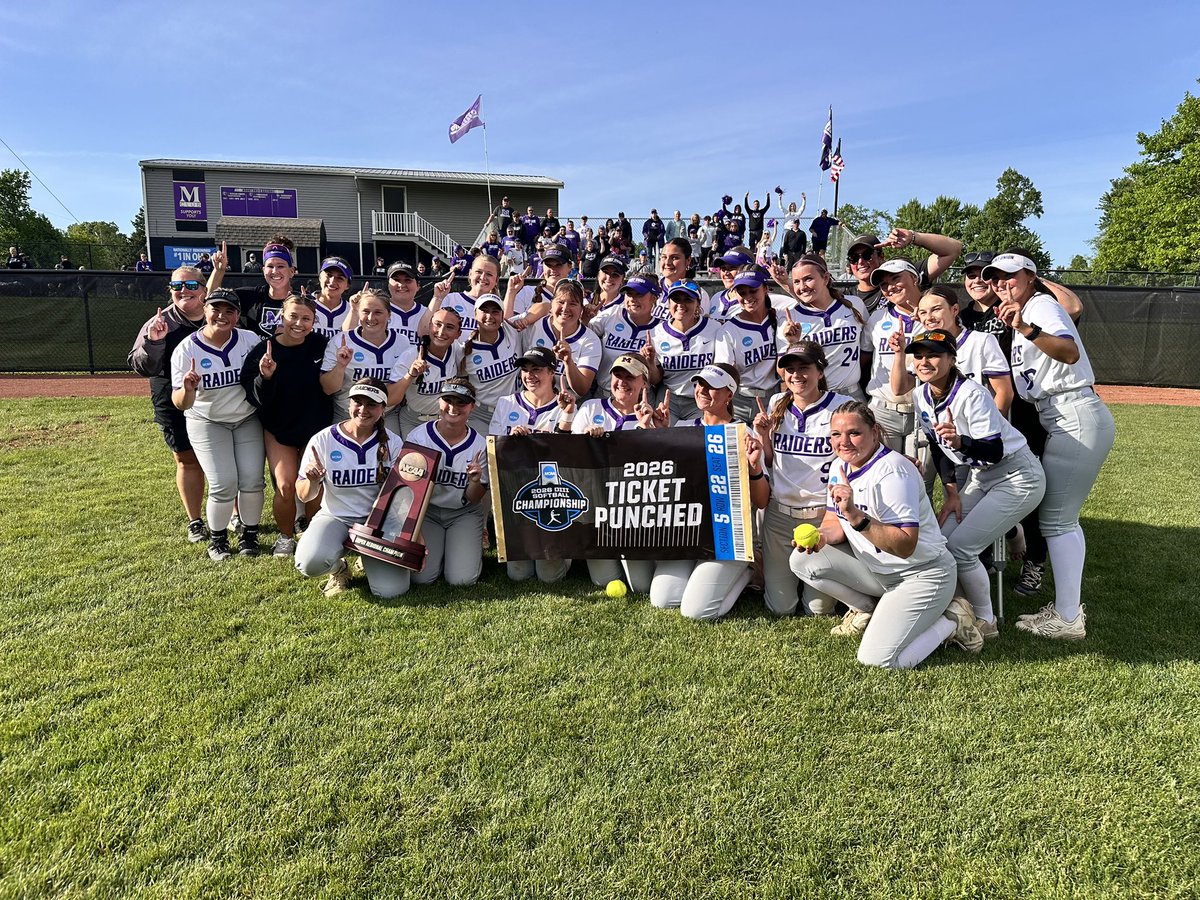
SB: WORLD SERIES BOUND!! The Raiders beat UMass Dartmouth 4-1 in game two of the Super Regional to advance to their first ever College World Series!! #GoMountGo
1
23
116
8,315
May 21
Long awaited conversation with the Head Coach of the Men's Division III National Champions, @TuftsJumbos . Always a great guest.
SimpleCoach to Coach w/ Kyle Dezotell, Head Men's Coach @TuftsAthletics
@TuftsMensSoccer @TuftsUniversity
youtu.be/XuvnDhILg6M?si=xJzp… via @YouTube
2
123
May 16
For a time, I spent a year going down the rabbit hole that is Mt. Everest. Read everything. Watched everything. From Sir Edmund Hillary and Tenzing Norgay to Anatoli Boukreev. Always said that if there was a way, I would have loved to have been on a support team and hung out at basecamp... no, no desire to climb it ...
That said, this drone footage is just astounding and makes me want to go down that rabbit hole all over again...

This dude captures aerial footage taken by his drone above Mount Everest, the world's highest peak and it looks insane
1
1
178
May 16
Catching with newly minted head coach, Colby Gay. First spoke with him when he was an assistant @CortlandSoccer , and excited to see him take the next step.
SimpleCoach to Coach w/ Colby Gay, Head Men's Coach @PennStateHarrisburg
youtu.be/NNKIFFESguw?si=tGqe… via @YouTube
1
382