
Editor at Large @TheNatlInterest, Host 'The Bottom Line' @AJEnglish, Co-Chair, @GLOBSEC US Initiative, Editor, The Washington Note; Chair & CEO, @Widehall1769
Joined September 2008
- Tweets 31,047
- Following 5,450
- Followers 37,998
- Likes 29,111
1,393 Photos and videos





Jun 11
Looking forward to this @TheSoufanCenter

🎤 Join our event on 'Software Understanding & Strategic Risk'
🗣️ @SCClemons, @TheNatlInterest
🗣️ Chris Inglis
🗣️ @anjaninna, @AtalantaTech
🗣️ TSC's @ColinPClarke, @ClaraBroekaert & Chad Serena
📆 June 23 | 📍 Washington DC
▶️ Register your interest forms.office.com/Pages/Respo…

2
5
1,216
Steve Clemons retweeted

Jun 8
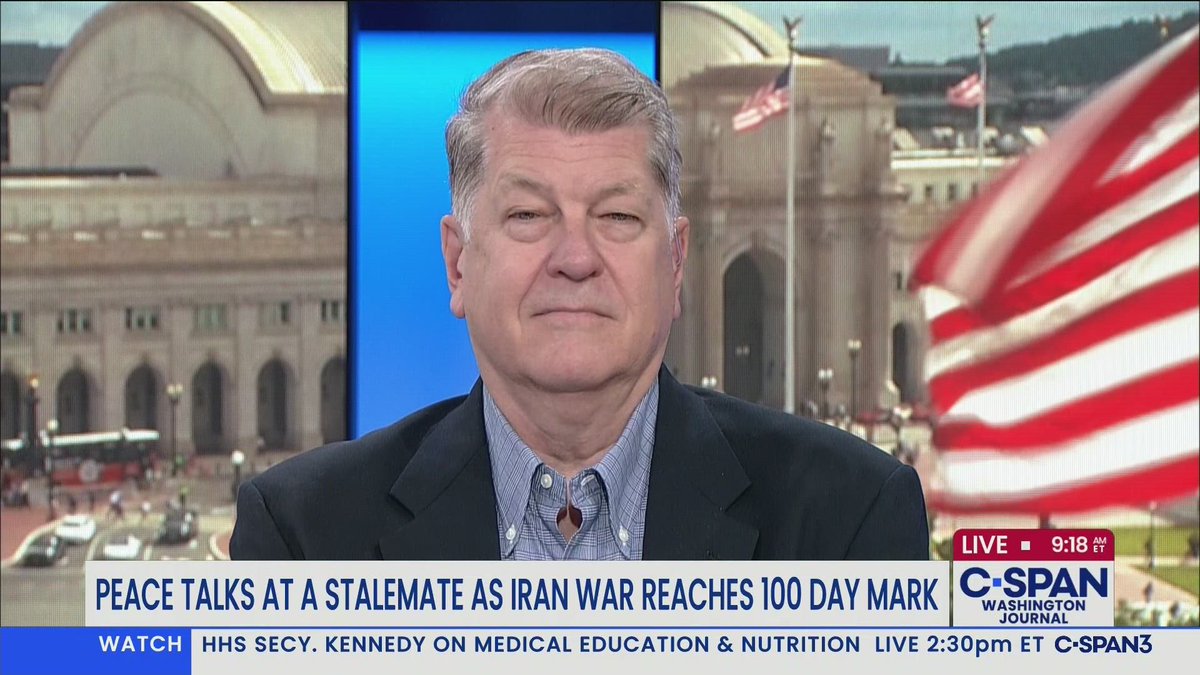
National Interest Editor at Large @SCClemons discusses the Iran War & Trump Administration foreign policy
Watch here: tinyurl.com/3bwh6ps3
64
2
4
843
Steve Clemons retweeted

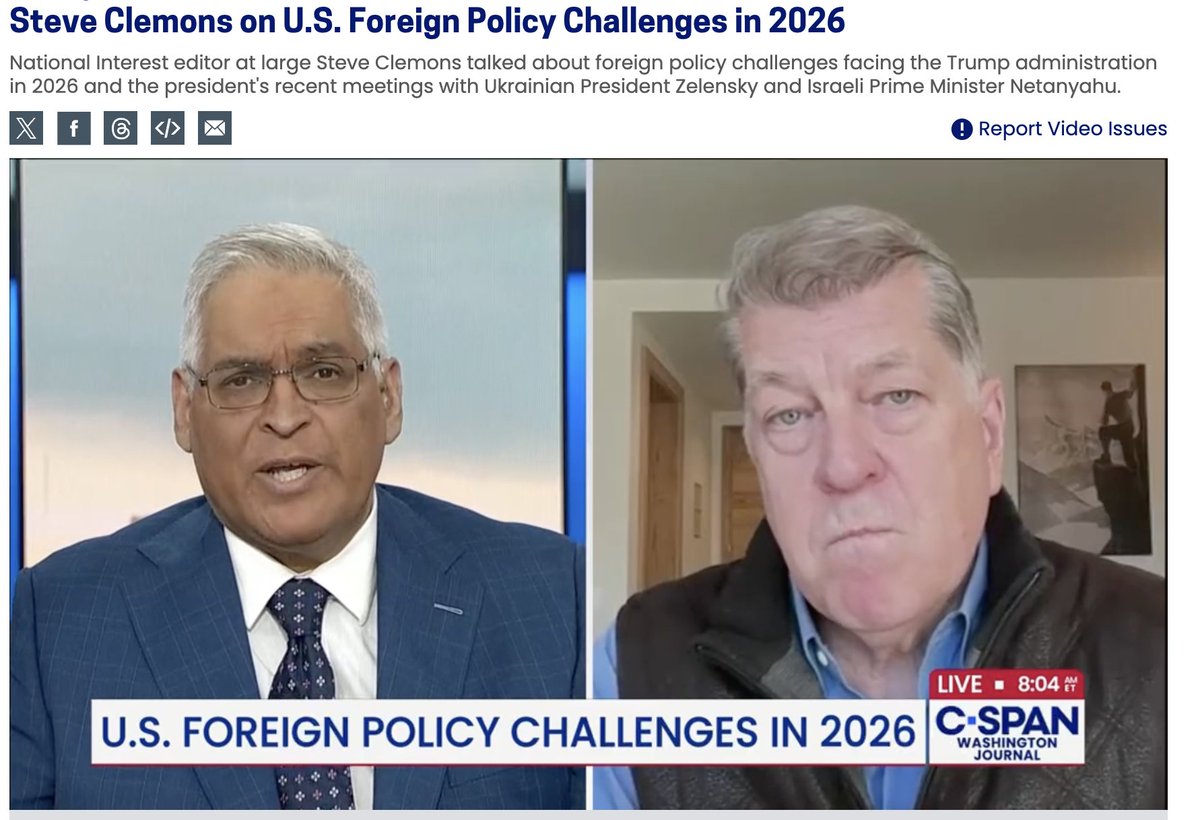
What better way to start the week? I'll be hosting @cspanwj tomorrow from 7-10am ET.
Join us on @cspan and call in!
I'll be joined by @rachel_schilke, @joeygarrison, and @SCClemons.

1
4
7
1,539
Jun 6
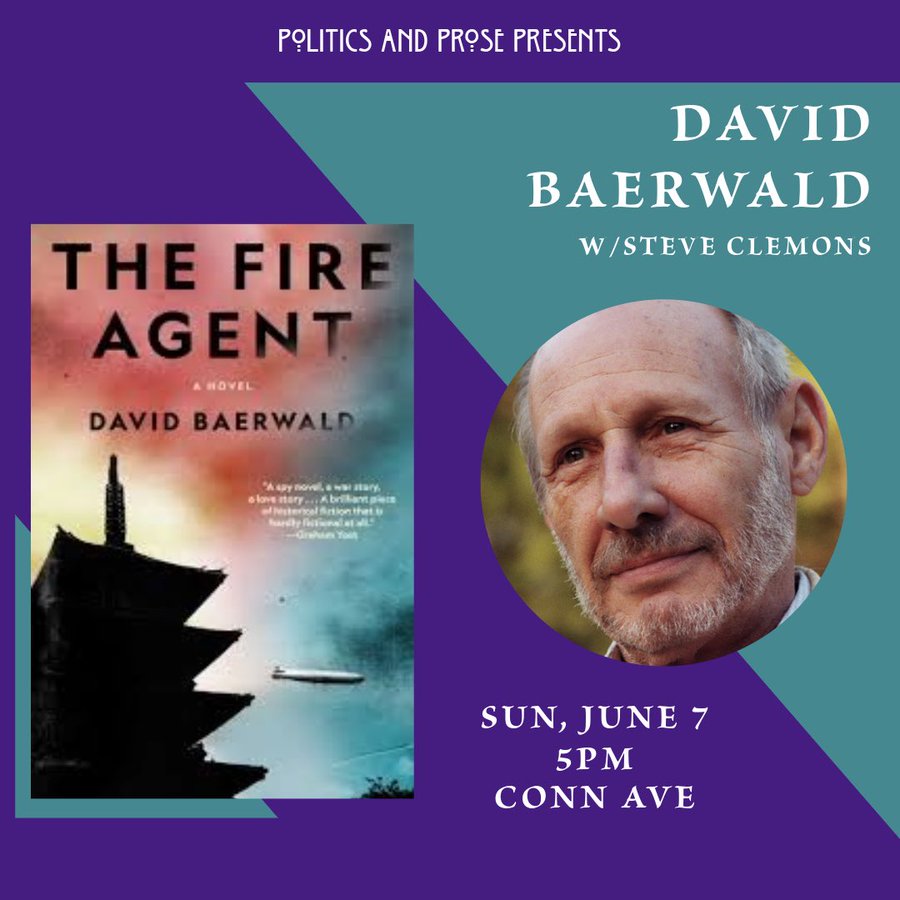
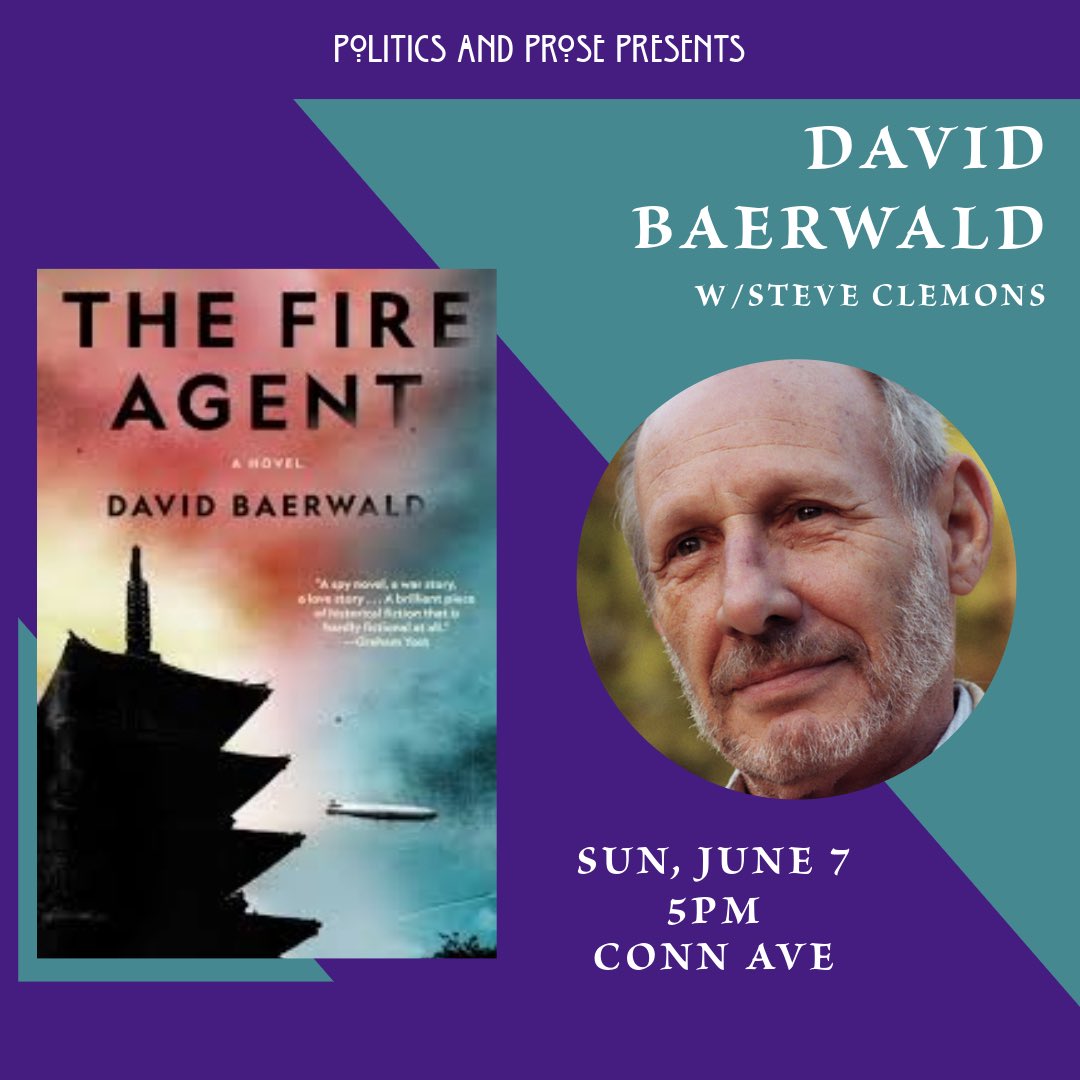
OK friends, tomorrow evening - June 7, Sunday 5pm at @PoliticsProse (5015 Connecticut Ave NW, DC) you should just put off whatever you have planned and come listen to the immensely gifted writer/story teller David Baerwald whom I get to interview. I'm going to be honest. David's new book, The Fire Agent, which has received rave reviews in the The New York Times and more is opening up doors that were mysterious for me about his father, Hans Baerwald, who had more impact on my life and career than just about anyone else. David's book tells the story of his erudite, resilient, pragmatic spy of his grandfather and those around him - spanning two cataclysmic wars, multiple cultures, profound love, greed, espionage, and ethics amidst dark forces. This is going to be a powerful discussion for David and me I think - and I hope you will join us.
#Japan #Germany #Italy #Love #War
politics-prose.com/david-bae…
2
427
Jun 6
OK friends, tomorrow evening - Sunday 5pm at @PoliticsProse you should just put off whatever you have planned and come listen to the immensely gifted writer/story teller David Baerwald whom I get to interview. I'm going to be honest. David's new book, The Fire Agent, which has received rave reviews in the @nytimes and more is opening up doors that were mysterious for me about his father, Hans Baerwald, who had more impact on my life and career than just about anyone else. David's book tells the story of his erudite, resilient, pragmatic spy of his grandfather and those around him - spanning two cataclysmic wars, multiple cultures, profound love, greed, espionage, and ethics amidst dark forces. This is going to be a powerful discussion for David and me I think - and I hope you will join us.

Sunday (6/7), join David Baerwald for THE FIRE AGENT - An unforgettable, sweeping novel of espionage, love, and war - w/Steve Clemons - 5pm @ Conn Ave: politics-prose.com/david-bae…
1
730
Steve Clemons retweeted

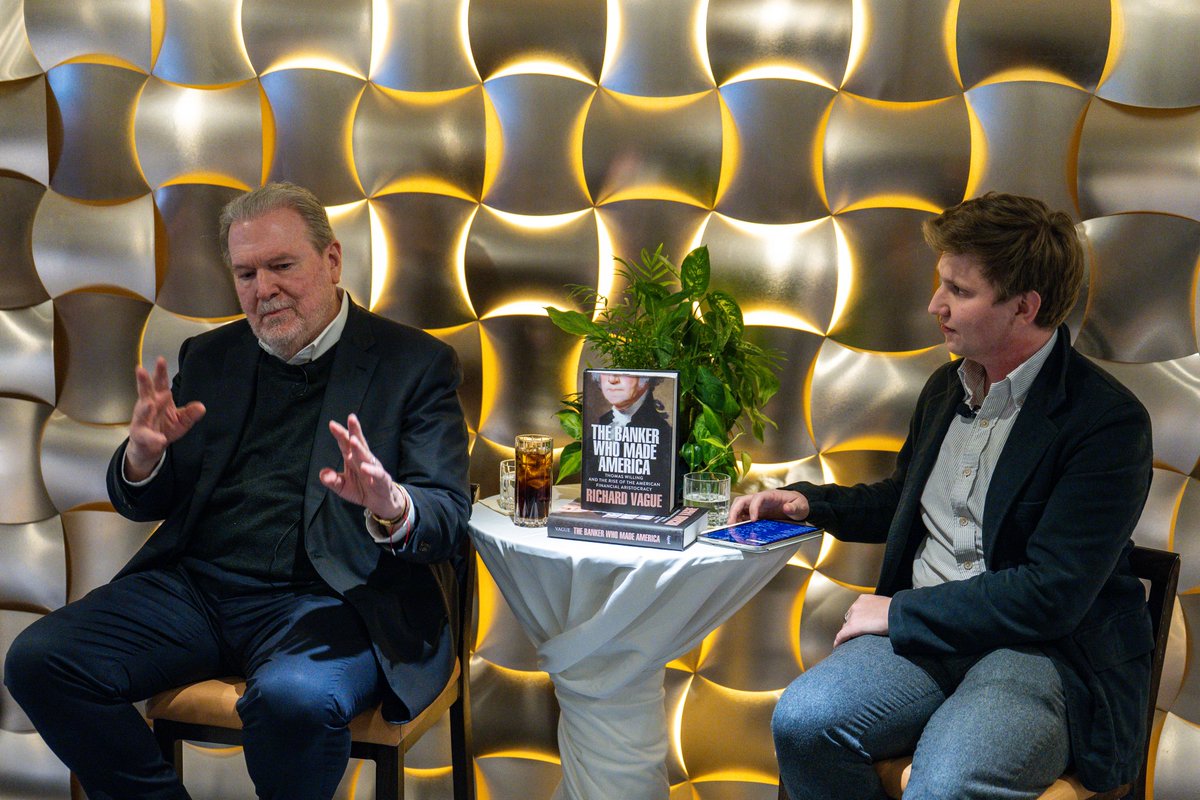
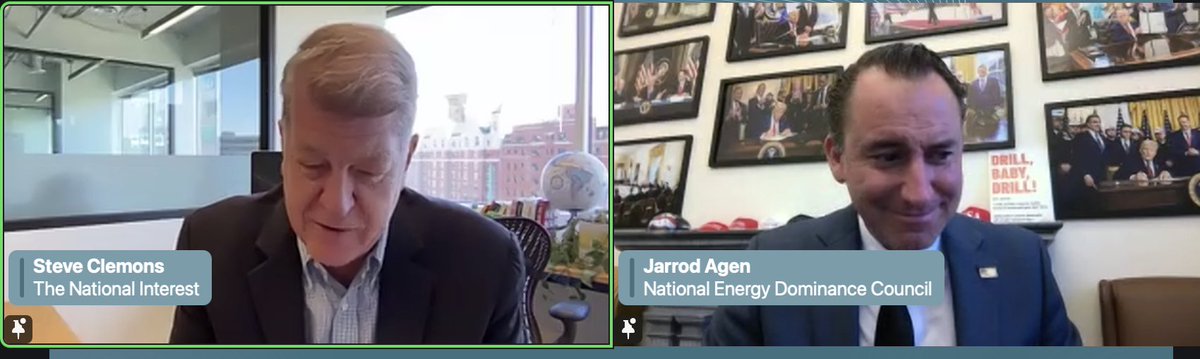
Fascinating discussion with Jarrod Agen, Executive Director of the National Energy Dominance Council, presented by Steve Clemons @SCClemons of The National Interest and Widehall. The title of the webinar was “The Next Map,” but I think of it as, The New Great Game of Resources and Energy; based on a new political reality and an old physical reality.
The new political reality is the candid Hamiltonian developmentalism, even mercantilism, of this administration. This pro-commerce tack is, of course, a change from the past, when administrations of both parties were deeply influenced—some might say, ensorcelled—by multilateralism, globalism, environmentalism, and outright Malthusianism.
The old physical reality is the inherent abundance of the Earth, which refutes, of course, Malthusianism. The Earth has always been what it is, albeit we typically lacked the knowhow to extract resources; indeed, in the case of silicon and rare earth elements, we simply didn’t recognize the value underneath our feet. But now we do: As venture capitalist @PMarca17 puts it, “We’ve taught sand to think.” (Tech reminds us of the Julian Simon-ian reality: The human brain can put just about anything to work and make it useful—and, in its abundance, inexpensive.)
The White House’s Agen got right right to his point: On resources, “There’s been a shift to the Western Hemisphere.” The U.S., of course, is now the world’s leading oil producer, producing more oil than Saudi Arabia and Russia combined. This hemispheric shift is real, even if it hasn’t necessarily translated into think-tank-based strategizing, still dwelling on farwaways such as the Strait of Hormuz and the Strait of Malacca—or, more broadly, on whatever findings emerge from Davos.
As Agen put it, “The U.S. has ultimate supply.” Yes, there’s this is America First, and there’s a further element of Fortress America. Those phrases are distasteful to many, especially among the chattering elite, and yet they speak to the basics of national power and sovereignty. Of course, those concepts, too, are distasteful to some, to those who prefer to think in terms international organizations—particularly those that can be used to restrain or even diminish American power.
Yet the plain reality—we are seeing this in Europe, now, belatedly—is that countries and regions only flourish when they have a secure resource base. To put it bluntly: Wide prosperity comes from digging for things and making things. There’s a ceiling on the wealth that comes from what left-leaning pundit Mo Tkacik has called “the nothing-based economy” (think Enron in the U.S., and some would say crypto and predictions) and on the idea that physical inputs matter less than virtue-signaling (think Merkel-era Germany’s pretensions as a “humanitarian superpower,” and the belated discovery that post-industrial good thoughts don’t keep the lights on and the Russians out).
Agen put his focus on Venezuela and Alaska, two huge resources bases that, even though they have long been tapped, still rate as mostly *un*tapped. That is, for all the carbon fuels (and other resources) that have been extracted, there’s plenty more remaining in the ground, and offshore. In both places, politics have interfered with maximized production: socialism in Venezuela, environmentalism in Alaska.
Yet since the U.S. intervention in January, Agen observed, “three consecutive months of increased production in Venezuela.” He added that there are now direct flights between the two countries, a further boost to business confidence and investment.
Agen’s discussion included a bevy of operations, including the Departments of Energy, Interior, and State, as well as the Ex-Im Bank and Development Finance Corporation. It is, indeed, heartening to see that so much leverage is being applied to the mission of securing the wares of wealth and national defense.
Clemons interjected, that U.S. policy has complemented “drill, baby, drill,” with “mine, baby, mine.”
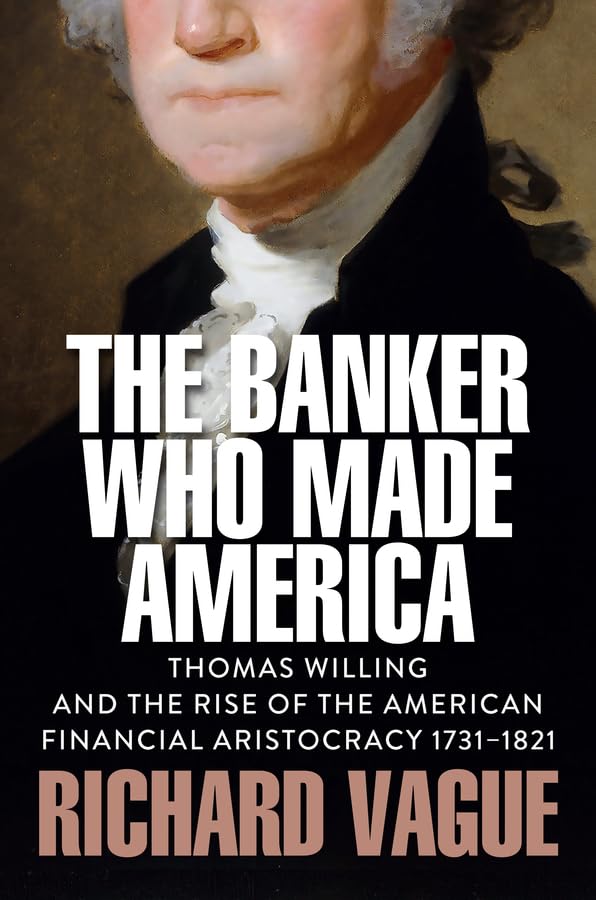
Speaking of the recent State Department initiative on mining and supply chains, Cullen Hendrix of the Peterson Institute added, “The intention behind Project Vault is not just to be a buffer for the United States, but a buffer, you know, for U.S. industry and for industry and allied countries.” There’s real money behind these efforts, in the tens of billions, public and private, and they offer the prospect of a new kind of self-interested cooperation, as like-minded countries agree on the value of developing their own resources and trading them as needed—but only as needed. The old idea of pooling and cooperating for the sake of pooling and cooperating is an artifact of earlier times.
(As a side-note, we will see this in the looming debate over the pernicious Outer Space Treaty; those who wish to see steady development in space will need to get past the current socialist stipulations of the OST.)
The deepest terrestrial reality, of course, is that the Earth itself is the vault. Natural resources aren’t scarce; they are abundant. Literally, the Earth, all 6.6 sextillion tons of it, consists of nothing but natural resources.
As noted earlier, the two huge variables on mining are political and technological. The political variables, of course, include regulation, nationalization, and Malthusian-ization.
The technological variable is our ability to drill and dig. Currently the deepest mines only go down about 2.5 miles, and the deepest oil drill, about six miles. Yet important techno-pioneers, including Elon Musk and Palmer Luckey, are figuring out how to dig deeper, for the sake of both wealth and national security. And when all these diggers make their inevitable breakthroughs, our understanding of resources, based on calculations of “proven reserves,” will expand, even explode. In a good way, as we realize that the economic calculations made when we could drill down X-miles become much brighter when we can drill down 2X miles, or 10X miles.
This future abundance applies not only to rare earths (which aren’t rare), but also to more humdrum resources, such as copper. Citing projections showing a 50 percent increase in demand for copper, mining executive Pavel Bruzek quipped that his goal is, “Make Copper Great Again.”
Listening to executives and technologists discussing the future of this sort of development, a kind of cognitive dissonance sets in. After all, as anyone, such as this author, who has lived inside the beltway for decades, knows: The dominant discourse has been scarcity, limits, even gloom. We’re running out of things, and so we must cut back and put the U.S. government, or a world government, in charge of managing the cutting. At the same time, a minority faction within the elite, sharing the same Malthusian framework, has argued for foreign wars somewhere to gain resources.
As an aside, these are the sorts of issues raised by the Briton C.P. Snow in his 1959 work, The Two Cultures. There’s a culture of letters in one silo, and a culture of science in another silo. And the cultural silo, of course, is where most diplomats come from. Both cultures are needed, of course, and yet it would be nice, Snow argued, for our overall well-being if the first culture was less disdainful of the second.
In that vein, another participant, Ian Brzezinski, long familiar with corridors of power, now involved in mining projects in Africa, observed of this predominant thinking, “we totally dropped the ball.” That is, the experts’ expertise was misplaced, they were thinking about the wrong things.
In a plangent moment, he was asked about his late father, Zbigniew Brzezinski, who served as a presidential national security adviser during the Carter administration. He answered, “I think he would recognize . . . how ignorant [we’ve been] about how dependent we allowed ourselves to become upon China for these critical minerals that are so essential, not just to our telephones.”
To be sure, the current development boom is not the final word. As participants noted, much of this confidence is based on the policies of this administration. Those could, of course, change in the future; the old Snow-ian indifference to commerce and materials, even the old soigné pessimism and wet-blanket Malthusianism, could return. The hope is that as these current developmental policies are proving to work, a strong constituency will develop that will prove to be a bulwark around go-go policies. That is, the realization that we need stuff will prove more powerful than the desire to lay a wreath at the tomb of arch-Malthusian Paul Ehrlich.
If a new pro-growth consensus can, in fact, be achieved, then investment will *really* take off, as developers lengthen their time horizons to infinity.
Unmentioned in the discussion: Canada and Greenland. Can’t win ‘em all. Also not mentioned: the Naderite negativism of the Foreign Corrupt Practices Act. The session was, after all, only an hour.
Thanks again to Steve Clemons, Richard Vague, and the Widehall team. I’m sure this webinar will be online soon, as a permanent contribution to our collective understanding of the brighter prospects we can enjoy.
1
3
764
Steve Clemons retweeted
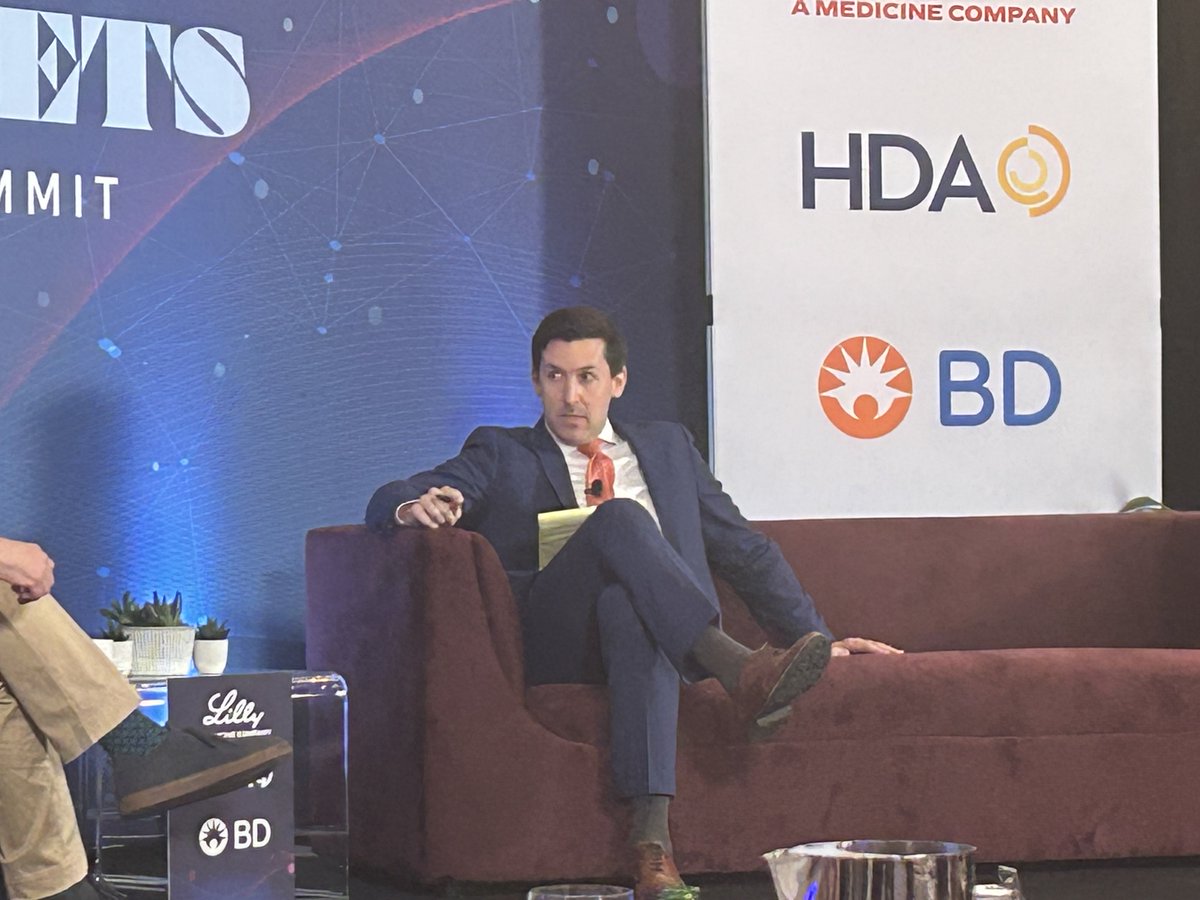
At the Bold Bets health conference, White House adviser Calley Means says, “People are reading food labels, thinking about what’s in their food. That’s a good thing.” Thanks to @SCClemons and Widehall.
1
4
476
Steve Clemons retweeted

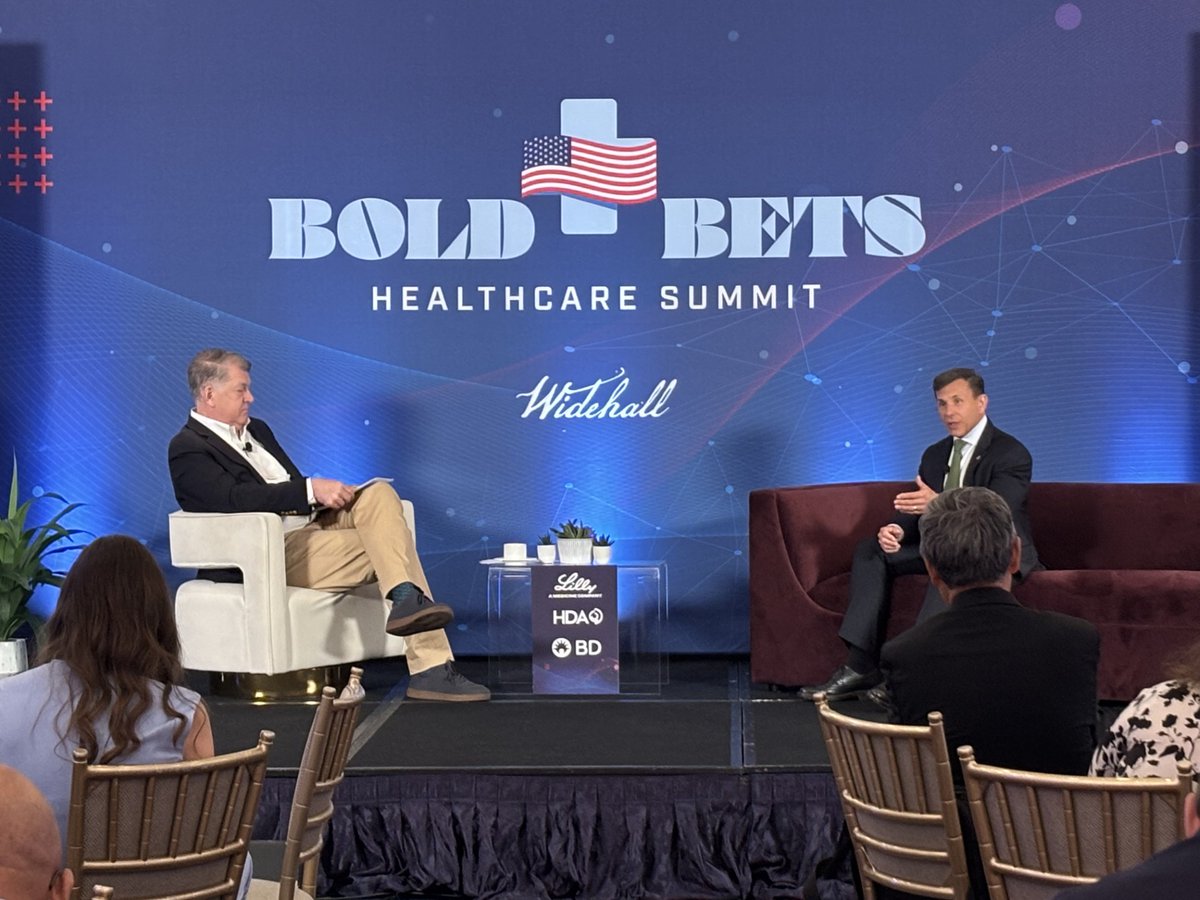
Today, BIO President and CEO John F. Crowley joined @SCClemons at the Bold Bets Healthcare Summit to discuss how the U.S. can lead the world in healthcare innovation. Crowley underscored the importance of a healthy biotech ecosystem and greater access to medicines, as well as the role that storytelling plays in raising awareness of the potential of biomedical innovation. #BiotechInnovation
1
2
9
1,113
Steve Clemons retweeted

Jun 4
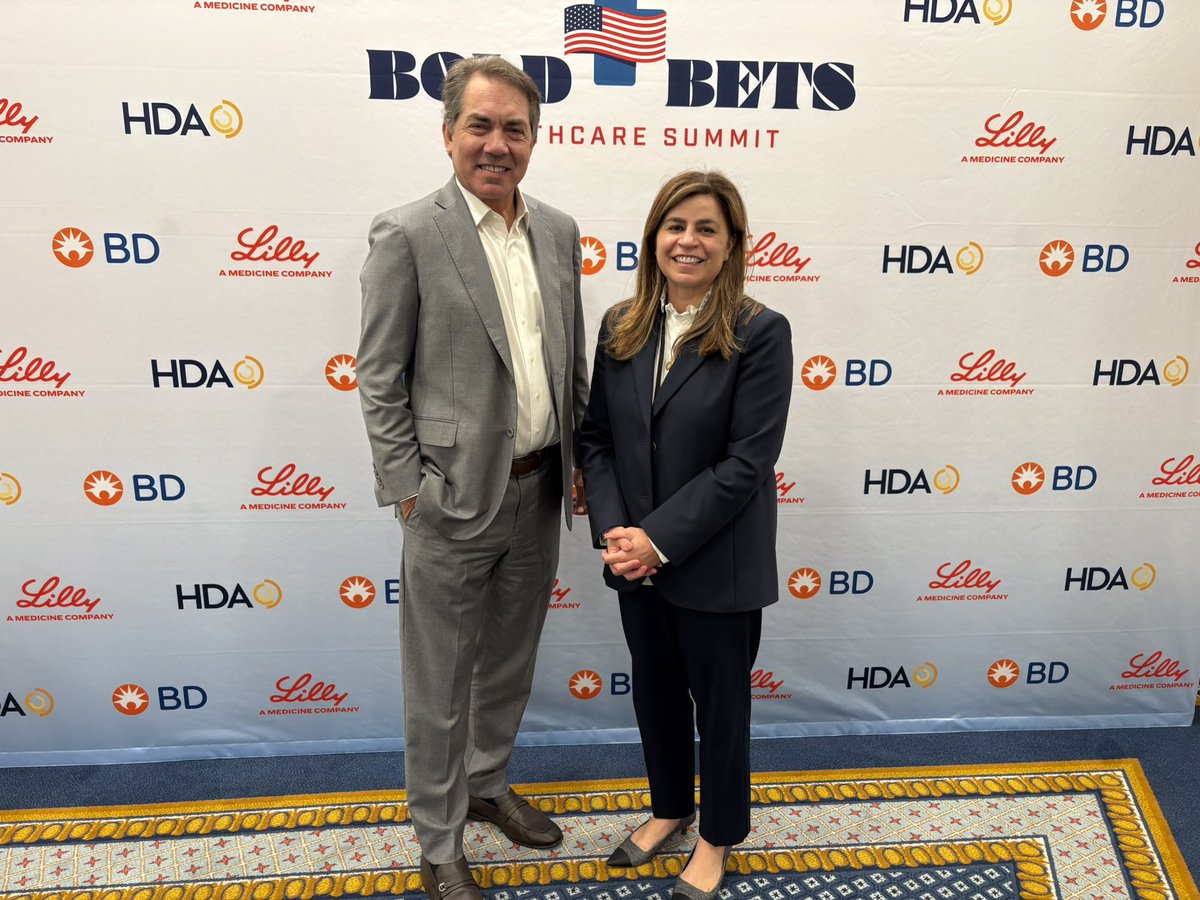
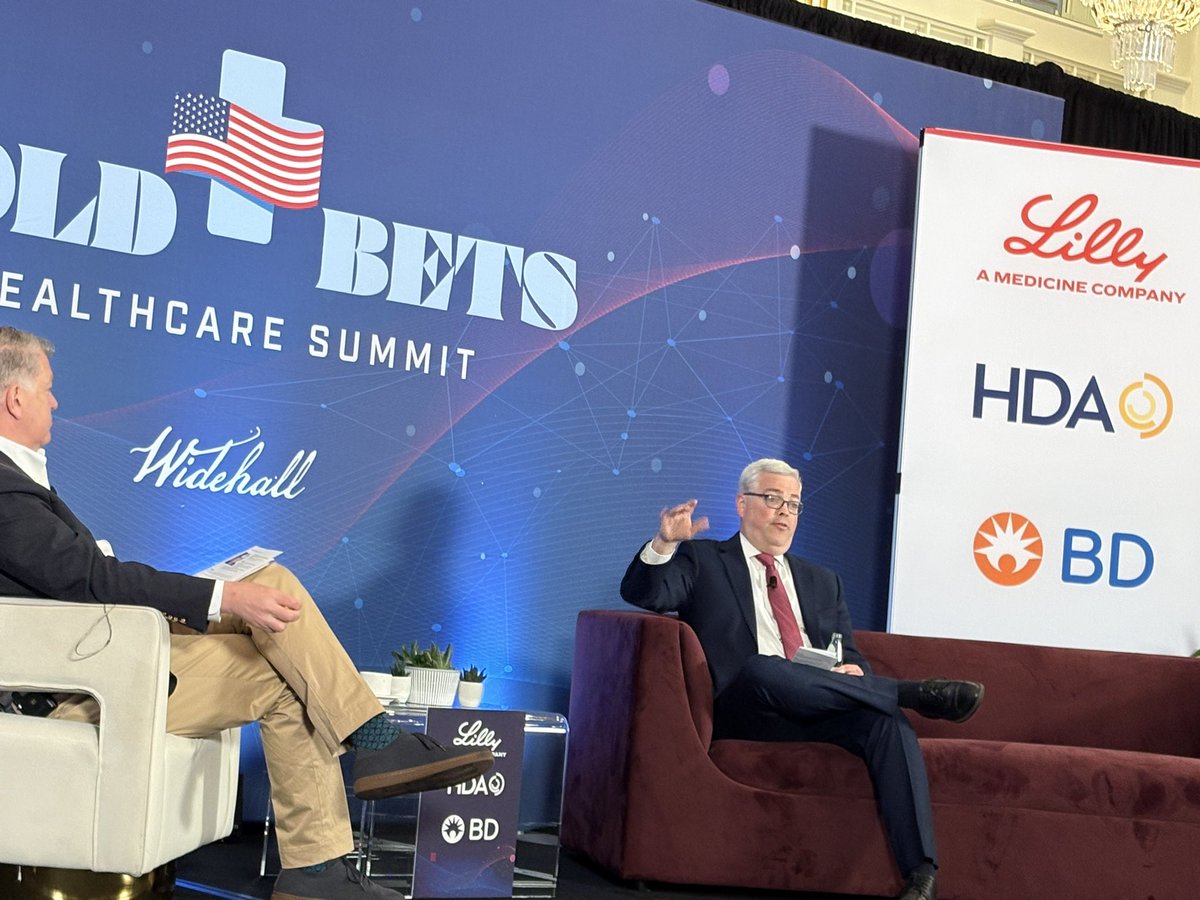
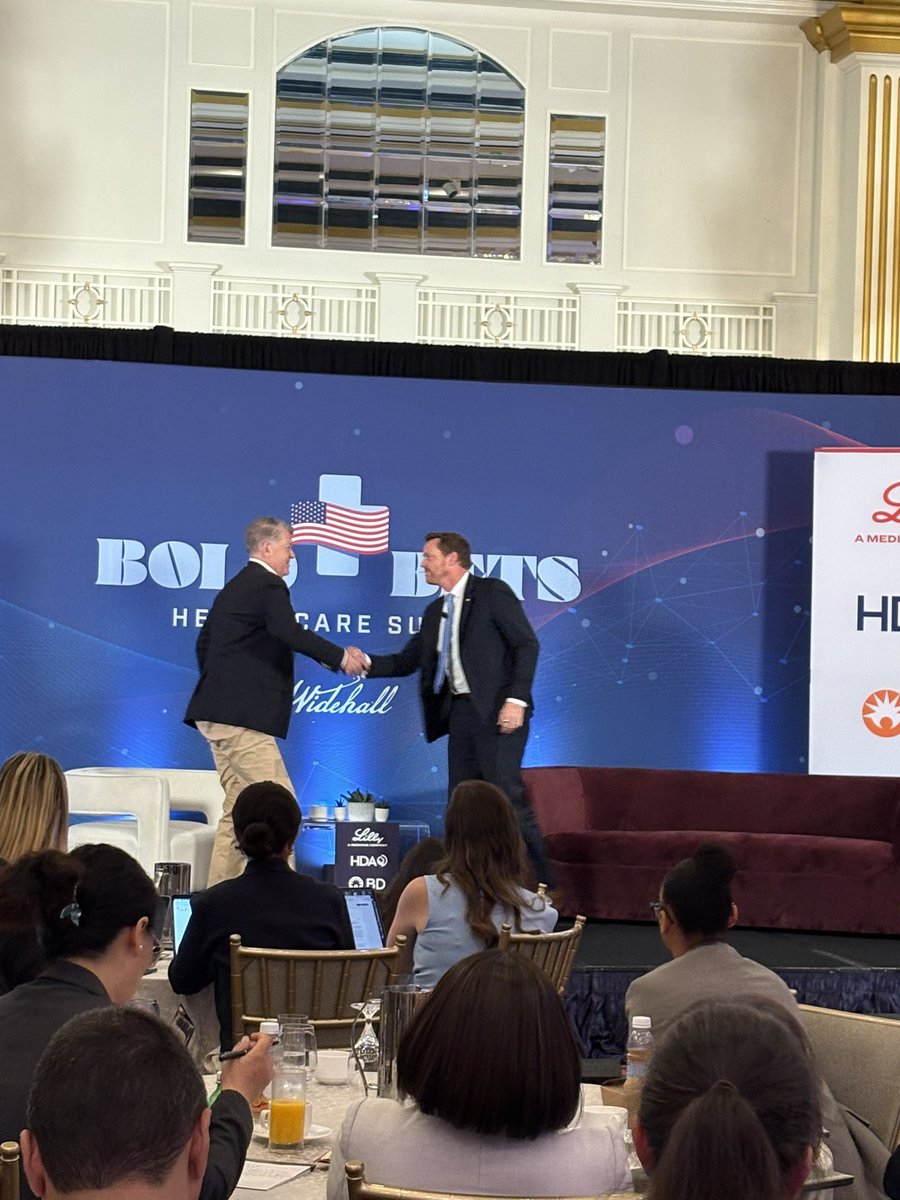
Fantastic Bold Bets summit today at the Willard focused on a range of healthcare issues and a top-tier set of speakers
Kudos to @SCClemons, Widehall and sponsors @EliLillyandCo, @BDandCo @HDAconnect
Strong lineup of industry and current and former senior Administration health policy gurus.
And great spending time with @WHICINNOVATES colleagues and friends.
Especially enjoyed the powerful comments from the White House, HHS and CMS officials: Calley Means, Chris Klomp and John Brooks.
Also Garth Graham with @googlehealth Derek Isay with @EliLillyandCo and Chris Vurry with @ouraring.

1
1
3
419
Jun 2
Very excited to talk with @ARPA_H Advanced Research Projects Agency for Health Director @DrAliciaJackson on Thursday, 4 June at BOLD BETS Healthcare Summit. Join us! Program at the link and registration is free.
#science #healthcare #AI #biomedicalresearch
boldbets.splashthat.com/6
3
8
683
Steve Clemons retweeted
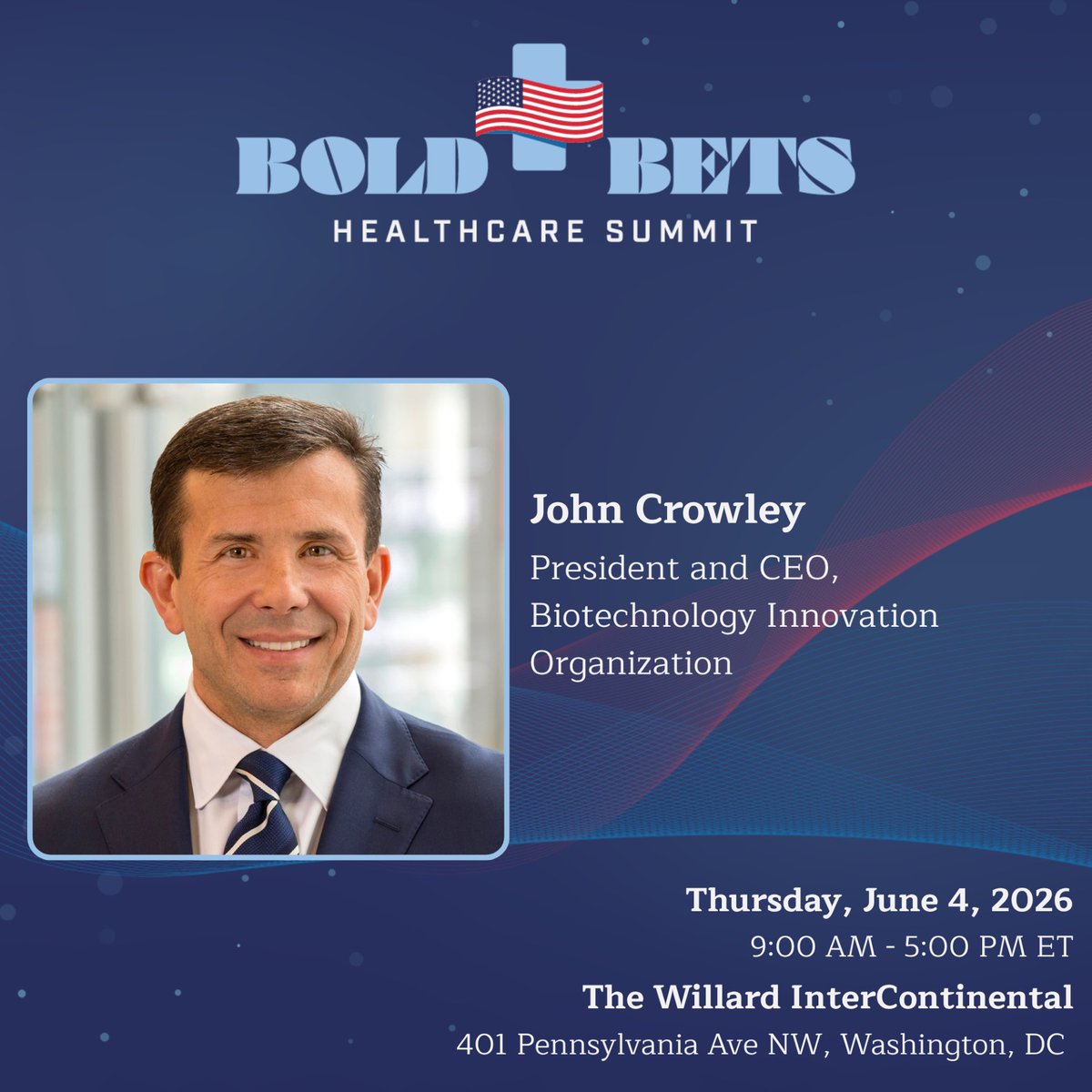
BIO CEO John F. Crowley will be at the Bold Bets Health Summit on Thursday, June 4 in Washington, DC, joining @SCClemons for a conversation on the future American biotech innovation and what is at stake for the patients depending on it. #BiotechInnovation
Register: boldbets.splashthat.com/
1
3
17
4,079
Jun 2
So -- if you are in DC on Thursday and into #AI, #health, #biomedical advances, better #healthcare outcomes, #science, and figuring out how to make a better healthcare ecosystem, join us --
Bold Bets: A Healthcare Summit....
boldbets.splashthat.com/?gz=…
4
363
Steve Clemons retweeted

May 29
Chaque 29 mai, je me dois d’avoir une pensée pour la disparition de l’Empire romain avec la chute en Constantinople en 1453. Et un hommage à ses héroïques défenseurs derrière Constantin XI.
28
57
496
32,151
May 27
RT @NegarMortazavi: Behind the scenes of The Bottom Line with @SCClemons @ColinPClarke at Aljazeera in Washington.
Stay tuned! https://t…
3
1
May 25
June 10th -- at the @franceintheus, I will be moderating a couple of great sessions on the "Future of Money" including Director of the U.S. Mint Paul Hollis, Coinbase Chief of Global Policy @faryarshirzad, the Chairman & CEO of the Monnaie de Paris @Schwartz_MA (France's National Mint) and other very interesting folks. And I get to take part in the official unveiling of Washington–Lafayette commemorative coins marking America’s 250th anniversary. Tickets are free but you need to make reservations. See below and join us.
media.franceintheus.org/even…
1
5
473
Steve Clemons retweeted

May 23
Looking forward to joining @SCClemons @GLOBSEC to discuss Europe’s security, Ukraine, and the choices we must make now.
Estonia has warned about Russia for years and today we see why clarity, unity, and deterrence matter.
Join the conversation here at 11 AM CEST: youtube.com/live/QHUVlnFJ9kM…
3
4
15
1,826
Steve Clemons retweeted
May 23
At @GLOBSEC, my discussion with @SCClemons reinforced a clear message: support for Ukraine is working.
And Ukraine’s “deep strike sanctions” are working too, hitting the lifeline of Russia’s war machine where it hurts most.
Together, we will continue raising the cost of this war.
6
7
24
1,442
Steve Clemons retweeted

May 19
So incredibly proud of @tab_delete as he publishes his first book today: “HOW TO RULE THE WORLD: An Education in Power at Stanford University.” It’s a masterpiece. But don’t take a dad’s word for it. Amazon calls it “a stick of dynamite: explosive, shocking, and mesmerizing. I couldn’t put it down and I can’t stop talking about it.”
politics-prose.com/book/9780…
amazon.com/How-Rule-World-Ed…
15
47
297
49,970
Apr 29
If you are in to #AI #robotics #quantum #cybersecurity #biotech and deployment of these technologies -- and you are in the DC, Maryland, Virginia, Pennsylvania corridor OR coming in from anywhere else in the country or world -- I hope you are going to the @scsp_ai AI Expo. I'll be there and would love to see some of you. if you are attending, zap me a note publicly or privately. Have some stuff going on there you might be up for.
expo.scsp.ai/ #SCSPAI
1
460
Steve Clemons retweeted

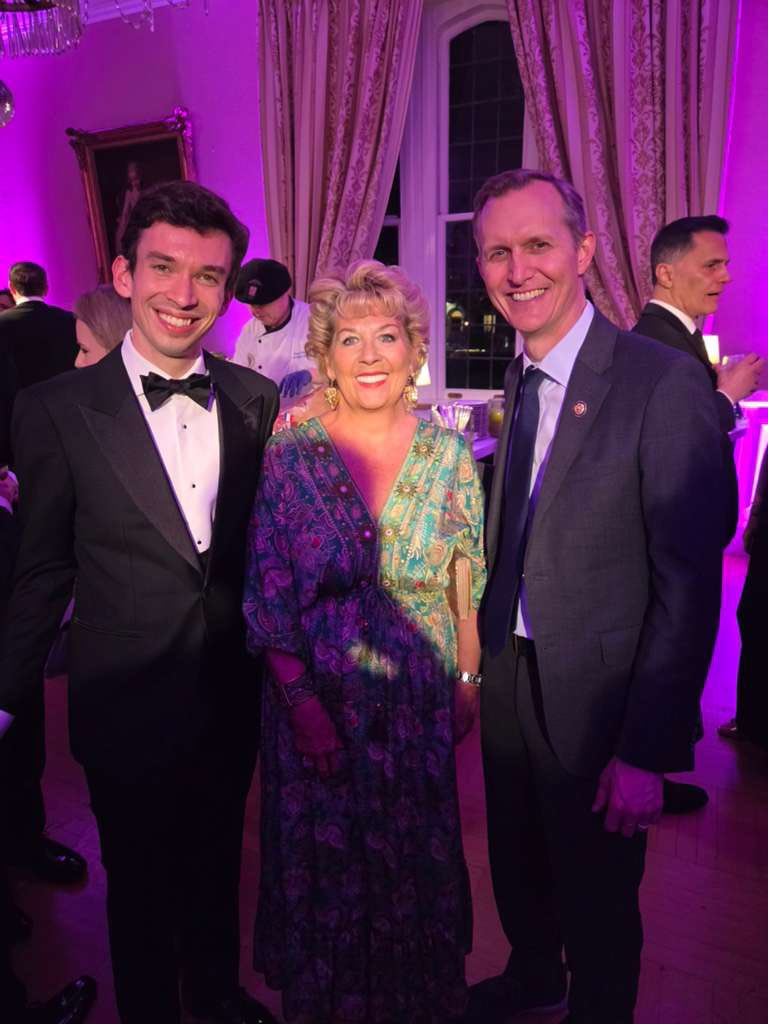
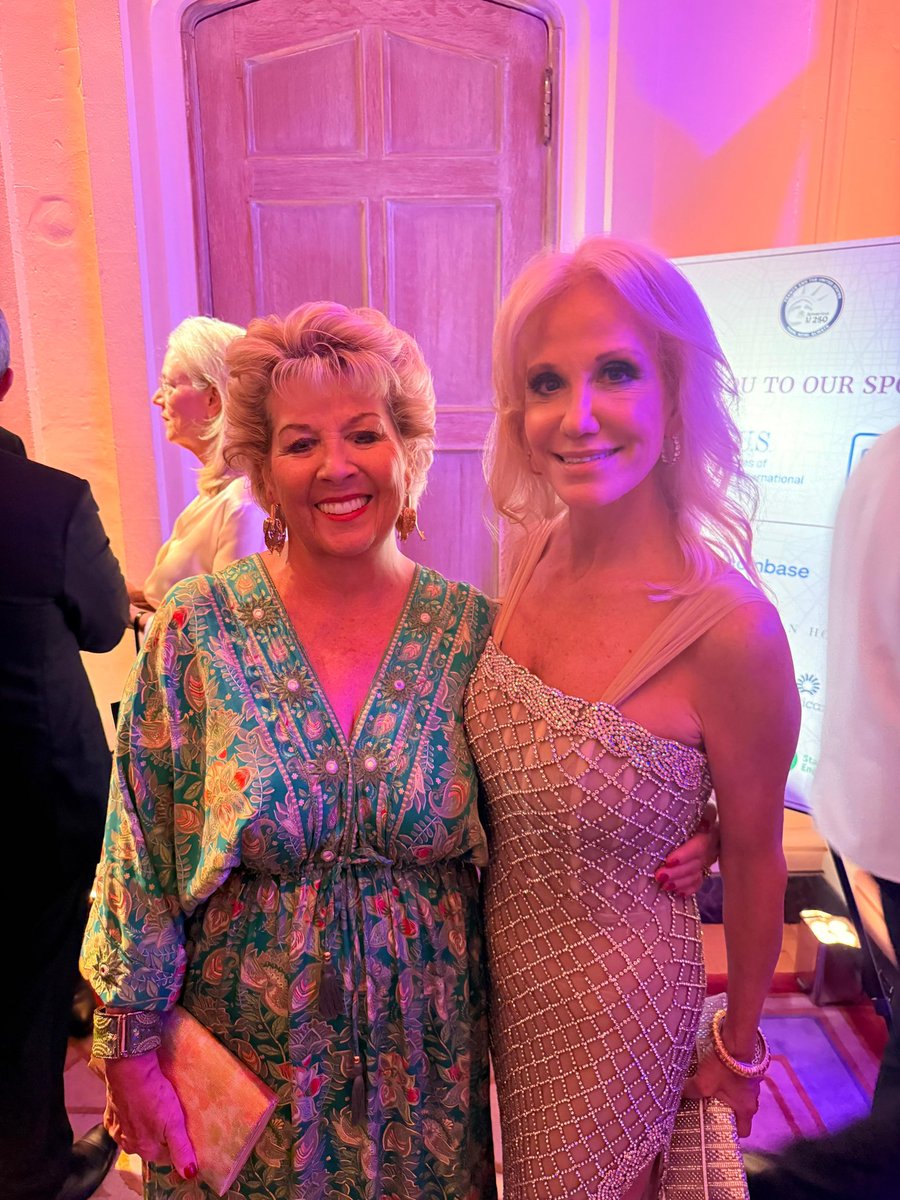
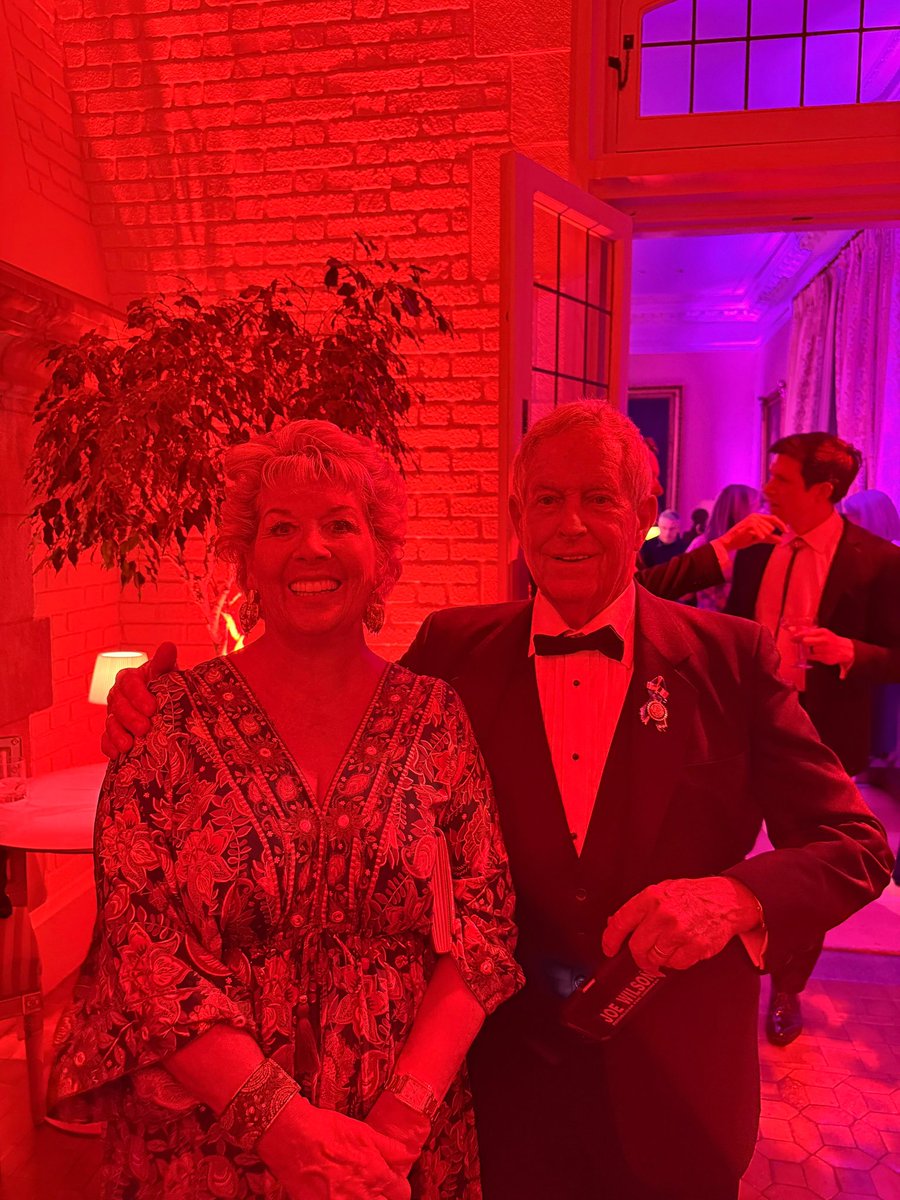
Always a great night at the Amethyst raising money for SOME. Thank you @FrenchAmbUS, @HMPodesta, @KellyannePolls, and @SCClemons.

2
17
1,464