FM🌈 @AAFP PresElect24 BOD21 CMMS17 NCCL14 VPIO CMIO @forFamilyHealth @ECHOFreeClinic @NYSAFP‘18 tweets=me≠rx #medicineisasocialjusticeissue

Joined May 2009
1,521 Photos and videos
sarah catherine retweeted
Primary Care Is a Public Good. It's Time We Started Treating It Like One. A recent article in JAMA calls for the creation of a multi-payer—or all-payer—primary care financing system. The concept itself is not new, but it arrives at a particularly important moment in our national health policy debate. Too often, conversations about new ideas begin with what is missing or what is wrong. We should resist that tendency. Any discussion of this proposal should start with what the authors get right: primary care is a common good that benefits not only individual patients, but also families, communities, and society as a whole. The authors make a particularly important observation: “Primary care has long fit awkwardly as an insurable risk in the marketplace. Insurance is designed to protect against large, unpredictable expenses. Yet primary care is largely predictable, similar to food, housing, and other common necessities.” That insight deserves serious consideration. The proposal does not seek to replace the broader health insurance system. Rather, it seeks to establish a sustainable financing mechanism for universal access to primary care—one that exists outside the economic and administrative complexities of insurance. That is a conversation worth pursuing. Many health care services can deliver value during discrete episodes of care. None, however, can match the long-term impact of comprehensive primary care. Nor can any consistently produce the same value per dollar spent. The evidence supporting this conclusion is overwhelming. It is also why the highest-performing health systems around the world are built upon universal access to primary care. In fact, universal primary care may be the single most important distinction between the world's highest-performing health systems and the United States health care system as it exists today. The authors' use of the term public good is especially important. Like clean water, public safety, and fire protection, the benefits of primary care extend well beyond the individual who receives the service. Strong primary care creates healthier communities, strengthens workforce participation, reduces avoidable health care spending, and contributes to economic stability. Its value is both personal and societal. One of the most compelling aspects of this proposal is its potential to eliminate variation in financing and administration. A universal primary care financing model could finally create the conditions necessary for true prospective, population-based payment—payment that rewards access, continuity, prevention, and innovation rather than volume. Importantly, such a model would not require a single practice structure. Direct primary care practices, community health centers, independent practices, and integrated health systems could all continue to operate and innovate. Patients would benefit from a more consistent experience, while practices would be relieved of many of the payer-specific rules, reporting requirements, and administrative burdens that increase costs and create barriers to care. The authors describe their proposal as a compromise between single-payer and free-market approaches. That characterization feels accurate. With oversight delegated to states and room for diverse delivery models, the proposal reflects a pragmatic approach to reform rather than a wholesale restructuring of the health care system. No proposal is perfect, and this one is no exception. Important questions remain about implementation, governance, accountability, and financing. Those questions deserve thoughtful debate. But one thing is clear: primary care is a public good, and our current health care system has denied too many people access to its full value for far too long. The conversation started by this proposal is the right one. At a time when confidence in our health care system continues to erode, we should focus less on preserving the status quo and more on building the foundation that every high-performing health system requires. That foundation is primary care. And it should be available to every person and every community. jamanetwork.com/journals/jam…
2
10
17
1,235
sarah catherine retweeted
Use each day as an opportunity for personal growth. #YouveGotThis
3
3
39
sarah catherine retweeted
Go out and do the best you can. #YouveGotThis
2
4
57
sarah catherine retweeted
Replying to @aafp
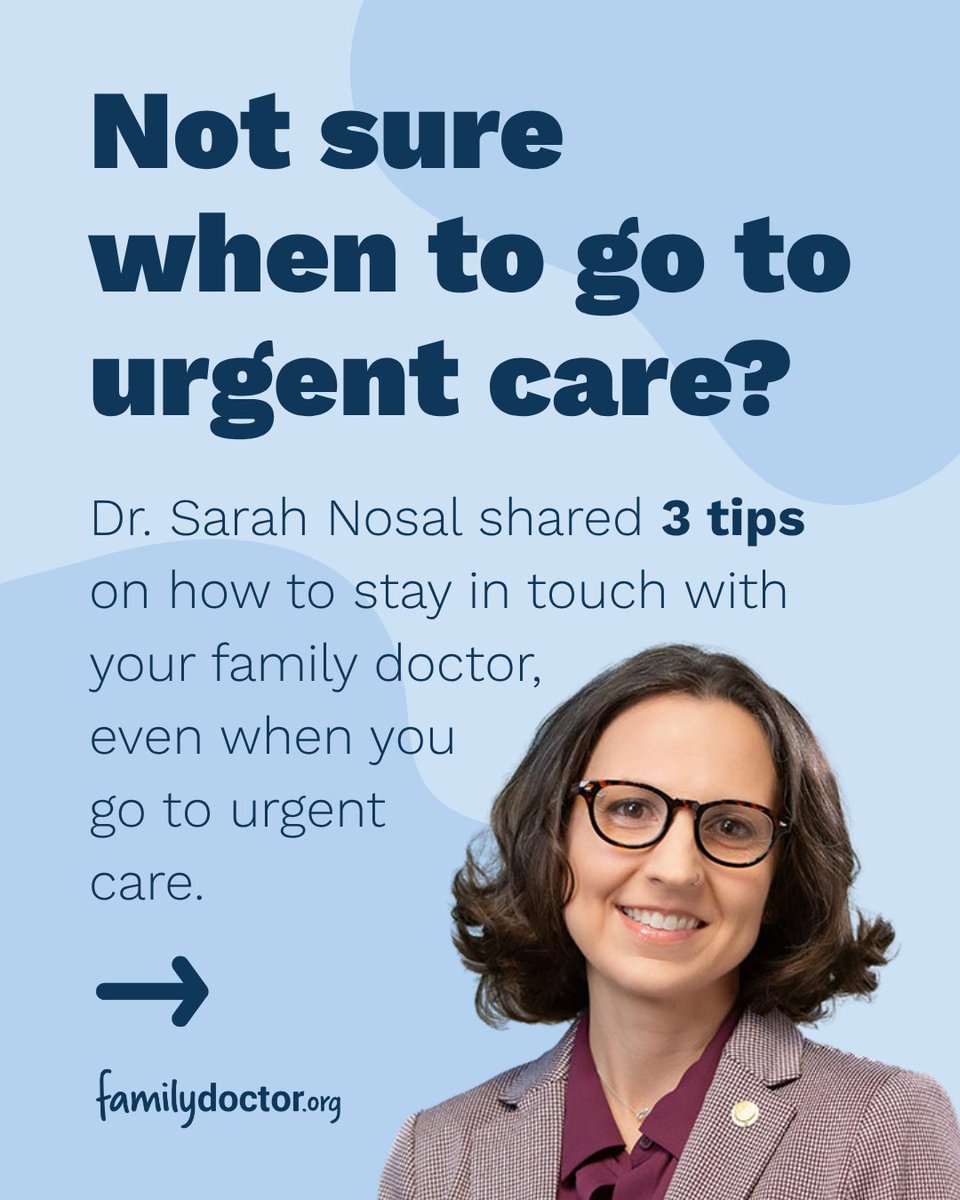
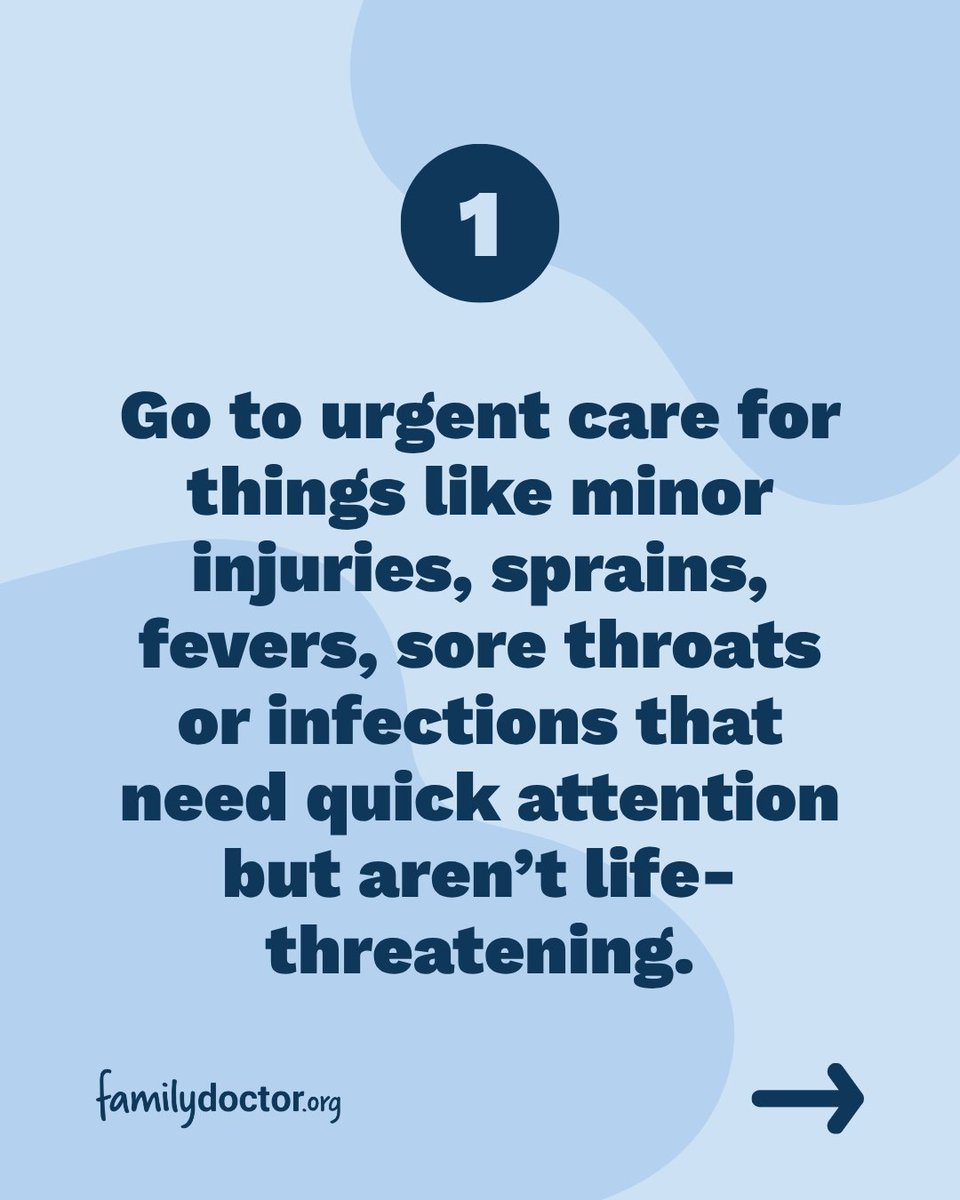
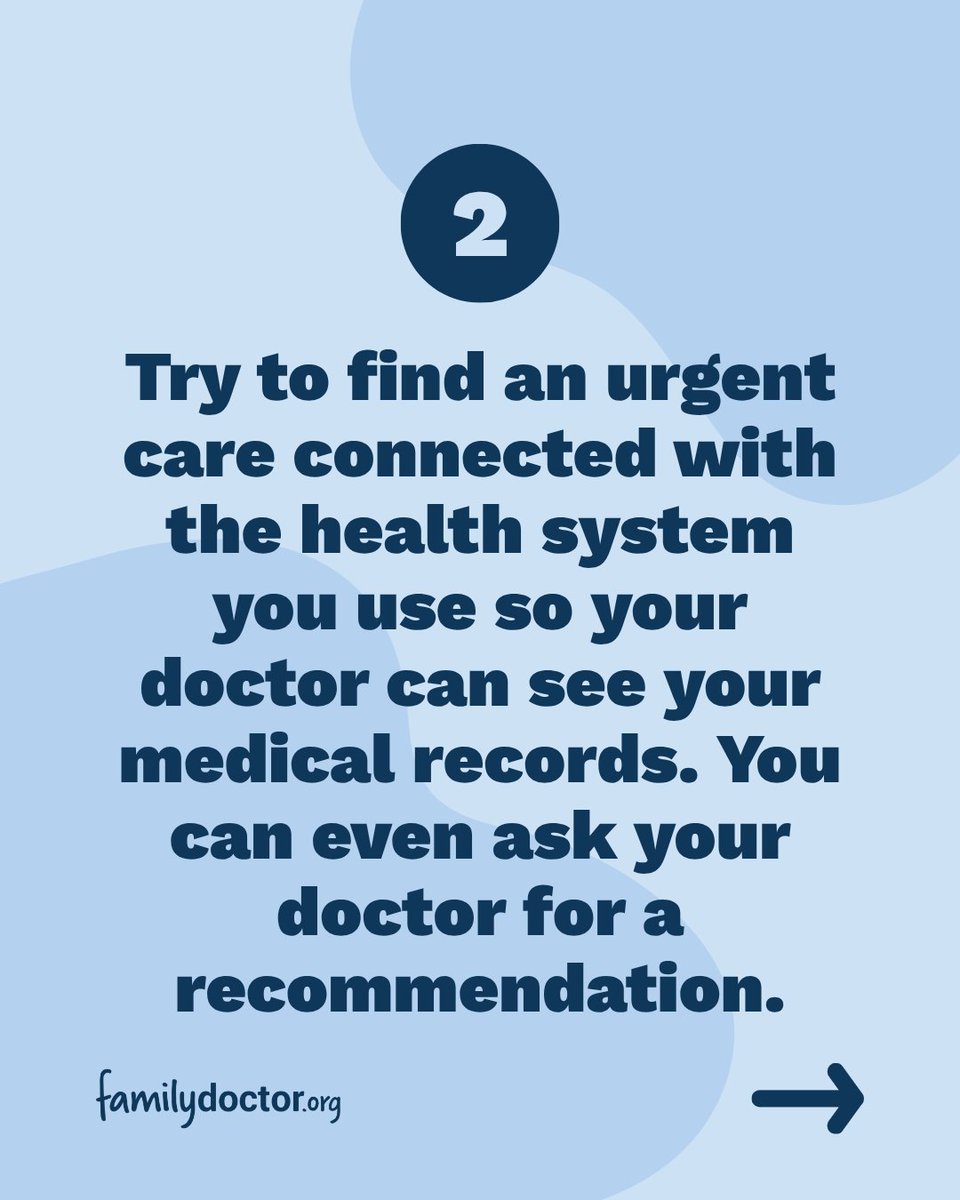
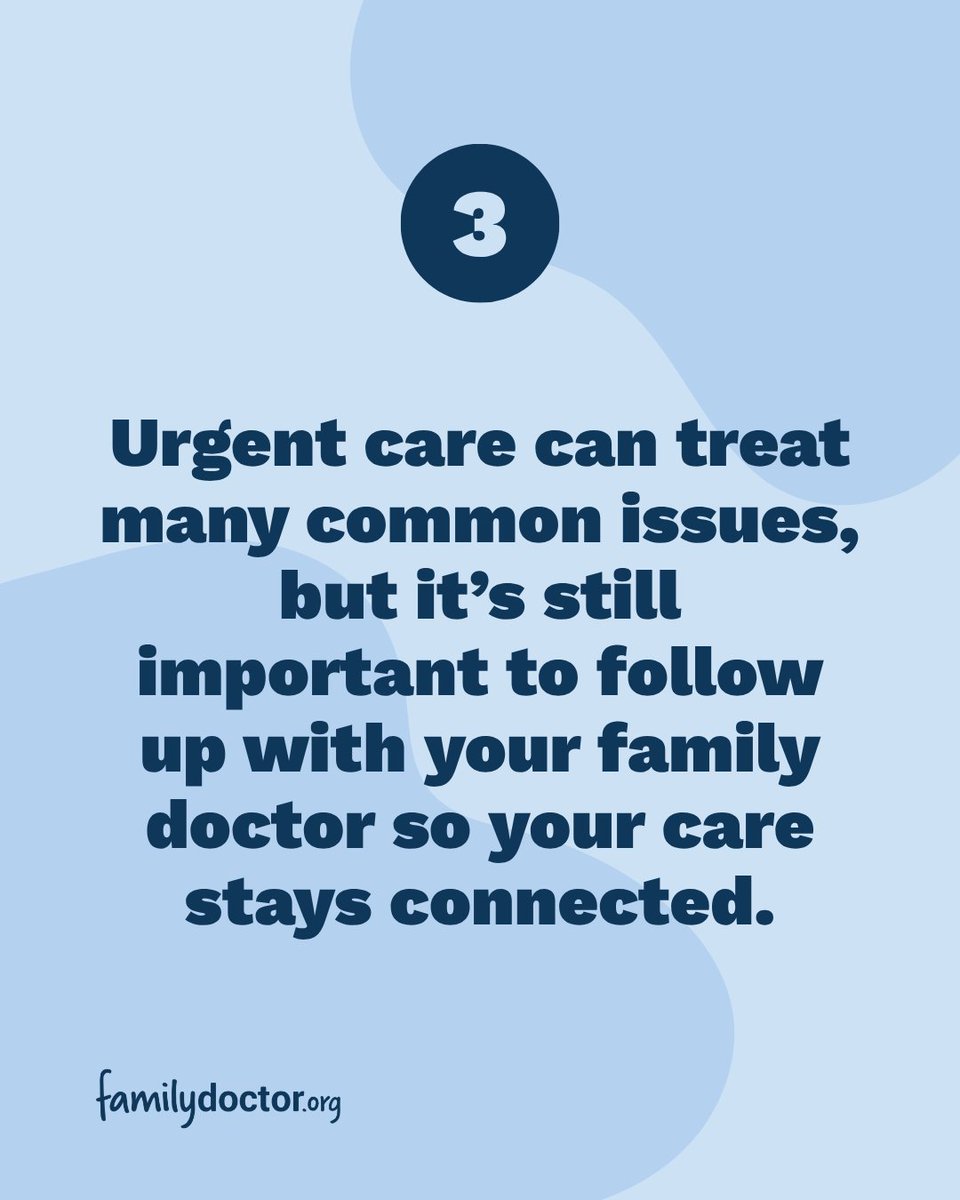
@aafp President @SCNosalMD spoke with the @nytimes about when it's best to go to an urgent care and why it's important to follow up with your family doctor. Read more: nyti.ms/4dxYZLy
3
2
280
“The committee should articulate a clear posture: technology should amplify humanity, not replace it. That means designing systems where clinicians are more present, not less.” #HITS #AI #StrongerTogether #MakeHealthPrimary
Improving the health of our nation will require more than incremental change, it will require bold thinking, shared accountability and a renewed commitment to patient-centered care. Ahead of Monday’s first convening of the government’s new Healthcare Advisory Committee, @sacjai and I outlined five ideas we believe can help reshape the future of U.S. health care in @FierceHealth. 1) Every sector of health care must take responsibility for its role in poor health outcomes 2) We must measure success not just by financial performance, but by improvements in health 3) Rebuilding public trust in science must be treated as a national imperative 4) Technology should strengthen, not replace, the human relationships at the heart of care 5) Primary care must be re-centered as the foundation of prevention, access and long-term health True health care transformation will take collaboration across government, industry, physicians and communities. It also will require courage. And, if we are really serious about building a healthier future, primary care and trusted patient relationships must be at the center of the conversation. fiercehealthcare.com/provide…
1
7
10
433
sarah catherine retweeted
Expand your village when needed. #YouveGotThis
1
2
57
sarah catherine retweeted
May 2
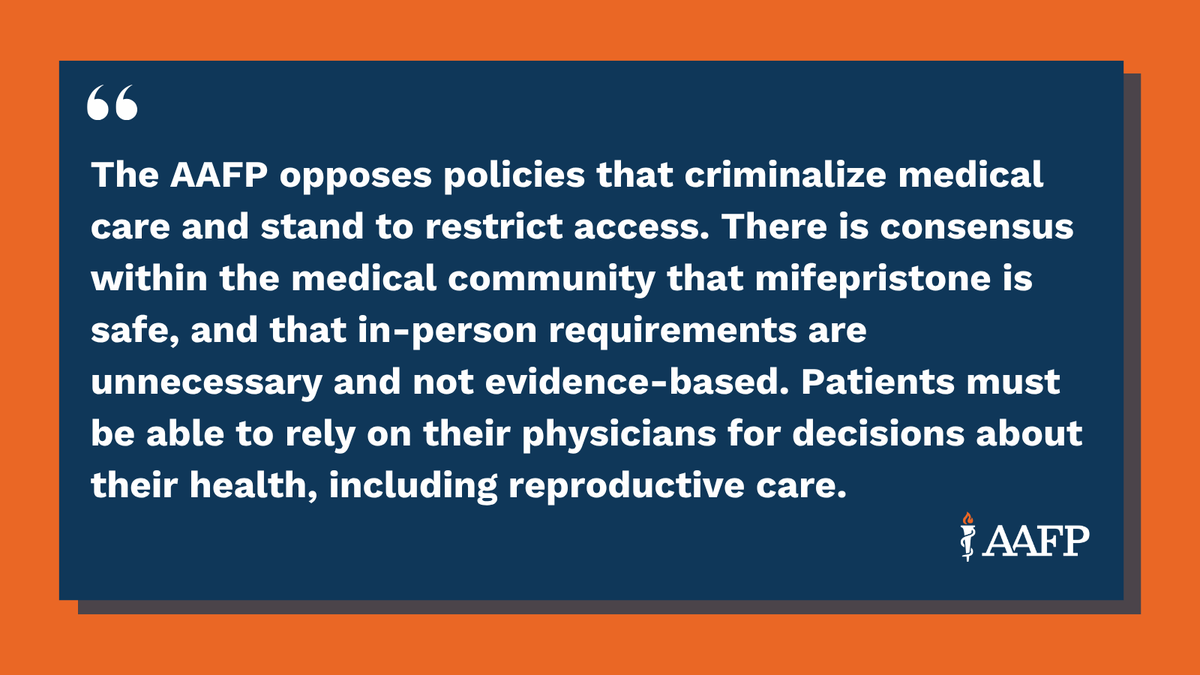
Today’s ruling reinstating in-person requirements for mifepristone is an unjustified rollback that restricts access to care, undermines physician judgement and threatens the patient–physician relationship. The AAFP has long supported policies that enable physicians to prescribe medications and treatments via telehealth, which reduce unnecessary barriers to care.
1
6
9
693
sarah catherine retweeted
Some imperfections are advantageous. #YouveGotThis
2
4
42
sarah catherine retweeted
Tackle the hard task. #YouveGotThis
1
2
47
sarah catherine retweeted
Start today with renewed purpose. #YouveGotThis
1
4
39
sarah catherine retweeted
Raise your expectations for today. #YouveGotThis
2
3
61
sarah catherine retweeted
Create a new positive habit. #YouveGotThis
2
3
32
sarah catherine retweeted
Family physicians see every day how policy decisions affect patients, practices and communities. That’s why physician voices in advocacy are more important than ever. New from @aafp president @SCNosalMD in @HopkinsMedicine: ➕ You don’t have to be a policy expert to advocate. ➕Advocacy doesn’t have to be complicated. ➕Early-career voices matter. ➕Physician advocacy shapes policy. Read more: bit.ly/4boFp27
2
6
7
409
sarah catherine retweeted
Undecided? Minimize the risk by testing it out. #YouveGotThis
1
1
35
sarah catherine retweeted
Mar 18
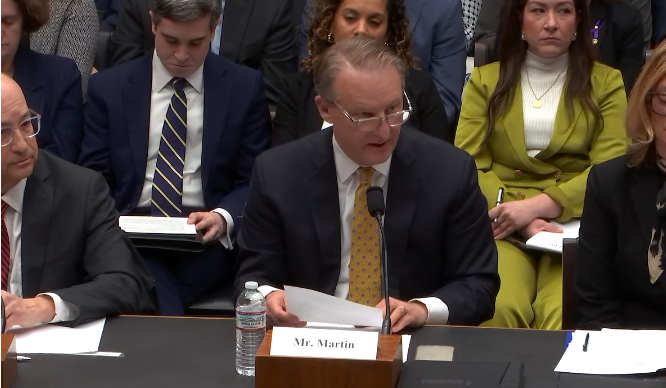
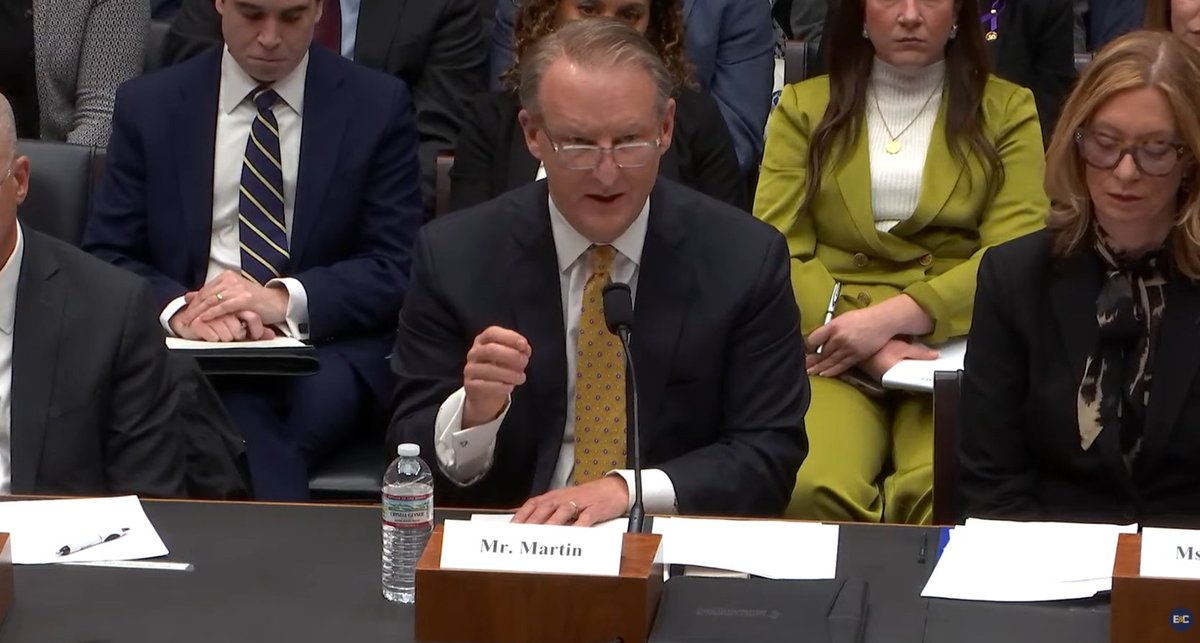
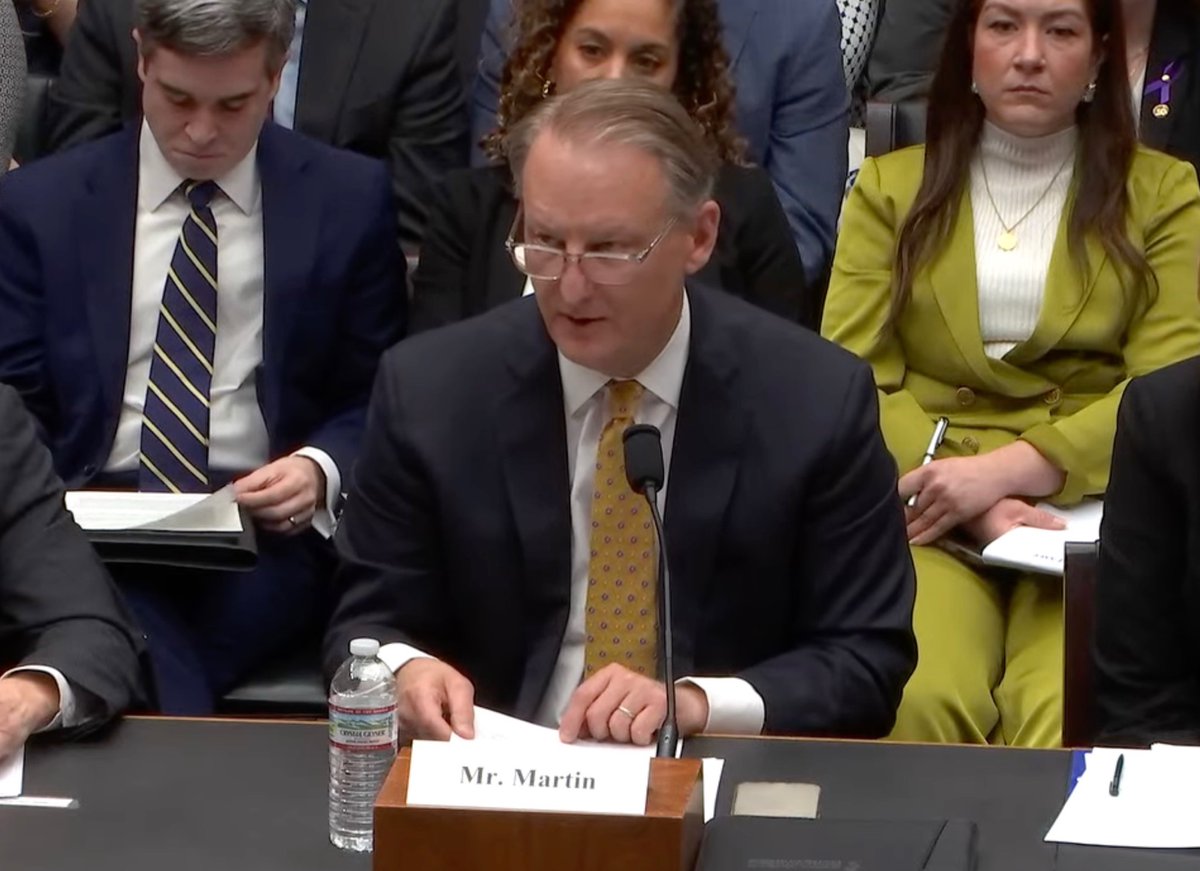
#AAFP CEO Shawn Martin is testifying before the House Energy and Commerce Committee on the urgent need to lower health care costs. Take action today and contact your members of Congress and share why affordable health care is imperative to your patients and communities. When we speak with a unified voice, we can drive meaningful change: fammedpac.aafp.org/take-acti…

Nearly 1 in 3 adults in the U.S. no longer has a usual source of care. That means worse health outcomes and higher costs, @rshawnm highlighted during testimony before @HouseCommerce. The solution? Primary care.
11
12
710
sarah catherine retweeted
This three hour hearing is worth a listen. I came away with a deeper understanding that there are few enemies, with the exception of venture based capital, unsustainable administrative costs, out sized drug pricing/DME, unfunded and underfunded care and it’s effect on both outpatient practices and critical access hospitals, and the importance of strengthening and expanding the primary care physician lead infrastructure.
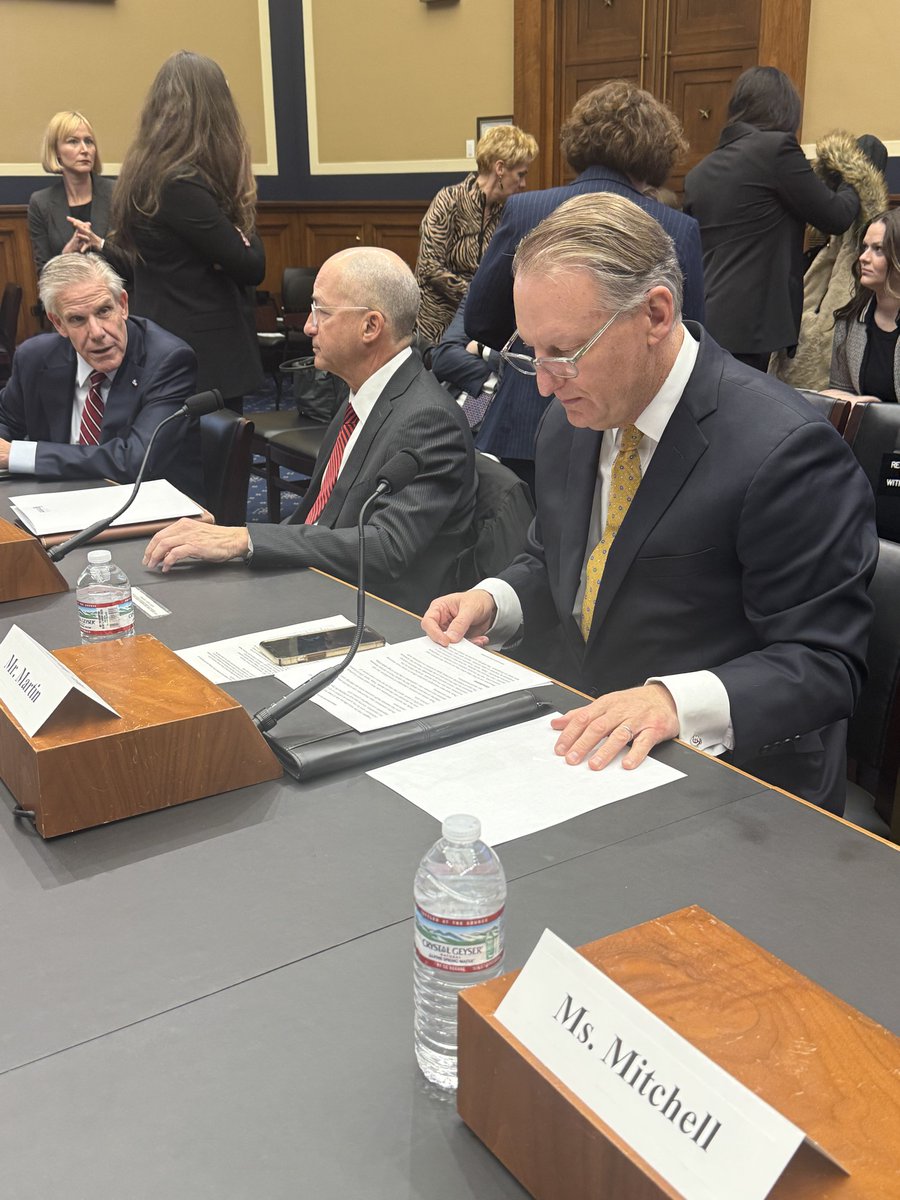
Yesterday, I had the opportunity to testify before the U.S. House Energy and Commerce Subcommittee on Health as part of their hearing: Lowering Health Care Costs for All Americans: An Examination of the U.S. Provider Landscape. I spoke about an issue that affects every patient, family physician in America: the rising cost of health care. Family physicians have seen firsthand how the cost of care impacts patients. Too often, people delay care, skip medications or struggle to follow treatment plans because they simply cannot afford them. No one should have to choose between getting medical care and meeting basic needs like food or housing. During my testimony, I emphasized that strong primary care is one of the most effective ways to improve health outcomes and lower costs. I shared with lawmakers that meaningful progress will require thoughtful policy reforms, including modernizing physician payment, reducing administrative burdens like prior authorization and ensuring patients can access key primary care services without unnecessary cost barriers. Family physicians are committed to caring for patients and communities every day. I’m grateful for the opportunity to bring their voices to Congress and to advocate for policies that strengthen primary care and improve the health of our nation.
1
3
3
174
RT @tilimd: Pay it forward today. #YouveGotThis
1
sarah catherine retweeted
Today, @aafp's CEO @rshawnm shared with lawmakers why investing in primary care is one of the most effective ways to improve health and reduce costs for Americans. Here’s how Congress can help: ✔️Fix #Medicare physician payment ✔️Expand site-neutral payments ✔️Reduce administrative burdens like prior authorization ✔️Improve insurance transparency and design ✔️Lower cost barriers so physicians can help patients access the primary care they need youtube.com/watch?v=SgsYVQf6…
2
11
306
RT @tilimd: Accept the challenge. #YouveGotThis
2
RT @tilimd: Experience something new today. #YouveGotThis
1