
IPv6 network, cloud & security consultant and teacher
Joined February 2010
- Tweets 4,579
- Following 377
- Followers 1,788
- Likes 2,191
251 Photos and videos

Scott Hogg retweeted

Jun 12
Thank you for sharing this 🙌🫡🙇♂️
This is precisely why I find the topic interesting. People often debate protocol characteristics, while the measurements end up revealing routing characteristics.
The protocol is usually the easy part. The path is where things get interesting.
1
1
2
82

Identifying active IPv6 addresses helps assess deployment, reveal gaps, and detect vulnerable devices. Subnet-Router Anycast (SRA) probing removes the need for prior knowledge of address allocation.
blog.apnic.net/2026/06/11/di…
1
3
324
Still treating BGP Router IDs like IPv4 addresses?
In #IPv6-only networks, they're simply 32-bit identifiers. @SwerNetworks @DaryllSwer shares structured, human-readable Router ID schemes that scale with modern networks.
blog.apnic.net/2026/06/12/bg…
1
7
12
518
Scott Hogg retweeted

Jun 11
I didn’t realize my tweet can be read both ways 🤣 I meant to let IPv4 die. There are good reasons for IPv6 in serious DC deployments (see several blog posts from AWS for example), and sooner or rather later, new setups will tilt towards IPv6. I want to believe.
1
1
2
101

Jun 11
Discovery of IPv6 Router Addresses Using Subnet-Router Anycast, by Maynard Koch
labs.ripe.net/author/mkoch/d…
47
Jun 11
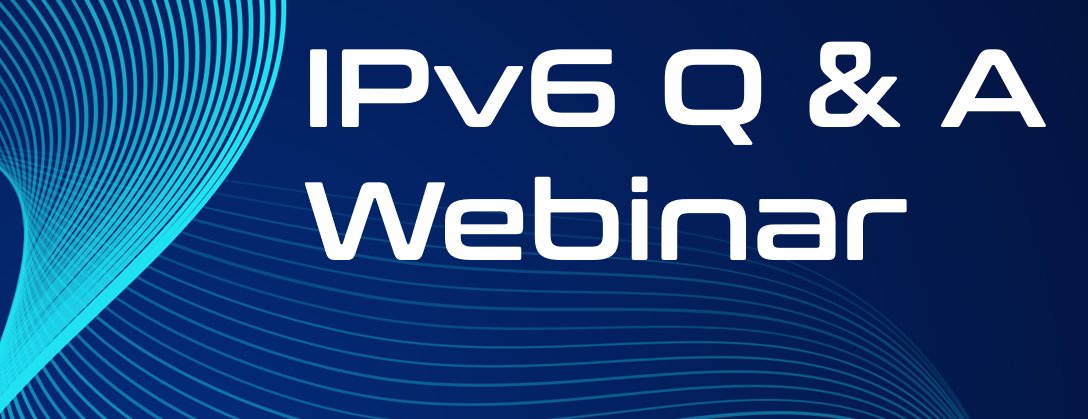
Starting in ~3 hours, IPv6 Question and Answer Webinar, 12:00 Eastern
hoggnet.my.webex.com/weblink…
36
Jun 10
Best practices for securing your IPv6 infrastructure on AWS using VPC Block Public Access
aws.amazon.com/blogs/network…
2
5
839
Jun 7
World IPv6 Launch Day 14 year anniversary was 6/6/26.
You can attend this free IPv6 Question and Answer Webinar, June 11, 12:00 Eastern
hoggnet.my.webex.com/weblink…
1
73
Scott Hogg retweeted

Jun 3
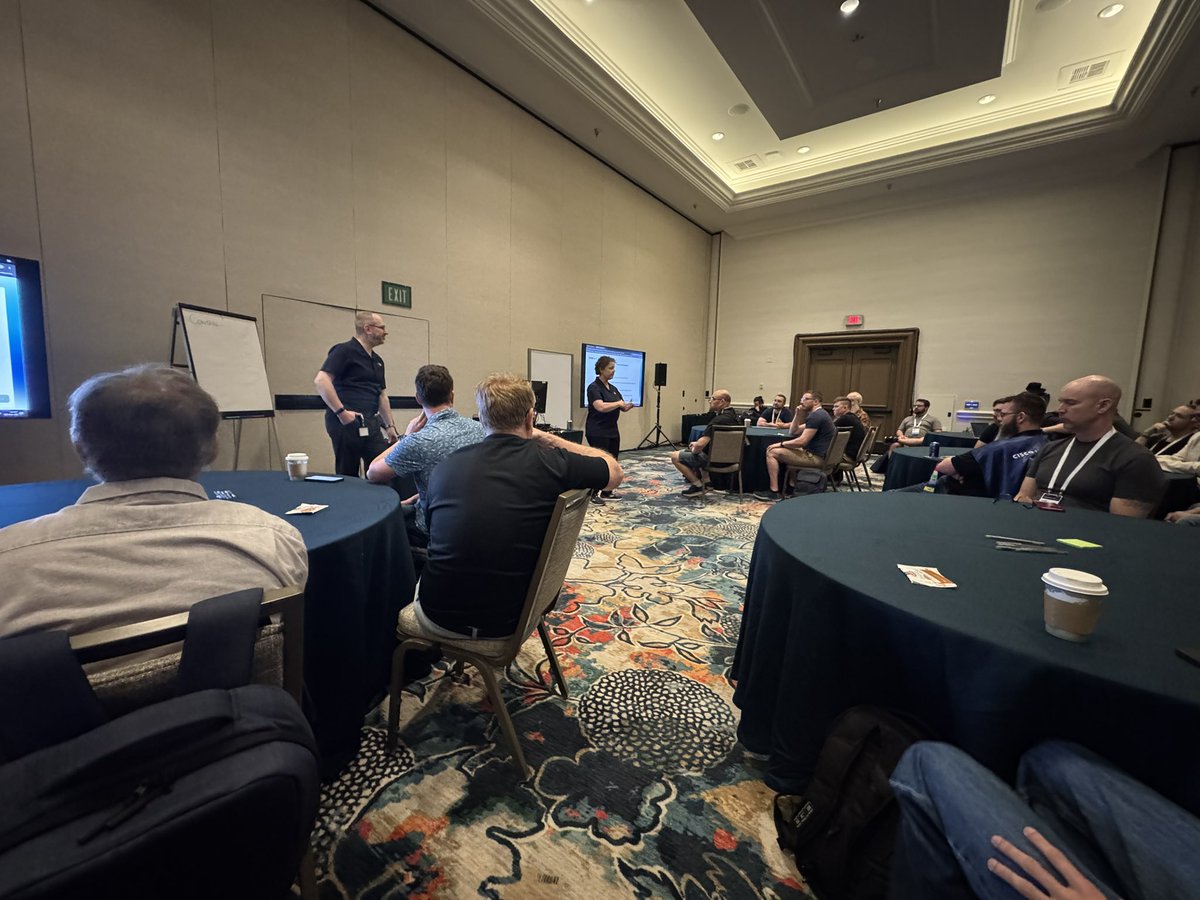
If there was an IPV6 Therapy session it would be @CiscoLive “Everything you ever wanted to know about IPV6 but were afraid to ask” with @vlinder_nl #StroopWafelPowered
1
2
63
Jun 4
BGP Router ID Structuring in IPv6 Native Networks
How to design and structure BGP Router IDs in IPv6-native networks. By Daryll Swer
swernetworks.com/blog/bgp-ro…
3
53
Scott Hogg retweeted

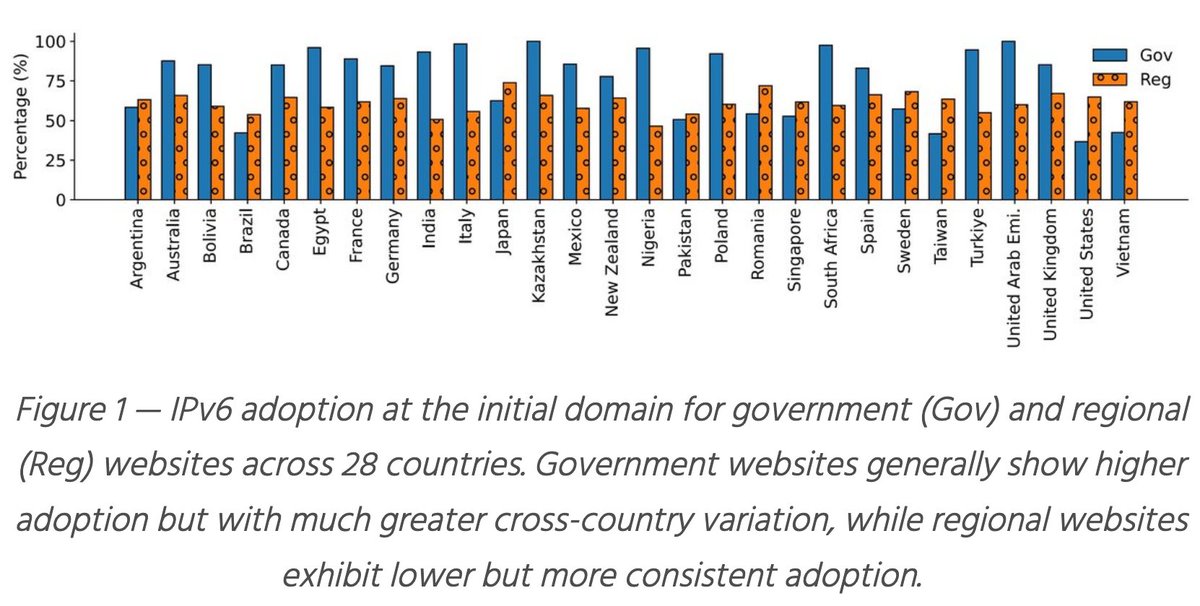
Pulse Fellowship Research shows that the further you move from the initial domain into the dependency chain, the less likely you are to find #IPv6 support.
#IPv6week2026 pulse.internetsociety.org/en…
1
1
70
Scott Hogg retweeted

Jun 1
Reminder: Join our @discord channel to interact with #Microsoft Always On #VPN administrators worldwide. Ask questions, share experiences, and more. Let's chat! #mobility #security #aovpn rmhci.co/4ifyvOP
1
3
357
Jun 1
Send your IPv6 questions to me for the IPv6 Question and Answer Webinar June 11 12:00 Eastern
hoggnet.my.webex.com/weblink…
1
50
May 26
IPv6 Question and Answer Webinar, June 11, 12:00 Eastern
Registration: hoggnet.my.webex.com/weblink…
66
May 20
Amazon Managed Grafana now supports dual-stack connectivity (IPv6 and IPv4)
aws.amazon.com/about-aws/wha…
2
117
May 19
Amazon Lightsail CDN distributions now support IPv6-only instances as origins
aws.amazon.com/about-aws/wha…
1
122