
The definitive repository behind the onchain gaming landscape.
Joined February 2023
- Tweets 1,262
- Following 135
- Followers 2,268
- Likes 3,087
133 Photos and videos






SNG Archive retweeted

May 1
Apr 30

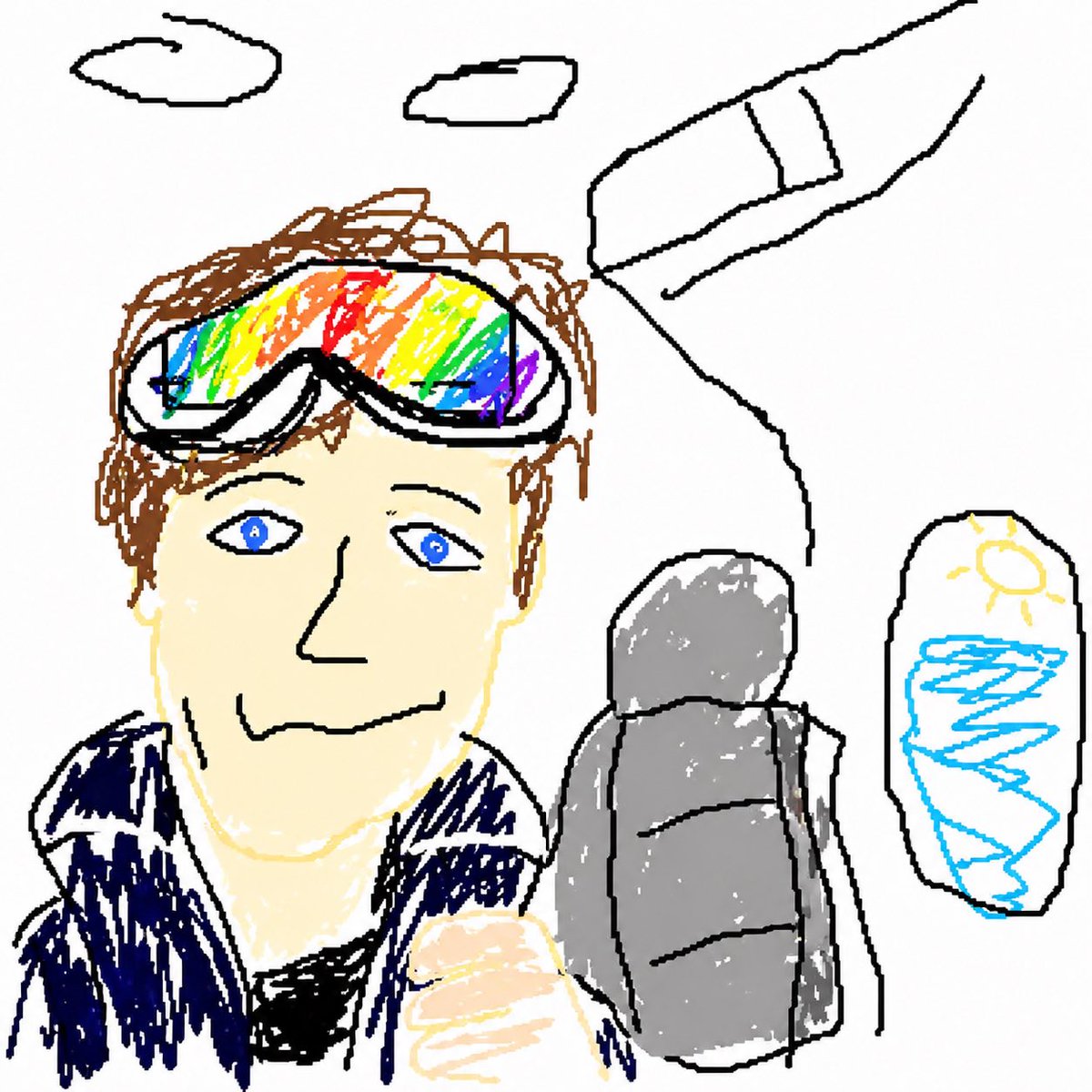
This GPT Image 2 prompt is going insanely viral right now.
“Redraw the attached image in the most clumsy, scribbly, and utterly pathetic way possible. Use a white background, and make it look like it was drawn in MS Paint with a mouse. It should be vaguely similar but also not really, kind of matching but also off in a confusing, awkward way, with that low-quality pixel-by-pixel feel that really emphasizes how ridiculously bad it is. Actually, you know what, whatever, just draw it however you want.”

10
9
54
4,738

Feb 24
"Starknet is the only credible path to the future we really want"
Feb 24

this mentality is what makes onchain gaming on @Starknet different. pure conviction and dedication.
@aloothero, co-founder of @provablegames.
2
14
398
Feb 23
RT @Starknet: The best things in life are free.
Free on Starknet:
> AVNU
> Starknet Earn Portal
> The majority of Dojo-powered games…
2
8
SNG Archive retweeted

Feb 20
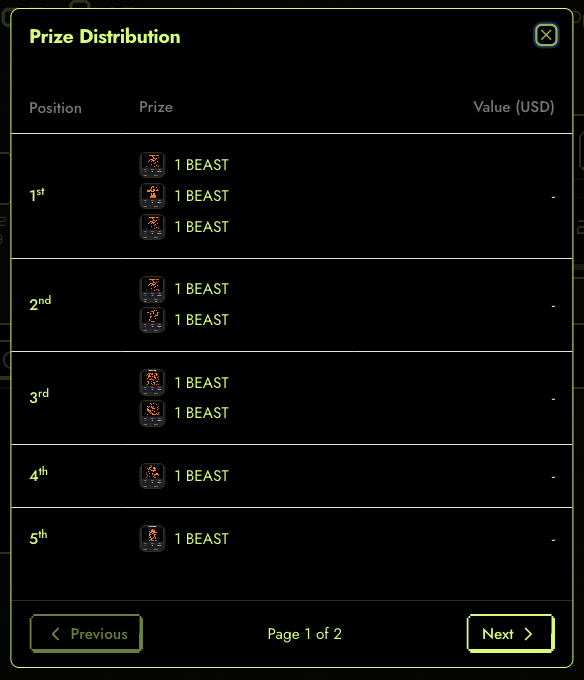
if you've been playing loot survivor but havent collected many beasts yet, this tournament is for you ⚔️👇🏼
9
11
47
3,179
SNG Archive retweeted

Feb 18
1/ Savage Summit is now live on Starknet 🏔
A fully onchain king-of-the-hill game where player-owned Beasts fight for control of the Summit and earn rewards while holding it.
Here’s what happens next and how to get started 🧵
26
35
144
14,067
SNG Archive retweeted

Feb 18
🏔️ Savage Summit is now LIVE! ⚔️
You have 24hrs to prepare your Beasts before attacks are enabled.
Use this time wisely to:
🎁 Claim tokens
⏫ Upgrade beasts
🤺 Prepare for battle
Feb 16

🏔️ Savage Summit launches February 18th at 5PM UTC.
This thread covers everything you need to know about the official launch including the preparation window, token distribution, and game duration.
x.com/LootSurvivor/status/20…
22
27
86
6,436
SNG Archive retweeted

Feb 5
Yes – instead of games being single-purpose consumers and producers of tokens, this new architecture positions games to add value to any and all tokens.
Pay X tokens to play Game Y to earn Z.
Meanwhile, games generate revenue from “value-added contexts” like Budokan – @provablegames is actively building other VACs too.
What is the value of a “fully onchain game” in this model? Only fully onchain games can consume and distribute tokens without any trust or counterparty risk. This is a major technical, social, and legal advantage that offchain games fundamentally cannot compete with.
Lastly, I agree - most networks shouldn’t compete for onchain gaming because their network isn’t capable of actually powering this use case. It would be like a small bird trying to swallow a moose – ngmi.
Networks that want to win this space will need, at minimum, to deliver 1T UOPS per year (~30k UOPS sustained) at an average cost of $0.001 per user operation. This will generate billions in transaction fees for the network but, more importantly, create hundreds of billions in new tokenized gaming assets, driving massive TVL and DeFi revenue/volumes. The networks that win the next cycle will be the ones capable of producing new tokens of value, in addition to attracting existing tokens of value such as BTC, stablecoins, and tokenized equities.
I and many others chose Starknet in 2023 because we saw it as the only network with a credible path to decentralization that could achieve the scale required for games. In 2023, with tx times at 5 minutes and a simple ERC-20 transfer costing $0.35 , this looked borderline foolish. Standing here in 2026 though, Starknet is a Stage 1 rollup, provides sub-second txs (preconf), and we’re battling tens of thousands of Loot Survivor Beasts onchain for an average cost of $0.002 per battle.
2
3
108
SNG Archive retweeted
Feb 5
this is the only stack i’ve seen that makes sustainable fully onchain games possible:
1. starknet: scalable execution and cheap proofs, so fully onchain logic is viable
2. dojo: a game engine built for deterministic, composable onchain worlds
3. embeddable game standard: a shared contract structure so games expose sessions and outcomes other systems can rely on
4. budokan: a permissionless competitive layer that turns games into reusable events
3
6
28
726
SNG Archive retweeted

The onchain gaming meta has shifted.
We’re doing a deep dive into @realms_gg and Realms Blitz.
Spoiler: @djizus_ is pulling up to challenge everyone. GL 😶🌫️
14
18
45
4,890
SNG Archive retweeted
Jan 29
How to kick off a great day:
1. Drink 500ml of water
2. Take a cold shower
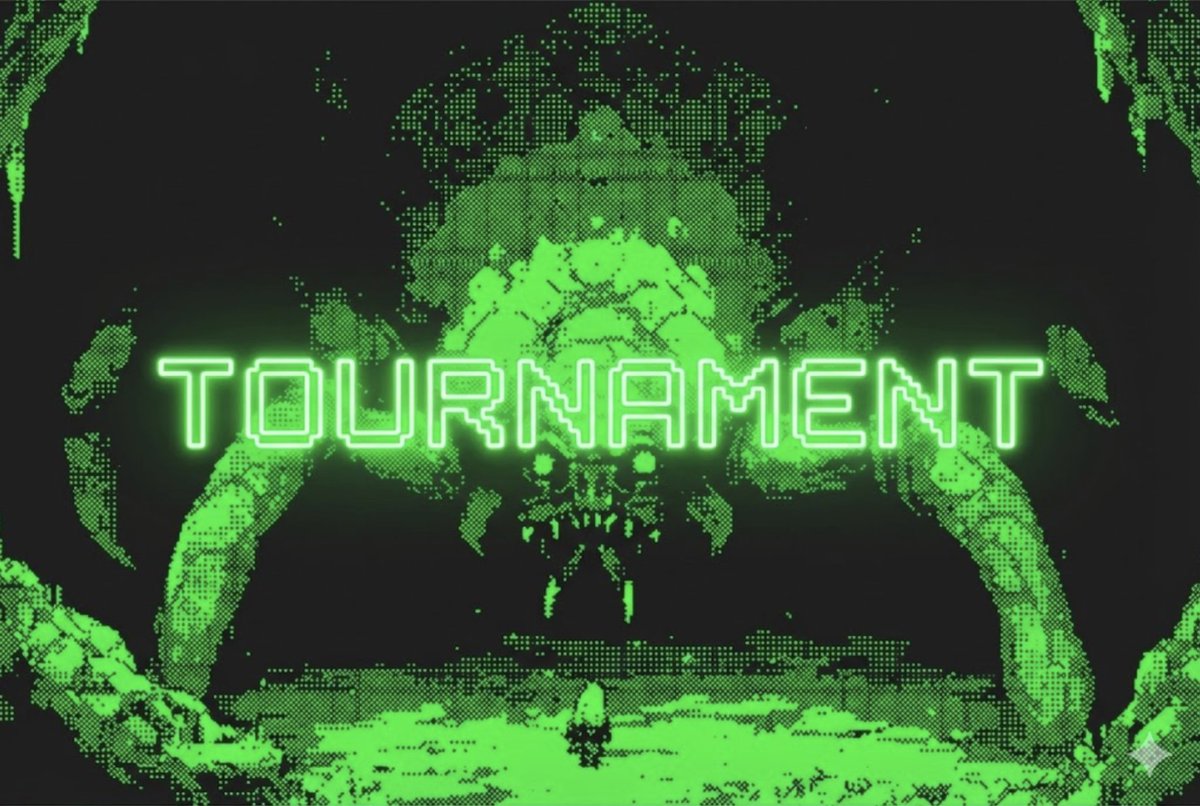
3. Try not to die in @LootSurvivor and join one of the live contests 👇
11
14
82
3,702
SNG Archive retweeted
Jan 28
its not too late to join the survivor hype.
earn rewards by referring and playing the toughest game of 2026. glhf.
8
5
36
1,109
SNG Archive retweeted
Jan 23
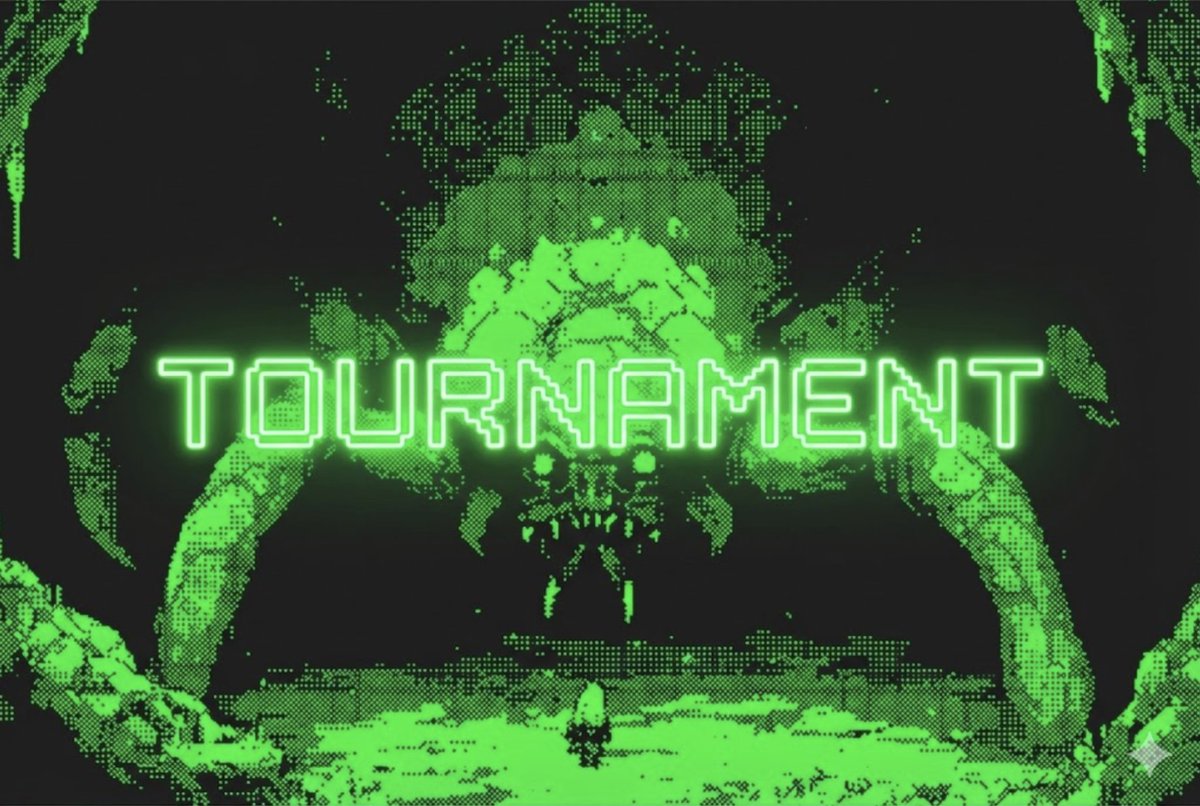
1/ 1v1 is done for this week (see you next Friday). It’s time for a new tournament.
35,000 $STRK on the line for a week-long dungeon crawl. Live now until Jan 30, 10:00 CET.
Survive, score, climb the leaderboard 🧵
38
38
151
13,807
SNG Archive retweeted
Jan 23
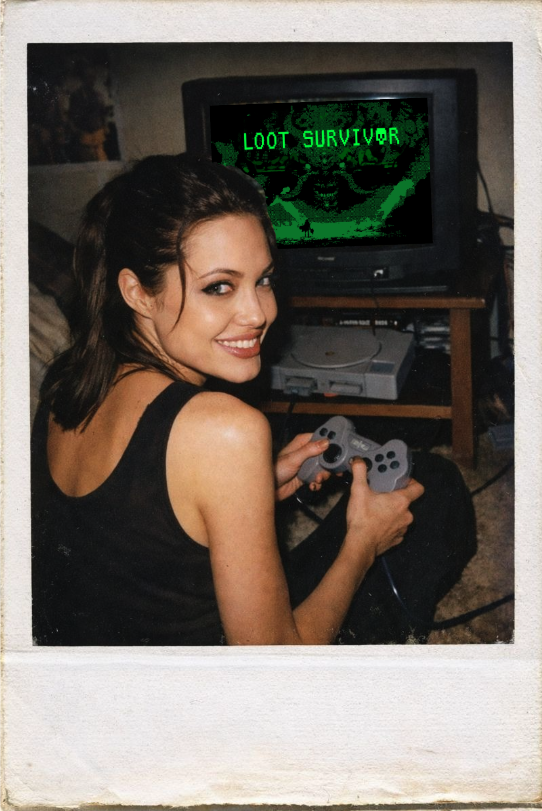
my dearest survivors, the time has come to prove your bravery.
the loot survivor tournament is live. ⤵️
11
9
41
2,887
SNG Archive retweeted
Jan 23
It’s Loot Survivor szn, and you can earn from it 👾
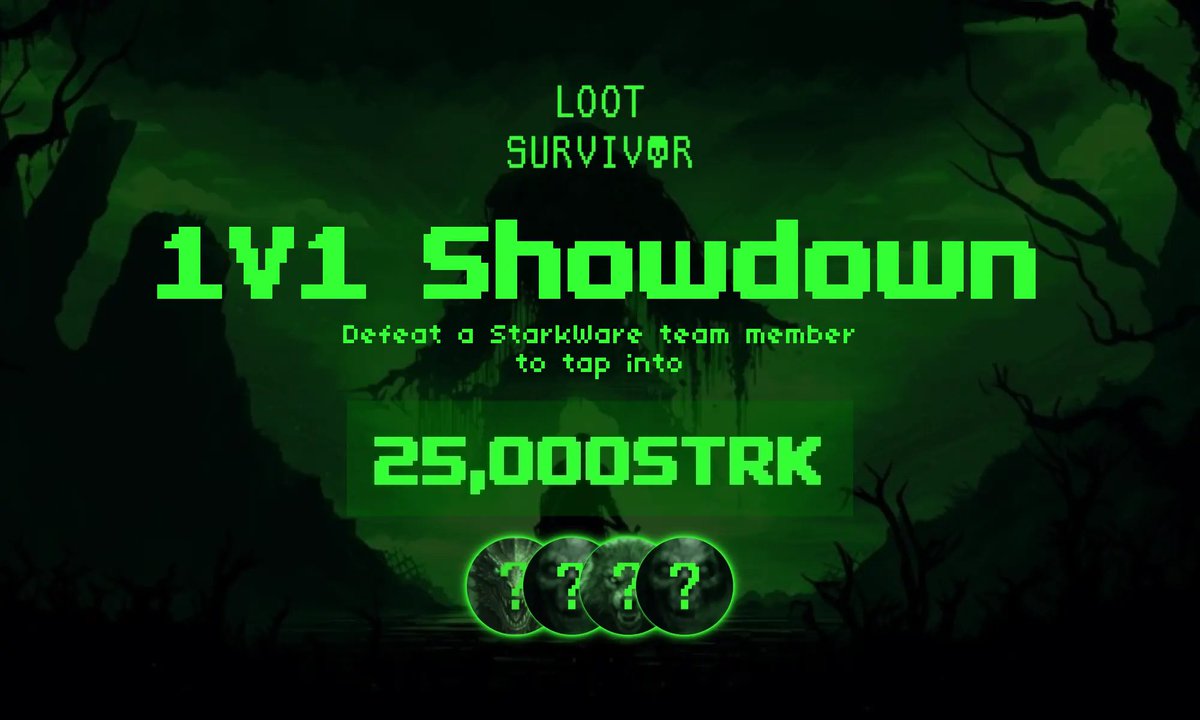
Today we’re starting 1v1 Loot Survivor 2 Showdown.
Every Friday at 1pm CET (for the next 5 weeks), you get a shot at beating the StarkWare team live on stream:
- Win your game, get 1,666 STRK.
- Lose, and the next player jumps in.
To play: comment under the PvP stream on Starknet, starting today at 1pm CET.
Each player only has one attempt, so you know the drill: Don’t die.
47
44
180
21,975