
3X Founder | Sustainable Agric Advocate | Agri Influencer | Climate Activist | Beekeeping Expert | Animal Scientist | UN volunteer
Joined February 2023
- Tweets 1,041
- Following 322
- Followers 475
- Likes 3,093
496 Photos and videos


Pinned Tweet

16 Sep 2025
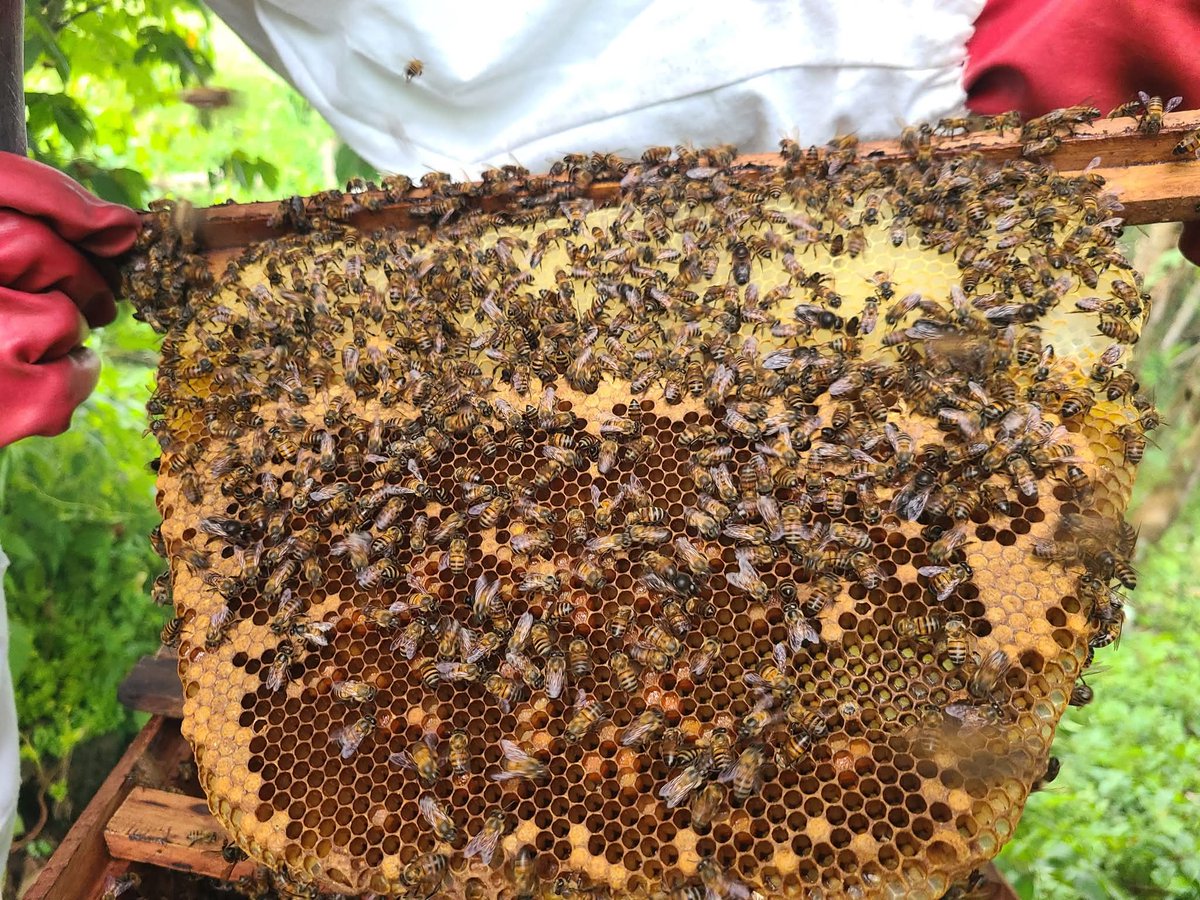
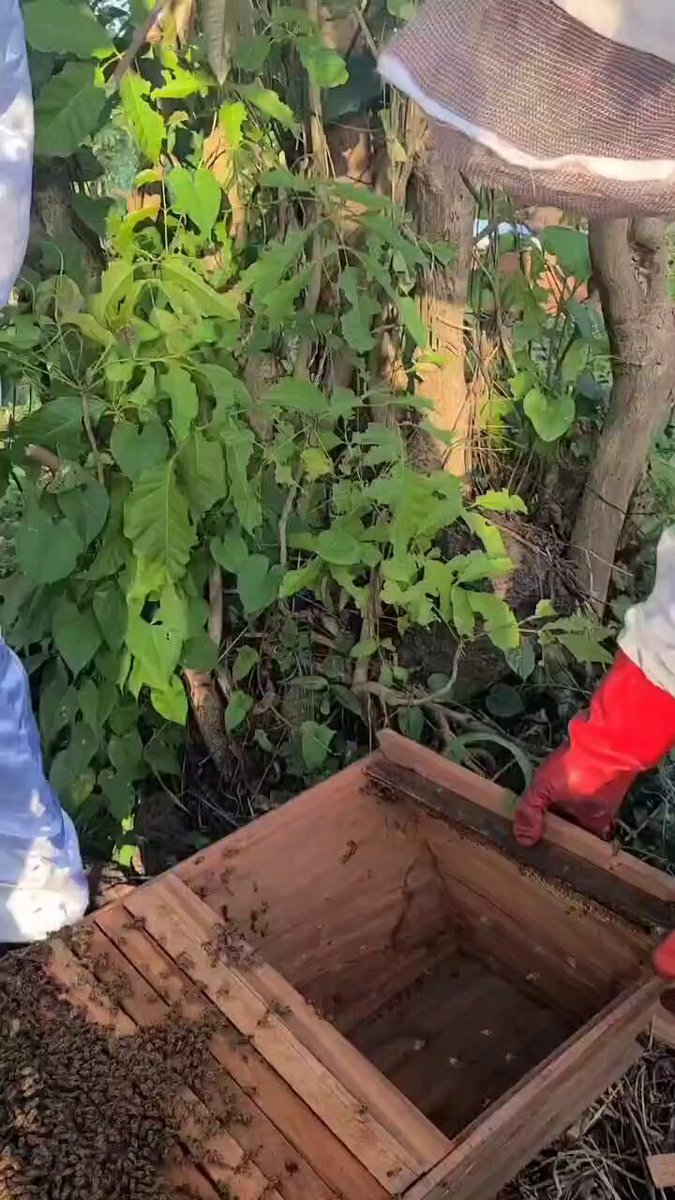
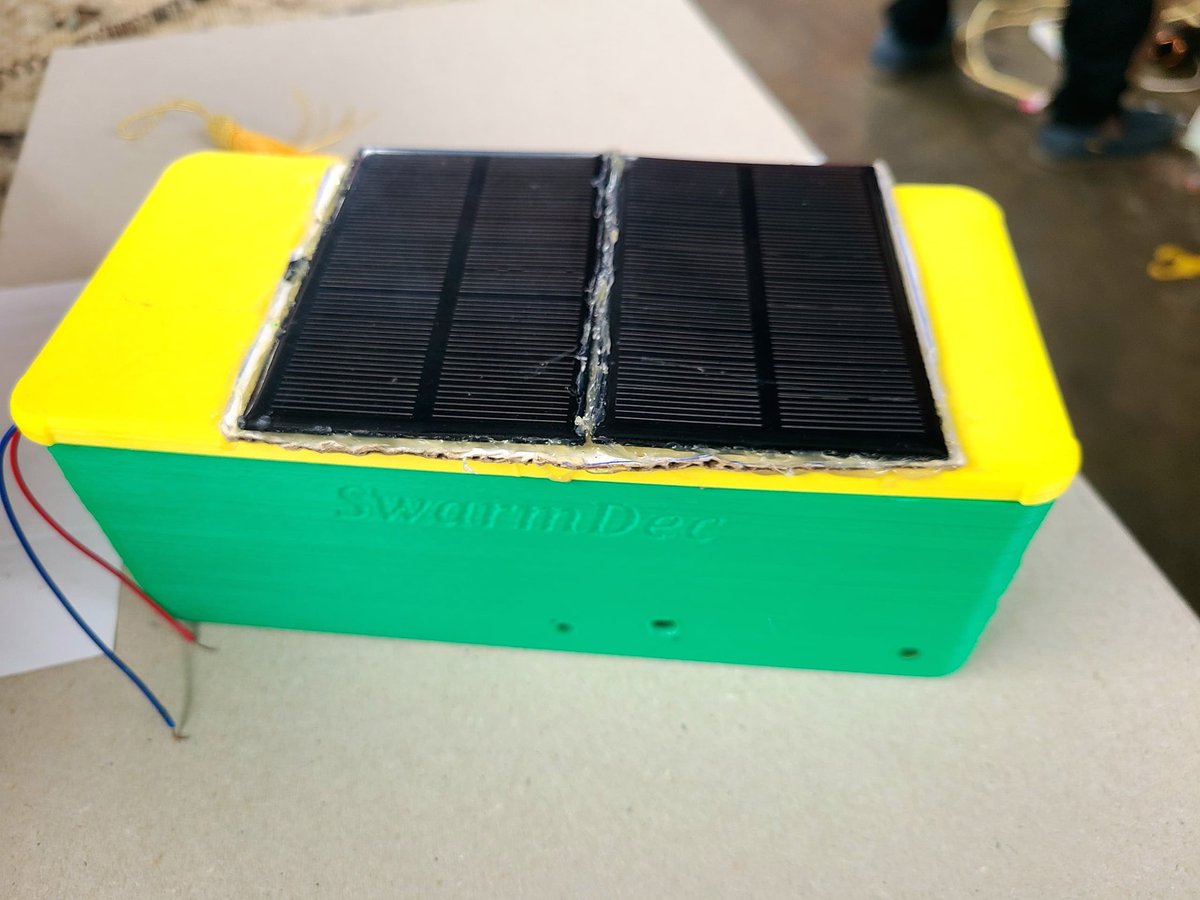
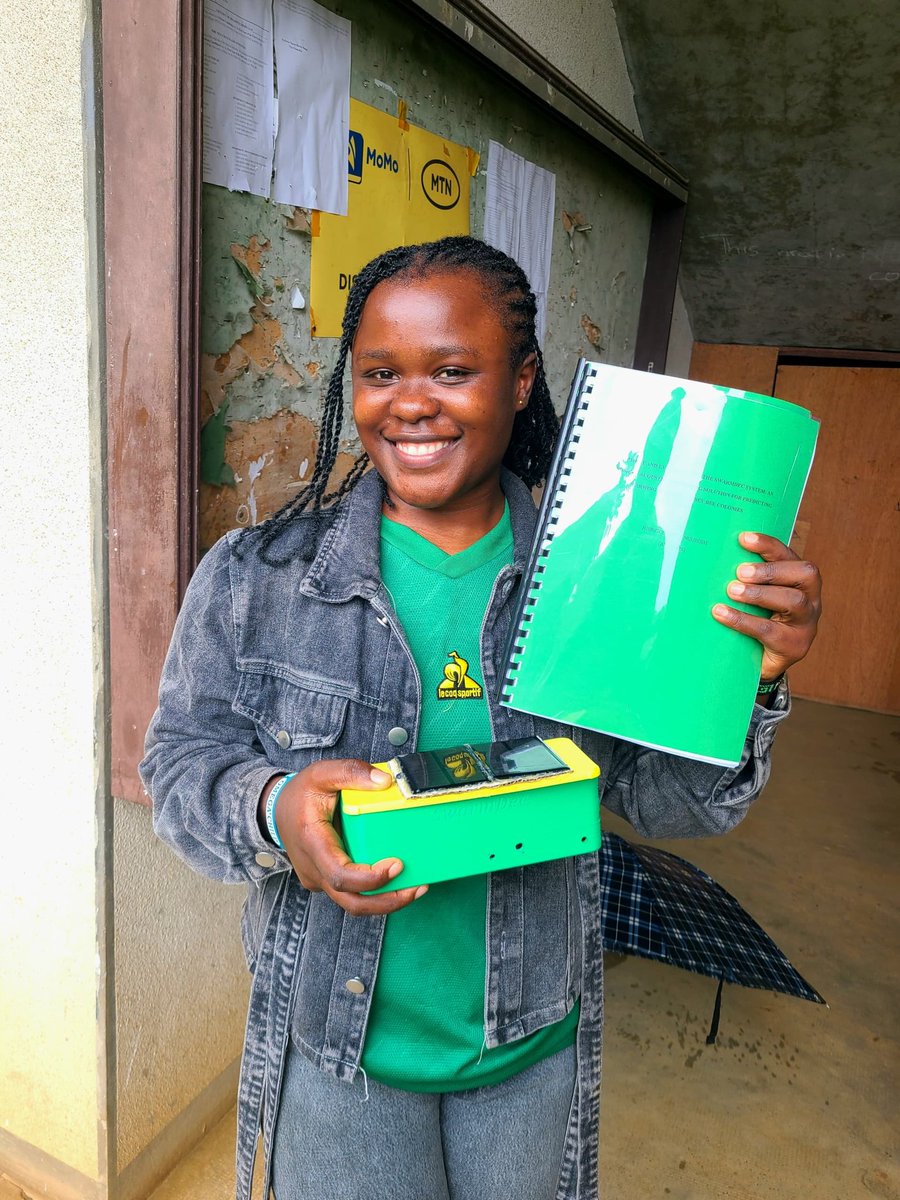
It took 6 months, tears, & late nights, but I did it! I've created Cameroon's first-ever autonomous device to predict bee swarming . As the 1st tech-focused undergrad thesis in my dept, SwarmDec uses acoustic sensors to support beekeepers & strengthen our local economy. #bees
22
60
320
21,349
When harvest comes in bulk, prices crash first and farmers suffer most. Is that fair??
12
Njonguo Sindy Nguegim 🐝💚🌱 retweeted

May 31
When people talk about important crops in Nigeria, maize and rice usually get all the attention
But there is one grain quietly feeding millions of people, surviving harsh weather, and thriving where many crops would fail.
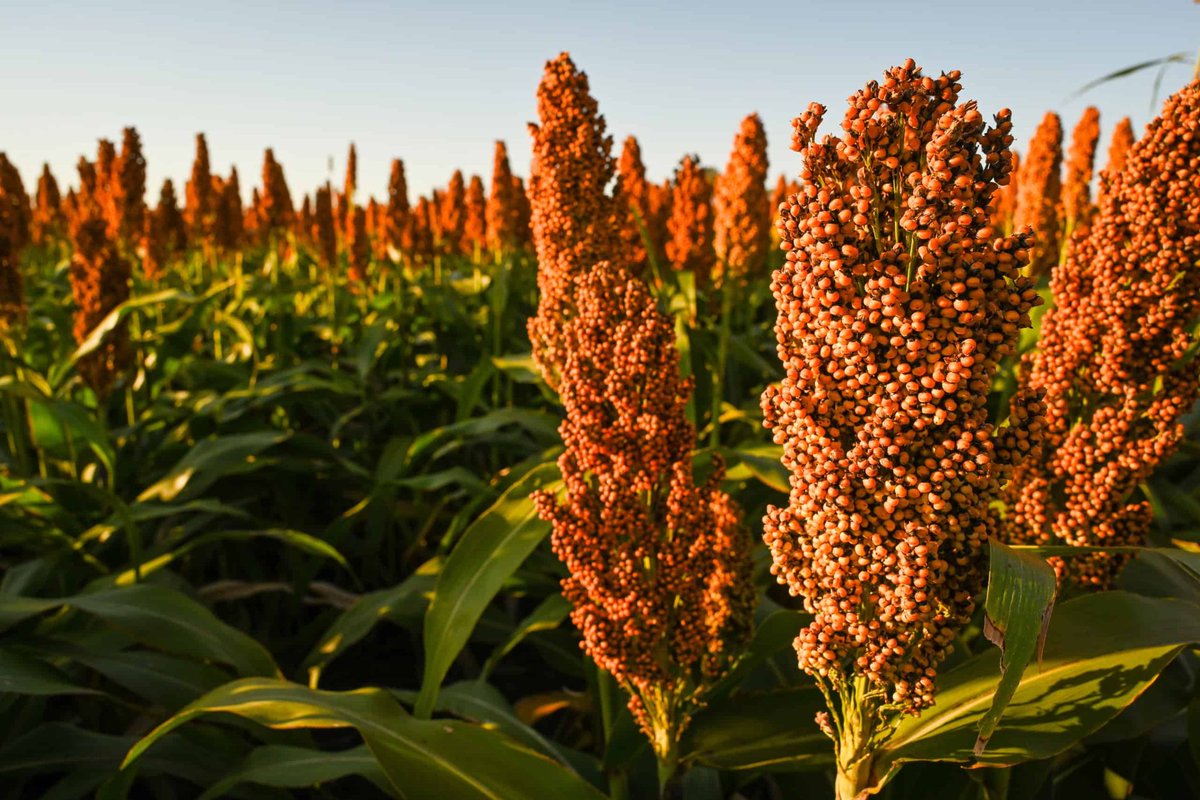
Meet guinea corn (Sorghum) - A crop so tough that when drought hits, it can slow down, wait, and bounce back when the rains return.
Interesting facts about Guinea corn (Sorghum) :-
• Sorghum is one of the most drought-resistant grains in the world
• During severe dry conditions, sorghum can enter a survival mode, slowing its growth until water becomes available again
• Nigeria is one of the world’s leading producers of sorghum, with millions of tons harvested every year across the northern regions
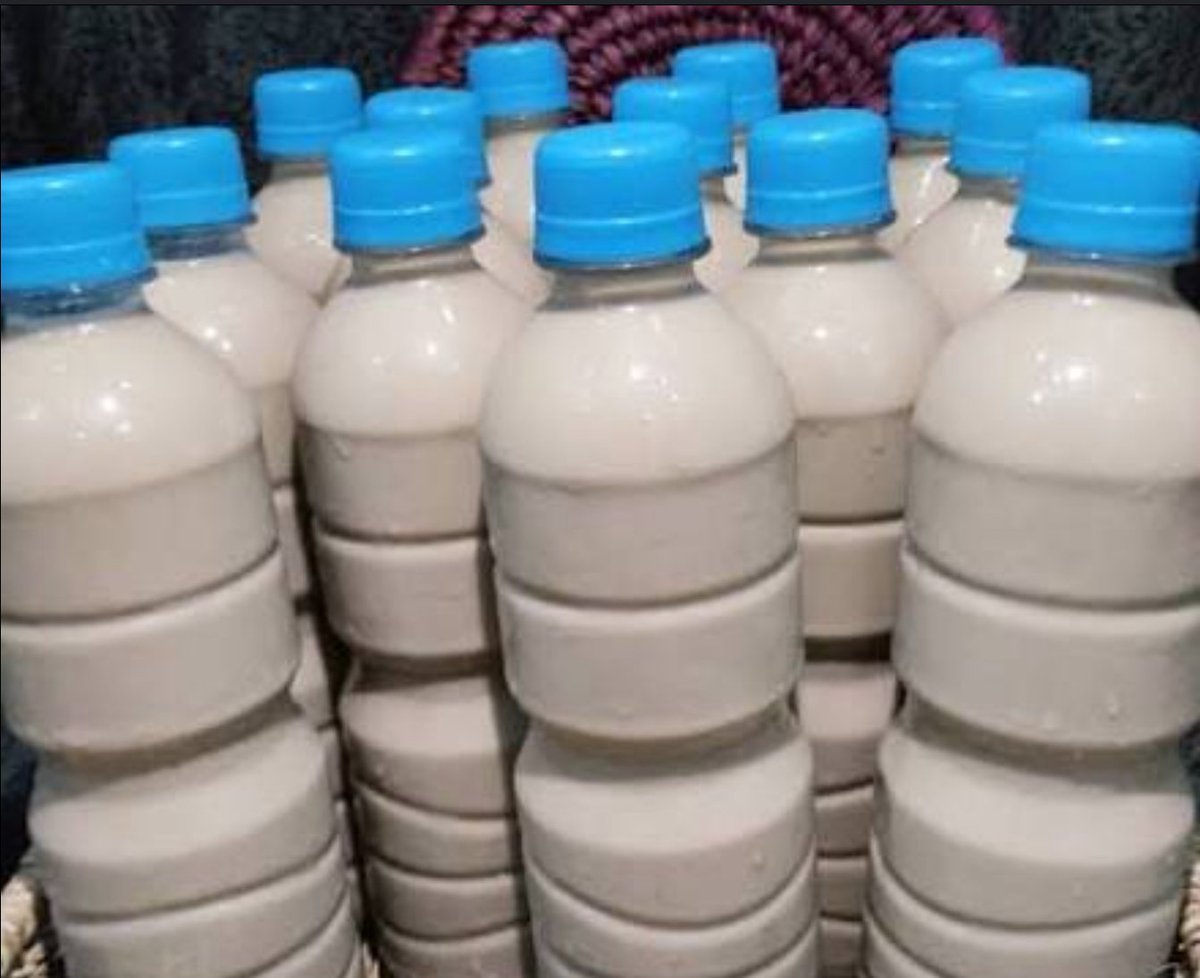
• Sorghum is the major grain behind kunu, one of Northern Nigeria’s most popular traditional drinks
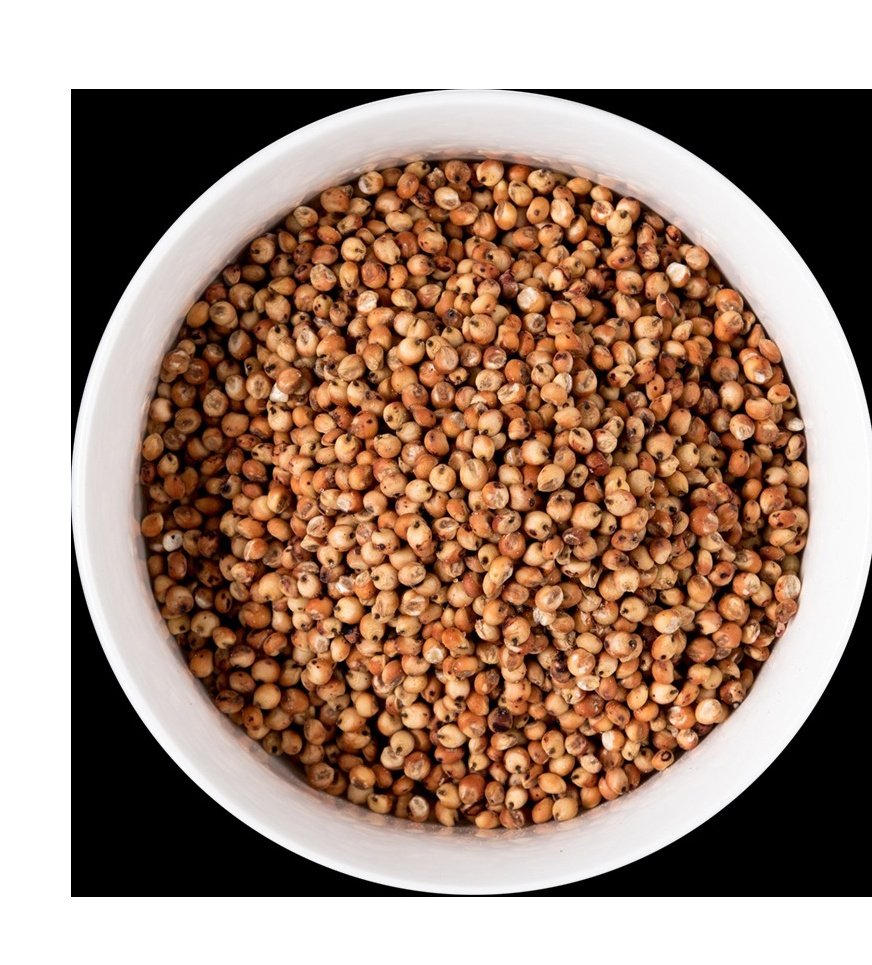
• Unlike many grains that lose nutrients during processing, sorghum can be eaten as a whole grain, helping retain its natural fiber and minerals
• Some varieties produce deep red grains that are rich in natural plant compounds called antioxidants
• Sorghum is completely gluten-free, making it an important alternative for people who cannot consume wheat
• The crop is so versatile that while the grain feeds humans, the leftover leaves and stalks can be used as livestock feed
• In many rural communities, sorghum stalks are also used to make fences, roofing materials, baskets, and mats
• Sweet sorghum varieties store sugar inside their stalks, much like sugarcane
• Because it grows well in poor soils, sorghum often succeeds where crops like maize may struggle
• The grain has been cultivated in Africa for thousands of years and is believed to have originated on the continent
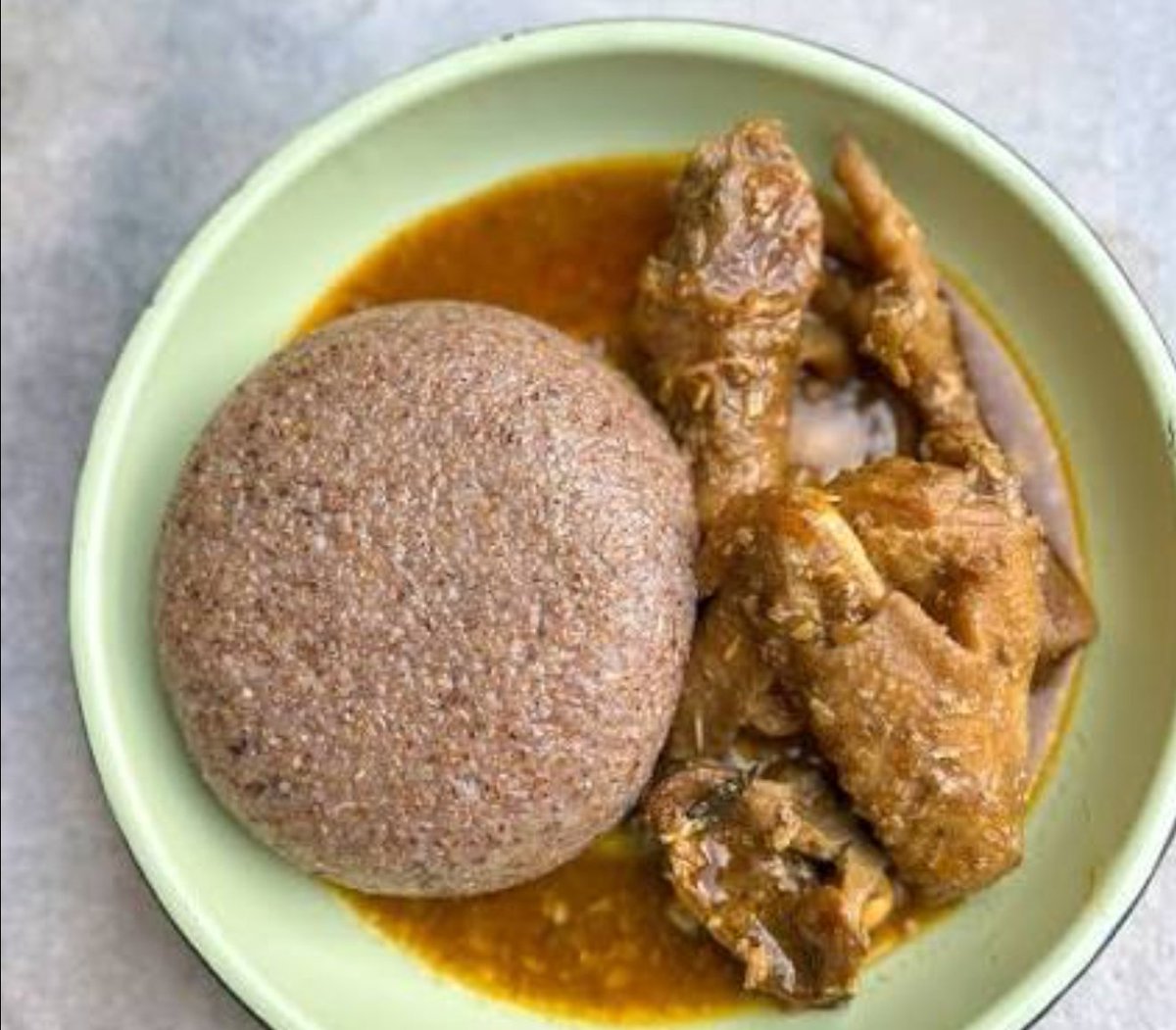
• Sorghum is used in a variety of traditional foods, including pap, flour-based meals, and energy-rich swallows
• Many breweries use sorghum as a locally sourced alternative to barley in beverage production
Sorghum has more nutrients compared to maize but since maize was introduced to us by the Portuguese, we dropped this amazing crop and focus on maize that has caused us more problems than solutions.
Happy Sunday to you
Lanre NaijaFarmer
13
38
182
16,298
We clear land, plant, weed, protect, harvest… then one buyer prices everything like it’s nothing.
2
2
6
473
Many Agriculture graduates leave the very field they studied and run to unrelated jobs. But is it really because agriculture failed them, or because society taught them to respect certificates more than competence?
22
Njonguo Sindy Nguegim 🐝💚🌱 retweeted
May 7
My friend @SNjonguo is contesting as Outstanding Farmer of the Year, and she'll be needing our votes.
It takes less than 2 minutes to complete.
Here’s how you can quickly vote:
Click the link panache-foundation.org/cyes/…
✅ Select the category _Outstanding Farmer of the Year_
✅ Scroll to Nionguo Sindy Nguegim
✅ Vote by entering your name, phone number, and email
✅ Request the OTP, check your email, copy the code, and submit your vote
Or Vote via whatsaap
Please let's vote for her and kindly share this post with others.
Thank you so much 💚🙏🏾

4
8
18
872
Njonguo Sindy Nguegim 🐝💚🌱 retweeted

Apr 29
1
2
15
353
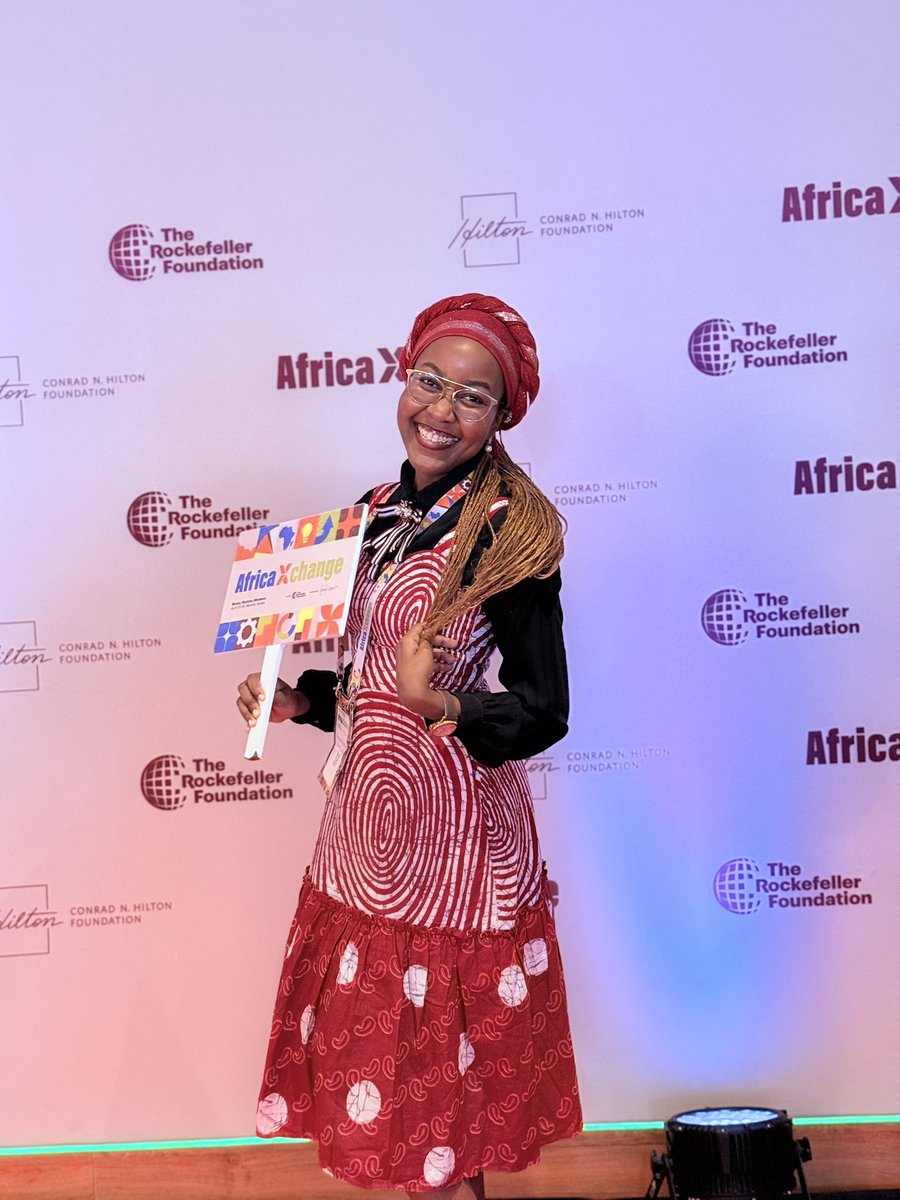
No bees = No food. One third of everything you eat exists because a bee flew by. Protect them like your life depends on it — because it does.
#SaveTheBees #Pollination
18
Njonguo Sindy Nguegim 🐝💚🌱 retweeted

Mar 3
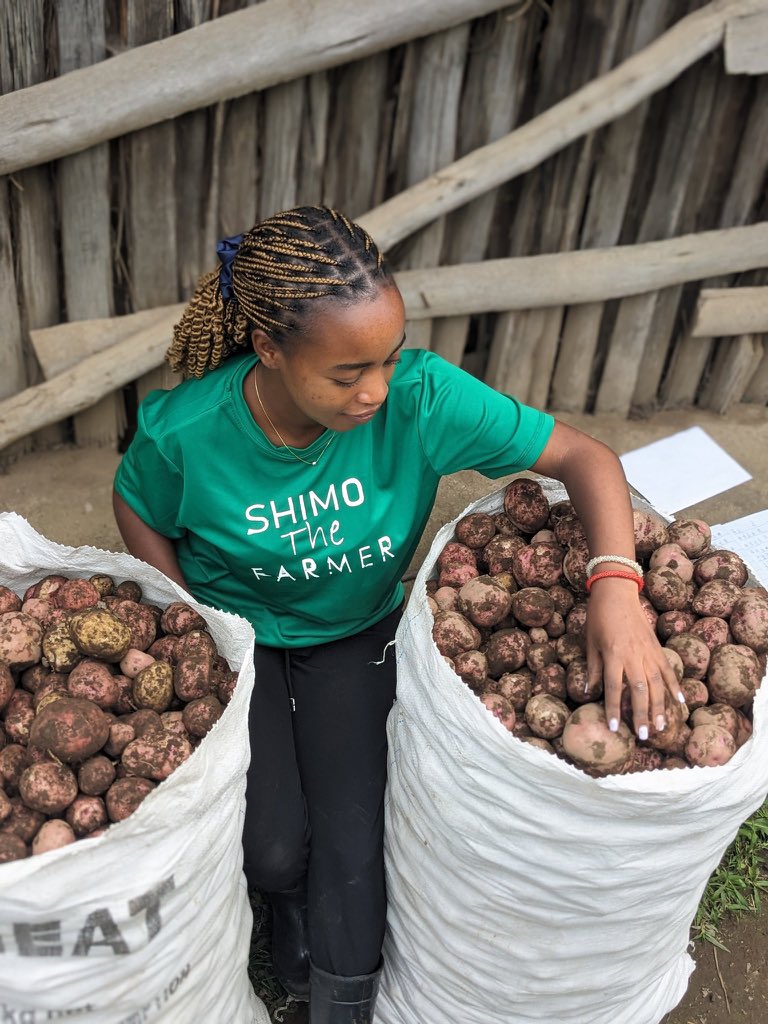
Start with what you can afford.
Start small.
Grow step by step. Profit will fund the next unit.
#FeedTheCommunity
5
13
36
522
Njonguo Sindy Nguegim 🐝💚🌱 retweeted
Mar 3
AGRICULTURAL LOVERS ASSEMBLY 📢📢
If you had ₦1 million today to start something in agriculture…
What are you doing first?
1.Plant crops
2.Start poultry
3.Buy and resell produce
4.Process and package food
No long story. Just your choice 👇
Let’s go 🚀🚀🚀
132
20
143
11,236
Giving a farmer a smartphone without giving them land rights is just digital sharecropping. Without ownership, an app is just a more beautiful way to manage poverty.
2
13
Njonguo Sindy Nguegim 🐝💚🌱 retweeted
Feb 24
What would make a great LinkedIn post on #SocialAgriculture?
2
3
12
324
If we can grow enough food to feed 10 billion people, why do 1 in 10 people still go hungry?🤔
Is it a production problem... or a distribution problem?
Let's get real in the comments - what's YOUR take on fixing our broken food system?
1
12
The farmer is the world’s most beautiful contradiction. To understand the field is to live within a series of paradoxes that define human survival.
1
21
Njonguo Sindy Nguegim 🐝💚🌱 retweeted

Inside a modern guava processing factory. From fresh guavas to premium guava candy!
4
19
35
2,799
Njonguo Sindy Nguegim 🐝💚🌱 retweeted
Jan 28
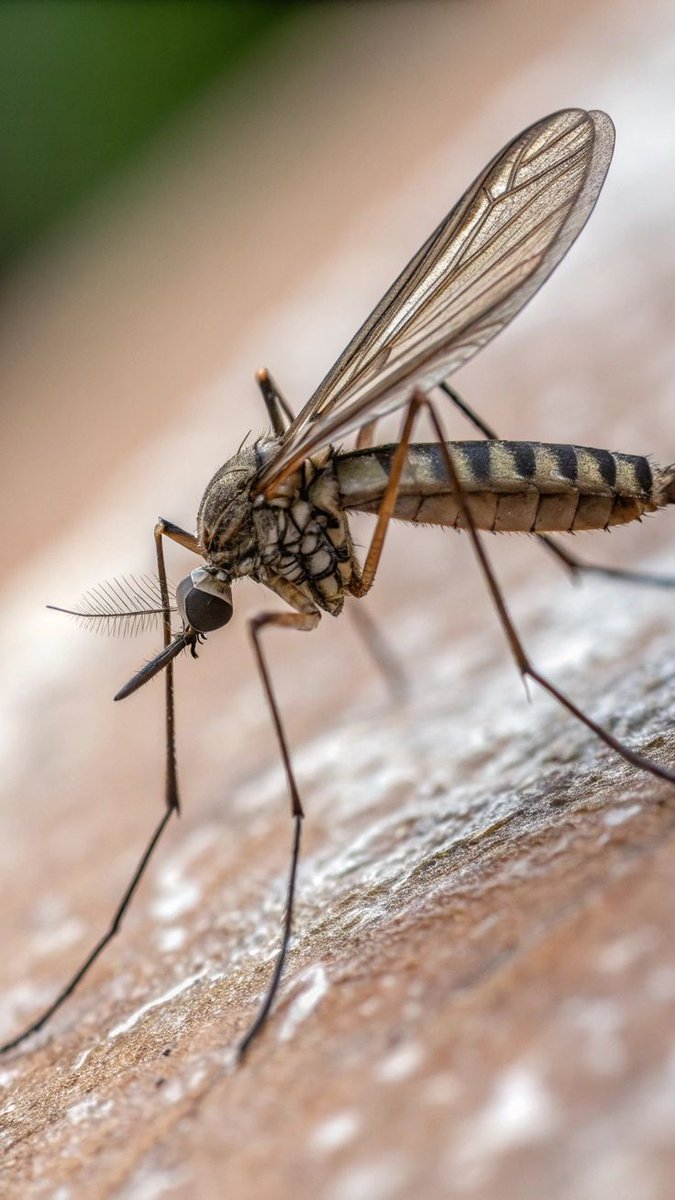
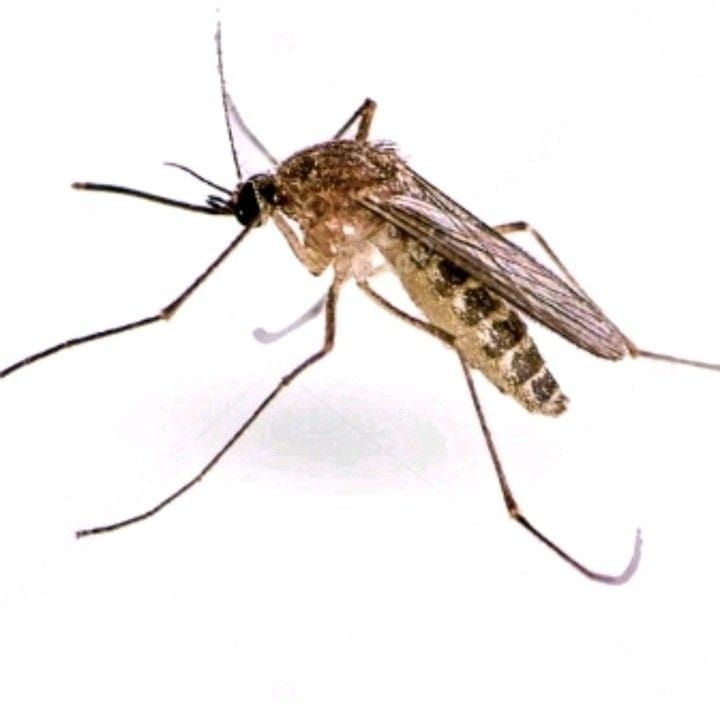
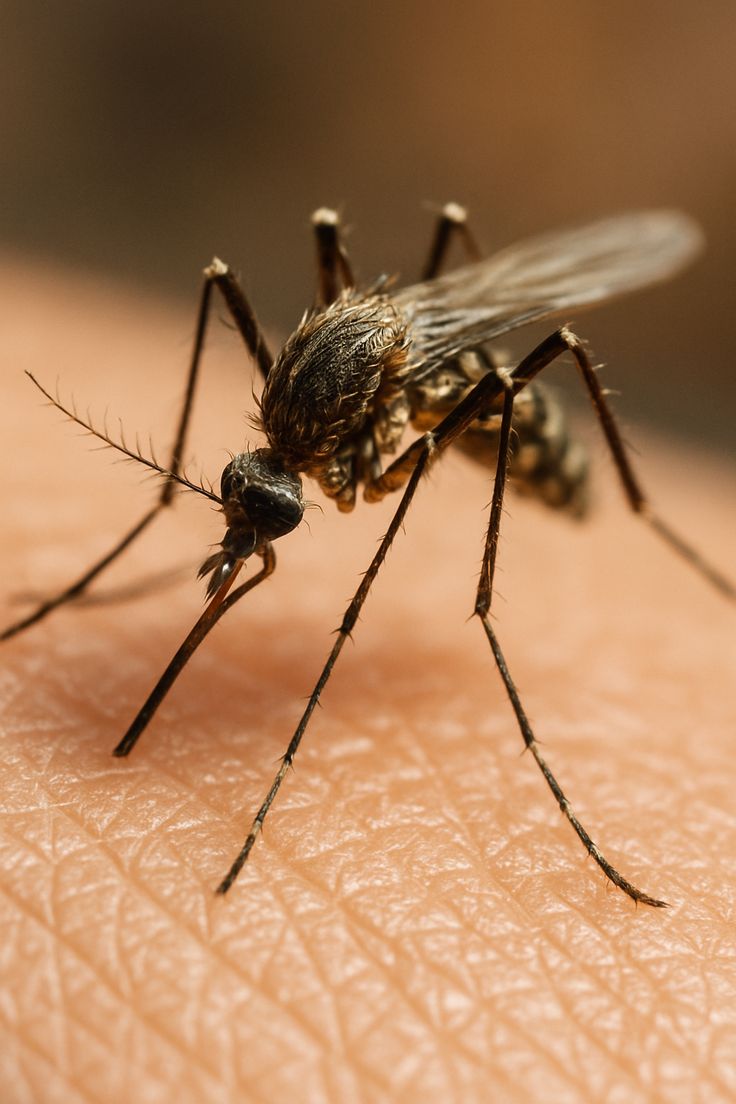
Everyday, we try to get rid of mosquitoes by getting insecticides.
How well do you even know this insect called mosquitoes?
The mosquito looks insignificant, makes almost no noise, and weighs less than a grain of rice—yet it has shaped human history more than wars, wild animals, or natural disasters.
• Mosquitoes are responsible for more human deaths than any other animal in recorded history due to the diseases they transmit.
• Only female mosquitoes bite; they need blood to produce eggs, while males feed only on plant nectar.
• A mosquito can detect a human from over 30 meters away by sensing carbon dioxide from breathing.
• They are strongly attracted to body heat, sweat, and certain body odors, which is why some people get bitten more than others.
• Mosquitoes inject a numbing and anti-clotting chemical when they bite, which is why the itch comes later.
• A single female mosquito can lay 100–300 eggs at once.
• Mosquitoes can breed in extremely small amounts of water, even a bottle cap or blocked gutter.
• They have existed on Earth for over 100 million years, surviving dinosaurs and mass extinctions.
• Mosquitoes are most active during dawn and dusk, when temperatures are cooler.
• Some mosquito species prefer human blood specifically, making them more dangerous than others.
• Mosquito larvae live in water and breathe through tubes, coming to the surface for air.
• Mosquitoes are weak flyers but can travel long distances with the wind.
• K!ll!ng adult mosquitoes helps, but eliminating stagnant water is the most effective way to reduce their population.
• Despite their danger, mosquitoes are part of the food chain, feeding fish, frogs, birds, and insects.
• Without mosquitoes, some ecosystems would change but human health would dramatically improve.
Now, you've learnt some interesting and useful information about mosquitoes.
Retweet so others can learn also.
17
89
196
16,794
Njonguo Sindy Nguegim 🐝💚🌱 retweeted

Jan 16
Check out the inspiring video of @SNjonguo, one of the winners from the previous edition of the PachiPanda Challenge.
Do you have an eco‑friendly and innovative project you’re ready to take to the next level?
Time is running out — submissions close today! Don’t miss your chance. Apply to the Challenge now using the link:
lnkd.in/dmsCzAws
#pachipandachallenge
#pachipandacameroon
#DoingforTomorrowToday
2
2
264
Njonguo Sindy Nguegim 🐝💚🌱 retweeted
Jan 15
This is heartbreaking 😭 😭 😭
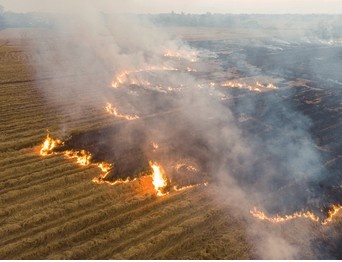
A massive fire has destroyed over 200 hectares of rice farmland operated by AgbuCity Farms along the river bank in Gwer West LG of Benue State, causing losses estimated at about ₦5 billion.
The cause of the fire is yet to be determined.
The fire broke out around mid-morning and spread rapidly across the expansive farmland, aided by strong winds and the dry condition of the rice crop.
This is a serious economic loss for Benue state and Nigeria.
Very sad situation
214
246
814
82,835
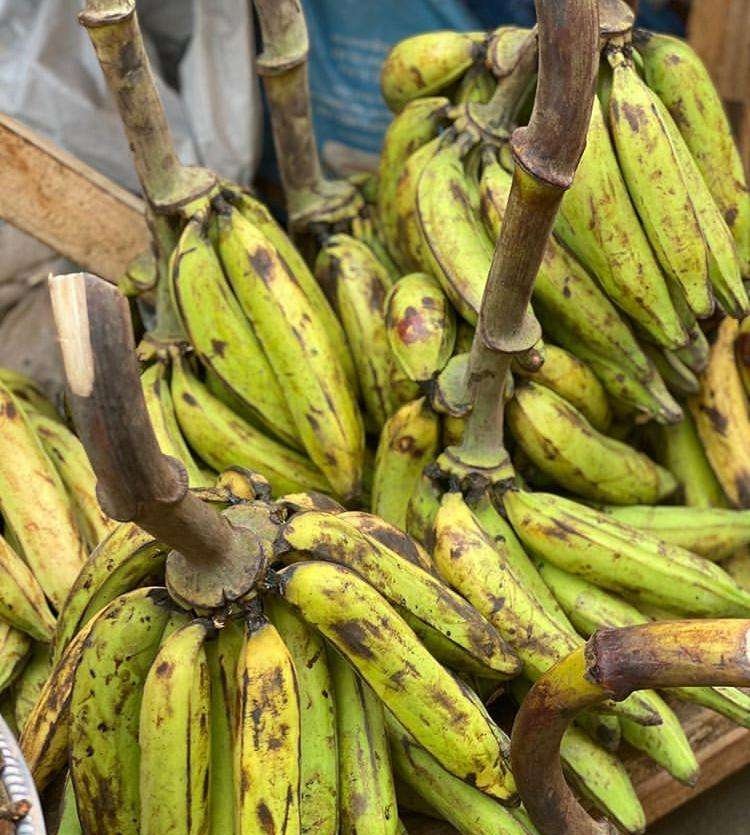
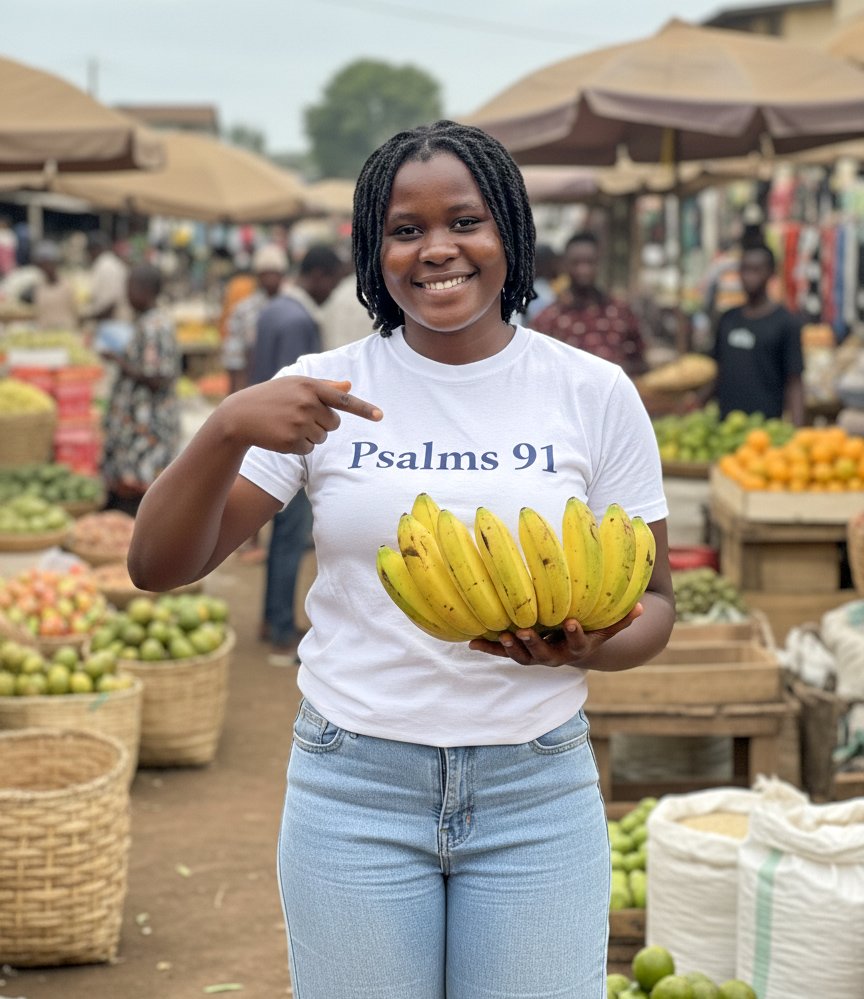
Please how much is a bunch of plantain in your community?? because plantain farmers in my community are millionaires 😂😂😂 Plantain farming is eco friendly with high yields.
1
37
Real food doesn't have ingredients; real food is ingredients. Remember these words every time you choose what enters your body.
#foodstsystems #food
2
5
168
Njonguo Sindy Nguegim 🐝💚🌱 retweeted
Jan 6
#NaijaFarmerTips
Ever noticed how after being bitten by something ant, mosquito, or even a small insect, you start scratching without thinking?
Kids especially, and even adults, can scratch so hard or rub their skin against rough surfaces that it breaks the skin and causes discomfort.
Here’s a simple tip you can use to help with the scratch.
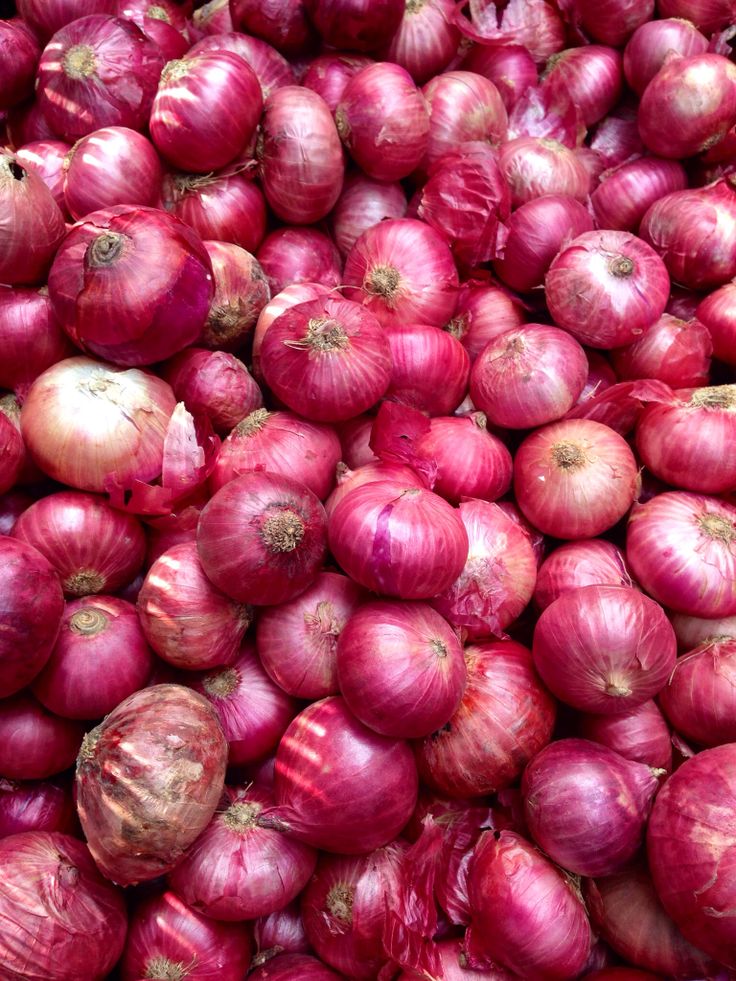
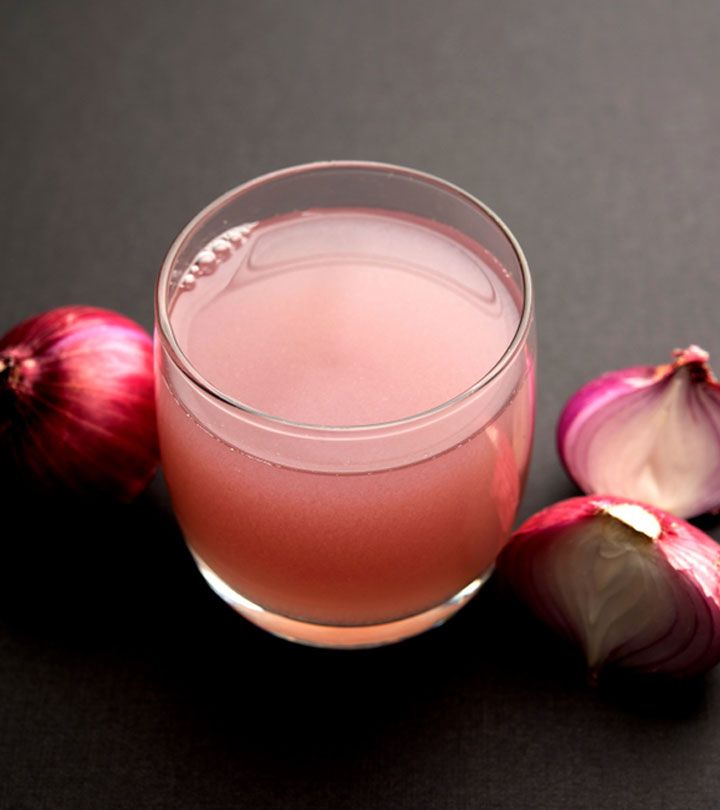
If there’s no first aid around, onion juice can come to the rescue.
How it helps:
Onion juice has natural disinfecting properties. When applied to minor open wounds or scratched areas, it helps prevent infection and supports faster healing.
What to do:
1) Cut an onion.
2) Extract a little juice.
3) Apply gently to the affected area.
Don't allow scratching to spoil your fine skin ooo.

16
81
242
20,632