Sociology of Religion: A Quarterly Review is the official journal of the Association for the Sociology of Religion sociologyofreligion.com/
- Tweets 2,169
- Following 1,826
- Followers 5,355
- Likes 1,007
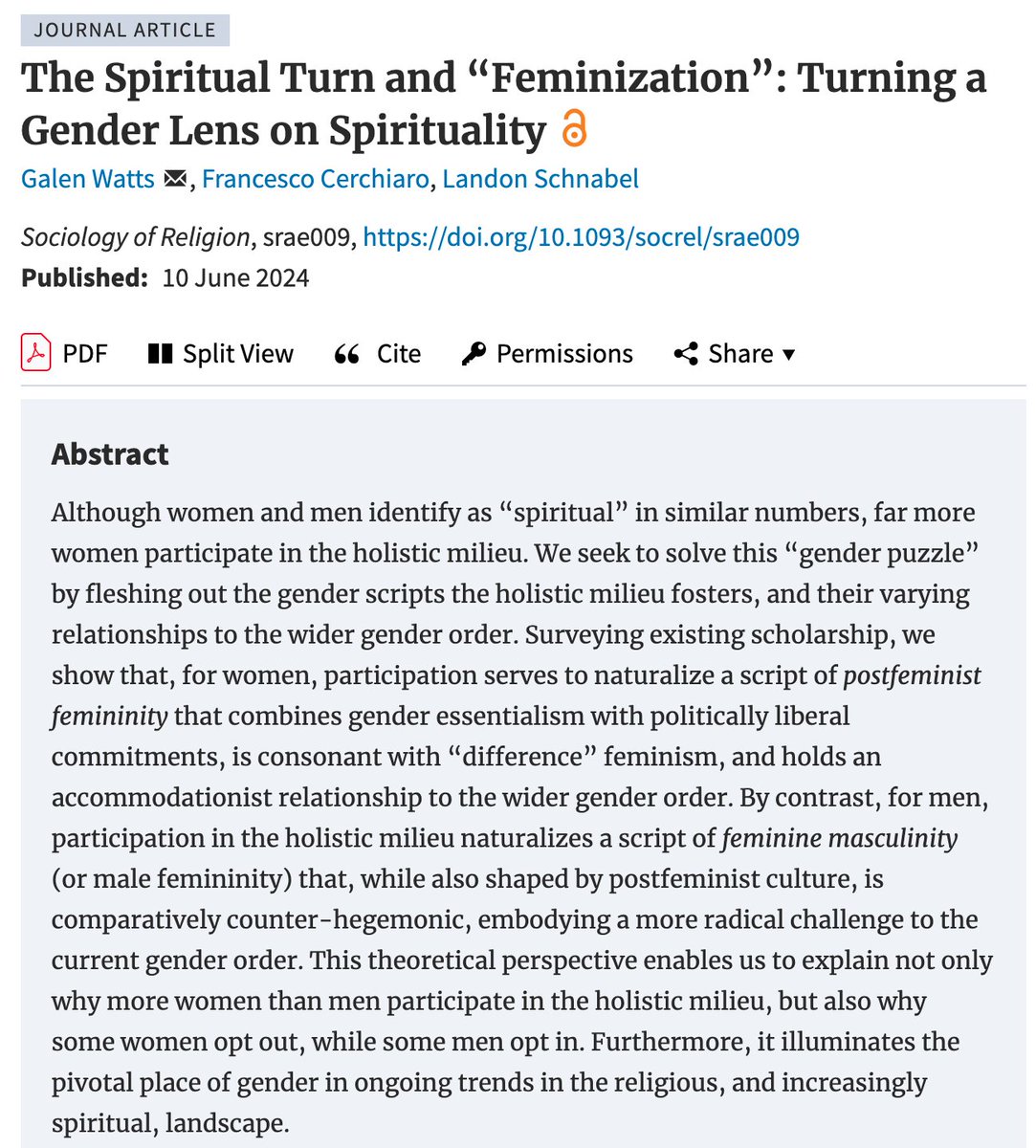

ALT The Spiritual Turn and “Feminization”: Turning a Gender Lens on Spirituality by Galen Watts, Francesco Cerchiaro, Landon Schnabel. Although women and men identify as “spiritual” in similar numbers, far more women participate in the holistic milieu. We seek to solve this “gender puzzle” by fleshing out the gender scripts the holistic milieu fosters, and their varying relationships to the wider gender order.
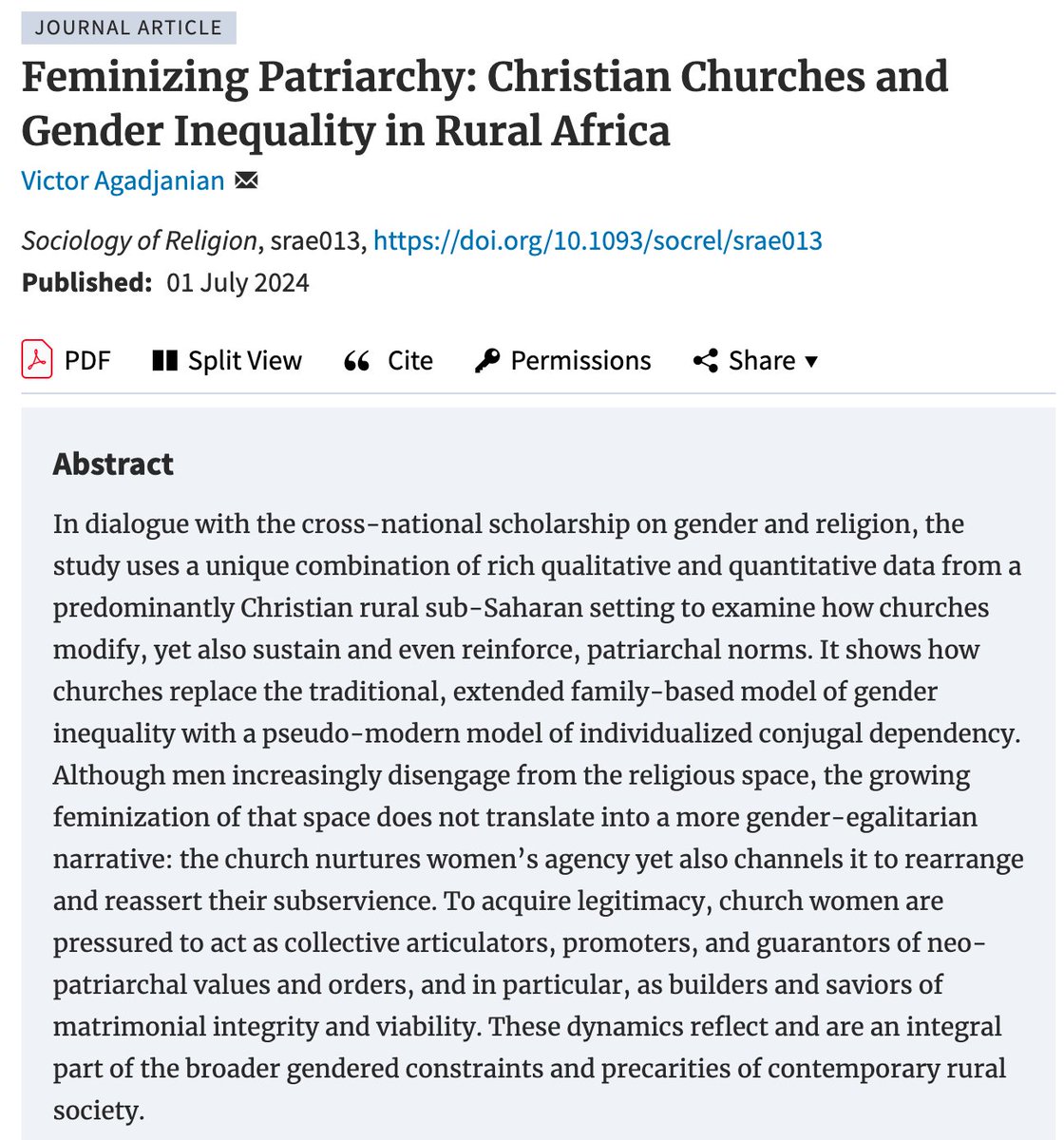
ALT Feminizing Patriarchy: Christian Churches and Gender Inequality in Rural Africa by Victor Agadjanian. In dialogue with the cross-national scholarship on gender and religion, the study uses a unique combination of rich qualitative and quantitative data from a predominantly Christian rural sub-Saharan setting to examine how churches modify, yet also sustain and even reinforce, patriarchal norms.
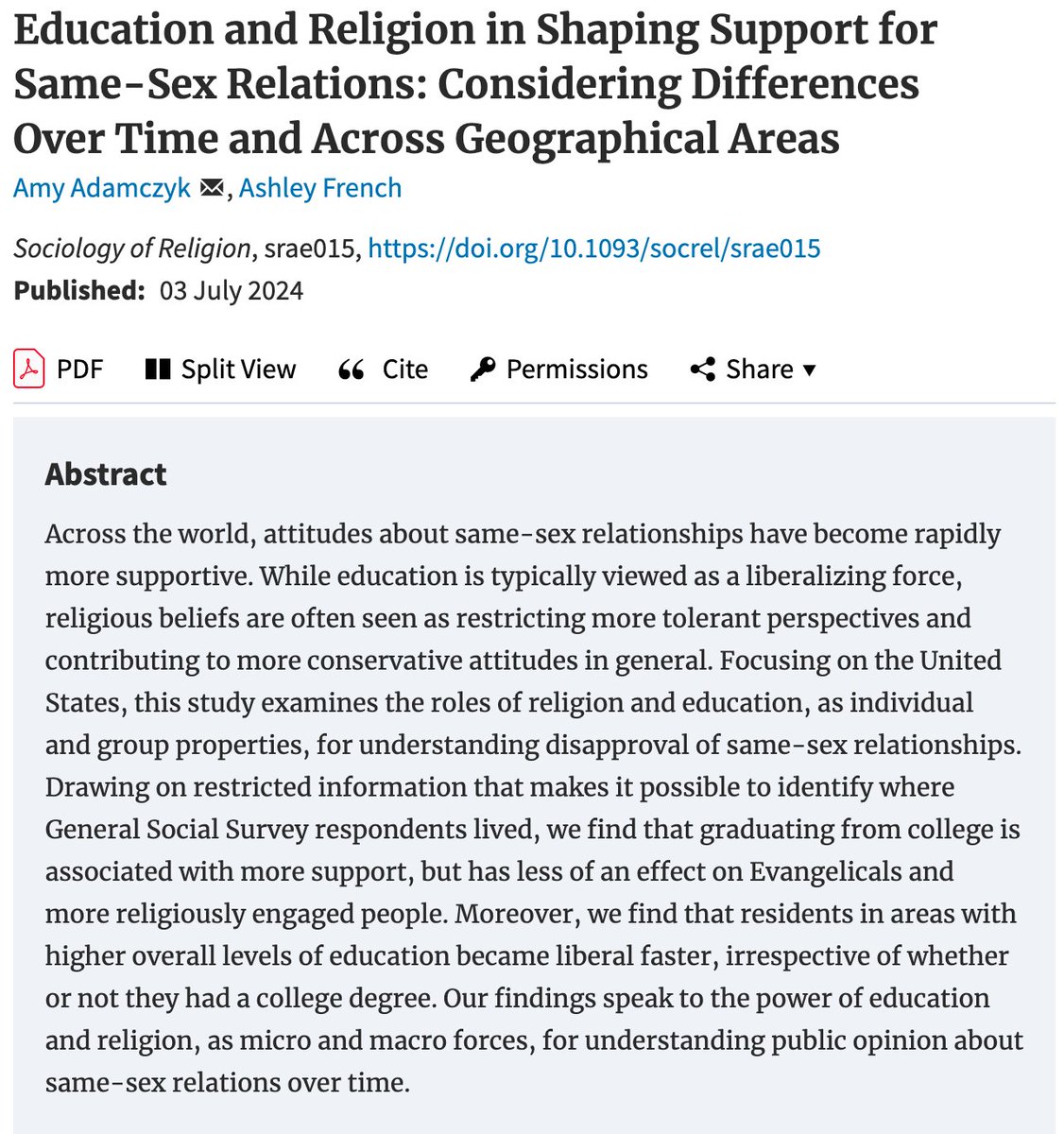
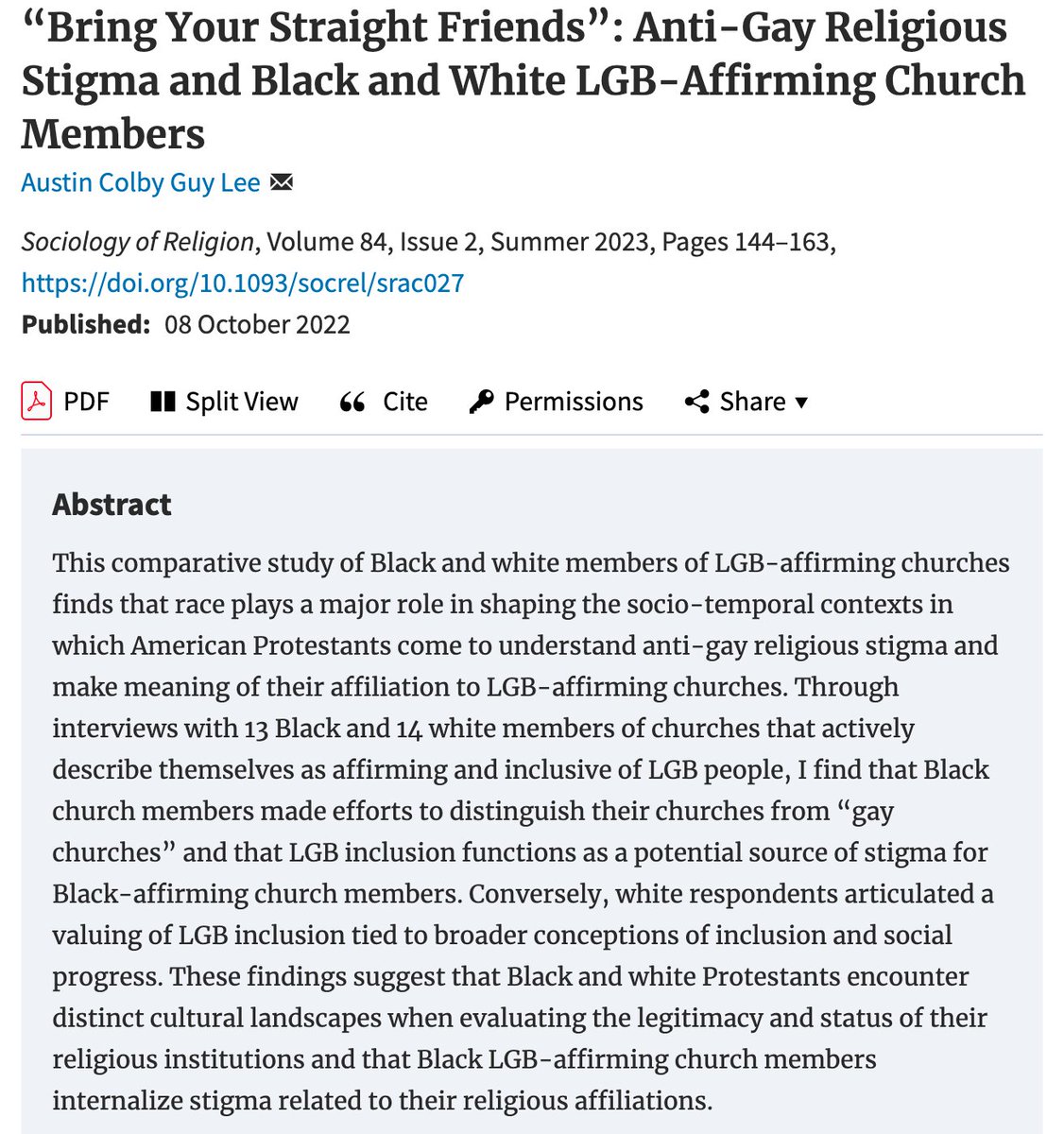
ALT Education and Religion in Shaping Support for Same-Sex Relations: Considering Differences Over Time and Across Geographical Areas by Amy Adamczyk, Ashley French. Across the world, attitudes about same-sex relationships have become rapidly more supportive. While education is typically viewed as a liberalizing force, religious beliefs are often seen as restricting more tolerant perspectives and contributing to more conservative attitudes in general. Focusing on the United States, this study examines the roles of religion and education, as individual and group properties, for understanding disapproval of same-sex relationships.
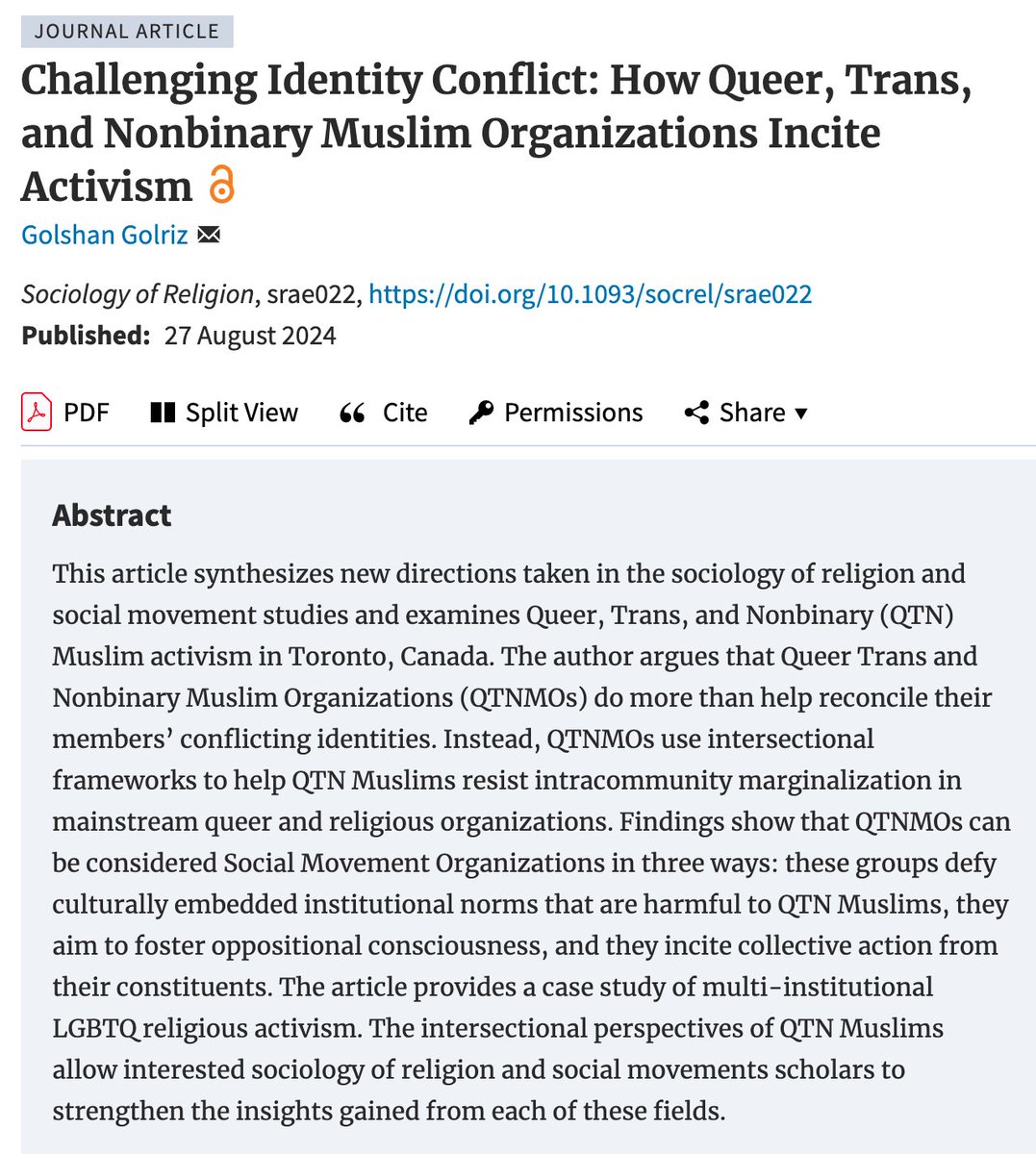
ALT Challenging Identity Conflict: How Queer, Trans, and Nonbinary Muslim Organizations Incite Activism by Golshan Golriz. This article synthesizes new directions taken in the sociology of religion and social movement studies and examines Queer, Trans, and Nonbinary (QTN) Muslim activism in Toronto, Canada. The author argues that Queer Trans and Nonbinary Muslim Organizations (QTNMOs) do more than help reconcile their members’ conflicting identities.


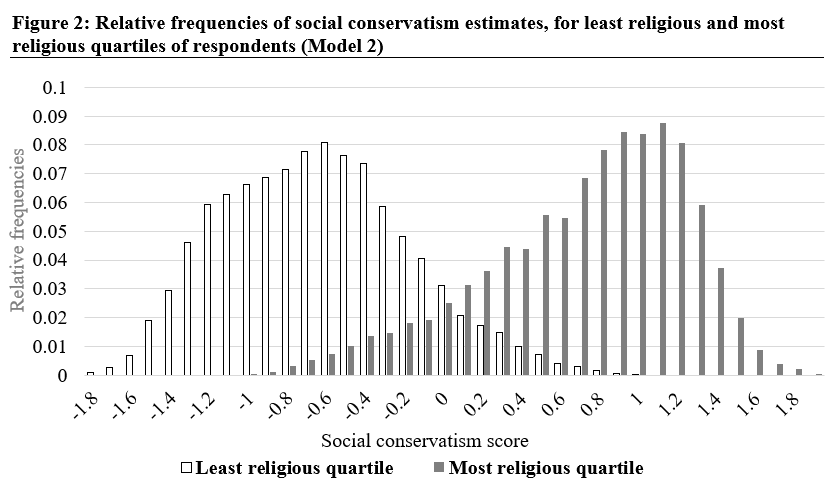
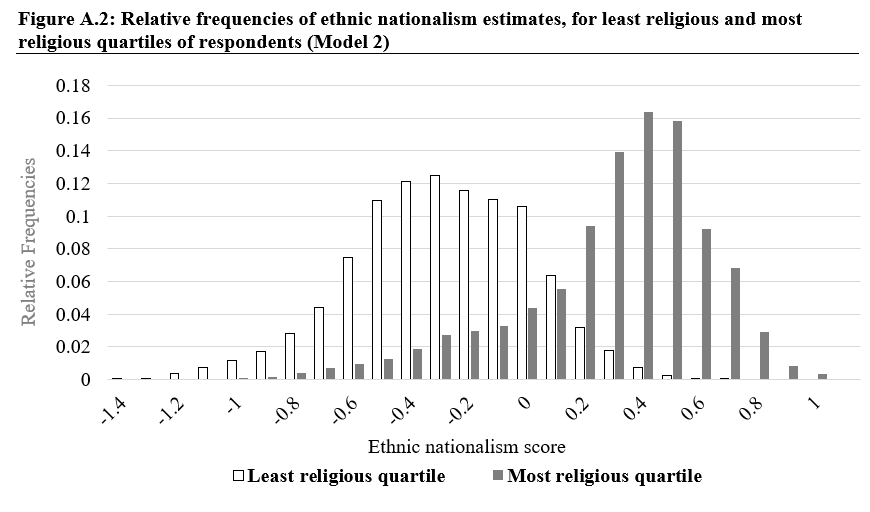


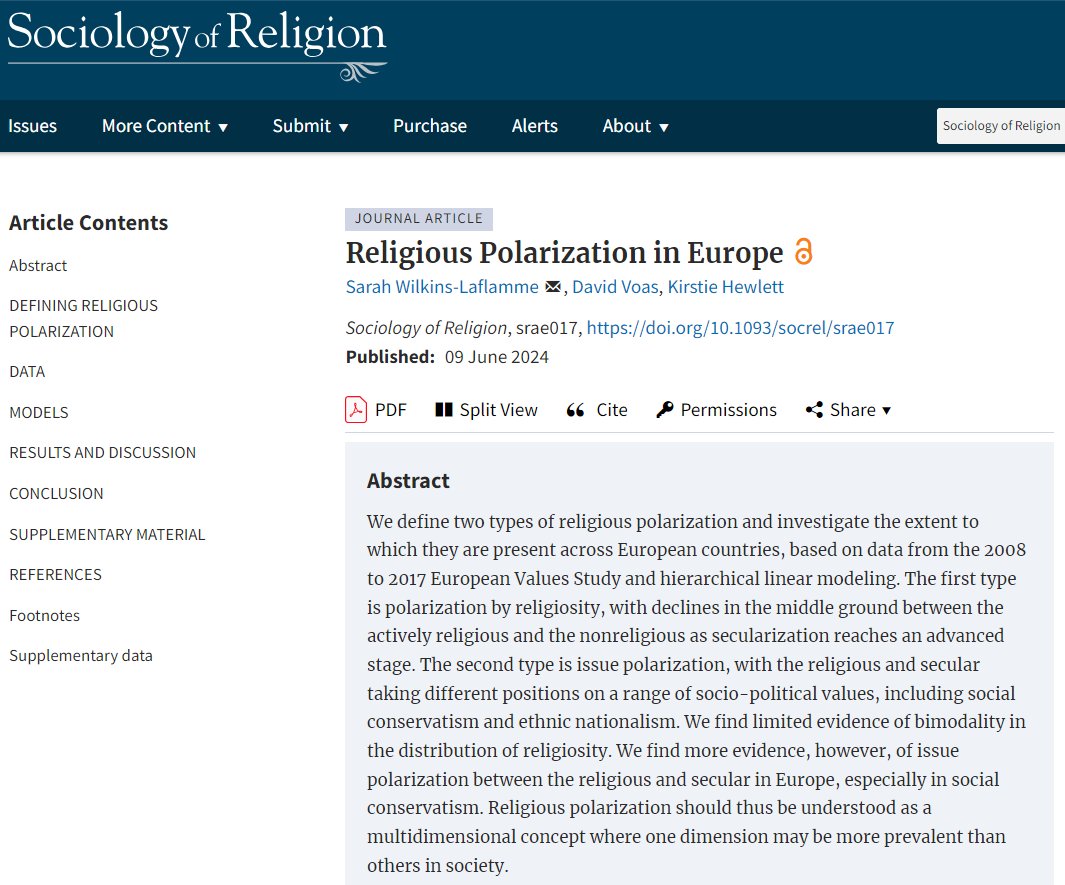
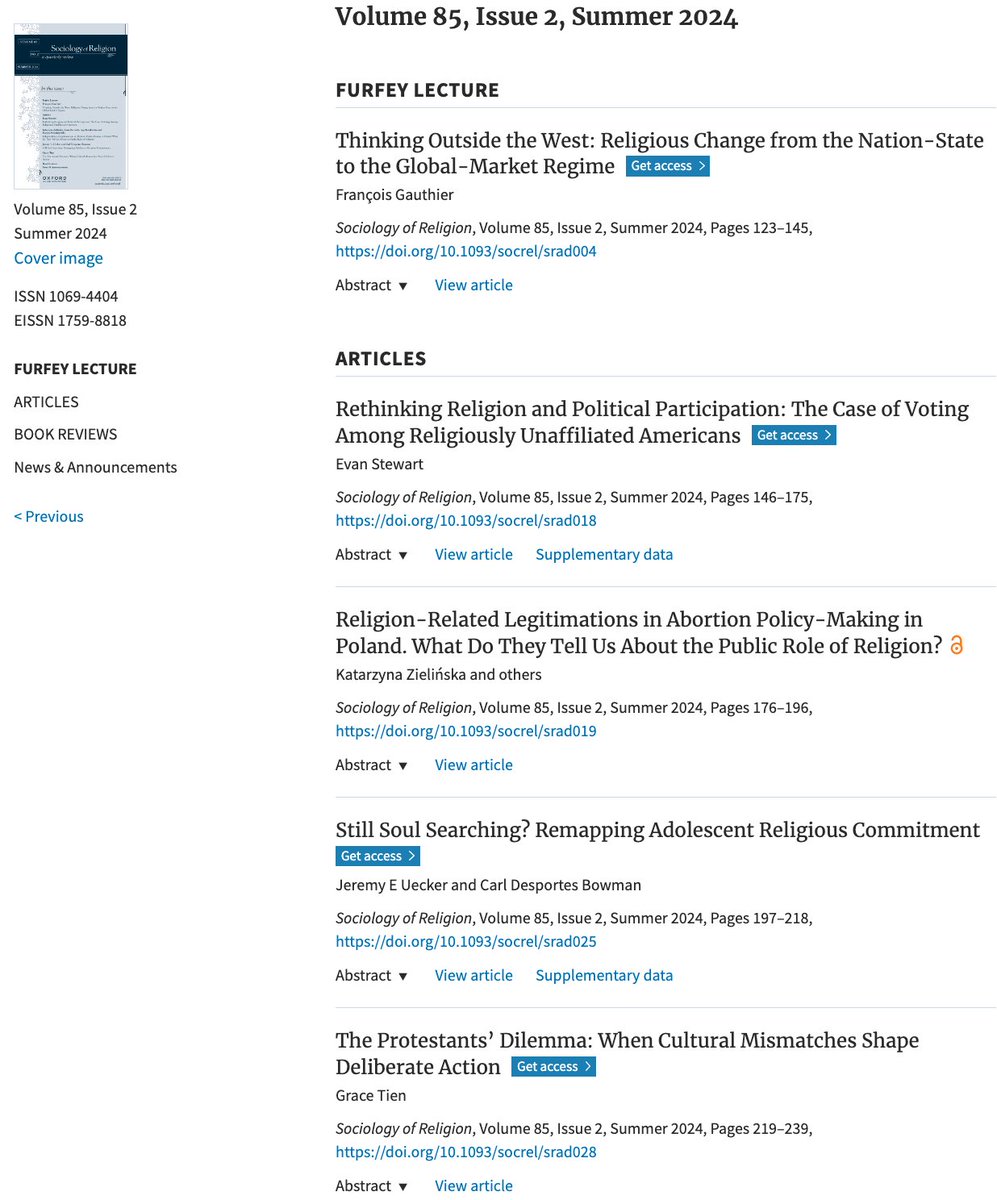
ALT New issue featuring articles including: Thinking Outside the West: Religious Change from the Nation-State to the Global-Market Regime, Rethinking Religion and Political Participation: The Case of Voting Among Religiously Unaffiliated Americans, Religion-Related Legitimations in Abortion Policy-Making in Poland. What Do They Tell Us About the Public Role of Religion?, Still Soul Searching? Remapping Adolescent Religious Commitment, and The Protestants’ Dilemma: When Cultural Mismatches Shape Deliberate Action
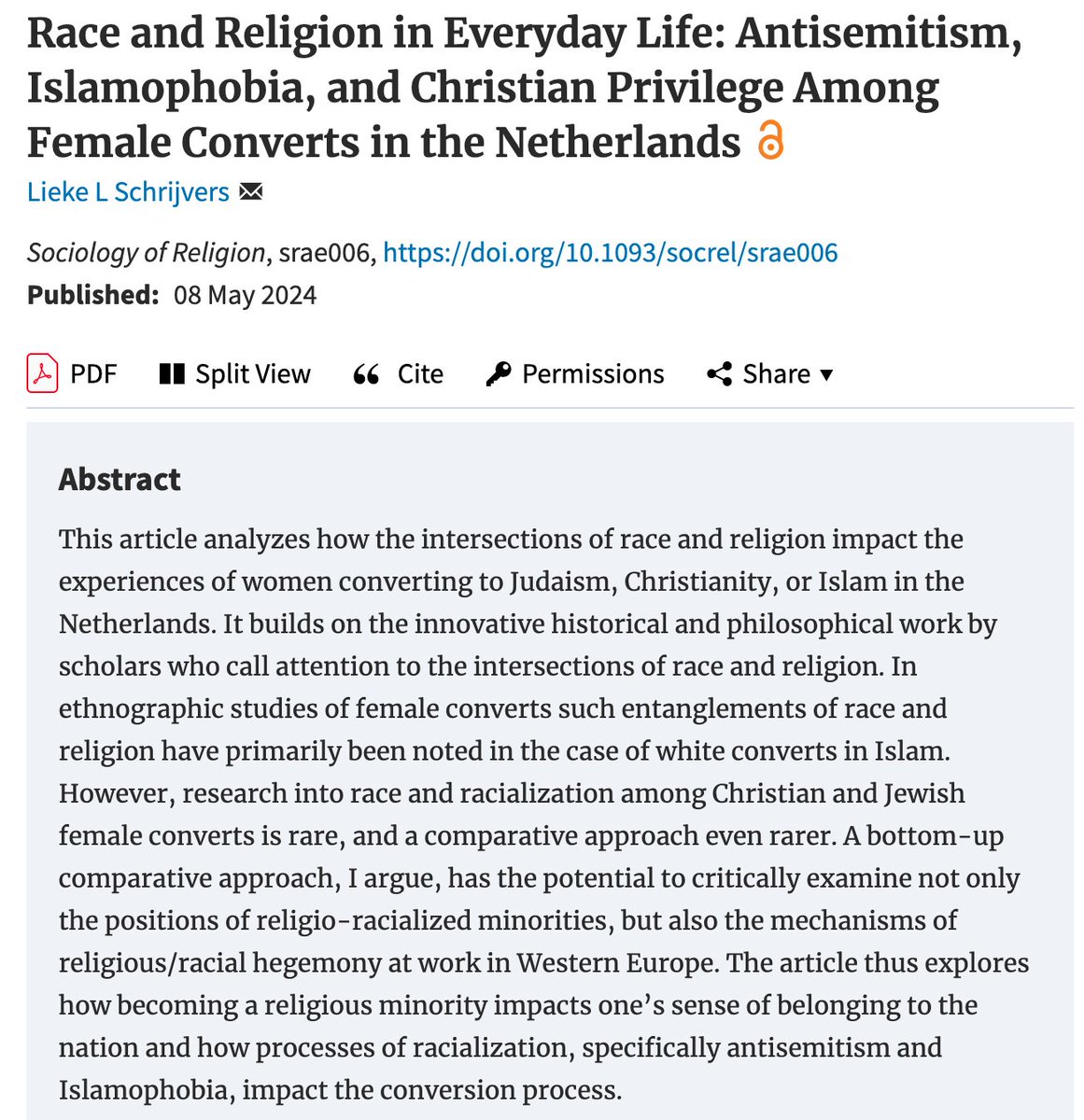
ALT Race and Religion in Everyday Life: Antisemitism, Islamophobia, and Christian Privilege Among Female Converts in the Netherlands by Lieke L Schrijvers This article analyzes how the intersections of race and religion impact the experiences of women converting to Judaism, Christianity, or Islam in the Netherlands. It builds on the innovative historical and philosophical work by scholars who call attention to the intersections of race and religion. In ethnographic studies of female converts such entanglements of race and religion have primarily been noted in the case of white converts in Islam. However, research into race and racialization among Christian and Jewish female converts is rare, and a comparative approach even rarer. A bottom-up comparative approach, I argue, has the potential to critically examine not only the positions of religio-racialized minorities, but also the mechanisms of religious/racial hegemony at work in Western Europe.
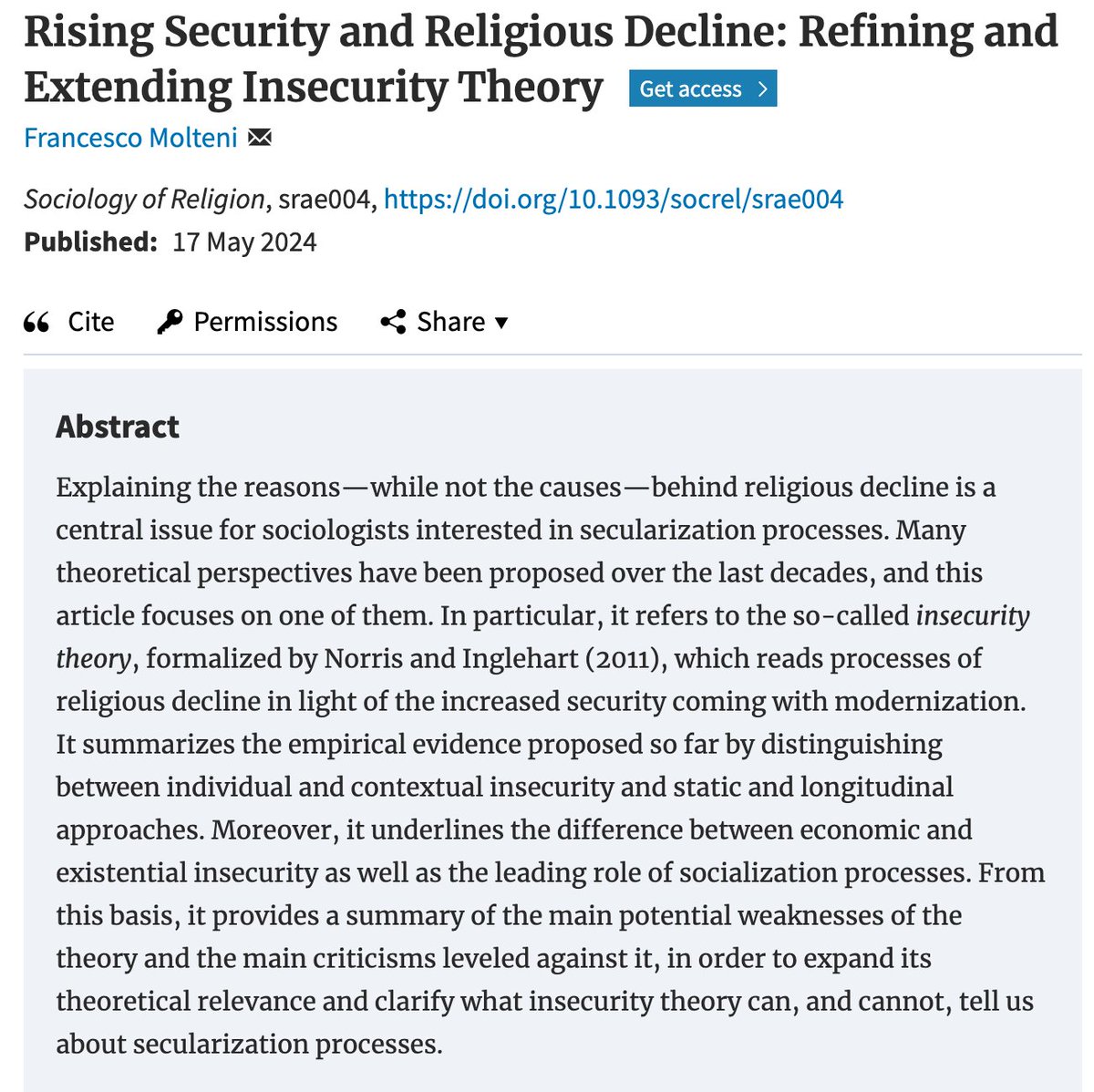
ALT Rising Security and Religious Decline: Refining and Extending Insecurity Theory by Francesco Molteni
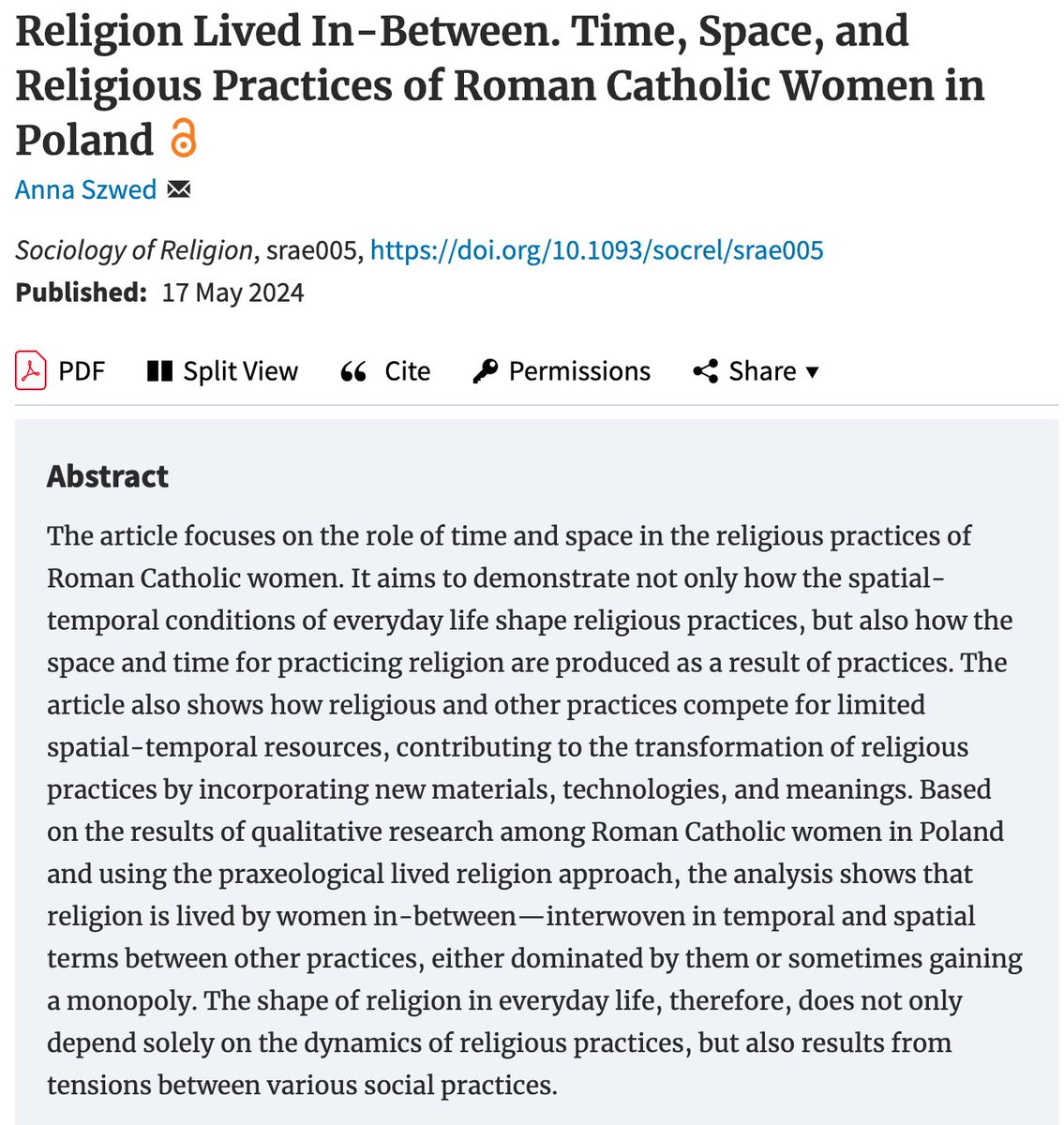
ALT Religion Lived In-Between. Time, Space, and Religious Practices of Roman Catholic Women in Poland by Anna Szwed The article focuses on the role of time and space in the religious practices of Roman Catholic women. It aims to demonstrate not only how the spatial-temporal conditions of everyday life shape religious practices, but also how the space and time for practicing religion are produced as a result of practices. The article also shows how religious and other practices compete for limited spatial-temporal resources, contributing to the transformation of religious practices by incorporating new materials, technologies, and meanings. Based on the results of qualitative research among Roman Catholic women in Poland and using the praxeological lived religion approach, the analysis shows that religion is lived by women in-between—interwoven in temporal and spatial terms between other practices, either dominated by them or sometimes gaining a monopoly.

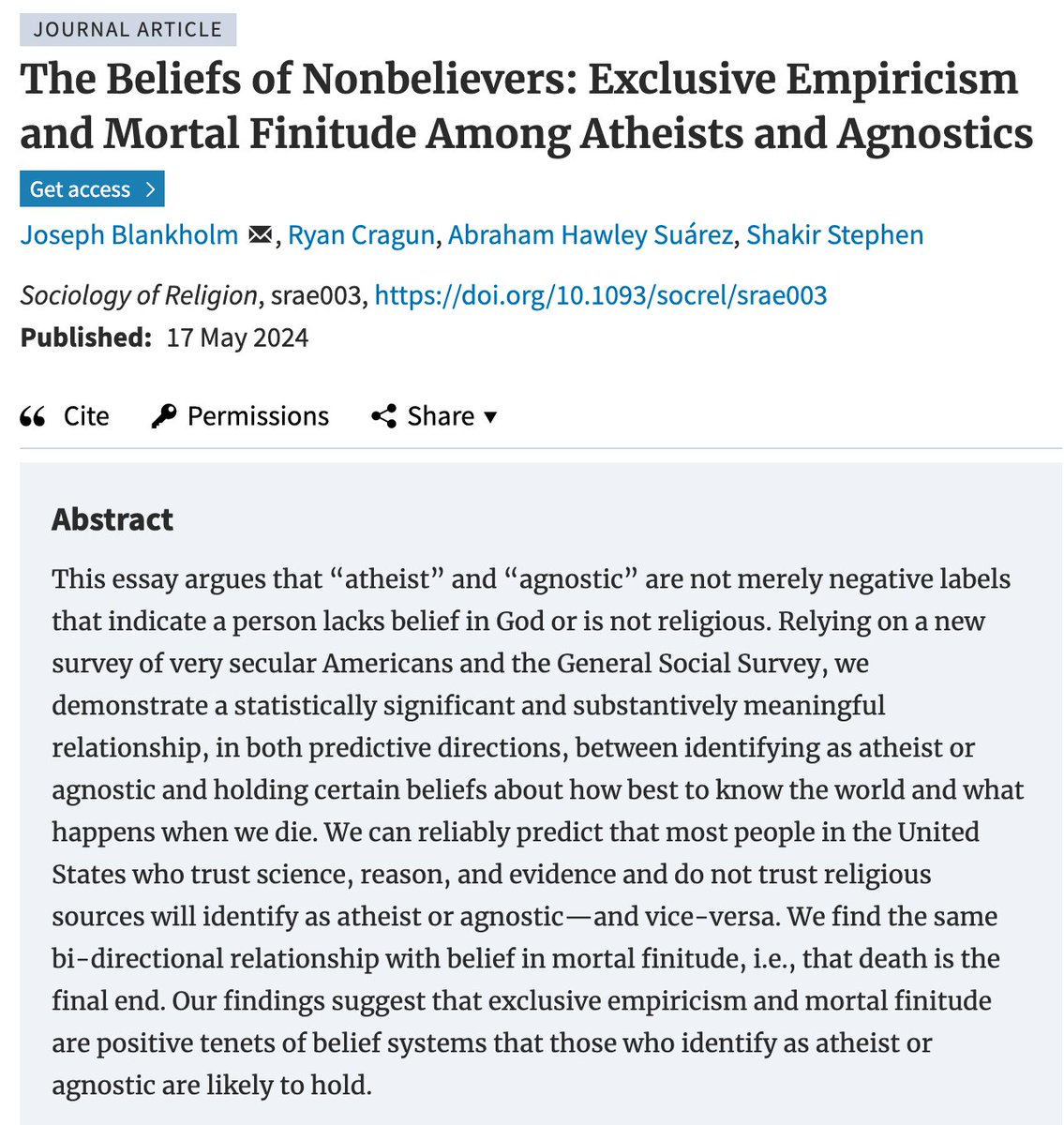
ALT The Beliefs of Nonbelievers: Exclusive Empiricism and Mortal Finitude Among Atheists and Agnostics by Joseph Blankholm, Ryan Cragun, Abraham Hawley Suárez, Shakir Stephen This essay argues that “atheist” and “agnostic” are not merely negative labels that indicate a person lacks belief in God or is not religious. Relying on a new survey of very secular Americans and the General Social Survey, we demonstrate a statistically significant and substantively meaningful relationship, in both predictive directions, between identifying as atheist or agnostic and holding certain beliefs about how best to know the world and what happens when we die.
