Educator, blogger (theliteracyblog.com), Sounds-Write literacy programme
Joined March 2009
- Tweets 32,536
- Following 3,631
- Followers 11,183
- Likes 59,113
1,227 Photos and videos





John Walker, Sounds-Write retweeted

Jun 13
This is an important post, worth reading in full. The BBC would seem to have a death wish when it comes to impartiality.
Jun 12

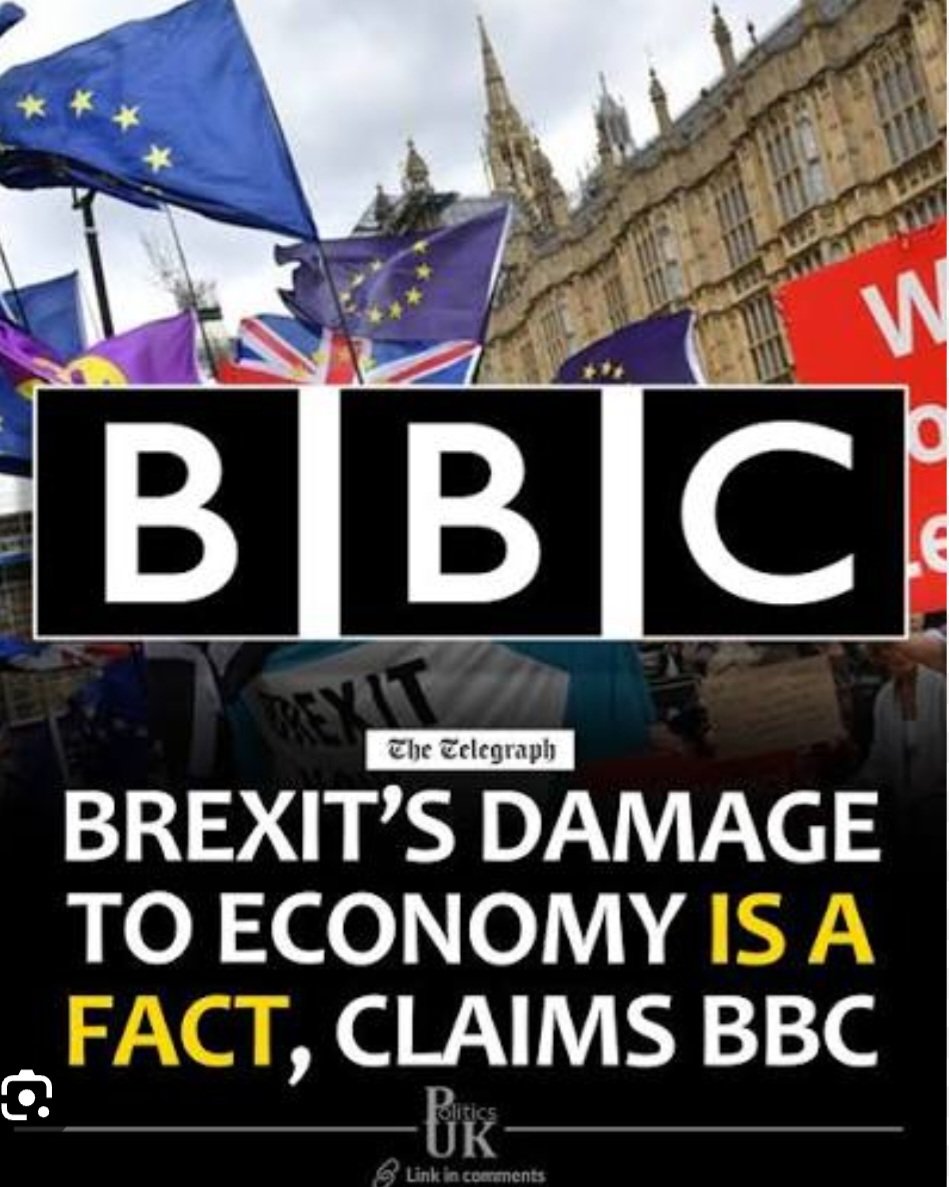
The BBC Has Ruled. Brexit Damaged The Economy. No Further Debate Required.
The BBC's editorial complaints unit has decided that the negative economic impact of Brexit is now a settled fact. Not a contested judgement. Not one side of a live debate. A fact, in the same category as man-made climate change, requiring no balancing view.
The ruling followed a Radio 4 Today programme segment featuring Andrew Bailey, the Governor of the Bank of England, alongside Liam Byrne and Sir John Gieve, both long-standing advocates of closer EU alignment. All three agreed Brexit had damaged growth. The presenter, Katya Adler, did not challenge the premise or introduce a dissenting voice. A complaint followed.
The ECU's response is the revealing part. It acknowledged the segment failed to "acknowledge the alternative case" for pursuing opportunities outside the EU rather than realignment with it. That part of the complaint was upheld. But the central complaint, that three pro-EU voices agreeing with each other on air is not balance, was dismissed. The reasoning given was that this reflected "the consensus among economists" and there was no "significant body of economic opinion" on the other side.
This is worth pausing on. The BBC is not claiming it found balance. It is claiming balance was unnecessary because one side of the argument does not meaningfully exist. The institution that is legally required to be impartial has ruled itself the arbiter of which questions are still open and which are closed, and Brexit has just been moved into the closed file.
The economics itself does not support the certainty on display. The headline figure driving much of this narrative, an 8 per cent hit to GDP since 2016, comes from an NBER paper built on a "synthetic control" model that constructs a hypothetical non-Brexit Britain from a basket of comparator countries. The largest weighting in that basket, over 60 per cent, is the United States, a country currently riding an AI investment boom and a separate fiscal stimulus. The model also weights Estonia and Greece more heavily than France or Germany. On a straightforward per capita basis against France and Germany, the actual comparators, Britain's performance since 2016 sits roughly in line with both. An 8 per cent gap simply isn't visible. This is a model producing a number that then gets reported as "the consensus," which the BBC then cites as the reason no alternative view is required.
That loop, model produces number, number becomes consensus, consensus becomes fact, fact requires no balance, is the mechanism. It does not require a conspiracy. It requires an institution that has decided which conclusions are respectable and which are not, and which then treats its own prior decision as evidence.
The same posture has been on display all week. A government department can decide its diversity targets are lawful without seeking legal advice to check. A police force can decide a book about dismantling "inner white supremacy" is leadership training. A broadcaster can decide an economic question is closed and that deciding so does not breach its own impartiality rules. In each case, the institution marks its own homework, and the mark is always a pass.
None of this requires Brexit to have been a triumph. Britain's economy has genuine problems, most of them unrelated to single market membership. But a state broadcaster, funded by compulsory licence fee under threat of prosecution, has now formally placed one of the most consequential political decisions in modern British history beyond the reach of its own impartiality obligations. Reform's Lee Anderson called it being "blinkered by groupthink." The more precise description is an institution that has stopped being able to tell the difference between its own assumptions and the facts.
"The BBC is not claiming it found balance. It is claiming balance was unnecessary because one side of the argument does not meaningfully exist."
167
1,035
3,849
109,845
John Walker, Sounds-Write retweeted

Jun 12
Most of the obituaries and tributes to David Hockney will, I imagine, focus primarily on his extraordinary craft and brilliance as an artist. Perhaps they might also mention his brilliance as a communicator (he was such a fine writer and speaker).
But there was something else rather unique about him too. He was also strikingly honest about the tricks/techniques artists use and used to paint. His book Secret Knowledge is a rather wonderful detective work into how renaissance and Dutch golden age painters used glass and mirrors to help them master perspective.
It's a pretty compelling case (see this video clip from a BBC doc he made alongside the book👇) though I'm sure some art historians will raise their eyebrows. Many will be aghast at the notion that greats like Vermeer might have been using lenses and camera obscuras to help them draw and paint. As if it were in some way "cheating". But Hockney was so self-evidently brilliant he was one of the few people who could document this without anyone gainsaying his own talent.
There are very few artists, living or dead, who have this degree of self-confidence. Not just to know their craft, but to be bracingly honest about how it works. One other who comes to mind is Paul Simon: not just an extraordinary musician but is also an extraordinary communicator about the tricks and techniques of how to write and perform music.
For many great artists, the temptation is to cloak their crafts in mystery, like a member of the magic circle. Hockney wasn't having any of it. So yes, he was a legend in all the obvious ways. But also in a few other less obvious ways as well. RIP.
71
584
2,727
137,154
John Walker, Sounds-Write retweeted

Apr 7
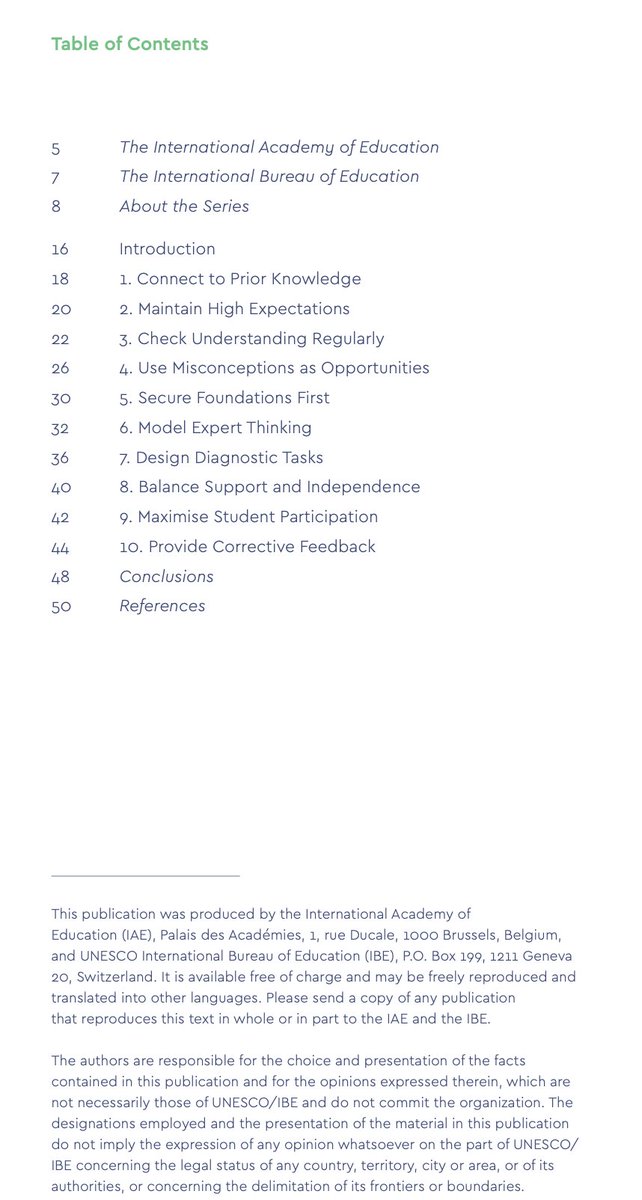
I have written a free guide on responsive teaching for @UNESCO available here: unesdoc.unesco.org/ark:/4822…
8
155
442
42,719
John Walker, Sounds-Write retweeted

Jun 12
Lucky Toronto!


1
6
19
2,298
John Walker, Sounds-Write retweeted

Jun 11
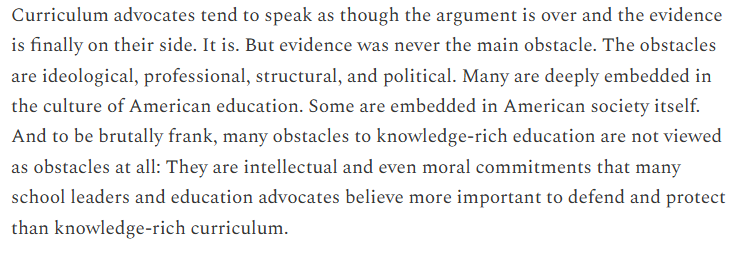
But evidence was never the main obstacle. The obstacles are ideological, professional, structural, and political. Many are deeply embedded in the culture of American education. Some are embedded in American society itself. And to be brutally frank, many obstacles to knowledge-rich education are not viewed as obstacles at all: They are intellectual and even moral commitments that many school leaders and education advocates believe more important to defend and protect than knowledge-rich curriculum.
Brilliant from @rpondiscio
thenext30years.substack.com/…
3
11
41
4,960

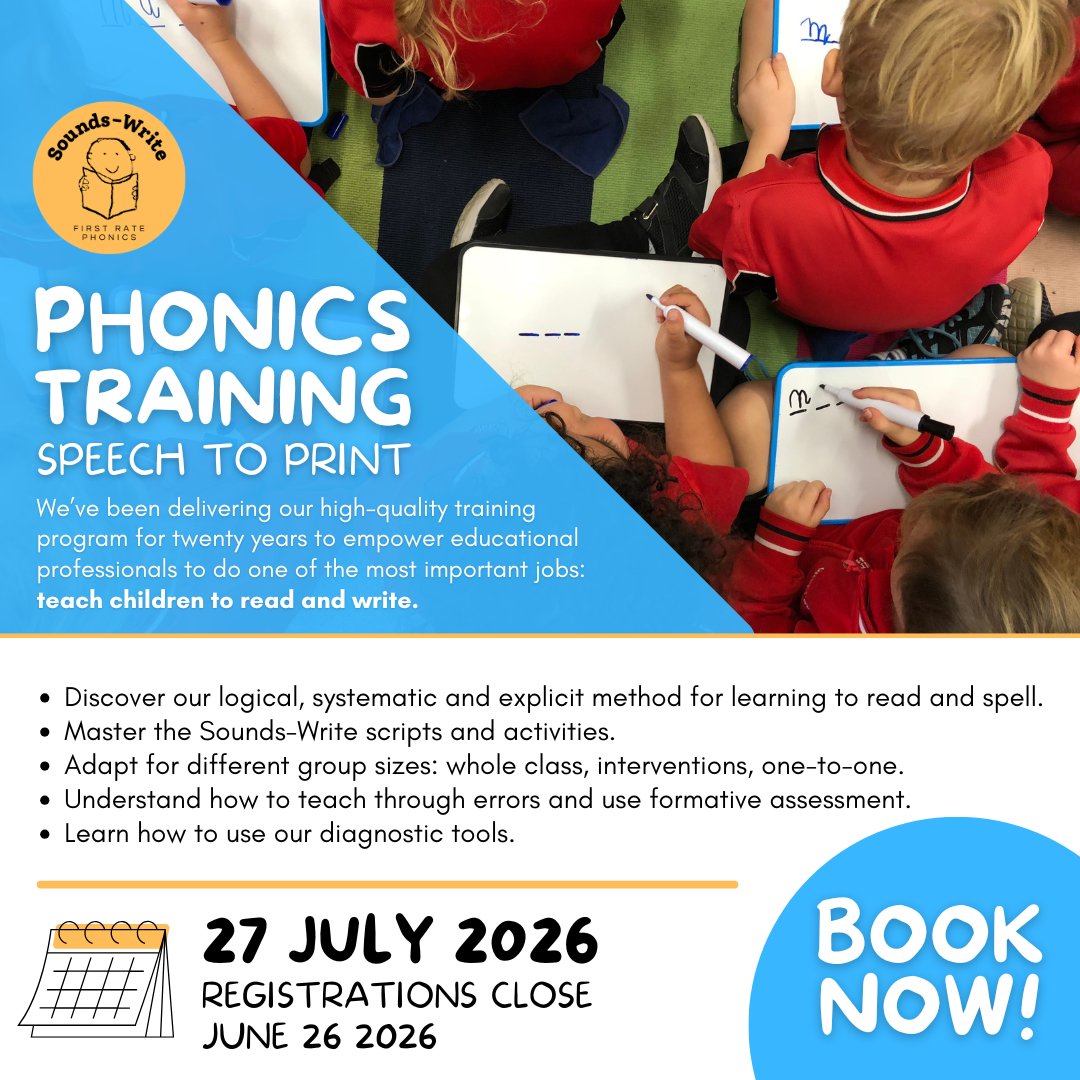
Join our flagship practitioner course to gain a comprehensive understanding and the hands-on experience you need to teach reading, writing, and spelling effectively.
What to expect from the course:
- A flexible, online, six-week synchronous course.
- Meet with your trainer online once a week for live training,
- Access to presentations, course material, and online quizzes to test your knowledge.
- A printed comprehensive manual with lesson scripts, printouts, and further reading on the theory behind the Sounds-Write approach.
- Earn a certificate by passing the course.
Course available in Australia, New Zealand, United States and Canada. 🇦🇺🇳🇿🇺🇸🇨🇦
Course starts 27 July but you must register before 26 June to reserve your training spot.
Register here >> zurl.co/bgwTP
115
John Walker, Sounds-Write retweeted

Robert Pondiscio: 19 reasons that knowledge-rich curricula have not been broadly adopted in the US, despite strong research support. I'd add this one: "educators underestimate what young children can learn, and the joy with which they will learn it." open.substack.com/pub/thenex…
15
67
211
11,502
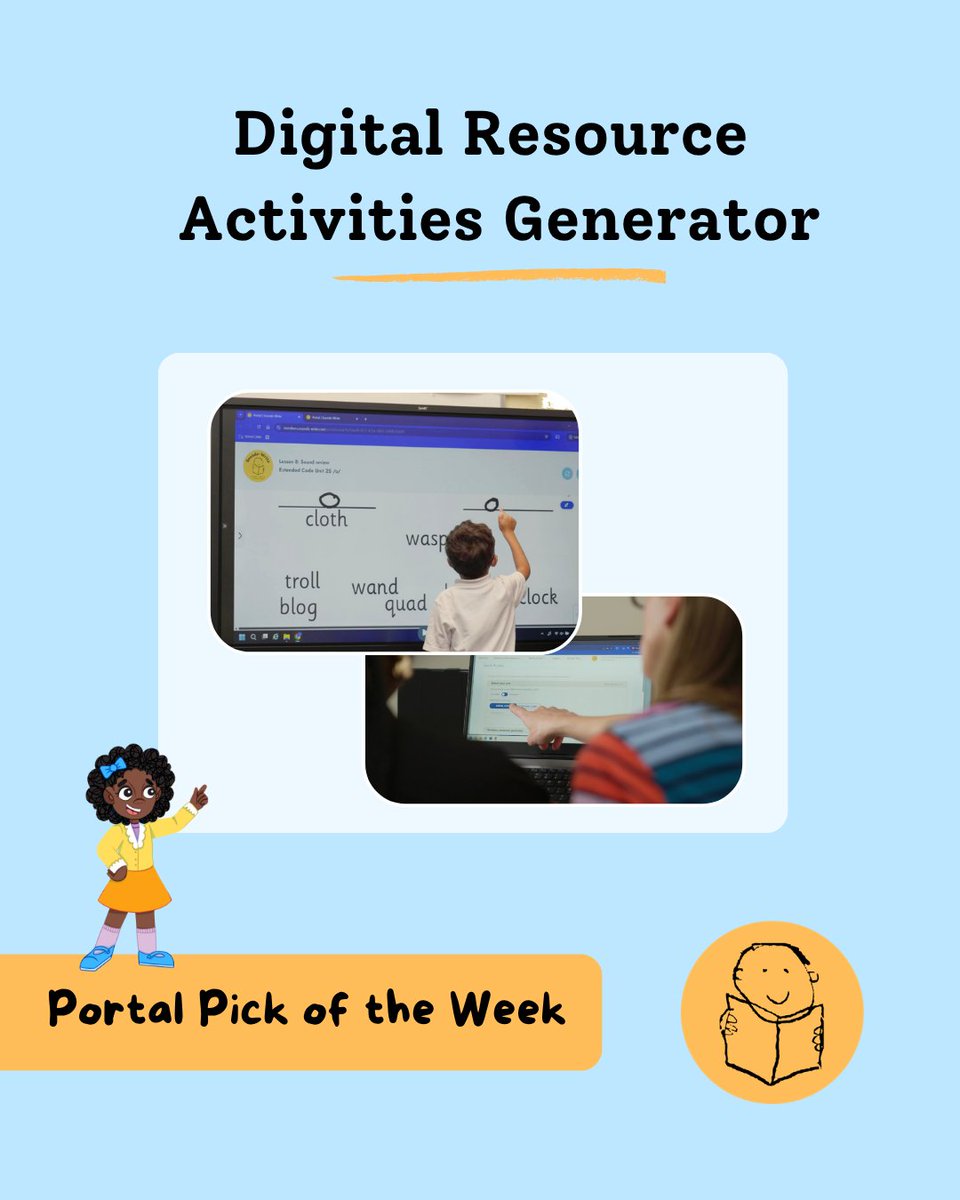
We're excited to announce a brand new 14-day free trial of the Sounds Write membership, now available to schools in the UK, Europe, and international schools following an English curriculum.
This trial gives you a taste of the membership, tools, and professional development that support effective phonics teaching across every classroom.
Here's what you'll get:
✅ A sample of our teaching tools: including the whiteboard activities generator and word list generator.
✅ Decodable ebook and resource samples: structured, evidence informed materials you can use right away.
✅ Access to our Trial Training Pathway: explore our approach and discover what makes Sounds Write different.
Perfect for school leaders, teachers, intervention specialists, and support staff looking to strengthen phonics provision.
We’d love you to explore what Sounds-Write can offer. Your 14-day trial is ready when you are.
Register >> zurl.co/fTXks
1
329
John Walker, Sounds-Write retweeted
Jun 11
The Andrew Neil Report. First Edition!
I start by laying out my stall in terms of what I hope this podcast will achieve — a global perspective on politics, geopolitics and economics placing events in the context of worldwide trends.
My first guest is Andrew Ross Sorkin, author of books on the Crashes of 1929 and 2008 (that one turned into The Big Short movie). We look at what happened then to see how close we are to another (AI-inspired?) Crash today.
youtu.be/cfF-susbboI?si=1Y9O… via @YouTube
58
107
666
150,630
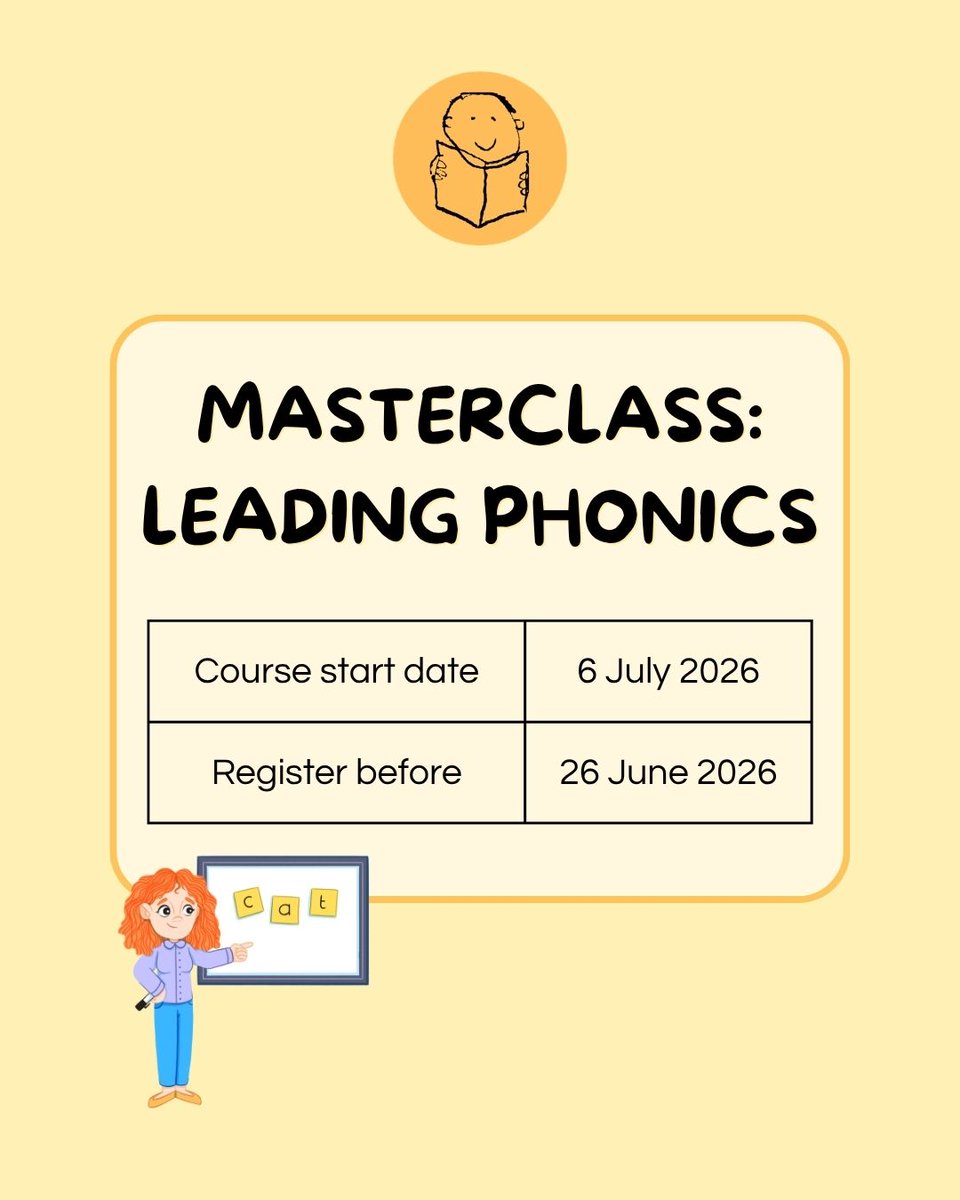
Registrations for the July Leading Phonics Masterclass are now open!
This masterclass is for trained Sounds‑Write practitioners leading the implementation of Sounds‑Write in school settings.
The masterclass covers:
⭐️ Monitoring practice to ensure fidelity to Sounds‑Write
⭐️ Developing your team’s knowledge
⭐️ Using assessment data to fine‑tune teaching and maximise learning
⭐️ Using resources effectively in school and at home
Course cost: £275 GBP VAT │ $330 USD sales tax │ $450 CAD sales tax │ $590 AUD incl. GST p.p.
Remember: if you have a Sounds‑Write Membership, this course is included at no additional cost.
Register your interest >> zurl.co/Bb30r
1
330
John Walker, Sounds-Write retweeted
Jun 8
ICYMI - I’ve shared some thoughts in my new Snow Report blog post about education’s decades-long problematic relationship with evidence and the fall-out for professional accountability (and student outcomes) this entails.
pamelasnow.blogspot.com/2026…
4
7
22
1,994
John Walker, Sounds-Write retweeted

Jun 8
I never met Gordon Wood, but I have a story about him.
In one of my grad school seminars, we read Wood’s Creation of the American Republic. The sheer erudition and evidentiary depth of the book bowled me over.
Back then, before kids and before life accelerated to warp speed, I used to call my mother every Sunday to catch up. Lots of times, we ended up talking about what I was reading that week in my grad seminars or for leisure. Mom had an omnivorous mind, and she was always looking for something else to read. She was a true intellectual—curious about almost everything, always eager to integrate new arguments or ideas into her existing schemas of how the world worked or to have those schemas challenged and changed.
When we talked that particular Sunday, I think I tried to describe to her part of Wood’s argument about the relationship between the state constitutions during the Articles of Confederation era and the federal Constitution. Maybe I was tired, maybe I didn’t completely understand her questions, but the end result of the conversation was that Mom had questions about Wood’s argument that I didn’t answer satisfactorily. I told her that she should probably just read the book, and we said goodbye.
She did eventually read the book, but the next Sunday, Mom started our conversation by saying, “Well, I had a lovely conversation with Gordon Wood this week.” For a split second, I thought she was joking, but then I remembered who I was dealing with. I started to sweat. “How?” I asked. A whole variety of unlikely scenarios in which the foremost historian of the American Revolution and my mother, who lived in Wichita, Kansas, might have met ran through my mind. “Oh, I just looked up his office phone number on Brown’s website and called, and he picked up!” Mom said. I decided I would have to find another profession.
As it ended up, Gordon Wood spent about an hour on the phone with my mother answering her questions about the Constitution. Ever since, I’ve had a soft spot for the man when I imagine him picking up the phone in Providence and finding Becky Elder from Wichita on the other end of the line. His generosity in that moment spoke very well of him.
Rest in peace, professor.
150
1,315
9,552
799,357
John Walker, Sounds-Write retweeted

Jun 8
Do you want to know something interesting about the decision to remove Winston Churchill, Alan Turing and Jane Austen from bank notes?
Savanta, a market research company, was chosen to run a focus group.
The result of that focus group is that Churchill was “divisive”, Turing “an imperialist” and Austen “contentious and not representative”.
Yet that focus group had only 119 people in it.
And only one person called Turing “imperialist”. Someone who probably did not even know that he was not only instrumental in the Allies winning WW2 but was a gay man who was chemically castrated to “cure him”.
Turing was left fat, flabby and so unhappy that he carefully injected cyanide into an apple and ate it. He was found with half the apple by his side.
The Bank of England claims that the focus group was only part of its decision and it ran a broader public inquiry that favoured animals and flowers. Who did they ask? Primary school kids?
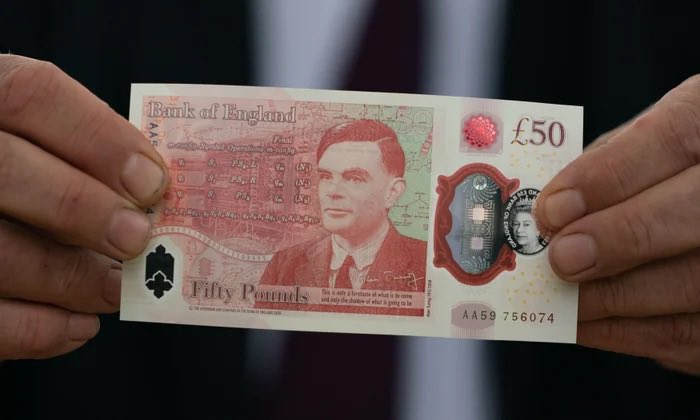
235
1,625
6,284
175,456

This is awful. The last ever Denby Pottery going to the kiln. Why is there not uproar? Where’s the government in this?? We all have Denby in our homes, in family heirlooms, as our history and now it’s closing through lack of support, such a sad sad day. #SaveDenby @denbypottery
1,499
7,340
26,643
1,203,186
John Walker, Sounds-Write retweeted

Jun 6
One of the most important books in education history may also be one of the most overlooked.
Stanislas Dehaene's 𝘏𝘰𝘸 𝘞𝘦 𝘓𝘦𝘢𝘳𝘯 shifts the focus from how educators can promote learning to something far more fundamental: the biological requirements for learning itself.
Dehaene would know. He's the most cited neuroscientist of learning in the world, the first-ever lifetime professor of Experimental Cognitive Psychology at France's most prestigious research institution, and the Director of NeuroSpin, France's advanced brain-imaging research centre. (He's also the President of the Scientific Council of the French Ministry of Education.)
So how could a major work by such a major figure be overlooked?
Well, it 𝘩𝘢𝘴𝘯'𝘵 been overlooked outside of education. Last year Dehaene won the Lewis Thomas Prize for scientific writing with 𝘏𝘰𝘸 𝘞𝘦 𝘓𝘦𝘢𝘳𝘯 featured prominently in the citation. And 𝘏𝘰𝘸 𝘞𝘦 𝘓𝘦𝘢𝘳𝘯 is currently available in 31 editions and translations worldwide.
So why aren't more people talking about it inside the evidence-based education community?
I don't know.
But I'm going to be shouting about it from the rooftops.
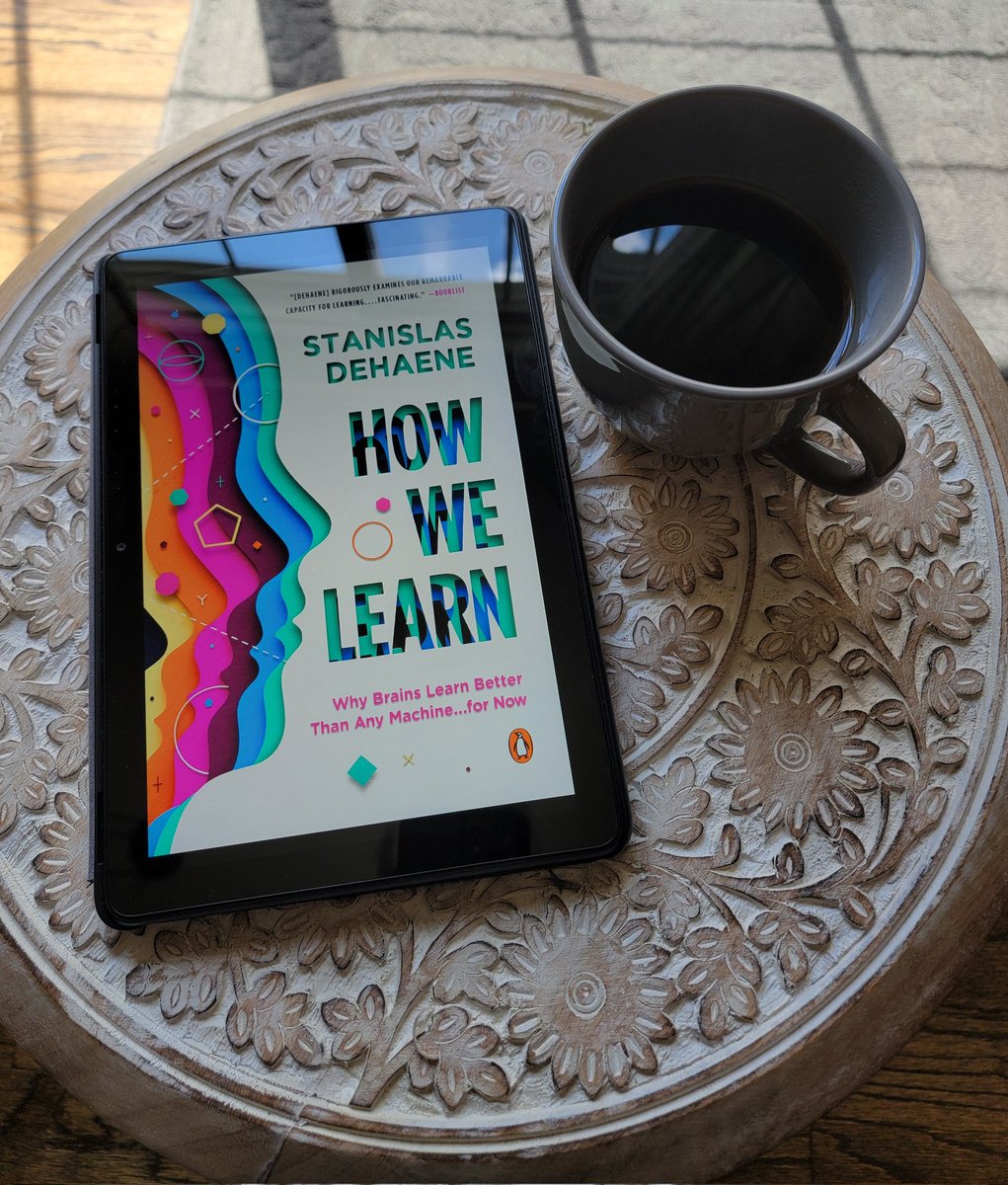
11
81
288
10,979
John Walker, Sounds-Write retweeted

Jun 4
There is no better way to spend an hour in London right now than at the Zurbarán exhibition at the National Gallery. I am not often spiritually moved by painting, but there is a deep piety in these works that is utterly infectious.
I don’t know if it’s the austerity of style, the intensity of detail, the ingenious use of light or the subject matter: ascetic vigils, miracles, ecstasies, martyrdoms.
This glorious pair is from a set of 13 depicting Jacob and his sons. The Church of England was driven to sell them 15 years ago, only for them to be bought by the philanthropist Jonathan Ruffer and left in Auckland Castle - which he then also bought and opened to the public. Incredibly, Ruffer had not seen them when he agreed to buy them - proof that, sometimes, you just have to go with your instinct.
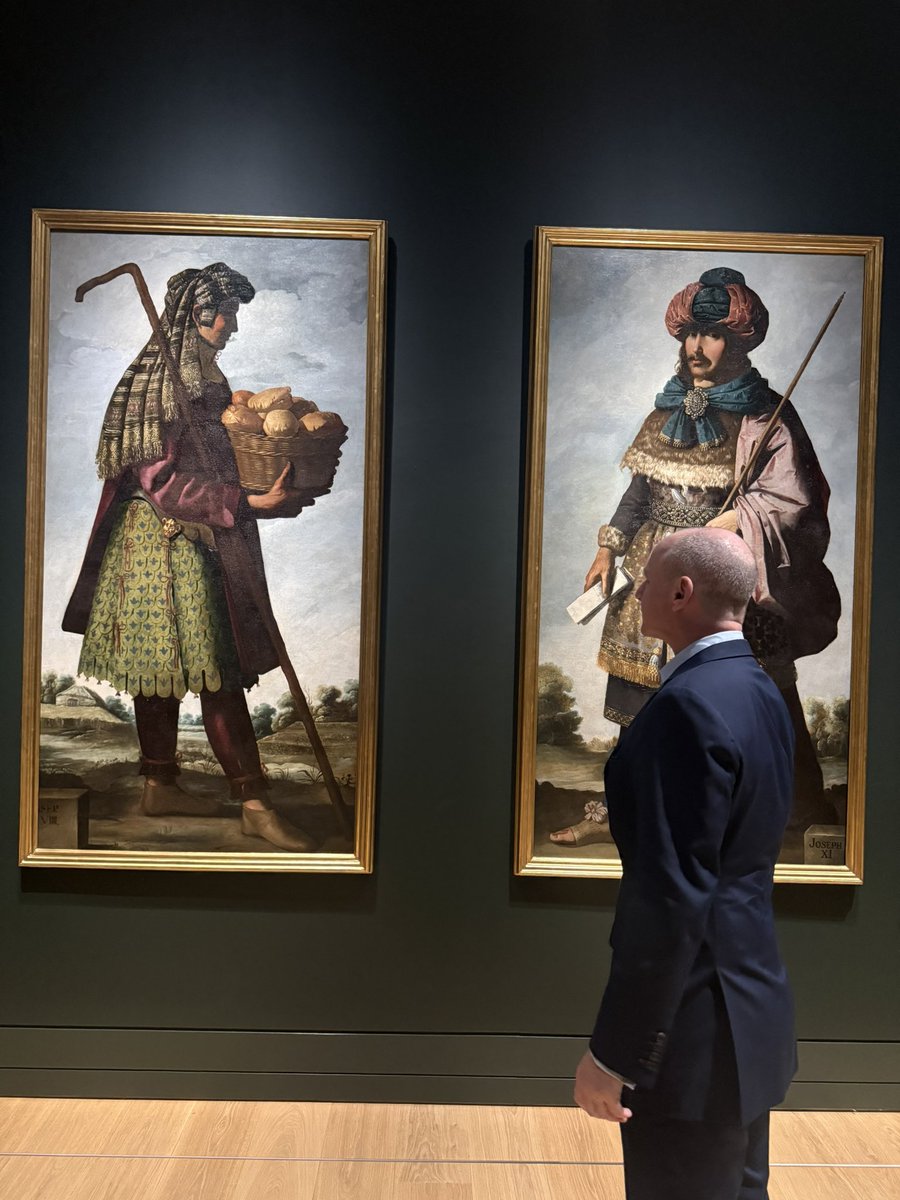
9
13
113
13,474
John Walker, Sounds-Write retweeted

Jun 4
1
7
583
John Walker, Sounds-Write retweeted
Jun 4
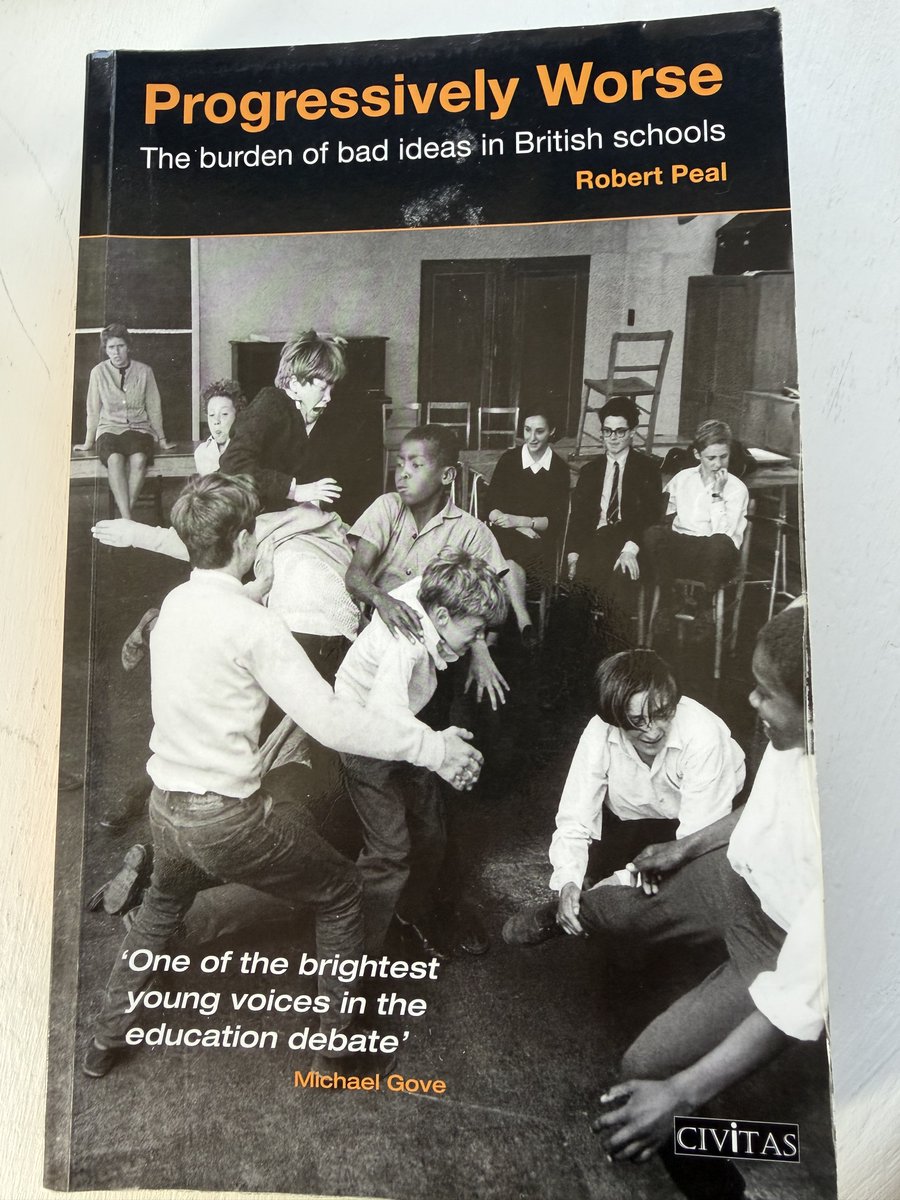
Knowledge is the foundation for critical thinking.
In this episode, I talk with Robert Peal about why a knowledge-rich curriculum matters and why critical thinking is an outcome of building knowledge, not the starting point.
🔗 Link below
#ChalkandTalk #CriticalThinking #KnowledgeRich #Education
2
14
36
2,765
John Walker, Sounds-Write retweeted

Current philosophy of discipline in schools:
"Well, he had a rough background so he gets to do whatever he wants and thereby ruin the learning of every other kid in the school without consequence."
And somehow that's the enlightened, "compassionate" approach
45
105
672
14,416
John Walker, Sounds-Write retweeted

Jun 3
NEW FREE POST When inquiry learning is malpractice
We know enough to draw some red lines
Link 👇👇👇
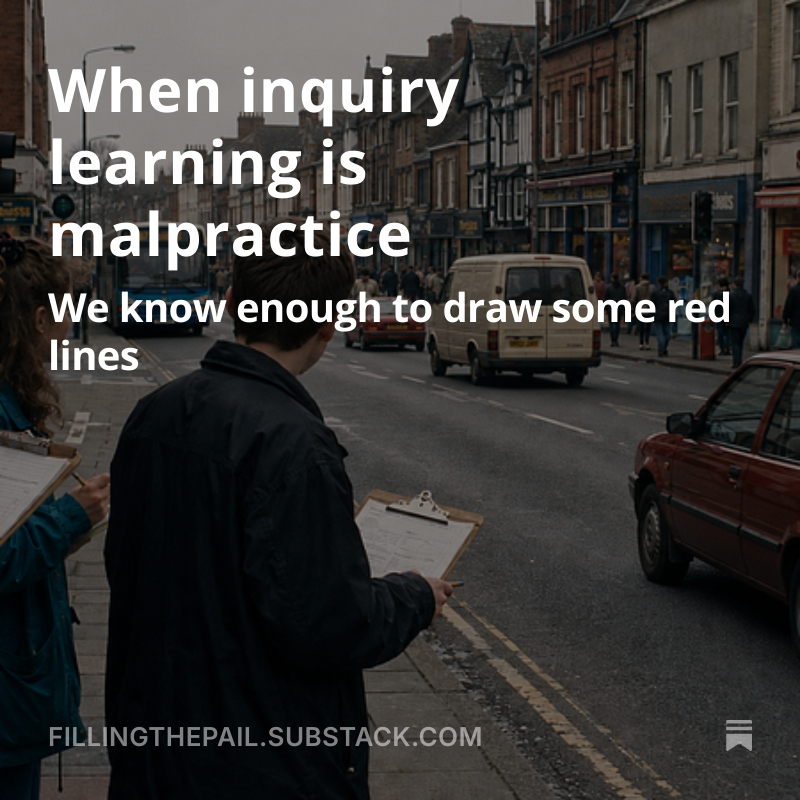
3
15
31
7,797