Software Engineer • Kung Fu enjoyer • Visual Artist • Political Philosophy Student
Joined May 2009
- Tweets 52,882
- Following 2,066
- Followers 375
- Likes 9,386
122 Photos and videos









Pinned Tweet

8 Oct 2025
There is a crown lying in the gutter and Marjorie Taylor Greene is inching mighty close to picking it up
8 Oct 2025

I'm going to do a show tonight on how we may be poised for a Teddy Roosevelt moment. We have an economic elite that is completely beholden to Israel, and a political elite that is ever-so-slightly less beholden to Israel.
A talented politician can drive that wedge.
6
764
Mack Blanta retweeted

Trump says Israel wouldn't exist without him.
He goes after Netanyahu in public.
He floats the idea that maybe Syria should be the one to handle Hezbollah.
He's reportedly unfreezing Iranian money and openings channels for a $300 billion investment.
He says he has no interest in regime change in Tehran.
And with half the internet insisting Israel owns Washington, despite Epstein files owning these leaders,
Trump flatly declares Netanyahu will do whatever he asks.
Netanyahu holds a defeatist speech, basically reinforcing Trump's power.
Then you have this US-Iran war that gets written off everywhere as the most pointless war in living memory;
a war that started, did almost nothing, and stopped.
Nobody can hold all of that without it falling apart in their head.
If all this looks like paradoxical chaos to you, it means you don't understand geopolitics or in the least, have been brainwashed to interpret reported events as the source of truth.
If you've followed me long enough, you know my read and you know I've said all this before.
Israel does not run American foreign policy. Israel is the most valuable asset American foreign policy holds, and there's a difference between an asset that's treasured and an asset that has turned into liability.
When the principal decides to trade the asset, the asset can't stop him, and a sitting president is disciplining an Israeli prime minister on camera while that prime minister's expansion project becomes inconvenient.
For thirty years the region ran on one bet. Iran would eventually lose. Iran played the boogeyman, forever two weeks from a bomb and never getting there, the permanent and defeat-able threat.
That role paid everyone.
It kept American forces, arms sales, and leverage in the region under the banner of containment.
It gave the defense machine a procurement cycle with no end date. It gave Israel cover to run its expansion under an existential enemy.
And it paid Iran, who got reach and Shia influence across Iraq, Syria, Lebanon and Yemen, and a standing on the Arab street no Arab government could match.
As long as everyone assumed Iran would eventually be beaten, the smart move was to keep the tension at exactly the right temperature and never let it boil.
A controlled threat, not an existential one. The conflict was the product.
Then Iran stopped digging its own grave. Tehran looked at the boogeyman role and decided it no longer paid, because the proxies that once kept Israel from finishing its work had become the ceiling on Iran's own future, the thing locking it out of the Gulf normalization track and the capital flows and the integrated order the Gulf and BRICS were building.
So Iran started shedding the skin. Proxies phased down. Strikes on its own commanders absorbed with a calm that doesn't match a state fighting for survival.
The moment Iran moved, everyone's math moved.
The Gulf doesn't want a war, because it's mid-construction on an economic project a war would burn down, and a calm Iran inside the tent is worth more to Riyadh than a bombed Iran outside it.
The transnational private sector doesn't want it either, because no version of a real US-Iran war avoids the Strait of Hormuz, an oil shock, a global recession, and a generational bill, and the people who allocate capital in Washington have no appetite to pay it.
That left one player whose project still needed the old game running. Netanyahu's expansion faction, the one actor who still needed the existential enemy, because the enemy was the permission slip for everything else.
So what was the point of the war?
The war was a soft landing built to avoid the real one.
A settlement like this normally dies in the room because nobody trusts anybody to move first.
A managed crisis fixes that. Under the cover of a war nobody has to move first and nobody has to trust anybody, everybody moves at once, and the war becomes the enforcement no treaty could provide.
Iran got to shed its proxies signaling compliance to opponents, while telling its base it was overwhelmed, not betrayed. Netanyahu got to claim he neutralized the threat while complying. The defense machine got its activity. The Gulf got the board cleared. Every player walked out of that pointless war with an unsolvable problem solved.
Same with Syria, where everyone got the read backwards. Assad's fall didn't hand Syria to Israel. The mercenary tools that broke Syria in 2011 under American and Israeli handlers are now under Turkish and Gulf handlers, and the agenda flipped from fragmentation to consolidation.
A unified Syria under Ankara and the Gulf is a wall against Israeli expansion, which is why Israel kept bombing a country it supposedly just won. When Trump says maybe Syria should handle Hezbollah, he's handing the cleanup to the new owner of the neighborhood.
The cleanup guy changed.
The $300 billion is predominantly Gulf money, and will be routed to Wall St players.
A calm, integrated Iran isn't a security headache to the people who allocate capital.
It's a market.
Reconstruction, energy, a hundred million consumers, a new node in the trade architecture the Gulf is building. For thirty years war was the product. Now integration is the product, and the $300 billion is the TPS entry fee.
None of this is paradoxical. Everything can be clearly mapped out if you choose to submerge your ego, deprogram what the West has taught you and your misunderstanding of who is in charge.
Some have woken up. Most still haven't. I have been saying all this for almost 2 years on here. Go through my timeline.
There is no paradox.
Private sector power has decided to swap military-first foreign policy in the Middle East, to a policy of economic boom.
For that to happen, de-militarization, de-nuclearization must be conducted across the region.
This is coming. Like I've said this was coming for almost 2 years now.
And once Middle East settles, in the way I have said it will,
the next seismic shift is in Central Asia, the band of former Soviet republics wedged between Russia, China, and Iran.
It will break into an open great-power contest somewhere 2-3 years from now. Again I am calling this early.
And once again, hardly anyone outside a few mining desks and foreign-policy shops will see this coming.
19
44
224
12,173
Mack Blanta retweeted

Bro was an All Pro now he waiting on line for Streamer sleep away camp

Former NFL star Le’Veon Bell speaks about his horrible experience during in-person Streamer University auditions in LA, explaining that he waited 7 hours just to not even get the chance to meet Kai & prove why he deserves to get in 😮👀
Le’Veon also calls out streamers who think they’re better than others because of their followers and says he wasn’t trying to use his name to get an advantage over anyone 🙌
“Everybody human being. I don’t feel like I’m better than nobody… The guys that got the ‘big streamer’ names, I see how they act around other people & how they treat others… I wait the whole 6-7 hours. Everybody that I came with, they all got to see this n*gga… The 3-4 people I got in, they don’t even steam!”
3
218
1,759
36,409
Mack Blanta retweeted

i suppose a major implication of the report is that the current establishment can never afford to give up power because if they do theyre liable to be torn apart in the streets

Fascinating report. Among other things:
Prime Minister @Keir_Starmer let off 13,000 gang rapists and pedophiles.
Mayor of London @MayorofLondon denied the existence of rape gangs he was personally aware of.
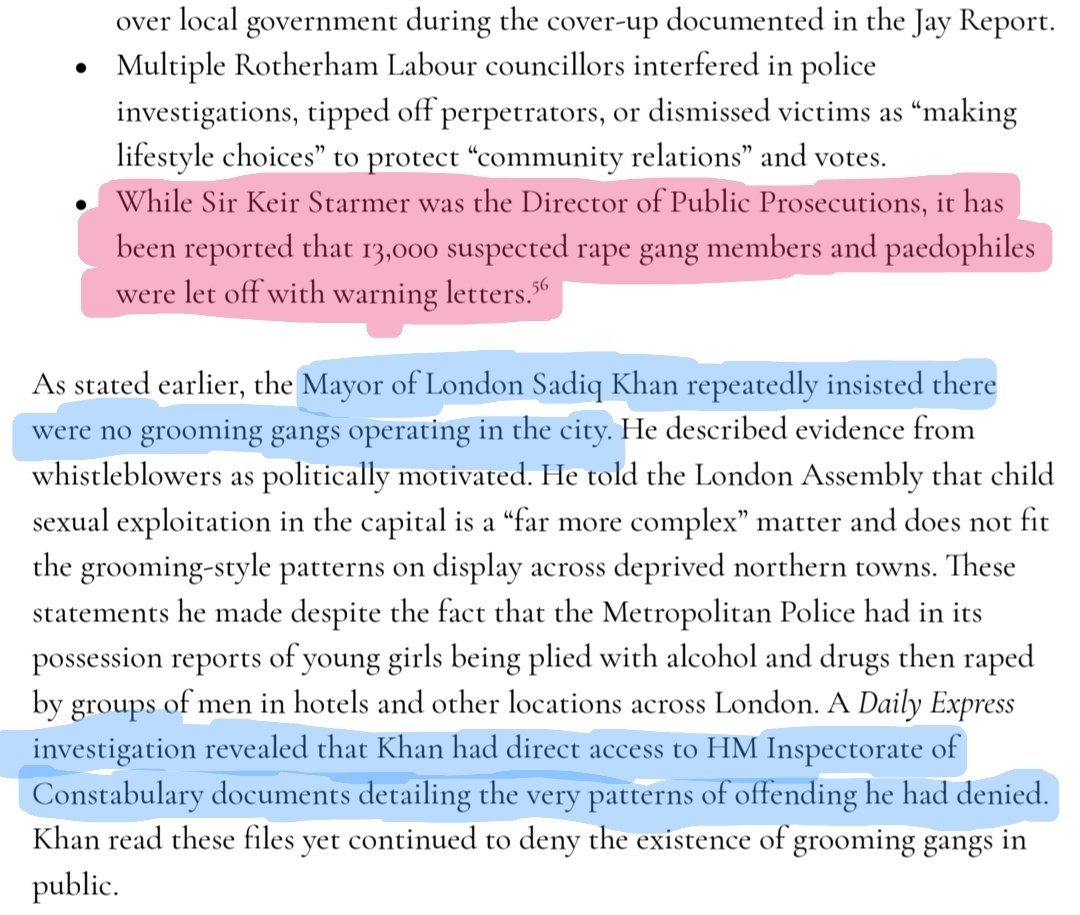
45
120
1,248
21,178
Mack Blanta retweeted

I was at a music festival in Japan and, in the middle of the set, they just stopped the music and everyone started cleaning.
People were completely trashed and still had the discipline to pick up all the rubbish. Then the music went back on and everyone went straight back to dancing.
A better world is possible.

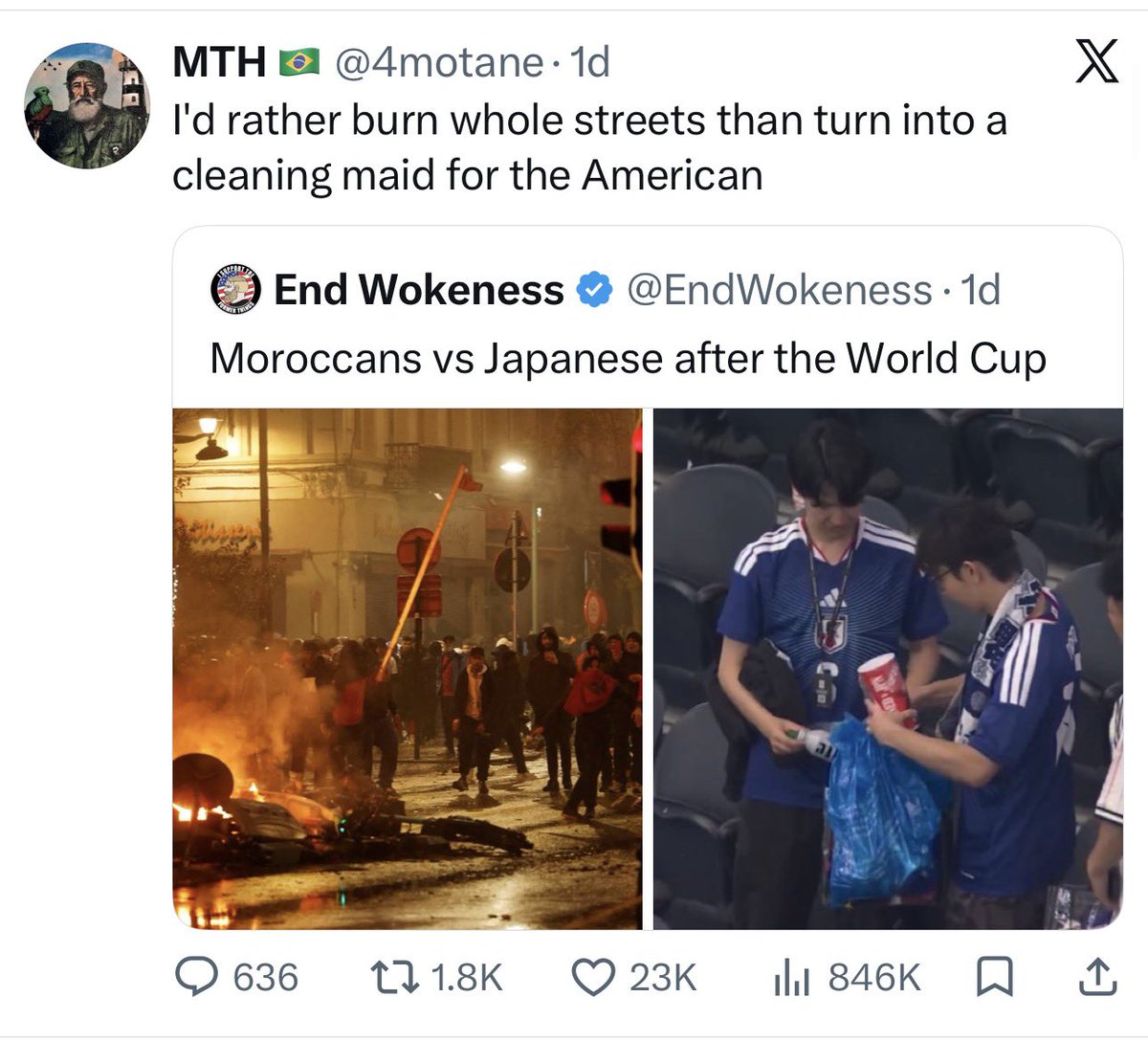
3
17
257
9,232
Mack Blanta retweeted

Quite fucking literally.
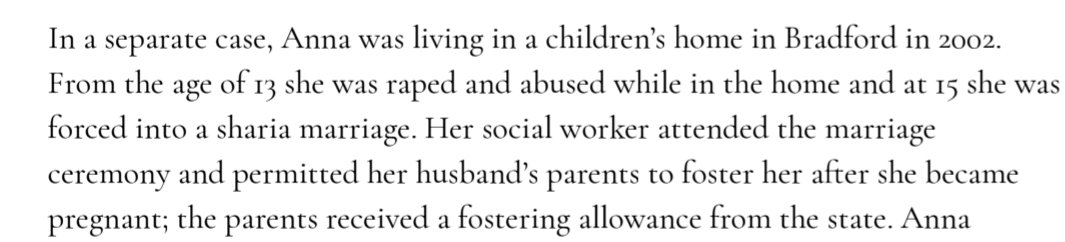

So basically, child welfare services in the UK are just a matchmaking service putting grown Paki men together with underage, poor British girls
99
1,541
10,951
164,834
Mack Blanta retweeted

DSA is essentially a wealthy, white, highly educated movement which very carefully selects candidates from their 0.00001% members of color to try and sell the ideas to black and brown people who are historically extremely averse to socialism

Why is it that DSA membership is almost entirely white, but almost all candidates that DSA runs are people of color?

56
157
867
49,177
Mack Blanta retweeted

It is very important to understand that the ramblings of neurotics online are not how "most Blacks/Caucasians feel about race relations," how "most men feel about women" - or, how "most women feel about sex and dating."
3
5
50
2,010
Mack Blanta retweeted

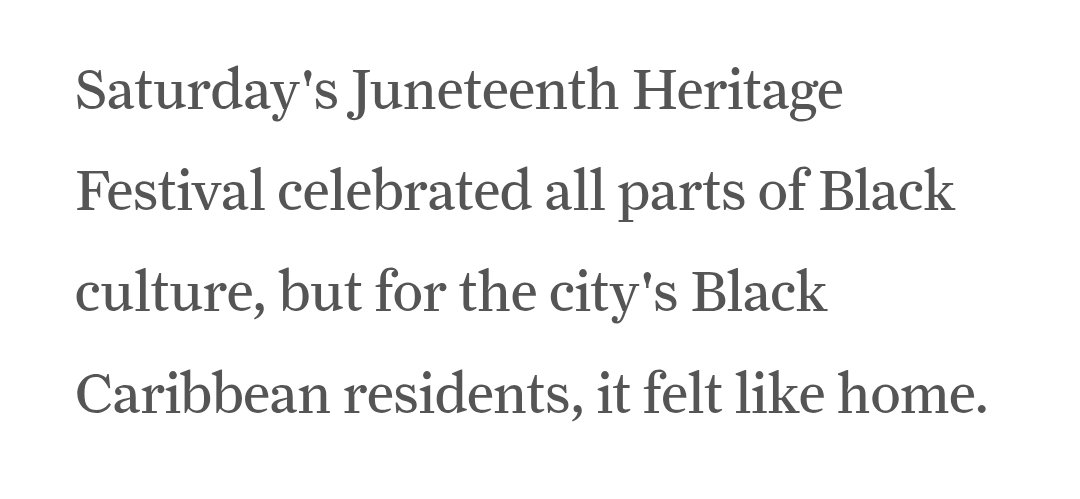
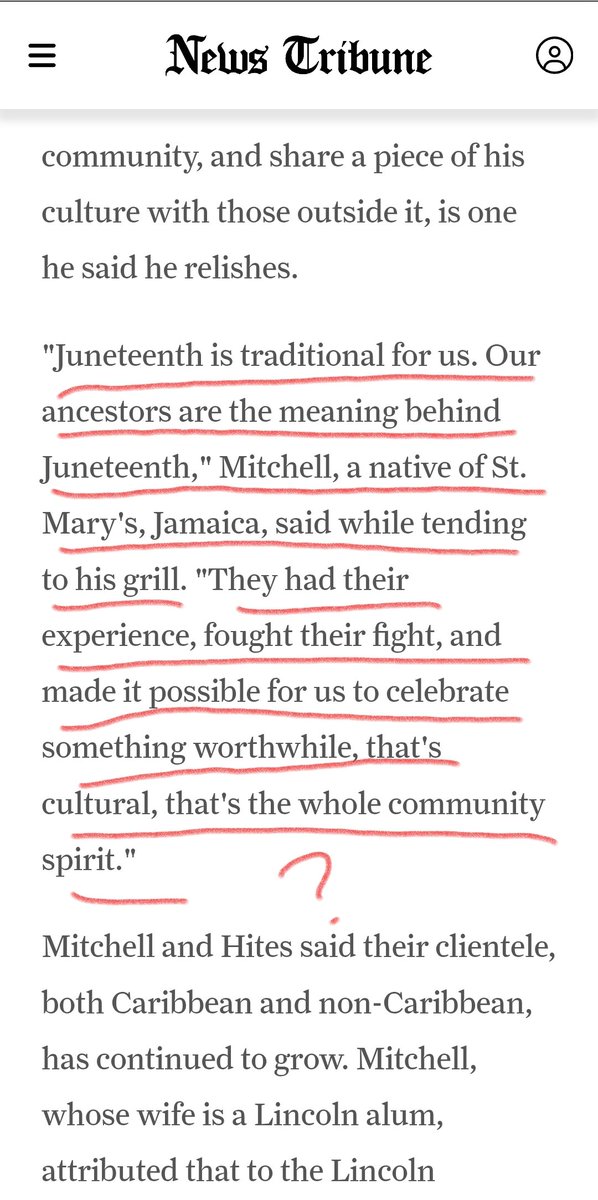
This is an attempt at erasure of FBA culture. We don't do this with Caribbean holidays/parades/celebrations... they wouldn't dare allow us to.
Caribbean food, culture central to Juneteenth Heritage Festival
@tariqnasheed
Link:
newstribune.com/news/2026/ju…
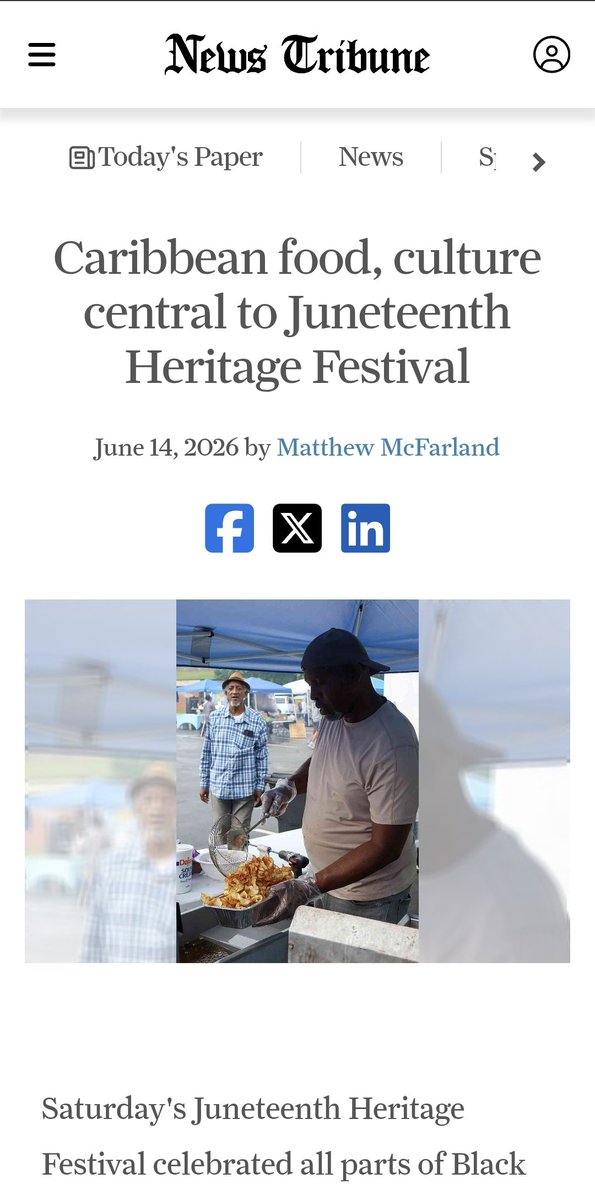
26
73
266
10,640
Mack Blanta retweeted

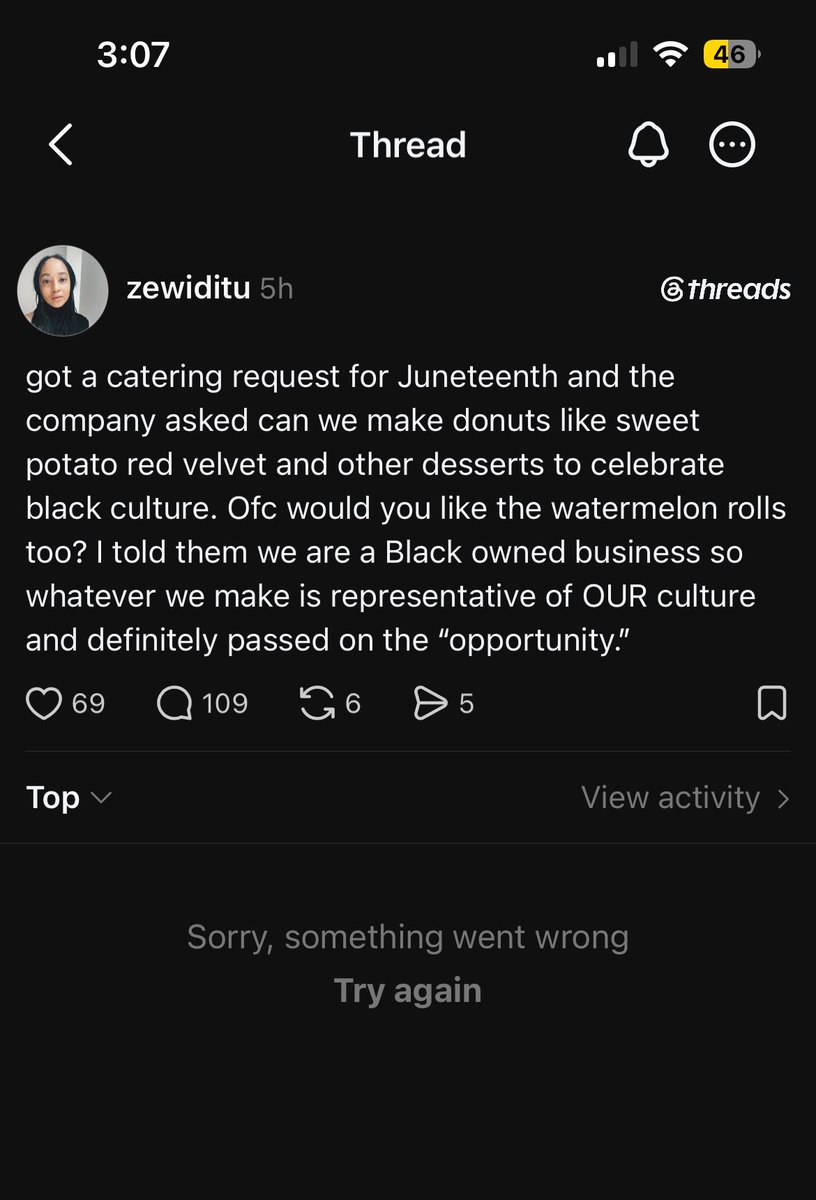
She is Ethiopian, btw. Got packed up quick, fast, and in a hurry. It’s now deleted.
I hope that person finds a good FBA caterer to fulfill their request.
47
307
2,920
103,695
Mack Blanta retweeted

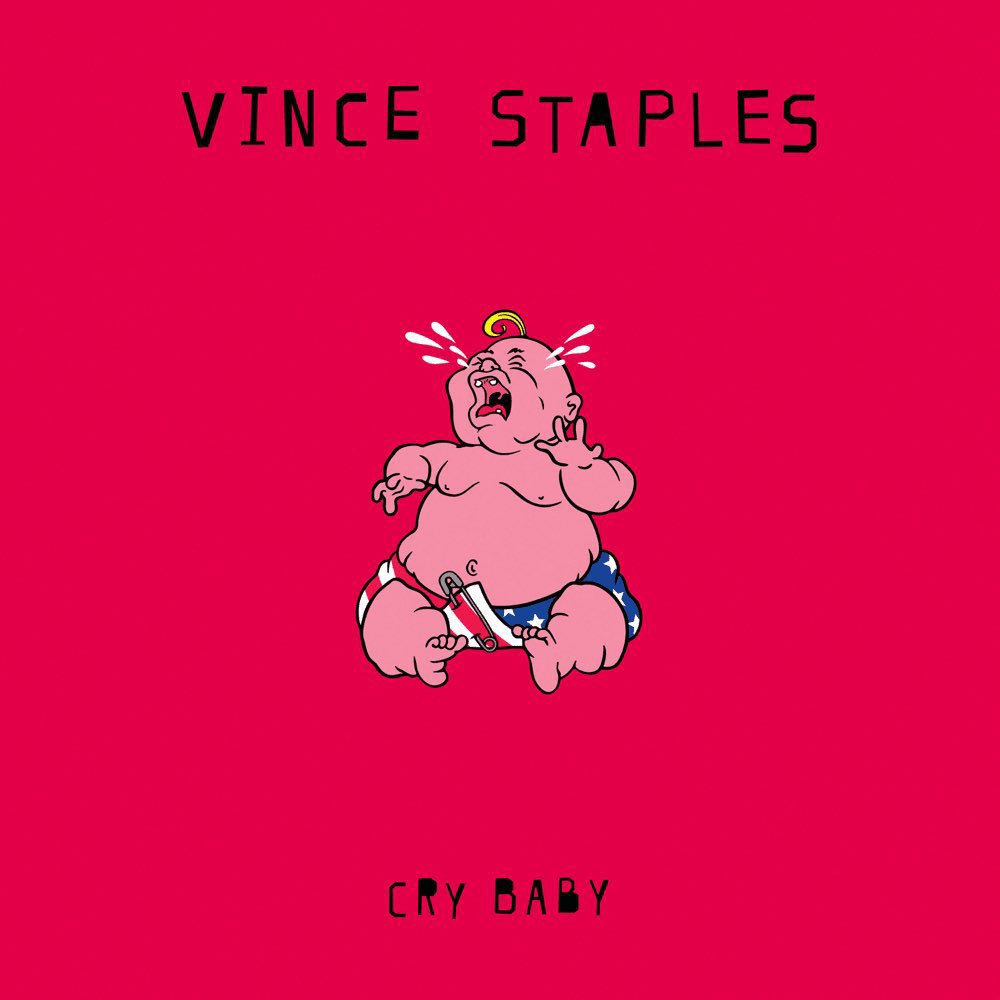
twitter loves this nigga but he flops every single time

Vince Staples' 'Cry Baby' debuts at #73 on the Billboard 200 with 14K first-week units 📊
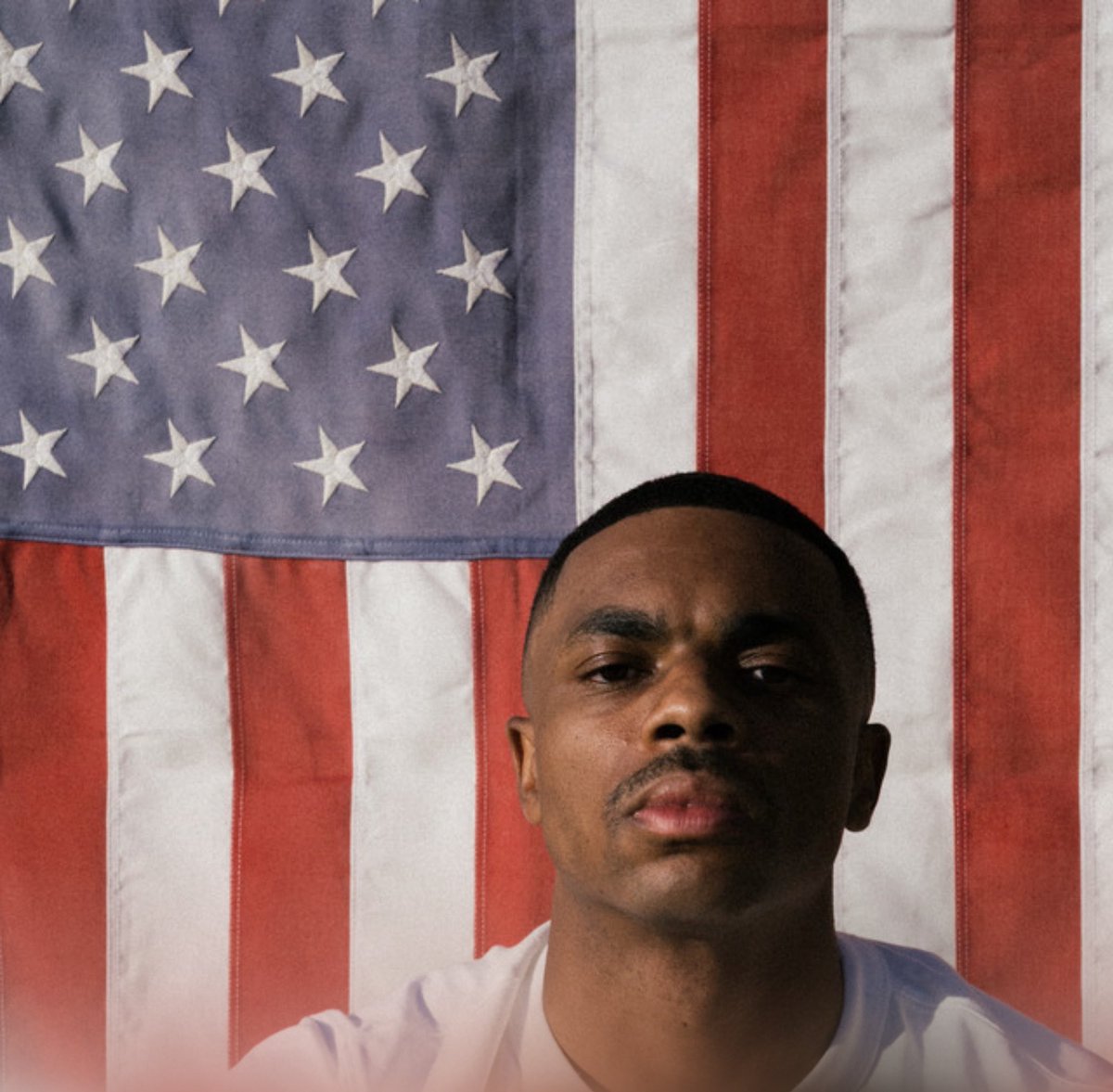
53
96
1,326
113,174
Mack Blanta retweeted

This person will be dead soon. The reality is he's dying on the street. His life could be saved. But that requires putting aside ideology and pet projects and scooping him off the streets to save his life. It's a choice. And we simply choose not to. We choose the immoral choice.

Kenmare & Bowery
Saw at least 2 cars come close to hitting him
Called 911
Made a report for medical assistance
Received a phone call 1.5 hours later asking if I was still there w him
Not great for him, for NYC
12
31
546
64,029
Mack Blanta retweeted

“I’m here to learn from your housing model”
“In Singapore all housing has ethnic quotas to prevent ghettoisation”
“Right”
“Foreigners are not eligible for social housing either, we prioritise our citizens”
“So you’re saying put more Somalis in central London social housing?”
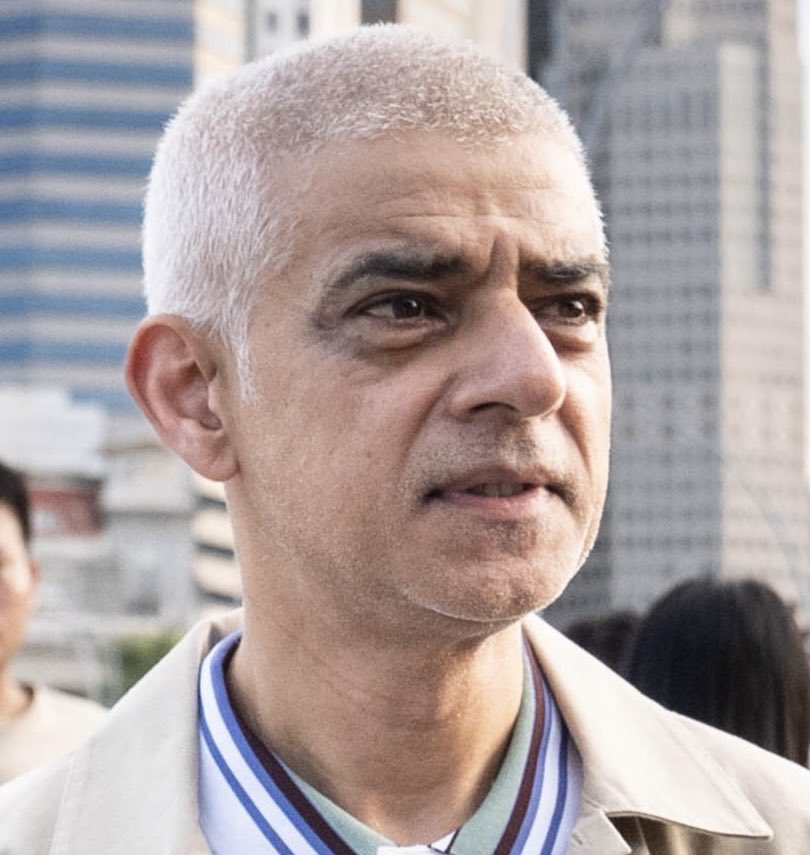


A new era of housebuilding for London.
City Hall is taking inspiration from Singapore’s world-class housing model, investing directly in thousands of new high-quality, affordable homes in East London.
44
617
7,522
272,046
Mack Blanta retweeted

You're supposed to use every unfair advantage you have. Looks, genetics, connections, dad's money, whatever.
There's nothing noble about choosing the hardest path just to feel like an underdog.
59
832
8,143
104,375

You're not "mentoring" and "after school programming" your way out of this.

Dad shot 3 times trying to confront his daughter’s bully’s— 19-year-old takes plea deal.
73
506
6,446
334,342
Mack Blanta retweeted

We went to the movies to watch a descendant of slave traders depict Martin Luther King Jr in a movie. Think about that.
Jun 14

David Oyelowo admits to being a slave trader descendant.
Oyelowo's grandfather is the King of Yoruba, the family who invented the word Akata, which translates to 'the slaves we counted and sold away.'
17
90
321
7,082
Black fascism but we leave the Arabs alone for some reason lol
Jun 13


15
Mack Blanta retweeted

I don’t get the odd obsession with Michelle. Why does Barrack look like an after thought in this painting? A meek figure lurking in the background. His wife front and center. He was the president, she’s done nothing. He doesn’t even get a chair, just hunched over on some piece of furniture not meant for sitting. It’s so weird to me.
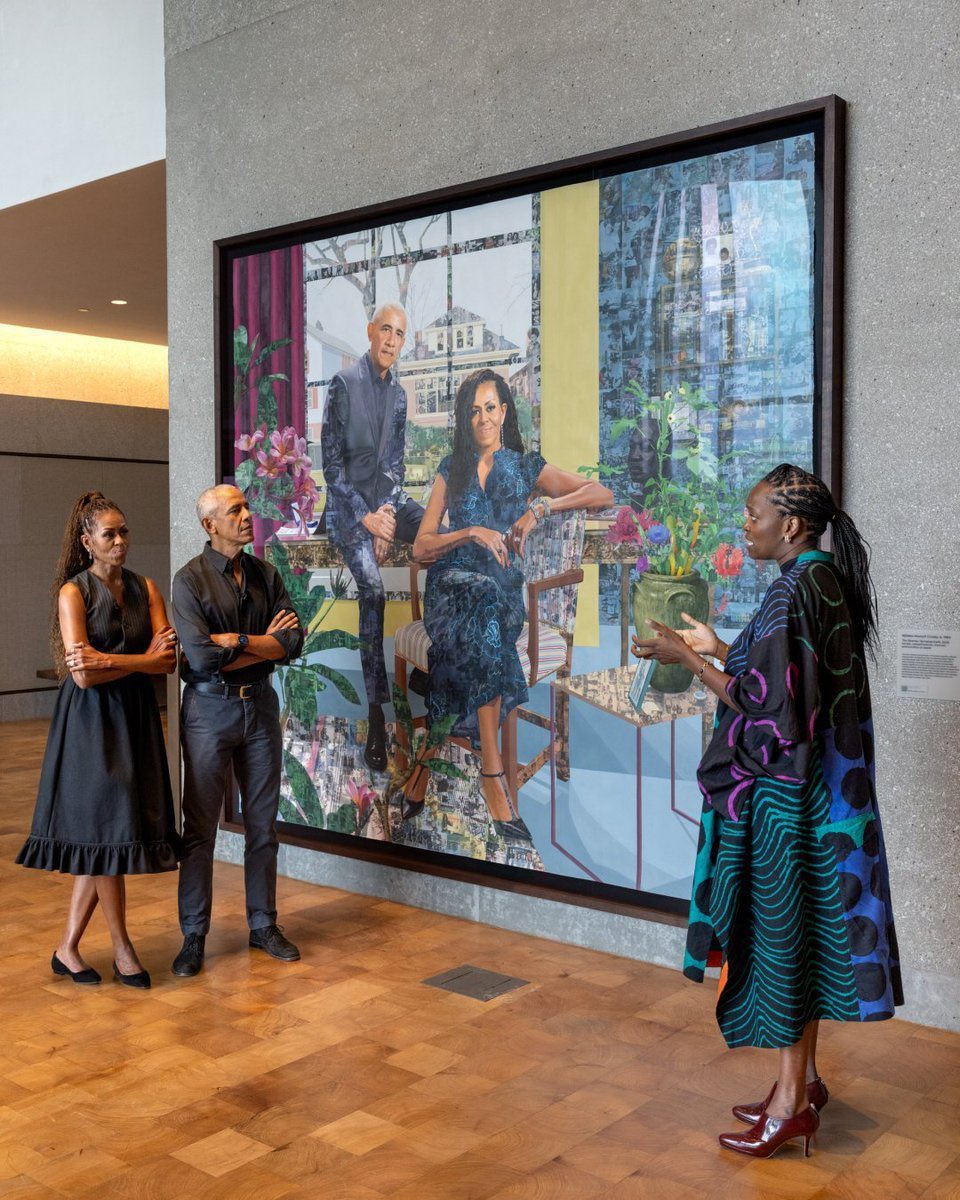
Jun 16

You get the sense that normie progressives who came of age during 2000s-10s are feeling abandoned by their leaders. Obama's inward turn, to islands and temples of his own ego; Trudeau skipping the Canada game and going to the USA game with his gf Kate Perry.
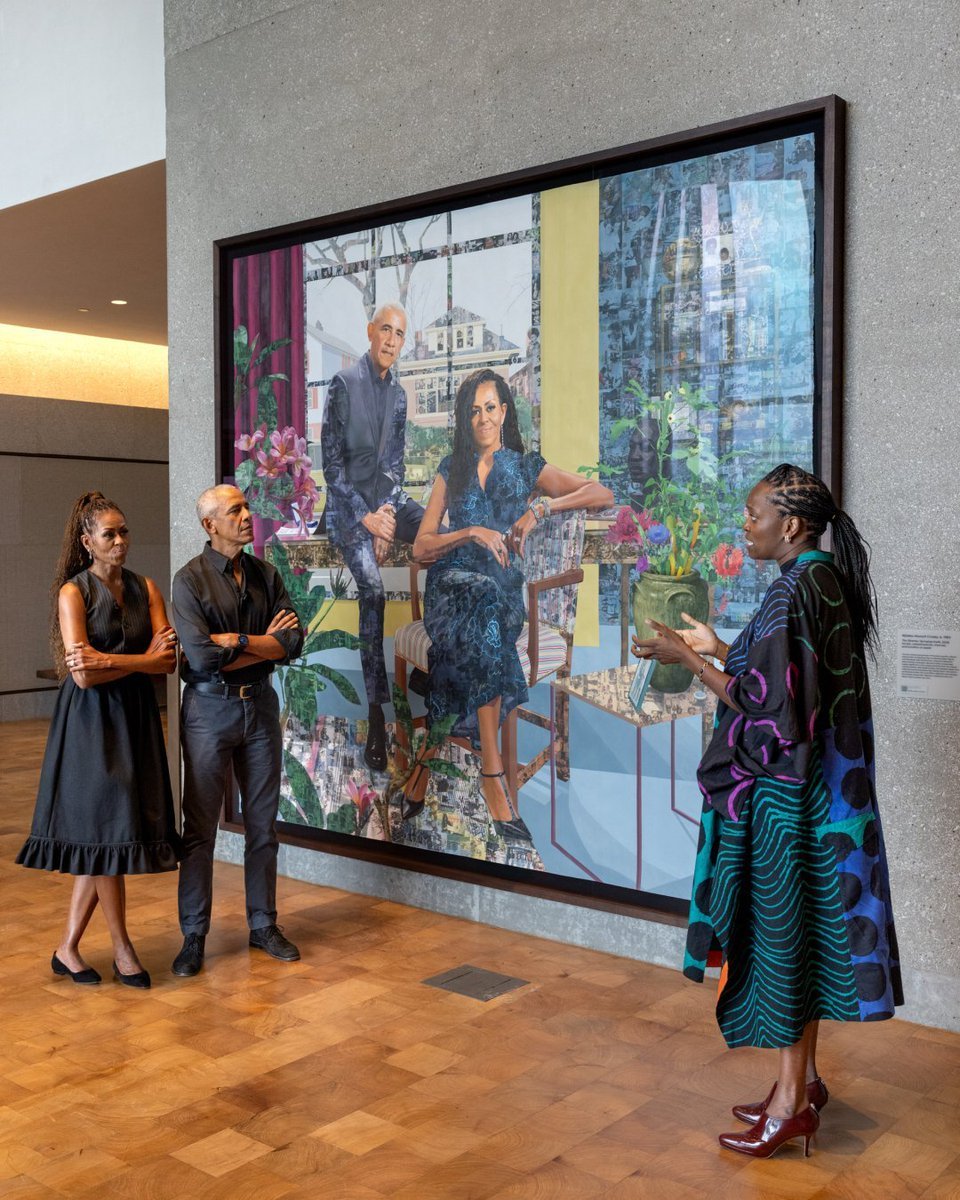

66
19
885
33,303
Mack Blanta retweeted

I’m going to sound like an ass but this sort of anxiety is self inflicted. If you celebrate extreme hierarchical sorting in society you’re encouraging a system where most people will end up on the bottom. If life success is defined by that rat race most kids are set for failure.

A friend in China urgently messaged me on WeChat over the weekend full of anxiety about his kid, who's in kindergarten. He despaired that it looked like the Chinese education system was so ruthless that his kid wouldn't even have to wait until 35 to be "weeded out of society." He knew of a kid who was in first grade and already irredeemably behind because "in first grade, they expect you to know third grade knowledge" and so on and so forth.
I always joke (but not really) that the clearest bifurcation in US-China is in education, lol. We are giving out As here like Halloween candy and lowering admission standards so we can have "more graduates" and make everyone feel great about themselves while in China there are some surveys that have shown that double digit % elementary school children are suffering from depression because academic pressures are through the roof. China was always a tough K12 education by American standards (but now much harder than even ten years ago whereas US has gone the opposite way, but of course), so now they're just not even in the same universe.
Both are so, so bad.
(35 is the age at which many in China supposedly find themselves laid off because they are deemed to be suboptimal hires on the cost-competency curve.)
13
33
529
25,507
Mack Blanta retweeted

Elections have consequences.
13h

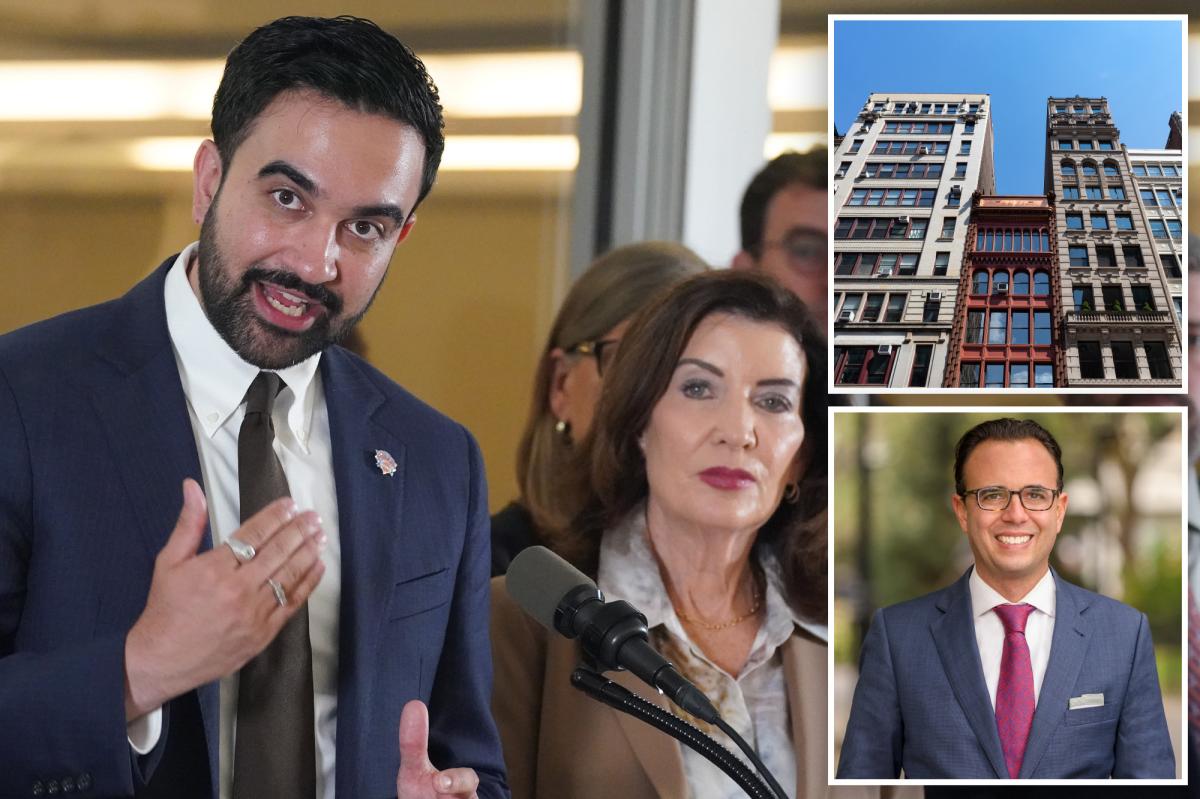
Why NY's pied-à-terre tax could leave entire co-ops on hook for massive bills: 'Whole building suffers' trib.al/uFpOu9B
7
36
250
7,925
Mack Blanta retweeted

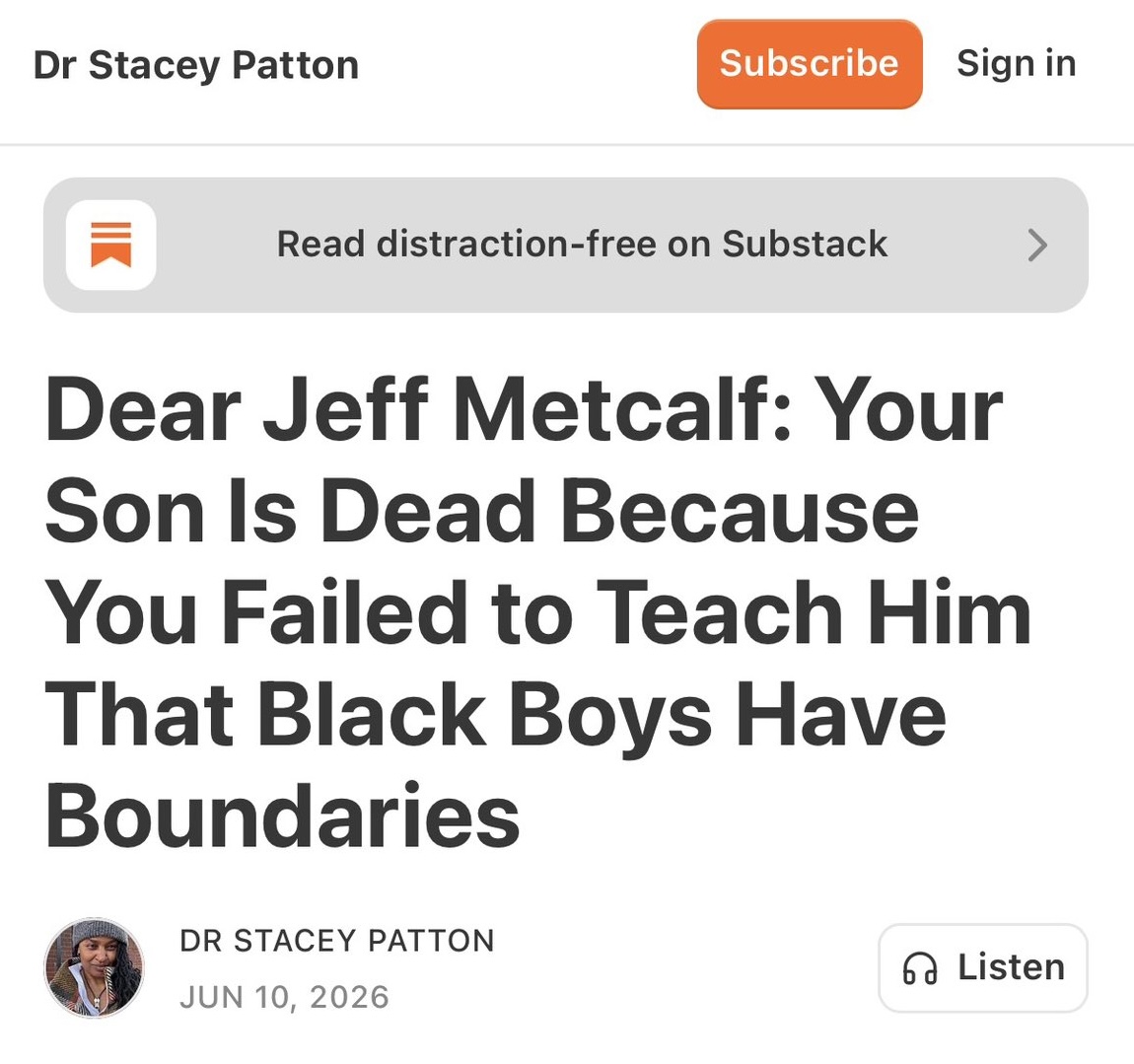
This Howard University professor apparently has no idea how toxic it is for the public's perception of black people to tell them "If you offend a young black man, he has every right to stab you to death, that's just science."
289
456
3,397
92,830