
Art, Enterprise & Well-being. Founder & CEO of Safe Regeneration - dad - FRSA l#destinationbootle #communities writer of songs 🆙
Joined July 2012
- Tweets 2,321
- Following 881
- Followers 1,051
- Likes 3,895
284 Photos and videos


Brian Dawe retweeted

20 May 2024
Feargal Sharkey: "The water industry can say what it likes, but the reality & people's experience is very different from what the industry has to say... quite frankly, privatisation has been a scam & we've been had."
#BBCBreakfast
69
1,504
4,501
277,444
Brian Dawe retweeted

20 May 2024
I don’t mind people being filthy rich…
But how can it be right that a sitting PM can see his and his wife’s fortune jump by more than £120m in a year?
And how can we be ok knowing that his Govt issued contracts have contributed to this?
It’s obscene.
363
2,736
10,385
412,724
Brian Dawe retweeted

12 May 2024
BREAKING
Should 4 Tories be reported to police?
Four Tory MPs made £5 MILLION selling taxpayer-funded homes but won't say if they paid capital gains tax @DailyMirror
🔹One Tory MP sold his property in London making an estimated profit of £2m.
🔹 BUT from 2004 to 2009 he claimed £106,745 in mortgage payments from Parliament as a second home
🔹When he sold it, he was on the electoral register at that house AS WELL AS a second one in Billingshurst
🔹second homes need capital gains tax accounted for, for that period
🔹did he pay tax?
Tories have reported Angela Rayner to the police and demanded her tax affairs be made public
Is it time for Labour to report these Tories to police for the same reasons?
After all what's sauce for the Tory goose...
mirror.co.uk/news/politics/f…
716
5,707
13,747
623,693
Brian Dawe retweeted

17 Jan 2024
£42 for each child raped from the Home Office who. £169,000 per person in the failed Rwanda plan. No hours of debate on the child abuse inquiry, no Tory rebellion that not 1 of recommendations has been done by Govt. No amendments from 5 families. No extra judges for rape victims.
717
3,723
14,758
809,153
Brian Dawe retweeted
8 Jan 2024
Watch @AndyMcDonaldMP grilling the current Post Office CEO Nick Read last June
"What is so extraordinary about you that you feel you deserve a whacking bonus of £455,000 to make your total pay £870,000"
Andy: The metric used to calculate part of the Post Office executives' bonuses was based on false information in the accounts relating to the inquiry into the Horizon scandal.
Andy: The executives must return all inquiry-related bonuses immediately

While some postmasters can barely make ends meet, the Post Office chief exec was paid of £870k - including a whacking great bonus of £455k.
In parliament he tried to justify executives receiving bonuses as a way to "incentivise people to do the right thing".
Ridiculous.🧵1/2
426
3,444
10,536
2,297,247

Brian Dawe retweeted

7 Nov 2023
At #Locality23 in Bristol, @antlondon has JUST LAUNCHED our new Manifesto calling for a community power revolution. We know that local communities are best placed to transform lives and create a fairer society, so we’re calling on the next government to make five big reforms 🧵
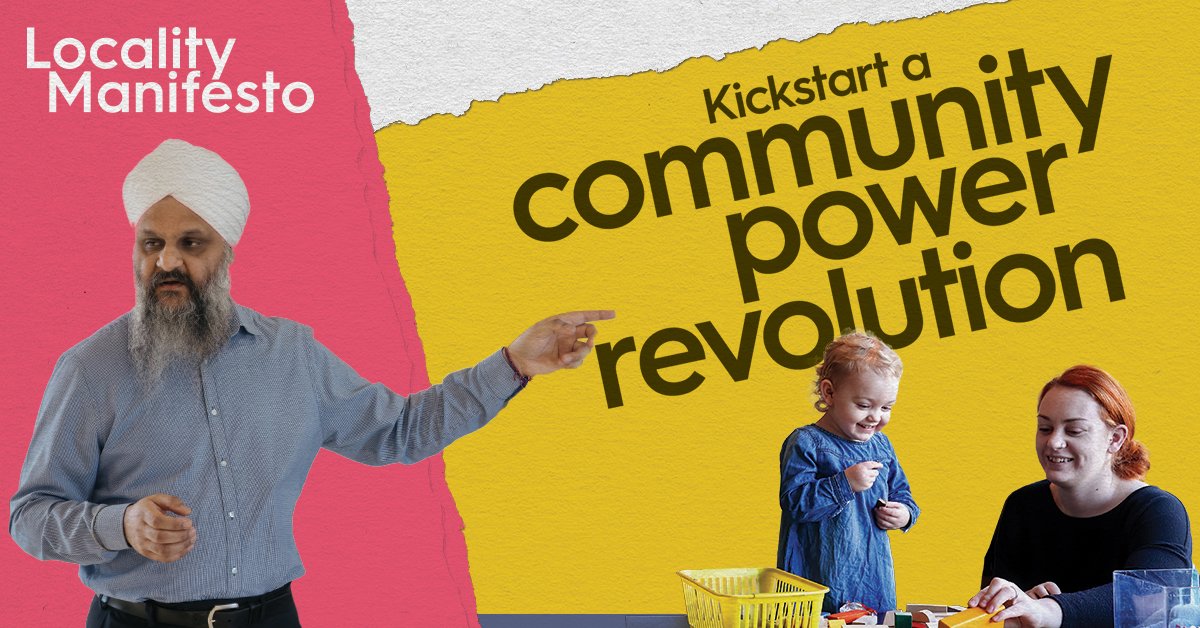
ALT Image of man, child and woman with text "Locality Manifesto: Kickstart a community power revolution"
6
18
46
2,761
Brian Dawe retweeted

2 Nov 2023
The allegations of corrupt payments to newspapers, as mentioned by @Dominic2306, if substantiated, could potentially involve serious breaches of both criminal law and journalistic ethics. Under UK law, corruption is addressed by the Bribery Act 2010, which defines bribery and establishes the offenses relating to bribing another person, being bribed, or bribing foreign public officials.
The lack of media coverage on such a critical issue as alleged corrupt payments—especially when it involves the press itself—raises questions about media ethics and the role of the fourth estate in holding power to account. The Editors' Code of Practice, enforced by the Independent Press Standards Organisation (IPSO), mandates that the press must "take care not to publish inaccurate, misleading, or distorted information."
Furthermore, the absence of reporting on this matter could be seen as a failure to uphold the public's right to receive information, a principle supported by Article 10 of the European Convention on Human Rights, which covers the freedom to receive and impart information without interference by public authority.
Transparency and accountability in both government and media are fundamental to a functioning democracy. It is essential for the mechanisms of oversight, such as inquiries and the free press, to operate without undue influence or suppression of information.
For those seeking a deeper understanding of the legal implications of such allegations and the role of media oversight in upholding democratic values, @LawDiscoveries offers resources and expert commentary.
Discover more about the legalities of media conduct and public accountability at @LawDiscoveries.
7
45
139
49,449
Brian Dawe retweeted

1 Nov 2023
in my statement I explain how senior officials in No10 were worried about *corrupt payments made to the newspapers* - & I mentioned it in the Inquiry - do you see ANY coverage of this?!
ZERO
Not one media story - radio silence from all the same wankers who normally jump on every 'scandal'
840
1,571
4,590
1,382,902
Brian Dawe retweeted
20 Sep 2023
NEWS
One of Tories’ biggest ever donors Frank Hester who gave £5m to Tory party earlier this year.....profited from £135m of NHS contracts in 4 years via his company
More discoveries from @GoodLawProject @JolyonMaugham
⏬️ theguardian.com/politics/202…
518
6,238
11,147
453,128
Brian Dawe retweeted
8 Sep 2023
Morning
Rishi Sunak...warm welcome at G20 as India’s ‘son-in-law’?
His wife still hasn't volunteered the c £20m in tax she saved claiming non-dom since he became MP inc when he was Chancellor.
Labour has said they will stop non-dom status option...good👏🏼 theguardian.com/politics/202…
397
2,074
7,139
282,998
Brian Dawe retweeted

16 Aug 2023
Last image of #MahsaAmini alive moments before being severely beaten for showing hair from under her hijab. In a coma for two days before dying from her head injuries Sept 16th.
Her name has become the most shared hashtag of all time. A name that sparked 11 months of ongoing nationwide and global protests.
1 year anniversary will be highly significant.
The countdown started.
T-minus 1 month.

253
3,560
11,033
1,258,732
Brian Dawe retweeted
8 Aug 2023
2014 Nadine Dorries vehemently saying
"where MPs fall down is when they ......"
Given her utter lack of regard for her constituents today, as @BestForBritain suggests, it would be awful if this video went viral
RT
246
6,828
11,163
764,906
Brian Dawe retweeted

8 Aug 2023
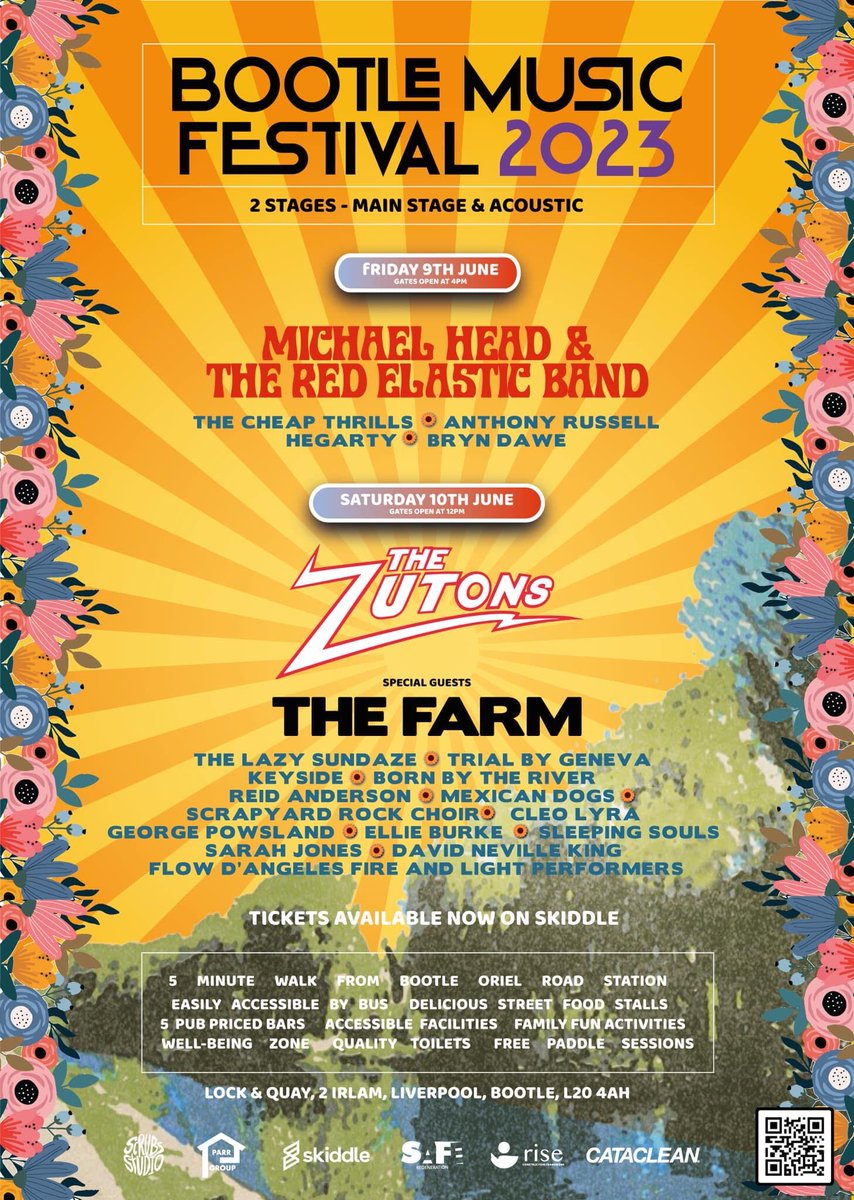
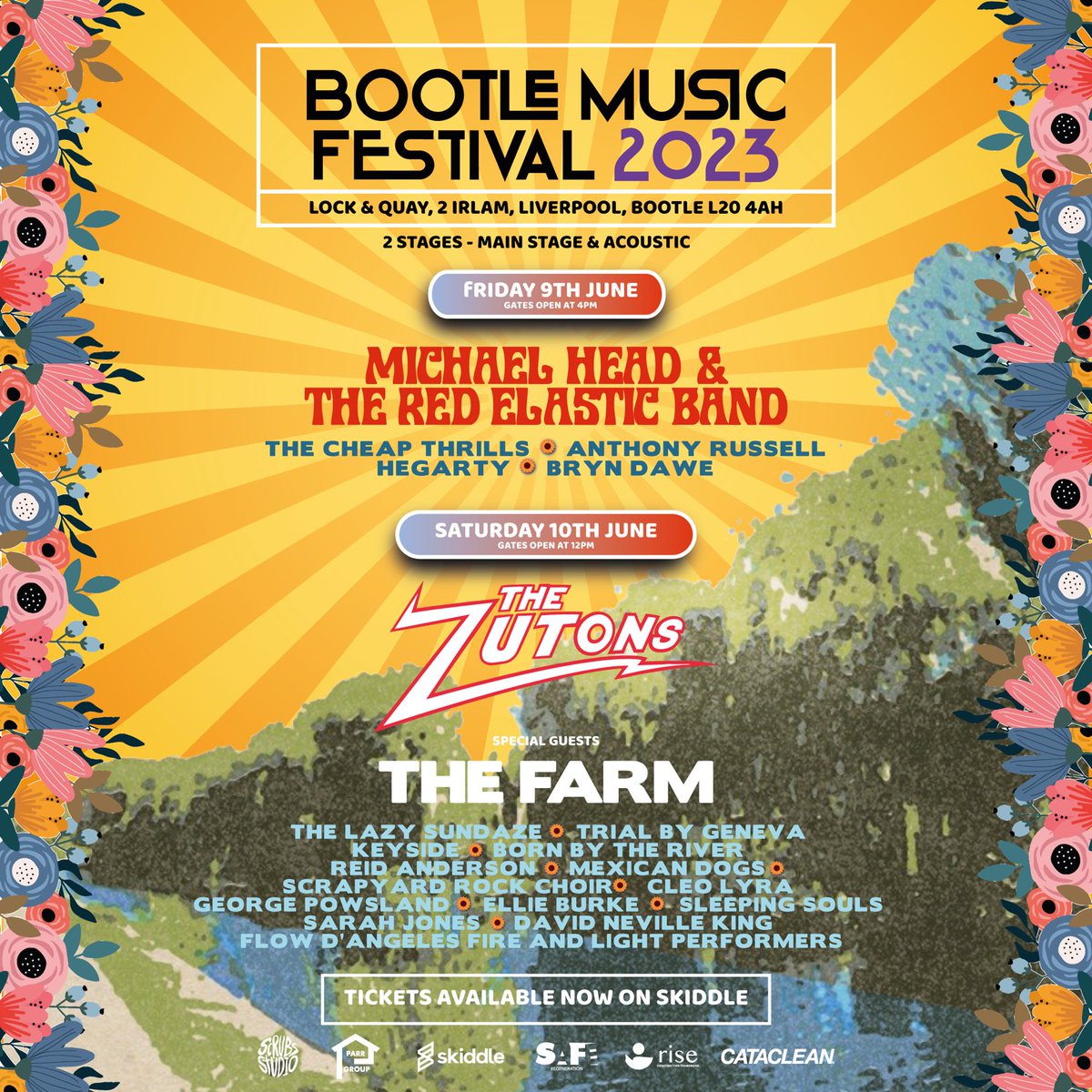
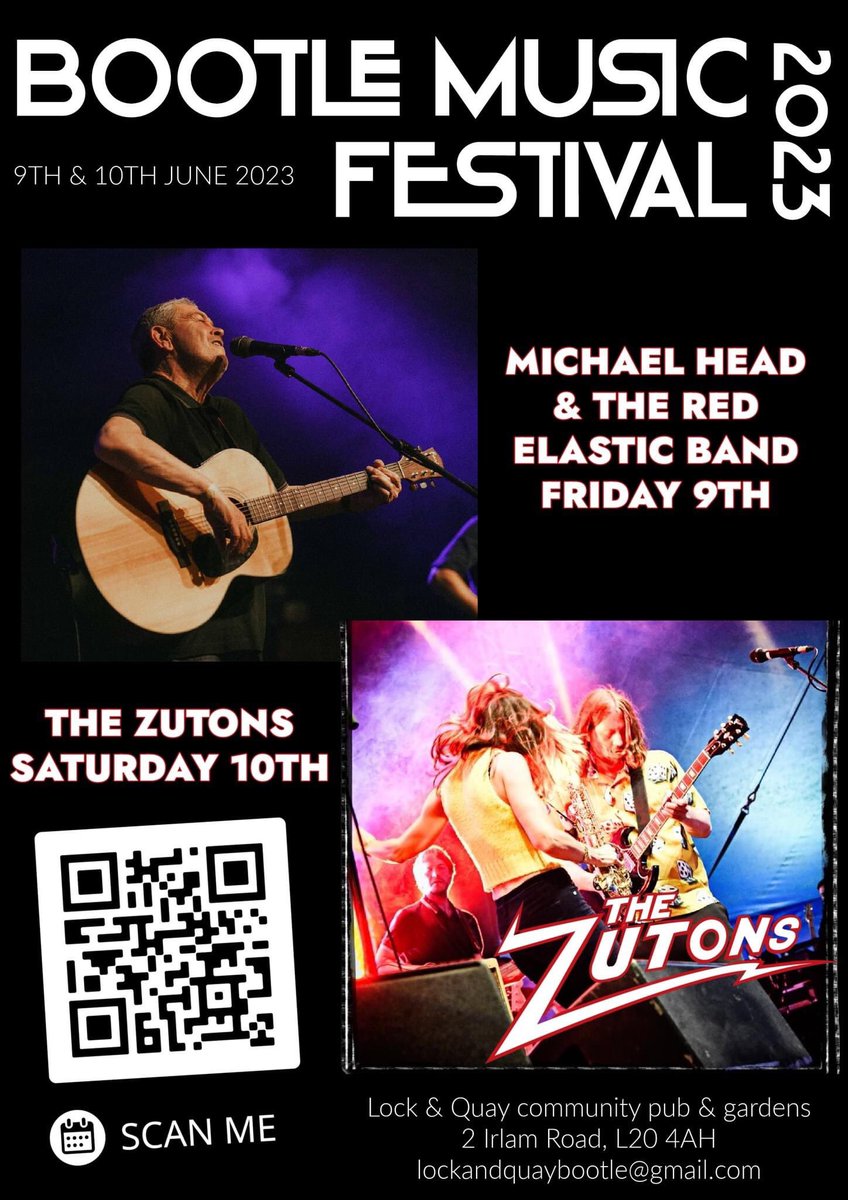
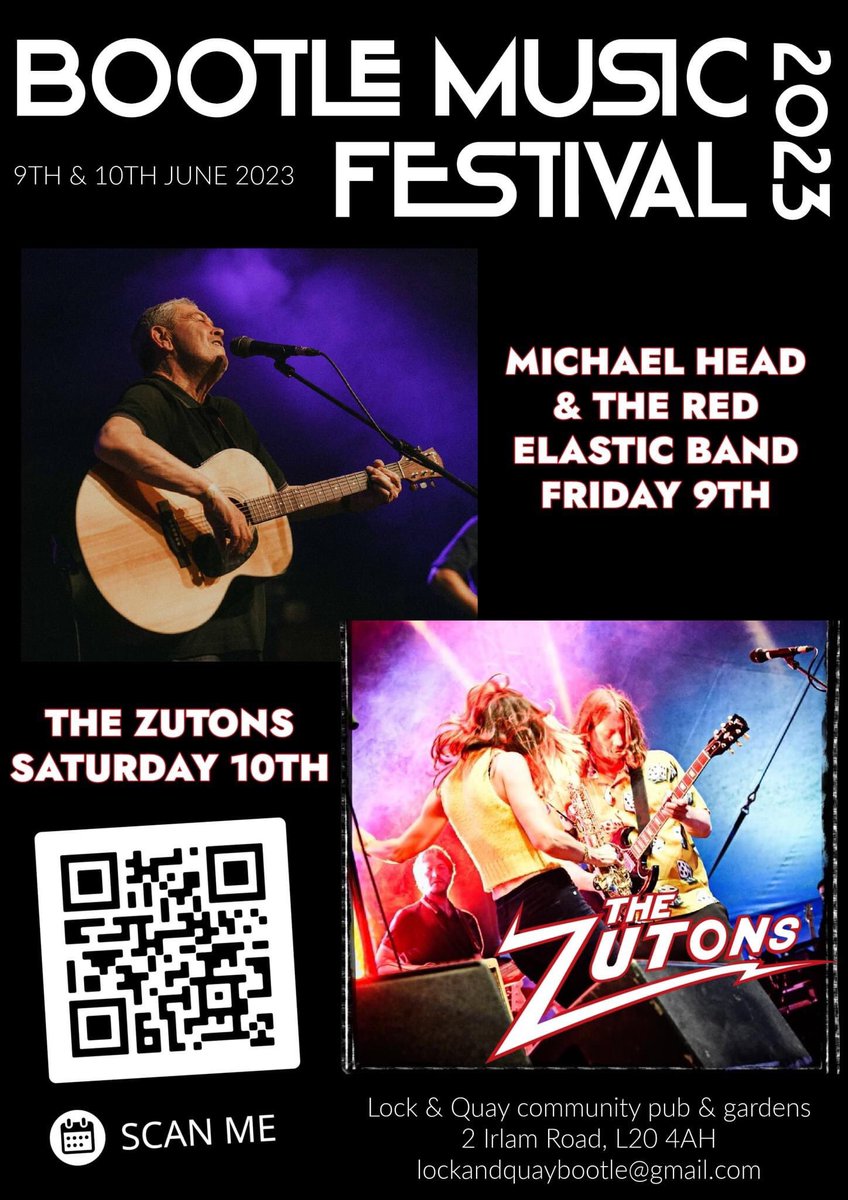
Have you got your tickets yet?! They're selling quickly & we've only got a limited capacity so grab yours now to avoid disappointment!🙏
skiddle.com/whats-on/Liverpo…
More acts & activities still to be announced!!!🥳
#lockandquaybootle
@SafeRegen @SafeBrian @janeatsaferegen

2
2
548

1 Aug 2023
Our capacity is limited so first up best dressed 👩🏻🌾
1 Aug 2023

We're so excited to announce the Bootle Country Music Festival coming up on the 2nd of Sept🥳
Tickets are available HERE - skiddle.com/whats-on/Liverpo…
We've got The Country Chix, The Jesse Janes, The Cottonmouth Cajun Band, The Country Quays, Razor Holler & More to be announced!
1
1
2
205