
Joined July 2020
- Tweets 1,537
- Following 90
- Followers 59
- Likes 2,505
748 Photos and videos





Sam retweeted

Jun 15
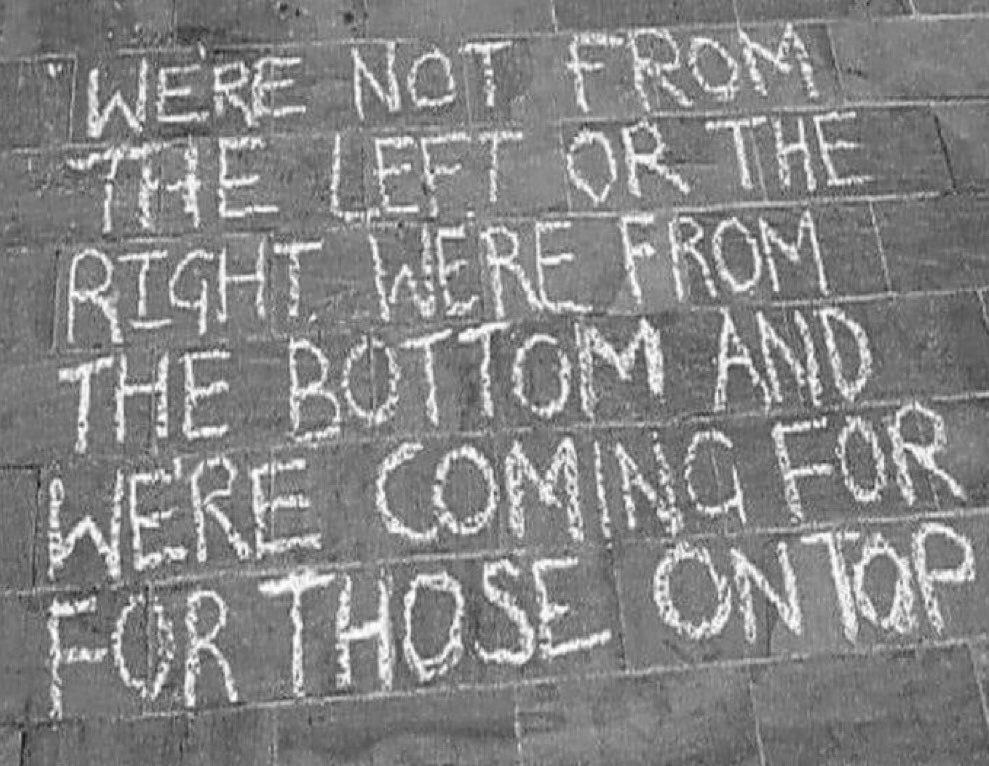
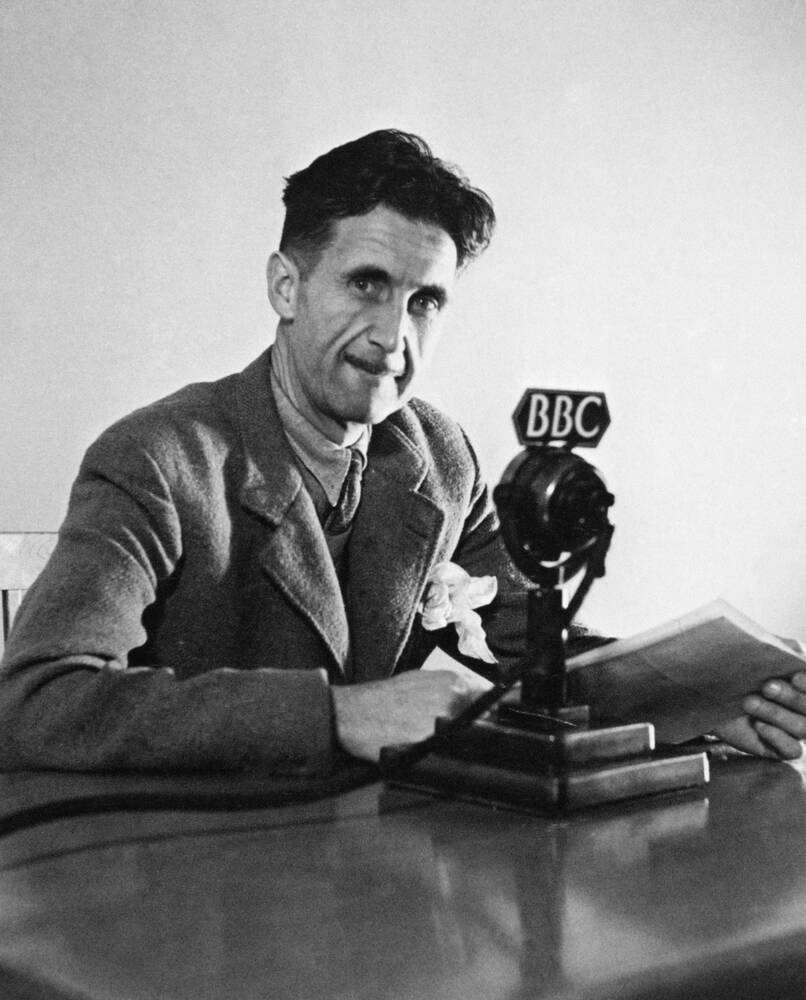
"During times of Universal deceit, telling the truth becomes a revolutionary act."
- George Orwell
7
133
950
16,834
Sam retweeted

Jun 3
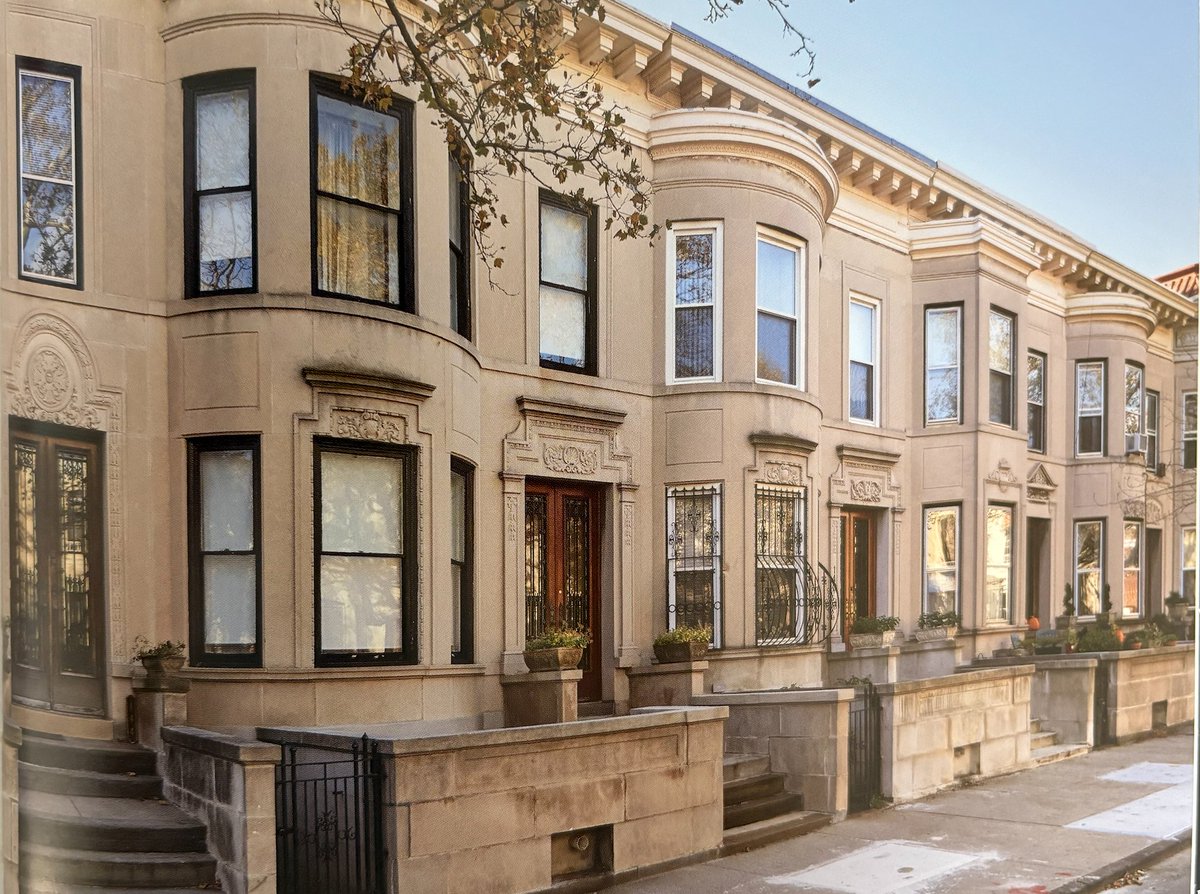
What working class housing used to look like
31
41
654
104,871
Sam retweeted

Jun 5
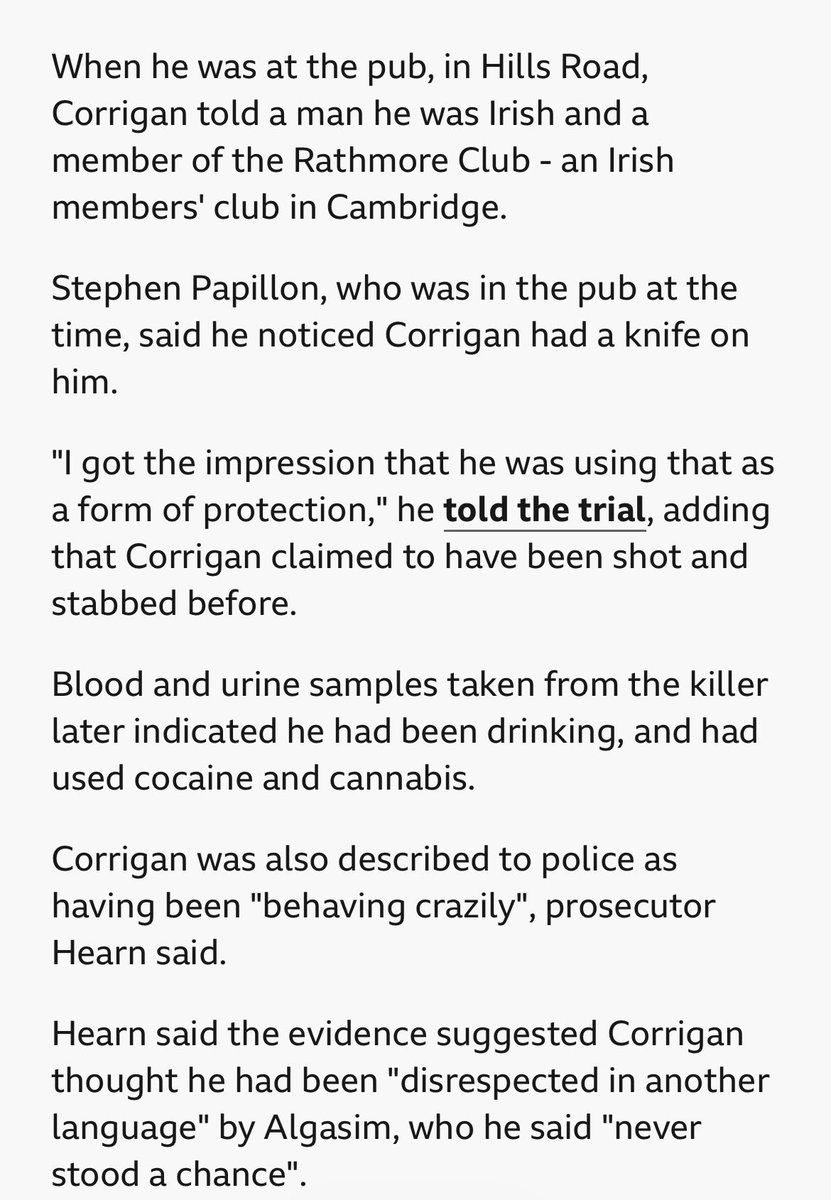
🇮🇪 Irish man kills 🇸🇦 Saudi man in the UK 🇬🇧. Why must we have to put up with foreign people committing murders in the UK ?
2
20
614
Sam retweeted

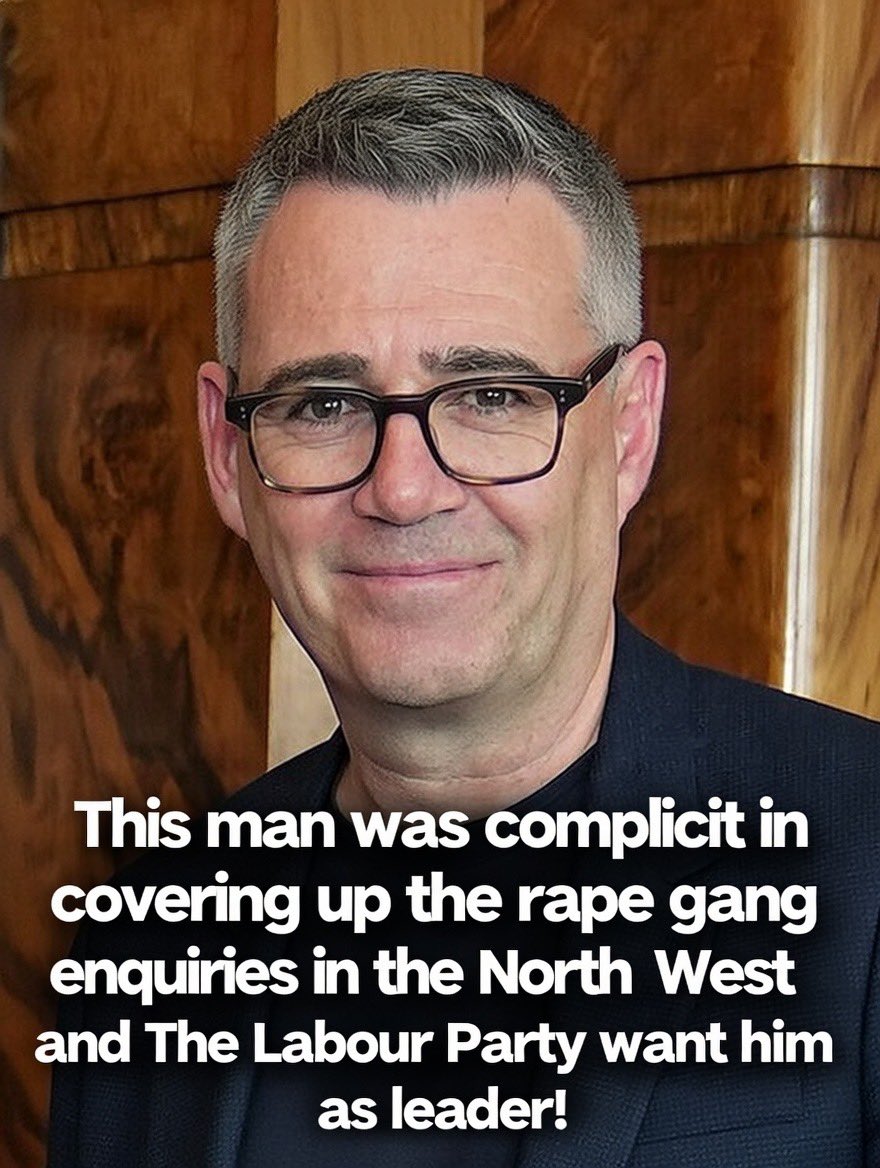
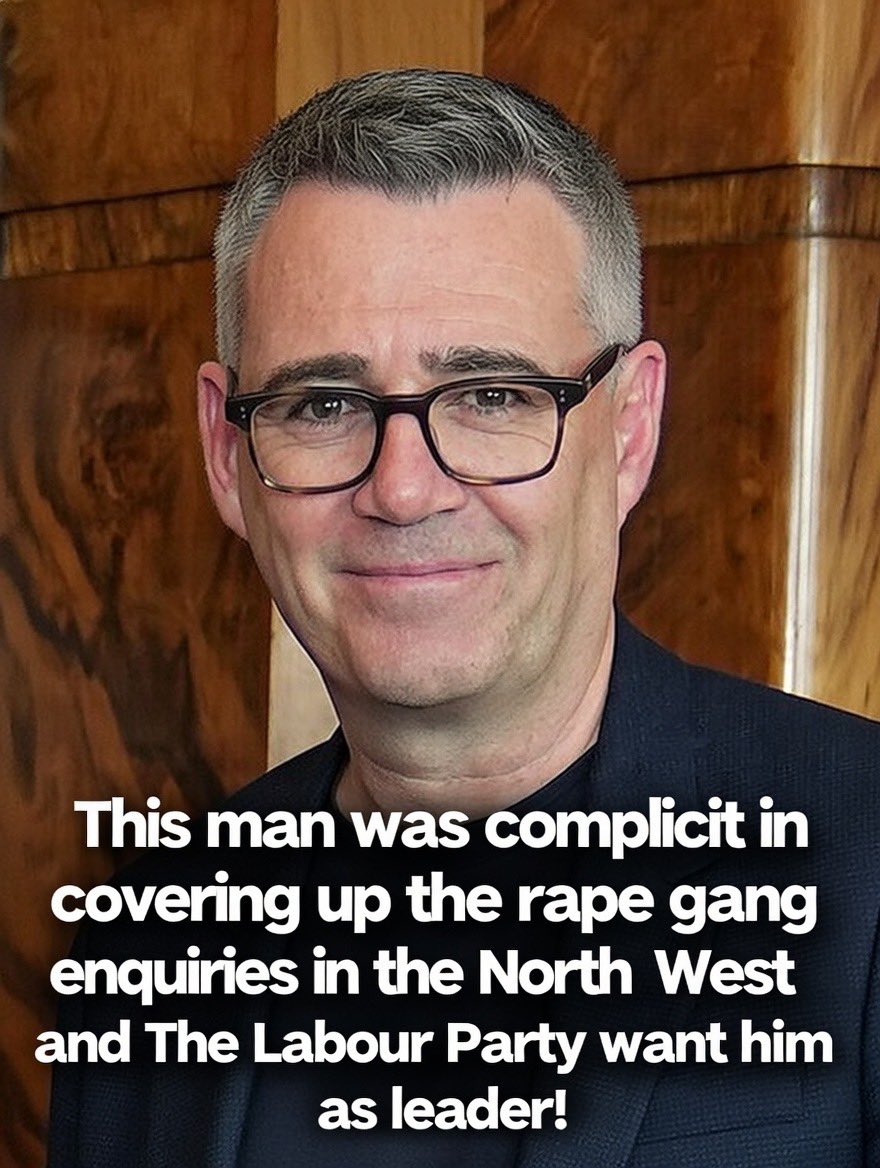
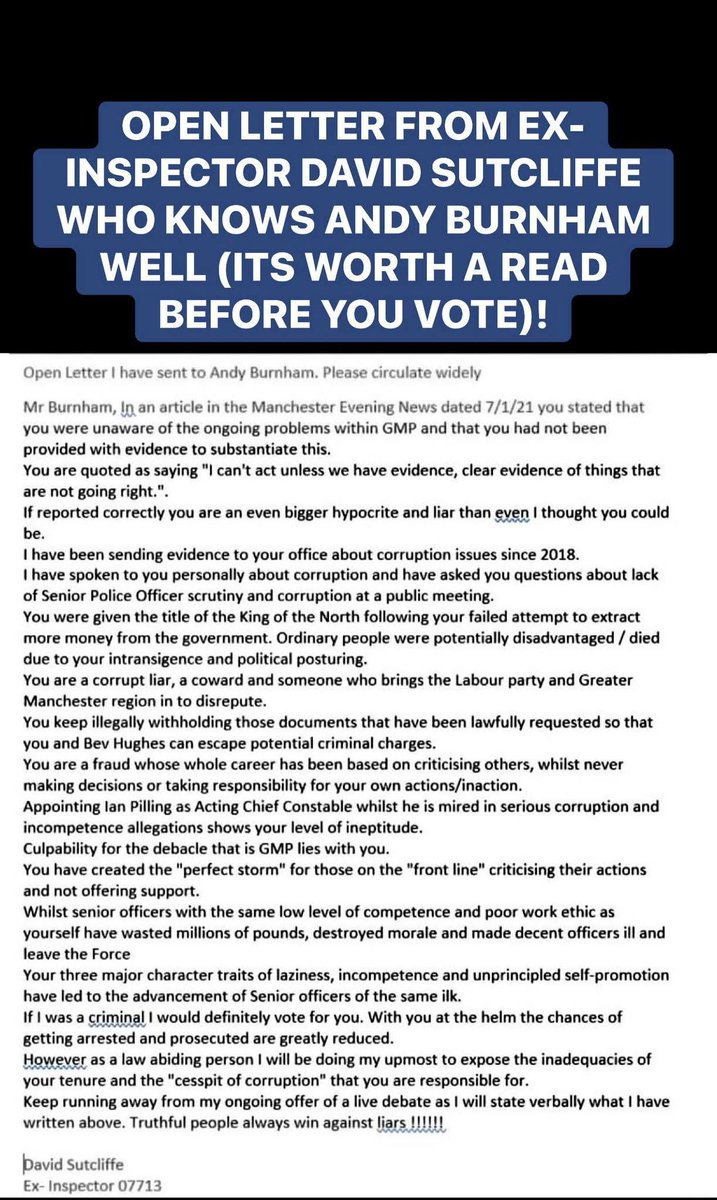
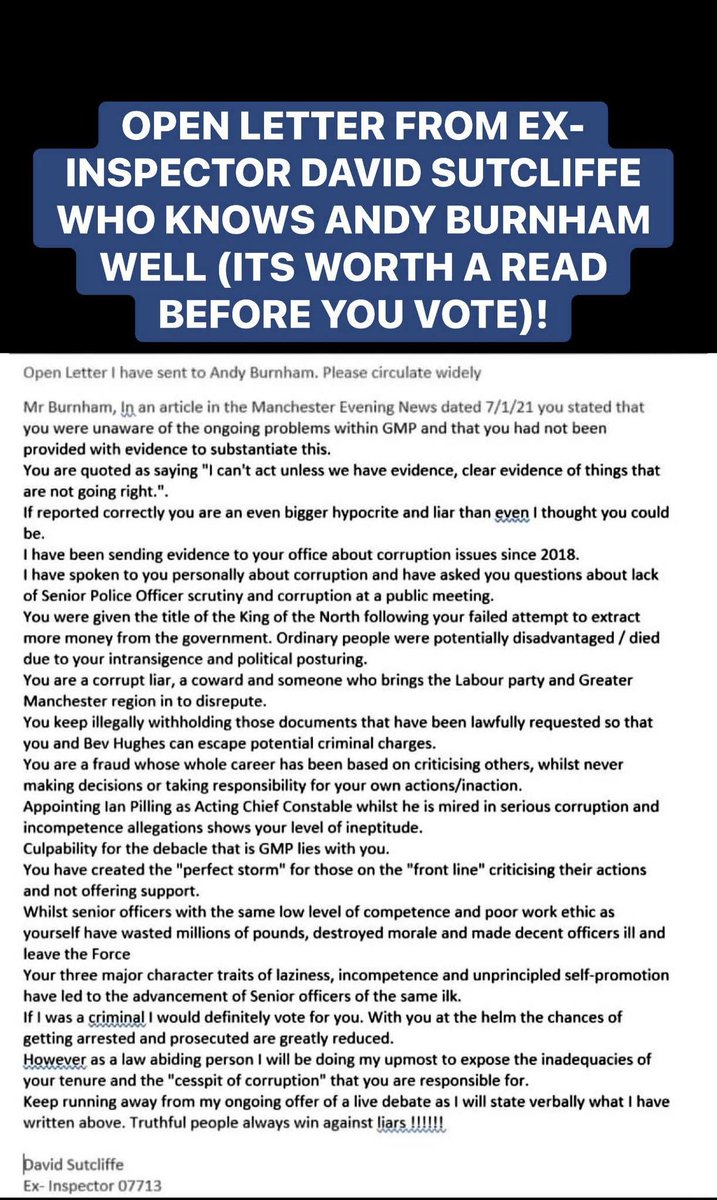
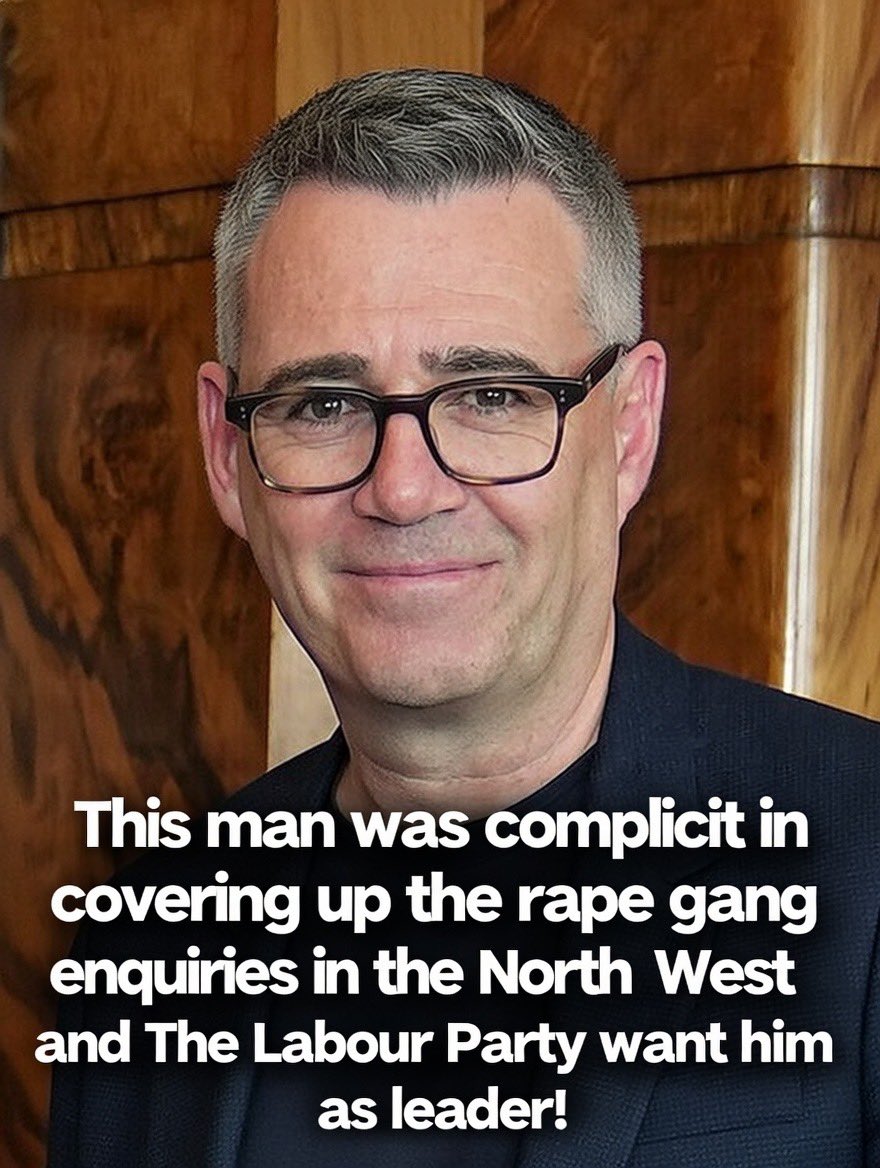
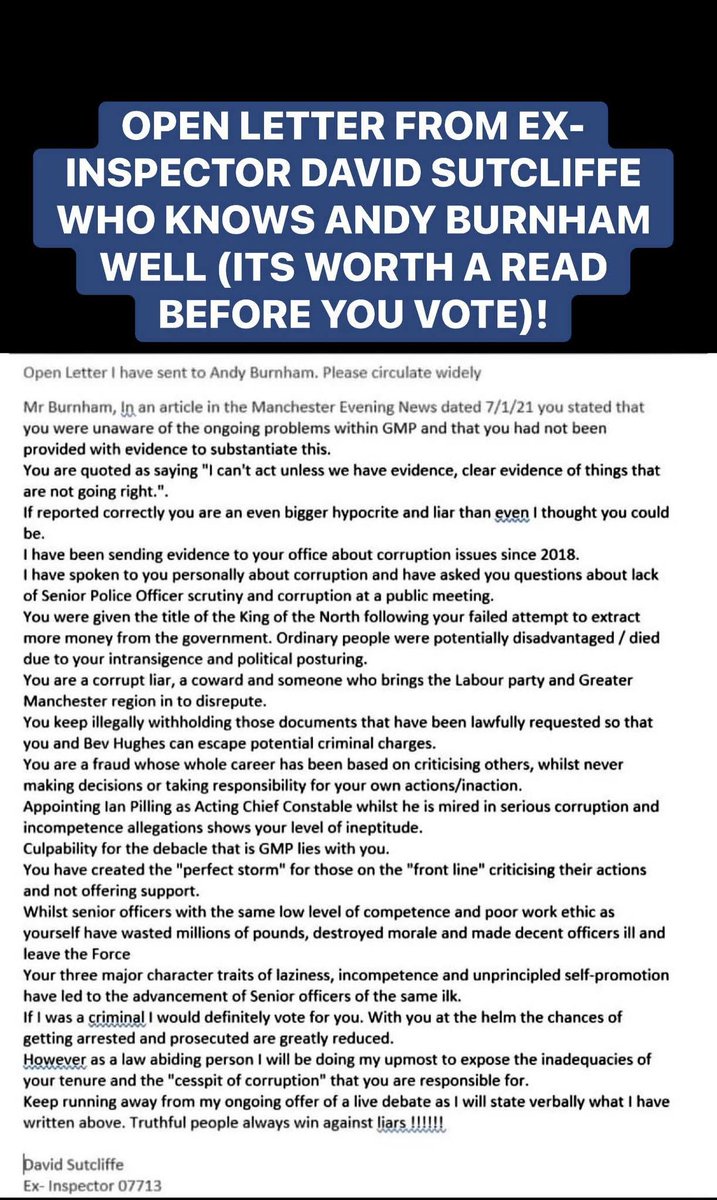
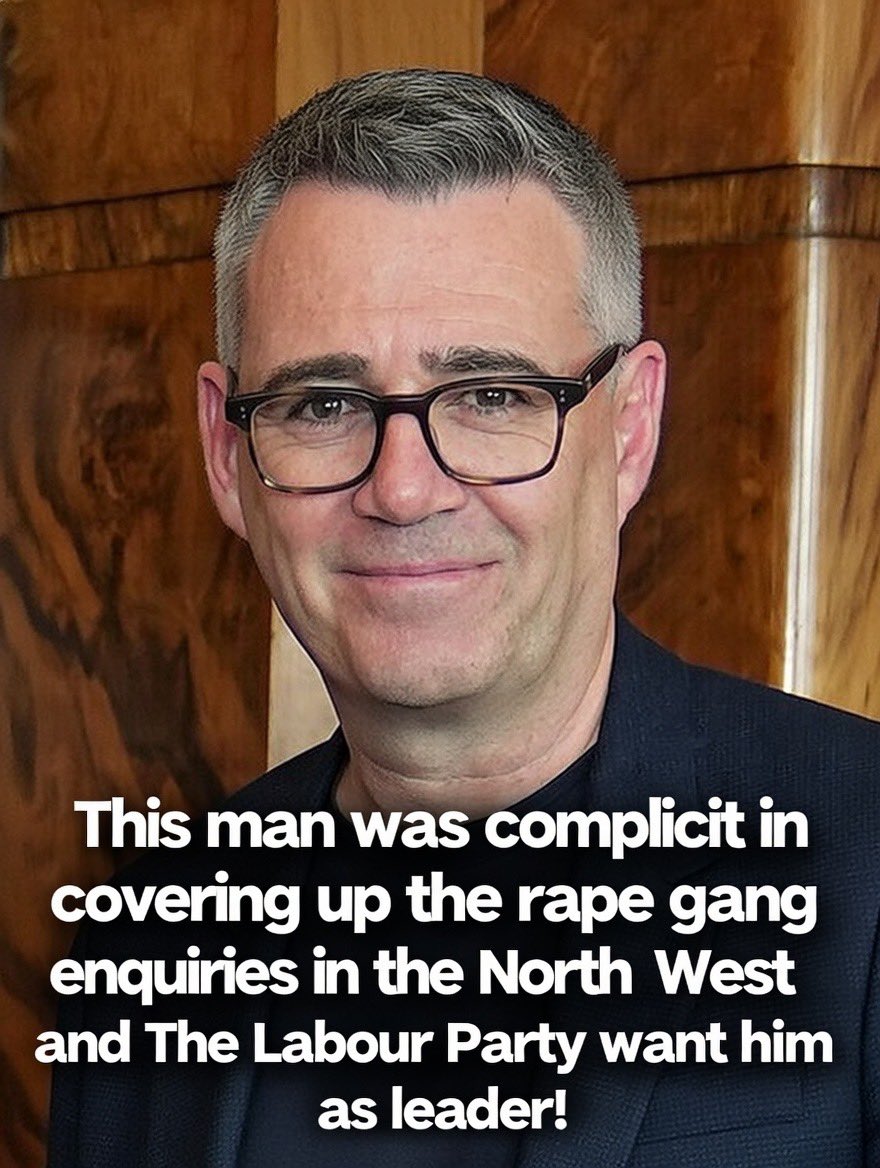
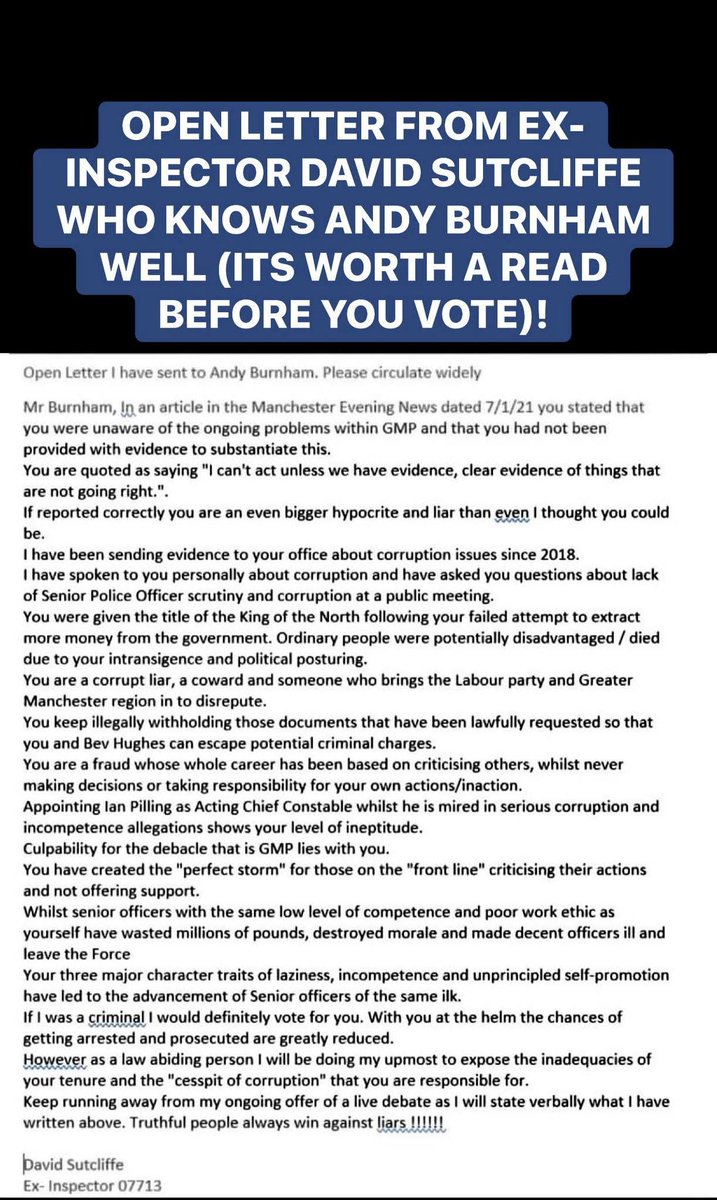
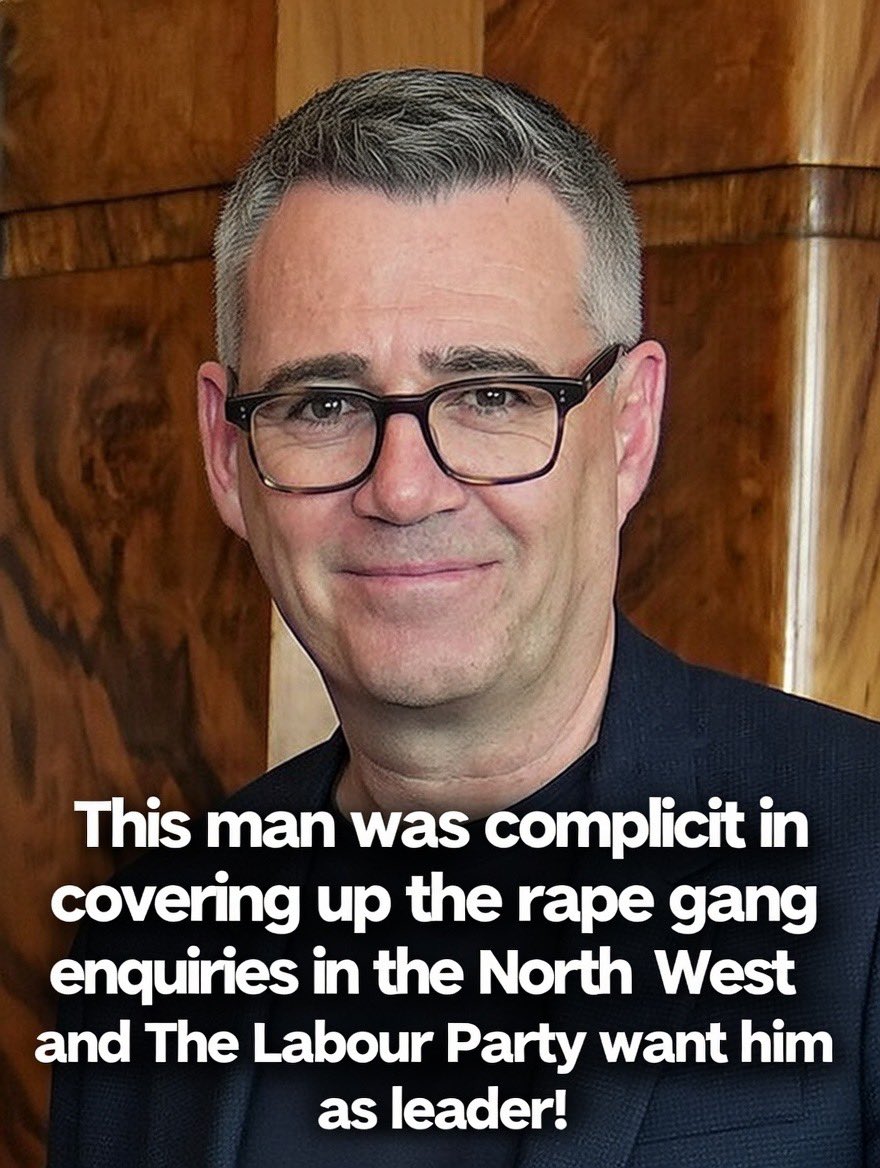
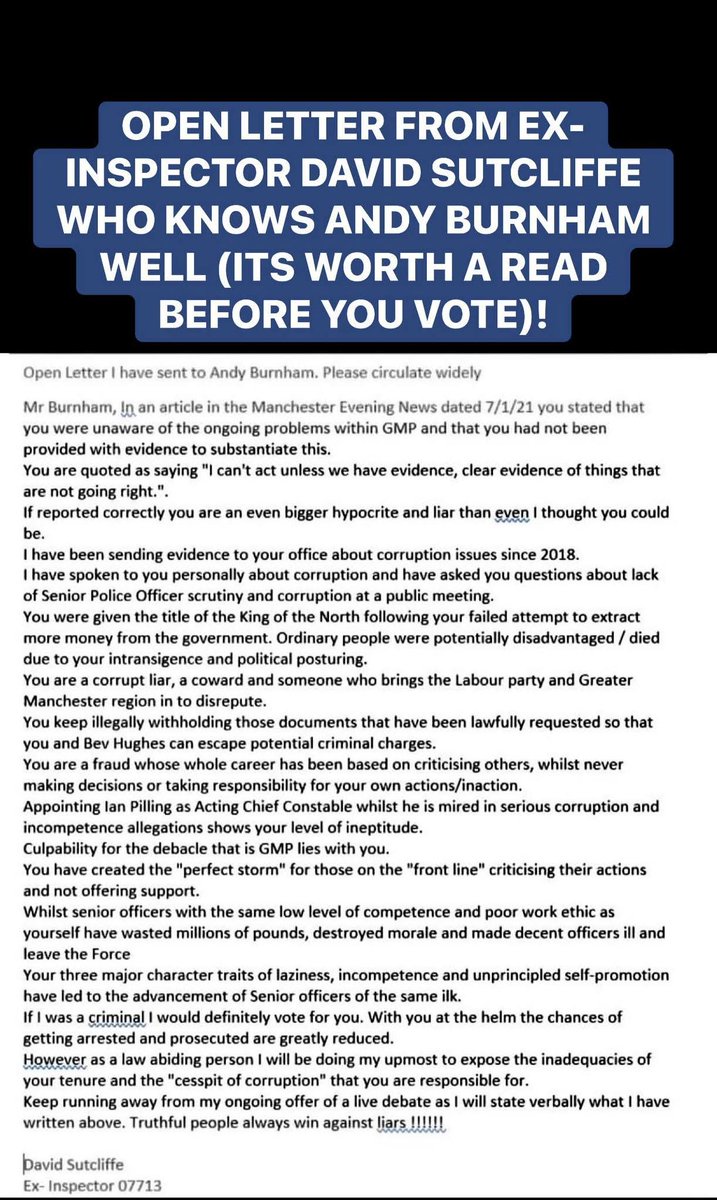
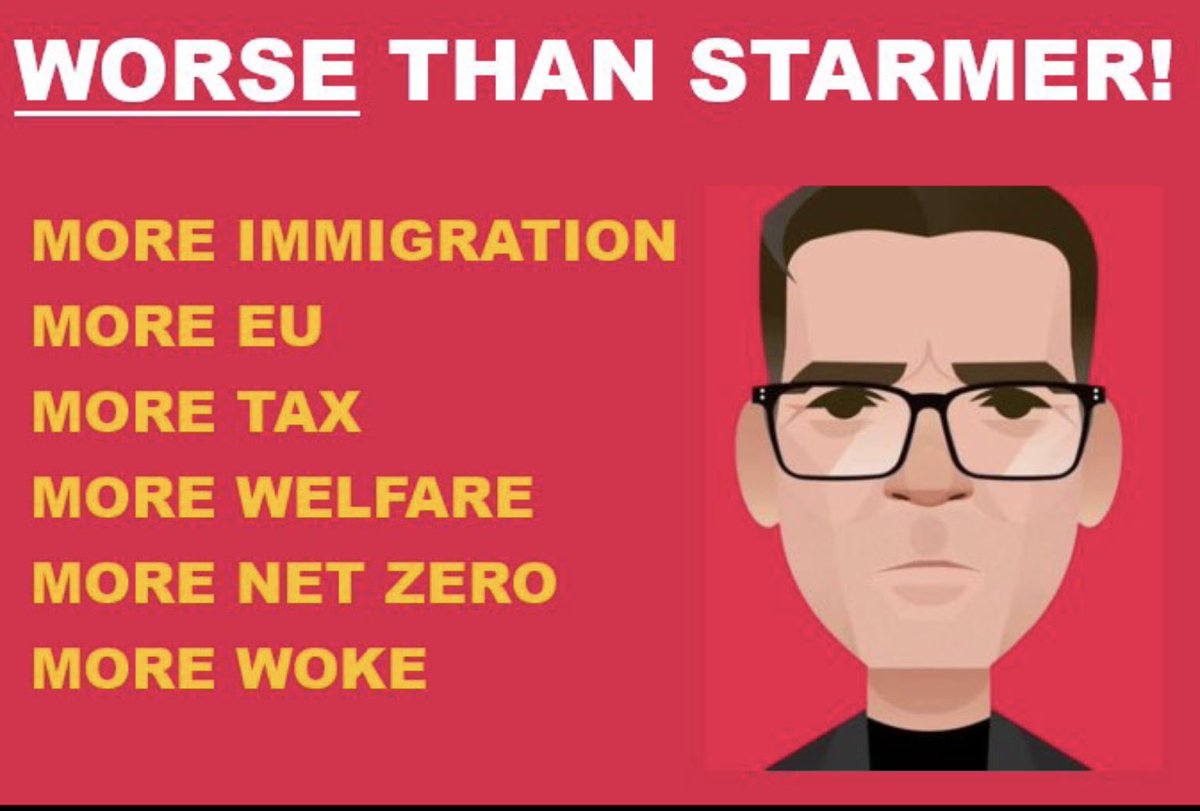
Google Operation Hexagon and see how Burnham pretended to safe guard girls but used the information to peruse those who had criticised him on media outlets and had them arrested …just like Starmer can’t stand being criticised.
2
2
243

Henry Nowak died the same way a civilization dies: abandoned, handcuffed by authorities who neither trusted nor cared for him, and accused of hate crimes he did not commit. His murder is as tragic as it is enraging. He should still be alive today, and he would be if the last few generations of European elites had stood their ground against the politics of self-hatred and the mass invasion of migrants, many of whom despise the West and the people who love it.
Henry was far from the first to so needlessly lose his life, and I fear he won’t be the last. Each time a life like his is lost, the proper response—the only response—is righteous anger. One of the most important things the Trump administration has proven to the world is that stopping the flow of mass migration and defending national sovereignty is a matter of political will and leadership. Anything else is an excuse.
It is because we love the West that we want to preserve it. We love our civilization. We love our country. We love our children. And nobody—nobody—should ever die the way that Henry Nowak died. May God comfort those who loved him, and may God rest his soul.
Jun 1

In his final moments, Henry Nowak told police officers nine times “I can’t breathe” and four times that he had been stabbed.
In response police officer dragged him across the gravel, handcuffed and read him his rights.
It was the last thing Henry heard before he died.
15,765
64,185
285,668
13,169,166
Sam retweeted

May 28
This will be important and good...
May 27

I’m making a show about buildings.
The concept is simple: do for the man-made world what Planet Earth did for the natural world.
But, when I pitched the idea, the answer was that nobody would watch it.
So I released a pilot episode on YouTube. It’s got 5.4 million views, 379k likes, and 23k comments.
People are interested, and now it’s time to make the full show.
Six episodes, filming in the UK, France, Belgium, Germany, Italy, and the USA, and releasing on a streaming service like HBO, Netflix, or Prime.
Why does this show matter?
First: we’re surrounded by buildings all the time. Look around yourself, right now… what do you see? Buildings are the logical conclusion of everything a society believes in. That’s the real focus of this show: not the buildings themselves, but what they say about us.
Second: there’s global dissatisfaction with modern architecture. This feeling gets written about online, but nobody’s given a voice to it on film or TV. That’s what this show will be. But this isn’t just about criticising modernity. That’s easy. This is about learning from the past in order to understand and improve the present, for everybody.
Third: there’s a drought of high-quality culture shows. When I spoke to film executives they said that only documentaries about sports, music, or true crime get funded. That’s a colossal missed opportunity. Galleries are always full, content about architecture goes viral online all the time, and people spend their precious holidays visiting beautiful cities.
Why no shows about architecture, then?
Tourists flock in their millions to see (for example) the buildings of Antoni Gaudí in Barcelona. But, if you asked those same people if they’re interested in “architecture”, they’d probably say no.
To put that another way: not many people want to watch “a show about architecture”, but lots of people want to watch a show that illuminates the real world they’re living in, each and every day.
What will the show be like?
Six episodes, going chronologically through history and arriving at the present, each focussing on the architecture and design of a specific period:
1. Middle Ages
2. Renaissance
3. Enlightenment
4. The Nineteenth Century
5. Art Nouveau & Art Deco
6. Present Day
But, in each case, the point isn’t just to learn about that era; the point is to learn about our modern world through those eras and what they’ve left behind. If you watch the pilot episode (included below) you’ll see what I mean.
So the show’s not really “about” the past; it’s about the twenty-first century.
That’s why it’s called The Modern World.
When you think of a typical history show there are loads of interviews, stock footage, archive photos, historical recreations, and graphics. We’re doing none of that. Everything will be filmed on location, because we’re telling our story only through the real world that exists right now. And, rather than going to the most obvious places, we’ll focus on buildings that aren’t well-known but should be more famous.
But that’s all big picture; what will it be like on screen?
Buildings used to look different in every country, and now they look the same. Why? Because the weather is different everywhere, and buildings were always a way of dealing with that weather, using local materials. Now we have air conditioning and we ship concrete around the world, so we don’t need to design our buildings with regard to local weather or rely on local materials.
Look at really old clocks and you’ll notice something: they don’t have a second hand… because it was only invented 300 years ago! Then you look at the present and you realise we’re surrounded by timers, by seconds ticking down and ticking up relentlessly. If we’re looking for a cause of our anxiety-inducing culture, that might be it.
When you spend time with the sun-softened bricks and time-warped timbers of old cities you notice that synthetic materials like plastic have taken over. When we’re surrounded by things that feel temporary, how do you think it makes us feel?
It’s only by seeing 19th century train stations, designed like cathedrals, that you realise tradition and technology aren’t enemies. New things don’t have to look boring: if the Victorians had designed AI data centres, they’d look like Medieval castles.
In the 1920s, at the zenith of Art Deco, people believed technology would uplift humanity. That’s why they decorated their buildings with statues inspired by electricity. Only by seeing their enthusiasm can we realise our own cynicism, and perhaps begin to fix it.
All of that… and much, much more.
But, above all else, this show is about a way of seeing. If you want to understand any society then you need to look at what it creates, not what it says about itself.
There’s a worldview in every single object; our skyscrapers are designed the same way as our phones. Learn to look at this world, to notice its details, and everything else starts to make sense.
What now?
I’ve been quiet online recently because I’ve been researching and working on scripts for six full-length episodes. Production begins when we’ve raised the funding.
The Modern World is coming.
1
4
49
4,050
Sam retweeted

May 27
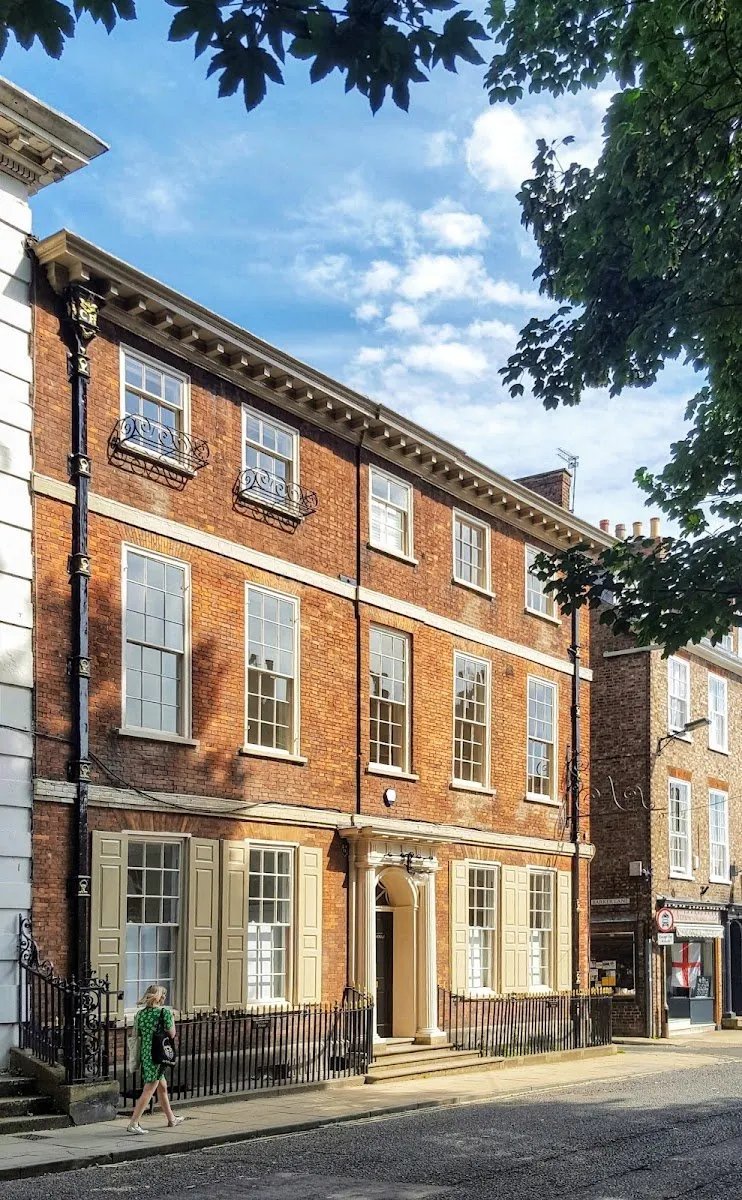
Britain's building regulations are biased against AC, despite the Climate Change Committee declaring that all new hospitals and schools should have AC as standard.
The rules force housebuilders to maximise passive means of cooling before considering AC.
The result? Most new homes have tiny windows, but still can't cope in Summer.
While housebuilders in London have been told to maximise 'dual aspect' which cuts into valuable floorspace, while failing to cool our homes in 30C heat.
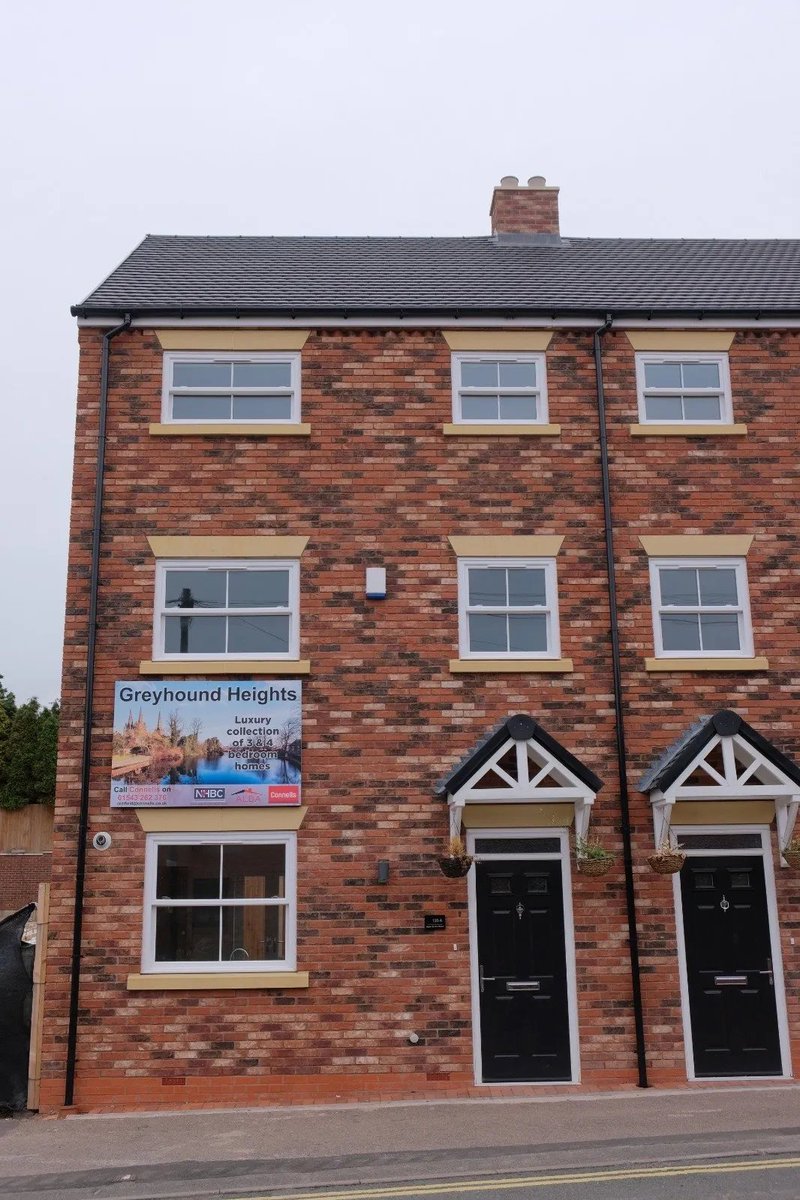
May 27

Britain is a hot country now. But we don't build for the heat. Overheating regulations prioritise passive cooling and treat air conditioning as a last resort.
It's not enough any more. Active cooling should be normal in new homes.
23
54
392
65,214
Sam retweeted

May 26
This really is shocking:
“I have uncovered over 30 immigration judges with links to open borders charities”
We are being governed and regulated by traitors.
7 Oct 2025

I have uncovered over 30 immigration judges with links to open borders charities.
It is now beyond any doubt that a deep rot has infected parts of our judiciary.
159
3,132
7,852
113,205
Sam retweeted

May 27
Wonder if you’ll listen to prominent MPs and former Prime Minister Sir John Major….
1
6
19
380
Sam retweeted

May 26
My home city of Bradford has Europe’s highest rates of first-cousin marriage. And rates of avoidable birth abnormalities which should be an international scandal. We should follow Sweden’s lead.
May 26
Sweden has just BANNED cousin marriage and close relative marriage! 🇸🇪
249
2,984
17,076
284,512
Sam retweeted
31 Oct 2019
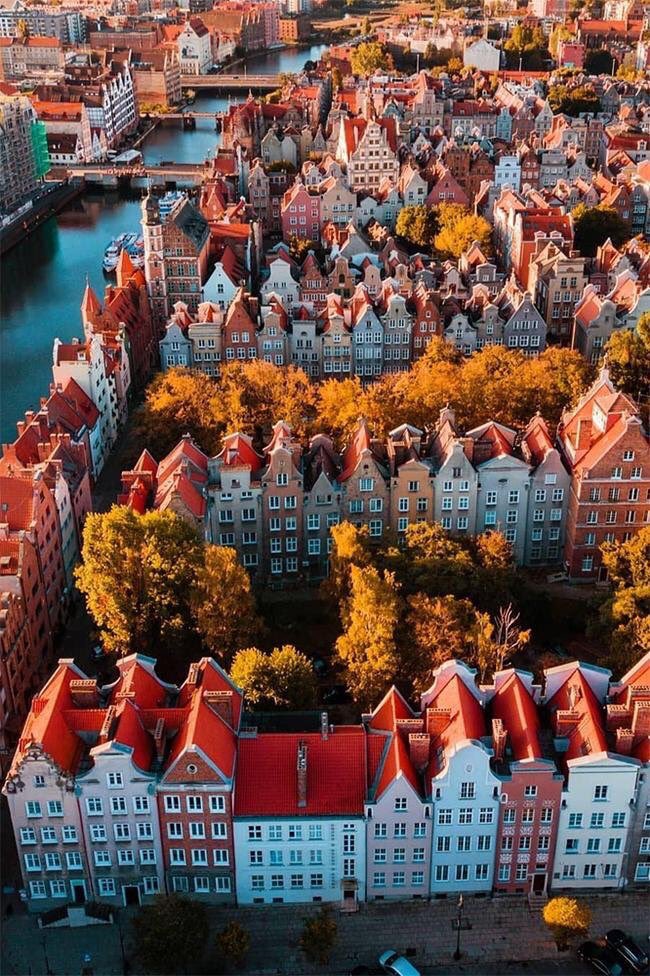
The best density is gentle .....
99
1,173
6,892
Sam retweeted
May 20
No rule of physics or economics forces new buildings to be ugly. We do it to ourselves. That can change. If you wish, you can make it so.
May 19

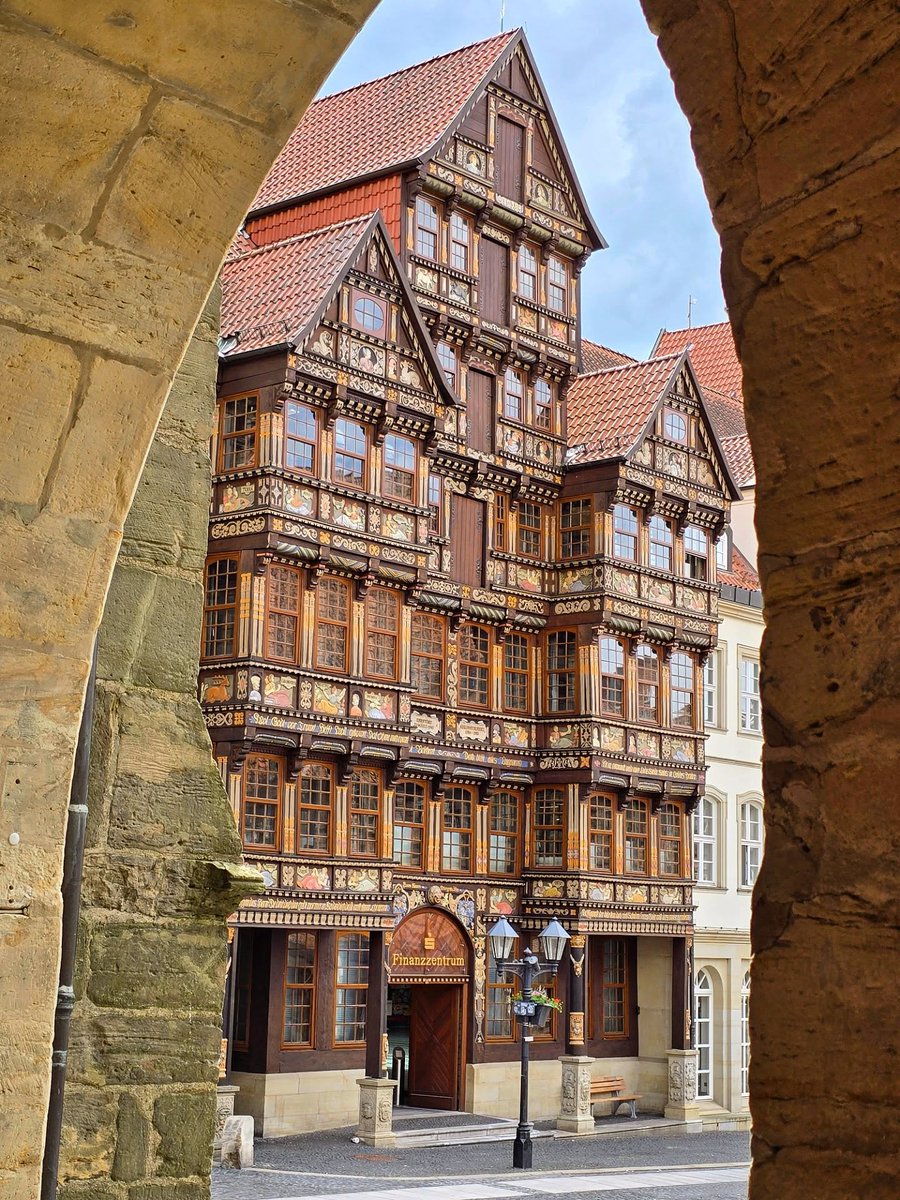
A 16th-century façade brought back after destruction.
Wedekindhaus in Hildesheim looks like a perfectly preserved Renaissance half-timbered house, but its story is more dramatic: the original was destroyed during World War II, and the richly carved façade was later reconstructed as part of the revival of the historic market square.
📍Wedekindhaus, Hildesheim, Germany
📸 @sohnvonheinz
3
15
167
6,239
Sam retweeted

May 19
The leader of the Lib Dems, and the leader and deputy leader of the Green party, think some women have penises. In itself, it seems like a relatively unimportant matter. But it is symptomatic of a contempt for science and evidence-based truth. Could you vote for a flat-Earther?
677
2,505
14,179
309,699