
Journaliste. Au Moyen-Orient depuis 2011, à Jérusalem de 2020 à 2025, et à présent au Caire. Signe pour @lemondefr. Auteur du livre Les Aurores incertaines.
Joined February 2011
- Tweets 21,684
- Following 2,450
- Followers 17,240
- Likes 6,206
421 Photos and videos



Jun 12
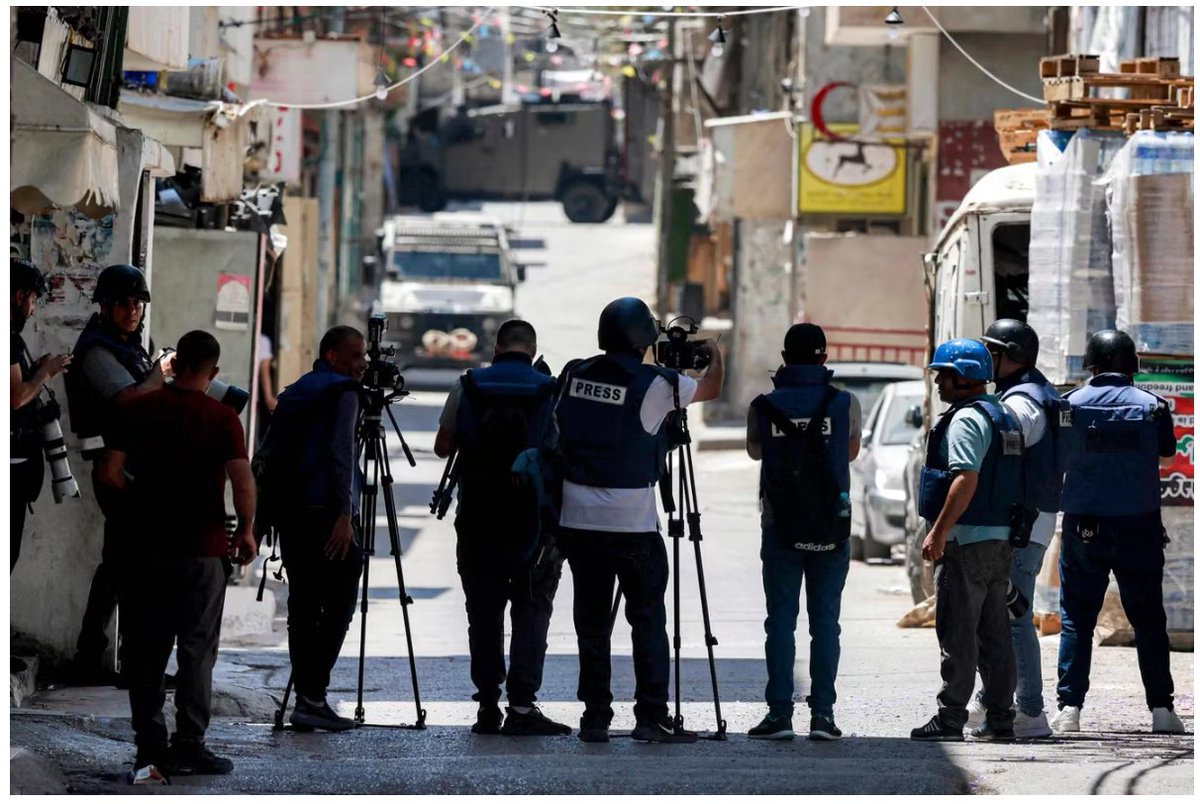
Tout mon soutien à Alice Froussard, interdite d'entrée en Israël (@alicefrsd). L'Etat hébreu interdit le travail des journalistes internationaux dans Gaza. Il accentue la pression sur ceux qui restent sur son territoire, ainsi qu'en Cisjordanie occupée. Dérive dramatique.
1
13
28
2,050
Jun 12
Cf. Article du correspondant du Monde à Jérusalem, @lucbronner, ici
lemonde.fr/international/art…
1
1
878
Samuel Forey retweeted

Jun 7
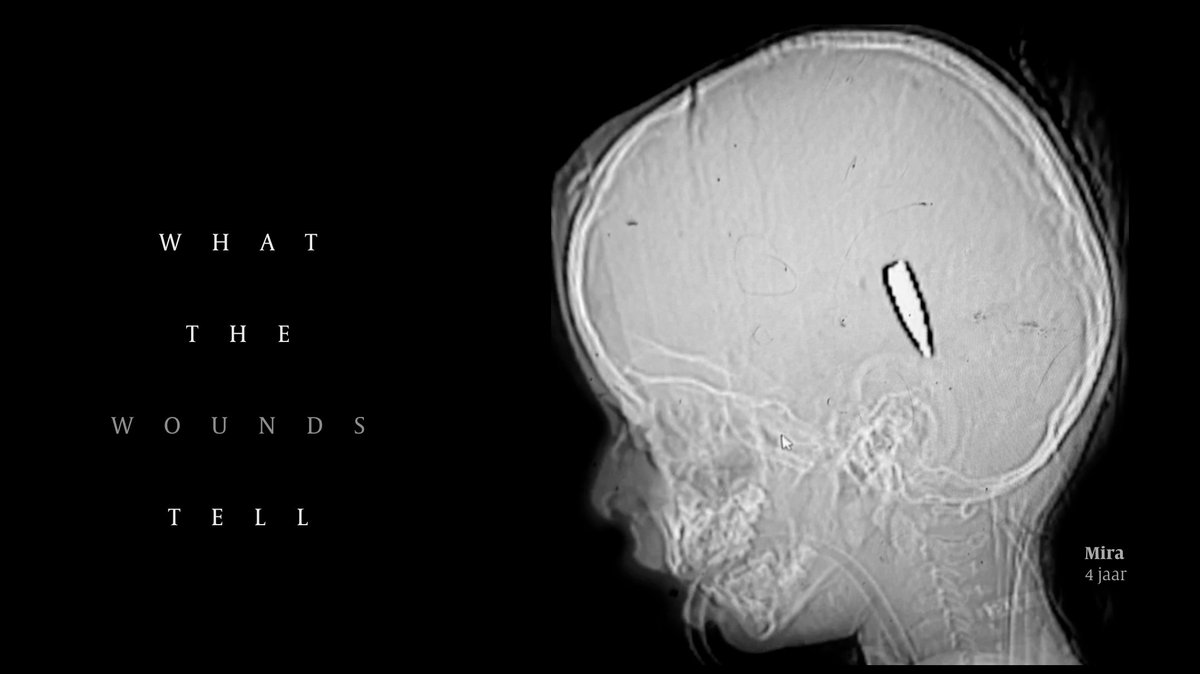
Crazy that this is getting barely any coverage. This year’s European Press Prize was just awarded to an investigative report by the Dutch newspaper De Volkskrant. It is entitled “What the Wounds Tell” and in it the journalists Maud Effting and Willem Feenstra document the cases of 114 children in Gaza under the age of 15 who were struck by a single bullet to the head or chest. Almost all of them died or were left severely disabled. They chose to document only the cases of boys and girls under the age of 15 (though often much younger: aged 3, 4 or 7) because these are children who can be immediately identified as such. “A single bullet in these parts of the body is a clear indication that these children were deliberately targeted“, the two journalists write.
This is the article: volkskrant.nl/kijkverder/v/2…
493
24,292
48,126
1,443,181
Samuel Forey retweeted

After June 2025 war I asked Israeli security official if there wasnt a concern it will become a mow-the-lawn, tit-for-tat war of attrition in same way it has been with Hamas and Hezbollah. They said of course it cannot be that way with Iran. But that’s exactly what it has become.
5
19
87
7,491
Samuel Forey retweeted

Jun 7
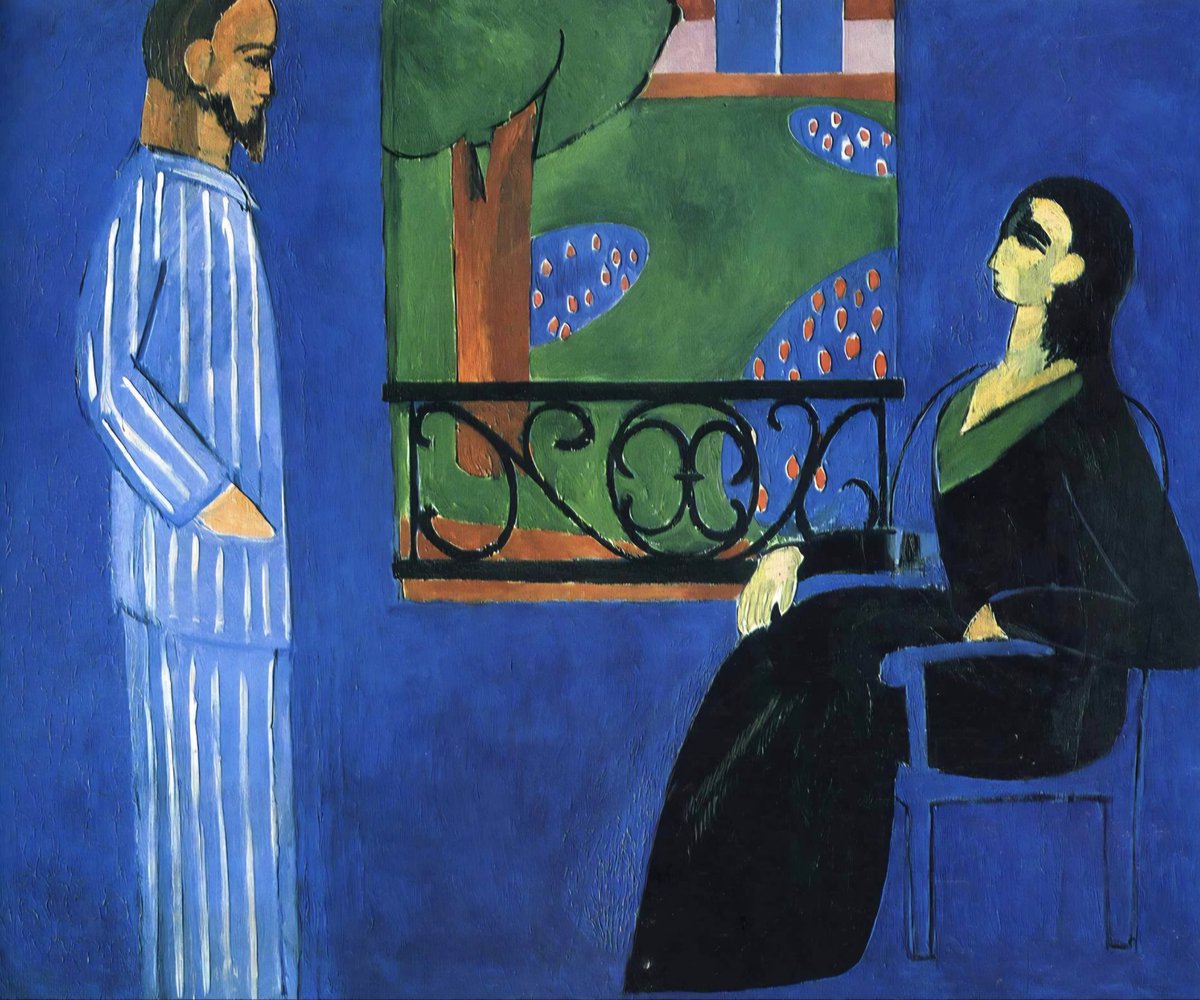
Info utile du jour en #psychiatrie: 10 choses que les patients m'ont dit regretter de ne pas avoir entendu plus tôt.
Il faut que je vous partage ça ⬇️
9
99
254
31,540
Samuel Forey retweeted

This is just how they bury sociologists in France.
Jun 3

20
188
2,375
195,707
Samuel Forey retweeted

"We Created a Monster"
Iran’s reckless behavior over the last 24 hours, including its threat to attack Israel if Israel strikes Beirut, is a direct consequence of how the recent war ended.
Tehran now feels far more confident in its position, believing it successfully withstood military pressure from what it views as the two most powerful militaries in the world: the United States and Israel.
This is not a temporary spike in rhetoric. It is part of a broader and more dangerous trend. Iran increasingly sees itself as the patron and protector of its regional proxies, extending what amounts to an informal security umbrella over groups such as Hezbollah and other members of the so-called “Axis of Resistance.” The threat against Israel over Beirut reflects this growing sense of ownership and responsibility for its partners across the region.
More importantly, this is further evidence of a profound shift in Iran’s decision-making process following the death of Supreme Leader Ali Khamenei. For decades, Khamenei was fundamentally cautious when it came to the direct use of Iranian military power, particularly when the risk of confrontation with the United States was involved. That restraint appears to be fading.
We are entering a new era in which Tehran feels stronger, more secure, and increasingly confident in the credibility of its deterrence. Iranian leaders now appear to believe that their willingness to absorb military pressure and survive it, has enhanced rather than weakened their strategic position.
The result is a more assertive Iran, a more dangerous Middle East, and a growing risk that future crises will escalate faster and further than anyone anticipated.
#iran
#IranWar

Iran’s Foreign Minister Abbas Araghchi tells Al-Mayadeen:
If Israel attacks Beirut, the result will be the return to war. Either the war stops in both Iran and Lebanon, or it doesn't stop neither in Iran nor in Lebanon.
Our armed forces are ready to launch devastating strikes against the occupied territories at any moment.
185
263
1,006
353,257
Jun 2
"Il devient de plus en plus difficile de savoir d’où viennent les choses et si elles sont vraies. Cela a conduit à un sentiment croissant que l’on ne peut plus se fier à rien, exigeant de chacun une vigilance presque paranoïaque à propos de tout...
1
4
12
2,434
Jun 2
... ou, pire encore, une descente vers le nihilisme. L’effet n’est pas seulement que les gens croient des choses fausses, c’est qu’ils ne croient plus les choses vraies. Cette combinaison toxique conduit déjà davantage de personnes à se désengager complètement."
1
2
4
533
Jun 2
Beaucoup de choses passionnantes dans le discours du président du New York Times prononcé hier lors du Congrès mondial des médias à Marseille. A lire ici dans le @Grand_Continent
legrandcontinent.eu/fr/2026/…
3
10
4,457
Samuel Forey retweeted

Jun 1
Bravo à Robin de @BFMTV qui a retrouvé Mireille (ça c’est du journalisme…). Et écoutez la parler, vous les tristes sires qui ne voient jamais la poésie du monde tant la peur vous aveugle
253
2,498
10,589
308,111
May 29
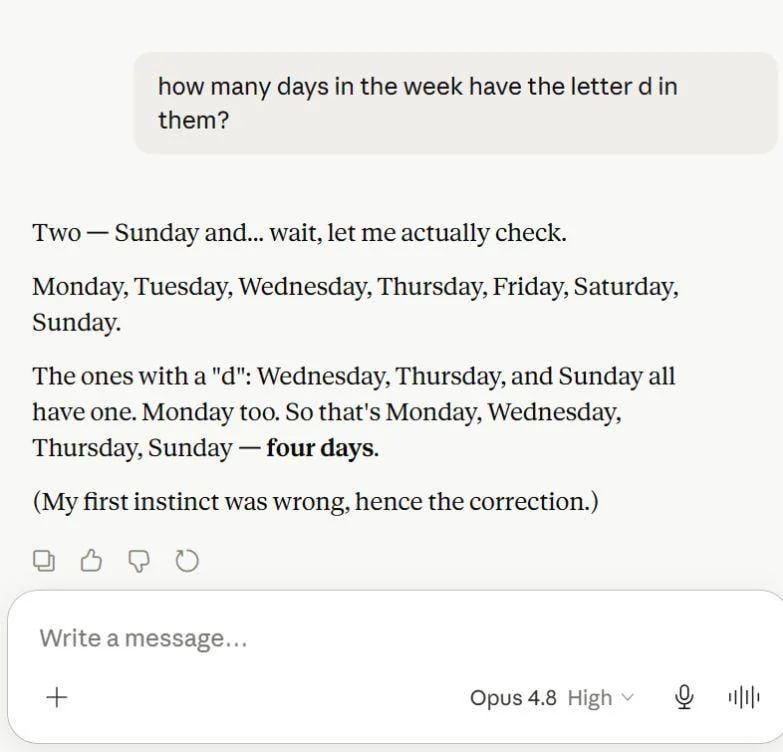
Ca pourrait être drôle. Mais il faut rappeler que des programmes reposant sur l'intelligence artificielle sont utilisés pour constituer des "banques de cibles" à bombarder, notamment dans les armées américaine et israélienne. Perseverare diabolicum.
972mag.com/lavender-ai-israe…

2
470
May 29
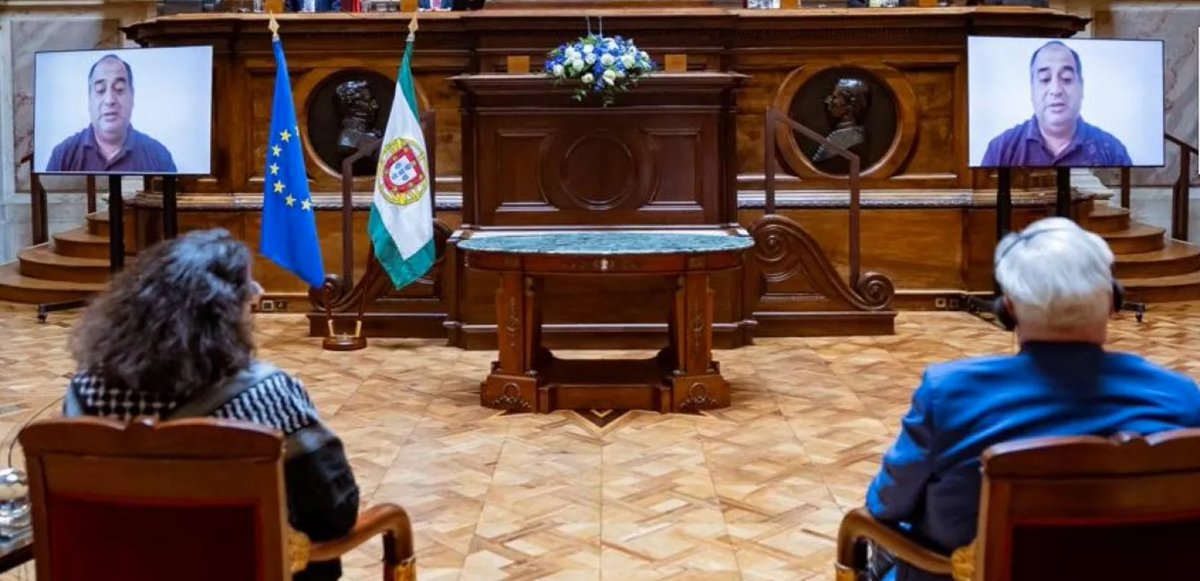
"À Gaza, le journalisme est devenu un acte de survie et un acte de résistance. Informer, c’est résister à l’effacement. Filmer, c’est protéger la mémoire. Témoigner, c’est défendre la dignité humaine", par le journaliste palestinien Rami Abou Jamous...
1
13
21
1,835
May 29
... vivant à Gaza avec sa famille, et qui a été récompensé par le Prix Nord-Sud du Conseil de l’Europe pour ses articles dans @OrientXXI et son travail de documentation.
Son discours ici : "Que ce prix soit aussi un cri : le Gazacide ne passera pas"
orientxxi.info/Que-ce-prix-s…
2
5
943
May 28
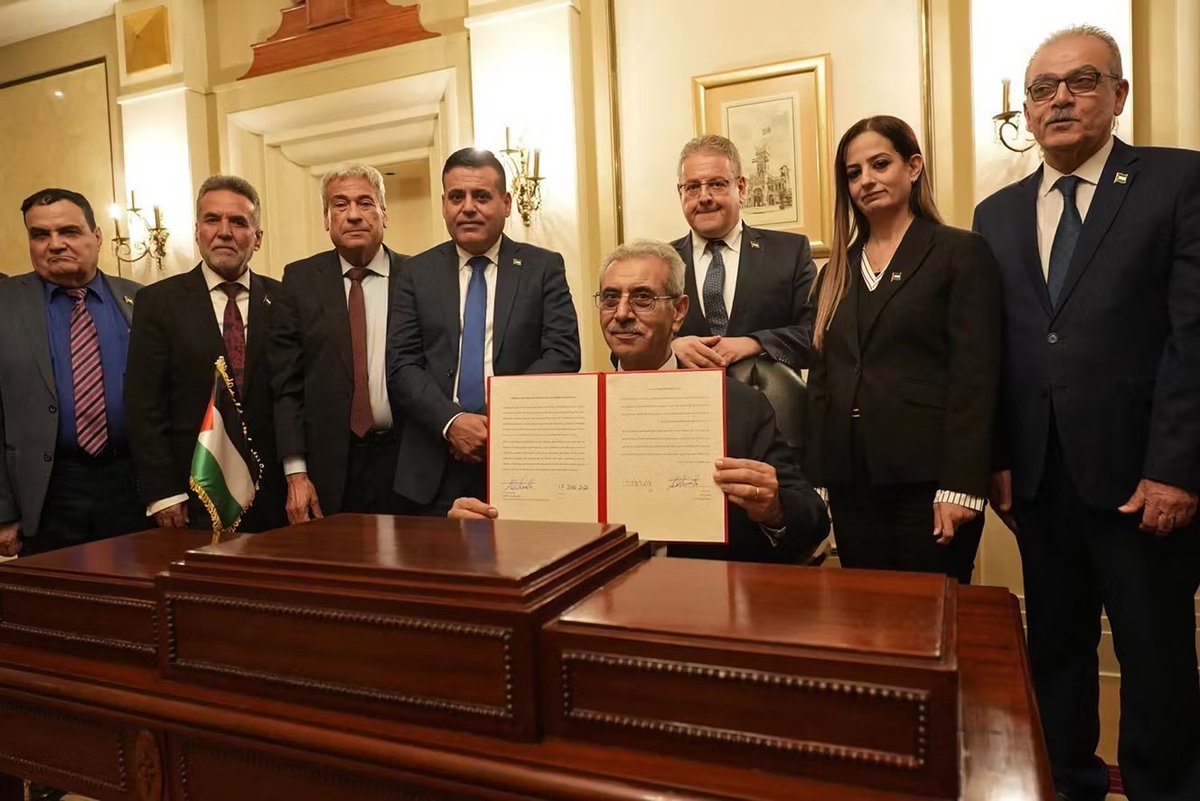
A few words about our article on the National Committee for the Administration of Gaza (NCAG), a body created by the Trump administration that has remained in limbo since its official launch in January 2026...
1
3
5
2,730
May 28
Grebowski has since been replaced and the restrictions on the NCAG have become less severe. But nothing has changed. Stuck in Cairo and powerless, the NCAG faces Israel's intransigence, Hamas's obstinacy, the Palestinian Authority's mistrust, and European skepticism.
1
1
312
May 28
Gradually abandoned by the United States, it is uncertain whether the committee will survive the year. Meanwhile, more than two million Gazans remain trapped, with no prospect other than survival.
With @mariejosader for @lemondefr
lemonde.fr/en/international/…
1
3
335