Joined March 2020
- Tweets 6,622
- Following 722
- Followers 75,911
- Likes 4,713
156 Photos and videos
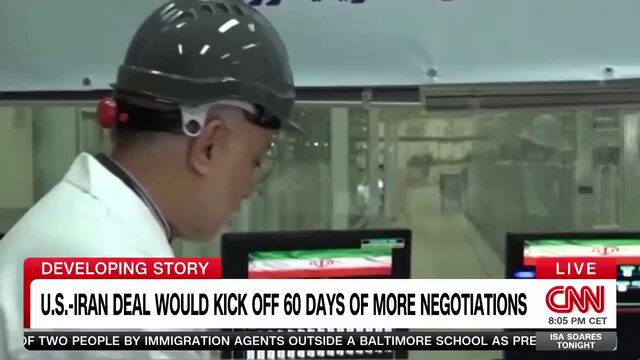
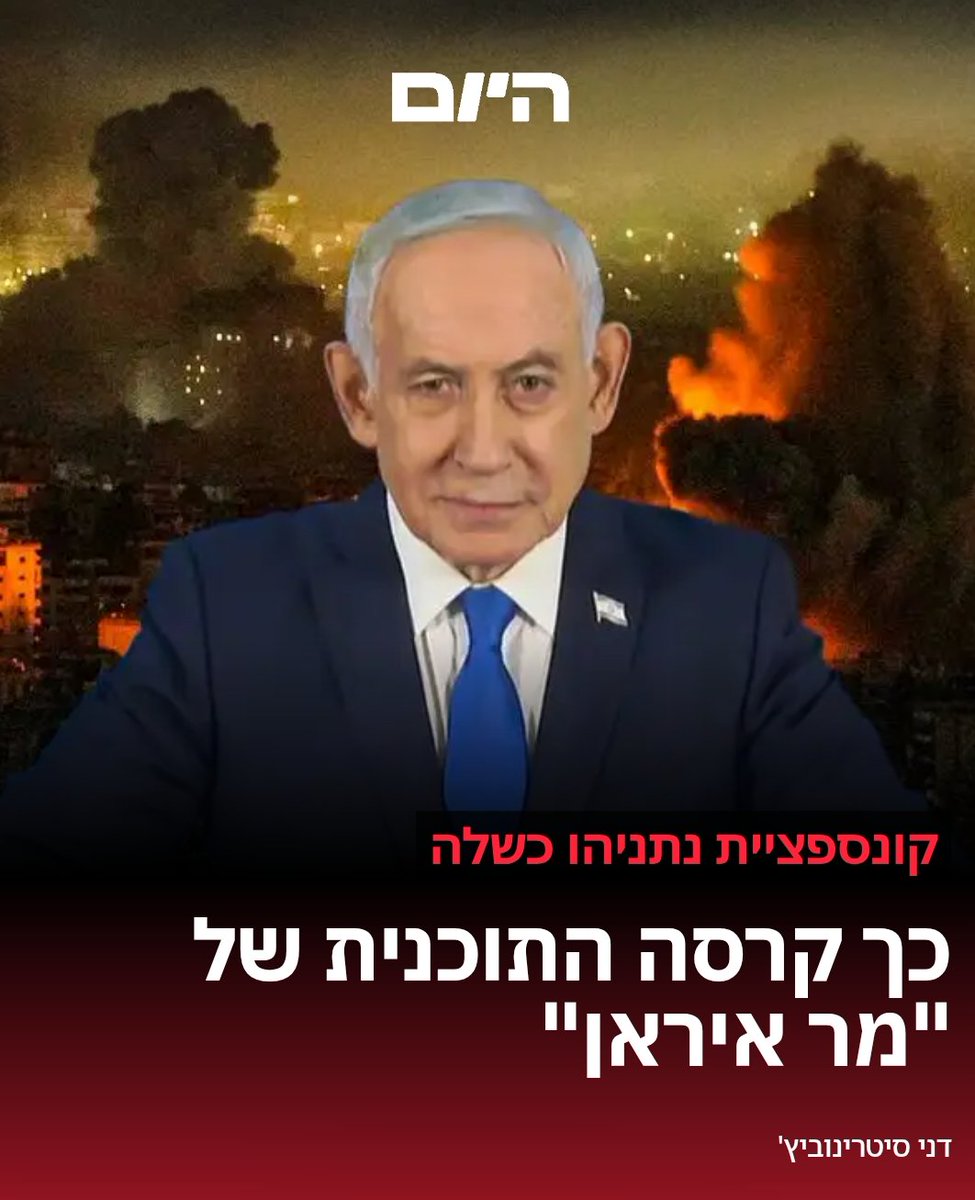
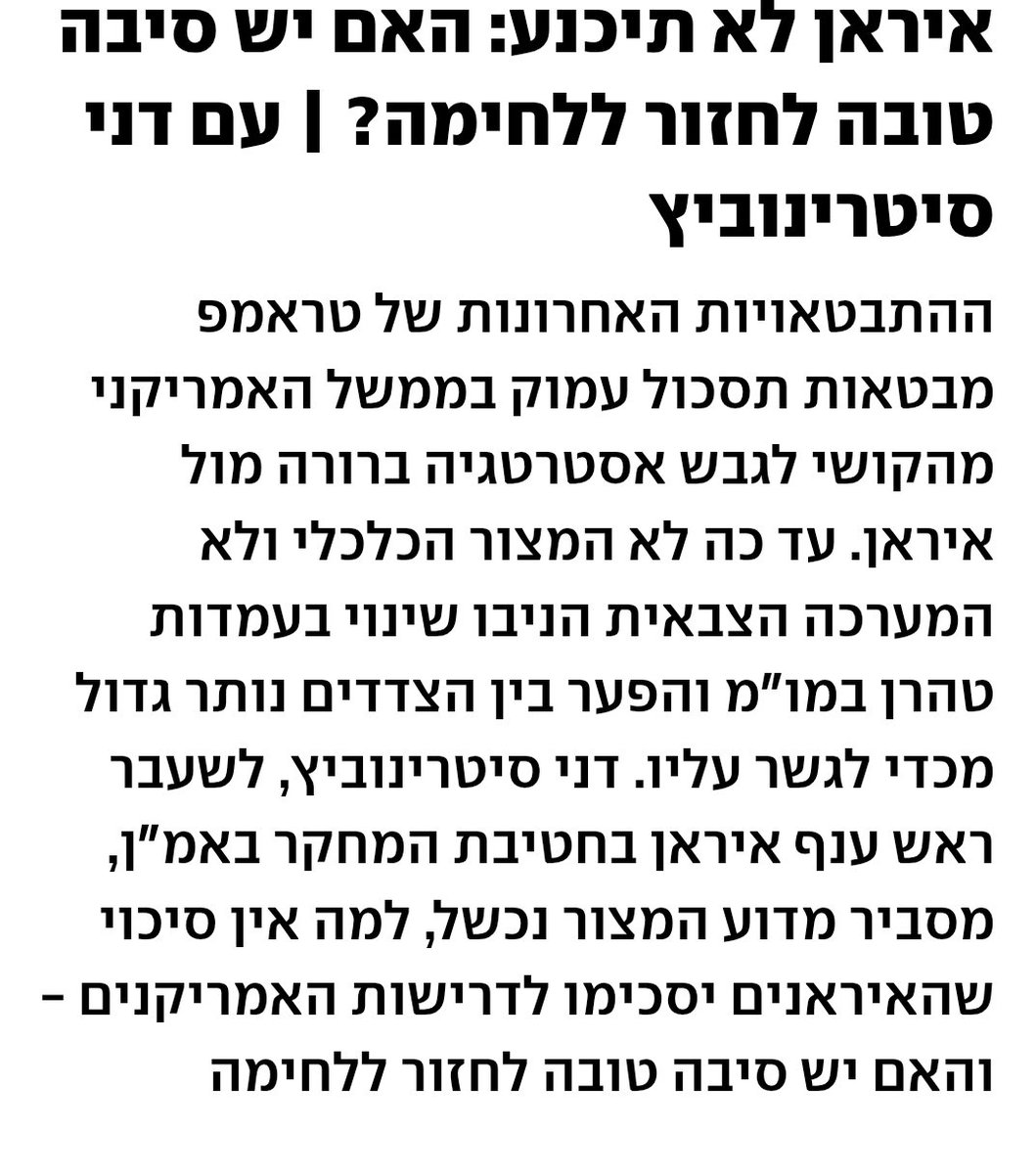
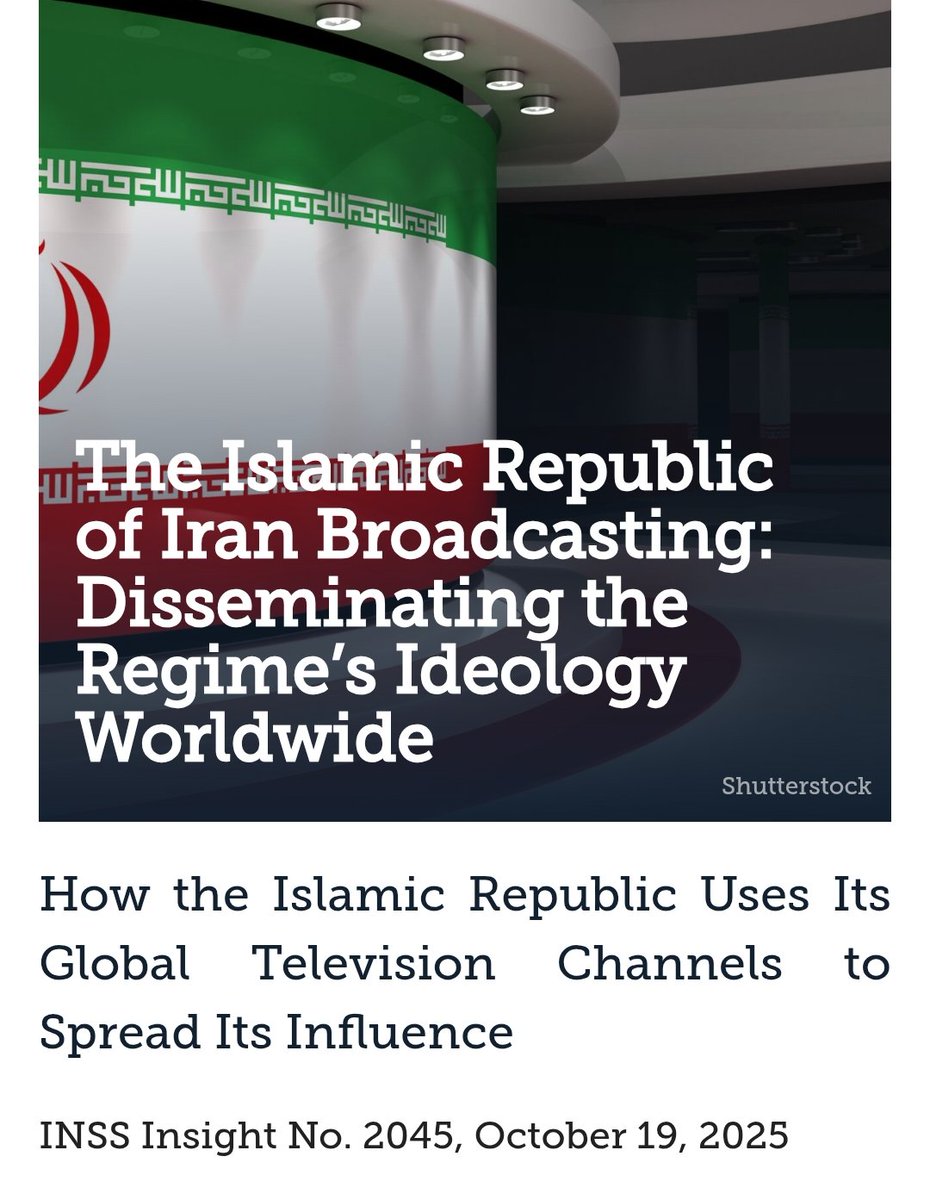
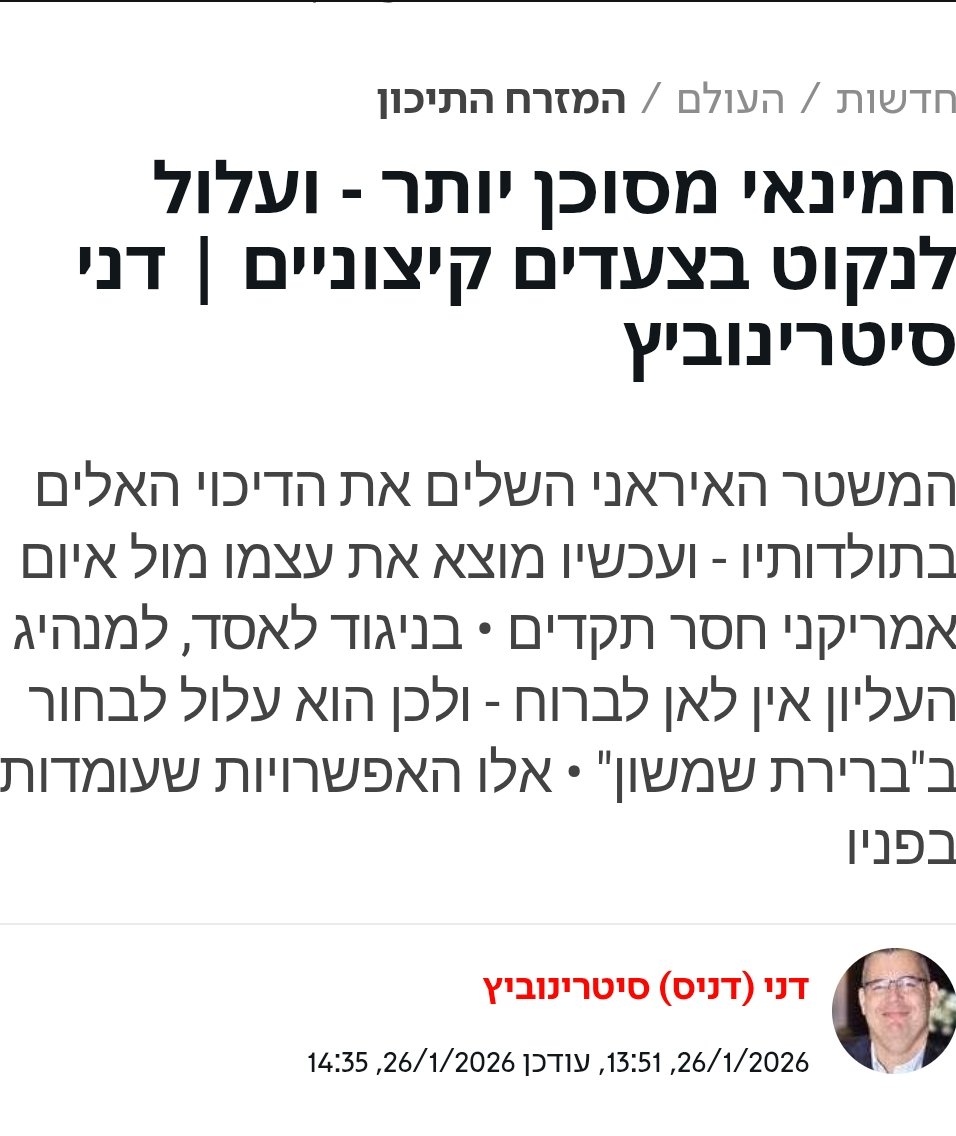
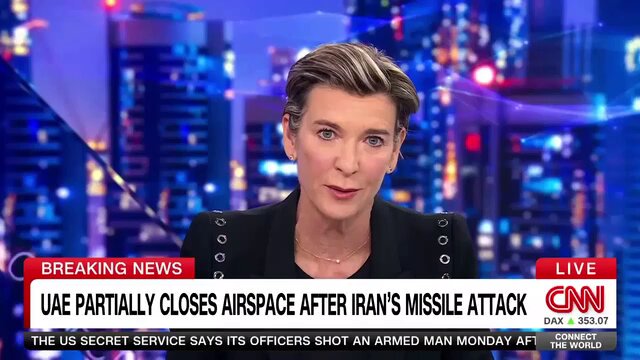
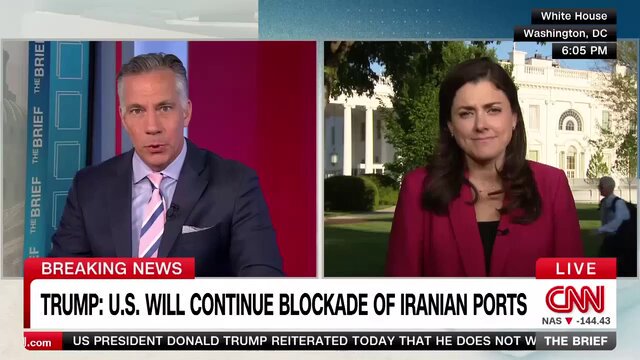

إن المواجهة مع إيران تُعدّ بالفعل فشلاً استراتيجياً من الدرجة الأولى. فالحملة التي بدأت بمحاولة إسقاط النظام الإيراني وتنتهي باتفاق يعزّز هذا النظام لا يمكن اعتبارها نجاحاً، حتى وإن شهدت بعض النجاحات التكتيكية.
alquds.com/en/posts/244293
5
29
137
13,958

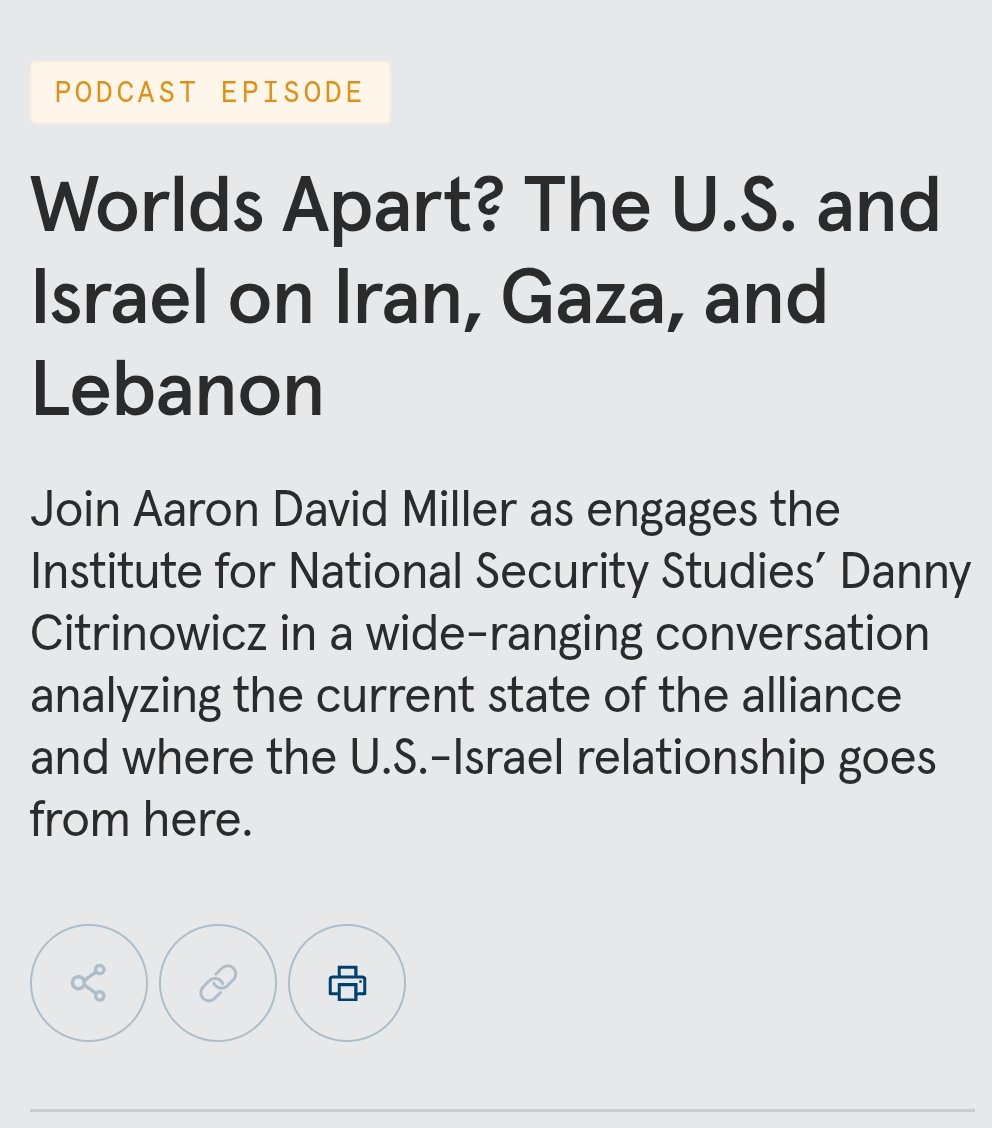
Will the complete U.S.-#Iran memo be published? The value of "the deal" will be debated. @AmbDennisRoss told me on The #Mossad Files podcast that Trump did not display ideal "statecraft." Also, hear #Israel intel veteran @Citrinowicz blast the deal. apple.co/3SDPaQX
2
2
3
4,024
Danny (Dennis) Citrinowicz ,داني سيترينوفيتش retweeted

I can’t agree more with @MABaharoon about @citrinowicz
P.S. both of you my favorite wise regional experts

Since the beginning of the talks back in April 2025 @citrinowicz have presented deep and consistent insights many of his fellow researchers considered to be “sentimental”
He remains to be a rational voice based on unbiased assessment and never shy of telling a king when he is naked
2
2
11
7,242
Danny (Dennis) Citrinowicz ,داني سيترينوفيتش retweeted

Since the beginning of the talks back in April 2025 @citrinowicz have presented deep and consistent insights many of his fellow researchers considered to be “sentimental”
He remains to be a rational voice based on unbiased assessment and never shy of telling a king when he is naked

The growing rapprochement between the UAE and Iran undermines a key assumption that has shaped much of the Israeli debate over the past year, namely, that Gulf states would move closer to Israel, expand the Abraham Accords, or even support a more confrontational regional posture toward Tehran in the wake of the war.
In reality, many Gulf states are deeply frustrated with Israel. From their perspective, they were drawn into a regional crisis that imposed significant economic and security costs on them. Since the strikes on Qatar, many in the Gulf increasingly view Israel not as a source of stability, but as a potential driver of regional escalation.
As a result, there is little prospect of major new normalization steps with Israel absent dramatic progress on the Palestinian issue. Gulf leaders understand that the Iranian regime is not going anywhere, and they see no strategic benefit in trying to isolate Tehran or push it into a corner.
This does not mean that Gulf states have become naïve about Iran. They remain deeply aware of the challenges and threats posed by Tehran. However, their preferred strategy is de-escalation and coexistence rather than confrontation. From their perspective, maintaining channels of communication with Iran is a necessity, not a choice.
#IranWar
2
7
54
44,549
Danny (Dennis) Citrinowicz ,داني سيترينوفيتش retweeted

“Khamenei’s death disrupted Iran’s evolution and provided the regime with an opportunity to consolidate,” writes @citrinowicz. “Paradoxically, the external pressure meant to topple the Iranian regime has helped preserve it.”
foreignaffairs.com/iran/how-…
4
23
56
10,221
The growing rapprochement between the UAE and Iran undermines a key assumption that has shaped much of the Israeli debate over the past year, namely, that Gulf states would move closer to Israel, expand the Abraham Accords, or even support a more confrontational regional posture toward Tehran in the wake of the war.
In reality, many Gulf states are deeply frustrated with Israel. From their perspective, they were drawn into a regional crisis that imposed significant economic and security costs on them. Since the strikes on Qatar, many in the Gulf increasingly view Israel not as a source of stability, but as a potential driver of regional escalation.
As a result, there is little prospect of major new normalization steps with Israel absent dramatic progress on the Palestinian issue. Gulf leaders understand that the Iranian regime is not going anywhere, and they see no strategic benefit in trying to isolate Tehran or push it into a corner.
This does not mean that Gulf states have become naïve about Iran. They remain deeply aware of the challenges and threats posed by Tehran. However, their preferred strategy is de-escalation and coexistence rather than confrontation. From their perspective, maintaining channels of communication with Iran is a necessity, not a choice.
#IranWar
Jun 12

The UAE is releasing billions of dollars to Iran as part of a deal to reduce bilateral tensions and assist with reopening the strait.
It could be as much as $20 billion. $3 billion has already been delivered, confirming rumors from earlier this week.
The move comes after the emirates emerged as the single largest target for Iranian missiles and drones during the war.
From confrontation to accommodation. reuters.com/world/middle-eas…
49
339
1,190
294,455
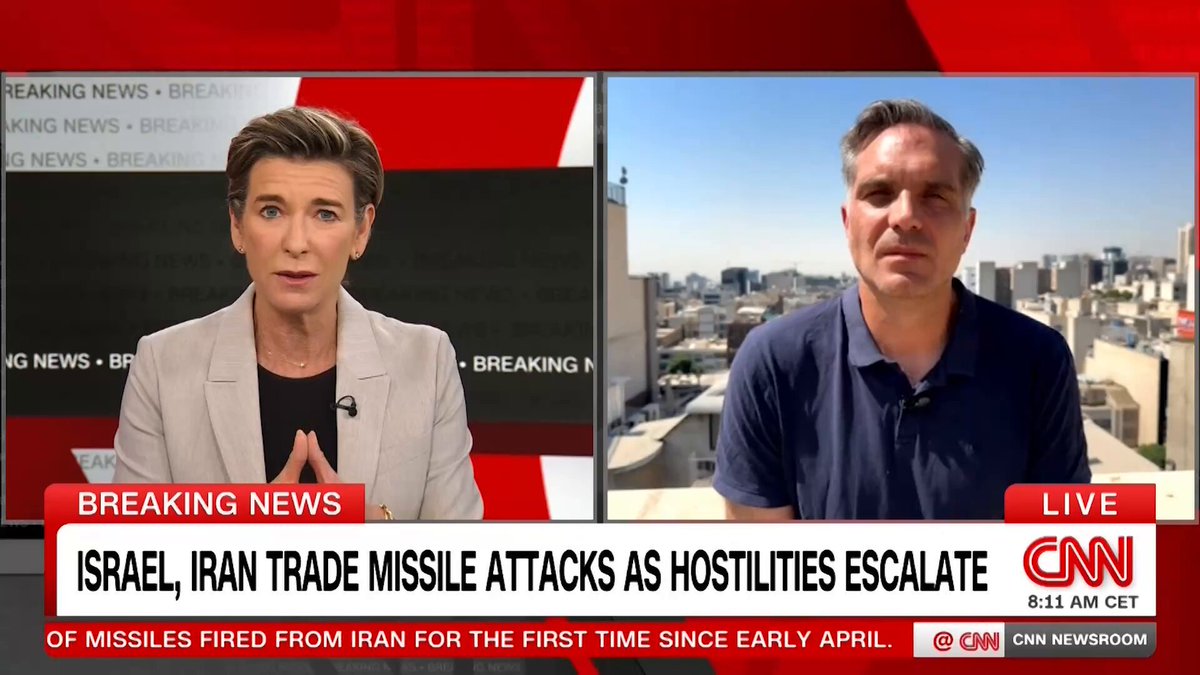
Told @chrissymacCNN @cnni:
A. The tensions we've seen over the last few hours are driven not only by the deep mistrust between the parties. The fact that the negotiations are not being conducted directly means that each side is trying to maximize its public achievements while inflating the costs it is supposedly being asked to pay.
B. At the end of the day, the parties are closer to an agreement than ever before because neither side particularly likes its alternatives. Despite the public drama and the tough rhetoric, there is a strong incentive to reach a deal. That said, it is important to acknowledge that such an agreement would effectively strengthen the very regime that both Israel and the United States were seeking to weaken only a few months ago
.
C. Reaching a comprehensive nuclear agreement within 60 days will be an extremely difficult task. We should also keep in mind that as time passes, the United States may lose some of its leverage over Iran. As a result, even if the parties reach a framework understanding in the coming weeks, there is no guarantee they will be able to translate it into a final, detailed agreement.
#iran
2
25
94
18,642
Remarkably, more than 100 days into the campaign, President Trump still appears not to fully understand the nature of the Iranian regime.
Simply put, until a deal is actually signed, Iran will continue to act against anyone it believes is challenging the status quo in the Strait of Hormuz.
And, as always, Tehran will respond to any U.S. military action against it, even if negotiations are on the verge of producing an agreement. Expecting Iran to refrain from retaliation merely because talks are advancing reflects a fundamental misunderstanding of how the regime operates.
#IranWar
Jun 12

Trump on Truth Social: "The terms that Iran leaked out...have NOTHING to do with the terms that were agreed to, in writing. What they said, including their weak and pathetic statement on having a deal, bears no relation to the truth. Very dishonorable people to deal with. With them, there is no such thing as dealing in good faith. AMAZING! Also, their totally rebuffed Drone attack last night against Indian Ships leaving the Hormuz Strait is TOTALLY UNACCEPTABLE. They better get their act together, and FAST!"
24
70
279
48,840
לפני שכל מיני גורמים יספרו לנו על ההישגים הנפלאים של ההסכם המתגבש, ראוי לזכור כמה עובדות בסיסיות:
א. המלחמה שהחלה ב־28 בפברואר לא נועדה להביא להסכם על דילול מלאי האורניום של איראן. מטרתה המוצהרת הייתה להביא לקריסת המשטר האיראני. ישראל לא חיסלה, לראשונה בתולדותיה, מנהיג של מדינה ריבונית כדי להגיע בסופו של דבר להסכם גרעין משופר.
ב. בשורה התחתונה, ואיך שלא נסובב זאת, המשטר באיראן צפוי לצאת מההסכם הזה מחוזק – כלכלית, מדינית ואזורית. די להביט בהתקרבות הגוברת בין איראן לבין מדינות המפרץ, ובראשן איחוד האמירויות, כדי להבין שהמשטר בטהרן רחוק מאוד מבידוד.
ג. חשוב לזכור שרוב ה"וויתורים" האיראניים המוצגים כיום כבר היו על השולחן בפגישה בג'נבה לפני המלחמה, כאשר שר החוץ האיראני עבאס עראקצ'י הציג אותם בפני סטיב ויטקוף. איראן לא מוכנה לדון בהגבלת תוכנית הטילים שלה, לא בתמיכתה בשלוחותיה האזוריות ולא במרכיבי הכוח האחרים שלה. בפועל, לא נותרה ברירה אלא להתמקד בסוגיית הגרעין בלבד, מתוך ההבנה שעדיף הסכם שמרחיק את איראן מפצצה בטווח הקרוב, גם אם הוא מחזק את המשטר, מאשר המשך לחץ שעלול לדחוף את טהרן להחלטה לרוץ לנשק גרעיני.
ד. ההסכם הוא תוצאה ישירה של הכישלון האסטרטגי של המערכה. לאחר חודשים של לחימה, הממשל האמריקני נותר ללא פתרון לסוגיית מצרי הורמוז וללא יכולת לכפות על איראן ויתור על מלאי האורניום המועשר שבידיה. ההישגים המבצעיים המרשימים של המערכה נבלעים בתוך אותו כישלון אסטרטגי רחב יותר.
ה. חמור מכך, עצם קיומו של הסכם עקרונות והקלות כלכליות אינו מבטיח כלל שיושג הסכם גרעין סופי. לא ברור אם לארצות הברית יהיה בעתיד הרצון לחזור לאיום צבאי, כאשר כבר כיום היא אינה מגלה נכונות לכך. במבט קדימה, ספק גדול אם ממשלים עתידיים יהיו מוכנים לחזור להרפתקה מהסוג הזה.
ו. נכון לעכשיו, שום דבר עדיין לא סגור עד שהכול ייחתם, וטראמפ עוד עשוי לשנות כיוון. אולם גם אם יעשה זאת, קשה לראות אילו חלופות טובות יותר עומדות בפניו. במצב הנוכחי, ההסכם נראה כהמחשה של הפער שבין הצלחות טקטיות ומבצעיות לבין כישלון אסטרטגי. ומי שמביט על התוצאה הכוללת מתקשה להתעלם מהשאלה מי באמת יצא כשידו על העליונה.

מהר האיראנית:
"פרטים חדשים על טיוטת ההסכם בת 14 הנקודות בין איראן לארה"ב: ההסכם כולל את התחייבות ארה"ב להסיר סנקציות, להסיג את כוחותיה מסביב לאיראן, להסיר את המצור הימי, לפתוח מחדש את מיצר הורמוז, להסיר את סנקציות הנפט ולשחרר כספים איראניים מוקפאים. ארה"ב נדרשת להציג תוכנית לשיקום כלכלת איראן, בעוד שהמשא ומתן הסופי בין שתי המדינות צריך להיות בנושאים גרעיניים וכלכליים, מבלי לדון בתוכנית הטילים של איראן. טיוטה זו צריכה לעבור גיבוש סופי במוסדות הרלוונטיים".
30
109
362
59,760
The Necessary Evil
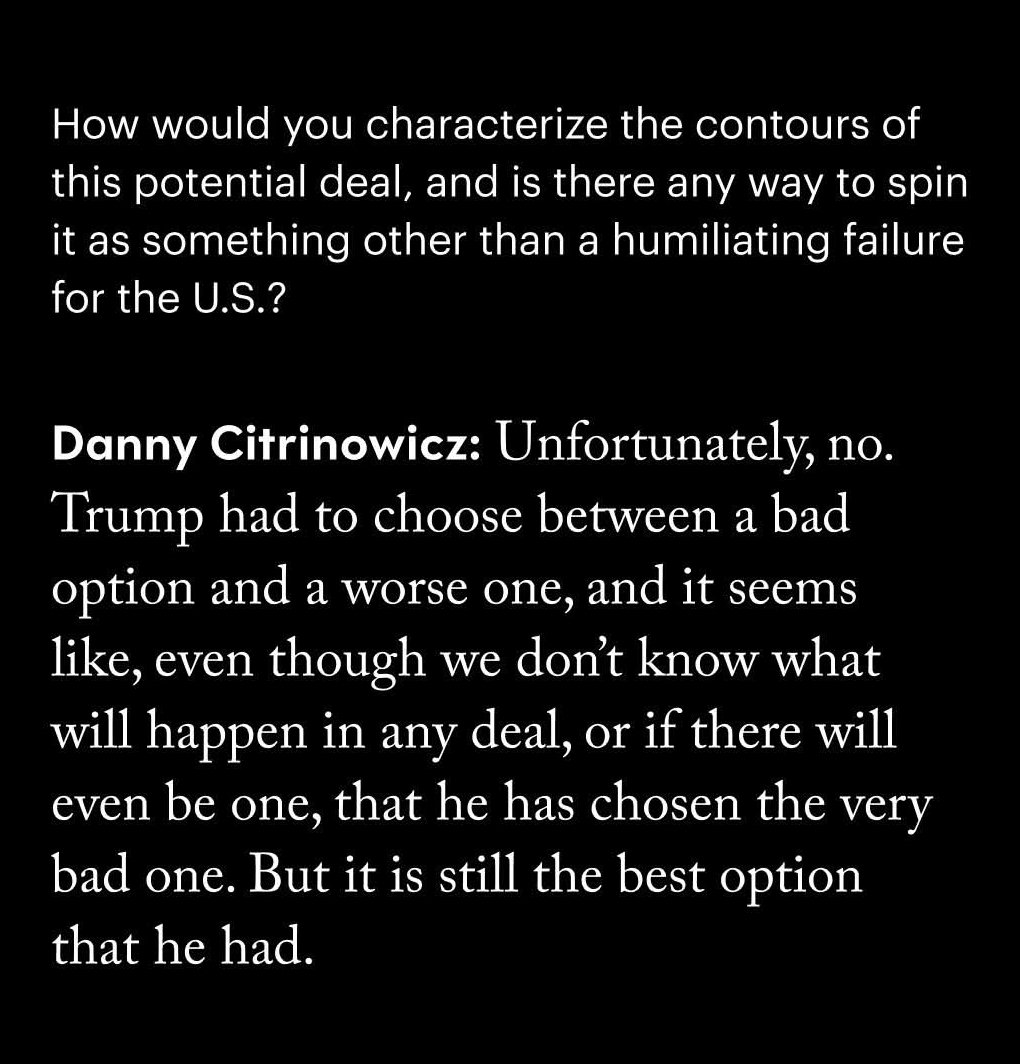
Given President Trump's clear reluctance to return to war with Iran, and given that Tehran was never going to surrender its core demands regardless of military pressure, this agreement should be understood for what it is: a necessary evil.
After the failure of the military option to achieve its key objectives, the administration found itself facing hard realities. The United States could not reliably prevent Iran from threatening the Strait of Hormuz, nor could it force the removal of the roughly 440 kilograms of uranium enriched to 60% that remain inside Iran.
Under these circumstances, Washington had limited leverage and few attractive alternatives. The agreement is far from ideal, but the realistic alternatives were either a prolonged conflict with uncertain outcomes or continued escalation without a clear path to resolving the underlying problems.
Critics will undoubtedly argue that the deal rewards Iranian intransigence, and that criticism may yet push Trump to reconsider. But his fundamental challenge remains the same: there is no obvious military option that can simultaneously reopen the Strait, eliminate Iran's enriched uranium stockpile, and avoid a wider regional war.
This is not an agreement born of choice. It is an agreement born of necessity.
A necessary evil.
#iran

🇮🇷🇺🇸 Iran's @MehrnewsCom out with details of "the 14-point draft" of the MOU, as per "a source close to the Iranian negotiating team:"
▪️Permanent and immediate cessation of war on all fronts, including Lebanon.
▪️America's commitment to non-interference in Iran's internal affairs and respect for the sovereignty of the Islamic Republic of Iran.
▪️Complete lifting of the naval blockade within 30 days
▪️America's commitment to withdrawing its forces from around Iran
▪️Reopening the Strait of Hormuz within 30 days with Iranian arrangements
▪️Suspension of sanctions on the sale of oil, petrochemical products and derivatives and full access for Iran to its financial resources.
▪️The need for the United States and its allies to present reconstruction plans for Iran worth at least $300 billion.
▪️60 days of negotiations to reach a final agreement based on nuclear issues and the complete lifting of primary, secondary, US sanctions and resolutions of the UN Security Council and the Board of Governors of the International Atomic Energy Agency
▪️Reiterating Iran's commitment in the NPT not to produce nuclear weapons
▪️During the negotiations, the United States has committed not to increase its forces in the region and will not impose new sanctions.
▪️Release $24 billion in blocked Iranian funds during the 60-day period of final negotiations. Half of this amount must be made available to Iran before the negotiations begin.
▪️Establishing a monitoring mechanism to implement the agreement.
▪️The final agreement will be approved by a UN Security Council resolution.
▪️The final negotiations will not begin before the release of half of Iran's frozen funds, the suspension of Iran's oil sanctions, and the lifting of the naval blockade. The final agreement will be made solely on the fate of enriched materials and enrichment, the lifting of sanctions, and the Iranian economic reconstruction program. Discussions about Iran's missile program and support for resistance groups have been definitively removed from the agenda.
"As the Foreign Ministry spokesperson announced, this text still needs to be reviewed and finalized by the relevant institutions in Iran."
32
58
252
69,672
Danny (Dennis) Citrinowicz ,داني سيترينوفيتش retweeted

Jun 12
“Israel remains almost entirely alone in its desire to return to military confrontation with Iran. Neither the U.S. administration nor the Gulf states, including the United Arab Emirates, have any interest in resuming war against Iran.”
על רקע הדיווחים על הפגישה בין טחנון בן זאיד לבין מקבילו האיראני, ועל רקע הצהרתו של הנשיא טראמפ היום, המשתלבת היטב עם התנהלותו מאז ימי המלחמה, חשוב לחדד נקודה אחת: ישראל נותרה כמעט לבדה ברצונה לשוב לעימות צבאי עם איראן.
לא הממשל האמריקאי ולא מדינות המפרץ, כולל איחוד האמירויות, מעוניינים בחזרה למלחמה מול איראן. מבחינתם, המערכה האחרונה הספיקה. לעמדה הזו צפויות להיות השלכות משמעותיות גם בעתיד.
במדינות המפרץ מבינים היטב כי אסור, מבחינתן, לדחוק את איראן לפינה — וזאת ללא קשר לפעולות שביצעה טהראן נגדן במהלך המלחמה. נכון, איראן נתפסת כיום כמאיימת אף יותר מבעבר, אך נדמה כי כלל השחקנים באזור (למעט ישראל) רחוקים מהמסקנה שמלחמה היא הפתרון לבעיה האיראנית..
2
6
41
9,267
Conditions for a Successful Nuclear Negotiation with Iran
Direct negotiations. Direct U.S.-Iran engagement remains the most effective mechanism for resolving disputes, avoiding misunderstandings, and accelerating decision-making.
Continuity in talks. Negotiations should proceed without prolonged interruptions that allow political pressures, regional crises, or mistrust to derail progress.
A singular focus on the nuclear issue. The negotiating team should remain focused on the nuclear file rather than attempting to simultaneously address unrelated issues like missiles or proxy support.
Avoid linkage to other geopolitical dossiers. The talks should not become entangled with discussions on Lebanon, Gaza, Yemen, or other regional and global crises.
Integration of subject-matter experts. Technical experts must be an integral part of the negotiating process, not merely advisors operating on the sidelines.
Deep understanding of Iranian positions. Successful negotiations require a sophisticated understanding of Iran’s strategic interests, red lines, and negotiating culture.
Full involvement of the IAEA. The International Atomic Energy Agency should play a central role throughout the negotiation process and in the design of any verification framework.
Coordination with China and Russia, alongside consultation with Gulf partners. China, in particular, has significant leverage given Iran’s economic dependence on Beijing. At the same time, Gulf states should be kept informed and engaged throughout the process.
Sanctions expertise at the negotiating table. Any sustainable agreement requires a clear understanding of what sanctions relief can realistically be offered and implemented.
Clearly defined negotiating parameters. U.S. negotiators should enter talks with well-defined minimum and maximum objectives while understanding the realistic limits of Iranian flexibility.
A comprehensive agenda. Negotiations cannot focus solely on enrichment levels or uranium stockpiles. They must also address advanced centrifuges, stockpile accumulation, weaponization-related activities (including issues covered under Section T), and the number, location, and purpose of nuclear facilities.
Recognition of Iran’s right to enrichment. Whether politically convenient or not, no durable agreement is likely to emerge without acknowledging some form of Iranian enrichment capability under strict limitations and verification.
Defining a successful agreement. A strong agreement would significantly extend Iran’s breakout timeline, remove or dilute existing enriched uranium stockpiles, place long-term restrictions on uranium accumulation and advanced centrifuge deployment, establish intrusive verification measures, including surprise inspections and strengthen oversight of weaponization-related activities and dual-use technologies.
Realistic timelines. A comprehensive agreement will likely require more than 60 days. The complexity of the nuclear file makes a narrowly focused or rushed agreement difficult to sustain.
Leveraging Israeli expertise. Israeli intelligence and technical expertise can provide valuable insights into Iran’s nuclear program and strategic thinking, even when Washington and Jerusalem may differ on broader policy approaches.
Bottom line: Successful diplomacy with Iran on the nuclear issue, requires technical rigor, strategic patience, realistic objectives, and a verification regime capable of providing confidence not only to Washington, but also to regional partners and the broader international community.
#IranWar
Jun 11

One of the gaps that was reportedly narrowed was “How negotiations over Iran's nuclear program would be conducted during the 60-day ceasefire period.”
It will be interesting to see whether Iran has agreed to engage in sustained, direct talks with the United States (no mediator)—and notable if it has not. It will also be interesting to see if the U.S. team will continue to favor quick, 1-2 day high-level visits, or whether it will opt for a more standard approach of longer sessions, expert level talks, etc. The former is not likely to lead to success.
14
19
74
24,584
It is important to note the reference to a "final agreement." The current memorandum of understanding does not include these provisions.
That said, some expectations should be managed. Even in a final agreement, it is highly unlikely that these provisions would have been included. With the exception of the dilution of enriched uranium stockpiles, the United States is not demanding these conditions from Iran.
The bottom line is that Israel is being compelled to accept an agreement it never wanted, one that contains elements it would almost certainly have rejected under different circumstances.
Yet given the current political reality, Prime Minister Netanyahu is in no position to openly challenge President Trump's decision.
One cannot help but wonder what the reaction in Israel would have been had Barack Obama or Joe Biden secured the exact same agreement. It is difficult to imagine the political response would have been nearly as restrained.
#IranWar
Jun 11
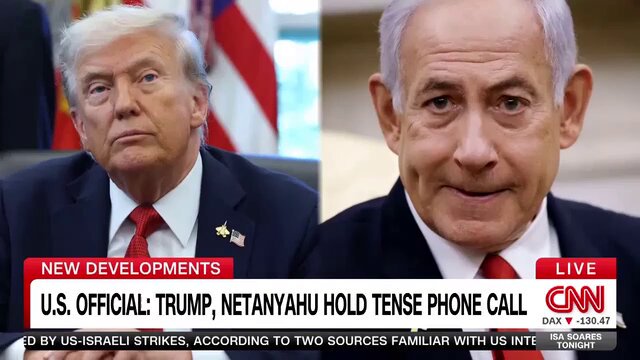
Prime Minister's Office: "President Trump spoke this evening with Prime Minister Benjamin Netanyahu regarding the memorandum of understanding being formulated with Iran as a framework for entering negotiations. Although Israel is not a party to the memorandum of understanding, the Prime Minister expressed his appreciation for President Trump's commitment that the final agreement resulting from the negotiations will include the removal of enriched nuclear material, the dismantling of enrichment infrastructure, limits on missile production, and an end to Iran's support for its terrorist proxies in the region"
8
40
142
38,733
חשוב לשים לב לניסוח "שההסכם הסופי", כלומר, מזכר ההבנות הנוכחי כלל אינו כולל את הפרטים הללו.
עם זאת, ראוי גם לבצע תיאום ציפיות: גם במסגרת "הסכם סופי" סביר מאוד שהסעיפים הללו לא יכללו. למעט סוגיית דילול החומר המועשר, ארצות הברית כלל אינה דורשת את הדרישות הללו מאיראן. לא טילים ולא שלוחים.
בשורה התחתונה, נכפה על ישראל לקבל הסכם שהיא לא רצתה בו, הכולל מרכיבים שבנסיבות אחרות היא בוודאי לא הייתה מוכנה לקבל. אלא שבמצבו הנוכחי, נתניהו אינו באמת יכול לערער על החלטתו של הנשיא טראמפ.
מעניין רק לדמיין מה היה קורה אילו אובמה או ביידן היו משיגים בדיוק את אותו הסכם. התגובה בישראל הייתה ככל הנראה שונה לחלוטין.
Jun 11
לשכת ראש הממשלה: "הנשיא טראמפ שוחח הערב עם ראש הממשלה נתניהו על מזכר ההבנות המתגבש עם איראן לכניסה למשא ומתן. אף שישראל אינה צד למזכר ההבנות, ראש הממשלה הביע את הערכתו למחויבותו של הנשיא טראמפ שההסכם הסופי בגמר המשא ומתן יכלול את הוצאת החומר המועשר, פירוק תשתיות ההעשרה, הגבלת ייצור הטילים והפסקת התמיכה של איראן בשלוחות הטרור שלה באזור"
9
38
168
31,182
על רקע הדיווחים על הפגישה בין טחנון בן זאיד לבין מקבילו האיראני, ועל רקע הצהרתו של הנשיא טראמפ היום, המשתלבת היטב עם התנהלותו מאז ימי המלחמה, חשוב לחדד נקודה אחת: ישראל נותרה כמעט לבדה ברצונה לשוב לעימות צבאי עם איראן.
לא הממשל האמריקאי ולא מדינות המפרץ, כולל איחוד האמירויות, מעוניינים בחזרה למלחמה מול איראן. מבחינתם, המערכה האחרונה הספיקה. לעמדה הזו צפויות להיות השלכות משמעותיות גם בעתיד.
במדינות המפרץ מבינים היטב כי אסור, מבחינתן, לדחוק את איראן לפינה — וזאת ללא קשר לפעולות שביצעה טהראן נגדן במהלך המלחמה. נכון, איראן נתפסת כיום כמאיימת אף יותר מבעבר, אך נדמה כי כלל השחקנים באזור (למעט ישראל) רחוקים מהמסקנה שמלחמה היא הפתרון לבעיה האיראנית..
Jun 11

חשיפה במהדורת @kann_news:
אחת ממדינות האזור מנעה מישראל שימוש בשמיה האווירים בהסלמה מול איראן השבוע - ובתקיפות האוויריות של צה"ל. המהלך התקבל בהפתעה יחסית בקרב גורמים בכירים ישראלים, שסברו כי בדומה לעימותים הקודמים מול איראן, יתקיים שיתוף פעולה בין המדינות ->
10
53
213
50,232
3
6
4,748

הכישלון האסטרטגי החמור בתולדות ישראל-שנה למלחמה עם איראן שוחחתי עם @citrinowicz שמפרק את בלוף ״איום ההשמדה מאיראן״ מפרט איך הצליחה המערכה דווקא לחזק את המשטר ומסביר למה עוד כוח לא יביא הישגים. הזכרנו גם מיניאטורות של סולטנים שמתו במלחמה והסתבר שהכל מתחבר לבגדי המלך החדשים.
שמחתי מאוד להתארח בפודקאסט "אחד ביום" של @N12News , בהנחיית @arad_nir , ולבחון את תמונת המצב במערכה מול איראן.
בשיחה עסקנו בניתוח מפוכח של מאזן ההישגים והכישלונות של המערכה עד כה, בשאלת השפעתה על מצבה האסטרטגי של איראן, ובאתגרים שעומדים בפני ישראל בהמשך הדרך. מוזמנים להאזין.
mako.co.il/news-podcast_n12/…
3
6
49
11,222
פוסט שלי @ZmanIsrael
zman.co.il/693722/
Jun 11

"מנקודת מבטה של איראן, נורמליזציה היא האיום האסטרטגי הכי משמעותי, כי הוא מעניק לישראל דריסת רגל חברתית, כלכלית, תרבותית וביטחונית בלב העולם הערבי".
פוסט של דני סיטרינוביץ בזירת הבלוגים של זמן ישראל | דעה
zman.co.il/693722/
@citrinowicz
1
1
22
12,745
שמחתי מאוד להתארח בפודקאסט "אחד ביום" של @N12News , בהנחיית @arad_nir , ולבחון את תמונת המצב במערכה מול איראן.
בשיחה עסקנו בניתוח מפוכח של מאזן ההישגים והכישלונות של המערכה עד כה, בשאלת השפעתה על מצבה האסטרטגי של איראן, ובאתגרים שעומדים בפני ישראל בהמשך הדרך. מוזמנים להאזין.
mako.co.il/news-podcast_n12/…
1
2
23
16,349
Danny (Dennis) Citrinowicz ,داني سيترينوفيتش retweeted

Jun 11
"מנקודת מבטה של איראן, נורמליזציה היא האיום האסטרטגי הכי משמעותי, כי הוא מעניק לישראל דריסת רגל חברתית, כלכלית, תרבותית וביטחונית בלב העולם הערבי".
פוסט של דני סיטרינוביץ בזירת הבלוגים של זמן ישראל | דעה
zman.co.il/693722/
@citrinowicz
3
11
18,264