
@SonicLabs💥 Build Earn Scale: Sonic.
Joined August 2018
- Tweets 1,063
- Following 1,622
- Followers 5,957
- Likes 20,515
92 Photos and videos














Sam.sonic retweeted

Jun 6
FT's first big drawdown event, equity account based lending only liquidated about ~$50k in liquidations, equity accounting meant far less liquidations (netted risk vs discounted collateral) and soft liquidations meant far smaller amounts (average liquidation sizes were $200-$2k), in LTV based system this number would have been 10x-20x higher.
Safer, less volatile, smaller haircuts.
flyingtulip.com/lend/dashboa…
22
26
153
15,395
Sam.sonic retweeted
May 30
90 days. All brand new systems. Will take awhile till people realize why equity based accounts are better than LTV lending.
May 29

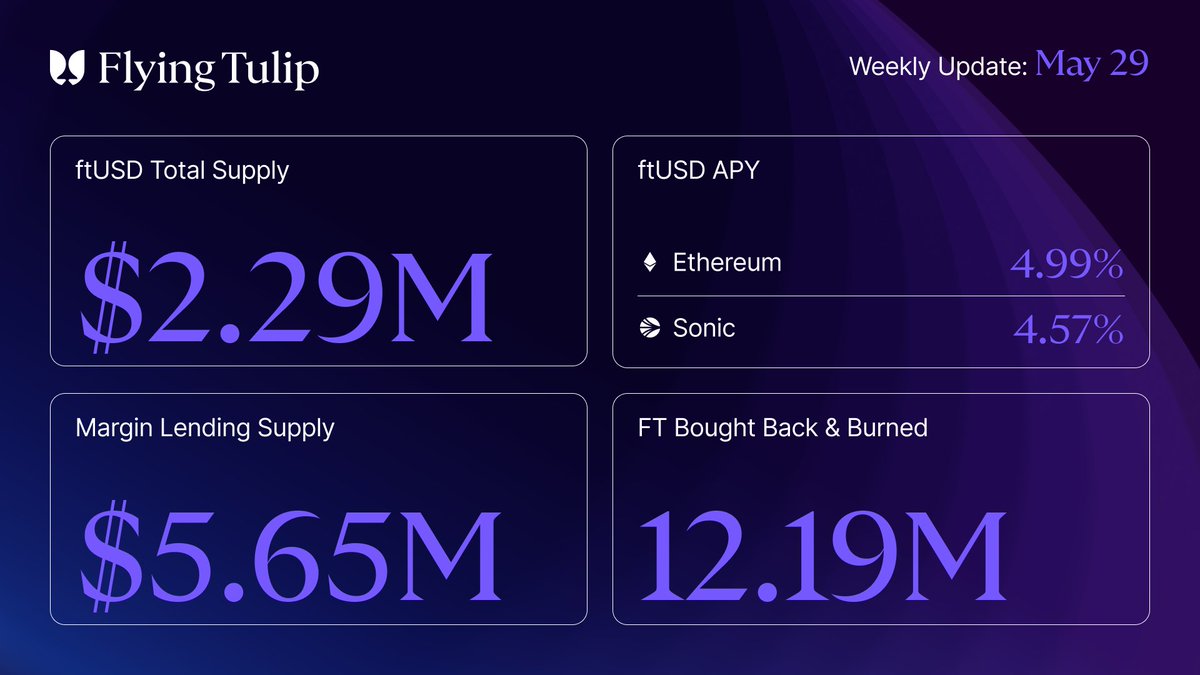
Flying Tulip Weekly Update - May 29
This week: ftUSD became available as collateral on Lend, BTC borrow costs were reduced on Sonic and Ethereum, and Sonic Lend borrowing parameters were updated to make borrowing more accessible.
ftUSD supply and Margin Lending TVL continued to grow, with ftUSD APY on Sonic increasing to 4.57% — all without incentives, points, or leverage-driven farming, and with instant redemptions.
More stats in reply 👇
21
25
173
15,244
Sam.sonic retweeted

May 27
ftUSD is now available as collateral on Lend.
Also, BTC borrow costs were reduced on Sonic and Ethereum through interest rate model optimization.
Sonic Lend parameters were updated to make borrowing more accessible:
▸ minimum margin equity reduced: $250 → $10
▸ minimum repayment amount reduced: $10 → $2

5
26
83
16,147
Sam.sonic retweeted

May 23
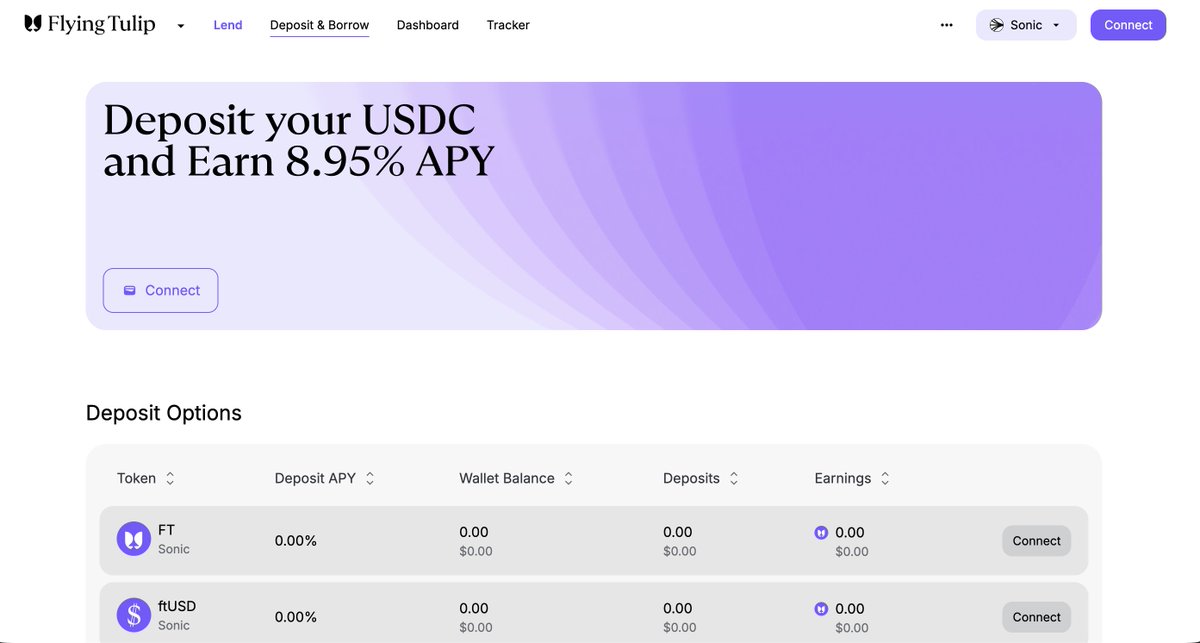
TVL on Sonic has crossed the $5M mark for @flyingtulip_.
▪️Lend deposits: $3.85M
▪️ftUSD supply: $1.33M
▪️USDC deposit rate: 8.95%
All without external incentives. Good products scale when the yield is real.
▶️flyingtulip.com/lend/
7
28
135
6,360
Sam.sonic retweeted

May 22
Happy Bitcoin Pizza Day! 🍕
In celebration, we are giving away 10,000 $S to one lucky winner.
To enter, you must:
- RT this post
- Comment your favorite pizza order
Winner will be announced in 24 hours.
Goodluck!

3,620
3,362
4,067
194,788
Sam.sonic retweeted
May 21
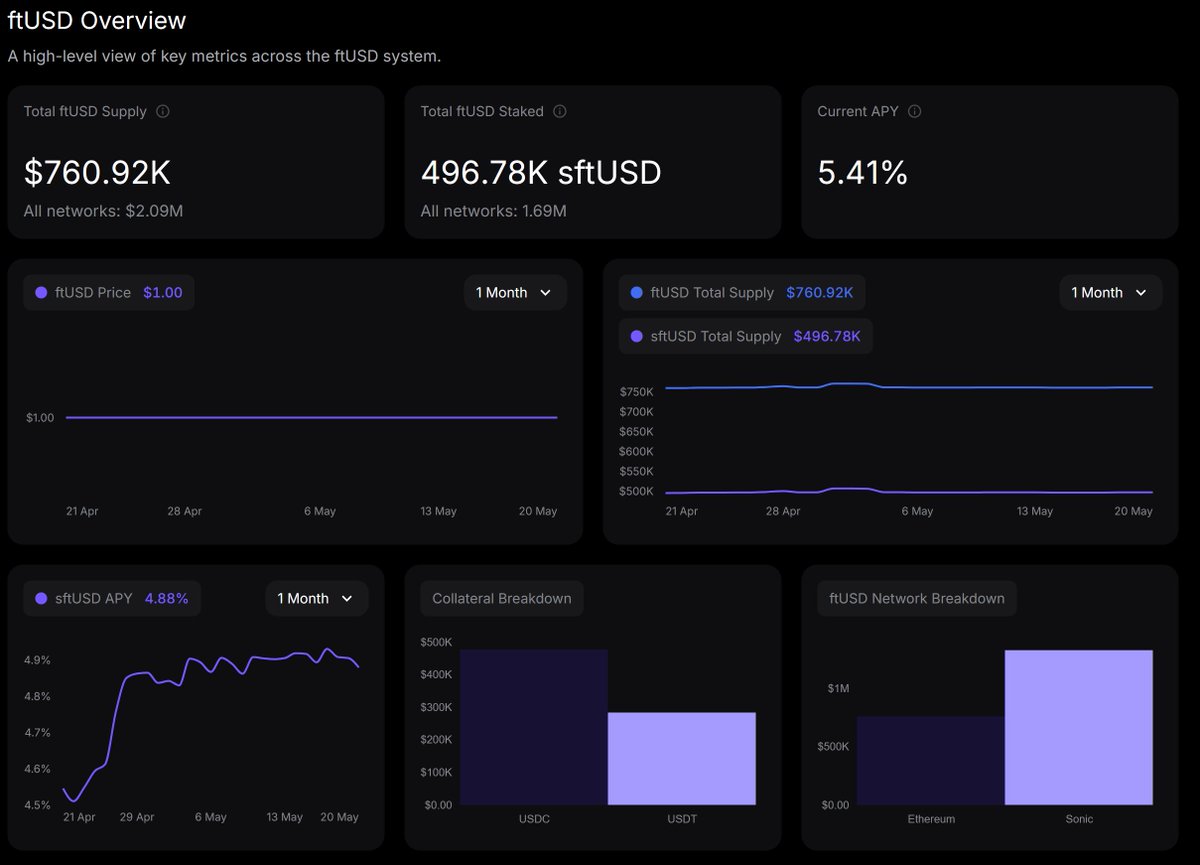
5.41% APY base on USDT & USDC, before even calculating incentives / points / liquid incentives.
flyingtulip.com/ftusd/
14
30
170
13,235
Sam.sonic retweeted

May 20
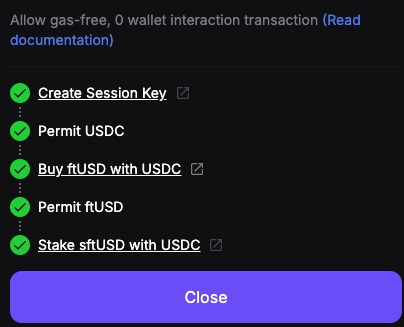
so @flyingtulip_ has started
all this with one signature on @SonicLabs it less than 2 seconds
how?
read the documentation!
10
18
71
4,736
Sam.sonic retweeted
May 18
Good product design can scale on Sonic without external incentives.
@FlyingTulip_ is already showing it: over $4.7M in Sonic TVL with no subsidies, no points program, and no rented liquidity.
Useful products attract capital because users have a reason to stay.
9
19
123
2,680
Sam.sonic retweeted
May 14
Sonic's Vertical Integration is outperforming expectations right out of the gate.
In the first 10 weeks, early VI revenue produced ~400% more deflationary impact than fee-related burns over the same window.
This is only from $USSD and @MetropolisDEX vault activity.
The full VI model has barely started.

56
188
605
800,414
Sam.sonic retweeted
May 14
$USSD is live for ftUSD minting on @FlyingTulip_ on Sonic.
Sonic’s vertically integrated stablecoin is now supported as collateral for ftUSD, giving users another way to enter Flying Tulip’s stable asset layer.
With $USSD, users can mint ftUSD in one click, stake it for yield, and redeem back without an exit queue or unstaking period.
11
51
262
9,949
Sam.sonic retweeted

May 13
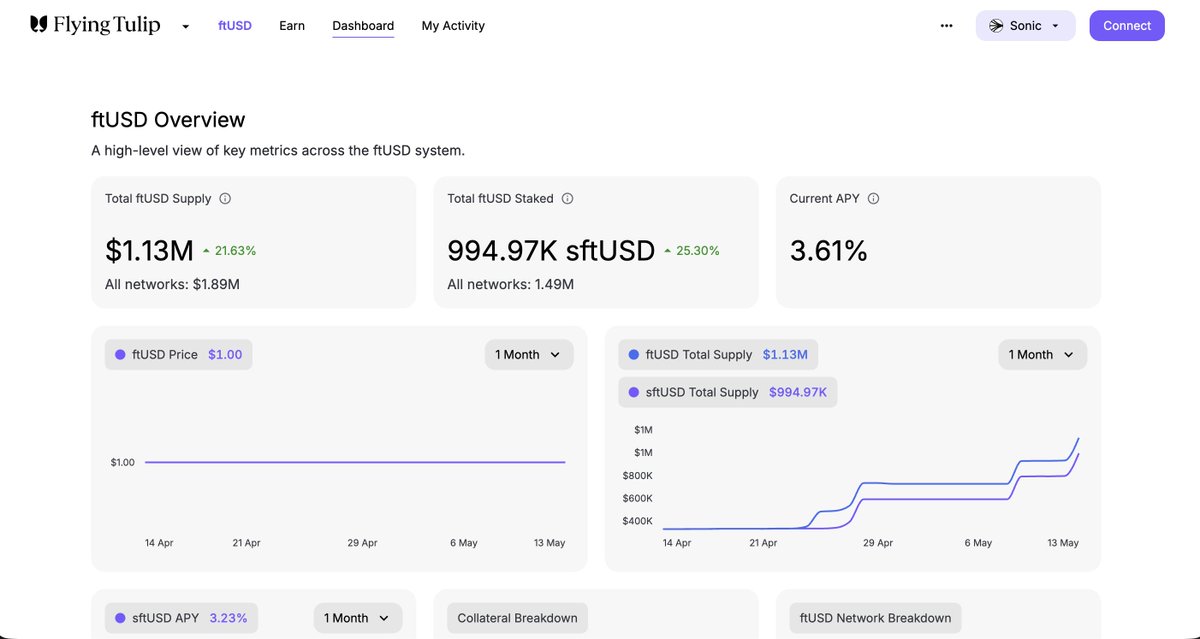
ftUSD supply on Sonic is up 21% today as @flyingtulip_ continues to scale.
Mint ftUSD:
🔹USDC & USDT on ETH
🔹USDC & USSD on Sonic
🔗 flyingtulip.com/ftusd/dashbo…
3
11
68
5,624
Sam.sonic retweeted
May 12
New asset listed on Sonic Lend: USSD
Sonic’s native stablecoin is now available in Flying Tulip’s Margin Lending market.

10
39
176
17,248
Sam.sonic retweeted
May 11
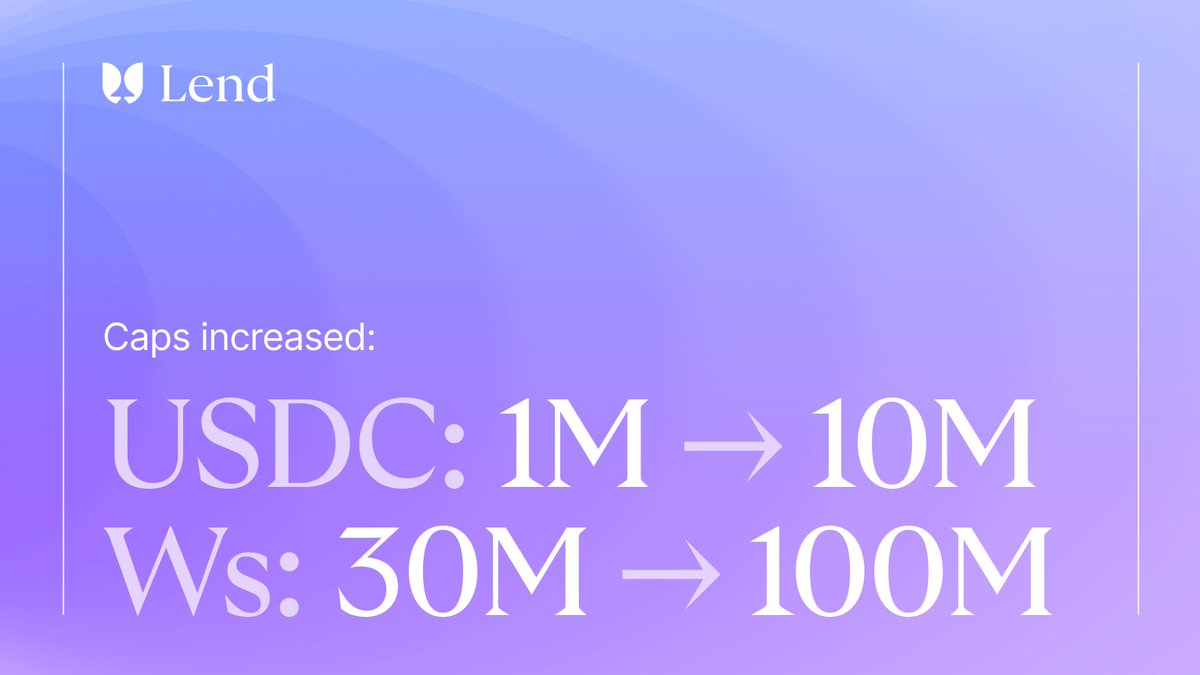
ftUSD caps have been increased again.
On Sonic Lend:
USDC: 1M -> 10M
wS: 30M -> 100M
Earn 5.63% on Sonic by depositing into ftUSD.
9
28
153
13,238

May 1
RT @AndreCronjeTech: "The contest wrapped up with zero valid Medium or High severity findings, making it one of the cleanest contest outcom…
25
Sam.sonic retweeted
Apr 30
“Gemini models are core to Sonic’s AI stack, powering Spawn and other agentic commerce tools for developers building onchain payments, applications, and autonomous workflows.”
— @0xseg
Read the full story of how Sonic built with Google Cloud 👇


In Web3, reliability is non-negotiable.
As a Premier @GoogleCloud Partner, BCW Group worked with @0xSonicLabs to architect a "secure-by-design" foundation that puts AI at the center of development.
The Highlights:
🔹 Spawn App Builder: Concept to dApp in 15 mins via Gemini models.
🔹 Total Reliability: High-availability operations powered by Google Cloud.
🔹 Data at Scale: Real-time analytics with BigQuery & GKE.
🔹 Internal Efficiency: Gemini 1.5 Pro automating tech support workflows.
The future of dApp growth is AI-augmented. 🚀
Full Story: cloud.google.com/customers/s…
@gcloudpartners

29
68
352
743,023
Sam.sonic retweeted
Apr 26
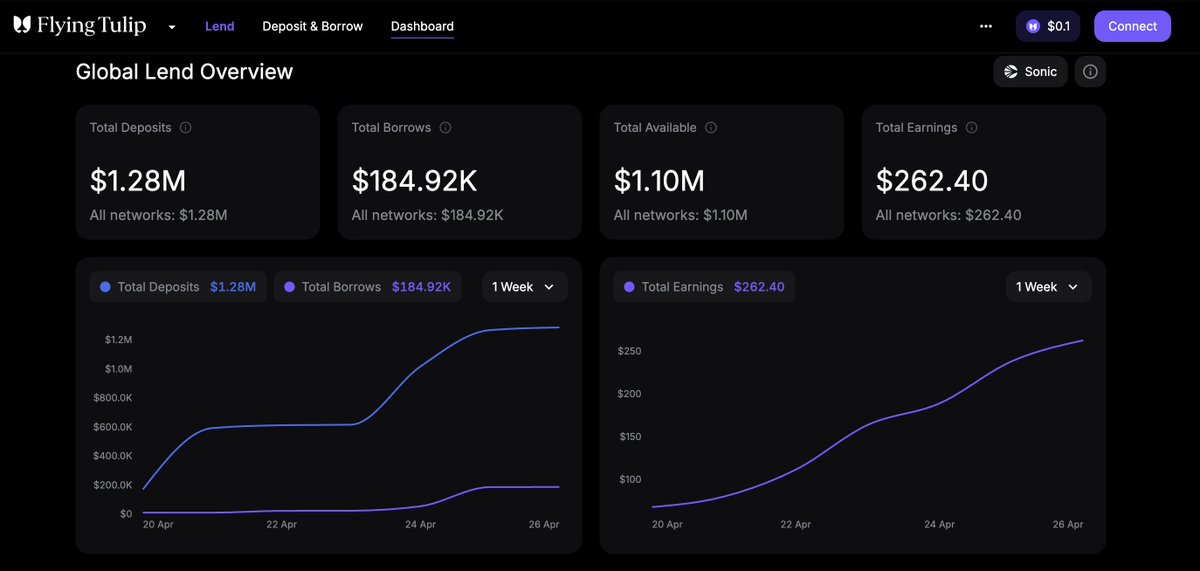
Flying Tulip’s Margin Lending is scaling on Sonic.
TVL is now $1.3M
▪️ USDC deposit APY on Lend: 4.3%
▪️ Staked ftUSD APY on Sonic: 3.58%
More capital efficient stablecoin activity is coming onchain to Sonic.
🔗flyingtulip.com/lend/dashboa…
6
16
107
2,773
Apr 25
Sonic is built for consumer apps just like Polymarket.
If they care about speed, reliability and battletested infra. Sonic is the best place to continue their domanice across the growing prediction market sector.
Apr 24

Respect for the transparency. You’re hitting on challenges we’ve seen businesses at your scale run into when real-world traffic meets the blockchain.
Our team has been heads-down with leaders across the space on how an L1 can fine-tune the execution environment around what serious apps actually need: settlement certainty, predictable costs, and business-specific tooling. Polymarket is the clearest example of a system that needs web2 reliability on web3 rails.
Quick thoughts from the chain side:
Latency: Sonic finalizes in ~500ms, deterministically. No probabilistic confirms, no reorgs. Your “near-instant” target is already reality on an L1 stack. ~10k TPS sustained, sub-second single-slot finality, ~$0.0001 average fees.
Chain migration: Doors are open, and we’re actively making bespoke improvements for serious teams. Most chains slow down as throughput climbs; Sonic is designed to get faster under high load.
Cancelled transactions: At your scale, this is a throughput and execution problem. Sonic’s headroom removes the congestion vector. Deterministic finality removes the reorg vector. Your CLOB shouldn’t be dropping orders because the chain can’t keep up.
Cheap gas, instant finality, battle-tested uptime, and native USDC are default. Prediction markets need reserved capacity for market makers, gasless user flows, protocol-native atomic batching, and app-critical transactions that still land when volume spikes.
Would love to compare notes with your tech team on what Polymarket’s real-world throughput has taught you, and where we can build to support it.
DMs open 🫡
8
13
126
3,656
Sam.sonic retweeted
Apr 20
Quantum computers will eventually break the elliptic-curve cryptography most blockchains rely on.
SonicCS avoids all of that: its minimal cryptographic design means going post-quantum is just a single signature swap.

26
89
471
37,668
Apr 15
RT @flyingtulip_: $ftUSD's Delta Neutral Staking Yield strategy has been enabled on Sonic, currently earning 5.39% APY on USDC deposits. Ca…
33