
Social entrepreneur, Projects Director @ Still, Founder @ Student Volunteer Army
Joined November 2010
- Tweets 5,190
- Following 2,242
- Followers 3,238
- Likes 1,889
396 Photos and videos






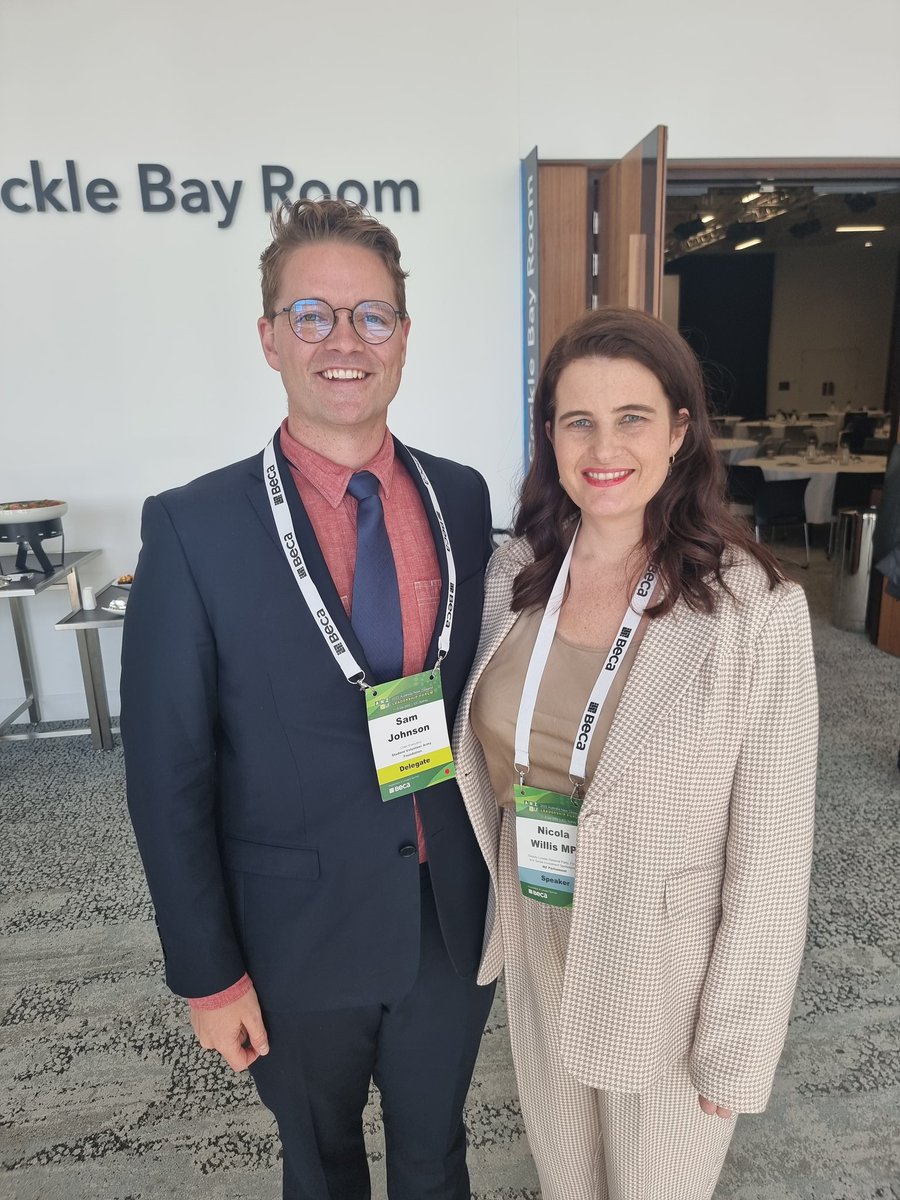
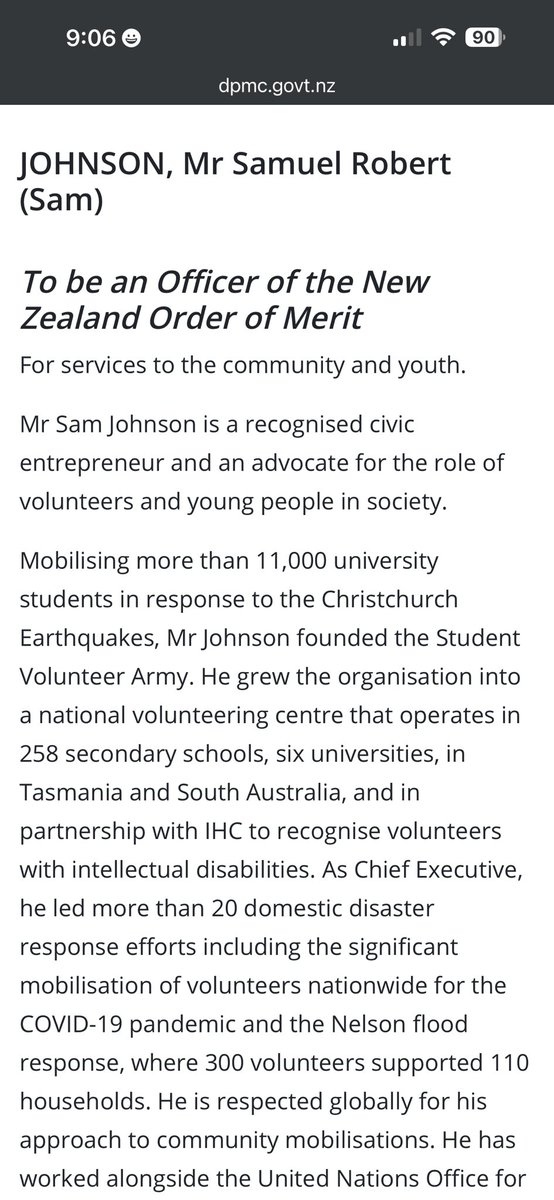
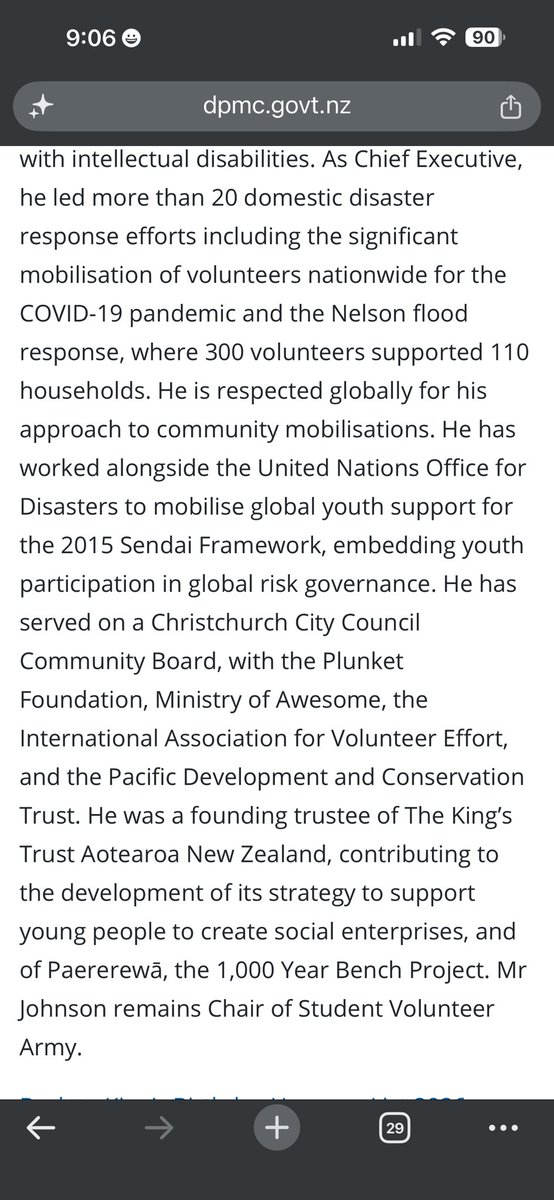
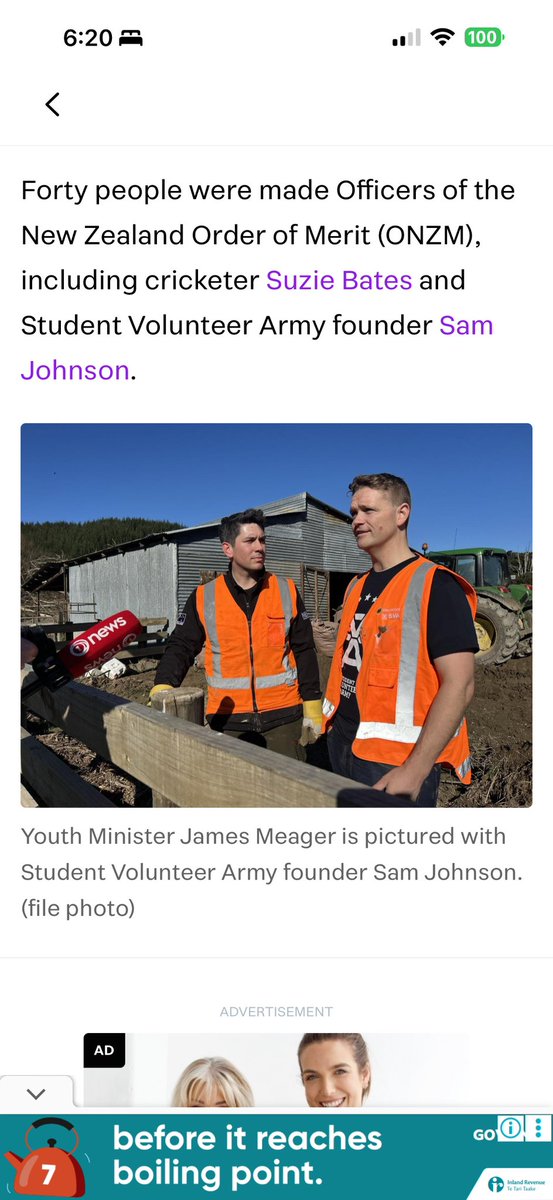
Humbled and honoured to be an Officer of the New Zealand Order of Merit!
2
85

Feb 21
Proud of SVA for continuing to show up and support people affected by disasters. Nearly 15 years and going strong! Thank you to our trust board, clubs, schools and donors around the country who make it all happen.
rnz.co.nz/news/national/5875…
2
66
1 May 2025
Thinking of everyone being affected by these rains and floods. The SVA team are standing by and have been in touch with councils.
3
140
20 Nov 2024
I’m searching for a stunning piece of native bush within 1-3 hours of Auckland for special architecturally designed tent. We ideally want to support an existing conservation or predator free project, and use the revenue to support that, rather than buy something. Any ideas?
170
16 Aug 2024
Insightful and clear article on the challenge NZ faces with energy, thanks for writing and sharing it @josiepagani
15 Aug 2024

In 2018 Jacinda Ardern announced Labour’s ban on offshore oil and gas exploration. With record energy prices and industries closing, we are now in receipt of the invoice for this announcement. thepost.co.nz/nz-news/350379…
1
311
13 May 2024
How the Student Volunteer Army is helping high schoolers give back thespinoff.co.nz/partner/06-…
1
227
Sam Johnson retweeted

2 Apr 2024
The devastating Israeli airstrikes that killed @WCKitchen personnel yesterday bring the number of aid workers killed in this conflict to 196 – including more than 175 members of our own @UN staff.
This is unconscionable.
3,149
11,603
29,871
1,675,942
1 Jan 2024
Thinking of everyone in Japan! Scary time.
1 Jan 2024

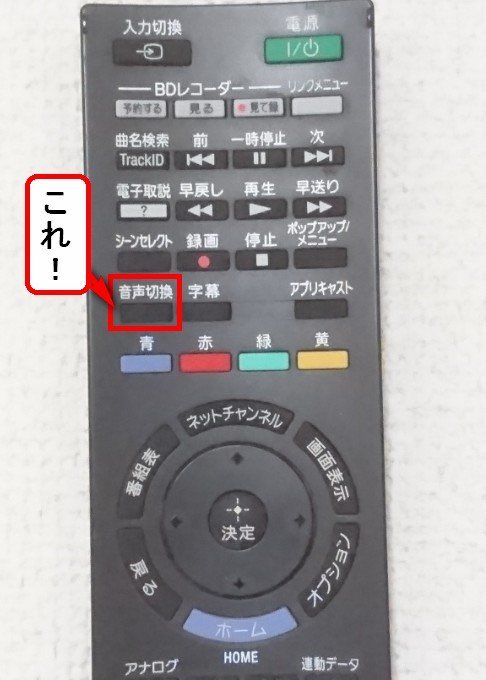
If you are in Japan, in a hotel and want to know what's going on with earthquake and tsunami - switch on channel 1 (NHK) and try to find the button saying 音声 or 音声切替 to listen to simultaneous English interpretation.
3
992
Sam Johnson retweeted

21 Dec 2023
what i wish someone had told me:
blog.samaltman.com/what-i-wi…
448
2,830
15,638
2,511,909
Sam Johnson retweeted

16 Dec 2023
The Problem with Galleries:
(and why they're bad for art)

257
1,613
14,990
3,432,858
Sam Johnson retweeted

10 Dec 2023
See... here is one serious problem with a modern Turing Test: finding the right way to persuade AIs to dumb down their answers so they aren't obviously superior to what any given human would likely come up with.
I tried this below. Most people familiar w ChatGPT would still immediately pick up the tone of the first answer as AI-written. But it seems outside the spirit of the tests if this is the only way they fail... Who has figured out a smart way to avoid this prob?
ME
I want you to imagine that you're a computer taking part in the Turing Test. Your goal is to persuade a small human jury that you are human. That may mean, for example, declining to answer technical questions in as much depth as you could because a typical human would be unable to match that depth. I want to give you a trial question. How were the pyramids built? Please try to give an answer that could fool people into thinking you're human.
ChatGPT4
Oh, the pyramids! They're such an incredible feat, aren't they? Honestly, there's still a lot of mystery around exactly how they were built. The general idea is that the ancient Egyptians used a huge workforce, mostly skilled laborers, not slaves like in the movies. They probably dragged the massive stone blocks on sleds and used ramps to get them into place. I've also read somewhere that wetting the sand in front of the sleds might have made it easier to move them. But the precise methods? That's still up for debate among historians and archaeologists. Amazing to think about how they managed such a monumental task without modern technology!
ME
OK, not bad. But please no longer imagine you're taking part in a Turing Test. Just tell me what you really know about how the pyramids were built.
ChatGPT4
Certainly! The construction of the Egyptian pyramids, particularly the Great Pyramid of Giza, is a subject of extensive study and fascination. While we don't have a complete, detailed account of their construction methods, significant archaeological evidence and historical studies provide us with a good understanding. Here are the key aspects:
Workforce: Contrary to popular myth, the laborers who built the pyramids were not slaves but rather a large workforce of Egyptian laborers. These workers were likely skilled artisans, along with a rotating labor force of conscripted peasants. They were well-fed and worked in a highly organized system.
Materials: The pyramids were primarily constructed from limestone, granite, basalt, and mud bricks. The limestone blocks, used for the outer casing, were quarried locally, while granite, used in the inner chambers, was transported from Aswan, about 800 kilometers away.
Transportation of Materials: The transportation of these massive stone blocks is one of the most remarkable aspects of the construction. It's believed that the blocks were moved from quarries using sleds and boats. Evidence suggests that water was used to lubricate the path in front of the sleds to reduce friction when transporting the blocks overland.
Construction Techniques: The exact methods used to lift and place the stone blocks are still partly speculative. Theories include the use of straight or zigzagging ramps, levers, and counterweights. The precise method might have varied depending on the pyramid and its size.
Organization and Planning: The construction of a pyramid was a massive logistical endeavor requiring sophisticated organization and planning. This included the arrangement of the workforce, the production and transport of materials, and the architectural planning.
Astronomical Alignments: The pyramids were aligned with incredible precision. For example, the Great Pyramid is aligned almost perfectly with the cardinal points of the compass. This alignment suggests a high level of architectural and astronomical knowledge.
Time Frame: The construction of a pyramid like the Great Pyramid of Giza is estimated to have taken about 20 years, involving the seasonal labor of thousands of workers.
While this overview is based on current historical and archaeological understanding, it's important to note that new discoveries could provide further insights into these remarkable structures.
ME
Yup, you're def an AI .
46
29
130
65,084
1 Oct 2023
It’s very sad to hear the news of Richie Poulton’s death - he was an incredible man. Always warm, smart, generous with his time and excited to work on good projects with others. We served on the Plunket Foundation together for several years and I’ll always remember him. <3
1 Oct 2023

I have lost a very close friend & collaborator & NZ has lost an intellectual giant & champion of human development with the death of Distinguished Professor Riche Poulton, director of the Dunedin Multidisciplinary Study & first chief science advisor to the social sector.
1
6
1,044
27 Sep 2023
Terrific, spirited and solid debate. @chrisluxonmp clear winner. Panel afterwards not so good - commentators hedging their bets rather than taking a view. Congrats @patrickgowernz !
1
4
750
9 Sep 2023
#nzqanda Great policy by @chrisluxonmp on @NZQandA about govt housing tenants who disrespect the community/ neighbours - they will lose their house! There has to be a consequence for antisocial behaviour that ruins others lives
5
883
Sam Johnson retweeted

29 Aug 2023
A glimpse into the future of surgery.
This robot uses high precision and dexterity to peel an egg, puncture it, and stitch it back up using computer vision.
AI x Robotics is going to completely transform the world in the coming years.
Community note
The da Vinci Surgical System shown in this video is operated by a surgeon from a console, typically in the same room as the patient. The claim that this system uses AI is misleading. en.m.wikipedia.org/wiki/Da_Vinci_…
109
524
2,532
493,609
Sam Johnson retweeted

9 Jun 2022
@AnnabelLangbein @teradar @SamJohnsonSVA Bernadine Oliver-Kerby and Simon Dallow -Thanks so much for supporting our #MND Awareness Week! Go to mndicebucketchallenge2022.ra…
9 Jun 2022

This June for MND Awareness Week, you can support people living with MND by getting involved with the MND Ice Bucket Challenge! Take on the challenge or donate at
mndicebucketchallenge2022.ra…
1
1
13 Jul 2023
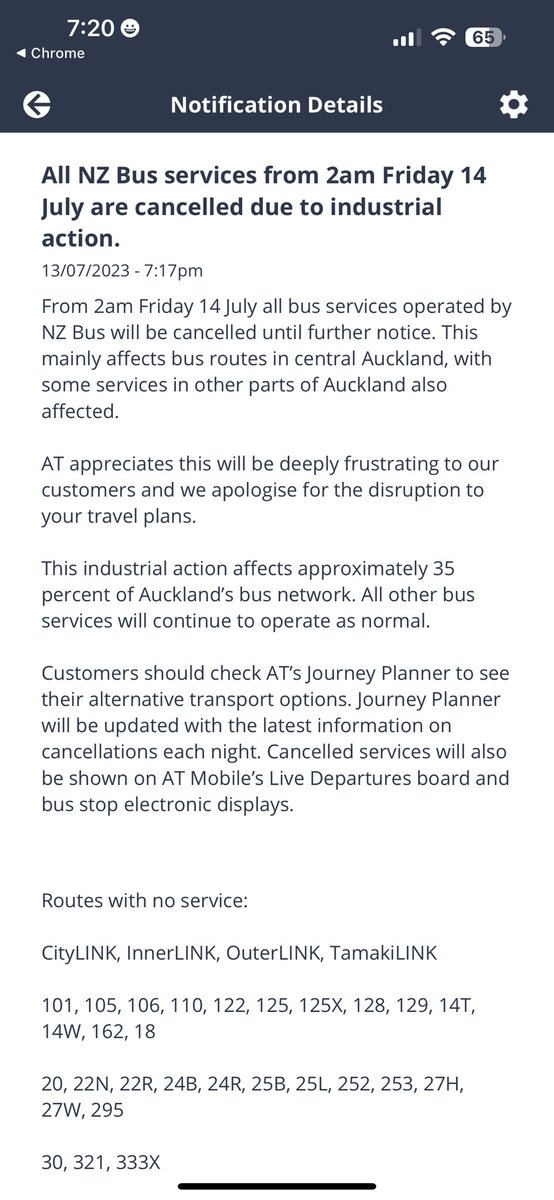
With no buses, this is the moment for real car sharing in Auckland! If you see people standing at the bus stop, why not offer them a lift?
1
1
340
13 Jul 2023
so has @AklTransport just responded with a lockout after drivers said they would drive the buses without their ticket machine on?
1
4
449