
Fellow @CarnegieEndow, Technology International Affairs. Previously poli sci PhD @ Princeton, @ForeignAffairs, @TheEconomist.
Joined September 2011
- Tweets 1,443
- Following 2,060
- Followers 1,380
- Likes 1,187
31 Photos and videos



Sam Winter-Levy retweeted

Jun 11
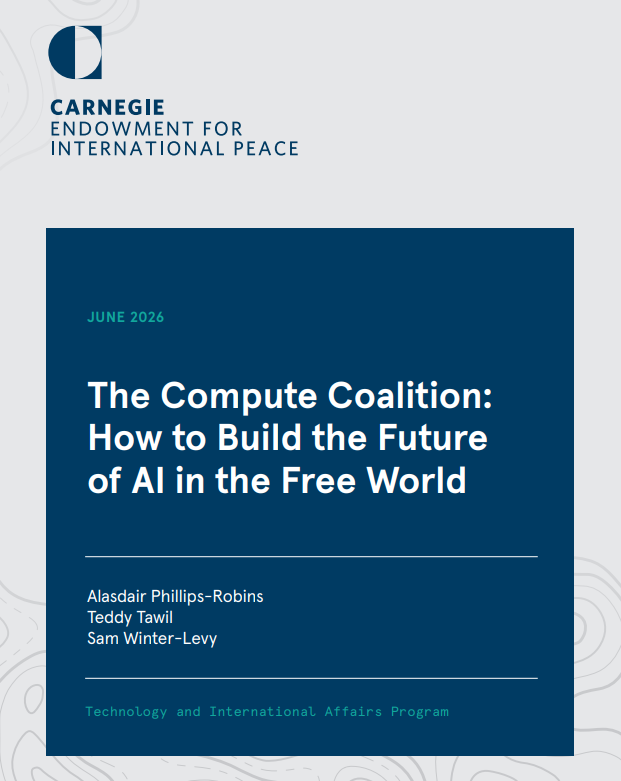
i'm very excited about this new report on compute in the free world. these days, I think this is the most immediately important issue in middle power AI policy: compute policy is the one clear way to turn strategic awareness into actual AI policy. there are four ways to do that:
the first is making compute deals for frontier access. frontier labs need a lot of reliable compute very fast. as the report points out, US capacity to provide that is straining as political pushback increases and sites and turbines run out. If a middle power can get datacenters up and running fast enough, that makes for a great negotiating position - in exchange, they could ask for access to the same models as the American market, and for preferential access to the capacity provided by its local compute.
the second is controlling compute capacity as an anchor for regulatory and fiscal participation. with past technological trends driven by the US, middle powers had an easier time getting their policy views in and skimming off some tax revenue because America needed their markets. but insofar as AI supply remains constrained, that will be much harder. so it's very helpful for a middle powers to retain another lever to keep firms sufficiently involved to enable taxation and some regulation.
third is developing on-shore compute capacity to create optionality for future catching-up. once the compute is in your country, there are in principle ultimae rationes you can take: turn off the power, nationalise, expropriate, and so on. if the race to advanced AI actually does turn existential, middle powers that control some compute at least have a tangible desparation play available. and if that's true for enough middle powers, they could even band together and catch up to some relevant level of capability.
fourth and most ambitious is building out compute capacity as a broadly leveragable access - not unlike natural resources like oil. a country that controls a sizable portion of global compute supply can spin that into actual influence. for instance, if you control 5-10% of global compute, you can throttle compute supply in a financialised market and cause price shocks not unlike OPEC rationing. to make that work, you don't only need datacenters today - you have to be and remain prohibitively good at building them so the world continues to send you their chips. but at the limit, for some countries with large funds and abundant power (Norway?), this is the maximally effective compute play.
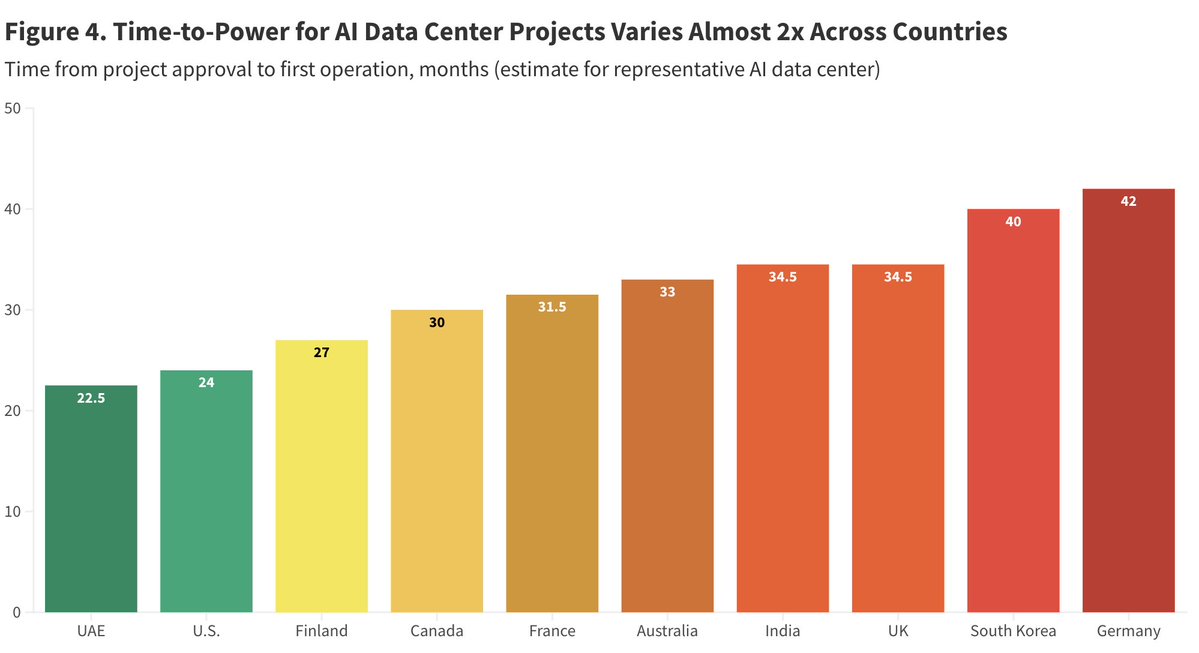
but all of this starts with actually being an effective and attractive buyer of compute and host of datacenters. that, in turn, comes down to a range of factors this report explores in great depth. one of the most encouraging takeaways is: hard, near-immutable factors like energy prices are surmountable. tractable and policy-sensitive factors, especially time to power, matter most. as long as the compute scramble continues, there's still time and room for middle powers to act ambitiously on compute!
Jun 11

🧵I spent 9 months building a detailed new global model of AI data center finances along with @alasdairpr and @SamWinterLevy.
It shows which factors are driving $10 billion investment decisions, who will control a key strategic asset of this century, and what policymakers can do to steer results while minimizing harms to the public.
It’s part of a new @CarnegieEndow & @CEIPTechProgram report. Here are five key findings:
3
16
74
11,170
Sam Winter-Levy retweeted

Jun 11
In 2027, the world will spend $1 trillion on data centers. That's nearly 1% of world GDP.
The resulting infrastructure will largely bypass Europe.
@alasdairpr, @SamWinterLevy and @TawilTeddy have written an extremely detailed report on how to change this. Highly recommended.

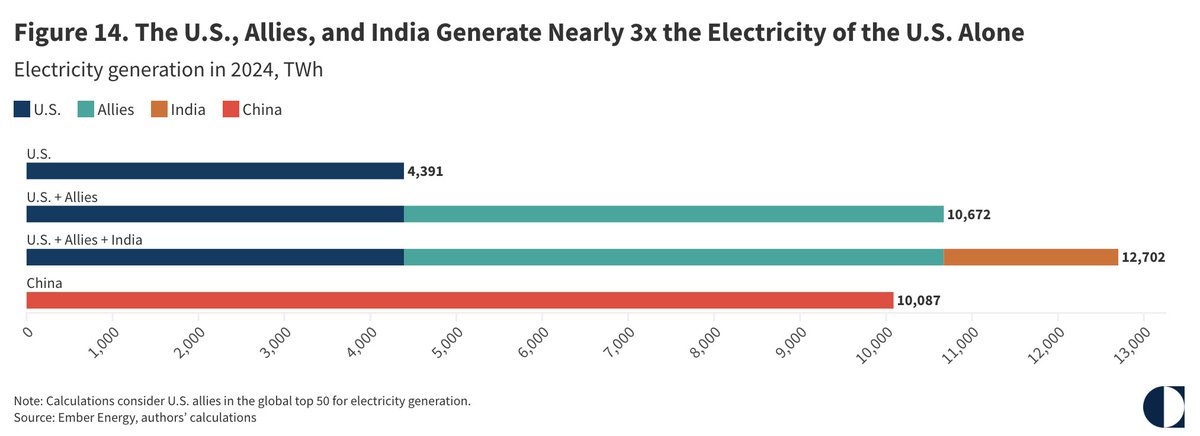
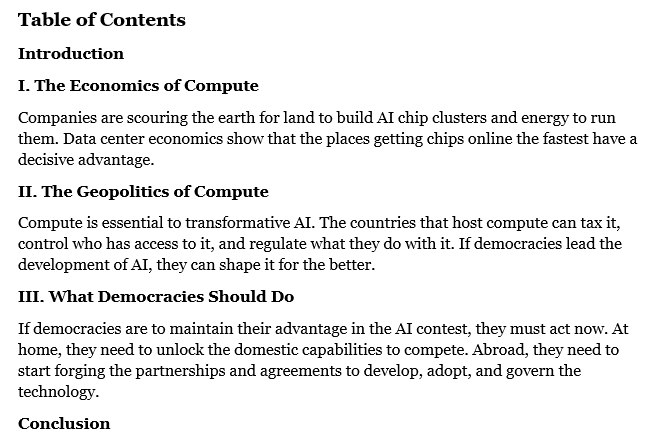
New: America can’t build the world’s AI infrastructure alone. We need the scale only our allies can provide, but they are currently missing out on the biggest industrial mobilization since World War II.
@SamWinterLevy, @TawilTeddy, and I go deep into the economics of the AI infrastructure boom and propose a way forward for democracies to shape the trajectory of, and reap the benefits from, transformative AI.
2
6
26
1,745
Sam Winter-Levy retweeted

Jun 11
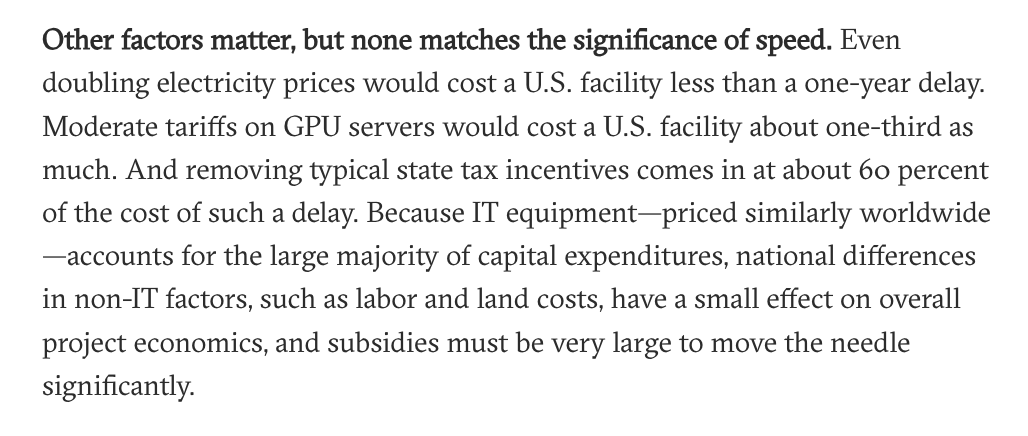
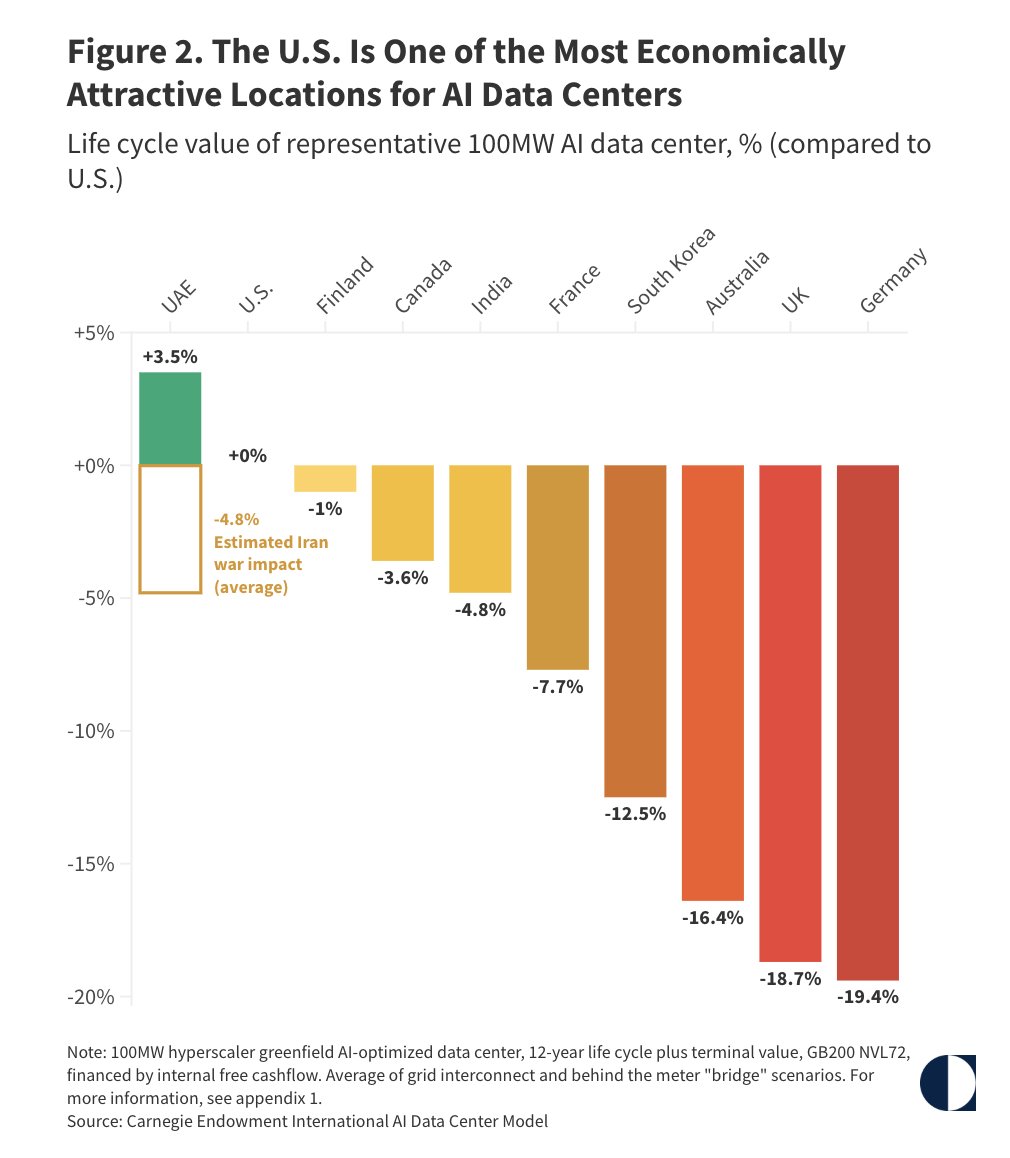
People overrate the importance of energy costs for data centres, and underrate flexible regulations and grid access.
Great report from @SamWinterLevy, @alasdairpr and co: carnegieendowment.org/resear…
5
27
1,147
Sam Winter-Levy retweeted

Jun 11
🧵I spent 9 months building a detailed new global model of AI data center finances along with @alasdairpr and @SamWinterLevy.
It shows which factors are driving $10 billion investment decisions, who will control a key strategic asset of this century, and what policymakers can do to steer results while minimizing harms to the public.
It’s part of a new @CarnegieEndow & @CEIPTechProgram report. Here are five key findings:
5
17
66
14,830

Jun 11
In 2027, big tech companies expect to spend nearly $1 trillion on AI data centers around the world. Where they choose to build those data centers could help determine the global balance of power.
To learn more, @alasdairpr, @TawilTeddy, and I created a detailed financial model showing what drives these $10 billion decisions, and wrote about our findings in a new Carnegie report.
3
11
53
5,480
Jun 11
6. The delays holding back most democracies are not laws of nature; they are the result of policy choices that can be revised. Democracies that rise to the challenge will help determine how AI reshapes the world. Those that do not will have little say in the matter.
Full paper here: carnegieendowment.org/resear…
1
1
3
141
Jun 11
For more on the economics of this, @TawilTeddy's thread is excellent: x.com/TawilTeddy/status/2065…
Jun 11
🧵I spent 9 months building a detailed new global model of AI data center finances along with @alasdairpr and @SamWinterLevy.
It shows which factors are driving $10 billion investment decisions, who will control a key strategic asset of this century, and what policymakers can do to steer results while minimizing harms to the public.
It’s part of a new @CarnegieEndow & @CEIPTechProgram report. Here are five key findings:
1
158
Sam Winter-Levy retweeted

May 22
Had a great time analyzing WuXi's Empire—the US's biotech bogeyman—with Nick Corvino for ChinaTalk. There's a lot more to unpack here, so let me know what we got wrong!
Link: chinatalk.media/p/the-empire…
Thanks to @jordanschneider et al. for the opportunity!
PS: First X post✅
2
3
7
1,953
May 19
Great piece from my colleague Lucas Fluegel on the crown jewel in China's biotech empire
May 19

Fantastic from @chinatalk / Fluegel and Corvino on WuXi AppTec and the Chinese biotech sector and its historical US link. From a strategy perspective, it's surprising how many leading Chinese firms (WuXi, CATL, Foxconn, etc) are pure econ of scale/scope plays.

1
5
852
Sam Winter-Levy retweeted

May 19
Fantastic from @chinatalk / Fluegel and Corvino on WuXi AppTec and the Chinese biotech sector and its historical US link. From a strategy perspective, it's surprising how many leading Chinese firms (WuXi, CATL, Foxconn, etc) are pure econ of scale/scope plays.
1
1
5
1,685
Sam Winter-Levy retweeted

May 18
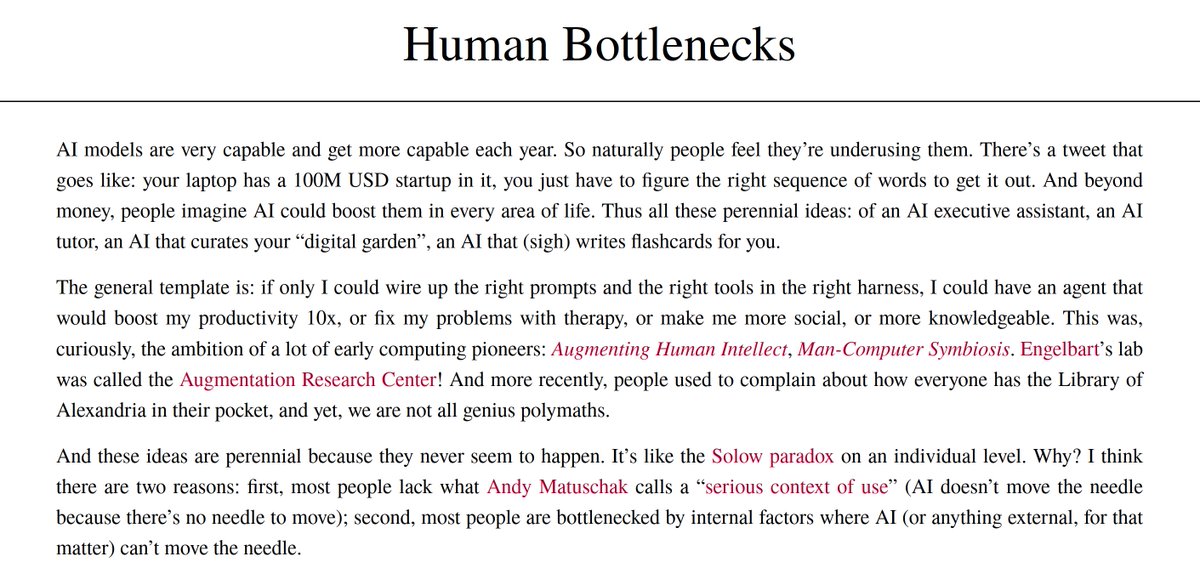
New day, new post. Today is about why having a superhuman AI available at all times might not change your life much.
20
36
286
29,001
Sam Winter-Levy retweeted
May 13
AI strategies everywhere hinge on widely available American frontier AI. Post-Mythos, amid compute crunches, security concerns and distillation crackdowns, that paradigm is under threat.
Today, I argue the era of widespread access to frontier AI is almost over.

39
85
618
204,366
May 15
"Be skeptical of AI-and-growth forecasts that don’t name a mechanism for getting past the political settlement." newsletter.deenamousa.com/p/…
1
85
Sam Winter-Levy retweeted

May 15
A timely listen and a reminder to follow @KaylaBlomquist3 and @Scott_R_Singer

1
1
1
330