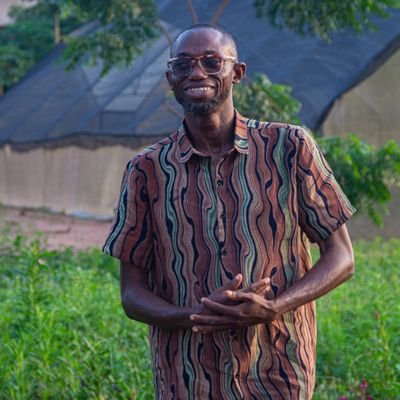
Farmer | Entrepreneur
Joined March 2010
- Tweets 32,985
- Following 2,278
- Followers 35,724
- Likes 14,259
5,920 Photos and videos




Pinned Tweet

23 Mar 2016
Pls help retweet
i grow plants without soil, i grow them in the AIR! Harvest of yam growing in the air. #SupportSam
178
3,625
3,034
Farmer Samson Ogbole retweeted

4 months ago, someone reached out to me on Instagram to ask if I could help her set up an open field farm in Ebonyi State.
Unknown to me that the person who reached out is the first lady of the state.
We started with open field tomato 🍅, and as of yesterday we've harvested 1,800kg so far at the second harvest.
In the space of 4 months, I have helped her set up below
1) An acre of open field tomato 🍅
2) An acre of open field habanero
3) 2 acres of open field chilli pepper 🌶️
4) Six sections of 10 by 50m greenhouses have been installed for her which fully commence production by this month
6) Two sections of 8 by 24m greenhouses installed to commence production this month.
2 Agronomists (my team members), 10 corps members have been the staff over seeing to the production so far.
Note: The 10 corps members were trained by me and my team members as at the time of their resumption, and I must say they've been executing their tasks well so far.
Your current location is never a barrier to us when our service is needed.
You want us to set up a farm for you, and we are game
You want us to help you manage your farm, we have skilled members who can do that.
You want us to consult for your farm, we have experienced personnel.
You want us to train your farm workers, we are available.
If Nigeria is to work, we must farm right!
We can't build a good future without food.
#BaaleofMilan
#AgribusinessCoach
50
118
379
21,716
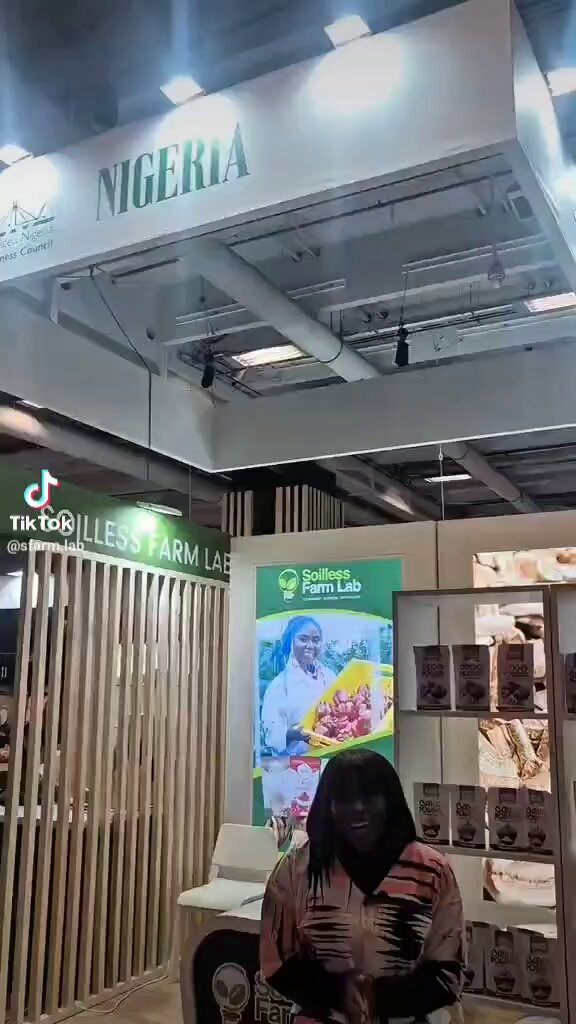
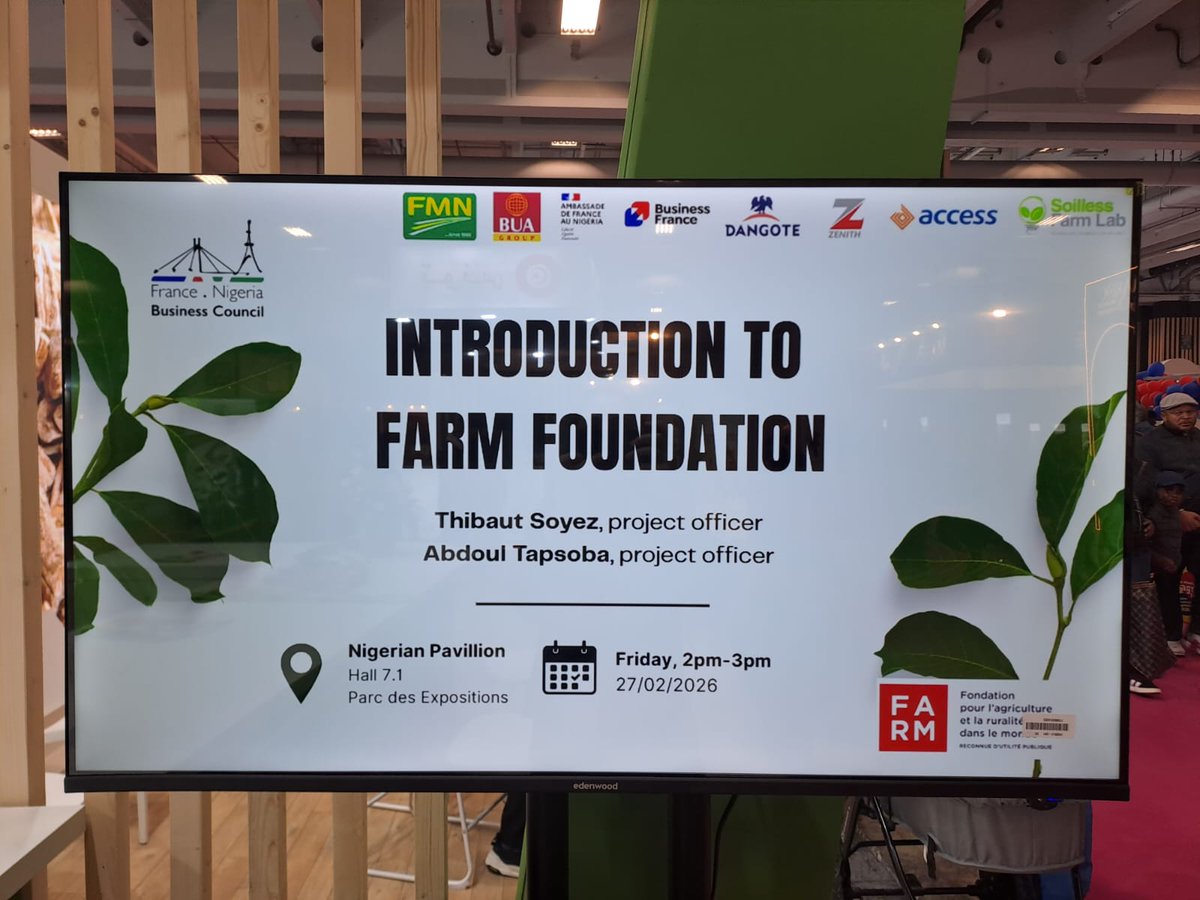
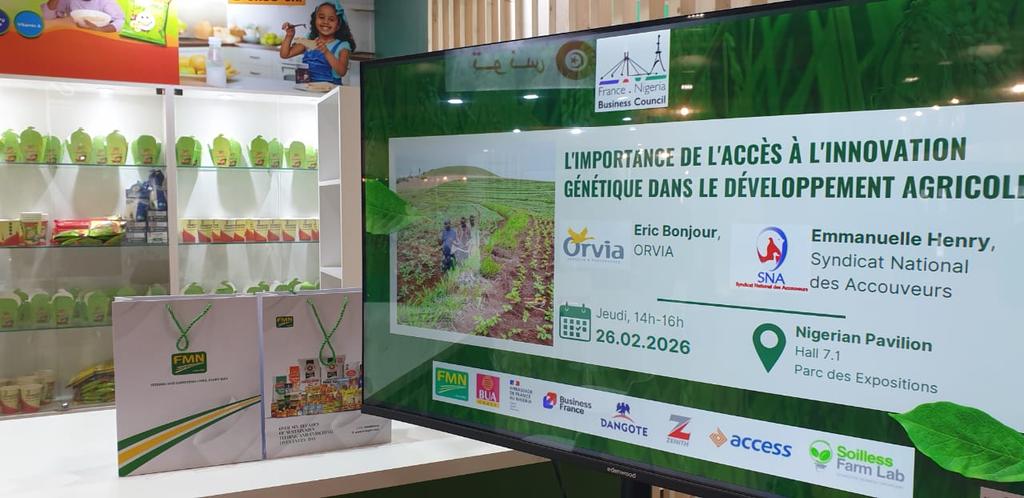
Paris International Agricultural Show 2026
Thank you to everyone who visited the Soilless Farm Lab stand.
A special thank you to the French Embassy Nigeria, thank you Mr. Valor Iduh for the guidance, thank you Mr. Rachid.
A special thank you to Ms. Sonia Darracq who believed even before today, that one Soilless Farm Lab will exhibit in France, and also be able to sell Nigerian food.
A very big thank you to Mr. Olawale Rotimi Opeyemi and the JR Farm family, without you, this dream won't even be possible. You sowed the seed, you nurtured and you gave guidance.
It is an honour to be able to say, using agriculture as a platform, 4 staff of Soilless Farm Lab spent over 10 days in France. Agribusiness is more than just food, it is a pathway.
Hunger is local, Food is global.
You can still buy from us.
We are available to visit your country, your occasion for exhibition.
We can produce for you - white label.
Europe | Asia | USA | UK | UAE | Canada | Africa
bdm@sfarmlab.com
p.okwara@sfarmlab.com
09014865033
08080231911
#PIAS #PIAS2026 #SoillessFarmLab #Eupepsia #FarmerSamson #TheWizardFarmer #HorticultureHub
4
10
57
2,124
About yesterday...
#FarmerSamson #TheWizardFarmer #SoillessFarmLab #SIA #FrenchEmbassy #NigeriaPavillionFrance
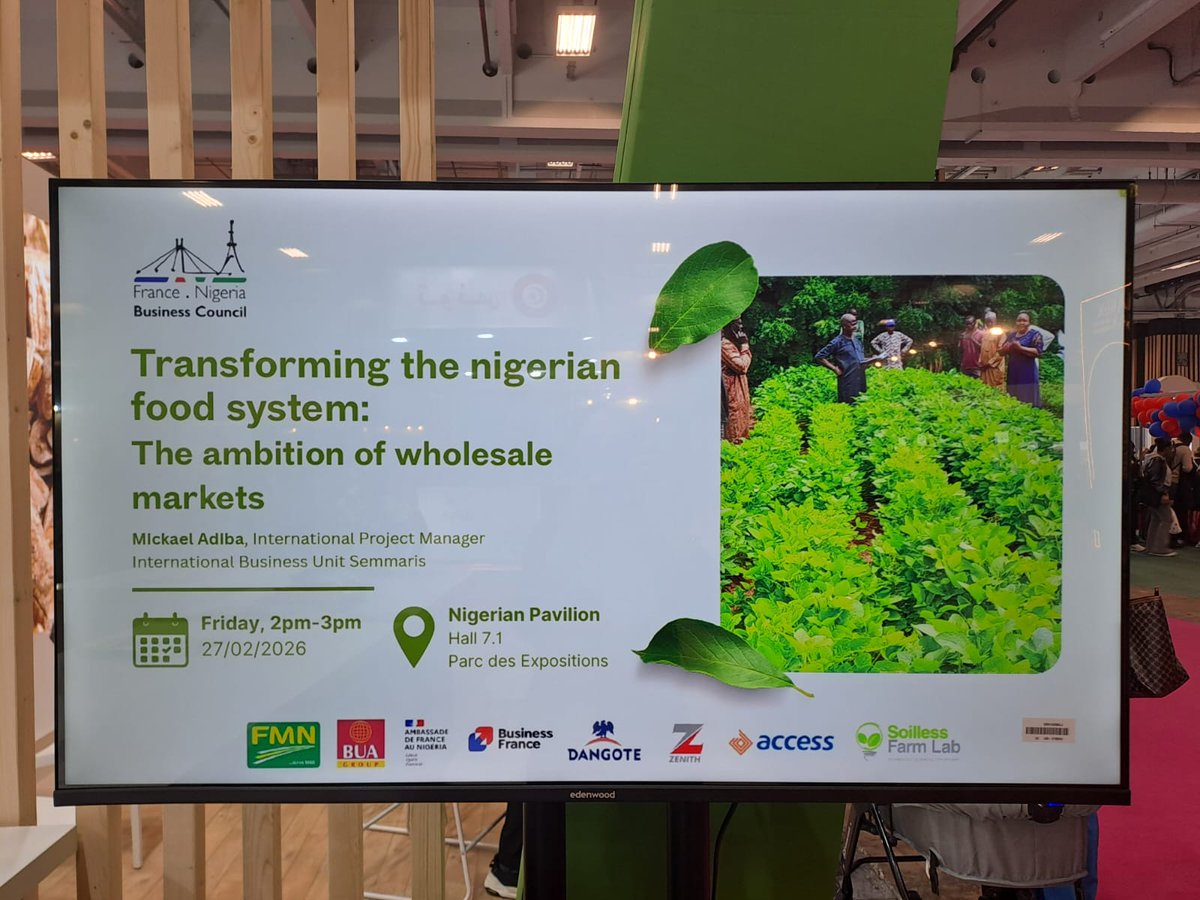
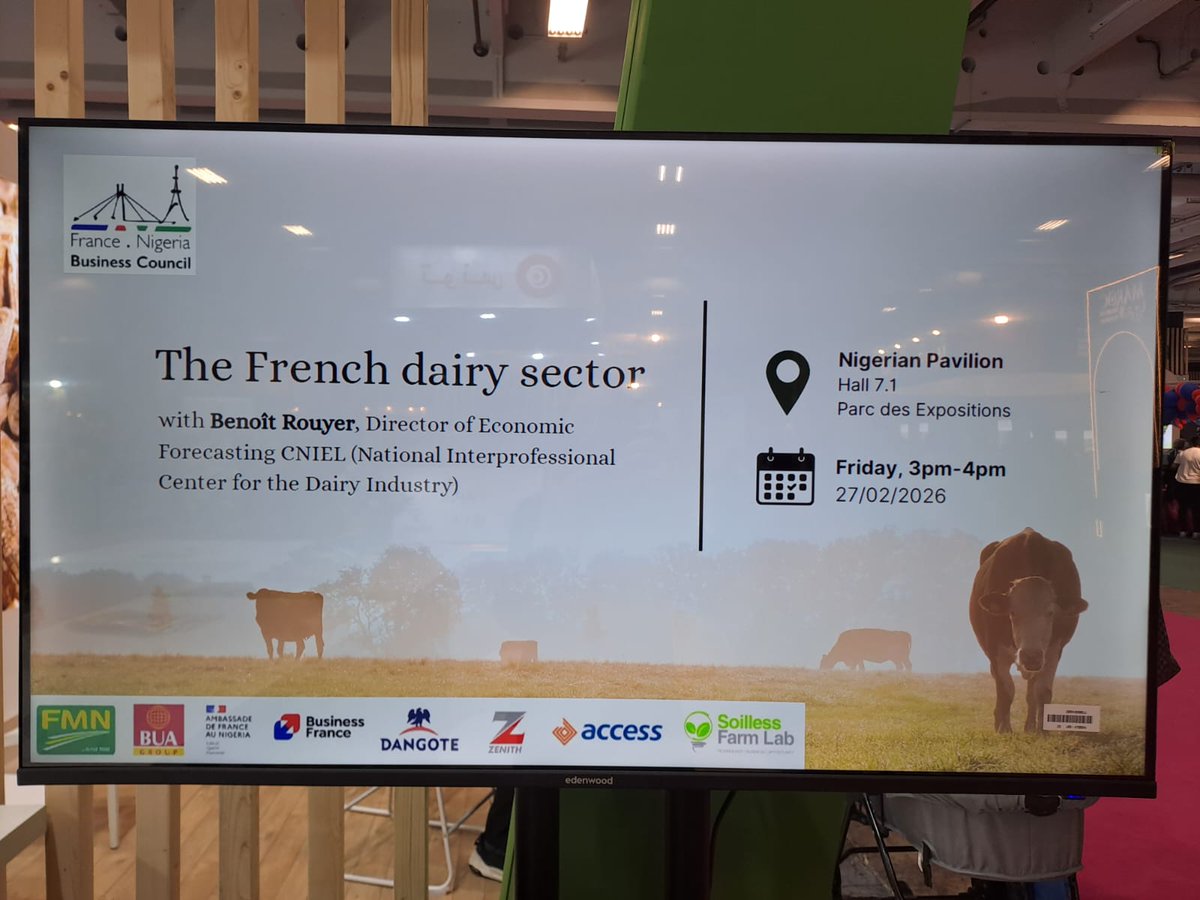
4
4
36
1,046

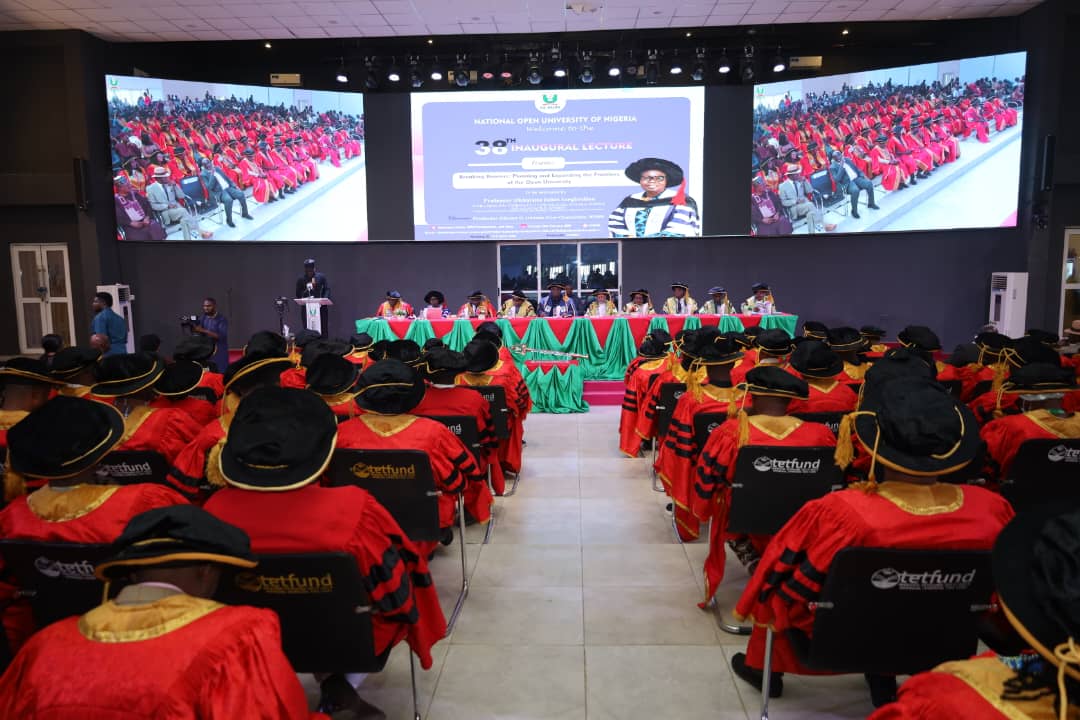


12
50
1,329
Farmer Samson Ogbole retweeted

Our dear @akin_adesina, today marks another new year in your age. We say a Happy birthday to you. May God grant you many more birthdays celebrated in good health🎉🎁🎂💕 @akinwale_cfi @Samsonprolific @Femi__Adekoya @edobong_akpabio @tunde_banjoko

14
5
28
6,692
7 Dec 2025
Dear Young Agripreneur,
From my last post, someone asked on Facebook how a young farmer can build a Category 3 business?
1. Know Wetin You Dey Sell Now
Your tomatoes, ugu, pepper, yam, or eggs na pure Category 1 - survival food. People buy am because hunger dey. Margin thin die. First know say you dey play the hardest game.
2. Find the Premium “Excuse” Wey People Go Pay For
Ask yourself: Wetin fit make Lagos/Ibadan/Abuja big man or woman feel say your own pepper better pass the one for Mile 12? Examples: “No pesticide,” “grown with clean water,” “village heritage seed,” “organic,” “zero cholera risk,” “my children deserve the best.”
3. Build Your Own Story Wey Sweet Pass Nollywood
You no just dey farm - you be “the guy wey carry village pepper enter future” or “the babe wey dey grow vegetables without one single chemical.” Post your farm video, your sweat, your mama for backyard. People no dey buy vegetable again - dem dey buy your story.
4. Change Small Thing For Farm Wey Go Increase Price Well-Well
Start small: wash and pack clean, remove soil, try small greenhouse or shade net, rear “foreign” chicken (noiler/broiler instead of local), plant exotic stuff like basil, strawberry, purple lettuce, or microgreens wey chefs dey find.
5. Comot From Village Market - Face the People Wey Get Money
Target hotels for Ikoyi/V.I/Asokoro, rich estates, Instagram mummies, restaurants wey dey do “continental,” expatriates, ShopriteFruitify type shops. One hotel fit buys your weekly lettuce for wetin 50 market women no go pay.
6. Price Like Say You Dey Mad (At First)
Normal ugu na ₦300 bunch. Sell your own clean, packaged, “chemical-free” ugu for ₦1,500–₦2,500. First people go shout, but the ones we buy go post am for Instagram story, and the rest go follow.
7. Pack Am Like Say Na iPhone
Use clean transparent nylon or paper bag, put sticker: “Adeniyi Farms – Zero Pesticide Ugu” or “Mama T’s Organic Pepper.” Add small thank-you note inside. Person go snap am before dem chop.
8. Turn Your WhatsApp & Instagram to Shop
Post every harvest video, customer testimony, before-and-after plate photos. Use status to do “Only 20 bunches available this week o!” Scarcity na premium petrol.
9. Use the Money Wey Enter to Build Small System
Buy a small cold room, deliver a bike, better seeds, drip irrigation, or pay one sharp boy/girl to dey handle WhatsApp orders. No rush to get big land - first make the small one print money.
10. Never Look Back - Keep the Price High. Once people don dey pay 5–10×, no reduce price again, even if fuel cost reach heaven. Just keep quality steady and keep telling the story. That’s how you turn ₦200,000/month farm to ₦2–5 million/month without adding plenty of land.
Bonus Naija Truth:
Start with ONE crop (e.g., just ugu or just eggs) and win that one first. When money dey flow, add another. No dey do plenty things at once.
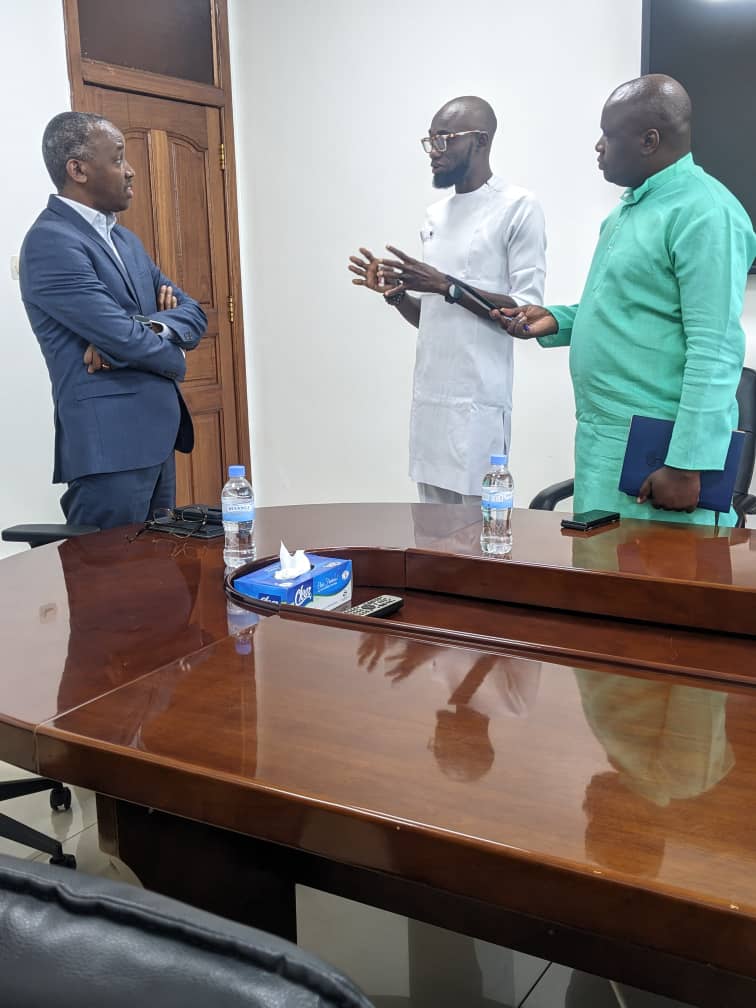
Picture: In a conversion with the Rwanda honourable Minister of Agriculture.
#FarmerSamson #TheWizardFarmer
20
70
266
12,844
6 Dec 2025
Dear Young Agripreneur,
I will teach you one of the lessons I taught the current EYiA students on Friday.
Business is in 1 of 3 areas:
1. Pure Survival (Commodities / Necessities)
Customer motivation: “I will literally die/starve/be homeless without this.”
Examples: staple food (rice, bread), basic housing, generic medicine, tap water, electricity, low-end transportation.
Characteristics: Extremely price-sensitive
Low margins (usually 2% - 15%)
Volume game operational efficiency is the only way to win
It is very hard to differentiate → race to the bottom
Winner’s playbook: Walmart, Ryanair, generic pharmaceuticals, utilities in competitive markets.
2. Pure Ego / Entertainment / Identity (Luxuries & Veblen Goods)
Customer motivation: “This makes me feel good, look good, or kills boredom.”
Examples: nightclubs, fashion (Supreme, Gucci), sports cars, concerts, video games, cosmetics, watches (Rolex), streetwear drops, tiktok creators, luxury travel.
Characteristics: Almost no price ceiling if positioning is strong
Margins can be absurd (50% → 1000% )
Customers sometimes pay MORE when you raise the price (Veblen effect)
Brand/storytelling/community is everything
Winner’s playbook: LVMH, Ferrari, Apple (in many ways), high-end nightlife brands, hypebeast streetwear.
3. Survival Disguised as Ego (Premium Necessities)
This is the golden middle zone - the most profitable and defensible category in the long run.
Customer motivation: “I need this to survive/function… but I’ll pay 5× more if it also makes me feel superior.”
Examples: Bottled water (Evian, Fiji) vs. tap water
Organic / “superfoods” vs. regular food
Apple iPhone vs. a N10m Vertu phone vs. N30,000 palasa phone
Whole Foods vs. local supermarket
Private schools / Ivy League vs. public education
First-class air travel vs. economy
Tesla vs. a basic electric car
Designer drugs / branded pharmaceuticals
Gym memberships (Equinox vs. Planet Fitness)
Characteristics: You take a survival need and wrap it in status, safety theatre, convenience, or moral superiority
Customers rationalize the premium with “health,” “safety,” “productivity,” “ethics,” or “my kids deserve the best”
Margins usually 40% - 200%
It's very sticky once people buy in (cognitive dissonance protects you)
Winner’s playbook: Apple, Tesla, Nestlé (with bottled water), Lululemon, CrossFit boxes, and most “premium” consumer brands.
The Money-Making Insight
The biggest money is made by taking something from Category 1 and moving it into Category 3.
Historical examples:
Water → Fiji/Evian (literally selling survival with a story)
Coffee → Starbucks (beans water became a “third place” and identity)
Fitness → CrossFit / boutique gyms (exercise is free → N300,000/month cult)
Quick Test You Can Apply to Any Business Idea.
Ask yourself:
1. What basic human need does this ultimately serve? (food, shelter, mating, safety, status, etc.)
2. Can I reframe it so the customer feels stupid or low-status for choosing the cheaper/free version?
If the answer to 2 is yes → you have a Category 3 rocket ship.
Have a great weekend.
#FarmerSamson #TheWizardFarmer #SoillessFarmLab #EYiA
13
73
300
13,946
4 Dec 2025
You do not have to like me to respect me
You do not have to call me your friend to support me
We do not have to share a drink for you to speak about me in grace
Competition is a poison we have been conditioned to take
We were taught that if it is a win, then it is better than
The only way to celebrate you is that you are better than
You are better than the rest.
the first achievement is to be better than
This, for me, is just a flawed idiology
The first one to do this, and the first to do that
First doesn't mean sustainable, first doesnt mean best
If first remains best forever, when will first provide a platform for others to grow and be better
Well, life has been programmed that we can not celebrate our wins if it is not phenomenal
Segregation is key. Being together is called losing your voice, hiding your identity
Dont be part of the bunch. Stand alone even if broken
Farming is hard because we push individuality, but we must learn that together, we conquer everything
The rice grain is small, but in collaboration, the pot is filled
Dear Farmer, I am a fellow farmer with my demons to fight
The scars may not be visible because scars are not for sale
Until scars can be sold, happy faces cover heavy hearts.
Dear Farmer, celebrate your win.
We can all win! We can also all lose.
2026, collaborate.
A single tree can't be labelled a forest regardless of its size.
#FarmerSamson #TheWizardFarmer
9
21
102
3,644
3 Dec 2025
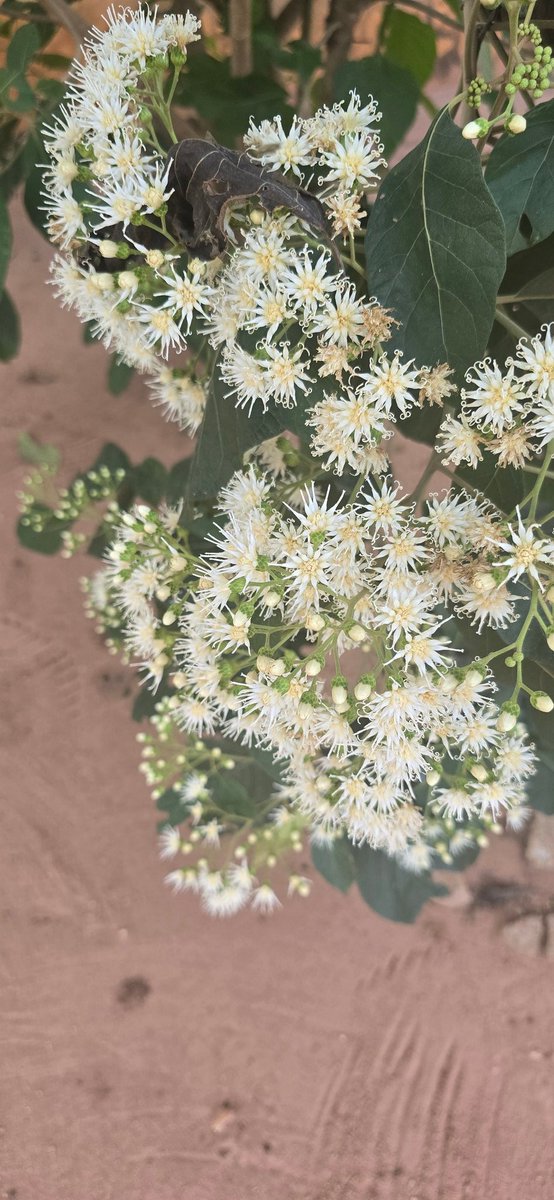
Bitterleaf flowers
Sometimes, pause to enjoy the beauty of nature.
#FarmerSamson #TheWizardFarmer
6
7
46
1,677
1 Dec 2025
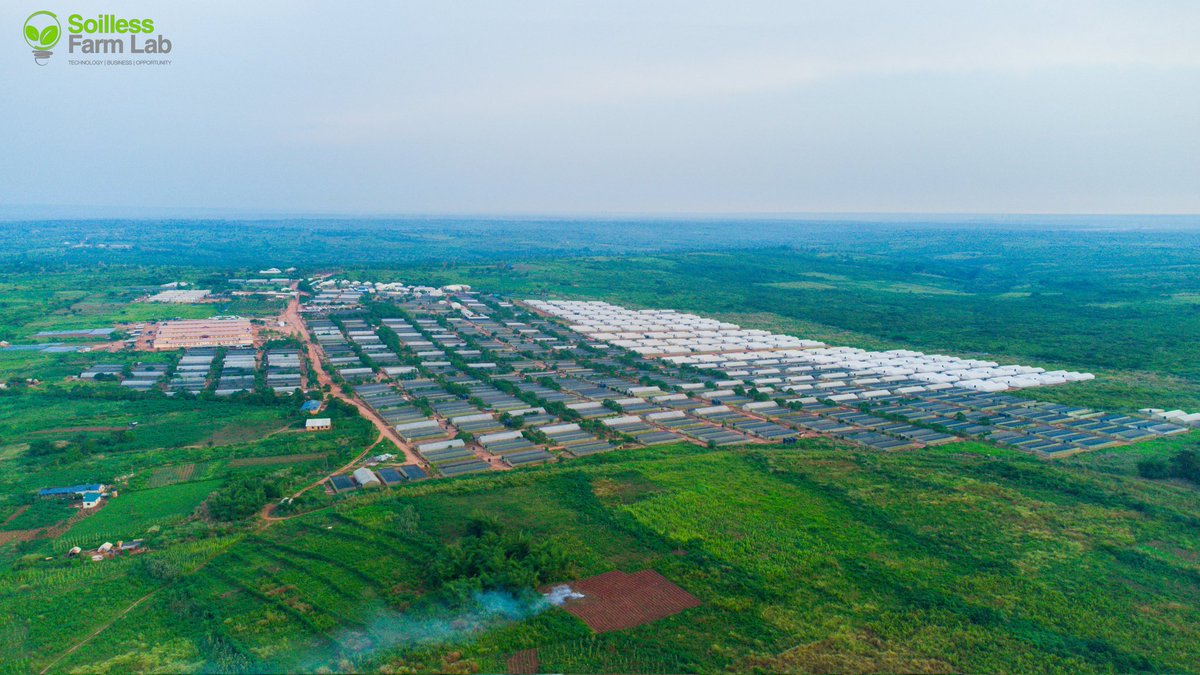
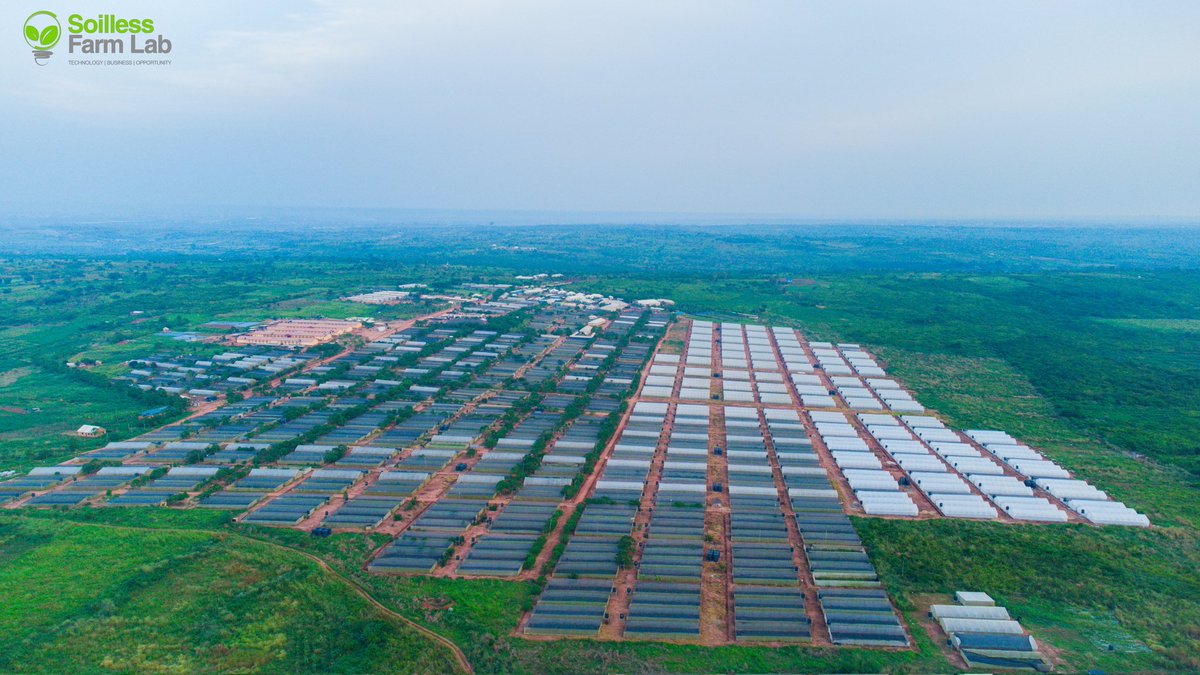
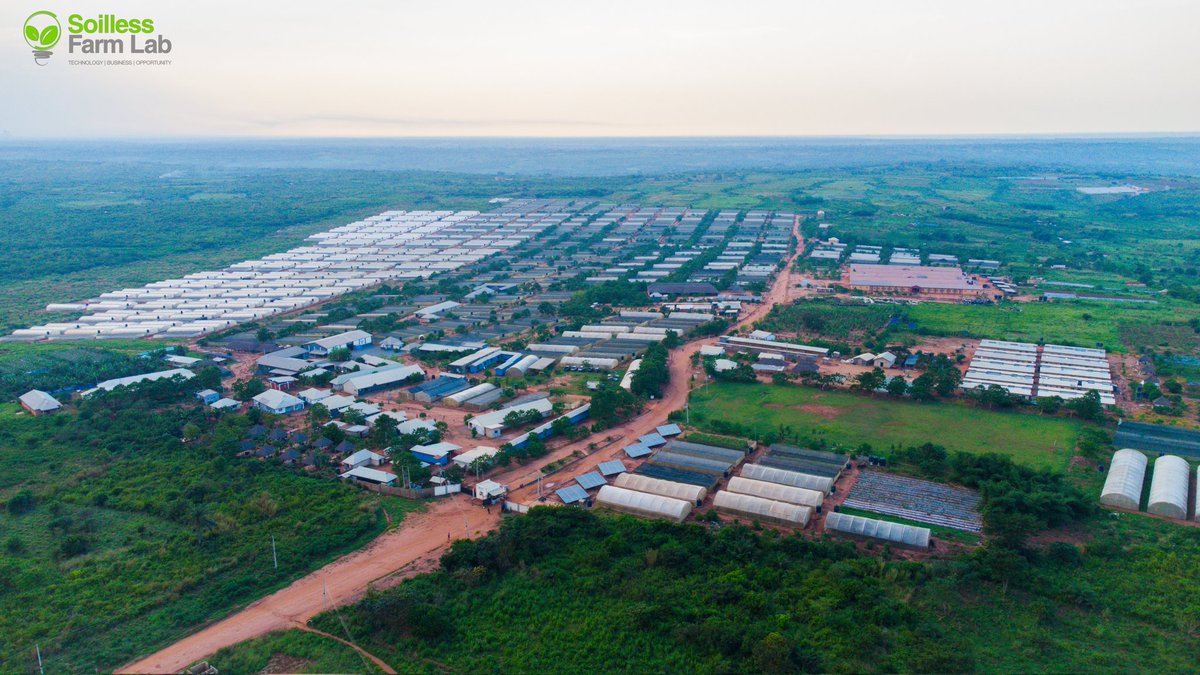
From Farm to Finished Product - All Under One Roof
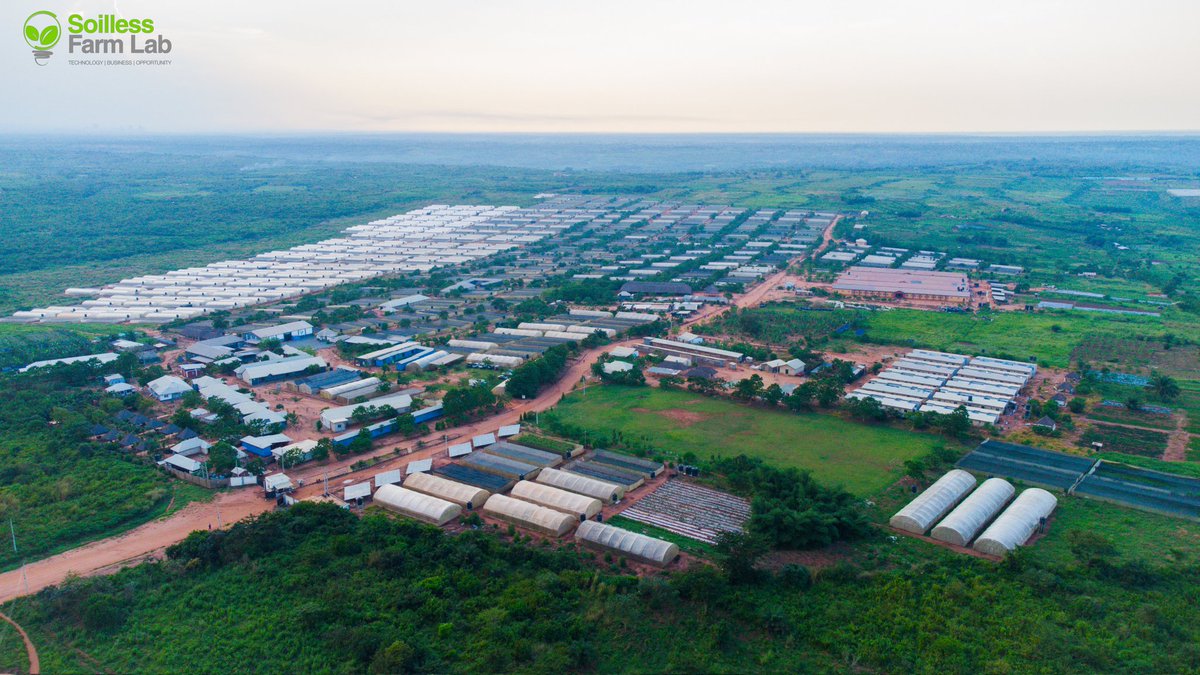
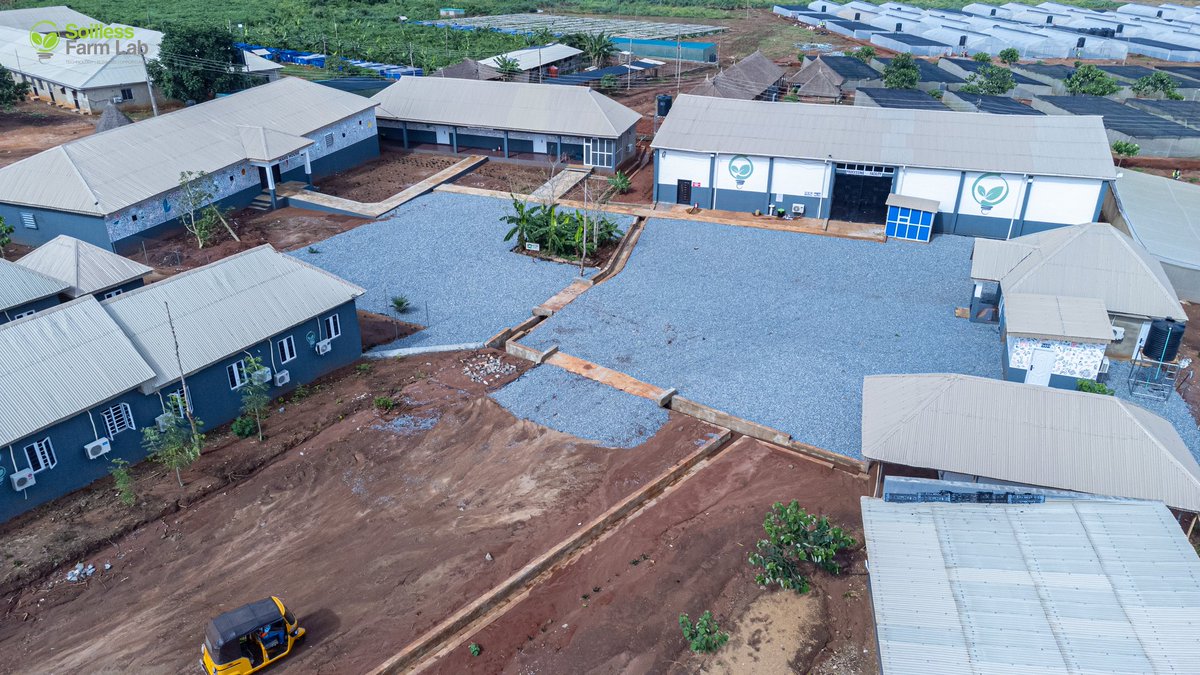
Soilless Farm Lab isn't just about growing without soil. We're your complete agricultural partner, offering integrated solutions that take your product from harvest to market-ready.
🏭 OUR COMPREHENSIVE CAPABILITIES:
STORAGE & PRESERVATION
• 100 tons general storage capacity
• Flexible cold storage: 1, 5, and 10-ton logistics units
• Preserve quality and extend shelf life
PROCESSING POWERHOUSE
• 23,000-ton processing facility
• Contract manufacturing & processing services
• Dehydration, pulverizing & sterilization
Whether you need to process your own harvest, scale production without capital investment, or partner with a facility that handles everything from cultivation to processing, we've got the infrastructure and expertise.
Stop juggling multiple vendors. One partner. One facility. Endless possibilities.
Let's discuss how we can streamline your supply chain and reduce your operational complexity.
📩
Sales@sfarmlab.com
S.ogbole@sfarmlab.com
2349120385369 - Ms Debby
2349120385367 - Ms Sandra
2348080231911 - Farmer Samson
#FarmerSamson #TheWizardFarmer #BusinessWithFarmerSamson
#ContractManufacturing #FoodProcessing #AgTech #SupplyChainSolutions #B2B #ValueAddedAgriculture #FoodProduction #Dehydration
4
22
105
3,861
30 Nov 2025
Are you looking to start or scale your agricultural business?
Soilless Farm Lab offers comprehensive solutions for your value addition:
🏭 Processing Solutions
Farm-to-shelf value addition
Access to our 23,000-ton processing facility
Product development support
PROVEN TRACK RECORD:
✅ Lab certified products (NSPRI)
✅ Weekly exports and local sales
✅ ISO 22000, SON, NAQS, HACCP & HALAL certified
✅ Dedicated power source to processing and accommodation available if you wish to monitor your products
Partner with Nigeria's pioneer in precision farming technology.
📧 admin@sfarmlab.com
☎️ 09014865033
🌐 Visit us at Soilless Farm Lab Village, Awowo, Ogun State
"A world where food production is not seasonal—because hunger is not."
#FarmerSamson #TheWizardFarmer #SoillessFarmLab
#AgribusinessNigeria #HydroponicFarming #FarmTechnology #AgriculturalInnovation #B2B
2
20
67
2,961
29 Nov 2025
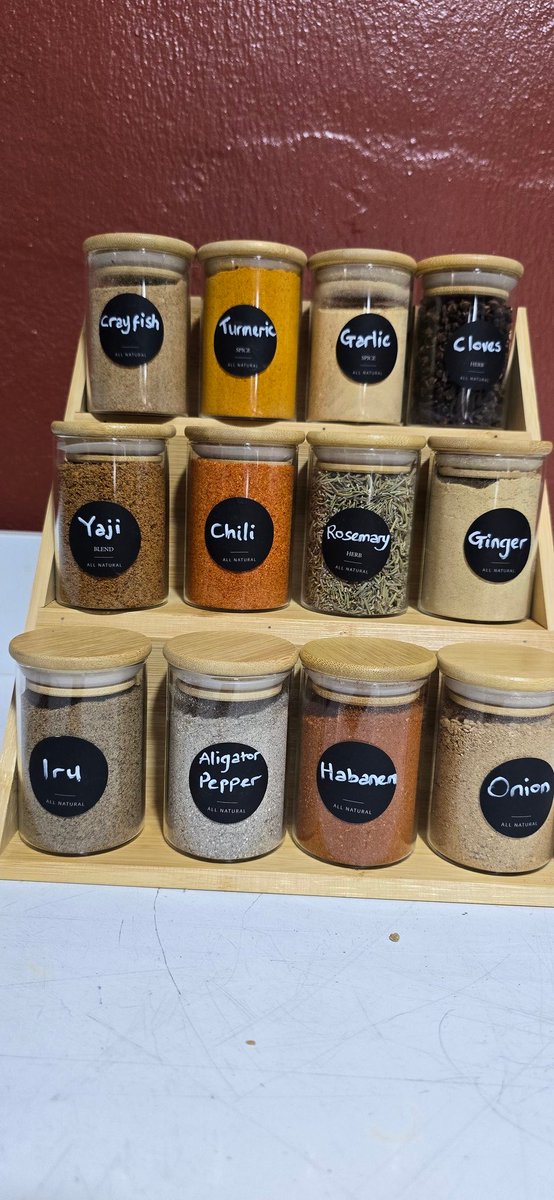
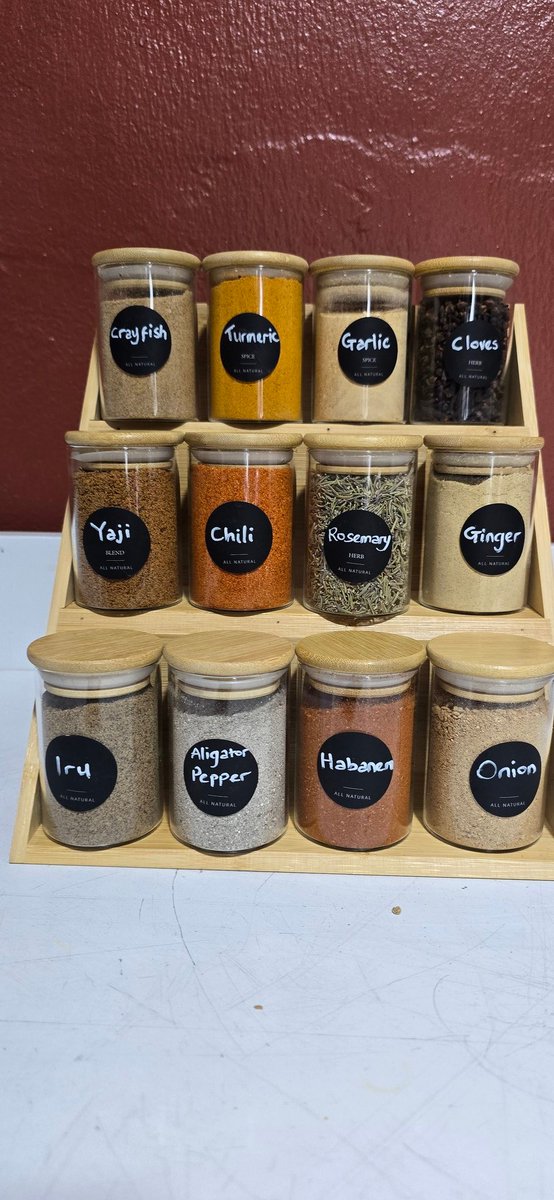
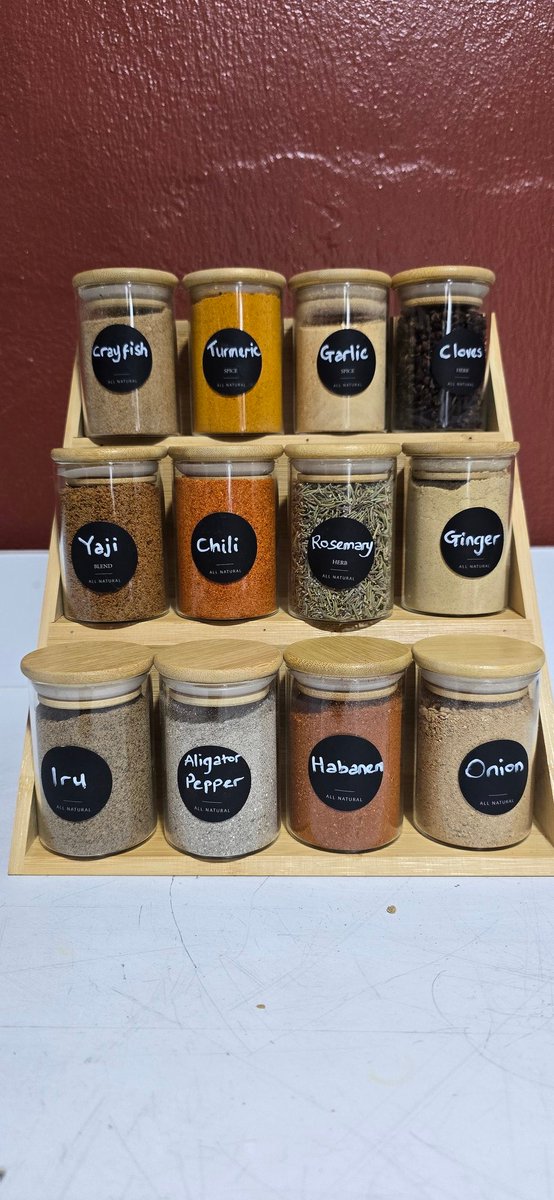
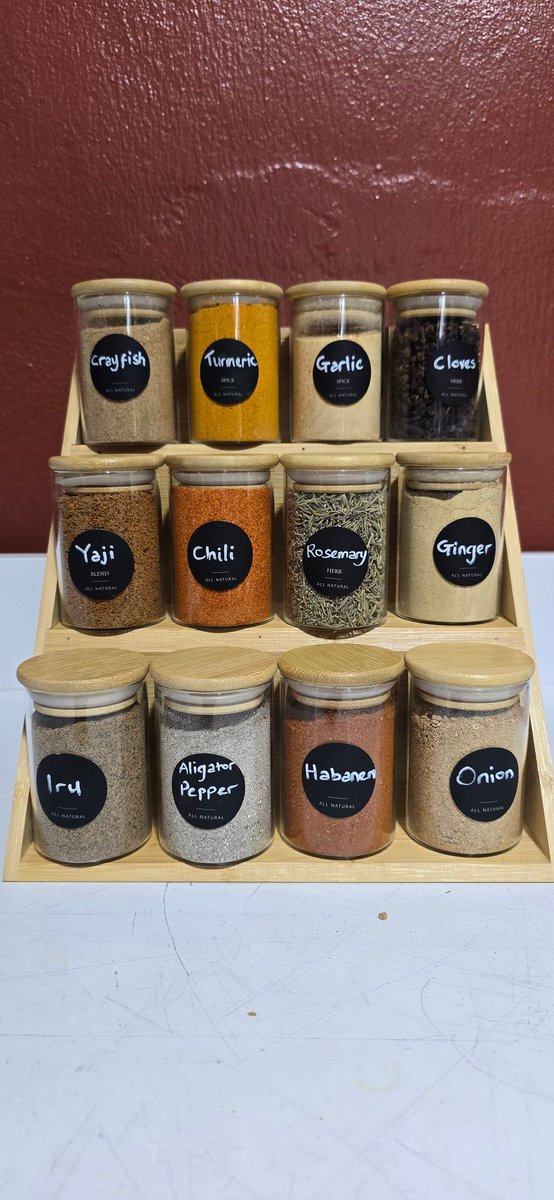
Introducing our Premium 12-Jar Spice Set - Now Fully Customizable!
Pick YOUR favourite 12 spices, perfectly organized in elegant glass jars with bamboo lids wooden stand included!
100% natural | Airtight | Beautifully branded with YOUR name or logo
All this for just ₦100,000!
Perfect for home chefs, food businesses, or as a premium gift
Talk to us now to customize yours! Limited slots available
2349120385367 - Ms. Sandra
2349120385369 - Ms. Deborah
2348080231911 - Farmer Samson
Made in Nigeria
Local production, global standard
#SpiceUpYourKitchen #CustomSpices #NigerianKitchen #FoodieNG #FarmerSamson #TheWizardFarmer #HorticultureHub #NaijaMade #Eupepsia #SoillessFarmLab
1
9
26
967
28 Nov 2025
“Organic” is a farming method. It is not a guarantee of safety or health. Organic farming does not mean natural!
At @sFarmLab, we don’t rely on labels. We rely on proof.
Every batch is lab-tested for:
Heavy metals
Pesticide residues
Mycotoxins
Pathogens
We test the soil, water, and air on our farms. We control post-harvest handling in our own HACCP-certified facility, monitored daily by our food-safety team.
We farm it.
We process it.
We package it.
Because real clean food isn’t certified by a sticker, it is not certified by hope - it’s verified by science every single time.
Soilless Farm Lab – Tested, not just trusted.
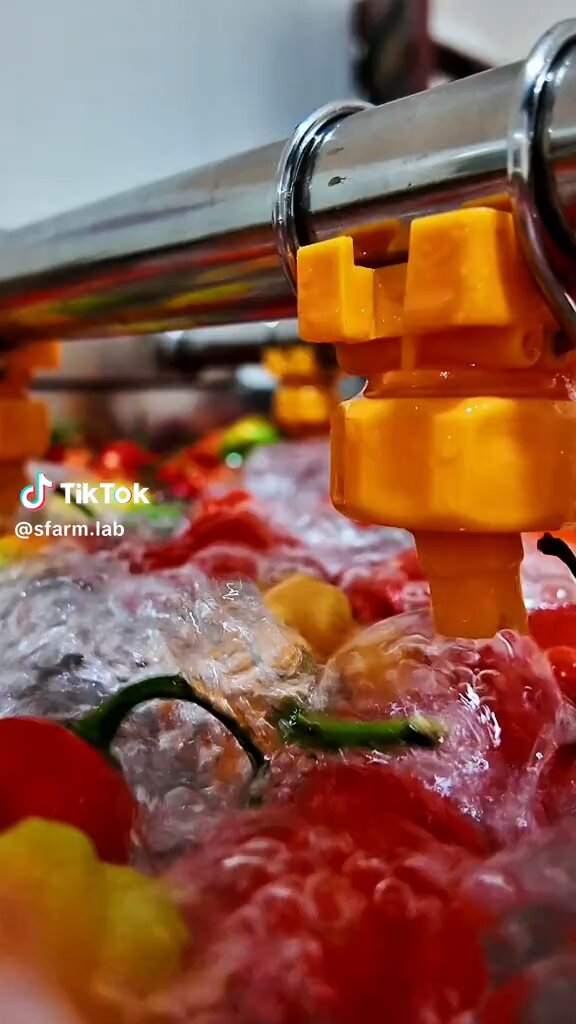
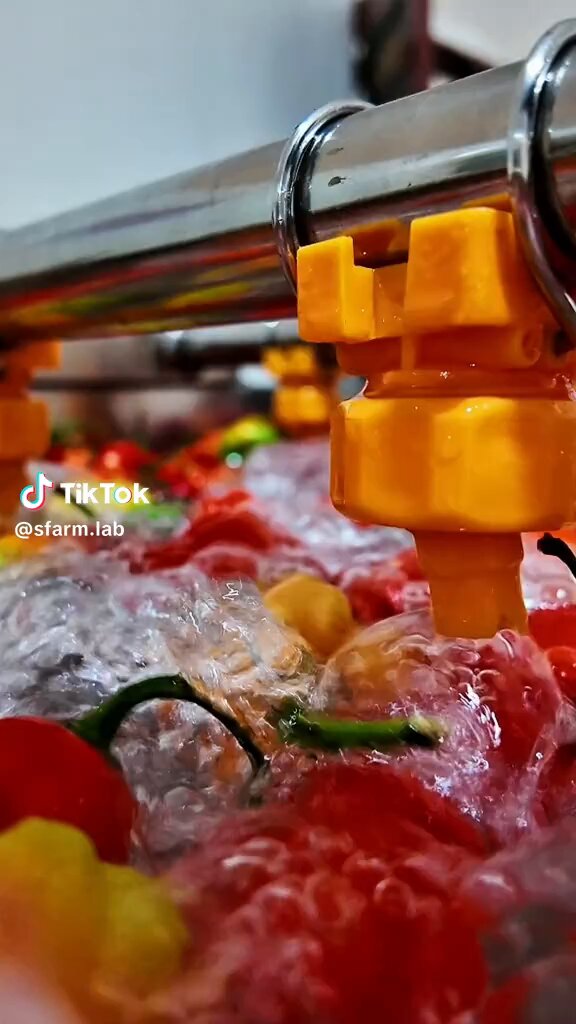
How many of these equipments in the video can you name?
If the food is not properly grown, you can't correct it in the kitchen.
If the food is not healthy, it is not qualified to be called food.
Work with us:
2349120385369
2348080231911
#FarmerSamson #TheWizardFarmer #SoillessFarmLab #FoodSecurity #BuildTogether
2
8
33
1,195
28 Nov 2025
“Organic” is a farming method. It is not a guarantee of safety or health. Organic farming does not mean natural!
At @sFarmLab, we don’t rely on labels. We rely on proof.
Every batch is lab-tested for:
Heavy metals
Pesticide residues
Mycotoxins
Pathogens
We test the soil, water, and air on our farms. We control post-harvest handling in our own HACCP-certified facility, monitored daily by our food-safety team.
We farm it.
We process it.
We package it.
Because real clean food isn’t certified by a sticker, it is not certified by hope - it’s verified by science every single time.
Soilless Farm Lab – Tested, not just trusted.
How many of these equipments in the video can you name?
If the food is not properly grown, you can't correct it in the kitchen.
If the food is not healthy, it is not qualified to be called food.
Work with us:
2349120385369
2348080231911
#FarmerSamson #TheWizardFarmer #SoillessFarmLab #FoodSecurity #BuildTogether
2
9
37
1,342
27 Nov 2025
Dear Young Agripreneur,
Cash flow keeps you busy,
Revenue is vanity,
Profit is sanity,
Cash is king.
#FarmerSamson #TheWizardFarmer
Lessons from Ms. Affiong
3
10
53
1,836