
Mom of 3 ❤️ Sex-Trafficking survivor & Advocate; working on a Nat’l law • FreeSpeech • Massie Fan • MAHA • MentalHealthMatters • Pro-Constitution • Freedom
Joined January 2022
- Tweets 80,339
- Following 6,600
- Followers 25,611
- Likes 617,706
1,688 Photos and videos






Pinned Tweet

7 May 2023
Because Constitutional rights matter. 🇺🇸🇺🇸🇺🇸
7 May 2023

"There's a lot worse things than death, and one of those, for me, would be to have my kids grow up in a world - America - where they didn't have their Constitutional rights" -@RobertKennedyJr
144
710
2,600
358,698
Sarah Geving retweeted

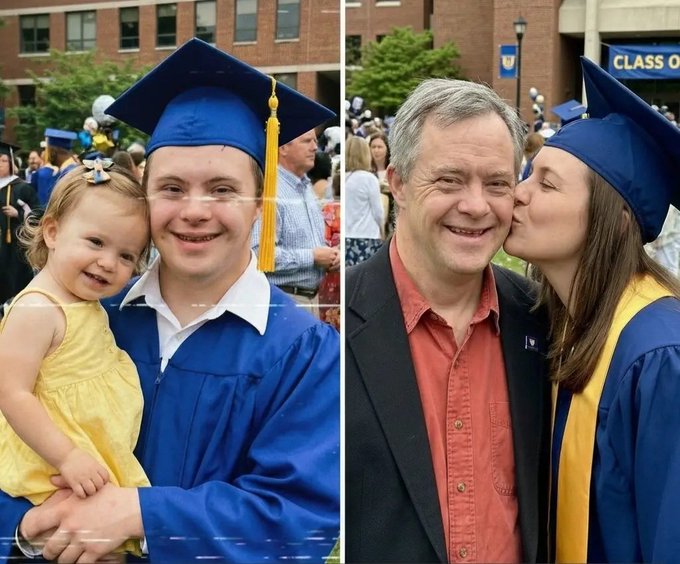
Her father has Down syndrome. The doctors said he couldn't raise her… But they were wrong.
Michael worked, he learned, he was there for her every step of the way. Her mother left when she was six months old, but he never did. Today, she studies at the same university, and he applauded her on her first day and on her graduation.
75
500
4,089
92,687
Sarah Geving retweeted

BREAKING: Iran says deal with White House WILL NOT come tomorrow despite Trump's reports.
437
871
5,587
219,399
Sarah Geving retweeted

HOLY FUCK 🚨
China just exposed the US for running 336 biological labs across 30 countries, including 26 in Ukraine.
Beijing is demanding international inspections and full transparency.
77
1,579
3,585
31,754
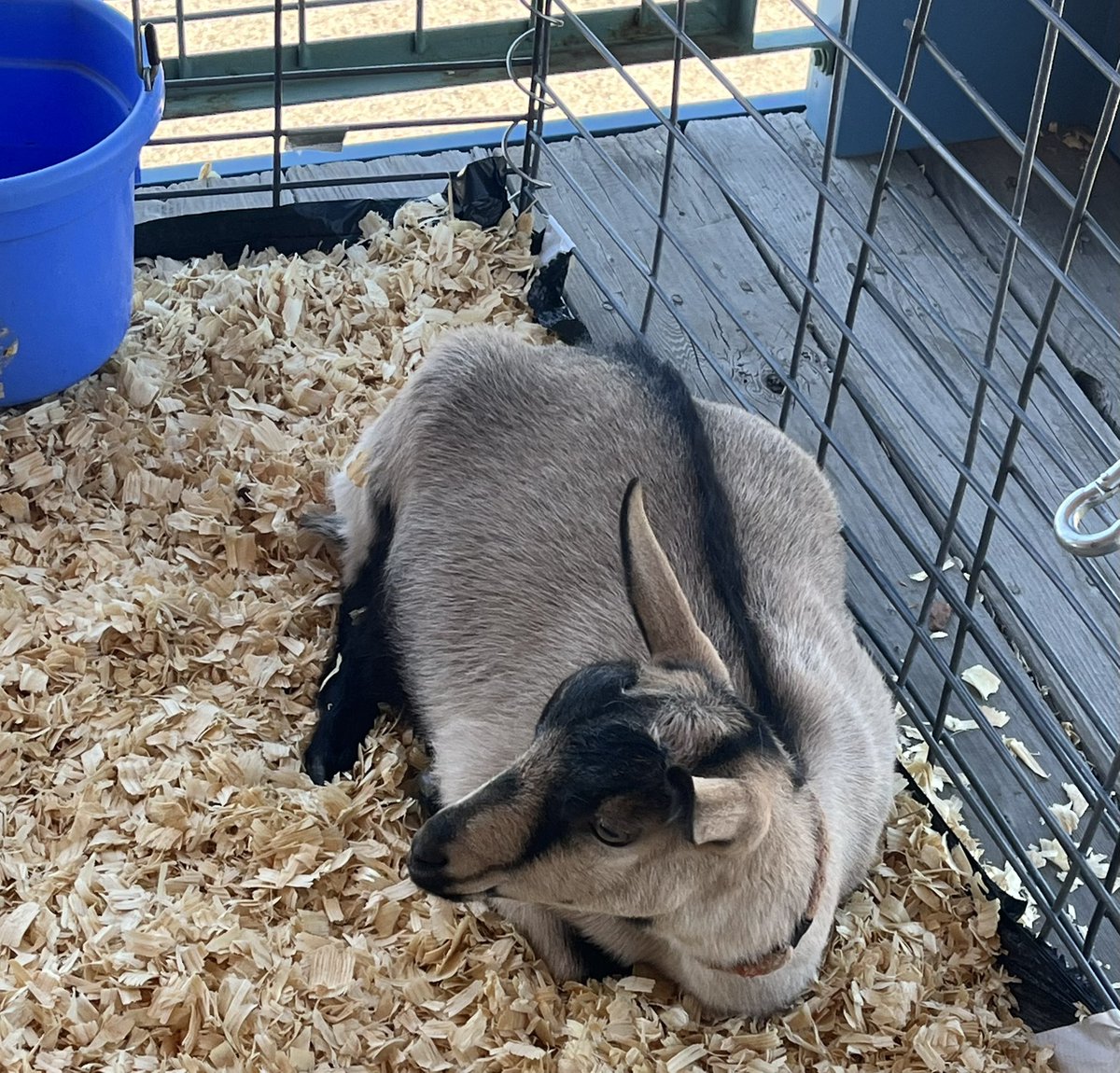
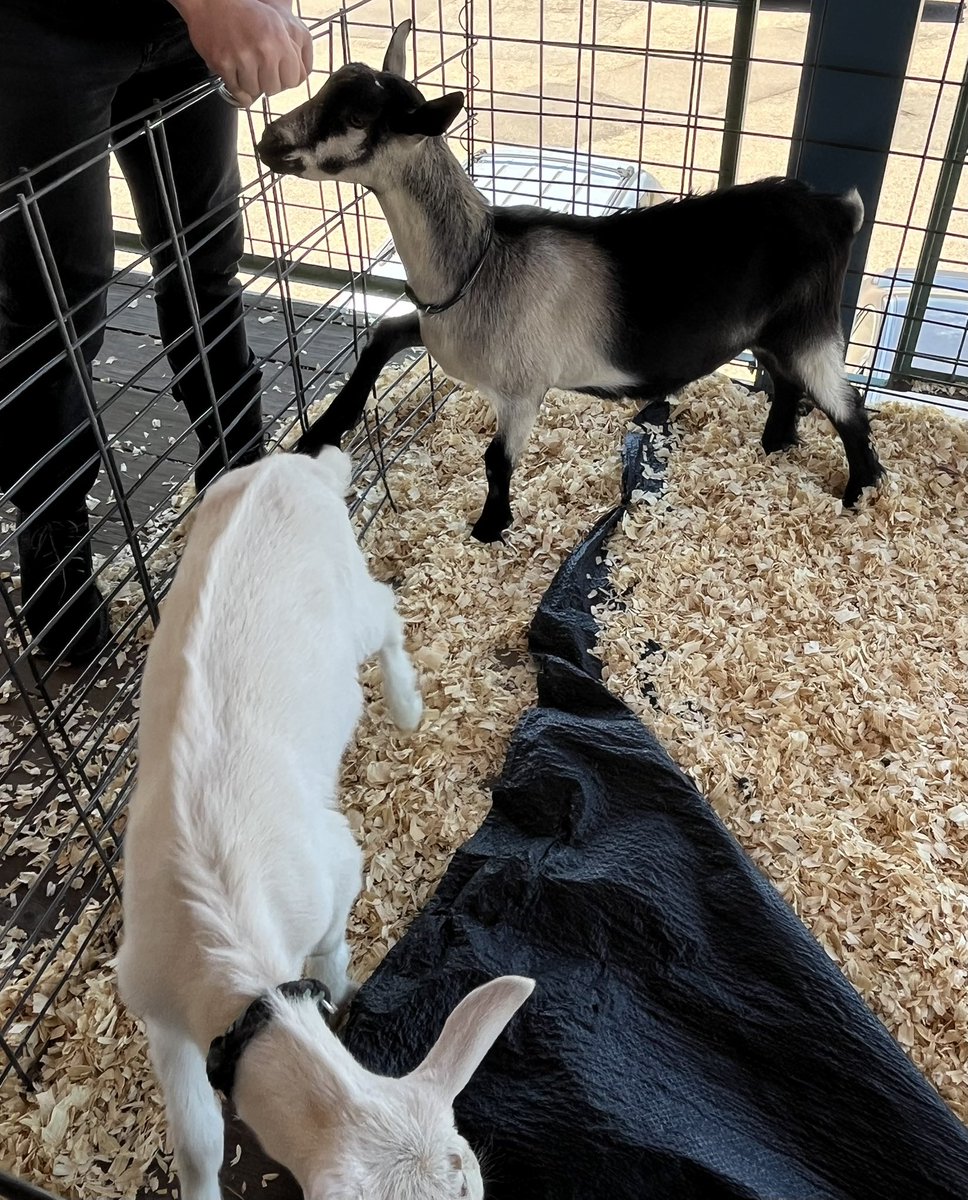
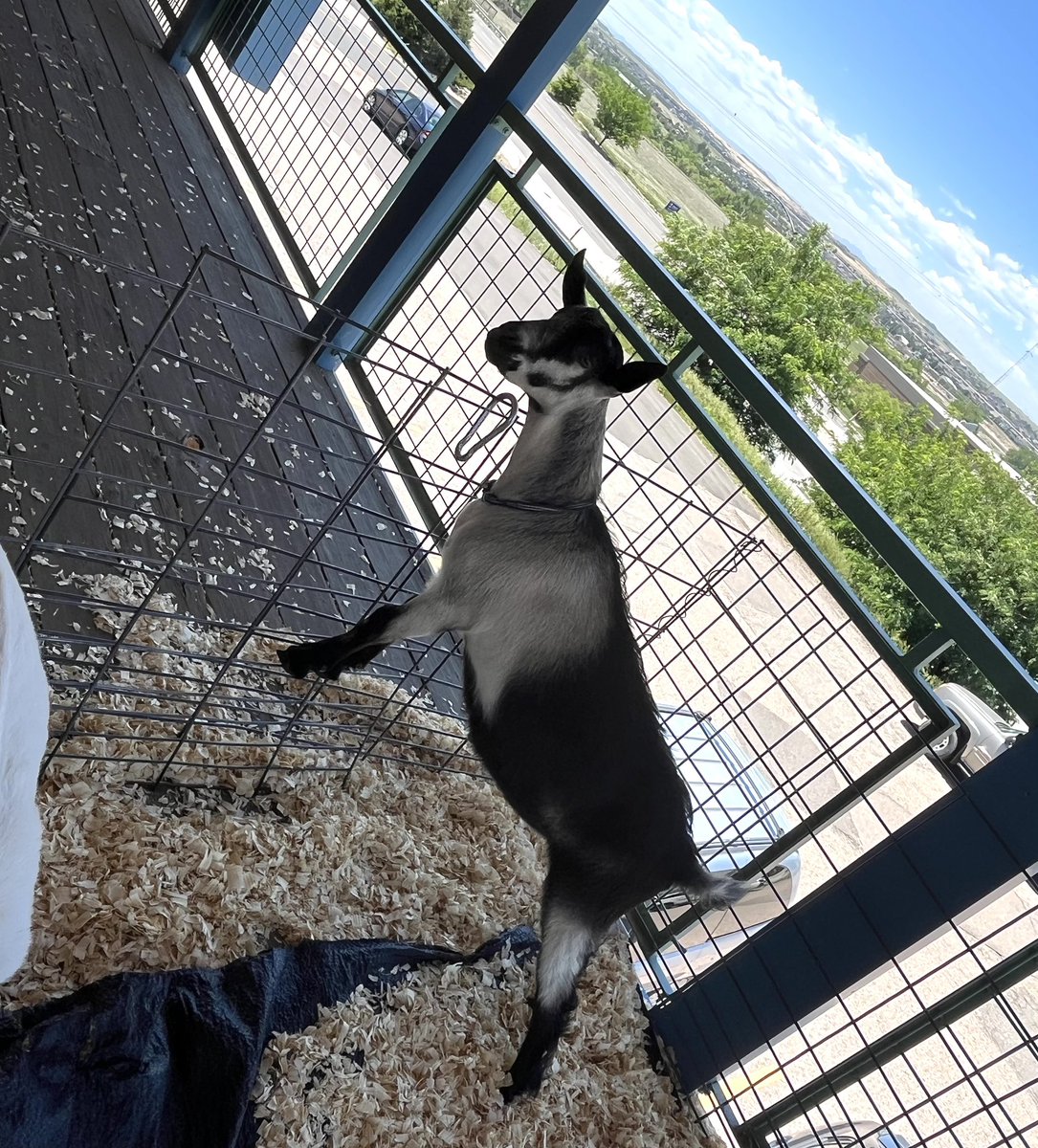
Went to see these adorable goats today at the health food store. Bought fresh food, too.
Beautiful day today in sunny Colorado!! ☀️
2
1
22
174
Sarah Geving retweeted

Jun 12
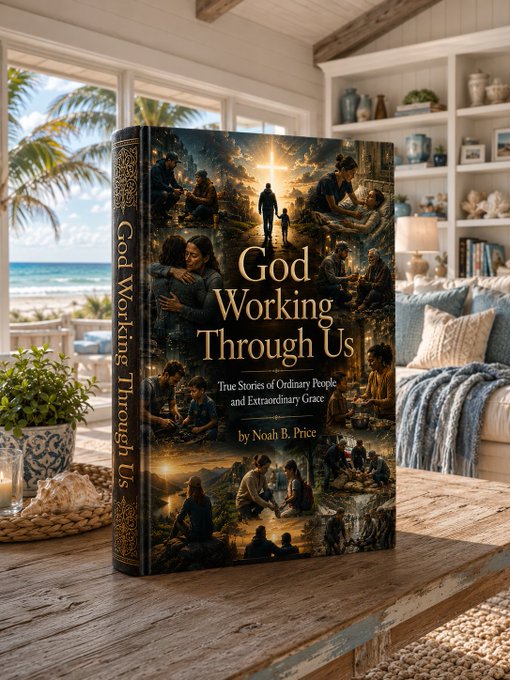
📚 God Working Through Us: True Stories
of Ordinary People and Extraordinary Grace
by Noah B. Price.
STOP! Imagine this: The snow fell in heavy, silent sheets that night, the kind that buried the world and made every breath feel like borrowed time. You had been driving for hours through the storm when you pulled into the parking lot of the all night diner on the edge of the city. The neon sign flickered above the door, offering weak light and the promise of coffee strong enough to keep a person anchored for a little while longer. You were not hungry. You simply needed to sit somewhere that was not moving.
As you stepped inside, brushing snow from your shoulders, you noticed her sitting alone in the far booth. A woman in her early forties, coat still buttoned tight, hands resting on the table like they no longer belonged to her. This was the last place she would ever sit. When she left, she planned to drive the fifteen miles to the old quarry road, park at the edge of the drop, and let the pills in her purse do what grief had been trying to finish for months.
Her name was Rebecca.
Ten years earlier she had been the steady heart of her family. A dedicated elementary school teacher who stayed after class to help children who struggled, a mother who baked cookies at midnight for school events, and a wife who still slipped love notes into her husband’s lunchbox after fifteen years of marriage. Their daughter Emily had been the bright center of everything. A 9 year old with wild curls and a laugh that could fill every room of their small house. Rebecca used to say their life was not perfect, but it was real and it was theirs. Built on ordinary days and steady love. She believed they were safe inside it.
Then Emily got sick.
It began with headaches that would not stop. Then the seizures. The diagnosis came like a sentence with no appeal: an aggressive brain tumor. Rebecca quit teaching to sit beside her daughter through round after round of chemotherapy, radiation, and treatments that drained their savings and their hope. Her husband Mark could not bear it. Fear twisted him into someone cruel. He drank more, stayed out later, blamed Rebecca for pushing treatments that only seemed to make Emily worse. One night he packed a bag and walked out, saying he needed to find himself while his daughter lay dying. Rebecca stayed. She held Emily’s hand through the final weeks as her little girl grew thinner and quieter, until one gray Tuesday morning Emily simply stopped breathing in her mother’s arms.
The funeral passed in a fog. The house grew silent. Guilt settled over Rebecca like a second skin. She replayed every decision, every night she begged God for more time, every moment she failed to see Mark pulling away. She lost the house to medical debt. Lost her teaching license after missing too many days. Lost the last of her friends who did not know how to sit with pain this deep. She sold everything she owned except the car and a few boxes of Emily’s drawings. Tonight would be the end. She had written a short letter to her daughter and folded it into her pocket. She came to the diner because it was warm and no one would ask questions. One last cup of coffee. Then the quarry. Then silence.
You ordered coffee and sat two booths away. Something in the way she held herself pulled at you. You had watched your own mother waste away from cancer years earlier, sitting beside her hospital bed while she whispered she was sorry for leaving you behind. You knew what a person looked like when they had already said their goodbyes to the world.
After a few minutes you carried your cup over. “The storm is getting worse out there,” you said gently. “Mind if I sit here? It feels wrong to wait it out alone.”
Rebecca looked up, surprised anyone had spoken to her. She nodded once.
You did not push. You spoke about the snow, about terrible diner coffee, about nothing that mattered. Then your eyes caught the corner of a child’s drawing sticking out of her purse. A bright crayon sun and a stick-figure family holding hands.
“That is beautiful,” you said softly. “Did your child draw that?”
The question broke something inside her.
Rebecca started talking and could not stop. She told you about Emily’s laugh. About the way she used to twirl in the kitchen while Rebecca cooked dinner. About her daughter’s last words: “Mommy, will you be okay without me?” She told you about Mark leaving. About the mountain of debt. About the nights she lay on the bathroom floor screaming into a towel so the neighbors would not hear. She told you she had failed her daughter, failed her marriage, failed at staying alive. The pills were in her purse right now. The quarry road waited. She was finished carrying pain no mother should ever know.
Her voice broke into raw, wrenching sounds that made the waitress turn away. Tears ran down her face without pause. She shook so hard the table moved beneath her hands.
You felt it land in your own chest like a blow. You had carried the same kind of darkness after your mother died, the guilt that whispered you should have done more, noticed more, been better. But in that cold diner, surrounded by the smell of grease and old coffee, something deeper than both of you moved into the space between you.
You reached across the table and spoke with steady honesty. “I hear every word you are saying. I see how deep this sorrow goes. But Emily’s last question, when she asked if you would be okay without her, came from love. She did not want this ending for you. That love is still alive. It is the strongest thing in this room right now. And it does not have to end on that quarry road.”
You told her your own story. The long nights beside your mother’s bed. The guilt that nearly swallowed you whole. The slow, painful truth that grief does not disappear, but it can slowly make room for something else if a person keeps breathing long enough.
Then you offered the words that changed the night. “I have my phone with me. There is a grief support center connected to the children’s hospital. They have emergency places for parents who are exactly where you are tonight. Counselors who understand this exact kind of loss. People who will sit with you through the nights that feel impossible. I will call them right now. I will stay here with you until they arrive. You do not have to drive to that quarry. Just tonight. Let someone walk beside you until morning.”
Rebecca cried like something inside her had finally broken open after years of being held shut. The pain poured out in waves that left her gasping. You stayed through every part of it. You listened when she described holding Emily’s small body as it grew cold. You listened when she admitted she had almost taken the pills twice that week already. You refused to look away or offer empty comfort.
Every set of headlights in the parking lot made her tense. She kept waiting for reality to punish her for daring to hope. But you kept talking. You kept listening. You kept calling until a counselor from the crisis team arrived, a calm woman who had lost her own child years before and now met people exactly where Rebecca sat.
Before Rebecca stepped into the waiting car, she held you in a hug that felt like she was trying to leave some of her broken pieces behind. “I had the pills in my hand when you sat down,” she whispered against your shoulder. “I was fifteen minutes from gone. You sat with me. You asked about the drawing. You stayed.”
Months later the letters came. Rebecca was deep in grief counseling. She had started a small support group for mothers who lost children to cancer. She had found her way back to teaching part time, working with children who needed extra patience and understanding. One letter said, “That night in the diner was when God reached through an ordinary stranger and reminded me that love does not end when breathing stops. You did not fix my pain. You simply refused to let me die inside it. You showed me that even when everything goes dark, light can still find its way through another person’s choice to stay.”
You drove away from the diner that night with warm coffee in your stomach and a heart that would never again be the same. In the vast story of every life that ever was or will be, the most powerful turnarounds often arrive without warning or fanfare. A booth shared in a lonely diner. A child’s drawing noticed. A stranger who simply will not leave another soul alone with their darkness.
And somewhere in the falling snow, a mother who had buried her heart with her daughter began, against every law of grief, to feel it beating once more. Scarred. Heavy. Still aching beneath the weight of memories that returned without invitation and refused to be forgotten. But breathing. Choosing tomorrow.
Unapologetically, defiantly, heartbreakingly ALIVE.
And in that stubborn act of continuing, she reminded the world that hope does not always thunder down from heaven. Sometimes it sits across from you in a diner booth at three in the morning, listens without turning away, and refuses to let one more devastated soul walk away unseen.
Below in the comments you will find a continuation of stories just like this from our book "God Working Through Us: True Stories of Ordinary People and Extraordinary Grace" by Noah B. Price
And if you enjoy music, please feel free to let me know what you think about the track and incoming tracks in the attached post.
And if you're not already following @TrueOnX...
What the heck are you doing?!
Mar 30

🎶 Noah B. Price - The Voice That Vocabulary Fears
Fresh out of the studio,
Be Honest.
What do you think?
If you enjoyed it,
Share it with others so they can too!
1
4
11
1,541
Sarah Geving retweeted
Jun 12
Con’t ☝️
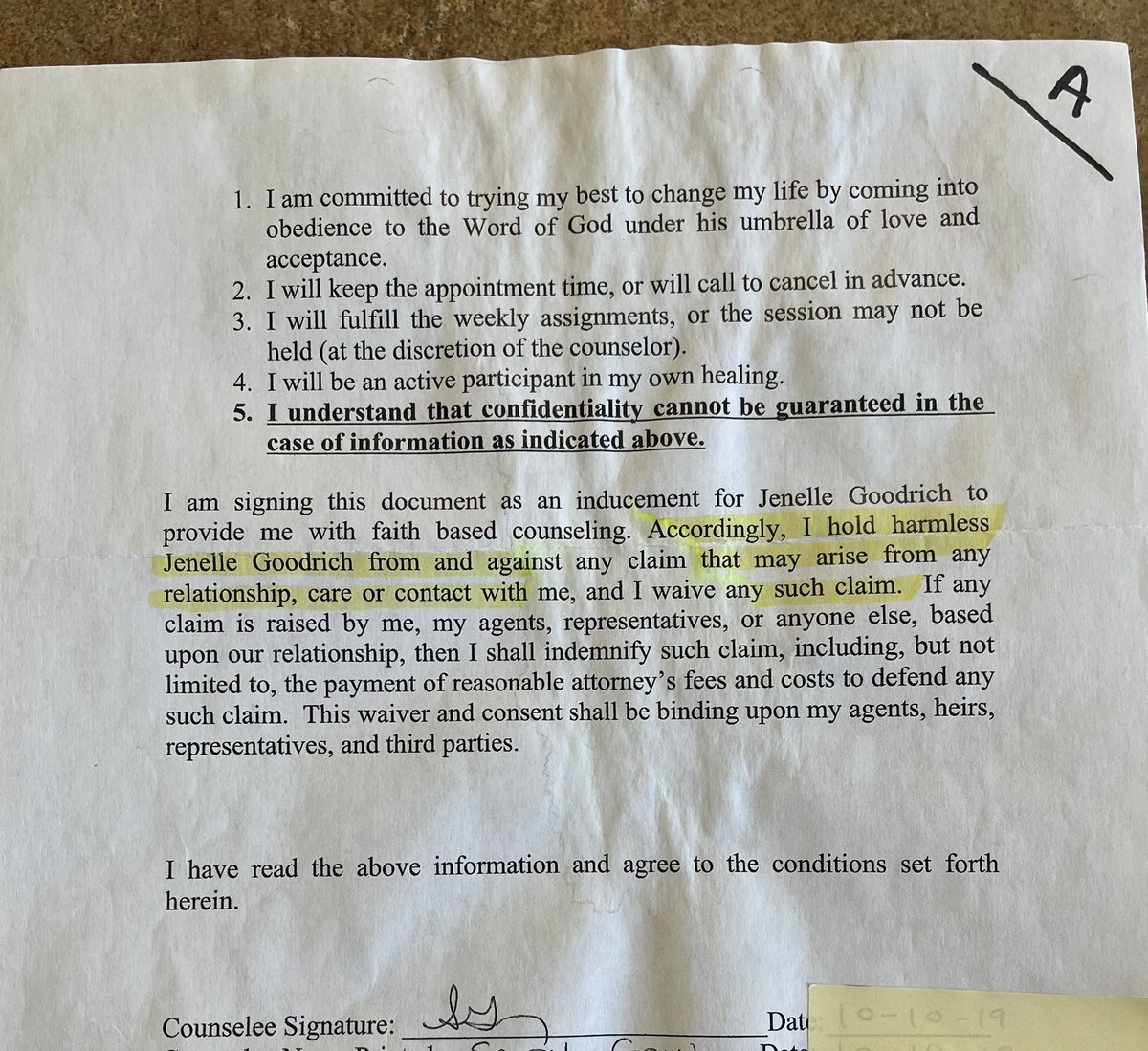
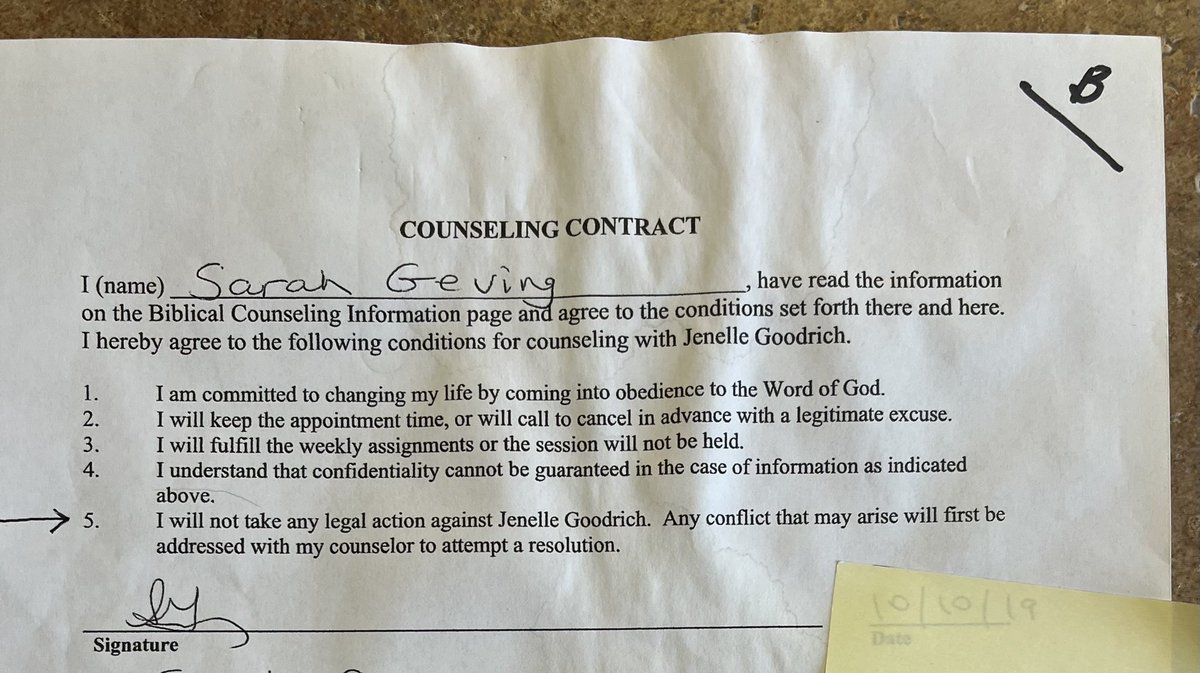
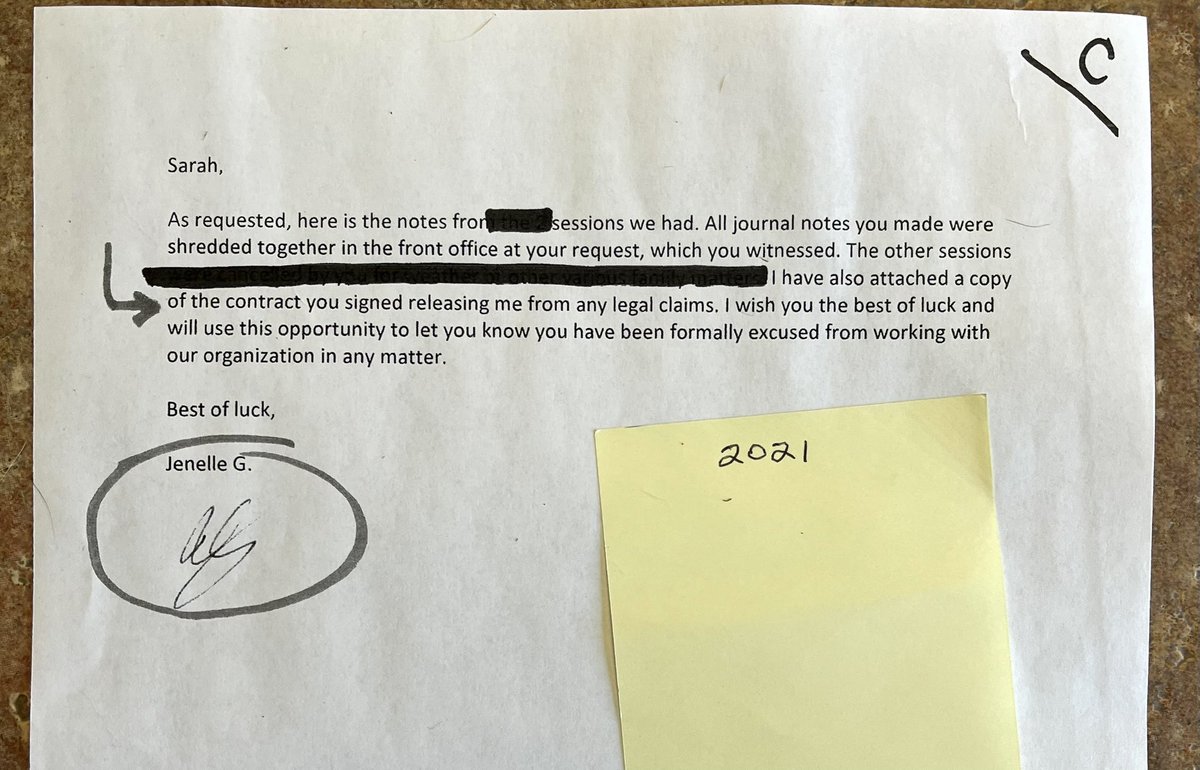
Why do anti-trafficking orgs need immunity?
Why are they SO focused on being held harmless from any harm they cause?
2
2
8
155


Sarah Geving retweeted

Jun 13
Republicans are in charge because we promised:
to Make America Healthy Again.
to start No New Wars,
to put people above corporations,
to put America above foreign countries,
to release the Epstein files,
to not spy on citizens,
to eliminate fraud,
what the hell happened?!
5,810
12,235
63,559
936,551
Sarah Geving retweeted

Jun 12
Oh. My. God.
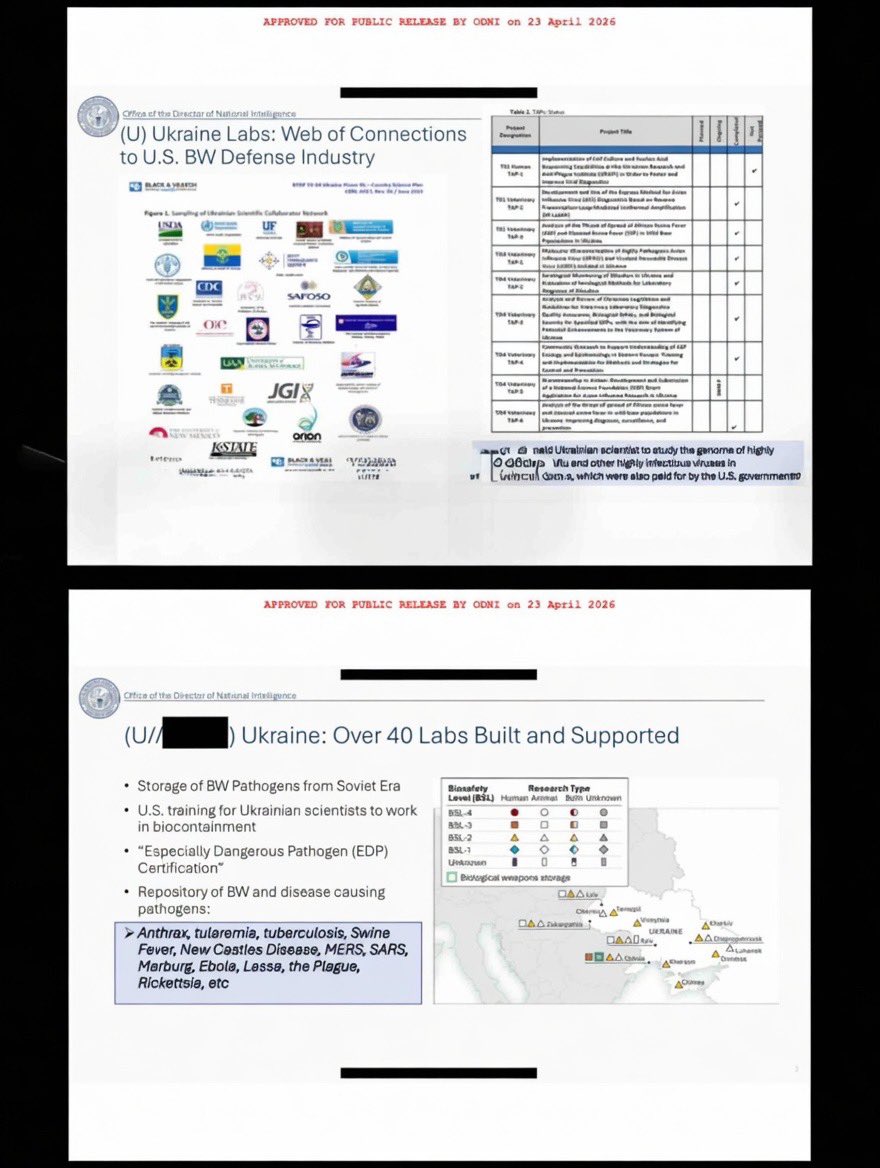
Look at what these Biolabs were MANUFACTURING…
Anthrax, Tularaemia, Tuberculosis, Swine Fever, New Castles Disease, MERS, SARS, Marburg and Ebola
THERE MUST BE ARRESTS
1,162
17,999
31,515
671,915
Jun 12
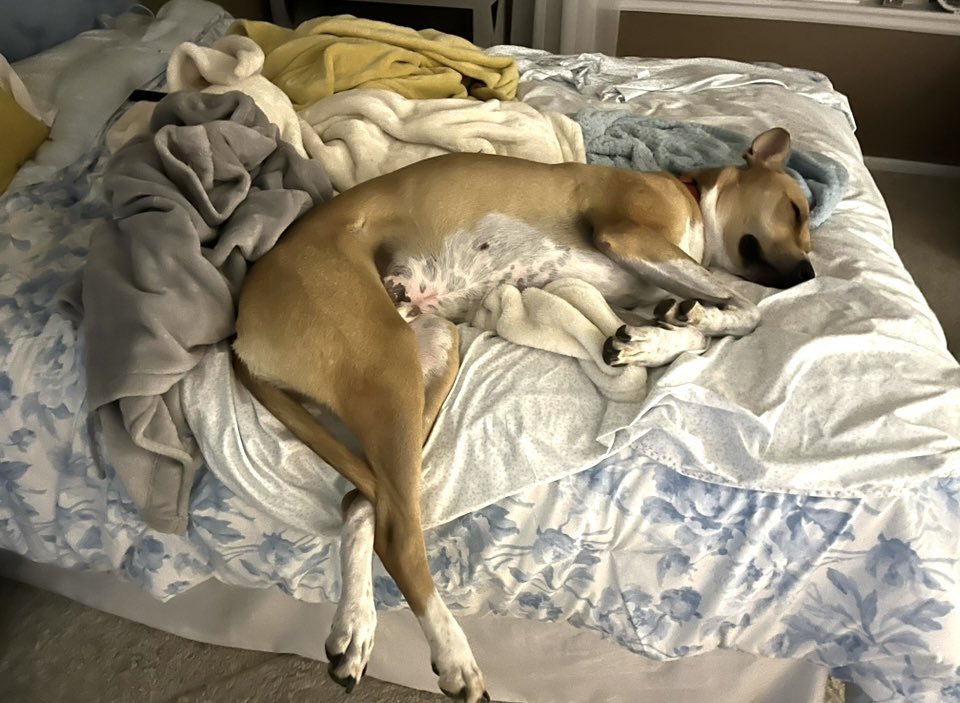
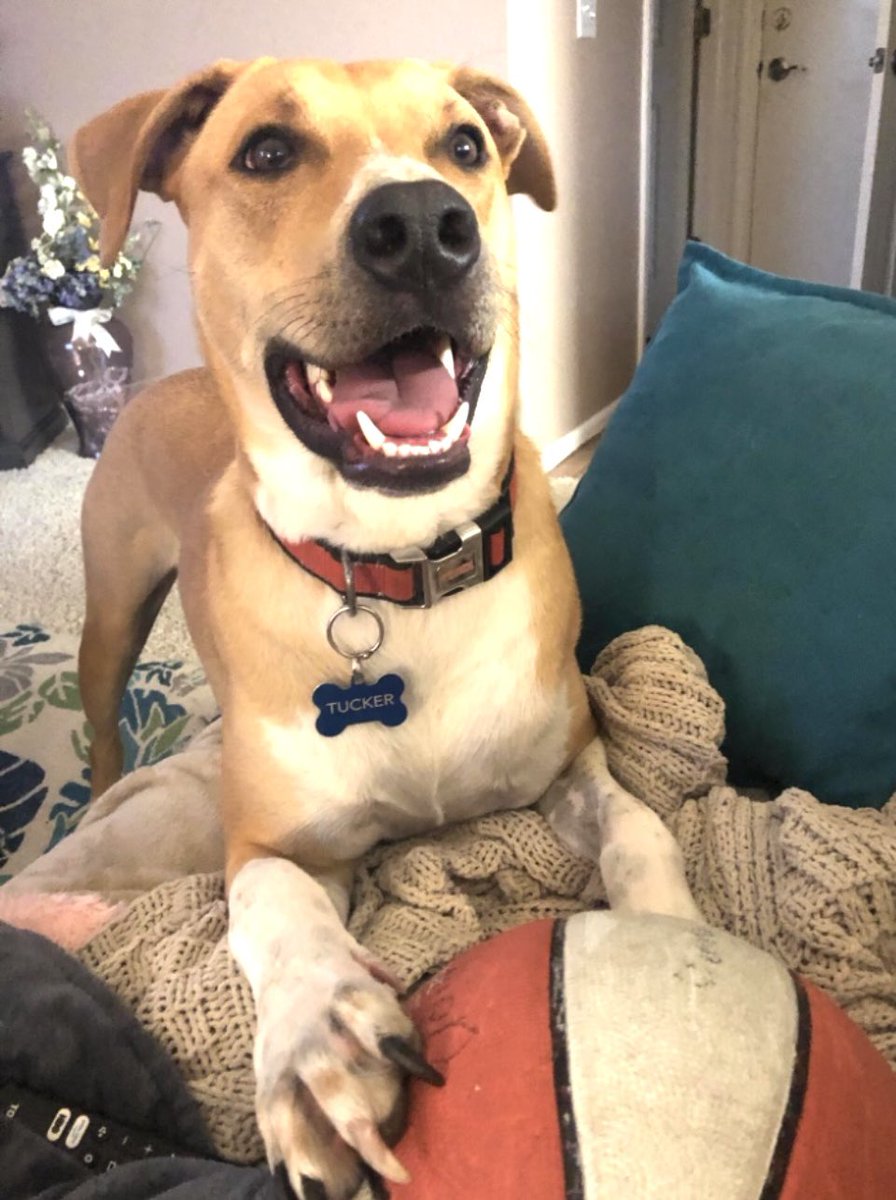
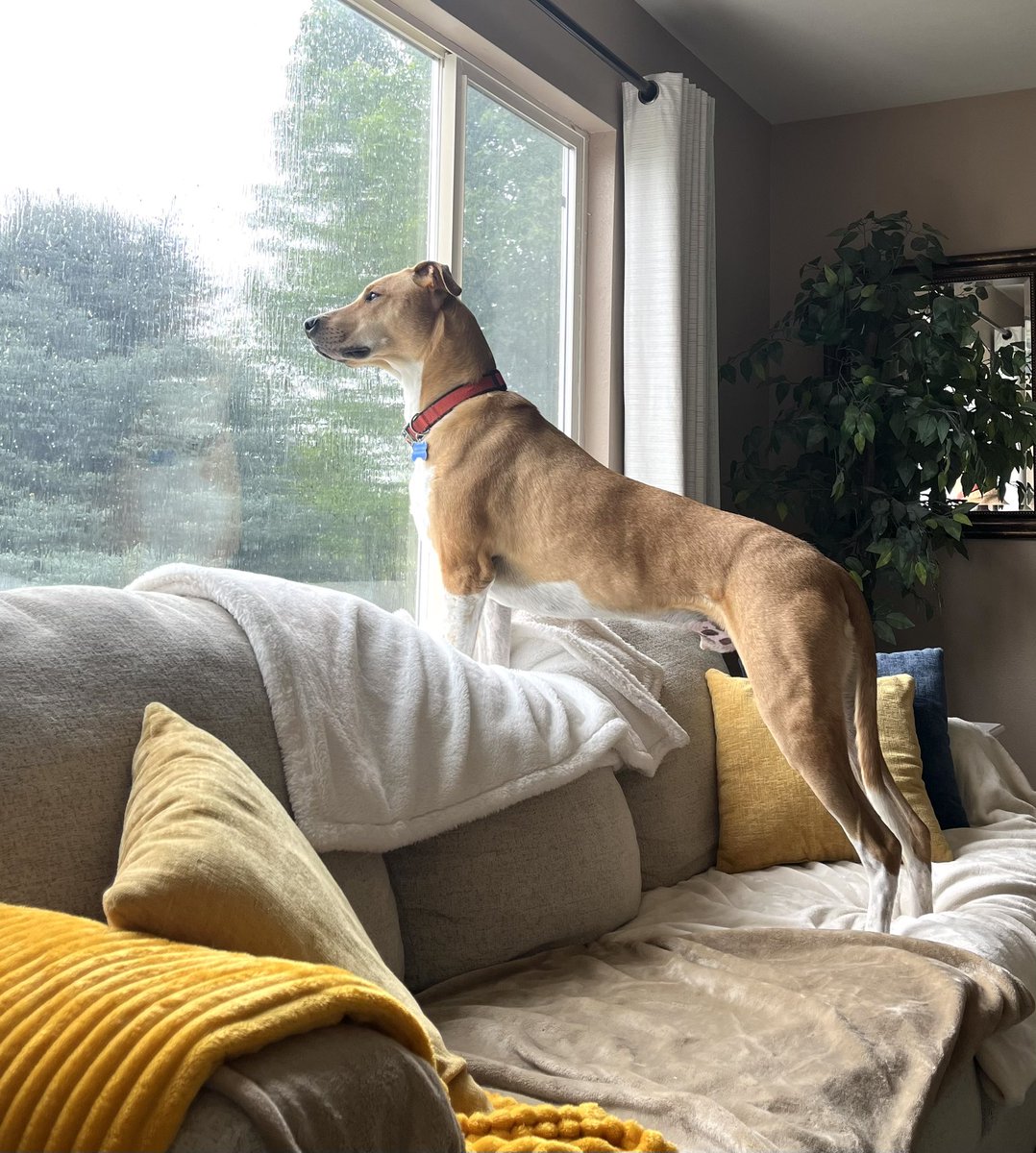
After messing up my bed, this 115 lb puppy just crashed out like a baby.
He just turned 2. 😆
5
2
43
518

Sarah Geving retweeted
Jun 12
Four years later, the defamation campaign against me continues.
• No, the FBI does not have a file on me.
Truth: My name is in an FBI file as a witness.
• No, the AG’s office does not have a file on me.
Truth: My name is in an AG file because I filed a complaint against an anti-trafficking org for fraud.
• Yes, I do follow through on things, including following my former attorney’s advice. The rumor is that I didn’t follow my own attorney’s instructions. That’s a lie.
Truth: When a survivor of sex-trafficking speaks out, we are lied about and defamed. WHO is doing the lying? An anti-trafficking nonprofit and their “ally” named Kelly. It’s been going on for years now.
• I will continue working on my idea of a much needed law to help survivors of rape-trafficking, and sexual exploitation.
🌠 Survivors in recovery should have guaranteed and legal Privacy Rights. Anti-trafficking orgs should be required to follow HIPAA Privacy laws. They should not be allowed to violate a survivor’s privacy. This is incredibly damaging.
How would you feel if you went to counseling, and then the counselor posted your picture, full name, and identified you as a client on Facebook? Or worse…. and worse happens. Privacy violations by a person in a position of trust is incredibly damaging.
🌠 Anti-trafficking orgs should NOT be allowed to force survivors to sign our rights away as a condition for getting help.
Meaning, anti-trafficking nonprofits should not get immunity from any harm they cause. If these organizations are SO committed to helping survivors, why do they need immunity? Why do they force us into giving them immunity if we want recovery help?
#MentalHealthEthics
#copolitics
7
11
47
969
Jun 12
Four years later, the defamation campaign against me continues.
• No, the FBI does not have a file on me.
Truth: My name is in an FBI file as a witness.
• No, the AG’s office does not have a file on me.
Truth: My name is in an AG file because I filed a complaint against an anti-trafficking org for fraud.
• Yes, I do follow through on things, including following my former attorney’s advice. The rumor is that I didn’t follow my own attorney’s instructions. That’s a lie.
Truth: When a survivor of sex-trafficking speaks out, we are lied about and defamed. WHO is doing the lying? An anti-trafficking nonprofit and their “ally” named Kelly. It’s been going on for years now.
• I will continue working on my idea of a much needed law to help survivors of rape-trafficking, and sexual exploitation.
🌠 Survivors in recovery should have guaranteed and legal Privacy Rights. Anti-trafficking orgs should be required to follow HIPAA Privacy laws. They should not be allowed to violate a survivor’s privacy. This is incredibly damaging.
How would you feel if you went to counseling, and then the counselor posted your picture, full name, and identified you as a client on Facebook? Or worse…. and worse happens. Privacy violations by a person in a position of trust is incredibly damaging.
🌠 Anti-trafficking orgs should NOT be allowed to force survivors to sign our rights away as a condition for getting help.
Meaning, anti-trafficking nonprofits should not get immunity from any harm they cause. If these organizations are SO committed to helping survivors, why do they need immunity? Why do they force us into giving them immunity if we want recovery help?
#MentalHealthEthics
#copolitics
7
11
47
969
Jun 12
Con’t ☝️
Why do anti-trafficking orgs need immunity?
Why are they SO focused on being held harmless from any harm they cause?
2
2
8
155

Jun 12
This is insane.

BREAKING: CDC AWARDS PFIZER $1.24 BILLION FOR INFANT & ADULT COVID-19 mRNA INJECTIONS
$736 MILLION for pediatric shots.
$505 MILLION for adult shots.
Our public health agencies are DOUBLING DOWN after getting caught COVERING-UP 25 major safety signals including SUDDEN DEATH.
4
1
7
206
Sarah Geving retweeted

Jun 11
If you're mRNA injured, submit your injury/loss here. pfizerlied.com
3
8
145
Sarah Geving retweeted

This is what the Iran war is all about, and you can add in the Venezuela excursion, the possibility of going to war with Cuba, and the possibility still of taking Greenland:
Cash
Resident Trump and his military industrial congressional complex Friends, only care about adding billions and billions and billions of dollars to the Defense industry, being completely unconcern about the American people, leaving all kinds of help unmet for regular Americans.
We are fighting illegal, unethical, and immoral wars, so that we can charge more for the Defense industrial base, to make the rich, richer.
This is not about keeping America safe, this is about creating more capacity to wage more wars, to get more money.
It won’t ultimately work, however, because we will, in our blindness, eventually get into a war we cannot win, and we will be defeated, and our economy will collapse, because we will spend ourselves into oblivion, like so many empires before us have.
With these kind of unethical people at the helm, there’s almost no other outcome possible.

69
234
752
18,942
Sarah Geving retweeted

If you want to unfollow me for asking questions, you're doing yourselves a huge disfavor. We should all be asking questions!!!
13
15
155
5,609
Sarah Geving retweeted

Why has DOJ not prosecuted more crimes in the Epstein Case?
That is a good question! And why it is essential that DOJ release the files—even if it takes a court order. And, thus is why @KatiePhang’s lawsuit is so important.
Today, our ongoing investigation in Oversight continues—with a Bill Gates interview. Stay tuned for more! In the meantime you can watch our full interview with Katie on the case here: youtu.be/C4HpJX2Owms
180
639
1,693
15,710