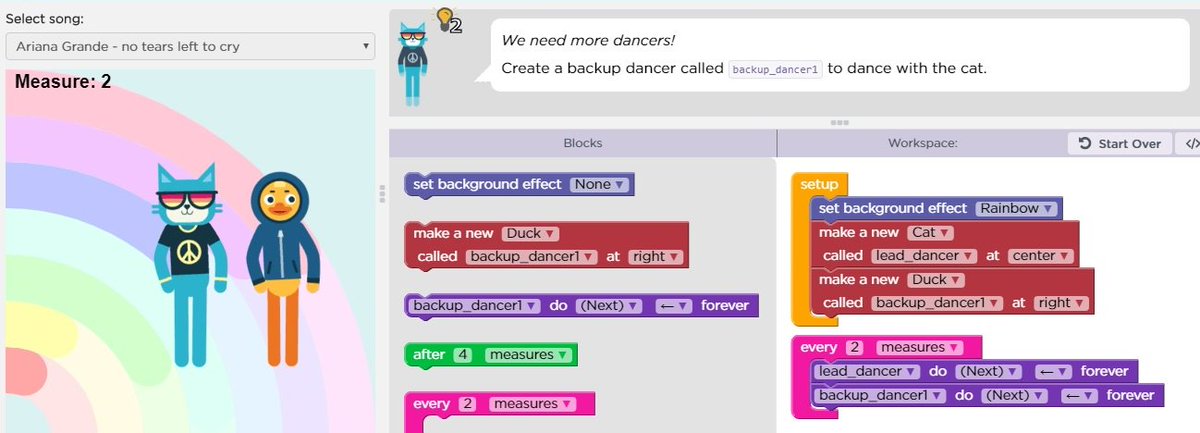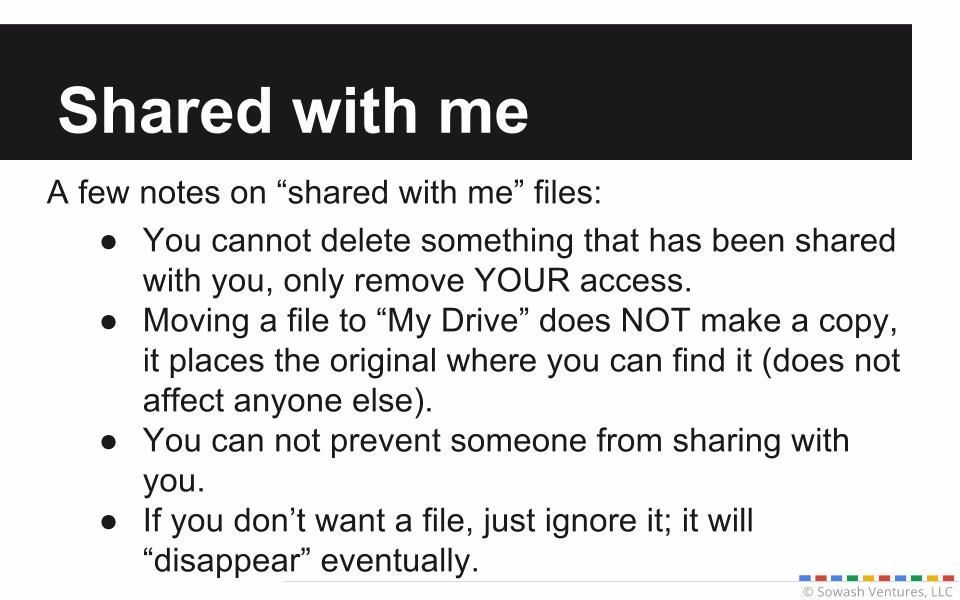
Drowning in documents? The new "Catch me up" feature in @googledrive summarizes file changes for you. Plus, get instant video summaries and ask questions about your content with Gemini in the Drive side panel. 🤯
Learn more → goo.gle/455kLkm
Spring has sprung! 🌸🌼
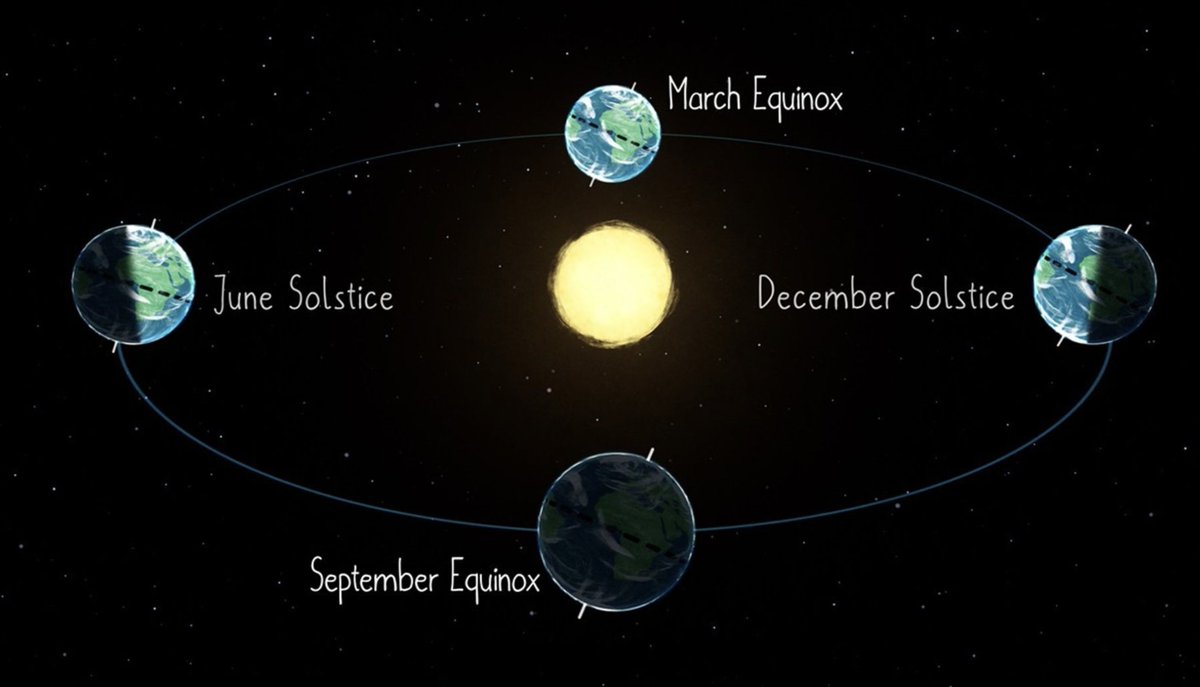
Today is the spring equinox, the day when the Sun crosses over Earth’s equator.
What does that mean for us on Earth? Equal amounts of daylight in the Northern and Southern Hemispheres! go.nasa.gov/4iXFMTj
ALT Diagram explaining equinoxes. In the center is a yellow circle depicting the Sun. Earth is shown with a line showing how its axis is tilted and Africa is roughly centered on the globe. Behind the Sun (above it in this diagram) is Earth fully lit by sunlight, labeled ‘March Equinox.’ On the right is Earth with its left half in the light and right half in the darkness, labeled ‘December Solstice.’ At the bottom is Earth fully obscured by darkness, labeled ‘September Equinox’. On the left is Earth with its left half in the darkness and right half in the light, labeled ‘June Solstice’.
Dolphins x Astronauts: The collab we didn't know we needed 🐬
A pod of curious dolphins added extra meaning and porpoise to the recovery of #Crew9's @SpaceX Dragon and its four explorers shortly after splashdown.
#Crew9 will soon be headed back to Earth—but in their time on the @Space_Station, they've helped with @ISS_Research studies to design better reactors, build wooden satellites, and prepare for missions to the Moon and Mars: go.nasa.gov/4bWdt5u
10 things you didn't know you could do with Google Arts and Culture
🖼 Explore pocket galleries
🖍 Color famous artwork
🤳 Take an art selfie
🔭 Go on a Google Expedition
🧩 Do a crossword puzzle
➕ More!
f.mtr.cool/zqwvuumomo#Ditchbook
We’re baaack! 🌕
Blue Ghost has landed, safely delivering 10 NASA scientific investigations and tech demos that will help us learn more about the lunar environment and support future astronauts on the Moon and Mars.
The Moon is so close, we can taste it!
New footage from @fireflyspace shows their lunar lander's view from 60 miles (100 km) above the Moon. Blue Ghost will land at Mare Crisium, on the near side of the Moon, on March 2, no earlier than 3:34am ET (0834 UTC).
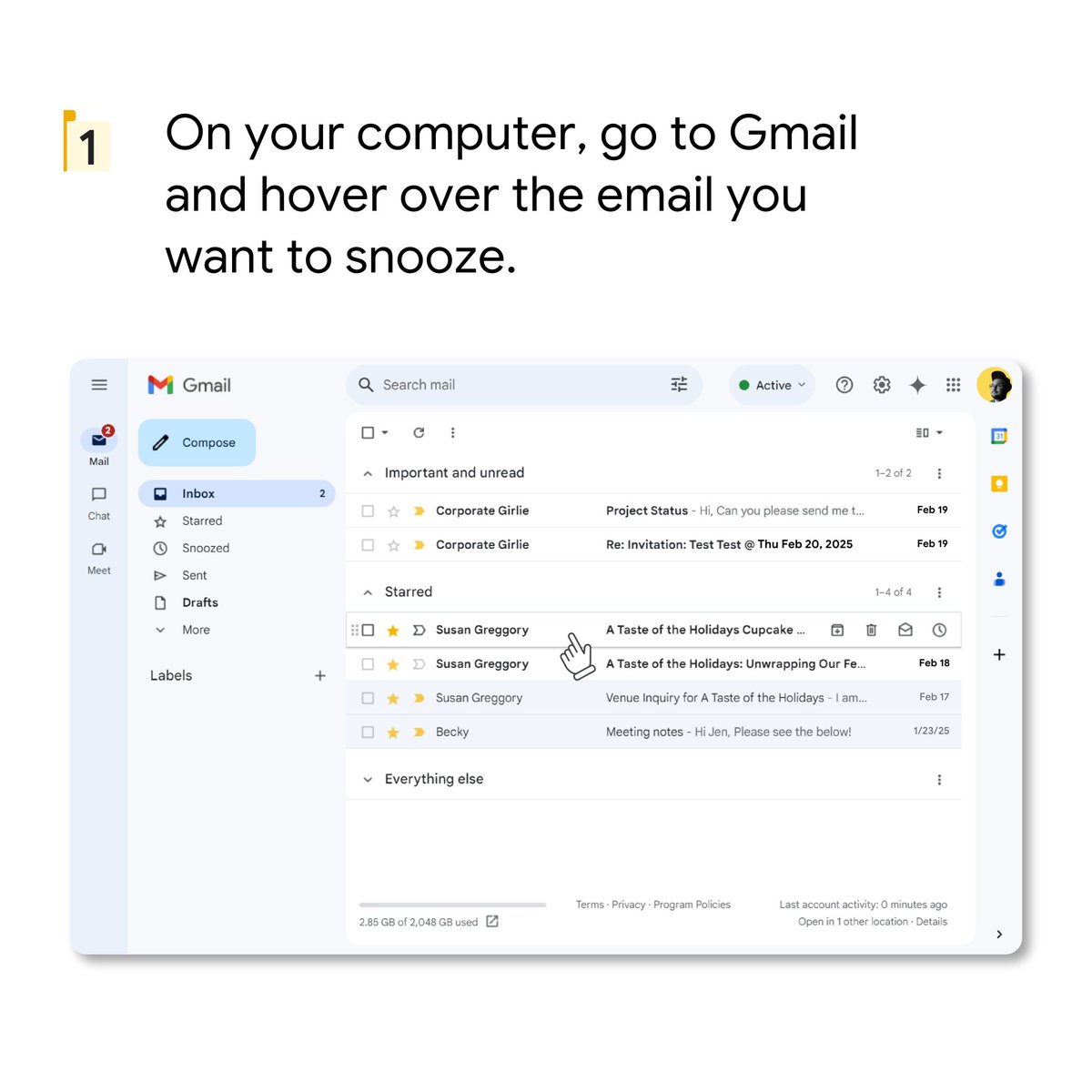
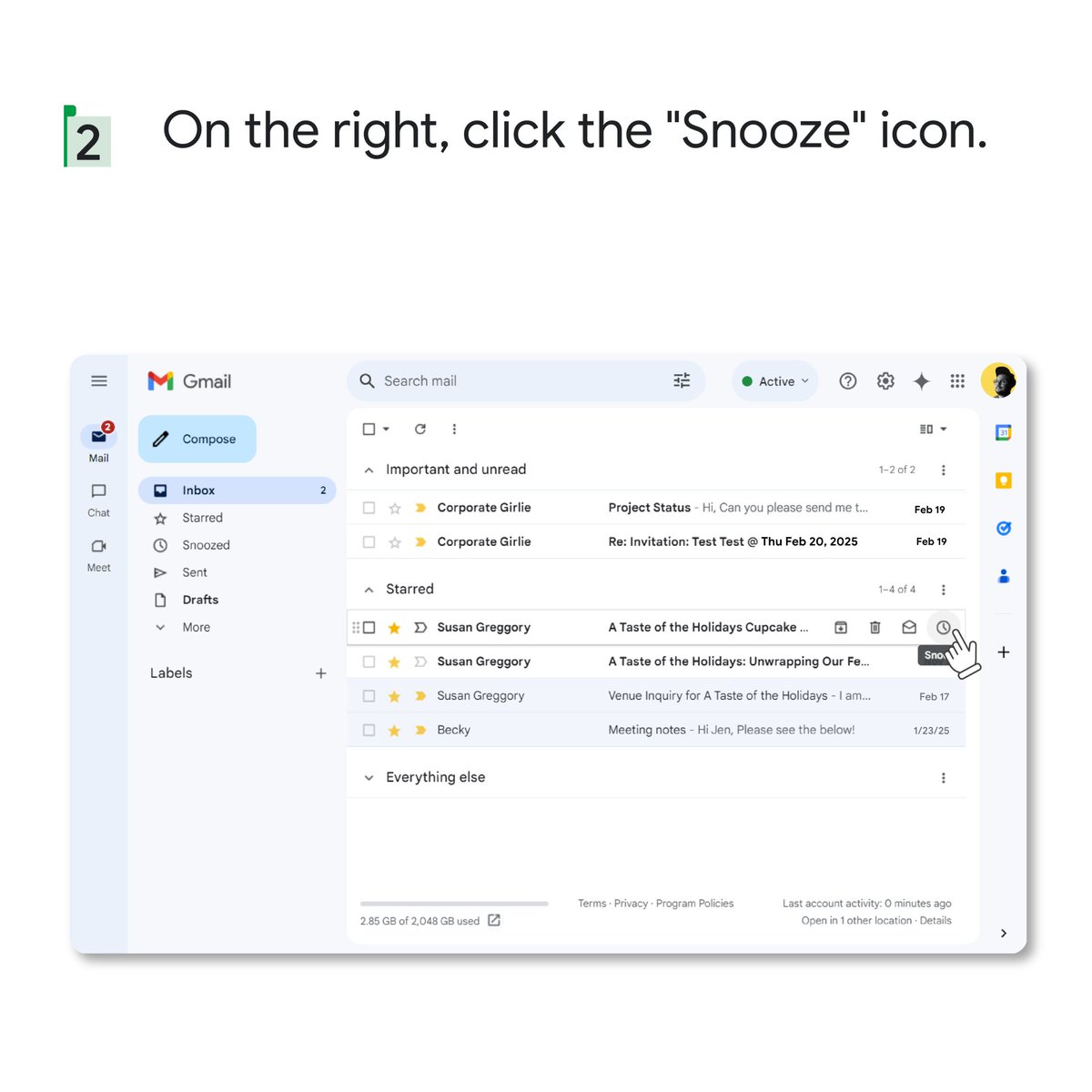
Love the snooze feature! I snooze emails containing articles and videos, so they pop up on the weekend. It clears up my inbox during the work week and reminds me of neat articles to read when I have more time. 👍🏻
The trunk of the Ceiba speciosa tree is covered in spines to deter animals from climbing. It is also called a refuge tree as nesting animals are safer from predation
These are Catasetum orchids, as bees probe inside they trigger this yellow sac of pollen called pollinia to be launched,
attaching to the back of a bee with a sticky pad, watch here
When they later visit female flowers, the pollinia fits for pollination
Zebra cams reveal a secret alliance: 🦓 🦒 = survival. A new study uses video tech to uncover how these species move, feed and watch for predators together.
sciencenews.org/article/zebr…
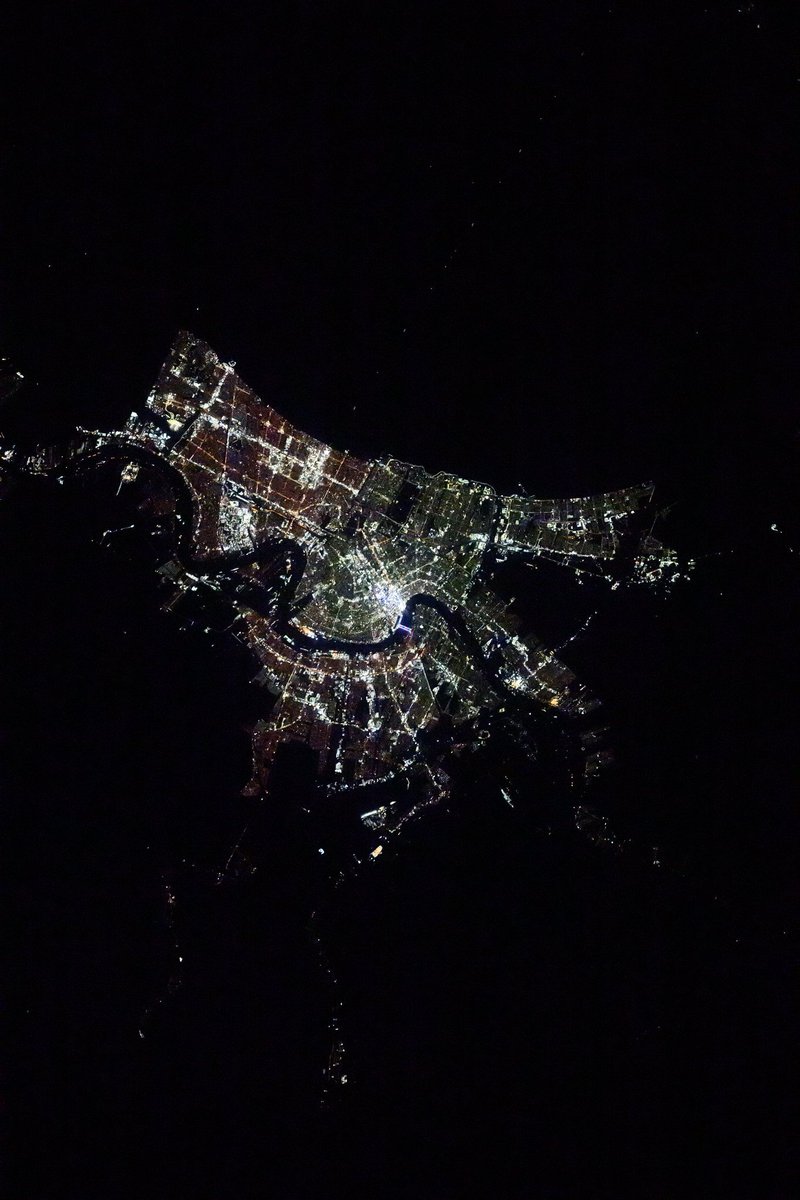
Astronaut Don Pettit (@astro_Pettit) captured this nighttime image of New Orleans on Oct. 26, 2024, the site of this year's #SuperBowl.
ALT The city lights of New Orleans, Louisiana, and its suburbs along the Mississippi River and on the shoreline of Lake Pontchartrain are pictured at approximately 1:16 a.m. local time from the International Space Station as it orbited 258 miles above.
Another time-honored Super Bowl tradition:
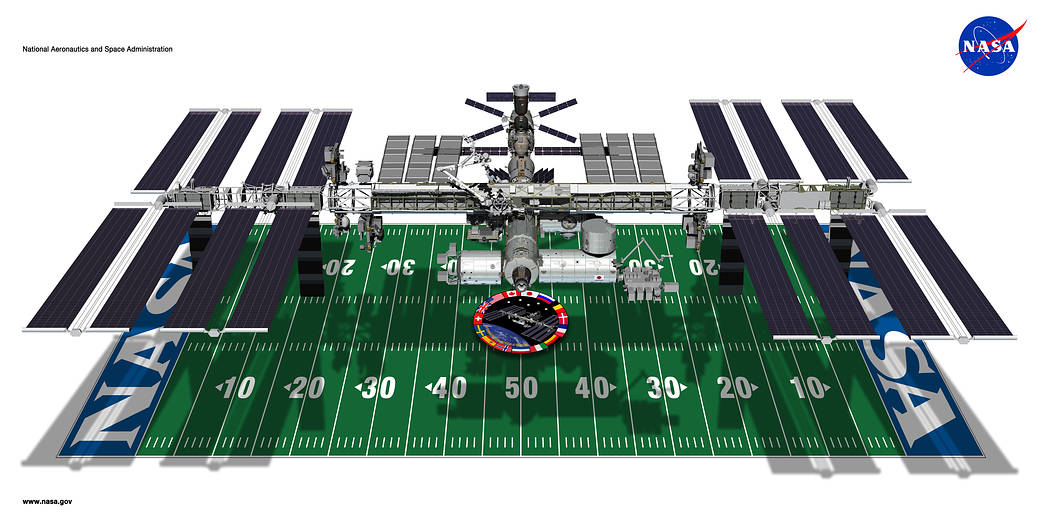
Did you know that the @Space_Station is 357 feet end-to-end? That’s almost the same length as a football field, including both end zones. #SBLIX
ALT An illustration of the International Space Station over a football field with "NASA" painted in the end zones. The space station and field are about the same size. Credit: NASA
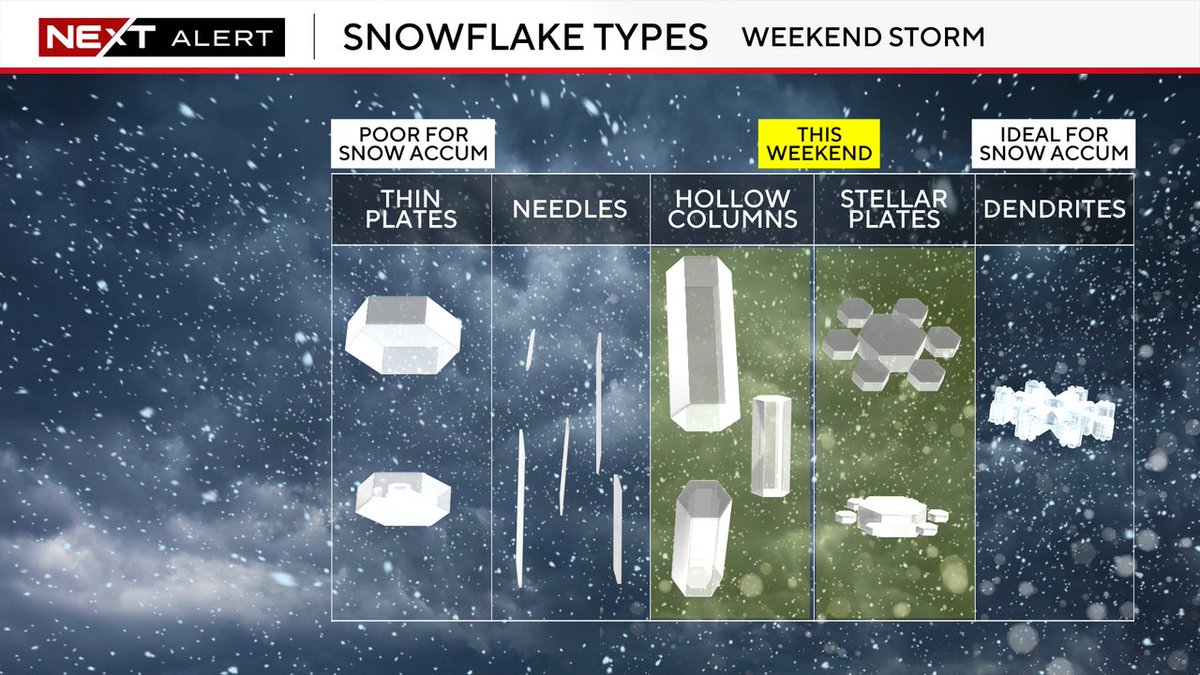
Part of forecasting snow is figuring out what kinds of snowflakes will form. This system doesn't look prime for the good ones (dendrites) during most of the event. Expecting more plates and columns, which don't accumulate as nicely as they otherwise would have given the cold air