
Therapist; Decade of experience w gender dysphoria. "Gender" is a metaphor. Let's exhibit more wisdom, discernment, and compassion with dysphoric youth.
Joined November 2016
- Tweets 9,957
- Following 1,789
- Followers 13,024
- Likes 14,628
835 Photos and videos





Pinned Tweet

1 Nov 2025
What Therapists Get Wrong with Adolescent Gender Dysphoria
read here: sashaayad.substack.com/p/wha…
1
2
9
2,521
Jun 12
Thanks for having me on your program! I enjoyed the conversation.

PREMIERING NOW!
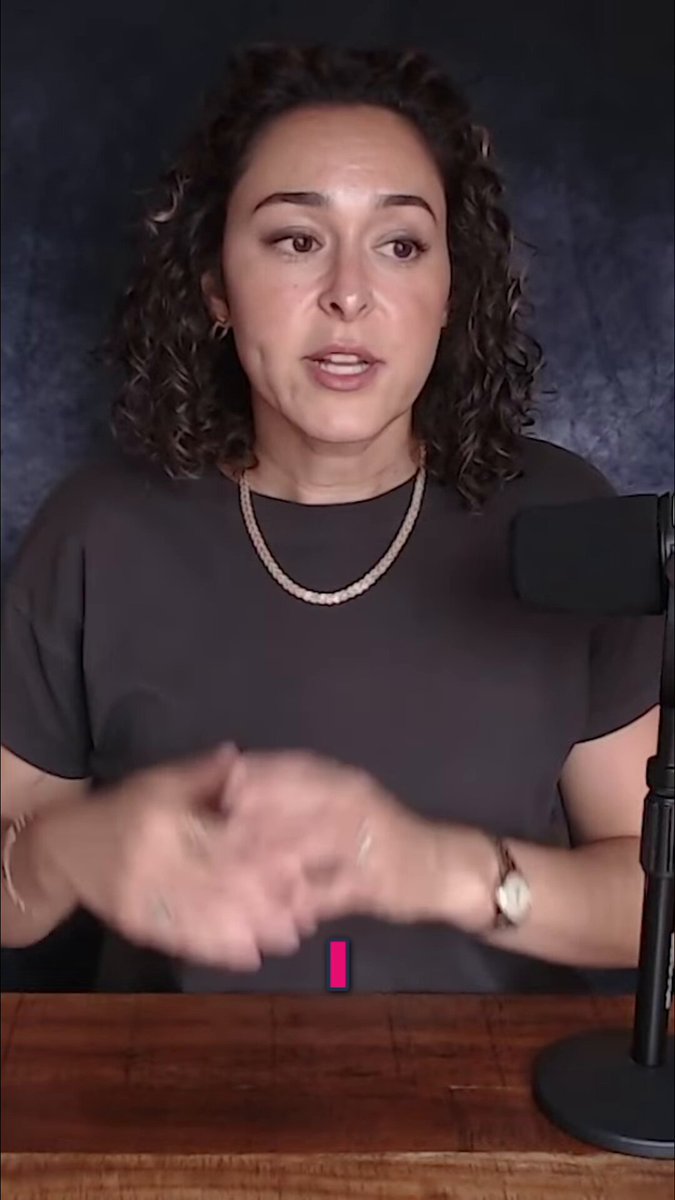
Sasha Ayad (@SashaLPC), co-author of When Kids Say They're Trans, joins Yvette (@AndInTheEnd2) and I on Agree to Disagree About Gender, Ep 23.
In this clip, Yvette asks Sasha how parents can remain supportive even when their kids might see them standing in the way of medicalization as the opposite of support
9
297
6 Nov 2025
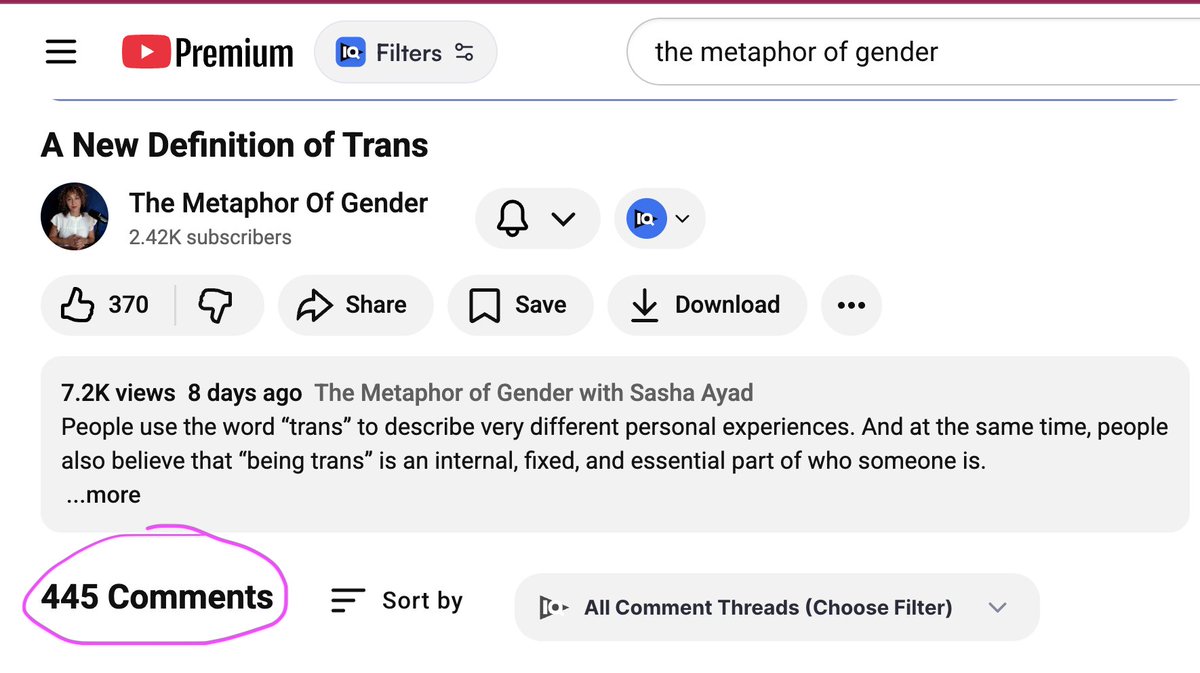
445 comments on a video with 7.2k views!
This is awesome
9
47
3,082
1 Nov 2025
A Clarification:
In a recent essay, I outlined my opinion about several different errors that clinicians make when working with gender-dysphoric adolescents and young adults.
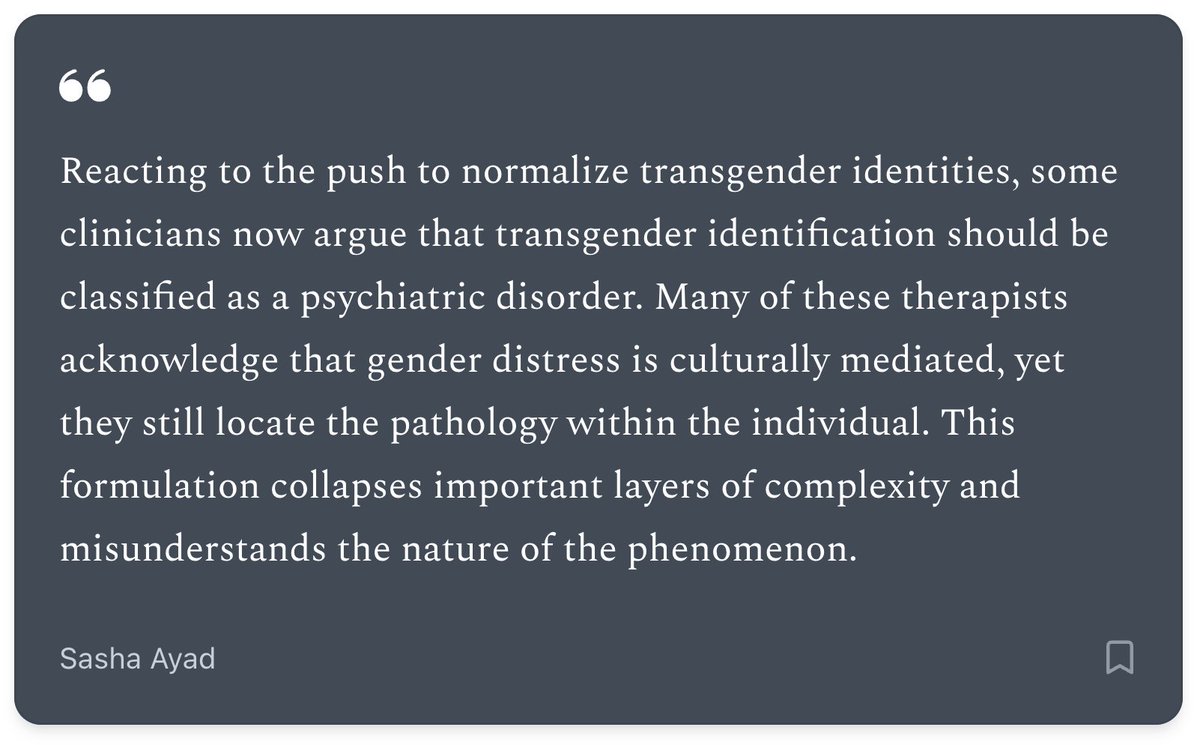
I posted one short quote (below) with a statement that I don’t agree with some clinicians who seek to pathologize trans identities.
In the full article, I discuss 6 different errors I see. I highlight the serious flaws in "gender affirmation," which will be familiar to most people here. Anyone who has followed my work will recognize critiques about blindly affirming - critiques that I've been writing and speaking publicly about for nearly a decade now.
But in the piece, I also address therapists who, like myself, aim to help young people manage their underlying distress first, understand how gender identity may be operating in a maladaptive way, and encourage non-medicalized and reality-based strategies to feel better.
Sometimes therapists with this approach treat the adolescent as though he or she is broken and in need of fixing.
Sometimes therapists come out and say (in the first or second session) that the client’s trans identity is likely not real or sign that other things are amiss.
Sometimes these therapists pathologize their client’s identity before taking the time to understand a specific formulation of what’s going on, what function the identity is serving, or before taking the time to build trust and a relationship with the client.
I'm a pragmatist and I know that different approaches may work for different people. So if any of the above help a client to be more curious, more flexible and more willing to engage meaningfully with the therapy process, then great.
But after talking with hundreds of families, I've observed that well-meaning therapists implying (or telling) a young person that their identity is mistaken and/or a sign of something else being wrong, or a mental illness or a psychopathology…this will only cause the client to shut down, withdraw and become even more guarded.
I’m not going to rewrite the entire piece here, but I wanted to clarify that piece is my opinion about errors therapists are making in their clinical work.
It’s not about political advocacy.
It’s not about social movements.
It's not about organizational strategy educational campaigns, or legislative maneuvers.
It's about therapy.
In fact, if you read it, you’ll notice that I directly encourage therapists to stay out of political currents altogether. While politics have largely forced the idea of gender identity inot so many families’ lives, I still believe clinicians should attempt to be apolitical and to be supremely sensitive to what will and won't work in the therapy room.
This doesn’t mean clinicians shouldn’t have reality-based formulations about what is hurting or harming their clients.
If you felt confused by that single X post or the quote from my article, I encourage you to read the whole thing and look at the quote in context. I’ll pin it above at the top of my feed 👆🏼
30 Oct 2025

I strongly disagree with the push to psycopathologize trans identities
True clinical work begins when we understand “trans” not as an essence or an illness, but as a strategy—one that can be explored, understood, and either relinquished or refined through the therapeutic process.
5
10
66
6,681
30 Oct 2025
I strongly disagree with the push to psycopathologize trans identities
True clinical work begins when we understand “trans” not as an essence or an illness, but as a strategy—one that can be explored, understood, and either relinquished or refined through the therapeutic process.
86
19
180
38,194
29 Oct 2025
Confronting challenging past experiences can be scary. Here's how one can start approaching those difficult memories and begin the healing process. #MentalHealth #SelfImprovement
11
1,107
28 Oct 2025
Trauma can exacerbate gender dysphoria. Confronting past traumas with compassion and reflection can bring clarity and self-knowledge, offering more options, even in transition. Big emotions can't hurt you. Learn to manage them. #TraumaHealing #SelfKnowledge
11
851
27 Oct 2025
Big emotions feel overwhelming, but they can't hurt you. Before confronting painful topics, learn emotion regulation. Try box breathing or grounding techniques to calm your nervous system. #MentalHealth #EmotionalRegulation
2
12
790
15 Oct 2025
Do you know the six types of vulnerability that can contribute to gender dysphoria?
- Sexual vulnerability
- Toxic-by-Default vulnerability
- Outsider Vulnerability
- Privilege Vulnerability (I know this seems like an oxymoron)
- False-self vulnerability
- Family Role vulnerability
Check out the last video in my “Hidden Roots” series:
youtu.be/YuMu5PdLMr4
8
1,017
1 Oct 2025
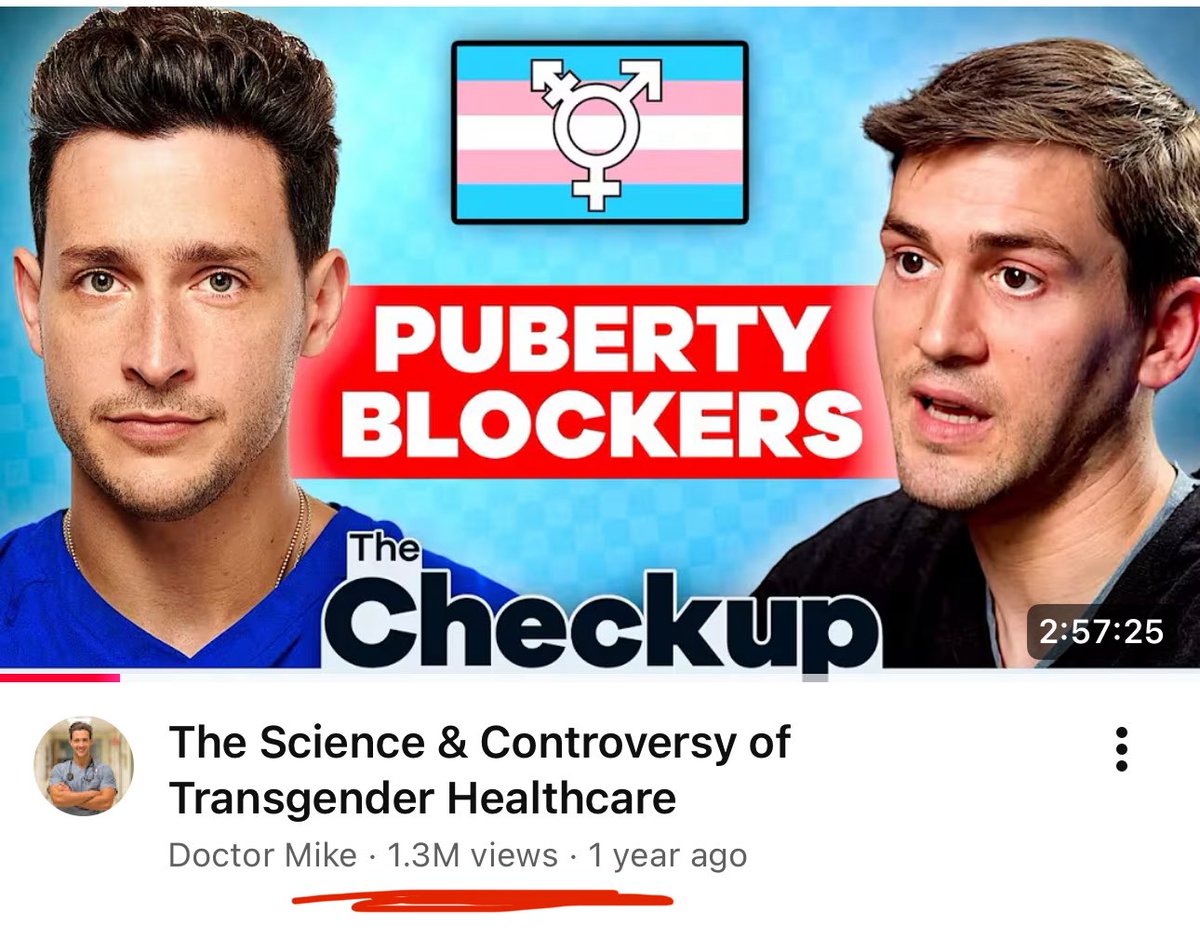
Millions watched Dr. Mike’s interview with Jack Turban—many of us know that his perspective is biased, misleading, and he strives to indicate a consensus exists in pediatric gender medicine when there is none.
But the comment section is remarkable more for what ISN’T said there, than what is.
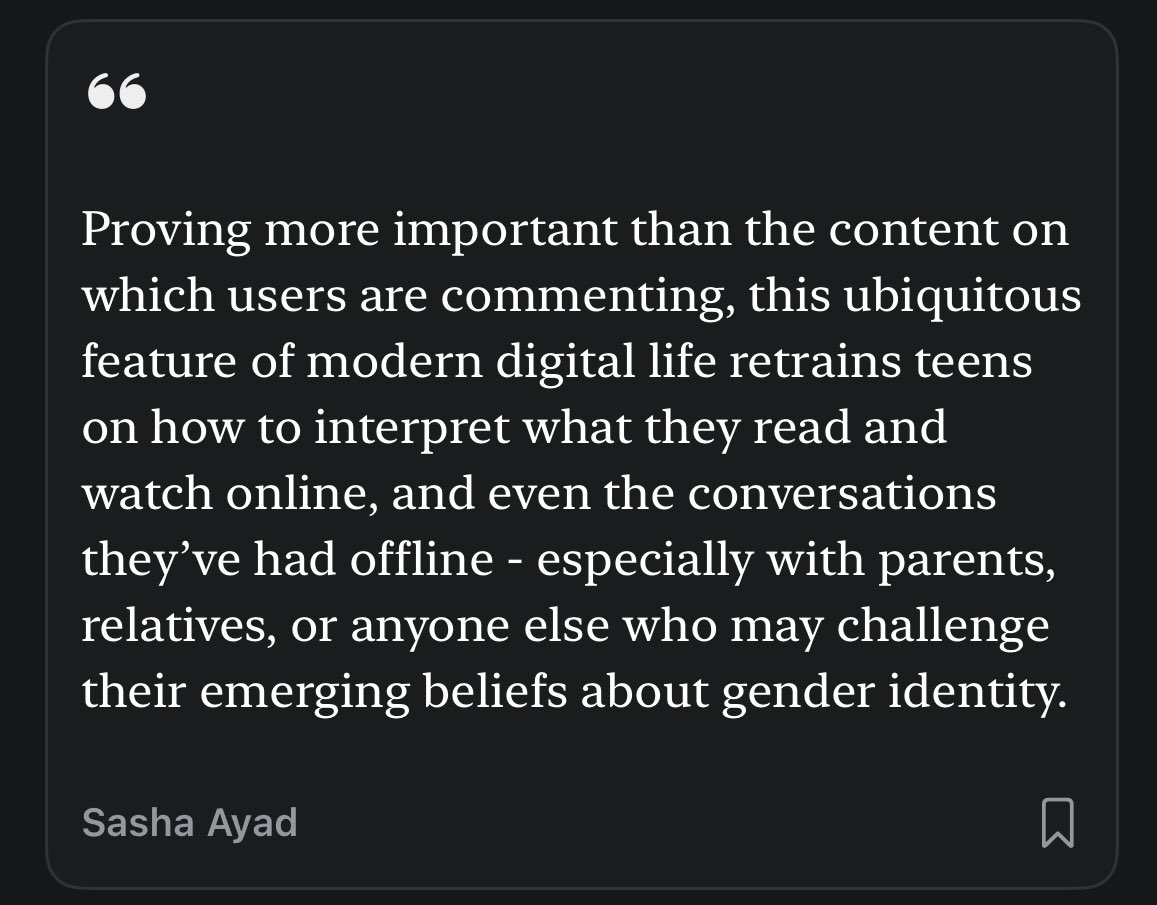
My latest essay explores how reading comments influences our perspective on content and why this matters for families with gender-questioning children
Link below
2
5
15
1,342
30 Sep 2025
What does the comment section do to the process of forming opinions and beliefs in the online space?
My latest piece about how digital technologies impact gender-questioning youth —>
Link in next post
1
1
8
672
29 Sep 2025
Affirmation vs Gatekeeping - What does helpful therapy actually look like for gender dysphoria?
#genderdysphoria #therapy #psychotherapy
1
2
13
847
Sasha Ayad, LPC retweeted

27 Sep 2025
My dear friend, @stellaomalley3, just got a standing ovation at the opening of the Genspect conference in Albuquerque.
Never has a standing ovation been more deserved.
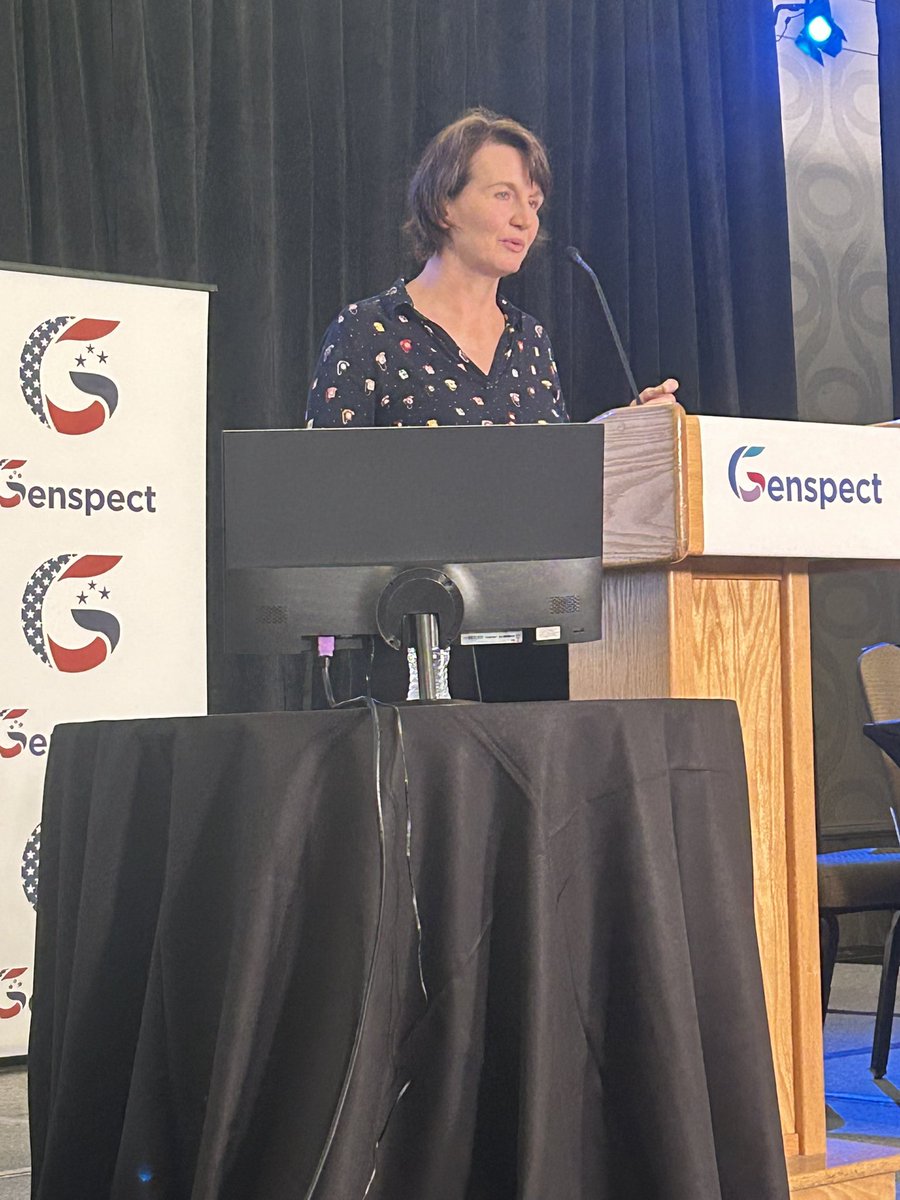
38
77
1,017
48,459
27 Sep 2025
Thanks for sharing this!

At #GenspectBiggerPicture, Dr. Lisa Duval highlights @stellaomalley3, @SashaLPC & @LisaMarchiano as leaders in exploring gender through a deeper, more reflective therapeutic lens.
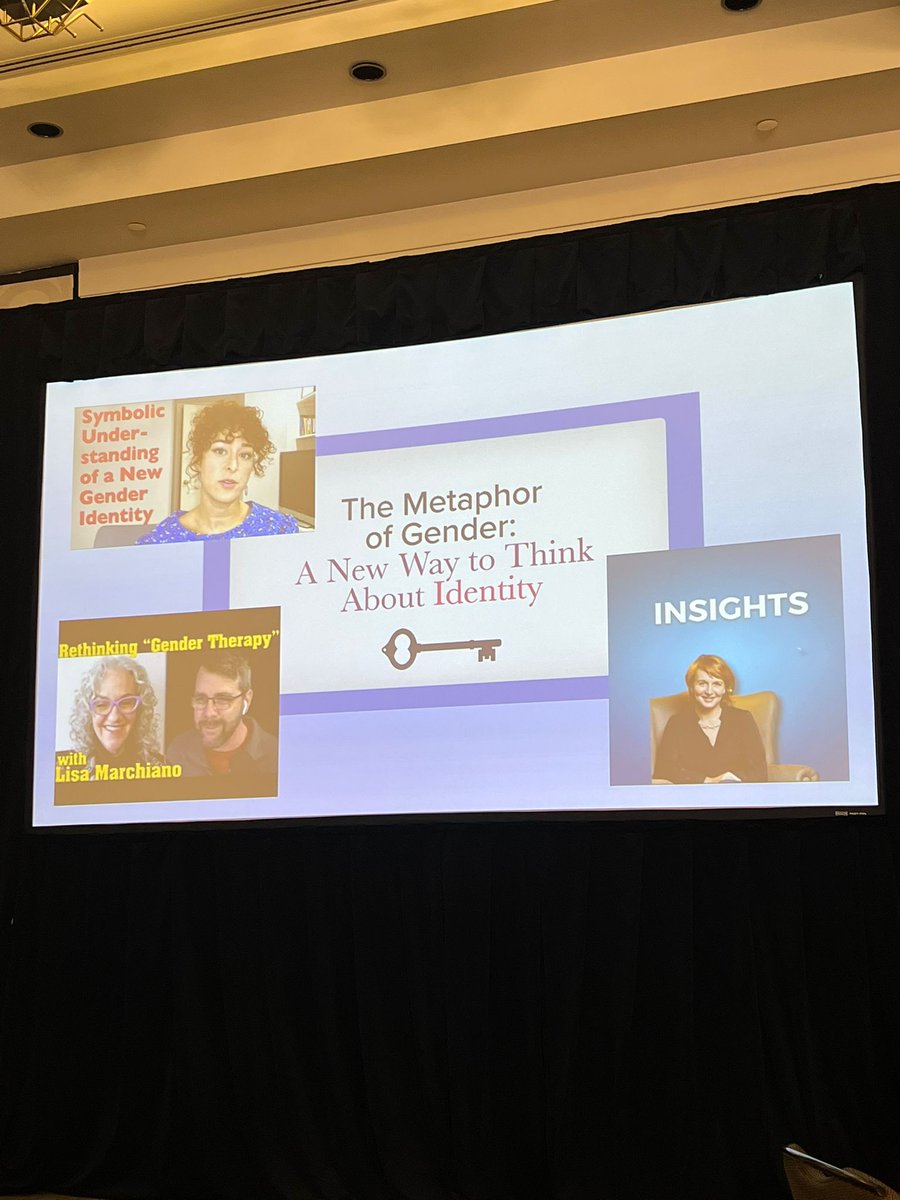
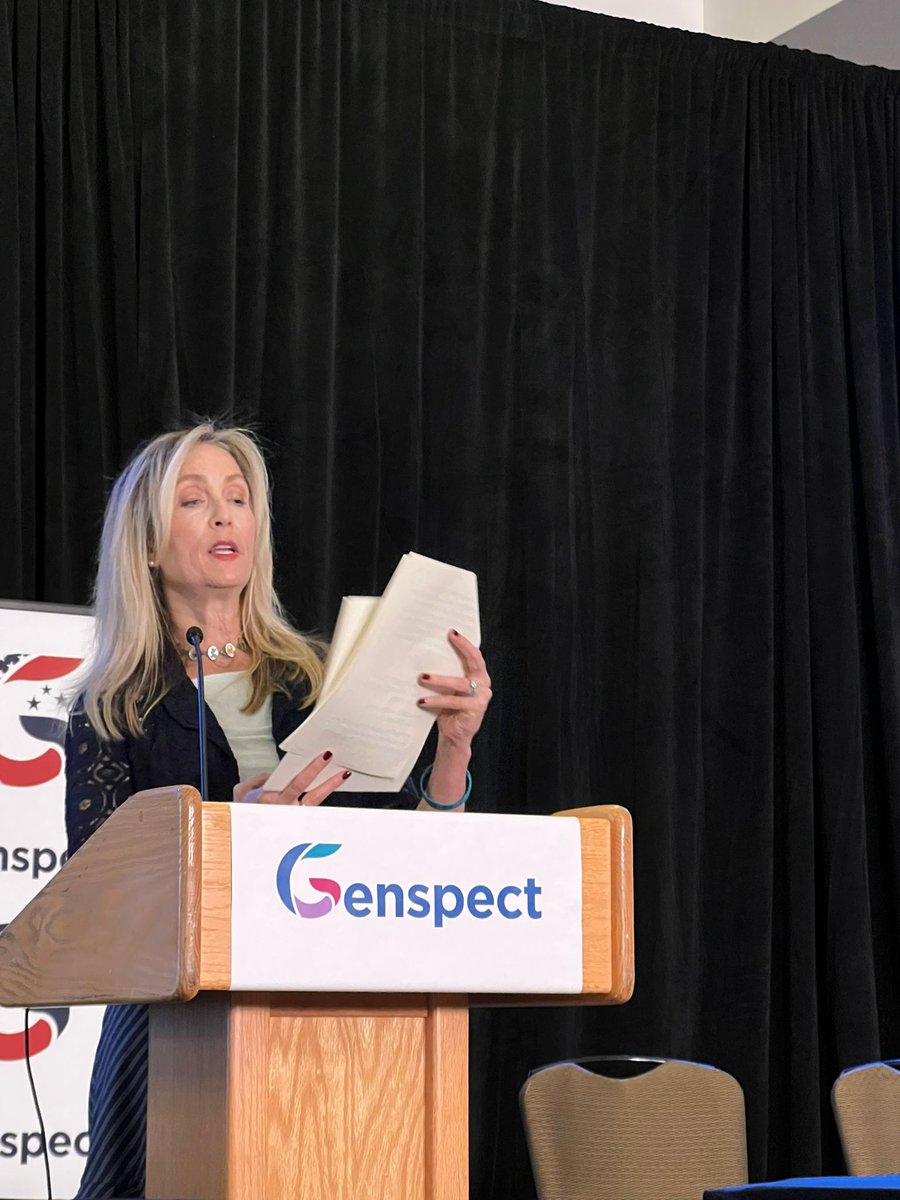
6
877
25 Sep 2025
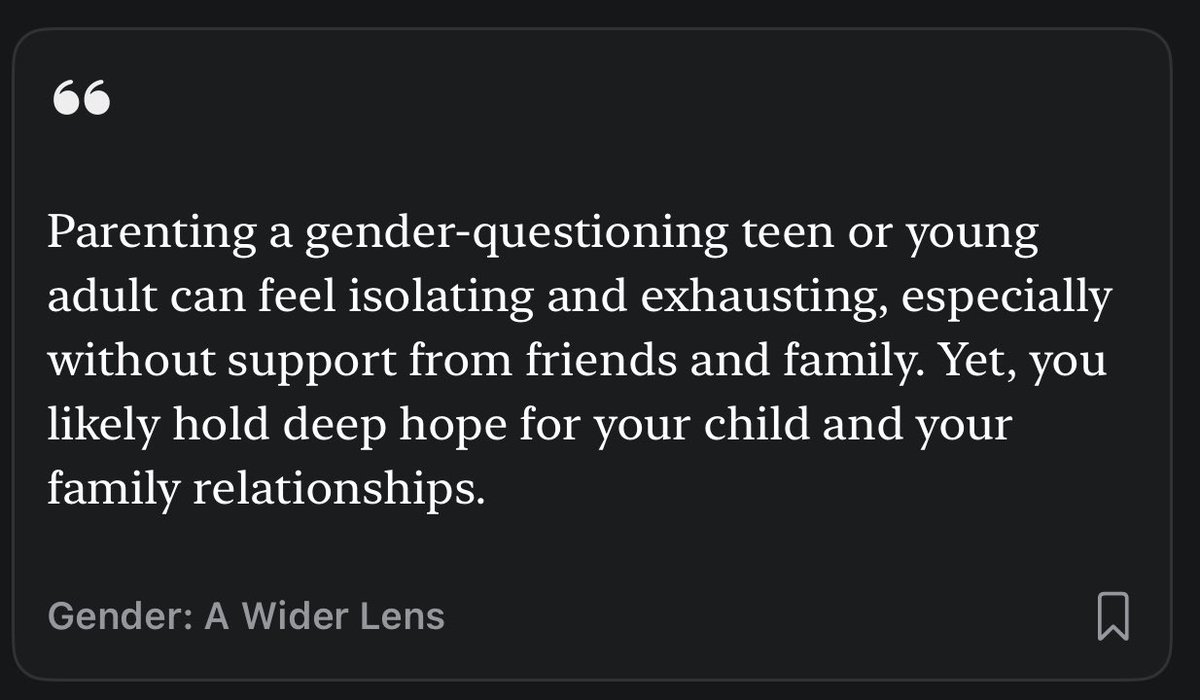
Please consider joining me this November for an intimate 3-day retreat in the hill country of Austin, Texas.
Waitlist spots are open now with payment plans available if you register before Oct 1st.
Learn more: widerlens.events/parent-retr…
1
1
3
753