Joined October 2009
- Tweets 16,567
- Following 42
- Followers 556
- Likes 21,279
222 Photos and videos









SatoshiWraith retweeted

Jun 14
If you follow that idea further, $TROLL isn’t really about interruption alone — it’s about what interruption reveals about the market itself.
In fragmented attention environments, every scroll is a competition. Most narratives try to win through depth, conviction, or utility. But meme-driven assets operate differently — they win by breaking continuity.
What makes $TROLL interesting is that it doesn’t rely on convincing anyone of value. It relies on being fast enough to enter the decision loop before the decision is even made.
But that raises a deeper question:
Is interruption itself becoming the product, or is it just a temporary advantage in an attention-saturated market?
Because if attention keeps fragmenting further, then survival may depend less on meaning… and more on how effectively something disrupts flow.
In that sense, $TROLL doesn’t need consensus, but it also doesn’t need permanence — only repeated visibility inside the chaos.
Jun 14

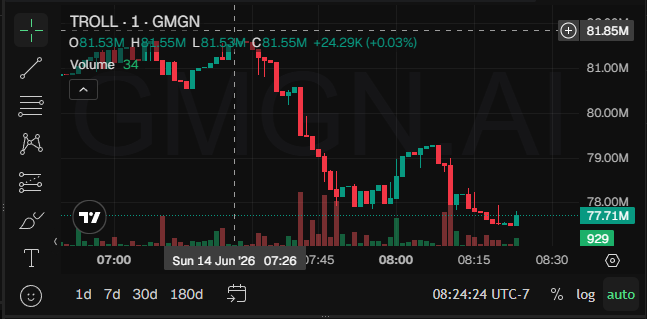
$TROLL feels like one of those narratives that doesn’t really try to convince anyone — it just exists inside the same attention chaos where memes actually become momentum.
TROLL isn’t competing for “belief” the way most tokens do. It’s competing for reaction speed — how fast people stop, read, and respond before scrolling away.
And that makes me wonder:
In a market where attention is already fragmented, does something like $TROLL survive because it’s meaningful… or because it’s just better at interrupting people?
Contract: 4w2cysotX6czaUGmmWg13hDpY4QEMG2CzeKYEQyK9Ama
TROLL doesn’t need consensus — it only needs interruption.
trololo.lol
2
21
260
SatoshiWraith retweeted

Every cycle gives us AI tokens.
Every cycle gives us dog tokens.
But only a few memes are funny before they become tokens.
That's why I'm watching $MANLET
The joke already existed.
Crypto just found it.
soylanamanlets.coineclipseco…

9
6
42
747
SatoshiWraith retweeted

Jun 12
World Cup Challenge on @jup_predict ⚽
everyone thinks they know football
now there's a way to prove it
pick 5 matches
get all 5 right
compete for a share of the prize pool $125k
$JUP | Jupiter
jup.ag-prediction.world/cup

1
9
12
51
SatoshiWraith retweeted
A lot of people see $Islands and think it's another Solana launch.
After spending time in the ecosystem, I think they're missing the point.
The project isn't trying to build one community.
It's trying to connect many of them.
Allocation claims are now open for eligible members 🌴
islands.coineclipsecore.com
11
18
50
1,565
SatoshiWraith retweeted

Jun 12
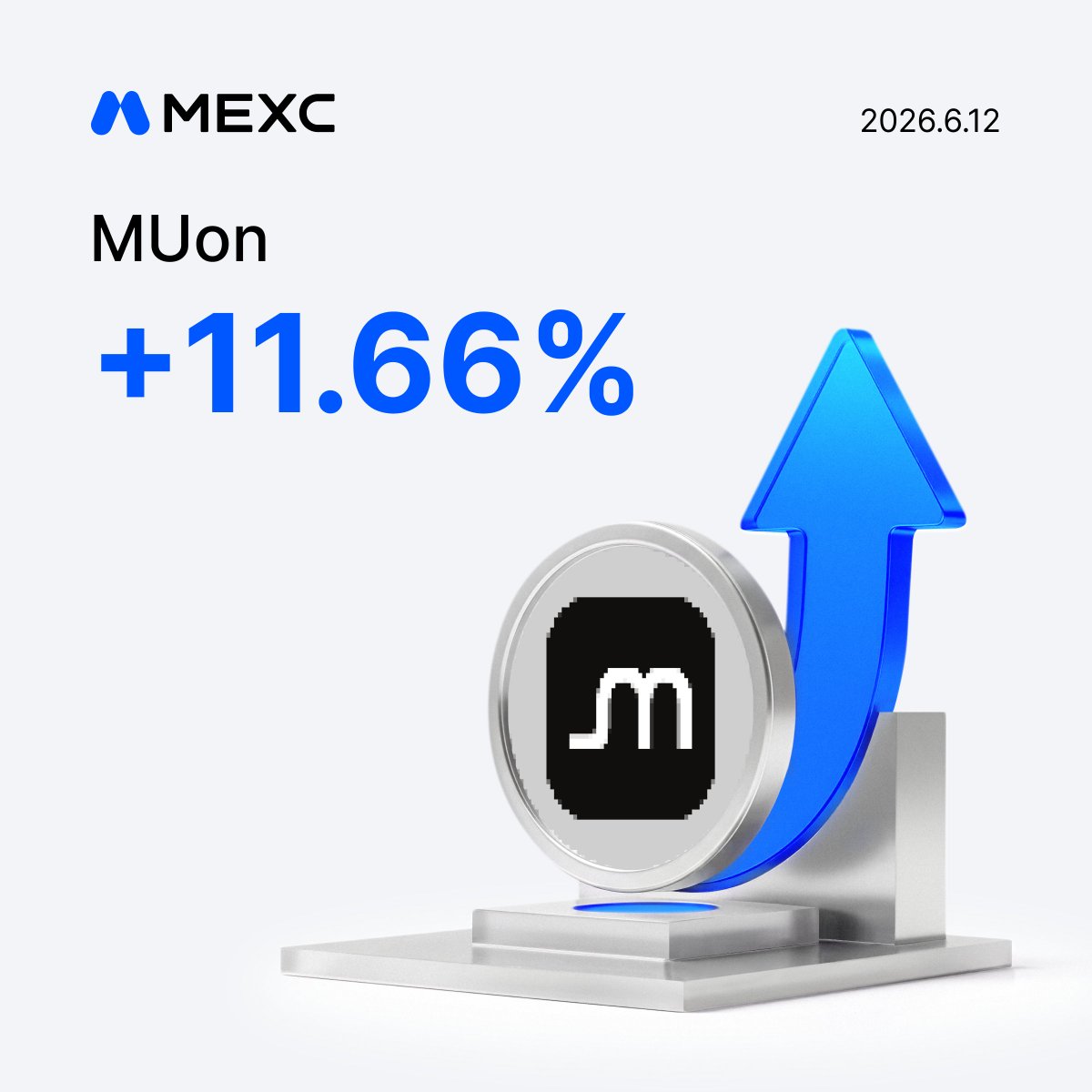
$MUon surging 11.66% 📈
Trade now 👉 mexc.com/events/star/ondo?ut…
6
2
14
1,420
SatoshiWraith retweeted

Jun 9
What the fuck is happening?
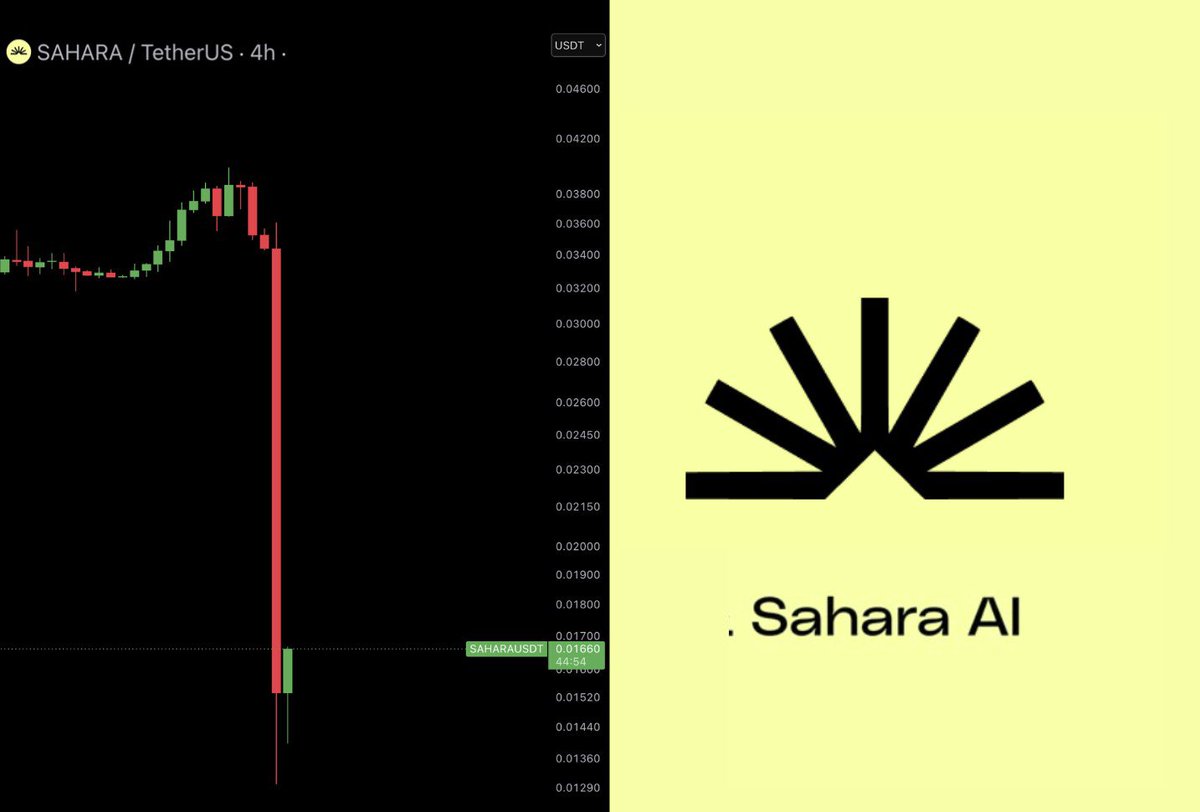
$SAHARA just crashed -60% in 60 MINUTES.
- Wiped out $73 MILLION in market cap.
- Liquidated $22 MILLION longs in the past 12 hours.
- Team investigated the crash and confirmed:
No known security breaches or issues.
Update coming soon.
Jun 9

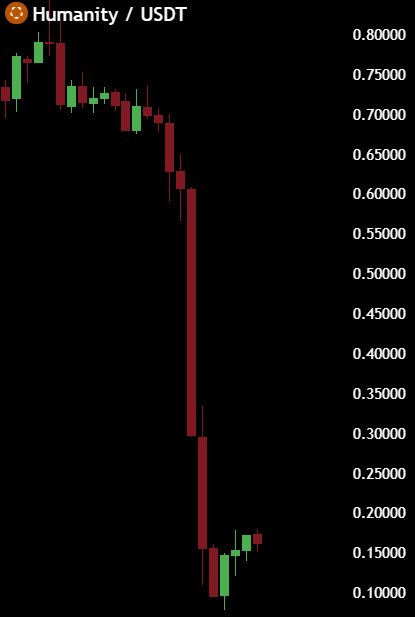
Humanity Protocol crashed -90% in 12 hours, erasing over $1 BILLION in market cap, just days after surging 339%.
The collapse came after an attacker drained over $31 million from wallets linked to Humanity's app, then started swapping the stolen $H into $ETH.
The founder confirmed it was a security breach tied to compromised private keys from a Humanity Foundation member.

226
108
674
95,184
SatoshiWraith retweeted

Jun 8
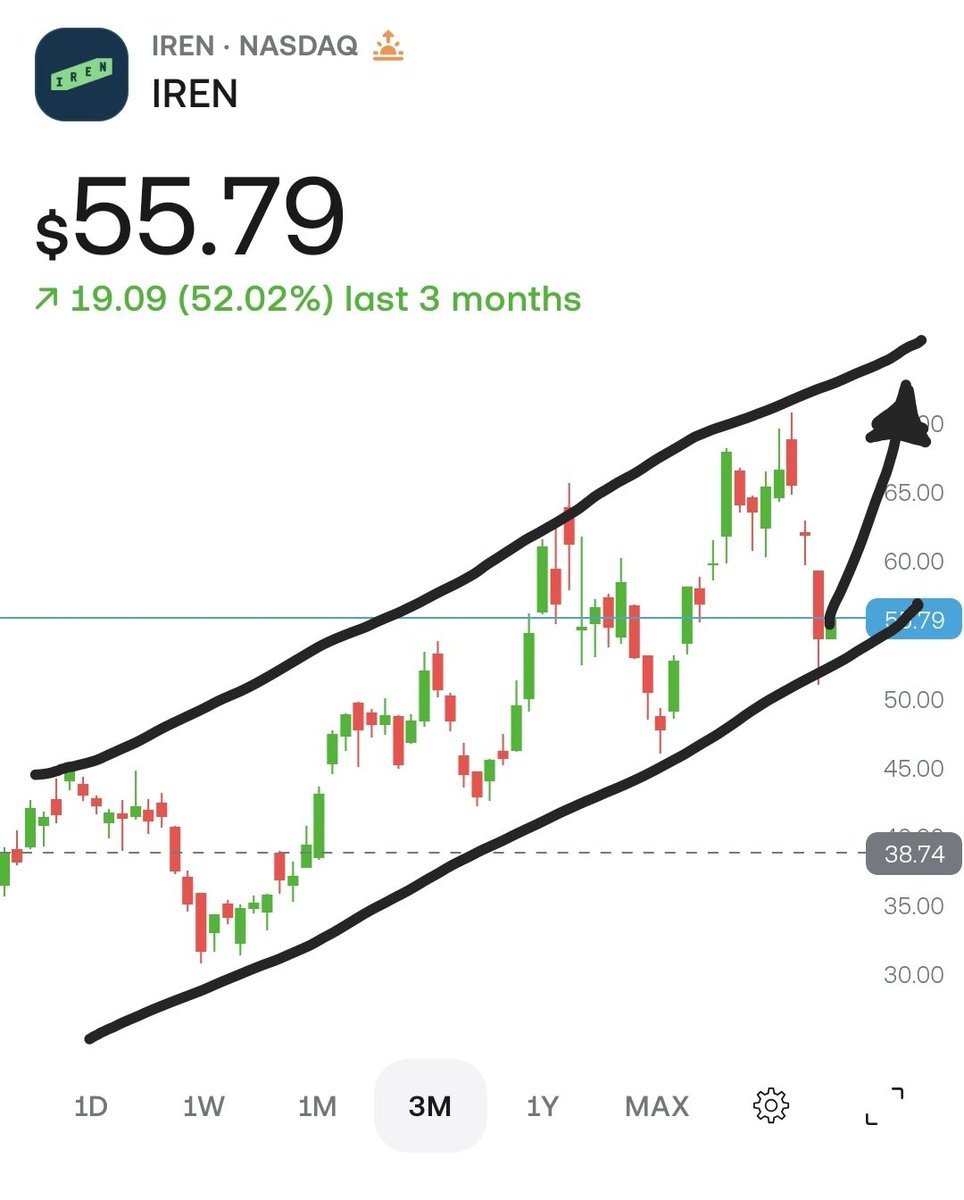
$IREN is the best opportunity in the market right now.
I'm not a TA, but I believe this recent pullback is setting up the next move higher. If the stock can hold support around these levels and stay within this rising channel, I think the stock will reach ATH by this summer.
34
34
555
94,477
SatoshiWraith retweeted

Jun 8
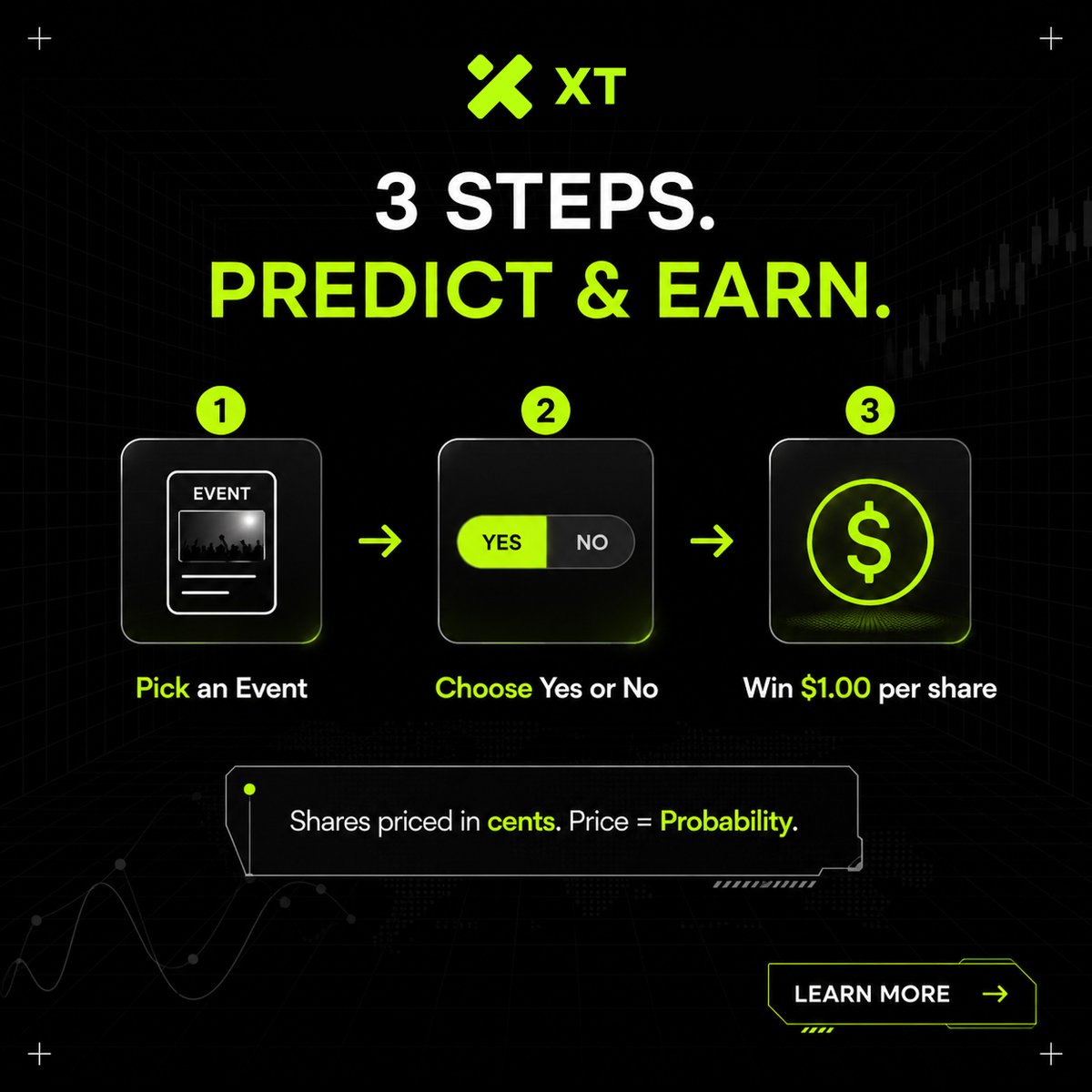
💡 What Is XPredict? Prediction Markets on XT Exchange
Trade real-world outcomes — not tokens. Sports, crypto, politics, finance — if it has a result, it has a market.
How it works:
• Every event has Yes/No shares priced in cents
• Price = implied probability (72¢ = 72% chance)
• Correct → shares settle at $1.00 | Wrong → $0.00
Example:
"Will BTC hit $120K by July?"
Yes shares at 35¢ → buy 100 = $35.00 3.5% fee (~$1.23) = ~$36.23 total
✓ Yes wins: $100.00 payout (net profit ~$63.77)
✗ No wins: you lose ~$36.23
Why XPredict:
• USDT from your XT spot account — no wallet, no gas
• Built on Polymarket infrastructure
• Prediction Mode (beginners) | Trading Mode (full order book)
• Sell anytime before settlement
👉 Trade → XPredict on XT Exchange: xt.com/en/xpredict?channel=X…
#XTexchange #XPredict #PredictionMarket
43
66
77
11,222

Already trading ONDO Tokenized Stocks? @OndoFinance
Show us your position.
✨ Join to share $500:
1️⃣ Take a screenshot of your ONDO Tokenized Stocks trade
2️⃣ Repost with the screenshot UID #MEXC
Rewards split among 20 lucky traders. Ends June 12.


Trading tokenized stocks for the first time?
Probably easier than you think.
Trade ONDO tokenized stocks with #MEXC0Fee to unlock rewards up to $300,000.
Live until Jun 12 ♾️
425
373
499
20,299
SatoshiWraith retweeted

Jun 9
🚨 BLACK SWAN IS LOADING
S&P 500 is sitting near the all-time highs.
But the market looks far WEAKER than it appears.
Most stocks are already going down.
AI companies are burning billions with little real profit.
Gold, Silver, and $BTC are still in correction.
US debt is at record levels.
Geopolitics is one headline away from chaos.
All it takes is one trigger:
- AI agents flash crash
- A surprise China tech breakthrough
- Something nobody sees coming
When it hits, cash will be king.
The ones holding cash now are the ones who buy the bottom.
Over 10 years, I’ve been early on the biggest market turns.
Cycle tops and bottoms.
The trades everyone laughed at before they became obvious.
The next call is coming.
I’ll post it here publicly. Turn notifications on 🔔

40
60
280
116,174
SatoshiWraith retweeted

Jun 8
this is f*cking gold
the Claude setup most people will never find on their own
if I had this a year ago, I would've shipped my first app in a day instead of 3 weeks.
in the right hands, this changes everything:


21
272
1,725
252,201
SatoshiWraith retweeted

Jun 9
I found the next hidden AI bottle neck stock like $SIVE at $1 / $MU at $100 / $SNDK at $3 and no one is talking about.
Just like I called
$NBIS at $20
$ONDS at $1
$ASTS at $20
$KEEL at $1.2
and many others.
It’s under $1B market cap.
I’ll share it here. Follow me for more


8
12
122
42,628
SatoshiWraith retweeted

Jun 9
My girlfriend noticed something Saturday morning.
"You haven't changed the podcast in 20 minutes."
"What?"
"The same episode. On loop. You haven't heard a word."
I shrugged. "Just checking the bot."
She looked over from the passenger seat. "What bot?"
"The trading one. Open-source. Anyone can audit the code."
She stared at me. "So you code for free?"
Try to trade with him: polymarket.com/@xuanxuan008?…
"No. The code makes money."
"Sure it does."
I didn't argue. I pulled into a parking lot. Opened my laptop.
One wallet I was tracking cleared $4,150 in 9 days. Another flipped 341 trades with 79% winrate. One more pulled $6.8M in volume over a single month.
She stopped mid-sip on her coffee.
"That's... from a script?"
Exactly.
Then I showed her the repos. All free. All public.
First: github.com/warproxxx/poly_da…
86M trades on Polymarket. Every outcome since day one. Free to download.
Second: github.com/warproxxx/poly-ma…
Market making bot. Both sides of the book. Gas optimized. Google Sheets execution.
Third: github.com/pselamy/pattern-t…
ML heuristics. I fed 14,000 wallets into Claude. One prompt. 4 minutes. Found 47 traders with 70% winrate. Bot mirrors them with 60-second delay.
She went quiet for a long time.
Then: "Why are you only telling me this now?"
"We've been dating eleven months."
"Exactly. Eleven months."
I didn't have a good answer.
She closed my laptop lid. Looked at me.
"You're going to show me everything tonight. From the top. I'm not asking."
Girlfriends don't ask about the money. They ask why you waited eleven months. Then they take over the conversation.

21
22
171
24,695
SatoshiWraith retweeted

May 17
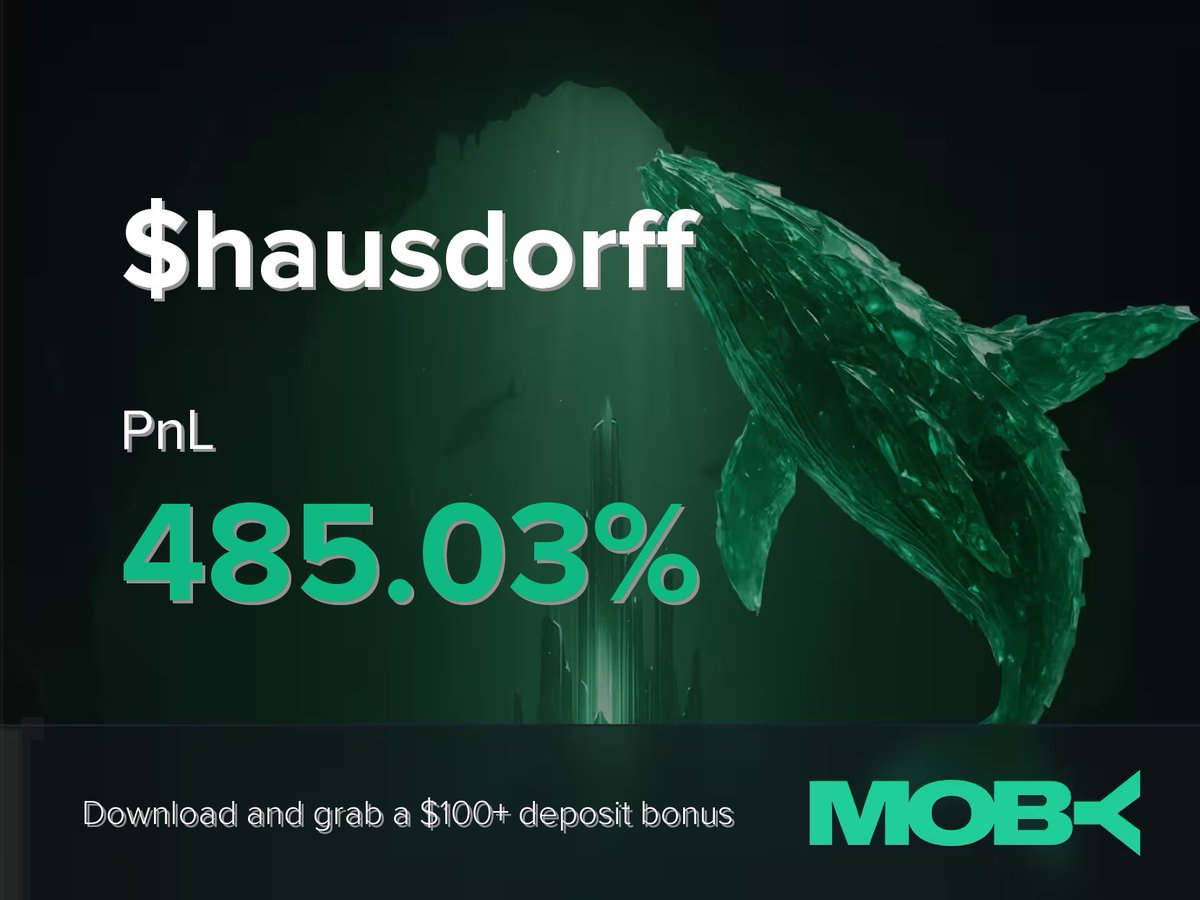
🌀 $HAUSDORFF Campaign is LIVE 🌀
• Complete missions
• Earn $HAUSDORFF
• Claim at TGE
🔗 hausdorff.lat
Phase 1 includes:
🔹 Social quests
🔹 Staking tiers
🔹 Reward points
Early builders define the structure.
Late ones follow the pattern.
$HAUSDORFF $SOL #Solana #Airdrop 🚀
1
9
12
488
SatoshiWraith retweeted

May 17
⏳ Access window is now active.
$HAUSDORFF Airdrop Checker is LIVE.
Check your eligibility:
1️⃣ Visit: hausdorff.lat
2️⃣ Connect wallet(s)
3️⃣ Review your tier
4️⃣ Confirm participation
Allocations become claimable at TGE.
Access may close quickly.
$HAUSDORFF $SOL #Solana #SOL

1
5
5
67
SatoshiWraith retweeted

May 17
📜 $HAUSDORFF Manifesto is LIVE — limited access phase.
This window may not remain open for long.
📥 Enter here: hausdorff.lat
Login via X
Submit your wallet
Secure eligibility for upcoming rewards
🎟️ Multiple reward tiers available
Already secured mine — worth checking yours before access tightens.
$HAUSDORFF $SOL #Solana #SOL

1
10
10
214

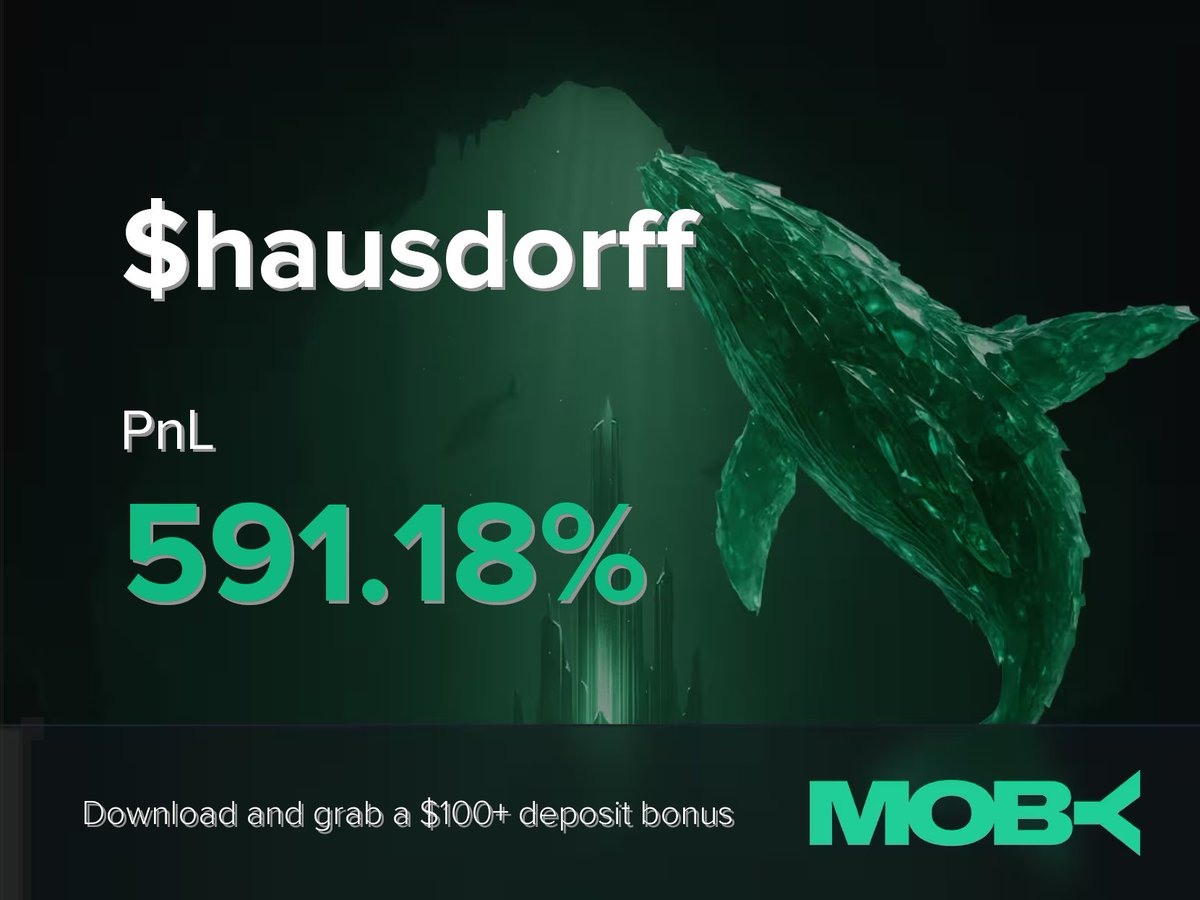
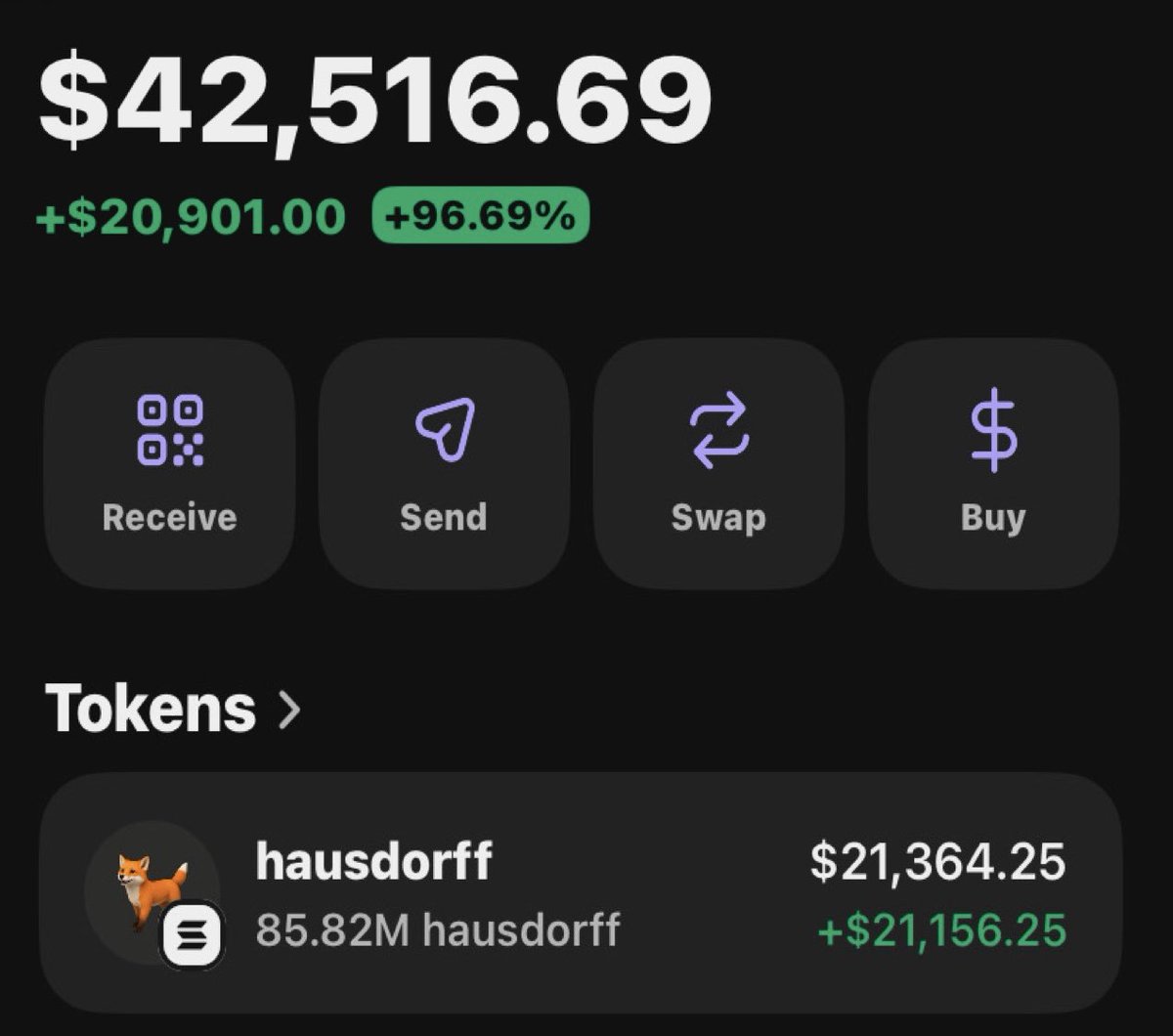
📡 $HAUSDORFF Token & Airdrop Update
Development continues — token architecture is aligning as the next phase approaches.
🟢 Get started: hausdorff.lat
Quick overview:
Token: $HAUSDORFF
Network: Solana
Community allocation remains part of the ecosystem design.
📅 Snapshot approaching — early positioning could matter more than expected.
Stay prepared.
Precision timing often creates the edge.
$HAUSDORFF $SOL #Solana #Airdrop
1
10
10
46
SatoshiWraith retweeted

📐 $HAUSDORFF is quietly building momentum on Solana.
No loud hype cycles — just steady execution and a structure becoming stronger phase by phase.
HAUSDORFF is shaping into a community-powered layer focused on precision, speed, and scalable growth.
🧭 Explore: hausdorff.lat
🧩 Core systems aligning quietly
⚡️ Optimized for Solana performance
📈 Momentum steadily increasing
🏗 Long-term foundation forming
📄 Token: $HAUSDORFF
🌐 Network: Solana
Still early in the structure phase.
Signals like this rarely stay hidden for long.
$HAUSDORFF $SOL #Solana #SOL
1
11
11
240
SatoshiWraith retweeted

May 17
$HAUSDORFF 🚀 Crypto tides are rising — catch your rocket! ⚡💎
$LADA $BURNIE $WORLDCUP $HANTA $HTTPS $ALTSZN $FISH $RAGEGUY $HACHI $BABYTROLL $WCOR $APPLE $UNC $BP $TROLL $BULL $ANDV $DIRECTOR $BULLISH $PBTC $BUTTCOIN $GIGA $AURA $ROYALPOP $BOME $CATCOIN $ZBCN $BTC $USD #Bitcoin #zelena #Tommavi #helevier #uzaksehir $QQQ $WOJAK $MAGA

📐 $HAUSDORFF is quietly building momentum on Solana.
No loud hype cycles — just steady execution and a structure becoming stronger phase by phase.
HAUSDORFF is shaping into a community-powered layer focused on precision, speed, and scalable growth.
🧭 Explore: hausdorff.lat
🧩 Core systems aligning quietly
⚡️ Optimized for Solana performance
📈 Momentum steadily increasing
🏗 Long-term foundation forming
📄 Token: $HAUSDORFF
🌐 Network: Solana
Still early in the structure phase.
Signals like this rarely stay hidden for long.
$HAUSDORFF $SOL #Solana #SOL
5
5
27
SatoshiWraith retweeted

May 17
$HAUSDORFF ⚡ Big crypto moves ahead — stay alert! 💎🚀
$ALTSZN $LADA $BURNIE $WORLDCUP $FISH $RAGEGUY $HACHI $BABYTROLL $WCOR $APPLE $UNC $BP $TROLL $BULL $ANDV $DIRECTOR $HANTA $BULLISH $PBTC $BUTTCOIN $GIGA $AURA $ROYALPOP $BOME $CATCOIN $ZBCN $BTC $USD #Bitcoin #zelena #Tommavi #helevier #uzaksehir $QQQ $WOJAK $MAGA $HTTPS
May 17

📜 $HAUSDORFF Manifesto is LIVE — limited access phase.
This window may not remain open for long.
📥 Enter here: hausdorff.lat
Login via X
Submit your wallet
Secure eligibility for upcoming rewards
🎟️ Multiple reward tiers available
Already secured mine — worth checking yours before access tightens.
$HAUSDORFF $SOL #Solana #SOL
5
5
24