Campaign to stop Flamingo Land. Our Land Our Loch!
Joined January 2019
- Tweets 6,218
- Following 1,384
- Followers 1,726
- Likes 5,370
844 Photos and videos





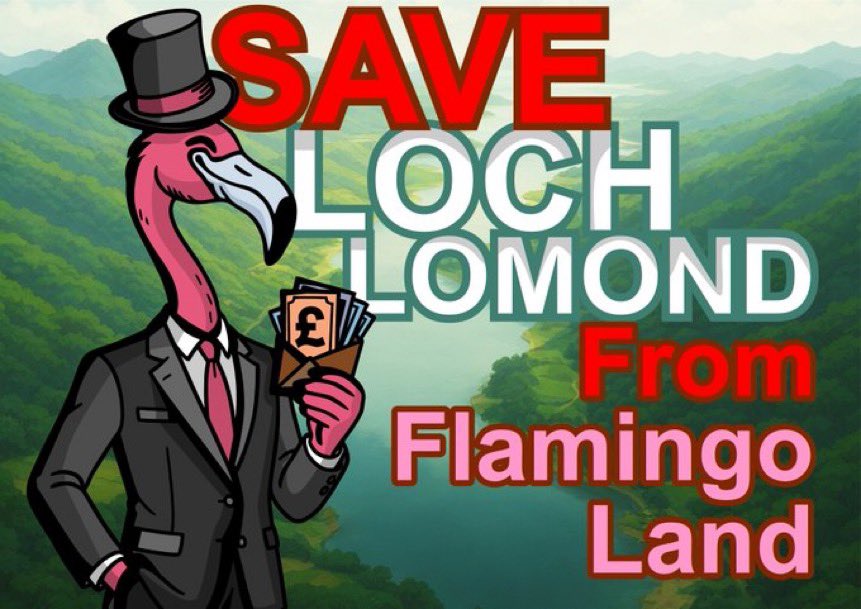
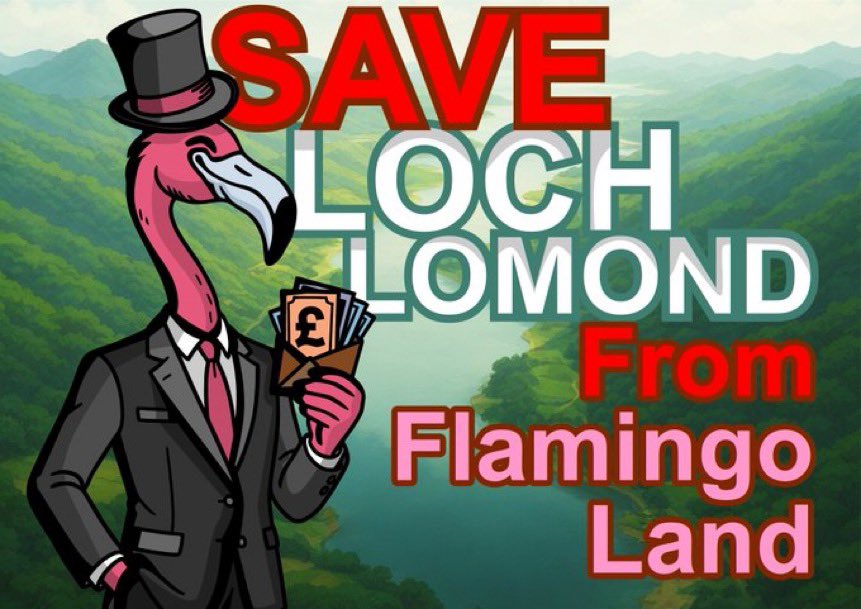
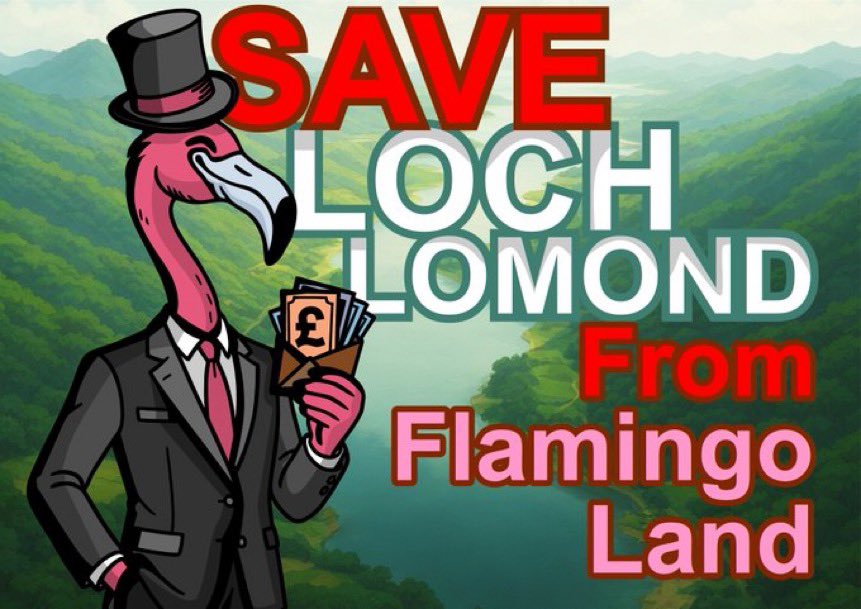


Pinned Tweet

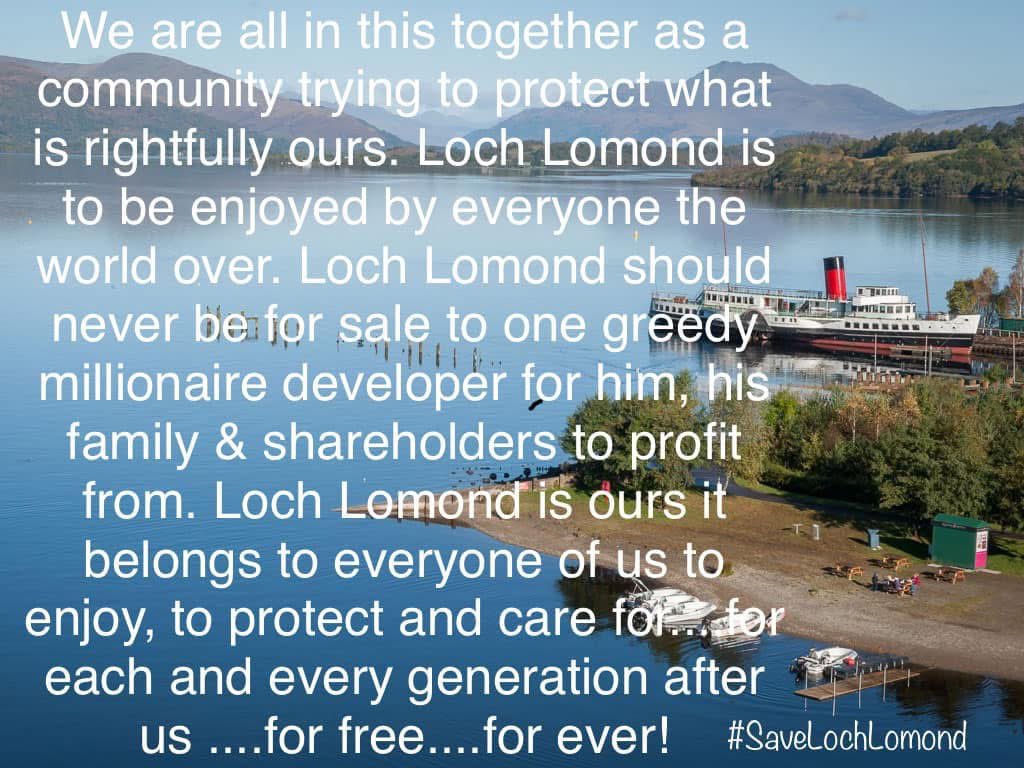
For those following our campaign please share and or donate to help bring justice to our board member fighting to #SaveLochLomond #NoFlamingoLand #LochLomond #FlaminGo #OurLandOurLoch
#Scotland #BonnieBanks #FreeSpeech

Please share folks … Sid Perrie dedicated local advocate and fighting to hold public authorities accountable for silencing his questions about the management of the Flamingo Land planning application. #SaveLochLomond #LochLomond #FlamingoLand gofund.me/6b8e6bb80
2
2
221
The Official SaveLochLomond/Stop Flamingo Land retweeted

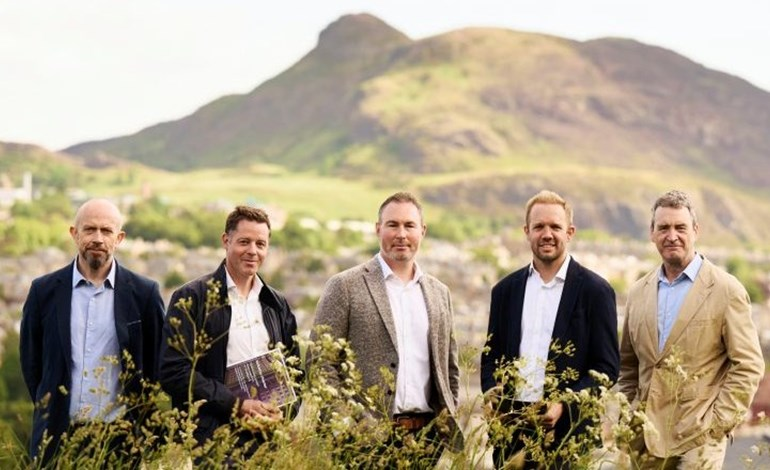
"...and the country’s natural advantages including a cool climate, abundant renewable energy and availability of land.”... the fact that *anyone* can buy that land stick a data center on it,take advantage of the renewable energy and ScotGov will watch the benefits head south.


Industry groups have launched a charter setting out five principles for the development of new data centres in Scotland.
renews.biz/112004/industry-u…
3
22
19
878
The Official SaveLochLomond/Stop Flamingo Land retweeted

May 25
AINT THAT THE TRUTH

7
212
326
3,041
The Official SaveLochLomond/Stop Flamingo Land retweeted

Apr 13
“Man who threw his girlfriend from the fourth floor of a tower block has been jailed for five years.”
Five years for throwing an 18-year-old woman from the fourth floor of a tower block - causing a collapsed lung and fractures to her pelvis, spine and ribs.
Joke of a sentence!

120
661
2,098
28,082
The Official SaveLochLomond/Stop Flamingo Land retweeted

4
4
94
The Official SaveLochLomond/Stop Flamingo Land retweeted

Jan 14
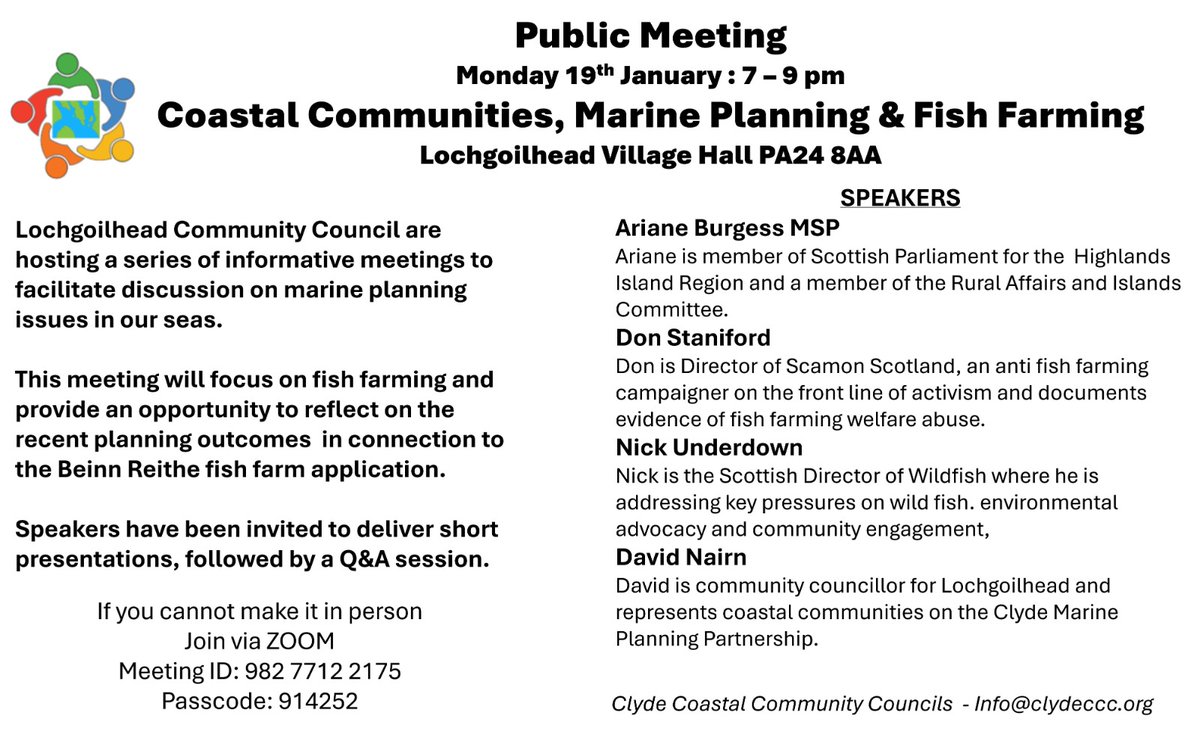
Lochgoilhead Community Council - Clyde Coastal Community Councils - Marine Planning & Fish Farming meeting. Monday 19 January 7-9pm at Lochgolihead Village Hall and via Zoom (meeting ID: 982 7712 2175 - Passcode: 914252).
1
100
The Official SaveLochLomond/Stop Flamingo Land retweeted

23 Nov 2025
This is a major post coming from India accurately describing Scotland being an English colony against the opinion of collaborators with the English colonial regime. Scotland's languages were suppressed by the English colonial regime with terrible crimes just like in every English colony. Yes Scotland is a colony of England. Scotland is a colony, illegally annexed by England. Liberation Scotland and Professor Robert Black, leading Scots law Professor who also dealt with the Lockerbie trials, have proved it already and are at the UN for decolonisation. A historic conference was organised on 18 September at the UN in Geneva during the 60th UN Human Rights Council. The UN independent expert former Greek foreign minister George Katrougalos concluded the event. Scotland's territorial alienation is real. Yes Scotland is an English colony. @LiberationScot @SSalyers2 @PAlanMcMahon @SymbolStones


23 Nov 2025

Natives of one of the last remaining colonies, @nfergus and @DalrympleWill , arguing about how a former colony, that became free 8 decades ago, benefitted from the language of the coloniser.
12
174
249
15,535
The Official SaveLochLomond/Stop Flamingo Land retweeted
24 Nov 2025
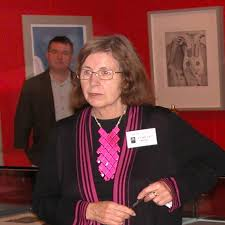
Elspeth King (1949 - 2025)
Elspeth King, who has died aged 76, changed the course of Scottish museum practice by insisting that everyday lives of working people deserved the same care and attention as fine art or art relics.
As curator of the People’s Palace museum in Glasgow from 1974 to 1990, she reshaped a fading municipal institution into a living record of the city’s social history, showing that museums could speak in the voices of the communities they served.
When King arrived at the People’s Palace, the museum’s purpose had drifted. Founded in 1898 as a museum for the citizens of Glasgow’s East End, it had by the 1970s become a place of dusty cases and dwindling visitors.
King brought new energy and a conviction that the city’s own people – its shipbuilders, factory workers, musicians and market traders – should be at the centre of its story.
Over 16 years, she curated 40 exhibitions, many developed directly with local groups. Scotland 'Sober and Free' (1979), marking the 150th anniversary of the temperance movement, drew record audiences; another, in collaboration with her colleague and partner Michael Donnelly, assistant curator at the museum and an expert in Scottish stained glass of the 19th and early 20th centuries, celebrated Glasgow’s stained-glass tradition.
The 1981 show advanced research into the city’s pivotal role in stained-glass manufacture and, through Donnelly’s lead, helped to rescue and preserve threatened works, as well as creating a significant permanent collection at the museum.
King’s most controversial early success involved the comedian Billy Connolly’s “banana boots”, designed by the pop artist Edmund Smith, and which she included in one of her first exhibitions. Visitors and critics protested that Connolly’s rough language and reputation had no place in a museum; King argued that the boots captured Glasgow’s irreverent spirit. They went on to become part of the Palace’s permanent collection, and one of its best known exhibits.
She made her cat, Smudge, the museum’s official “rodent catcher” in 1979, and a member of the GMB – a small act that summed up her blend of wit and social conscience.
King was also unafraid to take a political stance. In the late 70s she led opposition to a motorway project that threatened to demolish the People’s Palace. To strengthen the museum’s case, she enlisted the then little known artist Alasdair Gray to document the life of the city. His resulting 'Continuous Glasgow Show' (1978), a sequence of more than 30 illustrative paintings, gave the museum fresh life and arguably saved it from closure. The friendship between King and Gray endured until his death in 2019.
The People’s Palace won European Museum of the Year in 1981 and British Museum of the Year in 1983. Though her outspoken defence of community-based culture often brought her into conflict with Glasgow city council she never lost the respect of her peers.
In 1990 she left the museum, having been passed over for promotion as keeper of Glasgow’s social history, a position that would have run across several museums, including the People’s Palace.
She became director of the Dunfermline Heritage Trust, where she oversaw the restoration of Abbot House, transforming it into a heritage centre rooted in local history.
Born in Lochore, Fife, into a working-class community, King developed an early appreciation for uncovering overlooked histories. The daughter of a miner, William King, and his wife, Christina (nee Cowie), she attended Beath high school in Cowdenbeath before studying medieval history at the University of St Andrews, gaining a post-graduate degree in museum studies at Leicester University.
In 2005, she was awarded an honorary doctorate from the University of Stirling in recognition of her contributions to Scottish museums and the promotion of Scottish history and culture.
3
17
46
814
The Official SaveLochLomond/Stop Flamingo Land retweeted

23 Nov 2025
Navy’s legal threats in bid to keep nuclear pollution secret exposed thenational.scot/news/256429…
3
71
The Official SaveLochLomond/Stop Flamingo Land retweeted

23 Nov 2025
Stunning! 🤩
8
183
1,466
50,064
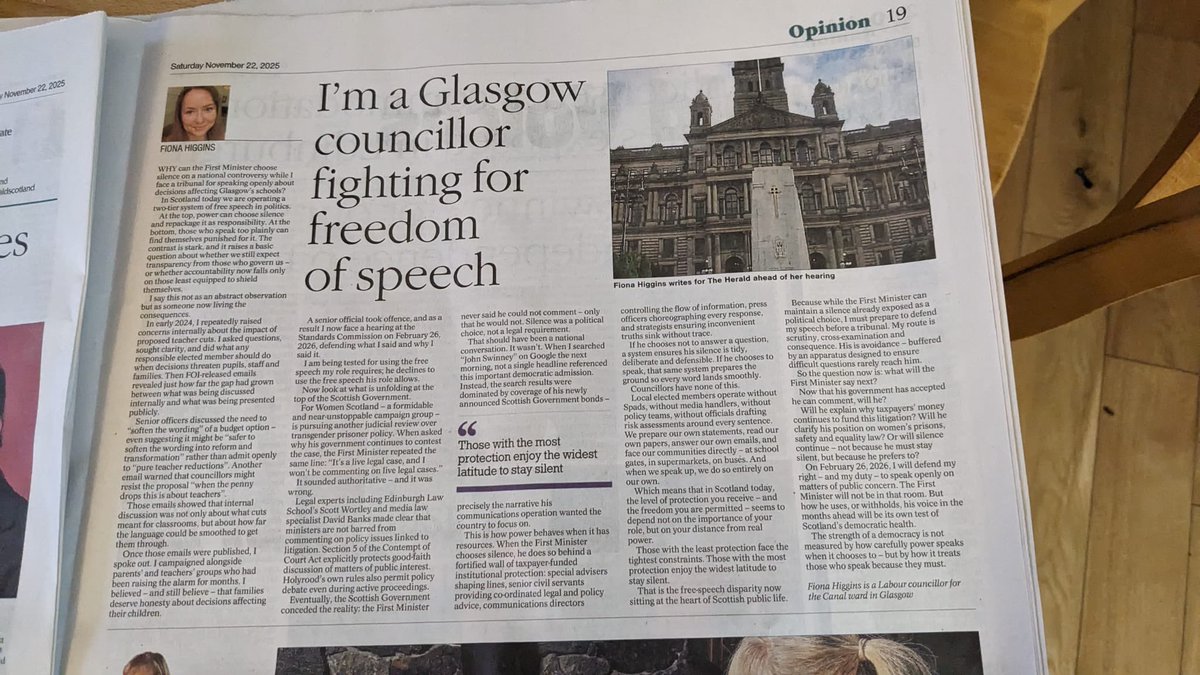
Today’s article in the @heraldscotland Glsgw Labour Cllr Fiona Higgins draws many parallels with Sid Perrie’s ongoing battle with @lomondtrossachs and the standards commission… a further, shocking representation of the assault on free speech and democracy in Scotland.
1
1
116
One man and his dog fight to Save Loch Lomond
parkswatchscotland.co.uk/202…
1
1
1
110
Sid Perrie fights on to bring truth and transparency to the board @lomondtrossachs
parkswatchscotland.co.uk/202…
1
1
115
One man and his dog to Save Loch Lomond! Please read the blog from Parkswatch on the attempts by Loch Lomond & The Trossachs National Park Authority to silence the concerns of the locally elected Balloch board member Sid Perrie.
Available here -
parkswatchscotland.co.uk/blo…
1
1
1
261
One man and his dog… to Save Loch Lomond! #SaveLochLomond #NoFlamingoLand #OurLandOurLoch #LochLomond
1
1
75
The Official SaveLochLomond/Stop Flamingo Land retweeted

21 Nov 2025
Outrage as Uefa orders Scotland fans to delete celebration videos off social media
thenational.scot/sport/25640…
5
7
20
7,249
The Official SaveLochLomond/Stop Flamingo Land retweeted
14 Nov 2025
SHETLAND
News item about disquiet over disrespectful TV show surpasses 16,000 views
10 Nov 2025

SHETLAND
Wool knitters mightily unhappy
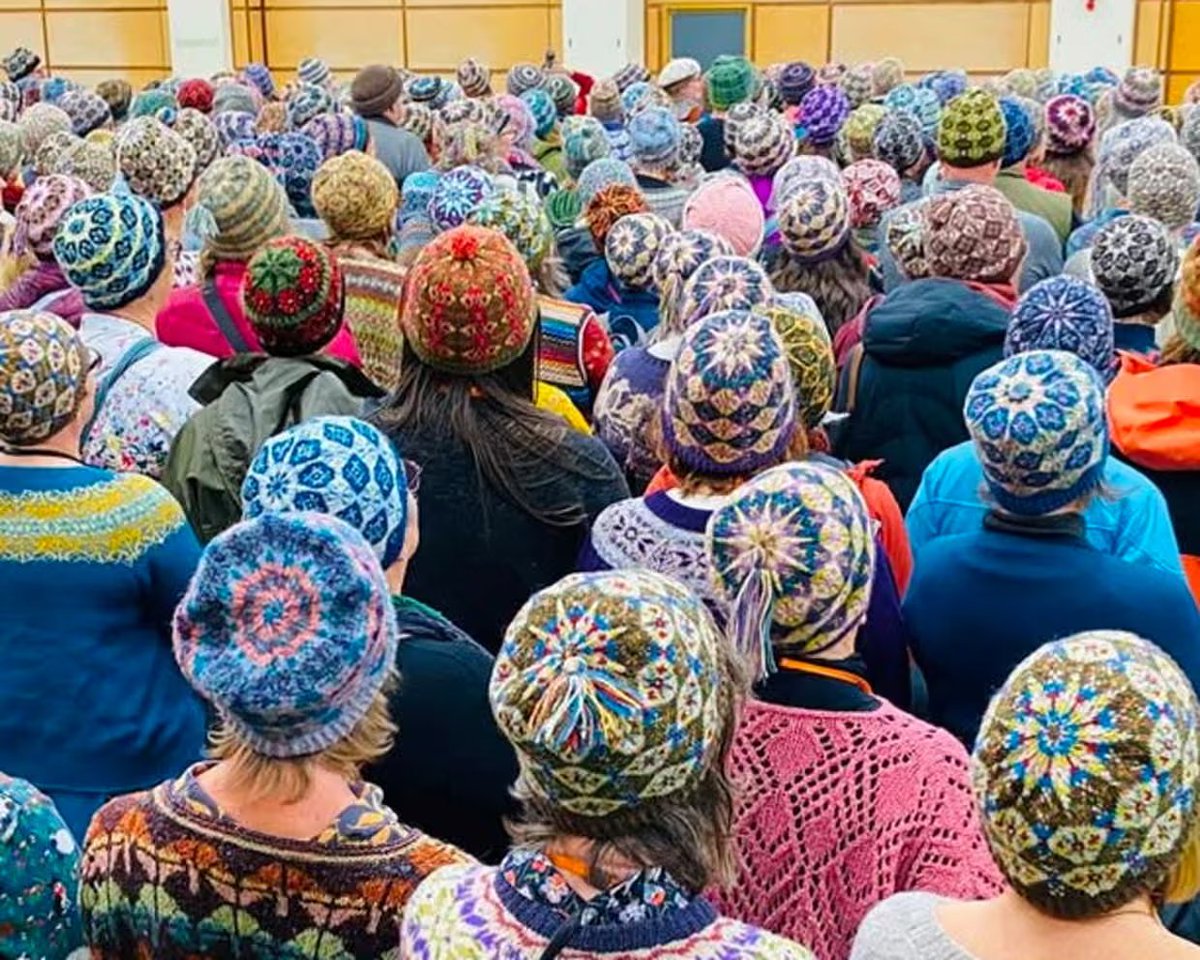
The group chat for Shetland knitters was popping off, says one member, as they settled down to watch the first episode of Game of Wool: Britain’s Best Knitter. But their enthusiasm for the Channel 4 elimination show hosted by the former Olympian and crafts enthusiast Tom Daley quickly unravelled.
It became clear to the seasoned knitters that the Sunday primetime programme, which focused on Shetland’s Fair Isle technique, was littered with errors, prompting bitter disappointment, claims of cultural appropriation and demands for a correction from the broadcaster.
Practitioners contacted were frustrated that a series intended to showcase knitting to a wider audience should get so many things wrong about the historic technique.
The style is named after Fair Isle, southernmost of the Shetland Islands. It comprises a distinct set of motifs with two colours in every row and was popularised by Edward VIII.
Shetland’s Organisation for Knitters (SOK), founded earlier this year to “preserve and protect our knitting heritage”, pointed out some of the most egregious errors in a social media post.
It cited the use of chunky yarn and 10mm needles instead of the traditional 2.5 or 3mm width; referring to smaller designs as “peerie patterns”, a term not used by Shetlanders; as well as the “just unrealistic” challenge to knit a Fair Isle tank top in 12 hours.
Shetland knitters were especially perplexed at Daley’s horror when a contestant, Gordon Cree, was the first to leave the programme after failing to beat the deadline.
Elizabeth Johnston, a trustee of SOK who began her Fair Isle apprenticeship before she started school, said the anger should be understood as a response to what for many is the final straw – or perhaps pin – after decades of fudging of terms and techniques.
“The problem is that a lot of businesses, designers, pattern publishers use the term Fair Isle and its techniques incorrectly,” she added. “The term is used for any kind of stranded knitted of which there are many, but Fair Isle is a distinct set of patterns and unique knitting skills that have been passed down generations.
“Everyone did it back in time, both to wear themselves and to sell, but the culture has changed and we need to educate the generations below us to keep the knowledge going. We want to educate the rest of the world from Shetland.”
Helen Barwick, who runs Shetland Stitch Club, a mobile sewing school, said knitting was a feminist issue: “You have to remember that this is a huge industry up here, and traditionally a way for Shetland women to earn a decent income, that has been killed off by fast fashion which labels designs as Fair Isle when they don’t stick to the tradition of even using Shetland wool.”
In an open letter to Channel 4, she said the Fair Isle tradition was rooted in the people and the textiles of the islands.
“It is done with Shetland wool, from native Shetland sheep – a fibre so brilliant that it gave rise to this long tradition. The natural variation in colour of the fleece lends itself brilliantly to colour work, and its natural crimp means the fibres cling and felt together, creating a patterned fabric every bit as dense and strong and something made in one yarn.”
Barwick, who moved to Shetland last year after falling for the Fair Isle technique at a class in London, is keen to emphasise that the furore should not be misconstrued as knitters being precious about their craft.
“It’s such a welcoming community and Shetland wool week is a joyful sharing of skills and knowledge,” she said. “But it makes me sad that it’s so difficult to make a living out of knitting nowadays. The reasons that Fair Isle is still thriving is through the unpaid labour of these passionate practitioners.”
Photo: Helen Barwick
1
3
510
The Official SaveLochLomond/Stop Flamingo Land retweeted

13 Nov 2025
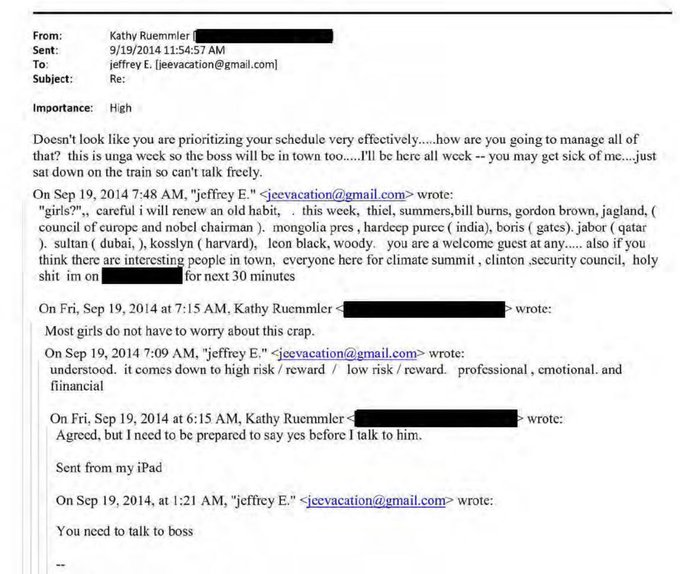
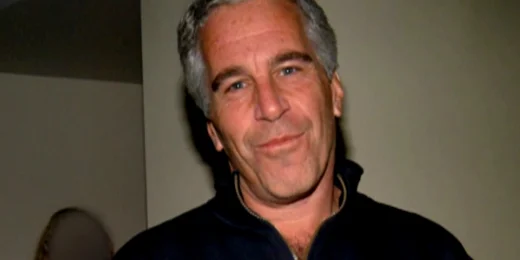
In 2014 when Gordon Brown was betraying Scotland he met with Epstein after he had been convicted of being a paedophile: x.com/UnityNewsNet/status/19… Now why would he do that?
13 Nov 2025

Just in🚨🚨🚨
Leaked emails from Jeffrey Epstein say he met GORDON BROWN in 2014 after he was a convicted paedophile.
This is why the MSM has been focusing on Andrew.
Why is there ZERO coverage of this?

19
281
396
15,162