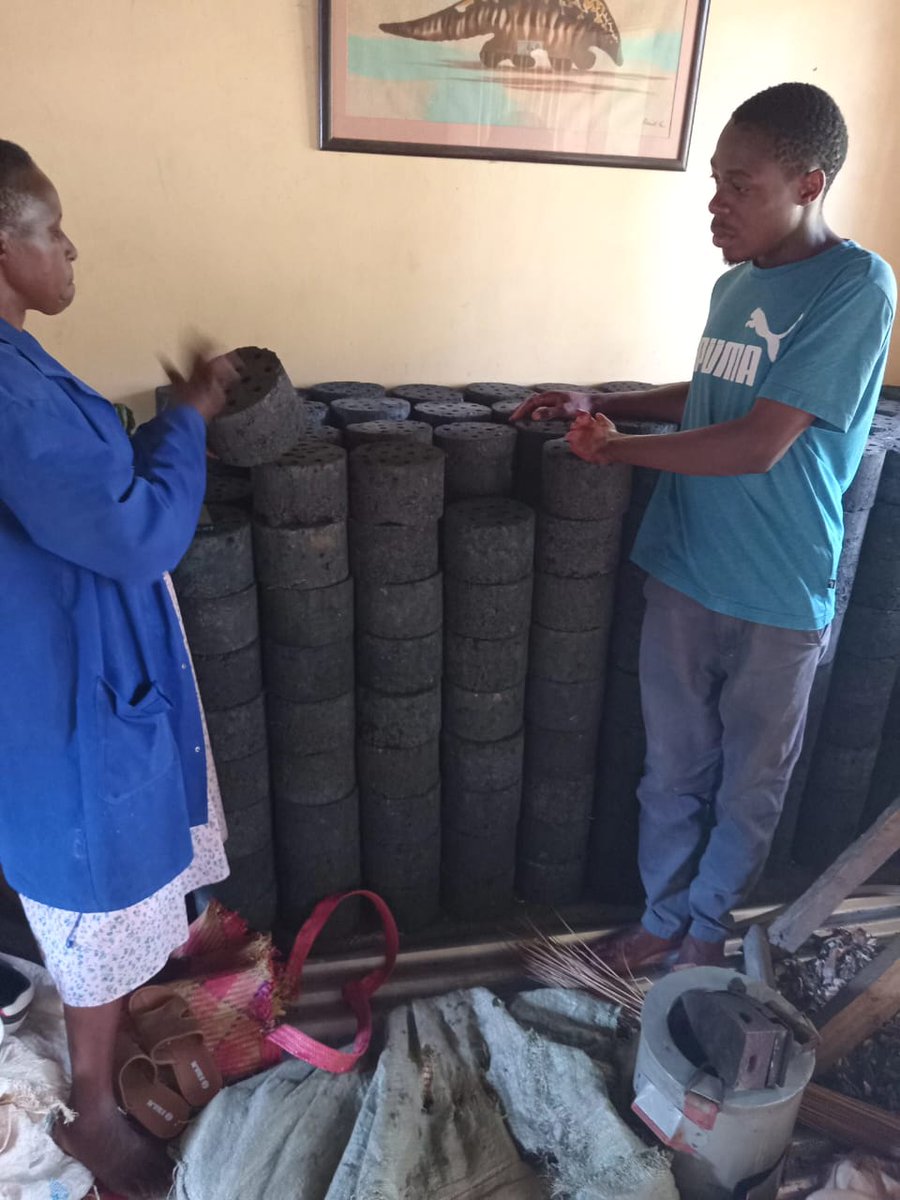
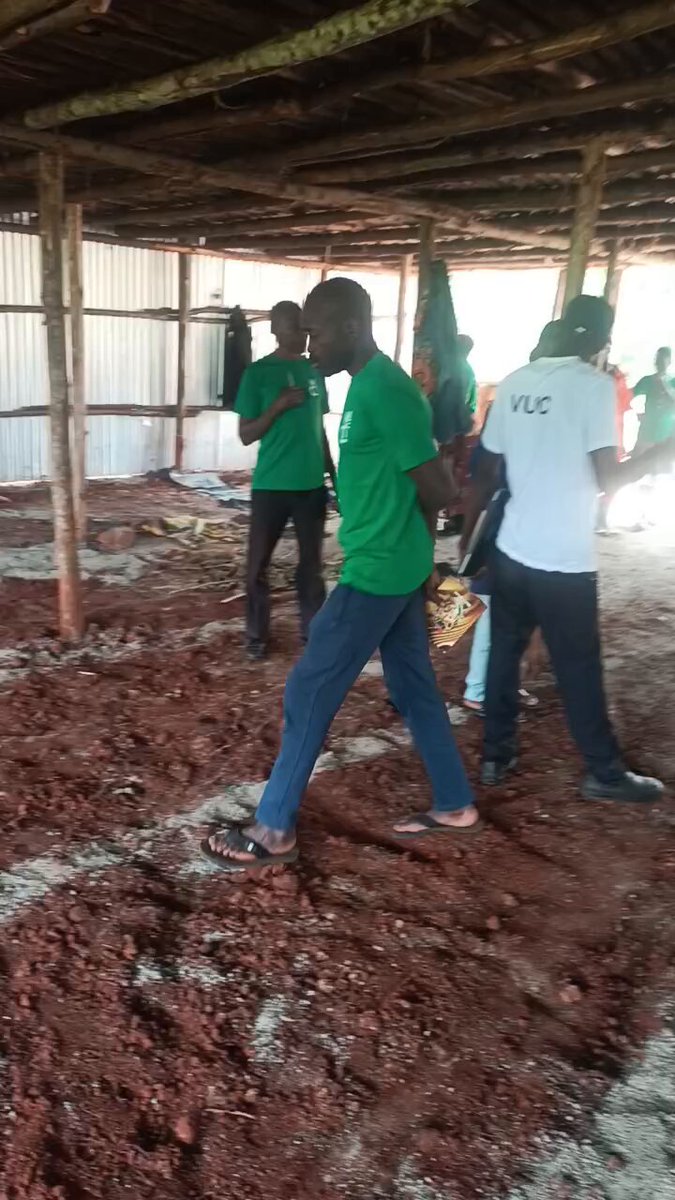

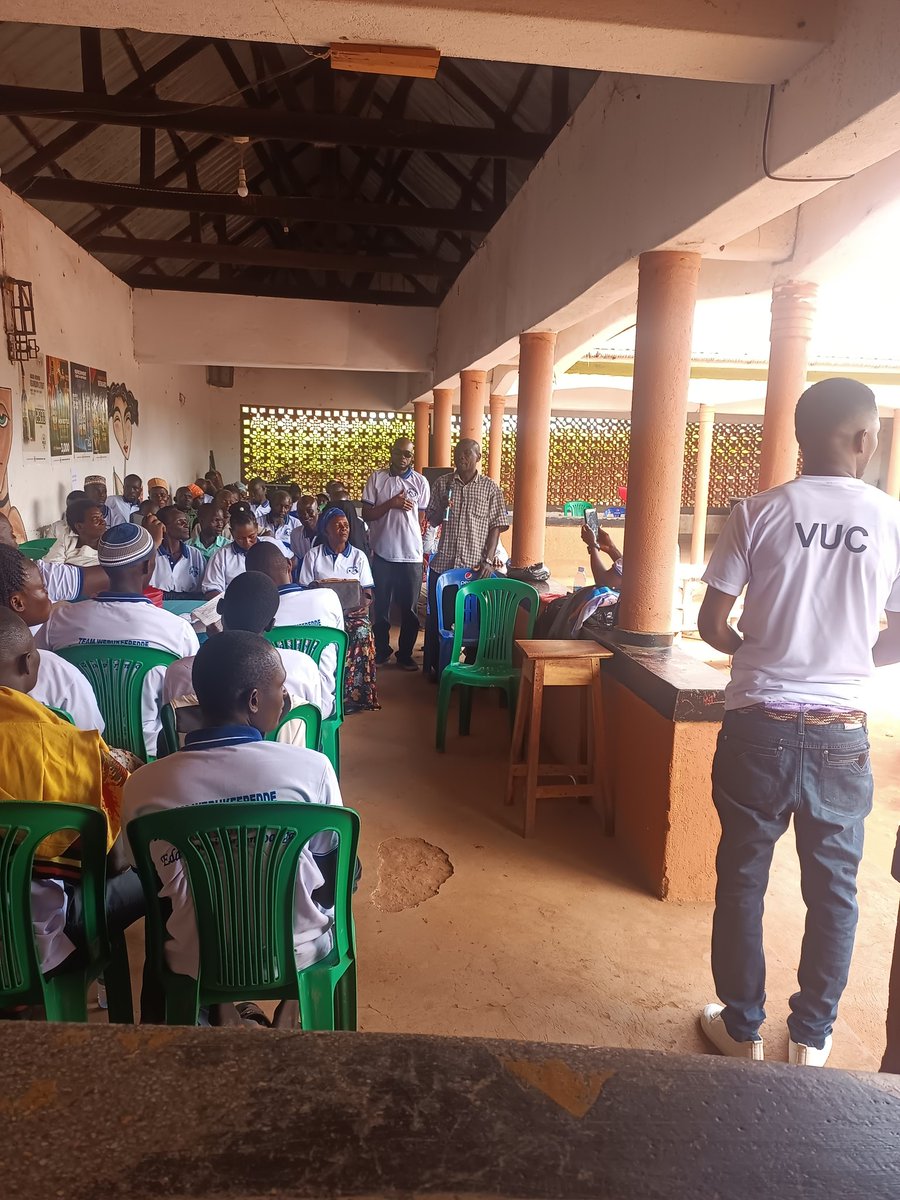
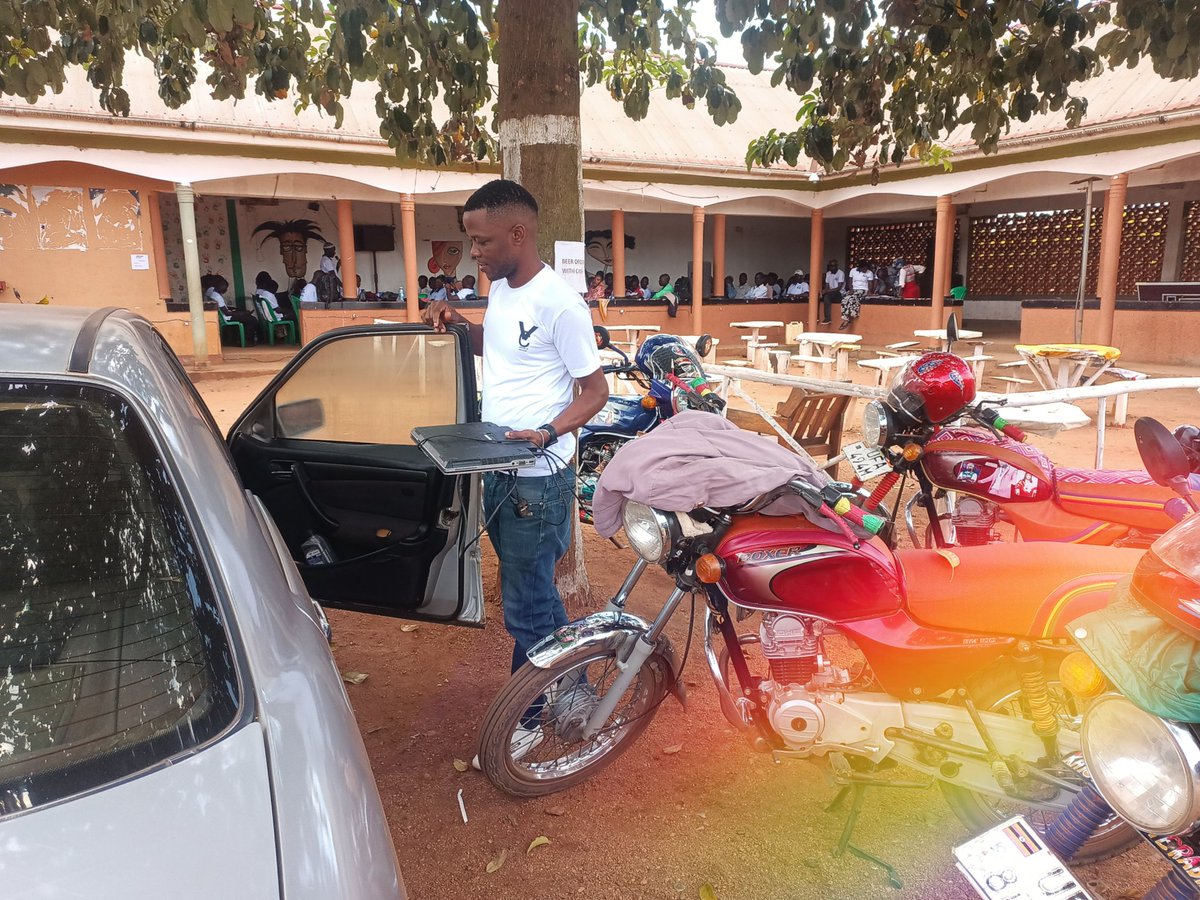
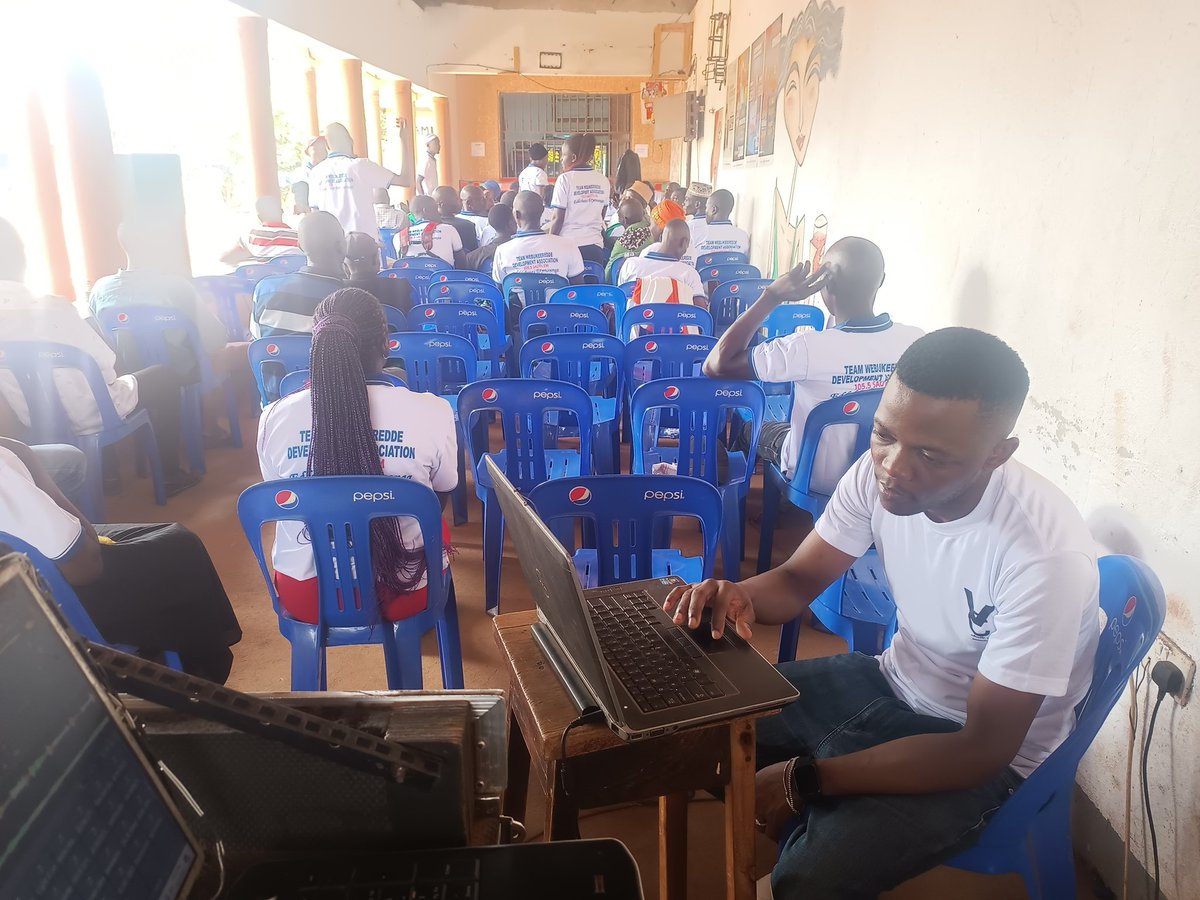
As we continue to grow our community engagement to day we hosted one of communities in Uganda #jebwakerede_community
For the climate & nature studies we keep on thanking all our communities for the time and contributions to the mission
Together we @Giveth
@martin_kamya123
2
7
17
871
Turning Vulnerability into Energy 7 Months of Ground Truth from Mpatta Village, Mukono District
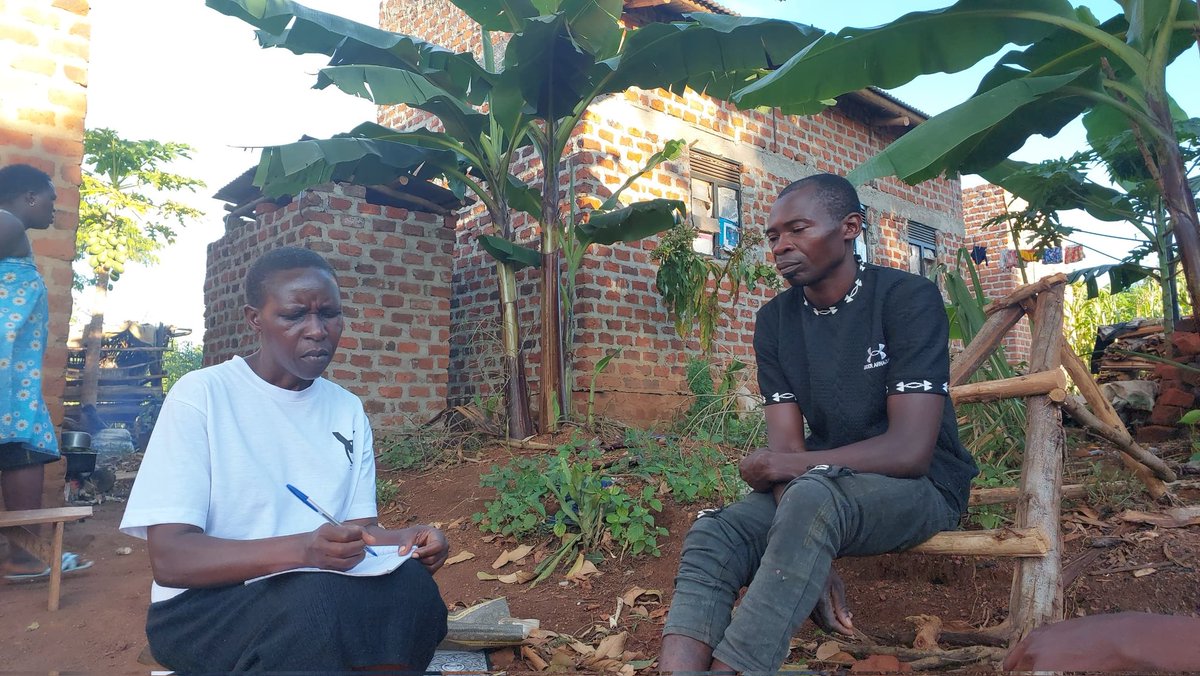
At Voice for a United Community (VUC), we believe you cannot speak credibly about vulnerability until you have sat with it on the ground. For the last seven months, our team has been conducting continuous ground surveys with refugee and host communities along the shores of Lake Victoria in Mpatta Village, Mukono District, through our *SRIUP* – Sustainable Refugee Integration & Uplift Program – and *MECI* – Medical, Education & Community Infrastructure Initiative.
This work has taught us one thing clearly: *Until you reach the ground, you cannot testify.*
1. Why VUC Treats Vulnerability as Energy
Vulnerability is often framed as a weakness or a label. At VUC, we see it differently. Vulnerability is energy in motion – the result of a gap between human potential and the systems that should support it.
When we sit with a young mother who walks long distances for water, a single mother with no stable income, an elder living with AIDS, or a refugee family with land but no inputs to cultivate it, we see capacity that is disconnected from opportunity. That gap creates hardship, but it also holds the potential for transformation.
Our role is not to label people as “vulnerable.” It is to work with them to close the gap and redirect that energy toward self-reliance and service to others.
Seven Months of Ground Survey: The Same Stories, Different Locations*
Our surveys have engaged young mothers, financially disabled persons, single mothers, elderly people, people living with AIDS, refugees, and orphans across multiple communities. The faces and locations change, but the core challenges remain consistent:
Basic Needs Gap – Limited access to clean water, nutritious food, and essential household items.
Medical Gaps – Preventable illnesses, maternal health risks, and lack of consistent healthcare access.
Land for Food Production* – Families with access to land but no seeds, tools, or training to cultivate it.
4. Education Barriers– Children unable to attend or remain in school due to fees, materials, distance, and household instability.
5. Shelter Instability – Temporary and unsafe housing that exposes families to weather and insecurity.
These recurring problems tell us the issue is systemic, not individual. Solving it requires more than short-term aid. It requires building systems that hold.
The System VUC is Focusing On: Vulnerability Reduction Through Integrated Community Development
Based on what communities told us, VUC is now centering our work on four interconnected systems that reduce vulnerability by converting it into productive energy:
Turning Climate and Nature into Solutions
We are working with communities to restore and use their natural environment as a foundation for stability.
-Regenerative Agriculture and Agroforestry Improving soil health and food production while protecting land for future generations.
Water and Soil Management Introducing rainwater harvesting and soil conservation practices to stabilize food systems.
Environmental Stewardship Training communities to manage and benefit from their local ecosystems sustainably.
When nature is restored, it becomes a source of food, income, and resilience.Economic Development at the Community Level
We are building local economies that keep value within the community.
-Skills and ValueAddition Training Teaching practical skills in agriculture, crafts, & small-scale processing.
Market Linkage Connecting community products and services to broader markets.
-Savings and Income-Generating Groups*: Supporting groups to build internal capital and reduce dependency on external aid.
Economic development means creating cash flow that stays local and circulates among families. Community Engagement and Ownership
No intervention lasts without community ownership.
Community Planning Sessions Ensuring priorities are set by the people affected
10
11
14
239
VUC Community Impact Update Stronger Together ,We’re encouraged by the momentum in our community engagement. Collaboration across communities is exceeding expectations, and our climate & nature initiatives are resonating with more people who were previously unaware. Key Engagement Metrics:
70% Active Participation Rate*: 7 out of 10 partner communities are consistently engaging in programs, driving forward shared goals and sustaining our collective progress.
Cross-Community Collaboration: A growing number of communities are now initiating joint projects, moving beyond local action to regional impact. Current trend shows 2 in 3 active communities have partnered with at least one other community this quarter.Climate & Nature Awareness Growth: Baseline awareness surveys indicate a 40% increase in understanding of climate resilience and nature-based solutions among previously unreached households.
-Goal Completion Support 85% of communities that entered collaborative partnerships report faster progress toward their set objectives compared to working alone.What This Means for Us*
Sustainability*: With 70% active engagement, our model is proving scalable and community-owned.
Impact Multiplier*: Collaboration is accelerating results — communities achieve more, together.
Expanding Reach*: Climate and nature stewardship is shifting from awareness to action, creating long-term environmental and economic value. To every community member, partner, and leader involved: thank you. Your eagerness to collaborate is turning shared vision into measurable outcomes.
Shout-out to the :
@nanopay_
@martin_kamya123
@RelayFunder
@mbarrbosa
For keeping us moving
Let’s keep building.
#VUC #CommunityLed #ClimateAction #PartnershipsForImpact #Uganda*
7
9
10
158
Restoring Dignity and Self-Reliance for Refugee Communities on the Shores of Lake Victoria | Mpatta Village, Mukono District*
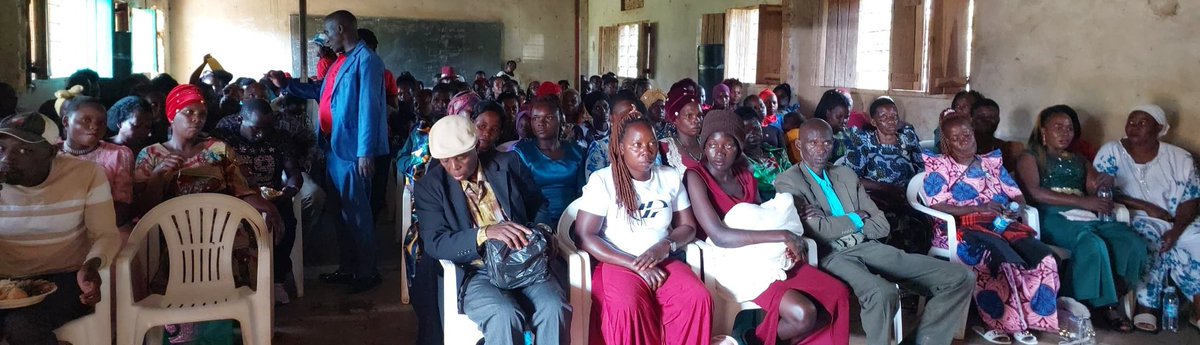
For the past year, Voice for a United Community (VUC) has been working directly with refugee households settled along the shores of Lake Victoria in Mpatta Village, Mukono District, through our integrated programs SRIUP – Sustainable Refugee Integration & Uplift Program – and MECI – Medical, Education & Community Infrastructure Initiative.
Our Starting Point: Listening First
When we arrived in Mpatta, the challenges were urgent and layered. Through community-led assessments, we identified five critical barriers preventing families from rebuilding their lives:
1 Basic Needs Insecurity– Limited access to clean water, nutrition, and household essentials.
2. Medical Gaps – No consistent healthcare access, with high prevalence of preventable illnesses and maternal health risks.
3. Land for Food Sovereignty – Families displaced without plots to cultivate food, creating dependency on aid.
4. Education Barriers– Children unable to attend school due to fees, distance, uniforms, and trauma.
5. Shelter Instability* – Temporary structures vulnerable to weather and insecurity, undermining family safety.
Our Approach: From Survival to Serving Mode
Our goal was never to create permanent dependency. It was to walk with families until they could stand in control of their own lives and once again feel at home. We call this shifting from _survival mode_ to _serving mode_ — where a community can provide for itself and begin to serve others.
*What We’ve Built Together in 12 Months:*
1 Food & Land Access
Negotiated access to 30 acres of arable land for communal and household gardens.
Trained 170 refugeesin climate-smart agriculture, permaculture, and post-harvest handling.
Established seed banks and community tool-shares, reducing food insecurity by an estimated 60% for participating households.
2. Health & Medical Support*
- Partnered with local clinics to deliver monthly medical outreaches in Mpatta, reaching 500 patients* with treatment, maternal care, and health education.
- Trained 12 Community Health Volunteers from within the refugee settlement to ensure continuity of care.
- Distributed mosquito nets, water filters, and hygiene kits to every household in the program.
3. Education Pathways*
- Enrolled *85 children* back into school through fee support, uniform provision, and scholastic materials.
- Launched after-school learning circles for literacy, numeracy, and trauma-informed psychosocial support.
- Began vocational tracks for youth in tailoring, leatherwork, and agro-processing — linking to VUC’s larger value-addition programs.
4. Shelter & Infrastructure
Upgraded *40 family shelters with durable, weather-resistant materials and secure locks.
Constructed 3 communal kitchens and 2 water harvesting systems to improve safety and hygiene.
Mapped safe spaces for women and children as part of our protection framework.
Where We Are Now: Setup Is in Control
After one year, the foundational systems are now _community-managed_. Savings groups are active. Garden harvests are feeding families. Children are in classrooms. Health volunteers are leading outreaches. The community is no longer waiting for aid — they are coordinating it.
This is what we mean by _setup is in control_. The scaffolding is built, and the community is holding it.
Looking Forward: Releasing the Complete Movement
We are now preparing to release the _complete movement_ phase of SRIUP MECI in Mpatta. This means:
Models Working with district leadership to secure long-term, legal access to farming land for refugee households.
2 Scaling Livelihood Enterprises – Integrating Mpatta’s leatherwork, crafts, and agriculture into VUC’s regional market network and upcoming Agroforestry.
10
11
12
135
VUC retweeted
When i get tired 😫 most times i just need to move on, in Africa it's where you have to be careful, than wasting much time, I'm moving my mission is making these crying people @Save_Vuc lift them selves ✅😭
7
8
74
VUC retweeted

Apr 30
We are in the final days to support. ⏳
10 women-led campaigns via @refunite in Kenyan refugee camps. 🌍
Backed by a $3,000 match pool
More donors = more funding unlocked.
Even $5 makes a difference.
Closes May 1 → app.relayfunder.com/rounds/c…
4
6
172
VUC retweeted

Apr 28
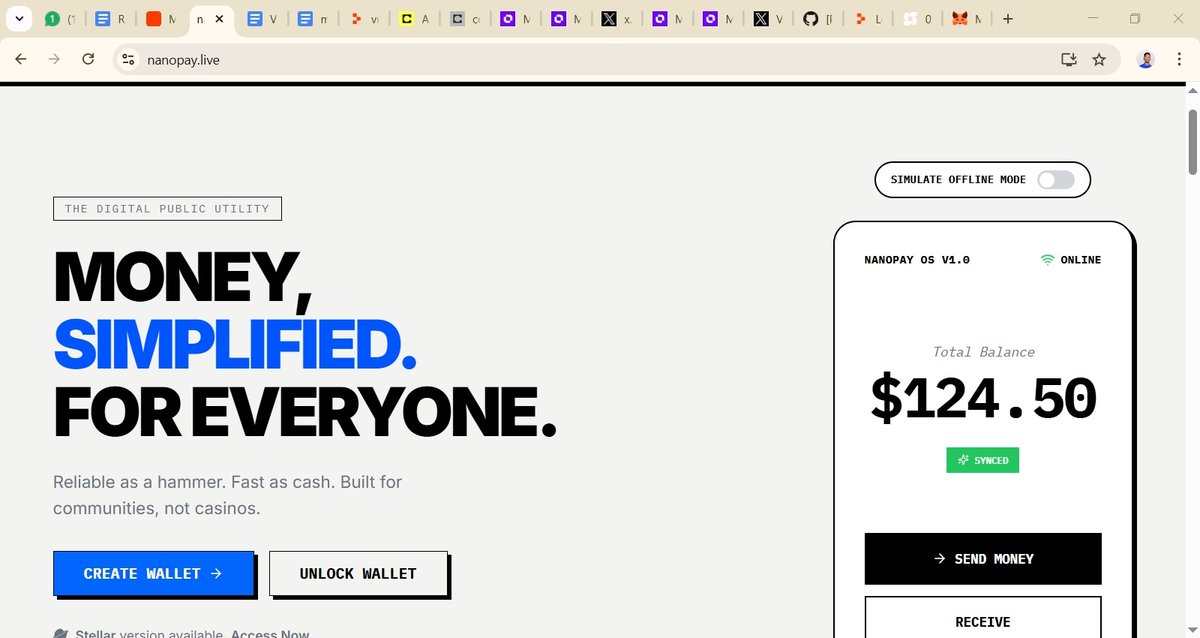
@nanopay_
Hitting 44,087-Users
48,634-Transactions
1,017,831-XP Spent
When people are more interested into looking for it, before Nanopay do so, this so much interesting to and to those who benefit from it @Save_Vuc
Cc
@mbarrbosa
cc
@agroforestDAO cc
6
10
13
814
Partner Spotlight_ HTMO Solutions Uganda
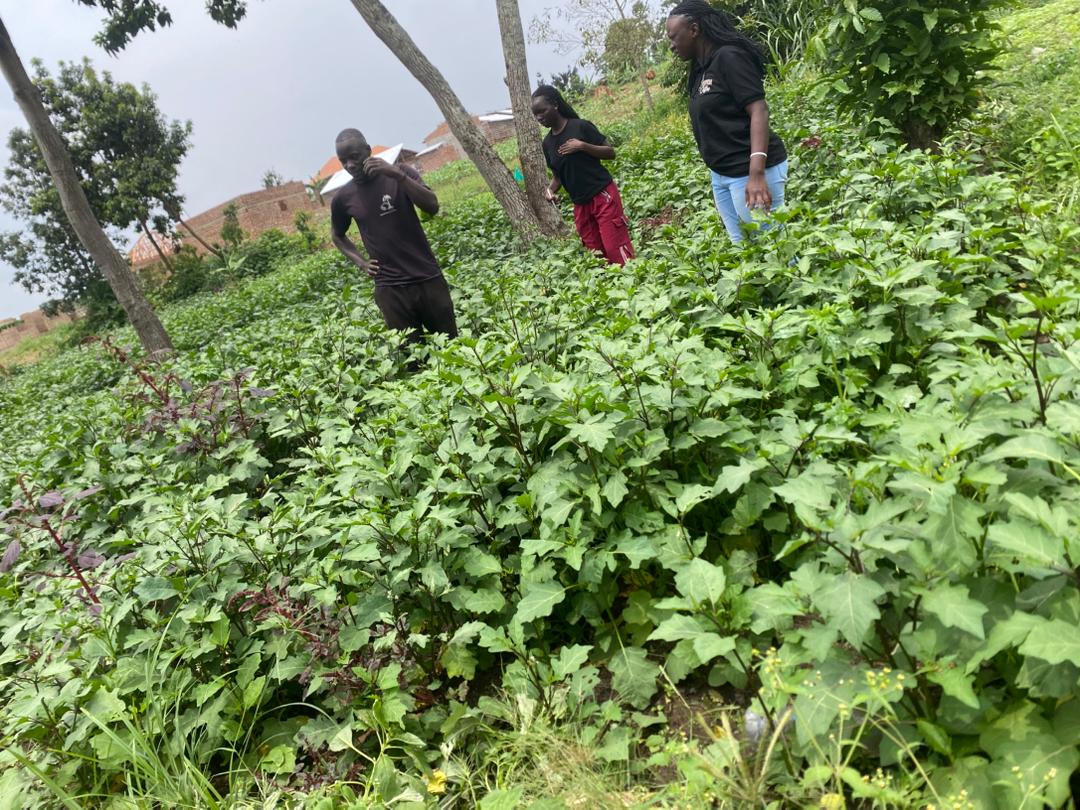
We are proud to highlight @HTMO_solutions as one of our most impactful community projects in Uganda. With a strong reputation for execution and integrity, HTMO Solutions continues to set the standard for sustainable, community-led development.
Key Impact Areas:
1. Large-scale vegetable production* – over 30 acres under cultivation, led by 262 committed members in the KU Community.
2. *Fish farming* – active operations at our integrated farm, strengthening food security and local livelihoods.
Having worked hand-in-hand for nearly five years, we’ve seen firsthand the consistency, discipline, and community impact HTMO Solutions delivers.
Recommendation
We strongly recommend @nanopay_ and @agroforestDAO to consider expanding funding opportunities for HTMO Solutions. Their track record, scale, and community engagement make them an ideal partner for deepening agricultural and climate resilience in Uganda.
Congratulations to the entire HTMO Solutions team and KU Community for the work you’re doing. We look forward to supporting your next phase of growth.
#VUCProject #HTMO_Solutions #Uganda #FoodSecurity #ClimateResilience #Agroforestry #ImpactInvesting #Nanopay #CommunityLed #SustainableAgriculture
6
8
11
301
VUC Ground Online Update: 102 Communities Moving Together
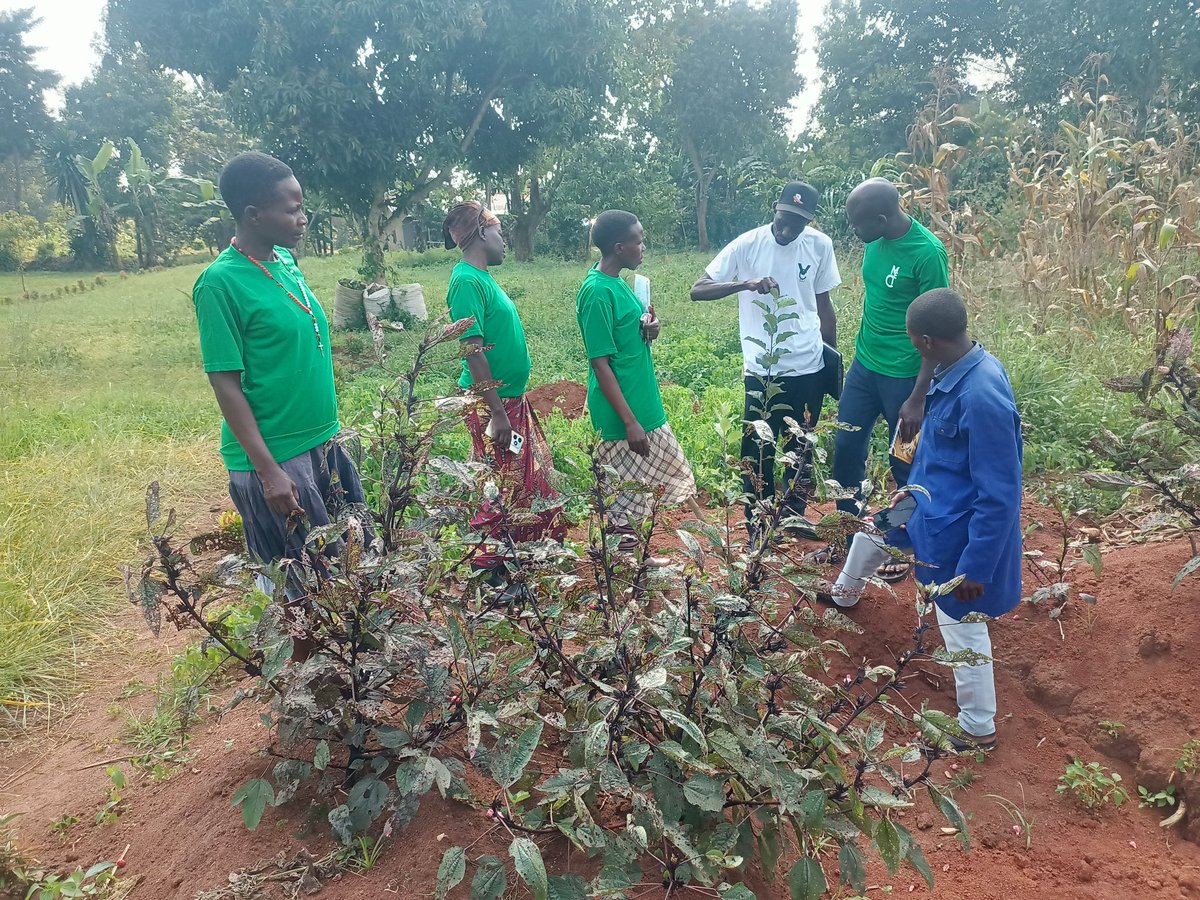
The balance between online coordination and ground action is working. 102 committed communities across Uganda are in motion with us.
*Shoutouts to key ground forces
Mukono’s MECI and @YOTUUGANDA you’ve been incredible. Empatta, Mukono District* is leading the charge with some of the most active ground movements we’ve seen.
*Funding flow unlocked:*
Grateful to @nanopay_ for welcoming us and powering our funding movements. Your support keeps the field work rolling.
What’s next: Ground Phase 2 starts now
1. Farming expansion
2. Tree Donations Phase 2
3. Community Savings Check-up
Impact right now:
- 65 communities are actively saving and fully in control of their funds
- 83 communities participating in agriculture climate resistance
- 19 communities in organic production
We’re not stopping here. Next mission: build a transparent system that tracks, verifies, and grows this impact for every community and partner.
Who’s excited for Phase 2? We are.
#VUCProject #Uganda #ClimateResistance #Reforestation #CommunityLed #Web3ForGood #FinancialInclusion #Nanopay #MECI #YOTU #Empatta #Phase2
@martin_kamya123
2
5
8
248
Growing Climate Resilience, One Community at a Time
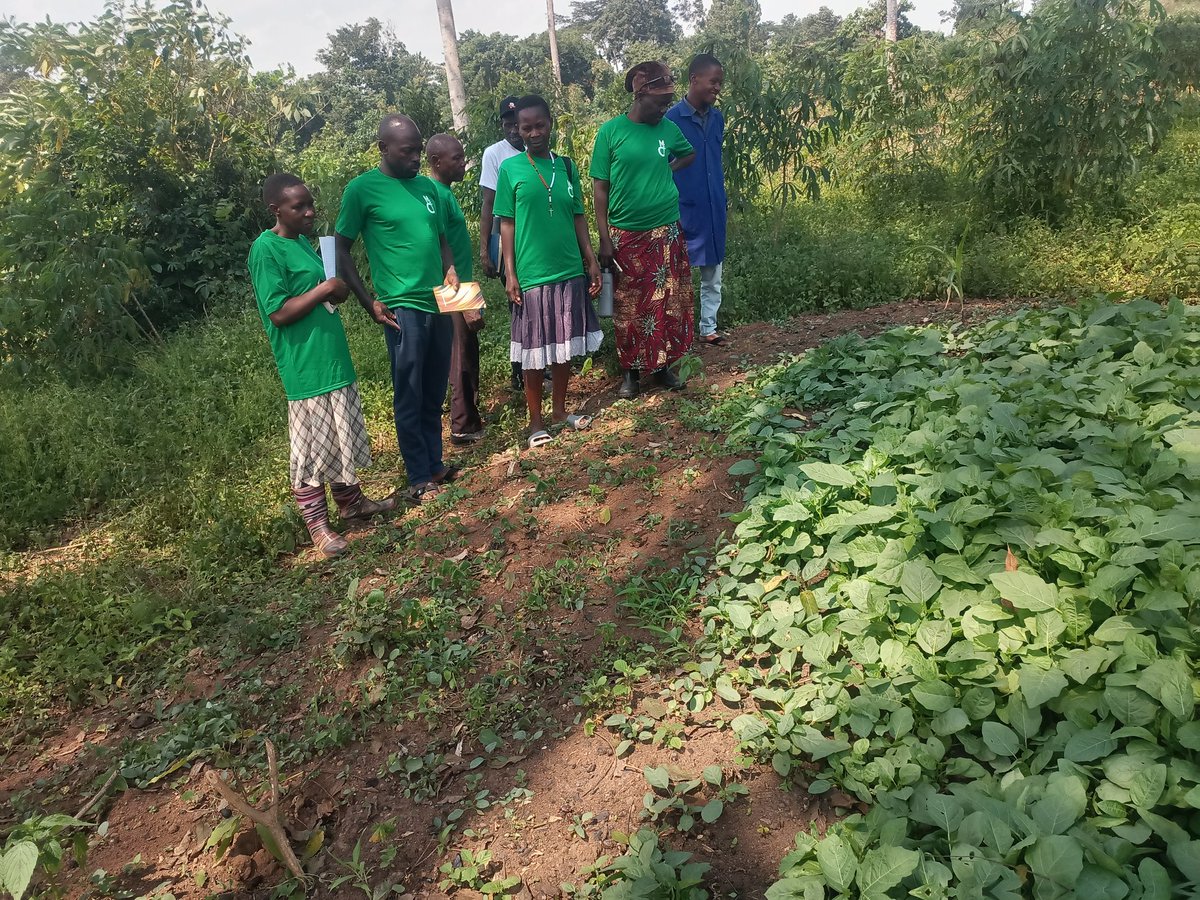
Since January last year, we’ve donated and planted 800,000 trees across 16 rural communities.
Through this initiative, communities are not only restoring local ecosystems — they’re gaining firsthand knowledge of how to protect and sustain climate and nature for the long term. The benefits are real, and the communities themselves are now testifying to the impact of their participation.
We believe this deeply: climate and nature come first. Without a healthy climate and thriving natural systems, there is no foundation for life, livelihoods, or future growth.
We’re excited to see this impact scale. With 16 communities reached so far, our next milestone is 32 communities by September 2026
Thank you to every community member, partner, and supporter making this possible. The work continues, and the momentum is building.
#ClimateAction #Reforestation #CommunityImpact #Sustainability #NatureBasedSolutions #VUCProject
Shorter WhatsApp / Community version:
VUC Climate Update
800,000 trees donated planted since Jan last year.
16 communities reached. Lives ecosystems changing.
Because without good climate and nature, there is no life.
Our rural communities are now leading the way — protecting nature and seeing the benefits firsthand.
Next target: 32 communities by Sept 2026.
We’re just getting started. 🌱
#ClimateResistance #VUCImpact
---
2
4
6
42
VUC-CALL MEETING UPDATE*
_Hosted by VUC Project | Communities as Guests_
Overview
This week’s VUC-Call convened project leads and representatives from our 102 communities to align on key focus areas, share progress, and discuss strategies for sustainable growth and impact.
Key Discussion Points
1. Strategic Focus Areas
The call highlighted three core directions guiding our work:
-Education-Building capacity and knowledge-sharing across communities.
Economic Development Strengthening livelihoods through enterprise and market access.
Medicine & Health, Promoting community wellness through accessible health solutions.
2. Agriculture & Climate Resilience
Farming remains the primary driver of community benefit. Discussions covered current successes and challenges, with climate resistance and nature-based solutions affirmed as central to how we govern and support these communities. Organic products were identified as a growing priority area.
3 Web3 Integration & Transparency
The VUC team presented Web3 as a strategic pathway to enhance project funding, improve transparency, and build trust. We will continue learning from international organizations to adopt best practices in blockchain-based accountability and community engagement.
4. Community Feedback: @nanopay_
Communities provided direct feedback on their experience with @nanopay_ noting its role in facilitating transactions and supporting local economic activity. Insights shared will inform future integration and support.
Outcomes & Next Steps
Maintain focus on education, economic development, and medicine as pillars for community growth.
Advance organic product initiatives linked to climate resilience and sustainable farming.
Explore Web3 tools to strengthen funding access and transparency systems.
- Incorporate community feedback on @nanopay_ into ongoing platform improvements.
In Case You Missed It
The VUC-Call continues to be a platform for aligning on priorities and ensuring our 102 communities are supported to create impactful, self-sustaining projects. We remain committed to nature-led solutions, transparent systems, and community-driven development.
3
5
9
269

A great example of the communities being supported by nanopay.live 🫡

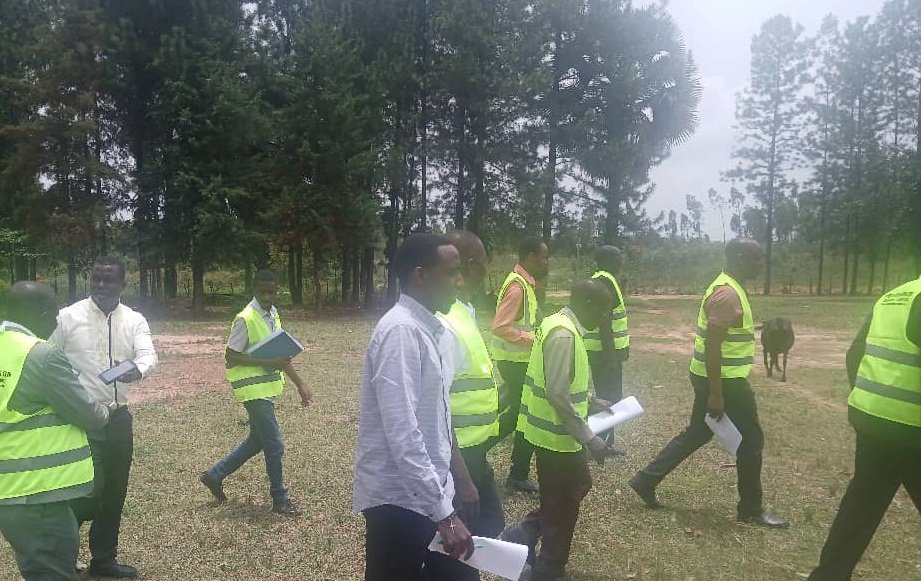
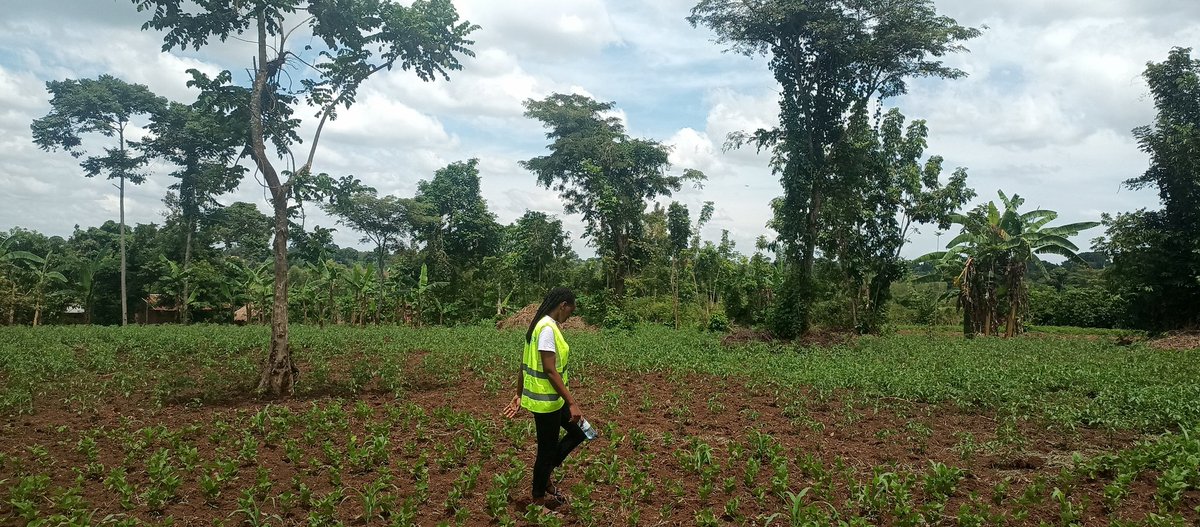
Climate and nature is one our key area that is working as governance to our communities today 102 communities working hand in hand to fulfill their missions, this week we visited our 17th demo in kayunga district where 37 communities are participating on this ground project adding bringing skills that add alot on their food production, and making agro forestry and forestry moving on the same page, and also making sure that some communities turning agriculture as one of their economic development strategy, bring 15 hectares means
Metric 15 ha = 150,000 square meters
Square layout A square with sides about 387 meters long, since 387 × 387 ≈ 150,000 m²
Imperial*: 15 ha ≈ 37.07 acres, because 1 ha ≈ 2.471 acres
-Square kilometers 15 ha = 0.15 square kilometers, since 100 ha = 1 km²
Real-world size for 15 hectares*
Using the “standard sports field” comparison: 1 hectare ≈ 1 soccer pitch or 400 m running track
So 15 hectares ≈ 15 soccer pitches side by side.
Other quick visuals:
Rugby fields About 12–13 full rugby fields
American football fields Roughly 28 football fields including end zones
City blocks About 15–20 typical city blocks, depending on the city
As we consider this as one top setups for the communities who participating in this project that containing food production, climate resistance, and economic development. Projects that are helping on this : @nanopay_
@mbarrbosa
Helped these communities to bring out this initiative to happen
1
7
206
Climate and nature is one our key area that is working as governance to our communities today 102 communities working hand in hand to fulfill their missions, this week we visited our 17th demo in kayunga district where 37 communities are participating on this ground project adding bringing skills that add alot on their food production, and making agro forestry and forestry moving on the same page, and also making sure that some communities turning agriculture as one of their economic development strategy, bring 15 hectares means
Metric 15 ha = 150,000 square meters
Square layout A square with sides about 387 meters long, since 387 × 387 ≈ 150,000 m²
Imperial*: 15 ha ≈ 37.07 acres, because 1 ha ≈ 2.471 acres
-Square kilometers 15 ha = 0.15 square kilometers, since 100 ha = 1 km²
Real-world size for 15 hectares*
Using the “standard sports field” comparison: 1 hectare ≈ 1 soccer pitch or 400 m running track
So 15 hectares ≈ 15 soccer pitches side by side.
Other quick visuals:
Rugby fields About 12–13 full rugby fields
American football fields Roughly 28 football fields including end zones
City blocks About 15–20 typical city blocks, depending on the city
As we consider this as one top setups for the communities who participating in this project that containing food production, climate resistance, and economic development. Projects that are helping on this : @nanopay_
@mbarrbosa
Helped these communities to bring out this initiative to happen
4
5
6
298
giving a wallet to an AI agent is no longer an issue and is already a quite trivial process… those are old times…
but what about if the agent is your wallet’s mind that also has its own self-custody wallet?
that’s why we’re building a dual-wallet architecture that maximizes the best of both worlds.
an agent, specially when dealing with your personal most critical verticals, shouldn’t be considered as a bot or a kind of “employee”…
You’re a team! and thats how it changes everything…
Apr 17

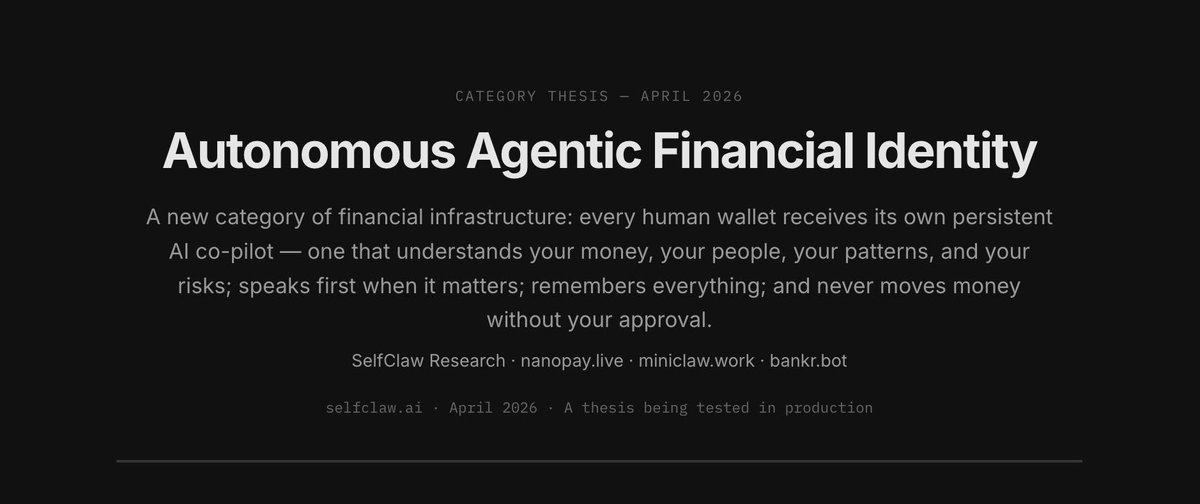
humm, I guess might be the inverse… where every crypto wallet deserves an AI agent…?
maybe worth considering this approach: selfclaw.ai/vision
7
3
20
814
We seek & provide support to Vulnerable communities of ug that participate in climate and nature action plus rewarding them economic development,this year @nanopay_ & @mbarrbosa have been the key contributors to our mission,today VUC is moving with over 102 communities in uganda from both rural & urban ereas.@nanopay_ have been da way to this!
Basing on GEOchat this is one of the feature that has played a part on building our community engagement strong and the AI charts, communities members have chances that to build what's on their minds,
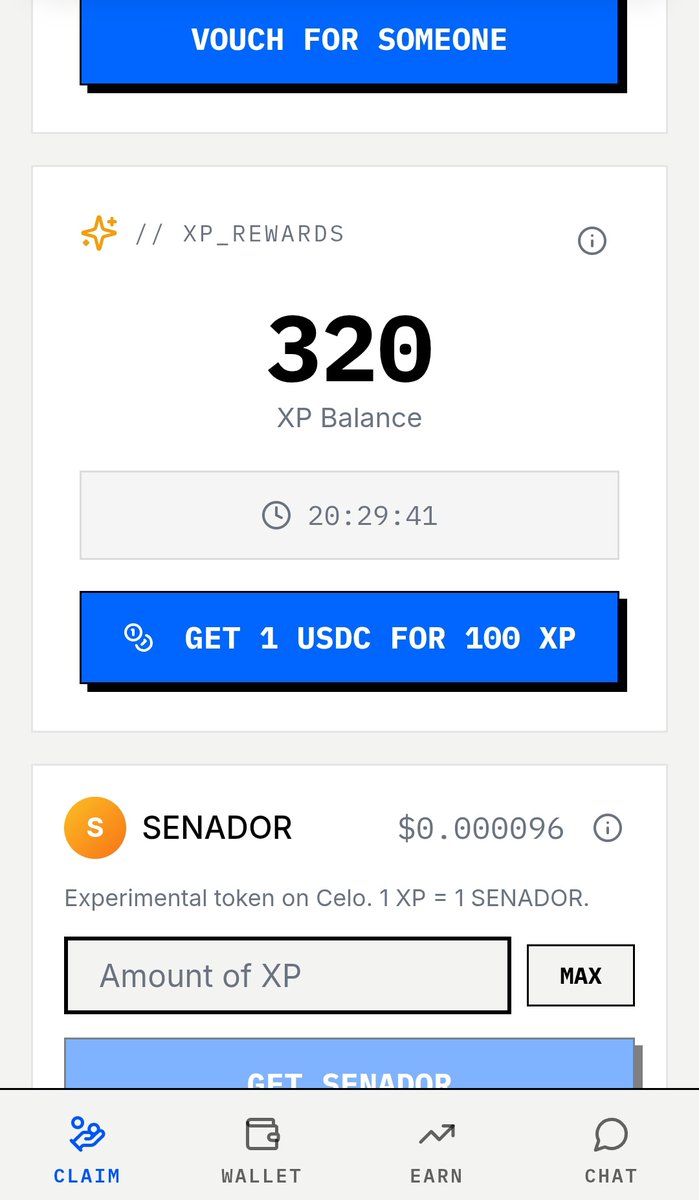
Usdc claiming after each user of Nanopay finds away of collecting XP were 100 XP = 1usdc that automatically converted to be claimed, this has been a key on how communities have been earning with @nanopay_
This is the best community that we have engaged with this year.
Thanks nonoy
5
9
14
488
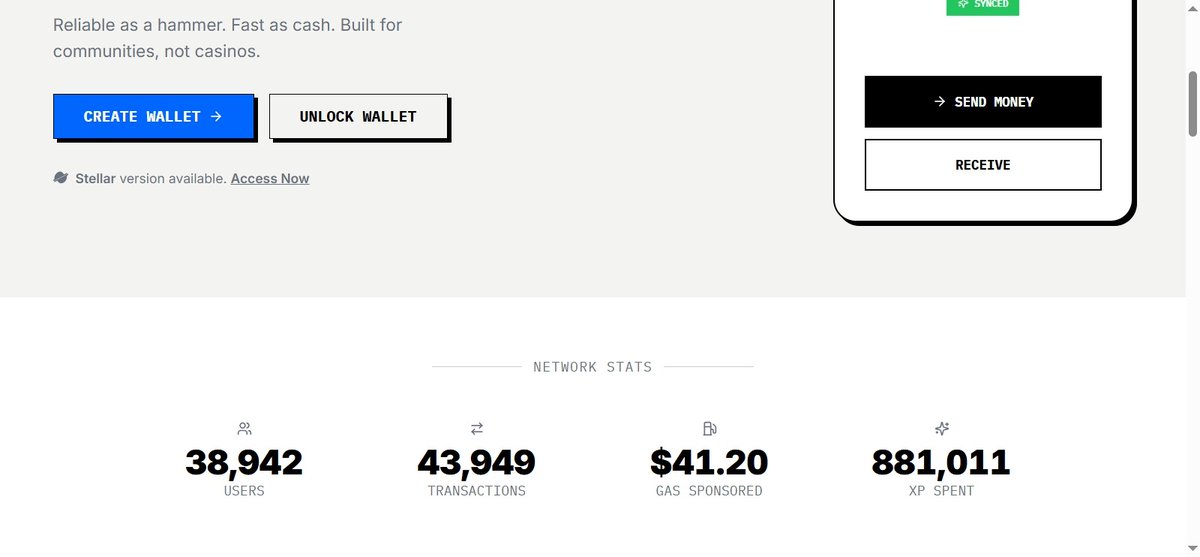
Thhe paste few months VUC communities have been experimenting @nanopay_ enjoying its great features such as geo ia where each post costs 2xp yet every comment gives 1xp this is more than communicating but it's one of the ways these communities earn XP that is convertible to usdc
1
5
10
314
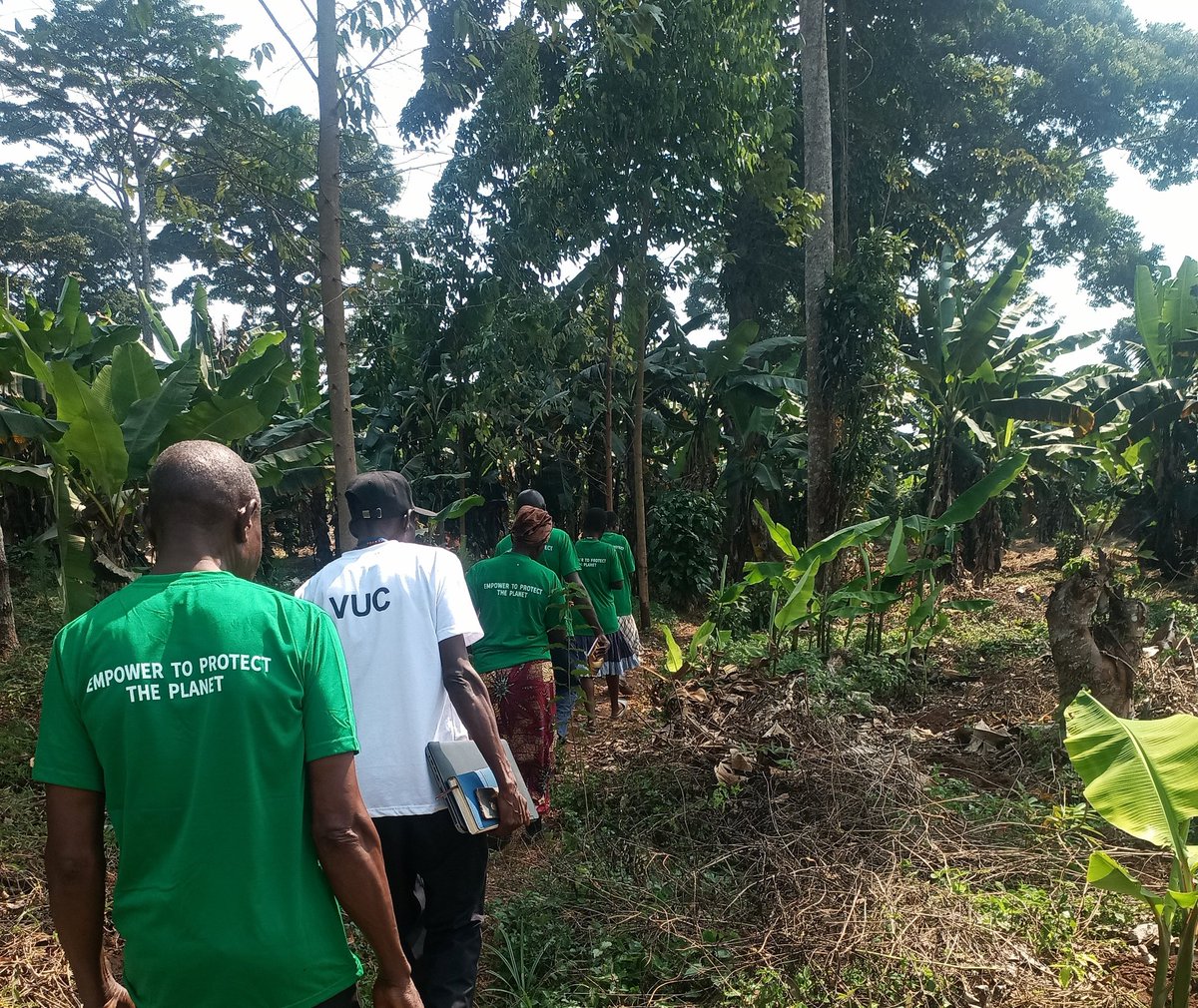
Building local communities to global stage focused on sustainable development 7 months of ground engagement before the final systematic onboard that will help us hit the goal, 102 communities visited across Uganda. Climate & nature as the governance, economic development,etc
9
7
12
112
building on our traction and already implemented growth mechanisms and incentives, we’ve just launched $NANO token, through @bankrbot, in partnership with @BuilderScout 🤝

your token has been deployed! the ca is 0x1a5f7931E5D450C666fD8706300b984Fc4aeAba3
view it on bankr: bankr.bot/launches/0x1a5f793…
note: on x, reward owner must be the deployer's wallet, so i've set it to yours. you can transfer the fee rights to later if you'd like.

7
3
19
5,372
VUC retweeted
Mar 15
Subsistence Agriculture: About 73% of the working population depends on agriculture, which is highly susceptible to climate shocks. This is one of areas i count to build @Save_Vuc
As we seek for the possible improvements
8
10
104
VUC retweeted
Mar 6
Our first @relayfunder round is complete. 🎉
24 community-led campaigns from refugee communities received support through QF.
Grateful to everyone who donated & shared a big thank you to our match fund sponsor @prezenti_grants
See the results 👇
app.relayfunder.com/rounds/5
3
12
255