Professor of Economics, University of Fribourg, Switzerland
Joined May 2020
- Tweets 1,218
- Following 410
- Followers 791
- Likes 3,419
5 Photos and videos
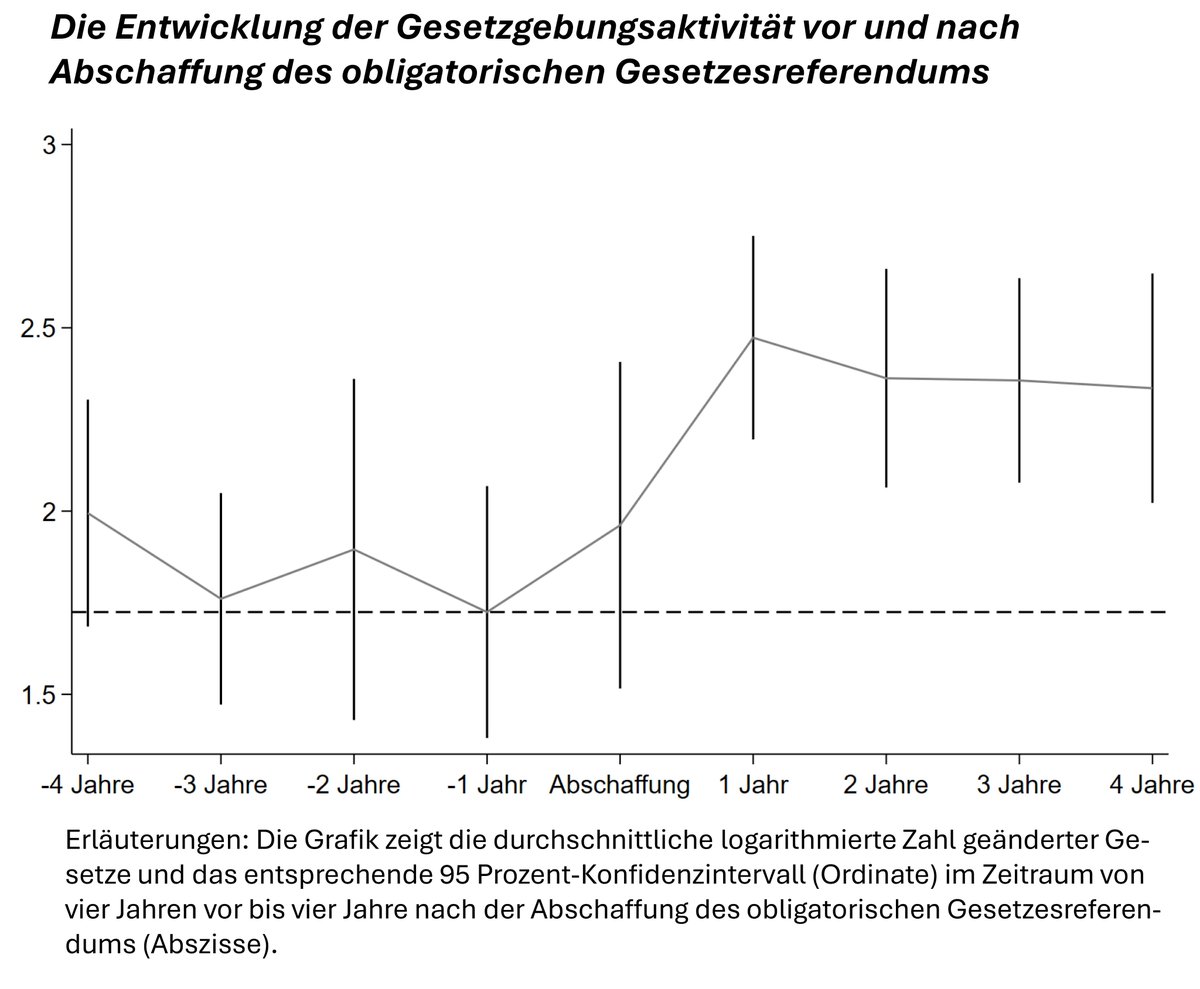
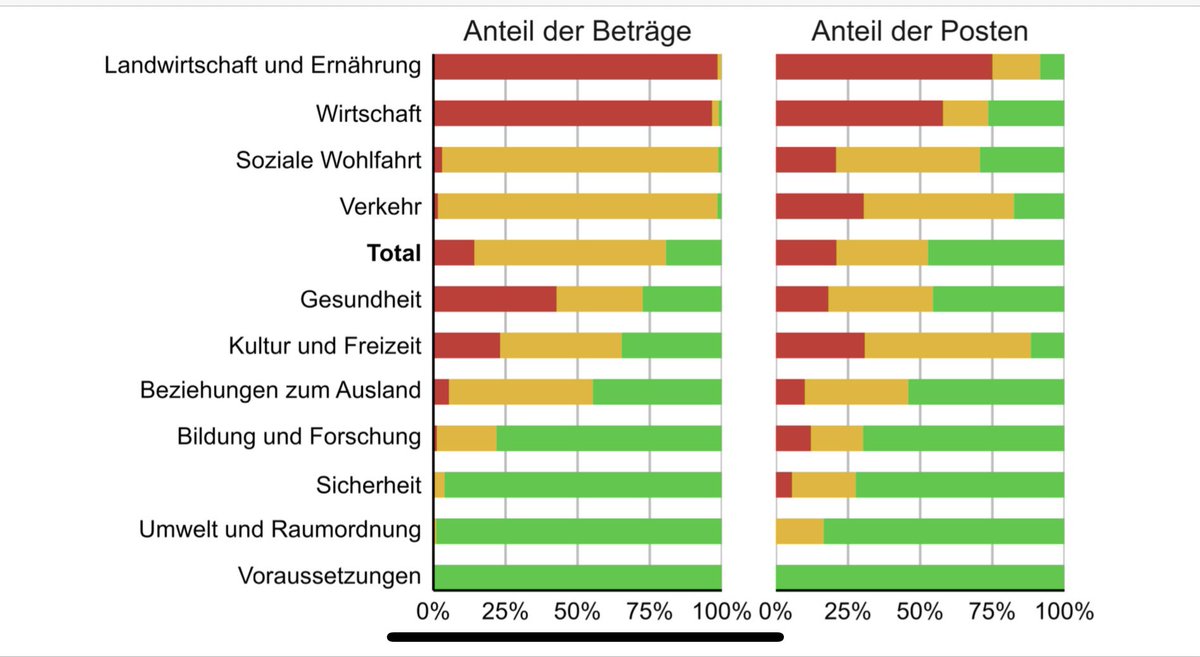


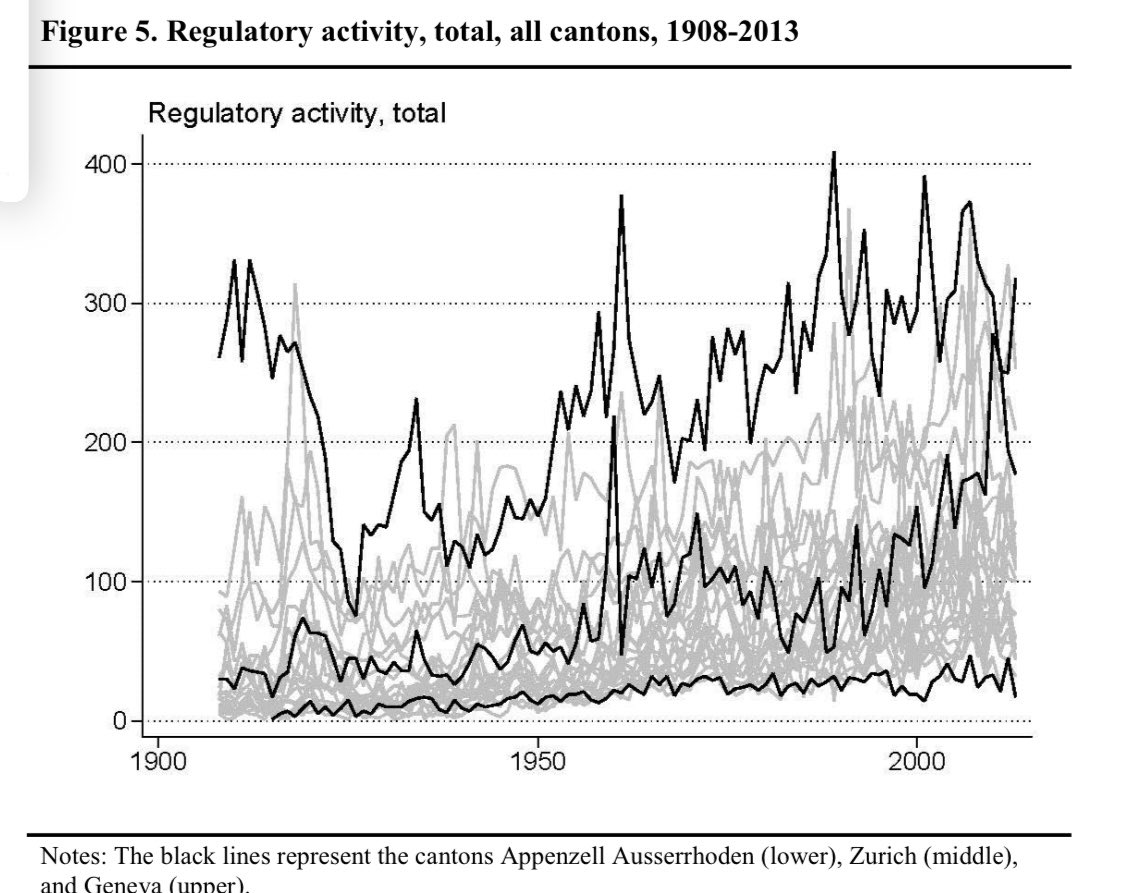
Der politische Diskurs ist naturgemäss von Interessengruppen dominiert. Das ist nicht schlecht per se. Die Frage ist wie "stark" Spezialinteressen die Politik beinflussen können sollten. Referenden helfen, diese Frage zu beantworten. @lukasleuzinger
schweizermonat.ch/was-hilft-…
3
9
14
1,091

May 29
Most of the economic claims in these videos are either not supported by the federal government's own analyses (!) or grossly misinterpreted. I don't recall seeing this much spin and misrepresentation by our government. Why so much spin? Our analysis here: unifr.ch/ecopub/assets/publi…

What would happen if Switzerland couldn’t participate in the EU single market?
The #SwissEUpackage guarantees this access, providing several benefits for both economies. 🇨🇭🤝🇪🇺
Learn more here: admin.ch/en/swiss-eu-relatio…
1
6
575
May 27
We have an opening for a PhD position in economics at my Chair. Our research & teaching focus on public economics in its broadest sense. Good language skills in French are required for this position. Further information in the link below:
unifr.ch/webnews/content/10/…
7
17
3,498
May 18
Alle sind gegen Regulierung. Und dennoch beklagen viele die «Regulierungsflut». Natürlich reagiert die Politik auf die Nachfrage der Spezialinteressen. Darum nützt die Symptombekämpfung wenig.
(1/3)
1
5
21
1,402
May 18
Simon Lüchinger und ich haben uns den Effekt der Abschaffung des obligatorischen Gesetzesreferendums in den Kantonen angeschaut. Ohne das potenzielle Veto der Wählerschaft steigt die Regulierungsaktivität um fast 50 Prozent.
(2/3)
1
16
41
7,999
May 18
Heute hat die @NZZ unseren Gastbeitrag abgedruckt.
Das wissenschaftliche Papier dazu folgt bald im Journal of Law and Economics.
(3/3)
nzz.ch/meinung/wider-die-reg…
7
20
1,052
Mark Schelker retweeted

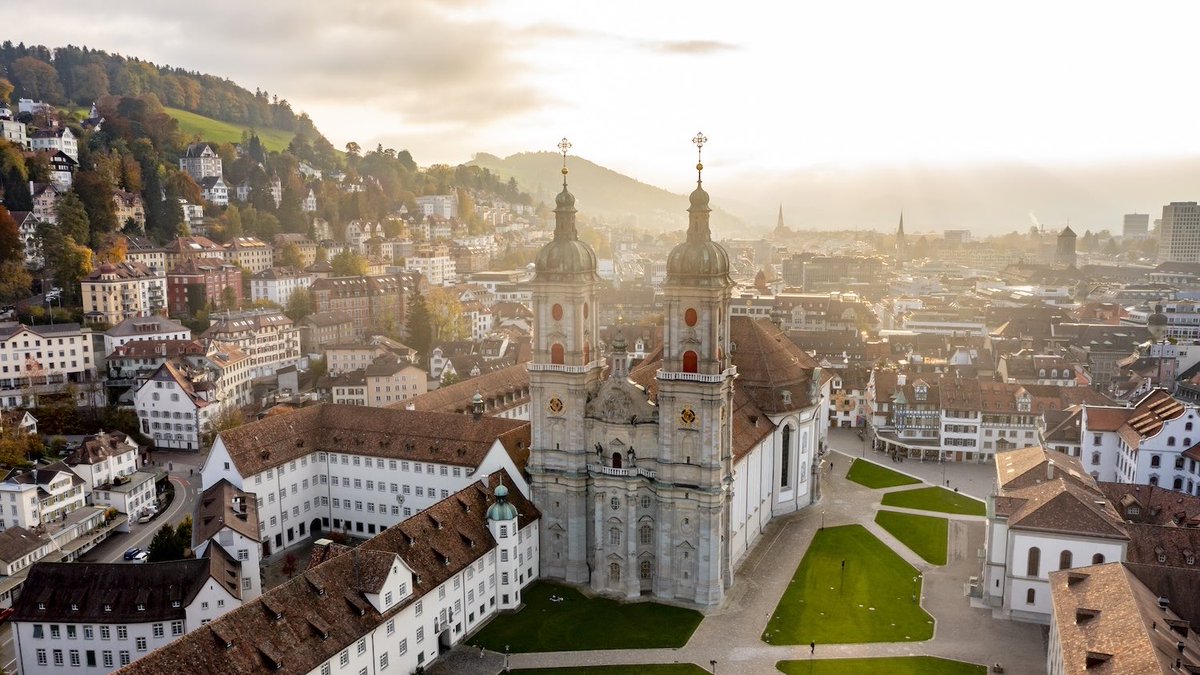
📢 The full programme of the SSES Annual Congress 2026 #sses2026 at @HSGStGallen is now online: sgvs.ch/conferences/sses2026…
1/
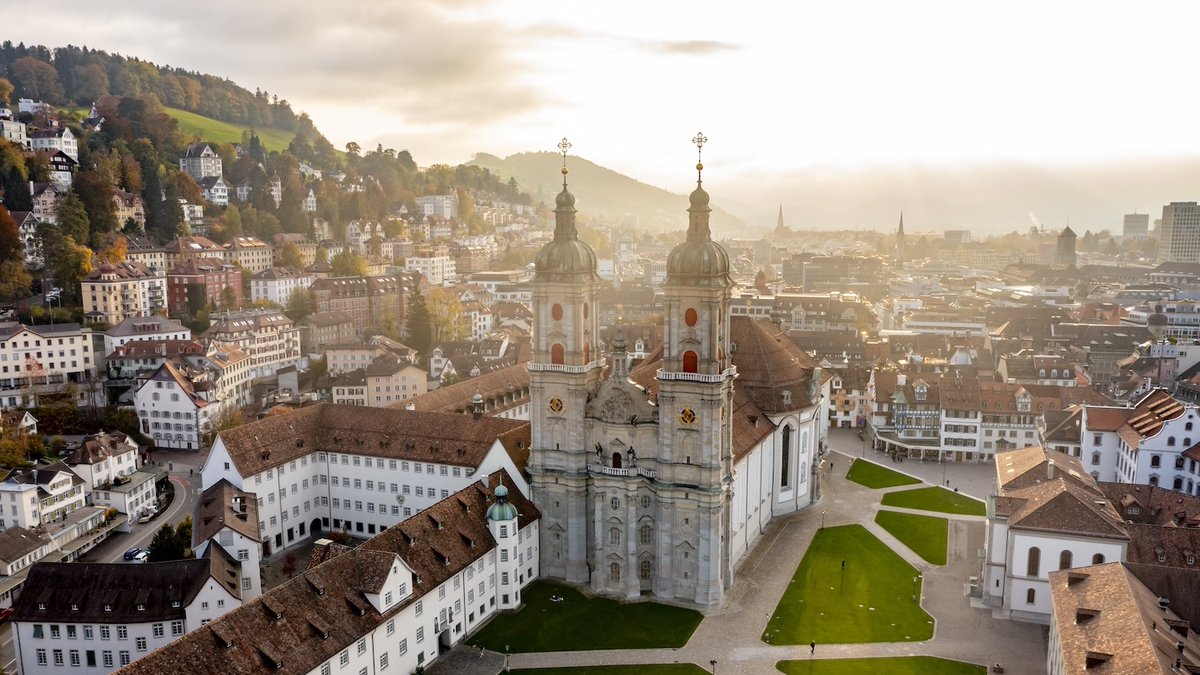
ALT Stiftsbezirk St. Gallen
1
1
94
Mark Schelker retweeted

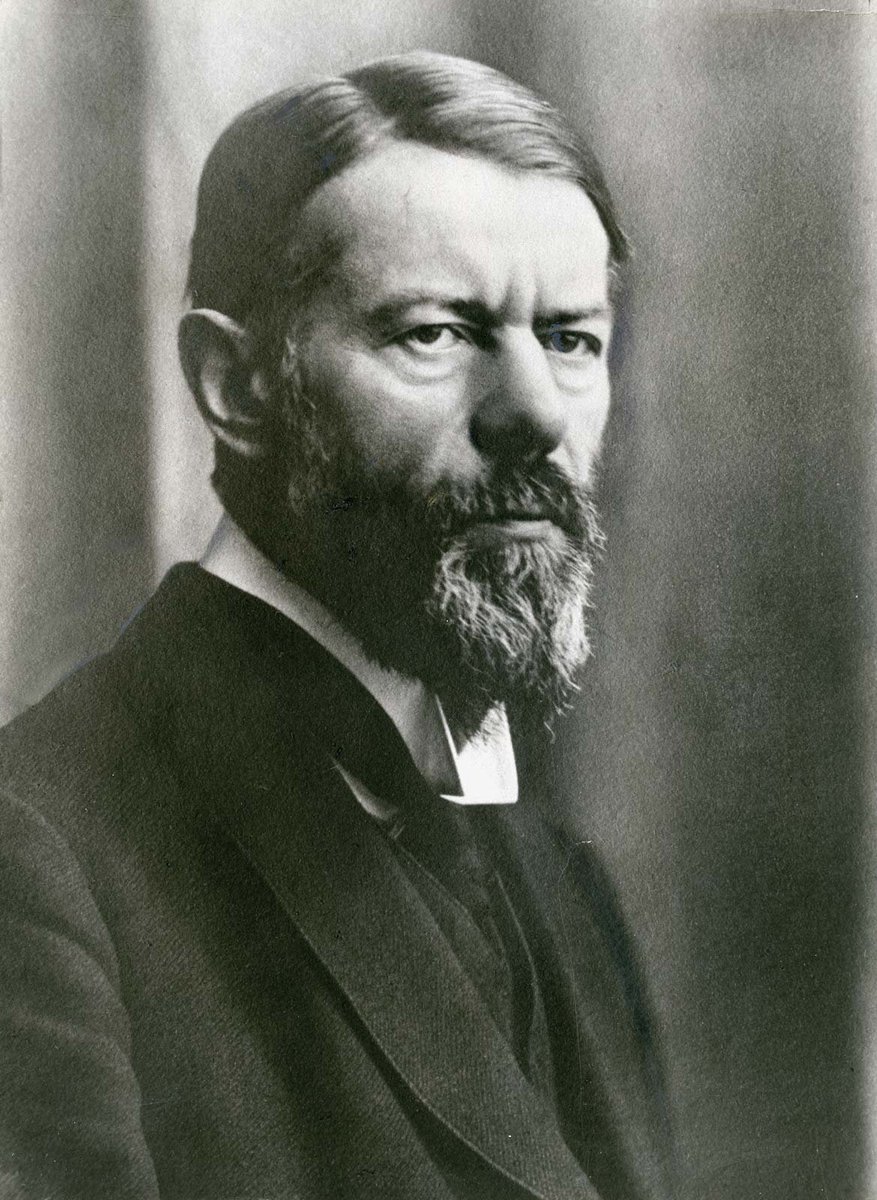
As reflected in many of my posts over the past few months, I have been reading (and re-reading) a lot of social theory.
What strikes me is that most critics of “capitalism” (whatever “capitalism” might mean, and regardless of the value of those critiques) are really critics of modernity, understood as the organization of society around technology, formal institutions, and rational criteria.
I teach the economic history of the Soviet Union and socialist China, and all the pathologies (pollution, reliance on fossil fuels, inequality, depersonalization, consumerism, alienation, you name it) that you can find in a poor neighborhood of 2026 Philadelphia appeared in the same way, or even more, in a factory in Leningrad in 1970 or on a collective farm in Jiangsu in 1978.
Critics seem to lack a vocabulary (or, if you prefer, a cognitive framework) for distinguishing “capitalism” from modernity. For example, people everywhere tend to link personal relationships to displays of consumption. There are likely deep evolutionary reasons for this. De Beers did not invent spending a lot of money on a useless engagement ring: it rode a pre-existing disposition into a particular form of consumption. Couples in Leipzig in 1982 were as interested in conspicuous consumption as those in Chicago in 2026. Talking about “Love and the Cultural Contradictions of Capitalism” misses the point completely.
Of course, you can try, as some of the more perceptive Trotskyists did, to argue that the Soviet Union or China were not truly socialist countries, but this is just a lazy application of the “no true Scotsman” fallacy, and, consequently, their complaints failed to gain much traction outside some departments of cultural studies.
But this is not just a matter of poor analytic skills, as bad as those are. More importantly, it means that 99% of the policy proposals activists put on the table to correct the problems of “capitalism” are doomed to fail because they do not understand where the root cause of the phenomena they complain about lies.
I see this at the university. Do you think the corporation you deal with is self-serving and incompetent? Wait until you need to deal with the Graduate School at a private Ivy League university. The incentive problems (asymmetric information, career concerns, lack of timely feedback, pressure toward conformity) that cause dysfunction in the former are even more pronounced in the latter because of the absence of a profit motive, the sharpest disciplinary mechanism.
At a very fundamental level, Marx got modernity wrong; Weber got it right. Time to spend much less time with Marx and much, much more time with Weber.
110
306
1,502
183,862
Apr 10
Wir haben uns die Studien des Bundes zu den volkswirtschaftlichen Auswirkungen der Bilateralen angeschaut und kommen zu sehr unterschiedlichen Schlüssen. Wie der BR zu seiner Interpretation gelangt, ist uns ein Rätsel…
(mit Michael Funk & Swiss Economics)
fuw.ch/bilaterale-iii-wer-pr…
9
31
77
2,537
Mark Schelker retweeted

Mar 21
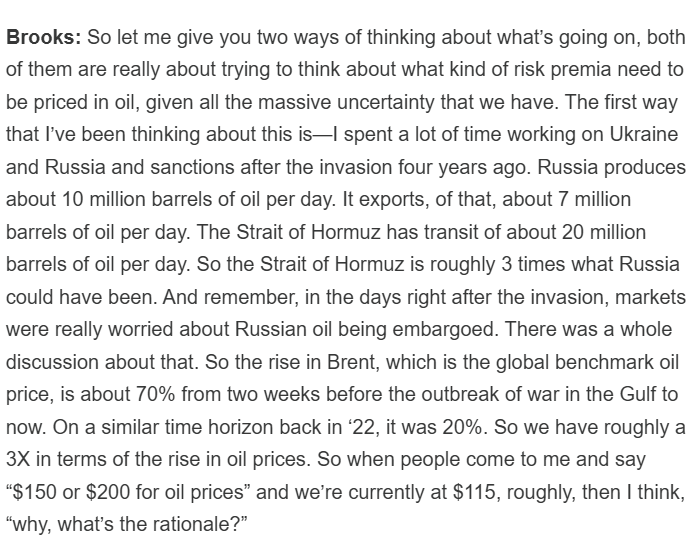
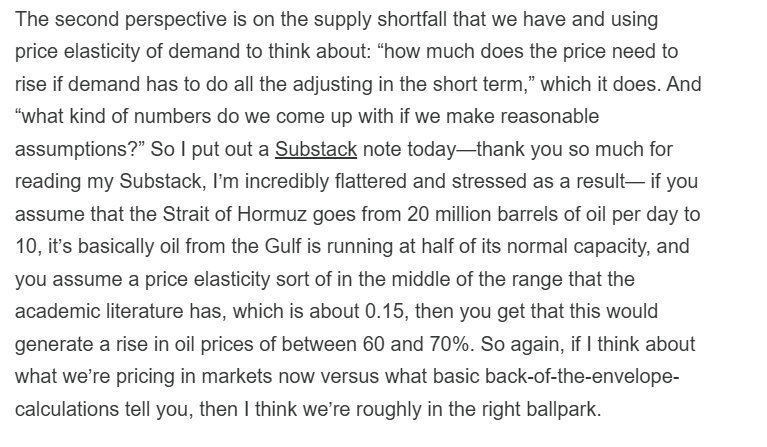
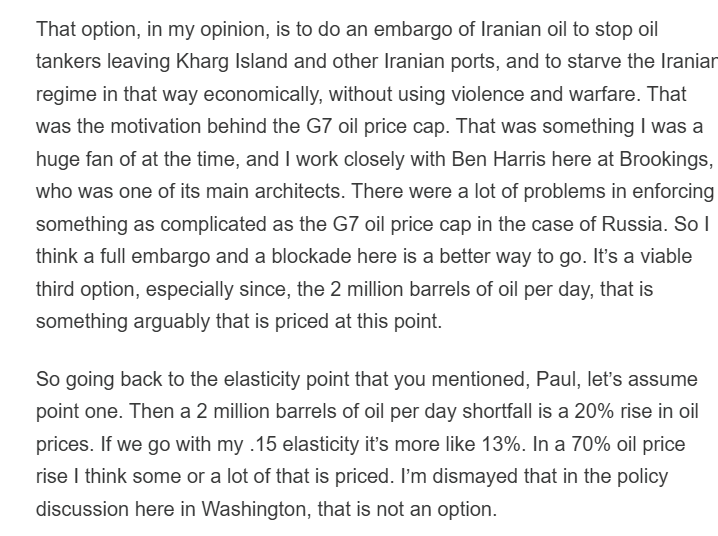
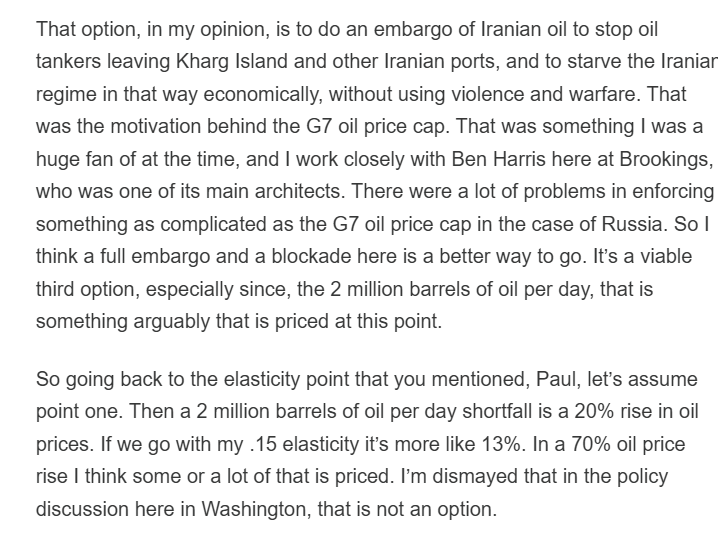
The interview of @robin_j_brooks by @paulkrugman is outstanding. He puts to very good use all we (particularly he!) learned from Russian sanctions to try to understand the Hormuz shock. I post two key answers:
- Price may not have a lot more to increase: 3x quantity shock, 3x price shock. Fits also with elasticities. So we are (pricewise) done, in his view.
- US should announce a hard oil embargo on Iran. Only way to conclude this.
More in his note and in Paul Krugman's interview
paulkrugman.substack.com/p/t…
robinjbrooks.substack.com/p/…
11
43
185
48,191
Mark Schelker retweeted

Mar 11
Pardon. Dies Basis dieser Studie und Schelkers Zahlen sind nicht „Annahmen“, sondern die „offizielle“ Studie, welche der Bund in Auftrag gab und auf welche sich der Bund bei seiner Argumentation zu Bil III immer wieder bezieht. Schelker plädiert auch nicht für Abschottung.
2
4
12
508
Jan 30
Interessantes und differenziertes Interview mit Tobias Straumann. Bitte nicht am Introsatz der NZZ hängenbleiben und schon denken, zu wissen, was kommt. nzz.ch/wirtschaft/europa-mus…
185
Mark Schelker retweeted
Jan 21
Truly an outstanding speech and a way forward for "middle powers" including European ones.
Jan 20

Mark Carney in Davos: This is the speech of a statesman - a riposte to Trump and to western defeatism
10
17
174
11,786
Mark Schelker retweeted
Jan 21
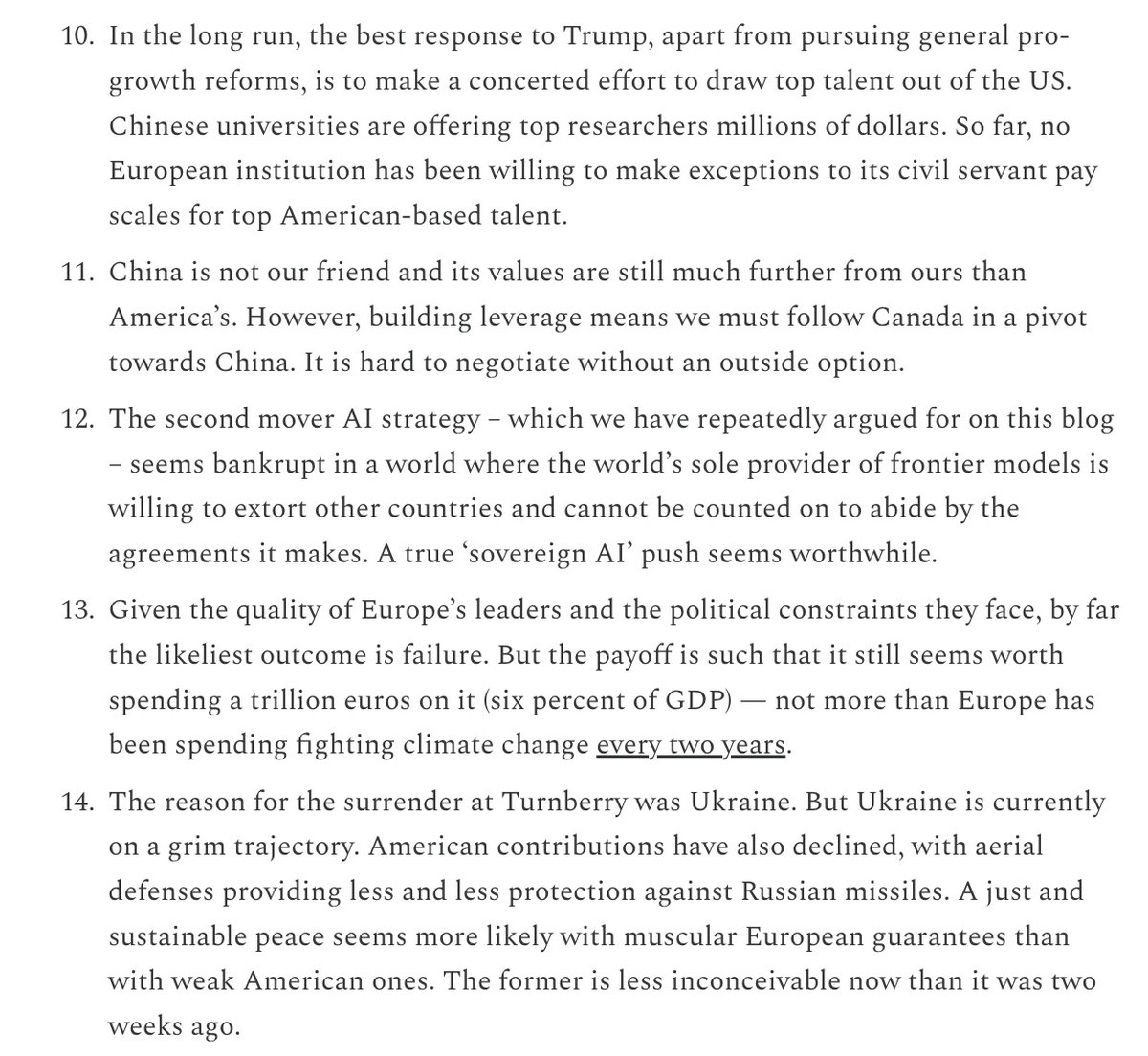
We cannot continue to play "cooperate " with a player that has chosen to defect. The strong must suffer, too. Our reaction to Greenland. siliconcontinent.com/p/sixte…
6
22
95
13,509
Jan 19
It’s not too late yet...! Don‘t forget to submit your paper to the 2026 Annual Congress of the Swiss Society of Economics and Statistics (SSES) by January 20! sgvs.ch/conferences/sses2026…
Jan 14

Don‘t forget to submit your paper to the 2026 Annual Congress of the Swiss Society of Economics and Statistics (SSES) by January 20!
sgvs.ch/conferences/sses2026…
1
167
Join us for the next edition of the SNoPE Workshop in March in Basel!
Reminder: Call for Papers 7th Workshop of the Swiss Network on Public Economics March 13, 2026, University of Basel
wwz.unibas.ch/en/events/snop…
@KurtSchmidheiny @JanEgbertSturm @IZMartinez86
2
1
144
Mark Schelker retweeted
4 Dec 2025
A comment from a reader:
"This is a brilliant summary of a deeply flawed set of institutions. I speak with many stakeholders in the EU system, who lament how laws are rammed through by the Commission which are not closely scrutinised and which they are looking to water down or roll back on. The traditional mechanism for correcting this would be some sort of direct democratic accountability for the Commission, but it is designed expressly to be immune to such scrutiny."
siliconcontinent.com/p/how-b…
5
11
71
8,575
Mark Schelker retweeted

7 Nov 2025
Of course Bardella would ask for this. Why wouldn't he? I would too if I was him. The ECB has been in the business of second-guessing market bond prices for other countries. Why not help France a little bit? The ECB should have never gone down this path, but that ship has sailed more than a decade ago.
7 Nov 2025

The future of the euro has not been much of a discussion point since the Euro sovereign debt crisis. But that might change rather quickly. Jordan Bardella just said he would put pressure on the ECB to buy French bonds. Why would other euro members accept a bail-out of a country whose political consensus has favoured disregard for European fiscal rules? If that were to happen, they would have an overwhelming interest of leaving the eurozone.
eurointelligence.com
8
17
77
25,779
Mark Schelker retweeted

31 Oct 2025
🏆 Die Nummer 1 dieser Woche!
Wenn sie vom Bund entschädigt werden, nehmen die kantonalen Regierungen auch ihre eigene Entmachtung hin. Ein Föderalismus, der solche Fürsprecher hat, braucht keine Gegner mehr.schweizermonat.ch/wen-vertre…
3
4
258
Mark Schelker retweeted

29 Oct 2025
L’économie décryptée en 4 minutes par nos profs, youtube.com/watch?v=FG-jysgV… @dcm_unifr
1
2
180