
OSINT | Languages | Chinese, Arabic/MENA, and Russian Open Source Intelligence courses at I-Intelligence GmbH | Sinologist
Joined November 2020
- Tweets 1,204
- Following 115
- Followers 1,217
- Likes 2,032
342 Photos and videos


Jun 10
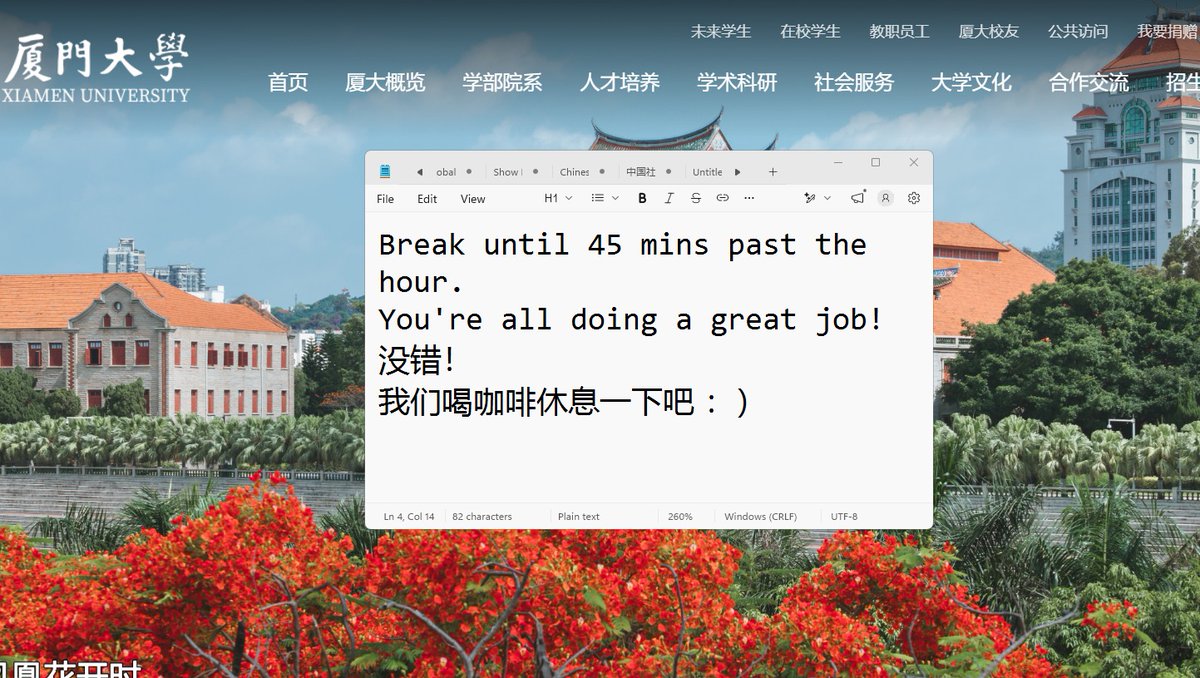
One thing participants sometimes forget about live instructor-led training: the breaks aren't just for you, they're for us instructors too! 😊
I'm pleased to report that I have a perfect record: since I started teaching for @i_intelligence I haven't missed a single break!
Teaching live courses requires a great deal of focus and engagement (and coffee). So when the break begins, just know that we're probably every bit as grateful for it as you are.
By the way, you're doing a fantastic job this week during the 𝘚𝘦𝘢𝘳𝘤𝘩𝘪𝘯𝘨 𝘵𝘩𝘦 𝘊𝘩𝘪𝘯𝘦𝘴𝘦 𝘐𝘯𝘵𝘦𝘳𝘯𝘦𝘵: 𝘍𝘰𝘶𝘯𝘥𝘢𝘵𝘪𝘰𝘯𝘴 𝘤𝘰𝘶𝘳𝘴𝘦! Keep up the excellent work!
加油!
明天见! (See you tomorrow!)
1
1
234
Jun 10
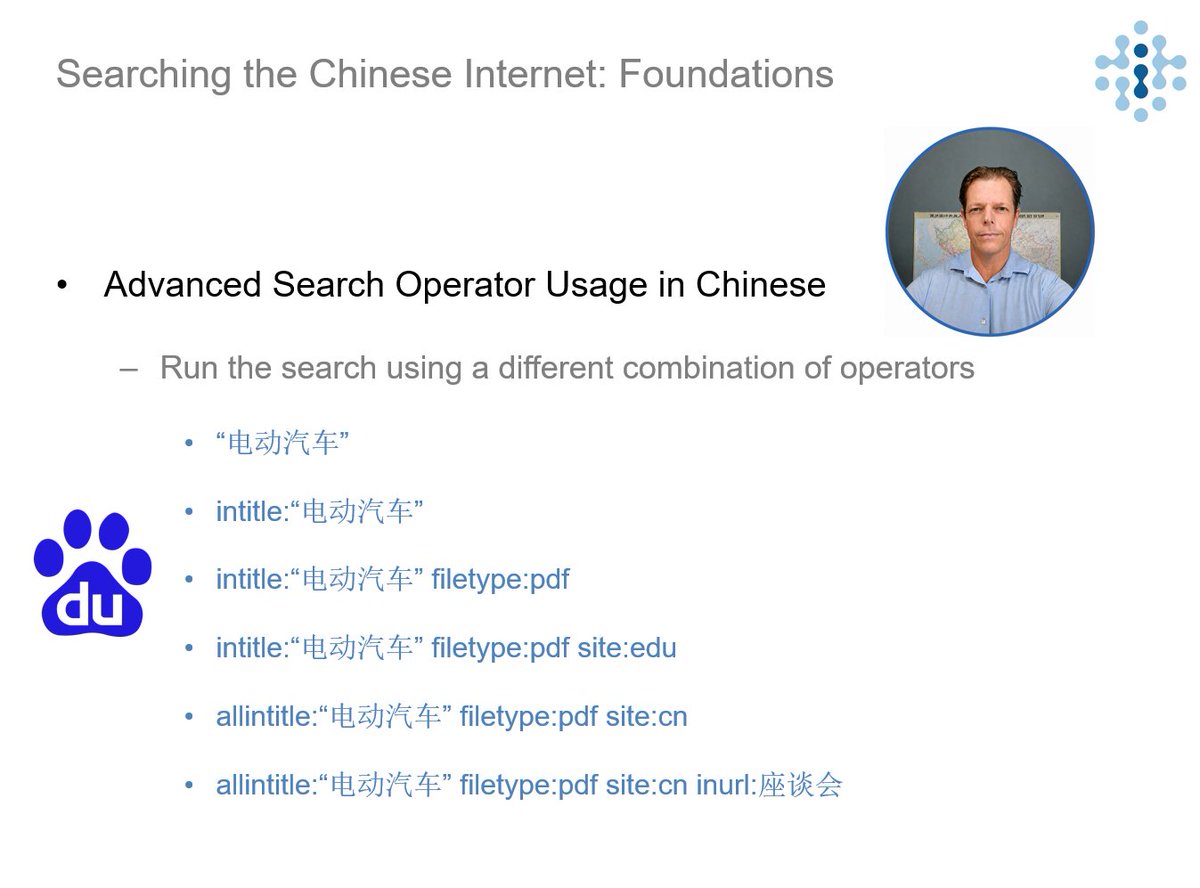
💡𝐒𝐩𝐨𝐭𝐥𝐢𝐠𝐡𝐭 𝐨𝐧 𝐭𝐡𝐞 𝐒𝐞𝐚𝐫𝐜𝐡𝐢𝐧𝐠 𝐭𝐡𝐞 𝐂𝐡𝐢𝐧𝐞𝐬𝐞 𝐈𝐧𝐭𝐞𝐫𝐧𝐞𝐭: 𝐅𝐨𝐮𝐧𝐝𝐚𝐭𝐢𝐨𝐧𝐬 𝐜𝐨𝐮𝐫𝐬𝐞 𝐭𝐡𝐢𝐬 𝐰𝐞𝐞𝐤.
Third day - Session 3 of the course: 'Searching the Web in Chinese' - Search Strategies and Resources
This is where the rubber meets the road. In Session 3, now that participants understand how to use Chinese online, we focus on searching the web in Chinese. This includes working with both non-Chinese and Chinese search engines, navigating online verification methods, reconciling inconsistencies between English and Chinese sources, and retrieving legacy information from websites.
✍️Personal note: If I had known even a little about how to use advanced search operators before starting my degree in Chinastudies at Leiden University, I would have found better information more quickly, leading to better grades... Just: filetype:pdf, my beloved “quotation marks”, and site:cn would already have helped me produce stronger content in Chinese.
🔑Key takeaway:
Searching online requires patience; searching online in a foreign language requires even more. If it feels as though you are spending a long time refining your search query before finally pressing ‘Search’, that is usually a sign that you are doing it properly.
As my colleague likes to say: '𝘛𝘩𝘦 𝘳𝘪𝘨𝘩𝘵 𝘪𝘯𝘧𝘰𝘳𝘮𝘢𝘵𝘪𝘰𝘯 𝘪𝘴 𝘰𝘯𝘭𝘺 𝘢 𝘤𝘭𝘪𝘤𝘬 𝘢𝘸𝘢𝘺'.
Tomorrow session 4 is up where we'll cover Chinese naming conventions for people and businesses as well as working with digital sources.
Find out what this @i_intelligence course is all about here:
🔗Searching the Chinese Internet Course: Foundations
i-intelligence.eu/courses/se…
📅Hop on our next public courses:
6 - 10 July 2026, 08:30 - 12:00 SGT
21 - 25 Sep 2026, 14:00 - 17:30 CET
21 - 25 Sep 2026, 8:00 - 11:30 EST
#OSINT #OpenSourceIntelligence #China #course #languageosint #osintlanguage
1
1
175
💡𝐒𝐩𝐨𝐭𝐥𝐢𝐠𝐡𝐭 𝐨𝐧 𝐭𝐡𝐞 𝐒𝐞𝐚𝐫𝐜𝐡𝐢𝐧𝐠 𝐭𝐡𝐞 𝐂𝐡𝐢𝐧𝐞𝐬𝐞 𝐈𝐧𝐭𝐞𝐫𝐧𝐞𝐭: 𝐅𝐨𝐮𝐧𝐝𝐚𝐭𝐢𝐨𝐧𝐬 𝐜𝐨𝐮𝐫𝐬𝐞 𝐭𝐡𝐢𝐬 𝐰𝐞𝐞𝐤.
Second day - Session 2 of the course: 'Working with the Chinese Language' - Managing Translations, Keywords and Censorship
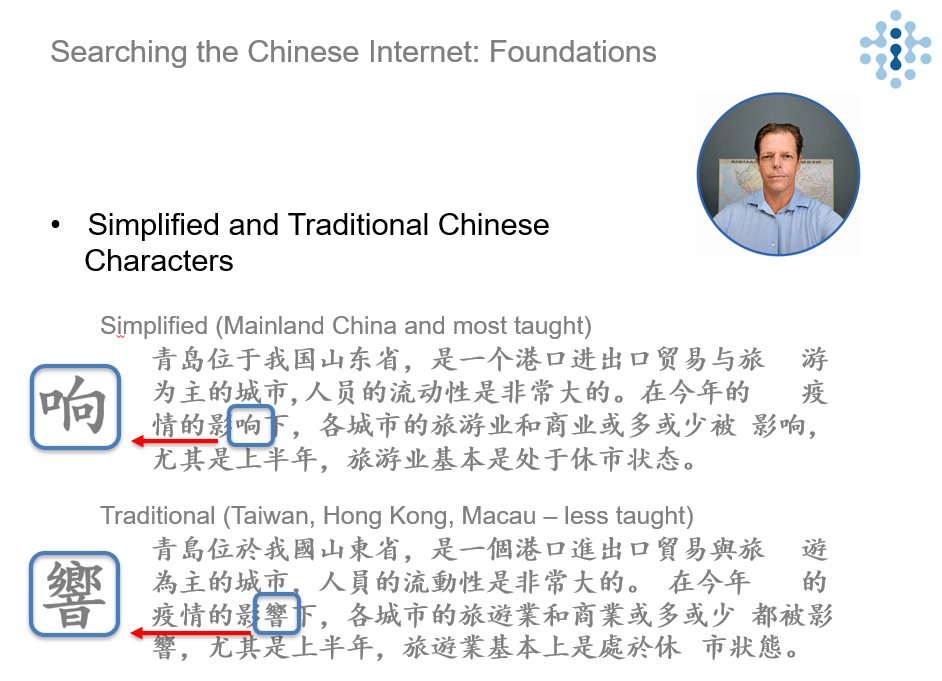
Attention to detail is essential when researching online. For example, considering whether content is likely written in Simplified or Traditional Chinese is important.
Simplified Chinese is more commonly used in sources originating from the PRC, whereas Traditional Chinese is widely used in Taiwan, Hong Kong, and Macau.
✍️Personal note: We had to study Traditional script for two years before being given the option to complete our degree using Simplified. It involved many long nights practising writing characters by hand accurately to prepare for exams. ...not a walk in the park for me!
Having covered the basics yesterday of searching in Chinese online, today we’re focusing on Simplified versus Traditional script, translation accuracy, online translation platforms, building your keyword list, online encyclopaedias, working with slang, idioms and proverbs, as well as censorship and content moderation.
🔑Key takeaway:
A line which I'm using from my previous job: '𝘠𝘰𝘶’𝘳𝘦 𝘯𝘦𝘷𝘦𝘳 𝘵𝘰𝘰 𝘴𝘱𝘦𝘤𝘪𝘢𝘭 𝘵𝘰 𝘯𝘦𝘨𝘭𝘦𝘤𝘵 𝘵𝘩𝘦 𝘣𝘢𝘴𝘪𝘤𝘴'.
Spend time understanding the background of who or what you're looking at, it will dictate how you search.
Other than Google Translate, you can use this website to transcript Simplified to Traditional script:
purpleculture.net/traditiona…
Well done today! Tomorrow we'll cover 'Search Strategies and Resources using Chinese' in this @i_intelligence course.
休息一下吧!
Course details can be found here:
🔗Searching the Chinese Internet Course: Foundations
i-intelligence.eu/courses/se…
📅Secure your seats for the upcoming webinars on the following dates:
6 - 10 July 2026, 08:30 - 12:00 SGT
21 - 25 Sep 2026, 14:00 - 17:30 CET
21 - 25 Sep 2026, 8:00 - 11:30 EST
#OSINT #OpenSourceIntelligence #China #course #languageosint #osintlanguage
1
79
💡𝐒𝐩𝐨𝐭𝐥𝐢𝐠𝐡𝐭 𝐨𝐧 𝐭𝐡𝐞 𝐒𝐞𝐚𝐫𝐜𝐡𝐢𝐧𝐠 𝐭𝐡𝐞 𝐂𝐡𝐢𝐧𝐞𝐬𝐞 𝐈𝐧𝐭𝐞𝐫𝐧𝐞𝐭: 𝐅𝐨𝐮𝐧𝐝𝐚𝐭𝐢𝐨𝐧𝐬 𝐜𝐨𝐮𝐫𝐬𝐞 𝐭𝐡𝐢𝐬 𝐰𝐞𝐞𝐤.
First day - Session 1 of the course: 'Getting Started' - Introduction and Device Configuration
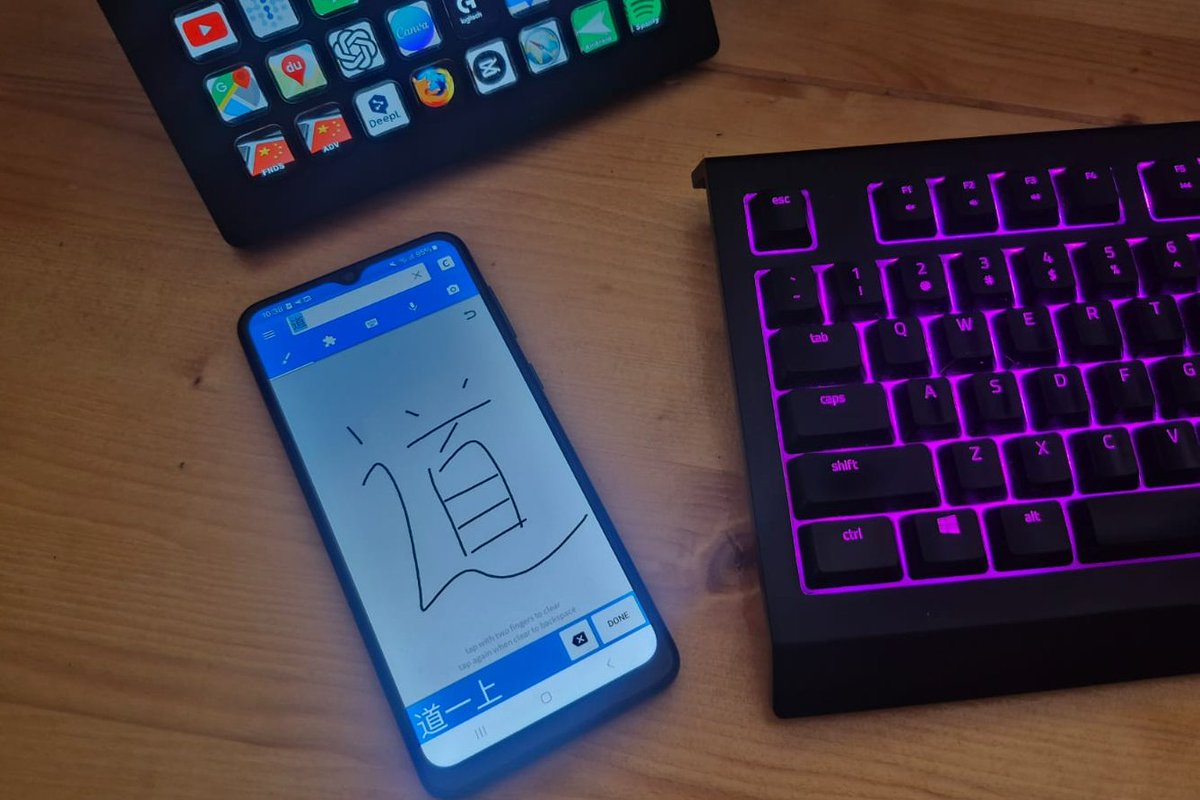
Today I'm welcoming the participants to the first of five sessions of this @i_intelligence 's course where we'll focus on introducing learners to the foundational digital and linguistic tools required to operate in a Chinese-language computing and internet environment. It covers basic linguistic concepts, device configuration, input methods, and practical tools.
For some, it will be the first time they type and write Chinese characters; 'a part of the course I particularly enjoy teaching.
🔑Key takeaway:
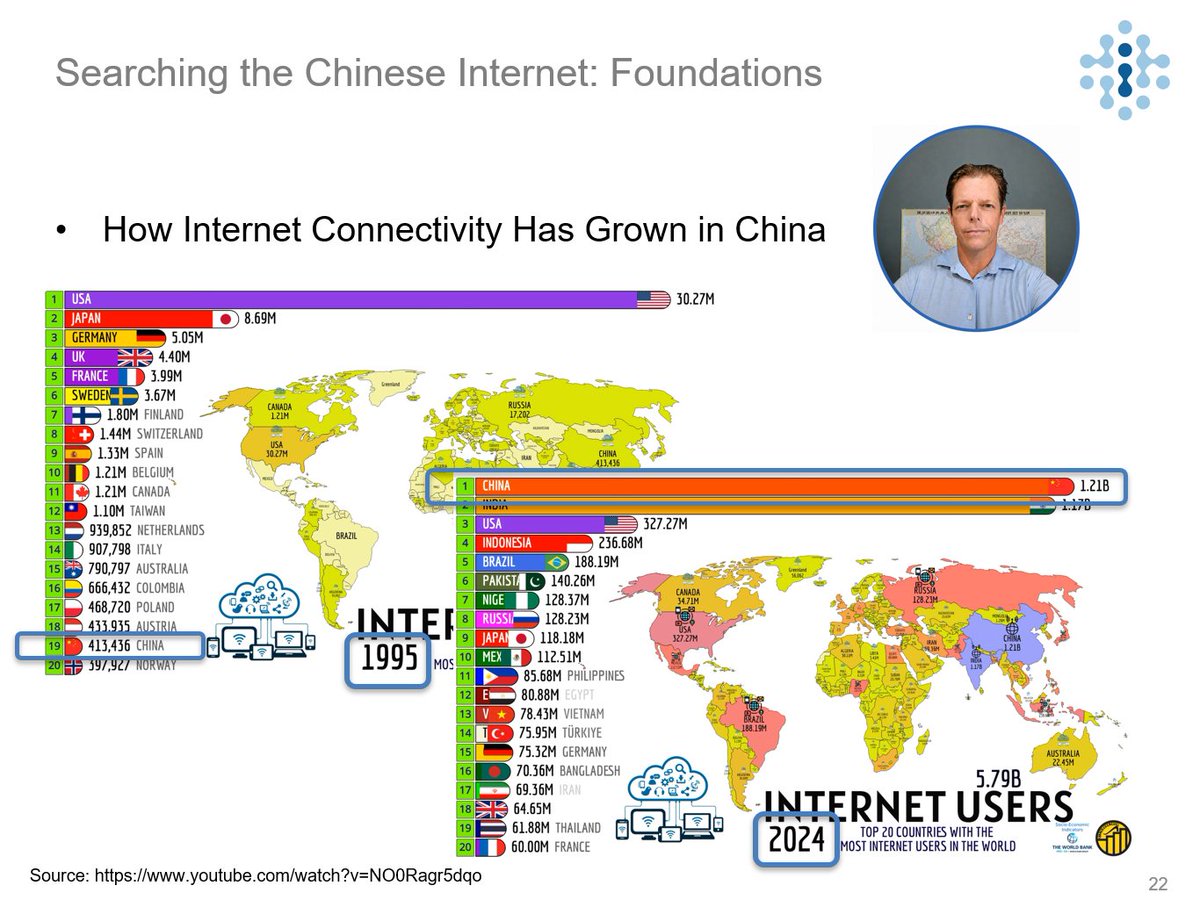
Beyond the introduction to the course, we emphasise a core principle: '𝘱𝘦𝘰𝘱𝘭𝘦 𝘵𝘺𝘱𝘪𝘤𝘢𝘭𝘭𝘺 𝘤𝘰𝘯𝘴𝘶𝘮𝘦 𝘢𝘯𝘥 𝘴𝘩𝘢𝘳𝘦 𝘰𝘯𝘭𝘪𝘯𝘦 𝘤𝘰𝘯𝘵𝘦𝘯𝘵 𝘪𝘯 𝘵𝘩𝘦 𝘭𝘢𝘯𝘨𝘶𝘢𝘨𝘦 𝘵𝘩𝘦𝘺 𝘢𝘳𝘦 𝘮𝘰𝘴𝘵 𝘤𝘰𝘮𝘧𝘰𝘳𝘵𝘢𝘣𝘭𝘦 𝘸𝘪𝘵𝘩. 𝘛𝘩𝘪𝘴 𝘪𝘴 𝘸𝘩𝘺 𝘸𝘦 𝘧𝘰𝘤𝘶𝘴 𝘰𝘯 𝘵𝘩𝘦 𝘪𝘮𝘱𝘰𝘳𝘵𝘢𝘯𝘤𝘦 𝘰𝘧 𝘣𝘦𝘪𝘯𝘨 𝘢𝘣𝘭𝘦 𝘵𝘰 𝘴𝘦𝘢𝘳𝘤𝘩 𝘪𝘯 𝘧𝘰𝘳𝘦𝘪𝘨𝘯 𝘭𝘢𝘯𝘨𝘶𝘢𝘨𝘦𝘴'. We repeat this point across all of our OSINT language courses.
Link to the video in this slide to see the pace at which internet usage in China has grown: youtube.com/watch?v=NO0Ragr5…
Tomorrow I’ll share a key takeaway from Session 2 - stay tuned! 明天见!
Course outline and how you benefit:
🔗Searching the Chinese Internet Course: Foundations
i-intelligence.eu/courses/se…
📅Secure your seats for the upcoming webinars on the following dates:
6 - 10 July 2026, 08:30 - 12:00 SGT
21 - 25 Sep 2026, 14:00 - 17:30 CET
21 - 25 Sep 2026, 8:00 - 11:30 EST
#OSINT #OpenSourceIntelligence #China #course #languageosint #osintlanguage
42
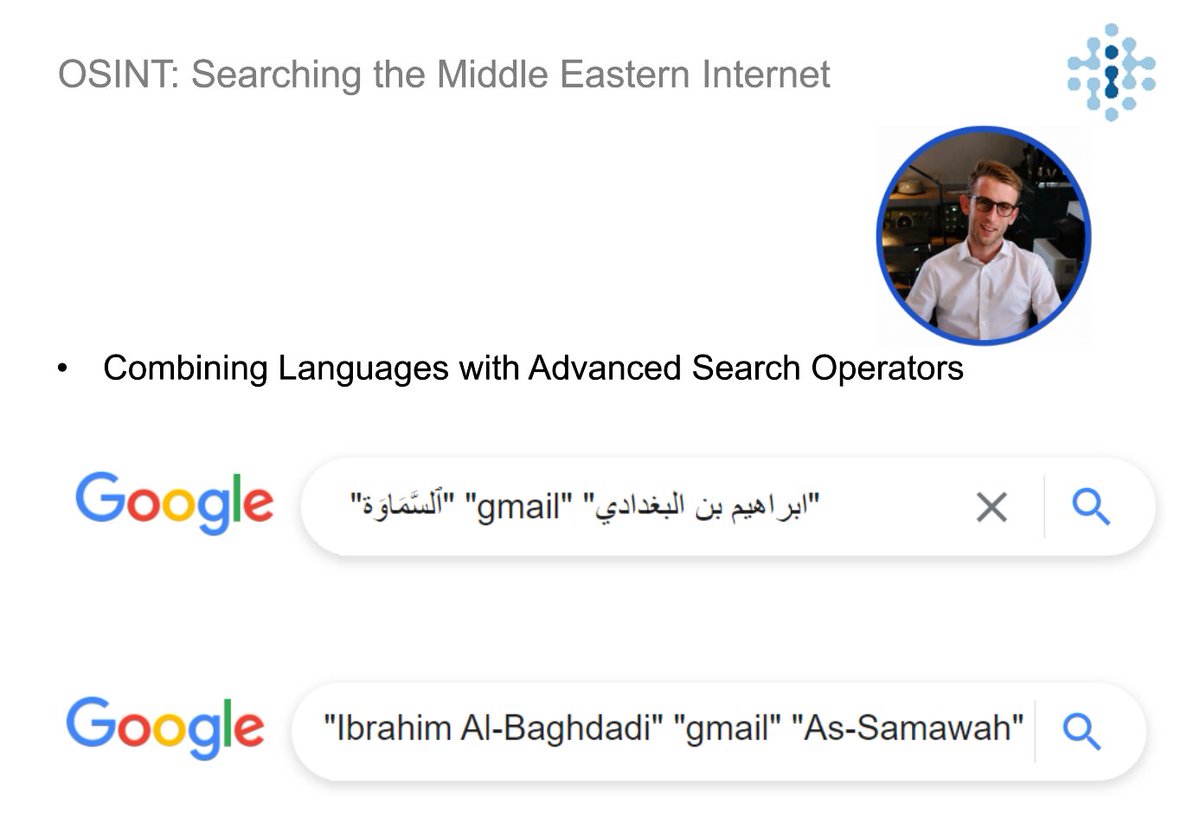
💡𝐒𝐩𝐨𝐭𝐥𝐢𝐠𝐡𝐭 𝐨𝐧 𝐭𝐡𝐞 𝐎𝐒𝐈𝐍𝐓: 𝐒𝐞𝐚𝐫𝐜𝐡𝐢𝐧𝐠 𝐭𝐡𝐞 𝐌𝐢𝐝𝐝𝐥𝐞 𝐄𝐚𝐬𝐭𝐞𝐫𝐧 𝐈𝐧𝐭𝐞𝐫𝐧𝐞𝐭 𝐜𝐨𝐮𝐫𝐬𝐞 𝐭𝐡𝐢𝐬 𝐰𝐞𝐞𝐤!
Final day - Session 5 of the course: Final Training Exercises
Today marks the final exercises of this course! After four instruction sessions, participants are being assessed on their ability to apply their skills for 3.5-hours in practical scenarios.
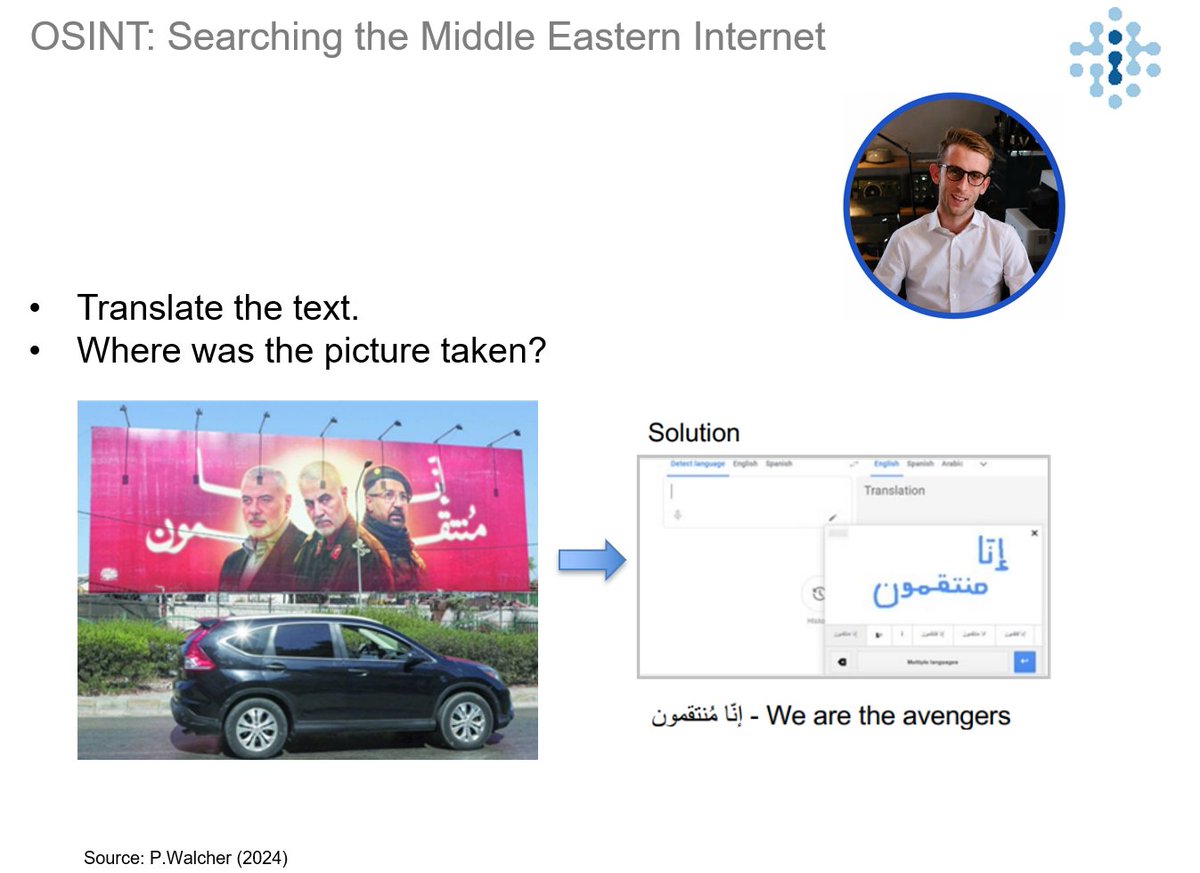
Participants work with the Arabic language and interpret sources for analysis. They use a range of translation tools, virtual keyboards, and Arabic numerals, before applying AI tools where appropriate.
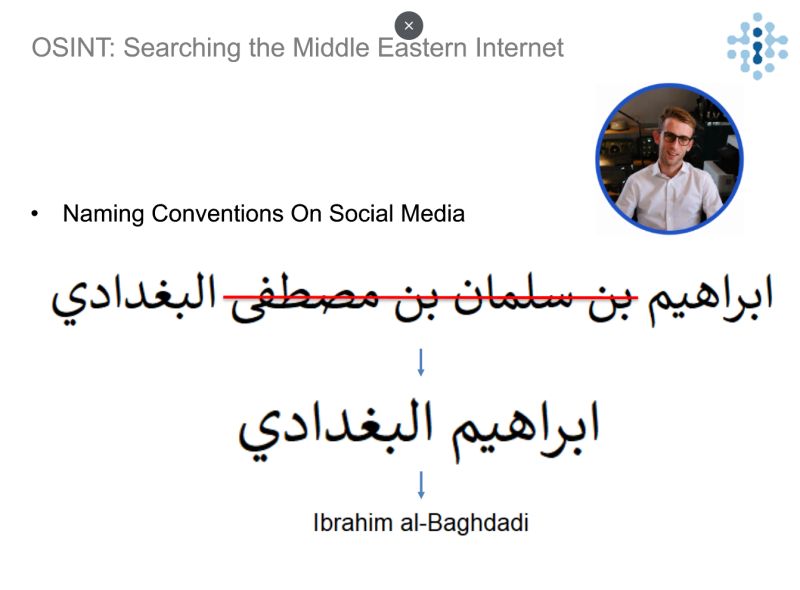
.... and also conduct research while applying knowledge of Arabic naming conventions to identify relevant information i.o.t analyse social media content....
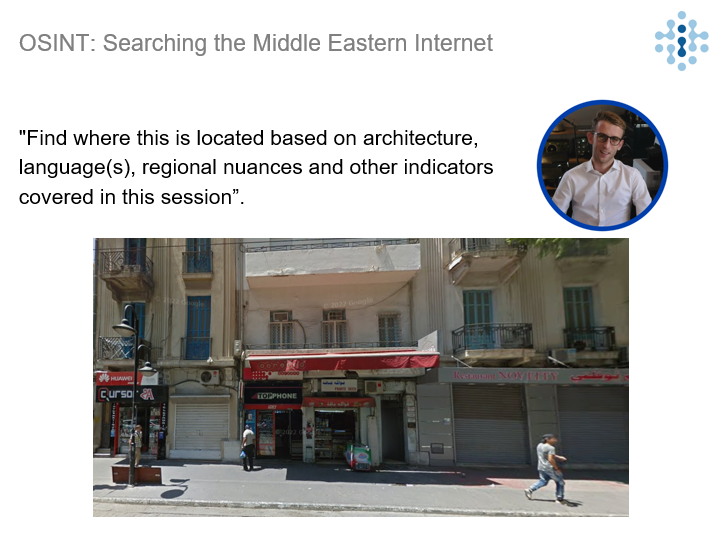
...as well as find locations using satellite imagery, solve tasks relying by analysing cultural and infrastructural indicators and a whole lot more.
In short: You've done a lot! Well done indeed.
Thanks for having chosen @i_intelligence this week!
📅Paolo Walcher will be teaching this course again publicly on the following dates:
13 - 17 Jul 2026, 09:00 - 12:30 CET
31 Aug - 4 Sep 2026, 14:00 - 17:30 CET
31 Aug - 4 Sep 2026, 8:00 - 11:30 EST
23 - 27 Nov 2026, 13:30 - 17:00 CET (auf Deutsch!)
7 - 11 Dec 2026, 09:00 - 12:30 CET
Full course outline and registration:
🔗OSINT: Searching the Middle Eastern Internet course
i-intelligence.eu/courses/os…
💬DM me if you are interested in having this course delivered in-house to your team. We offer both virtual and in-person delivery.
#OSINT #OpenSourceIntelligence #MENAOSINT #course #languageosint #osintlanguage
1
87
"𝐈𝐭'𝐬 𝐧𝐨𝐭 𝐭𝐡𝐚𝐭 𝐝𝐢𝐟𝐟𝐢𝐜𝐮𝐥𝐭! 𝐜𝐨𝐦𝐞 𝐨𝐧... 𝐢𝐭'𝐬 𝐧𝐨𝐭 𝐥𝐢𝐤𝐞 𝐢𝐭'𝐬 𝐂𝐡𝐢𝐧𝐞𝐬𝐞!"
That's a line I often say sarcastically during my course on 'Searching the Chinese Internet: Foundations'
Of course, it actually 𝘪𝘴 Chinese....
The app shown here is often one of the first downloads for people starting to learn Mandarin. For participants of this course, it's also a practical tool for researching Chinese sources and navigating the Chinese internet more effectively.
One of my favorite moments of the course is seeing participants write their first Chinese characters and for some, even start a journey in actually learning Chinese.
Looking forward to welcoming you during Session 1 of this @i_intelligence course next Monday!
The app is free btw, works offline and can be downloaded here:
🟪Google Play: play.google.com/store/apps/d…
🟪Apple Store: apps.apple.com/nl/app/pleco-…
Personal note: Just because a language looks difficult doesn't mean it actually is. 😉
#OSINT #OpenSourceIntelligence #Chinese #course #languageosint #osintlanguage
1
78
💡𝐒𝐩𝐨𝐭𝐥𝐢𝐠𝐡𝐭 𝐨𝐧 𝐭𝐡𝐞 𝐎𝐒𝐈𝐍𝐓: 𝐒𝐞𝐚𝐫𝐜𝐡𝐢𝐧𝐠 𝐭𝐡𝐞 𝐌𝐢𝐝𝐝𝐥𝐞 𝐄𝐚𝐬𝐭𝐞𝐫𝐧 𝐈𝐧𝐭𝐞𝐫𝐧𝐞𝐭 𝐜𝐨𝐮𝐫𝐬𝐞 𝐭𝐡𝐢𝐬 𝐰𝐞𝐞𝐤!
Fourth day - Session 4 of the course: Location-Based Searches and Cultural Intelligence
After three days of learning how to conduct online research using Arabic-language sources, today marks Session 4 of this @i_intelligence course, focusing on Location-Based Searches and Cultural Intelligence.
Key topics covered includes:
• Running location-based queries
• Geolocation using satellite imagery
• Leveraging local infrastructure and geographic identifiers
• Working with cultural markers and contextual indicators
• Advanced geolocation exercises
My colleague Paolo Walcher highlights an important aspect of OSINT and online research: understanding a language is only part of the challenge. True analytical value also comes from understanding the cultural, geographic, and social context behind the information.
Full course outline and registration:
🔗OSINT: Searching the Middle Eastern Internet course
i-intelligence.eu/courses/os…
📅Secure your seats for the upcoming webinars on the following dates.
13 - 17 Jul 2026, 09:00 - 12:30 CET
31 Aug - 4 Sep 2026, 14:00 - 17:30 CET
31 Aug - 4 Sep 2026, 8:00 - 11:30 EST
23 - 27 Nov 2026, 13:30 - 17:00 CET (auf Deutsch!)
7 - 11 Dec 2026, 09:00 - 12:30 CET
Tomorrow's Session 5 will wrap up the course with 3.5 hours of intensive, instructor-led practical exercises. Time to apply everything you've learned. Stay tuned!
#OSINT #OpenSourceIntelligence #MENAOSINT #course #languageosint #osintlanguage
76
💡𝐒𝐩𝐨𝐭𝐥𝐢𝐠𝐡𝐭 𝐨𝐧 𝐭𝐡𝐞 𝐎𝐒𝐈𝐍𝐓: 𝐒𝐞𝐚𝐫𝐜𝐡𝐢𝐧𝐠 𝐭𝐡𝐞 𝐌𝐢𝐝𝐝𝐥𝐞 𝐄𝐚𝐬𝐭𝐞𝐫𝐧 𝐈𝐧𝐭𝐞𝐫𝐧𝐞𝐭 𝐜𝐨𝐮𝐫𝐬𝐞 𝐭𝐡𝐢𝐬 𝐰𝐞𝐞𝐤!
Third day - Session 3 of the course: Working with Arabic Names and Social Media
On the third day of this @i_intelligence course, my colleague Paolo Walcher explains how names across the Middle East and North Africa can be complex. Elements such as the ism, nasab, kunya and nisbah, for example, may all appear differently depending on a person's background or region.
Regional transliteration differences add another layer of complexity. The same name may be rendered differently depending on where a person is from.
As a rule, regardless of the language, '𝘵𝘩𝘦 𝘸𝘢𝘺 𝘱𝘦𝘰𝘱𝘭𝘦 𝘤𝘩𝘰𝘰𝘴𝘦 𝘵𝘰 𝘸𝘳𝘪𝘵𝘦 𝘰𝘳 𝘵𝘳𝘢𝘯𝘴𝘭𝘪𝘵𝘦𝘳𝘢𝘵𝘦 𝘵𝘩𝘦𝘪𝘳 𝘯𝘢𝘮𝘦𝘴 𝘤𝘢𝘯 𝘪𝘯𝘥𝘪𝘤𝘢𝘵𝘦 𝘸𝘩𝘦𝘳𝘦 𝘵𝘩𝘦𝘺 𝘢𝘳𝘦 𝘧𝘳𝘰𝘮, 𝘵𝘩𝘶𝘴 𝘮𝘢𝘬𝘪𝘯𝘨 𝘪𝘵 𝘦𝘢𝘴𝘪𝘦𝘳 𝘵𝘰 𝘧𝘪𝘯𝘥 𝘵𝘩𝘦𝘮 𝘰𝘯𝘭𝘪𝘯𝘦'. Whilst this can make research more challenging, it also provides valuable clues.
Find out what it's all about:
🔗OSINT: Searching the Middle Eastern Internet course
i-intelligence.eu/courses/os…
📅Secure your seats for the upcoming webinars on the following dates.
13 - 17 Jul 2026, 09:00 - 12:30 CET
31 Aug - 4 Sep 2026, 14:00 - 17:30 CET
31 Aug - 4 Sep 2026, 8:00 - 11:30 EST
23 - 27 Nov 2026, 13:30 - 17:00 CET (auf Deutsch!)
7 - 11 Dec 2026, 09:00 - 12:30 CET
Tomorrow Paolo will cover the 'Location-Based Searches and Cultural Intelligence' section of this course. Stay tuned as I'll share some insight on that!
#OSINT #OpenSourceIntelligence #MENAOSINT #course #languageosint #osintlangauge
97
💡𝐒𝐩𝐨𝐭𝐥𝐢𝐠𝐡𝐭 𝐨𝐧 𝐭𝐡𝐞 𝐎𝐒𝐈𝐍𝐓: 𝐒𝐞𝐚𝐫𝐜𝐡𝐢𝐧𝐠 𝐭𝐡𝐞 𝐌𝐢𝐝𝐝𝐥𝐞 𝐄𝐚𝐬𝐭𝐞𝐫𝐧 𝐈𝐧𝐭𝐞𝐫𝐧𝐞𝐭 𝐜𝐨𝐮𝐫𝐬𝐞 𝐭𝐡𝐢𝐬 𝐰𝐞𝐞𝐤!
Second day - Session 2 of the course:
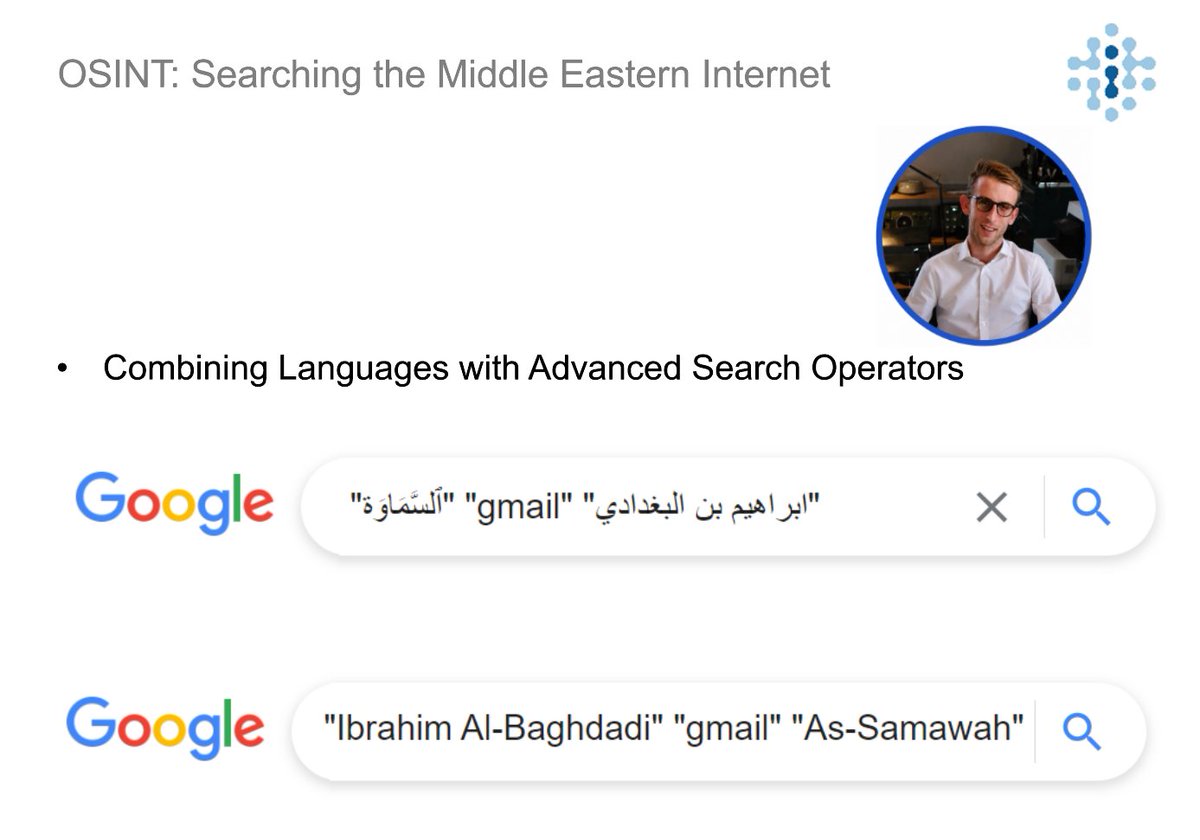
Today, @i_intelligence instructor Paolo Walcher leads the second session of the course which includes a recap of key concepts, recommended search strategies and resources, effective Google searching in Arabic, and working with Arabic-language research sources.
This session is where participants focus on the detailed work of data collection using Arabic script. Developing strong search and research skills is essential for finding reliable information before moving on to analysis.
No previous Arabic language skills are required, just curiosity and a willingness to learn how to use the right tools and techniques to discover relevant information in a foreign language.
Find out what it's all about:
🔗OSINT: Searching the Middle Eastern Internet course
i-intelligence.eu/courses/os…
📅Secure your seats for the upcoming webinars on the following dates.
13 - 17 Jul 2026, 09:00 - 12:30 CET
31 Aug - 4 Sep 2026, 14:00 - 17:30 CET
31 Aug - 4 Sep 2026, 8:00 - 11:30 EST
23 - 27 Nov 2026, 13:30 - 17:00 CET (auf Deutsch!)
7 - 11 Dec 2026, 09:00 - 12:30 CET
Update on session 3 will be shared tomorrow!
#OSINT #OpenSourceIntelligence #MENAOSINT #course #languageosint #osintlangauge
70
💡𝐒𝐩𝐨𝐭𝐥𝐢𝐠𝐡𝐭 𝐨𝐧 𝐭𝐡𝐞 𝐎𝐒𝐈𝐍𝐓: 𝐒𝐞𝐚𝐫𝐜𝐡𝐢𝐧𝐠 𝐭𝐡𝐞 𝐌𝐢𝐝𝐝𝐥𝐞 𝐄𝐚𝐬𝐭𝐞𝐫𝐧 𝐈𝐧𝐭𝐞𝐫𝐧𝐞𝐭 𝐜𝐨𝐮𝐫𝐬𝐞 𝐭𝐡𝐢𝐬 𝐰𝐞𝐞𝐤!
It’s been a few years since I first developed the 𝐎𝐒𝐈𝐍𝐓: 𝐒𝐞𝐚𝐫𝐜𝐡𝐢𝐧𝐠 𝐭𝐡𝐞 𝐌𝐢𝐝𝐝𝐥𝐞 𝐄𝐚𝐬𝐭𝐞𝐫𝐧 𝐈𝐧𝐭𝐞𝐫𝐧𝐞𝐭 course for @i_intelligence
It all started after I mentioned I had studied Arabic in the little free time I had while serving in the Marines and using it while deployed. During that conversation, my colleague told me: “You should build an OSINT course about it.”
Thanks for this push! It also gave me a serious case of imposter syndrome (again), as it hadn't been done before and I was once again taking a leap into the unknown.
For the past several years, my colleague Paolo Walcher has taken over teaching this course, and it has improved significantly thanks to his expertise, dedication, and continued refinement of the material.
The first sessions of this 5-day course started today. Paolo focused on the basics of working with Arabic in an OSINT context, including key language features such as dialects and terminology. The session also covered practical use of translation tools, working with Arabic numerals, OCR for text extraction, and virtual keyboards, concluding with techniques for interpreting Arabic-language sources through context analysis.
Four more half-days to go!
Find out what it's all about:
🔗OSINT: Searching the Middle Eastern Internet course
i-intelligence.eu/courses/os…
📅Secure your seats for the upcoming webinars on the following dates.
13 - 17 Jul 2026, 09:00 - 12:30 CET
31 Aug - 4 Sep 2026, 14:00 - 17:30 CET
31 Aug - 4 Sep 2026, 8:00 - 11:30 EST
23 - 27 Nov 2026, 13:30 - 17:00 CET (auf Deutsch!)
7 - 11 Dec 2026, 09:00 - 12:30 CET
#OSINT #OpenSourceIntelligence #MENAOSINT #course #languageosint #osintlangauge
Have a great week everyone!
89
May 31
𝐏𝐞𝐫𝐬𝐨𝐧𝐚𝐥 𝐧𝐨𝐭𝐞: 𝐒𝐢𝐱 𝐲𝐞𝐚𝐫𝐬 𝐡𝐚𝐯𝐞 𝐩𝐚𝐬𝐬𝐞𝐝 𝐢𝐧 𝐭𝐡𝐞 𝐛𝐥𝐢𝐧𝐤 𝐨𝐟 𝐚𝐧 𝐞𝐲𝐞!
转眼间,六年过去了!
I just realised it's been six years since I started helping analysts discover online information using Chinese sources...
Full transparency: I would not have been able to develop the first foreign-language OSINT courses in the industry without the help of my colleagues at @i_intelligence .
Just as during my time in the Marines, you only become truly good at something once you start teaching it.
Learning how to develop content and structure it into a course, how to teach virtually, how to teach live, speak at events, update content... and find the screen-share button in Zoom for the first time(😅)... all of that was possible thanks to my friends and colleagues.
A lot of the content also comes from you: the participants, who share tools and techniques, ask thoughtful questions during live courses, and contribute to the learning experience. The same goes for colleagues across the industry who work tirelessly to produce original content, you continue to set the bar high.
What started as a 1.5-day course has now grown into two separate 3-day courses, with the help of Eve Chow , who teaches participants how to navigate the Chinese internet with greater precision and helps take their skills to the next level.
Find out what it's all about:
🔗Searching the Chinese Internet: Foundations Course (instructor: me)
i-intelligence.eu/courses/se…
🔗Searching the Chinese Internet: Advanced Course (instructor: Eve Chow)
i-intelligence.eu/courses/se…
We're looking forward to welcoming you to class!
#OSINT #OpenSourceIntelligence #ChineseOSINT #course
1
1
5
342
May 30
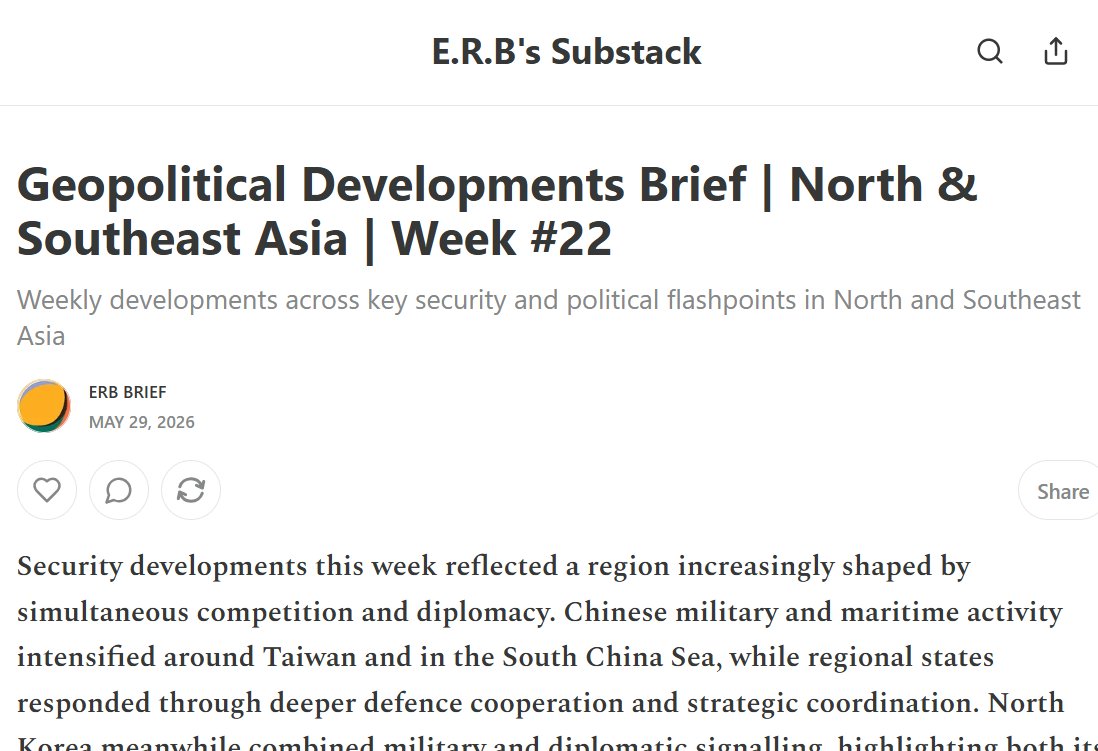
Emer Borger just dropped #22 of his 𝒘𝒆𝒆𝒌𝒍𝒚 𝒅𝒆𝒗𝒆𝒍𝒐𝒑𝒎𝒆𝒏𝒕𝒔 𝒂𝒄𝒓𝒐𝒔𝒔 𝒌𝒆𝒚 𝒔𝒆𝒄𝒖𝒓𝒊𝒕𝒚 𝒂𝒏𝒅 𝒑𝒐𝒍𝒊𝒕𝒊𝒄𝒂𝒍 𝒇𝒍𝒂𝒔𝒉𝒑𝒐𝒊𝒏𝒕𝒔 𝒊𝒏 𝑵𝒐𝒓𝒕𝒉 𝒂𝒏𝒅 𝑺𝒐𝒖𝒕𝒉𝒆𝒂𝒔𝒕 𝑨𝒔𝒊𝒂.
This is one of my go-to subtstacks.
Have a nice weekend everyone!
Link:
erborger.substack.com/p/geop…
#asia #news #geopolitics
60
May 27
🛠️𝐎𝐒𝐈𝐍𝐓 𝐓𝐨𝐨𝐥
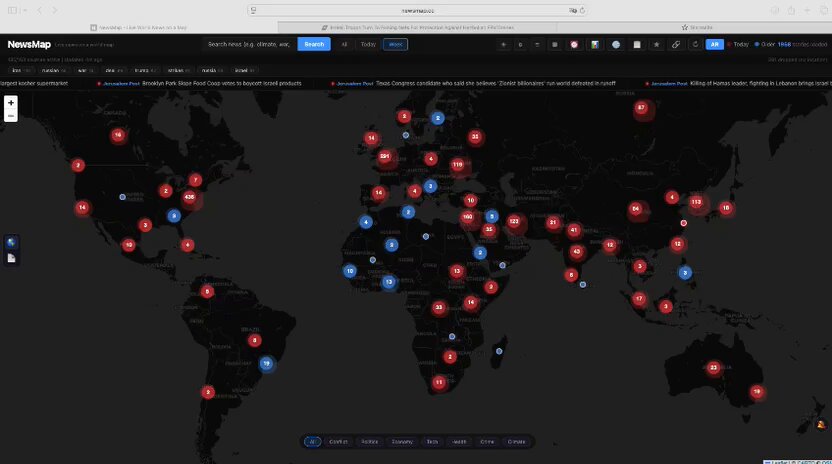
One of the biggest challenges in geopolitics and OSINT is not finding information, but filtering the noise during fast-moving events.
A tool I regularly use is newsmap.cc. Its visual approach helps spot regional developments, emerging stories, and broader patterns faster than endless feeds.
For analysts, journalists, and security professionals, visualising information flows can improve context and situational awareness.
OSINT is not just about collecting information — it is about understanding the bigger picture.
newsmap.cc
#OSINT #MENA #Geopolitics #Security
1
1
1
279
May 24
Grateful to have been invited for a second time on behalf of @i_intelligence to deliver OSINT training supporting the fight against Trafficking in Human Beings (THB), with a focus on Chinese-language investigations.
Many thanks to Hiu Ying Groenewegen-Lau for the invitation and continued dedication to this important mission. It was a pleasure working with your team again.
Thank you to the law enforcement experts, @Europol and @Frontex representatives, and all participants for their commitment to protecting victims and disrupting criminal networks.
#EMPACT #THB #osint #EndHumanTrafficking #HumanTraffickingAwareness
1
114
May 22
If you're still curious about what's happening on our planet, but you're tired of being force-fed a steady diet of doom, outrage, and catastrophe, try one of these websites instead.
'Turns out good things happen too!
Only positive vibes. ✌️🌍
@PositiveNewsUK
positive.news/
Future Crunch
futurecrunch.com/
@OdeToOptimism
optimistdaily.com/
Good News Network
goodnewsnetwork.org/
@RTB_Cheerful
reasonstobecheerful.world/
or....choose to unplug for a bit!
Have a good weekend everyone 😉 #techdetox #newsdetox
1
3
2
160
May 22
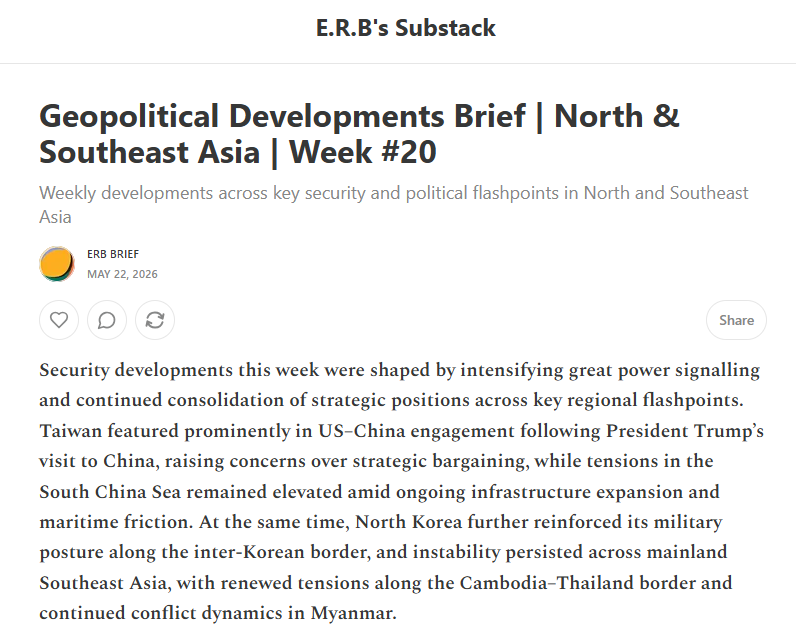
𝐀𝐬𝐢𝐚𝐧 𝐬𝐞𝐜𝐮𝐫𝐢𝐭𝐲 𝐚𝐧𝐝 𝐠𝐞𝐨𝐩𝐨𝐥𝐢𝐭𝐢𝐜𝐬 𝐰𝐚𝐭𝐜𝐡𝐞𝐫𝐬: I recommend my friend Emer Borger ’s Substack, “𝑬.𝑹.𝑩.’𝒔 𝑺𝒖𝒃𝒔𝒕𝒂𝒄𝒌.” We served together, and I’ve always valued his strategic insight and analysis ( workouts).
Emer provides a concise weekly overview of key geopolitical and security developments across Asia, offering excellent strategic perspectives for anyone interested in Asian geopolitics.
I take great care in cherry-picking the non-biased sources I consume, and this one has quickly become one of my new go-to sources for this region.
Have a nice weekend! 周末愉快!
#AsianGeopolitics #GeopoliticalAnalysis #ForeignPolicy
erborger.substack.com/p/geop…
1
66
May 21
'𝑻𝒉𝒆 𝑴𝒊𝒅𝒅𝒍𝒆 𝑬𝒂𝒔𝒕 𝒊𝒔 𝒕𝒐𝒐 𝒄𝒐𝒎𝒑𝒍𝒆𝒙 𝒇𝒐𝒓 𝒂 𝒄𝒐𝒉𝒆𝒓𝒆𝒏𝒕 𝒍𝒐𝒏𝒈-𝒕𝒆𝒓𝒎 𝒔𝒕𝒓𝒂𝒕𝒆𝒈𝒚.' Such claims are frequently invoked to justify reactive policymaking.
This reflects not strategic caution but a failure of strategic foresight with tangible consequences.
Effective strategy requires developing a strong information position. Open-source intelligence (OSINT) can strengthen this foundation by delivering timely insights that support more informed and proactive decision-making.
@i_intelligence is here to help. Join our 5-session 𝐎𝐒𝐈𝐍𝐓: 𝐒𝐞𝐚𝐫𝐜𝐡𝐢𝐧𝐠 𝐭𝐡𝐞 𝐌𝐢𝐝𝐝𝐥𝐞 𝐄𝐚𝐬𝐭𝐞𝐫𝐧 𝐈𝐧𝐭𝐞𝐫𝐧𝐞𝐭 𝐜𝐨𝐮𝐫𝐬𝐞.
My colleague Paolo Walcher will show you how to work effectively with Arabic and other Middle Eastern-language sources. The course covers the fundamentals of Arabic, common challenges in researching regional news, web and social media content, and how to configure your devices for data collection, translation and analysis.
𝐃𝐞𝐥𝐢𝐯𝐞𝐫𝐲 𝐦𝐞𝐭𝐡𝐨𝐝𝐬:
➡️Public webinar form on the following dates:
1 - 5 June 2026, 13:30 - 17:00 CET
13 - 17 Jul 2026, 09:00 - 12:30 CET
i-intelligence.eu/courses/os…
➡️Contact us to discuss private course delivery for your team, available virtually or in person.
#course #osint #mena #onlineresearch

1
83
May 12
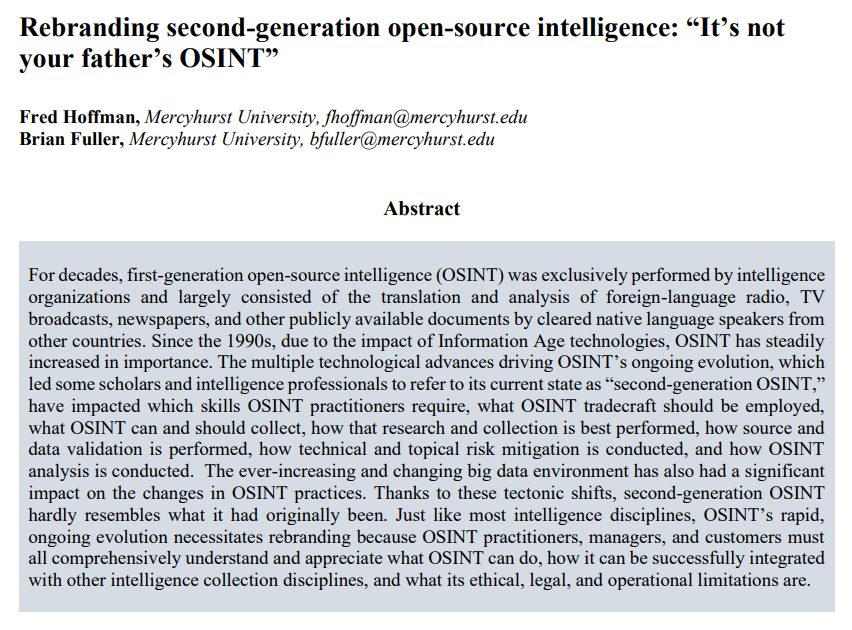
📰Interesting read about the key changes in modern #OSINT
"𝑹𝒆𝒃𝒓𝒂𝒏𝒅𝒊𝒏𝒈 𝒔𝒆𝒄𝒐𝒏𝒅-𝒈𝒆𝒏𝒆𝒓𝒂𝒕𝒊𝒐𝒏 𝒐𝒑𝒆𝒏-𝒔𝒐𝒖𝒓𝒄𝒆 𝒊𝒏𝒕𝒆𝒍𝒍𝒊𝒈𝒆𝒏𝒄𝒆: “𝑰𝒕’𝒔 𝒏𝒐𝒕 𝒚𝒐𝒖𝒓 𝒇𝒂𝒕𝒉𝒆𝒓’𝒔 𝑶𝑺𝑰𝑵𝑻”
Source: iacis.org/iis/2025/3_iis_202…
#opensourceintelligence #onlineresearch
2
160
May 12
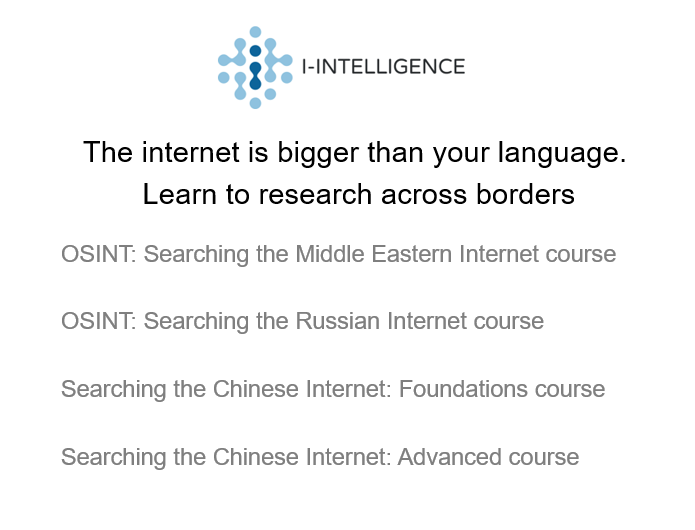
𝐃𝐢𝐬𝐜𝐨𝐯𝐞𝐫 𝐭𝐡𝐞 𝐩𝐚𝐫𝐭𝐬 𝐨𝐟 𝐭𝐡𝐞 𝐢𝐧𝐭𝐞𝐫𝐧𝐞𝐭 𝐦𝐨𝐬𝐭 𝐩𝐞𝐨𝐩𝐥𝐞 𝐧𝐞𝐯𝐞𝐫 𝐬𝐞𝐞 𝐭𝐡𝐫𝐨𝐮𝐠𝐡 𝐦𝐮𝐥𝐭𝐢𝐥𝐢𝐧𝐠𝐮𝐚𝐥 𝐫𝐞𝐬𝐞𝐚𝐫𝐜𝐡.
Join @i_intelligence in our next public courses:
𝐎𝐒𝐈𝐍𝐓: 𝐒𝐞𝐚𝐫𝐜𝐡𝐢𝐧𝐠 𝐭𝐡𝐞 𝐌𝐢𝐝𝐝𝐥𝐞 𝐄𝐚𝐬𝐭𝐞𝐫𝐧 𝐈𝐧𝐭𝐞𝐫𝐧𝐞𝐭
1 - 5 June 2026, 13:30 - 17:00 CET
13 - 17 Jul 2026, 09:00 - 12:30 CET
𝐎𝐒𝐈𝐍𝐓: 𝐒𝐞𝐚𝐫𝐜𝐡𝐢𝐧𝐠 𝐭𝐡𝐞 𝐑𝐮𝐬𝐬𝐢𝐚𝐧 𝐈𝐧𝐭𝐞𝐫𝐧𝐞𝐭
18 - 22 May 2026, 09:00 - 12:30 CET
18 - 22 May 2026, 15:00 – 18:30 SGT
𝐒𝐞𝐚𝐫𝐜𝐡𝐢𝐧𝐠 𝐭𝐡𝐞 𝐂𝐡𝐢𝐧𝐞𝐬𝐞 𝐈𝐧𝐭𝐞𝐫𝐧𝐞𝐭: 𝐅𝐨𝐮𝐧𝐝𝐚𝐭𝐢𝐨𝐧𝐬
8 - 12 June 2026, 13:30 - 17:00 CET
6 - 10 July 2026, 08:30 - 12:00 SGT
𝐒𝐞𝐚𝐫𝐜𝐡𝐢𝐧𝐠 𝐭𝐡𝐞 𝐂𝐡𝐢𝐧𝐞𝐬𝐞 𝐈𝐧𝐭𝐞𝐫𝐧𝐞𝐭: 𝐀𝐝𝐯𝐚𝐧𝐜𝐞𝐝
22 - 26 June 2026, 08:30 - 12:00 CET
17 - 21 Aug 2026, 08:30 - 12.00 SGT
Registration details and course outlines can be found here:
i-intelligence.eu/training/v…
DM me or email at : s.schiphorst@i-intelligence.eu to learn more about our in-house delivery options and how we can best support your team.
See you in class!
#osint #languageosint #osintlanguage #onlineresearch
2
152