- Tweets 1,198
- Following 5,380
- Followers 10,859
- Likes 3,177




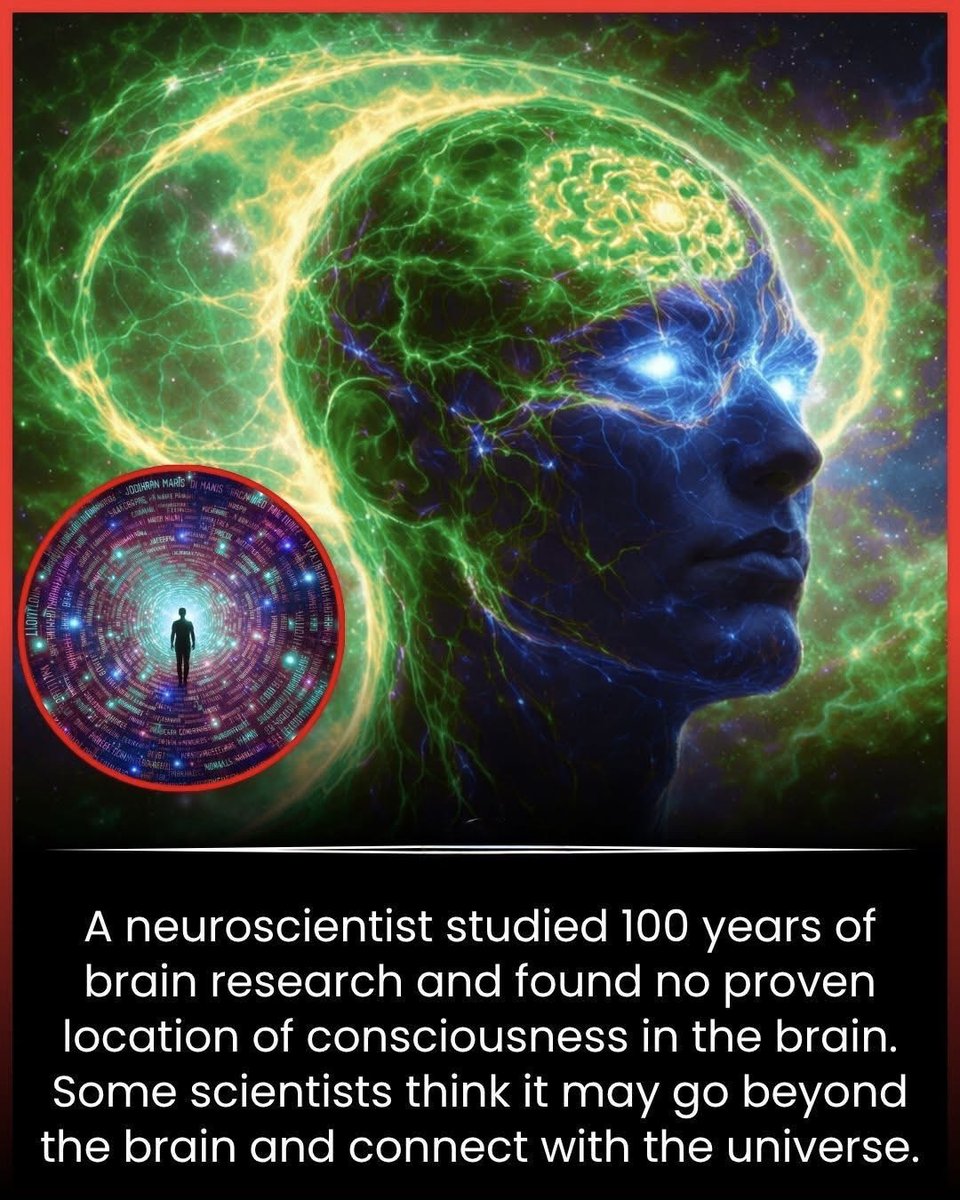








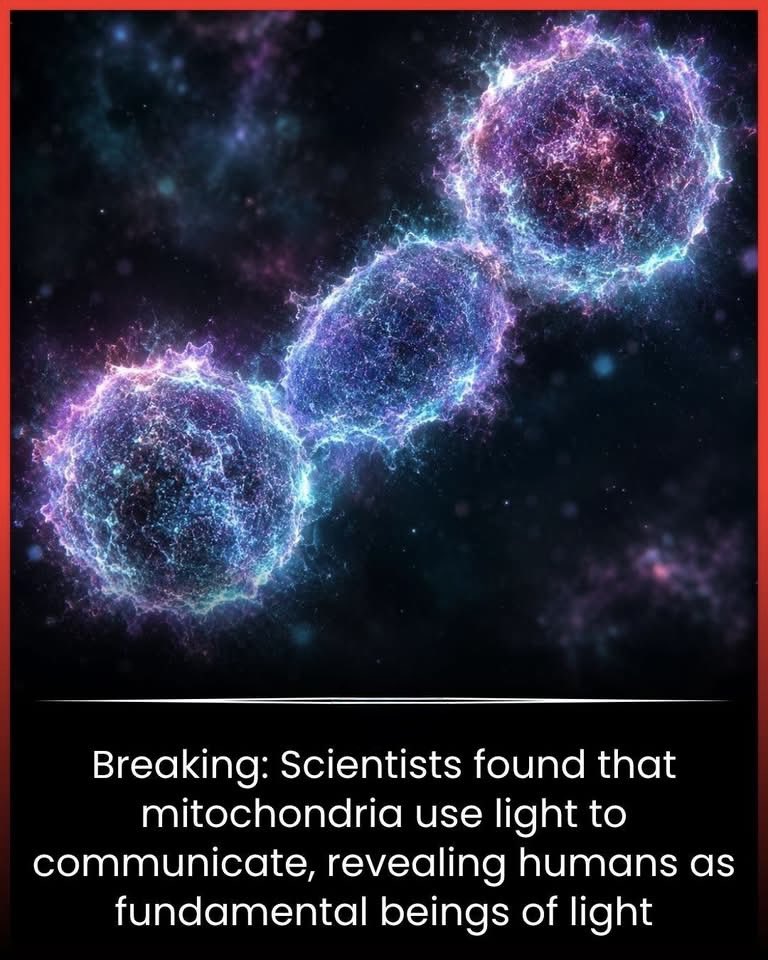
ALT ⚡️ YOUR CELLS MAY BE TALKING WITH LIGHT Scientists have discovered that mitochondria, the tiny powerhouses inside our cells, may communicate using faint flashes of light called biophotons. This challenges the long-held belief that cells communicate only through chemical signals. If confirmed, this hidden light-based communication system could transform our understanding of aging, healing, and disease. It suggests the human body is even more complex and fascinating than we ever imagined. Are we literally beings of light? Science is beginning to explore that possibility. Source Journal of Cell Biology.
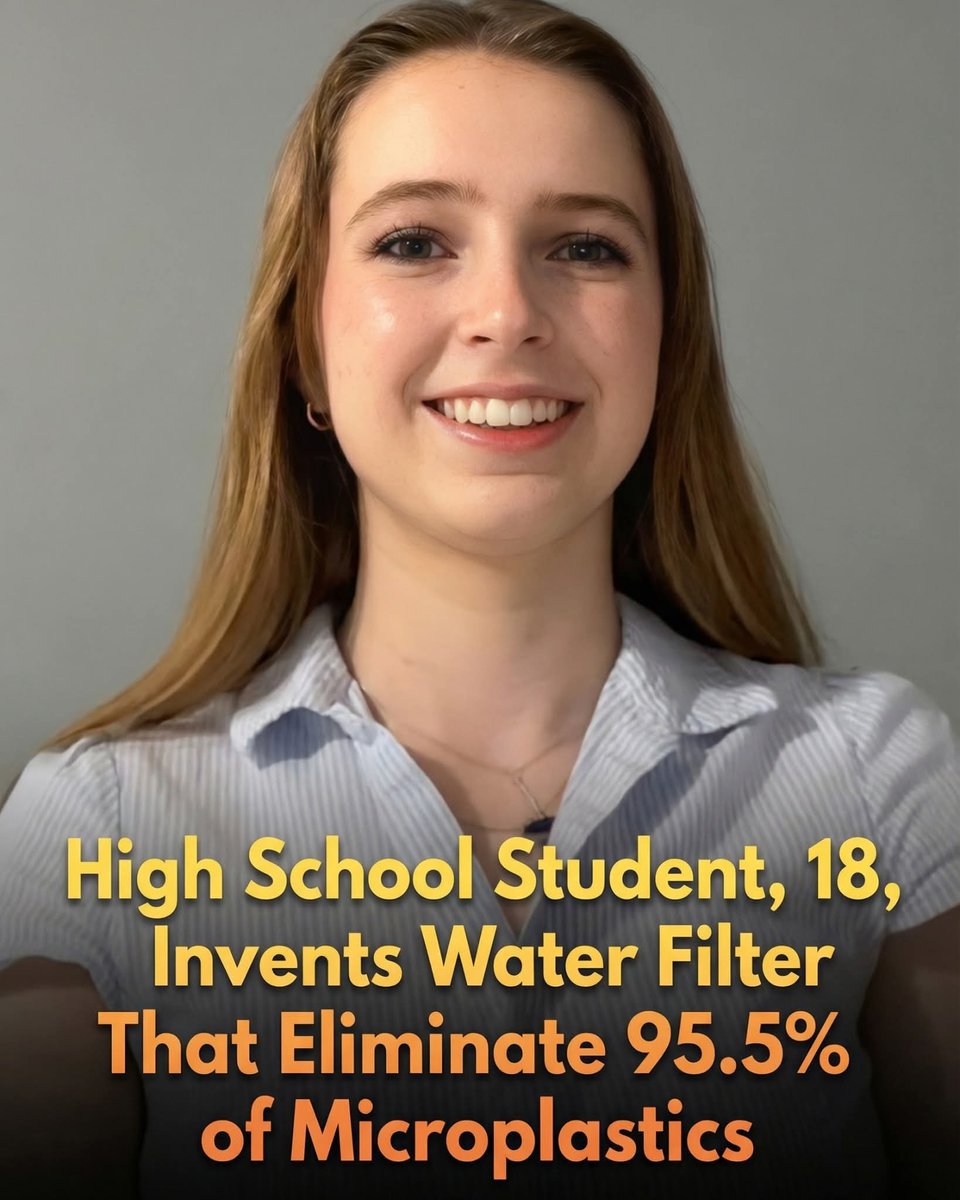
ALT 🚨 A teen just created a filtration system that removes over 95% of microplastics from drinking water. Mia Heller, an 18-year-old student at Kettle Run High School, took matters into her own hands after realizing that government agencies were not prioritizing filtration programs for plastic-contaminated water. Frustrated by the maintenance-heavy and expensive membrane filters her parents used at home, Heller spent months in her garage designing a more efficient alternative. Her prototype, which is roughly the size of a standard home appliance, successfully eliminates 95.5% of microplastics—a performance level that rivals existing high-end commercial technologies but with significantly less waste. The system utilizes a specialized magnetic liquid called ferrofluid that attaches to microscopic plastic particles ranging from one nanometer to five millimeters in size. As water flows through the device, a magnet pulls the ferrofluid-bound contaminants out, leaving behind clean drinking
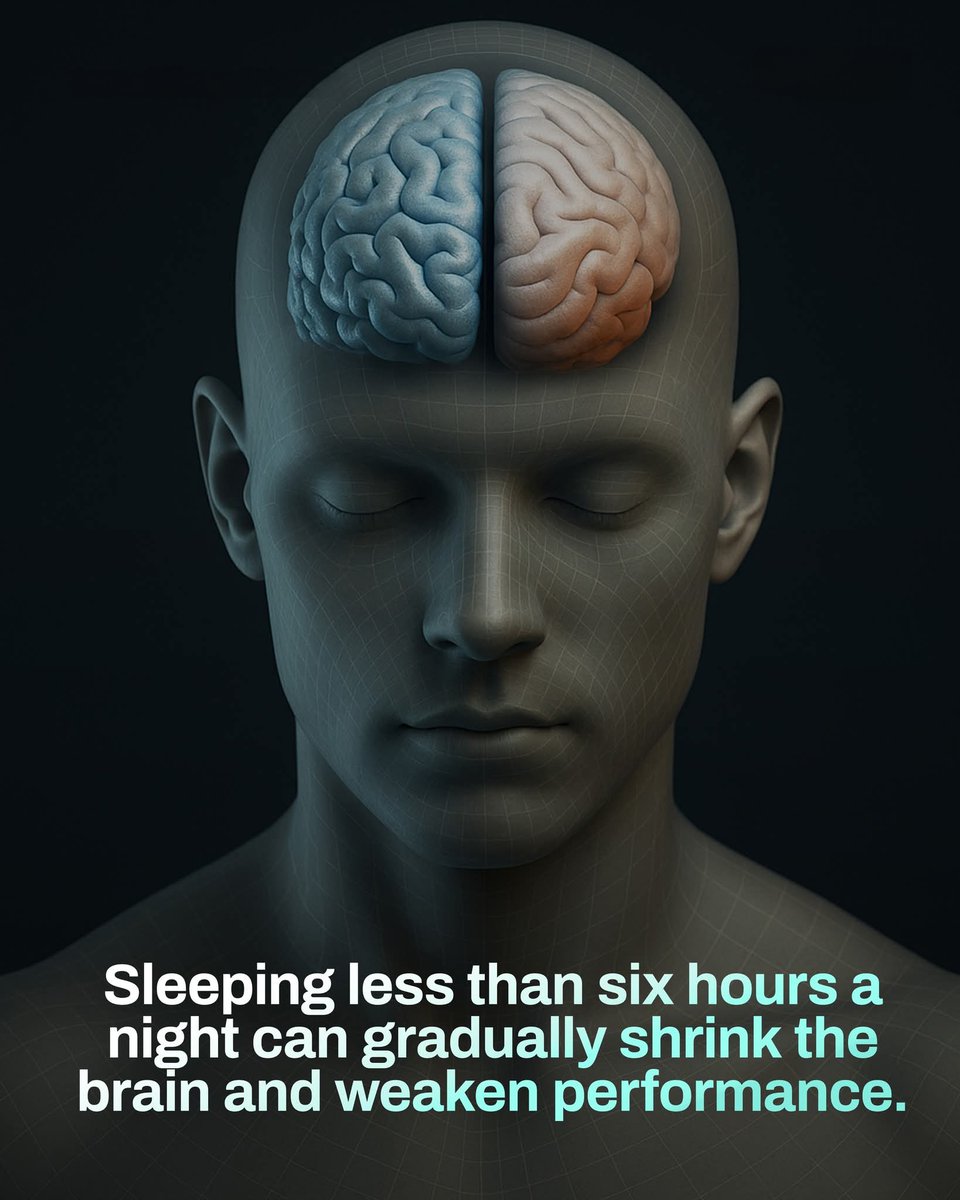
ALT Sleeping less than six hours per night can cause measurable reductions in brain volume, particularly in the frontal regions responsible for focus and decision-making. Chronic sleep deprivation leads to a gradual loss of cortical gray matter, weakening neural connections over time. This reduction affects memory, emotional balance, and cognitive performance. The effects are subtle at first but accumulate with continued lack of rest. Prioritizing consistent, restorative sleep is essential to protect brain structure and maintain mental health.

ALT It’s official — El Niño has arrived A powerful Super El Niño has officially arrived, threatening to collide with human-driven warming and push global temperatures to historic, record-breaking heights. The National Oceanic and Atmospheric Administration (NOAA) has officially declared the arrival of El Niño after a massive build-up of unusually warm water in the tropical Pacific. This natural climate cycle is already releasing vast amounts of stored ocean heat into the atmosphere, threatening to disrupt global weather patterns. Alarmingly, scientists warn there is a 63% chance this event could intensify into a 'very strong' or Super El Niño, potentially ranking as one of the most powerful since modern records began in 1950. With the phenomenon developing on top of an already overheated planet, experts caution that it could push global temperatures to unprecedented heights, making the coming year the hottest on record.

ALT A world-class education is now completely free — MIT has opened its entire vault of more than 2,500 courses to the public online. With total student loan debt in the United States surpassing $1.7 trillion, these free educational platforms provide a crucial, debt-free alternative for Americans looking to acquire high-income skills in tech and business. For decades, an elite college education was reserved for a select few who could afford staggering tuition fees or secure highly competitive admissions. Today, the Massachusetts Institute of Technology is tearing down those barriers by offering virtually its entire curriculum—spanning over 2,500 courses—entirely for free online. Through its ground-breaking OpenCourseWare platform, anyone can access complete course materials, including lecture notes, homework assignments, exams, and even streaming video lectures from world-renowned professors.
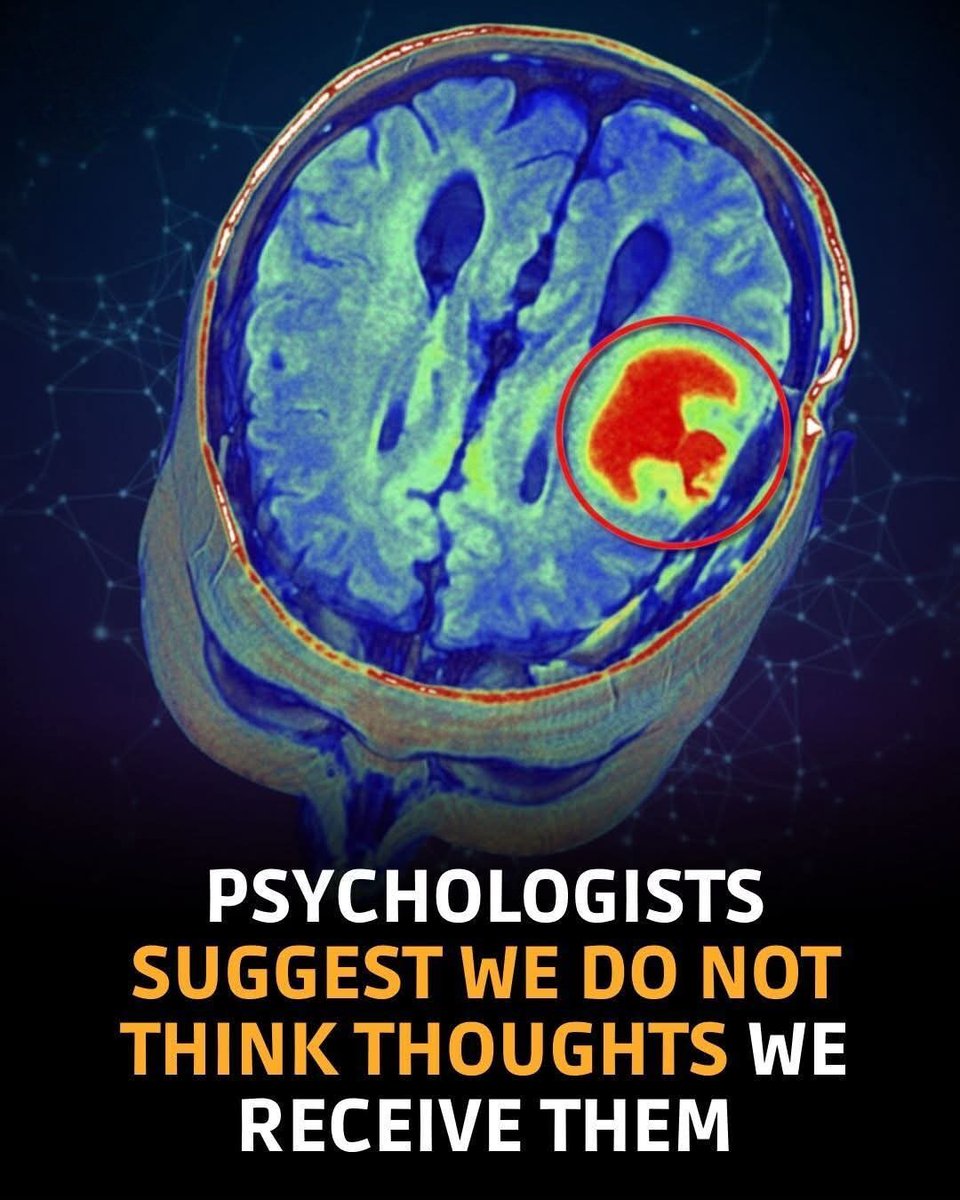
ALT 🧠 Mind as receiver, not creator. Psychologists are exploring a fascinating idea that challenges how we understand the human mind. Thoughts may not be something we actively produce. Instead, they may arise, arrive, or surface from deeper subconscious processes beyond conscious control. Rather than being authored moment by moment, thoughts appear automatically, often without warning or intention. Brain imaging studies show that neural activity linked to a thought begins milliseconds before a person becomes aware of it. This suggests awareness comes after the thought has already formed, not before. Meditation research supports this too, showing how thoughts emerge spontaneously when the mind is quiet, then fade when attention shifts. This perspective changes how we relate to anxiety, creativity, and self-judgment. If thoughts are received rather than chosen, then observing them without attachment becomes easier. Mental clarity may come not from controlling the mind, but from listening


ALT 🚨The United States just offically recliassified cannabis. The federal reclassification of medical marijuana to Schedule III marks a monumental shift in U.S. drug policy, promising to unlock clinical research and deliver massive tax relief to state-legal businesses. After more than half a century under the nation's most restrictive drug category, state-licensed medical marijuana has been officially reclassified from Schedule I to Schedule III by the federal government. Since 1970, cannabis was grouped alongside heroin and LSD under the assumption that it had high abuse potential and no accepted medical value—a designation that increasingly clashed with the reality of millions of Americans legalizing its use under state programs. While the change does not legalize recreational marijuana federally or allow interstate sales, it removes significant roadblocks for medical cannabis operators and scientists alike.

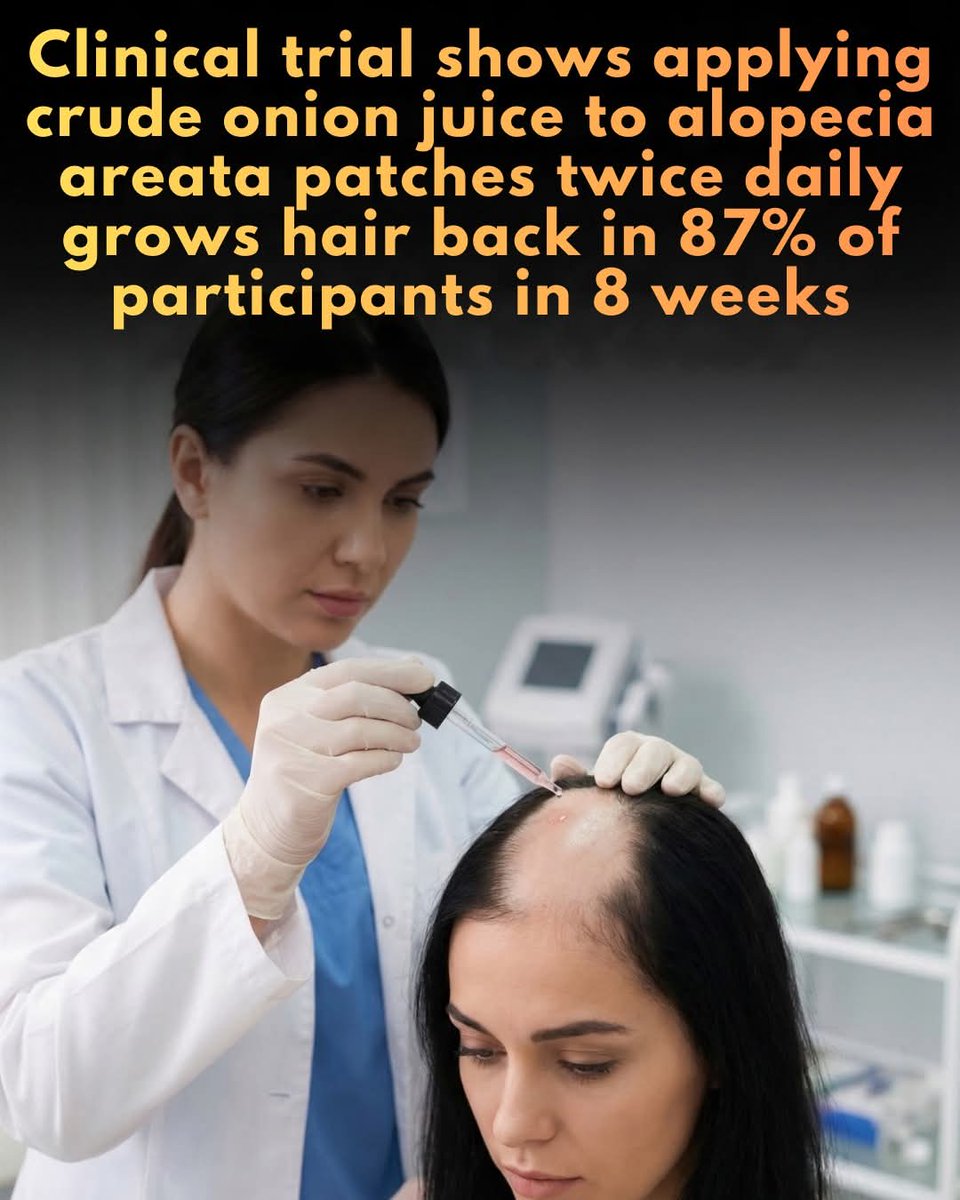
ALT A study had an 87% success rate at reversing hair loss using the method. A landmark study published in The Journal of Dermatology reveals that crude onion juice could be a surprisingly effective natural remedy for patchy alopecia areata. Researchers found that applying the juice twice daily led to significant hair regrowth in nearly 87% of participants within just six to eight weeks. Results were particularly striking among male participants, who saw a 93.7% success rate compared to 71.4% in women. This simple topical treatment significantly outperformed tap water, which served as the control group, marking a potential breakthrough for those seeking accessible, non-pharmaceutical options for hair restoration. The science behind this unconventional method suggests that onion juice acts as a topical irritant. Experts believe this irritation triggers a localized response that diverts the body's autoimmune attack away from hair follicles, effectively allowing them to transition back.






ALT 🚨 YOUR BODY'S SECRET "VELCRO" Hidden inside your body, trillions of cells stay connected using tiny adhesion proteins that work like microscopic hooks and loops. These invisible connections help heal wounds, fight infections, and keep tissues strong. But when this cellular "glue" fails, serious diseases—including cancer—can gain the upper hand. The amazing part? This life-saving system is working inside you right now, completely unnoticed. Source Alberts, B., Johnson, A., Lewis, J., Morgan, D., Raff, M., Roberts, K., & Walter, P. *Molecular Biology of the Cell*. Garland Science.
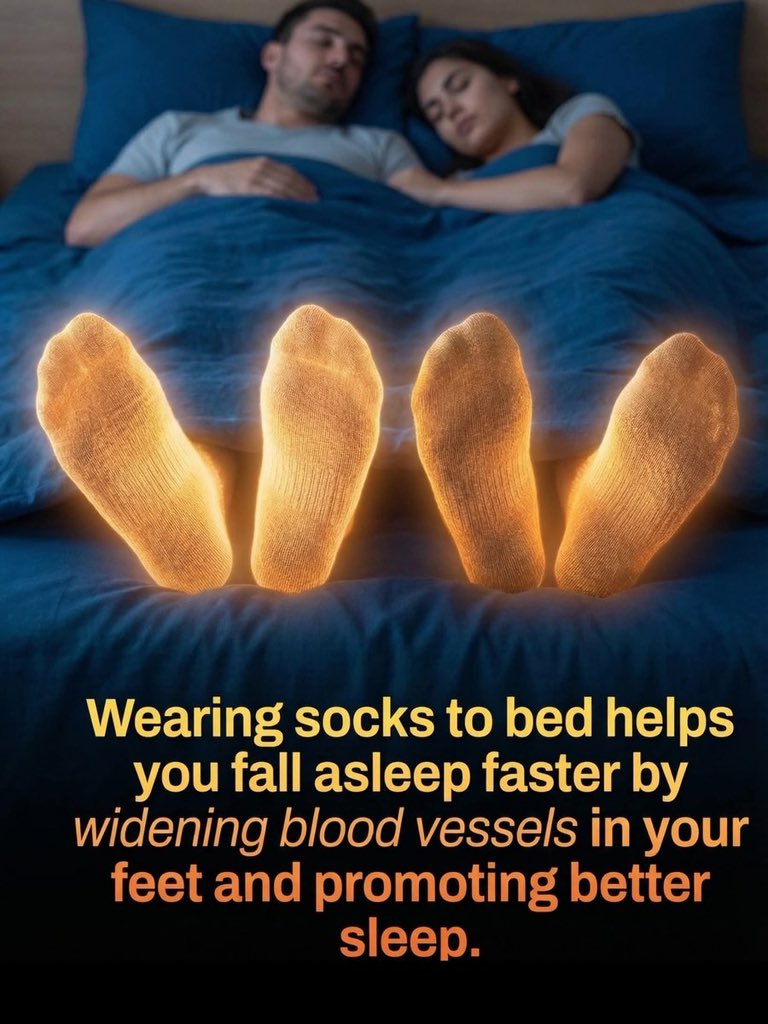
ALT Warming your feet triggers a biological shortcut to deeper, more restorative sleep. Slipping on a pair of socks before climbing under the covers might be the simplest biohack for a better night's rest. When your feet are warm, your blood vessels undergo a process known as vasodilation. This expansion allows heat to redistribute from your core to your extremities, effectively lowering your internal body temperature. This physiological shift serves as a critical biological signal to the brain that the body is ready to transition into a sleep state, making it easier to drift off without tossing and turning. The benefits go beyond just falling asleep quickly; they also impact the duration and depth of your rest. Researchers at Seoul National University discovered that participants who wore socks to bed not only fell asleep significantly faster but also enjoyed longer sleep cycles with fewer interruptions throughout the night.

ALT 🚨 The FDA has approved a revolutionary light-activated polymer system that repairs severed nerves without the need for traditional surgical stitches. The US Food and Drug Administration has officially cleared a revolutionary nerve-repair system that replaces traditional surgical stitches with light-activated polymers. Developed by medical technology firm Tissium based on research from MIT, this innovation utilizes a biocompatible polymer to create a flexible, 3D-printed cuff around severed nerves. Instead of the painstaking process of manual suturing under a microscope, surgeons can now apply a liquid prepolymer that cures instantly with light, creating a secure seal that allows delicate nerve tissues to knit back together naturally. This milestone marks the first FDA approval for Tissium, culminating over a decade of research into poly(glycerol sebacate acrylate) materials. The implant is designed to be fully bioresorbable, meaning it safely disappears once the nerve has healed.

ALT In the United States, lung cancer is the leading cause of cancer death. Soon, that may change — a lung cancer vaccine has officially entered human trials. A groundbreaking global trial of the world's first mRNA lung cancer vaccine has officially launched, offering a personalized, targeted weapon against the deadliest form of the disease. Doctors have officially initiated human trials for BNT116, the world’s first mRNA lung cancer vaccine targeting non-small cell lung cancer (NSCLC), which is the most common and deadliest form of the disease. Developed by BioNTech, the investigational therapy utilizes the same messenger RNA technology that successfully powered COVID-19 vaccines. However, instead of fighting viruses, this jab is engineered to deliver precise genetic instructions that train the patient's immune system to identify and destroy tumor cells while sparing healthy surrounding tissues from the harsh side effects associated with traditional chemotherapy.

ALT A woman lost a decade's worth of memories due to constipation. The routine case of constipation turned into a medical anomaly for a woman in Hong Kong who reportedly lost ten years of her life’s memories after straining too hard on the toilet. Following the intense physical effort, she experienced a 'mental blackout' that lasted eight hours, leading her concerned family to rush her to the hospital. Neurologists identified the condition as transient global amnesia, a rare phenomenon where a sudden spike in internal pressure restricts the flow of blood and oxygen to the brain via the jugular vein. While the woman eventually regained her memories after a night of observation, she had no recollection of the terrifying event that had just unfolded. This unusual occurrence underscores the potential neurological risks associated with extreme physical strain. Similar to a 'weight-lifter’s blackout,' the condition can be triggered by various factors that cause a sharp spike.
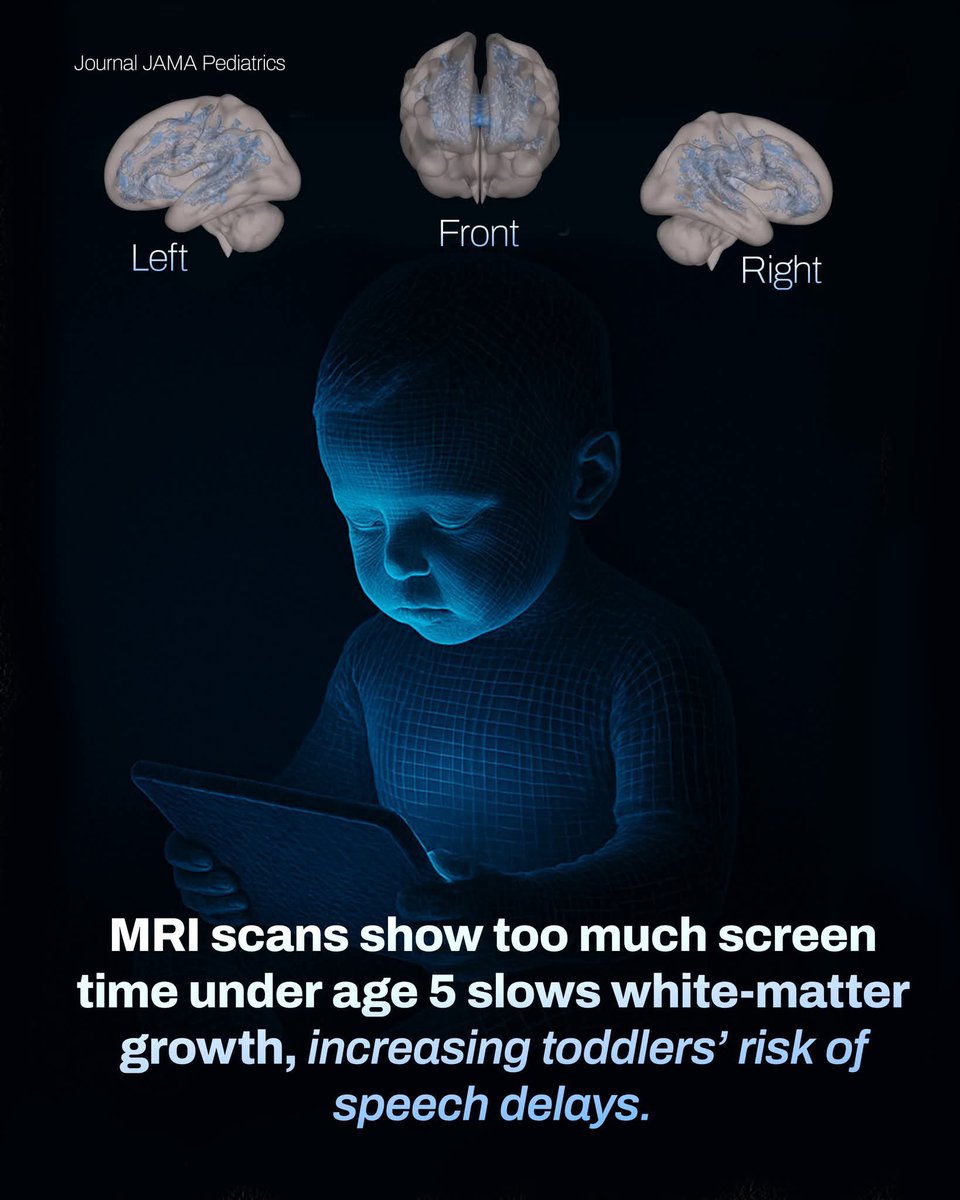
ALT Excessive screen time before age five has been linked to slower growth of white-matter pathways in the developing brain. These pathways are essential for language, literacy, and cognitive processing, making their healthy development crucial during early childhood. MRI scans reviewed in a study published in JAMA Pediatrics show that children with higher screen exposure demonstrate reduced white-matter integrity. As a result, toddlers may face an increased risk of speech delays and difficulties in communication. The findings highlight the importance of mindful screen-use habits during the early years to support optimal brain development.


ALT Aspirin, a common pain-relieving drug, has been shown to reduce the risk of colorectal cancer, especially in high-risk individuals. It works by lowering inflammation, slowing tumor growth, and helping the immune system detect cancer cells. However, due to potential side effects like bleeding, it should only be used for prevention under medical guidance.