
This is a page dedicated to promoting the science of reading and our understanding of it.
Joined April 2021
- Tweets 855
- Following 249
- Followers 908
- Likes 2,215
13 Photos and videos

Science of Read retweeted

Save 15% on your membership with code SPRING15
Join the International Dyslexia Association and gain access to:
• Classroom-ready resources & professional development
• Expert-led webinars, research, and CEUs
• A supportive community that understands your work

3
3
7
454
Science of Read retweeted

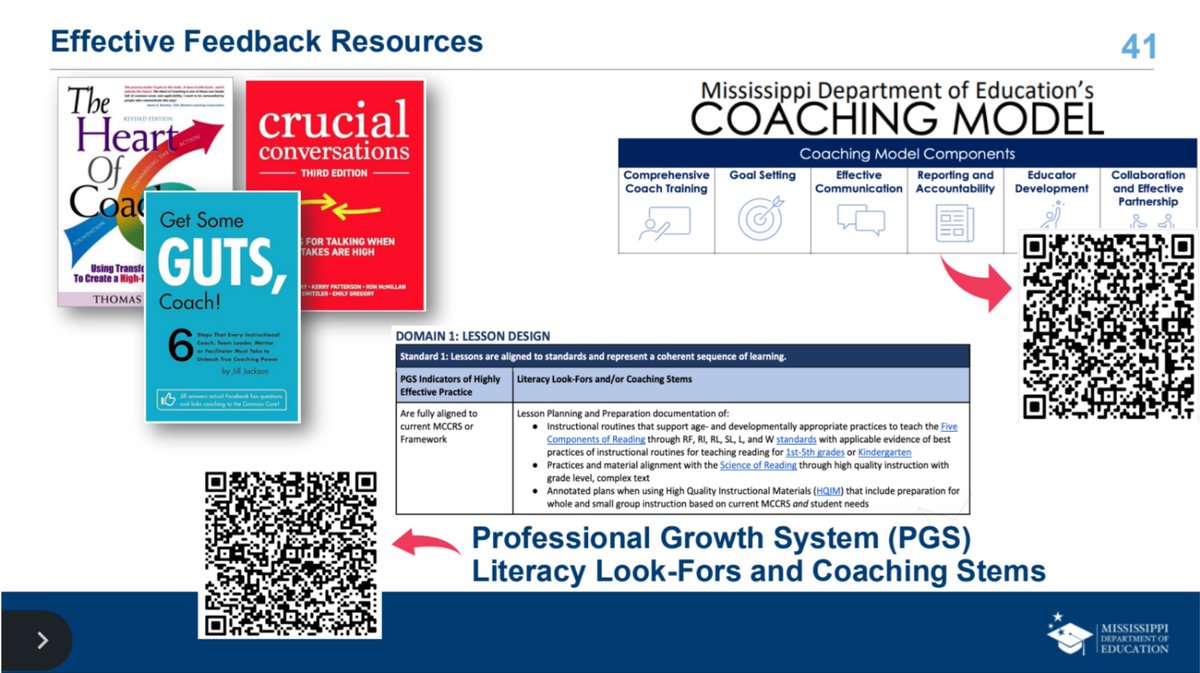
The Mississippi Dept of Ed's Literacy Division: Top Ten Things that Every Literacy Leader (Administrator) Needs to Know: #10 Effective Feedback tinyurl.com/MDEadmin10
13
47
3,400
Science of Read retweeted

Morphemes are the smallest units of meaning in words, and learning morphemes can help students break down the meaning of unfamiliar words! Join us on April 8 to learn three morphology instructional strategies that secondary teachers can use across subject areas: irrc.education.uiowa.edu/pro…

ALT Science of Reading for Secondary Instruction: Using Morphology to Help Students Tackle Big Words in Content Areas Free Webinar Leah Zimmermann Heba Abdelnaby Eleni Chatzoglou Eunhae Cho Wednesday, April 8 12:00 pm - 1:00 pm CT Virtual
5
6
510
Science of Read retweeted

5 Dec 2025
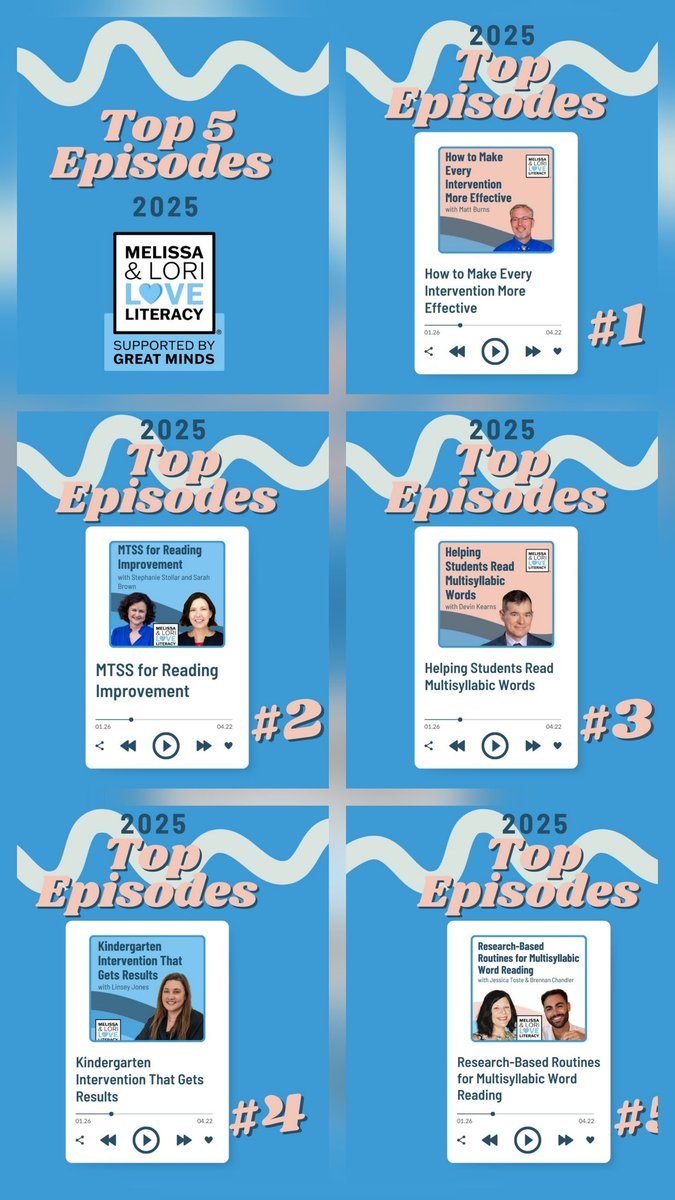
Looking for quality yet entertaining literacy PD? Check out @literacypodcast. Here are top 5 for 2025 - honored to be included.
@UFLiteracy @ILAToday @DyslexiaIDA @CECMembership @leadforliteracy @NCILiteracy @TheNCII @nasponline @UF_COE @reading_league @ScienceofRead
1
13
35
2,087
Science of Read retweeted
20 Nov 2025
Great news, @UF_COE Spec Ed is searching for a new colleague with an open rank search!!! Come join the collaborative, collegial, and creative team.
@CECMembership @AACTE @AERA_EdResearch @SSSReading @ScienceofRead @black_literacy @NCILiteracy @DyslexiaIDA
higheredjobs.com/details.cfm…
7
14
1,113

Sen. Elizabeth Warren is attempting to stop the reported selloff of the $1.6 trillion student loan portfolio to private companies. abcnews.link/FejFIgz
30
37
86
54,239
Science of Read retweeted
13 Nov 2025
If you missed the @EdWeekTeacher webinar on screening for #dyslexia, sponsored by @RenLearnUS, then you can still access the video at event.on24.com/wcc/r/5111580…
@DyslexiaIDA @reading_league @LDTonline @ScienceofRead @NCILiteracy @nasponline @CECMembership @DyslexiaFound
1
9
27
1,527
Science of Read retweeted

10 Nov 2025
🎉 It’s HERE! Registration for #TRLConf2026 is NOW OPEN!
📅 Sept 30–Oct 2, 2026 | Chicago
Join educators, researchers & literacy leaders for three days of evidence-aligned learning, inspiration & connection.
Secure your spot early & save your seat: bit.ly/4lUzmFC

ALT 2026 10th Annual Conference of The Reading League Registration is now open See you back in Chicago in 2026! Register Today September 30 - October 2, 2026 in Chicago, IL
5
11
1,145
Science of Read retweeted

9 Nov 2025
Orthographic mapping is essential to sight word development.
Orthographic mapping is not something we can teach.
It is a brain process.
What we can do is to teach in a way that facilitates it.
The research shows with certainty that proficient readers do not learn words as a whole. To read words as if by “sight”, all readers must orthographically map those words.
Consequently, the most effective reading instruction for novices is that which facilitates this process.
Understanding this is essential for teachers of novice readers effectively; without it, we risk relying on practices and strategies that are not effective for most students.
Reading is not primarily about recognizing the overall shape or pattern of a word. This is particularly dangerous for novice readers, who are the most vulnerable. Decades of research have already established that proficient readers do not become proficient by looking at the shape of words or memorizing them. Our visual memory has a limited capacity.
To my knowledge, there is no research supporting the idea that spelling is a visual task where students simply “see” words in their rather than sound them out when reading or spelling.
On the contrary, skilled spellers rely heavily on phoneme–grapheme knowledge, semantics as well as morphology, etymology, and statistical knowledge of spelling patterns.
1
7
57
2,812
Science of Read retweeted
8 Nov 2025
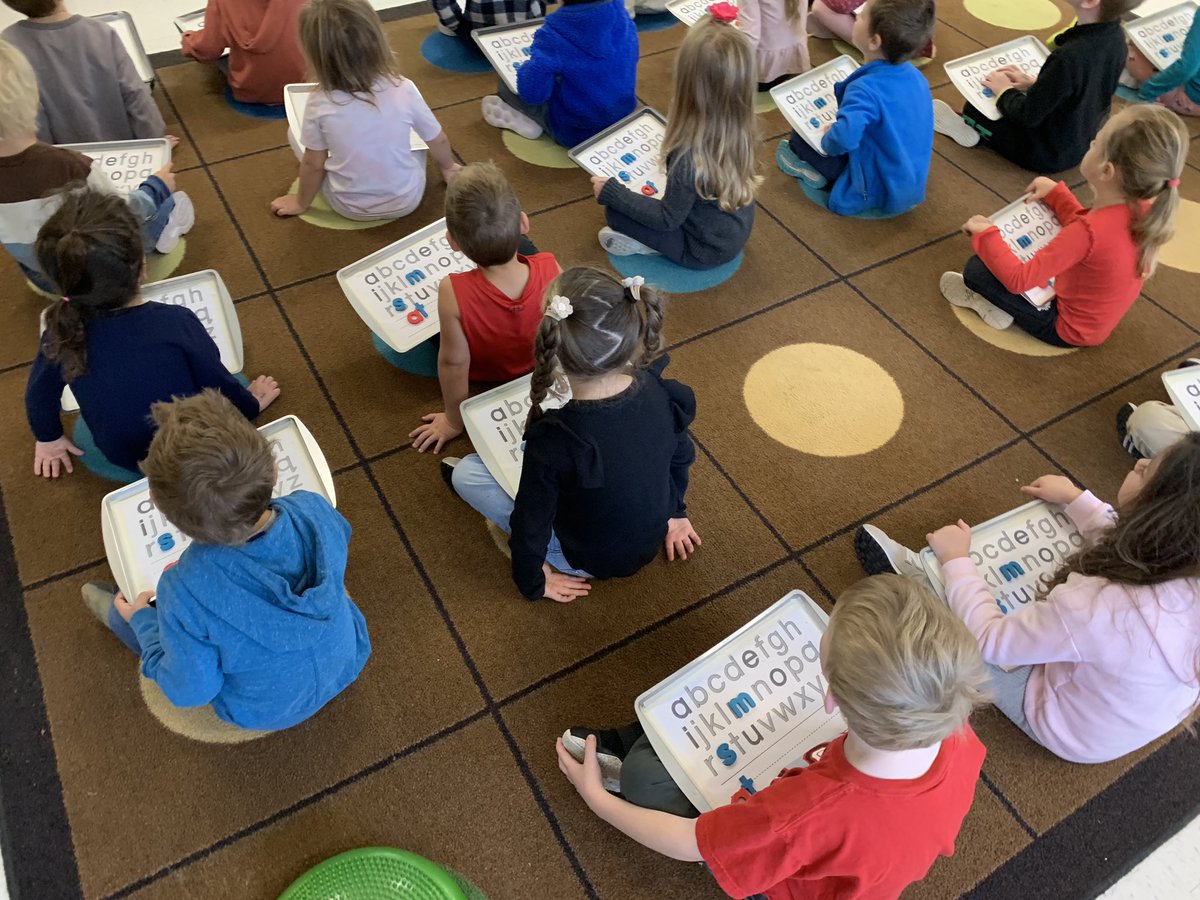
Pro tip: Keep it simple. Keep it consistent. Keep it clear.
10 Oct 2024

Guess what shiny, flashy, novel phonics activity we did today?
We didn’t.
We made words w magnetic letters & cookie sheets just as we will do 2x/week all year long.
Keep routines & materials the same & focus on learning, even if it’s not as exciting to post on social media.
2
8
91
7,005
Science of Read retweeted

8 Nov 2025
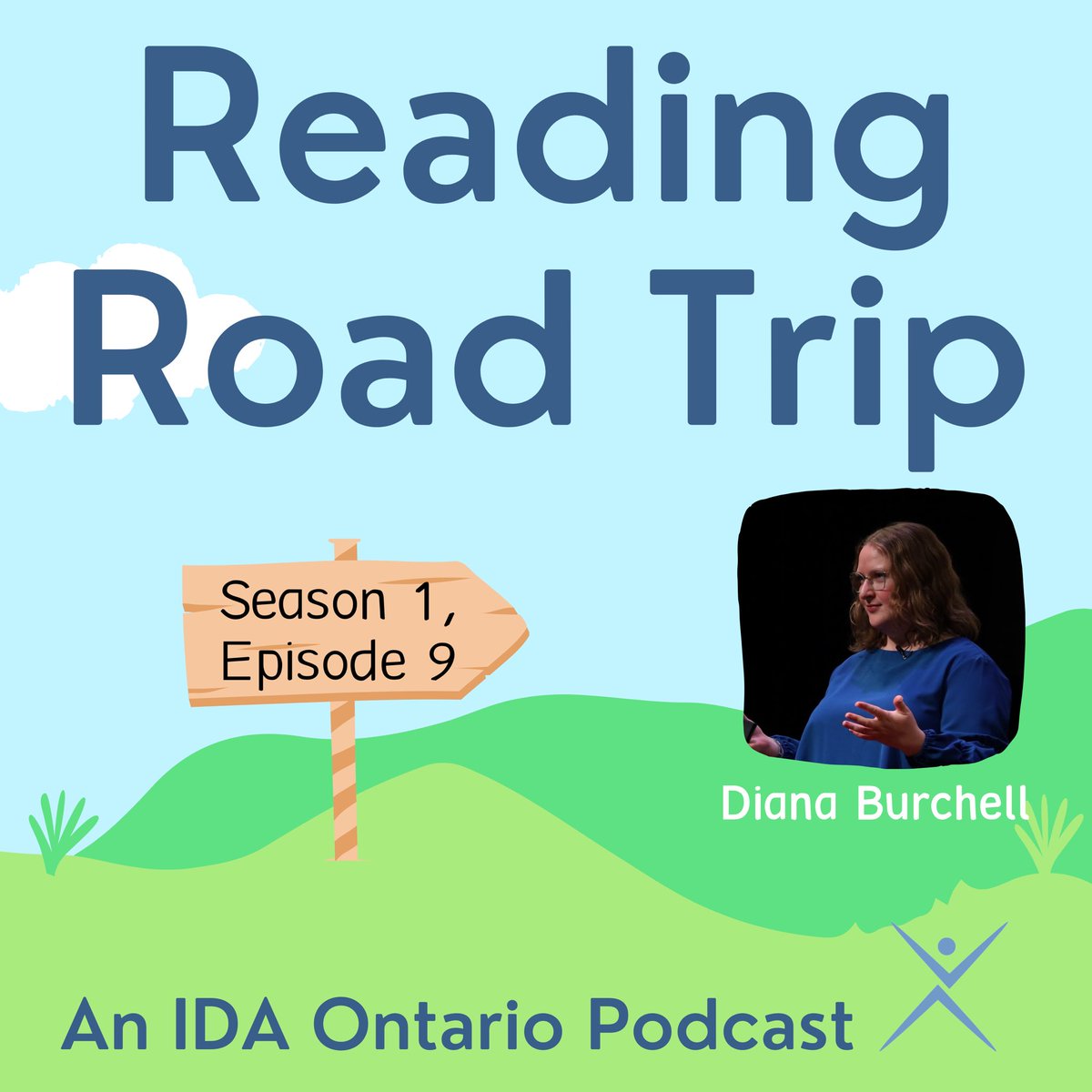
Return Road Trip! 🚗
I’m joined by @mmeburchell to discuss language learners (including Multilingual Learners and French Immersion students) and literacy!
Is structured literacy good for them? Should assessment be different?
reading-roadtrip.castos.com/…
4
6
562
Science of Read retweeted

8 Nov 2025
There's a video of the @PlanetWordDC "Eyes on Reading" event with neuroscientist Reid Lyon and teacher Margaret Goldberg - and you can watch it now. youtube.com/watch?v=Cp1bvF8B…
1
14
45
6,204
Science of Read retweeted

7 Nov 2025
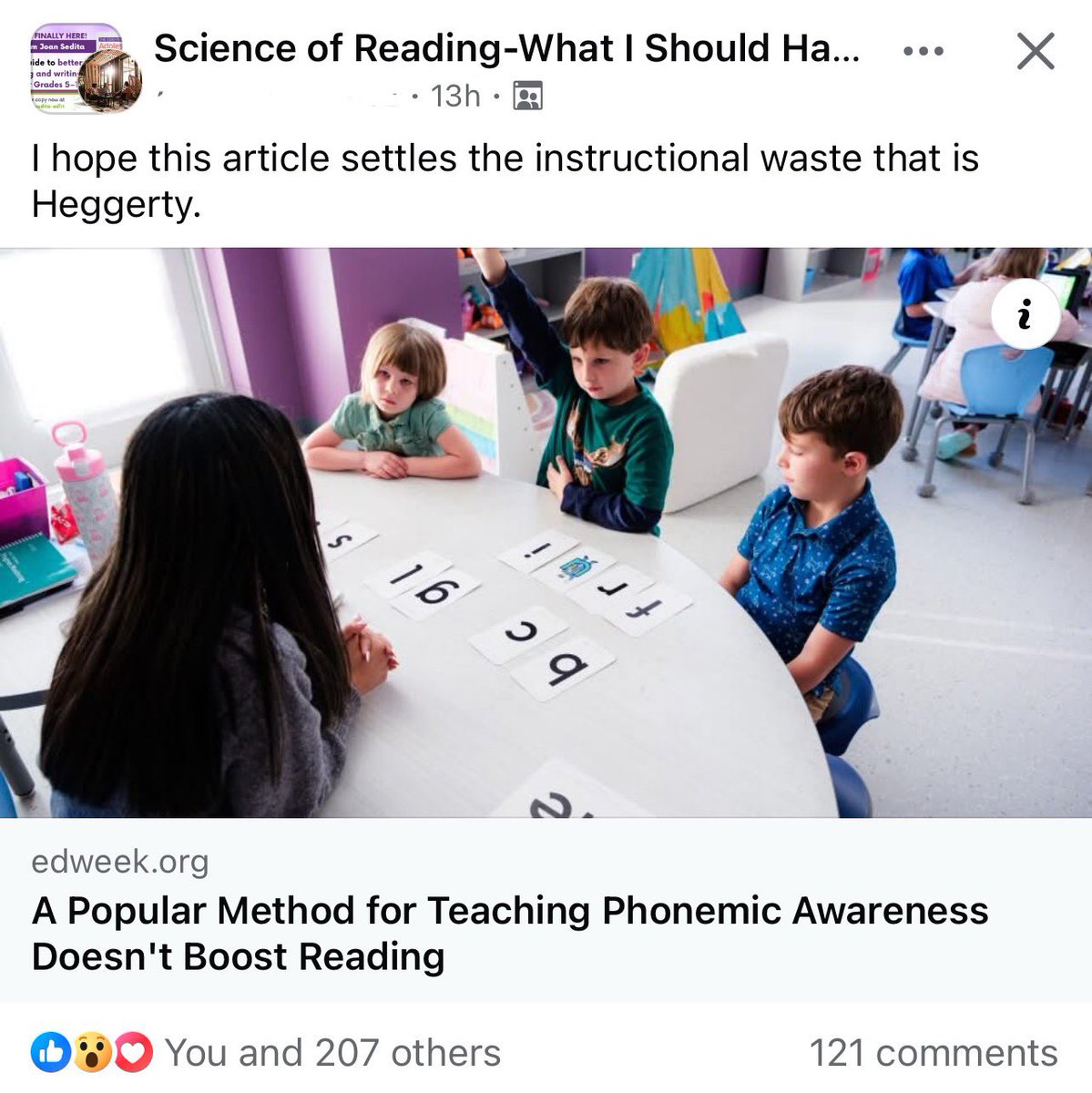
They pull no punches in the Science of Reading Facebook group.
6
8
73
25,411
Science of Read retweeted
7 Nov 2025
@TheFCRR also found that Heggerty did not improve reading skills fcrr.org/sites/g/files/upcbn…
3
11
781
Science of Read retweeted

7 Nov 2025
I don't use Heggerty and my kinder class scored 100% proficient on Acadience EOY. They also scored 100% typical or above growth and 67% scored well above typical growth. Teaching PA with letters is powerful!
7 Nov 2025

An @educationweek piece about research that found Heggerty didn't work by @s_e_schwartz. @ILAToday
@CECMembership @nasponline @reading_league @leadforliteracy
@NCILiteracy
edweek.org/teaching-learning…
5
8
55
11,668
Science of Read retweeted
7 Nov 2025
An @educationweek piece about research that found Heggerty didn't work by @s_e_schwartz. @ILAToday
@CECMembership @nasponline @reading_league @leadforliteracy
@NCILiteracy
edweek.org/teaching-learning…
6
8
37
16,984
Science of Read retweeted

6 Nov 2025
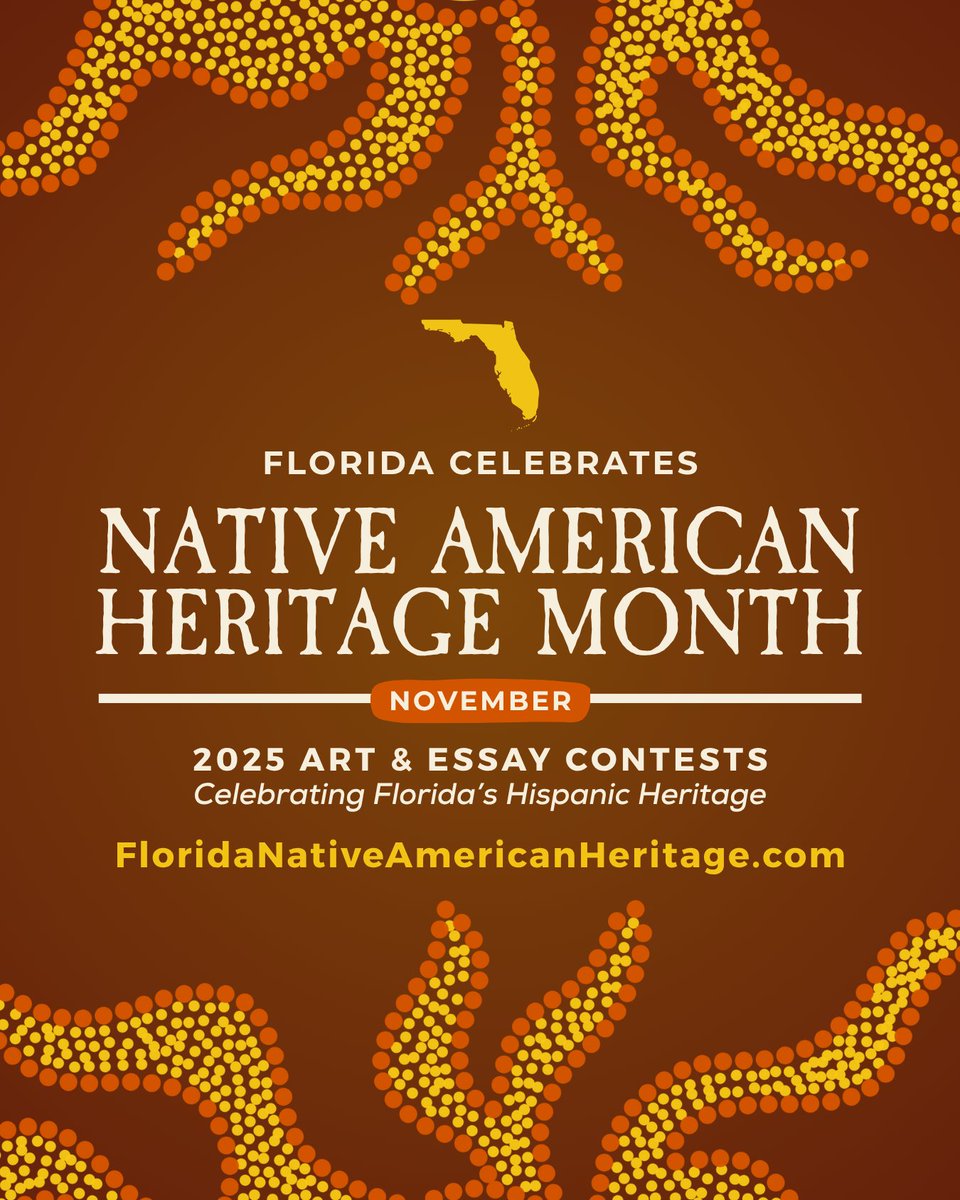
#ICYMI: the Florida Department of Education and @VolunteerFla announced the 2025 Native American Heritage Month contests. Six essay contest winners will be awarded a 2-year Florida College Plan scholarship provided by @FloridaPrepaid. All K-12 #FloridaStudents are encouraged to participate.
Read the full announcement here: bit.ly/4hHM1eA
7
6
891
Science of Read retweeted
6 Nov 2025
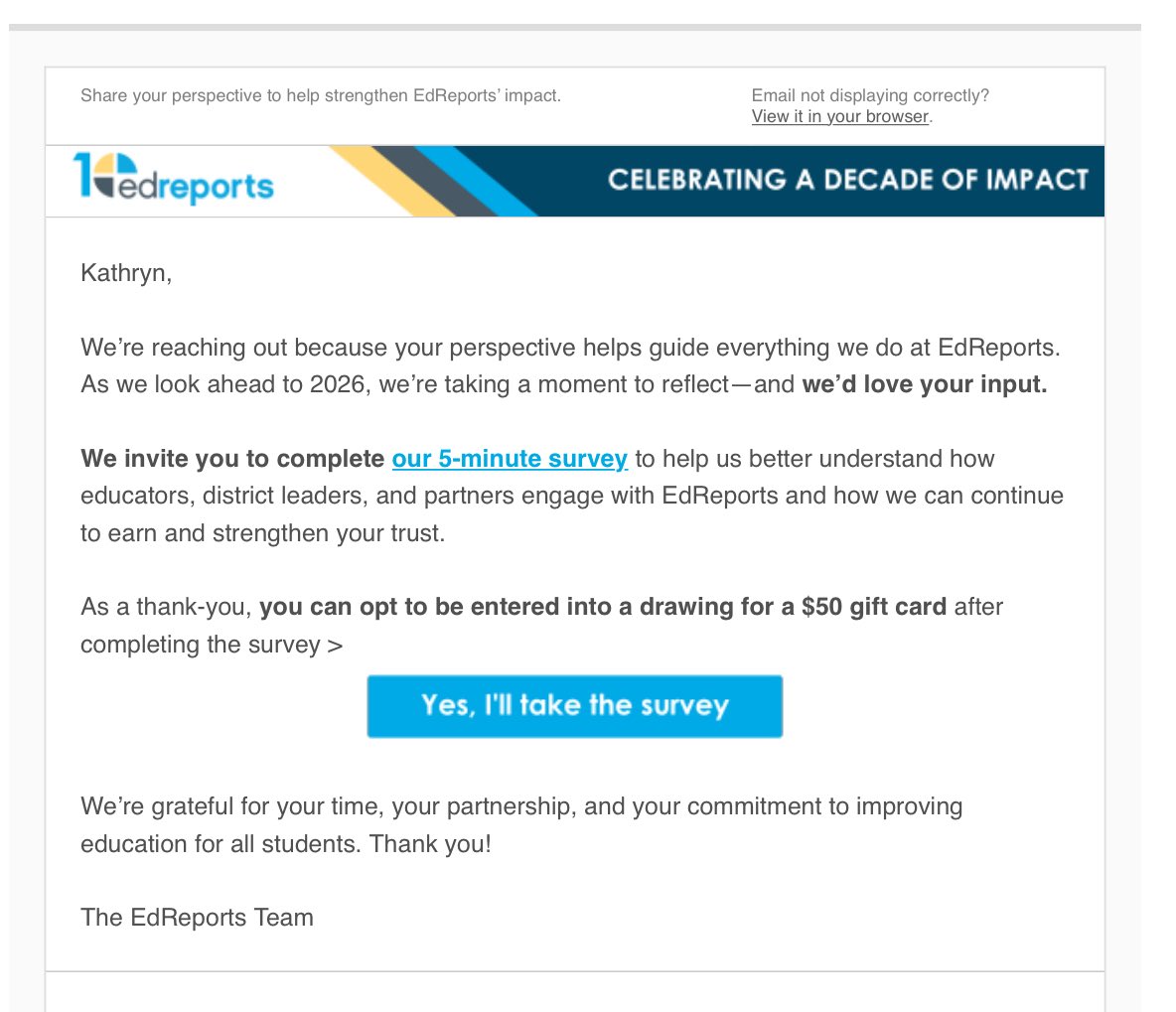
EdReports is looking for feedback on “how we can continue to earn and strengthen your trust.”
4
6
16
1,412
Science of Read retweeted
5 Nov 2025
I do
We do
You do
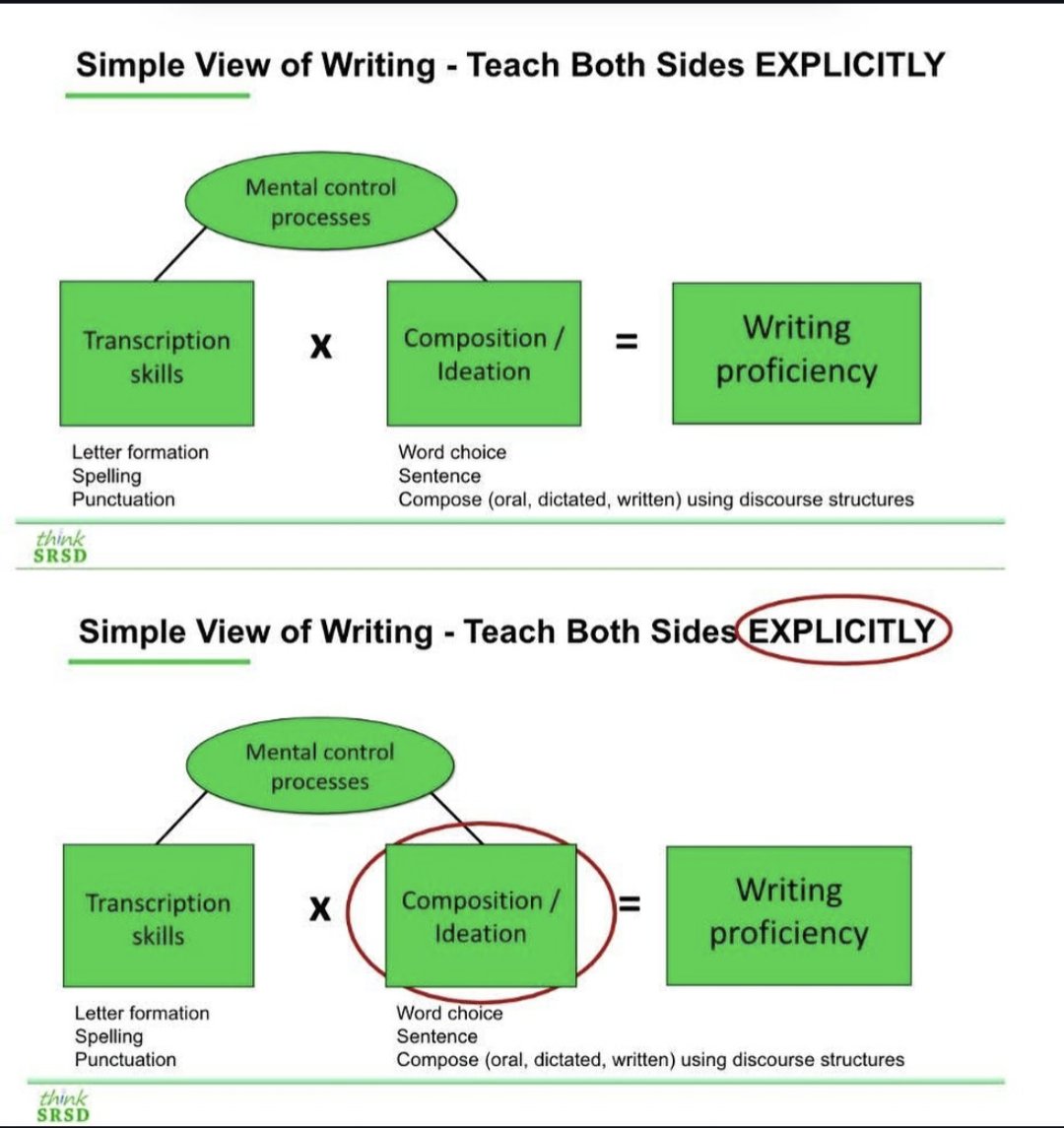
Applies to writing instruction for those students who have not reached mastery. This applies both to transcription skills and composition skills.

1
16
77
10,066