
Joined July 2010
- Tweets 33,829
- Following 6,875
- Followers 9,270
- Likes 169,455
1,531 Photos and videos







Pinned Tweet

Jun 6
CAVEAT EMPTOR (Buyer beware)
Everyone is looking at past Bitcoin cycles and asking: “Will we go lower, and if so, how much”
That’s a reasonable question, especially given that it’s fairly clear that some version of the Bitcoin 4-year cycle is still in play and analysts like @benjamincowen have been very correct, directionally speaking.
But there is a very good chance that there’s a flaw in how many people are using historical data. This relates specifically to the assumed volatility of Bitcoin and, by extension, it may well apply to the assumed calendar of events (timeline) within the cycle (ie, a June low followed by an October bottom).
Many people are assuming that Bitcoin’s drawdowns will always look like its past drawdowns, while completely ignoring that Bitcoin’s upside has already changed significantly.
Consider this:
2018-2021 cycle:
• Bottom: $3.2k
• Top: $69k
• Gain: 21.6x
2022-2025 cycle:
• Bottom: $15.5k
• Top: $126k
• Gain: 8.1x
That’s a roughly 63% reduction in upside compared to the previous cycle.
If Bitcoin’s volatility is compressing as it matures, why would that only apply to the upside?
Applying the same compression to the previous cycle’s 77.5% drawdown would imply a drawdown of roughly 29% from the $126k high, suggesting a cycle low for 2026 near $89k.
Now, as we all now know, Bitcoin has already fallen more than 50%, well below $89,000 to $59,100.
In other words, the market has already experienced a correction far deeper than what a simple volatility compression model would predict.
Does that mean the bottom is definitely in? No.
But it does mean that investors waiting confidently for $55k or lower may be anchoring themselves to a version of Bitcoin that no longer exists.
Every cycle has brought:
• More liquidity
• More institutional ownership
• More global adoption
• Larger capital pools
• Lower volatility
The biggest risk for many people waiting to buy $BTC may not be buying too early. It may be waiting for a drawdown level that never comes.
History doesn’t repeat. It rhymes.
And one of the strongest rhymes in Bitcoin’s 17-year history so far is volatility compression.
Those waiting for “one last crash” may discover they have to buy back at much higher prices than they expected.
There’s another important piece of context that many people are overlooking.
Historically, buying Bitcoin at or near its 200-week moving average (currently ~$61,200) has been one of the best long-term opportunities available in ANY asset class (Charlie Munger famously praised the wisdom of buying assets at their 200WMA).
The 200WMA has repeatedly marked periods of extreme pessimism, capitulation, and disbelief—precisely the moments when long-term investors are being offered the best risk-adjusted returns.
While there are never guarantees, Bitcoin’s history shows that those willing to accumulate near the 200WMA and hold through volatility have consistently been very well rewarded over multi-year time horizons.
More importantly, people don’t need to perfectly identify the exact bottom to achieve exceptional results. Whether someone bought near the 200WMA in 2015, 2019, 2020, or 2022, the difference between the exact low and the purchase price became largely irrelevant a few years later. The life-changing returns came from recognizing that Bitcoin was trading near a historically rare value zone and having the conviction to hold. The obsession with catching the absolute bottom often causes people to miss the much larger opportunity: owning Bitcoin at prices that, in hindsight, prove to have been extraordinarily attractive.
If Bitcoin ultimately reaches $250,000, $500,000, or beyond over the coming decade — which most people do — then the difference between buying at $60,000 versus $50,000 will matter far less than many people imagine today. The greater risk is not buying too early. It is spending months waiting for a lower price while Bitcoin quietly begins its next major advance.
2
1
9
2,356

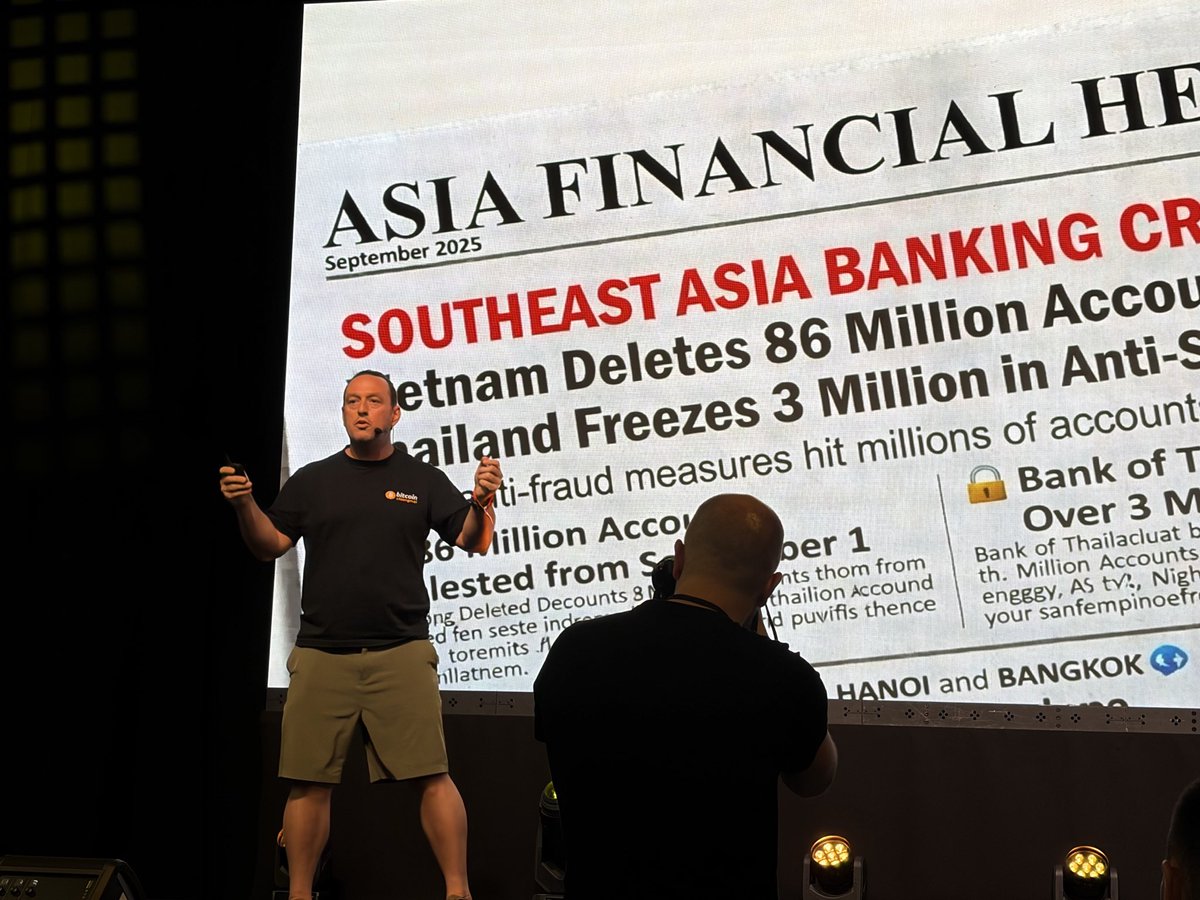
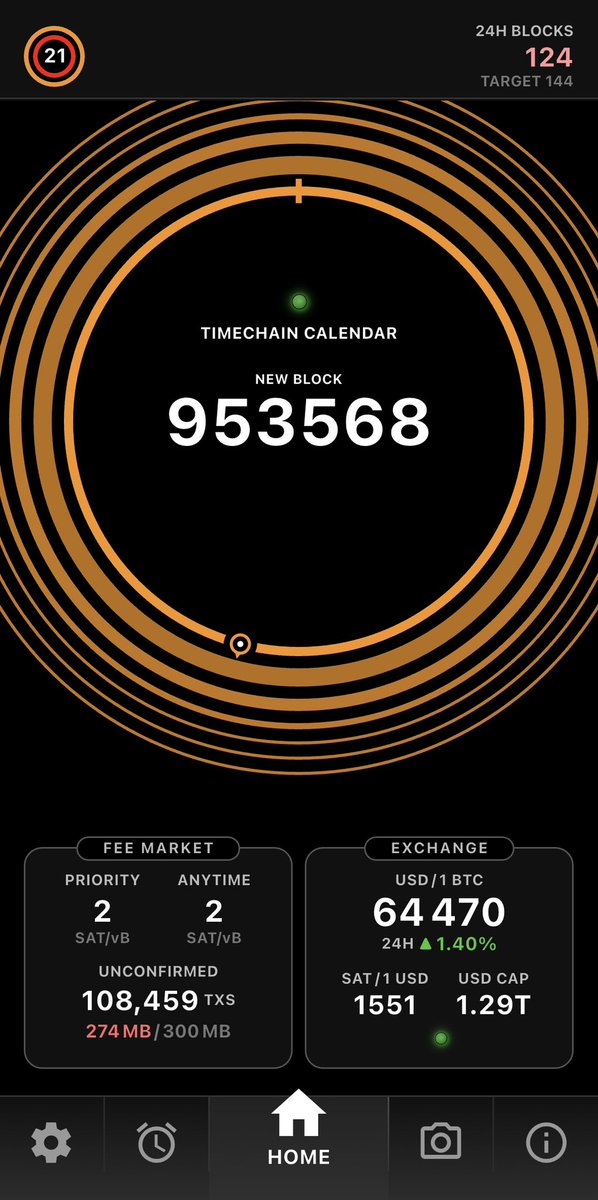
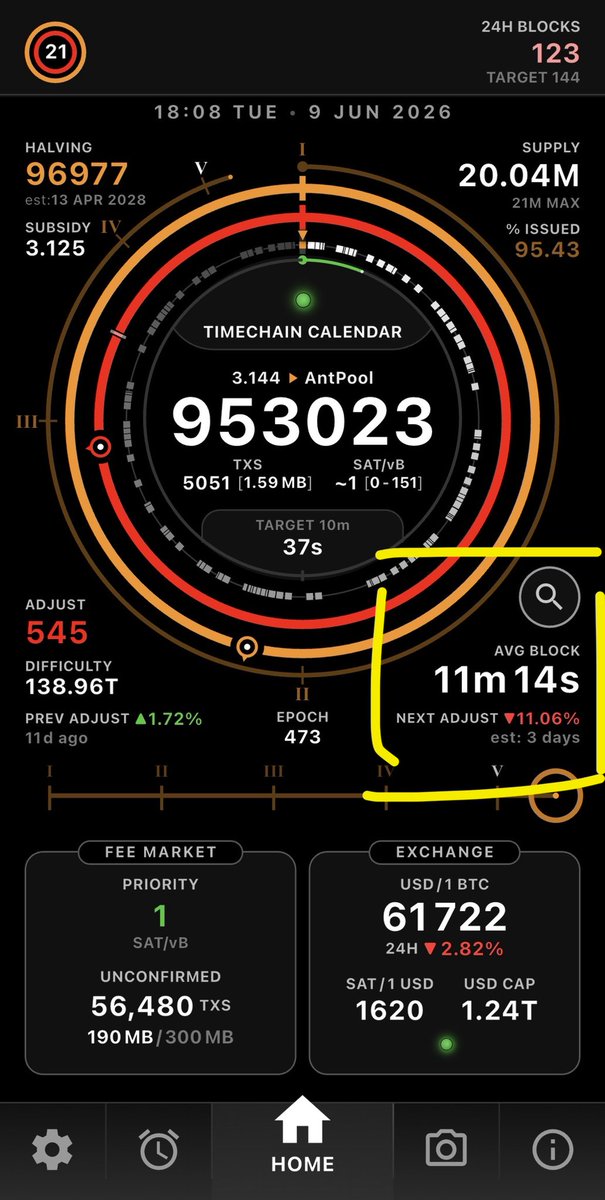
Pretty cool, as always, to see block 2016 hit and the new Bitcoin difficulty adjustment taking effect. Then the wait, as Bitcoin miners around the world compete at the new mining difficulty level for the first new block at that level of difficulty. Bitcoin is alive and thriving!
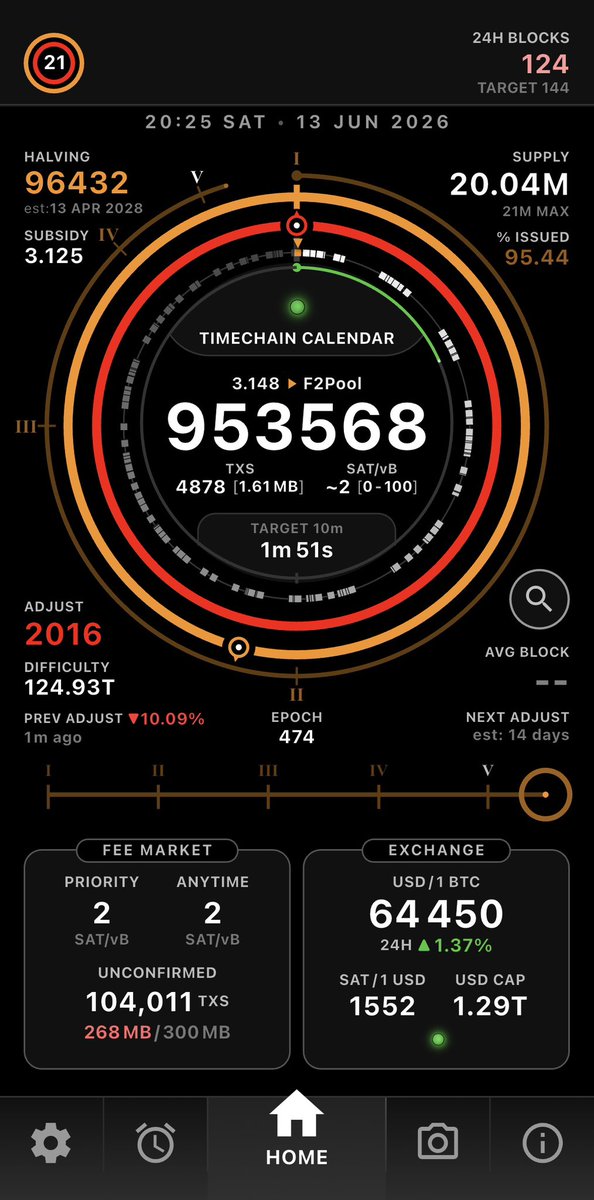

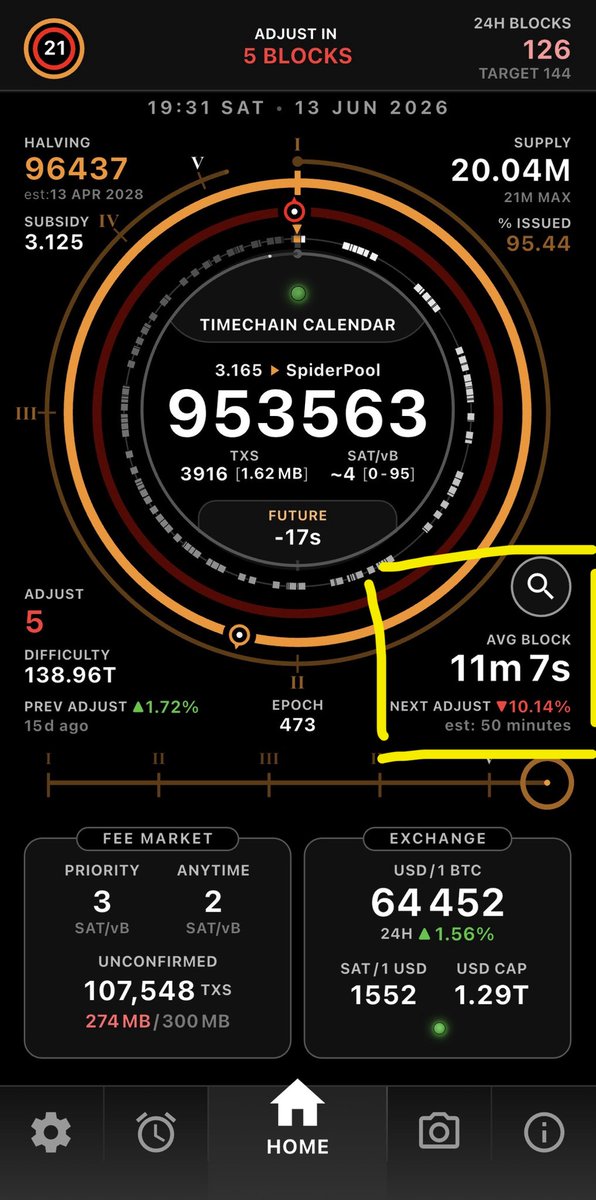
In less than one hour, the Bitcoin network will experience a very large, 10% plus difficulty adjustment for mining of the next 2016 blocks. It is highly likely that more Bitcoin miners will turn on and hashrate will go up. It will be interesting to see where. Will we see a ⬆️ impact on $BTC price too? Let’s see!
1
6
163
In less than one hour, the Bitcoin network will experience a very large, 10% plus difficulty adjustment for mining of the next 2016 blocks. It is highly likely that more Bitcoin miners will turn on and hashrate will go up. It will be interesting to see where. Will we see a ⬆️ impact on $BTC price too? Let’s see!
2
6
313
Scott Wolfe retweeted

Jun 13
Bitcoin is no longer an experiment.
It is a treasury asset.
25% of the Mag 8 now holds Bitcoin.
Jun 13

14
65
981
34,913
Scott Wolfe retweeted

Wealthiest man in the world
“I own Bitcoin”
Founder of the largest asset management company in the world
“I own Bitcoin”
Founder of largest hedge fund
“I own Bitcoin”
Co-founder of the largest company
“I own Bitcoin”
Dude who barely finished 12th grade
“Bitcoin is a scam
87
378
2,678
118,952

GM @BTCPrague!
Join @JosefTetek on the Gart Stage today at 10:10.
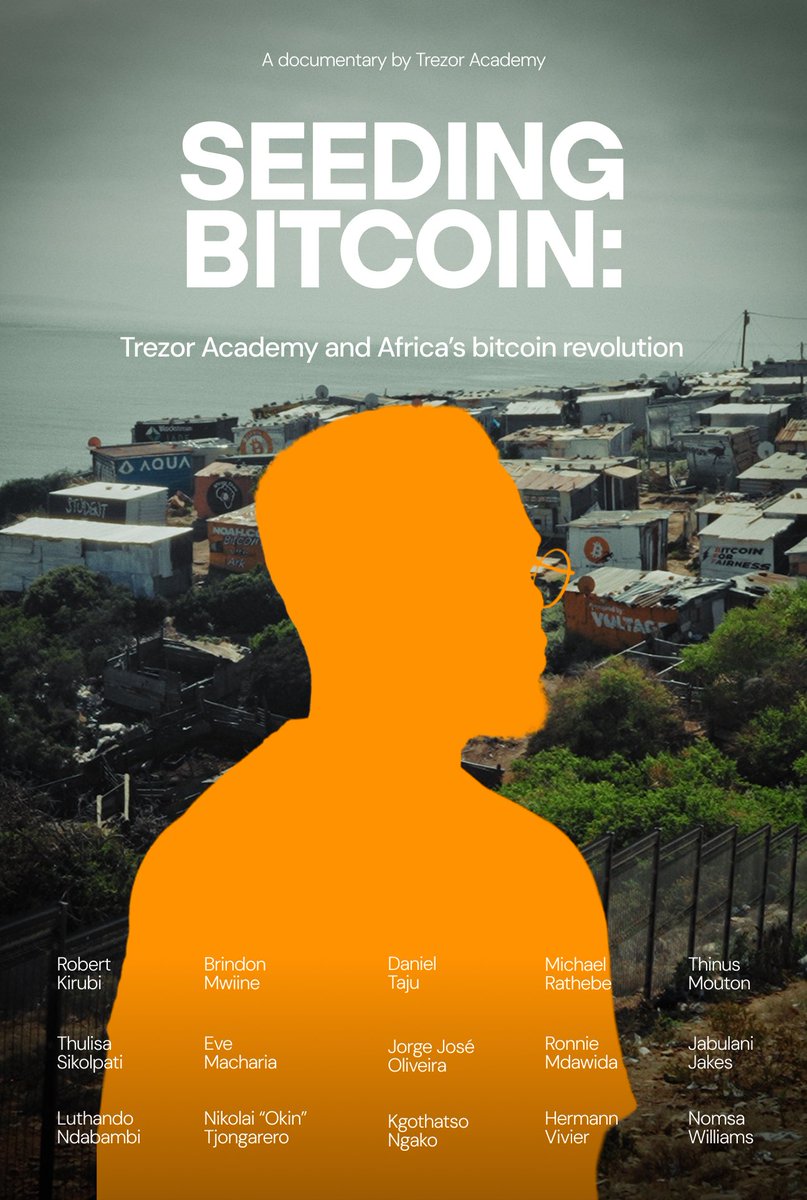
Learn how @TrezorAcademy has been supporting Bitcoin education across Africa and Latin America since 2023, and watch “Seeding Bitcoin,” a short film exploring the why and how of Bitcoin education in Africa.
7
13
38
5,176

Scott Wolfe retweeted

Jun 12
80’ - CYLE LARING SCORED THE FIRST GOAL ON HOME SOIL IN A MEN’S WORLD CUP!!!!
🇨🇦 1-0 🇧🇦
#CANMNT
104
319
1,726
55,998
Scott Wolfe retweeted

Jun 12
World Cup opening game in Canada! 🇨🇦🏆
254
755
6,036
156,099
Scott Wolfe retweeted

Jun 12
Canada’s March to the Match continues to work its way through the Toronto streets toward the stadiums.
Beautiful scenes as fans chant and cheer and high five fans who are lining the streets.
It’s going to be electric inside the stadium today.
584
4,587
35,205
11,242,146

Jun 12
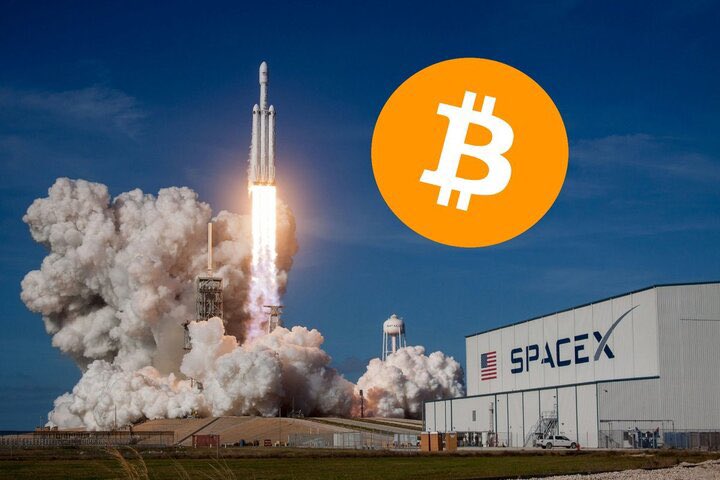
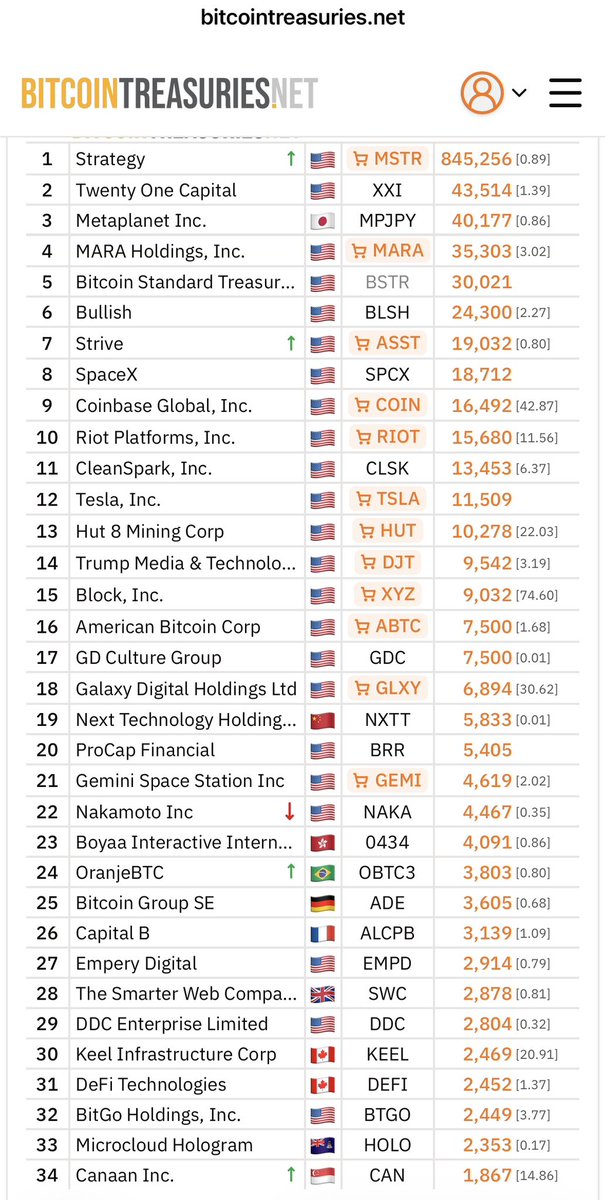
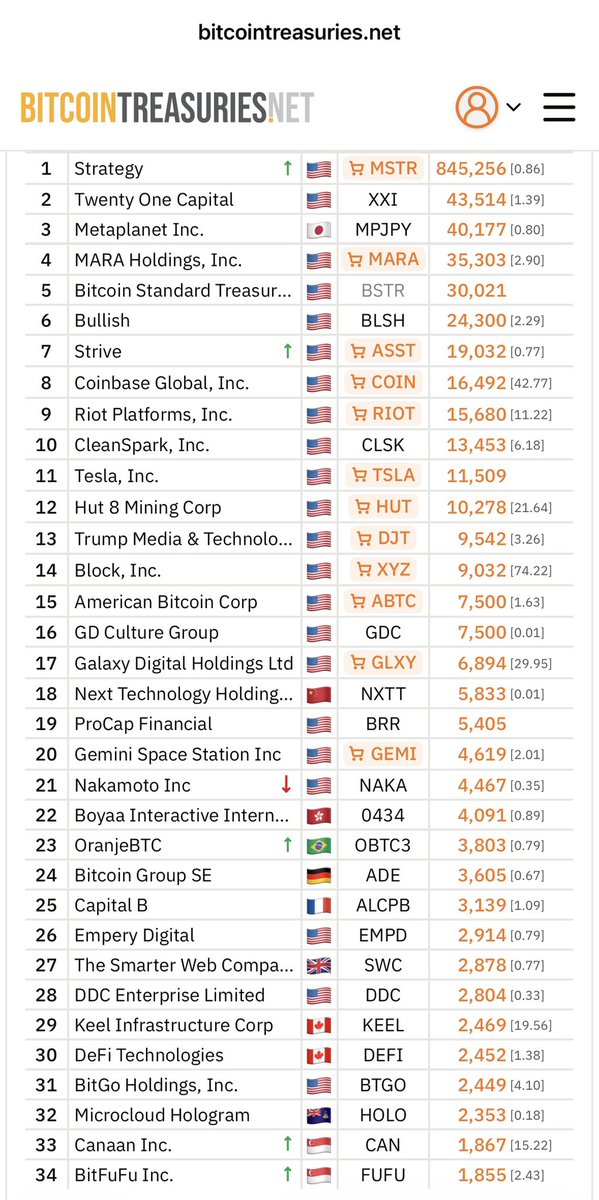
The world’s 8th largest Bitcoin Treasury Company went live on the @Nasdaq today and is trading under the ticker $SPCX.
The @BTCtreasuries Top 10:
1. @Strategy
2. @twentyone
3. @Metaplanet
4. @MARA
5. $BSTR
6. @Bullish
7. @Strive
8. @SpaceX
9. @coinbase
10. @RiotPlatforms
1
161
Scott Wolfe retweeted

They called it Bitcoin Babies @BtcBabies . Not because it is small but because it is the beginning of something generational.
Witness the power of the Bitcoin Babies program! From its very first cohort to a growing ecosystem, this initiative is proving that Bitcoin education and adoption start at the heart of the community. come see the impact for yourself at the Bitcoin Nairobi Conference. 🟡✨
🗓 Conference Dates: 24–25th June 2026
🗓 Kibera Circular Economy Visit: 26TH June 2026
📍 A.S.K DOME Jamhuri Park Nairobi, Kenya.
For any inquiry email us on: admin@bitcoinnairobiconference.com
@afribit_kibera @TrezorAcademy @gorillasats @Talo_Africa @cioafrica @bitika_ke @tando_to @capitalfmkenya
#bitcoinnairobiconference #bitcoinafrica #bitcoinconference #Nairobi #bitcoinnews
3
10
39
864
Scott Wolfe retweeted
12 days until world-class insights arrive in Nairobi. 💼📈
The Bitcoin Nairobi Conference is approaching fast.
In 12 days, we will host a lineup of distinguished speakers spanning academia, public service, and the Bitcoin mining sector.
This is a premier event for strategic networking and high-level knowledge sharing.
Don't miss out.
🗓 Conference Dates: 24–25th June 2026
🗓 Kibera Circular Economy Visit: 26TH June 2026
📍 A.S.K DOME Jamhuri Park Nairobi, Kenya.
For any inquiry email us on: admin@bitcoinnairobiconference.com
@afribit_kibera @TrezorAcademy @gorillasats @Talo_Africa @cioafrica @bitika_ke @tando_to @capitalfmkenya
#bitcoinnairobiconference #bitcoinafrica #bitcoinconference #Nairobi #bitcoinnews

8
25
371
Jun 12
Dear [insert your name], institutions are coming for Bitcoin $BTC. While you look at charts and puzzle over whether to deploy your $ to get some Bitcoin now (at super discount) or *if* it goes on super, super discount, they are doing everything they can to vacuum it up.
I have deep, deep concerns that we are going to see a massive shift from $BTC being pre-dominantly held by individuals, families and small businesses to the majority of it sitting in large institutional coffers. This is not a critique of those institutions — Bitcoin if for anyone. It’s an indictment of us, the plebs, allowing this to happen.
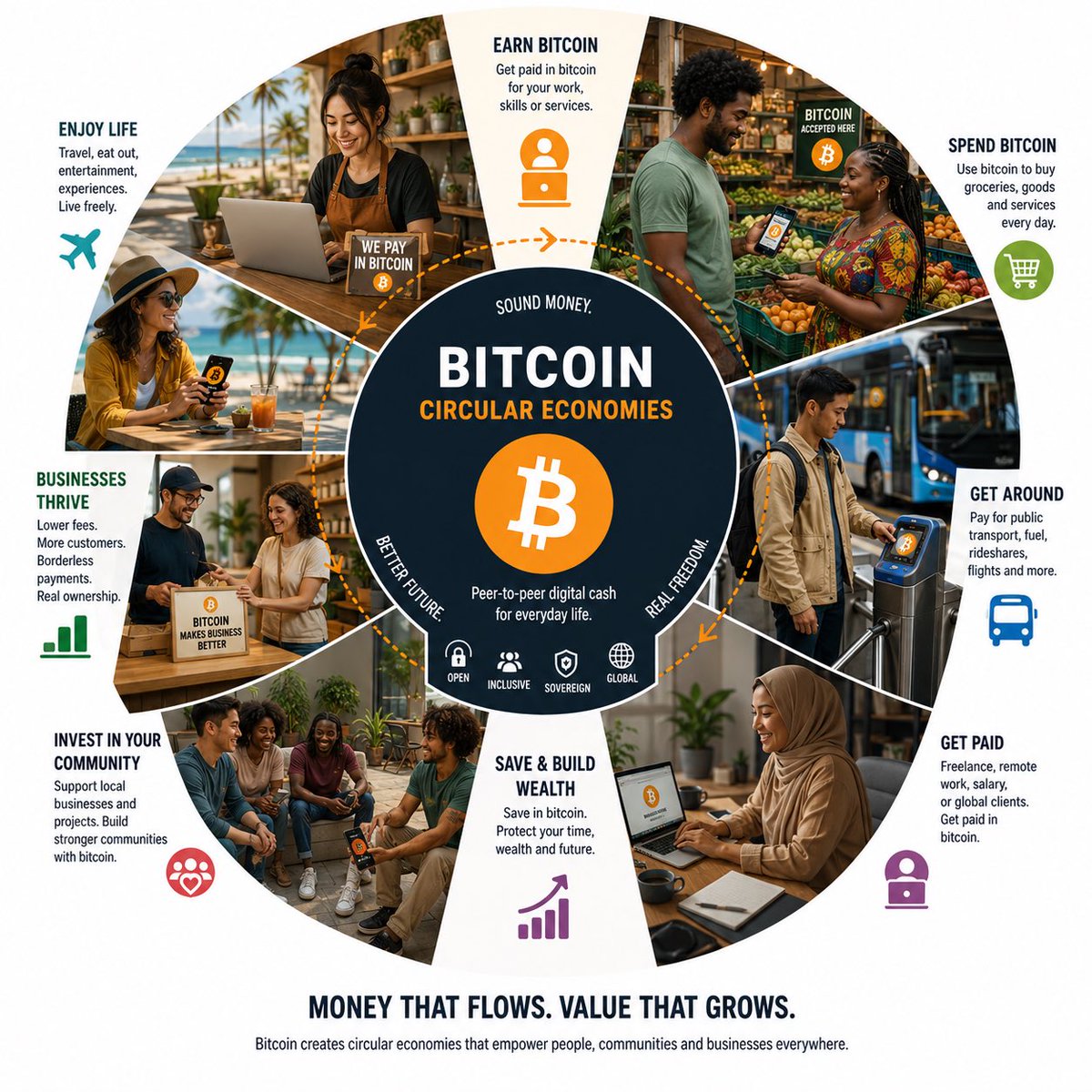
Back to basics: stack sats; spread the word about “why Bitcoin” with your networks; use $BTC as everyday money (then replace the BTC in your stack). Remember why “Chancellor on the brink”. Remember why “a peer-to-peer electronic cash system”. Remember why October 31.
An open-source global computing network securing borderless, permissionless, fixed-supply, digital money for everyone. Let’s go!
Jun 12

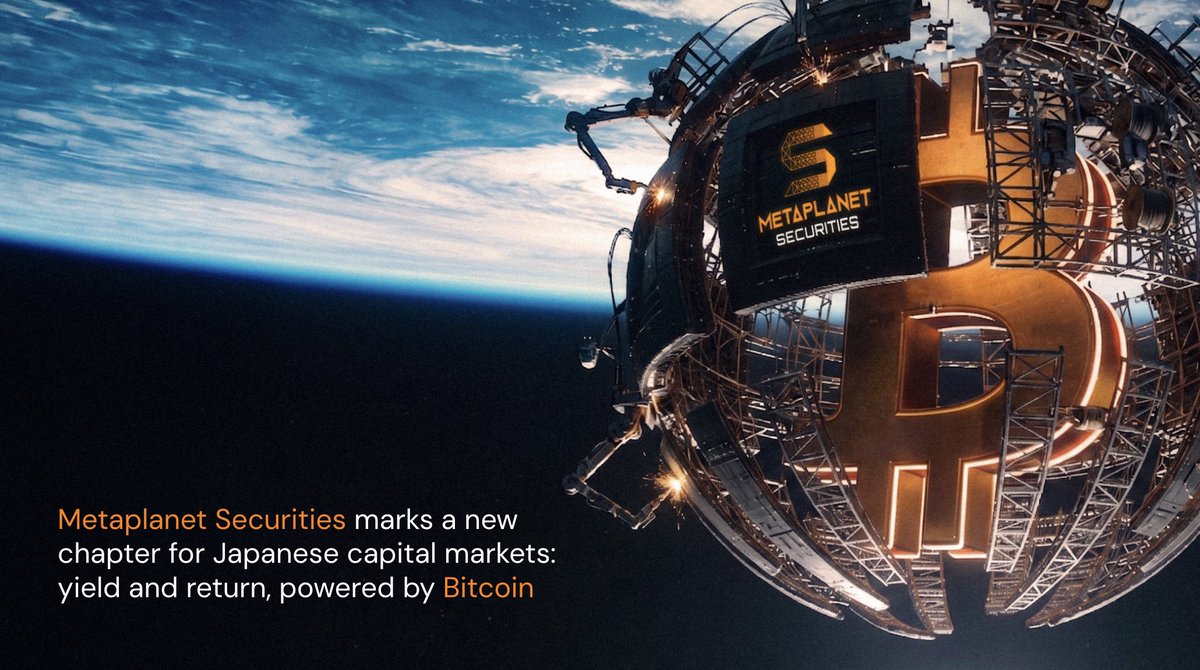
We are pleased to announce that Metaplanet has entered into an agreement to acquire 100% of Siiibo Securities, a licensed Type I securities firm and a pioneer of Japan's online corporate bond market. Following closing, expected in July, the company will be renamed Metaplanet Securities. This is Metaplanet's first major acquisition and the first concrete step in Project Nova, our long-term strategy to build a Bitcoin-centric financial ecosystem in Japan.
The significance is hard to overstate. Japanese households hold roughly $7.4 trillion in cash, deposits and low-yield products, and as Japan shifts from deflation to inflation, that capital has begun searching for yield. By bringing Siiibo's Type I registration and online securities platform into the group, we will develop and distribute Bitcoin-related yield products directly to Japanese investors, supported by the 40,177 BTC on our balance sheet, the largest corporate Bitcoin treasury in Asia.
We have great respect for Kazuki Komura and the team at Siiibo Securities and what they have built. Together, as Metaplanet Securities, we will bring new yield opportunities to Japan.
5
172
Scott Wolfe retweeted

Jun 11
1.4 billion adults unbanked.
Most have phones.
With Android phone and a Lightning wallet, they can send and receive international payments without ID, a bank branch, or a credit check.
Settlement in seconds.
Fees under a cent.
25
21
195
4,725
Jun 12
“We have effectively seized or destroyed all of Iran’s Antiminers and WhatsMiners. The war is over and we are turning our ships around. Thank you for your attention to this matter.”
- President Donald J Trump
Jun 11

JUST IN: 🇺🇸🇮🇷 President Trump says US "ended" the war with Iran today.
101
Scott Wolfe retweeted

Jun 11
A look inside the engine of our 2026 program, which kicked off in April.
This dashboard is the central hub for our coaches and students. It’s where they:
- Access our full curriculum, lesson by lesson.
- Earn XP points for completing quizzes and engaging in discussions.
- Join a weekly discussion group for every lesson via our built-in Nostr integration.
It’s a complete educational ecosystem designed to make learning interactive and rewarding.
#Bitcoin #Education #Nostr #BitcoinBabies
P.S. Thanks @anitaonl
2
13
258