Joined March 2009
- Tweets 40,322
- Following 1,078
- Followers 1,938
- Likes 102,472
4,326 Photos and videos










Pinned Tweet
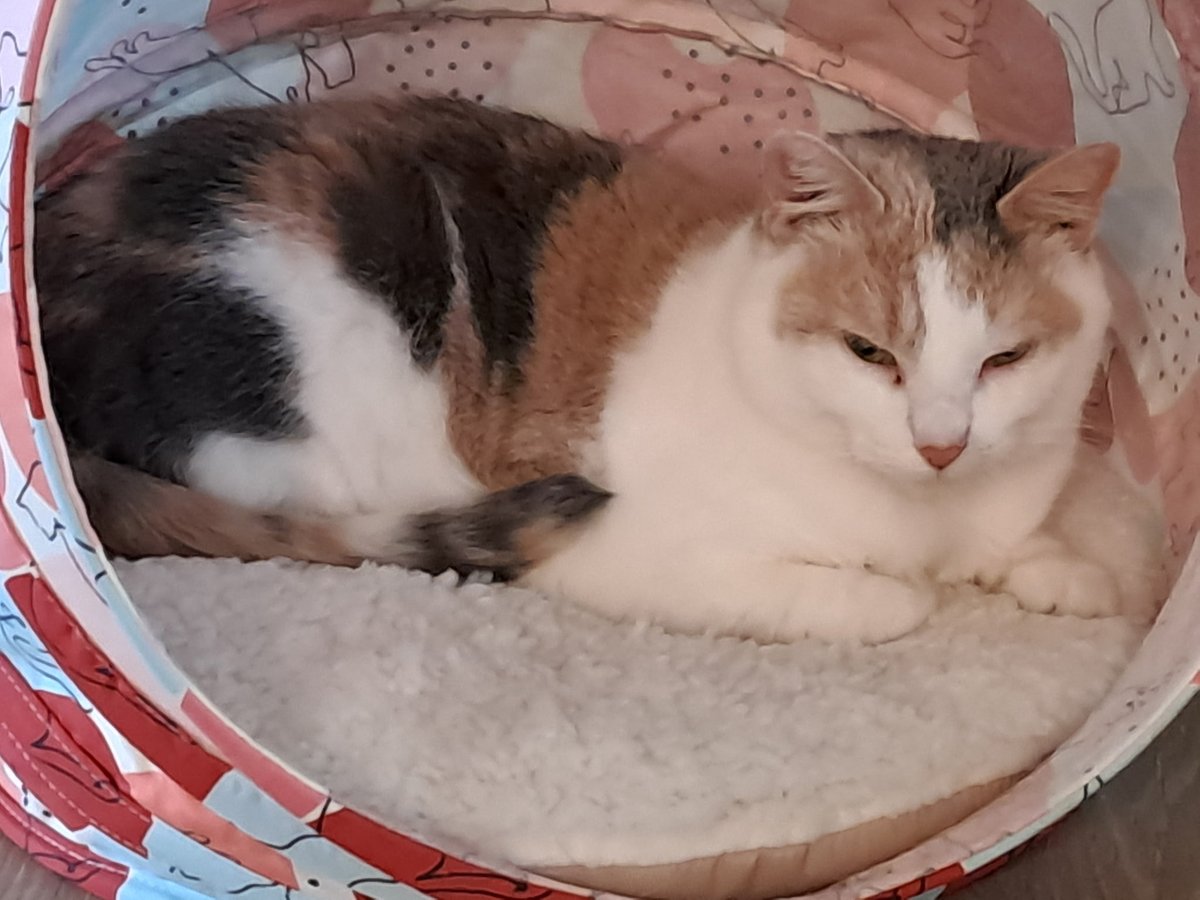
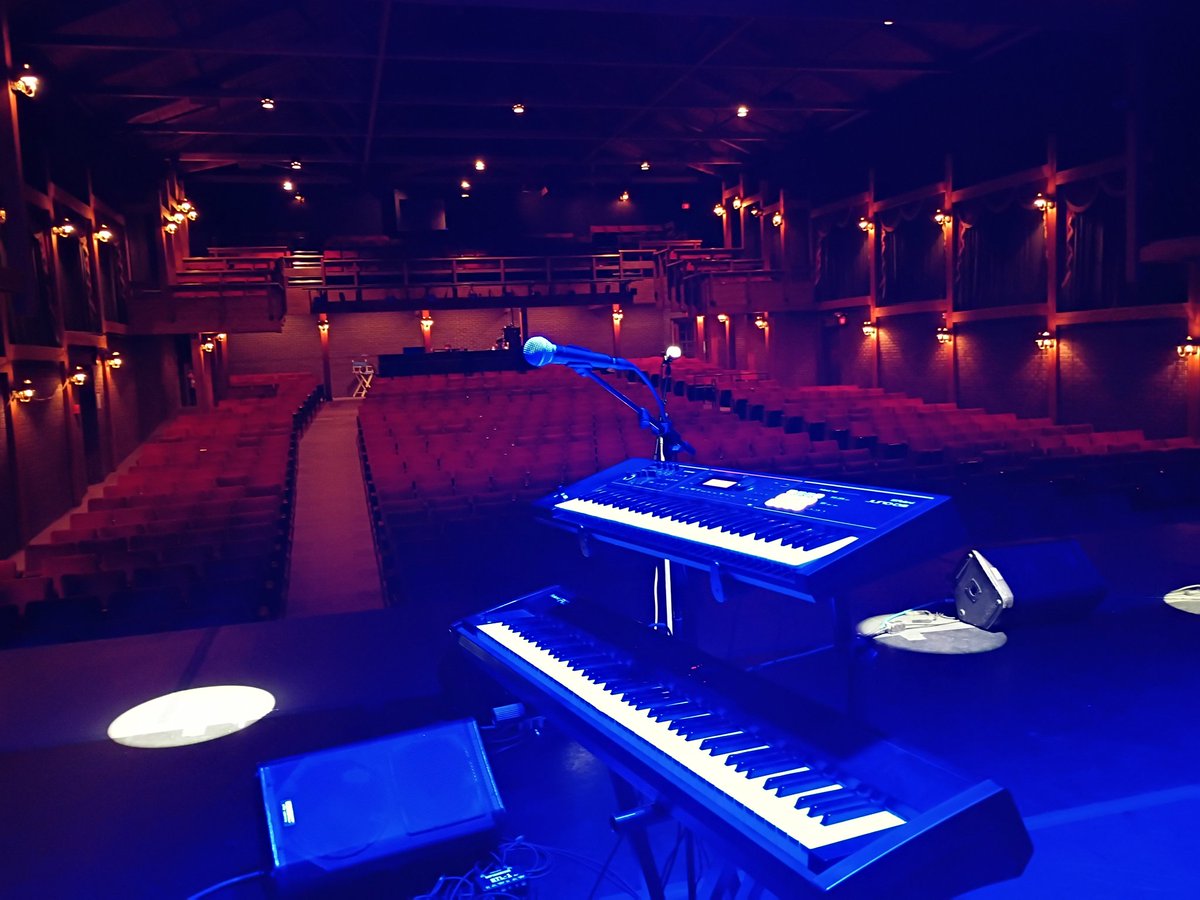
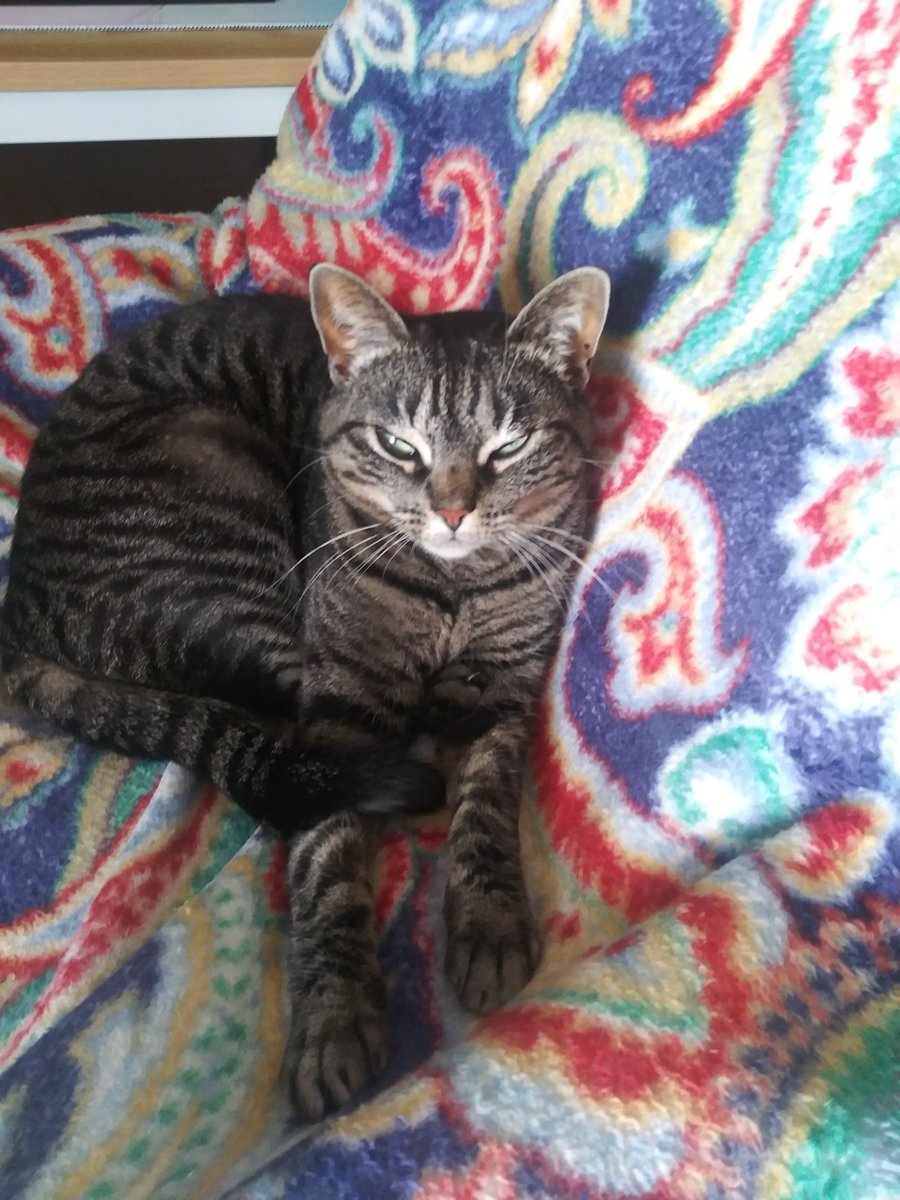
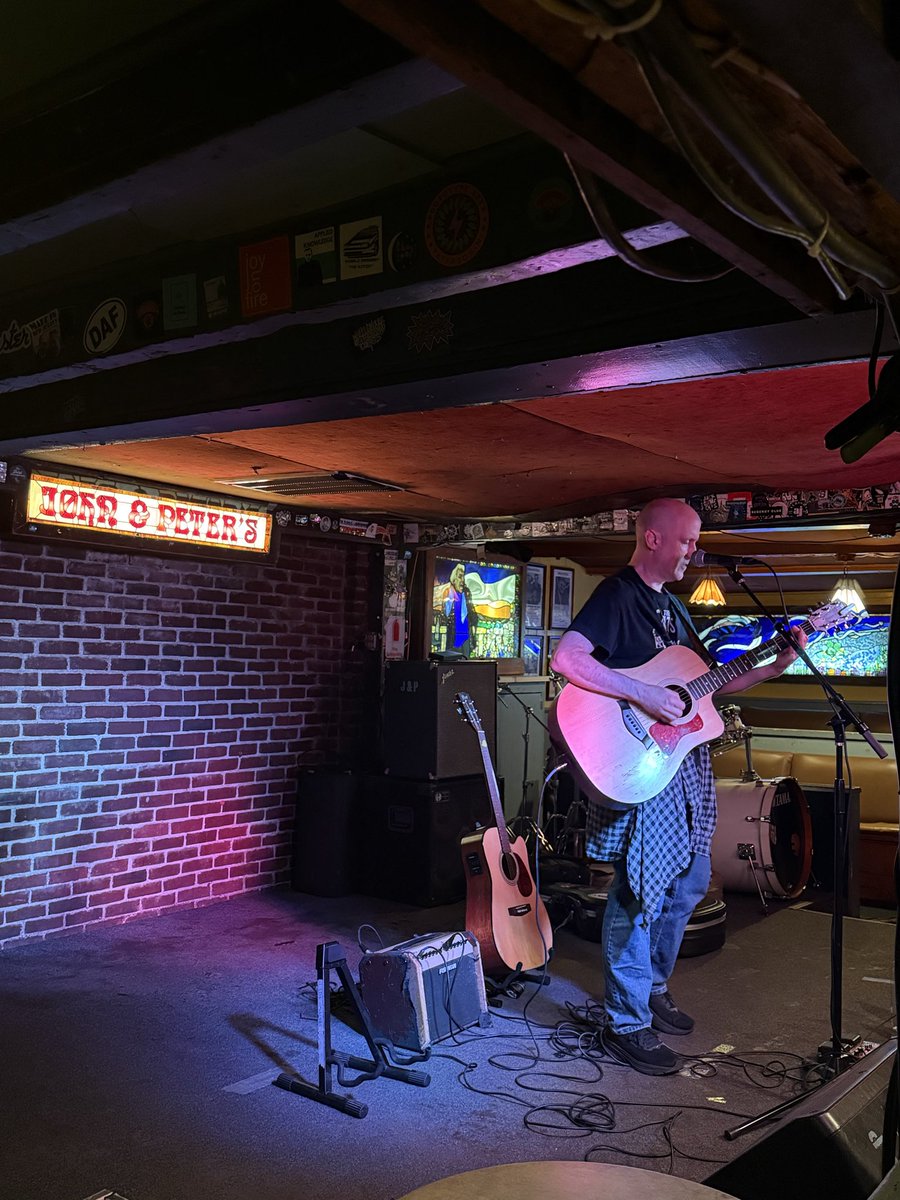
Spend #Caturday afternoon with me!
Saturday June 13th
3 - 6 P.M.
John & Peter's
96 S Main Street
New Hope, PA
Do not miss these afternoon shows!
2
3
13
126

Sean Faust retweeted

Such a fun collab with @CaptChemical & @SeanFaust 🎶✨🎶

Do not tempt us. You have no idea what madness you might unleash. The last time @ThePixiePost and @captchemical collaborated on something weird, it came out like this. open.spotify.com/album/2d2ba…
1
2
10
204
Sean Faust retweeted

Jun 11
All other bands need to take a back seat for a few months, I think. Go have a cup of coffee or a sandwich, talk to your wife/girlfriend, take that fishing trip you've always dreamed of. Relax.
Rush has got this.
@vivien2112
5
5
110
2,661
Sean Faust retweeted

Jun 10
Inflation would have taken a $35 concert ticket to about $50 today. The jump to $350 came from a change in how the music business makes its money.
Fifteen years ago, the concert was an ad. Artists made their money selling albums, and the tour was there to sell more CDs. Then streaming showed up and wrecked that. Spotify pays about $0.003 to $0.005 per play, so an artist with 10 million plays in a year makes around $30,000. Money from recorded music fell so far it hit bottom in 2014 at $13.1 billion, down from $22 billion in the CD days. The album stopped paying the bills.
So the tour became the paycheck instead of the ad. For many working musicians it now brings in up to 80% of their income. Even Taylor Swift, the biggest streaming artist alive, made 91% of her 2018 money on tour and under 6% from streaming. When the live show is the only thing left to sell, it gets priced that way.
Then there is who controls the tickets. Live Nation and Ticketmaster merged in 2010 and never let go. Ticketmaster now handles about 80% of tickets when they first go on sale at major venues, and Live Nation owns or runs close to 78% of the big outdoor amphitheaters. In April 2026, a jury in New York found the company ran an illegal monopoly that overcharged fans. Live Nation made a record $23 billion in 2024.
Fees pile on top. A 2018 government report found fees add about 27% to a ticket's price, and a look at 40 recent concerts put it closer to 28%. That turns two $100 tickets into a $256 bill. To be fair, the venue keeps most of that fee, not Ticketmaster, whose own share is only a few percent.
The biggest jump came from something newer. After the pandemic, promoters saw that fans would pay almost anything, so they turned on dynamic pricing, the same way airline seats cost more as a flight fills up. Bruce Springsteen's $400 seats shot up to $4,000 and $5,000 the moment they went on sale. Live Nation's own finance chief said it plainly: stadium tickets are now priced to scare off scalpers. That means setting the official price at whatever a scalper would charge, so the extra money goes to the artist and Ticketmaster instead of a reseller.
The $35 ticket made sense when a concert sold a $15 album. The $350 ticket makes sense when the concert is the product, the streaming money barely counts, and one company controls almost the whole path to the stage.
Jun 10

does anyone have an explanation for why concert tickets were $35 fifteen years ago and now they're $350
114
394
2,062
305,320

Jun 10
It's ALL Pixie!
Trust me!

1
6
140
Sean Faust retweeted

Jun 10
Check out this @JakeSommermusic review of 2 of my great friends in music, @ThePixiePost and @SeanFaust
1
2
7
157
Jun 10
A little support goes a long way.

Early episodes, bonus content, episode shout outs, and so much more! Good times! 🤘🏼
patreon.com/posts/160374208?…
1
41
Jun 9
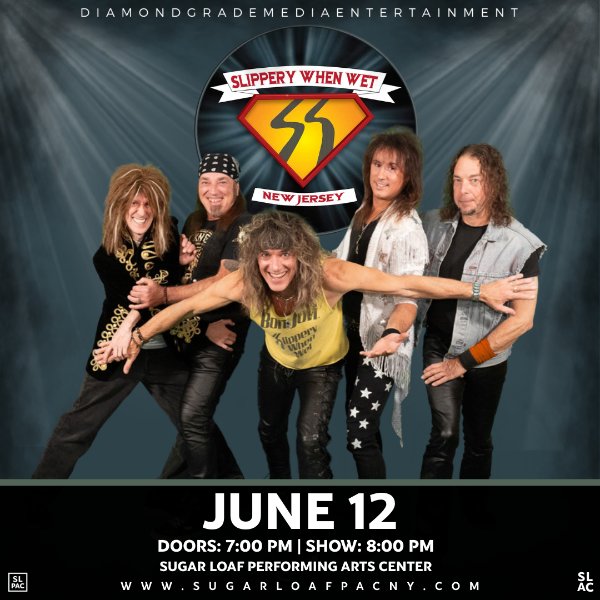
Bon Jovi fans!
This Friday in NY is a trip back in time you don't want to miss!
May 26

Get your tickets today!
This is going to be an incredible time!
diamondgradetix.com/details.…
2
55
Jun 9
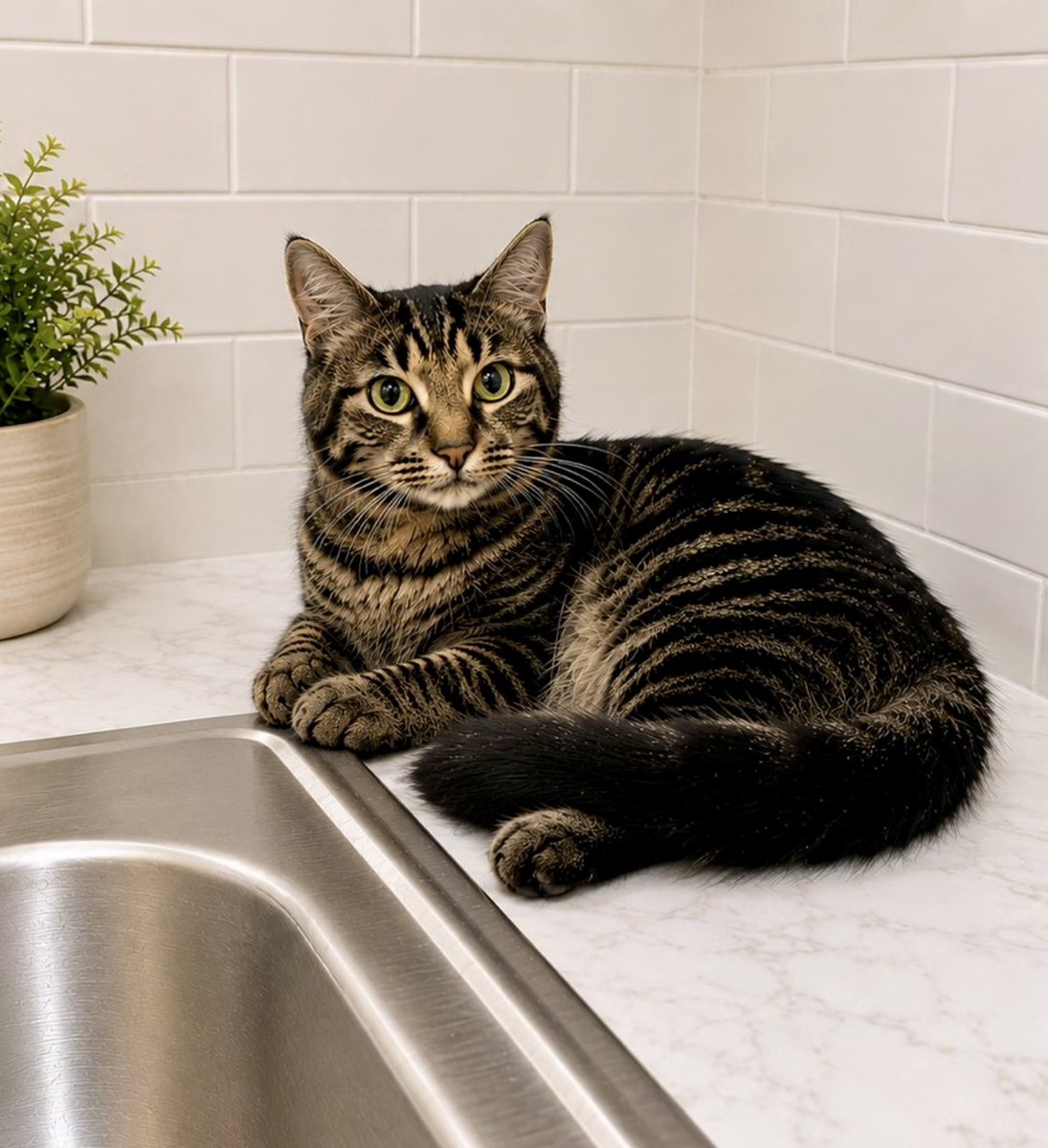
Sunshine....
On your shoulder
Makes you happy

Please help Sunshine with a RT/share!
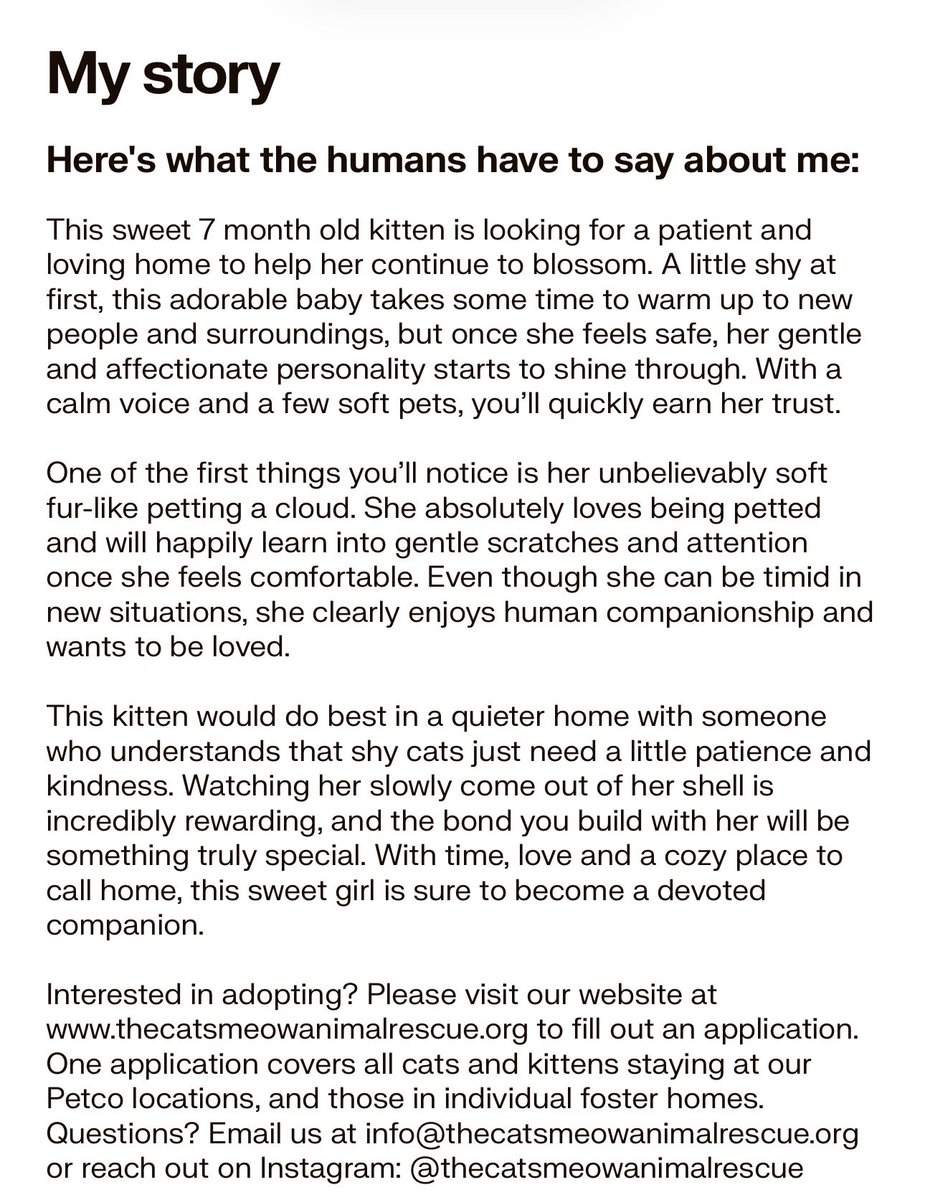
This shy 7mo girl is ready to go to a patient #ForeverHome in the #LosAngeles area
Bio and adoption info in 2nd pic
#RehomeHour
Hosted by @MillieOTLFP
#adoptdontshop #cats #AdoptMe
#CatsofTwitter #CatsOfX #XCats
3
5
75
Jun 9
I voted!
You should too!
Jun 8

I would be extremely grateful if you would give "Let the Rain Fall" a vote on it is now Radio! Thank you for your attention in this matter!
DVB
itisnowradio.com/top-40.html…
1
6
159
Jun 8
There will always be somebody with a superiority complex telling you that you're wrong for enjoying the things you do.
Ignore them. They have nothing real to offer the world. Their lives have passed them by.
Enjoy what you enjoy freely.
Ignore the nothings.
2
15
245
Jun 8
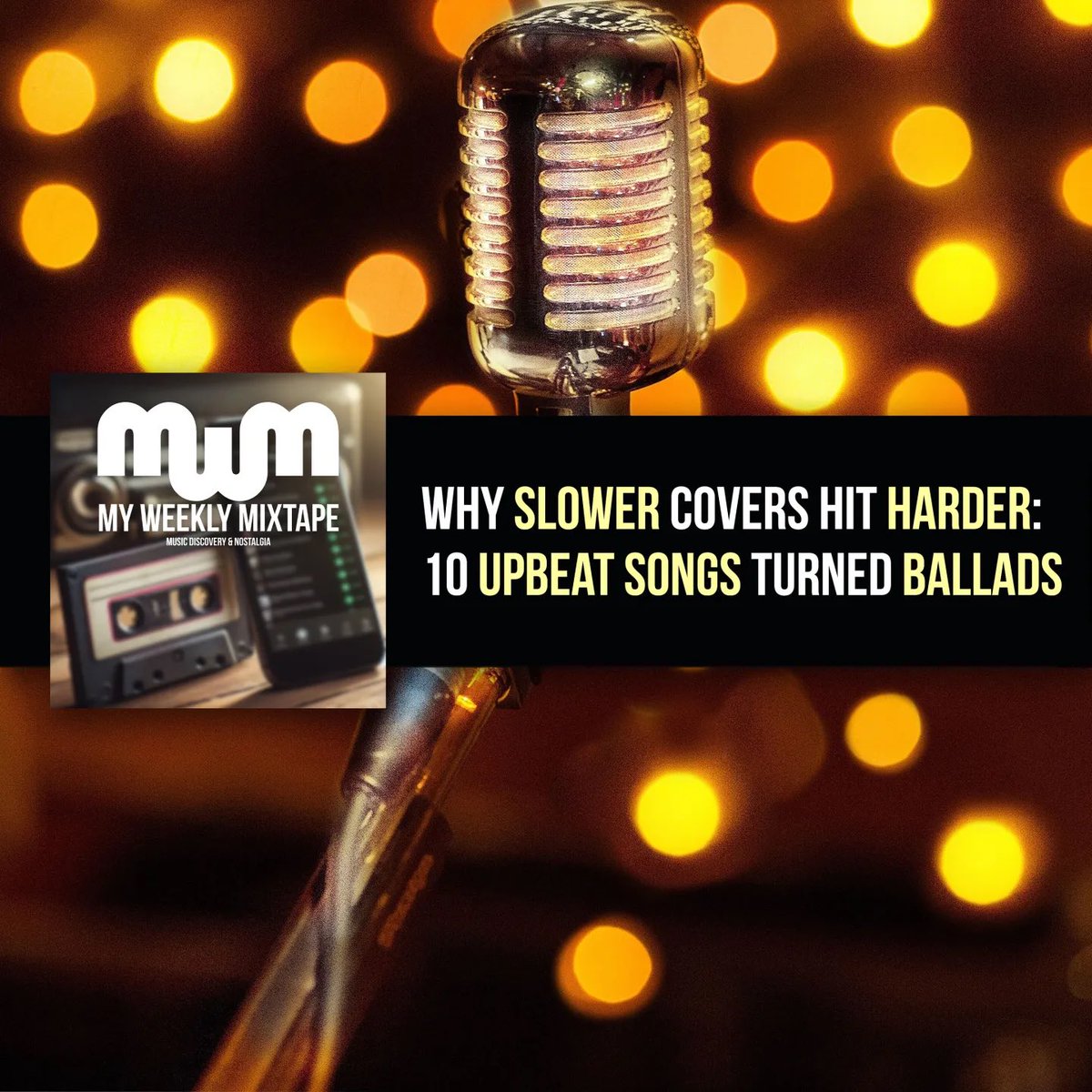
Variety is the spice of life.
Can slowing things down turn energy into vulnerability, or nostalgia into an emotional gut punch?
This week, I explore why slower cover songs often hit harder than the originals, taking familiar pop, rock, and dance hits and reshaping them into something far more intimate.
1
3
84
Jun 7
The Indie Music Showcase Returns tomorrow!

Monday at 4 PM Central / 10 PM UTC: it's the Indie Music Showcase!
We've got awesome songs and videos from independent artists, a world premiere, live chat with cool people, and a lyric puzzle contest brought to you by @DecemberCats. It'll be crispy!
Link in thread below.
3
38
Sean Faust retweeted

WHAT ARE YOU WAITING FOR? Captain Chemical's new album DEEP SIX is now available for streaming more or less everywhere. Get out there and listen... and laugh... and dance... and OMG? WTF?
lynkify.in/album/deep-six/38…
1
6
12
181
Sean Faust retweeted

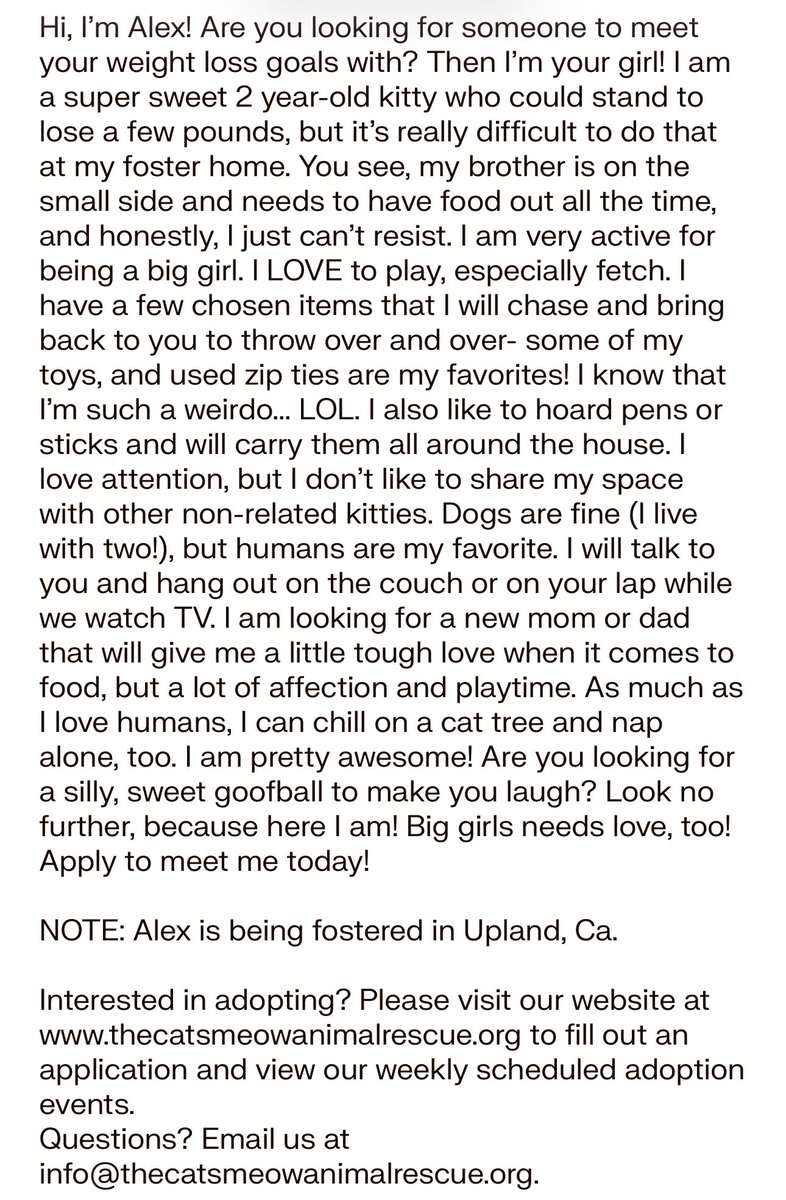
Friends! Please help Alex find a #foreverhome w a share
This 6yo girl in #Upland has been w our #LosAngeles rescue for 4 years!
She’s super sweet and loves to play fetch!
#forgottensoulshour #AdoptMe #AdoptDontShop #CatsofTwitter #XCats #CatsOfX
6
131
164
3,036
Sean Faust retweeted
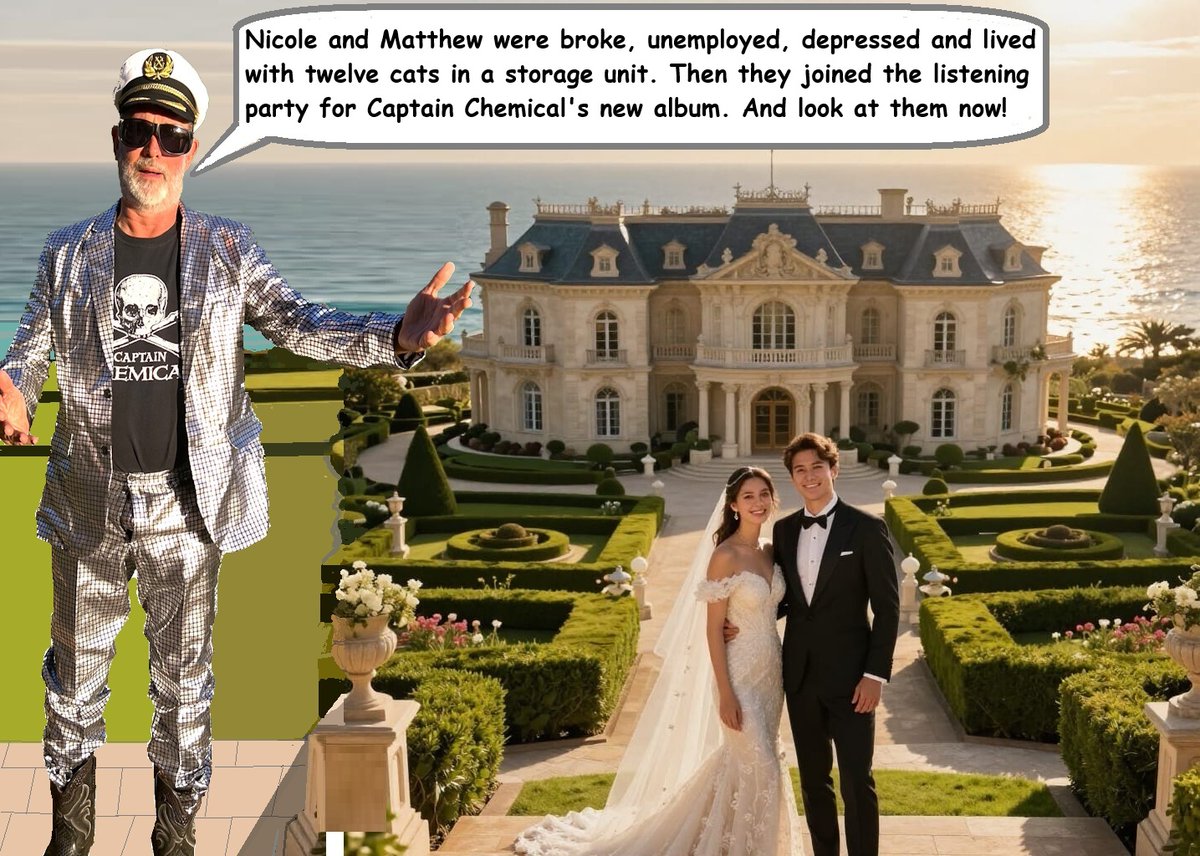
Turn your life around like Nicole and Matthew: Join the listening party for Captain Chemical's new album DEEP SIX on bandcamp, this Thursday at 5 PM eastern. Hear great music, laugh your ass off, add your thoughts in the live group chat. Mansion not guaranteed, but having fun is!
2
12
24
1,033
Sean Faust retweeted
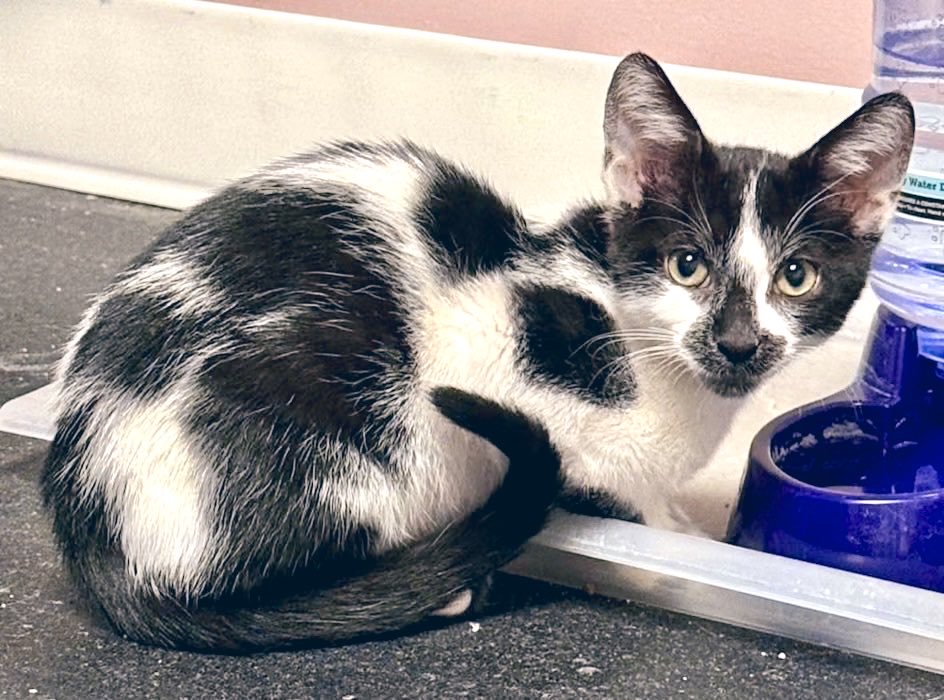
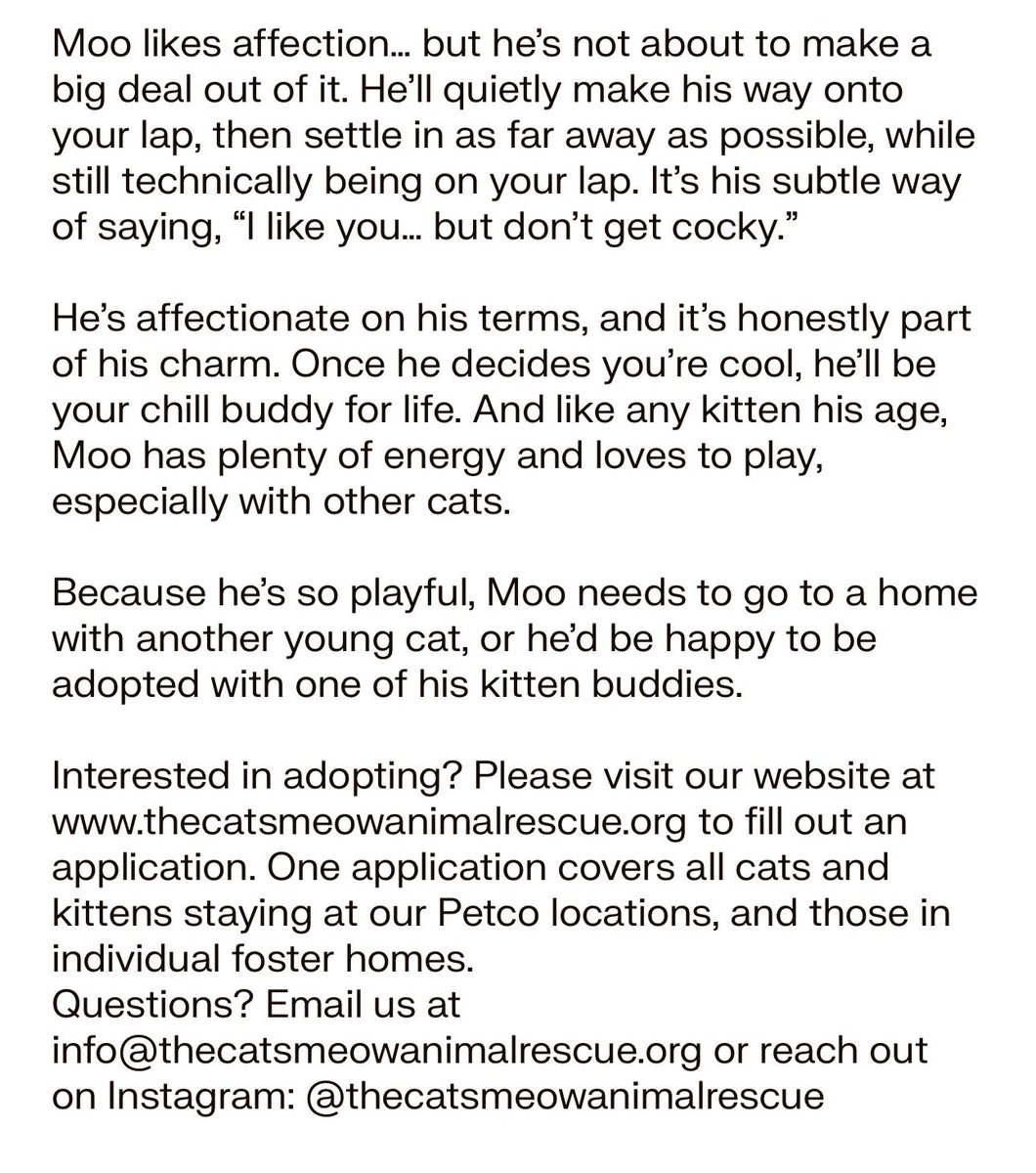
help Moo with a RT/share!
This 1yo guy needs a fantastic #ForeverHome in the #LosAngeles area
Bio and adoption info in 2nd pic
#RehomeHour
Hosted by @MillieOTLFP
#adoptdontshop #cats #AdoptMe
#CatsofTwitter #CatsOfX #XCats
3
65
72
2,374