
Radiation oncologist & cancer biologist @UChicago @LudwigCancer investigating oligometastatic disease & interplay between radiotherapy & immunotherapy
Joined September 2020
- Tweets 423
- Following 174
- Followers 773
- Likes 727
1 Photos and videos
Pinned Tweet

20 Nov 2025
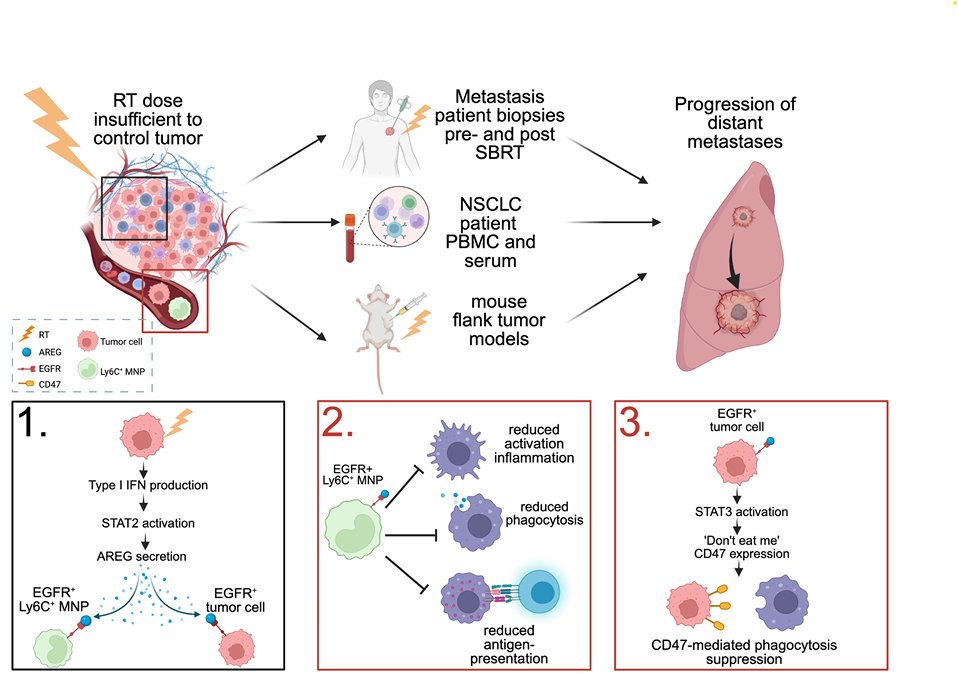
1/ Our latest - @JAMAOncology Viewpoint! Ablative radiotherapy has a dual effect on metastatic cancer that changes how we should interpret progression after treatment.
6
9
40
19,648
Sean Pitroda, M.D. retweeted
We are pleased to share PersonaCRC - the first clinically validated biomarker for oligometastatic CRC - is available to order: persona-dx.com/how-it-works
Based on prior work from our group:
pubmed.ncbi.nlm.nih.gov/2972…
pubmed.ncbi.nlm.nih.gov/3747…
pubmed.ncbi.nlm.nih.gov/3624…
2
6
8
4,250
Sean Pitroda, M.D. retweeted

Mar 26
Hot Topics in Lung Cancer Basic and Translational Research is coming up! Submit your abstract by april 15 and come and visit in (hopefully) sunny Dublin!
Speakers include Drew Pardoll, @FSkoulidis @DrJNaidoo @CottrellLab @SeanPitroda among a glittering line up! #lcsm


Contribute to the conversation at #HT26
Explore #immunotherapy resistance alongside leading experts.
📍 Dublin, Ireland | June 26–27
Register & submit your abstract: bit.ly/3NbSROT
#LungCancer

12
34
5,503
Sean Pitroda, M.D. retweeted

Mar 21
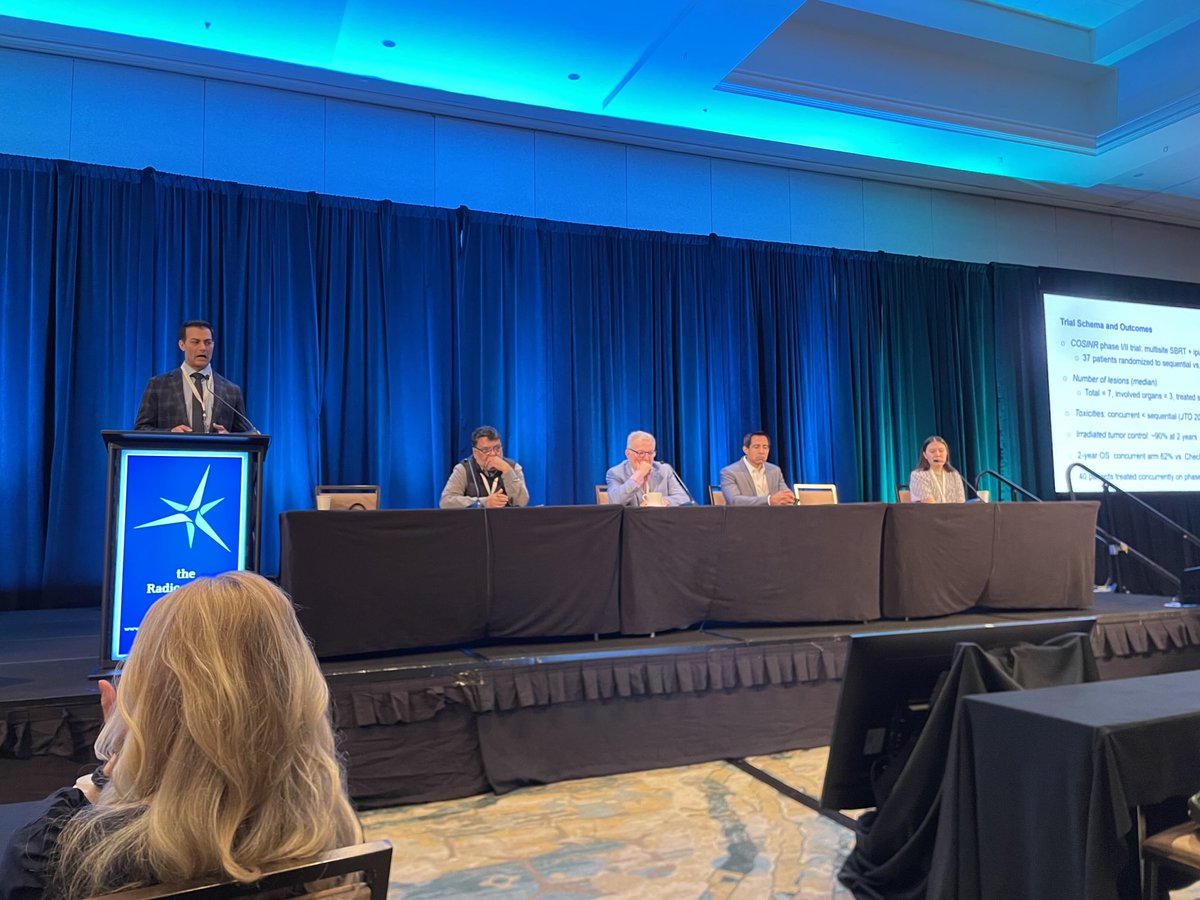
@SeanPitroda speaking in the Radiotherapy Overcome Immunotherapy Resistance Session @the_RSS 2026
2
2
7
517
Sean Pitroda, M.D. retweeted

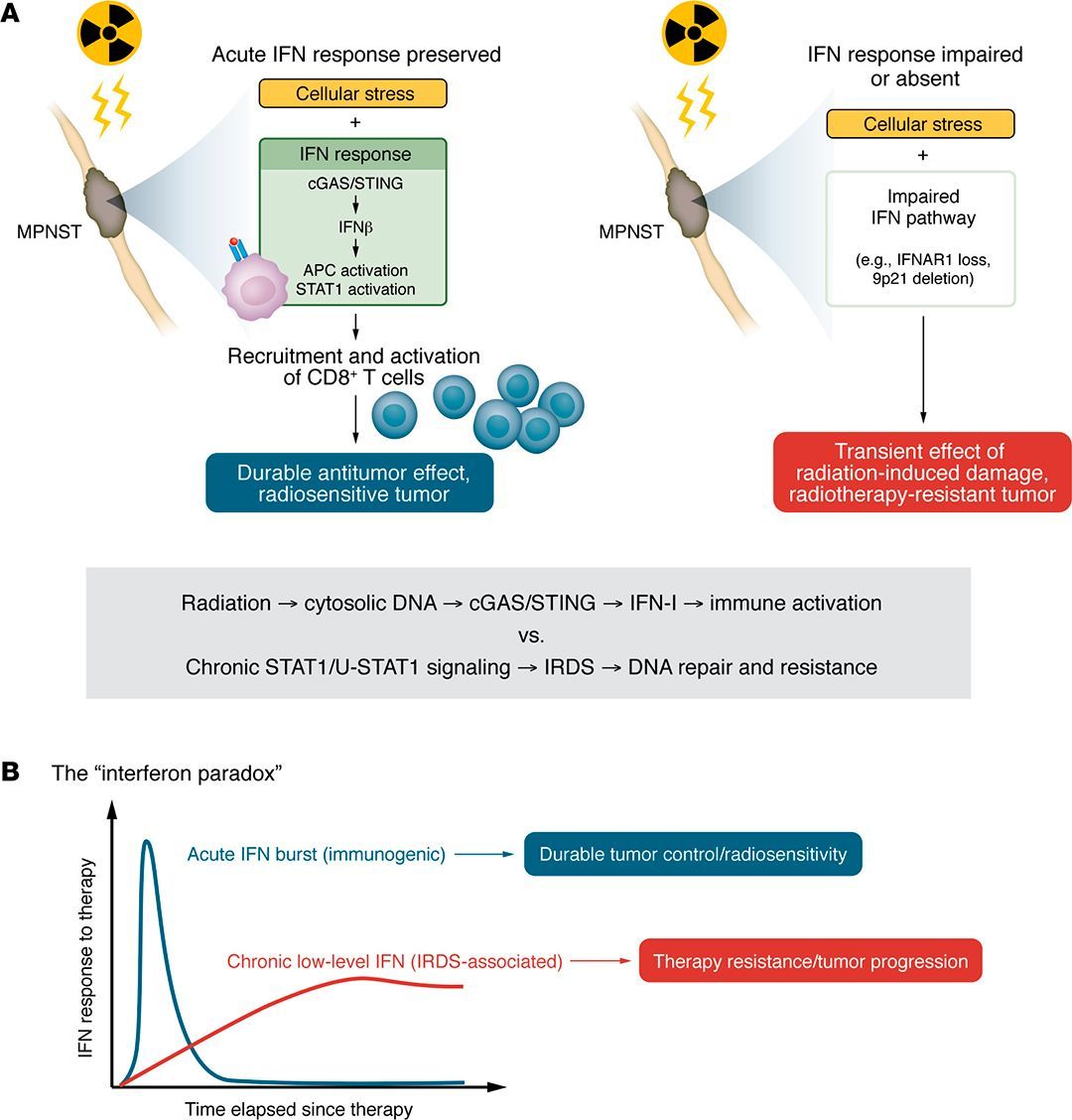
IFN signaling at the nexus of the radiotherapy response in malignant peripheral nerve sheath tumors: doi.org/10.1172/JCI202266
Sean P. Pitroda @SeanPitroda, Ralph Weichselbaum @rweichselbaum & team @UChicago provide a Commentary on Iowis Zhu et al.: doi.org/10.1172/JCI195652
2
2
19
1,666
Sean Pitroda, M.D. retweeted

Jan 23
💬 Viewpoint: The badscopal effect following ablative radiotherapy signals not failure but biological reorganization, prompting serial metastasis-directed therapy in selected patients. ja.ma/4k0HzJk
20
54
5,029
Sean Pitroda, M.D. retweeted

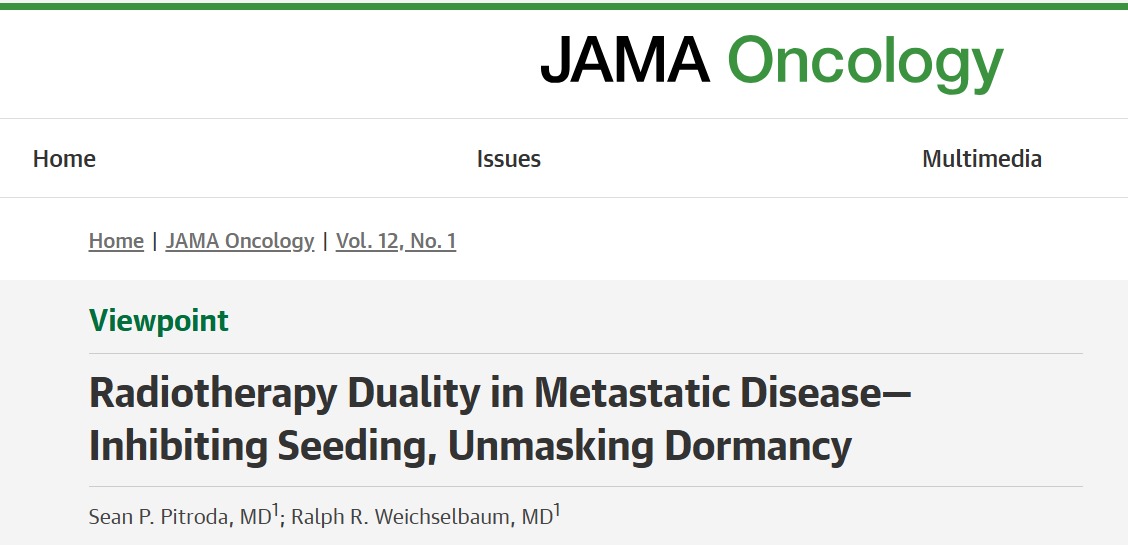
Radiotherapy duality in metastatic disease: inhibiting seeding, unmasking dormancy
Viewpoint | jamanetwork.com/journals/jam…
@SeanPitroda @rweichselbaum @JAMAOnc @JAMANetwork
Key insights
🟢 Metastasis-directed radiotherapy (MDT) suppresses metastatic seeding from treated lesions
🟢 Ablative RT can unmask dormant distant disease (“badscopal effect”) rather than promote spread
🟢 Post-MDT progression reflects biological reorganization, not treatment failure
🟢 Radiation reshapes systemic immunity (amphiregulin-mediated), enabling dormant clone outgrowth
🟢 Metastatic disease should be viewed as dynamic and iterable, not static
Clinical implications
🟢 Strong rationale for serial MDT, not one-time local therapy
🟢 Explains limited benefit in trials restricting MDT to a single round
🟢 Supports treat-all-visible-disease strategies when feasible
🟢 Calls for MDT personalization using immune phenotype, clonality, and metastatic kinetics
@seanmcbride @drjefstathiou
@SeanPitroda @rweichselbaum
@JAMAOnc @JAMANetwork
@seanmcbride @drjefstathiou
#Radiotherapy #OligometastaticDisease #Metastasis #CancerBiology #MDT #Oncology #JAMAOncology
3
5
13
2,069
Sean Pitroda, M.D. retweeted

24 Nov 2025
I think Sean's thinking here has been clear from the get go. There's no claim of accelerated progression of non-irradiated mets in the SBRT arm compared to the non-SBRT arm.
The claim is simply that one biological driver of out-of-field progression, when it occurs post-SBRT, acknowledging it occurs LESS FREQUENTLY in the SBRT arms of the trials mentioned, may be amphiregulin driven immune suppression. His work has identified a druggable target that may make the SBRT arms of oligomet trials even more successful than they've already been. Kudos to him! #radonc
1
2
11
944
Sean Pitroda, M.D. retweeted

21 Nov 2025
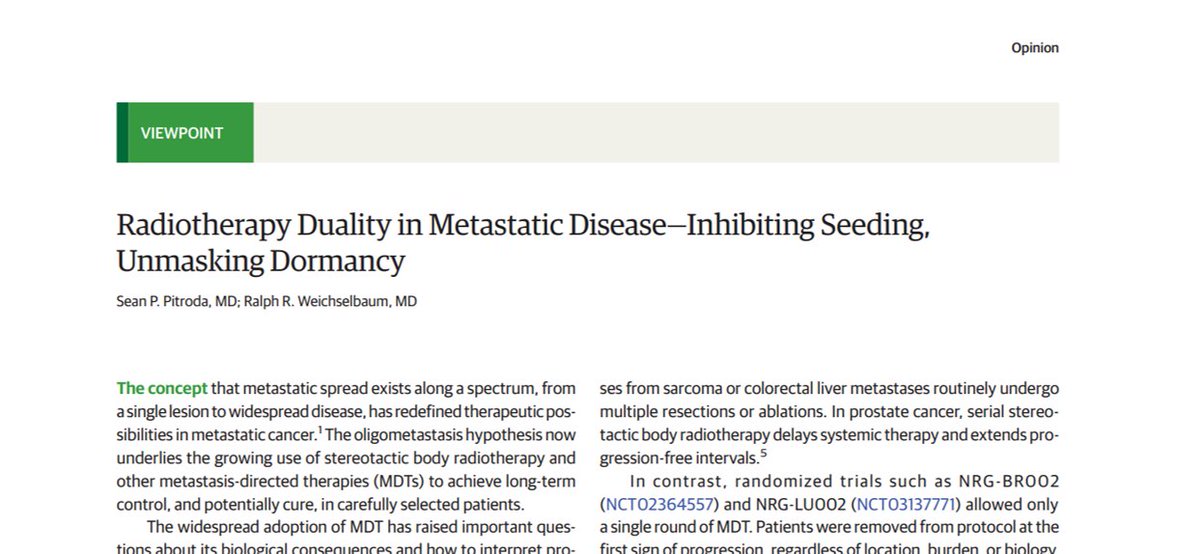
In a viewpoint, Sean Pitroda, MD and Ralph Weichselbaum, MD emphasizes the need to personalize treatment based on tumor biology, immune profiles, and metastatic patterns rather than relying on a single treatment. @SeanPitroda @rweichselbaum @LudwigCancer
ow.ly/BGBL50XvWcf
2
2
10
1,808
20 Nov 2025
1/ Our latest - @JAMAOncology Viewpoint! Ablative radiotherapy has a dual effect on metastatic cancer that changes how we should interpret progression after treatment.
6
9
40
19,648
20 Nov 2025
Read the full Viewpoint: jamanetwork.com/journals/jam…
@rweichselbaum @UCCancerCenter @UChicagoMed @UChicagoRadonc @JAMAOnc @Nature
1
2
14
1,412
20 Nov 2025
Many inducers of inflammation (e.g. RT, chemo, viral) can unmask dormant metastatic cancer cells by shifting the immune landscape. Understanding this common mechanism opens new opportunities to prevent metastatic reactivation.
PMIDs: 40901881, 40614736, 40739350
3
18
8,860
22 Oct 2025
1/
Our Nature paper on radiation-induced AREG sparked discussion - and some misinterpretation (nature.com/articles/s41586-0…).
We clarify key points in our new Authors’ View in the Red Journal (@IJROBP).
🧵 Here’s what we actually found — and what we didn’t:
sciencedirect.com/science/ar…
11
21
58
12,441
Sean Pitroda, M.D. retweeted

6 Nov 2025
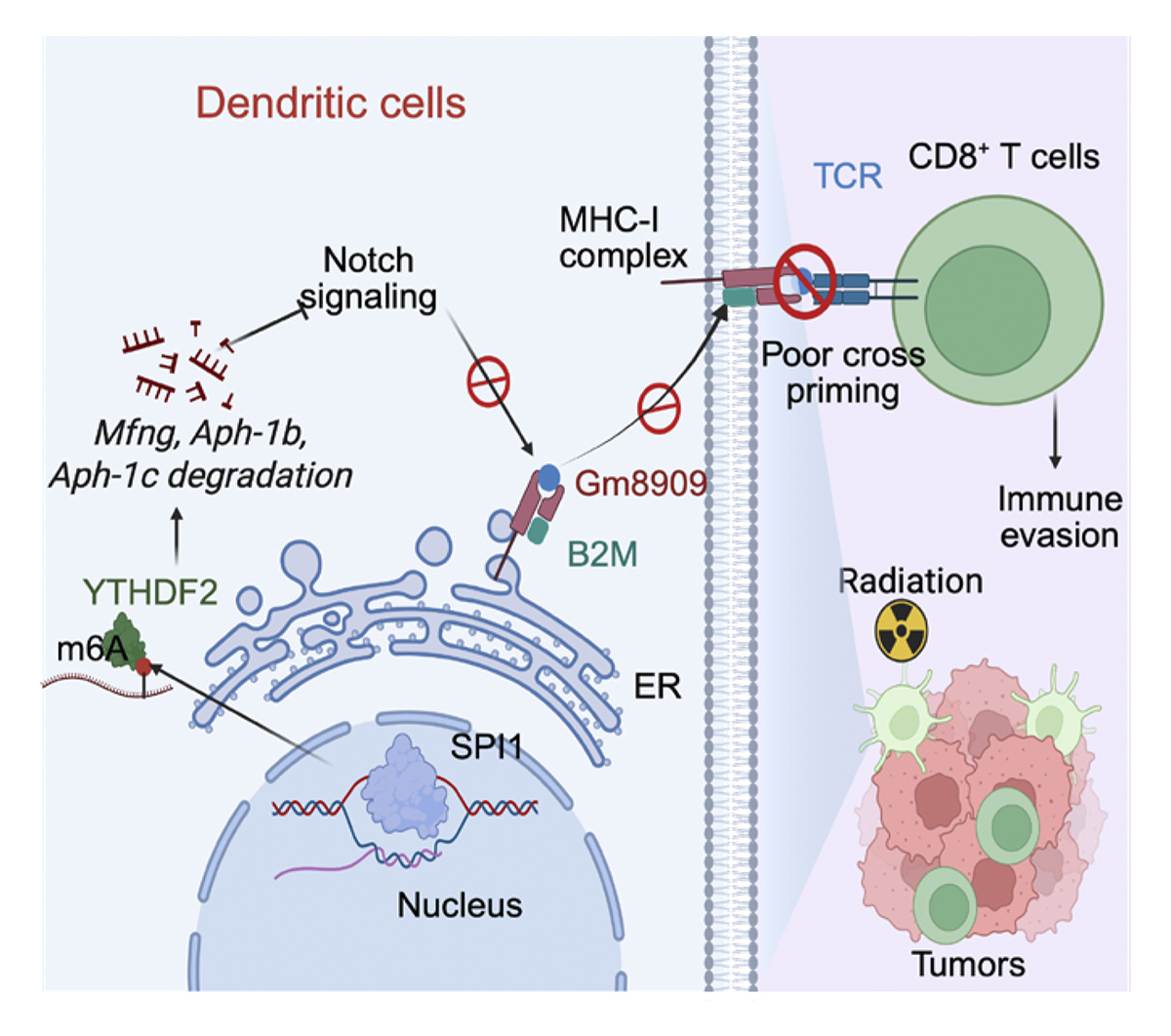
Chen, @rweichselbaum et al. @UChicago discover that YTHDF2 in #DendriticCells negatively regulates antitumor immunity of #radiotherapy. The SPI1–YTHDF2–Notch signaling–MHC-I axis orchestrates the antigen cross-presentation function of dendritic cells. hubs.ly/Q03S2cNV0
4
12
43
3,168
6 Nov 2025
1/ New paper 🚨
Radiotherapy (RT) can activate antitumor immunity — but it can also impact metastatic spread in ways we don’t fully understand.
In our new study, we identify a radiation-induced immune checkpoint in dendritic cells (DCs) that limits CD8⁺ T cell priming.
1
10
27
2,625
6 Nov 2025
6/
Takeaway:
RT induces YTHDF2 in DCs, which suppresses antigen presentation and limits systemic antitumor immunity.
Targeting YTHDF2 is a promising strategy to enhance RT immune therapy and improve metastatic control.
🔗rupress.org/jem/article/223/…
3
3
5
1,320