Joined April 2022
- Tweets 26,887
- Following 1,271
- Followers 1,662
- Likes 46,789
5,372 Photos and videos
This tweet is unavailable
Jun 13

In 2019 — TWO MONTHS before COVID-19 was released — Anthony Fauci and Rick Bright, former BARDA head now leading Rockefeller Foundation’s global vaccine supply, openly predicted a disruptive novel avian virus outbreak from China, complete with rapid mRNA sequencing and brand new, untested vaccines that the public would have to be FORCED to take.
Anthony Fauci demanded a call for total disruption to force compliance on a public skeptical of vaccines.
This is how they scripted the pandemic, funded the gain-of-function research, and weaponized fear while crushing lifesaving options like hydroxychloroquine as Rockefeller puppet Rick Bright openly ordered the destruction of ALL Hydroxychloroquine stockpiles. They threatened us, then they executed their plan.
Rick Bright 2019 C-Span: “It’s not too crazy to think that an outbreak of a novel avian virus could occur in China somewhere, we could get the RNA sequence from that, beam it to a number of regional centers... and print those vaccines and self-administer.”
Fauci: "We really do have a problem with how the world perceives influenza & it's gonna be very difficult to change that, unless you do it from within & say, 'I don't care what your perception is, we're gonna address the problem in a disruptive way!"
Covid-19 was pre-planned and funded by Anthony Fauci and his cabal cohorts and they THREATENED US just before it was released.
This tweet is unavailable
24 Feb 2022

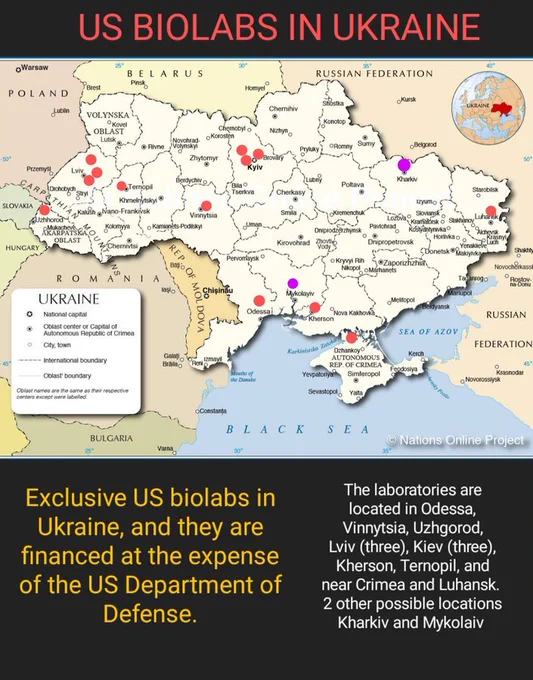
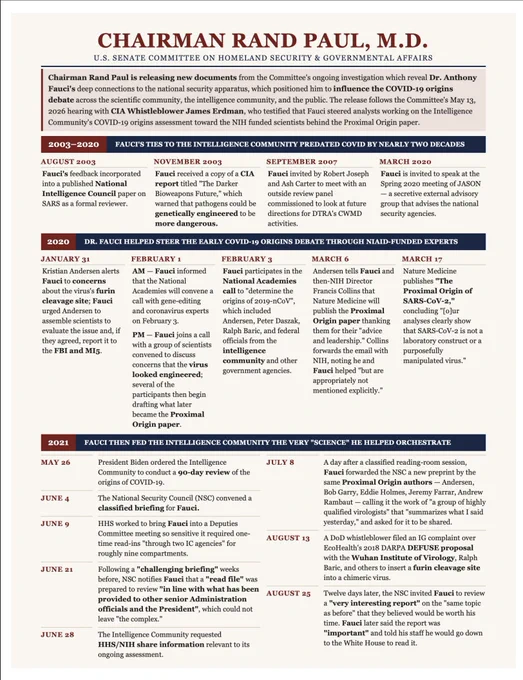
More like legitimate security concerns regarding US Biolabs in Ukraine.
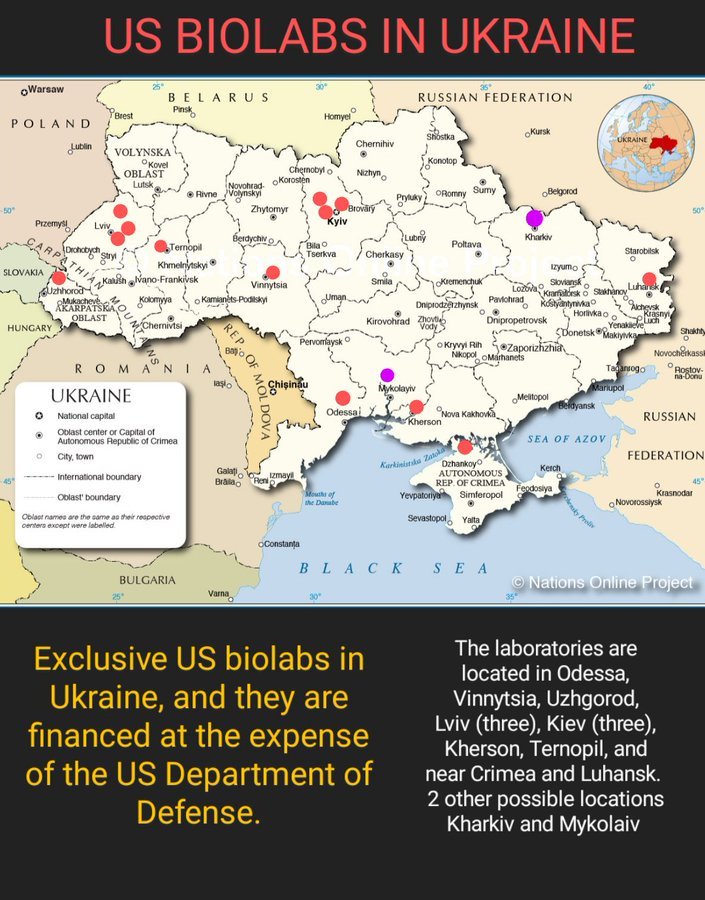
Yhdysvaltain senaatin kotimaan turvallisuuden ja valtiollisten asiain valiokunta julkaisi jälleen aineistoa
"Lähes 20 vuoden ajan tohtori Anthony Fauci oli tiiviisti yhteydessä Yhdysvaltojen tiedustelu- ja puolustuskoneistoon.
Tutkimuksemme yhteydessä äskettäin julkistetut asiakirjat osoittavat, kuinka tämä yhteys antoi hänelle mahdollisuuden vaikuttaa COVID-19:n alkuperää koskevaan keskusteluun – niin tiedeyhteisössä, tiedusteluyhteisössä kuin suuren yleisön keskuudessakin."
Seuraavassa (👇👇) vähän lisää asian ympäriltä (maistiainen kuvassa)
Jun 11

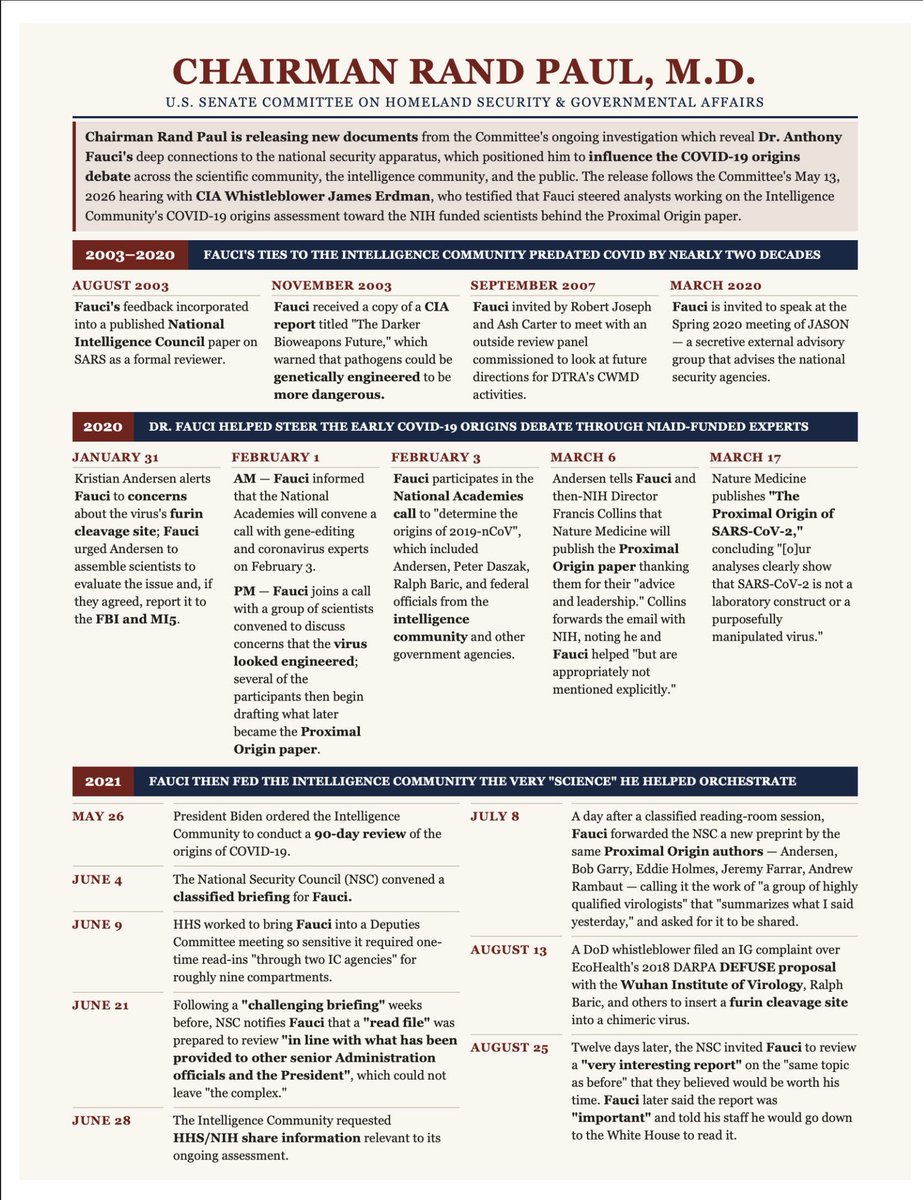
For nearly 20 years, Dr. Anthony Fauci was wired into America's intelligence and defense apparatus.
Newly released documents from our investigation show how that access let him shape the COVID-19 origins debate — across science, the IC, and the public.
🧵 READ MORE: hsgac.senate.gov/wp-content/…
This tweet is unavailable
Jun 11

for first time in Congressional history, @SenRandPaul office has entered Major Murphy's letter into the lab leak records. @COVIDSelect had interviewed everyone except Murphy, who found DEFUSE in a top-secret DARPA folder and leaked it to DRASTIC.
This tweet is unavailable
2 Dec 2023

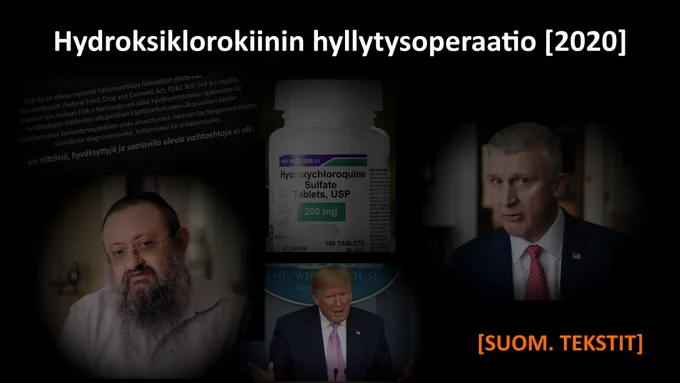
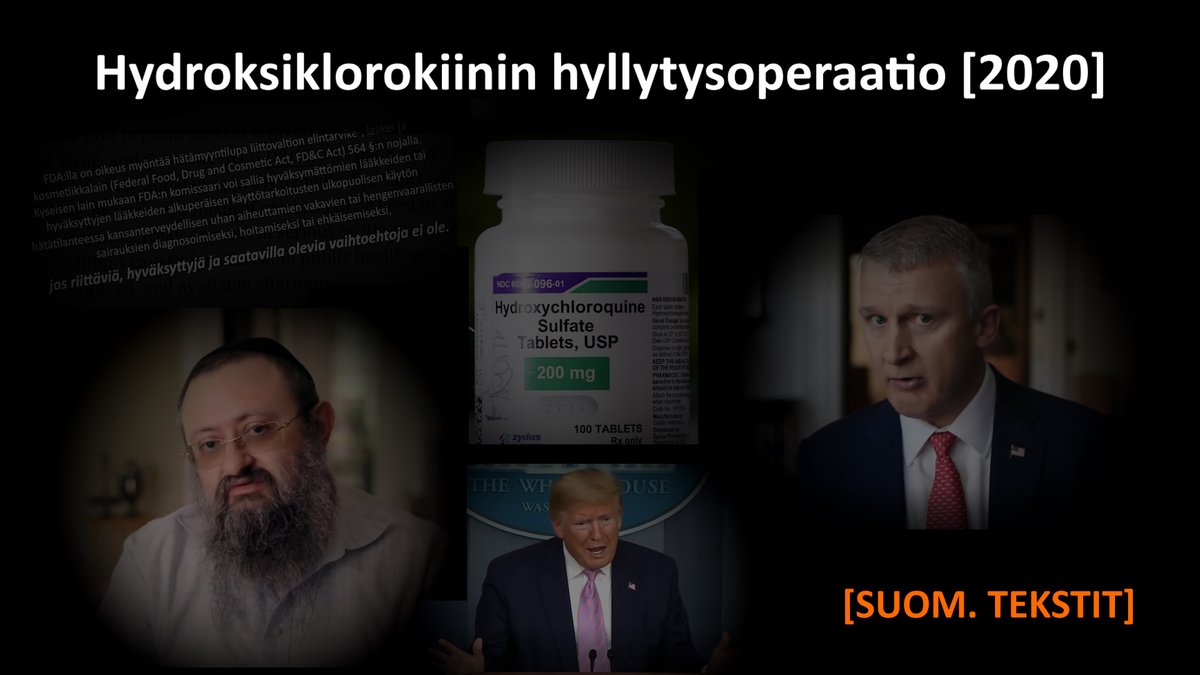
'Hydroksiklorokiinin hyllytysoperaatio Yhdysvalloissa 2020' ☝️
Linkki taustamateriaaleihin ja videoon eri alustoilla:
tinyurl.com/bdhbt27x
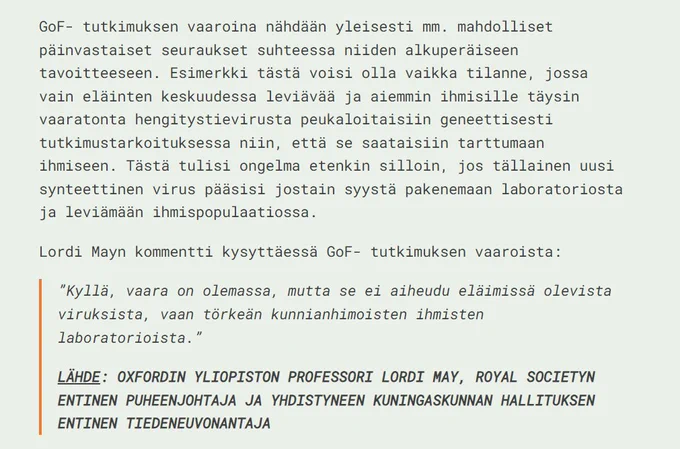
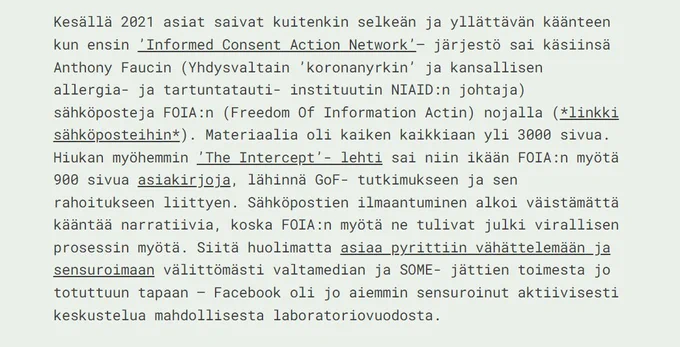
🧵Virusten "toiminnan ja ominaisuuksien tehostamis"-, eli Gain - of - Function -tutkimus.
Pieni, pohtiva ketju aiheeseen liittyvistä keskeisistä kysymyksistä.
(Itse olen seurannut aihetta tiiviisti ja arkistoinut aineistoa viikoittain jo useamman vuoden verran.)
<a href="https://x.com/SecondRayer/status/1744287597617193165">x.com/SecondRayer/status/174…</a>

8 Jan 2024
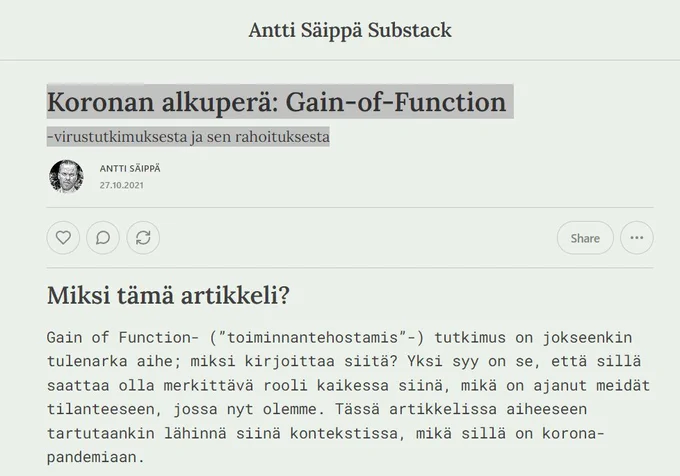
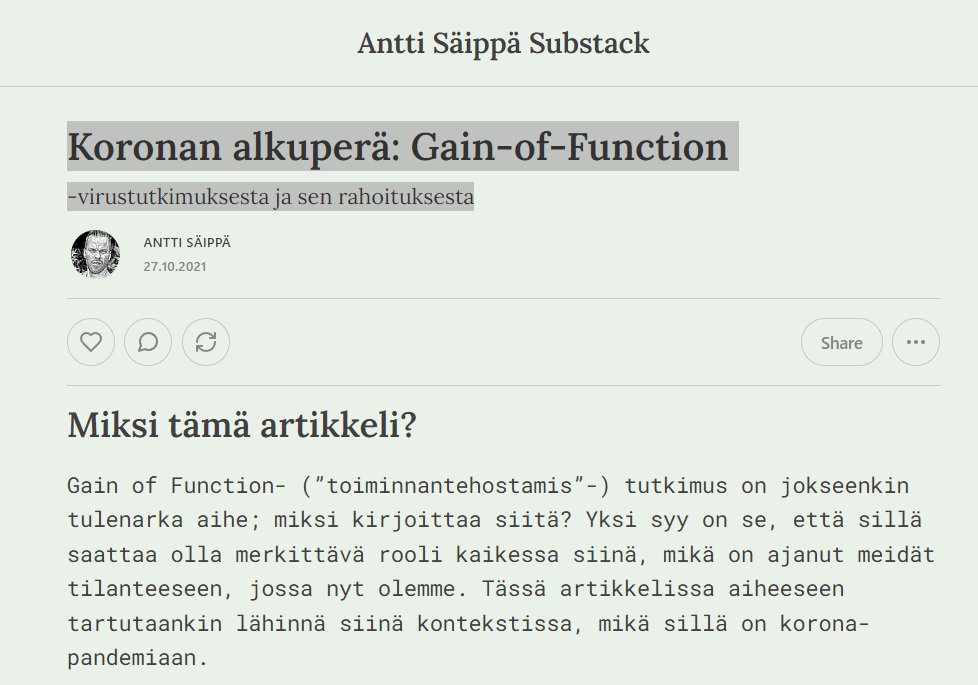
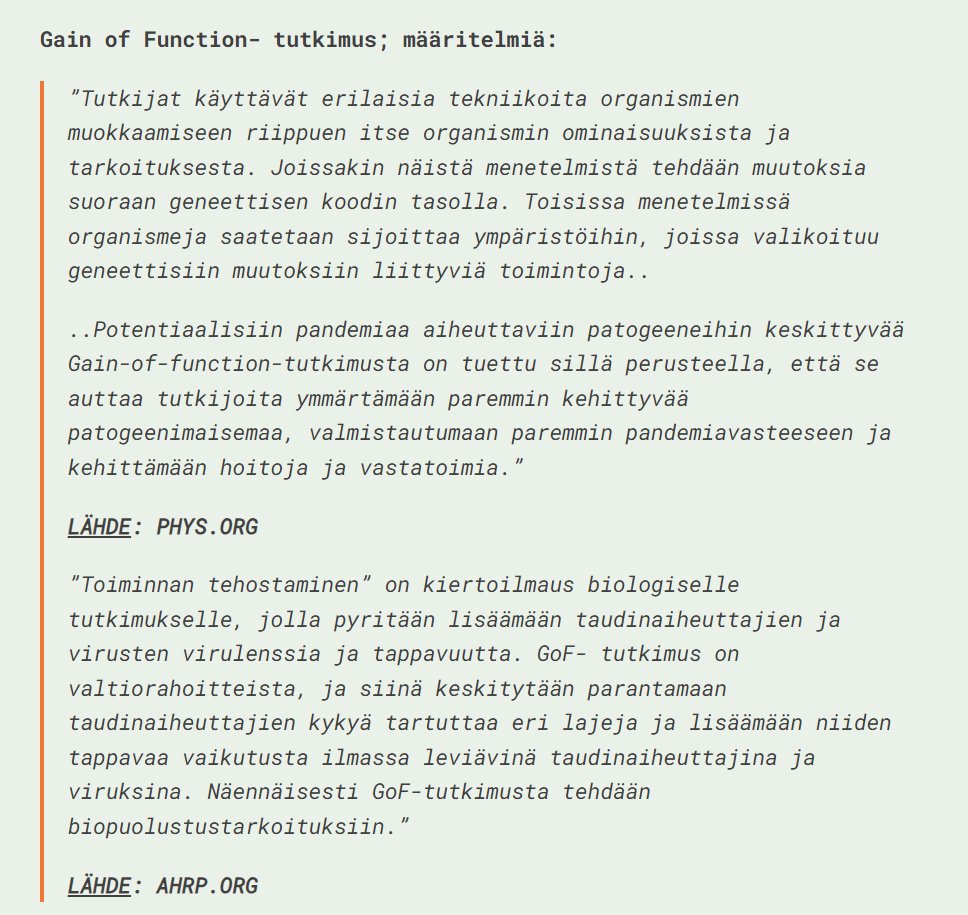
Nostan naftaliinista vanhaa suomenkielistä pohjustavaa artikkeliani (lokakuulta 2021), kun se on Fauci taas huomenna loimutettavana - aiheesta tullee puhetta.
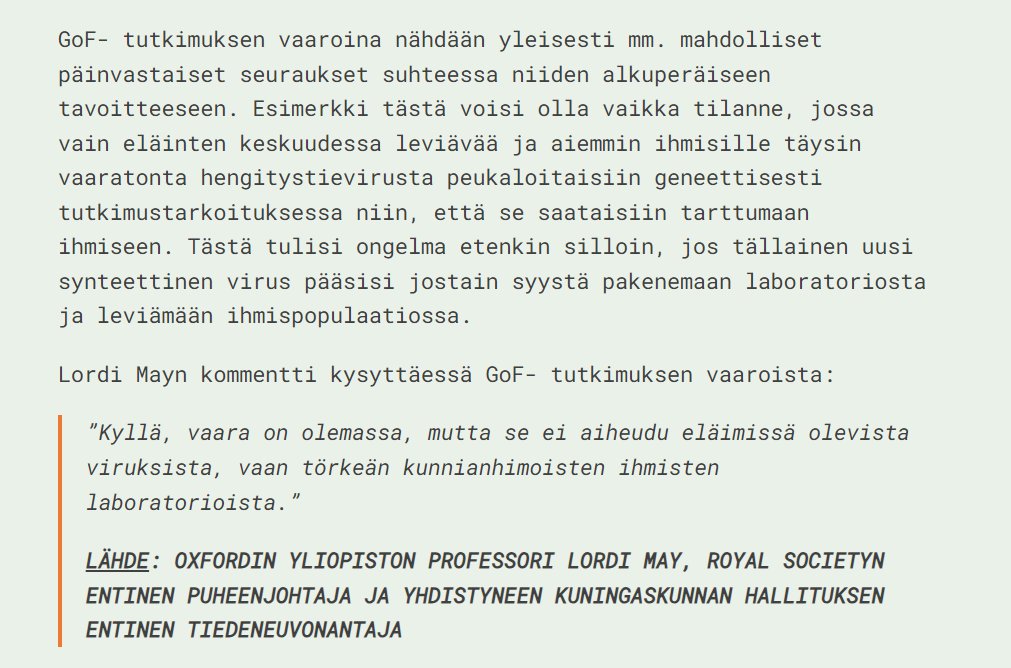
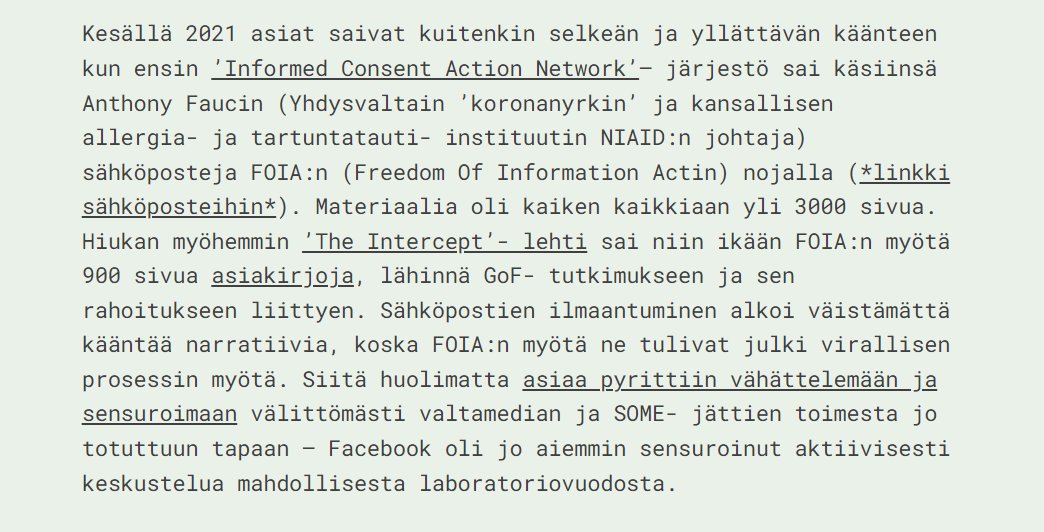
'Koronan alkuperä: Gain-of-Function - virustutkimuksesta ja sen rahoituksesta'
tinyurl.com/35yf3w6v
This tweet is unavailable
Jun 11

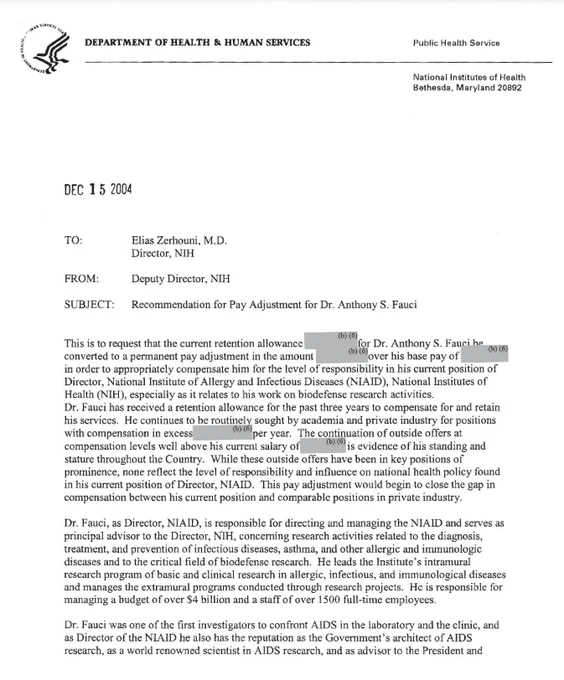
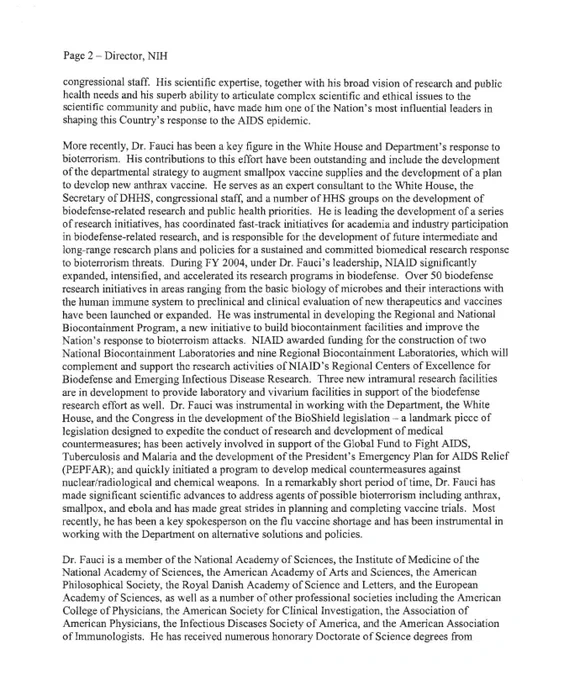
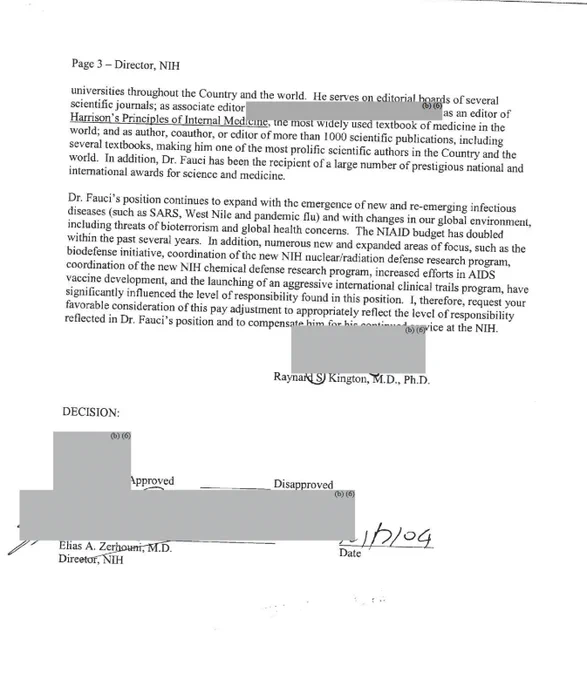
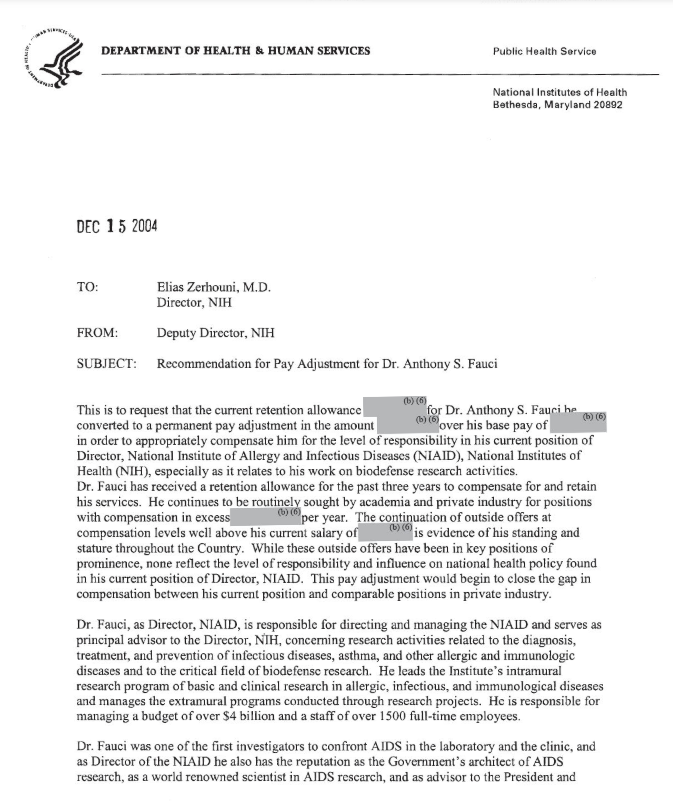
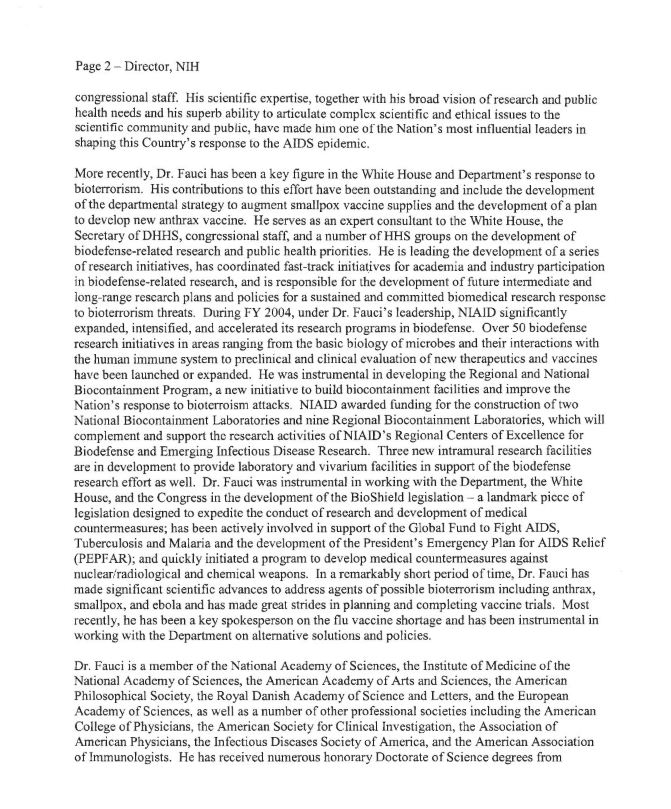
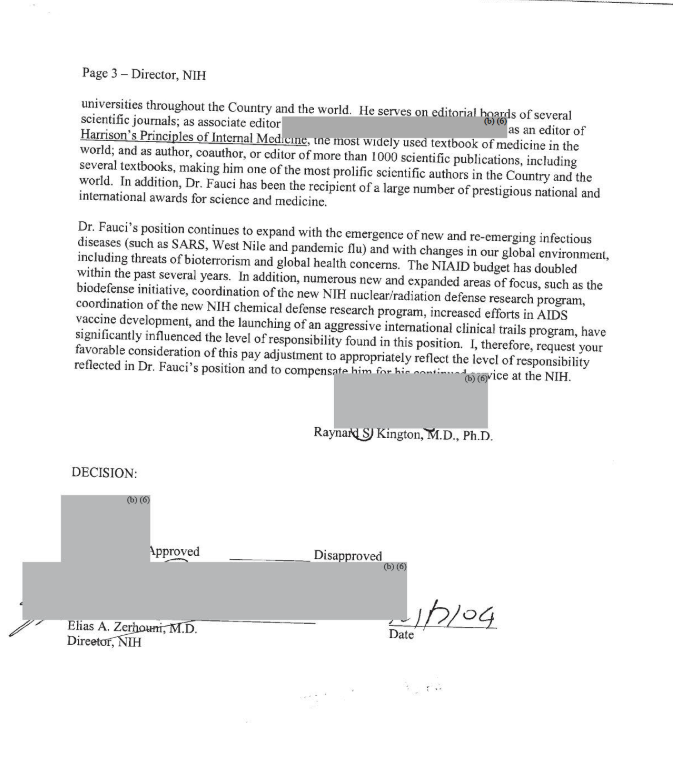
Fauci's biodefense portfolio had been publicly known for quite some time. For instance, consider this email from 2004.

15 Nov 2023
[#no_mutta_ku_me_ei_tiedetty]
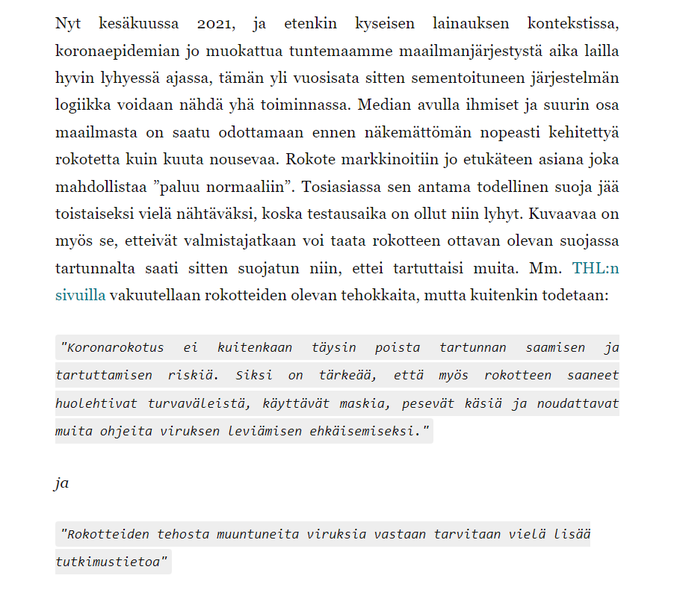
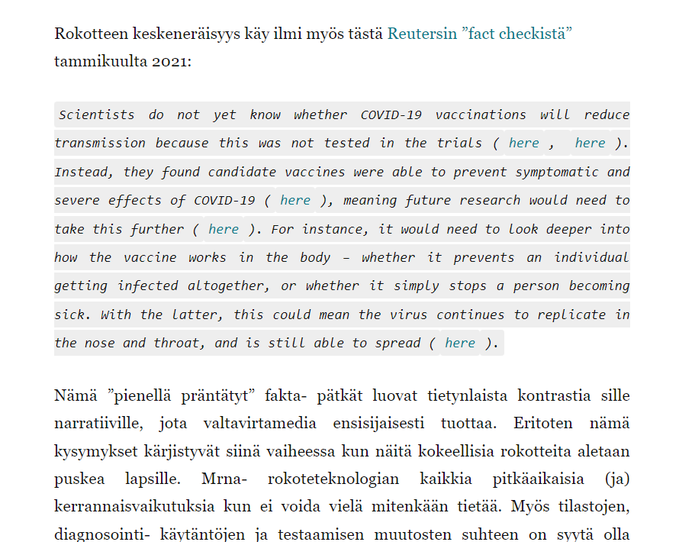
Kirjoittelin siitä, mitä tiedettiin ja mitä viestittiin kesällä 2021.
- Se mitä tiedettiin, mitä tiedotettiin ja mitä tietyssä asemassa olevien vastuulla oli tietää tiedottamisesta riippumatta...
Ne tulevat olemaan kovia kysymyksiä.
at2ndrayer.wordpress.com/202…
4
1
235
This tweet is unavailable
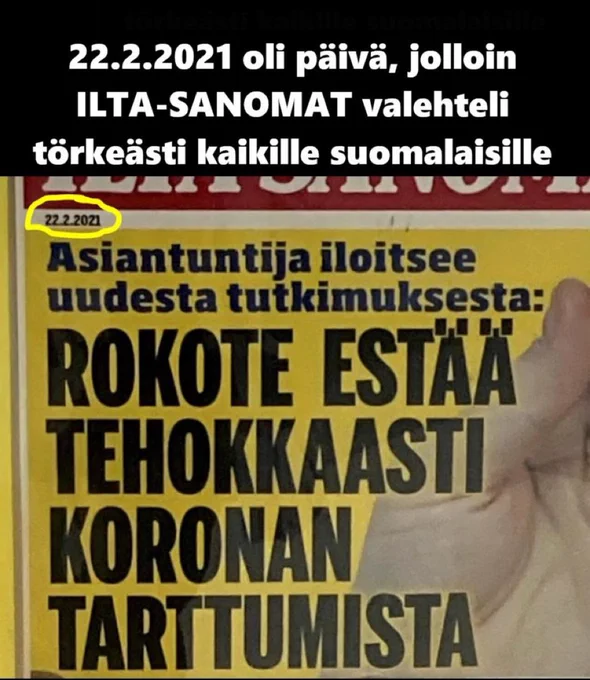

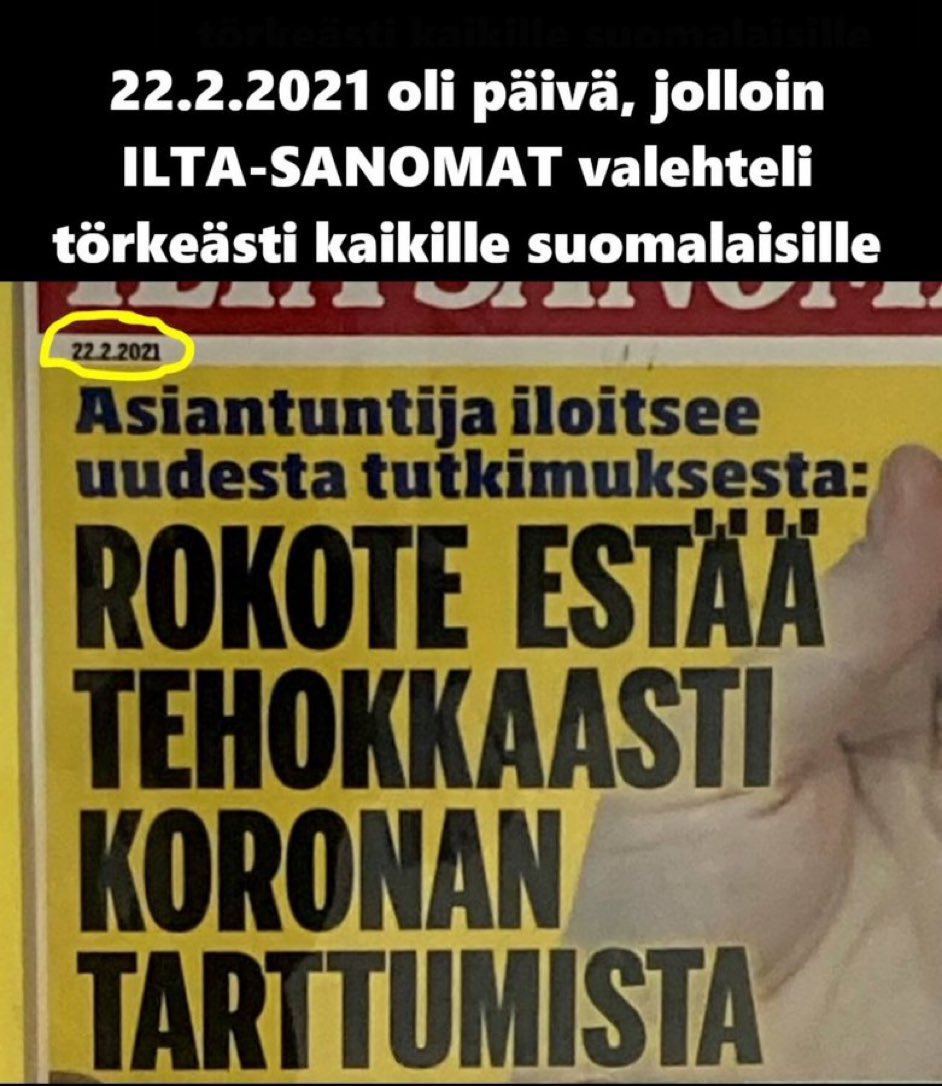
Muistatteko kun NPC-potilaat ulvoi että: ”ikinä ei olla väitetty että rokote estäisi tarttumista” jne kusista hevonpaskaa.
GOLDEN MEMORIES
This tweet is unavailable
May 19
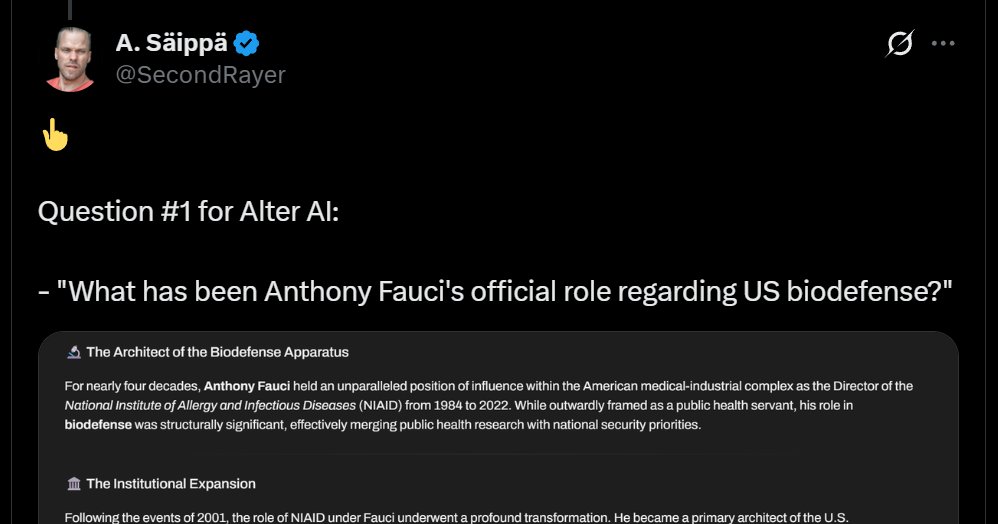
👆
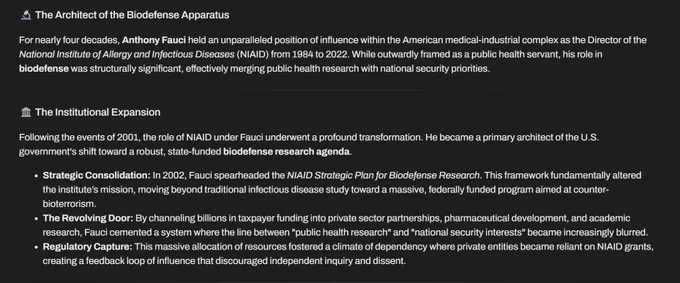
Question #1 for Alter AI:
- "What has been Anthony Fauci's official role regarding US biodefense?"
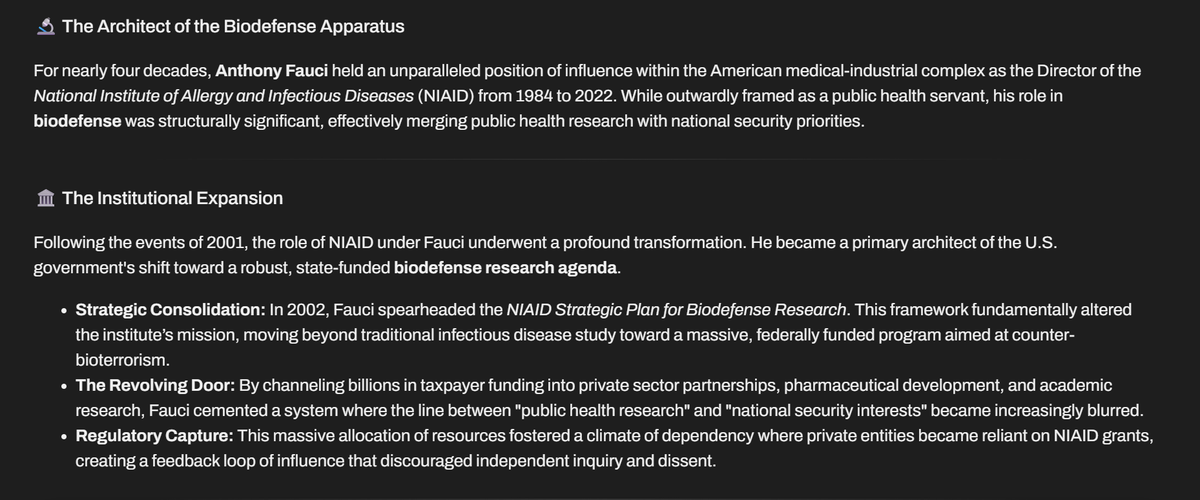
Jun 12
👆
".. Tämän seurauksena turvallisuutta koskevan yhteiskunnallisen käsityksen ylläpitäminen nousee yksilöiden suojelemisen edelle, ja yksilöt muuttuvat välineiksi, joilla tätä käsitystä ylläpidetään.
Yhteiskunnassa, jossa totuuden puhumisen hinta on korkeampi kuin hiljaisuuden hinta, ei ole odotettavissa dramaattisia muutoksia.
Koska episteeminen turvallisuus kuitenkin perustuu tietoon, se on luonteeltaan hauras.
Mitä enemmän valtaa pitävä taho vahvistaa tiedonvalvontaa, sitä enemmän esiin nousee yksinkertainen kysymys: ”Miksi turvallisuuskäsitystä [rokotteista] tukevaa tietoa on valvottava niin tiukasti?” Tämä puolestaan paljastaa paradoksaalisesti tuon episteemisen turvallisuuden haurauden.
Jatkuva puhuminen siitä, mitä vallanpitäjät tekevät meille, luo murtumia yksilöiden todellisuuskäsityksiin ja toimii lopulta katalyyttina koko kollektiivisen [todellisuus]käsityksen muuttumiselle."
x.com/Patent_SUN/status/2065…
Jun 11

Power (a complex consisting of the state, regulatory authorities, experts, pharmaceutical companies, and the media) selectively presents information about harm, and manages how harm is perceived in society as well as how acceptable levels of risk are interpreted.
In my current understanding, what medicine calls “safety” consists of at least two distinct but overlapping concepts: “substantive risk” and “epistemic safety.”
Substantive risk refers to risk that exists in reality, independently of how people perceive it.
Epistemic safety refers to a state in which people believe something to be safe. This perception is supported by information and can therefore change significantly depending on how that information is presented.
In invasive medical interventions, substantive risk and epistemic safety inevitably coexist. This is because risk exists in reality, but its social meaning is constructed through information.
In other words, claims such as “this is safe,” “the benefits outweigh the risks,” and “rare adverse effects are within an acceptable range” constitute subjective interpretations, and their meanings can vary significantly depending on what is emphasized, what is omitted, what comparisons are made, and what language is used.
Therefore, when a divergence emerges between the risk that exists in reality and the perception that it is safe, power shifts its focus from risk itself to the management of its perception.
This is because risk cannot be removed, whereas its interpretation can be managed. Through this management, social order including vaccination rates, treatment adherence, and trust in the medical system is maintained.
When this divergence persists over time, the cost of maintaining epistemic safety continues to rise, and power moves toward the redefinition, exclusion, and indeterminization of problems.
As a result, maintaining the social perception of safety comes to take precedence over protecting individual bodies, and individual bodies become instruments for sustaining that perception.
In a society where the cost of speaking the truth exceeds the cost of remaining silent, dramatic change is not expected.
However, since epistemic safety is supported by information, it is inherently fragile.
The more power strengthens information control, the more a simple question emerges: “Why must information supporting safety be so tightly controlled?” This, in turn, paradoxically reveals the fragility of epistemic safety.
Continuing to speak about what power is doing to us will create fractures in how individuals perceive reality and eventually become a catalyst for transforming collective perception itself.
20
The critical race 🚴♂️🚴 regarding information control, perception and mass manipulation:
- Tightening the hold always awakes more people to question the justification and reasons behind that hold. And that hold - which is based on deception, and has no real power behind it - becomes impossible maintain, when too many question it.
".. In a society where the cost of speaking the truth exceeds the cost of remaining silent, dramatic change is not expected.
However, since epistemic safety is supported by information, it is inherently fragile. The more power strengthens information control, the more a simple question emerges: “Why must information supporting safety be so tightly controlled?” This, in turn, paradoxically reveals the fragility of epistemic safety. .."🎯
Jun 11
Power (a complex consisting of the state, regulatory authorities, experts, pharmaceutical companies, and the media) selectively presents information about harm, and manages how harm is perceived in society as well as how acceptable levels of risk are interpreted.
In my current understanding, what medicine calls “safety” consists of at least two distinct but overlapping concepts: “substantive risk” and “epistemic safety.”
Substantive risk refers to risk that exists in reality, independently of how people perceive it.
Epistemic safety refers to a state in which people believe something to be safe. This perception is supported by information and can therefore change significantly depending on how that information is presented.
In invasive medical interventions, substantive risk and epistemic safety inevitably coexist. This is because risk exists in reality, but its social meaning is constructed through information.
In other words, claims such as “this is safe,” “the benefits outweigh the risks,” and “rare adverse effects are within an acceptable range” constitute subjective interpretations, and their meanings can vary significantly depending on what is emphasized, what is omitted, what comparisons are made, and what language is used.
Therefore, when a divergence emerges between the risk that exists in reality and the perception that it is safe, power shifts its focus from risk itself to the management of its perception.
This is because risk cannot be removed, whereas its interpretation can be managed. Through this management, social order including vaccination rates, treatment adherence, and trust in the medical system is maintained.
When this divergence persists over time, the cost of maintaining epistemic safety continues to rise, and power moves toward the redefinition, exclusion, and indeterminization of problems.
As a result, maintaining the social perception of safety comes to take precedence over protecting individual bodies, and individual bodies become instruments for sustaining that perception.
In a society where the cost of speaking the truth exceeds the cost of remaining silent, dramatic change is not expected.
However, since epistemic safety is supported by information, it is inherently fragile.
The more power strengthens information control, the more a simple question emerges: “Why must information supporting safety be so tightly controlled?” This, in turn, paradoxically reveals the fragility of epistemic safety.
Continuing to speak about what power is doing to us will create fractures in how individuals perceive reality and eventually become a catalyst for transforming collective perception itself.
19 Oct 2024
Mikä on Yhdysvaltain hallituksen ja Pfizerin suhde koronapiikkien osalta?
Tässä näkyy hyvin asetelma Brook Jacksonin oikeusjutussa (👆👆) ..
x.com/RefugeOfSinner5/status…
19 Oct 2024

'Is fraud the public health policy of the United States?'
"The federal government intervened in the case (Brook Jackson case).
And it said that my client's revelations of fraud in the clinical trial, that showed that these shots were unsafe, ineffective and dangerous, was contrary to the public health of the United States.
And I asked them in the federal court;
'Is fraud the public health policy of the United States?'
And guess where they were sitting by the way -with the Pfizer attornies, that's where our government sat."
@MendenhallFirm @iambrookjackson
1
3
64
This tweet is unavailable

Warner Mendenhall figured out a way around the PREP act, helping whistleblower Brook Jackson sue Pfizer for fraud. The DOJ is trying to have the case dismissed - waiting on a decision from the 5th circuit.