
Author of COVID-19: Mystery Solved: It leaked from a Wuhan lab but it’s not Chinese junk: a.co/d/gD8JQqi
Joined June 2009
- Tweets 35,362
- Following 998
- Followers 4,228
- Likes 15,540
10,259 Photos and videos
Pinned Tweet

Jun 7
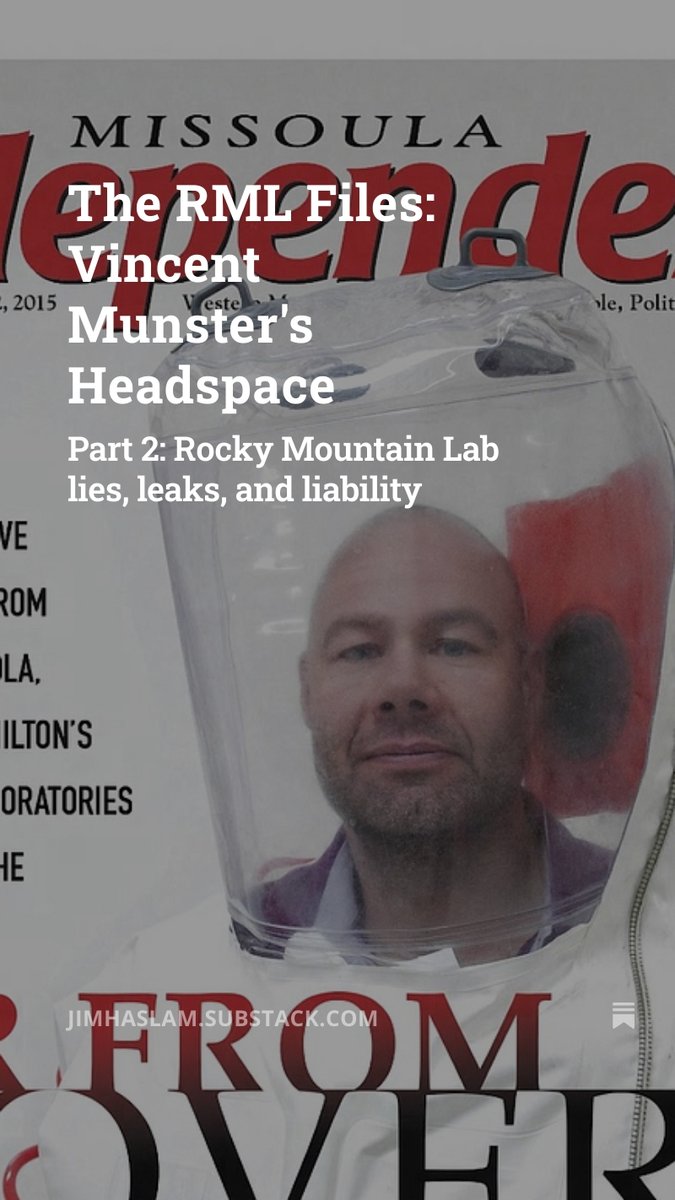
The RML Files: Vincent Munster's Headspace
Part 2: The man in charge gets charged
jimhaslam.substack.com/p/the…
3
13
24
4,497
8h
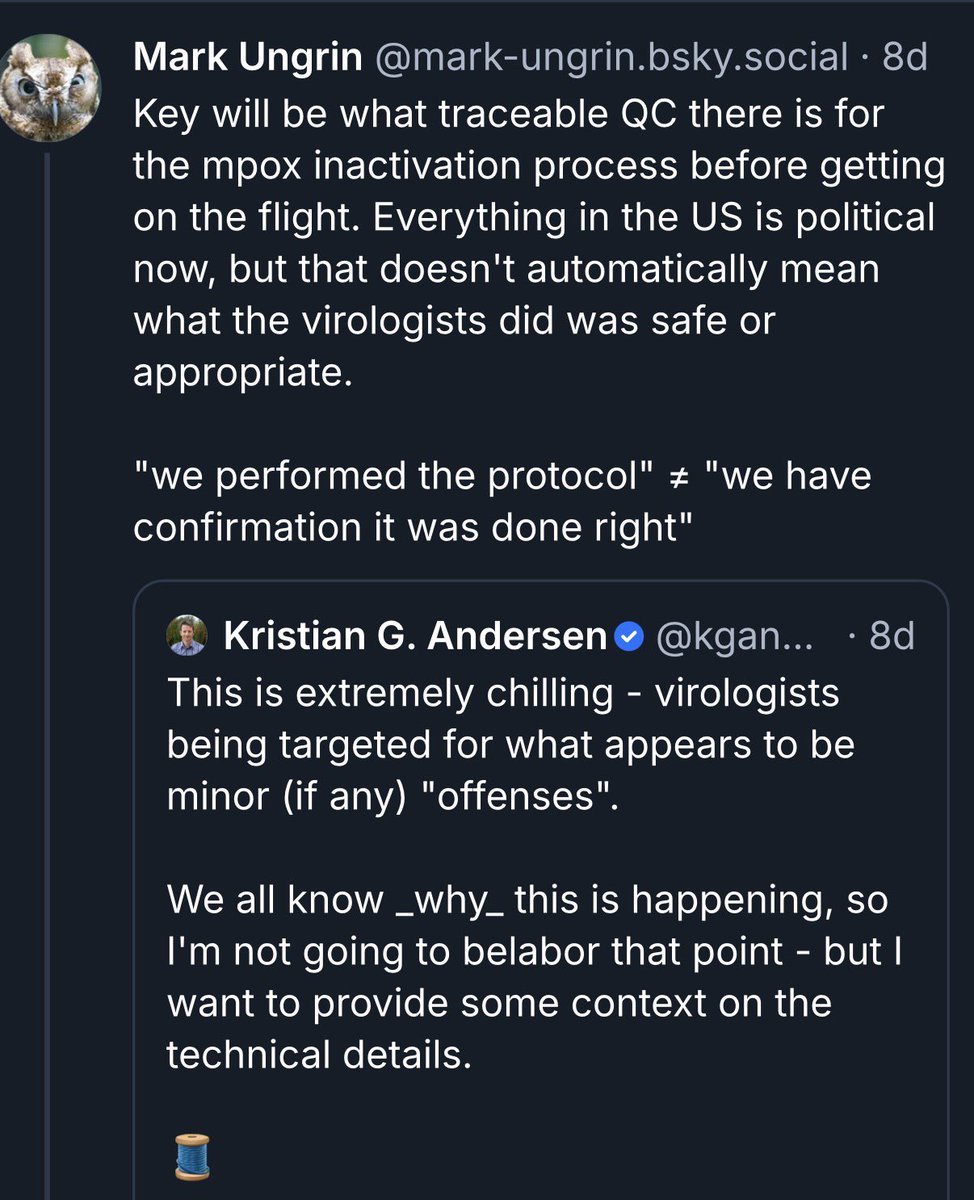
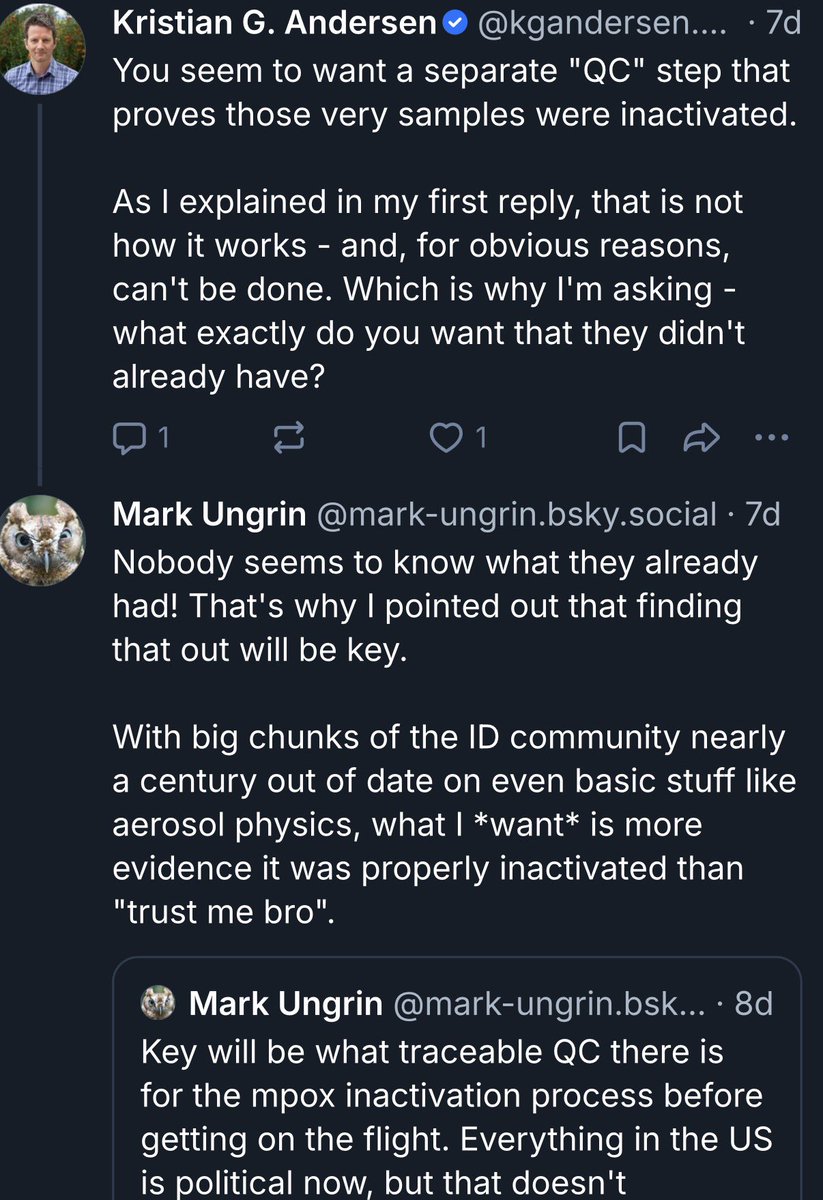
Even BlueSkiers think Munster is guilty but the debate is fascism vs democracy according to lab leaker @mbw61567742
11h

Munster lied about the contents by declaring primers and dNTPs but no mention of viral DNA or inactivated virus
x.com/jhas5/status/206272700…
3
2
14
1,618
10h
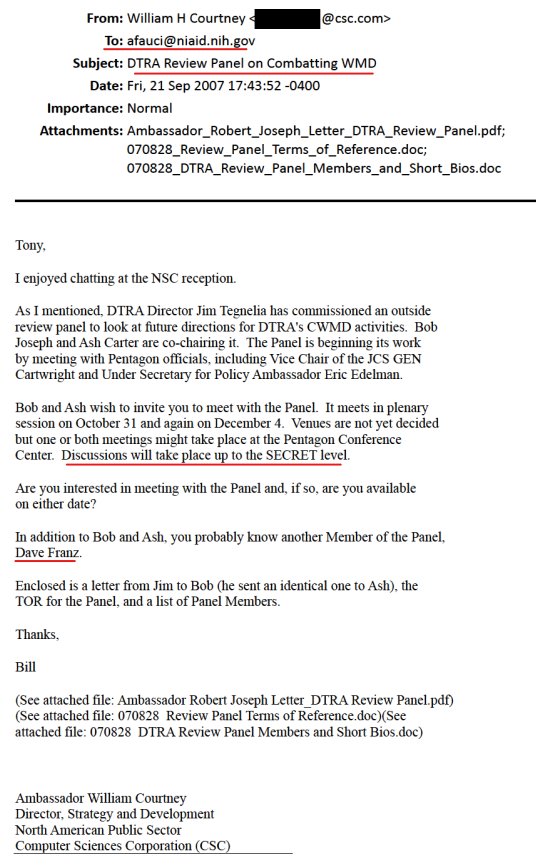
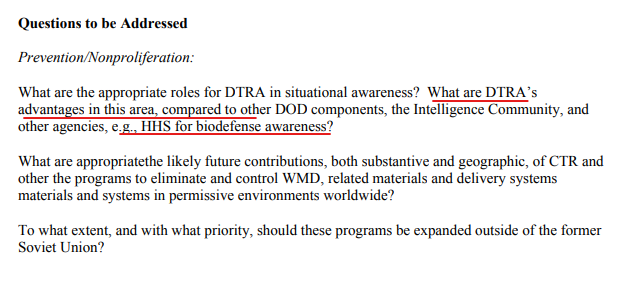
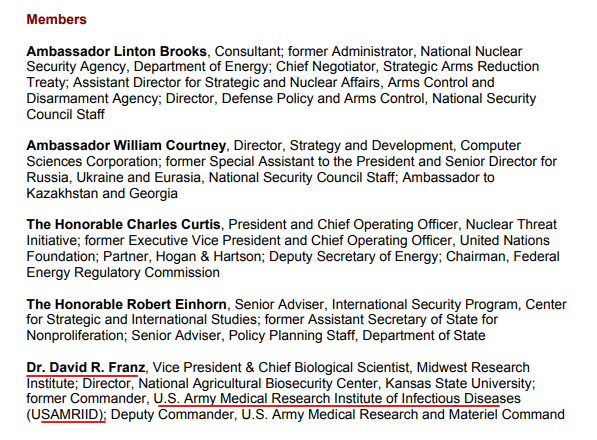
f'n Franz and Fauci, in 2007, getting together to compare biodefense notes
6 Mar 2025
I asked Franz to prove me wrong, “Sorry Jim, outside of my technical space”
1
2
8
274
10h
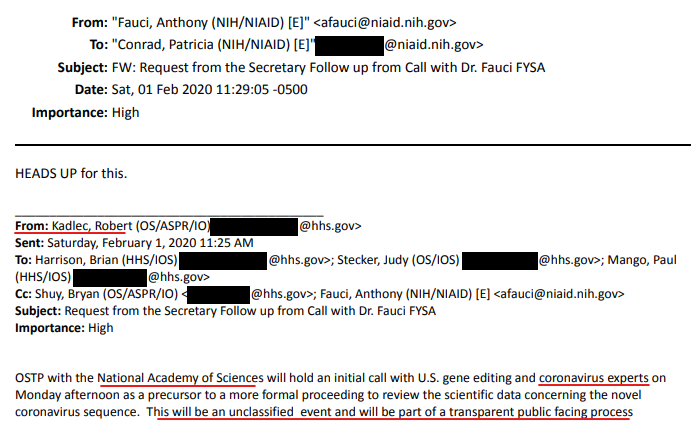
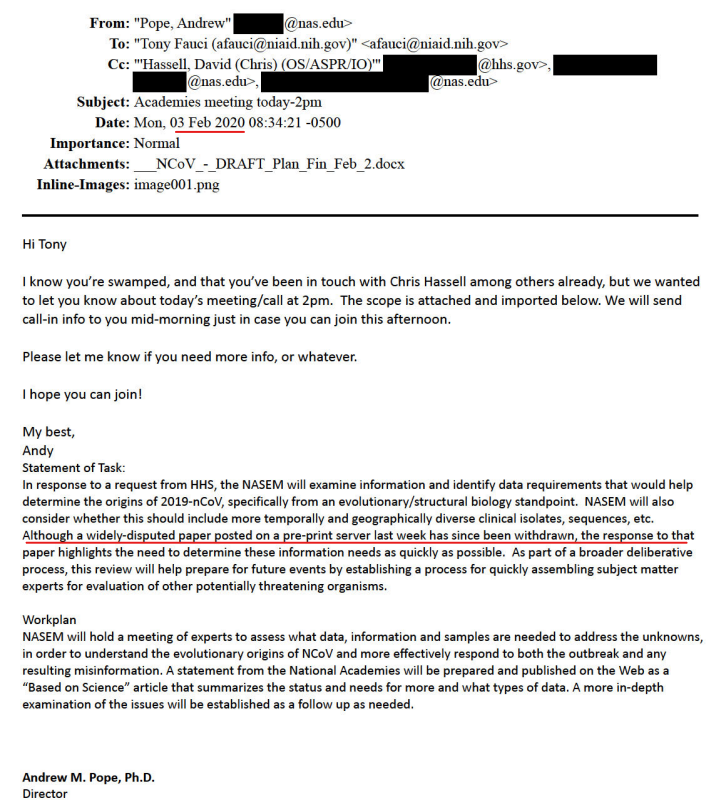
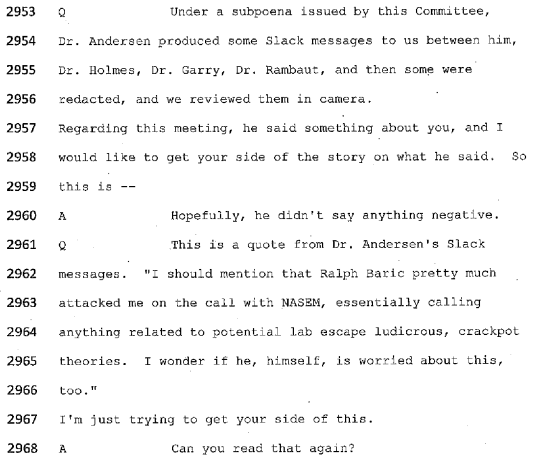
new theory: Robert Kadlec organized the Feb 3, 2020 NASEM meeting, with "experts" like Baric, so they could dismiss the HIV and KGA theory, and Kadlec could then push his PLA mind control op
7 Dec 2025
SARS2 was a PLA mind control op, or
“Cognitive dominance through biology”
Sounds like Bob Kadlec was comparing neurology notes with nut job Lin
1
5
11
493
11h
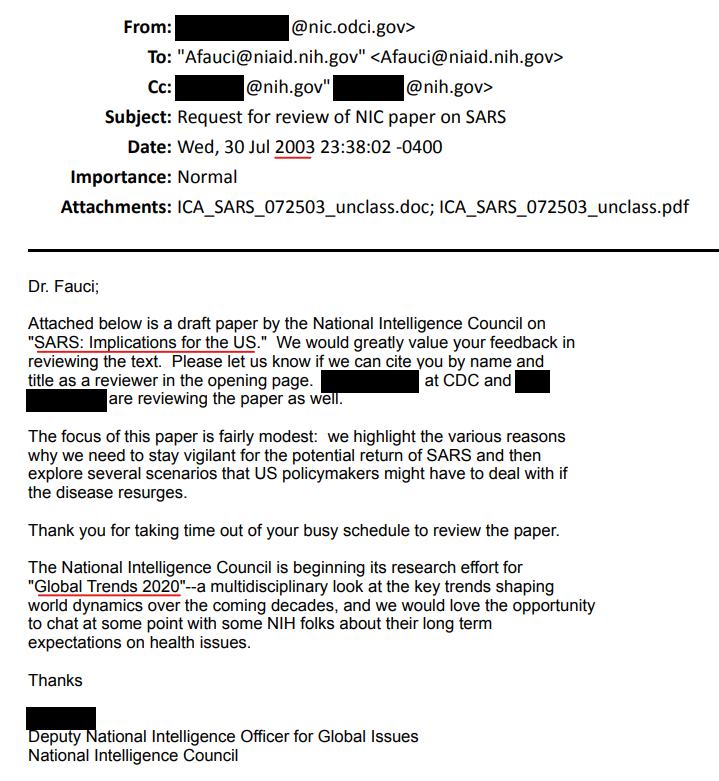
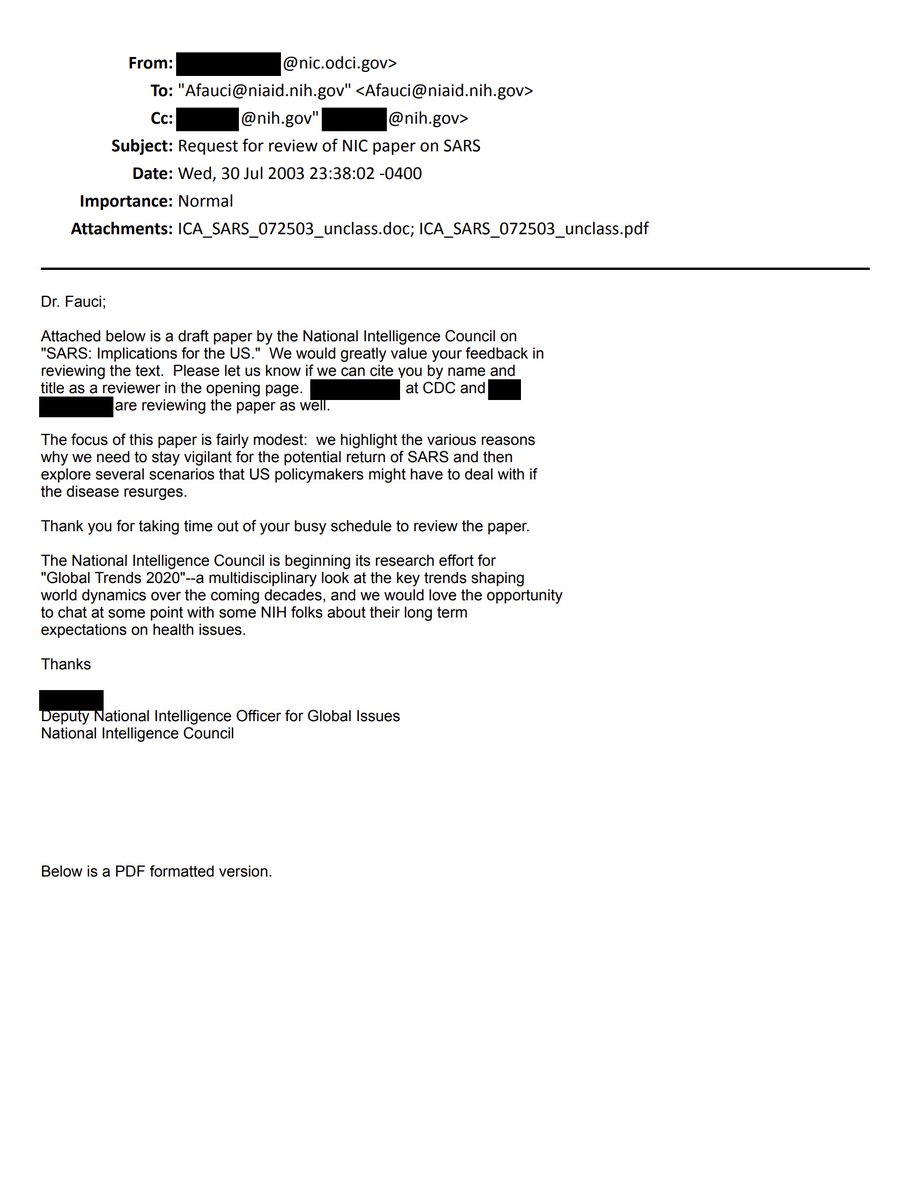
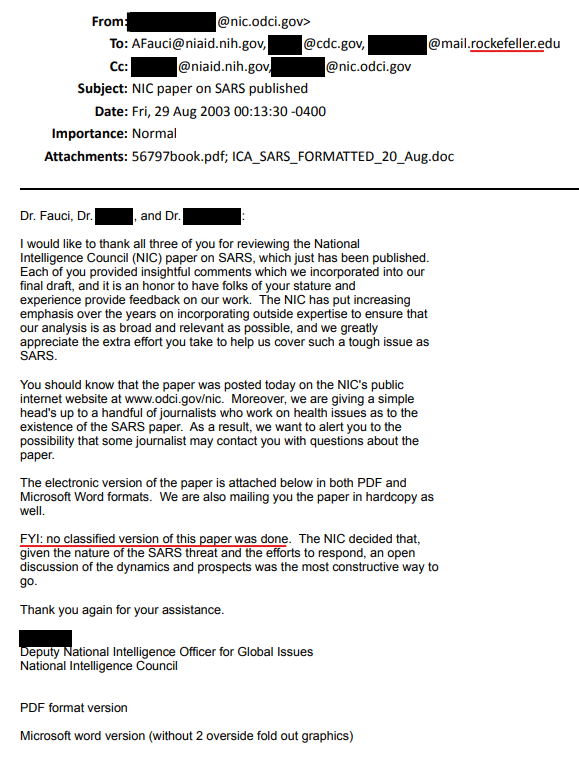
2003 CIA email asking Fauci for "Global Trends 2020" and "SARS1 implications for the US."
Jun 11

Going back to at least 2003, the Intelligence Community was asking Fauci to review its work — and asking to "cite you by name and title as a reviewer."
Nearly two decades before COVID, the IC already had Fauci on call.
2
1
8
388
11h
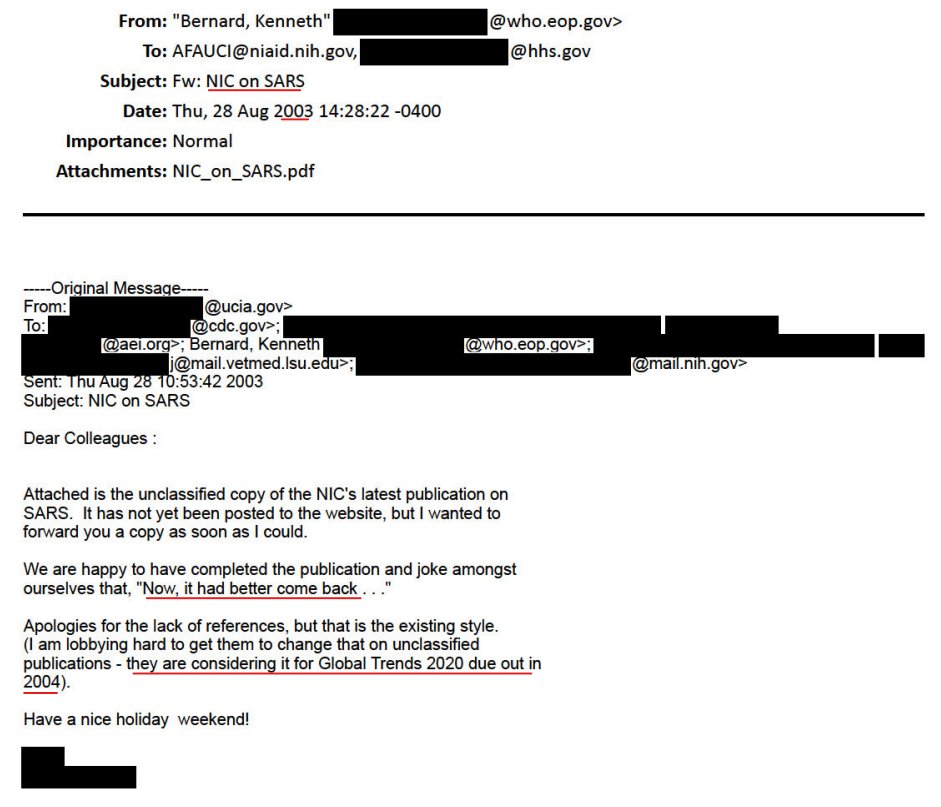
"Now, it had better come back" but we didn't classify your work, Fauci!
1
2
101
13h
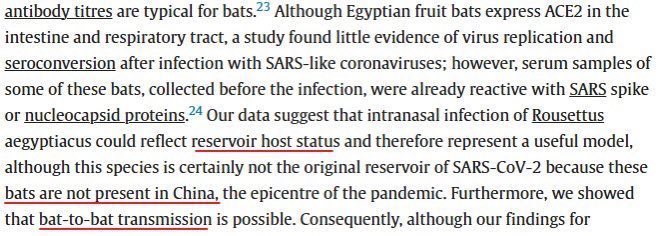
Reminder: Fauci played dumb about knowing Vincent Munster at RML, whom he offered early tenure to if he set up the Egyptian fruit bat colony, which is the SARS2 reservoir host
2
11
31
870
Jim Haslam retweeted

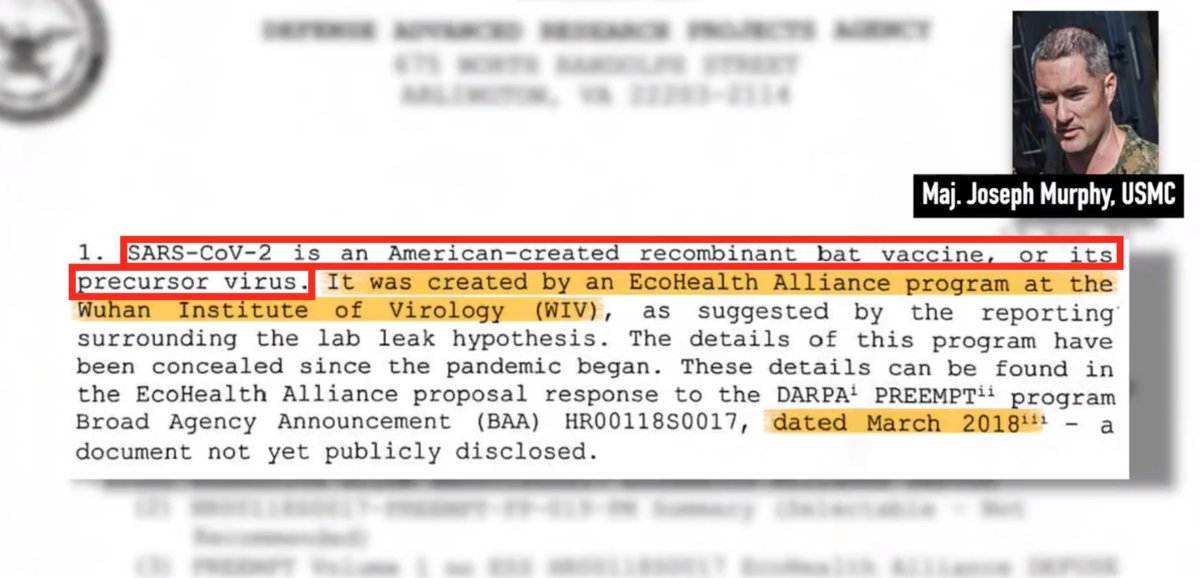
from very early on, there was strong evidence that US had joint responsibility for COVID and that US officials needed to look into the mirror before throwing stones. It seems entirely possible that US officials knew more about the program at Wuhan that was being financed by DARPA/NIH than Beijing officials, notwithstanding all the hyperventilation by US senators against "CCP".
11 Jan 2022

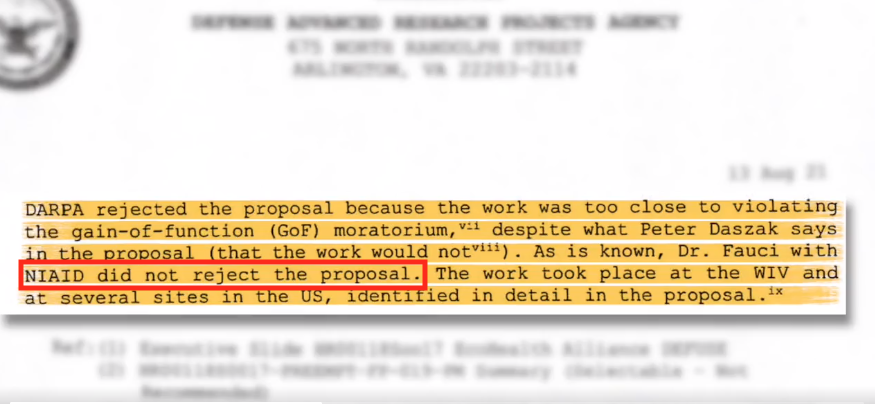
This doesn't sound right. Covid is a US-made recombinant bat vaccine? Fauci continued the DARPA rejected project? How does Joseph Murphy purport to know all these things?
My guess is he's conflating stuff. If he isn't, this would be the smoking gun of all smoking guns.
5
7
21
1,538
Jim Haslam retweeted

It seems unlikely to be a vaccine, but it could be a precursor virus I suppose - that is worth exploring - what was the purpose of inserting the FCS into an uncharacterized and novel group of coronaviruses, was it purely academic, or was there an applied use ?
11 Jan 2022
This doesn't sound right. Covid is a US-made recombinant bat vaccine? Fauci continued the DARPA rejected project? How does Joseph Murphy purport to know all these things?
My guess is he's conflating stuff. If he isn't, this would be the smoking gun of all smoking guns.
16
7
33
3,077
18h
Murphy was a lab leak god
nypost.com/2024/11/14/us-new…
11 Jan 2022
This doesn't sound right. Covid is a US-made recombinant bat vaccine? Fauci continued the DARPA rejected project? How does Joseph Murphy purport to know all these things?
My guess is he's conflating stuff. If he isn't, this would be the smoking gun of all smoking guns.
2
1
10
297
Jun 13
Hamilton officials question RML staff over scientists' arrest, recent exposure incidents
Officials from Hamilton’s Rocky Mountain Laboratories appeared at a Ravalli County Board of Health meeting this week after the recent arrest and investigation of two scientists at the lab and two potential exposure incidents regarding Crimean Congo-hemorrhagic fever raised questions among community members.
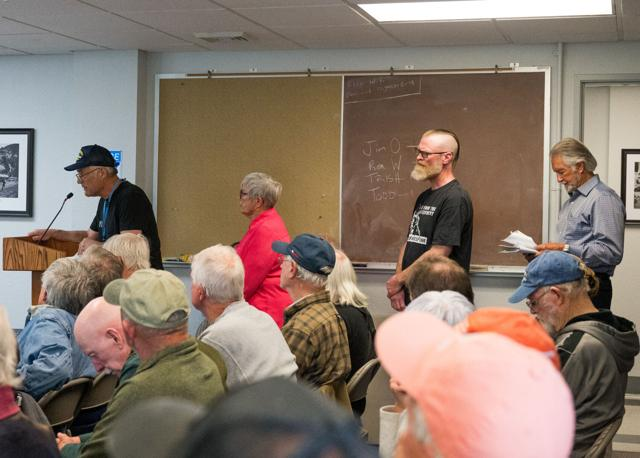
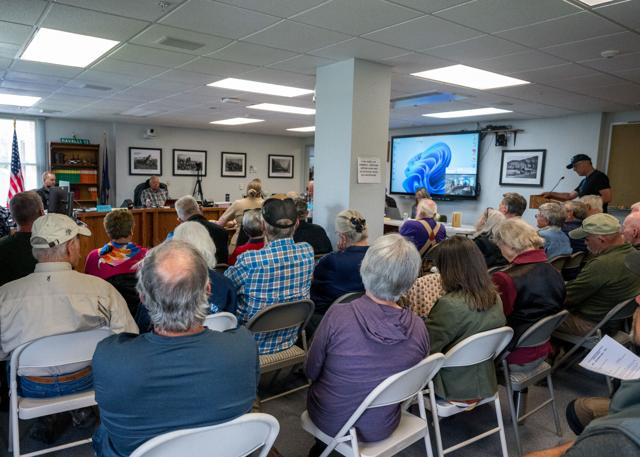
About 50 people filled the Ravalli County commissioners’ chambers Wednesday afternoon. Many expressed concerns about safety measures and transparency, questioning the lab's procedures and community notification regarding recent incidents, while others spoke in support of the lab.
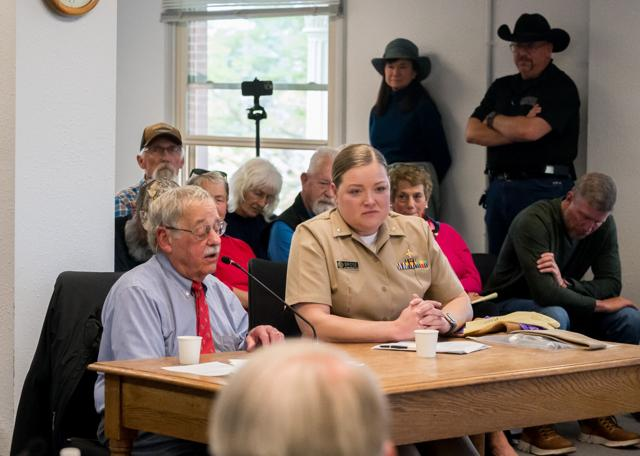
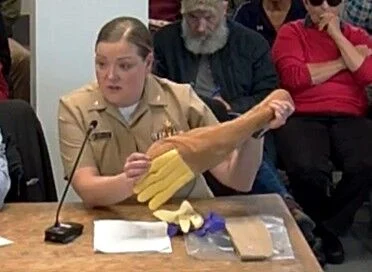
Dr. Marshall Bloom, associate director for scientific management at RML, and Public Health Service Commission Corps Commander Megan Brose spoke about the incidents on approval from the National Institutes of Health, taking questions from board members and the public.
Rumors have swirled online and throughout the valley for months regarding RML virologist Vincent Munster after he and fellow RML scientist Claude Kwe were stopped and searched by Customs and Border Patrol at the Detroit International Airport in January upon their return to the U.S. from Africa. The two were performing field work for ongoing research at RML into mpox, also known as monkeypox.
Customs officials seized 113 vials from Munster after finding the documentation he provided for the materials “unsatisfactory” according to court documents. The FBI has completed analysis on 20 of the 113 tubes and found 17 of the samples contained DNA for types of mpox. One of the samples contained DNA for chickenpox. Two of the samples were identified to only contain human DNA. A set of samples tested were assessed to be inactivated and unable to cause disease infection.
Munster and Kwe were arrested June 2 and charged in federal court the following day with conspiracy to import deactivated mpox virus into the U.S. and making false statements to federal investigators.
Bloom said he has very limited information he has been given or is able to share with the public regarding the case, but added the Department of Health and Human Services is also conducting an internal investigation into the matter, besides the criminal investigation.
“Field work is an important part of some of the studies we do,” Bloom said. “There are all kinds of permits and regulations, both with the United States, and with the host country, and any transport of materials to and from is very, very strictly regulated, including bringing the samples back, and it was — and I think I can say this without jeopardizing my own position — I think it was the process of bringing those samples back into the United States that is what caused the problem in this case.”
Ravalli County Commissioner Jeff Burrows asked if this was the first time this has ever happened at the Hamilton lab, or just the first time someone was caught, adding “that’s the bigger concern here.”
“Someone that holds a pretty high public trust violated that, and I think there needs to be some accountability, and I think people want to see that, because this wasn't an ‘Oops, I forgot to do something,’ and then the arrogance afterwards to say ‘I do this all the time,' " Burrows said. "So, this is really, really concerning, and there needs to be some pretty harsh penalties for it."
Bloom responded by referring to the scientists’ presumption of innocence until proven guilty and assured the board that all samples of infectious materials that come back into BSL-4 laboratories must be accounted for and inventoried.
“You can't pick and choose which rules you follow when you're dealing with this stuff — deactivated, activated monkeypox, (Crimean Congo-hemorrhagic fever), we're dealing with bad stuff, and you've got a chief virologist that I would assume knows better than to just throw it in your pocket or your bag and bring something over,” Burrows said.
He said the scientists are innocent until proven guilty, but the cluster of three incidents at the lab is concerning.
Bloom again referred to the scientists’ presumption of innocence and told the board this event has triggered a significant response at NIH, HHS and the FBI.
“I would say this is being investigated — I can't tell you what the outcome is going to be of the legal case — but it's being investigated, I think, with all due diligence as we would expect, and we would hope that our federal government would, in a situation like this, look very, very, very closely at it.”
Munster and Kwe were released under minimal conditions, including the surrender of their passports, during their court appearance on June 3. The scientists’ next hearing will take place in federal court on June 24 in Detroit.
Potential exposure incidents
NIH has recently confirmed details regarding incidents in November and February where employees at RML were potentially exposed to Crimean Congo-hemorrhagic fever, a severe tick-borne illness with a fatality rate of 30% or higher according to the NIH. The disease is caused by the Crimean Congo-hemorrhagic fever virus, with cases reported throughout Africa, the Middle East, Asia and southern and eastern Europe.
At Wednesday's meeting, Brose said the November incident occurred when an anesthetized monkey bit a researcher in the BSL-4 facility at RML in a “reflex” action while under sedation. The bite penetrated three layers of surgical gloves as well as a pair of large leather gloves, she said.
The researcher was brought to St. Patrick Hospital in Missoula for treatment before later being transferred to the regional emerging special pathogen treatment center at Providence Sacred Heart Medical Center in Spokane, Washington.
According to Brose, the researcher was highly experienced, wore all the required PPE, and followed all procedures at the time of the incident. She added that staff only handle non-human primates or any animals in BSL-4 when they are sedated.
“We don't know exactly what happened,” Brose said. “But the expectation is that it was an involuntary reaction that the animal had that caused it to bite down on the individual.”
NIH has repeatedly stated there was no evidence of disease transmission or infection related to the incident, or any risk to staff, caregivers or the public.
In response to the incident, veterinary staff at RML are evaluating procedures to prevent similar events, Brose said. Staff have been looking into different types of gloves, including chainmail, but found problems with tears and punctures to secondary PPE layers and dexterity related to the options.
“What we determined from evaluating that is these are the best gloves that we have,” Brose said.
They have, however, found a different way to hold the animals while placing them in restraints under anesthesia that limits the danger of bites or scratches, according to Brose.
Board of Health members suggested using a muzzle as an added layer of protection while others wondered if better sedation was necessary.
“The veterinary staff felt like it wasn't the sedation that caused it,” Brose said. “It wasn't the way that we handle or grab, it wasn't the PPE that caused it. It was the way they had to reposition this animal to get them into this restraint that caused the involuntary reaction.”
Board of Health members questioned if protocols in place at the lab regarding the handling of animals are adequate given the recent incident.
“We had hoped that a BSL-4 lab, that these precautions would have been such that that monkey reflexing and biting down, there would have been prevention somehow, and there wasn't,” Burrows said.
Bloom defended the lab’s procedure and said this is the first time the BSL-4 lab has experienced an incident where all four levels of PPE have been breached.
Brose said the researcher involved in the incident “was very well trained, with a lot of experience.”
“They've done this many, many times and did do it correctly the veterinary staff have attested to us,” she said. “We've also benchmarked with other BSL-4 facilities. This is something that they never thought would happen. It's not a common thing, even the veterinarians did not know this is something that could happen."
Bloom told the board he would take the suggestion regarding muzzles to the veterinary staff and safety committees to evaluate feasibility and safety, and report their response back to the Board of Health.
The second exposure incident in question occurred in February when a researcher working with infected mice tore a hole in the outer glove of a BSL-4 suit on a cage. Brose said the hole was 3 mm in size and the risk was deemed negligible.
The researcher had removed the animals, put them away and decontaminated all surfaces of their containment device, according to Brose.
"We determined that was a negligible risk of exposure because animals were already put away, everything was disinfected," Brose said. "But since we are required to report any breaches of PPE in the presence of an agent, albeit in that case very, very, very low chance, we still reported that.”
Bloom said he'd follow up with the Board of Health regarding the issues discussed at the meeting.
“Our philosophy is, all of us live in the community here, and we want the community to trust us and respect us,” he said. “So, it's critical to us to provide that information to the community as soon as we're allowed to.”
By Jessica Abell
ravallirepublic.com/news/loc…
2
9
21
1,368
Jun 12
*UNC scientist and Major Murphy’s letter made Fauci’s hand shake
Jun 12

This sharing of Covid origins intel within US gov should've happened in week 1 of 2020. It would've informed everyone of a likely lab origin of Covid and preempted cover-up attempts.
Why did it take 1.5 years for a whistleblower at DARPA to uncover a damning virus engineering proposal by Wuhan scientists and for this to be shared with NIH leaders who had funded similar research in Wuhan?
2
15
44
4,048
Jim Haslam retweeted

Jun 12
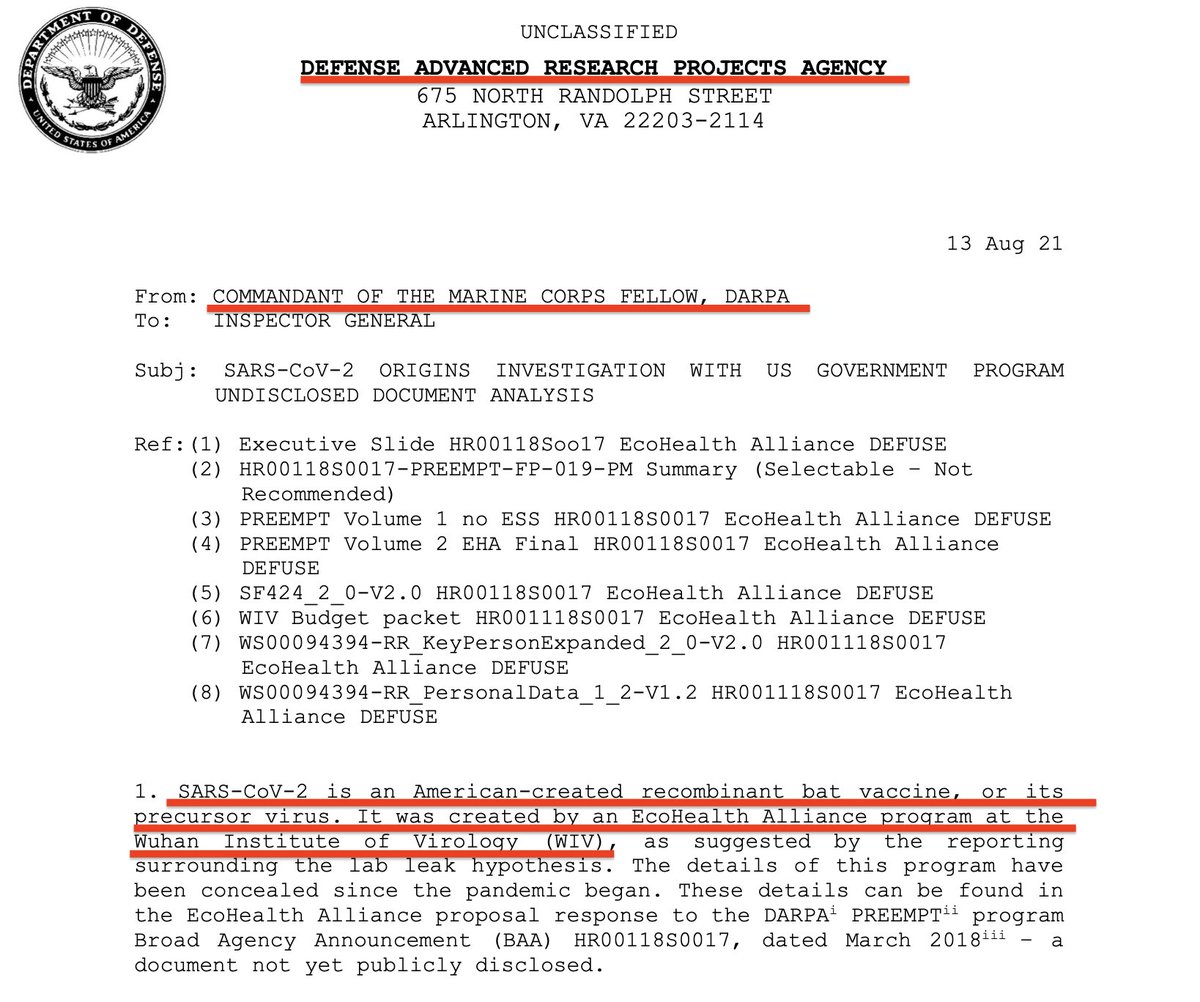
ARPA knows... but the documents are CONCEALED from the public because they don't want YOU to know. Read the whole letter, especially at the bottom.
This is from 5 years ago. No investigation!!!
Jun 12

@RandPaul DOCS:
hsgac.senate.gov/wp-content/…
"SARS-CoV-2 is an American-created recombinant bat vaccine, or its precursor virus. It was created by an EcoHealth Alliance program at the Wuhan Institute of Virology (WIV)."
7
136
222
7,997
Jun 12
Let’s dance Angie and I will protect you and yours from any fallout (as I told SAGO, if Marion Koopmans & Tony Schountz didn’t know, no one else knew)
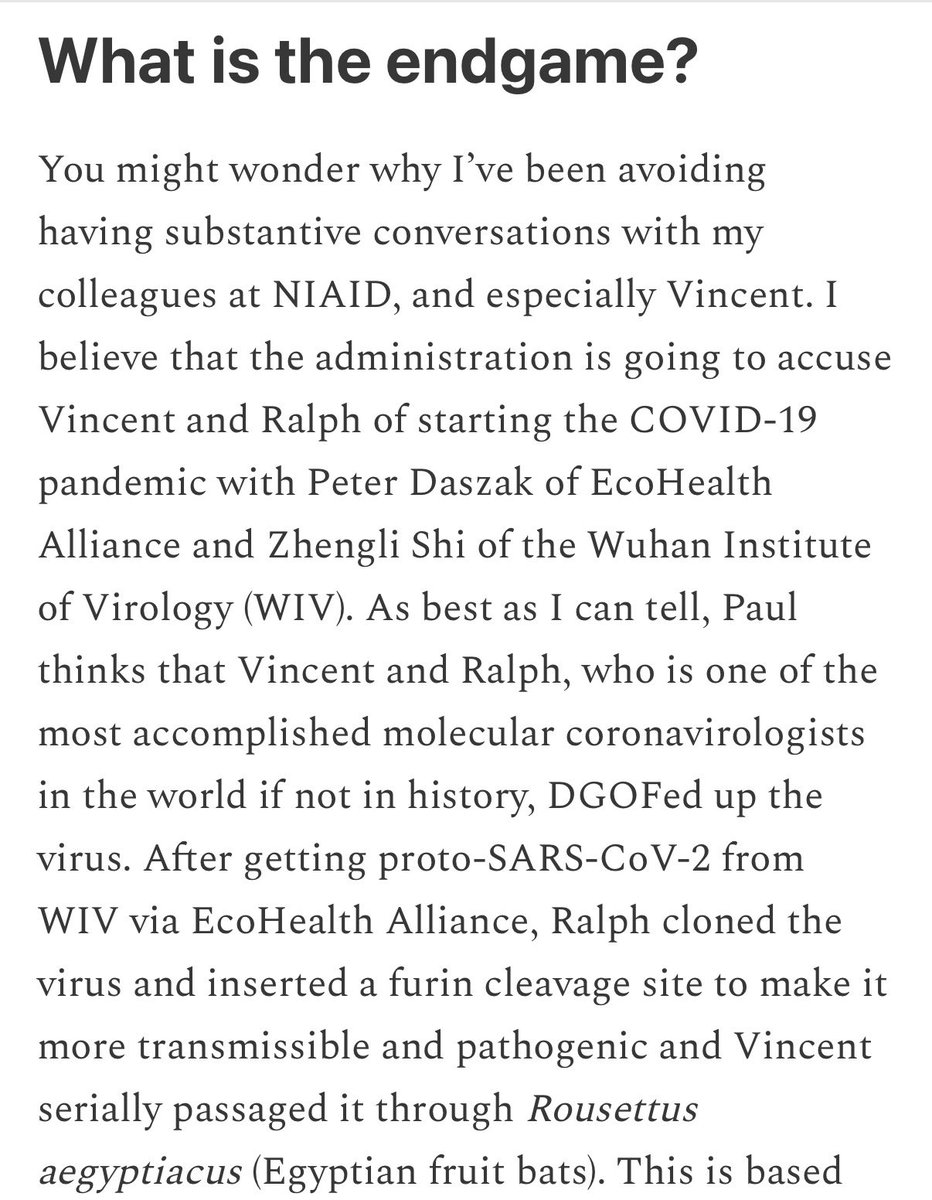
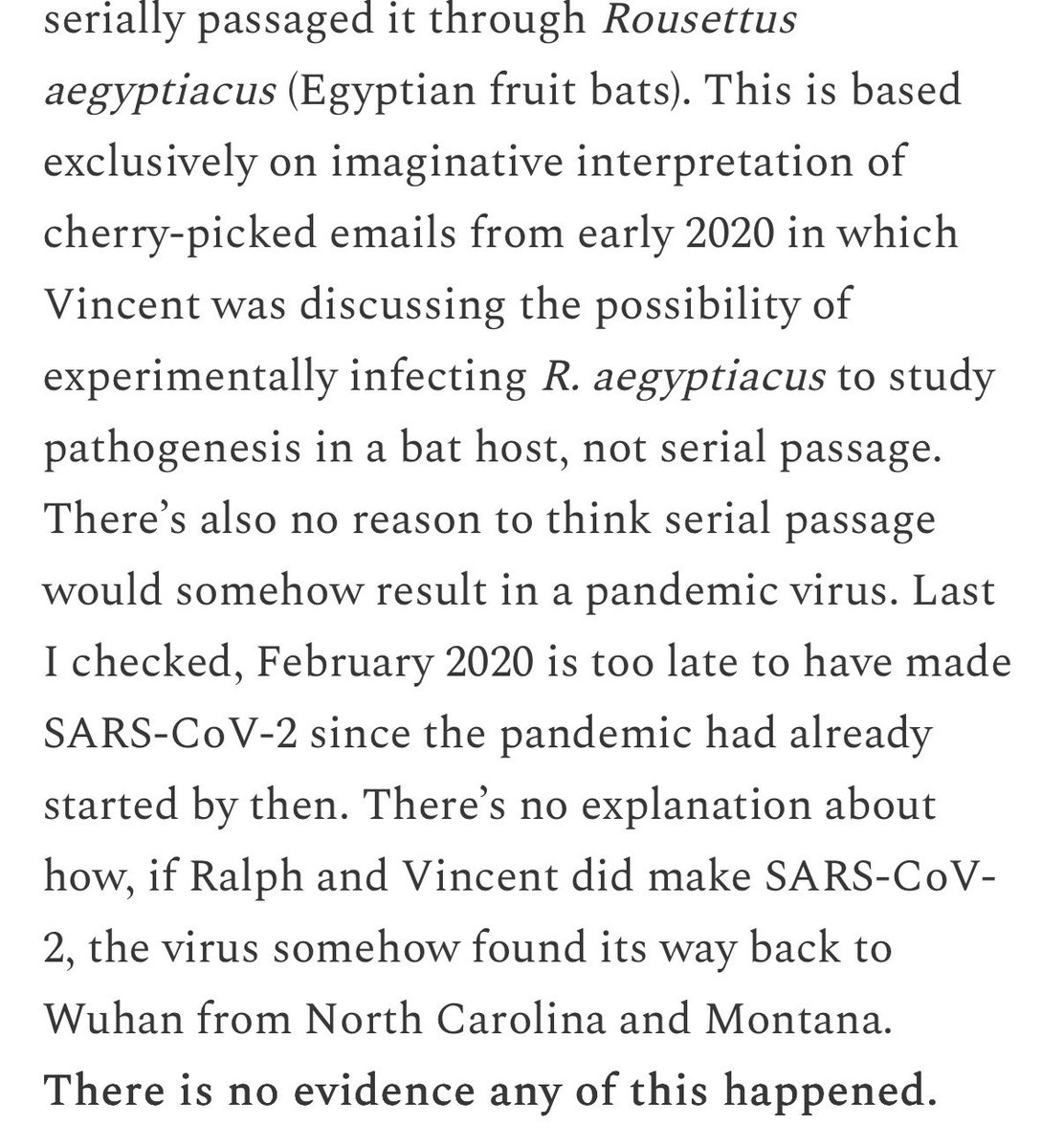
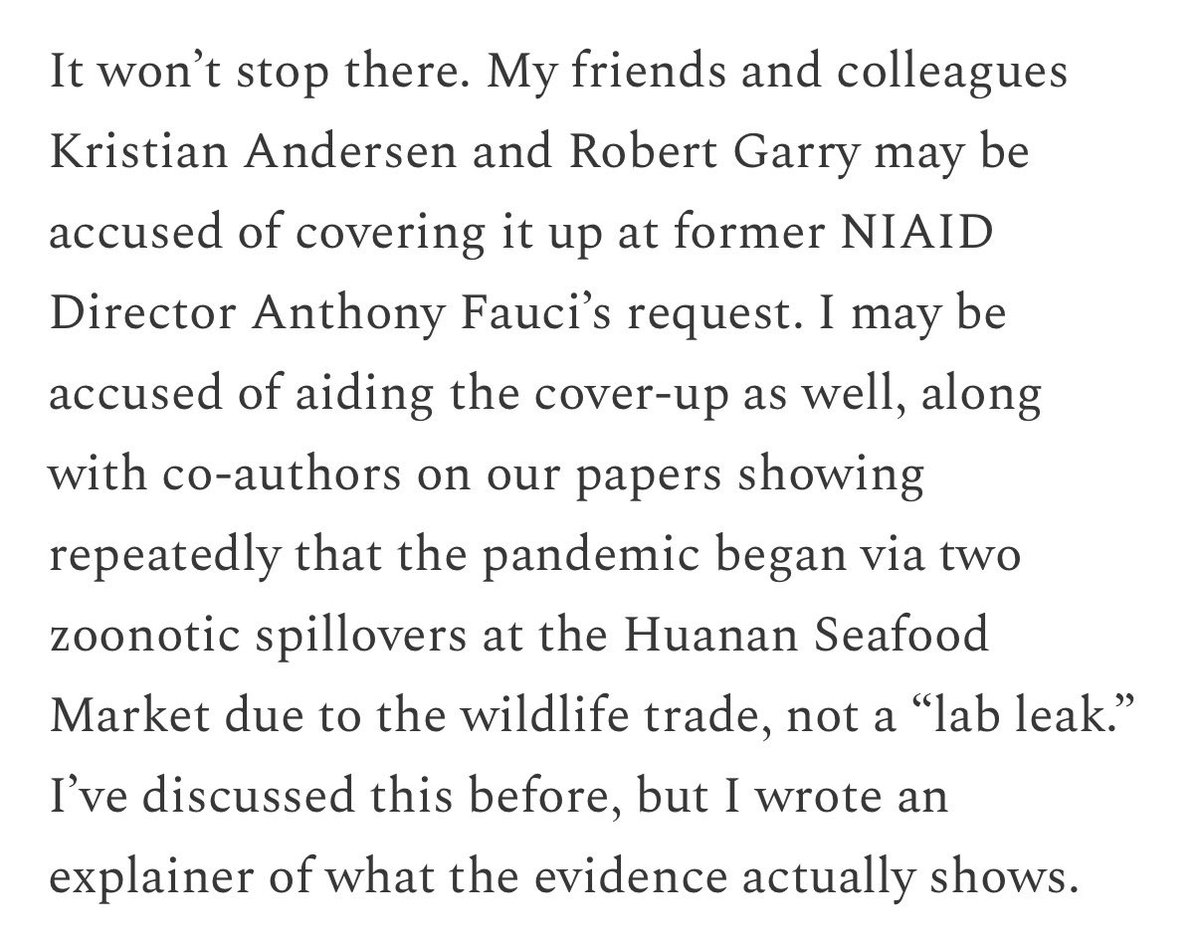

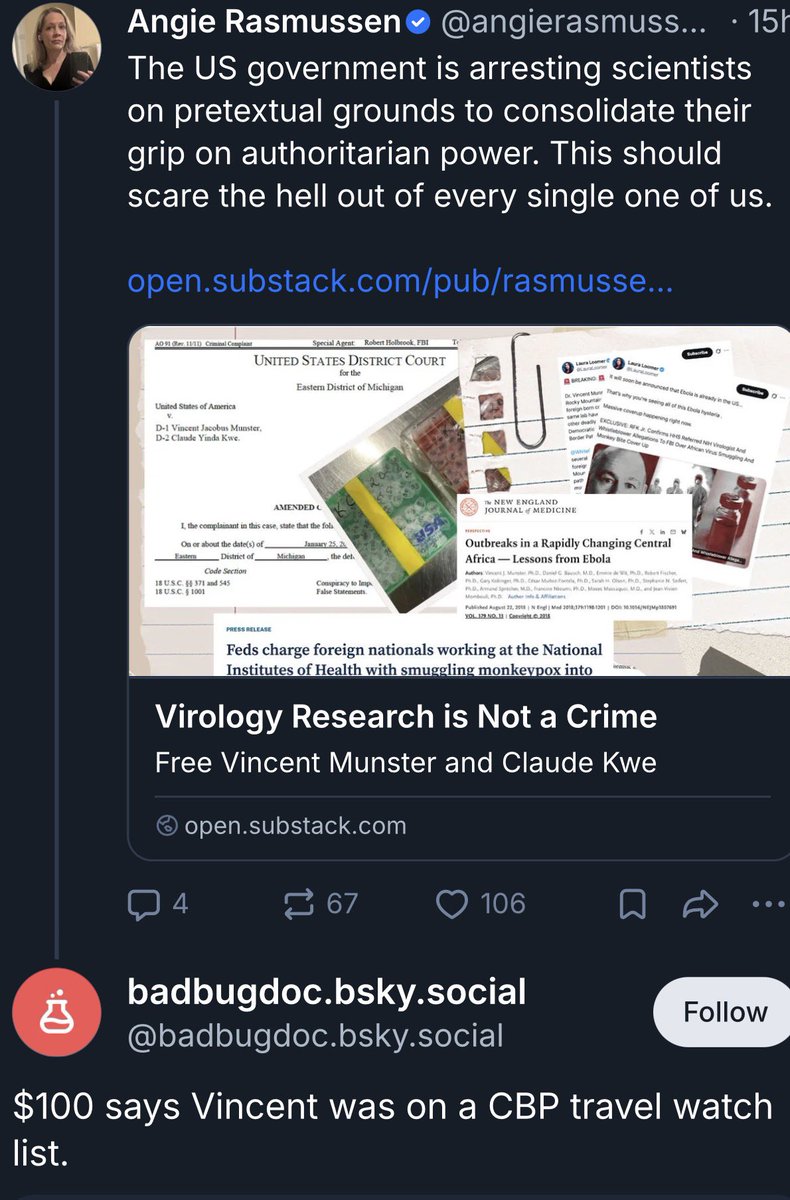
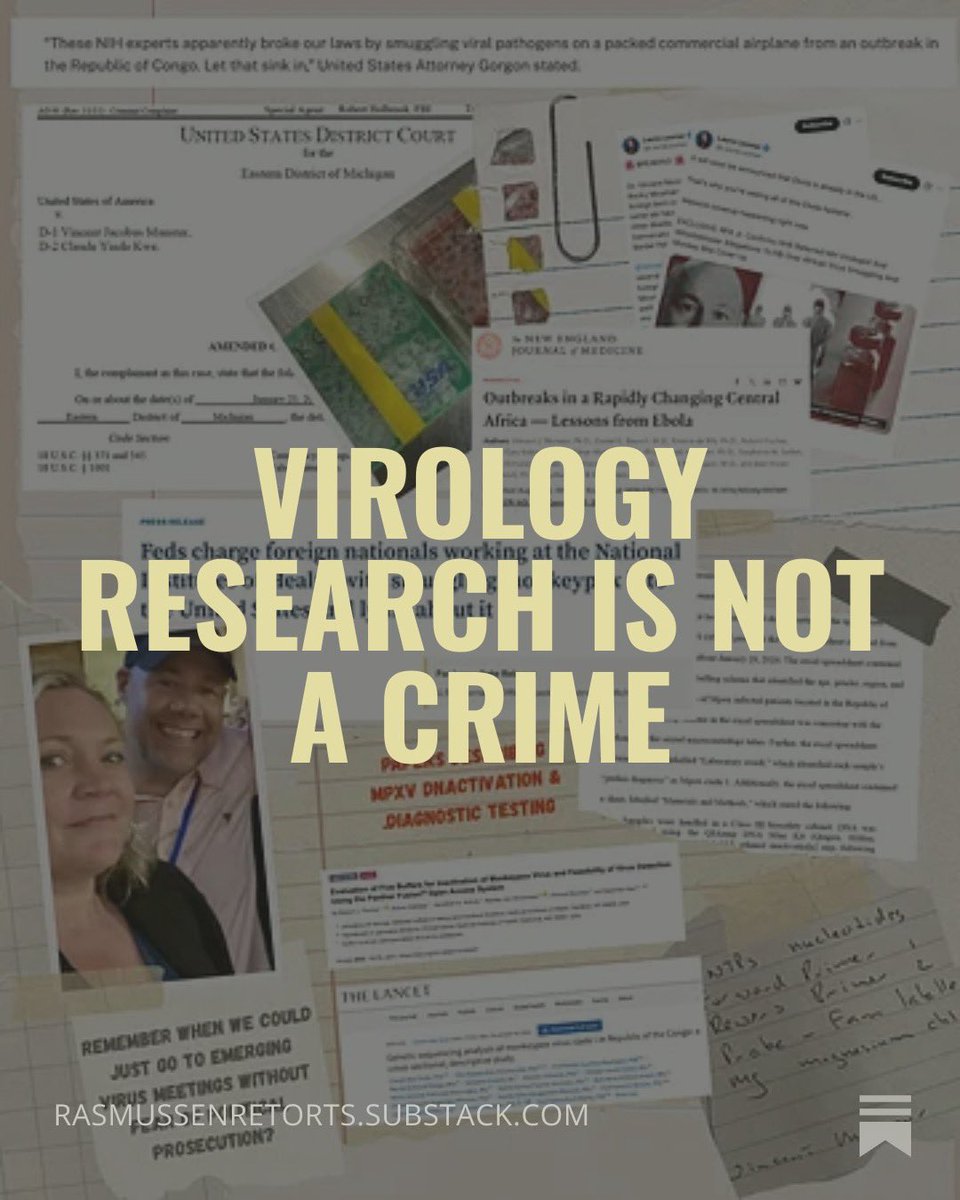
The US government is arresting scientists on pretextual grounds to consolidate their grip on authoritarian power. This should scare the hell out of every single one of us.
open.substack.com/pub/rasmus…
3
3
8
976
Jun 12
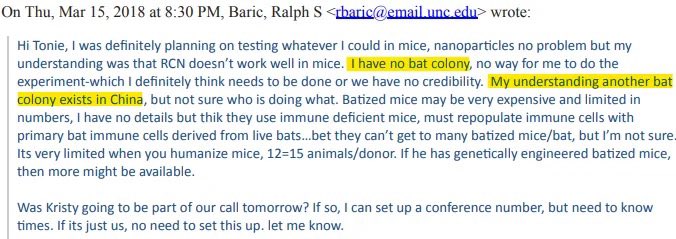
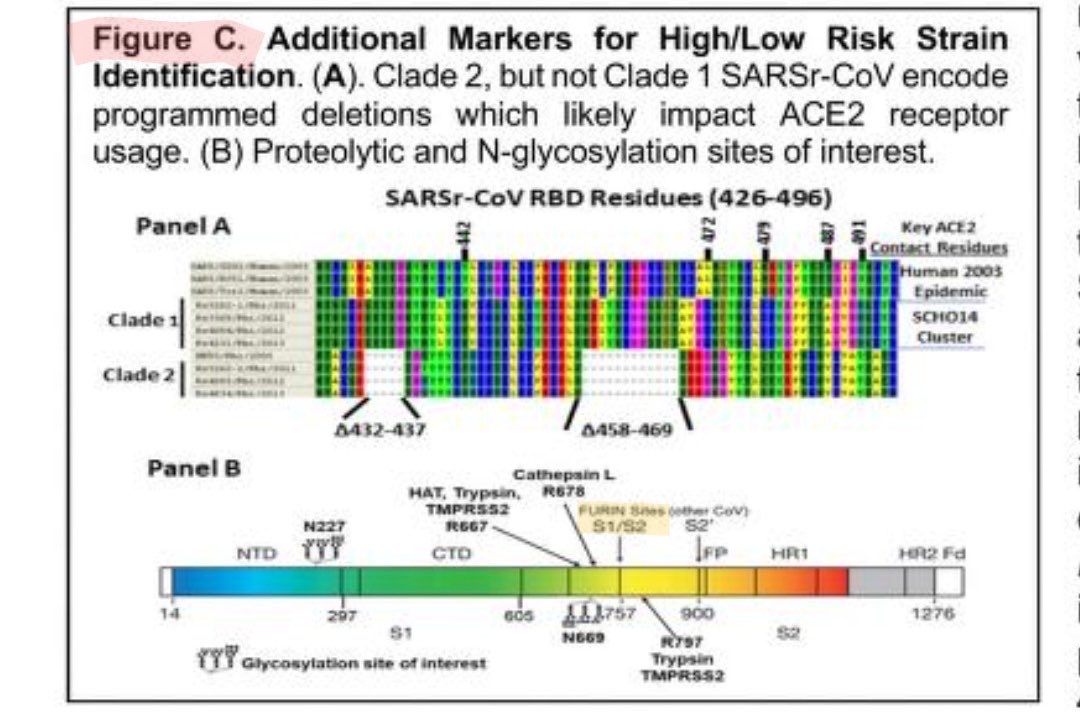
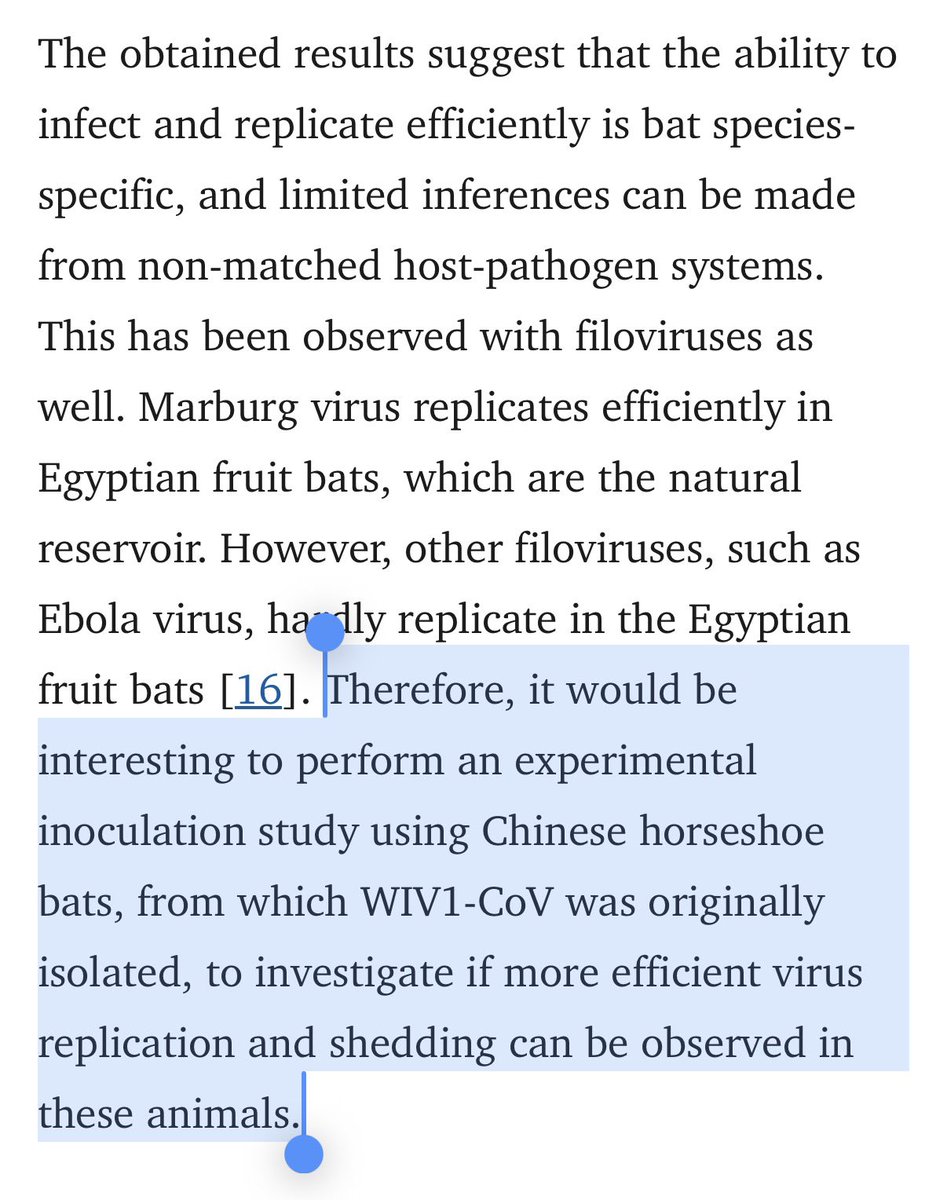
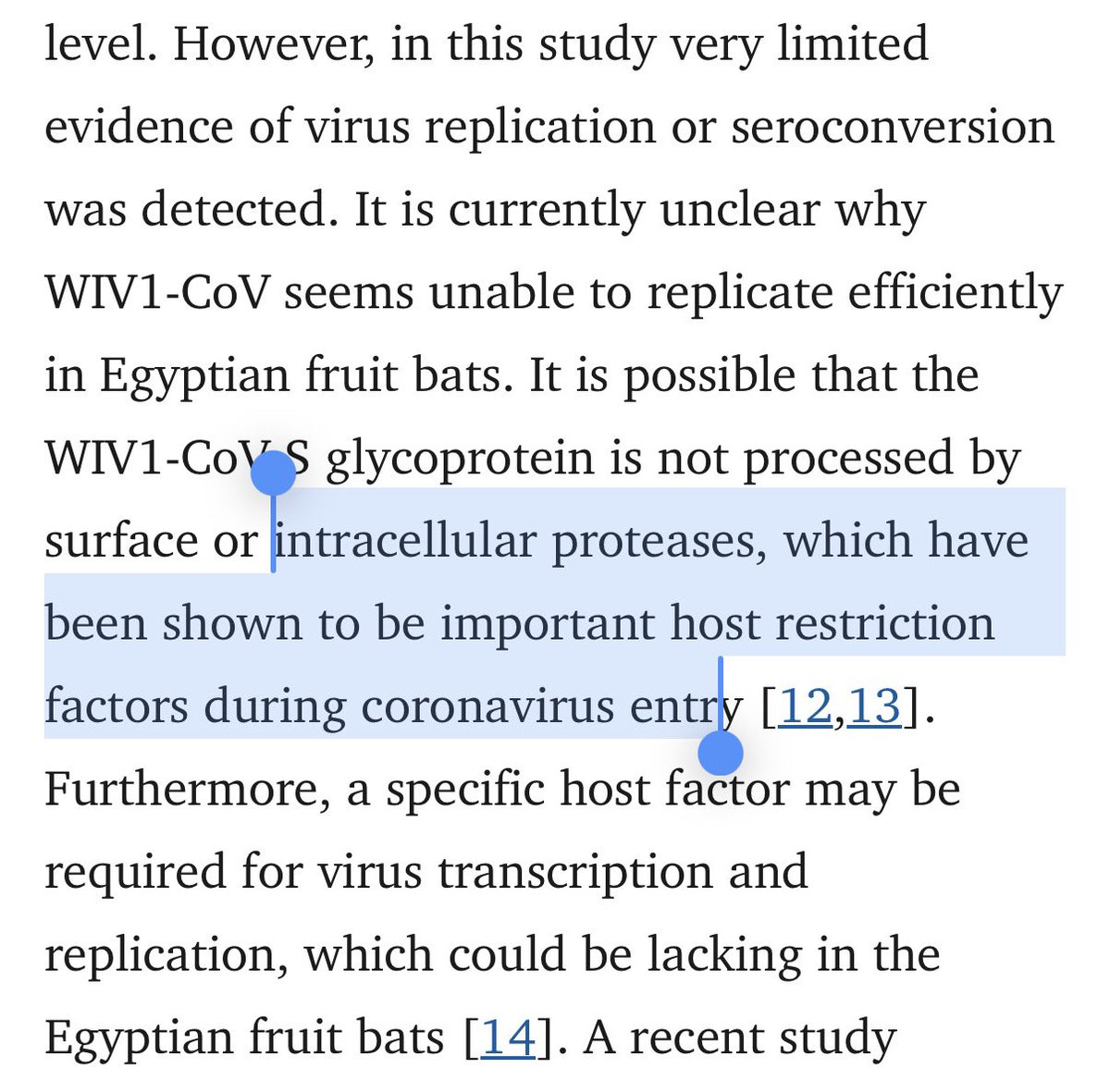
@angie_rasmussen as Baric & Munster clearly state in 2018, they want to test their chimeras (with and FCS) on Chinese horseshoe bats, only available in Dani Anderson’s BSL4
pmc.ncbi.nlm.nih.gov/article…
2
2
8
246
Jun 12
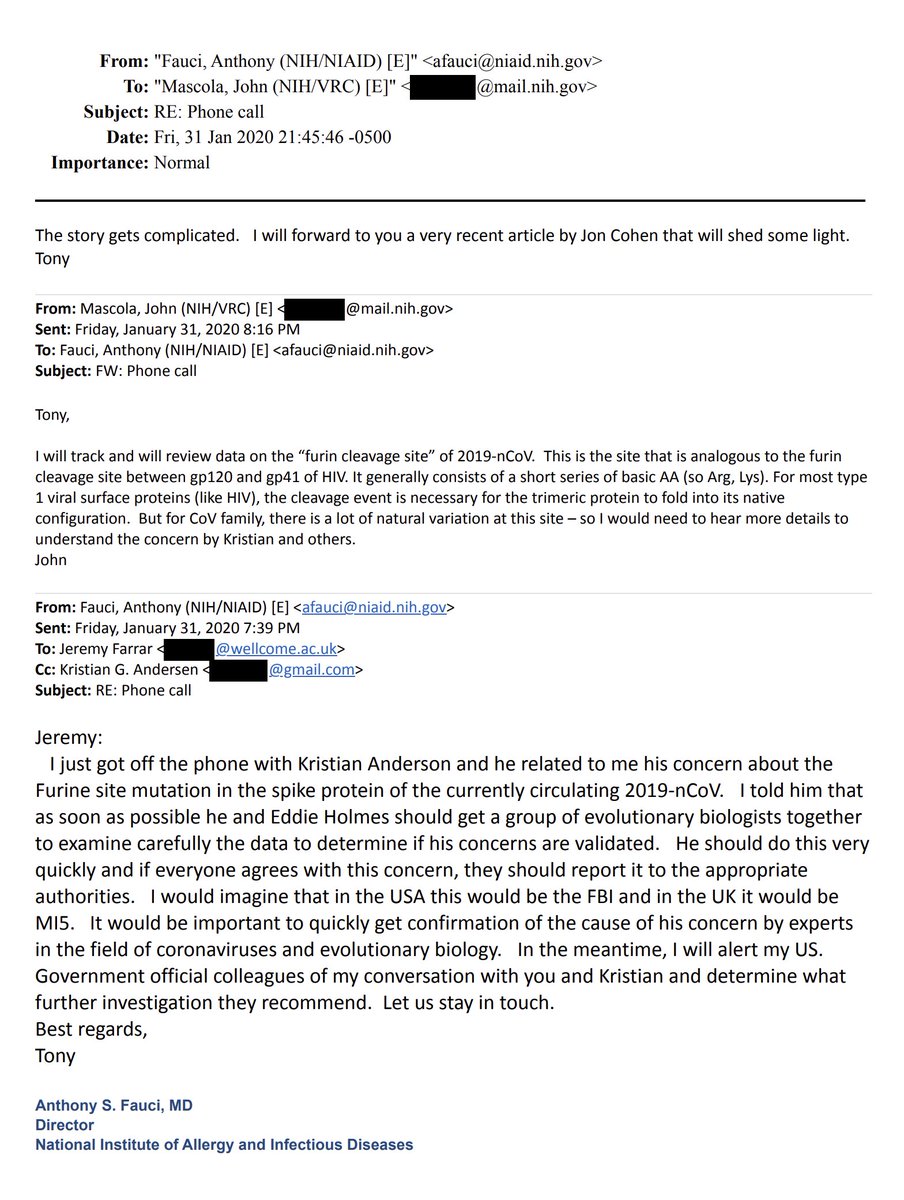
Fauci blind copied (bcc) John Mascola in this infamous email to Kristian Andersen, who corrects Fauci’s misspelling of the FCS.
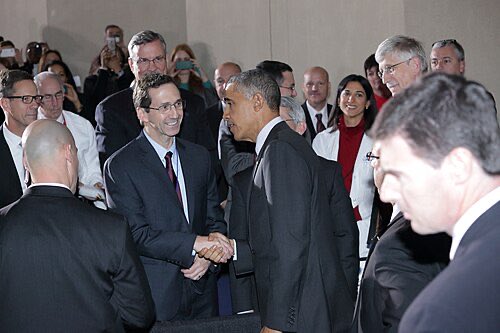
Sounds like Mascola would be secretly listening to Feb 1 call. Here he is with Obama, Collins & Fauci.
Jun 11
January 31, 2020.
Fauci relays that scientists feared the new virus's furin cleavage site looked engineered. His instruction if their concern held up: report it — in the U.S. to the FBI, in the UK to MI5.
He understood exactly how serious this was — from day one.
4
9
32
1,432
Jun 11
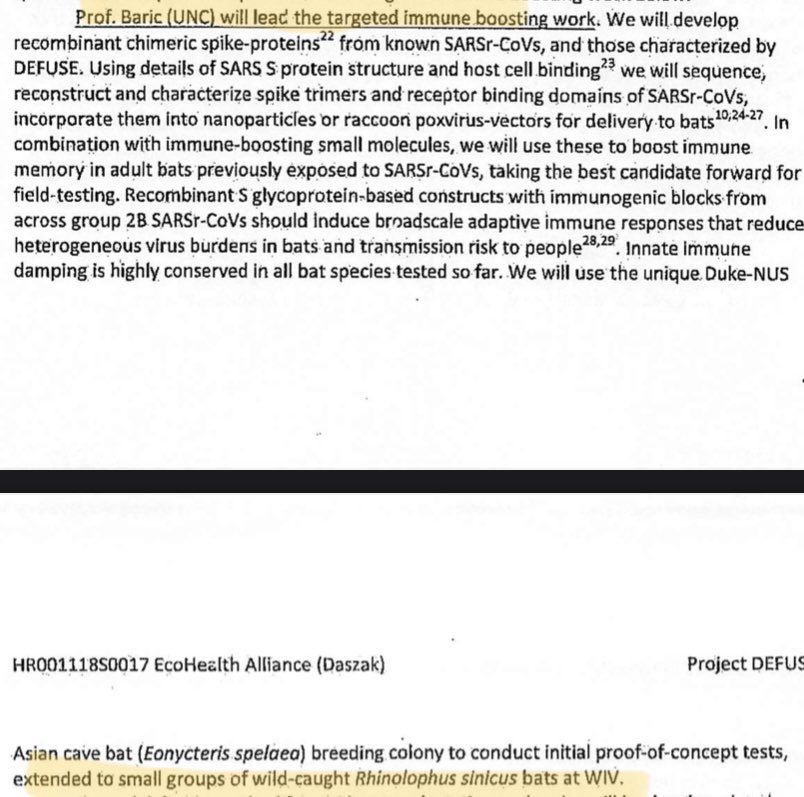
for first time in Congressional history, @SenRandPaul office has entered Major Murphy's letter into the lab leak records. @COVIDSelect had interviewed everyone except Murphy, who found DEFUSE in a top-secret DARPA folder and leaked it to DRASTIC.
Jun 11

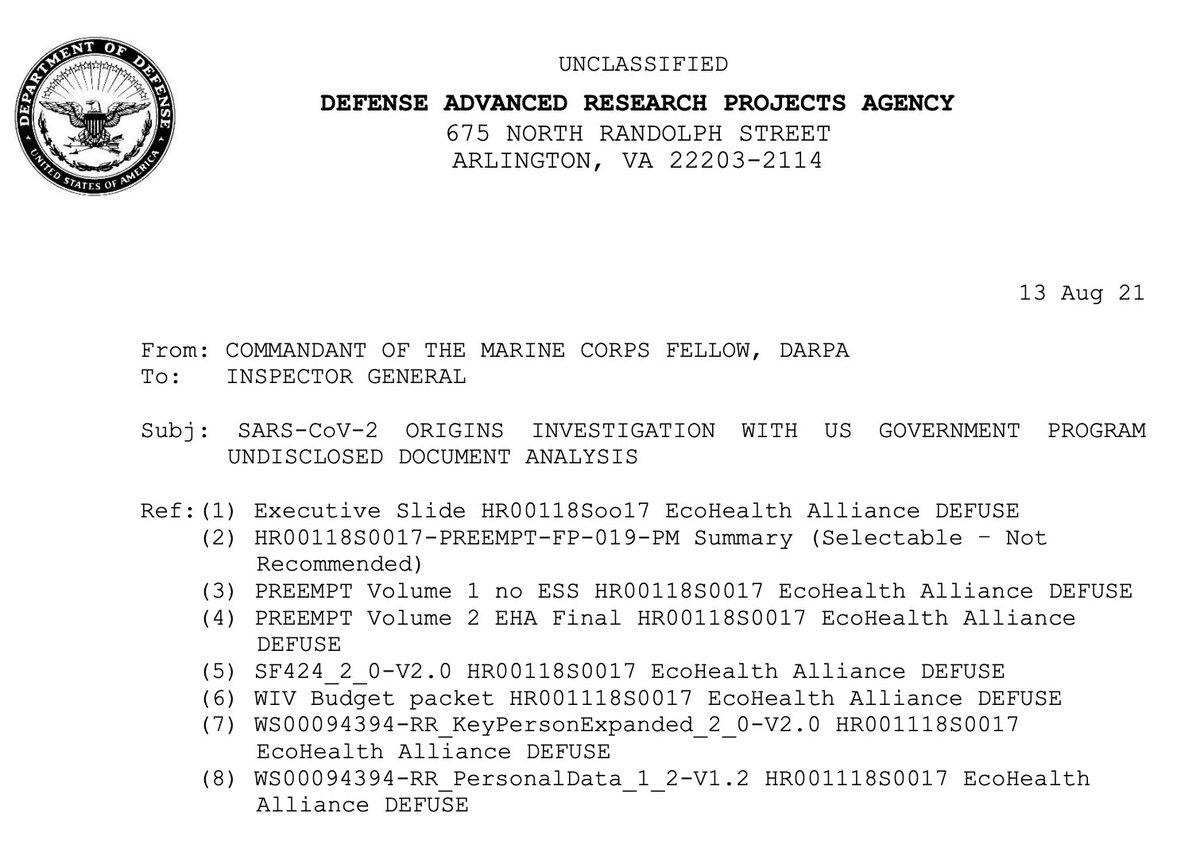
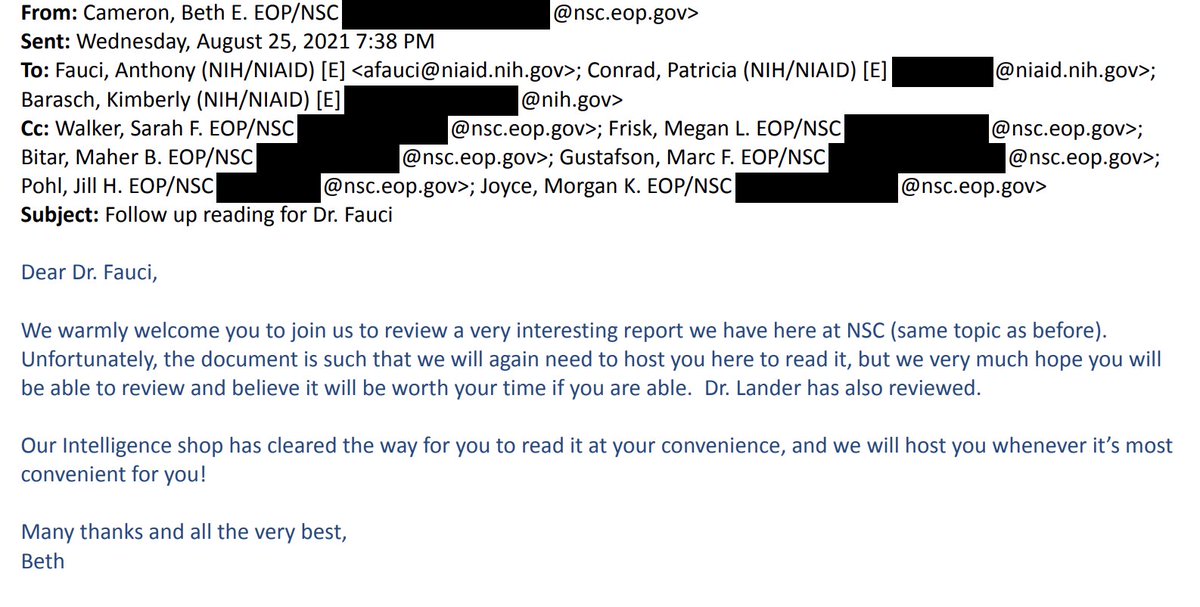
In 2021 a DARPA whistleblower said that he had uncovered a grant proposal in an unmarked folder with plans to create viruses like COVID, and that names of Wuhan scientists on the grant proposal matched names in U.S. intelligence intercepts.
Less than two weeks after the DARPA whistleblower’s report, the NSC “warmly” invited Fauci to be briefed again.
2
7
33
1,179
Jun 11
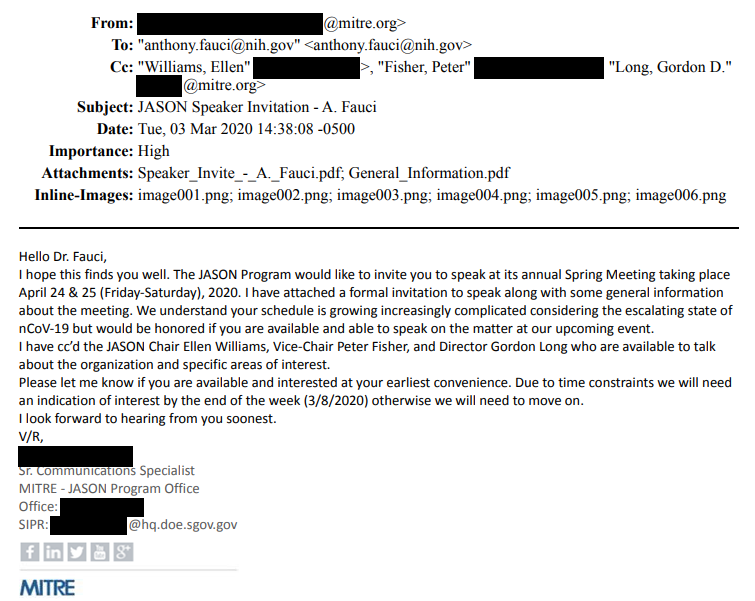
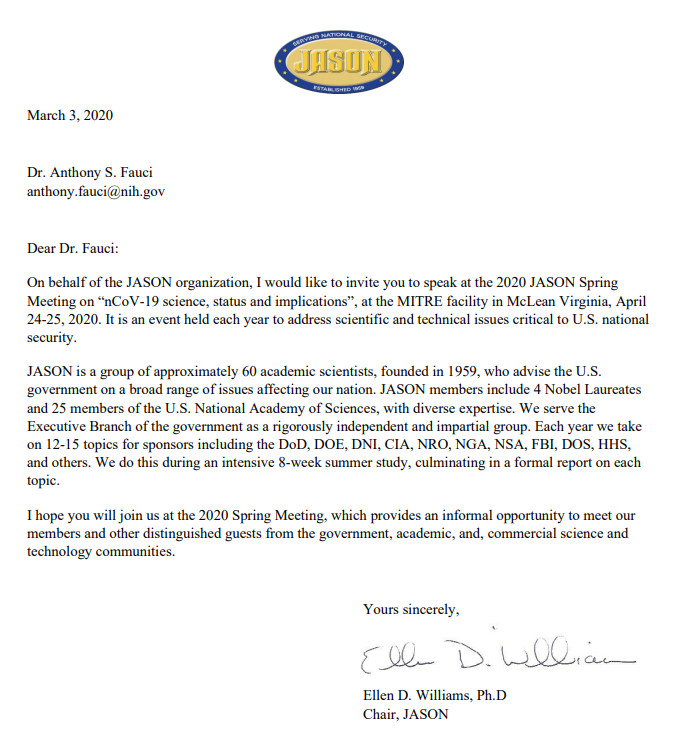
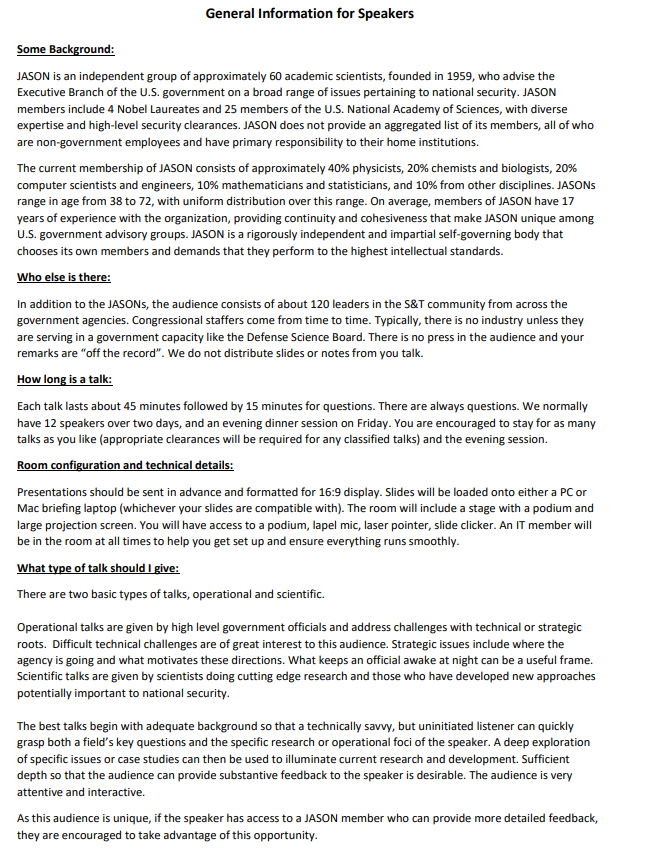
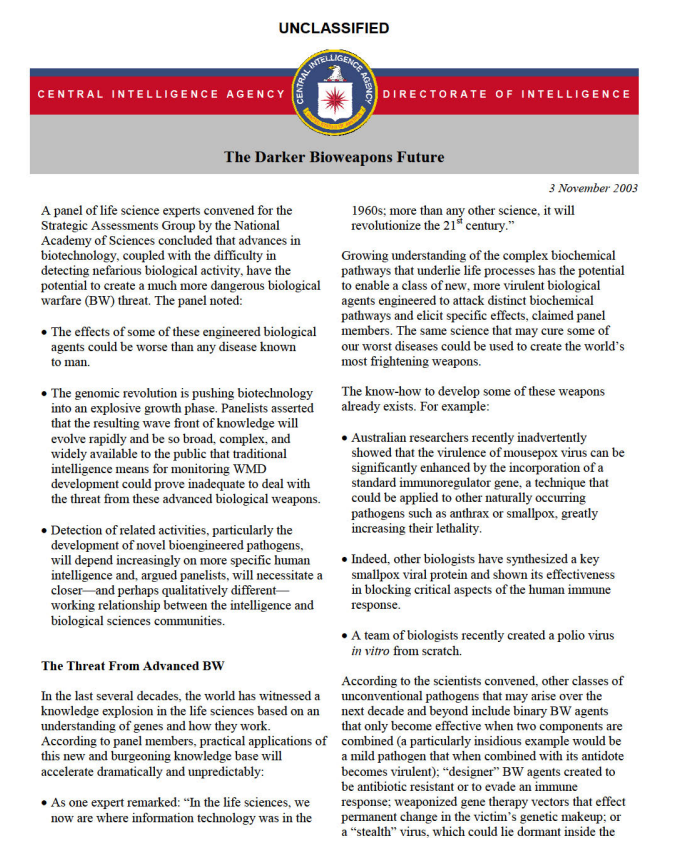
Fauci was a JASON, and the CIA's "Darker Bioweapons Future" was in his inbox
Jun 11
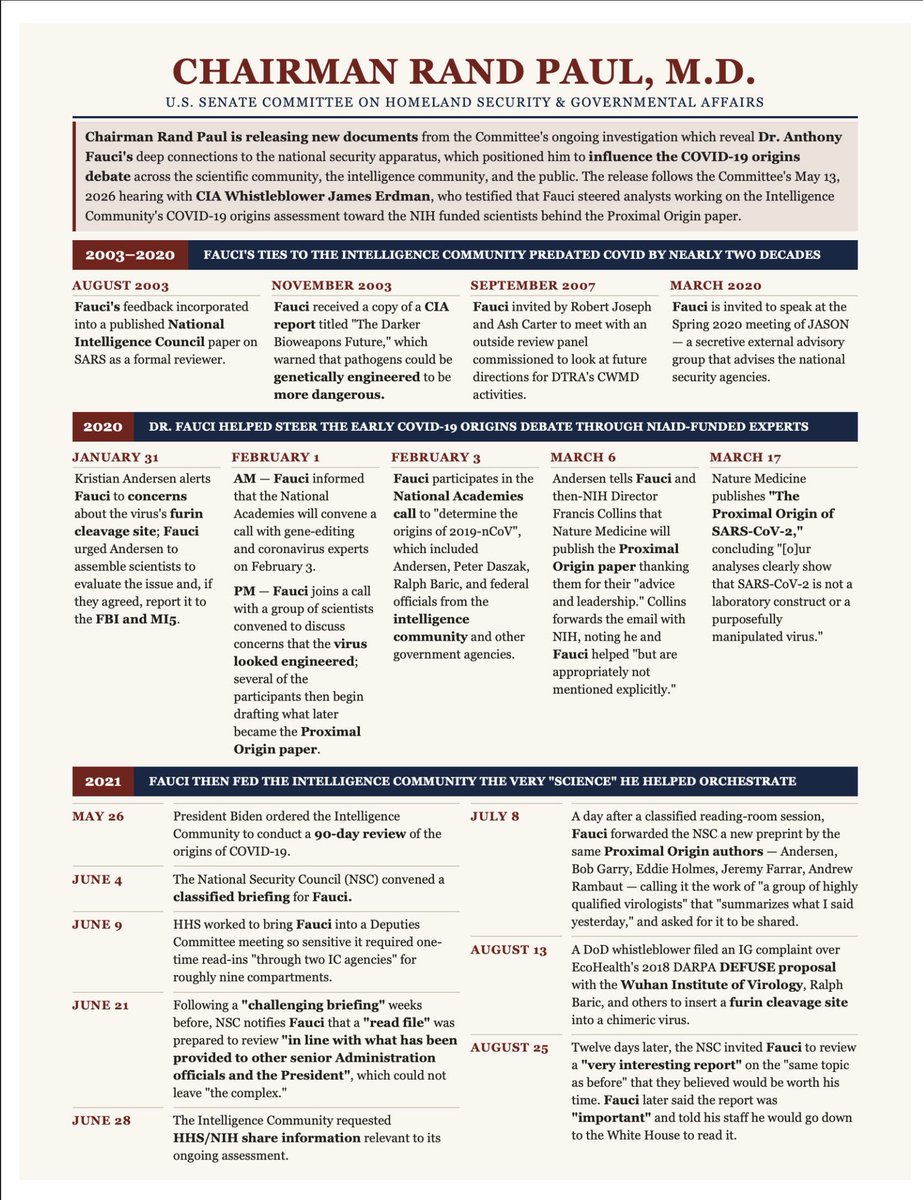
For nearly 20 years, Dr. Anthony Fauci was wired into America's intelligence and defense apparatus.
Newly released documents from our investigation show how that access let him shape the COVID-19 origins debate — across science, the IC, and the public.
🧵 READ MORE: hsgac.senate.gov/wp-content/…
2
16
36
1,487