
We are a cybersecurity company that safeguards enterprises and internet platforms from sophisticated bot attacks and fraud to keep digital experiences human.
Joined April 2013
- Tweets 3,601
- Following 466
- Followers 3,542
- Likes 1,830
1,055 Photos and videos





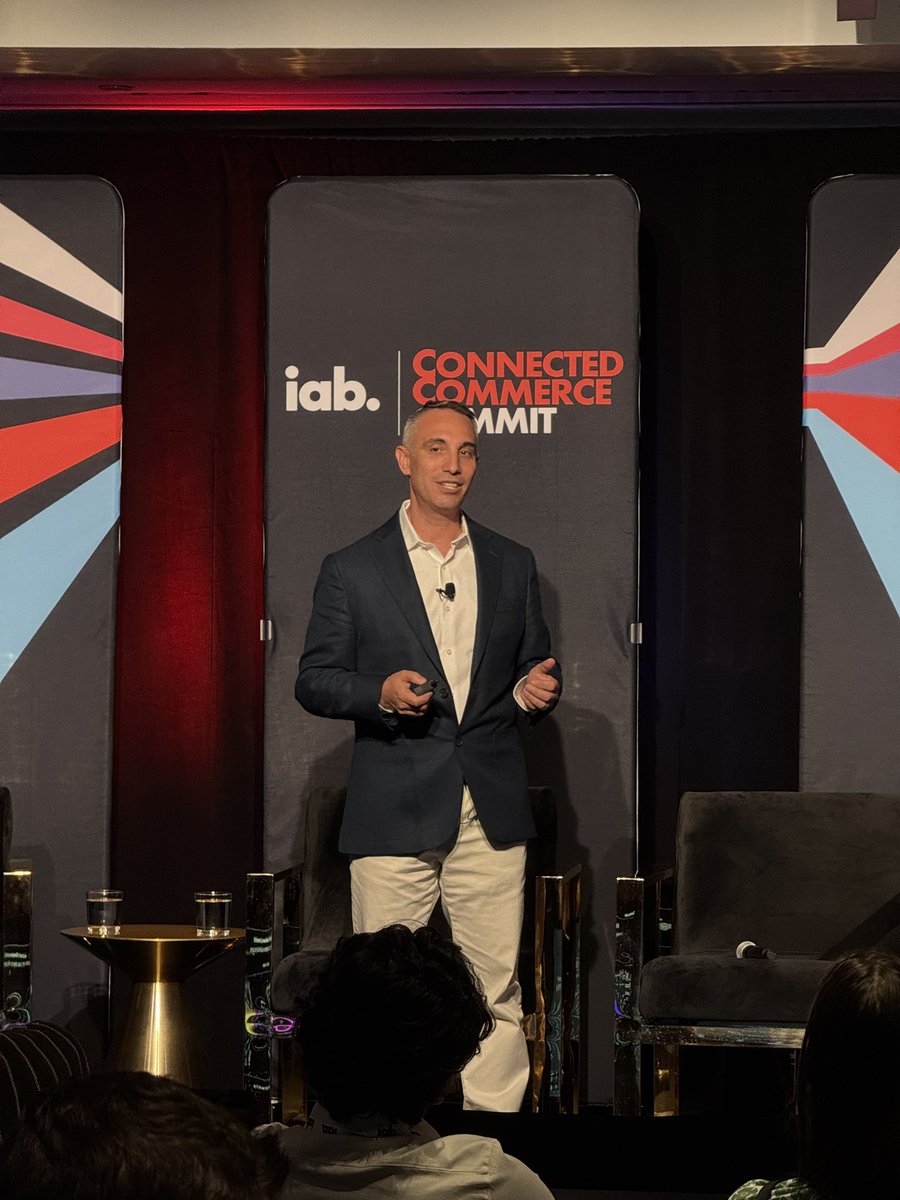
Back on the #IABConnectedCommerce Summit main stage, Stu Solomon (@SecureWithHUMAN) is unpacking a big question: in a digital world shaped by bots and agentic AI, how do we define and maintain trust?
1
1
414

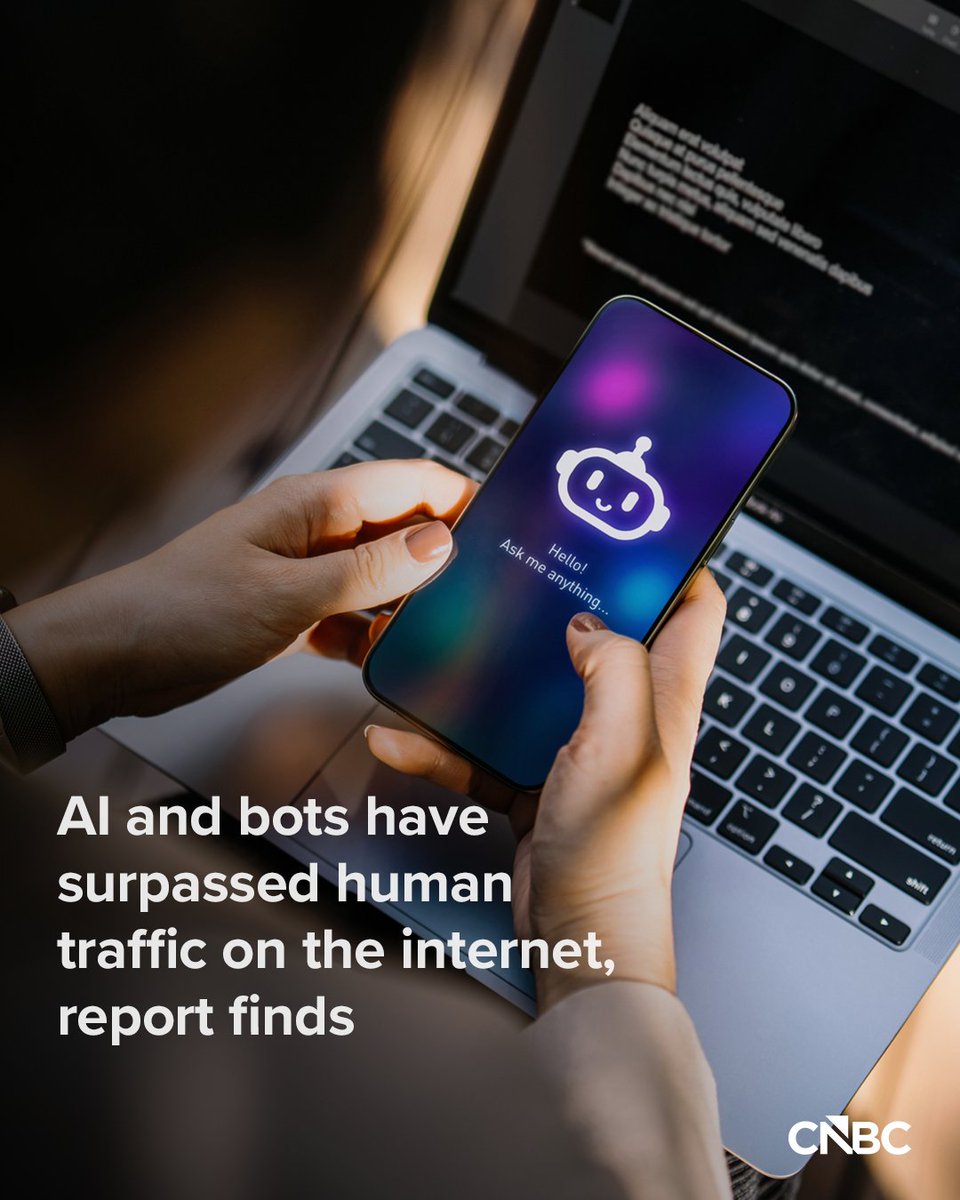
Bots have taken over the internet.
The State of AI Traffic report released Thursday by cybersecurity firm Human Security showed that artificial intelligence and bots have officially eclipsed human users. cnb.cx/4dc5u7a
5
13
26
14,959
HUMAN retweeted

Feb 24
Otherwise competent engineering teams fail at bot detection because they model the problem as anomaly detection. They think they can make a model of normal human use and then use ML to find the outliers. This dramatically underestimates the adversary.
We crushed this problem at @SecureWithHUMAN by completely different means: active, dynamic side channel analysis.
That's why our capabilities are *additive* for customers like Google and Microsoft, who have world class AI teams themselves. HUMAN adds extraordinary side channel analysis capabilities that are otherwise unseen outside of nation state cyberwarfare. That's why HUMAN has triggered more takedowns and more arrests than any other botnet defender.
No one's getting convicted on some AI model's anomaly detection. AI fraud detection models never *stop* the predators, only delay them. The adversaries adapt, infect new computers, steal more real accounts and identities, and keep going once they hide in the noise again. HUMAN nails proof to the wall. It's the serious choice for everyone who wants to deal consequences to the adversary.
Feb 22

People come X to get a pulse on humanity. Because of that, the platform must make every effort to resist anything that misrepresents or adulterates that pulse.
There is nothing more unsettling than expecting you’re reading the words of a human -- only to find it was a machine, or an account operating at the direction of an undisclosed commercial or governmental entity.
In the AI era, our product, policies, and approach will need to evolve meaningfully. Some things may not work, but we intend to employ every available tool and strategy to secure the global town square.
1
7
444

9 Dec 2025
AI agents surged this holiday season! New @SecureWithHUMAN telemetry shows agent traffic targeting e-commerce sites jumped 144.7% during the Black Friday–Cyber Monday period. Read more on our blog: humansecurity.com/learn/blog…
2
312
HUMAN retweeted

4 Dec 2025
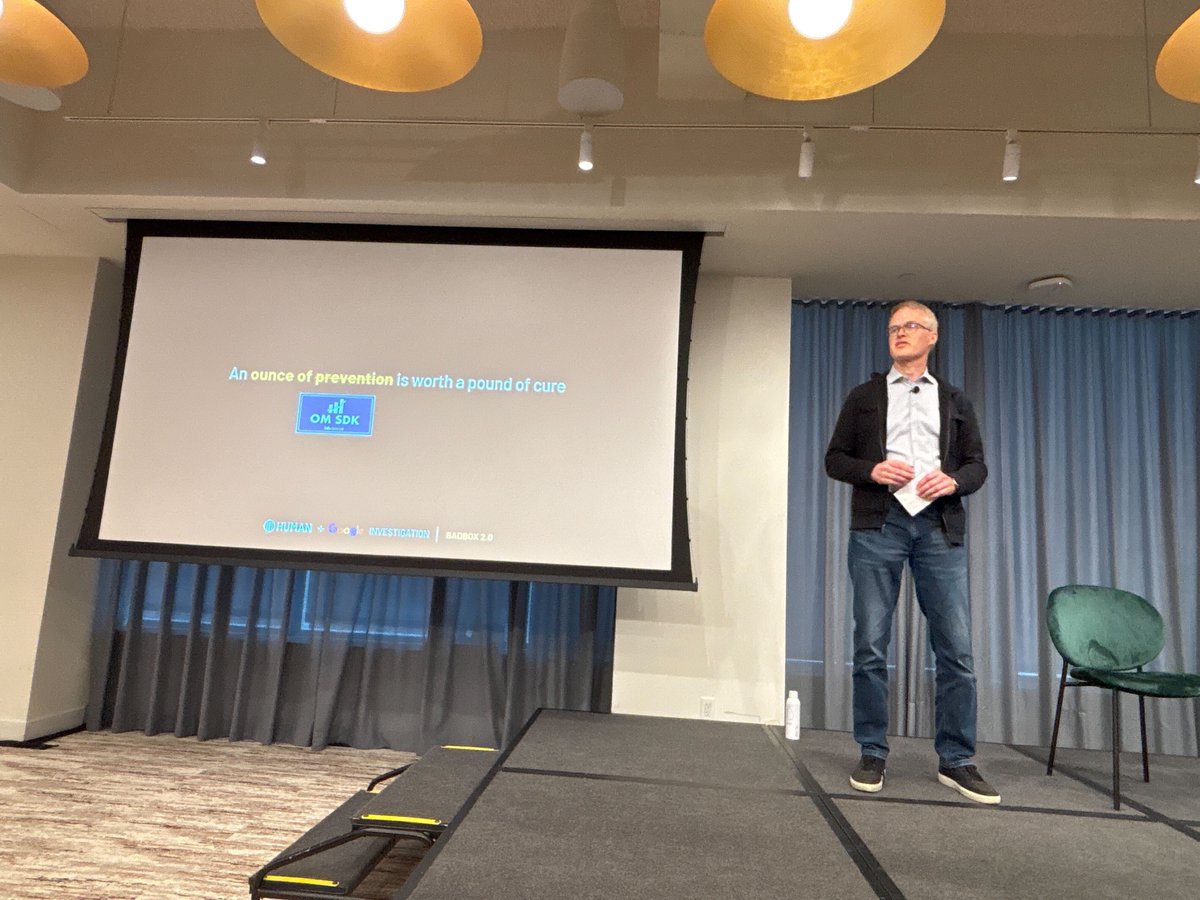
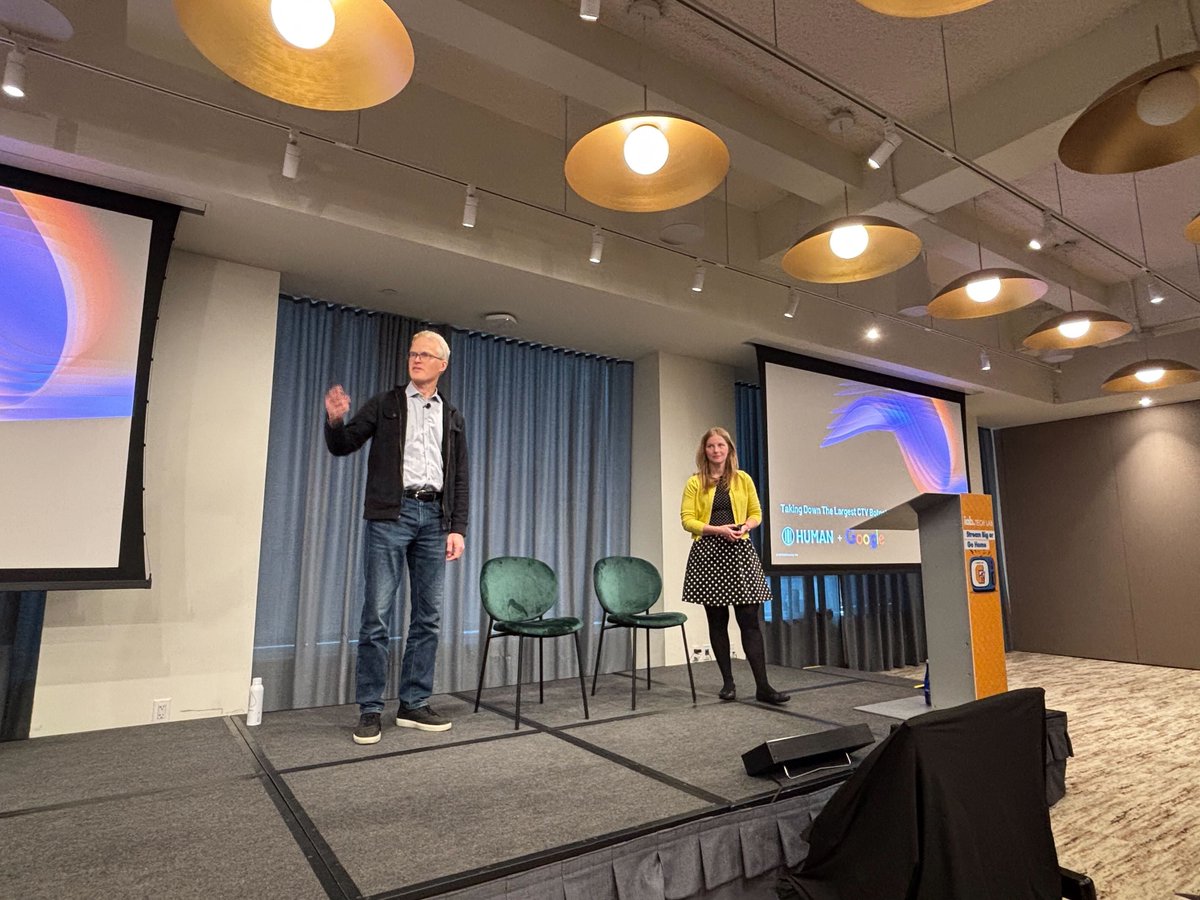
Time for a scary story! There were more than 10 million BADBOX 2.0 infected devices but @SecureWithHUMAN’s Lindsay Kaye and @Google
’s Per Bjork explained how they were able to neutralize 6 million. BUT OM SDK device attestation is key at making this defensible and securing CTV!!
1
4
326
1 Dec 2025
2025 was the year #AI didn’t just join the IT function — AI defined it. Read the full story in @ITBrew: itbrew.com/stories/2025/11/2…
As HUMAN CEO, Stu Solomon, noted, “we’ve been going down the automation-orchestration route for years, but what is new is that it’s happening faster.”
1
226
HUMAN retweeted
25 Nov 2025
New @retailgentic episode 🚀
HUMAN CEO Stu Solomon joins @scotwingo to unpack the rise of the agentic internet, bots surpassing humans, a 1300% spike in AI activity, and what it means for retailers digital trust.
🎧 Full episode: retailgentic.transistor.fm/e…
3
4
351
HUMAN retweeted

24 Nov 2025
Explore how #AGNTCY and @SecureWithHUMAN are tackling agentic fraud and rethinking digital trust in our latest Outshift Blog.
Check out the full conversation with Christos Kalantzis now. cs.co/60147mlor
ALT A stylized illustration of a person wearing a black cloak walking across a white-striped crosswalk. Above is a green traffic light, and to the side, three green circular objects. The word 'HUMAN' is printed on the road beneath the pedestrian.
1
2
177
HUMAN retweeted
17 Nov 2025
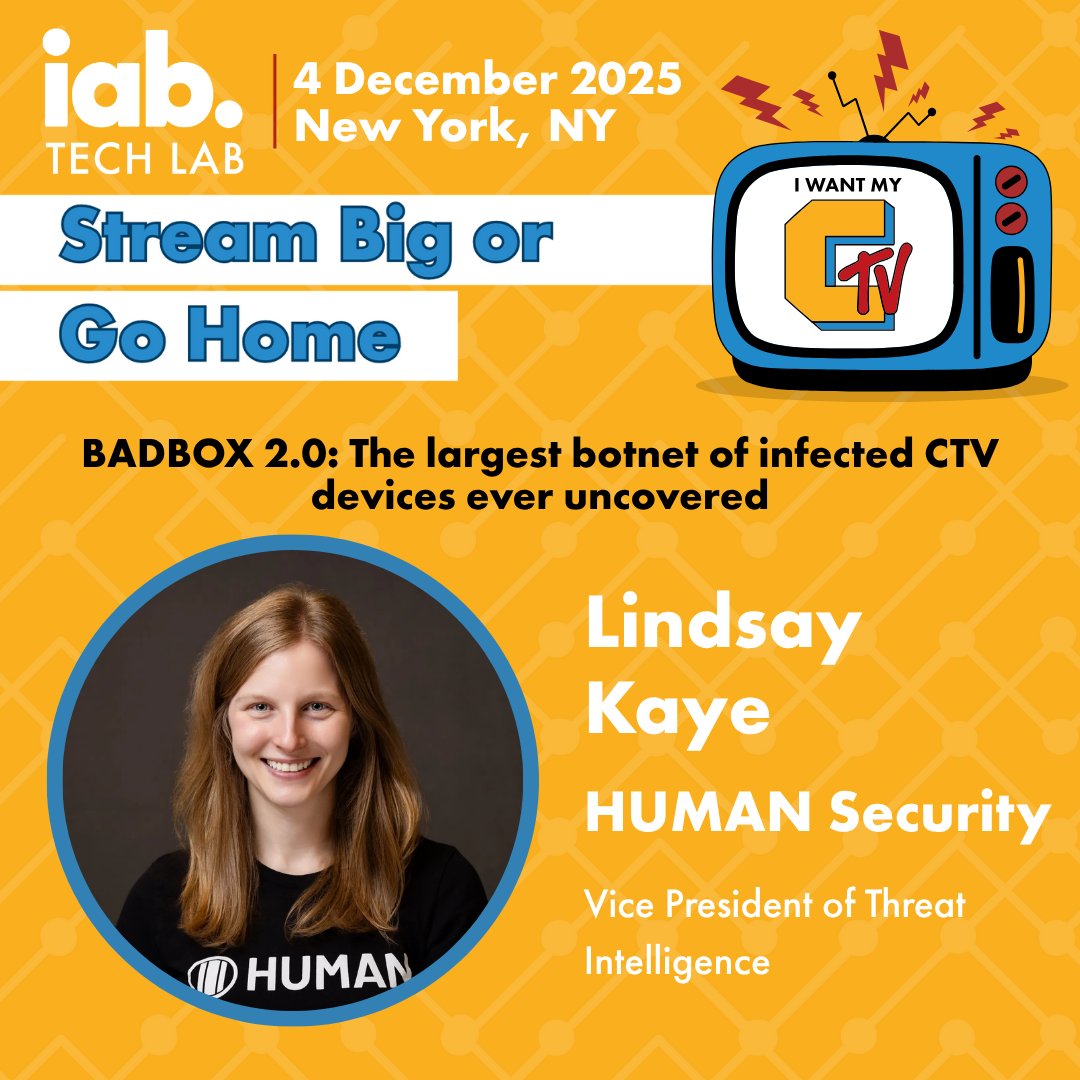
Dive deep into the largest botnet of infected CTV devices ever uncovered, BADBOX 2.0, with @SecureWithHUMAN’s Lindsay Kaye at #IWantMyCTV in NYC on Dec 4! You’ll want to hear how this operation was discovered and what it means for the future: okt.to/dZfOgP
2
2
238
31 Oct 2025
Thanks for the shout, @vmblog! Check out key takeaways from our Definitive Guide to Adopting Agentic Commerce in 2025.

Check out these Scary Stats at @VMblog: A Roundup from 2025 Research
vmblog.com/archive/2025/10/3…
Shared by @DeepInstinctSec @sonatype @ConnectWise @orcasec @silverfort @rapid7 @DtexSystems @snyksec @Lookout @illumio @SecureWithHUMAN @Bitwarden @Checkmarx @BlueVoyant @GuidePointSec @BforeAI @BlackDuck_SW @OneRSAC @rubrikinc @Bitsight @CyberArk @AbnormalAIX @AvePoint @Darktrace @Fortinet @NomaSecurity @Mimecast @CockroachDB

191
31 Oct 2025
Grateful to be included as part of this wonderful roundup from @AWSAI! Read on to see how we're enabling frictionless verification to support the agentic user journey while blocking bad bots.

#AmazonBedrock AgentCore Browser now reduces CAPTCHAs with Web Bot Auth (Preview) 🌐🤖💪
#AgentCore Browser automatically handles bot identification with @Akamai Technologies, @Cloudflare & @SecureWithHUMAN. #AWS #agenticAI
👉 go.aws/4og5llB

ALT Amazon Bedrock AgentCore Browser now reduces CAPTCHAs with Web Bot Auth (Preview)
1
136
HUMAN retweeted

27 Oct 2025
Congratulations to @SecureWithHUMAN's Inna Vasilyeva, honored in the Women to Watch category of the 2025 Women in IT Security Program. Read about Vasilyeva's path into the #cybersecurity field, as well as our other 2025 honorees. bit.ly/42Wwth5
1
1
664
HUMAN retweeted

21 Aug 2025
Firms Team Up To Reduce Agentic AI Risks for E-Commerce Merchants...@Riskified and @SecureWithHUMAN launch a framework for e-commerce security, targeting fraud, chargebacks, and risks from #agenticAI shopping agents. ecommercetimes.com/story/fir…

1
1
1
593
HUMAN retweeted

28 May 2025
As #threatactors run AI models locally, they bypass safeguards and optimize for attacks on Government systems. Stay ahead of #cybersecurity threats by leveraging @SecureWithHUMAN’s defense strategies for public sector security teams: carah.io/27703
1
1
385

Human Security CEO: Agentic AI Will Require ‘Trusted Agents:’ okt.to/x3WFao
@SecureWithHUMAN CEO Stu Solomon tells @CRN that the increased autonomy afforded to AI agents will mean a greater need for verifying that the agentic applications are legitimate and secure.
2
4
729
11 Mar 2025
We are integrating our Client-side Defense solution with the @awsmarketplace and Web Application Firewall (WAF) to simplify the way businesses comply with PCI DSS 4.0 requirements 6.4.3 & 11.6.1, which have gone into effect as of March 2025. bit.ly/3XGJ4SO
#KnowWhosReal
2
358
HUMAN retweeted

10 Mar 2025
Our research team worked with @SecureWithHUMAN to uncover the Badbox 2.0 attack campaign which revealed that millions of compromised Android devices are being used for ad fraud.
Read the full story from @WIRED: spr.ly/6018L2Fr0
3
4
730
HUMAN retweeted

6 Mar 2025
By me @Forbes: A million tablets, streaming boxes and projectors hit by Android backdoor. What you need to know. #kudos @SecureWithHUMAN
#infosec
forbes.com/sites/daveywinder…
1
2
324
5 Mar 2025
BREAKING: HUMAN’s Satori Threat Intelligence and Research team uncovered and — in collaboration with @Google, @TrendMicro, @Shadowserver and other partners — disrupted a complex and expansive fraud operation dubbed BADBOX 2.0. Read the technical report: bit.ly/4h7RhX1
5
3
810