1,793 Photos and videos




Francis retweeted

17h
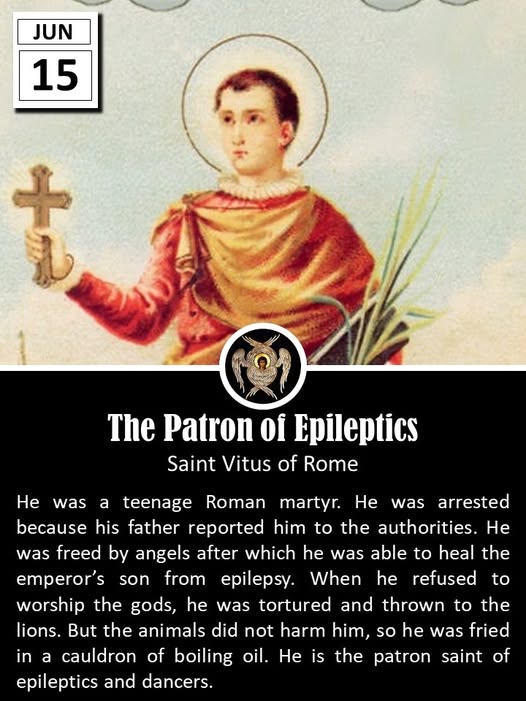
Saint Vitus of Rome, also known as Saint Guy or Guido, was a young Christian martyr whose story blends historical devotion with rich medieval legend. Born around the year 290 in Sicily, likely in Mazzara del Vallo, he was the son of a pagan senator. According to tradition, he converted to Christianity as a boy under the influence of his tutor Modestus and his nurse Crescentia. His faith soon drew opposition from his father and local authorities during the harsh persecutions ordered by Emperor Diocletian.
The legends describe a series of dramatic events. After performing miracles and refusing to renounce his beliefs, Vitus fled with his companions to Lucania in southern Italy and then to Rome. There he reportedly cured the emperor's son of an evil spirit. When he declined to offer pagan sacrifices in thanks, he and his companions faced imprisonment, torture, and attempts at execution by wild beasts and boiling oil. Miraculous interventions, including storms that destroyed temples, allowed them to return to Lucania, where they eventually died around 303. Though historians view much of this narrative as legendary embellishment with little verifiable fact, the core truth remains that Vitus was a real early Christian who suffered martyrdom in Lucania.
Veneration of Saint Vitus grew steadily in the following centuries. His cult spread across Europe, especially after relics reached Saxony in the ninth century. He became one of the Fourteen Holy Helpers, a group of saints invoked for protection in times of illness and crisis. He is best remembered today as the patron saint of dancers, actors, and those suffering from epilepsy or nervous disorders, a connection tied to medieval customs of dancing before his images and the condition once called Saint Vitus' Dance. He is also invoked against storms and for other protections. His feast day falls on June 15.
17
68
1,225
Francis retweeted

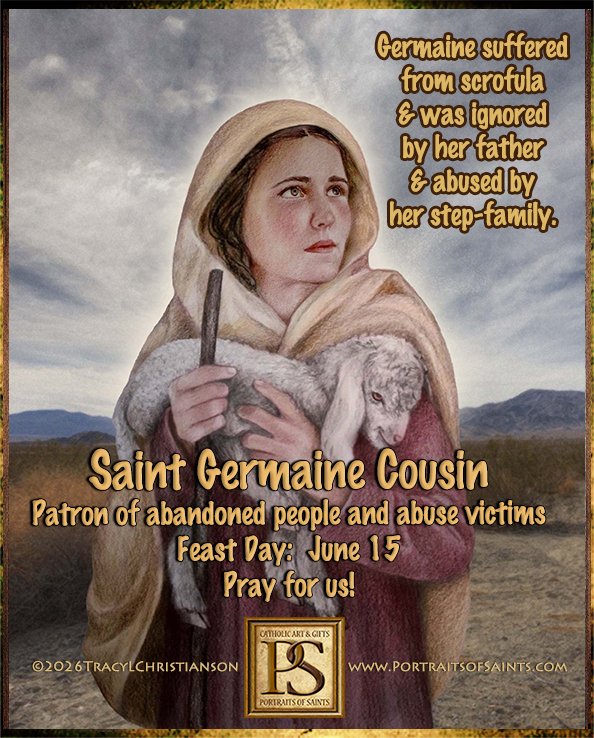
St.Germaine Cousin, pray for us. Rejected by her family at 9 she was put to work as a shepherdess & spent much time in prayer, refusing to miss Mass, putting her flock under the care of her guardian angel when she went. bit.ly/2SToAb1
2
14
69
446
Francis retweeted
Kwenye suala la moral education, Japan hawana mfano. Tukajifunze kwao.
5
12
79
1,705
Francis retweeted

Jun 14
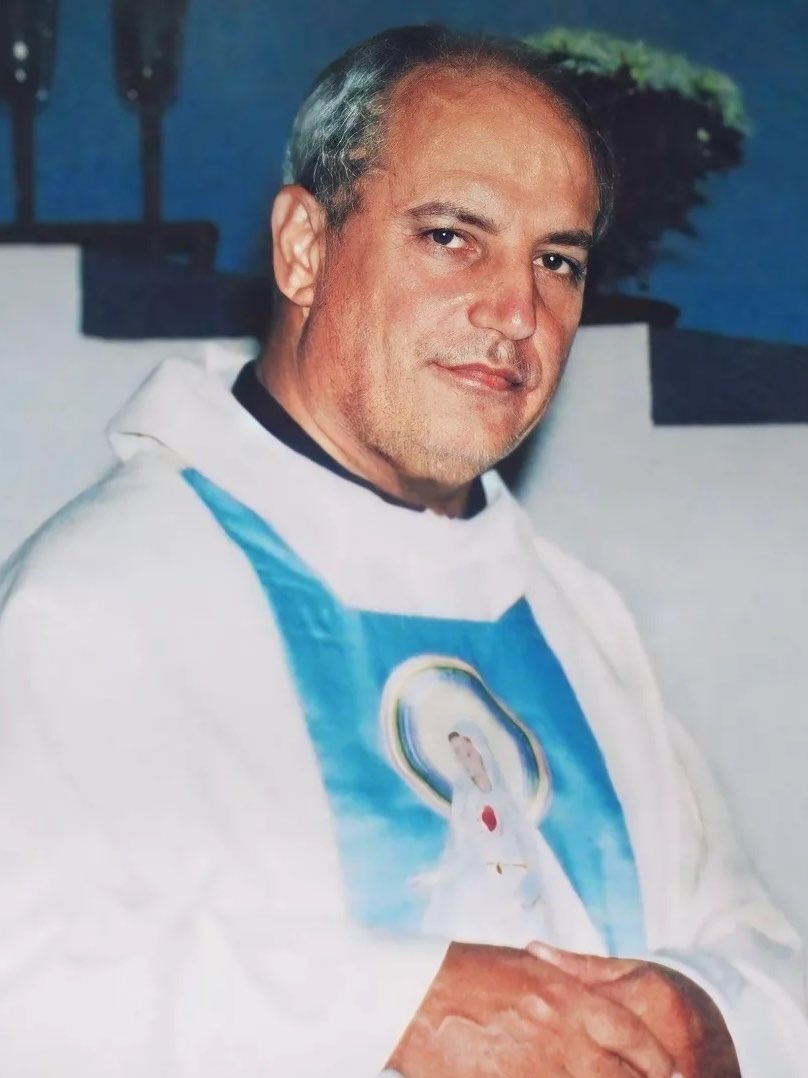
Nazareno Lanciotti, an Italian Catholic missionary priest who was martyred in Brazil in 2001, has been beatified. Before his death, he forgave the men who attacked him
Info: Vatican Media
13
174
1,373
10,774
Francis retweeted

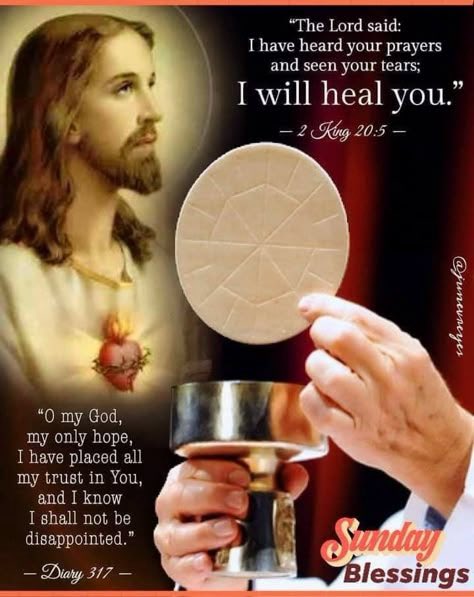
Jesus We Trust in You and Only You ! Sunday Blessings !!!
2
4
21
313
Francis retweeted

Jun 14
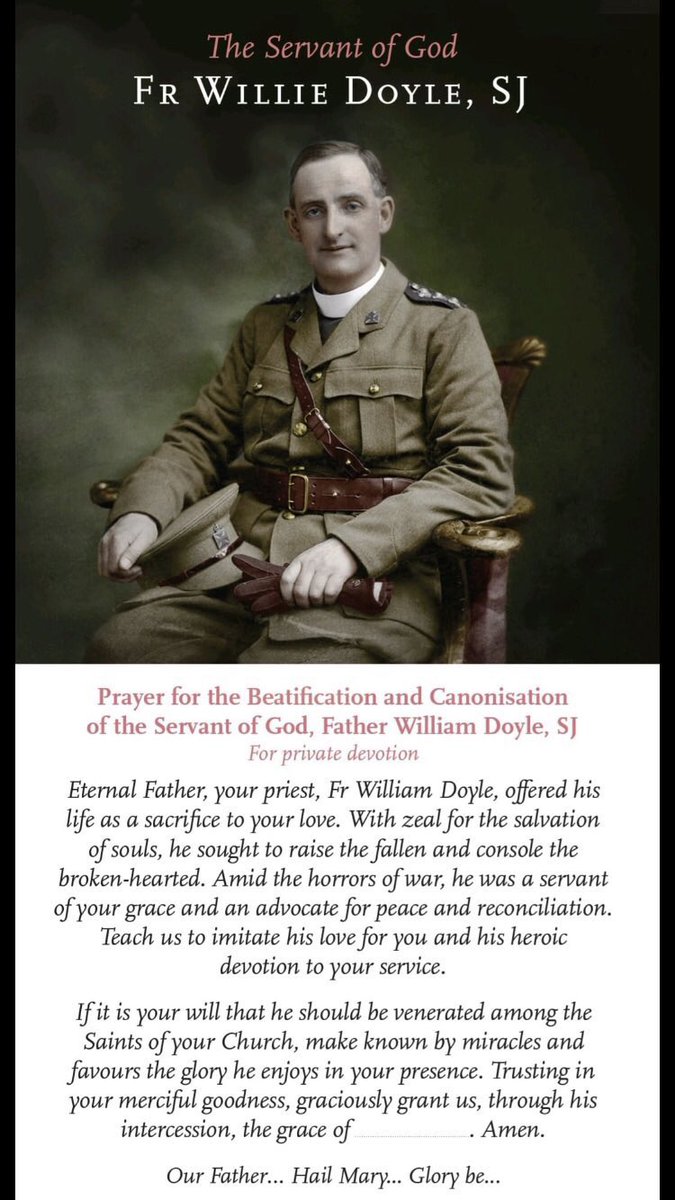
Friends, we have had a request for prayer through Fr Willie’s intercession, a miracle is needed for a man who is dying. If you have a moment, please offer this prayer for a complete cure of BM. Only invoke Fr Willie please. Let’s leave room for a miracle. Thanks.
31
74
197
4,044
Francis retweeted

Jun 12
March mwaka jana nikiwa natoka kwenye msiba wa dogo kijijini, nilikuwa kwenye daladala ya kutoka Nyamohongolo kwenda Nyegezi kupanda gari ya Arusha jioni. Tulipofika kituo kimoja sikijui jina ila nilikuja kubaini kuwa ni jirani na hospital mojawapo jijini hapo, aliingia mama mmoja na binti yake mwenye umri wa kati ya miaka 15–18 hivi.
Yule binti alikuwa akipumua kwa shida, amebanwa na kifua, nilikuja kujua baadaye kuwa alikuwa na asthma na mama alionekana kama amepaniki. Nikiwa natafakari namsaidiaje, simu ya yule mama (kiswaswadu) iliita na akaanza kumuelezea mtu wa upande wa pili wa simu kinachoendelea, mazungumzo mafupi yaliyojibu maswali mengi niliyojiuliza.
Akasema kuwa binti amebanwa na asthma amempeleka hosp akachomwe sindano lakini hakuhudumiwa kwa kuwa hakuwa na hela, alitaja gharama isiyozidi 10,000 na kuongezea kuwa amewaomba hosp wabaki na simu yake (hiyo kiswaswadu) ili wamhudumie mtoto kisha akawatafutie hiyo gharama arudi kukomboa simu wakakataa. Akaongea kwa uchungu na kukata tamaa, alisema “tuko kwenye daladala tunarudi nyumbani hatuna la kufanya”. Akakata simu. Ghafla Ukimya ukatawala ndani ya daladala!
Nilivyosikia story, na daladala ikawa imeanza kuondoka lakini tulikuwa hatujaenda mbali. Nikajikuta napaza sauti “dereva mshushe hapa hapa” nikatoa 10,000 nikampa nikamwambia mrudishe binti hosp haraka. Yule mama alikuwa kama kachanganyikiwa, akachukua hela huku akilia na kusema “Mungu akubariki kaka yangu”! Akashuka.
Nilijiuliza sana kuhusu viapo wanavyokula madaktari wakati wa mahafali zao. Kwamba inakuwaje unamuacha mtu aondoke akiwa kwenye critical condition vile kwa sababu hana 7,000 au 8,000? Kwamba hapakuwa na njia nyingine ya kumhudumia kisha wadaiane baadaye? Nilikosa majibu. Ila niliogopa sana, mno yani! Ukiwa na afya njema mshukuru sana Mungu 🙏
51
68
499
38,818
Francis retweeted

Jun 13
Natumaini @MkukiNaNyota watakifanya kitabu hiki kuwa Open Access ili kiwanufaishe watanzania walio wengi.
Nadhani Prof. Shivji alitamani hivyo alipoamua kutuandikia hizi barua na kuziweka wazi kwenye website yake.


1
13
41
1,565
Francis retweeted

Jun 13
Makamu Mwenyekiti wa Chama Cha Demokrasia na Maendeleo Chadema Bw. John Heche amesema kukwama kwa mifumo ya uendeshaji wa Nchi ndio sababu ya kukwama kwa maendeleo ya Nchi na ustawi wa Nchi, akikosoa namna ambavyo kila jambo ni lazima lifanywe na Waziri ama Waziri Mkuu hata katika utatuzi wa migogoro ya kifamilia kwa wananchi.
Heche amebainisha hayo leo Jumamosi Juni 13, 2026 kwenye Mahafali ya wanafunzi wanachama wa Chadema Mkoa wa Iringa CHASO, akionesha kushangazwa namna ambavyo Waziri Mkuu anatatua kero za ndoa katika ziara zake ilihali kuna Wakuu wa Mikoa na Wakuu wa Wilaya katika kila eneo analoenda.
"Waziri sio Mtendaji, Waziri anatakiwa kusimamia sera kwasababu waziri hawezi kuwa kila sehemu. Tuna wizara ya Maji, yule Waziri CCM ndio wanasema ni bora kuliko wote ila kila siku utamuona anakimbia mara kajitwisha ndoo, hatuhitaji maigizo sisi ya wewe kujitwisha ndoo, tunataka maji."
"Kuna mtu anaitwa Waziri Mkuu eti anazunguka Mikoani watu wanamuambia Mimi nilikuwa na mpenzi wangu, kanipiga mimba! Jamani hiyo ndiyo kazi ya Waziri Mkuu? Huyu atafikiria saa ngapi namna ya kukutengenezea ajira? Waziri Mkuu anatatua migogoro ya mapenzi? Ya ardhi? Afisa ardhi anafanyaje?
"Tupeni Nchi hii tuinyooshe, give us this Country, tunajua matatizo na suluhu yake, tutainyoosha, tutawapa hope mpya na nyie Vijana ndiyo mtakaoongoza Nchi hii kwasababu mna kesho nyingi." Amesema Heche.
2
38
195
3,663
Francis retweeted

Jun 13
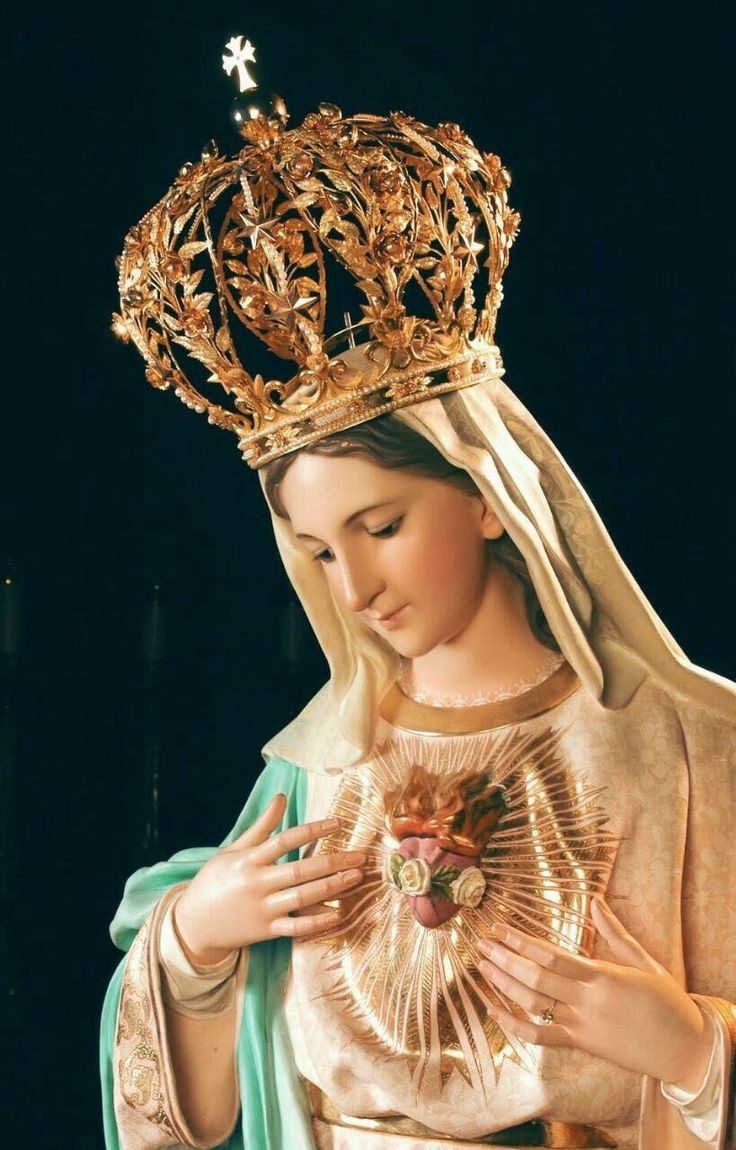
Happy Feast of the Immaculate Heart of Mary
4
24
197
1,379
Francis retweeted
Jun 13
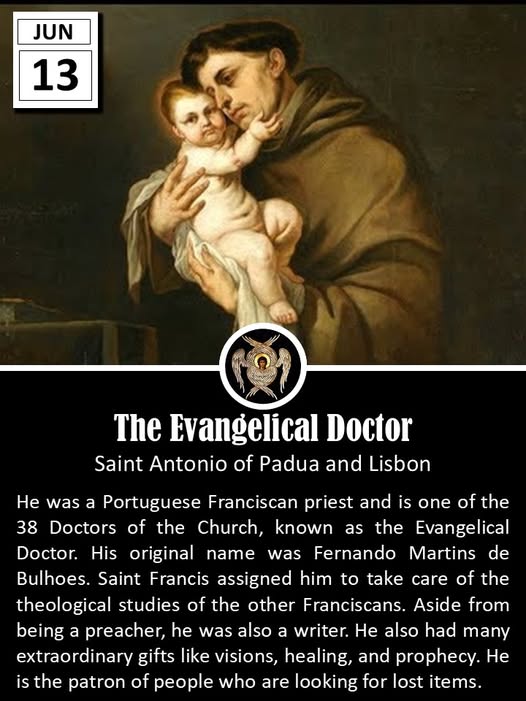
St. Anthony of Padua was one of the most beloved figures of the medieval church, a Franciscan friar whose life combined deep learning, powerful preaching, and a reputation for miracles that endures to this day. Born Fernando Martins in Lisbon, Portugal, around 1195, he entered the Augustinian order as a young man and showed early promise as a scholar. In 1220, inspired by the martyrdom of five Franciscan missionaries in Morocco, he joined the Franciscans, took the name Anthony, and set out to preach the Gospel in North Africa. Illness forced him homeward, but a storm diverted his ship to Sicily and then Italy, where he would spend the rest of his short life.
Anthony quickly earned a reputation as an eloquent and effective preacher. He traveled through northern Italy and southern France at a time when the Albigensian heresy threatened Catholic teaching. His sermons drew huge crowds, and he had a gift for making complex theology understandable to ordinary people. Legend says that when heretics refused to listen, he once preached to fish by the sea, and the fish rose to the surface as if attentive. Whether or not the story is literal, it captures the popular memory of a man whose words seemed to reach every creature.
Beyond preaching, Anthony became known for his care for the poor and his defense of justice. He worked to reform the clergy and opposed usury, urging lenders to return ill-gotten gains. Miracles were attributed to him even in his lifetime: the most famous tells of a man who doubted the real presence of Christ in the Eucharist. Anthony asked the skeptic to bring his mule; when the animal knelt before the consecrated host instead of eating oats, the doubter converted. Another well-known tale involves a stolen book. Anthony prayed, and the thief returned it, giving rise to his later role as patron of lost and stolen items.
Anthony died in Padua on June 13, 1231, at the age of thirty-five or thirty-six. He was canonized less than a year later by Pope Gregory IX, an unusually swift recognition of his holiness. Today his basilica in Padua remains a major pilgrimage site, and his feast day on June 13 is celebrated with special devotion across the Catholic world. Devotees still invoke him with the simple prayer, “Tony, Tony, look around, something is lost and must be found.”
St. Anthony of Padua remains a model of gentle yet forceful faith: a scholar who spoke to the unlearned, a preacher who defended the vulnerable, and a saint whose kindness continues to draw people eight centuries after his death.
7
64
234
3,385
Francis retweeted

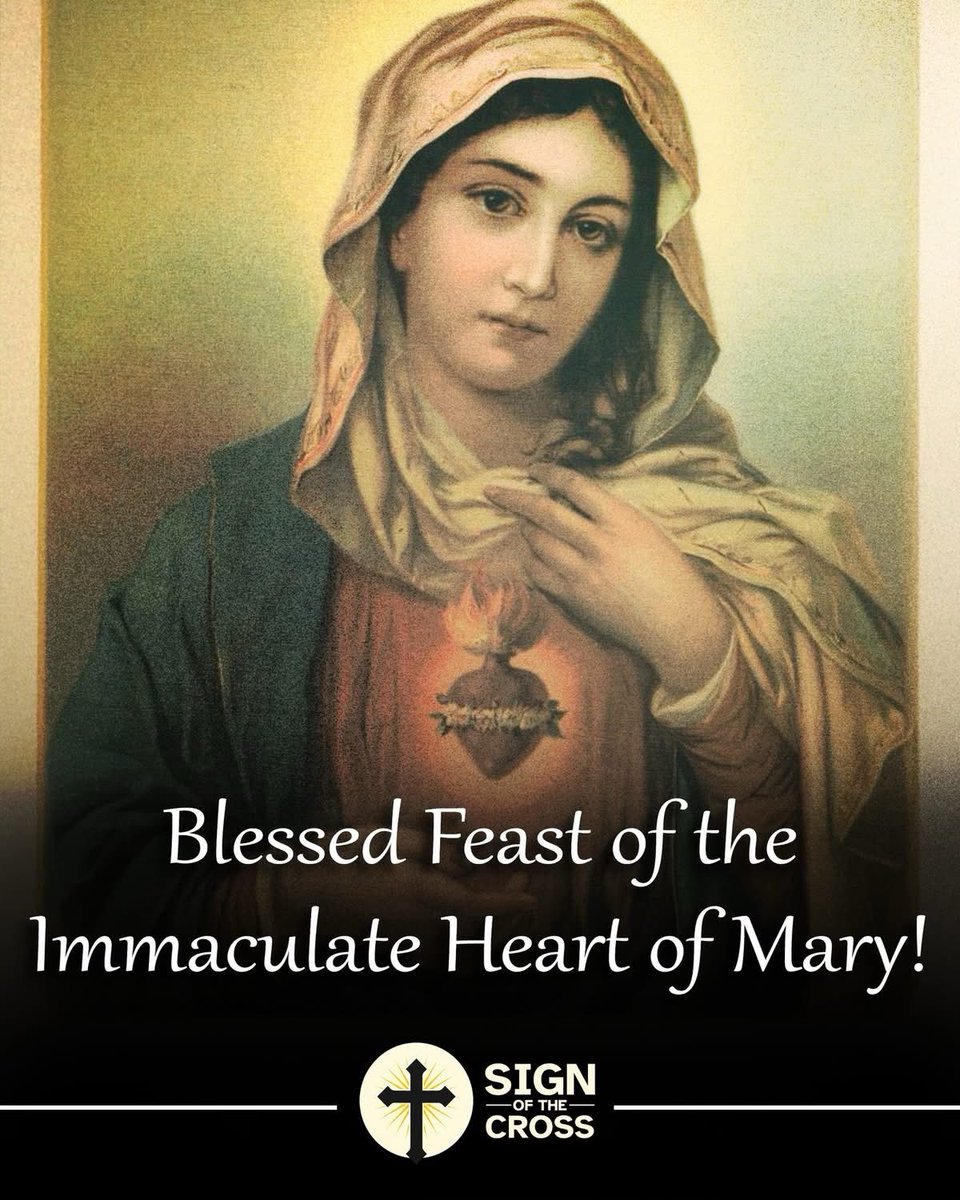
Immaculate Heart of Mary, pray for us!
15
133
673
3,679
Francis retweeted

Jun 13
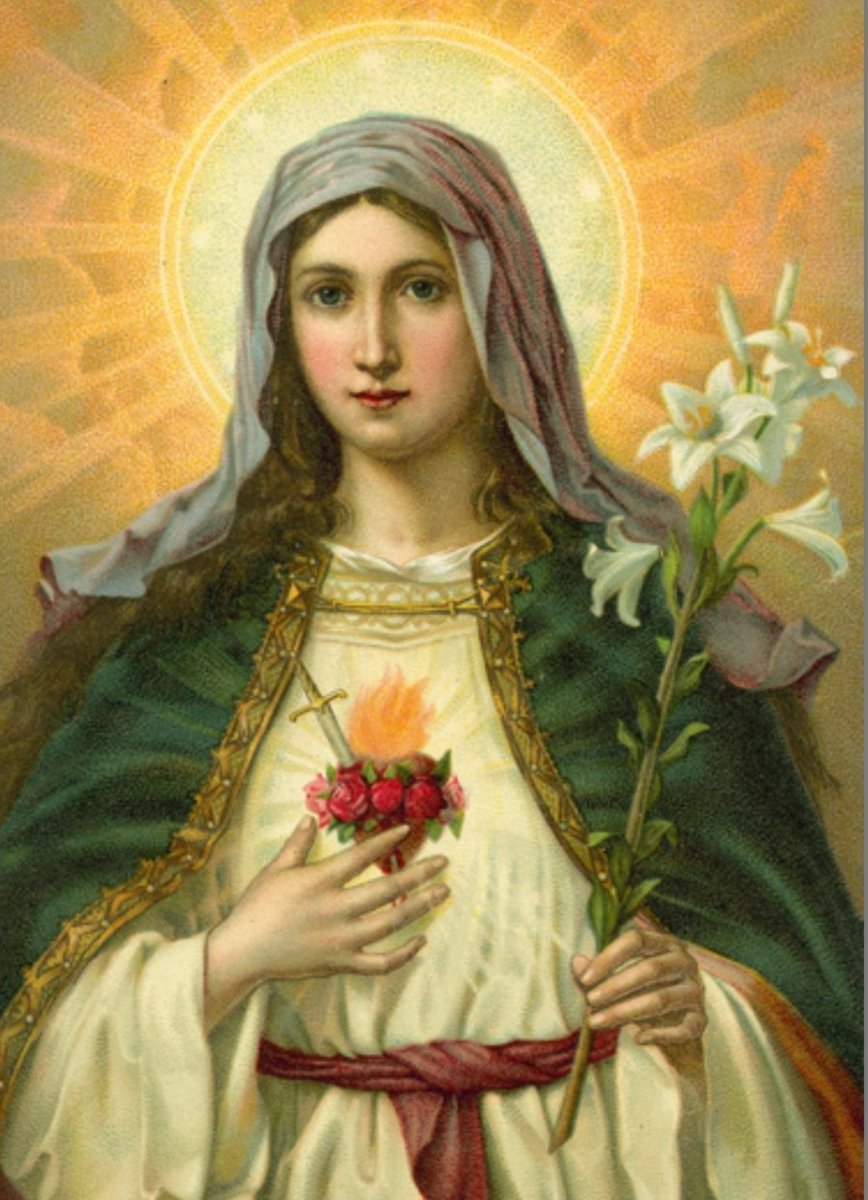
Today is the Memorial of the Immaculate Heart of the Blessed Virgin Mary. Immaculate Heart of Mary, Ora Pro Nobis.
8
24
137
634
Francis retweeted

Jun 12
In the spring of 1720, one of the deadliest outbreaks of bubonic plague in 18th-century Europe struck the bustling port city of Marseille, France. The disease arrived on a ship from the Levant, spreading rapidly through the crowded streets.
Within months, it killed an estimated 40,000 to 50,000 people, roughly half the city’s population. Entire families were wiped out, bodies lay unburied in the streets, and fear gripped every corner of Marseille.
At the height of the crisis, a holy nun from the Visitation Order, Sister Anne-Madeleine Rémuzat, received a powerful message from Our Lord Jesus Christ. He revealed that the city would be spared if it turned wholeheartedly to His Sacred Heart. Sister Anne-Madeleine shared this divine request with the local bishop.
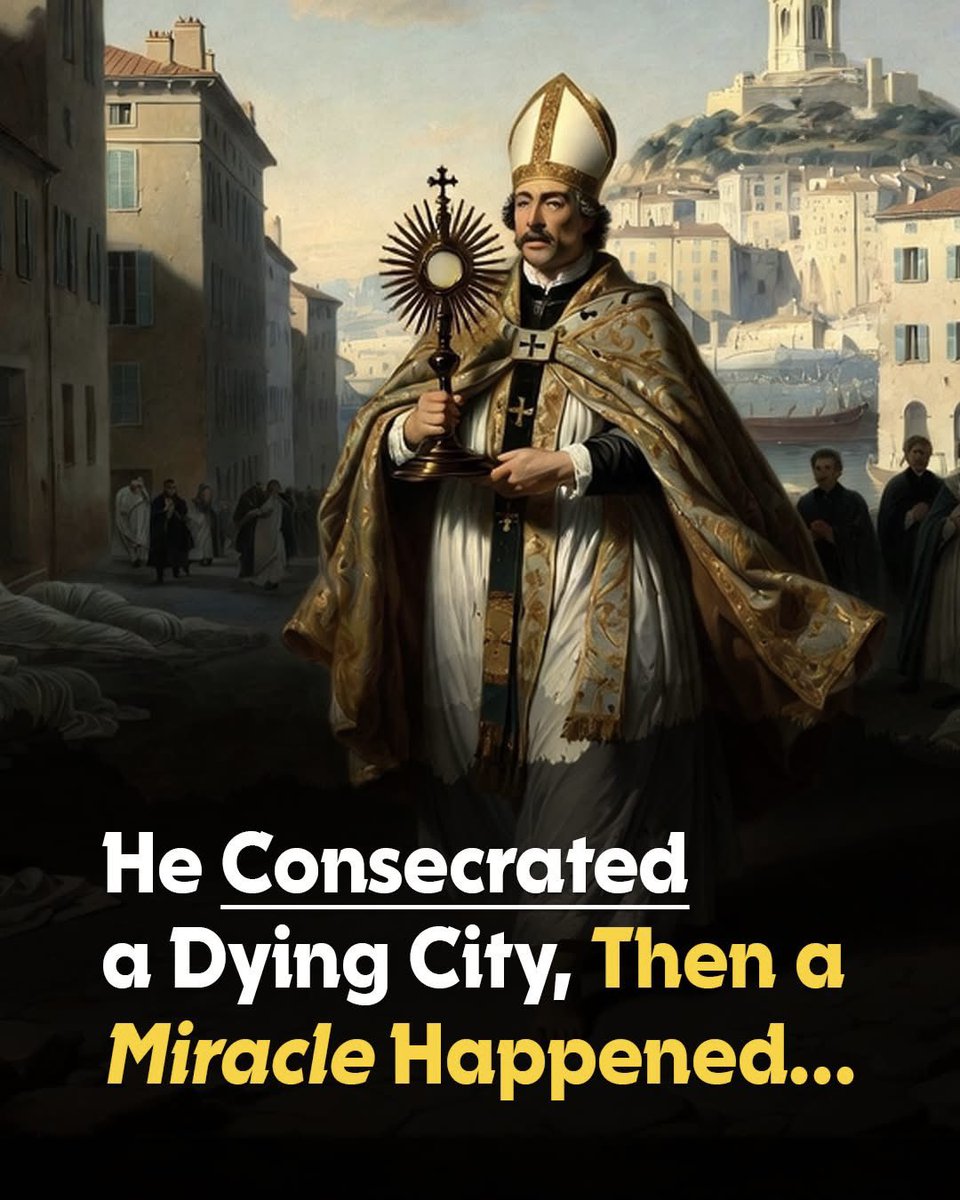
Bishop Henri François-Xavier de Belsunce de Castelmoron, known for his deep devotion and courage, took immediate action. On November 1, 1720, despite the extreme danger, the bishop walked barefoot through the plague-infested streets of Marseille.
Accompanied by a small group, he carried the Blessed Sacrament and officially consecrated the entire city of Marseille to the Sacred Heart of Jesus.
The timing of the miracle is striking.
Almost immediately following this solemn act of consecration and public entrustment to the Sacred Heart, the deadly epidemic began to weaken. The plague rapidly subsided and soon disappeared completely from the city, an event that left a profound mark on the history of Marseille and on the devotion to the Sacred Heart worldwide.
This dramatic city-wide deliverance stands as one of the most famous historical miracles attributed to the Sacred Heart of Jesus, showing the power of faith and consecration even in the face of overwhelming calamity.
May the Sacred Heart of Jesus protect and bless all of us, especially in these challenging times.
Sacred Heart of Jesus, have mercy on us! ❤️🔥
10
91
388
4,108
Francis retweeted
Jun 13
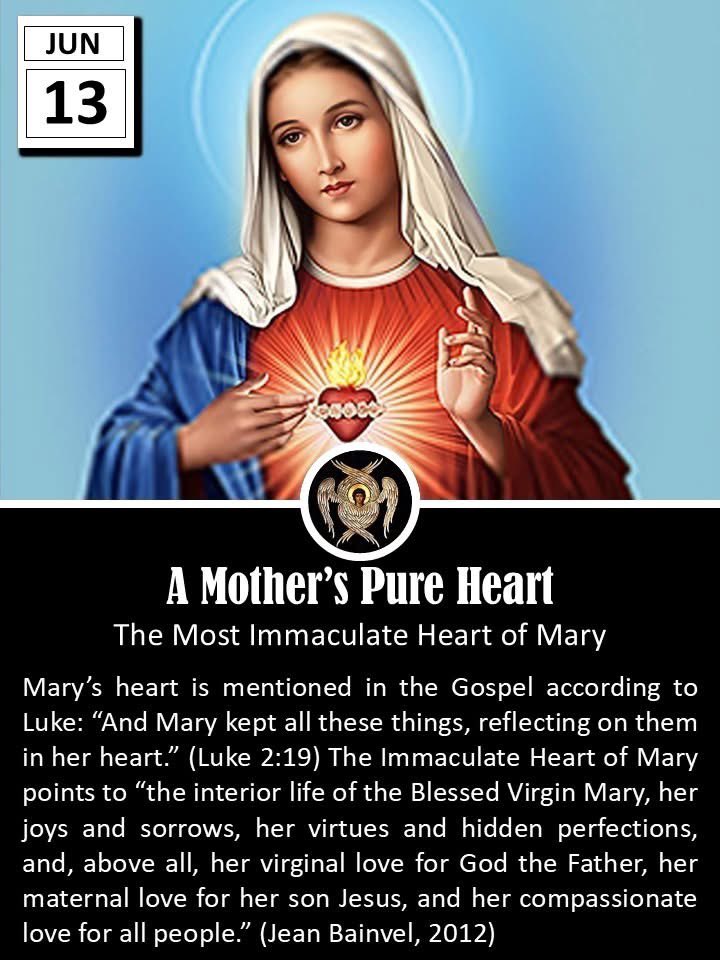
The Memorial of the Immaculate Heart of Mary holds a cherished place in the liturgical calendar of the Catholic Church, inviting the faithful to contemplate the profound interior life of the Virgin Mother. Celebrated on the Saturday following the Solemnity of the Sacred Heart of Jesus, this observance directs attention to Mary’s heart as a symbol of her perfect love for God and her maternal compassion for humanity. It underscores the unity between the hearts of Jesus and Mary, emphasizing themes of purity, obedience, and intercession that have shaped Christian devotion for centuries.
The roots of this feast trace back to the seventeenth century, when Saint John Eudes promoted devotion to the hearts of Jesus and Mary as complementary expressions of divine love. Yet its formal integration into the universal calendar came later, influenced significantly by the apparitions at Fatima in 1917. There, the Virgin Mary appeared to three shepherd children and requested devotion to her Immaculate Heart as a means of reparation for sins and a path to world peace. Pope Pius XII responded to these messages by instituting the feast in 1944, during a time of global conflict, thereby linking it to prayers for the conversion of souls and the triumph of good over evil. Subsequent popes, including Saint John Paul II, reinforced this devotion, seeing in Mary’s heart a model for the Church’s own mission of mercy and fidelity.
At its core, the Immaculate Heart represents Mary’s sinless purity, preserved from original sin from the moment of her conception, and her total surrender to God’s will. Unlike the Sacred Heart of Jesus, which reveals the divine love of the Redeemer, the Immaculate Heart embodies the human response of perfect discipleship.
In our age marked by so much spiritual fragmentation, today’s Memorial calls us to emulate Mary’s interior disposition, fostering deeper union with Jesus Christ through prayer, penance, and apostolic zeal.
9
132
479
4,800
Francis retweeted
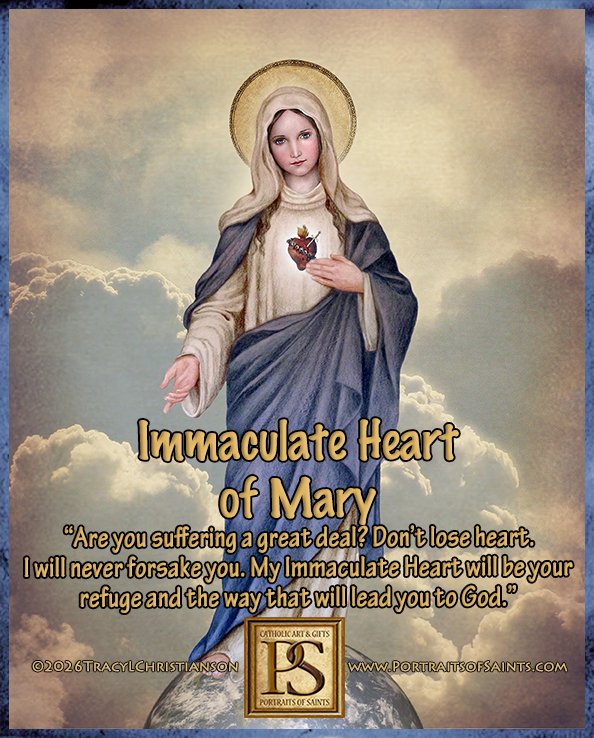
Immaculate Heart of Mary "My Immaculate Heart will be your refuge and the way that will lead you to God.” Our Lady of Fatima (to Sr. Lucia) bit.ly/4u6tCNc
2
51
183
1,314
Francis retweeted

Today is the Feast of the Immaculate Heart of Mary.
Mary shows us how to listen to the words the Holy Spirit speaks to us in the depths of our hearts, and how to respond in faith.
Immaculate Heart of Mary, pray for us🙏🏽
61
137
646
6,699
Francis retweeted

Jun 13
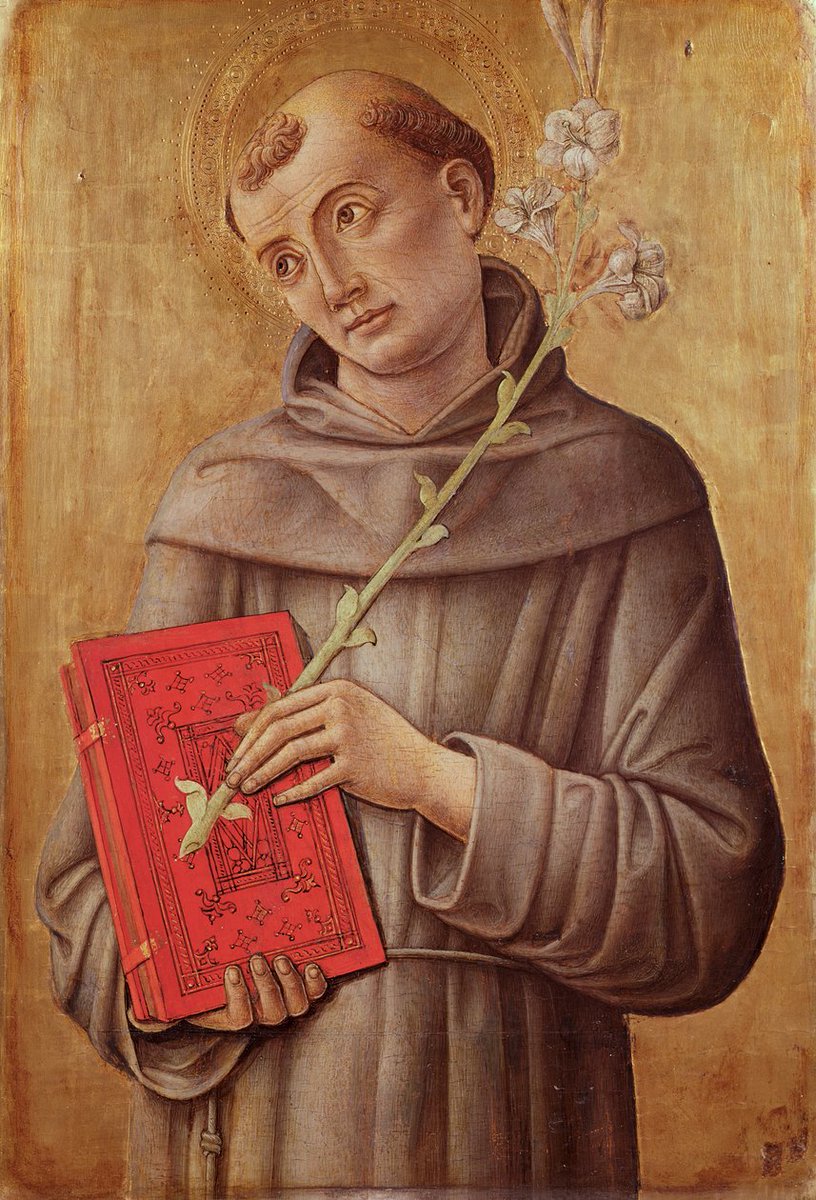
"Men will surrender to the spirit of the age. They will say that if they had lived in our day, faith would be simple and easy. But in their day, they will say, things are complex; the Church must be up to date and made meaningful to the day's problems." - St. Anthony of Padua
3
78
287
4,888
Francis retweeted
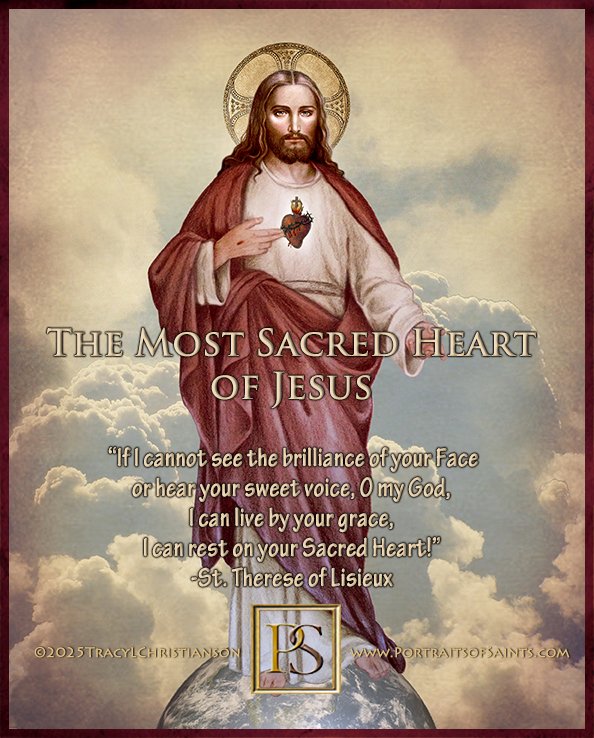
Most Sacred Heart of Jesus Do not let the past disturb you. Leave everything in the Sacred Heart of Jesus and begin again with joy. St. Teresa of Calcutta bit.ly/49UZsFq
3
36
123
855
Francis retweeted
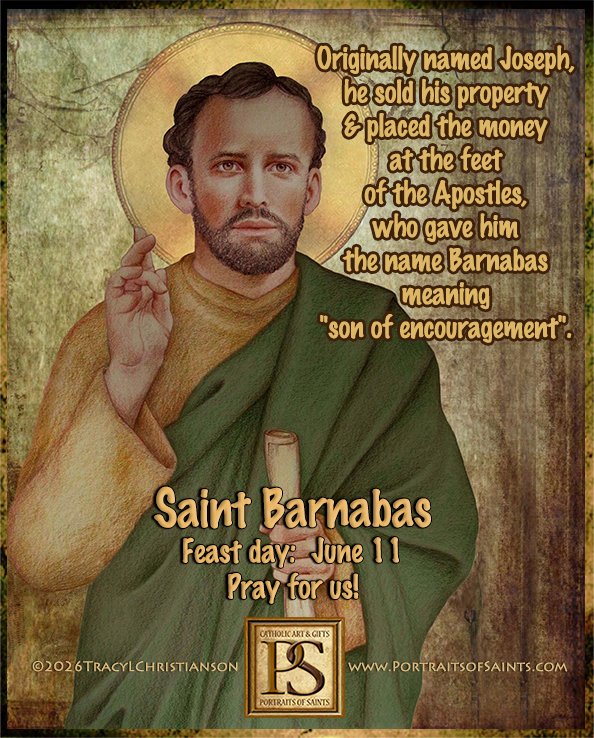
St. Barnabas, pray for us! The Acts of the Apostles chronicles his travels & apostolate to the Gentiles & testifies on behalf of the Gentiles concerning Jewish rites. He was martyred in Cyprus &in 448 his body was found incorrupt. bit.ly/2TBdJjv
2
29
105
647