
ecology, invention, secular humanist
Joined March 2017
- Tweets 177,628
- Following 4,434
- Followers 1,913
- Likes 159,828
676 Photos and videos






Check out xailaitom's video! #TikTok tiktok.com/t/ZP8sXDrvb/
3
Check out The Atheist Veteran's video! #TikTok tiktok.com/t/ZP8sXaEA5/
4
Check out Let’s Talk's video! #TikTok tiktok.com/t/ZP8sX27gu/
2
Check out Walter Masterson Fan's video! #TikTok tiktok.com/t/ZP8sXjcRp/
7
Trumpers
Check out Ateoperuano's video! #TikTok tiktok.com/t/ZP8sXhTts/
1
Check out Senex's video! #TikTok tiktok.com/t/ZP8sXm5kv/
3
Check out L6b Ukxg's video! #TikTok tiktok.com/t/ZP8sXfPKF/
2
Check out StarDaily's video! #TikTok tiktok.com/t/ZP8sXu9Xg/
3
Check out atheisticdeist's video! #TikTok tiktok.com/t/ZP8sX6CQS/
3
Check out Al Jazeera English's video! #TikTok tiktok.com/t/ZP8sXkexn/
3
Check out Al_pachinohimself's video! #TikTok tiktok.com/t/ZP8sXDhRQ/
18
Troy Grant retweeted

Via FOIA, we formally requested Kash Patel’s travel itinerary for the 3 days leading up to Charlie Kirk’s assassination and we just heard back and were told the burden of the request is too great.
How is this even remotely legal?
1,735
5,983
44,930
2,248,755
Troy Grant retweeted

💔 LAPD killed a woman’s dog during a welfare check, all because she was yelling in her own apartment celebrating the Knicks’ Finals win. Then they just stand there over the body like it’s nothing. Absolute madness.
1,395
3,666
17,223
1,205,897
Troy Grant retweeted

The decline in the US began around the time it adopted Christian zionism and worship Israel. 'As long as the Christian zionism prevails, global death and destruction will only intensify.'
- Pastor Chuck Baldwin
83
728
1,969
26,141
Troy Grant retweeted

Jun 14
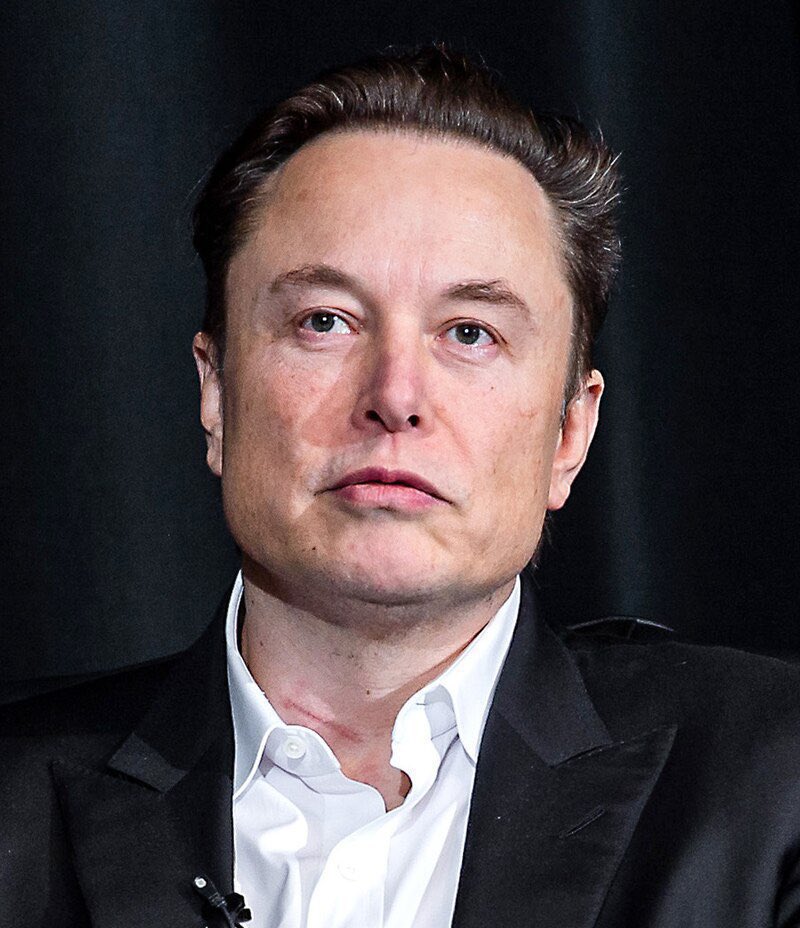
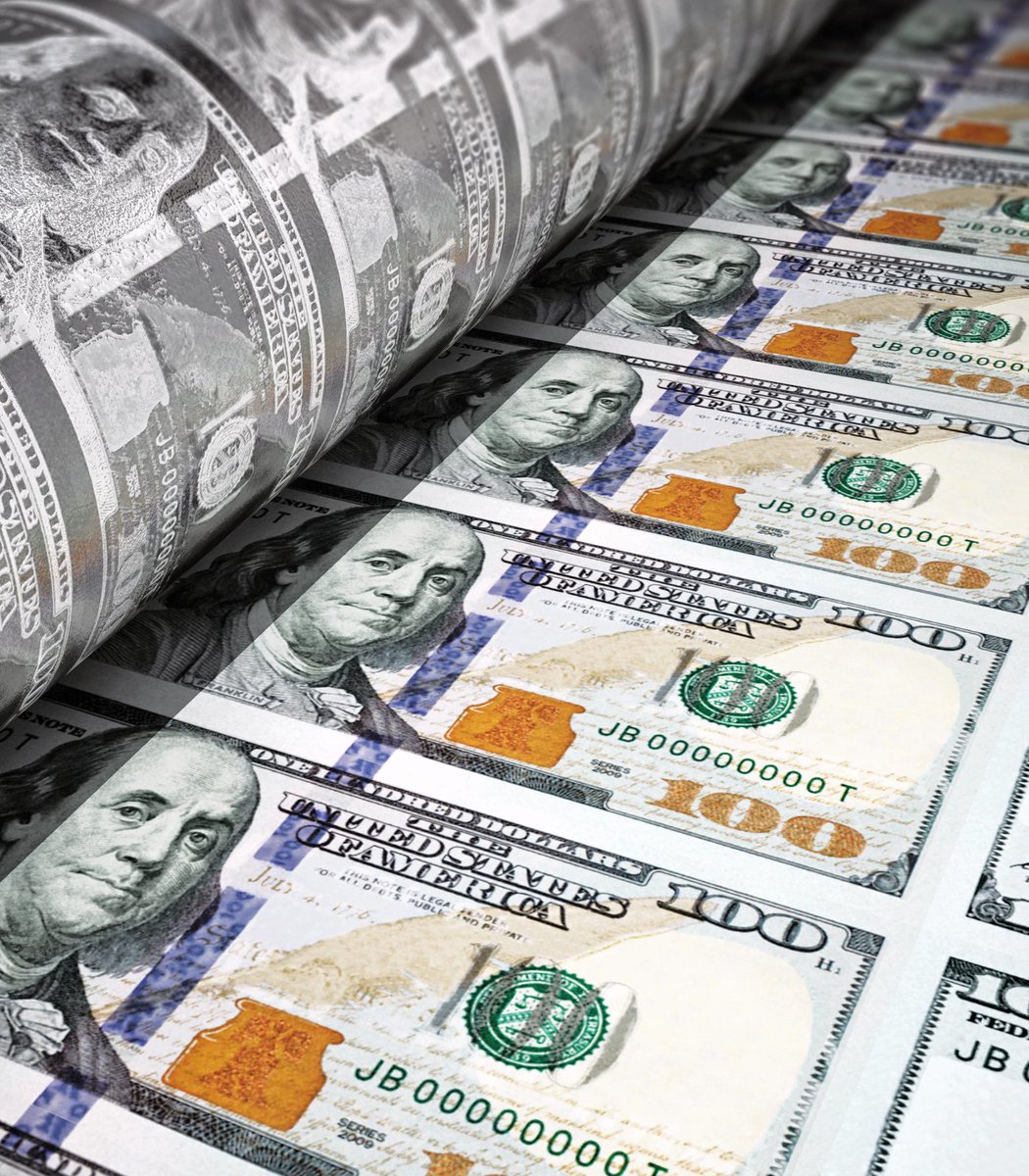
In my lifetime, China lifted 850 million people out of poverty, while the US created one trillionaire. It is clear as day that socialism is the key to our future.

5,604
17,330
103,166
3,201,828
Troy Grant retweeted

🚨 BREAKING: Gavin Newsom says the Trump Justice Department is investigating both him and his wife.
Newsom isn’t treating it as a routine legal matter.
He’s treating it as a political warning shot.
“Donald Trump isn’t just coming after me because of my mean Tweets. He’s coming after me because I am considering running for President.”
Think about what that accusation means.
Newsom is claiming the investigation isn’t about what he did.
It’s about what he might do next.
And if he’s right, the story isn’t just California.
It’s the opening chapter of the 2028 presidential race.
93
627
2,353
54,314
Troy Grant retweeted

23h
Israel executed Rayan today in Gaza with a bullet to the head.
He was only 3 years old.

292
4,696
7,180
73,014
Troy Grant retweeted

And this is exactly how you lose younger male voters, actually a lot more than that demographic.
Send in police to haul off an actual American UFC Champion because he used his 1st amendment and criticized Israel.
Jun 14

Sean Strickland just got SWARMED by cops and hauled away after sneaking into the UFC White House event 😳💀
2,199
8,522
53,012
949,927
Troy Grant retweeted

💰💰💰BREAKING: Vance confirms that Iran gets $300 BILLION as part of the Trump Iran Peace Deal.
Who think Obama’s Iran deal was much better?
110
456
1,585
20,578
Troy Grant retweeted

This farmer just said the quiet part out loud.
“I was nothing more than a serf on the land.”
“A chemically-addicted farmer beholden to all these large ag conglomerates.”
“Monsanto.”
“Big seed companies.”
But Kevin Fulton escaped.
He transitioned his Nebraska farm to an organic, regenerative operation in 2002.
“I can’t tell you how good that feels to not have all those gorillas on your back.”
Now, he’s warning that pesticide companies are threatening to put countless farmers at risk with their push for a federal liability shield from lawsuits over harms caused by pesticides.
“We have to be able to… stand up against them and have some type of recourse if there’s damages.”
The stakes could not be higher as Congress debates the 2026 Farm Bill.
The House voted to strip the pesticide liability shield out, but it’s still unclear if the Senate will vote to put it back in.
And on top of that, Congress must decide if this Farm Bill will provide vital support for farmers to transition from conventional pesticide and chemical farming to regenerative practices.
Regenerative farming protects human health, restores soil health, and empowers farmers to keep their profits out of the hands of Big Ag corporations that treat them like serfs on their own land.
This Farm Bill is a pivotal moment for independent farmers.
Read our new blog below to find out how Congress can empower farmers and how you can make your voice heard:🧵
24
717
1,605
20,852