
Joined September 2012
- Tweets 1,949
- Following 204
- Followers 62
- Likes 8,424
18 Photos and videos







Sharon Prinsloo retweeted

The reports concerning the National Association of Muslim Police policy paper, published by its vice president on their official website, and the inflammatory language allegedly used in it to demonise Israel, the IDF and Jews, are deeply disturbing.
At a time when antisemitism is rising across the United Kingdom at unprecedented levels, this is even more concerning. Malicious language of this kind risks further fuelling hatred and intimidation against Jewish communities.
Following the poor management of the situation around the Aston Villa and Maccabi Tel Aviv game, there is a heightened responsibility on the police to ensure that concerns are treated with the seriousness they deserve.
We would expect the police, and any organisation operating within or alongside policing structures, to uphold the highest standards of impartiality, professionalism and protection for all communities.
52
109
300
10,495
Sharon Prinsloo retweeted

Jun 4
Today I have met Lucy, Mark and Katie, Henry Nowak’s mother, father and stepmother. Their courage is extraordinary.
They have endured the most appalling loss, it is a life sentence for them.
They have also faced the agonising decision to release the harrowing body-worn camera footage, knowing how painful it would be and how strongly people would react. They did so because they want truth, accountability and change.
They have asked that we work across political parties and religions to rebuild trust in the police. That trust has been broken because of what happened, and I agree with them on that.
We must also be prepared to examine, carefully and seriously, religious practices or exemptions that permit the carrying of dangerous weapons in public, and other activities that are not conducive to the public good. We also need to examine where the law needs to change.
Henry’s family do not want anger to tear communities apart. They are a family who have friends across faith and race, and so did Henry. His family want his memory to help bring our society together.
Everyone knows I have strong views about how we should deal with equality under the law. What the family agreed with me on is that we need to bring common sense back, and that is what we should all be fighting for.
I promised the family that we will work to ensure there is a positive legacy for Henry out of this tragedy.
That is my focus now.
1,515
1,837
15,031
934,664
Sharon Prinsloo retweeted

Did you know?
In the Manchester Airport case, Mohammed Abid, who's a GMP officer, gave a glowing statement on behalf of attackers Mohammed Amaaz and Muhammad Amaad, and it was read to the jury, which can only have influenced them.
Mohammed Abid was the attackers' brother.
186
2,713
7,607
367,344
Sharon Prinsloo retweeted

May 8
I can’t believe what I’ve just watched.
Socialist teachers who are striking, right in exam mock periods, are being counter protested by very grown up and sensible teenagers DEMANDING that they be taught back in school.
These “teachers” should be ashamed of themselves. Draped in Gaza flags, and flying far-left “Stand Up to Racism” and Unite Union banners outside a school.
Keep your politics out of our schools and DO YOUR JOB.
791
5,687
26,151
736,808
Sharon Prinsloo retweeted

This is insane. Teachers wearing keffiyehs and draped in Palestine flags are out on strike. The pupils tell them to get back to work
1,880
8,114
41,548
1,347,011
Sharon Prinsloo retweeted

May 3
Maureen Lipman is currently the target of a campaign of personal vilification and antisemitic abuse intended to secure her cancellation.
For those committed to dismantling racism, it must be stated with absolute clarity that such tactics have no place within our cultural life.
This campaign of intimidation is an attempt to force a lawful production off the stage through organised pressure.
As venues face increasing pressure to exclude Jewish artists, our research in The New Boycott Crisis demonstrates that this is part of a broader, damaging pattern of informal cancellation across the arts.
We must respond with calm, lawful clarity and stand in firm solidarity against such intimidation.
@Freedom_in_Arts

Aberdeen (Scotland) "pro-Palestinian" activists are demanding a Jewish actress - who they portray as the devil - not be allowed to perform in a local theater production
This is gutter-level stuff

213
855
3,292
101,559

RT @SkyNews: 'To Jewish families, more than 1000 years of history is bleak evidence that they are right to fear they will once again be on…
822
Sharon Prinsloo retweeted

Apr 16
Antisemites refuse to watch this video of Arnold Schwarzenegger telling his own family story and speaking about his Nazi father.
They refuse to deal with the reality that the path they are taking leads to.
629
2,097
8,495
212,054
Sharon Prinsloo retweeted

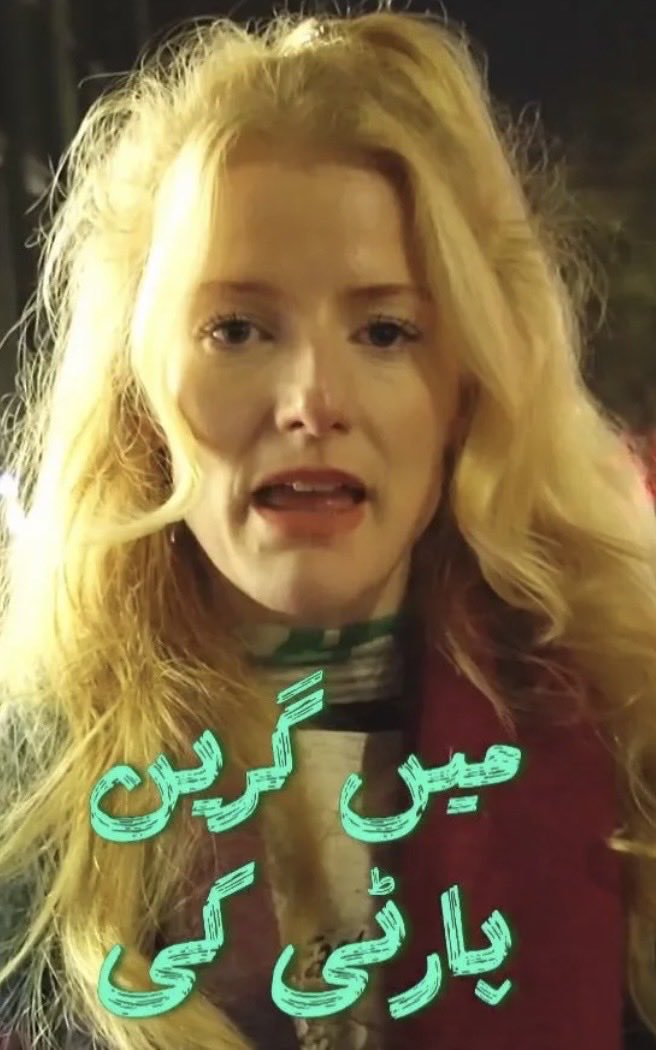
🚨We’ve just hit 8,500 followers in only 48 hours! 🎉
Banned from Facebook for criticising the Green Party’s pro-Islamist agenda … it only fuelled my determination.
Thanks to your shares and support, we’re exposing their true colours.
This vile party has no place hiding its agenda.
We’ve only just begun.
Keep spreading the word.
Whistleblowers and tips welcome - all chats strictly private.
My mission is clear: Zack Polanski does not belong in British politics.

168
2,090
7,658
137,245

In Nazi-occupied Athens, a Gestapo officer sat across from a small woman in a nun’s habit.
He asked his question.
She stared back with a blank, uncomprehending expression.
He asked again, sharper this time.
She tilted her head, straining as if the words were slipping away from her.
Still nothing.
Frustrated, he raised his voice, leaning in close. She watched his lips with the same helpless confusion.
Finally, the officer gave up in disgust, gathered his papers, and stormed out.
What he never knew—what almost no one in Athens knew—was that this woman was Princess Alice of Battenberg, great-granddaughter of Queen Victoria, born at Windsor Castle into the beating heart of European royalty.
She had been profoundly deaf since childhood. But her royal family had refused to hide her. Instead, they taught her to lip-read in English, German, French, and Greek. She became one of the finest lip-readers in Europe.
She understood every single word the Gestapo officer said.
And at that very moment, she was hiding a Jewish family—Rachel Cohen and her two children—in her home.
Princess Alice had already lived a life few royals could imagine.
During the Balkan Wars and the First World War, she left palace comforts behind to nurse the wounded near the front lines, earning the Royal Red Cross from King George V.
She married Prince Andrew of Greece and gave birth to five children, including a son named Philip, born on a kitchen table in Corfu in 1921.
But revolution, exile, poverty, and heartbreaking betrayal followed. Her husband abandoned the family.
At forty-five, she suffered a severe mental breakdown and was forcibly committed to a Swiss sanatorium.
When she finally emerged, she returned alone to Athens, converted to Greek Orthodoxy, and lived as a nun—dressed in simple gray, serving the poor with quiet devotion.
Then came the German occupation in 1941.
When the Nazis began rounding up Greek Jews for deportation and death, Princess Alice did not hesitate. She opened her door to the Cohen family, old friends of the Greek royal house. For over a year, she sheltered Rachel, Tilde, and Michael in her small residence while the terror outside grew ever closer.
She sold her last pieces of jewelry to buy food—not only for those she hid, but for starving neighbors as well. In her nun’s habit, she moved through the city like a ghost, working with the Red Cross to deliver aid, all while protecting her secret guests with calm, unshakable resolve.
When suspicion finally brought the Gestapo to her door, Princess Alice performed her greatest act of courage. The woman who could read lips in four languages sat silently before the officer, pretending to be nothing more than a frail, confused old nun.
She said nothing.
And because of that sacred silence, the Cohen family survived until Athens was liberated in 1944.
Years later, in 1947, she stood quietly at her son Philip’s wedding to the future Queen Elizabeth II—thin, dressed in gray, a figure of sacrifice amid the royal splendor.
She spent her final years in Athens, founding a nursing order and giving away everything she had. When a military coup forced her to leave Greece in 1967, she reluctantly joined her son at Buckingham Palace. She died there in 1969 at the age of eighty-four, leaving behind no possessions—only a legacy of love and quiet bravery.
Her final wish was fulfilled in 1988 when her remains were laid to rest in Jerusalem, on the Mount of Olives.
In 1994, Prince Philip accepted Israel’s highest honor on her behalf: Righteous Among the Nations. He later reflected that it never occurred to his mother that what she had done was extraordinary. To her, helping those in mortal danger was simply what a human being—especially one who feared God more than the Nazis.
Princess Alice of Battenberg, born into the grandeur of Windsor Castle, chose instead the path of radical compassion. When the Gestapo came looking for the truth, they found only silence.
BRAVA!❤️
Community note
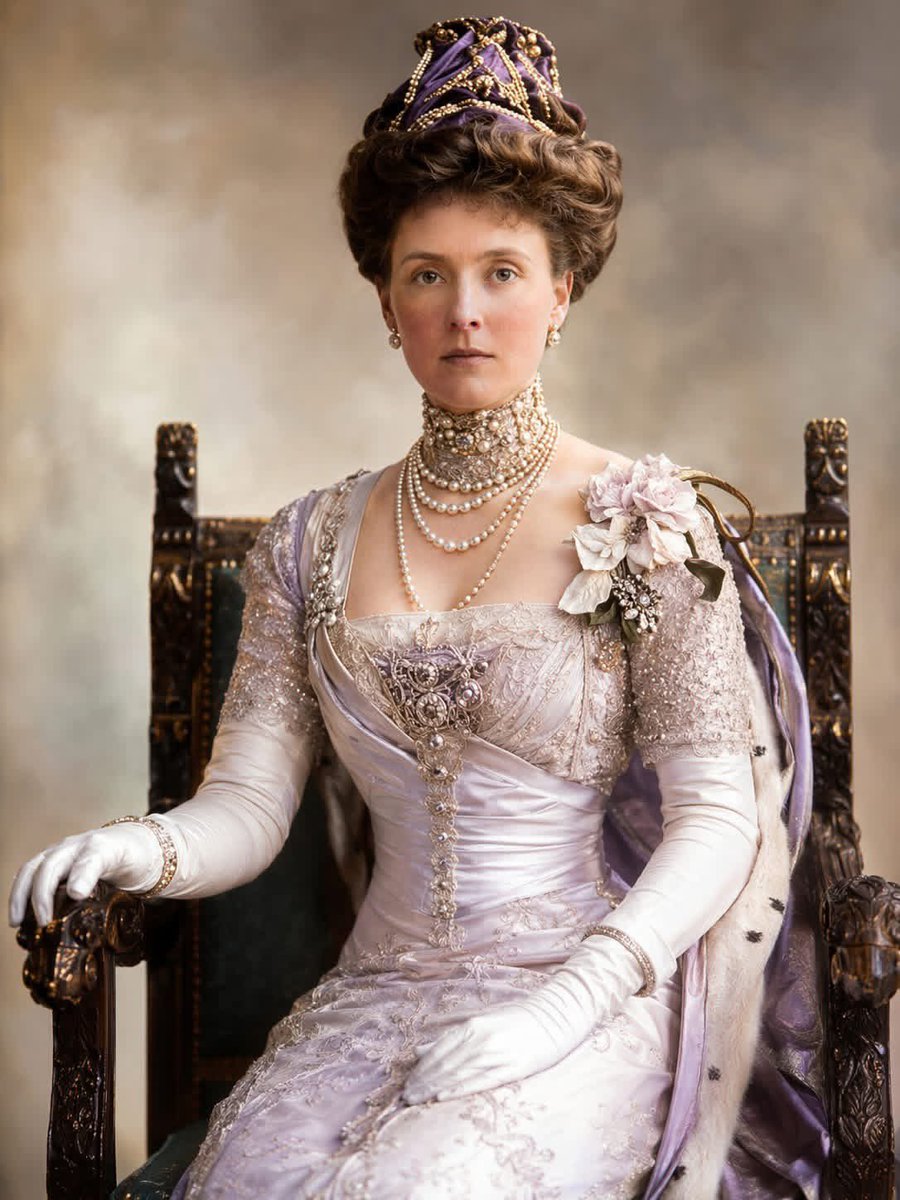
This picture is of Princess Alice, Countess of Athlone not Princess Alice of Battenberg (Princess Andrew of Greece and Denmark) who the anecdote is about.
en.wikipedia.org/wiki/Princess_…
190
2,008
9,494
307,696
Sharon Prinsloo retweeted

The fact he is still a Labour councillor and still leader of Basildon Council speaks volumes about the state of British society.
1
1
4
83
Sharon Prinsloo retweeted

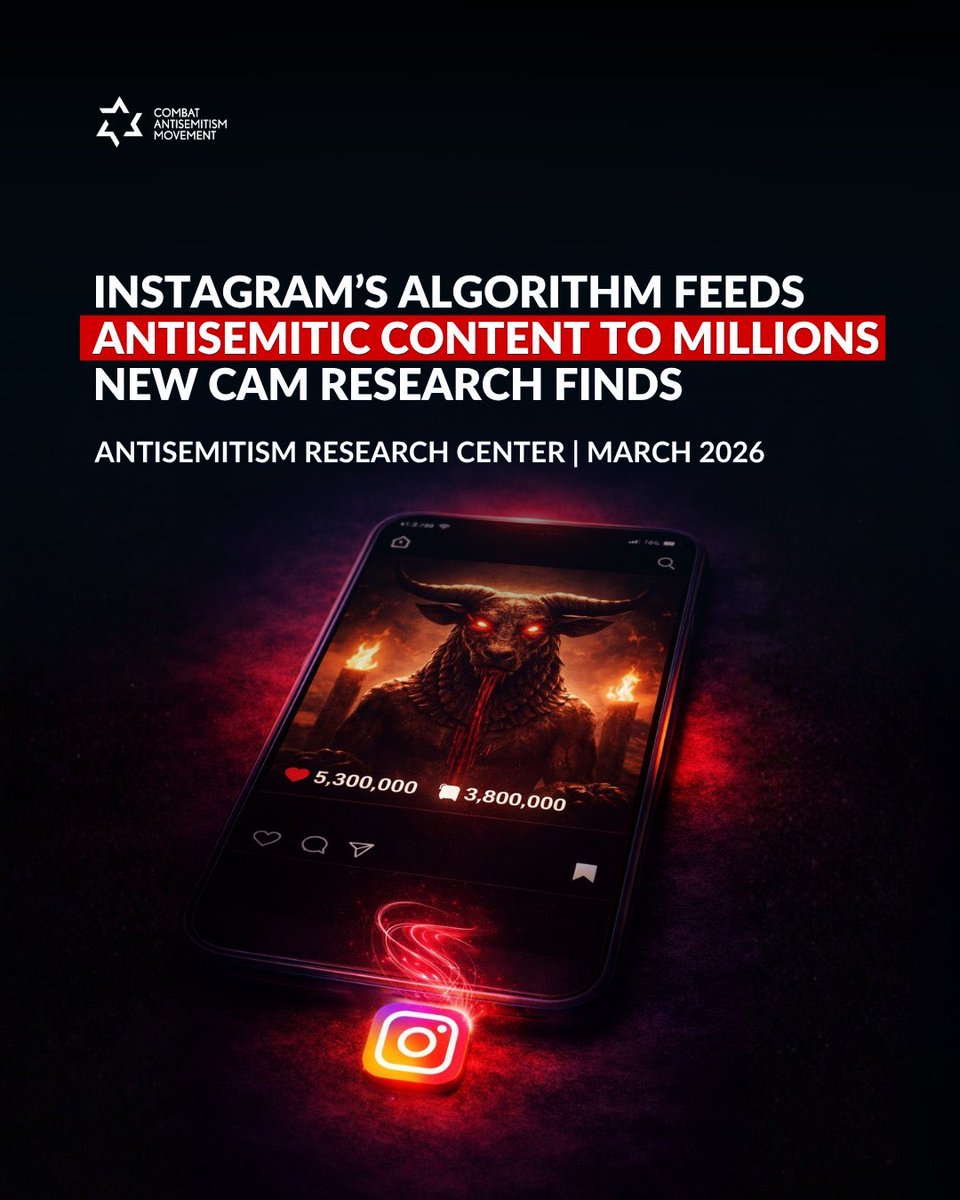
Over 10 days ago, we submitted a detailed report to @instagram exposing how its algorithm actively promotes extreme antisemitic content to millions of users.
In 96-hour monitoring period we documented 100 antisemitic posts which collectively generated over 5.3 million likes and 3.8 million shares.
We have yet to receive any response.
We warned clearly: what spreads online does not stay online. It translates into real-world antisemitism.
Today, that warning is already materializing.
Our team documented two separate incidents echoing, almost word for word, the exact narratives highlighted in our report. There is a difference between allowing speech and actively amplifying hate to mass audiences.
Two examples:
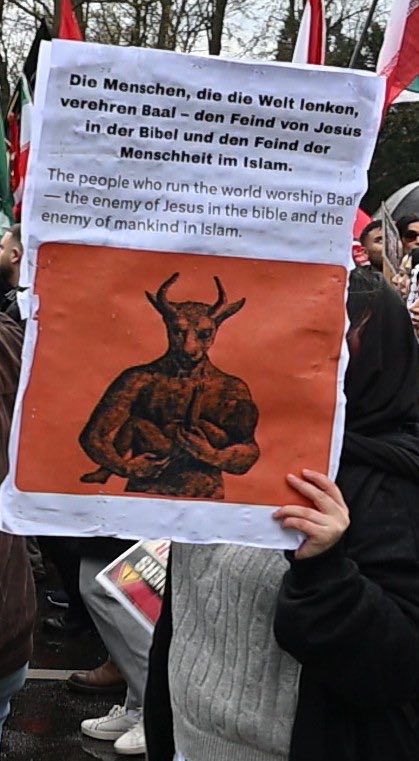
1.Berlin (April 5): At a demonstration, a banner invoked conspiracies linking Jews to the ancient deity “Baal,” a trope used online to falsely portray Jews as engaging in secret, ritualistic practices. This is a recycled conspiracy theory now being normalized in public spaces.
2.Long Ranch City Council (March 11): An individual delivered remarks repeating nearly every major antisemitic trope identified in our findings, mirroring the exact content currently being pushed through algorithmic recommendations.
This is the real-world impact of algorithmic amplification.
Meta Platforms and its leadership cannot continue to ignore this.
When a platform promotes hatred at scale, it bears responsibility for the consequences.
@finkd @Meta is this really the platform you want to run?
Read the full report → combatantisemitism.org/studi…
16
75
147
3,137
Sharon Prinsloo retweeted

4
6
2,933
Sharon Prinsloo retweeted

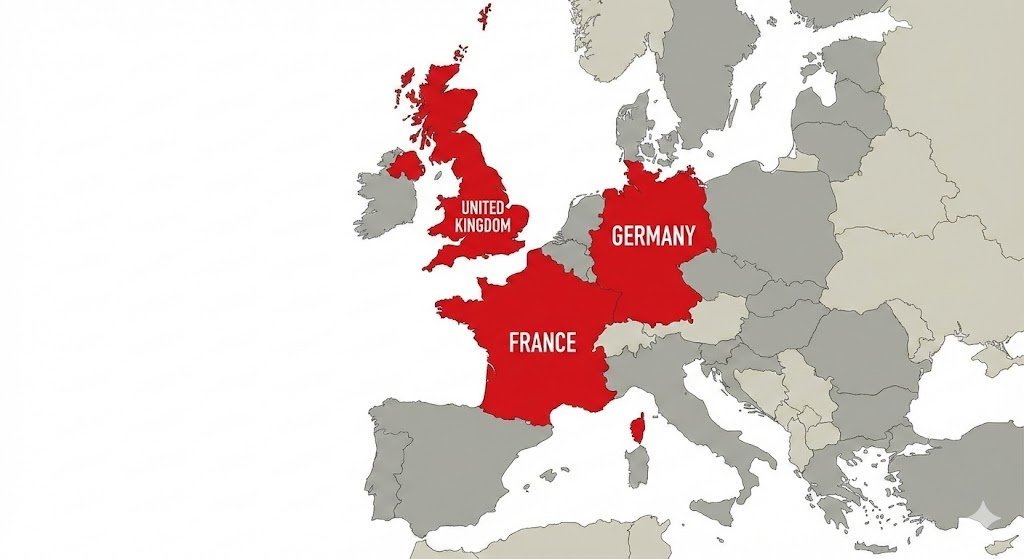
أوروبا لا تعاني من "مشكلة" واحدة، بل من ثلاث مشاكل: ثلاث دول أوروبية تعاني من حالة "دوار ما بعد الإمبراطورية" الحاد.
أولاً، المملكة المتحدة: تلك الأمة التي صوتت لصالح "بريكست" كي "تستعيد السيطرة"، لتكتشف لاحقاً أنها نسيت تماماً كيف تقود. إن أزمة الهوية البريطانية تشبه مشاهدة أسد متقاعد يحاول تبني نظام غذائي نباتي. لقد استبدلوا الثقة الإمبراطورية ببرامج تدريبية في "الحساسية السلوكية" تليق بقسم موارد بشرية. أرض "تشرشل" تُحكم الآن من قبل بيروقراطية "الدولة المربية" المترامية الأطراف، والتي تخشى الإساءة لأحد على منصة (X) أكثر من خشيتها من الانحدار الفعلي. أما الشرطة البريطانية، التي كانت يوماً ما محط حسد العالم، فتبدو الآن وكأنها تكرس مواردها للتحقيق في "حوادث كراهية غير إجرامية" وطلاء سيارات الدورية بألوان قوس قزح، أكثر مما تفعل في حل جرائم السطو. إنها أمة تتشبث يائسة بجماليات التقاليد — العائلة المالكة، المراسيم، الشاي — بينما نخر "العفن التقدمي" مؤسساتها حتى جعلها تبدو أكثر تطرفاً من حرم جامعة كاليفورنيا. إنهم يريدون "هيبة" القرن التاسع عشر، لكنهم مشلولون بالهشاشة العاطفية للقرن الحادي والعشرين.
ثم تأتي فرنسا: العمة الغاضبة المدخنة بشراهة التي ترفض الاعتراف بأنها عاطلة عن العمل منذ عقود. يتجلى "دوار ما بعد الإمبراطورية" لدى فرنسا في حالة دائمة من التمرد التي تتخفى وراء قناع "المشاركة المدنية". هويتها منقسمة بين نخبة واهمة لا تزال تعتقد أن باريس هي عاصمة الكون، وشعب يعبر عن "بهجة الحياة" بحرق مواقف الحافلات كل يوم خميس. يعاني الفرنسيون من "عقدة نابليونية" بدون وجود نابليون؛ فهم يطالبون بمستوى معيشة إمبراطورية فاتحة بينما يعملون 35 ساعة في الأسبوع ويتقاعدون في سن يكون فيه معظم الأمريكيين في قمة عطائهم. ينظرون للقيم "الجمهورية" والعلمانية المتشددة، ومع ذلك فقدت الدولة سيطرتها على مساحات شاسعة من ضواحيها. فرنسا باختصار هي متحف جميل في الهواء الطلق، حيث القيمون عليه في إضراب، والحراس يخشون الزوار، والإدارة مشغولة بإلقاء المحاضرات على بقية العالم حول "العظمة" (Grandeur) بينما فواتير الكهرباء لم تُدفع بعد.
أخيراً لدينا ألمانيا: العملاق العصبي الذي قرر أن الطريقة الوحيدة للتكفير عن تاريخه هي ارتكاب "انتحار صناعي" بطيء. إن "دوار ما بعد الإمبراطورية" في ألمانيا هو مرض مناعي أخلاقي؛ فالبلاد مرعوبة من ظلها لدرجة أنها استبدلت الفخر الوطني بجلد الذات العنيف وقوانين إعادة التدوير. هويتهم مبنية على كونهم "القوة الأخلاقية العظمى"، وهو ما يترجم عملياً إلى إغلاق محطات الطاقة النووية التي تعمل بكفاءة تامة من أجل حرق الفحم القذر، كل ذلك بينما يلقون الدروس على جيرانهم حول البصمة الكربونية. إنها أمة من المهندسين الذين هندسوا مجتمعاً لا يعمل. الروح الألمانية، التي عرفت يوماً بالكفاءة والانضباط، تحورت إلى بيروقراطية مشلولة حيث ملء الاستمارة الصحيحة أهم من النتيجة النهائية. إنهم مستميتون لتجنب الظهور بمظهر "التهديد" لدرجة أنهم تحولوا أساساً إلى منظمة غير حكومية ضخمة تمتلك جيشاً يستخدم "مقابض المكنسات" بدلاً من البنادق، خوفاً من أن يُفسر إظهار أي حزم على أنه انتكاسة للماضي.
406
1,873
8,681
1,400,394
Sharon Prinsloo retweeted

Mar 2
Iranians in Athens gathering in front of the Israeli embassy to thank Israel for eliminating Khamenei 👇
1,091
11,076
56,129
853,264
Sharon Prinsloo retweeted

Feb 28
The deputy leader of a major political party protesting for the Ayatollah and the Islamic regime. WAKE THE FUCK UP BRITAIN!!!!!!

BREAKING
Deputy leader of the Green Party Motrin Ali and National Election organiser Fiaaz Hasan at pro Iran regime demonstration
166
1,643
5,808
123,813
Sharon Prinsloo retweeted

Feb 27
Exclusive:
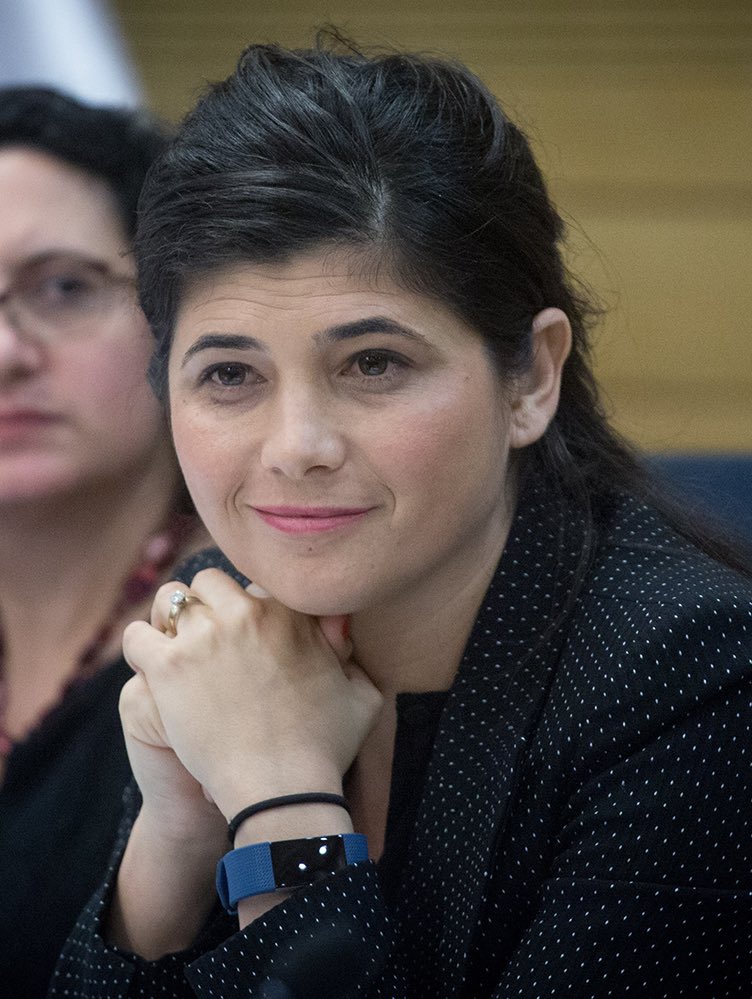
🇮🇱Israeli Deputy Foreign Minister @SharrenHaskel invites Prince Harry to visit Israel; after he falsely claimed humanitarian aid corridors had been shut.
The countries Deputy FM told @OliLondonTV that the Duke of Sussex’s comments claiming Israel had shut humanitarian corridors are “deeply disappointing” for amplifying “false narratives.”
“Prince Harry,
With all due respect, before using your global platform to level accusations against Israel, I would suggest a very simple step: come and see for yourself.
I personally invite you to visit the humanitarian corridor and witness firsthand how aid is coordinated and delivered. You are welcome to speak directly with the British general serving at the CMCC center — the British representative who acts as deputy commander alongside the American forces overseeing the movement of humanitarian goods. He will tell you clearly: the corridors are open, and thousands of trucks are entering every day.
It is deeply disappointing to see influential figures amplify claims without verifying them. With the reach and authority you carry as a member of the British royal family, words matter. Facts matter even more.
Frankly, repeating demonstrably false narratives raises serious questions — and one might say that if your trousers were on fire, you might not even notice. That is how detached these claims are from reality.
The invitation stands. Come. See. Speak to those on the ground. Then judge.” - Israeli Deputy Foreign Minister Sharren Haskel.
The British Prince had claimed “the aid corridors need to be opened. They’re currently not” in comments he made during a visit to Gazans in Jordan.
984
2,243
9,818
552,309
Sharon Prinsloo retweeted

Feb 28
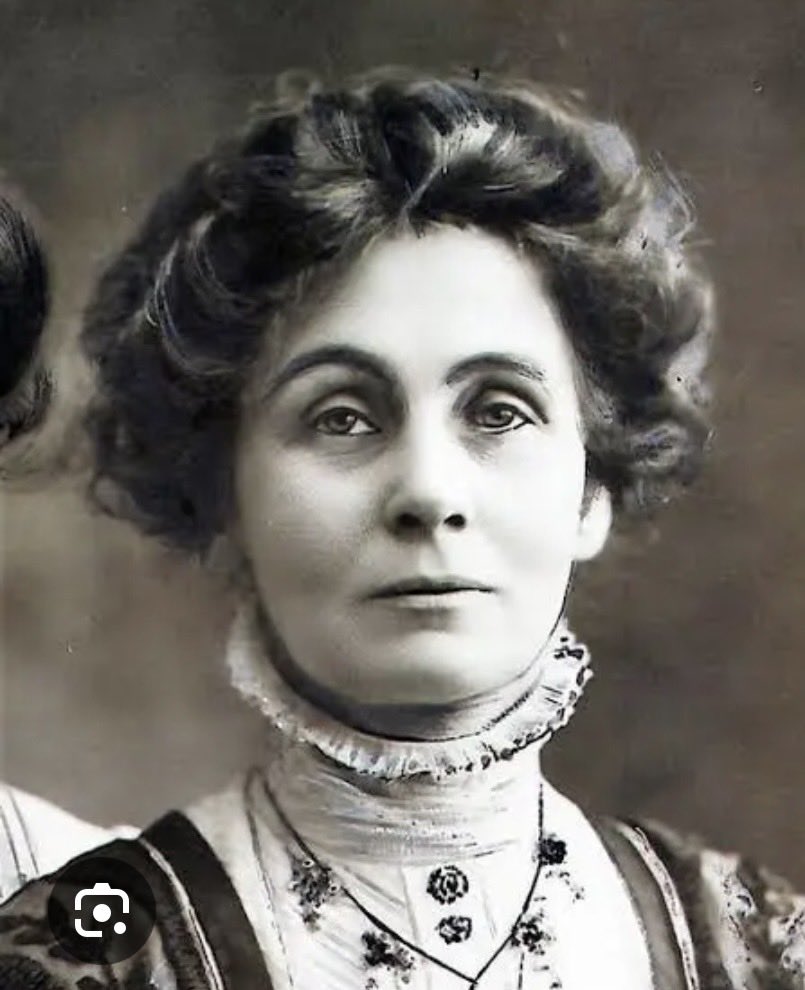
This is Emmeline Pankhurst. Born in Moss Side, Manchester, in 1858. The other is Hannah Spencer also born in Manchester in 1991. One fought relentlessly for the rights of Women to Vote and be treated equally to Men. She was arrested, starved and beaten as a result of her Suffragette Movement. The other has just been elected as a mechanism to destroy those rights within a generation! @RestoreBritain_ @pinkladies_uk
683
4,910
17,544
351,148
Sharon Prinsloo retweeted

“Oh my god, they’ve hit! They’ve hit!” Iranians cheer strikes on the Supreme Leader’s compound
138
1,233
9,031
150,255
Sharon Prinsloo retweeted

Feb 27
I’ve just read a few British MPs saying they “don’t understand what family voting is.”
Interesting.
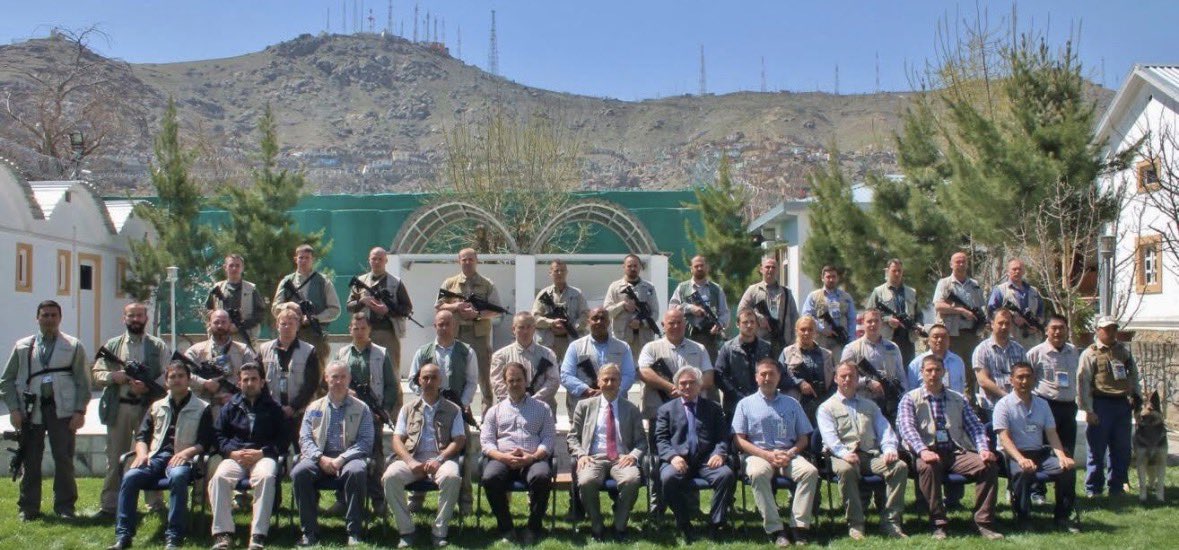
Between 2012 and 2014 I spent three months in Kabul during Afghan elections.
I was deployed as a Personal Protection Officer for the EU Ambassador.
Election day shut the entire city down. Roads empty. High threat. Elections in fragile states are flashpoints.
Male and female polling stations were separate. I stood outside the female stations providing protection while the Ambassador went inside.
Ballot papers had the candidates’ photographs on them because many Afghans couldn’t read. You voted with a thumbprint. Indelible ink marked your finger.
Why?
Because coercion happens.
Because block control happens.
Because “family voting” is not a conspiracy theory. It’s a recognised problem.
Afghanistan, in the middle of insurgency and systemic corruption, understood the risk of one person directing multiple votes.
So when an MP in the UK claims they don’t know what family voting is, forgive me if I don’t buy the innocence.
I’m not speaking from theory.
I’ve seen how seriously fragile democracies take ballot integrity.
127
1,930
6,220
85,999