Never a dull moment.
Joined June 2019
- Tweets 350
- Following 373
- Followers 678
- Likes 784
30 Photos and videos
sheeba vasu retweeted

Feb 28
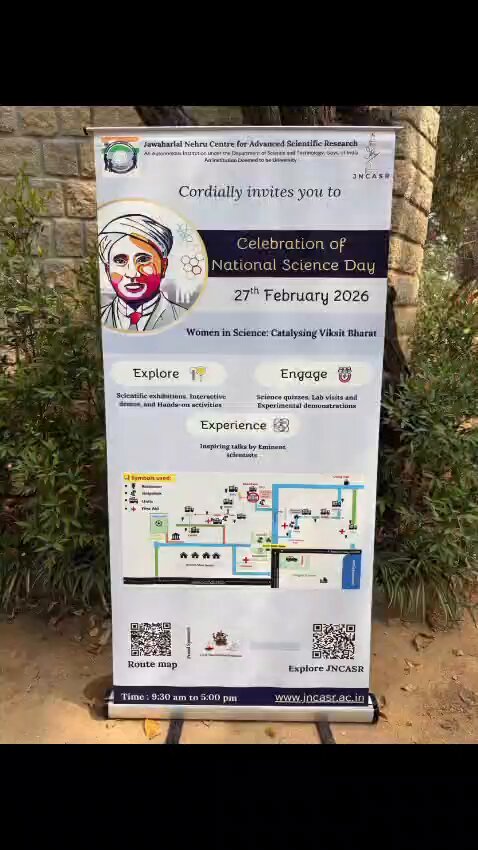
Do you know about the scientific discovery that motivates India's National Science Day, celebrated today.
India celebrates the #NationalScienceDay🇮🇳
in commemoration of the discovery of the Raman Effect. If you do not know about this phenomena, here is a simple explanation.
Imagine you are in a dark room, shining a torch at a glass of water. While most of the light passes straight through the glass with a bit of scattwer, some light bounces back with the same colour it went in to the fluid (water in this case). But a tiny bit of light comes back (or is scattered) at a different colour (or wavelength). That is the Raman Effect!
The important point is that the change in colour or wavelength of the original light due to Raman scattering holds clues to the fluid or substance that scattered it. Therefore Raman effect is a powerful scientific tool to explore the properties of different constituents of the fluid, that is molecules.
Why does this happen?
When light hits a molecule, it gives that molecule a little nudge. Most photons (light particles) bounce off without any change in energy (which determines its wavelength or colour). But a few photons exchange energy with the molecule. They come out slightly different, shifted in energy (colour or wavelength). This interaction carries the fingerprint of exactly what that molecule is made of.
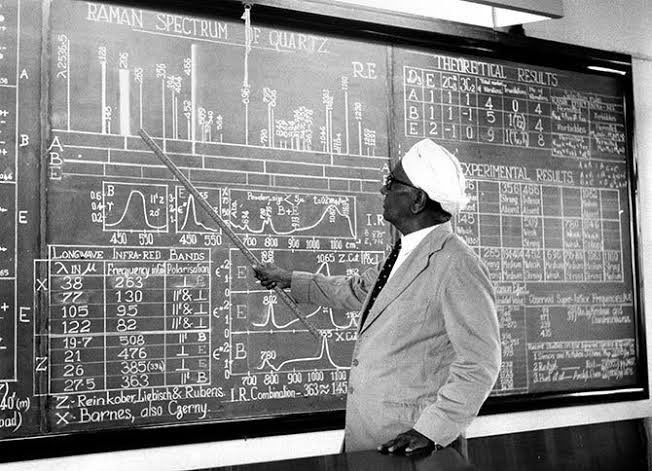
And boom you have discovered a powerful scientific tool of exploration. That's what Prof. C.V. Raman achieved in Kolkata on 28 February 1928.

Remembering the great physicist, #BharatRatna Sir #CVRaman on #NationalScienceDay.
His groundbreaking research in the field of Science & Technology called “Raman Effect” awarded with first Nobel Prize for Physics in 1930 in #Asia for any science stream.
4
33
1,279

Mar 1
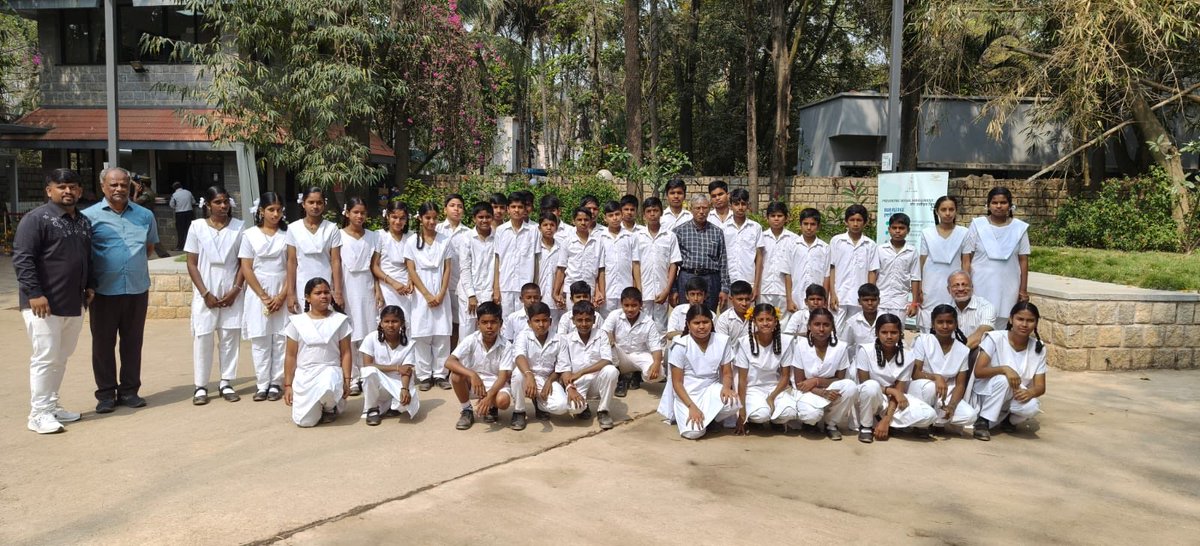
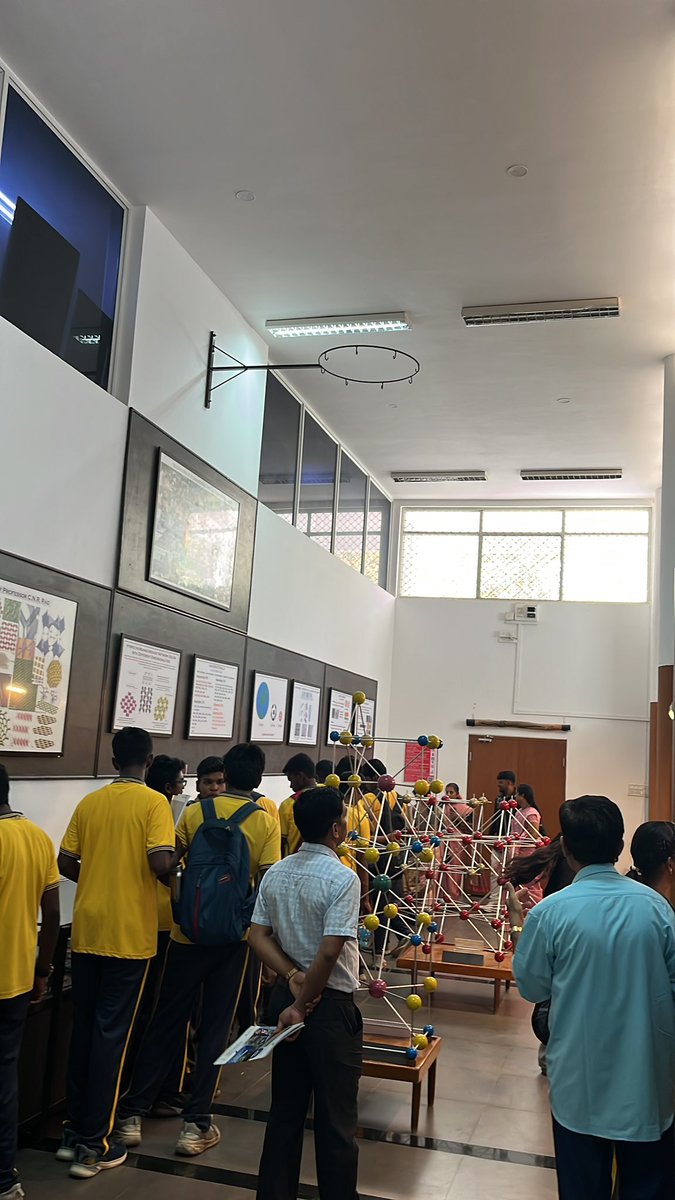
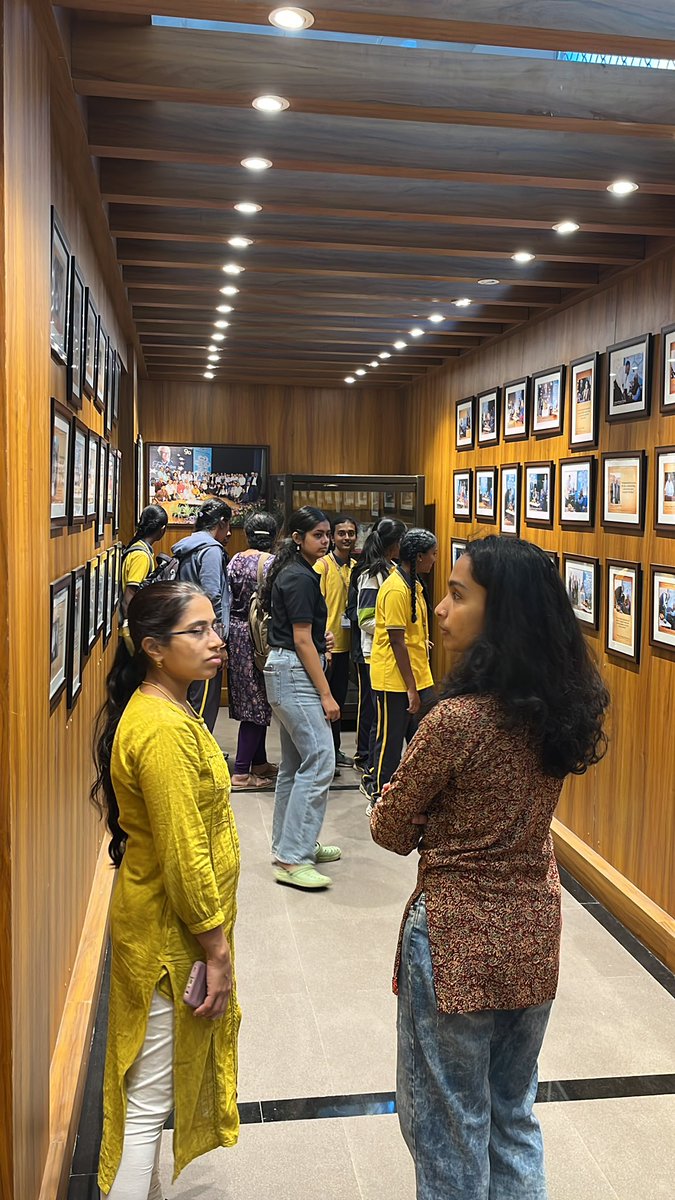
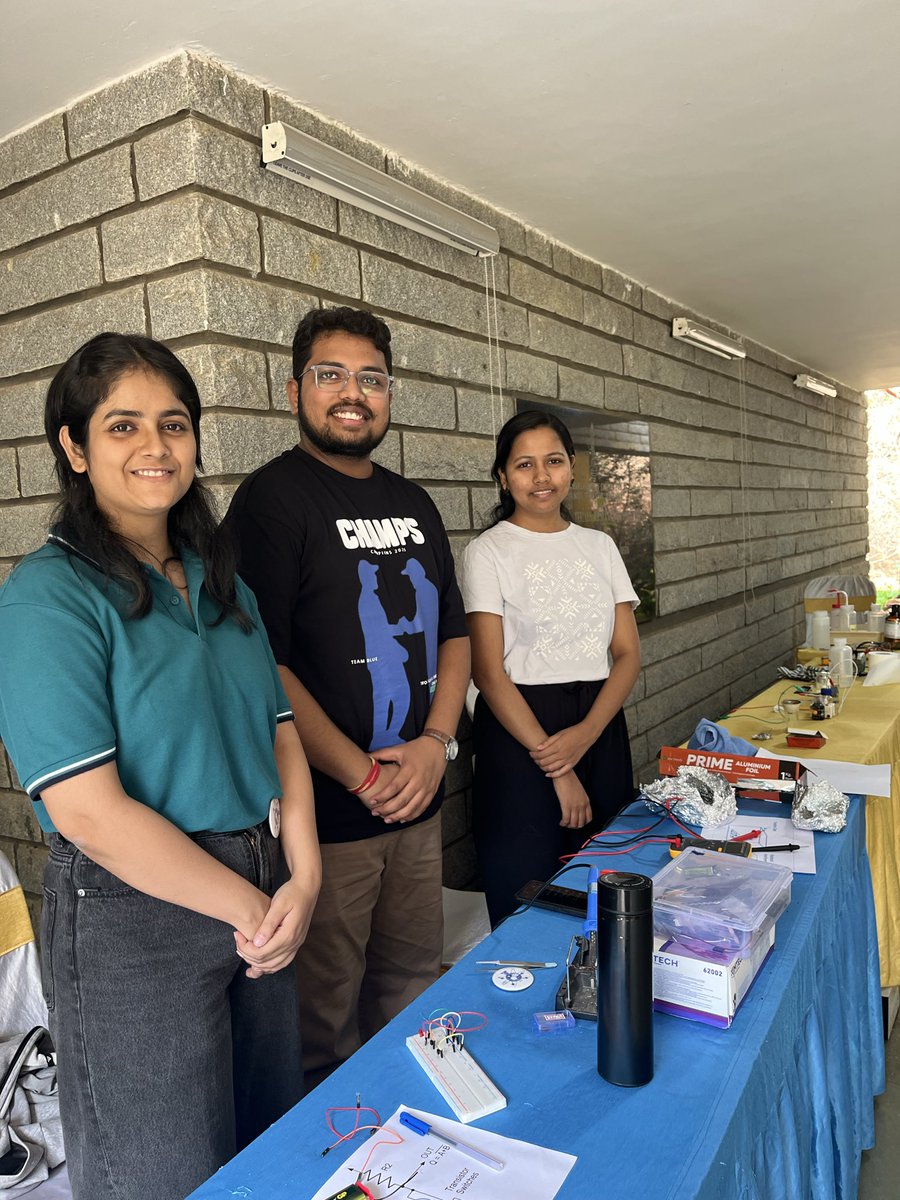
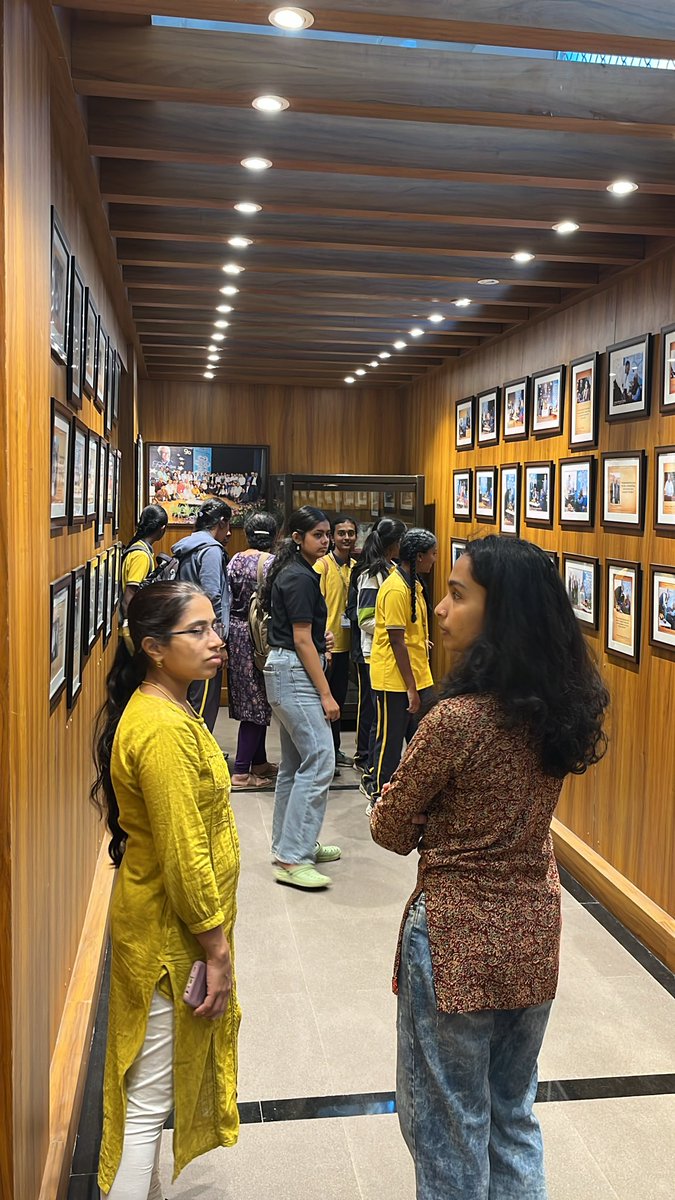
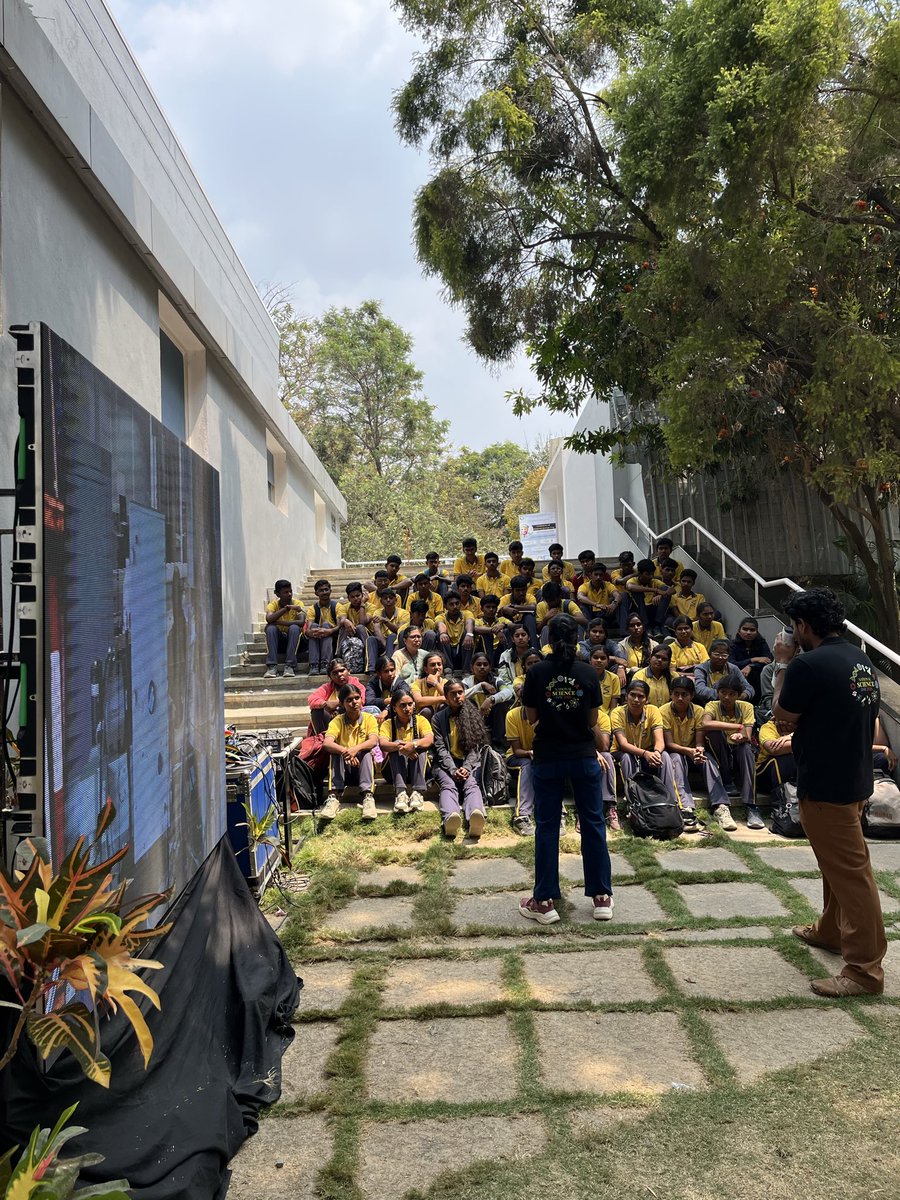
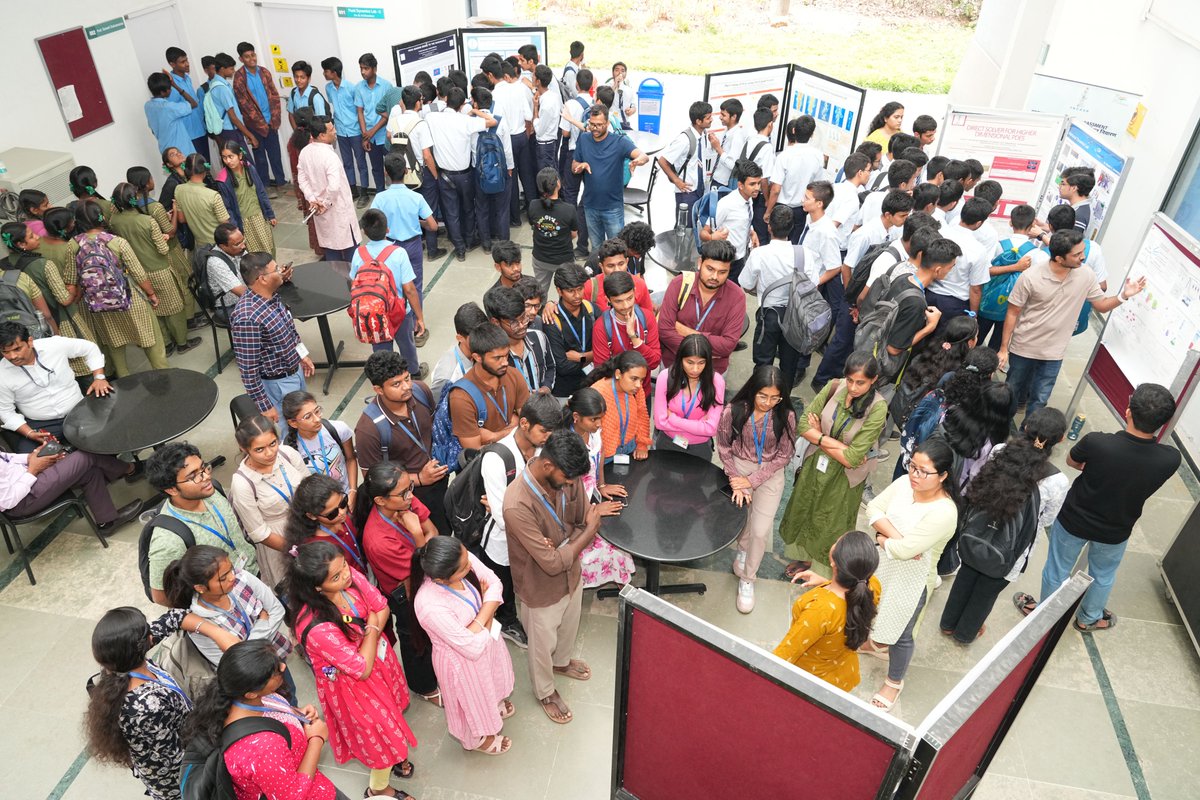
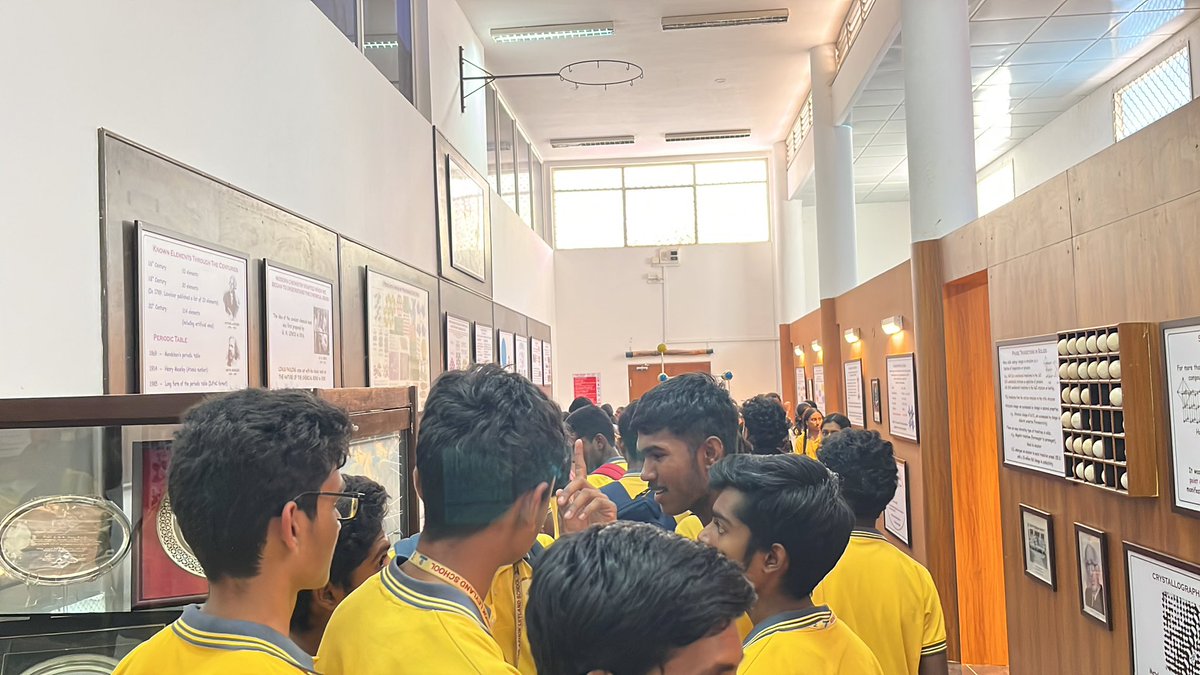
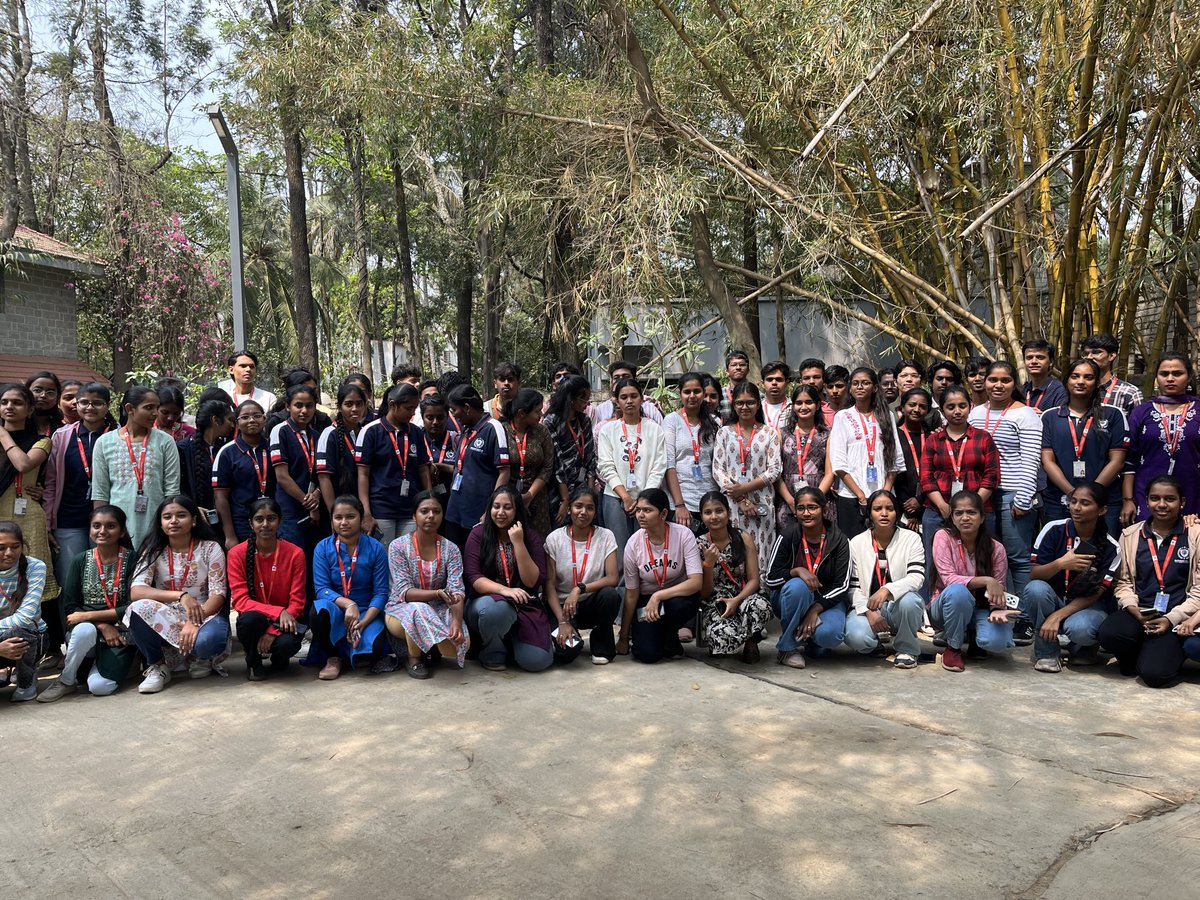
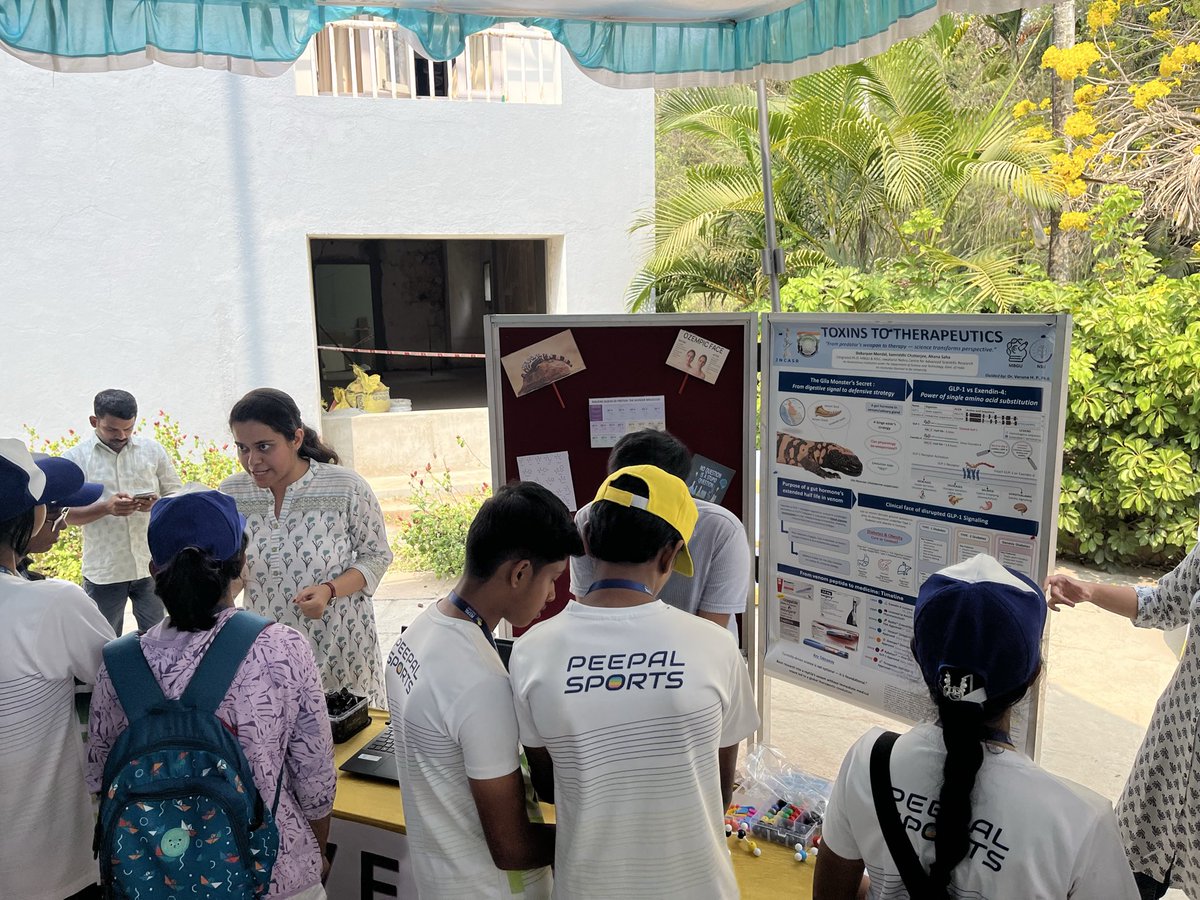
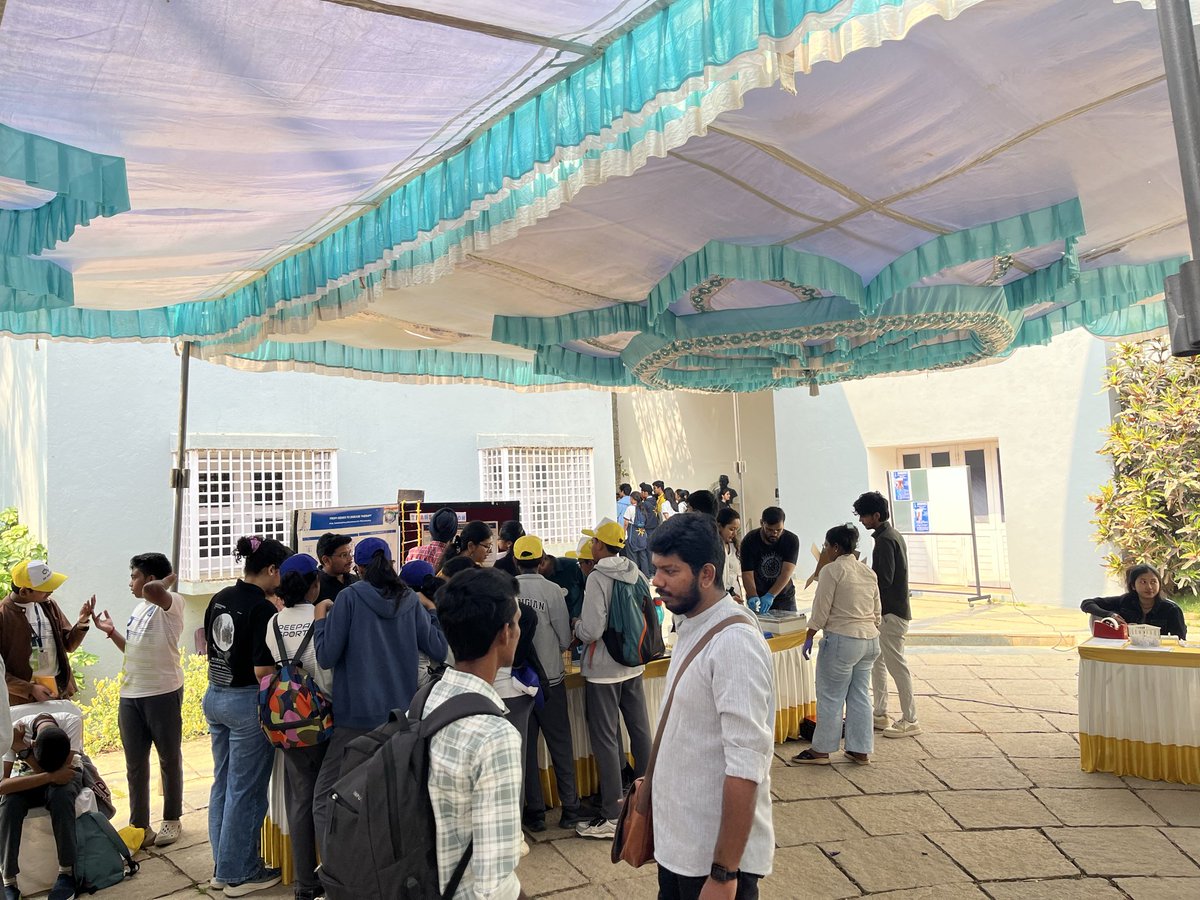
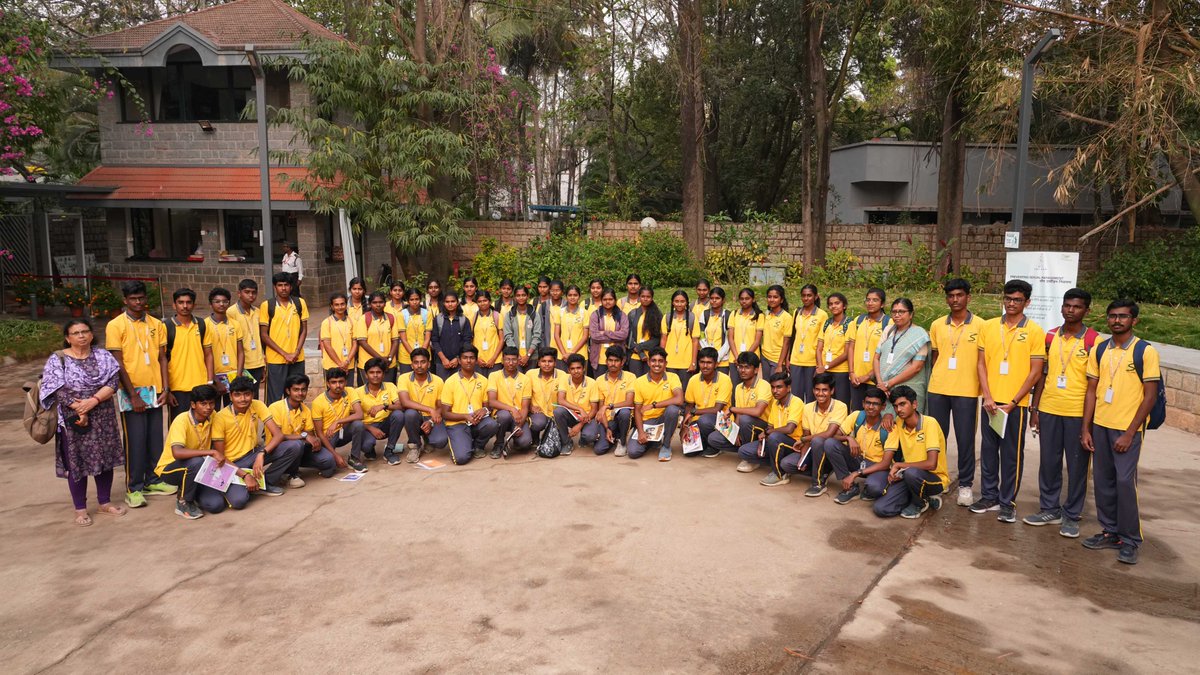
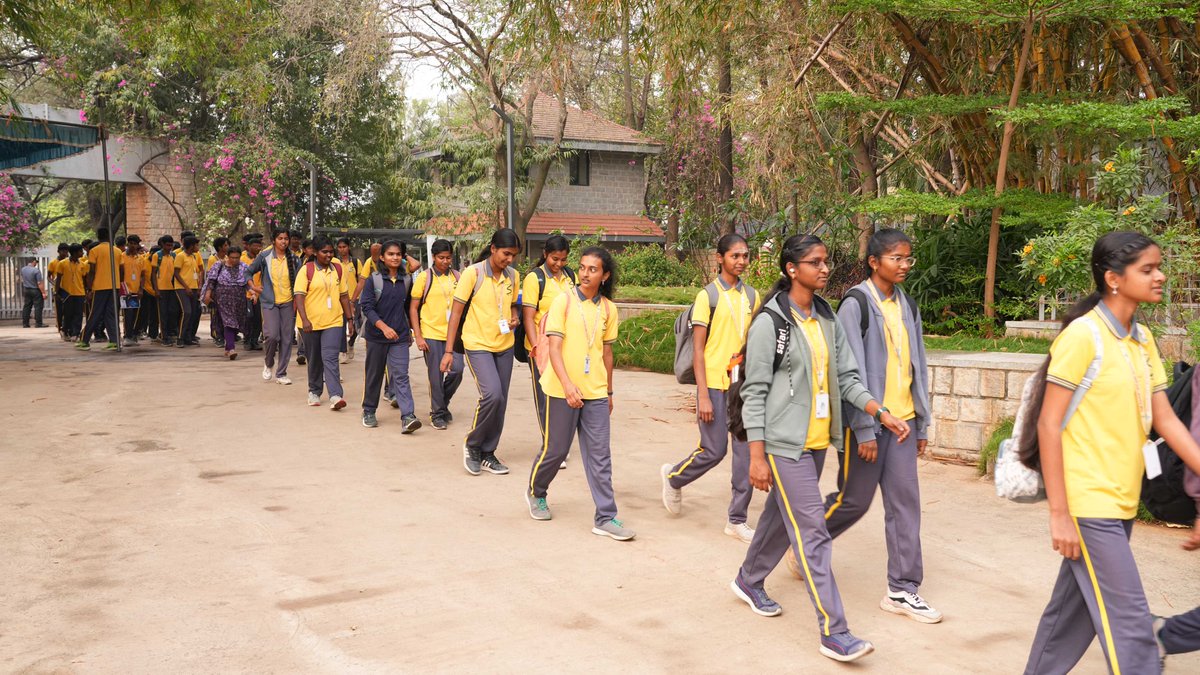
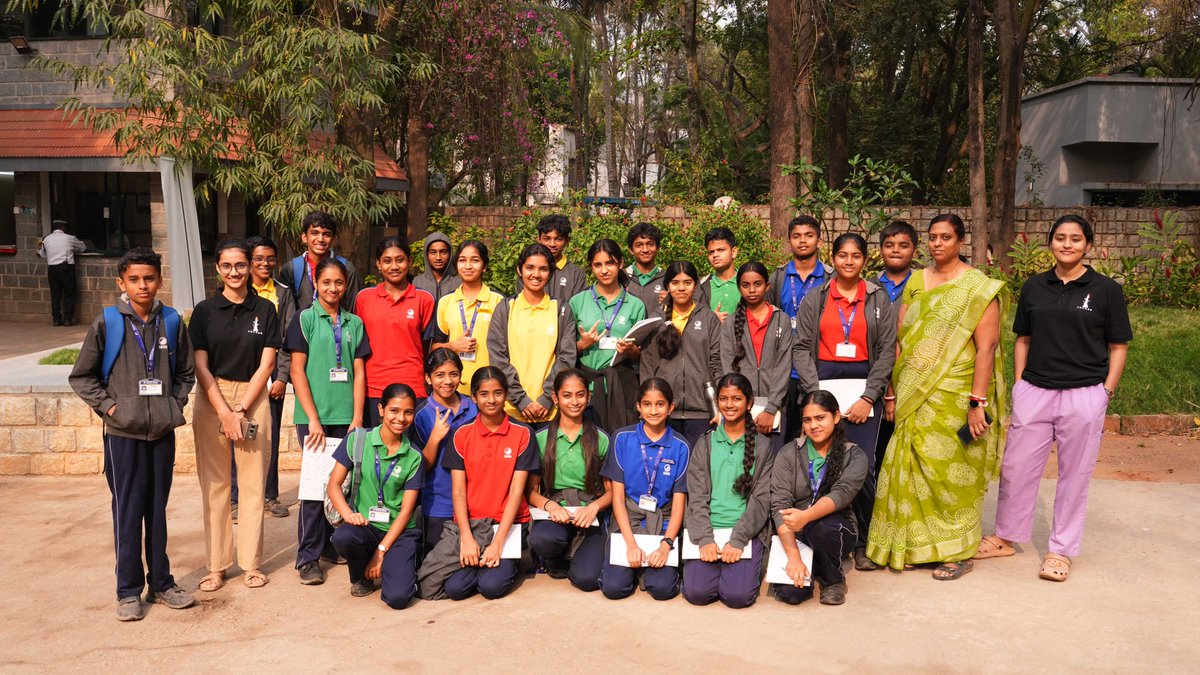
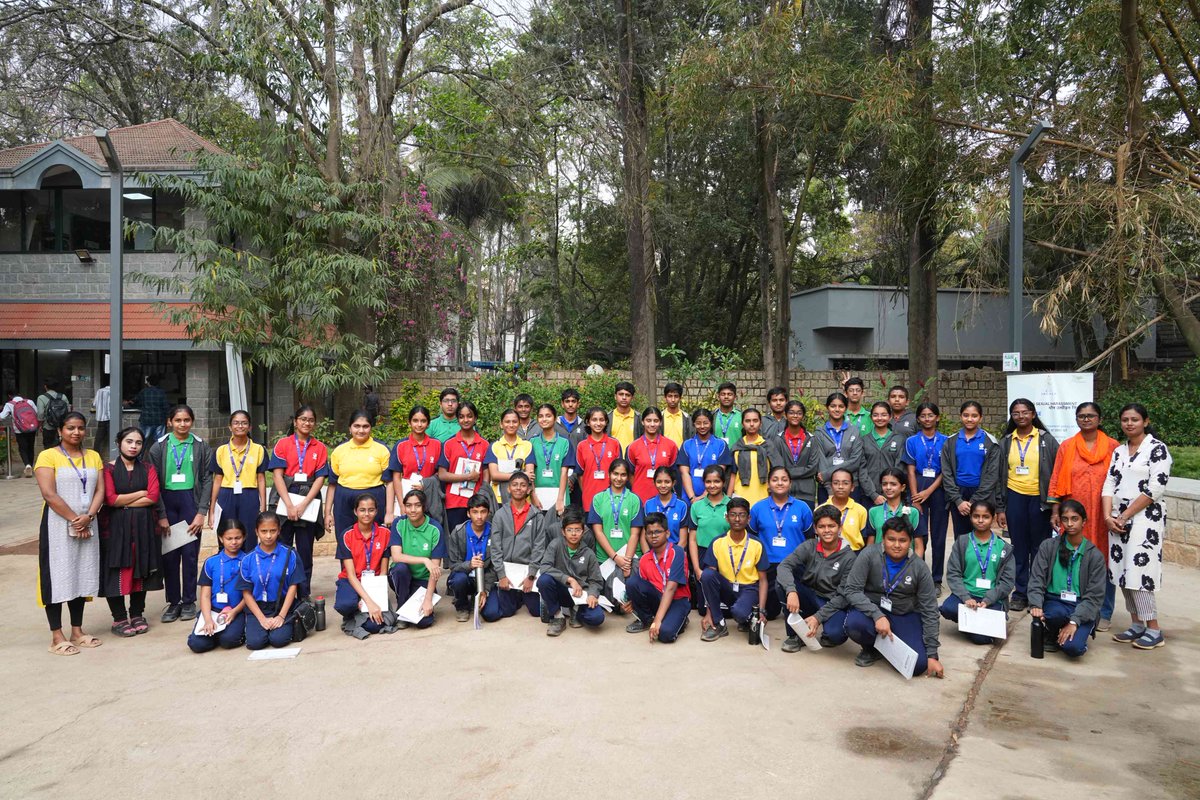
Super enthusiastic Middle schoolers of Government School Srirampura were thrilled by the visit to @jncasr on Open Day NSD 2026
4
131
Feb 27
3
129
Feb 27
1
1
8
318
Feb 27
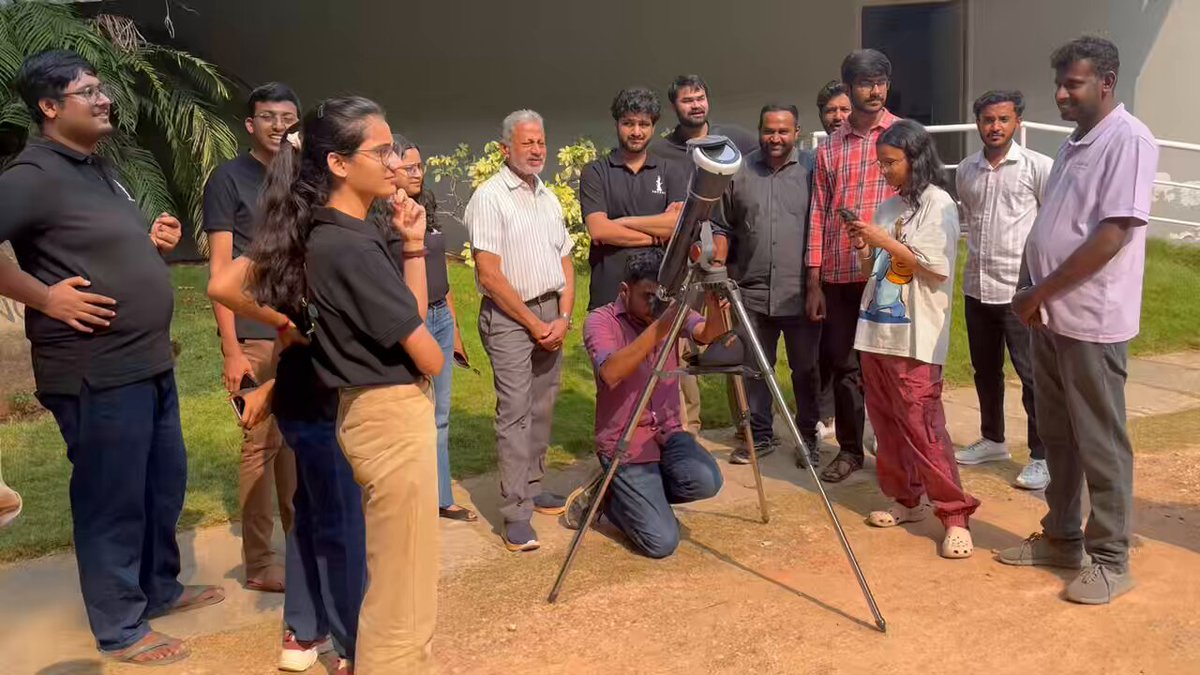
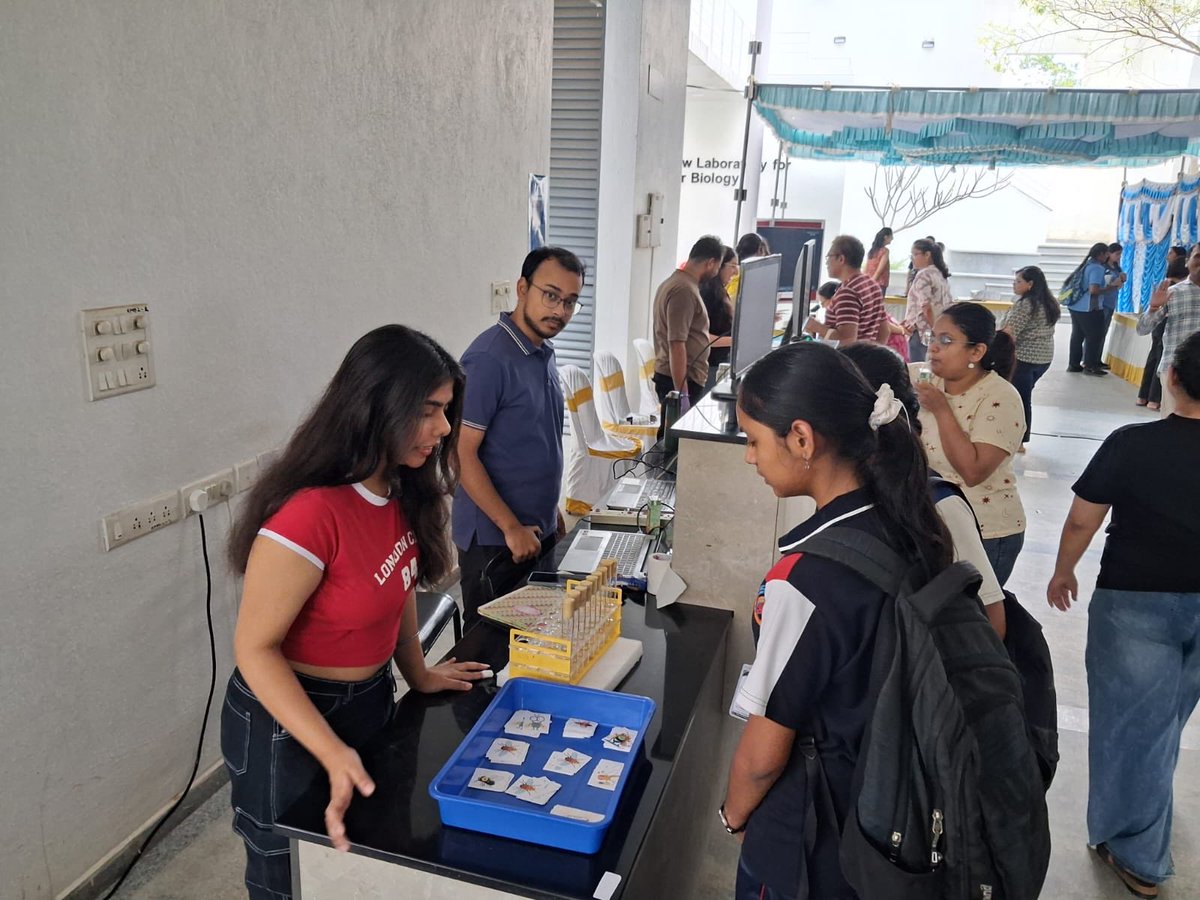
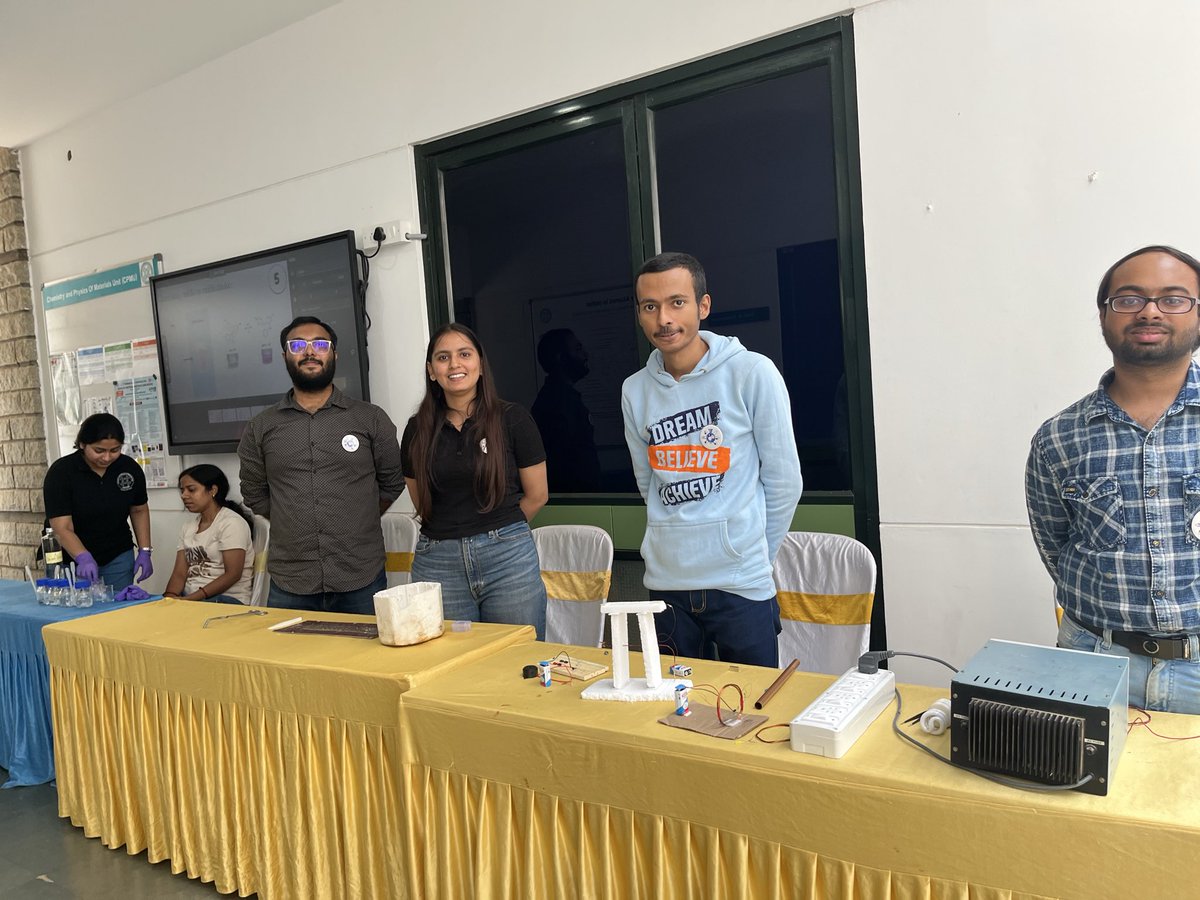
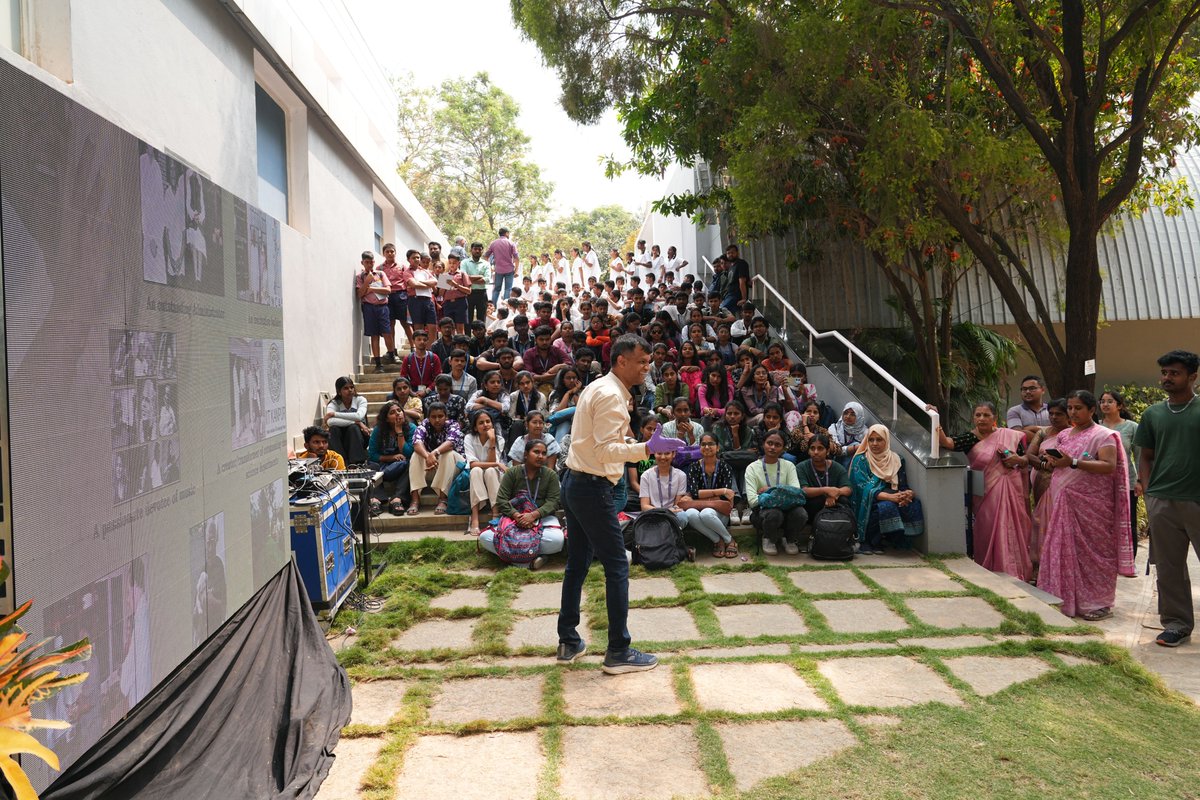
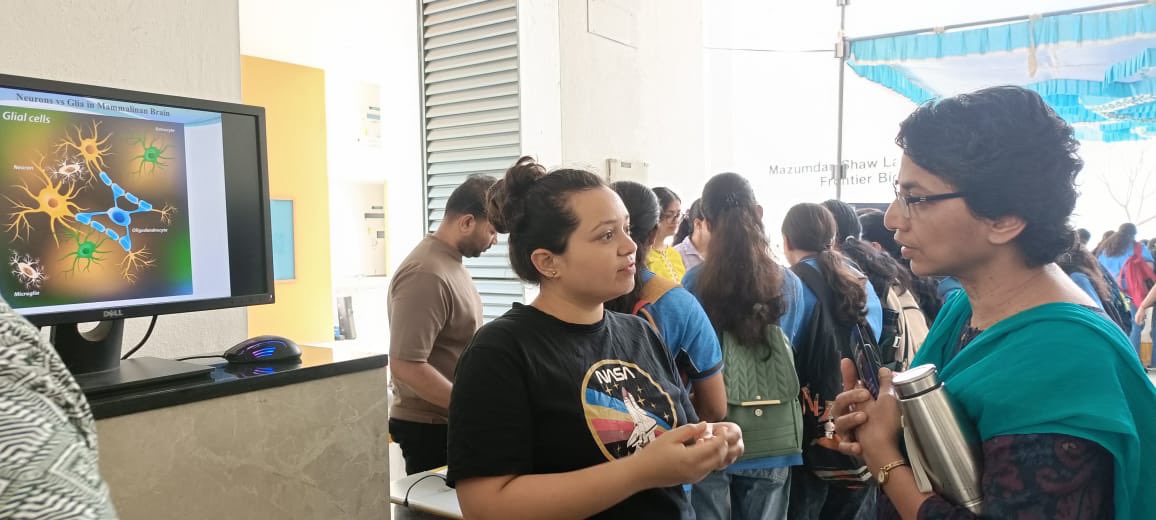
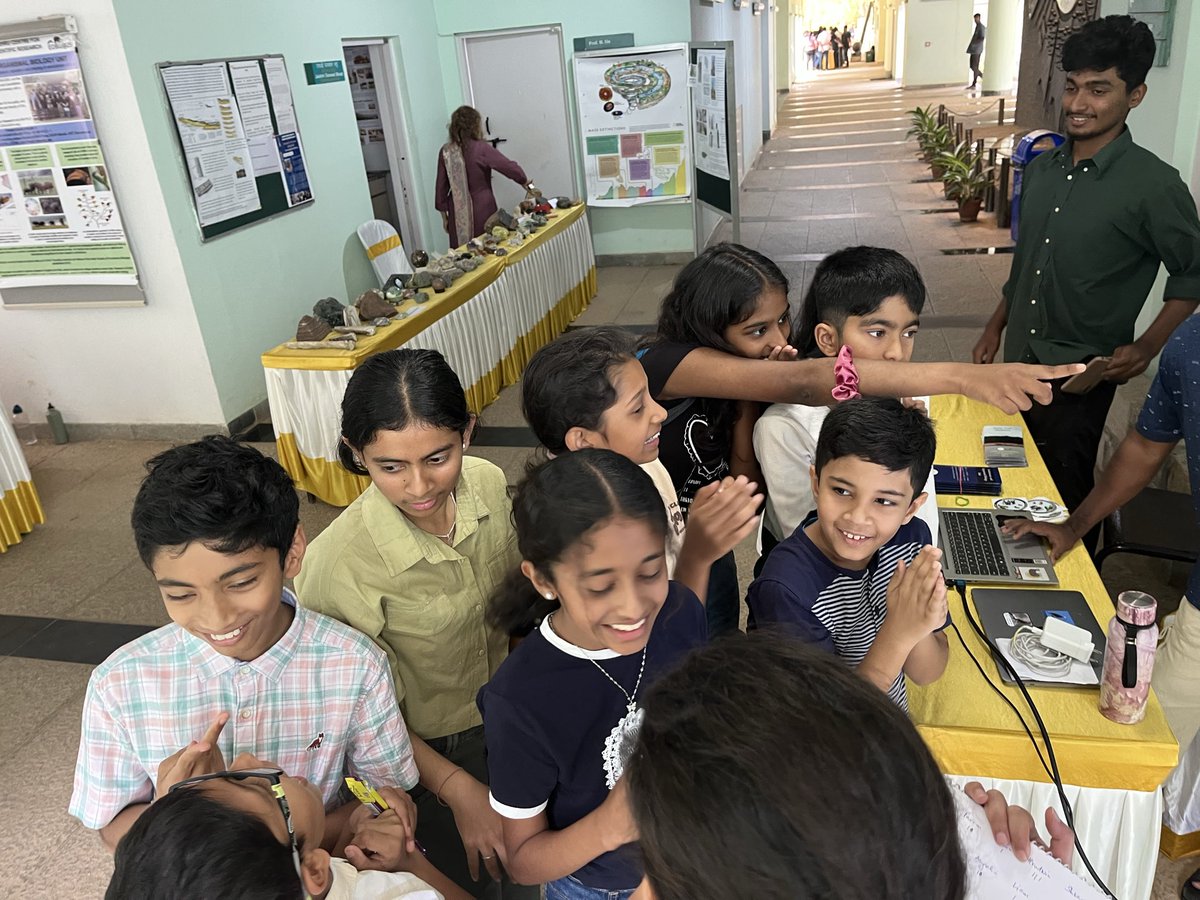
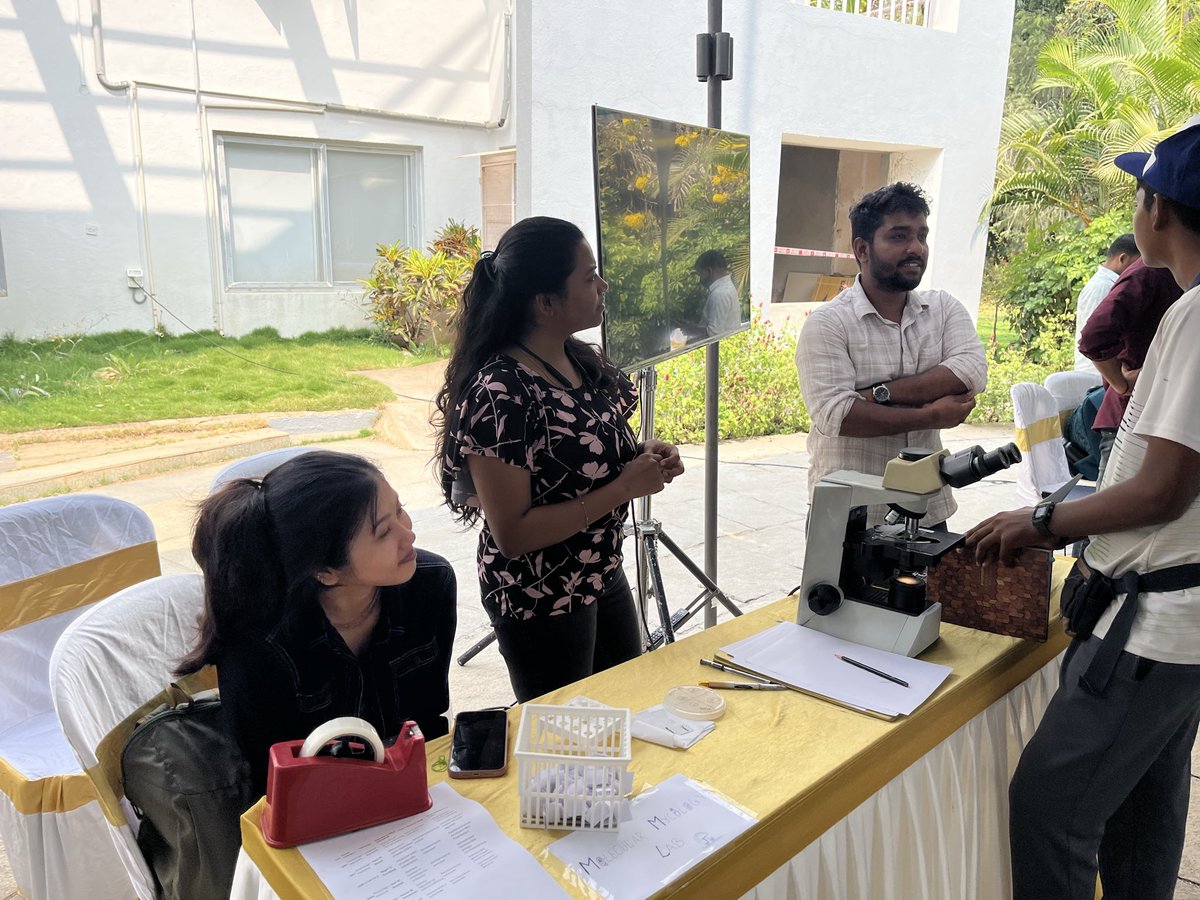
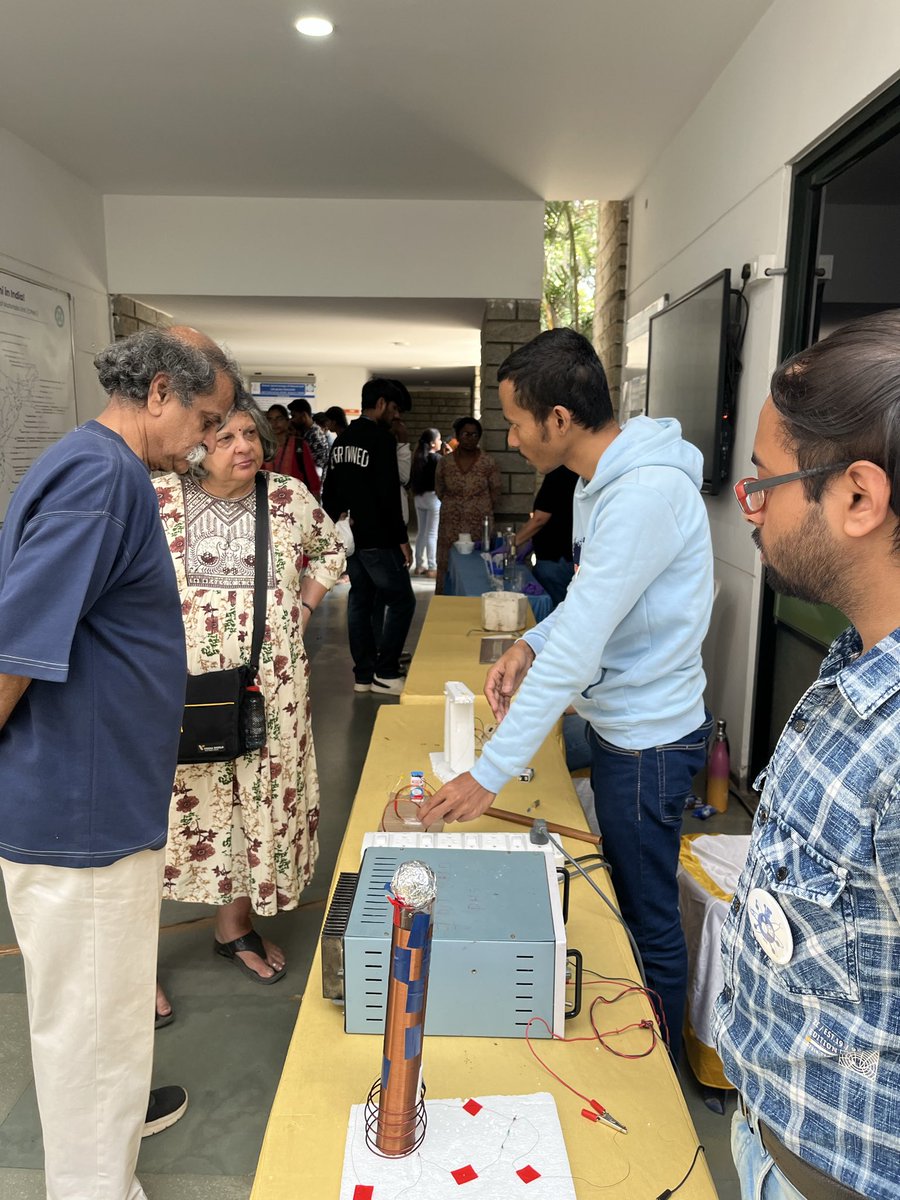
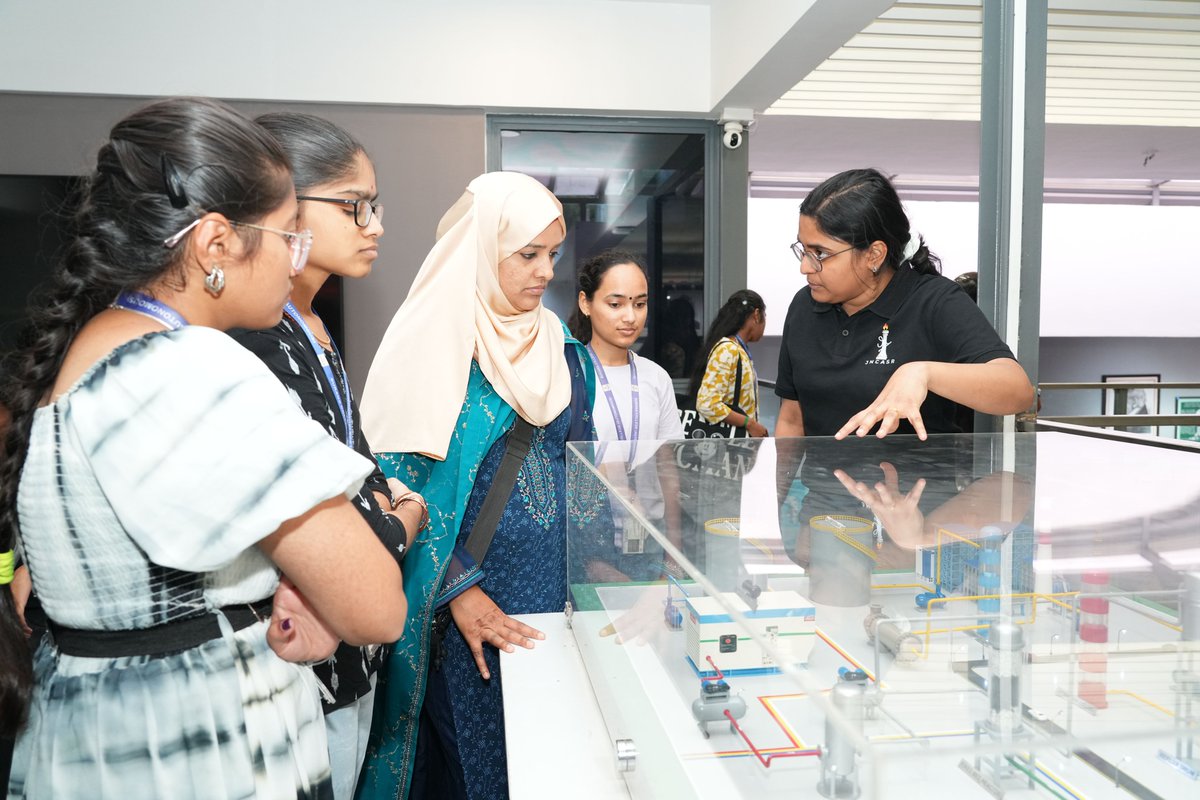
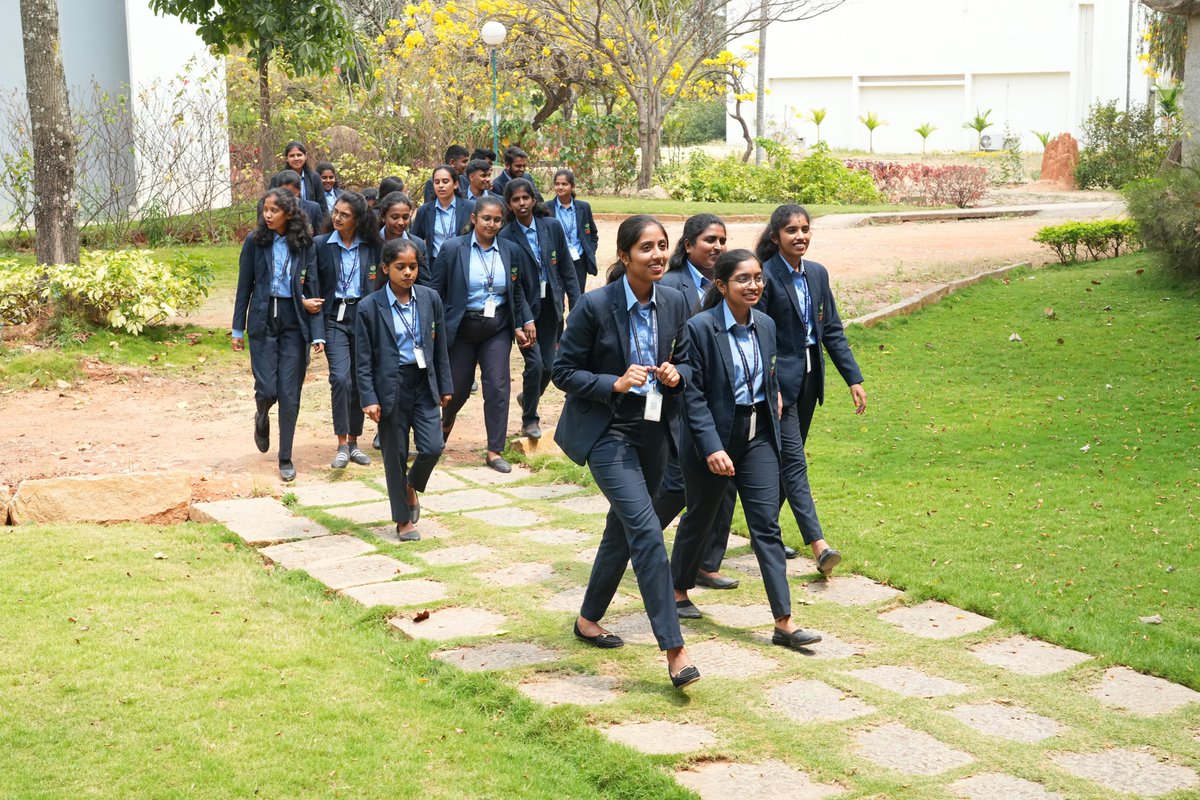
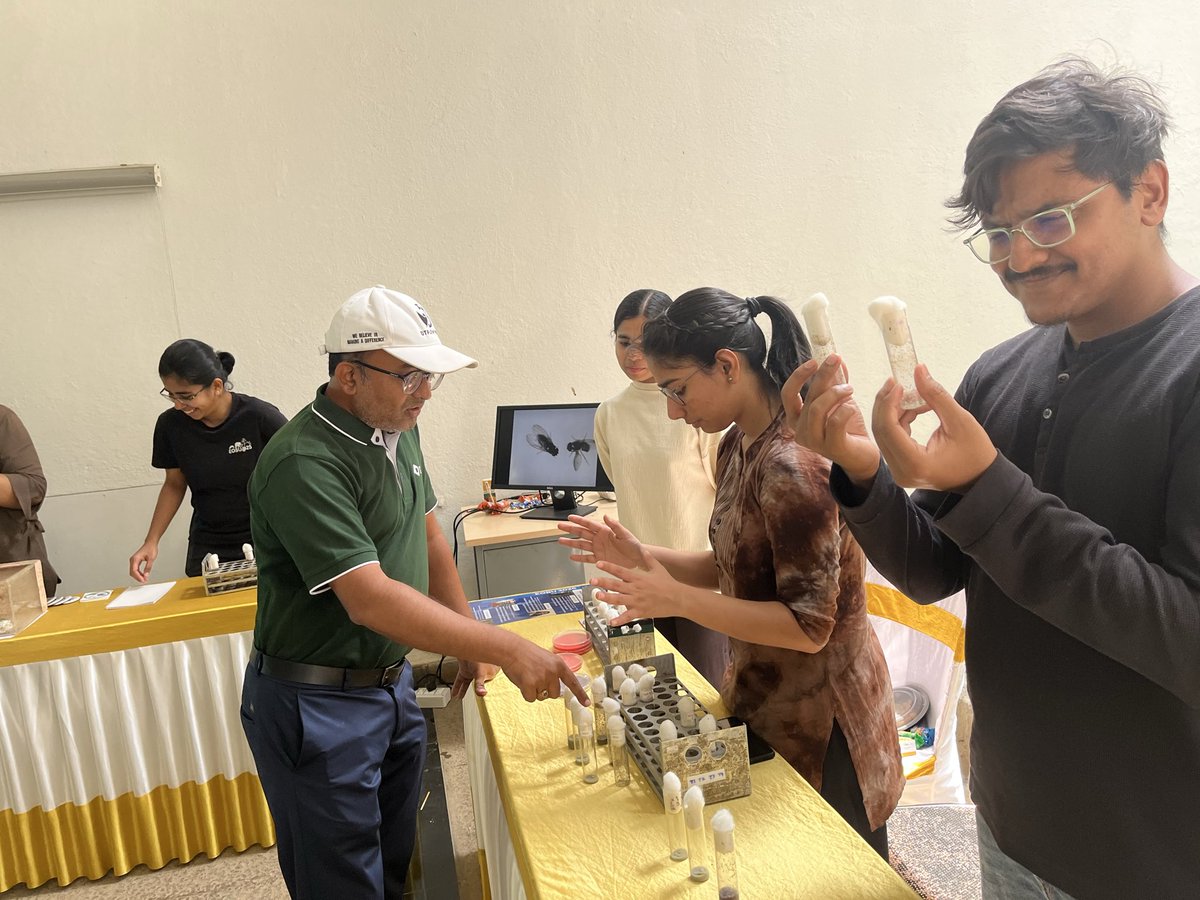
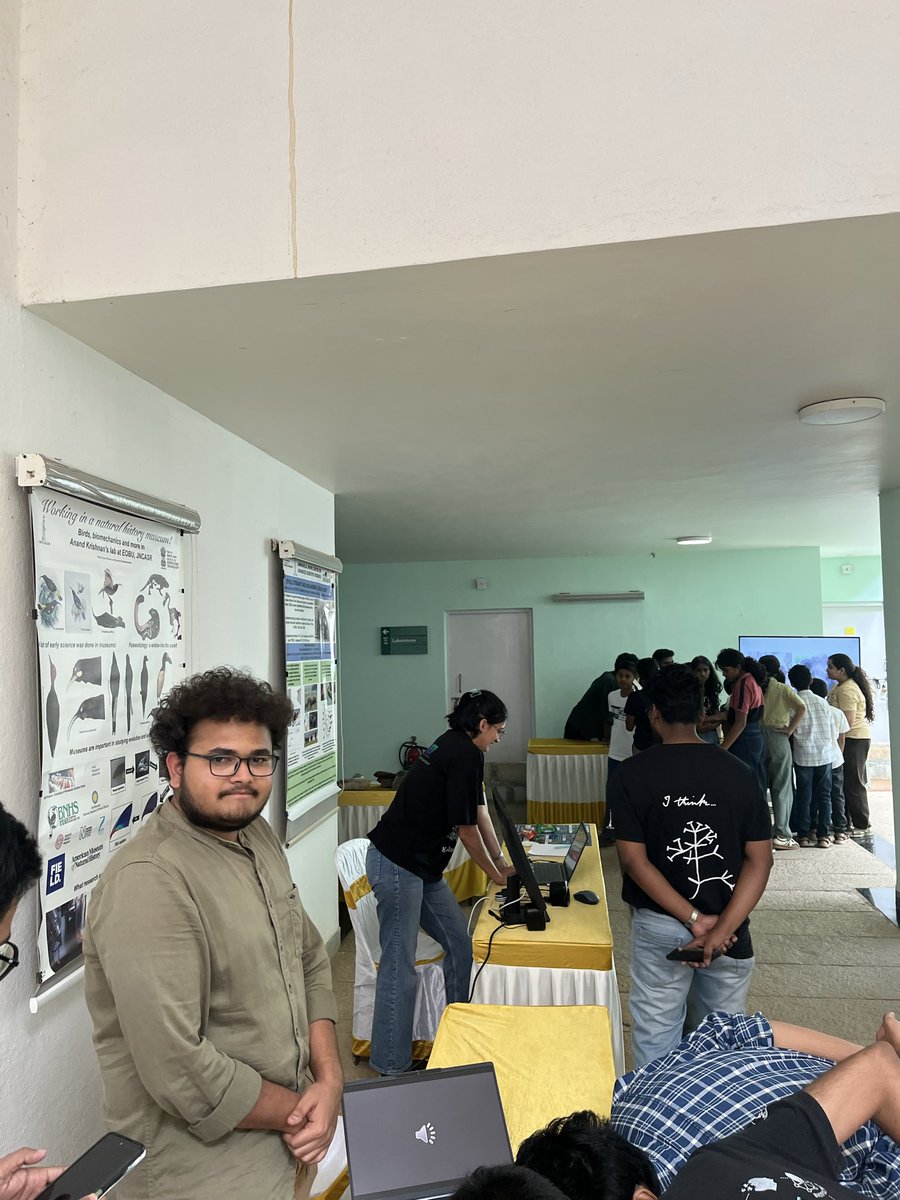
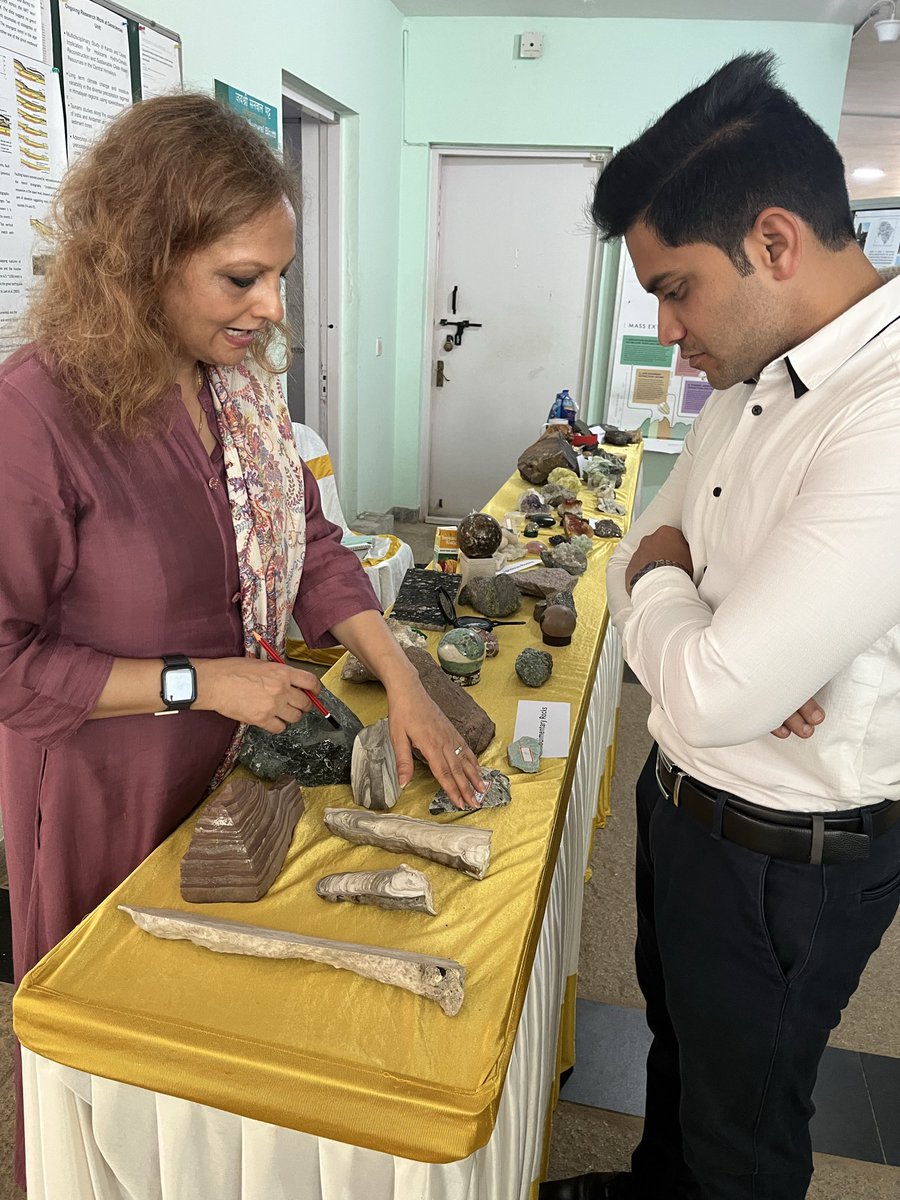
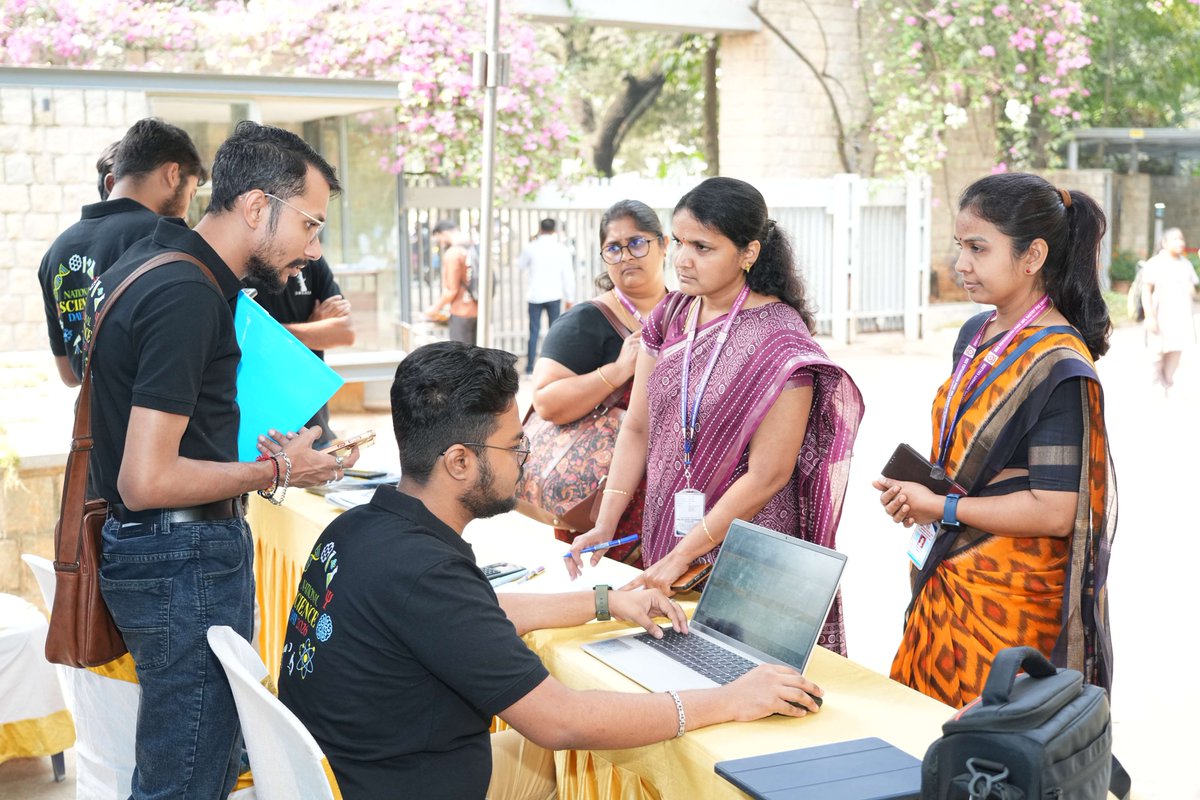
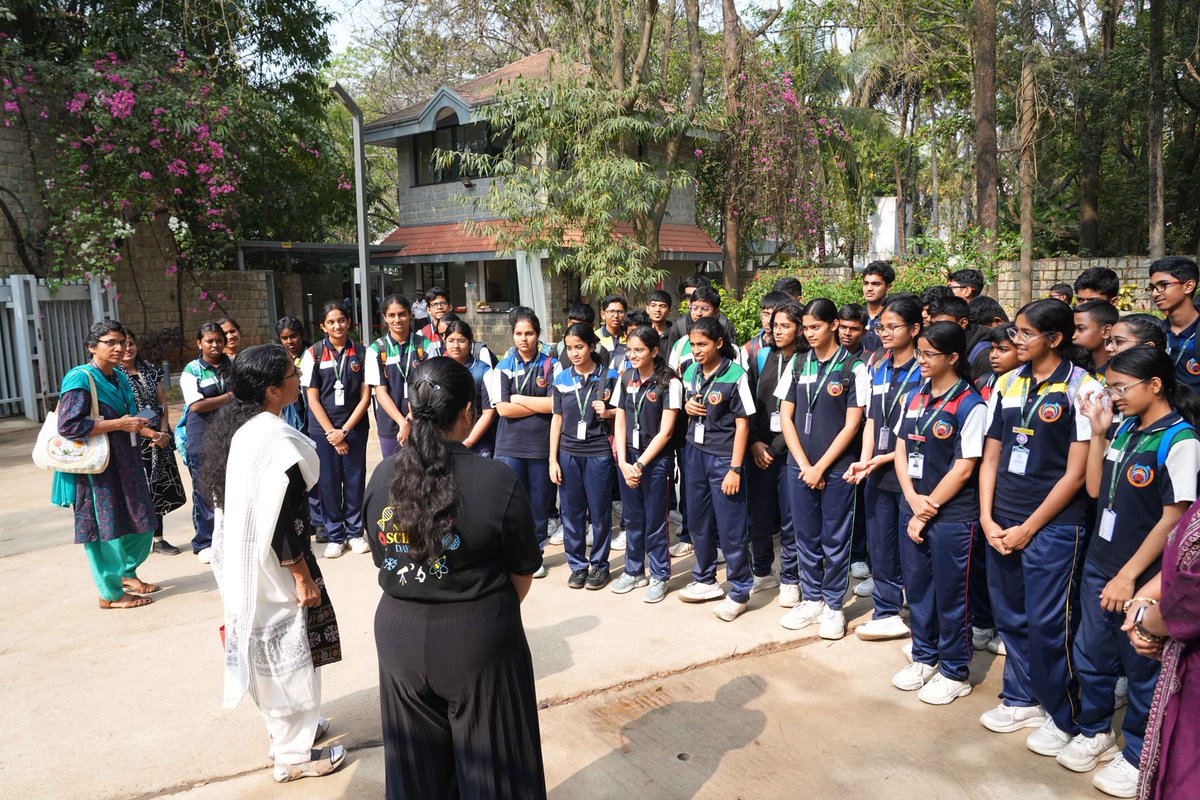
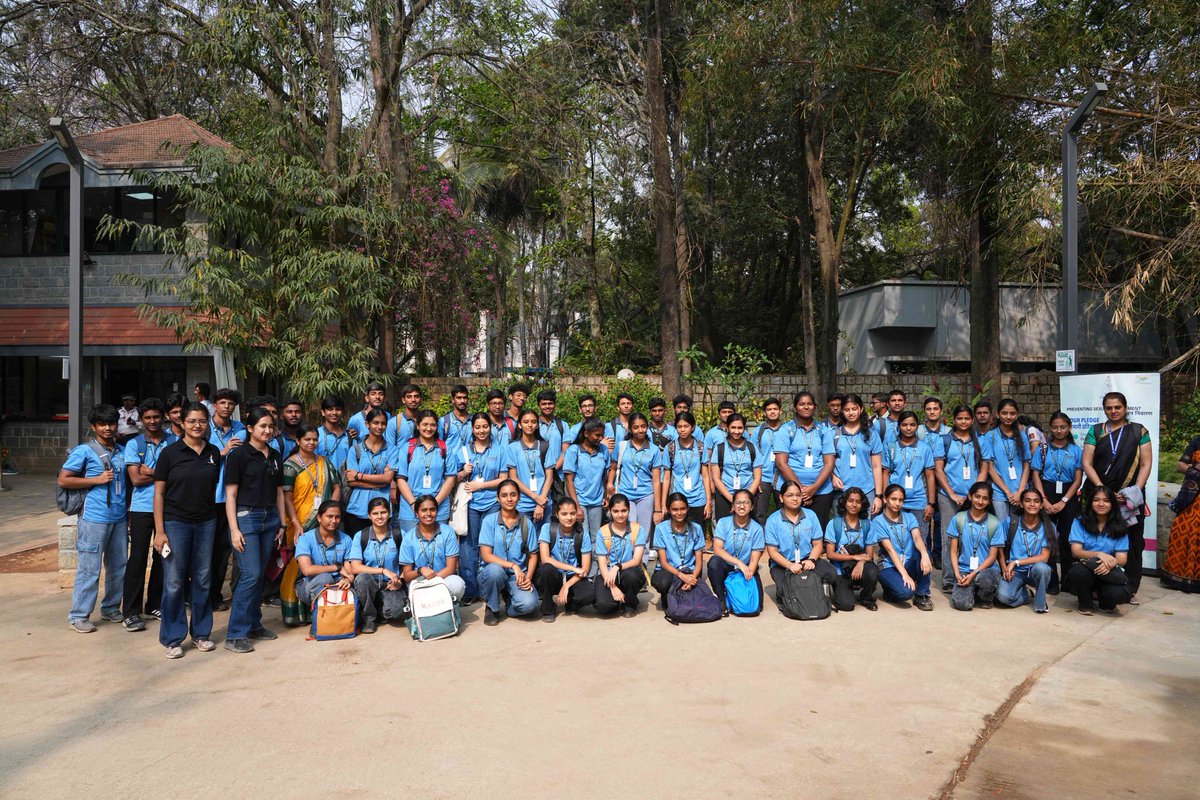
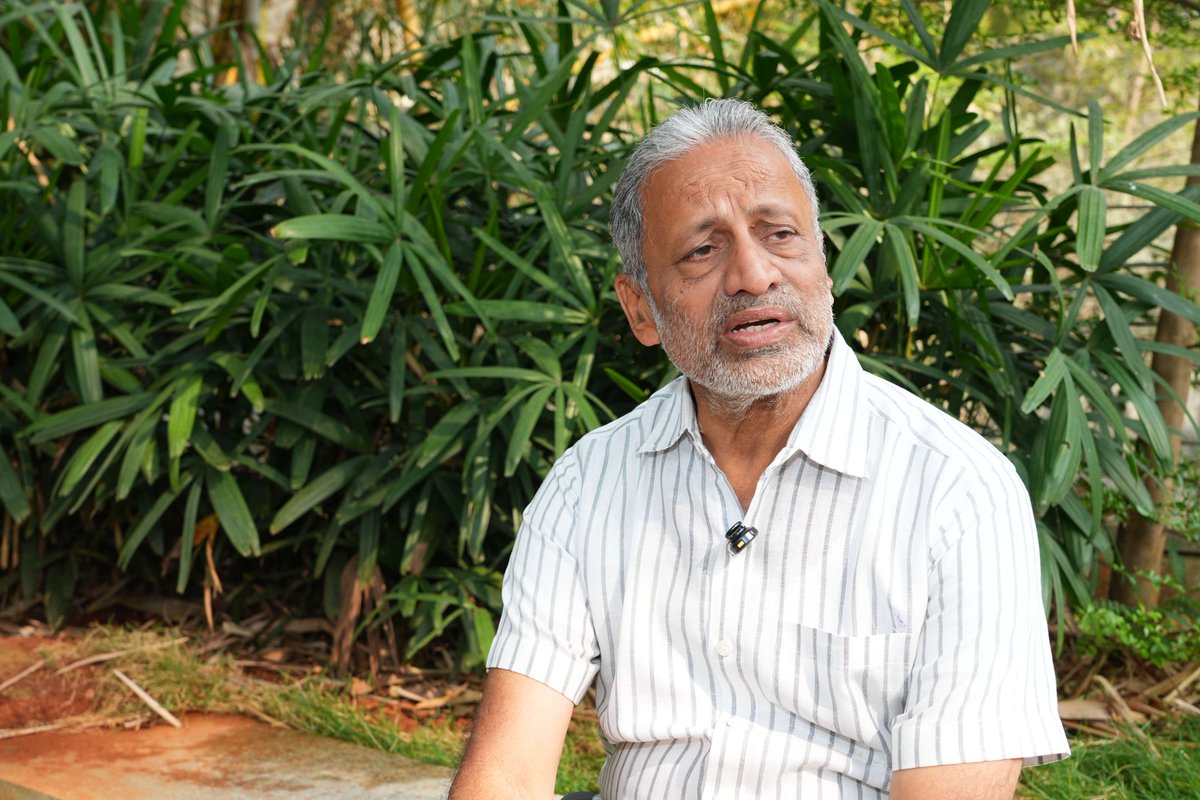
Visitors are enjoying the experiences of seeing, touching, talking science
75

Feb 5
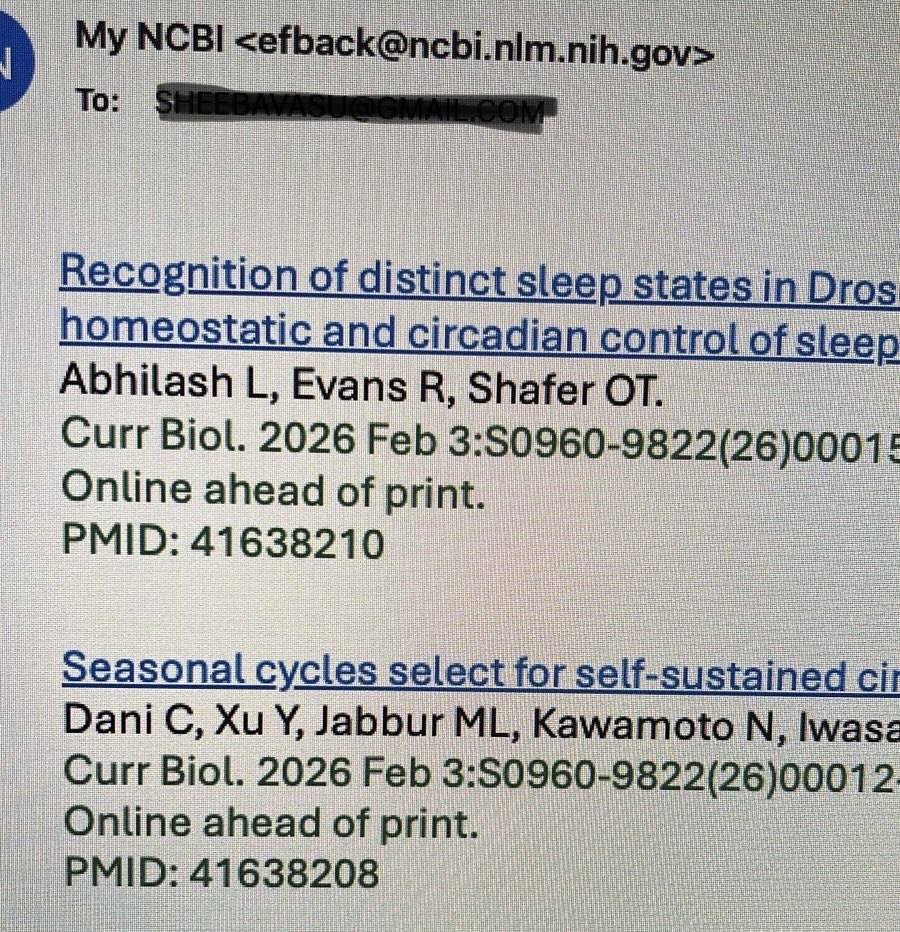
Two papers from lab alumni in this issue of Current Biology! Very proud of the exciting science from @danichitrang @abhilash1690 Super proud!
1
18
688
sheeba vasu retweeted

Jan 31
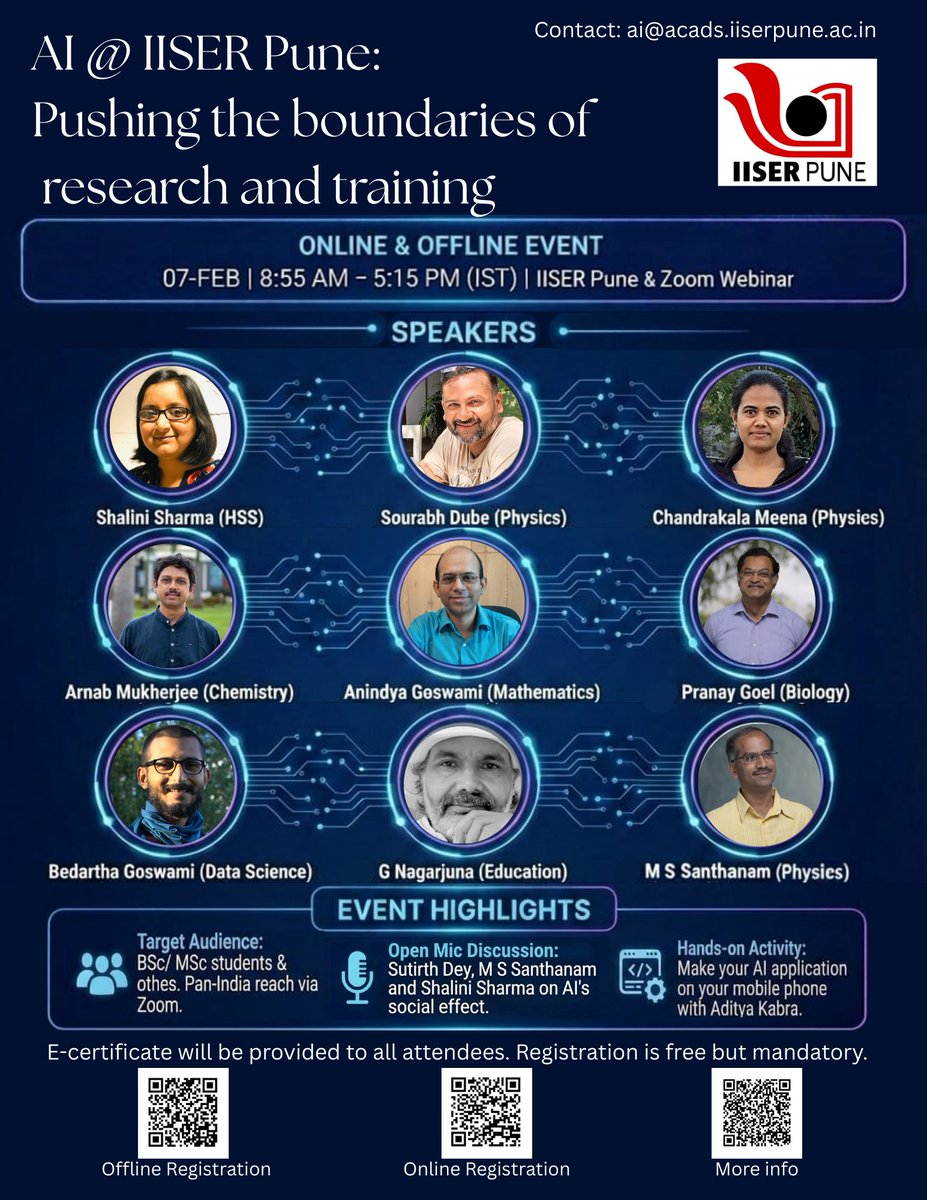
Announcing "AI@IISER Pune" a 1-day event for people who are NOT AI/ML specialists, but would like to figure out how AI is used in research. Hybrid (In-Person Zoom Webinar). Anyone can attend. Registration free but mandatory. To register: sites.google.com/acads.iiser…
Limited Seats.
4
28
93
7,635
sheeba vasu retweeted

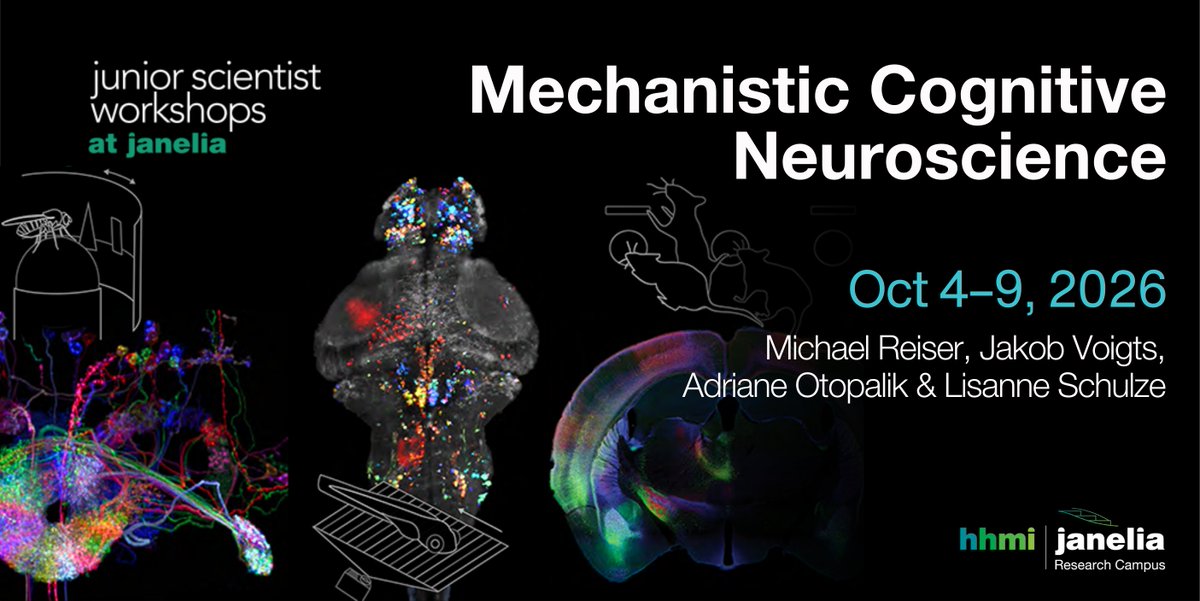
Grad students & postdocs 👉 apply by May 7 for our workshop on the mechanistic basis of #cognition (navigation, learning, decision making more). 🧠
🤝 Joint sessions with our #TheoreticalNeuroscience workshop
✈️ Hotel, meals reasonable travel expenses covered
Apply ➡️ janelia.news/CNW26
@hhmi_science @HHMIJanelia
23
79
5,040
Jan 21
Save the dates 1-5th February 2027, Biennial meeting of the International Society for Developmental Neuroscience (ISDN2027) will be held @jncasr Jawaharlal Nehru Centre for Advanced Scientific Research (JNCASR). Exciting line-up of speakers and sessions coming soon.
4
12
462
Jan 10
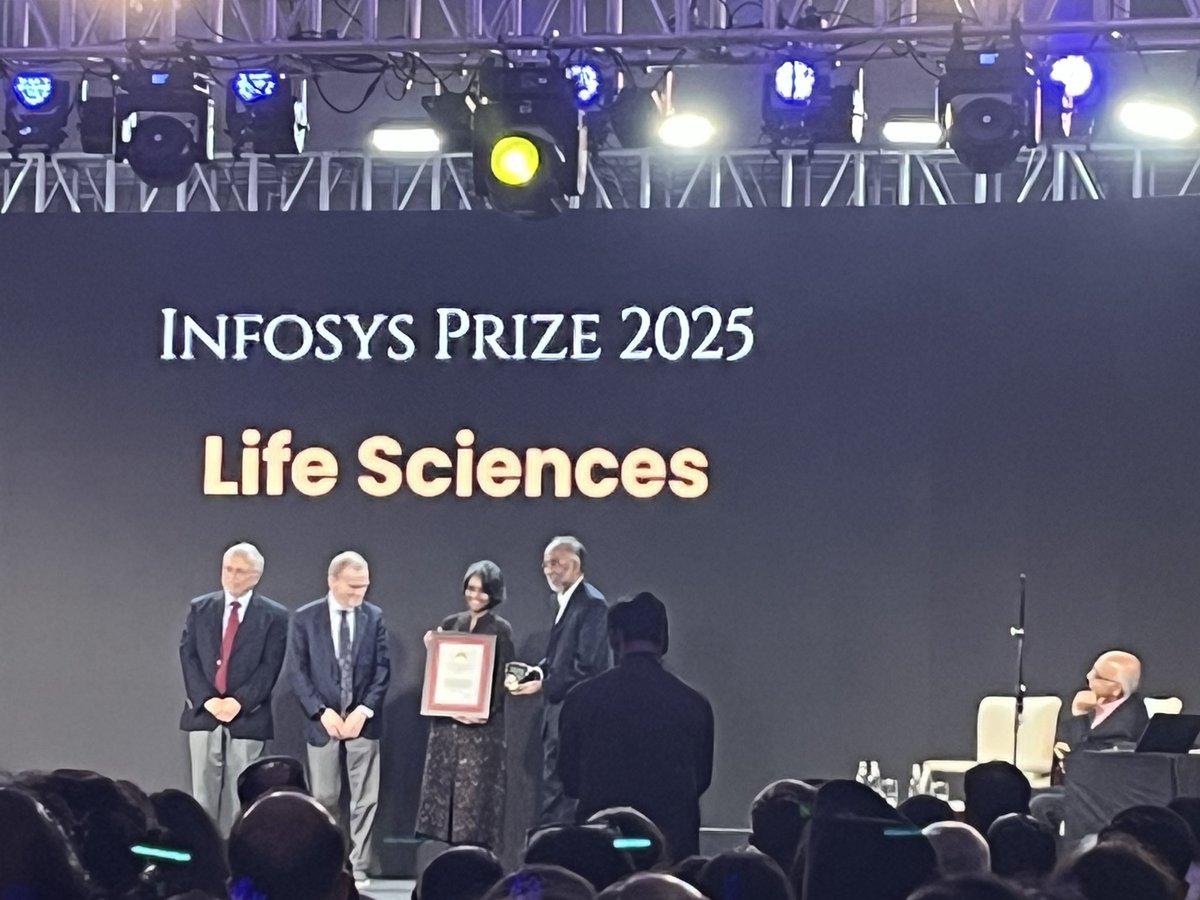
Congratulations Anjana, for your great work and for being such a wonderful colleague
10
581
sheeba vasu retweeted

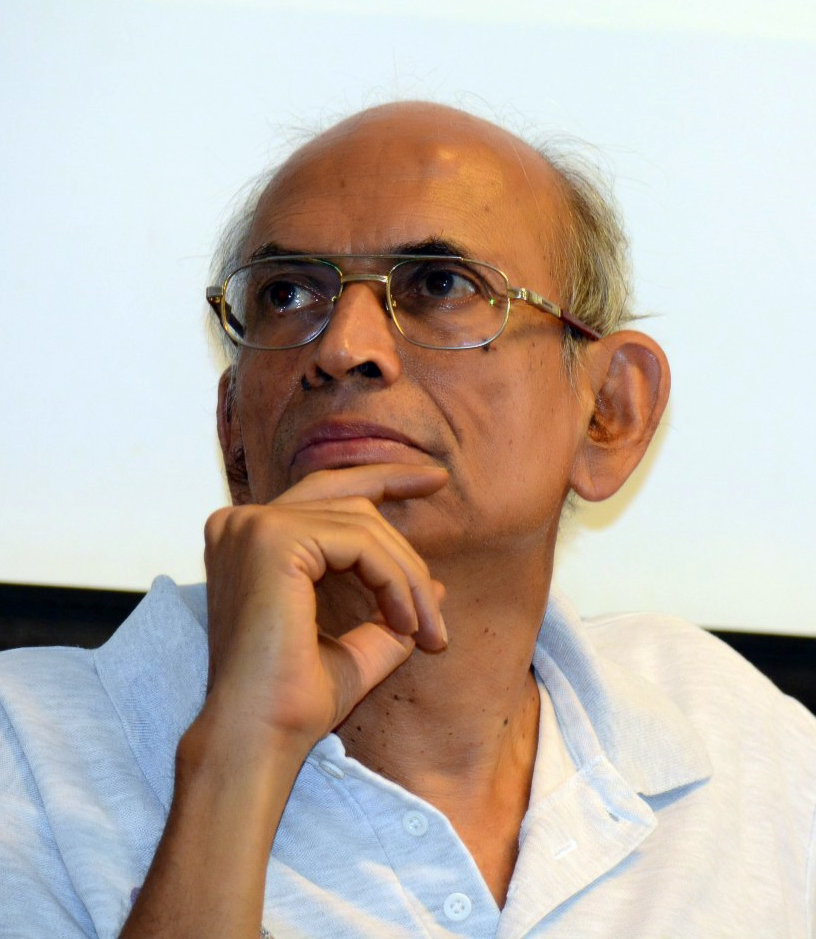
We are deeply saddened by the passing of Prof Madhav Gadgil on 7 January 2026.
He will be remembered for his prolific academic contributions, extensive knowledge and love of the Western Ghats, and formidable legacy in nature conservation.
iisc.ac.in/events/rememberin…
21
168
800
34,751