
Postdoctoral researcher @TAMU | Previously at VanderbiltU & JNCASR | Circadian Clocks and Evolution | Knows a thing or two about a thing or two
Joined April 2010
- Tweets 356
- Following 698
- Followers 566
- Likes 3,642
17 Photos and videos



Chitrang Dani retweeted

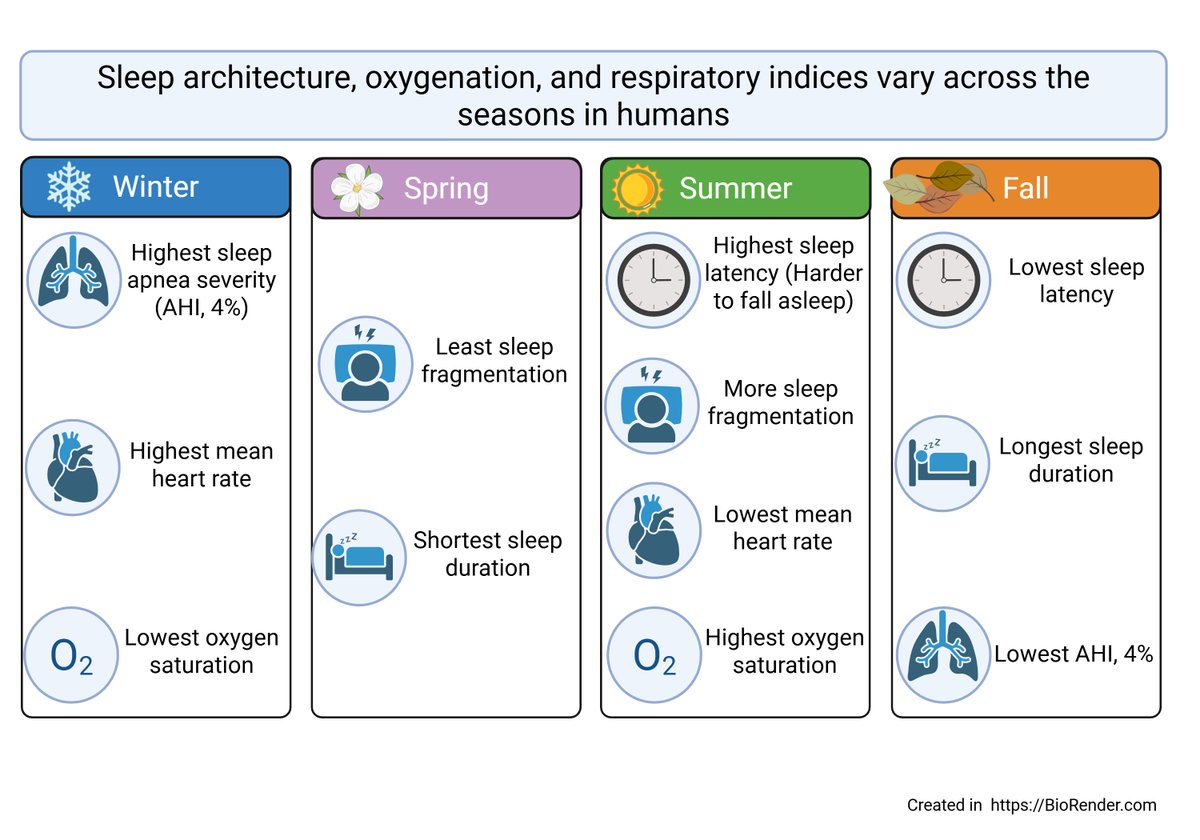
A study published last month in #JBR shows that humans exhibit seasonal changes in sleep, oxygen levels, and respiratory indices. Environmental rhythms and human biology are tightly linked!
journals.sagepub.com/doi/10.…
10
24
1,624
Chitrang Dani retweeted

Feb 5
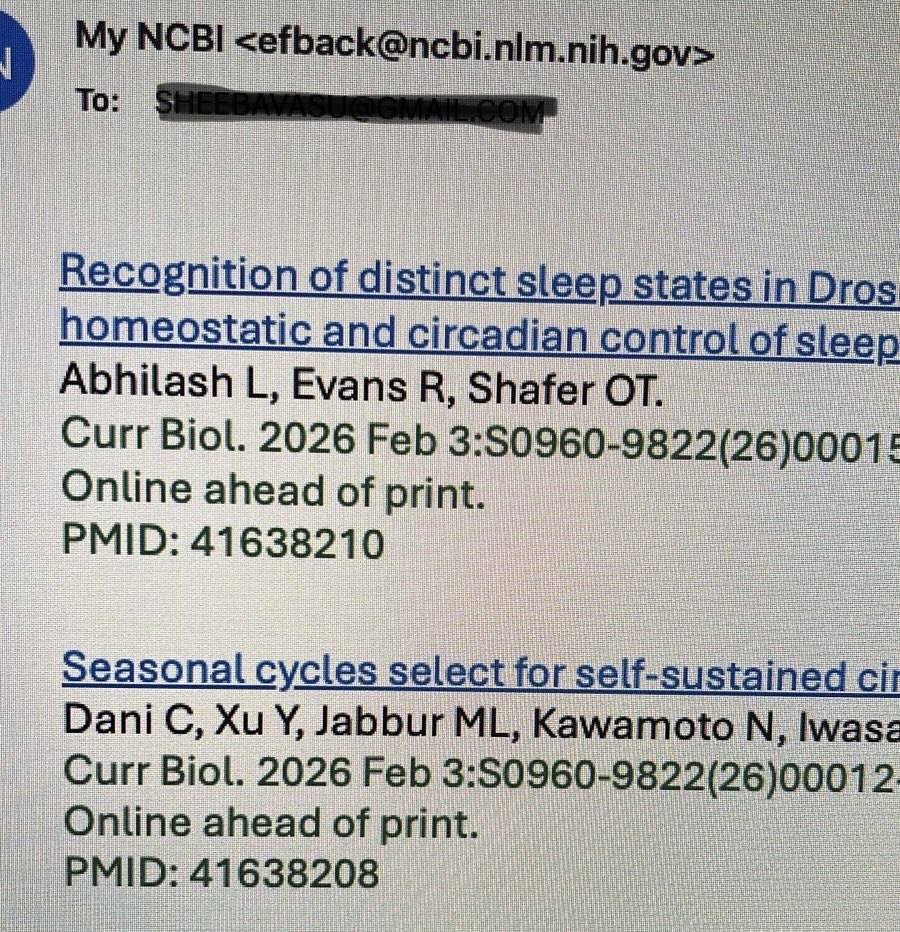
Two papers from lab alumni in this issue of Current Biology! Very proud of the exciting science from @danichitrang @abhilash1690 Super proud!
1
18
688
Our new paper is out in @CurrentBiology where we address the question of why self-sustenance, a defining feature of circadian clocks might have been selected, when environments on Earth are rarely constant! sciencedirect.com/science/ar… #circadian #cyanobacteria #evolution
2
6
338
We competed self-sustained, damped, and arrhythmic cyanobacteria strains under different photoperiods. The result? While damped clocks can hold their own in winter-like short days, they get out-competed by self-sustained clocks in equinox and summer conditions.
1
1
77
This is also the first experimental evidence that annual change in daylength can be sufficient as a selective force for the evolution of self-sustained clocks over damped clocks.
2
57

11 Jun 2025
Honored to serve on the organizing committee and present my research for this exceptional meeting!
11 Jun 2025

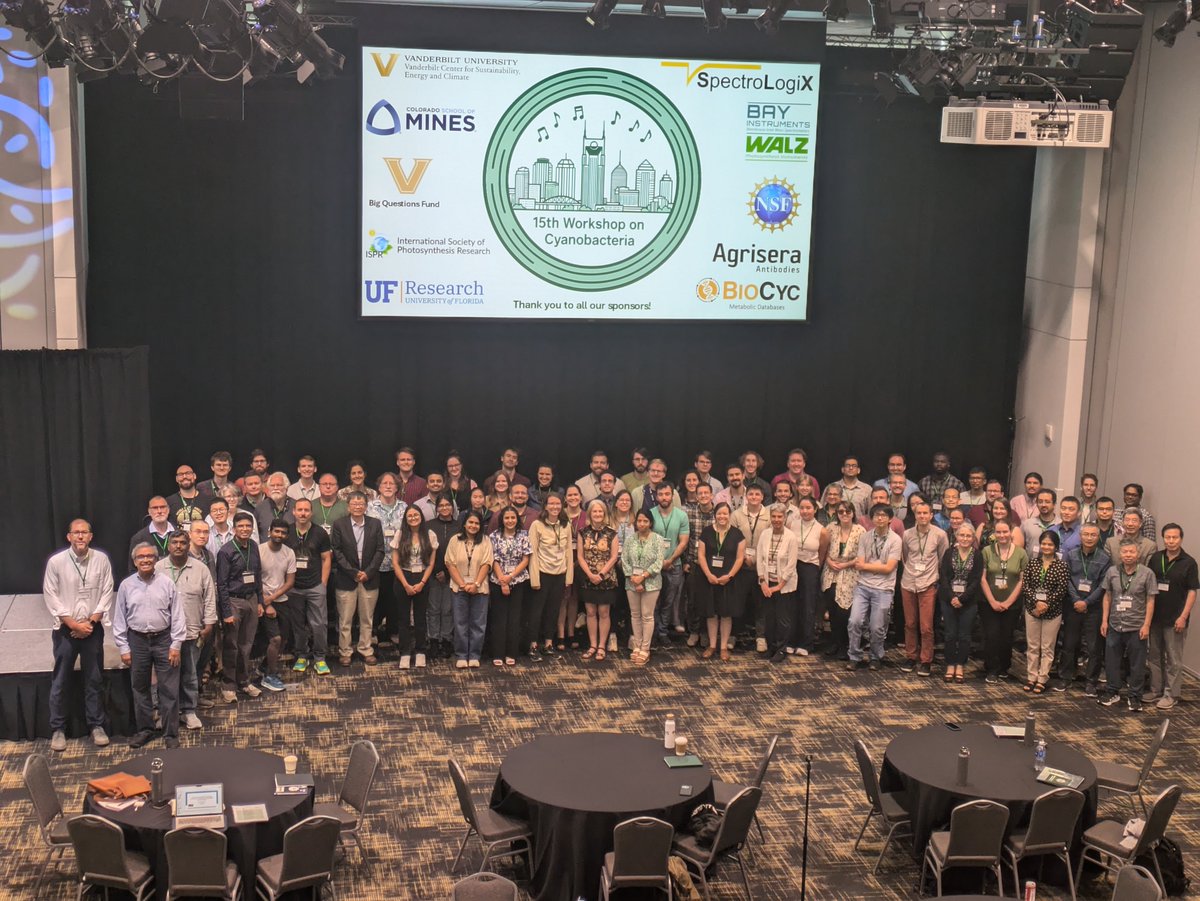
It was an honor and a thrill to host the 15th Cyanobacteria Workshop last week at @VanderbiltU. The workshop was a huge success, with 95 attendees from 21 US states and 8 other countries discussing the planet's most ancient microorganisms. Thanks to the sponsors and presenters!
7
293
11 Jun 2025
Honored to present my research and serve on the organizing committee for my first Cyanobacteria Workshop & grateful to all participants, sponsors, and @VanderbiltU for an exceptional meeting!
11 Jun 2025
It was an honor and a thrill to host the 15th Cyanobacteria Workshop last week at @VanderbiltU. The workshop was a huge success, with 95 attendees from 21 US states and 8 other countries discussing the planet's most ancient microorganisms. Thanks to the sponsors and presenters!
12
300
Chitrang Dani retweeted

4 Jun 2025
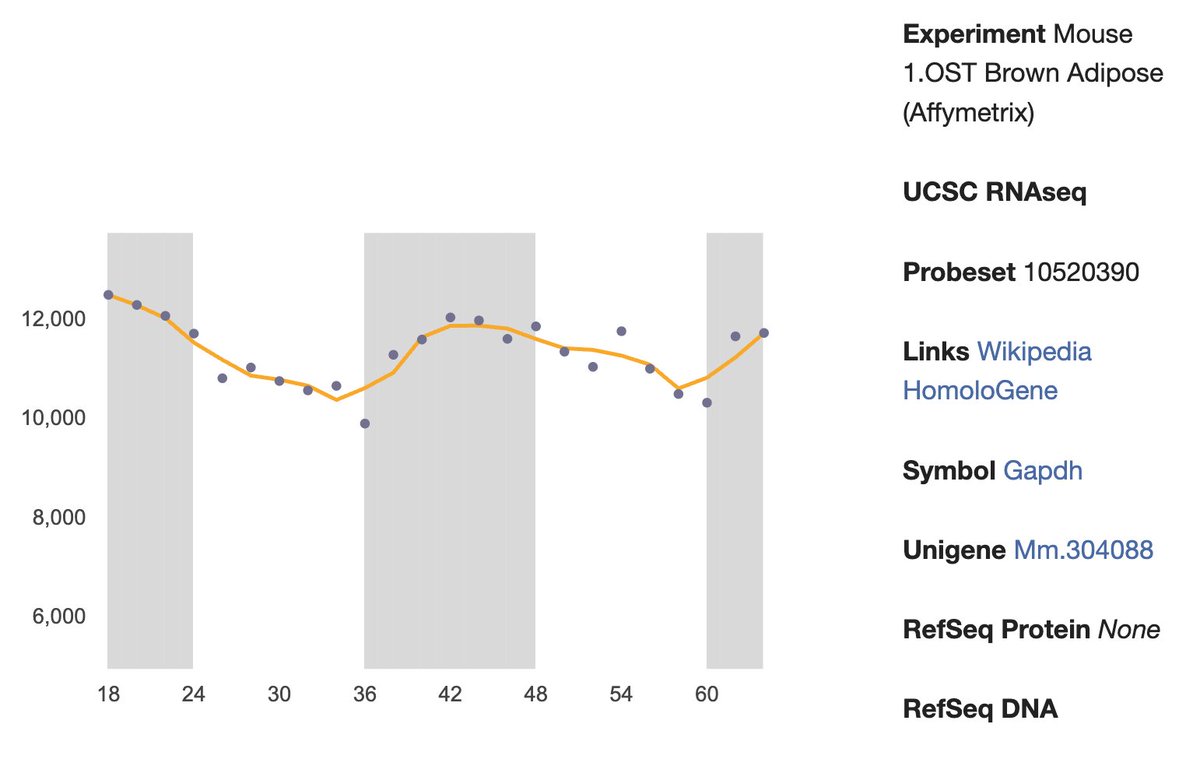
Clock people: here's Gapdh in brown fat, every 2 hours for 2 days. It's rhythmic everywhere. Maybe not the best control.
3
10
64
3,737
Chitrang Dani retweeted

21 May 2025
The vast majority over discoveries are low hanging fruit when they are made. The key to scientific progress is progressively making more fruit low-hanging. One of the deep problems we have in science is that we reward the people who pick the fruit rather than the ones who lower the branches.
20 May 2025

A basic question whose answer seems to me to dictate what the near-term future of scientific discovery looks like: is there a lot of attention-bottlenecked low-hanging fruit, or have humans done a reasonably good job finding the easy stuff?
17
112
684
63,775
Chitrang Dani retweeted

18 Apr 2025
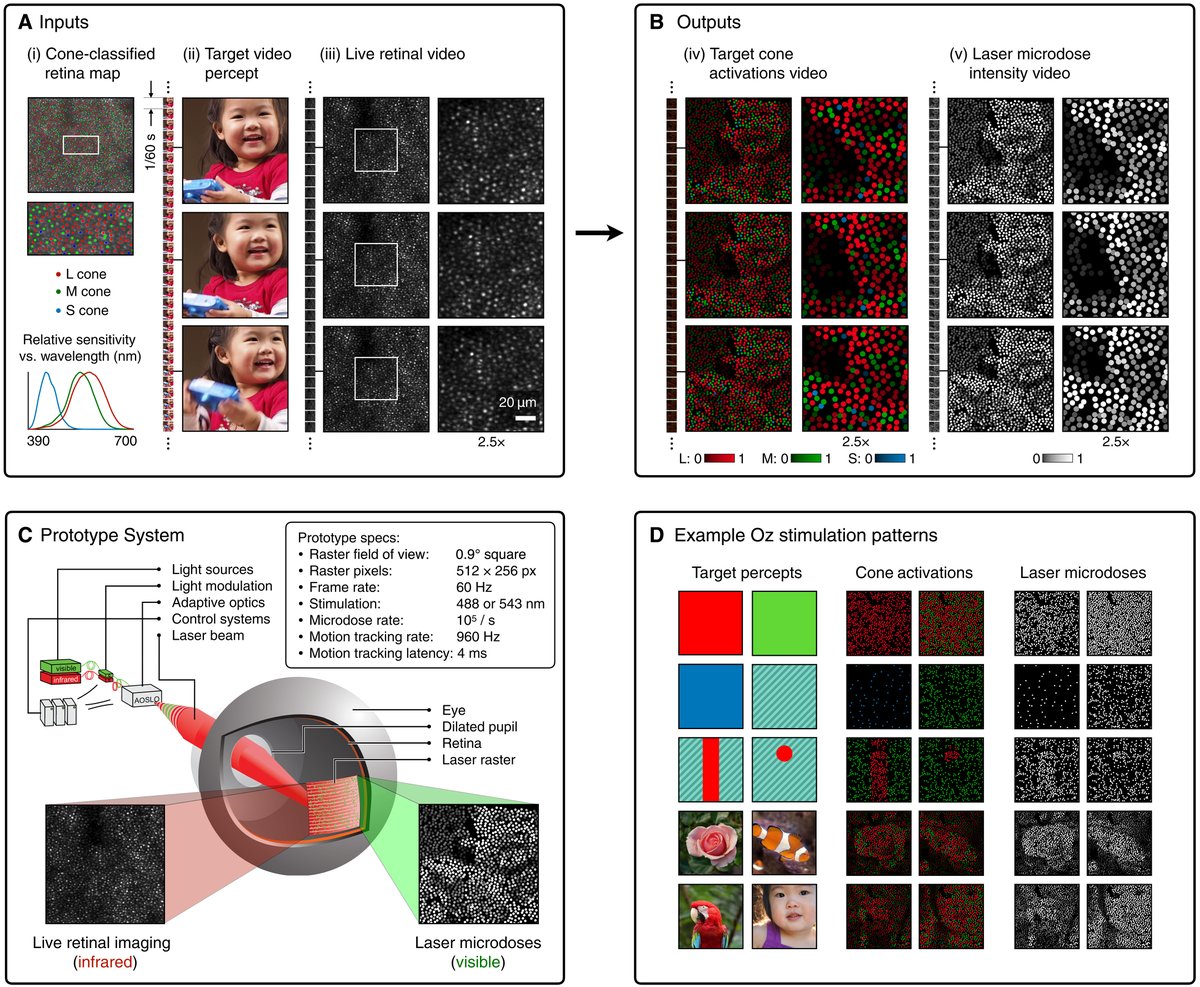
Five people have seen a color never before visible to the naked human eye, thanks to a new retinal stimulation technique called Oz. scim.ag/4inNeqa
1
6
19
3,295
18 Apr 2025
Happening tomorrow!

Please Join us for our dynamic symposium packed with distinguished early career speakers, exciting trainee talks, poster sessions, a resource fair, and lunch on us! Don't miss the chance to connect, learn, and get inspired. You can still register in person. #Symposium #Research
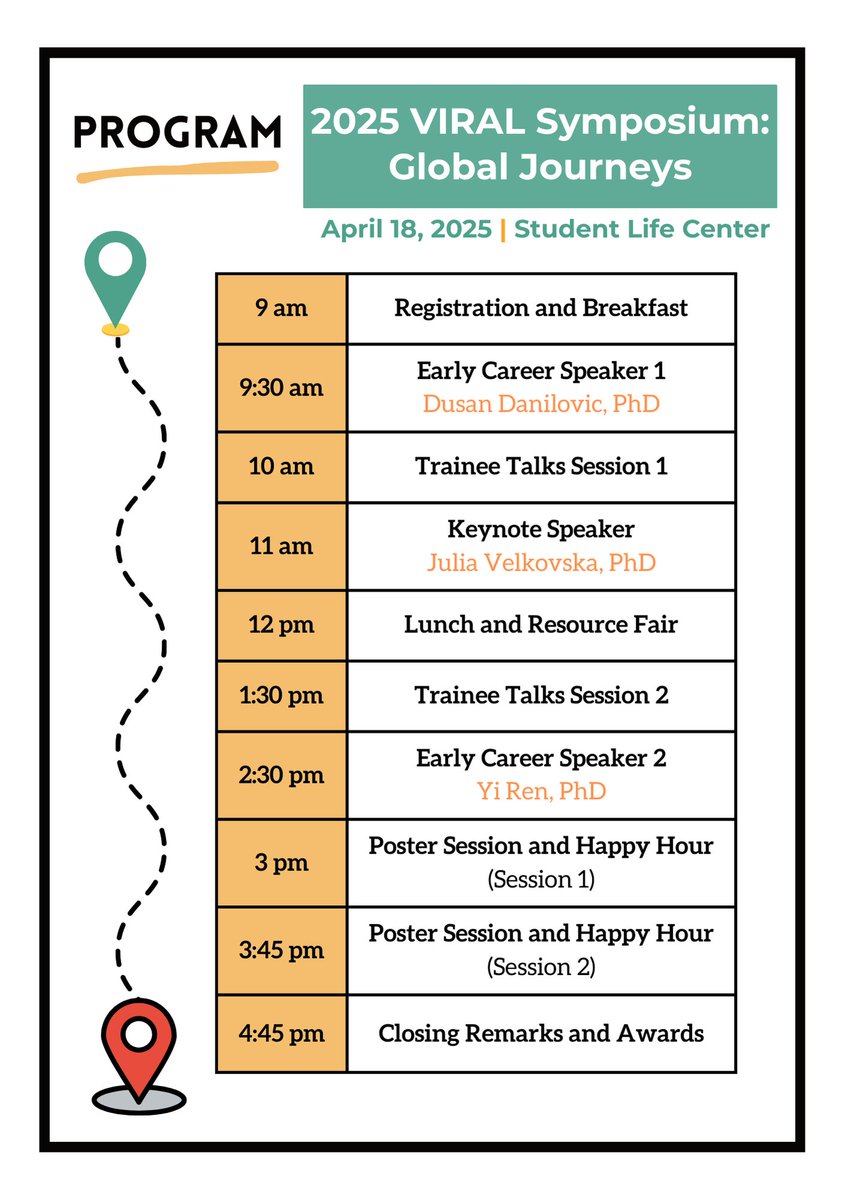
2
145
18 Mar 2025
Just three days left for the deadline for oral abstract submissions (and 2 weeks for poster abstracts) for the 15th Workshop on Cyanobacteria at @VanderbiltU - Nashville, TN, USA.
Workshop dates: 4-7th June 2025. More information: web.cvent.com/event/3d0bd32b…. Don't miss out!
1
2
125
18 Mar 2025
Abstracts are invited in: 1) Advances in Light Harvesting and Structural Biology 2) Computational and Systems Biology 3) Ecology, Evolution, and Natural Products 4) Physiology, Metabolism, and Regulatory Networks 5) Synthetic Biology and Biotechnology Applications
104
Chitrang Dani retweeted
7 Mar 2025
Final day of lectures, motivated students inspiring teachers and selfless volunteers
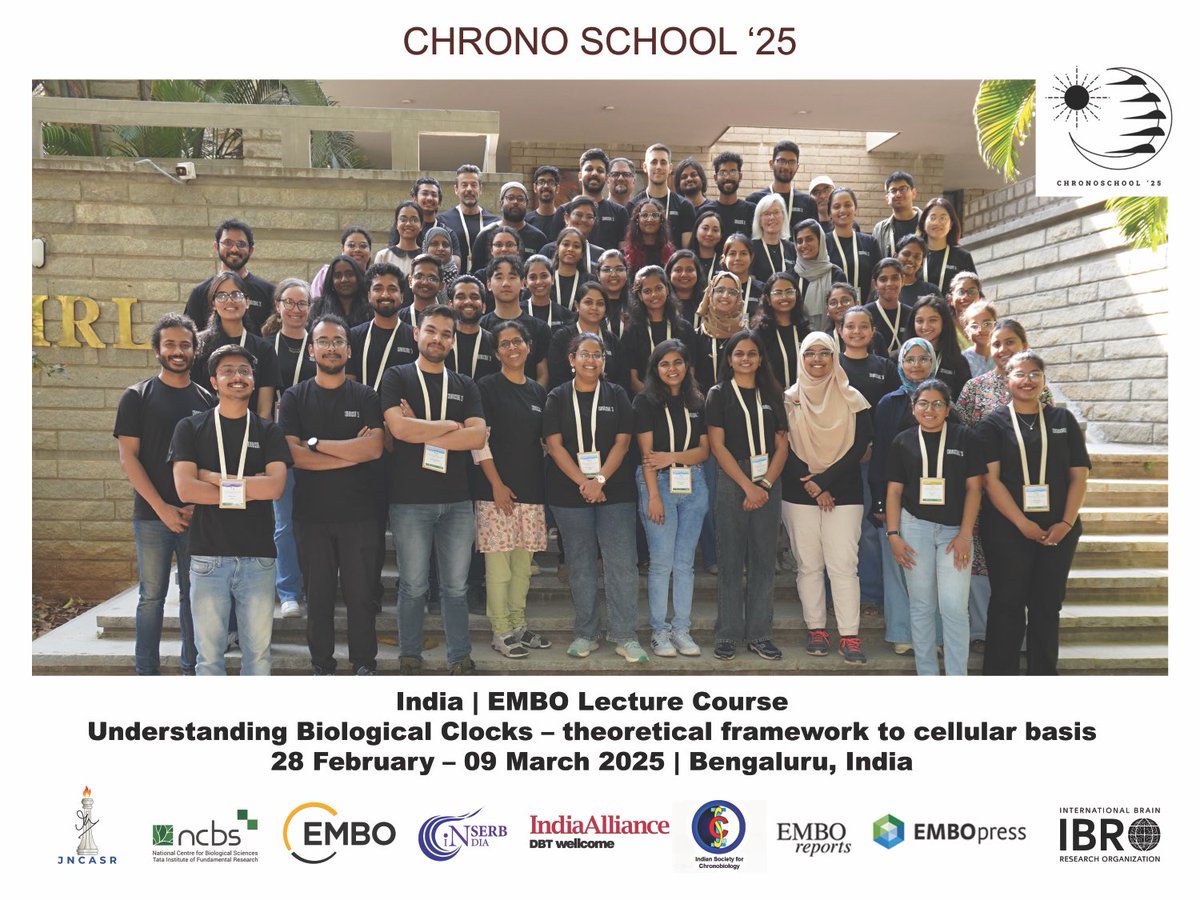
11
65
4,670
17 Feb 2025
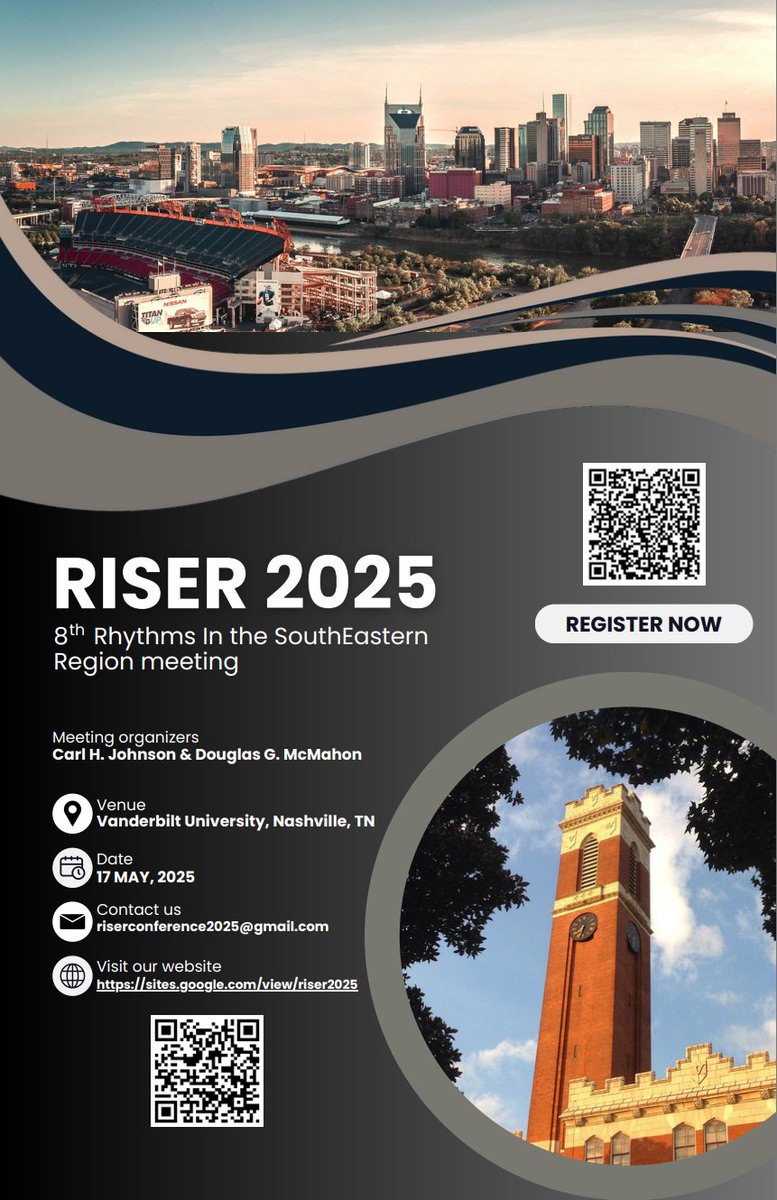
If you work on #circadian rhythms and are located in or around South-East USA, this meeting is for you: The 8th Rhythms in the SouthEastern Region (RISER) meeting is happening at Vanderbilt University, Nashville (TN) on May 17, 2025. Abstracts due in 25 days! Register soon!
2
2
7
483
17 Feb 2025
The best thing about this meeting is its focus on trainee presentations. More info: sites.google.com/view/riser2…
1
118
3 Feb 2025
For #circadian trainees: The 8th Rhythms in the SouthEastern Region (RISER) meeting will be happening at Vanderbilt University, Nashville (TN) on May 17, 2025. Abstracts due: March 14, 2025!
More info: sites.google.com/view/riser2…
Register here: forms.gle/CKLkt4a3K9qP9Eqs8
1
121
Chitrang Dani retweeted

We are thrilled to invite you to the 2025 Annual VIRAL #Research #Symposium. Details are below. Registration is open now. redcap.link/lgcrd0af Abstract submission deadline: Oral Presentation (March 10), Poster Presentation (March 28). A generous travel award for all winners.
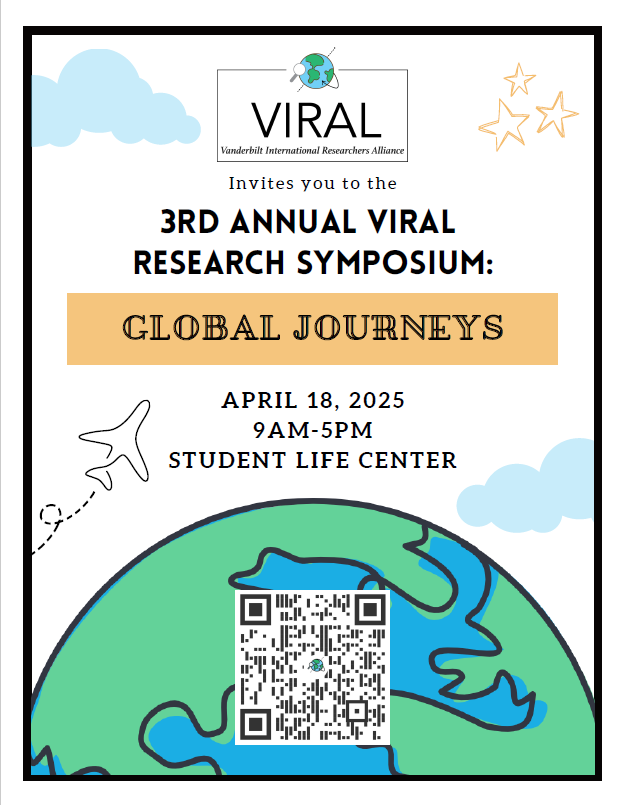
2
2
1,444
Chitrang Dani retweeted

11 Jan 2025
🪰 We're thrilled to kick off the year ✨with a new preprint from our lab: 'DANCE – An Open-Source Analysis Pipeline and Low-Cost Hardware to Quantify Aggression and Courtship in Drosophila.' Let’s dive in! 🧵
#DANCE #innovation #ScienceTwitter #AIML #ML biorxiv.org/content/10.1101/…
5
15
55
7,599
Chitrang Dani retweeted

10 Jan 2025
I continue to think this is one of the most important cartoons of recent years. @marketoonist
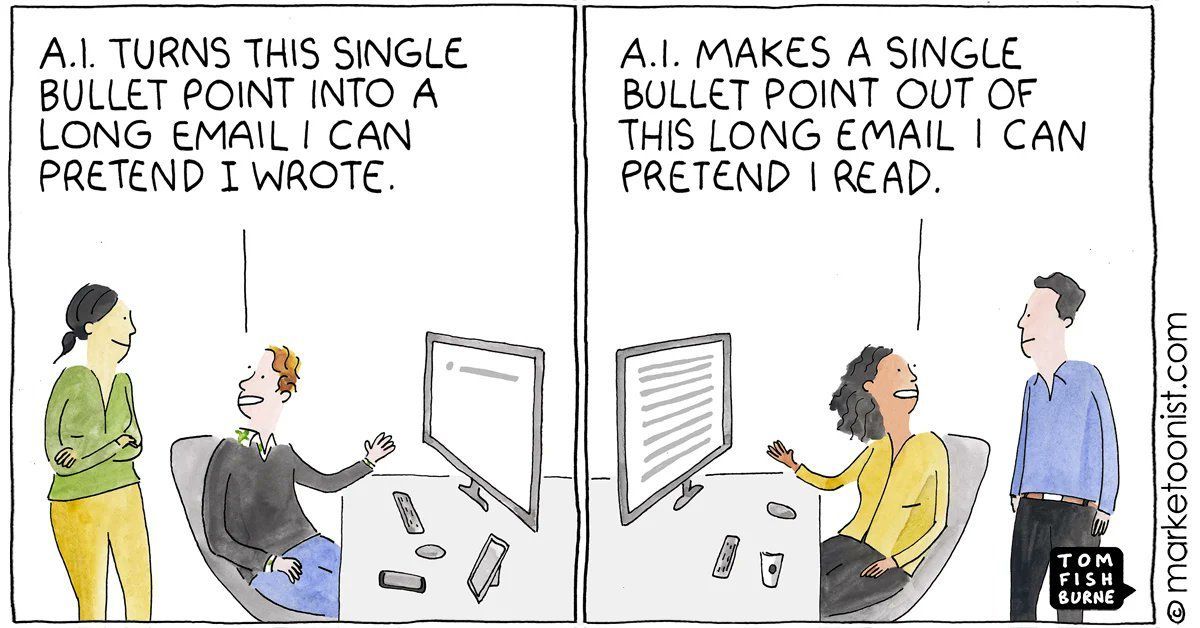
143
3,227
21,958
977,348