
Programmer by day, writer by night... or maybe it's the other way around. Look for Today I Am Carey, The Last Dance, and The Last Campaign.
Joined April 2022
- Tweets 3,135
- Following 956
- Followers 1,016
- Likes 8,529
569 Photos and videos
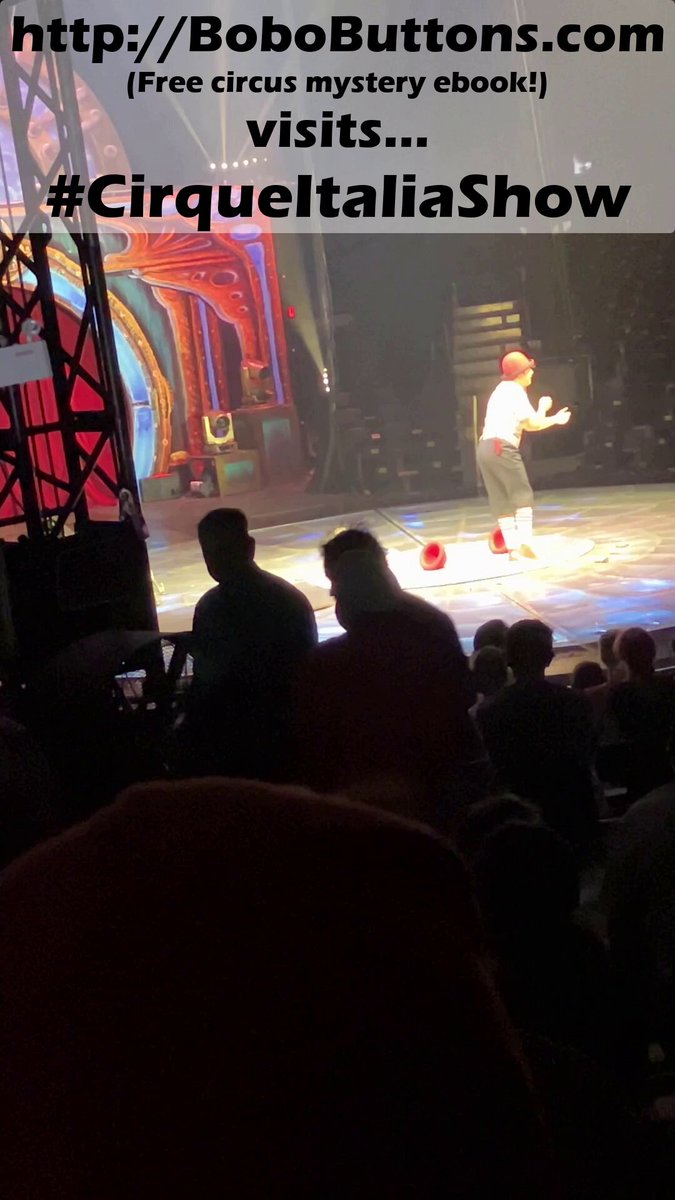
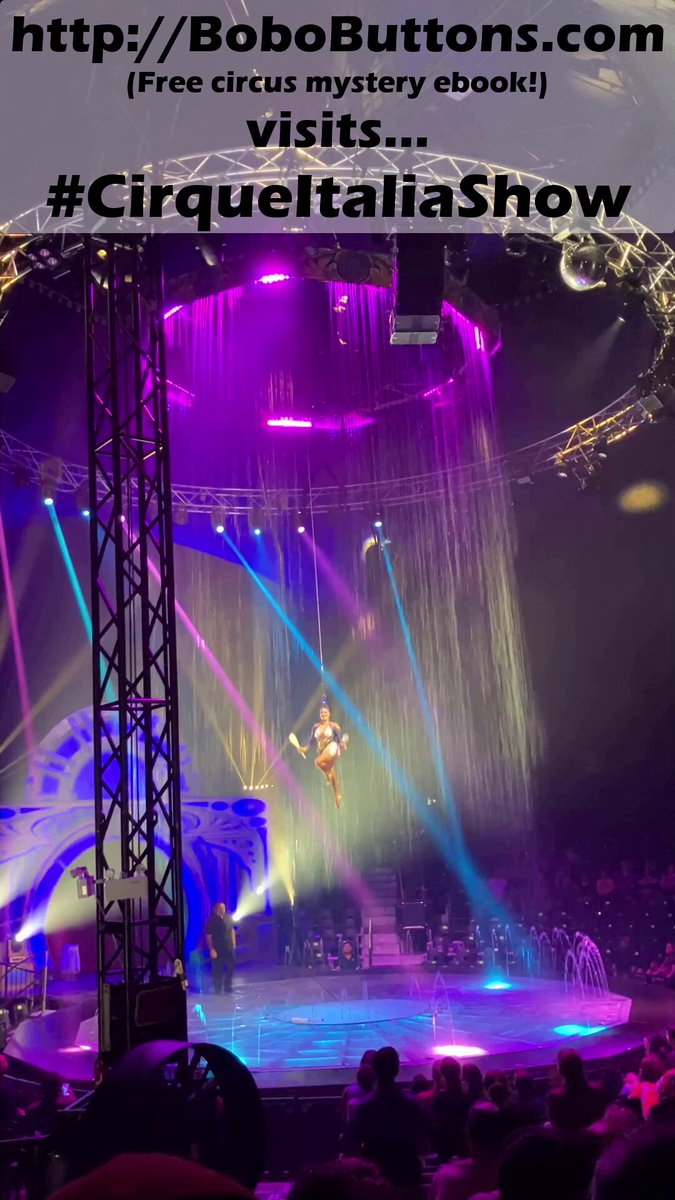

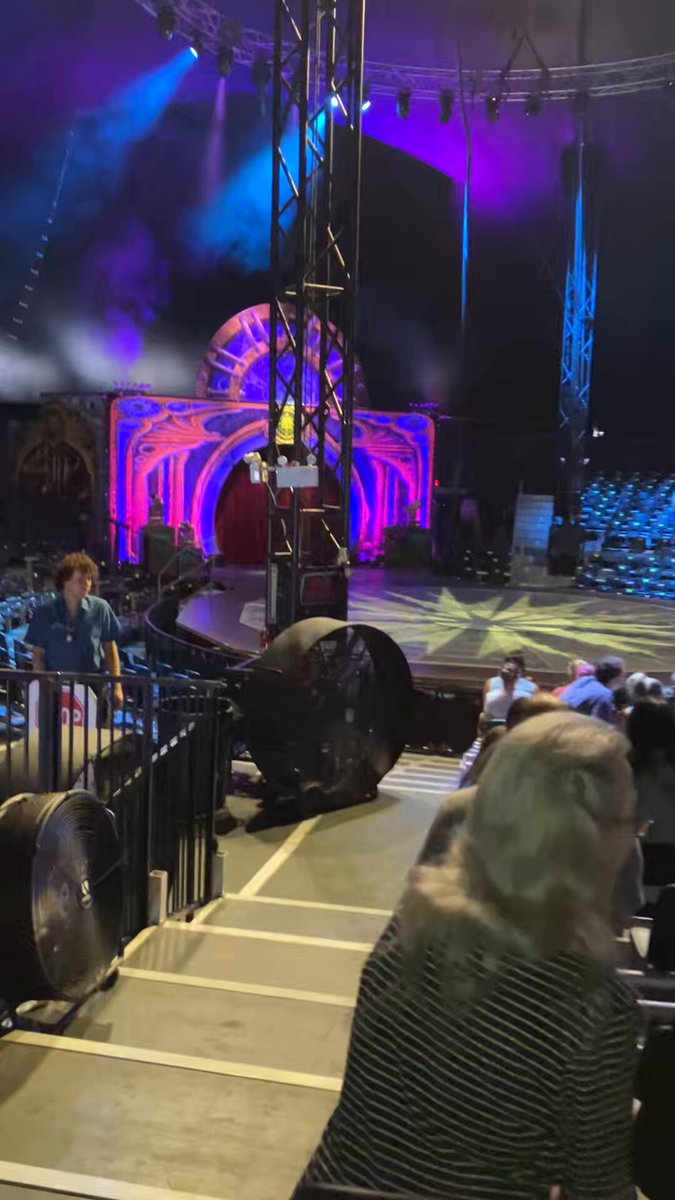


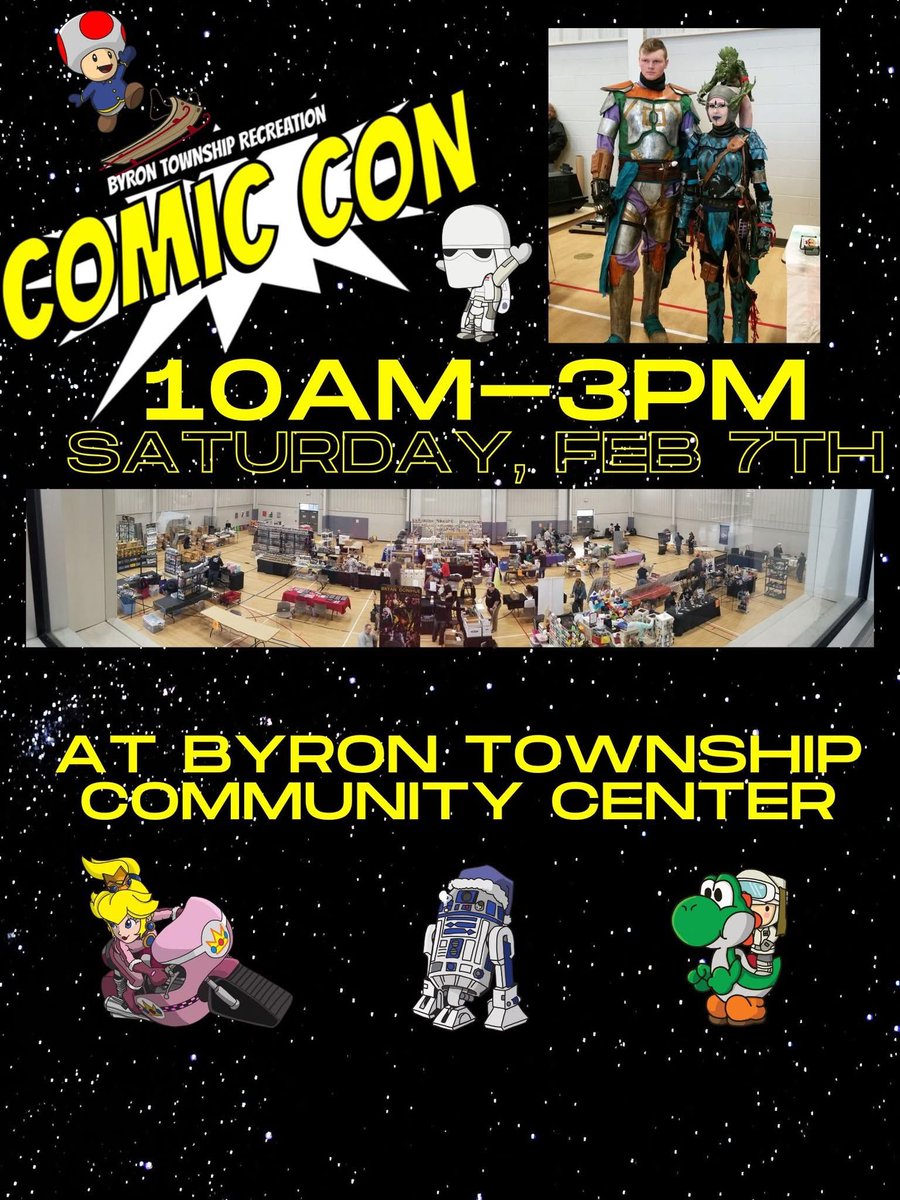

BoboButtons.com at #CirqueItaliaShow
Free circus mystery ebook!
2
42
I’ve Read 107 Novels That Open Like This. It Never Works. youtu.be/bVa4nnf9bwg?si=QKaU… via @YouTube
Alyssa Matesic usually has good advice on writing, submitting, and publishing. I learn a lot from her. In her newsletter, she sends out announcements about agents looking for submissions.
This video is about a common problem with story openings.
2
50
BoboButtons.com at #CirqueItaliaShow
Free circus mystery ebook!
1
30
BoboButtons.com at #CirqueItaliaShow
Free circus mystery ebook!
21
Also releasing today!
wordfirepress.com/products/t…
Dive into a newly restored edition of G. K. Chesterton’s surreal masterpiece—one of the strangest and most enduring detective novels ever written.
A century before modern conspiracy thrillers, G. K. Chesterton created a dazzling nightmare of secret societies, shifting identities, and grand questions.
First published in 1908, The Man Who Was Thursday is a dazzling blend of espionage thriller, satire, and philosophical mystery. The story follows Gabriel Syme, recruited by Scotland Yard to infiltrate a secret council of anarchists whose members are each named for a day of the week. What begins as a clever undercover mission soon spirals into a bewildering chase of disguises, reversals, and deeper questions about order, chaos, and the nature of evil.
A precursor to the modern speculative thriller, Chesterton’s novel has fascinated readers for more than a century. This fine new edition presents a carefully prepared text and includes a new foreword by Steve Ruskin, offering fresh insight into one of the most imaginative works of early twentieth-century literature. Read what a member of the Chesterton society once called “A great way to start an argument.”
Student editor: Annmarie SanSevero
Foreword author: Steve Ruskin
eBook ISBN: 978-1-68057-834-8
Trade paperback ISBN: 978-1-68057-835-5
Jacketed hardcover ISBN: 978-1-68057-836-2
The Man Who Was Thursday was reissued on May 19, 2026.
Author: G.K. Chesterton
3
26
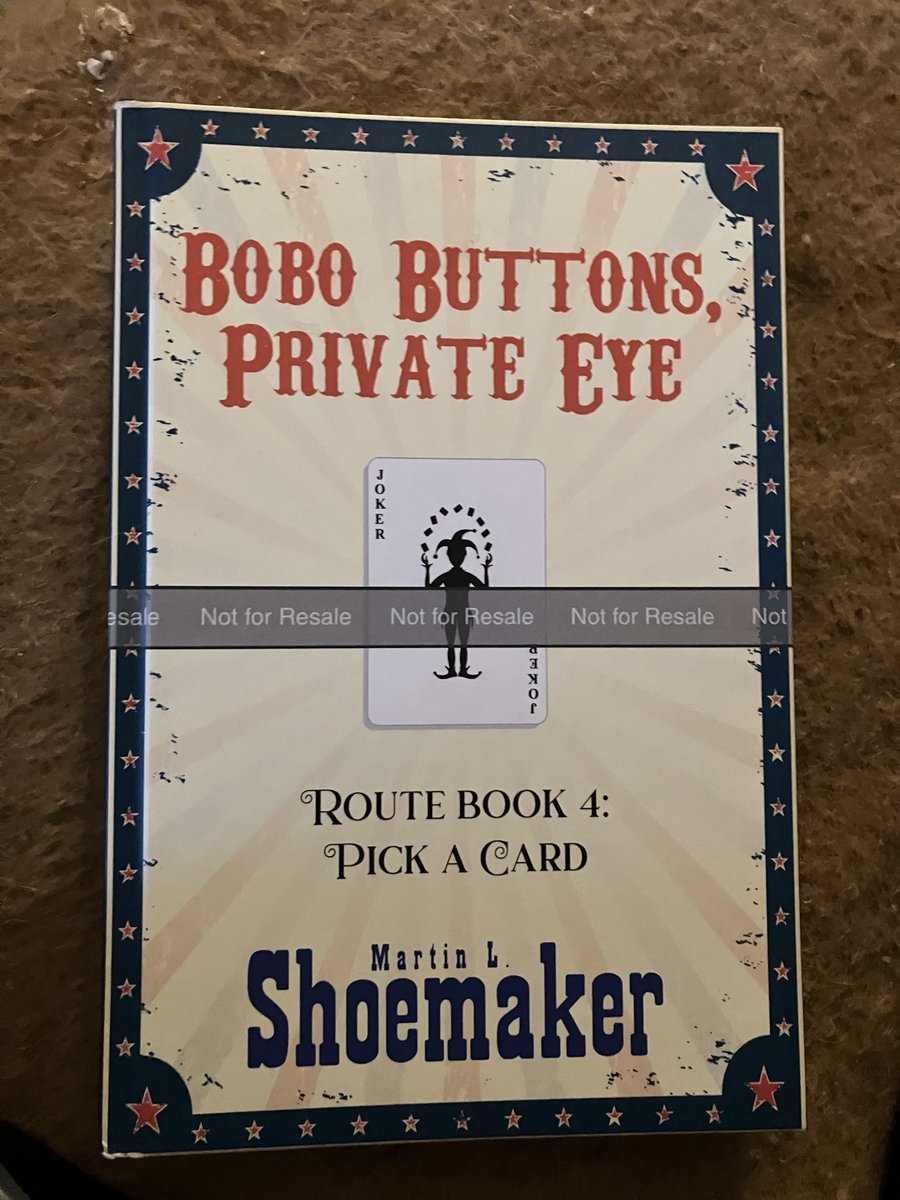
Releasing today in ebook, paperback, and hardcover… Pick a Card!
a.co/d/0bj7Bg4z
Route Book 4 of Bobo Buttons, Private Eye.
1
2
28
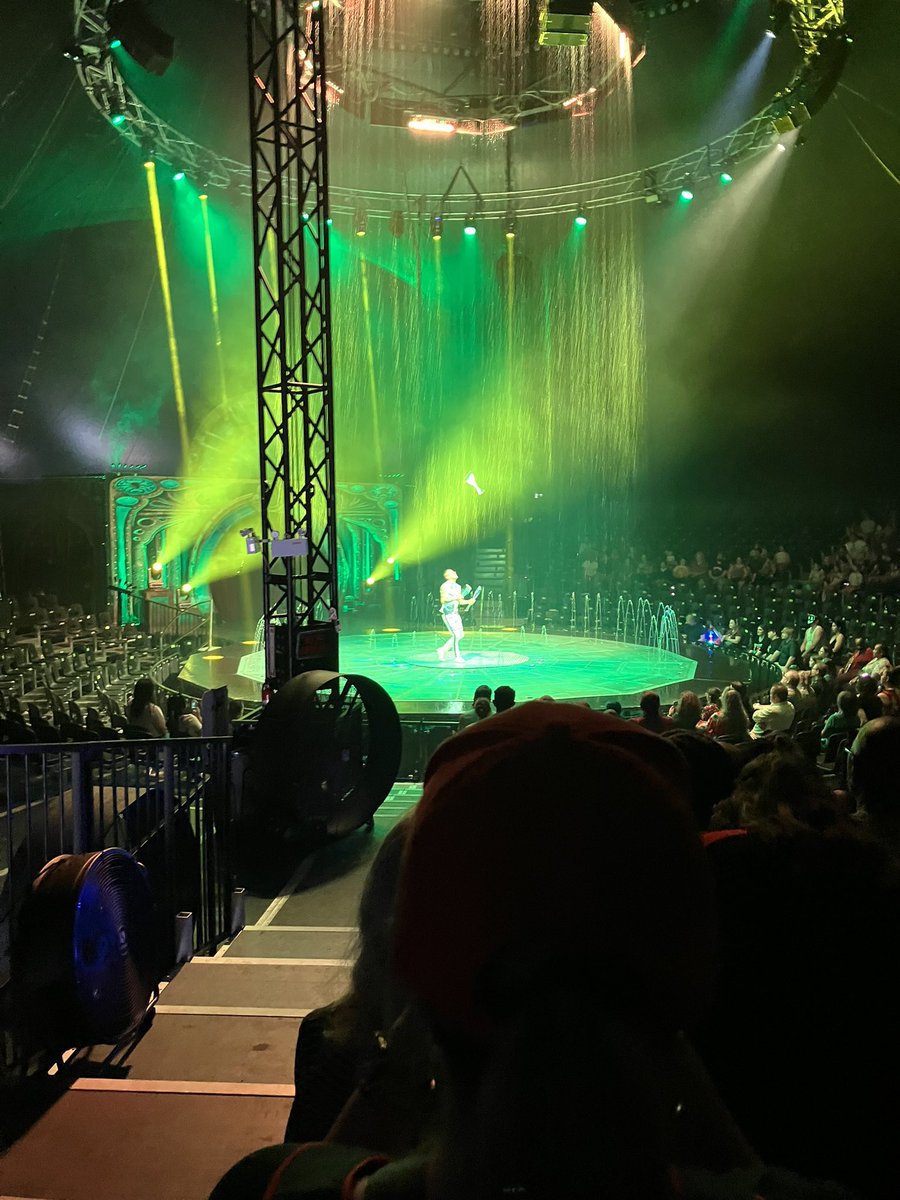
Tonight I went to the Cirque Italia Water Circus. #cirqueitaliashow
Tent shows like this are the magic that inspired BoboButtons.com, my circus mysteries. They travel the country, putting up and putting on a show, pulling down and off to the next stand. Under that tent, wonders come alive, the result of practice and passion. When the big entrance arrived, I teared up. I felt like Bobo was there with me, applauding the troupe.
This time I paid attention to what they didn’t want us to see: the logistics, what happens in the shadows while you’re watching the clown (as well as before and after the show). This is its own form of magic, of misdirection, carrying out scene changes right under your nose. It was stunning to watch—and they still pulled off their biggest set change right under my nose without me realizing! I need to work logistics into future Bobo books.
Bravo, Cirque Italia!
(I’ll post videos later.)
36
I’m at the circus! It’s research. Honest!
Get your free circus mystery at BoboButtons.com
1
25
Proof copies are here! Releases next Tuesday, the 19th, in paperback, hardcover, and ebook. You can preorder the ebook now: a.co/d/02S6HEX4
1
2
29
Ignore the doofus in the video. The event runs to 3.
BoboButtons.com
1
11
Proof copies are here! Releases next Tuesday, the 19th, in paperback, hardcover, and ebook. You can preorder the ebook now: a.co/d/02S6HEX4
3
30
Go see Sheep Detectives. Now is not too soon.
I’m laughing. I’m crying. And they didn’t stump me, but they got damn close.
I laughed out loud. I virtually never do that.
52
If I could only have one fantasy book, it would be this.
a.co/d/05AHsDVG
Yes, over The Lord of the Rings.
Prospero and Roger Bacon are two wizards caught up in a humorous, dark, terrifying journey to stop the end of the world. In just 174 pages (hardcover), this book has dozens of vivid, memorable scenes that have stuck with me for 50 years.
I’m not earning a dime from this endorsement. I just want more people to know about this book.
1
48
Martin L. Shoemaker retweeted

May 6
Seeing too many fans get their Ticketmaster (@Ticketmaster) tickets canceled last-minute with nothing but vague “policy violation” emails or zero explanation.
Support hits them with the same scripted runaround. No proof, no details—just tough luck.
Why are real buyers getting burned by these copy-paste excuses? Share if it’s happened to you or someone you know 👇
271
327
3,370
73,306
Also ready for preorder!
a.co/d/0512YSzZ
The reports of his death...
After a long, quirky courtship, the time has come: RayRay and Bobo are getting married. It’s the talk of Heath Brothers.
But plans are derailed when RayRay’s first husband appears, a man thought dead. He’s very much alive… and he brings with him a deadly past, one which RayRay won’t willingly discuss. If Bobo does nothing, he loses her; but if he pursues the truth, he may alienate her forever. A decade-old circus mystery waits to be solved by Bobo Buttons, Private Eye.
Bobo Buttons, Private Eye Route Book 5: Gathered Here Together
86
Now available for preorder!
a.co/d/0eDD8hBX
The magic word is murder!
Mater's friend Stephan Silver is one of many magicians whose entire act has been stolen by the Fiendish Flash, a streaming magician who specializes in rule-crashing flash mob shows and public feuds with the magic community. The angrier his rivals get, the more stream views he gets, and the richer he gets.
But at the annual Magic Get Together, the feuds boil over—and Fiendish Flash lies dead in the middle of the night. Now suspicions flare up, with Silver as the prime suspect. Only Bobo Buttons, Private Eye can identify the real secrets behind Flash's fatal tricks.
Bobo Buttons, Private Eye, Route Book 4: Pick a Card.
1
1
114
It’s First of May! By tradition, that’s considered the start of circus season. It’s also sometimes called All Clowns Day (or variations thereof), and the unofficial birthday of all clowns. A new circus hand—especially a new clown—is referred to as a First of May.
Celebrate All Clowns Day with a free ebook: BoboButtons.com
15
For me, voice is often subconscious. I just hear the character's voice in my head, and that's what I dictate. But occasionally, it's conscious, an effort to convey something about the character.
In my Bobo Buttons, Private Eye series, Bobo the clown detective and Ghoul the security chief don't precisely like each other, and Bobo's not sure why. They work together professionally. They're coming to trust each other more and more as the books progress. But there's a distance there. And Ghoul always refers to Bobo as Buttons. Never anything more comfortable than that.
The magician Mater Reese, on the other hand, sees Bobo almost as a son. Mater, who is childless, has a long history of "adopting" apprentices as they learn magic under him and then eventually leave for their own careers. And Mater always refers to Bobo (and many of his past assistants) as "youngster." For him, it's a term of endearment. (Or is his memory failing, and he forgets names? We may never know...)
At one point in this book, Bobo meets a teen who's working an information booth. He doesn't know the kid's name, so he calls him "youngster." That's not an accident.
Consistency in how characters relate to each other, in public and in private, is a useful tool for defining and reinforcing characters.
41